RSS
 

Posts Tagged ‘Photographer’

How to build a photo brand: Tips from photographer Art Wolfe

13 May

Screen_Shot_2014-05-12_at_10.34.35_AM.png

Branding is critical for a successful photography business regardless of the genre, and photographer Art Wolfe has built perhaps one of the strongest brands in his field. Wolfe has been shooting nature and wildlife images professionally for more than 30 years all over the world. This story on Photoshelter’s blog gives some insight on how he built his photography business. Learn more

News: Digital Photography Review (dpreview.com)

 
Comments Off on How to build a photo brand: Tips from photographer Art Wolfe

Posted in Uncategorized


Wildlife photographer Florian Schulz offers shooting tips

12 May

Screen_Shot_2014-05-09_at_12.16.48_PM.png

Known for his conservation projects such as Freedom to Roam, a photographic project designed to encourage the creation of wildlife corridors, photographer Florian Schulz offers some tips and advice for shooting landscapes and wildlife in this six minute video. Learn more

News: Digital Photography Review (dpreview.com)

 
Comments Off on Wildlife photographer Florian Schulz offers shooting tips

Posted in Uncategorized


How Peter Hurley became a top portrait photographer

10 May

Screen_Shot_2014-05-08_at_12.28.16_PM.png

Renowned advertising and commercial shooter Peter Hurley is the subject of a video in a series called #BehindtheGlass, where the New York and Los Angeles based photographer talks candidly about his non-traditional path into the industry. It’s one of those head-smacking, jaw-dropping stories that shows photography is part skill, some chance and a lot of hard work. Learn more

News: Digital Photography Review (dpreview.com)

 
Comments Off on How Peter Hurley became a top portrait photographer

Posted in Uncategorized


‘Why We Create’ featuring photographer Nick Fancher

06 May

Screen_Shot_2014-05-05_at_3.00.21_PM.png

Nick Fancher is a portrait photographer that has shot for clients like EPSN Magazine, Ohio State University and JackThreads – and is also the subject of an inspiring video by director and cinematographer Andy Newman. Fancher talks about opted out of becoming a wedding photographer and has instead focused on the process of picture-making, honing his lighting techniques and trying to find his identity as a photographer. See video

News: Digital Photography Review (dpreview.com)

 
Comments Off on ‘Why We Create’ featuring photographer Nick Fancher

Posted in Uncategorized


How Self-Portraiture Makes You a Better Photographer

06 May

As long as art has existed, so too has the self-portrait. Van Gogh famously painted more than 30 self-portraits, using the available subject-of-self as both an outlet for his artistic talents, and as a method for perfecting his craft. Rembrandt, as perhaps the most prolific master of the self-portrait, painted, etched and drew more than 100 images of himself throughout his lifetime. One can even imagine the cavemen as having injected some degree of self into the prehistoric images painted on their cave walls.
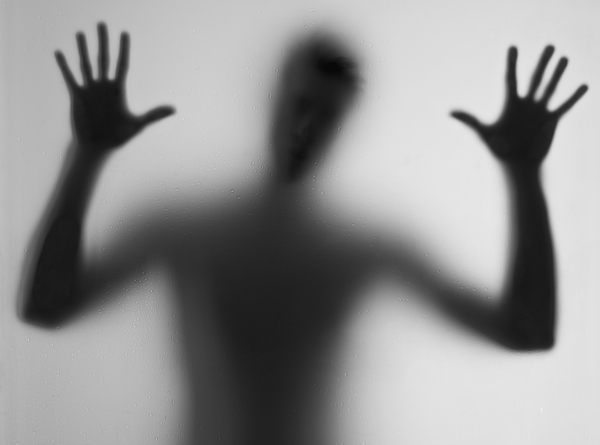
Nebulous-1

Self-portraiture is NOT the same as a Selfie

But as rich in history as the self-portrait is, its categorization as a photographic ‘art’ is vulnerable due to the endless arms-length phone snaps, or ‘selfies’, now littering the internet. Lately, there has been a blurring of lines between the selfie and the self-portrait. As someone who has focused his own artistic energy toward self-portrait photography, I feel obligated to promote this art form, as self-portraiture provides value in terms of both the photos it produces, and the education if offers you as a new photographer.

The most patient model ever – you!

For me, self-portraiture began as a way to develop my own portrait photography skills, without the need for a model. As you probably know, learning the principles of photography, and the strategies for creating and controlling light, is a time-consuming process. It involves a great deal of trial and error, and asking a model to pose patiently while you make mistake after mistake isn’t always ideal. But you, yourself, are an infinitely more willing subject. Hours pass, memory cards fill with lackluster images, yet you don’t complain. Alone, you’re able to relax and focus on the task at hand: learning to become a better photographer.
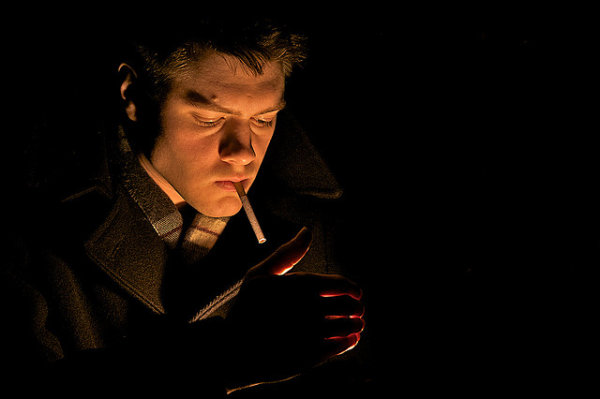
Experimenting with artificial light (orange-gelled strobe imitating fire)

Use self-portraiture as a creative outlet

When enough solitary time passes, you’ll find that you begin to produce decent results. Soon, what began as a learning device morphs into a creative outlet. Self-portraiture is no longer an exercise to be performed in preparation for real photography; self-portraiture has become the real photography. Unlike selfies, your self-portraits are well conceived. The location, framing, lighting, depth of field and posing associated with the images are carefully planned. You work both sides of the camera with increasing efficiency, and the quality of your photography reflects the education received.
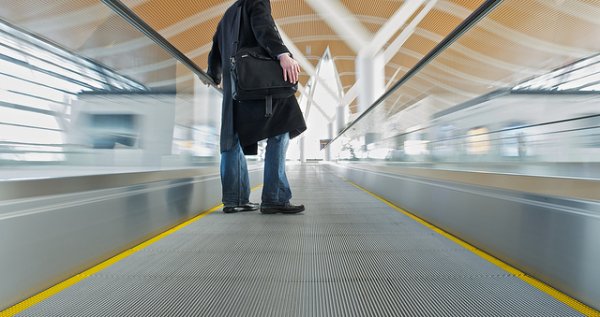
Self-portraiture offered a unique photo opportunity during this extended flight delay in Shanghai

From that point forward, you don’t hesitate to jump into frame should the inclusion of a person improve your photograph. When you want to test a new piece of gear, fine-tune a new technique, or kill a boring Sunday afternoon by setting up your camera, you do so with absolute independence. When photographing other subjects, you borrow from the lessons learned through self-portraiture, and the result is stronger photography, all-around.
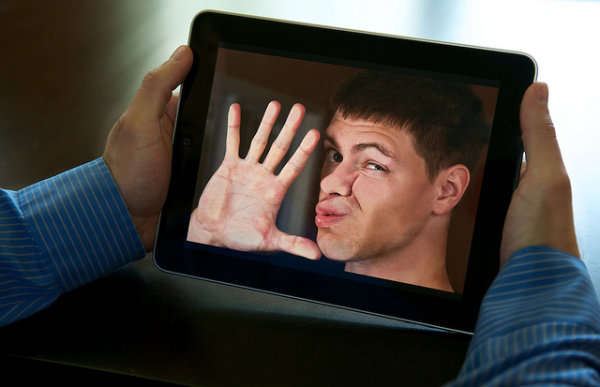
‘Producing’ self-portraits offers both artistic challenges and skill-building opportunities

For those considering an attempt at self-portrait photography, here are a few tips to get you started:

Technique – focus

While taking self-portraits, one of the more difficult aspects to nail down is focus. You don’t have the luxury of pinpoint-focusing on the subject’s face, for example, when you, yourself are the subject. To get around this challenge, it is important to have a stand-in object on which you can focus the camera. I personally use my light stand, as it’s usually with me, and is tall enough to mirror my own height.

First, I determine where, in the frame, I will position myself and I place a ‘mark’ on that spot to ensure I’m continually in the right position. Small rocks, a line of chalk or a crack in the sidewalk have all worked well as my mark. Next I focus my camera on the light stand. Once my focus is perfect, I switch my DSLR to manual focus mode. From that point forward, unless I make manual focus adjustments, the focus will remain unchanged. As long as I stand on my mark, I’ll be in focus. This is particularly important when using shallow depth of field, where a single step forward or backward will cause you to be out of focus, ruining the shot.
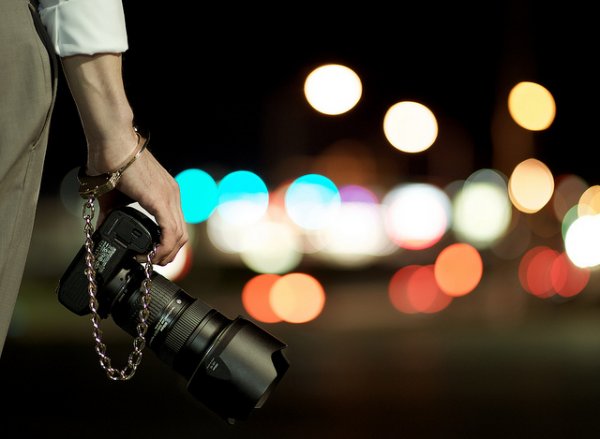
Proper focus was critical to the success of this image, taken at a razor-thin f/1.4

Gear:

  • Tripod – when you’re in front of the camera, you can’t also hold the camera. Therefore, a tripod is an absolute must for serious self-portrait photographers. This is an obvious recommendation, I know. My real tripod tip is this: invest in a quality tripod that’s robust, yet light, so you won’t mind carrying it. Also make sure it offers flexibility with regard to the positions it can assume. If the legs act independently, and if the tripod can effectively hold your camera at heights from ground level to eye-level, it’ll come in handy.
  • Wireless remote trigger – while not essential, a wireless shutter release for your camera is a definite plus. The timer setting built into most cameras can get the job done, but for those serious about self-portrait photography, an inexpensive wireless remote is a no-brainer, and will save you from having to walk back to the camera after each frame.
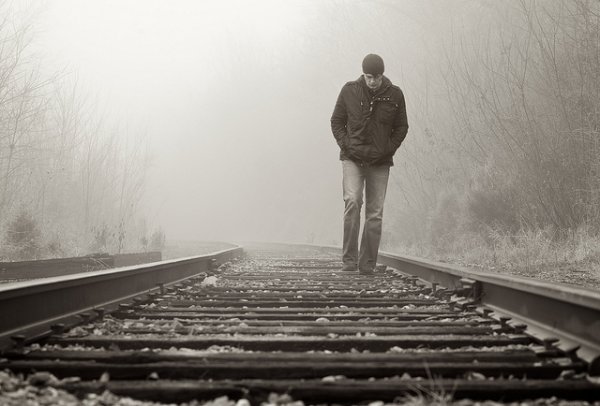
My flexible tripod, offering a low perspective, and the remote in my pocket, allowed me to work quickly

Planning:

  • Self-portrait photography is a production. The act of selecting the location, framing, camera settings and your own placement within the frame is a slow and deliberate process. Taking self-portraits forces you to consider all of the individual components that combine to make a good photograph, and successfully intertwining these ingredients into a successful end result requires planning. So, plan, and learn to enjoy the process of planning your next photograph. The mental thought process will help your self-portrait photography as well as any other type of photography you choose to tackle.
  • Create and maintain a ‘shot list,’ which includes the theme, location, lighting information, prop information and any other specifics related to your upcoming shots. A shot list will help your photography in a few different ways. First, it will help you plan your upcoming shots, by forcing you to think through all of the photograph’s elements. Keeping a shot list will also cause you to view the world through your own photographic lens. You’ll find yourself on the lookout for new ideas, and will regularly pull out your phone (where my shot list is saved) to add new photo ideas. Finally, and most importantly, keeping a shot list will motivate you to get out and photograph more. It’s like a ‘honey-do’ list for yourself, and a shot that lingers for too long on the list will begin to bother you.
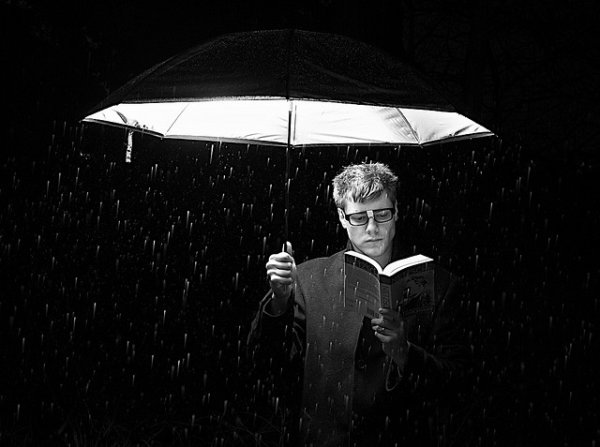
This image was on my ‘shot list’ for more than 3 weeks while I waited for the perfect rainy night

If you are eager to learn the art of photography, getting in front of the camera can provide a boost in your educational journey, and just may evolve into an enjoyable creative outlet.

Have you done any self-portraits? Please share in the comments below.

For more tips on doing self-portraits pick up the dPS ebook The Art of Self-Portraiture or read the 5 Benefits of a self-portrait project.
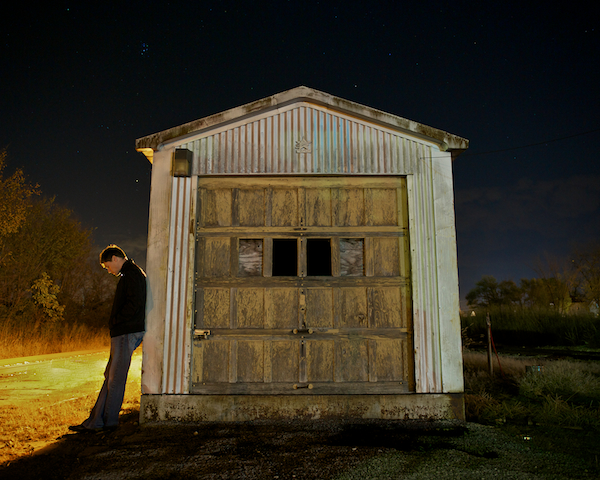
The-Other-Side-Tracks-1

The post How Self-Portraiture Makes You a Better Photographer by Ryan Pendleton appeared first on Digital Photography School.


Digital Photography School

 
Comments Off on How Self-Portraiture Makes You a Better Photographer

Posted in Photography


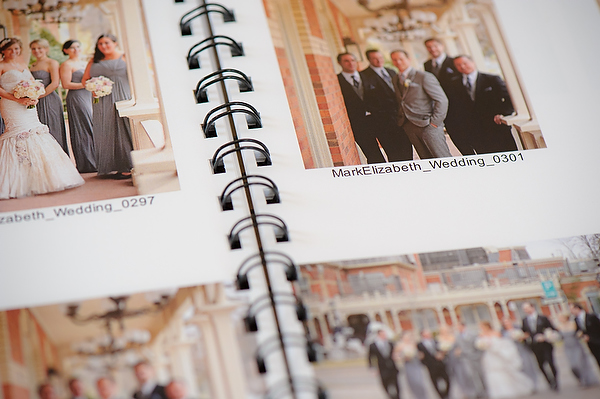
Why Prints Matter to You as a Photographer

27 Apr

wall-prints-02

Digital has done wonders for our industry – it allows us to learn faster, it gives us technological opportunities that we could have only wished for in the “film” days and it has made completely new styles of photography possible. There’s no doubt that the digital shift has been a positive one.

While we embrace all of this change that digital has brought and explore the new depths of technology, I think it’s important to keep one foot in the “analog” world, at least one area – the physical print. The print versus digital discussion is a very controversial topic among professional photographers, and certainly everyone will have their own opinion. Regardless of where you fall in this matter, I’d like to share some thoughts and explain why I feel prints matter for us as photographers and for our clients as consumers of photography.

There are three topics of discussion that I will explore:

  1. Why printing is important for you as a consumer of photography
  2. Why offering printed products as a professional photographer is crucial to your long-term success
  3. How printing your work is the best way to grow as an artist

The Nostalgia of prints

Forget about the fact that you’re a photographer and take your attachment to professional quality imagery out of the equation. Printing as a medium is one of the most meaningful ways that you can enjoy photography. Here are a few reasons why the printed image is so important to you as a consumer of photography.

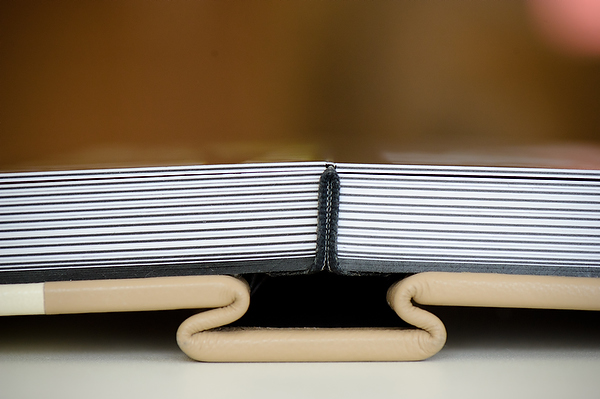
Importance printing products 01

A print will always be there

Digital media go out-of-date and out-of-style, and the files that you have stored in these digital formats will also go out-of-style and become unaccessible. Imagine having your vacation photos from 1995 on a 3.5″ Floppy Disk – how might you access those “digital files” today? Of course this is hard to imagine because digital photography wasn’t around in 1995. More recently then, consider the fact that for years you have used DVDs and CDs to store digital files and now that Apple has decided not to install optical drives into their computers anymore, that medium is slowly starting to disappear. You’ll soon have a generation of images that were stored on discs that may not even be (easily) accessible. On the other hand, if you made prints as well, then these changes in technology wouldn’t have a negative impact on you being able to continue to enjoy your images.

A print doesn’t need to be enjoyed on a screen

Being “in the moment” and away from technology is not a luxury that you get to enjoy all that often in today’s digital world. There is something nostalgic and romantic about being able to curl up on the couch with your children and look back at a wedding album, or old family photos, without having to flip open a laptop and press the “next” button dozens of times. When you look at a picture that is printed, you are free of distraction. There is no e-mail bouncing up in the bottom of your screen and no Facebook “dings” going off in another window. You can enjoy the picture and the story it tells in a quiet, distraction-free moment.

A print lasts a lifetime, and often even longer

Physical prints give you heirlooms to pass down as you move on in your life. Often you are not recording (capturing a moment) and printing (preserving the moment) for today, but instead for tomorrow, for your children and your children’s children. Passing down a box of hard drives doesn’t exactly have the same appeal, does it?

Professional photography – why printing is important

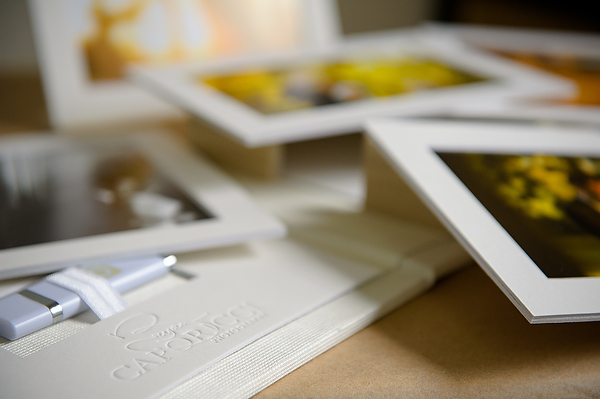
Importance printing products 02

As a professional photographer or aspiring professional, it’s important to consider offering printed products to your clients. Besides the nostalgia, the emotional and logical reasons for enjoying the printed image as described above, there are also many business benefits to being a full-service photographer. Here are a few:

  • Prints can separate you as “great” photographer, apart from the “ok” photographers. It’s easy to make an image look nice at a low-resolution on the web, but to make an image look great in print involves a whole other skill set.
  • Printing your images increases your perceived value as a photographer. Everyone has digital files sitting on hard drives or memory cards. To offer a beautifully finished printed piece shows that you care about your photography and that you put effort into the presentation of your imagery for your clients.
  • Making prints for your clients shows that you care about their customer experience and in delivering their images in their finished form, It also shows that you are a full-service photographer, when many these days are not.
  • As a photographer, if you are trying to make a living with your camera, offering printed products gives you the opportunity to make additional income as opposed to just making your money from your session fees.
  • When you make a print for a client, it means that you control the output quality and the finished product and you don’t leave it up to them to produce their own prints from a consumer-grade lab. Quality control is important for a professional!
  • Ultimately, when you offer prints and other professionally produced physical products, you are supporting the industry (i.e. the labs, the album makers, etc.) who are constantly supporting photographers by providing educational opportunities, sponsorships, trade shows and so on.

Printing as a teaching tool

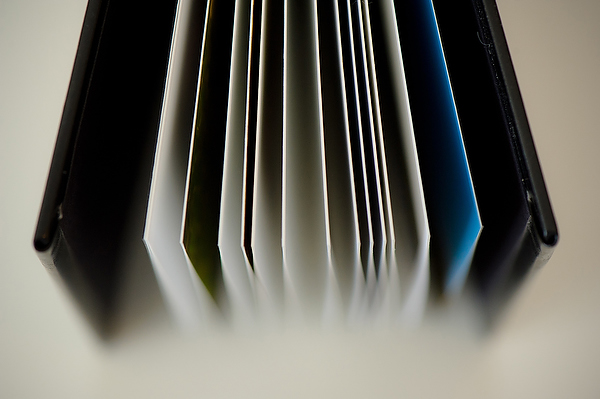
Importance printing products 03

We’ve explored why printing is important for you as a consumer of photography and how you must consider offering printed products to ensure long-term success as a professional photographer. But, now I’d like to take another side of the argument: how printing your work can actually be the best learning tool to help you grow as a photographer and artist.

A print will always be the most realistic representation of an image as it is the only medium that is truly tangible and actual. This will ultimately be the best way to judge your work as an image isn’t truly finished until it’s in printed form.

It’s easier to judge an image when it’s printed – you can examine it closer, look at it longer, and see it in different contexts. I have been taught that a great way to judge and find improvement in an image is to print it, display it somewhere that you pass by frequently, and look at it often. Try changing its orientation and displaying it upside-down for a while. You will often see things that you wouldn’t otherwise notice if you didn’t analyze it to that extent. This is a much more effective exercise than staring at a computer screen for hours on end.

Importance printing products 04

Consider that the process itself of creating a print will help you grow as a photographer because it gives you a greater appreciation for the bigger picture. At the same time, the exercise of getting in close, fine-tuning and perfecting an image for print will show you a lot about your work that you may otherwise have missed if you were just putting together a quick online gallery or contact sheet.

Lastly, a print is easier to pass around and get objective feedback from others. There is no limitation or interpretation that makes digital photography subjective – variations in monitor size, calibration, room lighting and so on. You ultimately can’t argue with print quality – it is either a good print or not – so the discussion and feedback ends up being more about the image than about the presentation.

Becoming a full-service photographer

When you offer a printed product to your clients as a photographer, you make yourself about more than just pictures. You are now about the preservation of moments and in ensuring that your work, and your clients’ memories, will be guaranteed to last a lifetime.

wall-prints-04

My next article and discussion in this series will be geared towards the mechanics of exactly how to actually sell prints and make your photography business a full-service studio as opposed to being a shoot-and-burn photographer. Check back soon!

The post Why Prints Matter to You as a Photographer by Bryan Caporicci appeared first on Digital Photography School.


Digital Photography School

 
Comments Off on Why Prints Matter to You as a Photographer

Posted in Photography


How to Charge What You are Worth as a Photographer and Why

13 Apr

bambi-cantrellBambi Cantrell may not be a name you recognize unless you are a wedding photographer. She’s been doing photography since about 1982 and was someone who I followed early on in my career in photography. She’s a frequent speaker at the popular WPPI conference every year and was a recent teacher on Creative Live. These videos are segments of that talk that discuss that area of value of yourself as a photographer and pricing so make a profit and a good living.

In this video below Bambi talks about many extremely important aspects to being a photographer including:

  • How important what you do as a photographer is to documenting the lives of your clients, not just what they look like but who they are as people
  • How you need to follow your dreams and to never take no for answer, but to always keep moving forward no matter what anyone else says
  • Doing what it takes to make it, and perseverance is key to success
  • If you can afford yourself you are too inexpensive
  • How to charge what you are worth confidently and to value yourself as an artist and photographer
  • Perceived value and when it’s okay to spend more money on something

The second video below covers some of the same concepts again and more in depth on the topic of valuing yourself and your work, and charging enough to take enough money home at the end of the day.

So if you are an aspiring photographer hoping to make it as a pro, or maybe you’ve been doing it for a while and just can’t seem to turn a profit – give these a listen!

You might also want to learn about creating relationships to help you grow your business, how to make your next big decision be the right one, and the Ultimate Guide to Going Pro – all right here on dPS.

The post How to Charge What You are Worth as a Photographer and Why by Darlene Hildebrandt appeared first on Digital Photography School.


Digital Photography School

 
Comments Off on How to Charge What You are Worth as a Photographer and Why

Posted in Photography


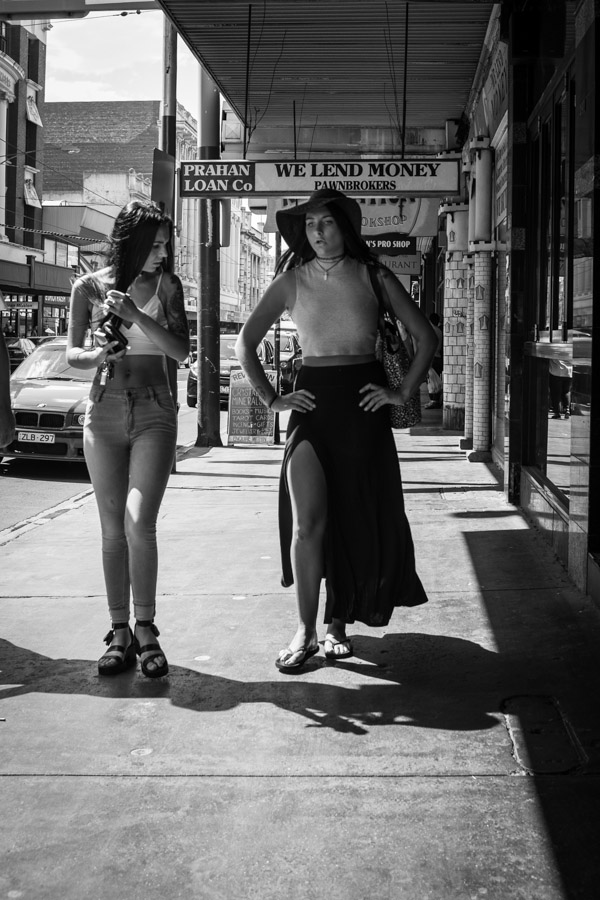
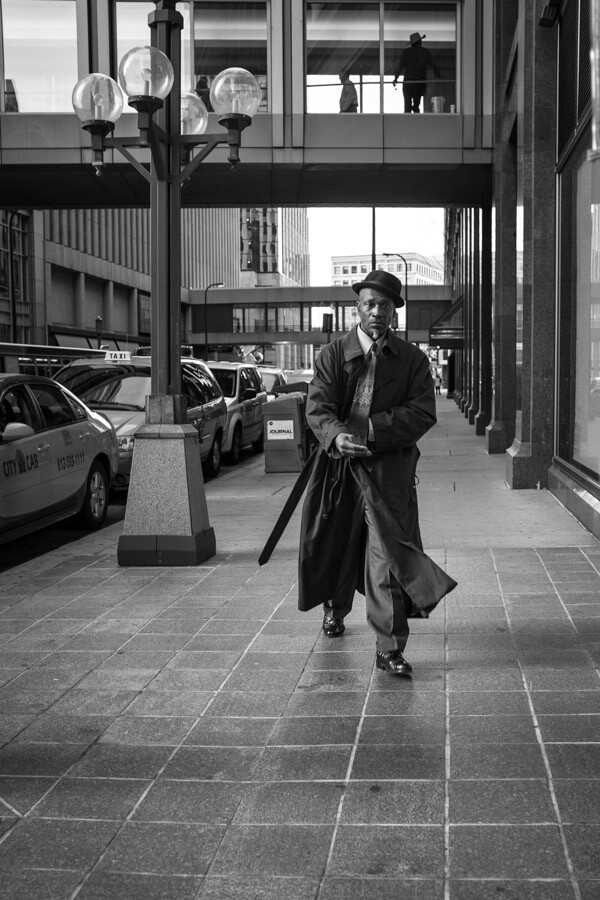
To be or not to be a Street Photographer

08 Apr

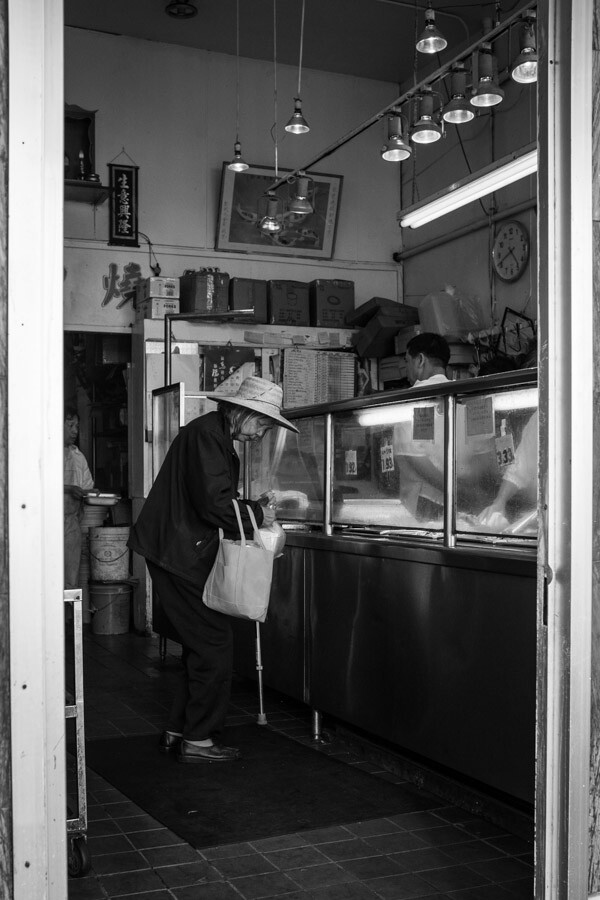
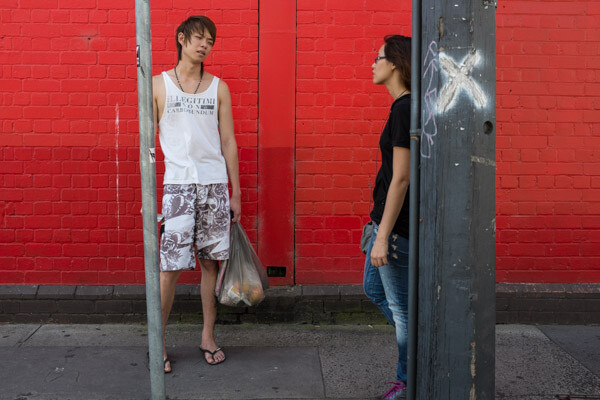
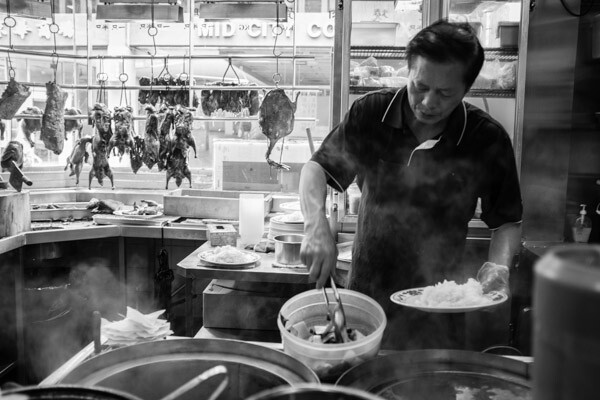
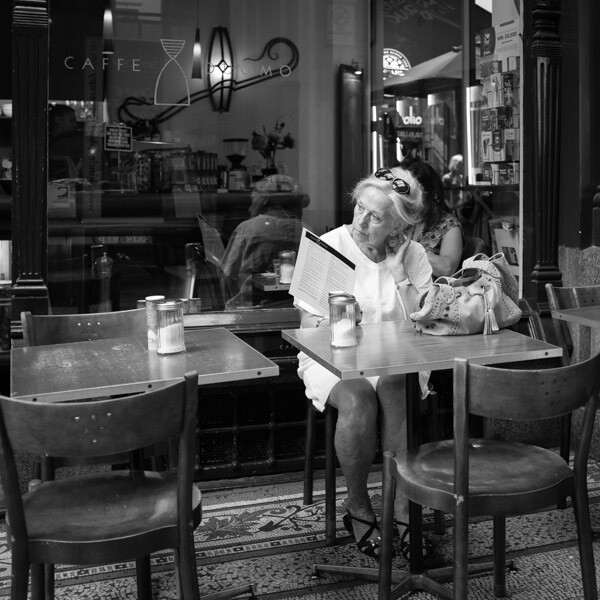
Top 6 Reasons NOT to do Street Photography:

1 – Your pics won’t get many ‘likes’

Most people on social media don’t appreciate the art of street photography. Cats and flowers do get more ‘likes’.

2 – Your prints won’t sell

People usually don’t buy prints of street images unless the photographer is somewhat famous.

©Valérie Jardin

©Valérie Jardin

3 – You won’t make any money doing it

No one is going to pay you to walk for hours with your camera to take pictures of strangers. Period.

4 – It’s intimidating

It can be scary to photograph strangers in the street or to ask a stranger to make a portrait. It’s not for the faint-of heart! You will get rejections and some people may even get angry and confrontational.

©Valérie Jardin

©Valérie Jardin

5 – It requires a lot of patience and a lot of walking

You can be out for hours and go home with an empty memory card. The hunt for the story, the right gesture or expression can take you many miles. You have to learn to be satisfied with just one good shot for the day, if any!

6 – A technically perfect shot does not mean it’s a good street photograph

You only have one shot at getting the shot. That fraction of a second that will never happen again. As a result, many of your best shots will have motion blur and noise. When you have to compromise between the technically perfect shot and the story, the story always wins!

You only get one shot! ©Valérie Jardin

©Valérie Jardin

Top 6 Reasons TO do Street Photography

1 – You will be part of a very cool community

Only people who truly appreciate the art of street photography will like your work and it will be a lot more meaningful and gratifying than any ‘likes’ you’d get for a pretty picture. The street photography community is awesome. They are so passionate because they are doing it for the pure love of it, not to please anyone or get recognition on social media.

©Valérie Jardin

You are documenting life around you.
©Valérie Jardin

2 – You are documenting life around you

Street photography is not a hot seller in the fine art world. As a street photographer, you have to look at the bigger picture (no pun intended). You are creating images that reflect a moment in time that will provide some valuable insight for future generations. Just look at the work of street photographers from 50 years ago, and how much we learn from it. That said, you never know when someone is going to connect with one of your images and want to buy a print. Be open to the idea of an occasional sale but don’t bet the farm on it. 

3 – You shoot street photography for yourself

You won’t get paid to walk the streets with your camera but, on the bright side, you won’t have to compromise with a client either! Make money doing paid gigs on the side, and get out on the streets for YOU!

©Valérie Jardin

The technical aspect of the resulting image is not what street photography is all about.
©Valérie Jardin

4 – It’s addicting

Street photography never really stops being intimidating. But the rush you get is just as powerful as the rush the wildlife photographer gets when she gets that perfect shot of a wolf in the wild. Street photography is thrilling, exhilarating and addicting. 

5 – Walking is good for you!

Street photography will make you appreciate the world around you so much more. You will never be bored again, anywhere! Get a good pair of shoes and get out there, practicing your street photography is one fun way to get your exercise!

Valerie Jardin Photography -Melbourne-2

©Valérie Jardin

6 – You won’t waste too much time in post processing

Street photographers don’t care about noise, they embrace it! Documentary street photography doesn’t require any fancy post processing. A quick exposure adjustment, an occasional crop, a custom black and white conversion if that’s what you like… Et voilà! That’s about the extend of the time you’d ever spend on a picture.  You are capturing a slice of life that will never happen again. It’s not going to be perfect, life on the streets is not perfect! No Photoshop action is going to turn a boring picture into a story. You need to know your camera and be ready to get the best possible shot. With practice you learn to anticipate and be ready without attracting too much attention to yourself. Those rare moments, when the story, the light and the composition all come together, are what keep us roaming those streets tirelessly with our camera.

Street photography is something you can do almost anywhere. As long as there are people. No matter where you are, the number one rule of street photography is respect. As a bonus you will make friends along the way, and that’s a beautiful thing! I will leave you with a quote that, in my opinion, best represents what street photography is all about:

“Get a good pair of walking shoes and… fall in love.” Abbas ~

Those rare moments, when the story, the light and the composition all come together, are what keep us roaming those streets tirelessly with our camera. ©Valérie Jardin

Those rare moments, when the story, the light and the composition all come together, are what keep us roaming those streets tirelessly with our camera.
©Valérie Jardin

Why are you a street photographer? Please share with our readers in the comment section below!

 Need a few tips on practicing your street photography? Check out some of these articles:

  • Practical Tips To Build Your Street Photography Confidence
  • Tips for Taking Street Portraits – Lessons Learned in India
  • In the Dark: 10 Tips for Street Night Photography
  • Using Street Photography to See Beyond the Ordinary
  • How to Approach Street Photography in 12 Easy Steps
  • Street Photography: Exploitative vs Respect

The post To be or not to be a Street Photographer by Valerie Jardin appeared first on Digital Photography School.


Digital Photography School

 
Comments Off on To be or not to be a Street Photographer

Posted in Photography


Meet the UK’s first female press photographer

06 Apr

Portrait_of_Christina_Broom.jpg

The Museum of London is celebrating the acquisition of a collection of images from Christina Broom, the UK’s first female press photographer. Self-taught, Broom photographed London life and British military from 1903 to 1939. She started small, learning on a borrowed camera, and in 1904 she became the official photographer for the Household Division. See gallery

News: Digital Photography Review (dpreview.com)

 
Comments Off on Meet the UK’s first female press photographer

Posted in Uncategorized


Acclaimed AP photographer Anja Niedringhaus killed in Afghanistan

04 Apr

460x.jpg

The Associated Press is reporting today that veteran AP photographer Anja Niedringhaus was killed, and an AP reporter was wounded, when their car was fired upon by an Afghan police officer. They were traveling in a convoy of election workers bringing ballots to regions outside the city of Khost. Niedringhaus, 48, was pronounced dead at the scene and AP reporter Kathy Gannon was shot twice. She is listed as being in stable condition after surgery to treat her wounds. Learn more

News: Digital Photography Review (dpreview.com)

 
Comments Off on Acclaimed AP photographer Anja Niedringhaus killed in Afghanistan

Posted in Uncategorized