RSS
 

Posts Tagged ‘Photographer’

How to See the World as a Photographer

01 May

How often have you seen something, a group of people having fun, a sunset or some other picturesque scenario, and snapped a photo of it, only to end up disappointed in your end result? This can be discouraging, especially if you’ve been shooting all day and expect to find a bevy of great images. The problem is that your eyes Continue Reading

The post How to See the World as a Photographer appeared first on Photodoto.


Photodoto

 
Comments Off on How to See the World as a Photographer

Posted in Photography


US photographer takes top prize in World Photography Awards

28 Apr

American photographer John Moore has won the L’Iris d’Or Photographer of the Year prize in the World Photography Organization’s annual competition. The Getty Images photographer submitted a dramatic and emotional series of pictures telling the story of the Ebola crisis in Liberia’s capital Monrovia – a series that was credited with being the first to expose the scale of the problem that country faced and the severity of the epidemic. Read more

Articles: Digital Photography Review (dpreview.com)

 
Comments Off on US photographer takes top prize in World Photography Awards

Posted in Uncategorized


What are the Real Responsibilities of a Professional Photographer?

24 Apr

The number of different roles that a professional photographer has to lead these days can be pretty intense and intimidating, but it’s just part of the job. From the creative, to the technical, to the business and marketing, here is a list everything that a professional photographer really has to do to make a living.

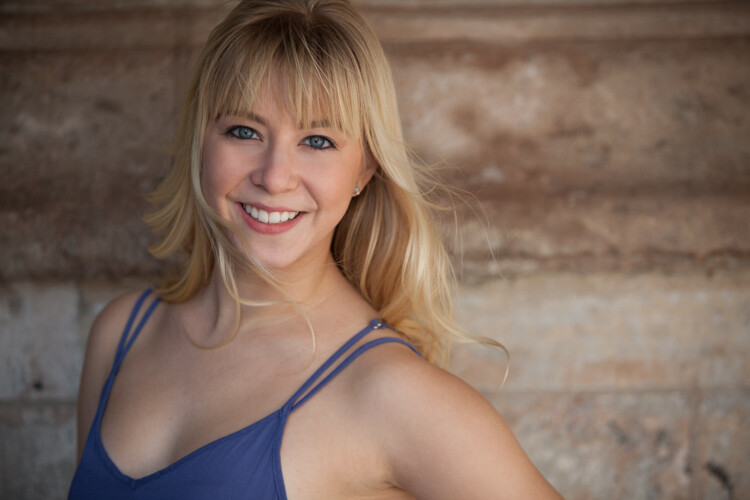
Portrait of a dancer

Share this with anyone who thinks you only push a button for a living!

1. A photographer is an artist and storyteller

Professional photographers are in the business of telling stories. They create images that are both beautiful on the surface, and give us a glimpse of what is underneath. Portrait photographers aim to capture a feeling of what the person is like with a single look. Wedding and event photographers aim to tell the story of what the day was like. Product photographers aim to give the viewer an idea of what using the product will feel like. Art photographers aim to make the viewer think and feel something.

There are artistic aspects to all types of photography. To be a good photographer you will often have to compromise to the needs of your client, but figure out how to infuse your spin on what you create whenever possible.

2. A photographer is a craftsperson

No matter how good of an artist and storyteller you are, there lies the underlying fact that photography is also a craft. You need to be good with your tools and technical abilities. You need to have the ability to successfully take what’s in your head and turn it into the final product. Spend an equal amount of time learning your tools as you do thinking about what to capture.

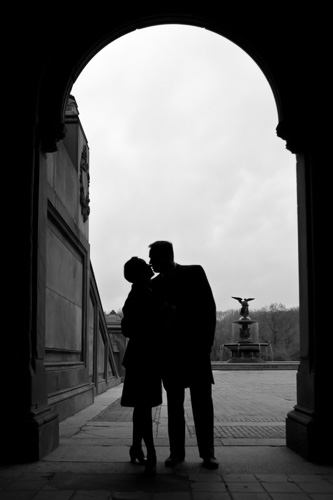
Bethesda Terrace Wedding

Engaged couple

You need to know how to use your camera. You need to know how to use light and color to your advantage. You need to know how to edit and retouch your work so that it can look its absolute best. You need to be able to organize your archive well and to work quickly and efficiently. You need to have a standard workflow. This is all part of becoming a good craftsperson.

3. A photographer is a businessperson

Not many people actually enjoy the process of selling. We all wish our work sold itself – that people would be able to see the talent in the images and would purchase something or hire you based on that alone. However, that rarely happens in the real world, no matter how good you are. Even top artists rely on galleries, representatives, and marketers to sell their work.

From the very beginning, you need to think as both a creative and a businessperson. You need to put equal time into each to succeed. You should read books on selling and marketing. Don’t make people uncomfortable of course, but don’t be afraid to sell. The worst words a photographer can say are, “Sorry for the shameless self-promotion.” Don’t feel shame for promoting what you do. If you’re proud of your product, then let people know about it! Social media, mailing lists, networking, SEO, web design, and branding are all tied into this idea. The more put together you are as a business, the easier it will be to market.

Being a successful businessperson these days means that you have to network. Let people know what you do, pass out your business cards when it’s appropriate, connect with similar creatives to share advice, and connect with people in your community and field. And for pete’s sake, respond quickly to inquiries! If you don’t, someone else will.

3. A photographer is an expert in logistics:

Executive group portrait

Pushing the button is only a tiny part of the process of any job. Photography is about creating an experience for your clients. From the beginning, you have to be good at communicating with them to understand what they want. You can lead clients in certain directions that you think are best, but you need to cater to their likes and interests at the same time. A photographer needs to listen and advise so that everyone has the right expectations and has an idea for how a job will go.

A photographer is a planner. They are in charge of organizing the assistants, travel, make-up artists, and everything else in a seamless manner. Job planning is difficult work and should be charged for. This is all part of being a good photographer. Some high-end photographers have production companies to do this work for them. If you are one of the many who does this yourself, charge for your production time.

A good photographer is meticulous about planning but then relies on serendipity. A photographer is an expert in contingencies and Murphy’s Law, and saves the day when things go wrong. I know wedding photographers who carry small sewing kits with their gear. Plan the day and the shots that you want to capture. Have backups for everything that can possibly break or go wrong. Go into a job comforted that you can handle anything and your confidence will soar. Then when the job happens, keep your eyes open to serendipity. That is where the magic happens. The better planned you are, the more comfortable you will be to veer off of the plan when the situation presents itself.

4. A photographer is an actor and a performance artist

Worrying is good, but showing your worry is not. Plant a smile on your face and show confidence in the face of adversity. Inspire and comfort. You will come across to many clients who will be so nervous. Photography has the ability to make a lot of people nervous. There are many people who hate having their photograph taken.

You want to learn how to read people and get through to them effectively. Each subject is different and sometimes you have to play the role of therapist to figure out how to talk to them to get them to do what you need. I’m an introvert myself and have had to teach myself to do this over the years. It used to make me so uncomfortable but now it’s way far down on my list of worries.

Have a stash of jokes or comments to back you up. When I see people giving one of those awkward smiles to the camera I like to just call them out on it. “Give me your most uncomfortable smile. Well, we can only go uphill from that look!” Or “That’s just terrible.” I don’t use that for all types of people, but it works a lot.

People also like direction. It makes them think that you know what you’re doing. I personally try to capture my subjects in ways that feel natural, so if they look like they need direction, I’ll pose them even if I know I’m not going to use those photos, all to make them more comfortable. Then I’ll tell them to stand in a way that feels natural to them and we’ll go from there. That usually works.

Keep them moving. Tell them to change positions slightly every shot or two. If someone starts getting uncomfortable in their stance, point for them to move somewhere else to break their tension.

Ask them questions that make them think and open up! Get them talking about themselves so they loosen up and like you more. Smile at what they say. Sometimes I’ll even hold the camera up and tell them I want to shoot them while they’re talking. I’ll take some shots while they are and when they give the right look or mood I’ll tell them, “Hold that! Don’t move an inch!.”

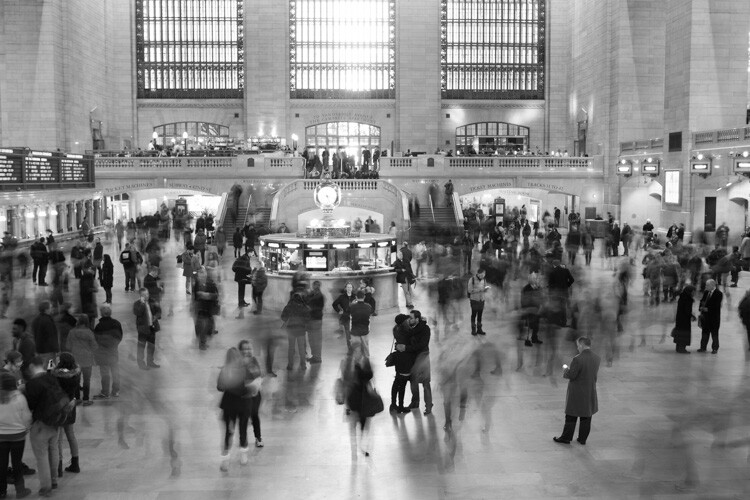
A portrait for an engaged couple in Grand Central Station NYC (seen kissing in foreground)

Getting to the point of pushing the button, and all the editing afterwards, is where the real work happens for a photographer. When all of this is done well, the pushing of the button can almost feel like an afterthought. It will be so much easier to record those magical moments when you are able to create a magical environment.

Did I miss out on anything? What else do you think a professional photographer needs to do to be successful?

googletag.cmd.push(function() {
tablet_slots.push( googletag.defineSlot( “/1005424/_dPSv4_tab-all-article-bottom_(300×250)”, [300, 250], “pb-ad-78623” ).addService( googletag.pubads() ) ); } );

googletag.cmd.push(function() {
mobile_slots.push( googletag.defineSlot( “/1005424/_dPSv4_mob-all-article-bottom_(300×250)”, [300, 250], “pb-ad-78158” ).addService( googletag.pubads() ) ); } );

The post What are the Real Responsibilities of a Professional Photographer? by James Maher appeared first on Digital Photography School.


Digital Photography School

 
Comments Off on What are the Real Responsibilities of a Professional Photographer?

Posted in Photography


Top 10 Qualities of an Experienced Photographer You Should Look for

21 Apr

Photography is without a doubt a very powerful form of artistic expression. Although Instagram can make us all feel like pros, pictures of food and posted selfies do not even come close to professional photographers’ portfolio. So today, let’s talk specifics and study top qualities which differentiate experienced photographers from the amateur crowd. The importance of professional presentation In such Continue Reading

The post Top 10 Qualities of an Experienced Photographer You Should Look for appeared first on Photodoto.


Photodoto

 
Comments Off on Top 10 Qualities of an Experienced Photographer You Should Look for

Posted in Photography


Do Visual Push-Ups Everyday to Grow as a Photographer

17 Apr

Please note that I do not know who originally coined the phrase “visual push-ups”. I have heard it used many times and find it very suitable to describe what we should all be practicing as often as possible with our camera.

There is no better time to practice your photography than here and now. Don’t wait for the best light, the exotic vacation, or a new lens. Let’s be honest, the only way you’re going to become a better photographer, is by doing visual push-ups every day, and by challenging yourself continuously for as many years as you’ll be able to carry that camera around. Give yourself assignments often and never stop learning!

©Valerie Jardin-4

One of my ongoing projects for several months was photographing beautiful smiles of strangers which resulted in a fun collection of smiles from all over the world. Here a shopkeeper in Melbourne, Australia.

Are you a hobbyist photographer?

You have the luxury of only needing to please yourself with your work. Make sure you do that. Click the shutter to move and inspire, not to impress.

Do you work for clients?

Pursuing personal projects is even more important. Remember the feeling of shooting for yourself only, without having to compromise between your vision and your client’s? However much you love being a pro photographer, you run the risk of losing the passion if you don’t take care of yourself and your creative needs.

You don’t have time to shoot everyday?

Yes you do! How much time do you spend on social media for example? Or sitting in front of the television? If you take only 15 minutes of that time and invest it in your photography daily, you will see the results. The best part is that you can do those visual push-ups at home, during your lunch break, or on the bus ride to work.

Do you think this only applies to beginning photographers?

Think again! I see so many seasoned photographers who are always shooting the same types of subjects, the same way. No matter what your skill level is, it’s always good to challenge yourself by getting out of your comfort zone to try new things.

Do you think that posting different genres will look like you can’t focus on one thing?

Wrong! On the contrary, it will prove that you are a well-rounded photographer. But, if you are trying to sell your services as a wedding shooter, your urbex images will be better posted on a separate page or gallery. Use common sense.

©Valerie Jardin-1

Anything can become a subject and give you a challenge. Try to make art with everyday objects and difficult lighting situations.

 What type of photo projects should you work on?

Anything will do, as long as you enjoy it. Remember, the point of the exercise is not to please others or get likes. It’s to please yourself, and yourself only. By all means, do share with the world and get that extra satisfaction and gratification if others like it too. But that should not be your priority.

©Valerie Jardin-5

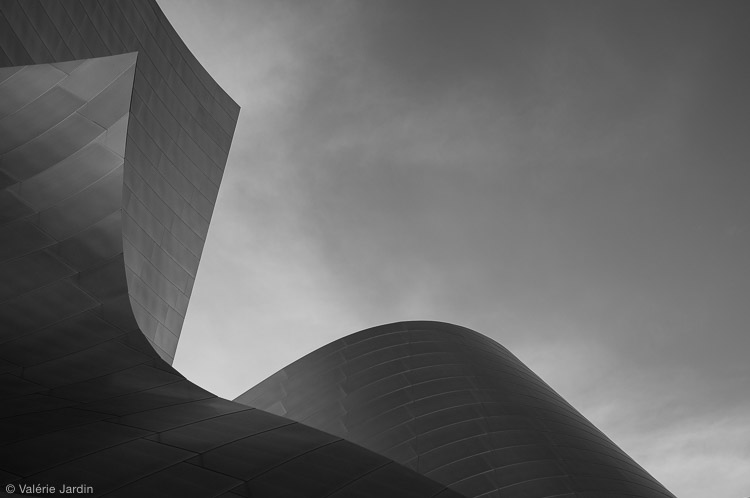
Although I am better known for my street photography, I don’t want to limit myself to just one genre of photography, the world is too beautiful to miss other opportunities. I love photographing architectural abstracts for example.

The sky is the limit!

Photograph any ordinary objects around your house and make them look extraordinary. Read the local paper and find a story that you can document with your camera. Start a 52 week, a 365 project, or even a 100 strangers or a self portrait project but be aware of the pressure you are putting on yourself. Make sure it doesn’t become a chore which would be counter-productive to what you are trying to accomplish.

Don’t worry too much about coming home with keepers every time you go out with your camera. There will be some good days, and there will be many not-so-good days. But one thing is certain; you will learn and grown every time you go out with your camera and do those visual push-ups.

©Valerie Jardin-3

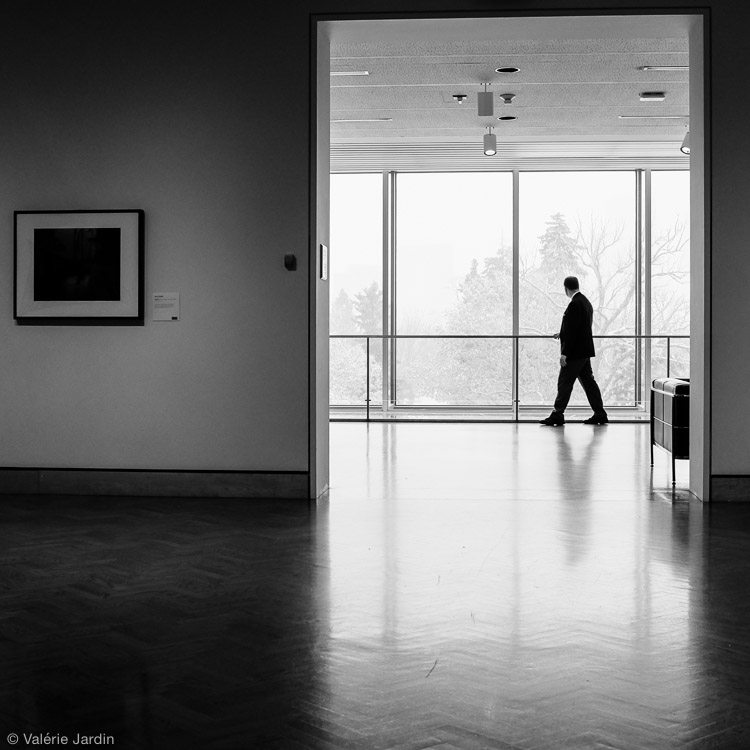
During the long winter months I visit a lot of museums and Museum-Goers has become one of my on-going series.

I always have two or three personal projects going at the same time, in different genres if possible. The point of the exercise is to explore new things and grow. Remember, that no matter what the subject or genre you choose to experiment with, you will benefit greatly from expending your creative vision.

Doing those daily visual push-ups will be the best time invested in your photography. One day you will only have five minutes to photograph an ordinary object on the window sill in the early morning light. The next day you may have an hour with your camera during your lunch break. Every minute you spend working on your craft will help you find your photographic voice and expand your creative vision.

©Valerie Jardin-2

Exercising your vision can take as little as a few seconds, and be as simple as photographing an object in your own house. This is part of my weekly self-assigned “Ordinary Objects are Beautiful” challenge.

Do yourself a favor, get off the internet and grab your camera NOW!

Please share with the dPS community which personal projects have made a real difference in your photography by adding a comment below.

googletag.cmd.push(function() {
tablet_slots.push( googletag.defineSlot( “/1005424/_dPSv4_tab-all-article-bottom_(300×250)”, [300, 250], “pb-ad-78623” ).addService( googletag.pubads() ) ); } );

googletag.cmd.push(function() {
mobile_slots.push( googletag.defineSlot( “/1005424/_dPSv4_mob-all-article-bottom_(300×250)”, [300, 250], “pb-ad-78158” ).addService( googletag.pubads() ) ); } );

The post Do Visual Push-Ups Everyday to Grow as a Photographer by Valerie Jardin appeared first on Digital Photography School.


Digital Photography School

 
Comments Off on Do Visual Push-Ups Everyday to Grow as a Photographer

Posted in Photography


6 Things to Consider Before Becoming a Professional Photographer

15 Apr

192

So, you’ve got a nice camera, you really love photography, and you’ve been thinking that maybe it would be nice to make a little bit of money from this passion you’ve discovered. Before you decide to make that leap, read on. You may be convinced to throw that idea out the window, or you may find that you truly are ready, and it’s time to try your hand at photography as a career.

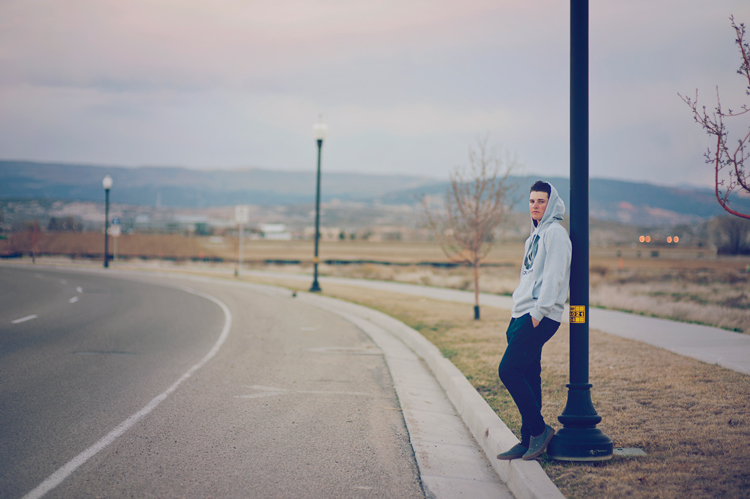
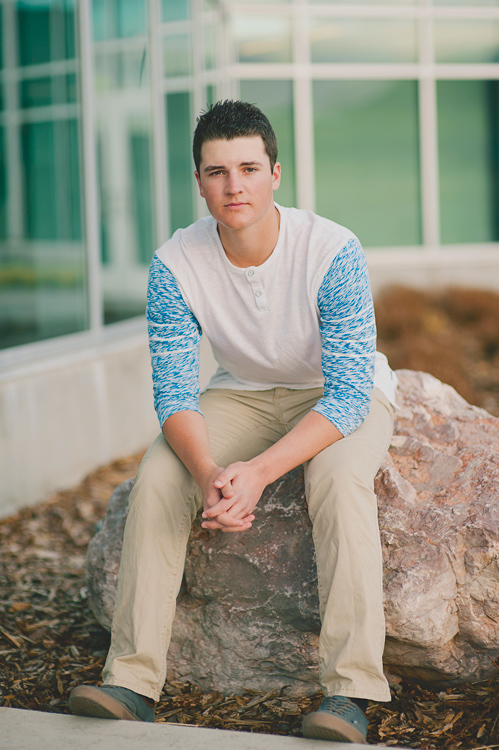
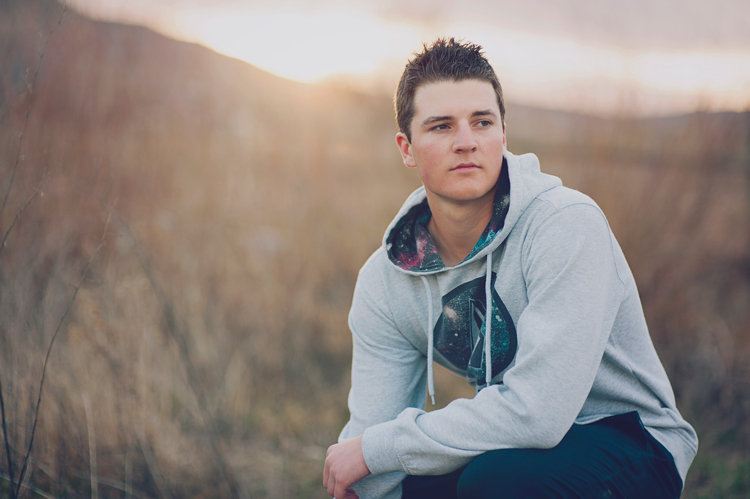
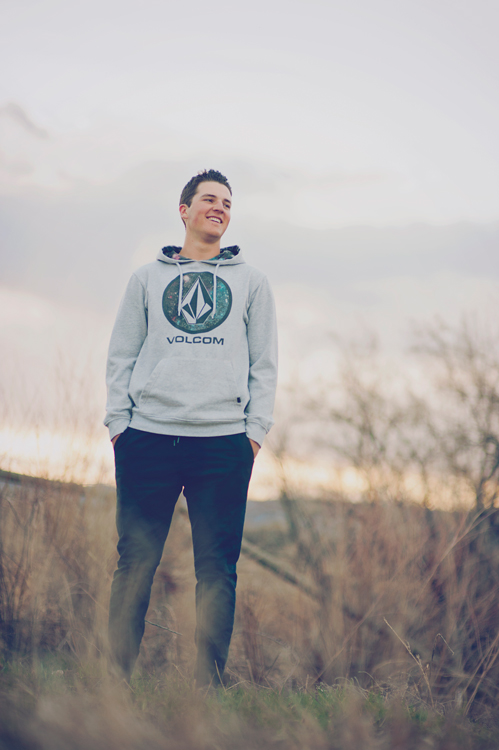
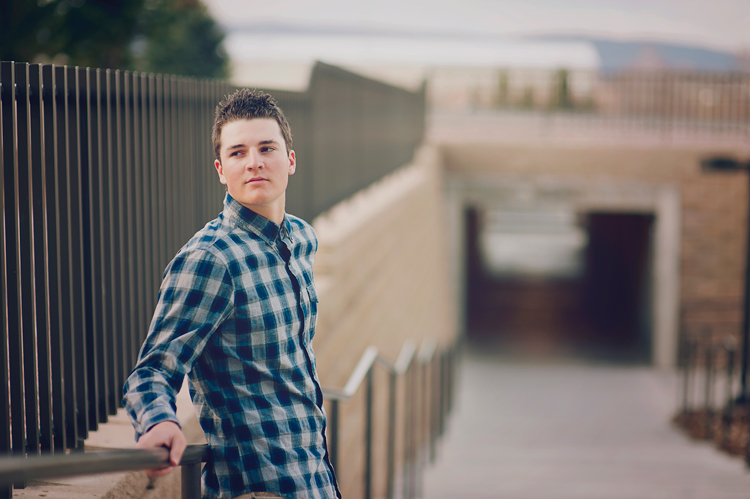
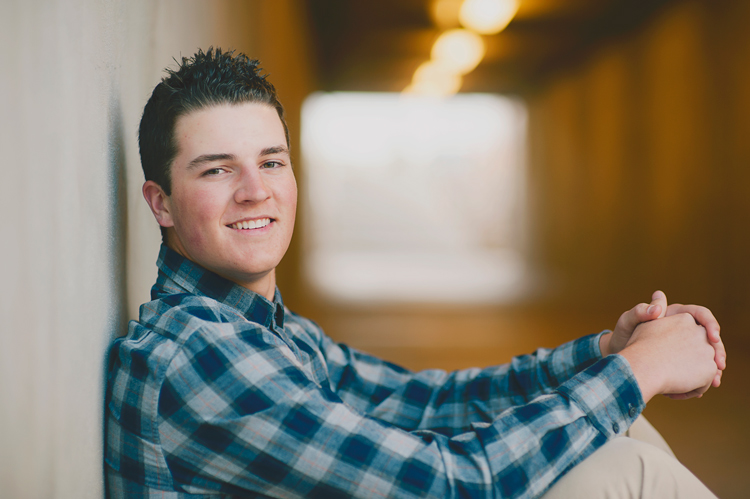
Before we go any further, I have to clarify something about the photos in this article. First of all, I had to include photos, because every article is better with pictures, right? Secondly, this session was inspiring, fun, and an example of every reason that I LOVE being a photographer. This client does not exemplify any of the cons of the business. Also, for this article “professional photographer” is defined as someone who gets paid to take photos, particularly portrait photographers.

137

1. You’re not good enough…yet

Maybe you love photography, and maybe you get a lot of compliments on your photos, but you may not be a good enough photographer to actually take money from people yet. Do you sometimes take a bunch of photos where the majority of them are garbage? Do you often say to yourself, “I’ll fix that later in Photoshop?” If your photos aren’t consistently in focus, exposed correctly, and great IN CAMERA, before you get to Photoshop, you’re not ready.

If you look at other professional photographers’ work and wonder how on earth they got their photos to look like that, you are not ready. I don’t mean that you have to be able to produce photos exactly like the photographers that you admire. I’m saying that you should have an understanding of how they achieve the look they get. You should know how light, depth of field, angles, etc., contribute to the photo. You should have an idea of how much of the photo is a result of post-processing.

Having a nice camera does not qualify you to be a professional photographer.
151

2. You don’t have enough experience

This goes along with not being good enough, but experience is important. You have to be consistent every time. You have to know that every single session you do will result in good photos, and that you can roll with the punches if conditions aren’t ideal. You have to know your camera settings inside and out, because when you’re chasing a naughty toddler around, you don’t have time to try to figure out what your shutter speed should be.

I’ll admit that I didn’t have enough experience when I started. I did some sessions for friends and family, then requests started coming in. I didn’t really have the goal of making money with my photography, but when people started asking me, I thought, “Hey, why not?” Some of my early sessions are dear to my heart, but some of them I look at and cringe. I feel bad that people paid money for me to experiment and find out who I was as a photographer.
182

3. You don’t want to lose the love of photography

Once you turn a passion into a job or career, you have a very real possibility of it turning into something you do because you have to, and not because you want to. I’m not saying this happens to everyone, but I’ve seen enough professional photographers burn out and quit, that I know it’s a very real thing. You may think that it will be fantastic to make money doing something you love, but are you ready for the possibility of not loving that thing anymore?

True confession here: I rarely get my camera out anymore for anything except a paid session. When I’m on vacation, sometimes the last thing I want to do is “work” while I’m there, and I certainly don’t want to drag my camera around when I’m supposed to be having fun.  Then, if I do take some photos just for the heck of it, they sit there on my computer forever, because I don’t really feel like sorting and editing yet another batch of photos. This doesn’t happen to every pro photographer, but I’m being real here. Sometimes I wish that I could just take photos because I love it, but the truth is, I’m often too tired after my paid sessions for the week to get my camera out again. I still love photography, but it’s more that I love my job; I love the photos and what I can create, I love working with people, but I don’t love photography just for photography’s sake anymore.
186

4. You don’t want to deal with business stuff

Taxes, business licenses, contracts, equipment upkeep, scheduling, email, phone calls – it’s all a very real part of running a photography business, and it takes far more time and effort than you’d like to believe. Being a professional photographer is not just happily snapping some photos, collecting money, and then spending all of that money on anything you’d like. There are expenses, lots and lots of expenses. There are boring, repetitive tasks. There are hours spent doing behind the scenes stuff.

No matter how great of a photographer you are, if you aren’t good at the business side of things, you are going to struggle as a photographer. It’s hard. It’s frustrating. Sometimes it’s overwhelming. Some days horrible things happen, like The Cloud losing your entire photography calendar (yes, speaking from experience). Sometimes you have to ask people for money, and that’s not easy for everyone. You have to be able and willing to run a pretty tight ship with scheduling, collecting money, and sticking to your policies. You have to decide your policies, and your fees, and how you are going to do business beforehand, because believe me, people will ask you to change all of it for them, and you have to be ready for it.
165

5. You don’t like to deal with difficult people

Luckily for me, I actually really love working with people, but even then, sometimes some people are hard to deal with. When people are paying you money to photograph them, sometimes they expect you to do anything and everything they want, and sometimes, even when you’ve done your best, they aren’t happy with you. If you are sensitive, like I am, that kind of criticism can be very hard to take.

Most of the people you will take photos for are fantastic, wonderful people, who love your work, and love you, which is why they hired you. That doesn’t happen every time though. Sometimes you have to spend lots of time on the phone talking to a worried client (what about the weather? what about junior’s bad haircut? what about clothes they’ll wear? what if they smile awkwardly?). Or someone who has lots of ideas they saw on Pinterest, and wants to discuss every one of them with you, in depth, even if they aren’t even remotely your style of photography. Sometimes you’ll show them their gallery and they’ll say they love it, except can you photoshop every single wrinkle off of their face? Questions are great, and most people don’t have unreasonable demands. But, you have to know that sometimes people are just not on the same page as you are, and you have to be able to work with them, and do your best to keep them happy.

155

6. It isn’t the fairytale job you think it is

I hear from people all the time about how much fun it must be to be a photographer, and how much they wish they could be a photographer too. Many people who jump into the photography business, without doing a lot of research and self-evaluation, get a harsh slap to the face when they realize that it’s work. A lot of work. Many people pop in the “professional photographer” scene on a whim, and pop right back out of it within a year or two, and sometimes don’t even last a few months. It’s work to get clients. It’s work to keep clients. They don’t just fall in your lap, waving hundred dollar bills and smiling their pearly whites for your camera.

You’re going to have competition, and sometimes criticism from others. Sometimes the world of photographers can get pretty nasty. You will find wonderful people to collaborate with, and those who encourage you, but you will also find some that will tear you down if they get the chance.

There are many benefits of running your own business, but it’s also hard. You have to know what you are doing, and if something goes wrong, it’s all on your shoulders. Being a professional photographer is much more than loving to take pictures. When you realize all of the work it’s going to be, you might decide that taking photos for the love of it, and because you’re an artist, may be much more fulfilling in the end.
169

Do I sound a little bitter? I know that I might, but I want to be realistic here. I think being a photographer is such a romanticized notion, that there are oodles of people just itching to jump into photography as a business, without really knowing what they’re getting into. I’ve learned so much over the years, and sometimes I wonder if I would have even started had I really understood all of the cons.

Then, remember why I do this. Yes, it’s a job, and it’s hard. Yes, I hate the business side of things sometimes. Yes, some days I want to go hide in a hole and bury my camera there. But most of the time I feel blessed beyond measure to be a photographer. I love the people I get to work with. I love creating beautiful photos, and capturing real personalities. I love happy clients, and I love that I can create memories for them that will last forever. Right now I wouldn’t trade this job for any other, because now, that I’ve learned and lived through the hard parts of my job, I know that it’s all worth it, for me.

Now you get to decide: will it be worth it for you?

googletag.cmd.push(function() {
tablet_slots.push( googletag.defineSlot( “/1005424/_dPSv4_tab-all-article-bottom_(300×250)”, [300, 250], “pb-ad-78623” ).addService( googletag.pubads() ) ); } );

googletag.cmd.push(function() {
mobile_slots.push( googletag.defineSlot( “/1005424/_dPSv4_mob-all-article-bottom_(300×250)”, [300, 250], “pb-ad-78158” ).addService( googletag.pubads() ) ); } );

The post 6 Things to Consider Before Becoming a Professional Photographer by Melinda Smith appeared first on Digital Photography School.


Digital Photography School
 
Comments Off on 6 Things to Consider Before Becoming a Professional Photographer

Posted in Photography


Altitude adjustment: Alpine photographer Jonathan Griffith

08 Mar

Based out of the climbing town of Chamonix, France, Jonathan Griffith has been making ‘life threatening’ a sport for more than a decade. With exceptional sets of images from extended mountain hikes and nearly vertical ice climbs as well as perilous extreme sports like cliff-face paragliding, the alpinist and photographer has toured worldwide sites from Alaska to the Alps. We asked him a few questions about his photography and passion for climbing. See gallery

Articles: Digital Photography Review (dpreview.com)

 
Comments Off on Altitude adjustment: Alpine photographer Jonathan Griffith

Posted in Uncategorized


4 Photoshop Tools Every Photographer Should Know

01 Mar

When it comes to photo-editing programs, one of the most popular among both amateur and professional photographers alike is Adobe Photoshop. While it can appear more complex than Lightroom, and certainly takes more time to learn all of its tricks, Photoshop offers four post-processing tools that come in handy for retouching images. These tools are pretty easy to locate and implement, and in this article I’ll show you how they work, specifically while retouching the image of the Space Needle in Seattle (below). I have the privilege of having this view from my home office, but the problem is that if I take a photo using anything but a telephoto lens, I get telephone pole remnants and wires in my otherwise pretty cityscape image.

Here are the four Photoshop tools I use to retouch my Space Needle images. There are of course other ways to retouch this image to achieve the same or even better results, but these are quick and easy methods that also highlight essential Photoshop skills.

5 basic photoshop tools for photographers

Before we do anything to modify Photoshop images, the first thing to note is that within Photoshop, you can cause permanent changes to the pixels and details of your photos if you’re not careful. This is why you always want to make sure you are performing nondestructive editing so that you don’t overwrite the original image data.

There are several ways to do this in PhotoShop. For the tools I’m about to show you, the best technique for nondestructive editing will be to work within an adjustment layer or retouch on a separate layer. You can create a new layer by clicking on the New Layer icon on the bottom of the Layers panel. Repeat this every time before you employ a new editing process on your image and be sure to double click on the layer and rename it to help you remember what editing process you did on that layer.

5 basic photoshop tools for photographers

1. Spot Healing Brush

First of all, let’s tackle those thin, yet annoying, power lines in the upper left corner of the image. To start, we’ll use the Spot Healing Brush. One of three image healing tools that Photoshop offers, this brush creates a seamless repair to your image by replacing unwanted textures of the image with good textures from another area.

5 basic photoshop tools for photographers

To use it, head over to the Tools panel and select the Spot Healing Brush. It will be grouped together with other healing and patching tools. Be sure the Sample All Layers option is checked on the upper Options bar, as well as Content Aware (Photoshop versions CS5 or later) or Proximity Match (Photoshop CS4 or earlier). Next, zoom into the image’s problem area and click (or click and drag) on the areas you want to replace or heal. To adjust the size of the brush, press the left ([) and right (]) bracket keys on your keyboard. If you make a mistake, just hit Ctrl+Z (on Windows) or Command+Z (on Mac) to undo. In this example, I clicked and dragged the Spot Healing Brush across those thin power lines to erase them.

In this example, I clicked and dragged the Spot Healing Brush across those thin power lines to erase them, which is the quickest way of using it. However, be careful when attempting to spot heal in large chunks particularly near high-contrast edges, since some areas can appear improperly blended. For the sake of accuracy, a more effective approach could be using the spot healing brush to heal smaller chunks of the image, rather than attempting to heal the entire area in one go.

Other important settings to be mindful of are the Size and Hardness of the brush, which can be adjusted per the settings panel pictured below. Since the Healing Brush automatically blends pixels, it’s best to choose a higher Hardness value for best results.

Cloning Tool Settings

2. Clone Stamp Tool

Another alternative way to getting rid of the power lines is to use another Photoshop essential: the Clone Stamp tool, which is used for pixel-to-pixel cloning. Like the Spot Healing Brush, this tool can be used to replace unwanted areas of an image, but unlike the Healing Brush, it won’t do automatic content-aware blending. The Clone Stamping is best used to duplicate an item or pattern, remove a brand logo, or remove power lines, which is what I’m going to do in this example.

5 basic photoshop tools for photographers

To use the Clone Stamp tool, first create a new layer and then select the Clone Stamp tool from the tool bar. This tool works similarly to the Spot Healing Brush, but before you begin clicking away, position your cursor over the area you want to clone from and Alt-click (on Windows) or Option-click (on Mac) to define and sample the source of the clone. Be sure to re-sample and re-define as many clone sources as needed to provide a seamless cloning result.

Be sure to re-sample and re-define as many clone sources as needed to provide a seamless cloning result. To make sure the result appears realistic, it is important to zoom in and make sure the same pattern is not being cloned over and over again. Per the same settings as the Spot Healing Brush, be mindful of the Size and Hardness settings that you choose as these will determine how accurately the Cloning Tool samples and clones layers. When cloning an area with lots of patterns and details, it’s sometimes best to work with a low Hardness value and low cloning opacity for smoother results.

3. Magic Wand

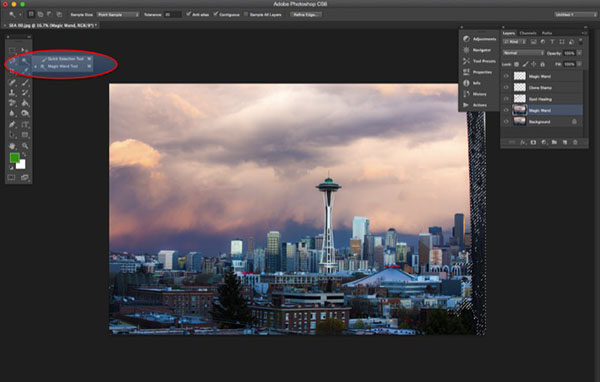
Next, let’s get rid of the remnant of a telephone pole in the right hand side of the image. The easiest way to eliminate it would be a simple crop, but another way is to select and replace it using the Magic Wand Tool. This is one of Photoshop’s oldest selection tools and it causes many a photographer joy or suffering. The Magic Wand is incredibly easy to use, requiring just a click of its icon in the tool bar, followed by clicking on the area of the image that you want to select. Here’s where things can get complicated. The Magic Wand selects pixels based on tone and color, which means it has the tendency to select more areas of the image than you initially want. The simplest way to fix this is to play around with Tolerance in the Options bar. If the Magic Wand is selecting too much of an area, simply input a smaller value of Tolerance and then reselect the area.

5 basic photoshop tools for photographers

4. Content-Aware Fill

After the proper area of the telephone pole is selected, it’s time to fill in that area. Hit Shift+Delete on the keyboard, and the below pop-up box will appear. Make sure Content-Aware is selected, then press OK; Photoshop will then sample pixels in the surrounding area and fill in the selected area accordingly. The results may not be perfect, and this is where the aforementioned Spot Healing Brush and Clone Stamp tools can come in handy to make the filled in area more seamless.

5 basic photoshop tools for photographers

The final retouched image can be seen below. Using the Spot Healing Brush, Clone Stamp, Quick Selection and Content-Aware fill, the telephone lines in the upper left corner have been removed, as well as the remnant of the pole on the right-hand side.

5 basic photoshop tools for photographers

In this brief tutorial, I’ve introduced several very important tools that all photographers should be familiar with, but it’s also important to note that I haven’t explained every possible use of them. There are many other practical and creative ways to use these tools, and I encourage you to do further research to learn more about them. But for the sake of doing quick edits and getting familiar with the tools, these are approachable ways to get started.

googletag.cmd.push(function() {
tablet_slots.push( googletag.defineSlot( “/1005424/_dPSv4_tab-all-article-bottom_(300×250)”, [300, 250], “pb-ad-78623” ).addService( googletag.pubads() ) ); } );

googletag.cmd.push(function() {
mobile_slots.push( googletag.defineSlot( “/1005424/_dPSv4_mob-all-article-bottom_(300×250)”, [300, 250], “pb-ad-78158” ).addService( googletag.pubads() ) ); } );

The post 4 Photoshop Tools Every Photographer Should Know by Suzi Pratt appeared first on Digital Photography School.


Digital Photography School
 
Comments Off on 4 Photoshop Tools Every Photographer Should Know

Posted in Photography


30 Ways to Become a Better Photographer in 30 Days

23 Feb

So you want to be a better photographer, and fast, right? Here are thirty things that you can do in 30 days to make your work a LOT better. Remember that while there are rules, the most important thing is to experiment and see what looks great to you. Day 1. Read your camera’s manual. Test every single little button Continue Reading

The post 30 Ways to Become a Better Photographer in 30 Days appeared first on Photodoto.


Photodoto

 
Comments Off on 30 Ways to Become a Better Photographer in 30 Days

Posted in Photography


International Garden Photographer of the Year 2015 winners announced

21 Feb

Winners of the International Garden Photographer of the Year competition have been announced, the top prize has gone to Magdalena Wasiczek. She won the overall prize in 2012, and has taken the top prize again with a dramatic rendering of a red Hydrangea petiolaris against a heavily defocused background. See winners

Articles: Digital Photography Review (dpreview.com)

 
Comments Off on International Garden Photographer of the Year 2015 winners announced

Posted in Uncategorized