RSS
 

Posts Tagged ‘Photographers’

4 Things Commercial Photographers Need to Discuss with Their Small Business Clients

20 Apr
Lead architects of a high-end design firm.

Lead architects of a high-end design firm.

Providing successful images for a business can be very rewarding, especially when it’s for a budding business that you get to witness growing. While all businesses, big and small, essentially have the same demands, a small business is most likely still learning how to work with various professionals and creating their processes as they go. Diving into a project with a small business can lead to lots of time and money being wasted if terms and project details are not discussed openly, early on. The following are some key factors to discuss with your small business client during an initial consultation so that conflicts can be avoided down the line:

1. Brand

Large family-run urban farm.

Large family-run urban farm

While we are hired in part because of the individual style that we have developed over time, a business’s brand is the first thing that needs to come across to their audience. When working with a small business especially, the branding should be clearly defined in order to be able to provide images that will be a great benefit to them. Do they have certain color palettes they work with? Are their graphics portraying a more formal brand, or a very casual brand? Are they nature-oriented, or do they work in traditional office spaces? What clientele are they catering to? All of these are questions that should be addressed in the initial consultations. A small business may still be developing their brand or creating a branding package, so without a brand to guide the images, there may be a need for updated photos once the brand is clearly defined. Expressing this to a client will not only help them understand that professional photography is an investment intended to last a long time, but it will also show them that you are keeping their best interest in mind for their long-term success.

2. Budget

Small businesses will typically have very low budgets, so the decision to invest in professional photography services will be a big one for them. Regardless of the cost for your services, there is likely to be very little (if any) wiggle room in their budget allowance. Being aware, and respectful, of the client’s budget restrictions will not only help ensure that there is less run-around in the planning stages, but it will also give the client more confidence that you are an ally. If you offer packages geared towards commercial work, consider having several options to select from, or to use as a kick-off for budget discussions. Often a custom quote is required depending on their specific needs, but some packages to give the client a ballpark idea of pricing can let them know what they can expect to spend.

Independent financial advisor.

Independent financial advisor

3. Timeline

Depending on how experienced your small business client is, their timeline for getting final images may not be very realistic. This is where it’s your job to educate clients on your process and, more importantly, on your specific ability to turn around jobs in a time crunch. Knowing their expectations about timing and delivery will be vital in creating a quote, coordinating any vendors (venue, props, assistants), and making sure that the client gets their images in time to use them.

Do they require any extensive editing techniques or talent that requires outsourcing? Did they request a location or backdrop that requires reservations and a long wait for booking? Will they need models, and if so, do they have specifics in mind? Are they planning on using these images for a specific event, or marketing campaign that has a set date? Which leads to the final factor to keep in mind…

Home-based food business products.

Home-based food business products

4. Usage

Many folks will assume that if they hire you to take photos, they then get to keep the photos and do as they wish with them. In reality, commercial work is generally very specific about what usage is permitted. If they are planning to use the photos on a product label, do you get any royalty from that product sale? If they are hiring you because of a large print marketing campaign, can they then use the images in email campaigns several years down the line? Are you granting them use for a certain amount of time, or can they use these images forever? Once you turn over the images, are they allowed to do any alterations to them?

While there is no one answer to these questions, be sure to discuss the planned use of these images and to clearly specify it in a contract. Both parties need to be in agreement with what is decided, and having this discussion up front will once again show your client that you value your work and intend to be completely open with them about terms.

Owner of a co-working space.

Owner of a co-working space

Although there are many factors to discuss with your client at the beginning of a project, these four points will help get the basic information clarified, and get both parties on the same page. These discussion points will also go a long way to helping you create a quote for them that is accurate and all-inclusive; avoiding time-consuming confusion farther into the project.

Do you have any additional points of conversation that are a must for initial client consultations? Please share in the comments below.

googletag.cmd.push(function() {
tablet_slots.push( googletag.defineSlot( “/1005424/_dPSv4_tab-all-article-bottom_(300×250)”, [300, 250], “pb-ad-78623” ).addService( googletag.pubads() ) ); } );

googletag.cmd.push(function() {
mobile_slots.push( googletag.defineSlot( “/1005424/_dPSv4_mob-all-article-bottom_(300×250)”, [300, 250], “pb-ad-78158” ).addService( googletag.pubads() ) ); } );

The post 4 Things Commercial Photographers Need to Discuss with Their Small Business Clients by Natalia Robert appeared first on Digital Photography School.


Digital Photography School

 
Comments Off on 4 Things Commercial Photographers Need to Discuss with Their Small Business Clients

Posted in Photography


Photo History Club: 7 Famous Photographers You Should Know

14 Apr

I’ve said here before that exploring photographic history is a great way to kick-start your creative engine. It’s often said that there’s nothing new under the sun, but for every photographic approach and philosophy you can find, someone somewhere did it first. Studying what’s come before you can often reveal something new ahead of you. So with that sentiment in mind, I Continue Reading

The post Photo History Club: 7 Famous Photographers You Should Know appeared first on Photodoto.


Photodoto

 
Comments Off on Photo History Club: 7 Famous Photographers You Should Know

Posted in Photography


Colorado proposes bill supporting photographers who record police

07 Apr

Colorado, U.S. state legislatures have introduced a new bill that, if signed into law, will prevent law enforcement officers from interfering with citizens who are photographing or recording police activity. It is House Bill 15-1290, and it comes at a time when Texas has proposed its own bill on the topic, but with a draconian slant: it penalizes citizens that film or photograph police actions within 15 feet of the incident. Read more

Articles: Digital Photography Review (dpreview.com)

 
Comments Off on Colorado proposes bill supporting photographers who record police

Posted in Uncategorized


Lowepro launches weather-proof Fastpack backpacks for traveling photographers

17 Mar

Bag manufacturer Lowepro has introduced a pair of new backpacks to its Fastpack range, with added weather-proofing and a compartment for a laptop or tablet. The Fastpack BP 150 AW ll and BP 250 AW ll are basically the same bag in two sizes, and each is divided into three sections that allow storage of camera equipment as well as other everyday items for photographers on the move. Read more

Articles: Digital Photography Review (dpreview.com)

 
Comments Off on Lowepro launches weather-proof Fastpack backpacks for traveling photographers

Posted in Uncategorized


Full Moon Photography Using The Photographer’s Ephemeris 3.0

16 Mar

IMG_0450The latest release of The Photographer’s Ephemeris (TPE) releases even more tools to help us photographers get the shots we want. There is just too much for one article, so I am going to focus on a personal favorite subject – full moon photos.

Before handy apps like TPE, LightTrac and PhotoPills, figuring out where the moon might be on any given night took some educating. Pile on top of that the desire to know when the moon was behind, or next to, a specific feature, natural or man-made, and the calculations were beyond anyone lacking a degree in mathematics. But now, it’s all so much easier. Let me show you how I plan on getting a shot of the full moon behind Seattle’s Space Needle this May.

I’ll be using the iPad version of the app which allows for adding in a subject height. Nearly the same functionality is available with the Desktop and Android versions of the app, but the location of items may shift a little. With the desktop and Android version you will not be able to manually add in the subject height but can, using the Pythagorean theorem (and there are plenty apps for it), add in the angle you need.

Pre-planning

To get started, I have decided I want to get a shot of the full moon behind Seattle’s Space Needle. It’s a subject that lends itself well to moon photos. I had a shot in mind that I later confirmed possible after viewing Tim Durkan’s fine example from last year.

Laying out the steps before I open the app, my process will look like this:

  • Find a location where I can see the Space Needle, and one which faces mainly South or West (because of hills, I know shooting to the East is hard and the moon will not appear to the North of the Needle because of being in the Northern Hemisphere).
  • Plot out my location and the location of the Space Needle.
  • Account for elevation change and the height of the Needle.
  • Let the program do its magic.
  • Record my findings and make actual plans.

Finding your location

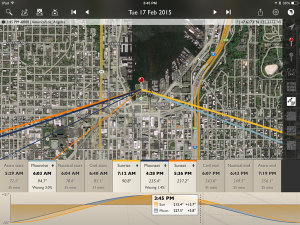
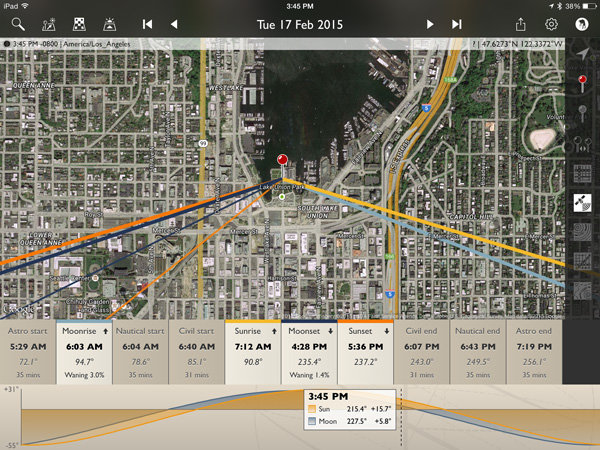
Loading the app brings up a fairly full featured screen.

IMG_0450

To center the map on your intended location, simply move the map around with your finger until the crosshairs are over your location. You can then tap on the inside of the crosshairs or tap the red observer pin that looks like this:(null)

I placed the location in a park near the shore of Lake Union, a place I know with good visibility of the Needle about 3/4 of a mile away. This will give me a good apparent size relationship of moon to Needle. Many locations can be scouted by using Google Street View.

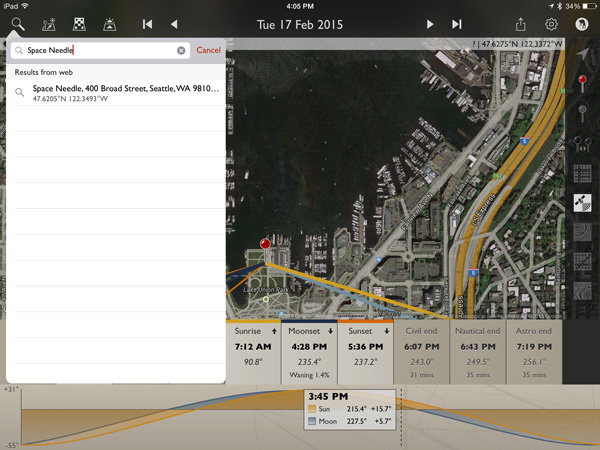
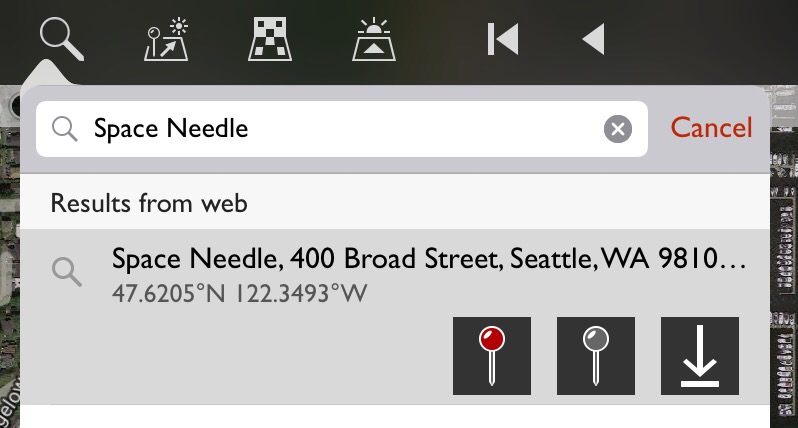
Next, mark the location of the Space Needle. TPE has a decent search feature, you can use it to quickly find many natural and man-made features around the planet. Just click on the magnifying glass in the upper left and type Space Needle.

IMG_0453

Now click the Space Needle entry itself and you’ll see three options appear.

(null)

In order from left to right, these buttons allow you to: center the map on the location as your primary location, set this location as your secondary location (the item you wish to photograph), and the third is an option to save this item as a favorite, making future recall easy without searching. You will want to click on the gray map pin to set the Space Needle as the secondary location.

(null)Using geodetic information

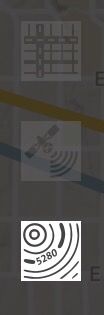
To make things easier to see, click on the Google Terrain map set – an option on the right side of the screen that looks like this (image right)

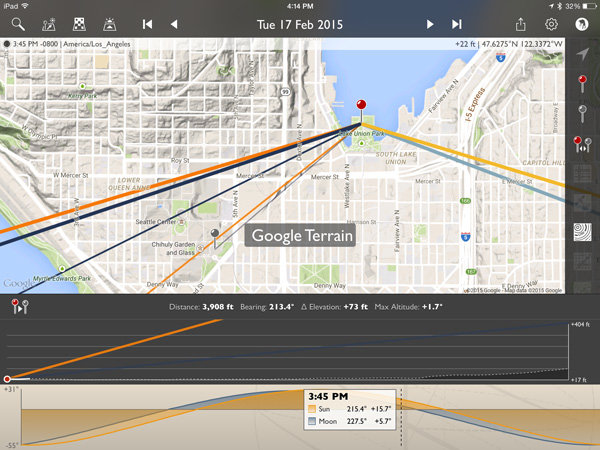
Now the map is a little cleaner and after zooming out you can see the red pin where I’ll stand and the gray pin at the location of the Space Needle. Those orange and blue lines simply show location of the sun (orange) and moon (blue) when they rise, set and current location.

IMG_0457

Notice that the lower display also changed? It now shows the elevation different between the two points, with distance (3,908 feet – can also be set to metric), bearing (213.4 degrees), elevation change (73 feet) and the angle at which you are looking, be it up or down (+1.7 degrees). There is also a nice plot between the points showing elevation differences.

This is great! But it only gives the elevation change at ground level. I need to add in the height of the Space Needle to position the moon properly. A quick wikipedia search tells me the Needle is 605 feet tall.

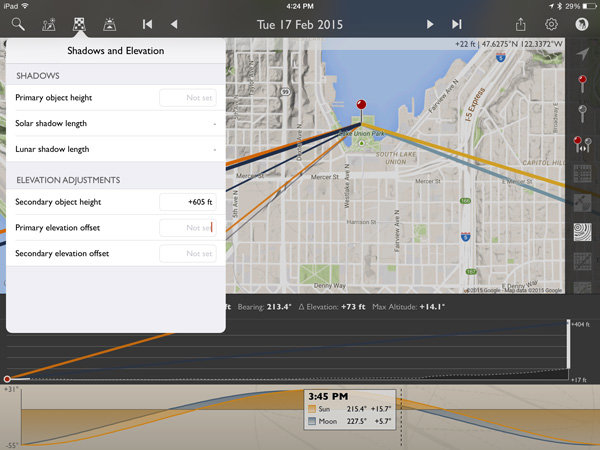
Click on the Shadow and Elevation tool at the top left of the screen, just to the right of the Search feature. Where it mentions “Secondary object height” put in 605 feet for the Space Needle.

IMG_0459

Now on the elevation plot at the bottom of the screen there is a big white bar, representing the height of the Space Needle, on the far right. Perfect!

Magic time

Now let’s have TPE do the heavy lifting and tell us when the moon will be perfectly behind the Space Needle, place the event on our calendar and go find other things to shoot!

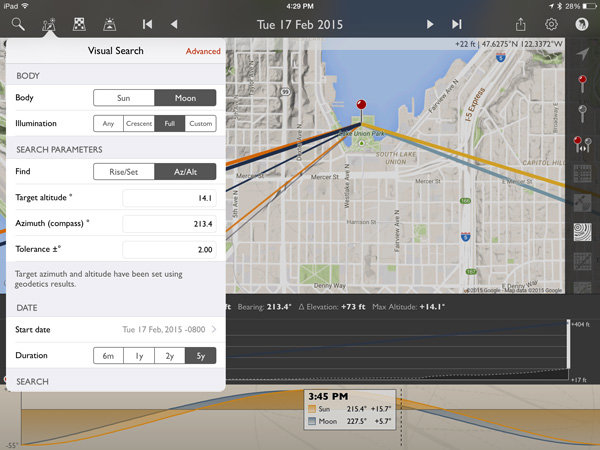
Click on the Visual Search button, it is the one immediately to the right of the Search button on the top left. You will get a drop down that with all kinds of information. Click on the word “Moon” at the top and then “Full” and your screen will look like this:

IMG_0460

The app has filled in the target altitude (14.1 degrees), compass azimuth or bearing (213.4 degrees), and tolerance (2 degrees) for us!

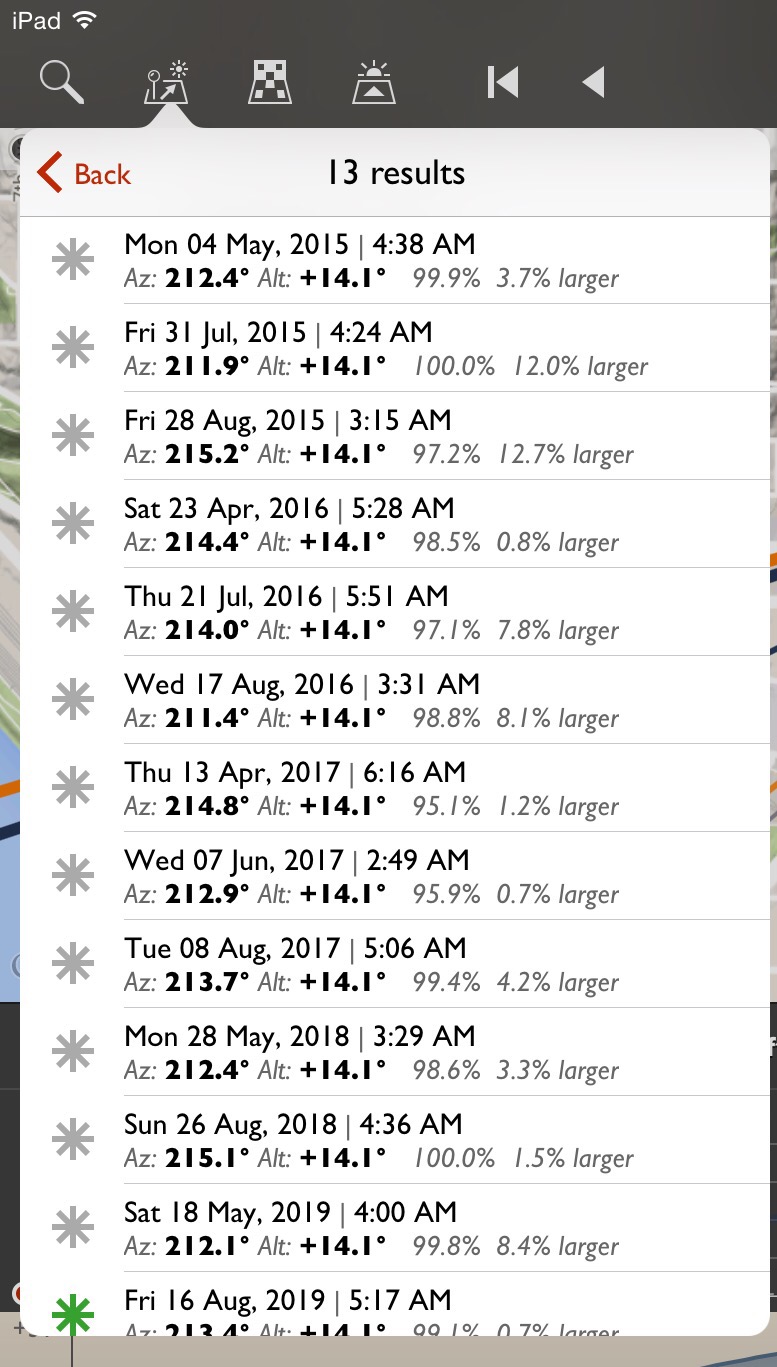
For a first run, to get a full moon centered over the top of the Space Needle, click on the Duration you would like (I picked 5 years in this example) and then Perform Search. You will see a list of results that look like this:

(null)

Saving results

What does all that mumbo-jumbo mean? Quite simply, those are all the dates and times (and exact location of the full moon and how full it will be) that fall within a two degree margin of our requested position. You will notice the one at the bottom for August 16, 2019 has a green asterisk; this simply means the moon will be within .5 degrees of the request.

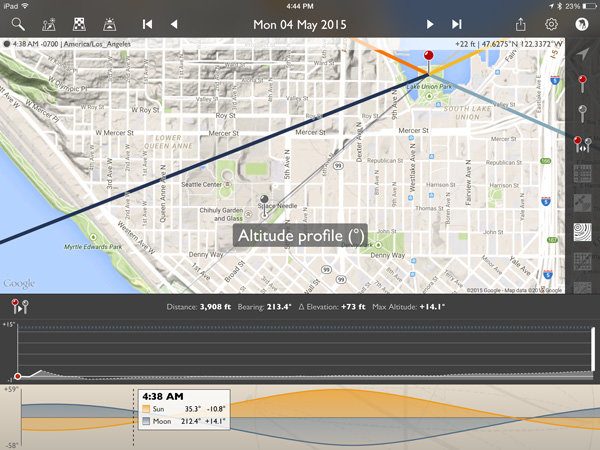
Clicking on the top item for May 4th, 2015 will make the map mimic the conditions at that exact time. Double tap the elevation profile at the bottom and it will show the Altitude Profile where you can see the full height of the Space Needle on the right (tall white bar) and the level of the moon in dotted blue.

IMG_0465

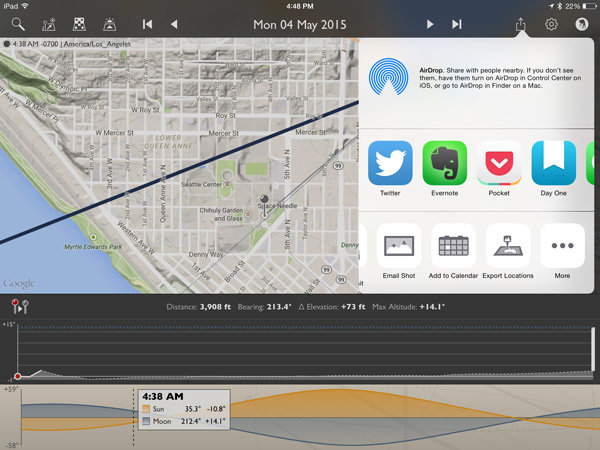
All lined up! We’re now ready to save this information on our calendar or send it to a friend if we like. Click the share button on the upper right and you will see the option for adding to calendar as well as messaging, emailing, etc.

IMG_0466

IMG_0467

Here’s the calendar add-item screen.

The location is set to the Primary Location in the app. You may want to adjust the time so you arrive early, as it defaults to the exact moment pictured in the app.

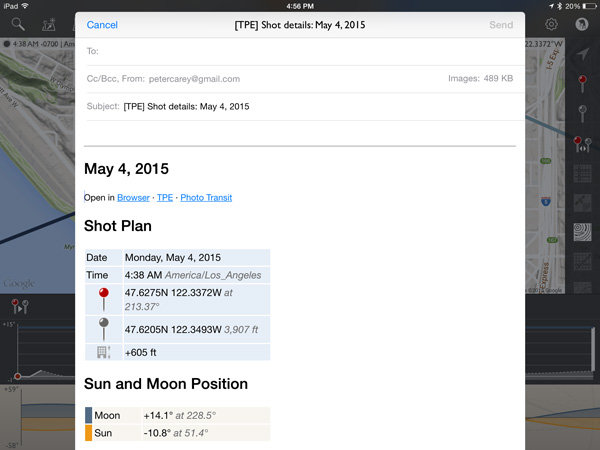
The email option includes all the pertinent information to share the details with a friend. It will attach a map and the recipient can open the information in the TPE (if they have it) or on the web browser version.

IMG_0468

Conclusion

I left a lot of information out of this article because TPE simply has too many options to describe here. At its most basic though, it is excellent for placing the moon over various subjects.

IMG_0469

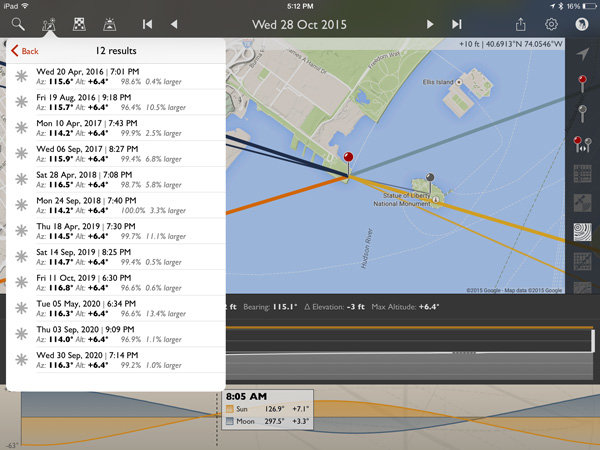
How about a full moon over the Statue of Liberty?

IMG_0470

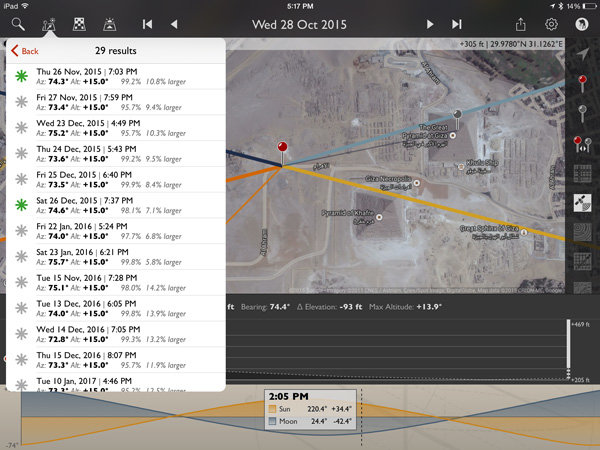
Or the Great Pyramid of Giza?

All it takes is a quick Wikipedia search for an object’s height and about two minutes in TPE to plan that moon shot you have been dreaming of!

For those wishing to explore further, TPE’s documentation is fairly complete and worth the read to unlock a wealth of photo planning power.

How can you use this tool in your photography?

googletag.cmd.push(function() {
tablet_slots.push( googletag.defineSlot( “/1005424/_dPSv4_tab-all-article-bottom_(300×250)”, [300, 250], “pb-ad-78623” ).addService( googletag.pubads() ) ); googletag.pubads().enableSingleRequest();
googletag.pubads().disableInitialLoad();
googletag.pubads().collapseEmptyDivs( true );
googletag.enableServices();
} );

googletag.cmd.push( function() { googletag.display( ‘pb-ad-78623’ ); } );

googletag.cmd.push(function() {
mobile_slots.push( googletag.defineSlot( “/1005424/_dPSv4_mob-all-article-bottom_(300×250)”, [300, 250], “pb-ad-78158” ).addService( googletag.pubads() ) ); googletag.pubads().enableSingleRequest();
googletag.pubads().disableInitialLoad();
googletag.pubads().collapseEmptyDivs( true );
googletag.enableServices();
} );

googletag.cmd.push( function() { googletag.display( ‘pb-ad-78158’ ); } );

The post Full Moon Photography Using The Photographer’s Ephemeris 3.0 by Peter West Carey appeared first on Digital Photography School.


Digital Photography School

 
Comments Off on Full Moon Photography Using The Photographer’s Ephemeris 3.0

Posted in Photography


Photographers Ignite – 5 Minute Power Sessions to Change Your World

15 Mar

Screen Shot 2015-03-11 at 7.17.19 PMI only just heard about Photographers Ignite, which is a twist on the extremely popular Ignite Sessions. It is produced by Kevin Kubota and I had a chance to sit in on the sessions on the last day of this year’s WPPI (Wedding and Portrait Photographers International) conference.

I asked Kevin if I could share some of the videos and he agreed, so while the sessions from this year aren’t online yet I hand picked a few from the archives that I think you’ll enjoy.

#1 – There’s gotta be something more . . .

This video by Matt and Katie spoke to me on so many levels. I’ve been to the burnout stage and like Katie, survived and got my love for photography back. Giving back using my photography is something I believe in passionately and we even have a few articles about how to do that here on dPS (I’ll put some links below the video for you). Watch and see if it speaks to you as well.

  • Why to Consider Doing Photography Related Volunteering in Your Community
  • Using Photography to Make a Heartfelt Difference
  • Photography As A Means For Societal Betterment
  • Use Your Camera to Give
  • Photography projects that make you feel alive

#2 – The Creativity of a child

On a very similar theme of finding that lost passion or creativity, Melissa Niu tells her story of how her daughter helped her recapture hers. As adults with busy lives we seem to lose a little of ourselves and creativity is suppressed or put on the shelf. Find a way to rekindle yours.

  • Kick Your Creativity Up A Notch
  • 6 Ways to Enhance Your Creativity
  • 12 Ways to Add Randomness and Creativity to Your Photography
  • 5 Cheap and Easy Ways to Re-inspire Your Photographic Creativity

#3 – Need to know

Adobe teacher and guru Julieanne Kost (and self proclaimed geek) goes through the things she feels are the need to know items in terms of the technical side of photography. “Learn the technology” says Kost so you it becomes an asset which allows you to focus on your creativity not the technology.

So? Are you inspired and motivated?

Let here what you plan to do now. If you watch the Matt and Katie video he urges everyone to do what? DO! Take action. Because . . .

“Inspiration and awareness without action is just entertainment.”

googletag.cmd.push(function() {
tablet_slots.push( googletag.defineSlot( “/1005424/_dPSv4_tab-all-article-bottom_(300×250)”, [300, 250], “pb-ad-78623” ).addService( googletag.pubads() ) ); googletag.pubads().enableSingleRequest();
googletag.pubads().disableInitialLoad();
googletag.pubads().collapseEmptyDivs( true );
googletag.enableServices();
} );

googletag.cmd.push( function() { googletag.display( ‘pb-ad-78623’ ); } );

googletag.cmd.push(function() {
mobile_slots.push( googletag.defineSlot( “/1005424/_dPSv4_mob-all-article-bottom_(300×250)”, [300, 250], “pb-ad-78158” ).addService( googletag.pubads() ) ); googletag.pubads().enableSingleRequest();
googletag.pubads().disableInitialLoad();
googletag.pubads().collapseEmptyDivs( true );
googletag.enableServices();
} );

googletag.cmd.push( function() { googletag.display( ‘pb-ad-78158’ ); } );

The post Photographers Ignite – 5 Minute Power Sessions to Change Your World by Darlene Hildebrandt appeared first on Digital Photography School.


Digital Photography School

 
Comments Off on Photographers Ignite – 5 Minute Power Sessions to Change Your World

Posted in Photography


The Natural Light Cycle for Photographers

08 Mar

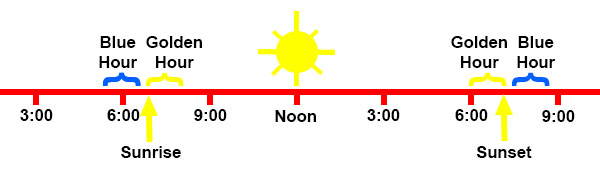
Graphic showing best times of day for photography

Natural light is what landscape photography is made of. Other forms of photography rely heavily on flash, but most landscapes rely entirely on the sun’s rays as their light source. That natural light from the sun is changing every second of the day. A picture taken at 9:00 a.m. will look fundamentally different than picture taken at 7:00 a.m., even if it is a picture of the exact same subject, from the exact same angle, using the exact same camera settings and focal length. Therefore, understanding these changes that occur throughout the day is critical to improving your landscape photography. By understanding these differing lighting conditions, you will know how and when to be set up and ready to take your landscape photos.

These changes in natural light don’t just affect the overall lighting and exposure level of your photos, but also things like color and contrast. Different lighting will lend itself to different camera effects. So in this article we will take a quick walk through the times of day for the landscape photographer, focusing on the unique advantages and challenges of each.

Morning

Let’s start with the morning. An hour on either side of sunrise can be a bonanza for the photographer. Unfortunately for your sleep patterns, the photographer’s day does not start at dawn, but well before it.

Some of the best photo opportunities occur before the sun is up. During this time, the sky is beginning to brighten, but the sun is not yet over the horizon. You will initially need to overcome the low light levels, meaning you will need a tripod and a remote shutter release.

But with that hurdle overcome, there are distinct advantages to shooting before the sun comes up. You will not face overly harsh contrast, or a dynamic range problem since everything in your view will be somewhat dark. Further, because of the indirect angle of the sun’s rays, you will be treated to colors in the sky that you won’t see during the day.
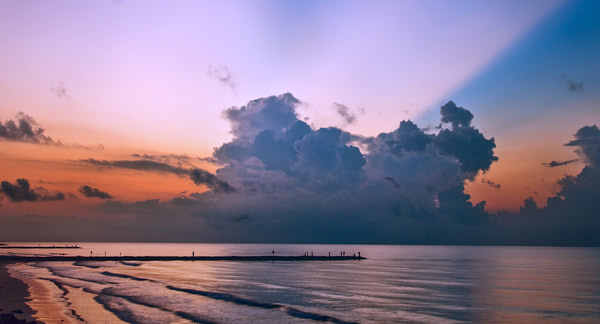
Galveston

The indirect rays of the sun at sunrise and before can provide you with a sky full of interesting colors.

Twilight

This time before the sun comes up is commonly referred to as twilight. You will want to get to know it better if you aim to improve your photos. Twilight is a rather broad term that can encompass different conditions. so it is further broken down into three segments. The actual terms and specifics below are not that important to your photography, but what is important is that you understand what is coming up next as you are out shooting.

  • Astronomical twilight: During this time, it is still dark, but the indirect rays of the sun are just starting to brighten the sky. The sun will be between 12 and 18 degrees below the horizon. Stars are clearly visible and the sky is dark overall. To most of us, this will not be much different than nighttime. Therefore, when photographing during this time, you will definitely need a tripod and remote shutter release.
  • Nautical twilight: The is the period of time when everything is fairly dark, but it has brightened up enough that you can see the horizon. The sun is between 6 and 12 degrees below the horizon. You can still see some stars, but the sky is noticeably brighter, particularly near the horizon line. This is when you will often see a blue tinge to the sky. You will still need a tripod, but you can now probably capture detail in the foreground as well as the stars in the sky.
  • Civil twilight: This is the period of time just before the sun has come up (or just after at has set in the evening). It is when the sun is between 0 and 6 degrees below the horizon. The point for the photographer is that it is still before sunrise, but everything around you is pretty bright. You can see everything and you might not even need a tripod (although I would recommend you keep using it ).
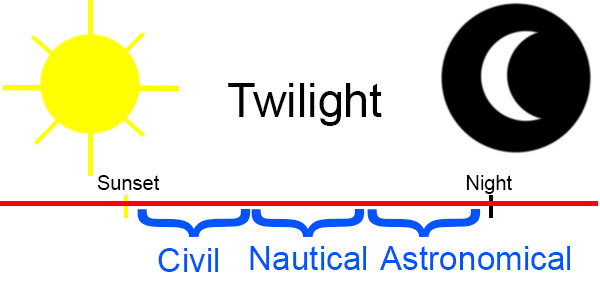
Twilight

The times and durations of the phases of twilight will depend upon your location and time of year. There are a variety of apps that will give you the exact times.

Blue Hour

It is during twilight (typically during nautical twilight) that a phenomena called the blue hour occurs. At this time, the sun is still a good distance below the horizon. Most of the sun’s red rays are shot into space, but a relatively high percentage of the blue rays enter the Earth’s atmosphere. The indirect light takes on a predominantly blue color. This lasts about 30-40 minutes and ends about 15 minutes before sunrise. This is a treasured time for many landscape photographers, so make sure you are in position at least a half hour before sunrise.
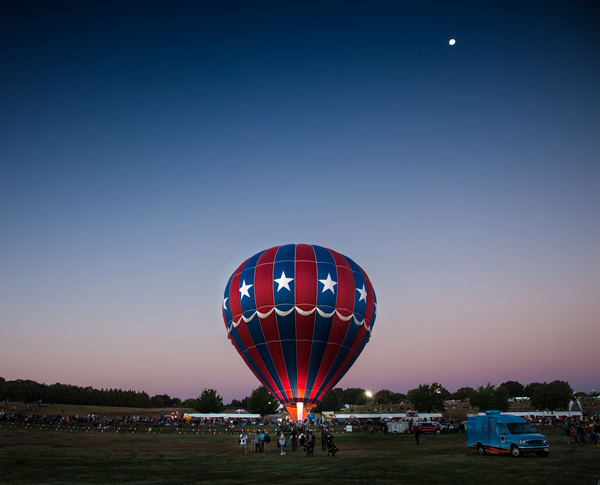
During portions of twilight, there is enough light to see the foregound, but you can still see the stars and the moon.

Sunrise

After twilight comes sunrise, which needs no introduction. The landscape is brightened by this time, but the sun’s rays are tempered by the fact that portions of the sun are still behind the horizon and the rays are coming through a lot of the Earth’s atmosphere before they reach you. The sky will typically have a warmer color to it.

What’s more, you can often put the sun directly in your picture. You can also make the sun’s rays more clear and even add a bit of a starburst effect to the sun by stopping down your aperture. Make sure your aperture is at least f/16 and perhaps even f/22 (at the risk off some diffraction).

After sunrise

The hour or so after dawn remains a good time to photograph. During that time, the sun is still low in the horizon. Therefore, the sun’s rays are coming through more of the Earth’s atmosphere, which diffuses the rays and cuts down on harsh contrasts. So even though the sun is fully in the sky by this point, it remains a good time for photography.
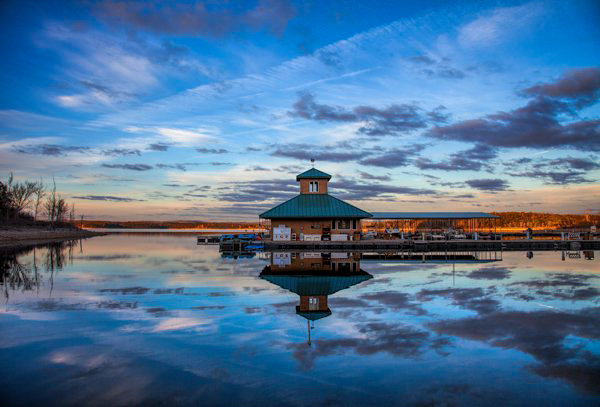
Marina-2

After that, the sun is getting higher in the sky and you get into the problems of midday photography.

Afternoon

The late morning and most of the afternoon is considered by many to be the worst time for photography. Many photographers simply put their cameras away during this time. It is the time of harsh contrast and black shadows. But you need not give up entirely during this time. There are a few things you can do to improve your photos.

The first thing you can do is use a polarizing filter. Polarizers work by filtering out certain light rays that come to the camera at different angles. The light that enters your camera is often more diffuse and colorful. The best use for our purposes is making skies a rich, dark blue (although polarizers are also quite handy for cutting down on reflections). Polarizing filters actually work the best around midday when the sun is directly overhead. Be sure to rotate your filter to achieve its maximum (or desired) effect.
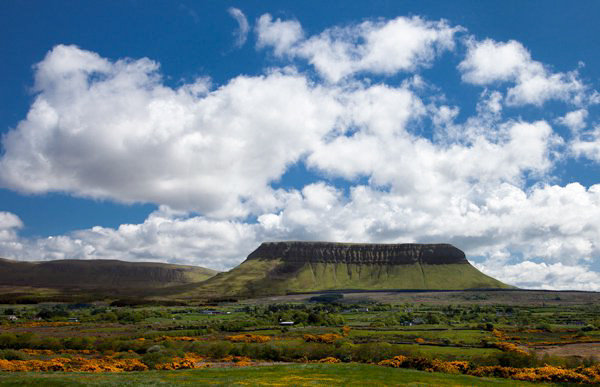
Ben-2

Mid-afternoon photos can often benefit from the use of a polarizing filter.

Another thing you can do to combat the afternoon sun is convert your photos to black and white. As mentioned previously, one of the primary problems with shooting during the middle of the day is the high contrast and harsh shadows it creates. However, high contrast is actually a benefit in black and white photography, so the harsh light of midday can sometimes work to your advantage.
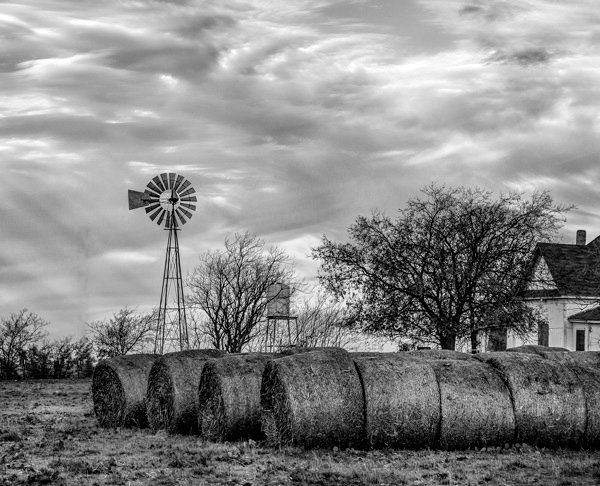
Windmill-2

Photos taken during the middle of the day often benefit the most from a conversion to black and white.

If you must photograph in the middle of the day, oftentimes cloudy days work best. The clouds cut down on the harsh shadows, they also add some texture to the sky. Try to work them into your photos.

Evening

The evening is where you will encounter some of the best conditions for photography. It is essentially the same as you experienced in the morning around sunrise, but in reverse order. It starts with the sun dipping into the horizon, which results in some interesting changes in light quality.
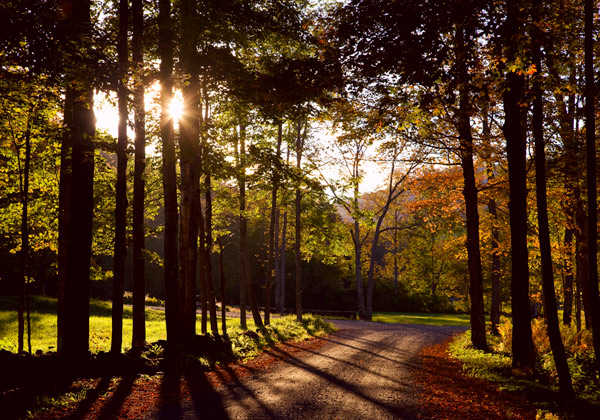
The light in the late afternoon often starts to take on a yellow or reddish appearance.

Golden hour

As the Sun begins to set, the light you are receiving must travel through more of the Earth’s atmosphere to reach you. It is therefore more diffused by the time it reaches you. The light also takes on a warmer, more golden quality.

The culminates just before sunset, which is called the Golden Hour. Actually it is not really an hour, but usually last about 30 -40 minutes (length varies depending on your location relevant to the equator). It starts just before sunset and ends about 20 minutes after the sun is down. Photographs taken during this time benefit from having plenty of light, but it is more diffused and softer to avoid harsh shadows. As the name suggests, the light has a warmer hue that can make for dramatic photos.

Sunset

Sunset is another time that photographers intuitively want to photograph. The conditions are well-known to everybody, so here I just want to focus on a few things you can do to make your sunset pictures look better.

The first thing you can do is slightly underexpose your photos. That will be welcome news if you are not using a tripod, since you are rapidly losing light during this time. Underexposing will allow you to shorten your shutter speed and avoid camera shake (hopefully), and will generally make the colors in the sky much more vibrant.

At sunset, due to the angle of the sun’s rays, there is usually no longer any direct light on the foreground. That tends to make everything black. You can deal with that in one of two ways, either by accepting it, or compensating for it:

  • You can accept the black foreground by creating silhouettes. This is commonly done with people, but it can work with a variety of subject matter. To do this, just meter the light of your scene from the sky. The brighter sky will be properly exposed and the foreground elements will be black.
  • You can attempt to compensate for the lack of direct light on the foreground by using a graduated neutral density filter. This filter will darken the sky without affecting the foreground. Inevitably, you will need to compensate by adding exposure to the whole picture (since the filter made the sky darker and the foreground was already dark). The upshot is that this filter will tone down your sky and cause the foreground to brighten.

After sunset

It is a huge mistake, which I see lots of photographers make, to pack up and head home right when the sun dips over the horizon. After sunset, you will continue to be treated to favorable light conditions, and in fact, some of the best conditions may follow. These will be the same as already discussed in the Twilight section above. You will also be treated to another Blue Hour, when the sun is considerably over the horizon and the diffused blue rays dominate.
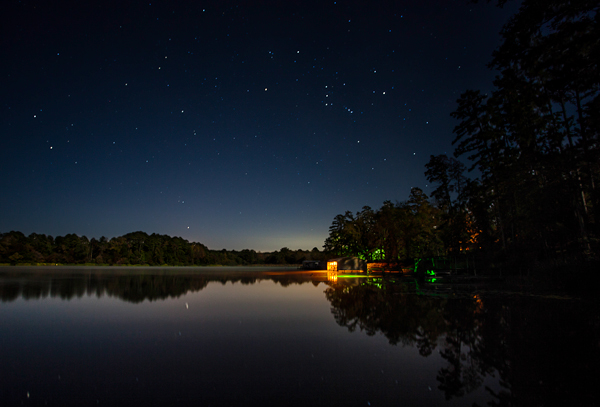
Lakehouse

In the final stages of twilight, the scene often looks very much like a night shot.

Night

Finally, don’t forget about night photography. It is half of the day, after all. Some of the most dramatic pictures can be taken during this time. Further, you do not really need to worry about changing light conditions, making this a more relaxing time to photograph.

If you want to capture stars or otherwise needed to be true night time, be sure to wait a couple of hours after sunset. It will take a while for the sun’s rays to fully disappear from the atmosphere.

Conclusion

Photography is all about anticipation. It is about putting yourself in the best position possible to get a great shot. When it comes to landscape photography, much of that anticipation has to do with changes in the light. Those changes come remarkably quickly, especially around sunrise and sunset. By understanding the constantly changing conditions addressed here, you will better be able to anticipate the light and put yourself in the best position to get that great shot. I hope this discussion helps you get it.

googletag.cmd.push(function() {
tablet_slots.push( googletag.defineSlot( “/1005424/_dPSv4_tab-all-article-bottom_(300×250)”, [300, 250], “pb-ad-78623” ).addService( googletag.pubads() ) ); } );

googletag.cmd.push(function() {
mobile_slots.push( googletag.defineSlot( “/1005424/_dPSv4_mob-all-article-bottom_(300×250)”, [300, 250], “pb-ad-78158” ).addService( googletag.pubads() ) ); } );

The post The Natural Light Cycle for Photographers by Jim Hamel appeared first on Digital Photography School.


Digital Photography School

 
Comments Off on The Natural Light Cycle for Photographers

Posted in Photography


Safety Tips for Travel Photographers (Particularly Women)

06 Mar

Let me first address the obvious that while this article talks about safety tips for women photographers, it does not mean that these tips don’t apply to men as well. Most are general tips that could be applied to both genders. Being a woman photographer who has started to venture out alone for photoshoots and solo photowalks, these are things that I notice and practice as I do travel photography.

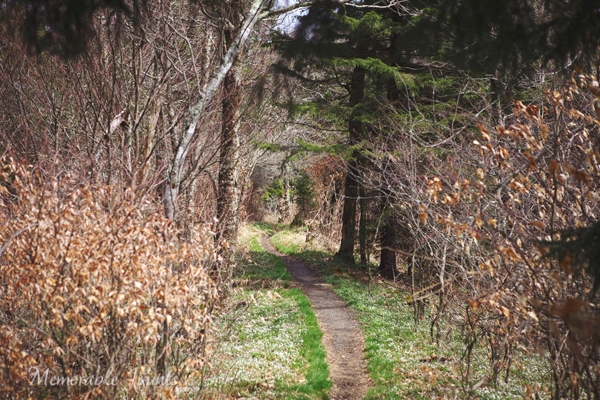
Solo Hiking in the Appalachian Trail in Great Smoky Mountain National Park USA

Solo Hiking the Appalachian Trail – Great Smoky Mountain National Park, USA

It all started with a single trip. A couple of years ago while visiting Great Smoky Mountain National Park in the US, I decided to flex my muscles and go for a solo hike with my young kids. This was supposed to be a bonding experience as well as a confidence booster that I could do this alone. So off we went, water bottle and camera in hand to hike a two to three mile stretch of the Appalachian Trail.

Half way into the trail, my confidence took a nose dive, as I realized I had done several stupid things – I vaguely remember telling my husband the actual trail we were going to take, we only had one bottle of water among the three of us, I was carrying 20lbs of photo gear and I had no emergency kit or even a phone. My kids, then 7 and 3, were hot and cranky and there was no end in sight. In my paranoia of either being attacked by a bear or a crazy psychopath on the trail, we literally sprinted the entire way. Thankfully, my husband had started off at the other end of the trail and met up with us. While it was an adreallian pumping, nerve racking experience, it did make me realize that with a few simple tips, one can travel smart, safe and actually have a wonderful time.

#1 Research, research and then do more research

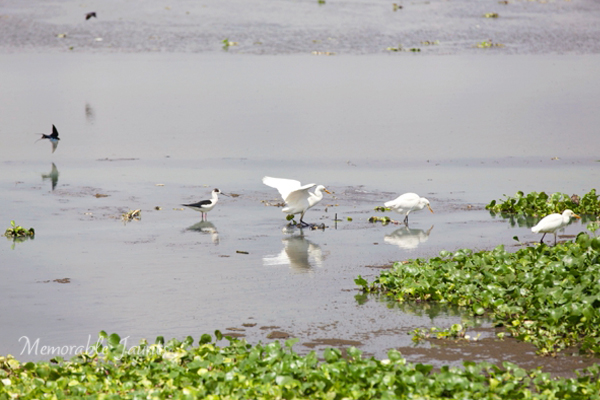
Bird Photography in Chennai India

A google maps satellite search revealed a bird photographer’s paradise literally five minutes from home when I travelled to Chennai, India

There is no lack of informational resources for someone wanting to travel anywhere in the world. Between maps, guide books and online forums we can pretty much take a virtual tour in our pajamas and not have to leave the comfort of our homes. But if you are anything like me, the wanderlust bug is very prominent and the urge to escape the clutches of everyday life too urgent to ignore. Make sure you know everything there is to know about the place you want to visit. Scope out all the possible locations that interest you in detail. There are many online photography and travel forums where you can post questions around photographic opportunities for specific locations.

#2 Record and insure your gear

This is one of those business expenses that may seem like it is discretionary but trust me, it is absolutely critical especially if you plan to travel extensively. Having that peace of mind that your gear is as protected as it can be is very liberating.

#3 Blend in as much as you can

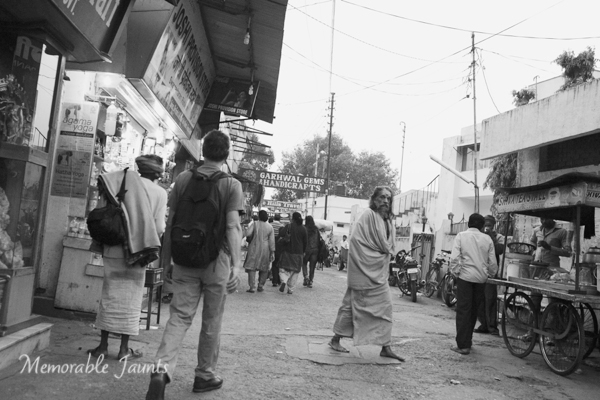
Safe Travel Tips for Photographers DPS Article Memorable Jaunts

A simple bag pack to carry your equipment might be the best travel gear to blend in with the locals

With a camera in one hand and a map/guide book in the other, chances are you already stand out from the local crowd. Try not to make it more obvious in the way you dress or behave. The smart thing to do is to blend in with the locals. Dress like the locals wherever possible, then if you have done your research and planned out your excursion you don’t need to hold on to the map (a sure giveaway that you are a tourist).

#4 Keep an updated itinerary with family and friends at all times

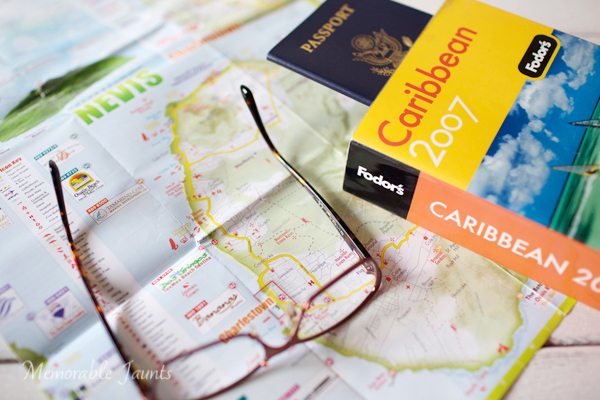
Safe travel tips for women photographers DPS Memorable Jaunts Article

Have a plan of where you want to go and what you want to do and make sure you communicate that to the right people

This seems like a no-brainer but often times is easily overlooked. It’s one of those travel smart strategies that could literally save a life. This is one time when having a game plan for where you want to go, and when you want to get there is advisable particularly for solo travellers. Avoid changing plans on the fly – especially if you have taken the time to research and scope out the best photographic opportunities for your trip. If you have to change travel plans, make sure changes are communicated to the right people, at the right time.

#5 Plan for emergencies

Lets face it – this is life, not a scripted, rehearsed, movie set. Chances are things are going to go wrong – travel plans may change, equipment may malfunction, batteries may run out. Regardless, have a plan of action for some of the more obvious mishaps. Keep numbers handy for any local camera shops in case you need to use them in a pinch – definitely a much cheaper option than having things shipped or mailed to you, especially if you are out of the country.

#6 Listen to your gut

Words like “gut feeling” and “woman’s intuition” do actually exist, and more often than not, they are spot on. Trust your instincts. At the end of the day missing a photo opportunity is not as critical as being safe. Don’t do anything that you are not comfortable doing.

#7 Carry only the essentials

Safe travel tips for photographers DPS Memorable Jaunts Article

We photographers LOVE our gear and cannot imagine being away from it. Most of us feel we need every lens and gadget for every shoot for those what if situations. But challenge yourself to pack light. Maybe you only want to shoot with a wide angle lens or the nifty-fifty. Carry only what you need and not all the gear you own – your body will thank you.

#8 Carry personal protection equipment

No, I am NOT advocating carrying a gun or other such personal protection mechanisms. Personal protection can mean different things to different people and can also differ based on the situation. For a while I carried pepper spray in my purse. Then I switched to a swiss army knife. Then I decided that my 90lb german shepherd dog was my best defense mechanism especially for local sunrise and sunset photo excursions. Choose what is appropriate and practical for you.

Do you have any safe travels tips to share based on your personal experiences? Feel free to share…

googletag.cmd.push(function() {
tablet_slots.push( googletag.defineSlot( “/1005424/_dPSv4_tab-all-article-bottom_(300×250)”, [300, 250], “pb-ad-78623” ).addService( googletag.pubads() ) ); } );

googletag.cmd.push(function() {
mobile_slots.push( googletag.defineSlot( “/1005424/_dPSv4_mob-all-article-bottom_(300×250)”, [300, 250], “pb-ad-78158” ).addService( googletag.pubads() ) ); } );

The post Safety Tips for Travel Photographers (Particularly Women) by Karthika Gupta appeared first on Digital Photography School.


Digital Photography School

 
Comments Off on Safety Tips for Travel Photographers (Particularly Women)

Posted in Photography


4 Mistakes New Photographers Make and How to Avoid Them

01 Mar

Cameras are complex machines and to get the most out of them you need to know how they work. When you’re a new photographer shooting with a sophisticated camera for the first time, the complexity can be overwhelming. There’s just so much to learn! Now that I’ve been shooting for more than ten years, it’s interesting to go back to my early days and see the mistakes I made.

In this article we’ll have a look at four of my first DSLR photos and I’ll share what I know now that I wish I knew then, so hopefully you can learn from these mistakes.

Mistake #1 – not using exposure compensation

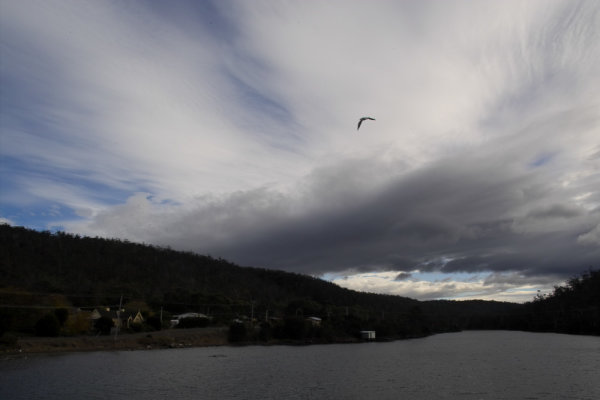
1/250sec f10 ISO100

1/250th of a second,  f/10, ISO100

The camera’s exposure meter will try to make the exposure “middle grey”. Since the camera has no way to tell how bright the subject is, middle grey is a good average bet. But when the subject is much brighter or darker, like the sky in this photo, it ends up getting it wrong. Today if I see a shot like this on the back of my camera, I know why it is under exposed and will adjust it by dialling in some positive exposure compensation. That would have made the clouds much brighter, and brought out details in the dark tree-covered hillside.

Mistake #2 – afraid to increase the ISO

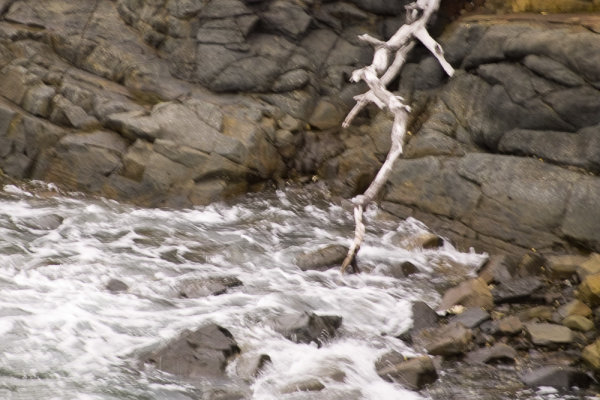
1/30sec f5.6 ISO100

1/30th,  f/5.6, ISO100

Towards the end of an overcast day, we arrived at a rocky shoreline while on holiday. I liked the texture of the rock, the white dead tree branch, and churning water. However there wasn’t quite enough light. At this stage I didn’t even know how to change my ISO, but even if I had, I’d heard that increasing it made your photo noisy. This was certainly true, especially of DSLRs 10 years ago, but 1/30th of a second at 200mm focal length just wasn’t fast enough. As a result there’s enough camera shake to ruin the photo. Today, even if I was still shooting with the old Sigma SD10 I had then, I’d know that it’s better to increase your ISO to get a shorter shutter speed, even if it results in more visible noise. A noisy photo is better than a blurry one.

Mistake #3 – not exposing for the highlights

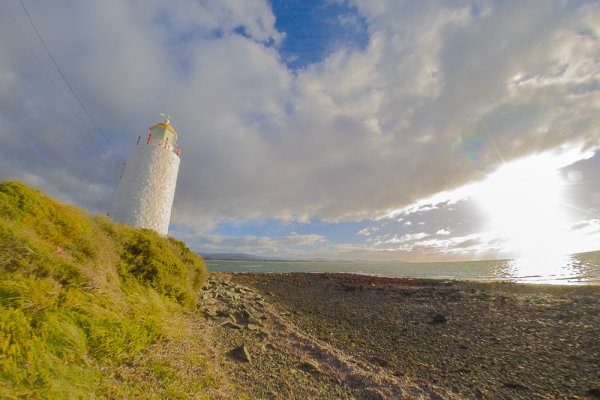
1/200sec f10 ISO100

1/200th, f/10, ISO100

If some parts of the image are very bright, such as the sky and clouds around the sun in this photo, they can be “clipped” by the camera. This means that there is more brightness than the sensor can differentiate, and as such, whole areas of the photo are rendered as white with no detail. Once part of a scene is clipped, nothing can bring that detail back, and it can ruin a shot. Clipped highlights are unattractive and draw the eye in a negative way. In high contrast situations it can be really tricky to capture detail in the highlights and shadows at the same time, but because they draw the eye so much, it’s preferable to preserve detail in the highlights.

While the sun is always going to clip in a photo, preserving details in nearby clouds is possible. For this shot I should have dialled in some substantial negative exposure compensation. Even if this made the rest of the photo too under-exposed, because I was shooting in RAW, I’d still be able to bring out a lot of detail when processing the photo. That way only the sun would be clipped and the clouds and water would look much more natural.

Mistake #4 – not controlling depth of field

1/200sec f8 ISO100

1/200th, f/8, ISO100

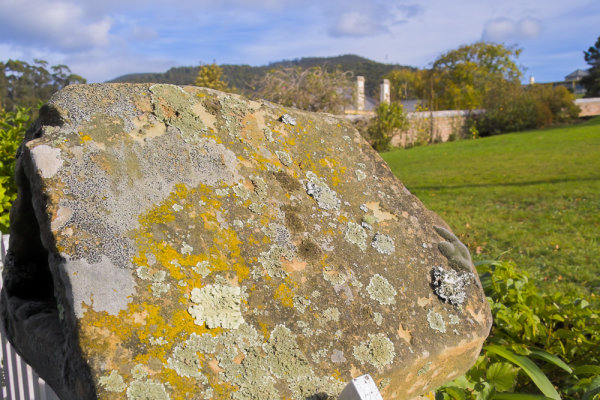
I wanted to capture the gorgeous texture on this interesting rock, but still show enough of the background to give it context. The background however, is too in focus and ends up being a distraction, competing for attention with the rock, which should be the star of the photo. I was shooting in program mode (auto), and there was plenty of light. The camera realized this and chose an aperture of f/8. This was narrow enough to increase the depth of field so that the background wasn’t nearly blurry enough. If I was taking this shot today I would put the camera into aperture priority mode with the mode dial, and open the aperture wider. Possibly to its full width, which on this lens was only f/5.6. This would have blurred the background more, letting the rock get all the attention.

If I could go back and tell myself something when I was starting out, I’d emphasize the importance of shooting as often as possible, not to worry about making mistakes, and keep looking to other photographers (both online and in person) as a source of inspiration and learning. Finally, I’d tell inexperienced me that you will never ever stop learning.

How about you? What are the biggest things you learned (or are still learning about) to improve your photography?


pnbvideo_box.pngNeil is so invested in helping others to become confident with their cameras that he has created dPS’s very first online video course Photo Nuts and Bolts. From shutter speed, to aperture and exposure, Neil explains clearly so that you can start shooting with confidence…

googletag.cmd.push(function() {
tablet_slots.push( googletag.defineSlot( “/1005424/_dPSv4_tab-all-article-bottom_(300×250)”, [300, 250], “pb-ad-78623” ).addService( googletag.pubads() ) ); } );

googletag.cmd.push(function() {
mobile_slots.push( googletag.defineSlot( “/1005424/_dPSv4_mob-all-article-bottom_(300×250)”, [300, 250], “pb-ad-78158” ).addService( googletag.pubads() ) ); } );

The post 4 Mistakes New Photographers Make and How to Avoid Them by Neil Creek appeared first on Digital Photography School.


Digital Photography School

 
Comments Off on 4 Mistakes New Photographers Make and How to Avoid Them

Posted in Photography


The Importance of Scouting for Landscape Photographers

17 Feb
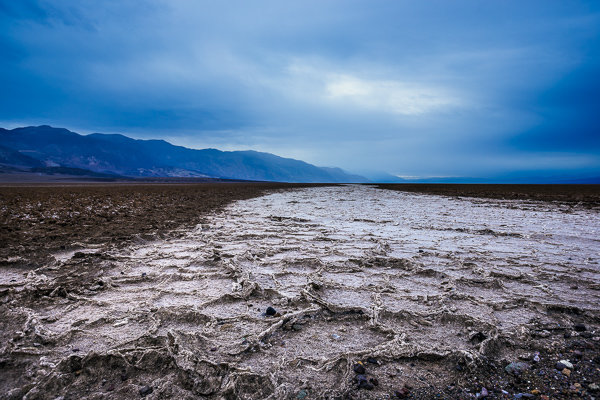
What Lies Beneath | West Side Road, Death Valley National Park

What Lies Beneath | West Side Road, Death Valley National Park

As I start writing this post, I’m sitting by my gate at Las Vegas McCarran International Airport. I loathe Vegas, but that’s beside the point. I managed to avoid the strip this time and will be home soon. I just wrapped up an incredible week leading a workshop in Death Valley National Park with my good buddy Brian Matiash and nine awesome students. This was my fifth trip to the park, and I’m starting to feel like I know the place like the back of my hand (even though there are still a several places I’d like to visit).

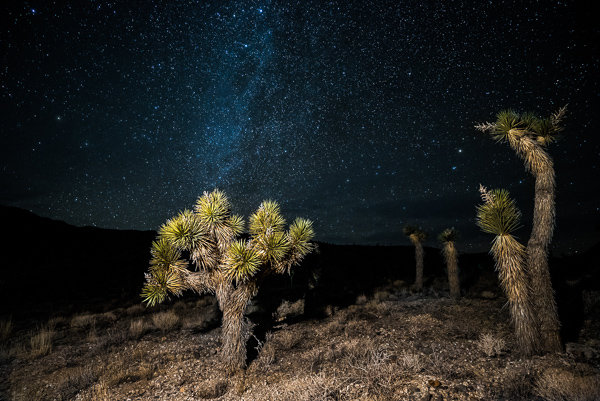
Joshua Trees in Death Valley

Joshua Trees in Death Valley

Ever since hearing about a lesser known area of the park known as Cottonball Basin (or Cottonball Marsh), I’ve been on the hunt for a certain kind of pattern found there. Cottonball Basin is hiding in plain site of virtually everyone who visits Death Valley. It’s located about five miles north of Furnace Creek off Highway 190, but there are no signs for it, and no areas for parking. You simply have to pull off into the gravel on the side of the road and start hiking out.

The trouble is that Cottonball Basin (and much of Death Valley) is always changing. Badwater Basin (which feeds into Cottonball) is an underground river, so the surface is always morphing and looks different with each visit. If you pick the wrong spot of the highway to pull over and start hiking, you could spend hours hiking around the marsh and find nothing.

During my last visit to the park (before this one), I hiked out to Cottonball twice and while I was able to come out with some decent shots, it wasn’t what I was looking for. I was never able to find the patterns I had seen in a few photos.

Even though I hadn't found what I was looking for, there is still plenty of beauty to be found all over Cottonball Basin.

Even though I hadn’t found what I was looking for, there is still plenty of beauty to be found all over Cottonball Basin.

This time around, I was bound and determined not to come up empty handed. Right before heading out, I purchased a Garmin Oregon 600 Handheld GPS. I had a cheaper Garmin before, but it was so unintuitive and difficult to use that I wasn’t willing to risk using it again. The Oregon series is a touch screen model that is responsive, quickly acquires satellites, and is very easy to use and understand.

The day before the workshop began, Brian and I hiked out to Cottonball Basin. We found essentially nothing. I felt pretty defeated. We ended up changing the workshop itinerary and nixed Cottonball Basin altogether. It wasn’t until a chance encounter at Racetrack Playa that my luck would change.

As our group began exploring The Racetrack, Brian and I noticed a group of four photographers at one of the best rocks on the playa. They were taking turns standing on the rock, sitting on it, and taking all sorts of photos with them in it (probably for Instagram or something). This made my blood boil, so before too long, we went over and laid into them pretty good. They apologized for what they were doing and promised to stop (I really don’t understand that behaviour).

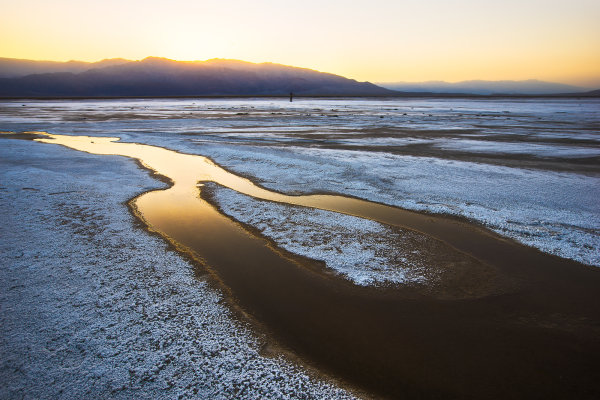
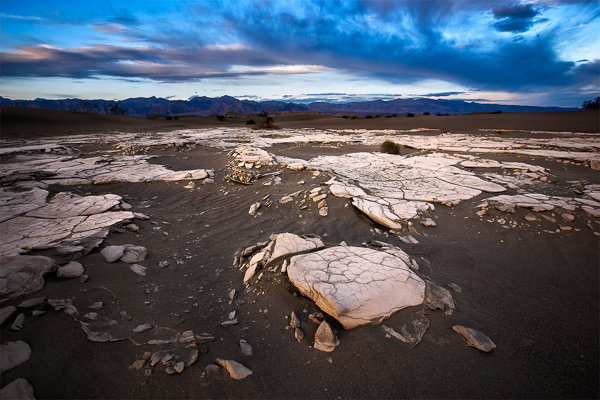
Mesquite Sand Dune Crust | Death Valley National Park

Mesquite Sand Dune Crust | Death Valley National Park

After going back later that evening (they stayed at that same rock the entire evening) we began chatting with the main guy from the group taking pictures. He mentioned that he found some good patterns at Cottonball and showed us the shots he took with his iPhone. These shots were the closest I’ve seen in a long time to the patterns I was looking for and he was nice enough to let us know where to find them. Unfortunately, we only had one last day of the workshop so we’d have to try our luck alone after the students had already left.

On the last day of our trip, after the workshop had concluded, we headed out again to explore and scout the basin. Using my Oregon 600, I dropped a pin at our parking spot off the highway and began hiking out. Around half a mile in, we saw some good patterns starting to forming (this was after walking over some very unwelcoming terrain that would probably cause most tourists and/or photographers to turn back). Things were starting to look good. As we kept hiking out, the patterns began getting tighter and tighter together. Finally, around 1.5 miles into the basin we hit the mother-load. I dropped around 7 pins at different locations out on the basin because I knew these spots were going to be difficult to find again. It’s hard to describe, but Cottonball Basin is a massive expanse of completely flat terrain for the most part. You can pick the same exact parking spot, but if you hike out 20 degrees to the left of where you found the patterns, you’ll miss your mark by enough to not even see something useful.

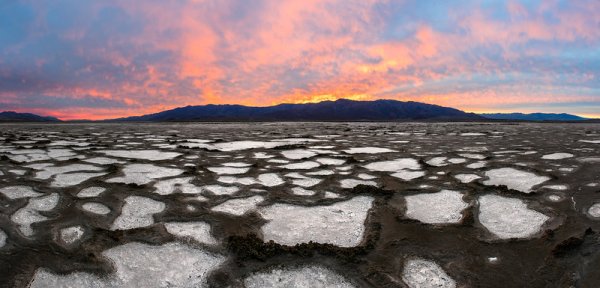
Cottonball Basin

The shot I had been waiting thee years to get was finally mine. I wanted to capture as much as possible so I created this panoramic by taking five vertical images and stitching them together in PTGui Pro.

After lunch and a good nap, we headed out again for sunset. The Oregon 600 led us directly to the exact same spots we stood in earlier that da,y with plenty of time to spare for the light to be right. Oh man, did the light get right. Sunset that evening was one of the top three sunsets I’ve ever seen in my life (and I take ranking my sunsets pretty seriously).

If we hadn’t been relentlessly scouting this location, I’m quite confident I would still be in search of those patterns today.

Start to Finish Video Tutorial

Below is a video I put together from the trip. This is an in-depth video showing the scouting process, the sunset shoot, as well as the post-processing of the image once I got back home. Let me know if you have any questions!

googletag.cmd.push(function() {
tablet_slots.push( googletag.defineSlot( “/1005424/_dPSv4_tab-all-article-bottom_(300×250)”, [300, 250], “pb-ad-78623” ).addService( googletag.pubads() ) ); } );

googletag.cmd.push(function() {
mobile_slots.push( googletag.defineSlot( “/1005424/_dPSv4_mob-all-article-bottom_(300×250)”, [300, 250], “pb-ad-78158” ).addService( googletag.pubads() ) ); } );

The post The Importance of Scouting for Landscape Photographers by James Brandon appeared first on Digital Photography School.


Digital Photography School

 
Comments Off on The Importance of Scouting for Landscape Photographers

Posted in Photography