RSS
 

Posts Tagged ‘Part’

Understanding Natural Light Part 1: Quality of Light

14 Oct

Light has different qualities, and by understanding those differences and using them in your favor, you can become a better image maker. From my point of view, the best place to start improving your ability to work with light is by learning its most basic form, which is natural light.

quality of light - soft light portrait

Therefore, this article is the first of a series that will focus on understanding how to work with natural light. We will:

  • Explore the difference between harsh (hard) and soft lighting and each of their pros and cons.
  • Understand how to use color to serve the visual story we want to portray.
  • Learn how the direction and intensity of light affects the final image.

Even if you are a studio photographer, who wishes to work exclusively with strobes and flash, this article is crucial for you. If you manage to understand how to work with natural light, this knowledge can be later applied to any genre or style of photography. As a portrait photographer, in my explanation and examples, I will focus on working with natural light in portraits. However, as mentioned, once you understand the concept, this can be applied to any genre or subject.

George Eastman, the American entrepreneur that founded Kodak (and who probably knew a thing or two about photography), said, “Embrace light. Admire it. Love it. However, above all, know light. Know it for all you are worth, and you will know the key to photography.”

What do you think that Mr. Eastman meant by “know light. Know it for all you are worth.”? From my point of view, he meant that as photographers, light is our raw material. It is like letters to the writer and notes to the musician, and as photographers, we must understand how this raw material works and behaves under different conditions.

quality of light - soft light

Quality of light – Understanding hard and soft light

In this first chapter we will:

  • Understand the differences between soft and hard (or harsh) light.
  • Explore the concept of “Good Light” versus “Bad Light.”
  • Learn about common challenges faced when working with natural light, and how to overcome them.
  • Suggest exercises that you can use to practice the explained concepts and techniques.

Soft lighting

Soft light is characterized by low levels of light, lack of shadows, a small and gentle difference between dark and bright areas.
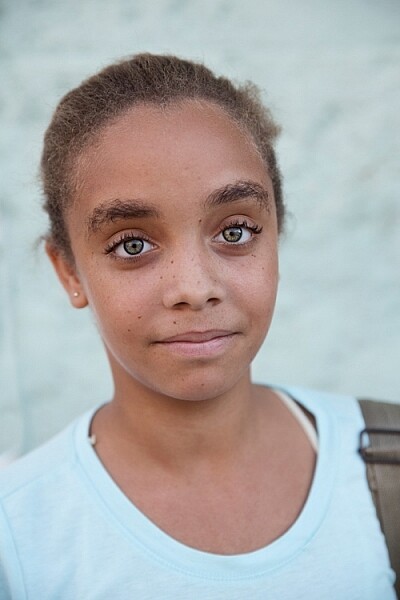
soft lighting

Soft lighting situation is characterized by the lack of shadows and (as you can see in this image), cold hues during cloudy weather, which fit the greens and blues in this situation.

When does it happen? Depends on the weather and your location on the globe (it won’t happen at the North Pole, during winter), but you will usually encounter a soft lighting situation, at the edges of the day (also referred to the Golden Hours), just after sunrise and just before sunset (how much time before and after, is again dependent on your location). Besides the edges of the day, you can find soft lighting conditions under a cloudy or overcast sky.

Challenges: Soft light is not suitable for every portrait, it all depends on what you wish to evoke (in terms of emotion and mood) in your image, as I will describe later. Another issue is the level of light, which may be too low. So, it is very important that you pay attention to your shutter speed and increase it manually, to avoid blurriness.

Hard/harsh lighting

Hard light is characterized by strong levels of light, long and deep shadows, a big difference between dark and bright areas (high dynamic range). Because of contrast, harsh light will strengthen the current situation in the field, in terms of color. Saturated and rich colors will seem even more intense, and dull colors will seem even more so.

hard or harsh lighting

In harsh light, there is a huge contrast between the dark and bright areas in the image and details might get too bright or too dark – but this is perfectly fine!

When do you have hard light? It also depends on the weather and location, but usually, you can encounter harsh lighting situations during the day, about two hours after sunrise, until one hour before sunset (middle of the day).

Challenges: the main problem with the harsh lighting is the huge difference between the dark and bright areas (also known as contrast). Contrary to our sophisticated eyes, the camera is (still) not able to cope with this difference. So, the result will be the loss of details in your image, as they become too bright or too dark. For example, you might get a great exposure on your subject while losing detail in the background or vice versa.

Some photographers mistakenly think that this condition (the loss of details) is due to an error they made in operating their camera. So, the first step to the solution is to understand the problem. If you are shooting under harsh light, that lost of details is something that you cannot change (unless you use flash or post-process the image), because it is due to the contrast between the dark and the bright areas. So, changing the aperture, shutter or ISO, won’t help correct it.

“The artist vocation is to send light into the human heart.” – Robert Schumann

Forget about “good” lighting

Due to the challenges I have mentioned, most photographers avoid shooting under harsh lighting condition. They prefer to work under soft lighting, which is usually referred to as more pleasing to the eyes. However, it is not always the right choice for your portrait.
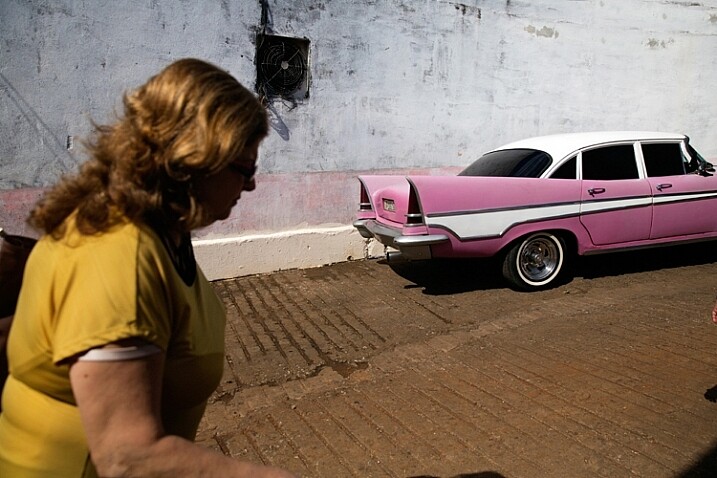
hard lighting

That day in the streets of Havana was extremely hot. So, I used the harsh light to evoke that sense.

The thing to remember is that you want to match the light to the visual story you want the portrait to tell. As we just learned, each lighting condition has its own qualities and characteristics. While the soft light from a setting sun might be best for a romantic couple’s photoshoot, it may be less suitable for a portrait of a hardworking man outdoors. Let’s stop using the concepts of good and bad lighting, and start thinking in terms of more suitable, or less suitable lighting.

Planning

To work under the most suitable lighting conditions, you should plan for it instead of just wishing for it. Check the weather forecast, as well as the sunrise and sunset times. For example, if you need soft lighting for your project, you should know exactly where to be, and what to do around sunrise and sunset every day. Do not waste even a minute on sleeping when there is suitable light out there.

1. Matching the time of day to desired mood – You should choose the most suitable time to go out and work, according to your desired results.

2. Matching the visual story to the given lighting conditions – I often choose the visual story, according to the available light given to me on location.
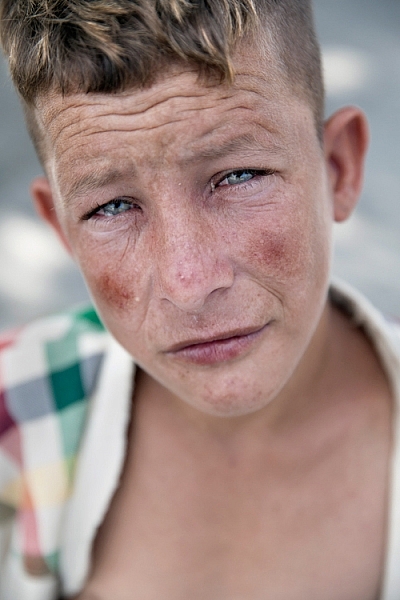
soft light

Flexibility

Sometimes even with careful planning, the weather changes and therefore, so does the natural lighting condition. That’s what happened to me when I was working on an assignment in southern Thailand. In a place known for pristine beaches and postcard-like islands, the mighty monsoon decided to make an appearance and show everyone who’s boss. At first I was afraid that I wouldn’t be able to provide the images that I had in mind to my editor.

However, I know one thing for sure: you cannot fight the light. So I changed my plans and headed to the small village of the Chao Leh (Sea Gypsies) community. This visit (which ultimately became a seven-year project), allowed me to discover a different, much less touristy side, of that area. I discovered a story about a struggling community of sea drifters, that never fully recovered from the tsunami of 2004.
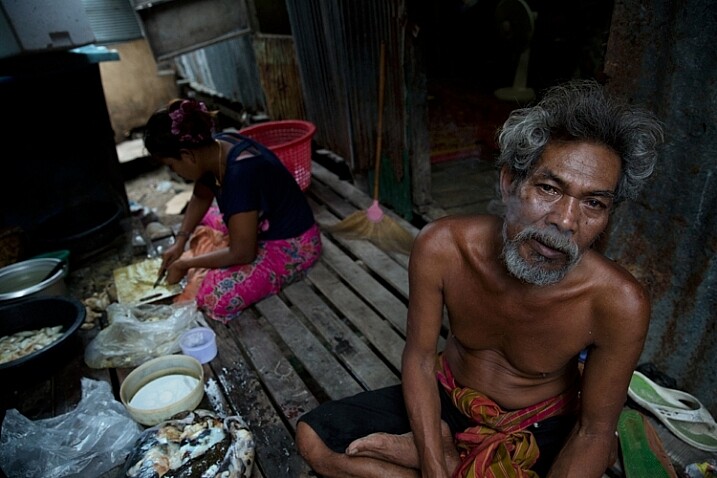
soft light be flexible

The Chao Leh (Sea Gypsies) community in southern Thailand. The stormy weather, with its soft, low, blue-colored light gave the images a sense of “cold winter,” which was a perfect match to the feeling I wanted to evoke in that story.

A few days later, the clouds gave way to the sun and I was back to my original shooting list. When I sent the images back to my editor, she was thrilled with the new direction and decided to run a full story about this community.

“What makes photography a strange invention is that its primary raw materials are light and time.” – John Berger

In conclusion, do not limit yourself to working exclusively under soft light, as both harsh and soft light summon great challenges and opportunities. As a visual storyteller, aim to always try and match the story you are trying to tell, to the light you are using, to bring that visual story to your viewers. The key element is planning, with a bit of flexibility, and some room for serendipity.

Practice working with quality of light

Exercise #1 – using over exposure compensation while working with a harsh light condition.
  • Time: A sunny afternoon.
  • Location: Any outdoor location – from your backyard to the local park.
  • Step one: Place your favorite model (it can be a friend, a family member, your partner, or a beloved dog) under the midday sun.
  • Step two: Take a moment to understand how the light illuminates your subject’s face. Do you notice the high contrast between dark and bright areas (lit forehead versus dark eyes)?
  • Step three: Work in Aperture Priority mode (A in Nikon and AV in Canon), and use exposure compensation (overexpose), until you manage to bring more light to your subject’s eyes. Don’t panic, as you will probably burn out (lose details) the background, and parts of the subject’s face. It is okay. This exercise is about being able to stop reviewing your images through the histogram tool and highlight alerts, and start thinking in terms of story, and if that story is working or not.
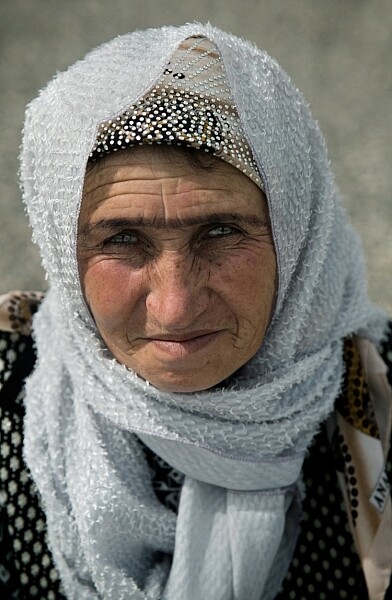
hard light portrait

Harsh light helped me to create a sense of “roughness” in this portrait, which I felt that support the visual story I wanted to tell.

Exercise #2 – switch to black and white while working under soft light conditions.
  • Time: A cloudy day or the edges of the day.
  • Location: Any outdoor location – from your backyard to the local park.
  • Step one: Approach a stranger and ask his or her permission for a portrait. Perhaps you can send the final image by email as a token of appreciation.
  • Step two: Switch to Monochrome mode, which is black and white photography (under Picture Style in Canon and Picture Control in Nikon).
  • Step three: Take a close-up portrait (torso and face only). Note how the light gradually illuminates the subject’s face, creating soft pockets of shadows that evoke a sense of depth.
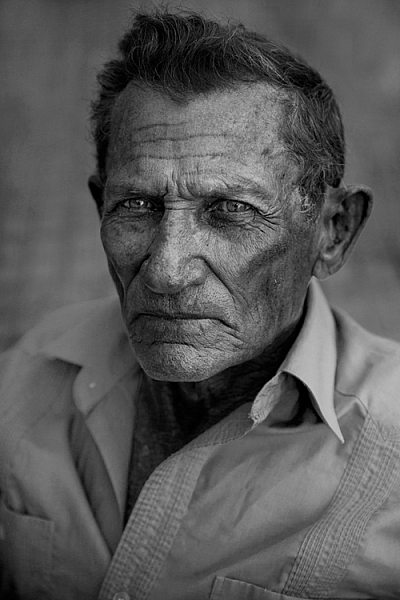
black and white in soft light

The author would like to thank Nicholas Orloff for his assistance in writing this article.

googletag.cmd.push(function() {
tablet_slots.push( googletag.defineSlot( “/1005424/_dPSv4_tab-all-article-bottom_(300×250)”, [300, 250], “pb-ad-78623” ).addService( googletag.pubads() ) ); } );

googletag.cmd.push(function() {
mobile_slots.push( googletag.defineSlot( “/1005424/_dPSv4_mob-all-article-bottom_(300×250)”, [300, 250], “pb-ad-78158” ).addService( googletag.pubads() ) ); } );

The post Understanding Natural Light Part 1: Quality of Light by Oded Wagenstein appeared first on Digital Photography School.

Digital Photography School

 
Comments Off on Understanding Natural Light Part 1: Quality of Light

Posted in Photography


Interactive Museum: Play in Paintings, Become Part of the Art

27 May

[ By WebUrbanist in Art & Installation & Sound. ]

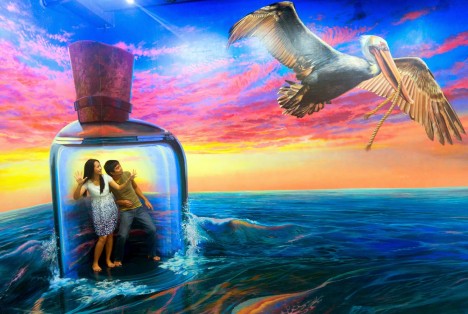
fish bowl art museum

Making art accessible like never before, this interactive gallery encourages people to play around, with and even inside its artworks, extending the frame to include visitors.

art interactive museum design

playful engaging works of art

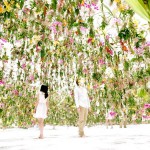
Located in a converted bus station in the Philippines, this unconventional museum dubbed Art In Island is packed with art that spills off the canvas and onto adjacent walls, floors and ceilings, breaking down the barrier between gallery and art as well as artist and viewer.

playful art exhibit philipines

playful interactive painting design

A series of famous regional artists were commissioned and flown in to create the series of 50 pieces that populate the place. Unlike most places, however, guests of this gallery are in turn encouraged to take pictures of themselves and their friends playing with this art. In some places, visitors can climb right into the frame of a painting or occupy a piece of it that pushes out and becomes three-dimensional in the space surrounding the work.

playful modern art space

playful art carpet ride

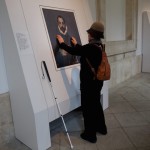
The idea is in part to make the experience of art a more accessible everyday activity, and to reconsider our relationship to those ‘do not touch’ signs found in most museums. There is also an element of the times (and places) involved – according to the CEO of the project, Filipinos are famous for taking selfies, and in the age of social media are also inclined to share those pictures online.

Share on Facebook


[ By WebUrbanist in Art & Installation & Sound. ]

[ WebUrbanist | Archives | Galleries | Privacy | TOS ]


WebUrbanist

 
Comments Off on Interactive Museum: Play in Paintings, Become Part of the Art

Posted in Creativity


Sources of noise part two: Electronic Noise

13 May

Following on our look at the effects of shot noise, our attentions turn to the electronic noise added by your camera. In this second part of the series, we look at read noise and how your sensor’s behavior defines what your camera is capable of and consequently, how you should shoot with it. Read more

Articles: Digital Photography Review (dpreview.com)

 
Comments Off on Sources of noise part two: Electronic Noise

Posted in Uncategorized


Adult Erector Sets: Toymaker Now Sells DIY Furniture Part Kits

24 Apr

[ By WebUrbanist in Design & Furniture & Decor. ]

home furniture erector set

Combining elements of IKEA ingenuity and their own classic line of modular toys, Meccano (makers of Erector Sets) is now offering a new type of do-it-yourself furniture modeled on their own miniature for-kids equivalents.

resizing furniture animation

home furniture building kit

home furnishing table lamp

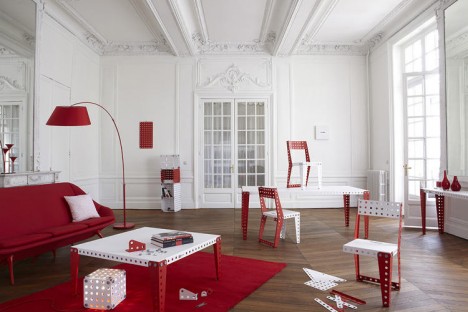
Made in France, the Meccano Home furniture series involves the same sorts of struts, surfaces, connectors and bolts found at smaller scale in their toy line, a kit-of-parts approach letting you build then rework any domestic object you desire, reusing pieces along the way.

home furniture wall table

home furniture red white

Currently sold in sets, you can start out with a single piece then use the modules to make something entirely new or combine elements from other packages. Twenty different pieces help create sufficient consistency while also providing variety – there are a lot of options but no risk of losing a ‘rare’ part that could be more difficult to replace.

home furniture modular pieces

home furniture diy objects

home furniture design series

Flashy colors and a nostalgic aesthetic aside, the bigger picture here is a powerful one: a world in which we no longer scrap or sell our used furniture, but instead cannibalize the parts, storing them for future use or re-purposing them on the spot into new furnishings.

Share on Facebook


[ By WebUrbanist in Design & Furniture & Decor. ]

[ WebUrbanist | Archives | Galleries | Privacy | TOS ]


WebUrbanist

 
Comments Off on Adult Erector Sets: Toymaker Now Sells DIY Furniture Part Kits

Posted in Creativity


Forbidden Islands, Part I: 7 Isolated and Abandoned Wonders

25 Nov

[ By Steph in 7 Wonders Series & Travel. ]
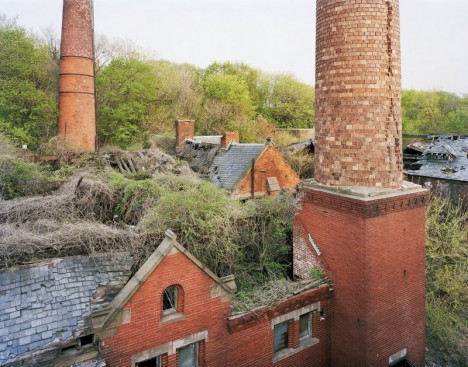
Strange Islands North Brother 1

From a mile-long strip of land packed with over one million corpses just off the shores of New York City to a floating fortress in England used by a developer to escape his creditors, these 7 islands are among the world’s strangest. While the exact histories of some can only be speculated upon, like Japan’s formerly top-secret chemical weapons facility and Mexico’s wildly creepy Island of the Dolls,  each of these mysterious islands has a fascinating story to share.
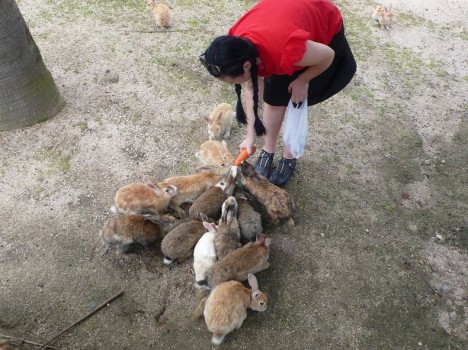
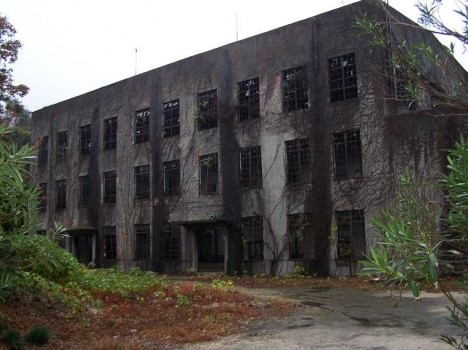
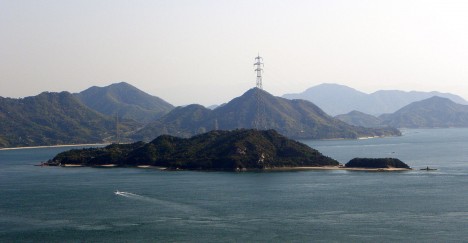
Poison Gas Island Now Overrun with Rabbits

strange islands rabbit 1 strange islands okunoshima strange islands okunoshima 2

Suspecting that the United States and Europe were producing chemical weapons despite signing the Geneva Protocol banning chemical warfare in 1925, Japan decided to move forward with developing some of its own, claiming a tiny isolated island that they subsequently removed from maps. Workers at the chemical weapon facility producing mustard gas and tear gas weren’t even clued in to what they were creating, and many of them suffered from toxic-exposure related illnesses. When the Russo-Japanese war ended in 1929, documents relating to the plant were destroyed, and the gas was dumped or buried.

Today, the island is home to the Okunoshima Poison Gas Museum – but that’s not what draws most of the tourists who visit the island, which is now part of the Inland Sea National Park system of Japan. It’s the thousands of rabbits that have multiplied there, leading to the nickname ‘Rabbit Island.’ Some people speculate that these rabbits are the descendants of animal testing subjects that were let loose after World War II, but as the rabbits have few natural predators to fear on the island and hunting them is forbidden, it may just be a case of stereotypical rabbit reproduction rates.

North Brother Island, New York
Strange Islands North Brother 1

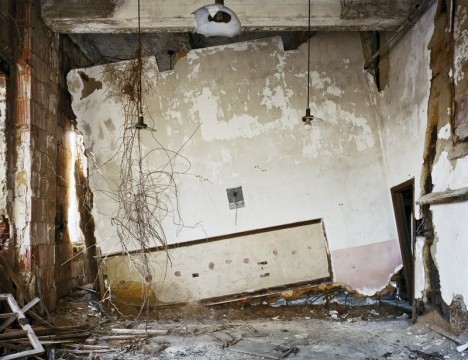
Strange Islands North Brother 2

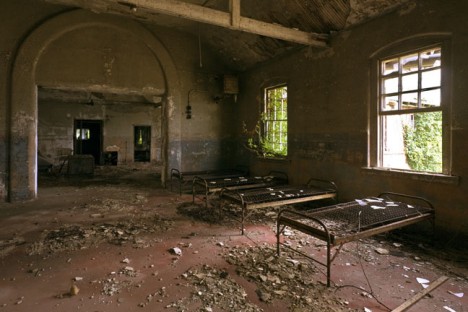
Strange Islands North Brother 3

Strange Islands North Brother 4

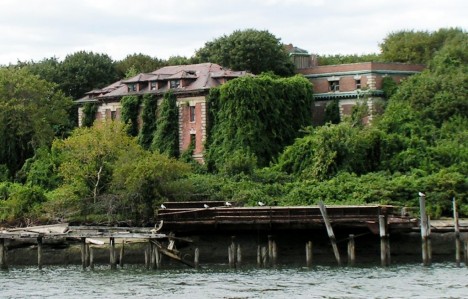
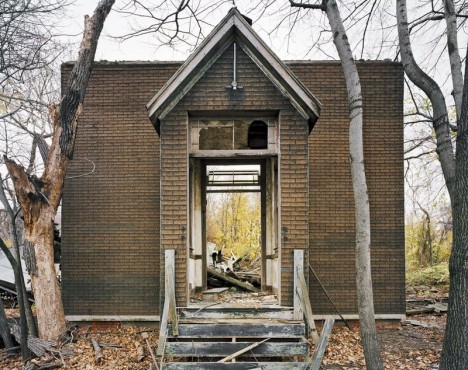
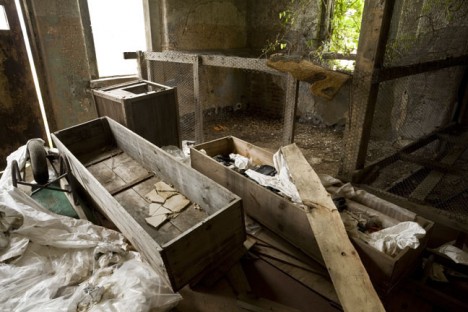
Visible to anyone who cares to notice from the windows of airplanes landing at LaGuardia Airport, the creepy abandoned North Brother Island is nonetheless unknown to most New Yorkers. The dilapidated remains of brick structures can be spotted through a tangle of vines in the overgrown forest that has sprouted around them since they were left to decay a half-century ago. The island was established as a New York City quarantine hospital in 1885, and was home to the infamous Typhoid Mary, the first American identified as a carrier of typhoid fever. Later, the island became a rehab center for teenage drug addicts before it was decommissioned in 1963. Invasive kudzu vines soon took over. Due to its proximity to Rikers and the fragility of its structures, the island is permanently closed to the public, but occasional visitors still get in. These incredible images were taken by photographer Christopher Payne for his book, North Brother Island: The Last Unknown Place in New York City.

New York Island is a Cemetery for Unknown Individuals

Strange Islands Hart 1

Strange Islands Hart 2

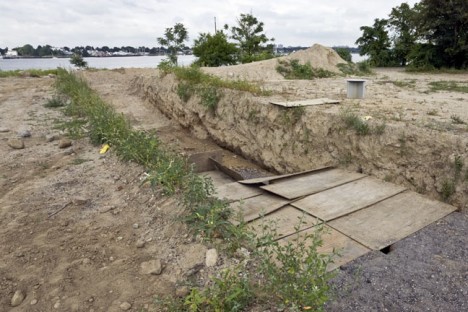
Strange Islands Hart 3

As beautiful and creepy as North Brother Island may be, it’s hardly the only isolated island with a sad story that can be found within a stone’s throw of America’s most populated city. Located in the Long Island Sound, Hart Island was used as a Civil War prison camp, with 235 prisoners dying there. Later, the island became the setting of a hospital, a women’s insane asylum, a tubercularium and a corrections facility for boys. But unlike many islands with such a past, this one has not been converted into a memorial, nor has it been entirely left to ruin: it is the final resting place of the city’s unknown or unclaimed dead. Used as New York’s Potter’s Field, the mile-long island holds the remains of more than one million individuals, with about 1,500 bodies (and many more amputated body parts) buried there each year. The historic buildings on the island are being torn down to make room for additional burials, which are conducted by Rikers Island inmates.

Isla de las Munecas: Mexico’s Creepy Doll Island
Strange Island Dolls 1

Strange Islands Dolls 2

Strange Islands Dolls 3

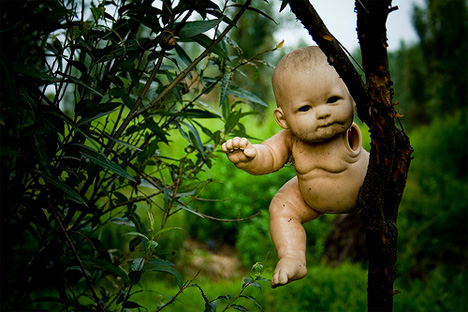
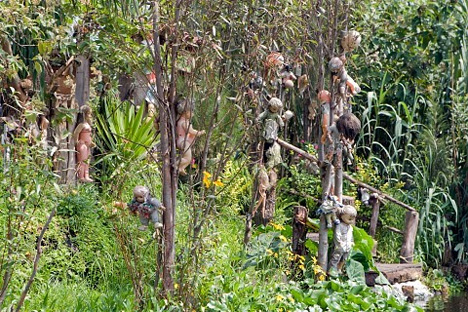
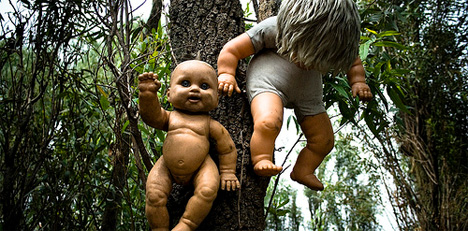
The eyes of decapitated dolls blink lazily from their perches in the trees on Mexico’s Isla de las Munecas – ‘Island of the Dolls.’ There’s something undeniably terrifying about seeing what look like naked infants – sometimes remarkably realistic – clinging to the branches or dangling from their necks. Legend has it that after a little girl drowned in Teshuilo Lake, island resident Don Julian Santana began collecting dolls and installing them in the trees. Eventually, their numbers grew into the hundreds. Santana often sourced the dolls from the trash or traded produce for them, taking them in any condition, no matter how dirty or worn. While many people viewed the doll-infested island as something out of a nightmare, to him it was a shrine. Tragically, in 2001, Santana was discovered drowned in the same area of the lake where he believed the little girl had perished.

Next Page – Click Below to Read More:
Forbidden Islands Part I 7 Isolated And Abandoned Wonders

Share on Facebook


[ By Steph in 7 Wonders Series & Travel. ]

[ WebUrbanist | Archives | Galleries | Privacy | TOS ]


WebUrbanist

 
Comments Off on Forbidden Islands, Part I: 7 Isolated and Abandoned Wonders

Posted in Creativity


Mastering Family Portrait Part III: Posing Guide

11 Nov

It might be the redheaded stepchild of photography, the gum under your shoe, the backwash left in the glass when you think you’re drinking champagne, but posing is one of the most important parts of any photograph. I am not a traditional poser, so I’m not going to get into thumbs in or out of pockets, or serious or smiley, Continue Reading

The post Mastering Family Portrait Part III: Posing Guide appeared first on Photodoto.


Photodoto

 
Comments Off on Mastering Family Portrait Part III: Posing Guide

Posted in Photography


Mastering Family Portrait Part II: How to Deal with Clients

06 Oct

So you had your pre-shoot consultation, and you’re ready to go. You get to your location, and the family are all there on time, in happy moods, excited to shoot, and looking great. Except for that toddler who just wouldn’t go down for his nap. (Note: NEVER shoot a toddler during his naptime…EVER!!!) Or that grandfather who doesn’t want to Continue Reading

The post Mastering Family Portrait Part II: How to Deal with Clients appeared first on Photodoto.


Photodoto

 
Comments Off on Mastering Family Portrait Part II: How to Deal with Clients

Posted in Photography


Cold War camera: 1950s Berlin in color (part 2)

07 Sep

Ten years after the end of WWII, Germany was rebuilding. Cities like Berlin, which had been severely damaged during the war were emerging from the rubble as the ‘Wirtschaftswunder’ or ‘economic miracle’ transformed West Germany. In the immediate post-war period hundreds of thousands of allied troops were stationed in the divided country, many of them with cameras. Found recently at a flea market, the images in this article date from 1956-7 and were taken by a US Serviceman in Berlin. Click through to take a look at part 2.

Articles: Digital Photography Review (dpreview.com)

 
Comments Off on Cold War camera: 1950s Berlin in color (part 2)

Posted in Uncategorized


Cold War camera: 1950s Berlin in color (part 1)

01 Sep

Ten years after the end of WWII, Germany was rebuilding. Cities like Berlin, which had been severely damaged during the war were emerging from the rubble as the ‘Wirtschaftswunder’ or ‘economic miracle’ transformed West Germany. In the immediate post-war period hundreds of thousands of allied troops were stationed in the divided country, many of them with cameras. Found recently at a flea market, the images in this article date from 1956-7 and were taken by a US Serviceman in Berlin. Click through to take a look. 

Articles: Digital Photography Review (dpreview.com)

 
Comments Off on Cold War camera: 1950s Berlin in color (part 1)

Posted in Uncategorized


Part two: Panasonic Lumix DMC-GH4 / Sony Alpha 7S Comparative Review

27 Aug

Our comparative review of the Panasonic GH4 and Sony Alpha 7S started with a look at their designs, handling and video spec. They’ve set new benchmarks for the sophistication of their video capabilities, but they’re both potentially very capable stills cameras as well. That brings us to part two of our review, which adds six pages including analysis of image quality and dynamic range. We’ve also expanded our look at the video modes on each camera. Read more

Articles: Digital Photography Review (dpreview.com)

 
Comments Off on Part two: Panasonic Lumix DMC-GH4 / Sony Alpha 7S Comparative Review

Posted in Uncategorized