RSS
 

Posts Tagged ‘Paper’

Nice Slice: 30+ Sculptures & Illustrations Created with Cut Paper

17 Oct

[ By SA Rogers in Art & Sculpture & Craft. ]

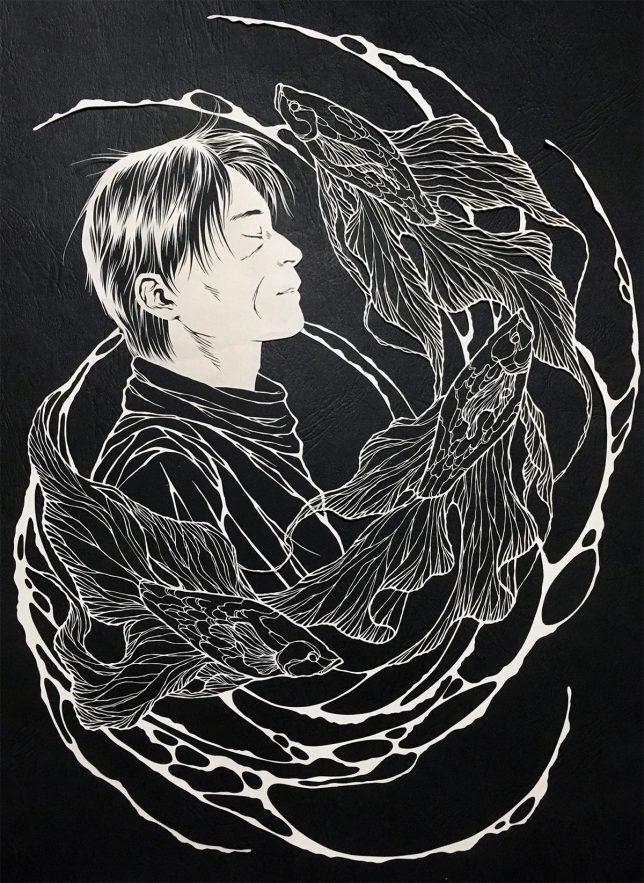
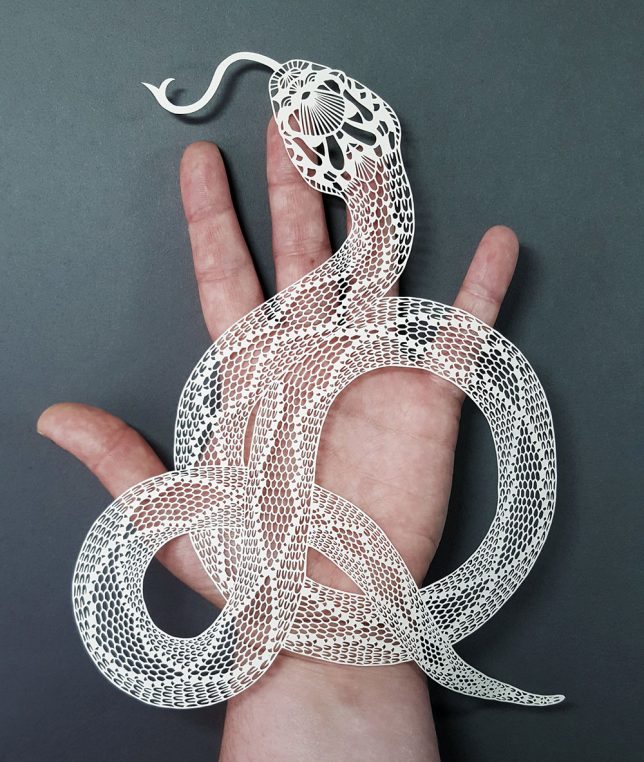
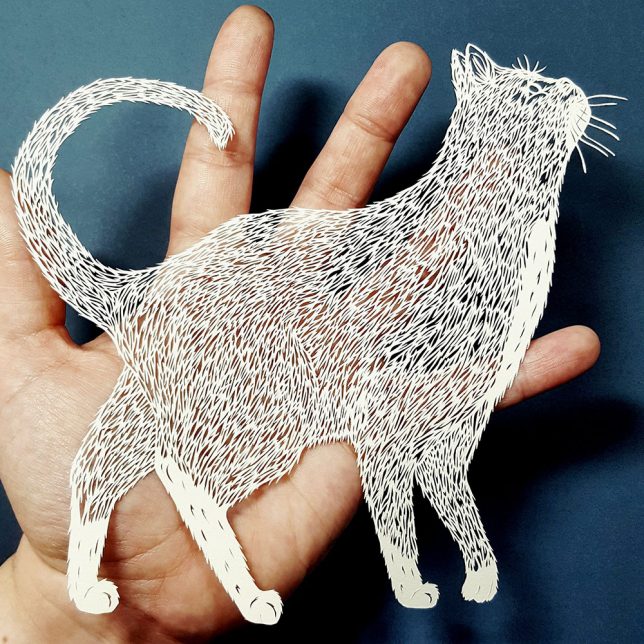
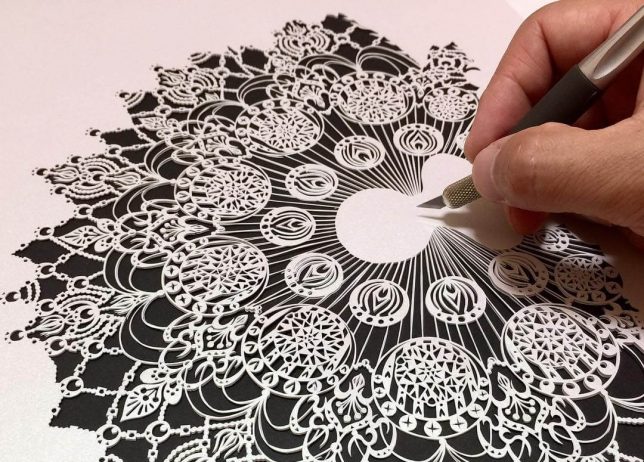
Hand most people some paper and an X-acto knife and ask them to make art, and at best, they’ll produce some cartoonish shapes spattered with blood. But these twelve artists are producing some of the world’s most impressive papercut art, whether by laboring over astonishingly intricate tapestries for months at a time or making use of clever minimalism for a surprisingly big impact.

Sea Creatures by Kiri Ken

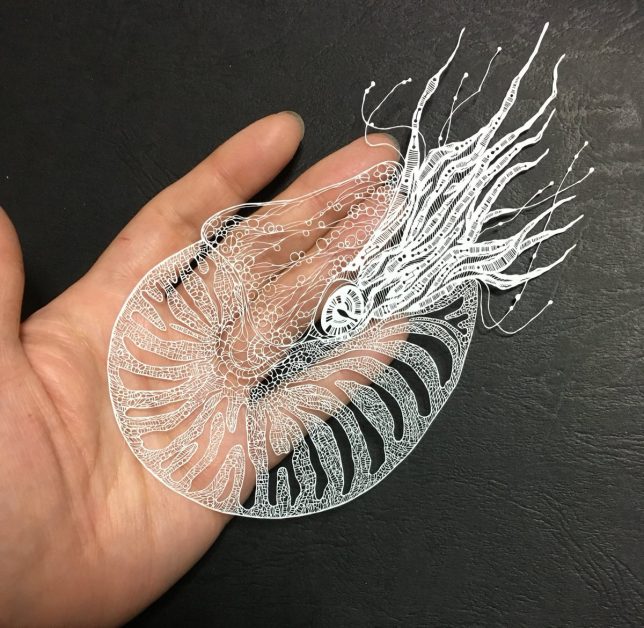
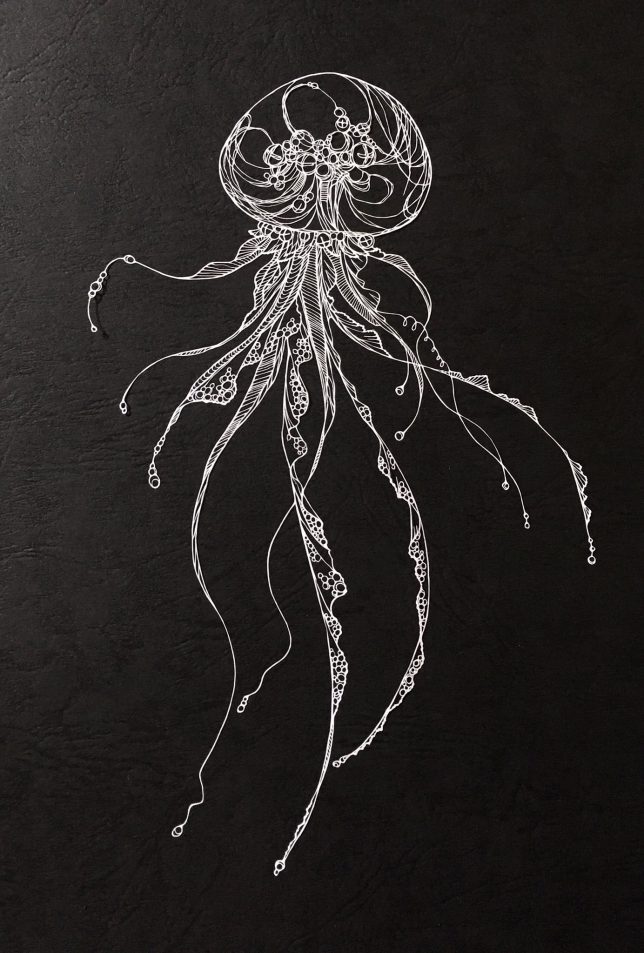
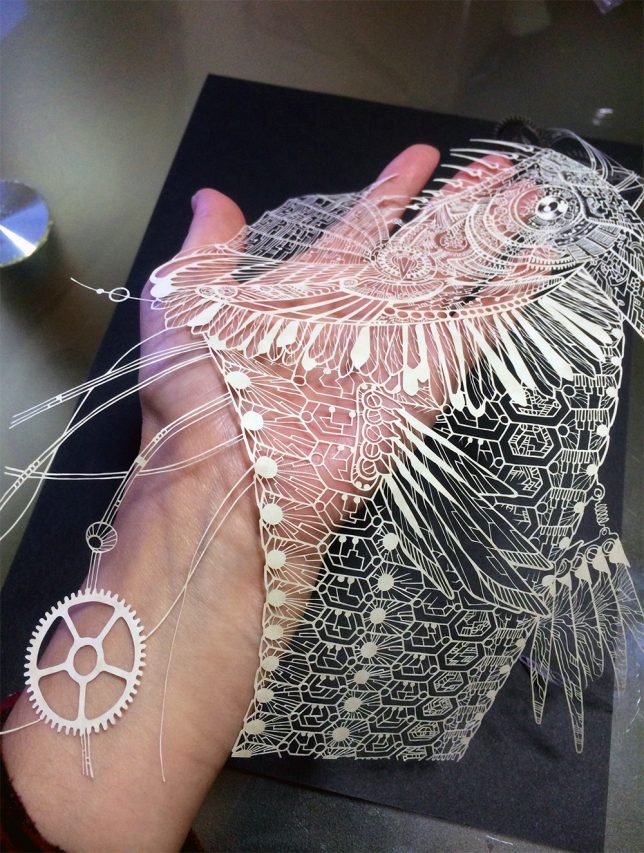
Sea creatures and other natural subjects become the slightest wisps of paper in these extraordinarily delicate and detailed paper cuts by artist Kiri Ken, who shares her work on Twitter. The creatures often become something slightly unnatural in the textures and lines Kiri applies to their various parts, sprouting mechanical objects or patterns that look computerized.

Nature Scenes by Pippa Dyrlaga

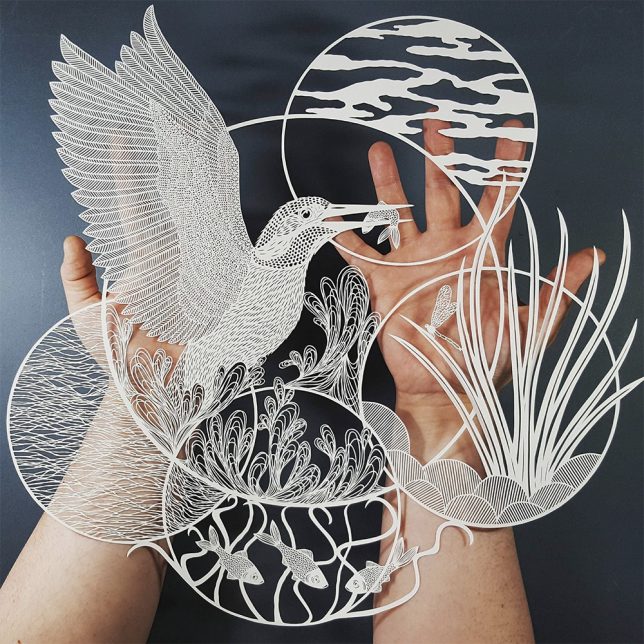
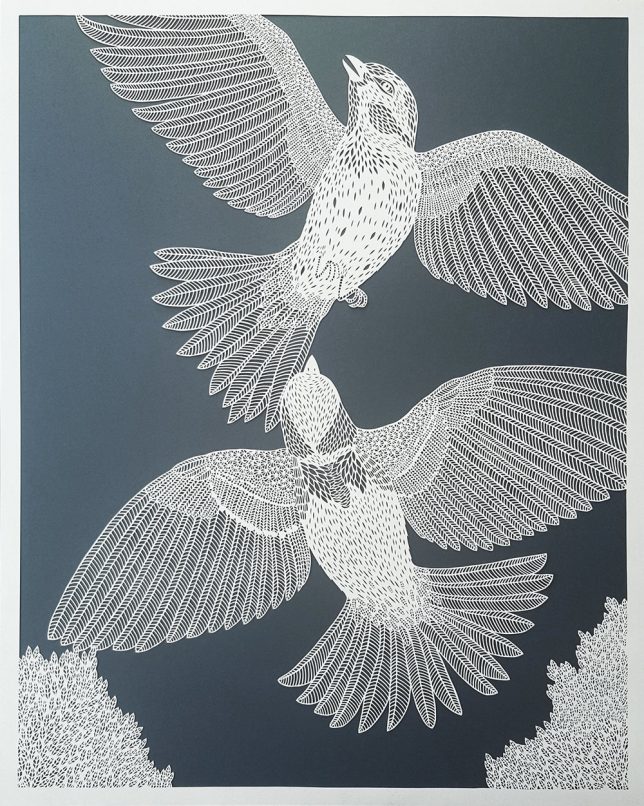
Each teeny-tiny feather on a kingfisher’s wing, each scale on the body of a goldfish, is cut out with seemingly endless patience and unfailing accuracy in works by Yorkshire-based artist and printmaker Pippa Dyrlaga.

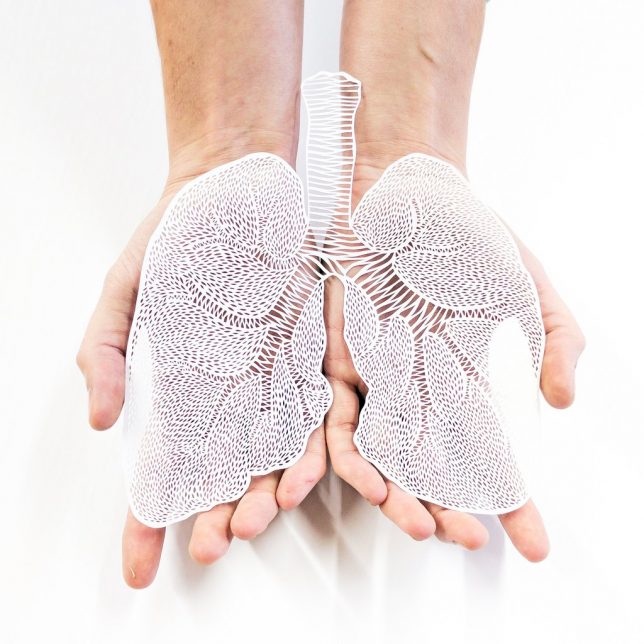
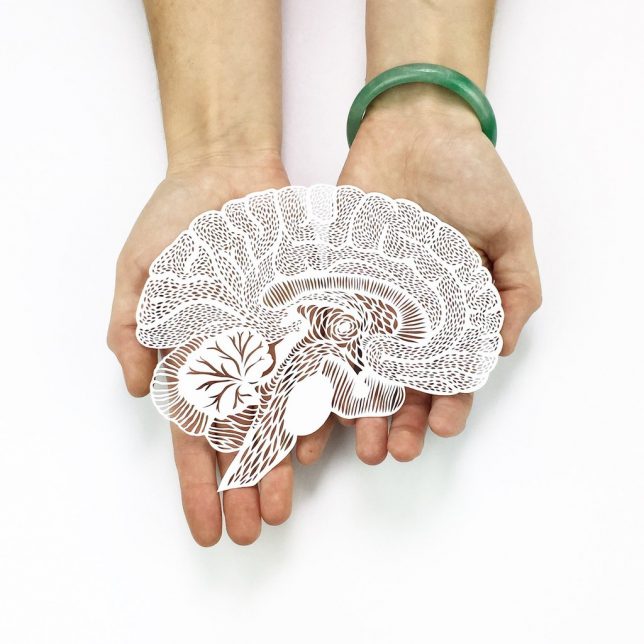
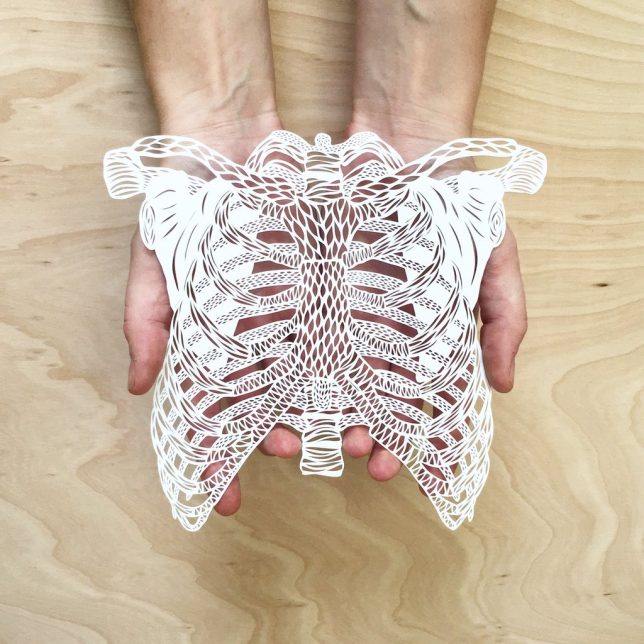
Anatomy by Ali Harrison

Ali Harrison’s versions of human organs are quite a bit prettier than the real thing, each one given surprising depth and heft despite being cut out of ordinary sheets of paper. The artist designs each one and then laser-cuts them so they can be reproduced. She sells them in her Light and Paper shop.

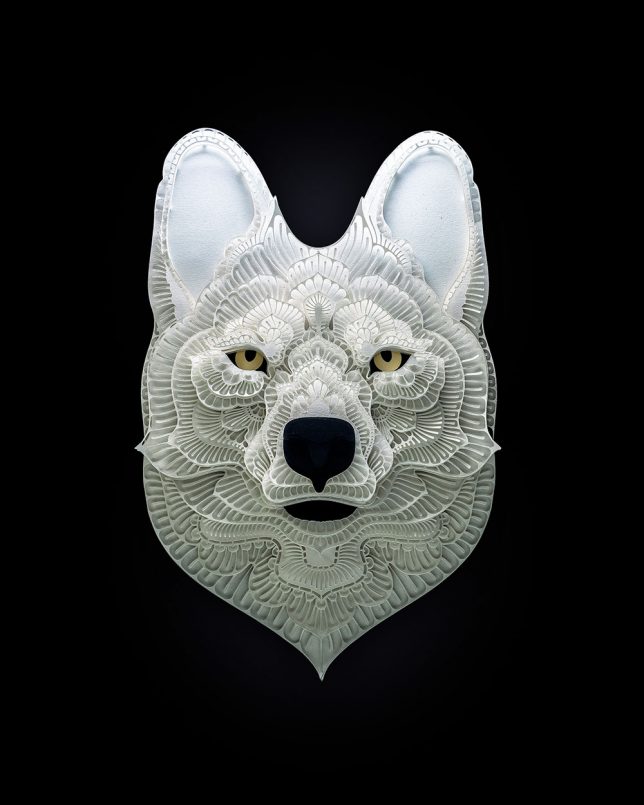
Endangered Species Cut-Outs by Patrick Cabral

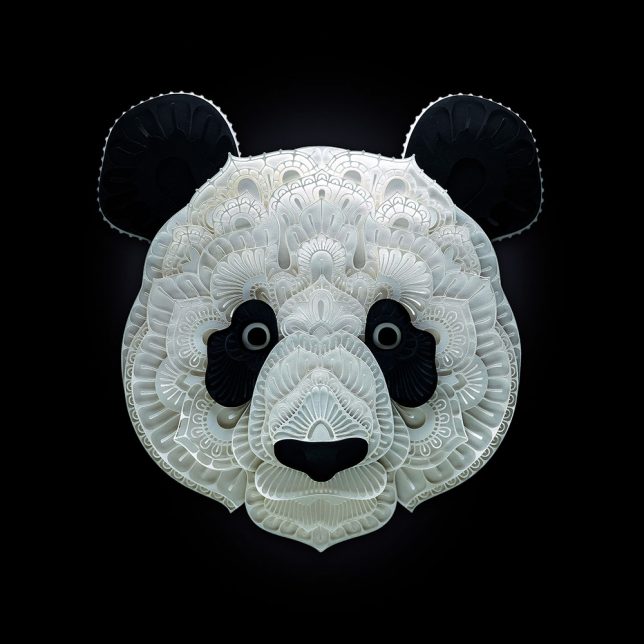
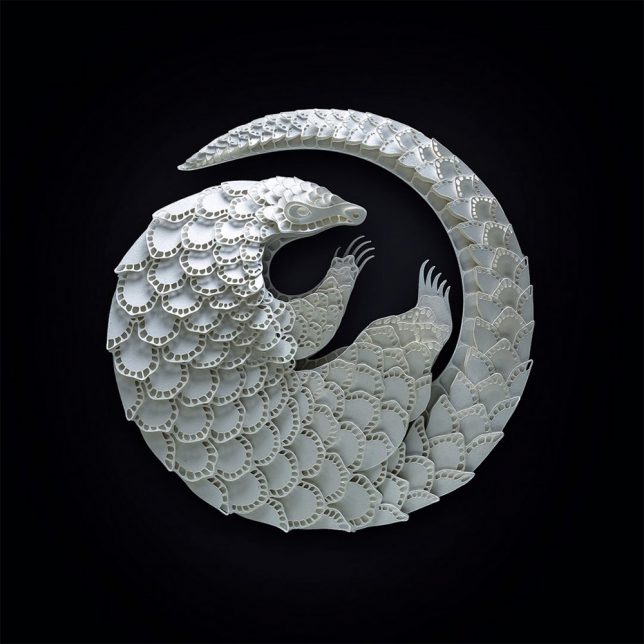
Wolves, elephants, pangolins, tigers, pandas and more are rendered starkly in black and white cut paper against a black surface, each layer of their lace-like faces and bodies cut by hand. Manila-based artist Patrick Cabral donated half the proceeds from the sales of each of these endangered species to WWF Philippines.

Next Page – Click Below to Read More:
Nice Slice 30 Sculptures Illustrations Created With Cut Paper

Share on Facebook


[ By SA Rogers in Art & Sculpture & Craft. ]

[ WebUrbanist | Archives | Galleries | Privacy | TOS ]


WebUrbanist

 
Comments Off on Nice Slice: 30+ Sculptures & Illustrations Created with Cut Paper

Posted in Creativity


Playful Kirigami: Touch-Activated Paper Animals Pop into Action

12 Oct

[ By WebUrbanist in Design & Products & Packaging. ]

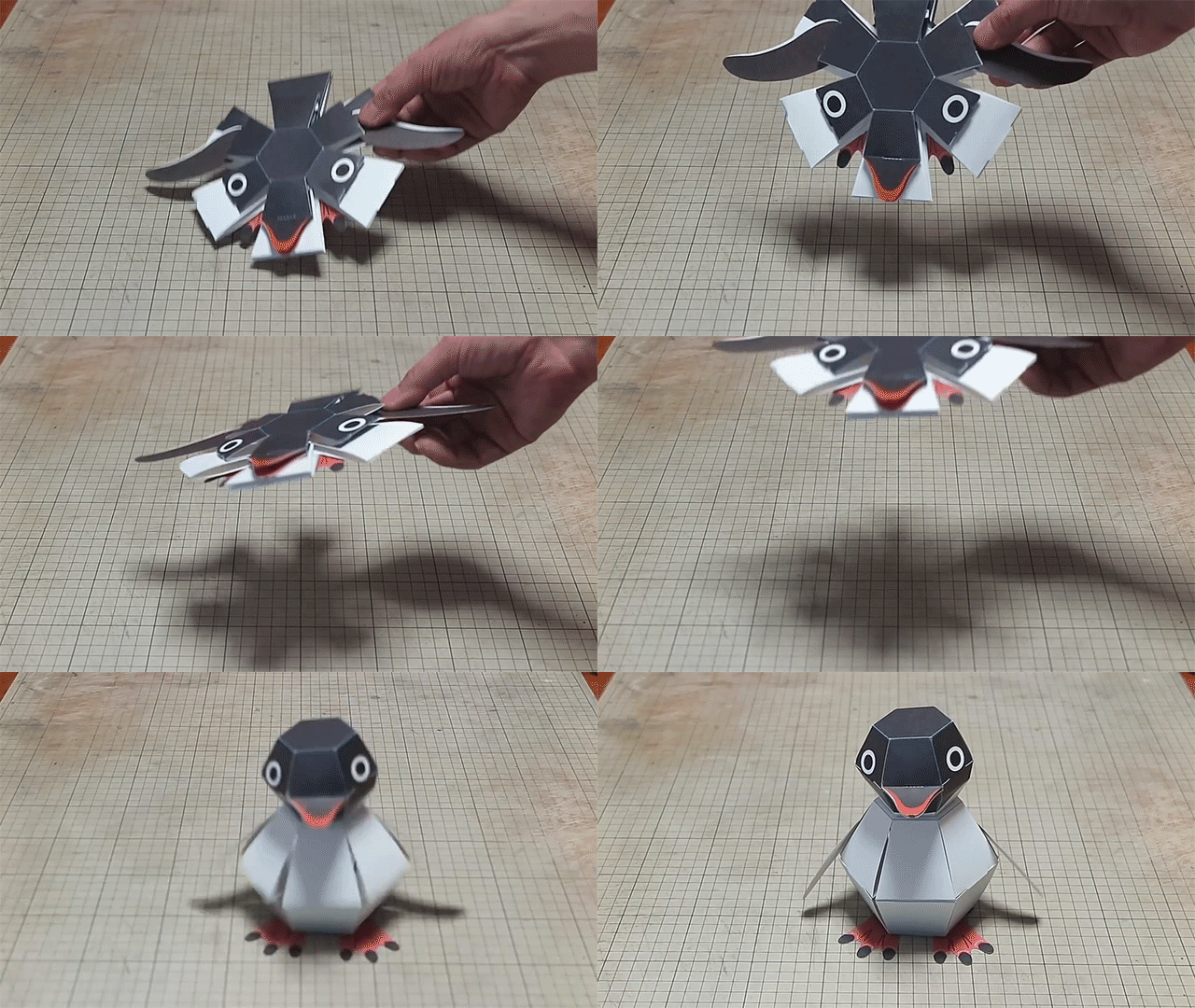
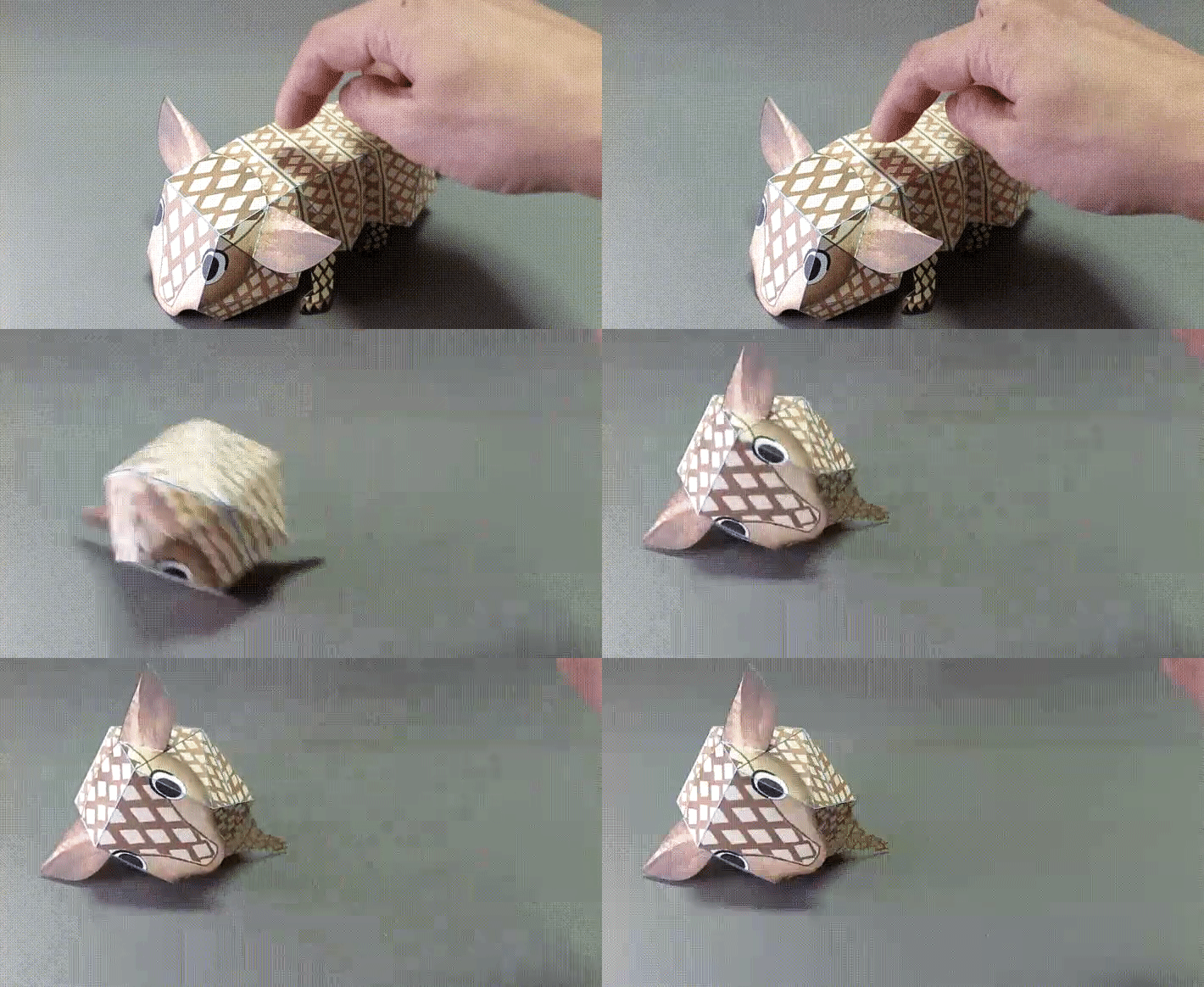
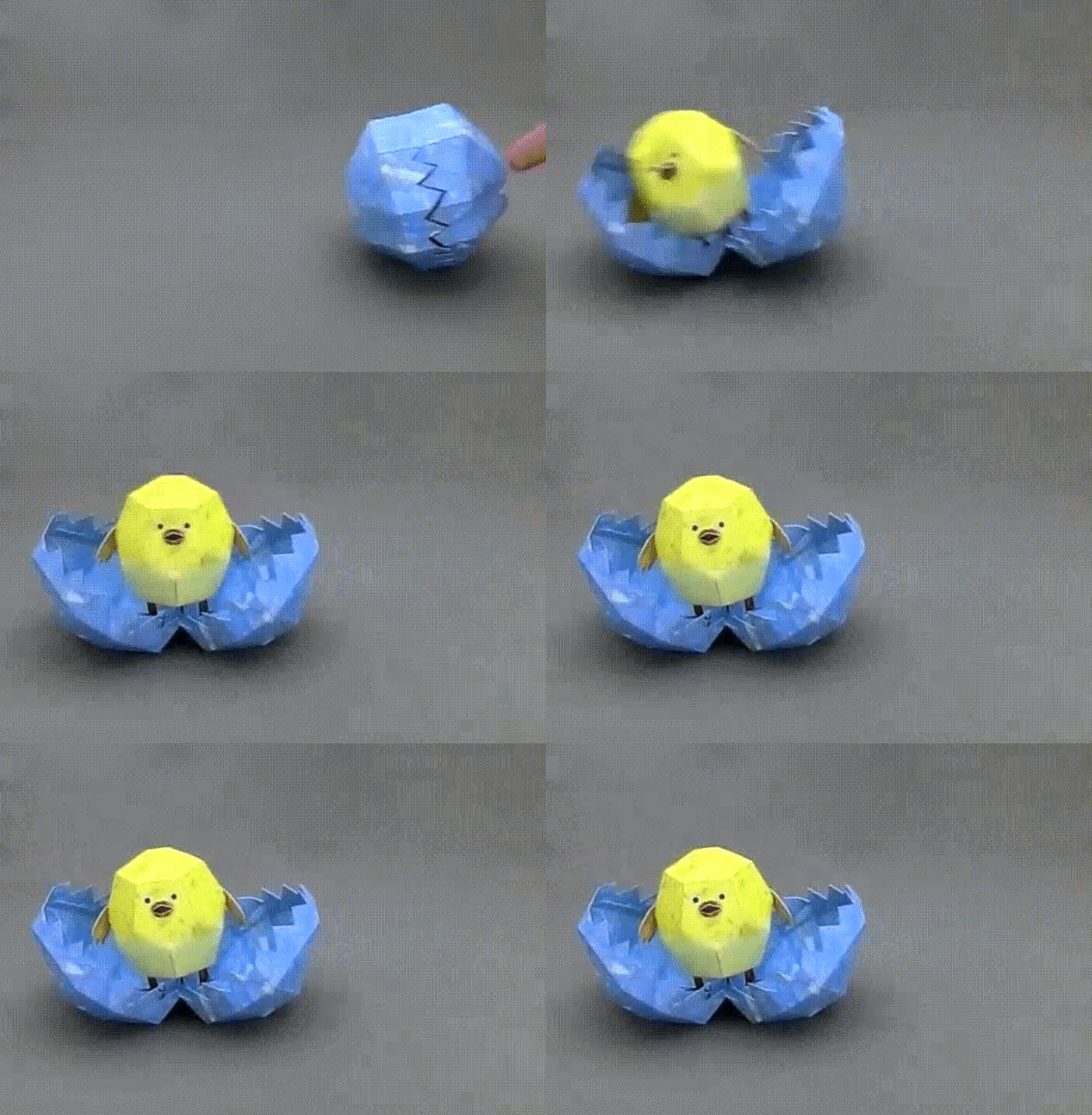
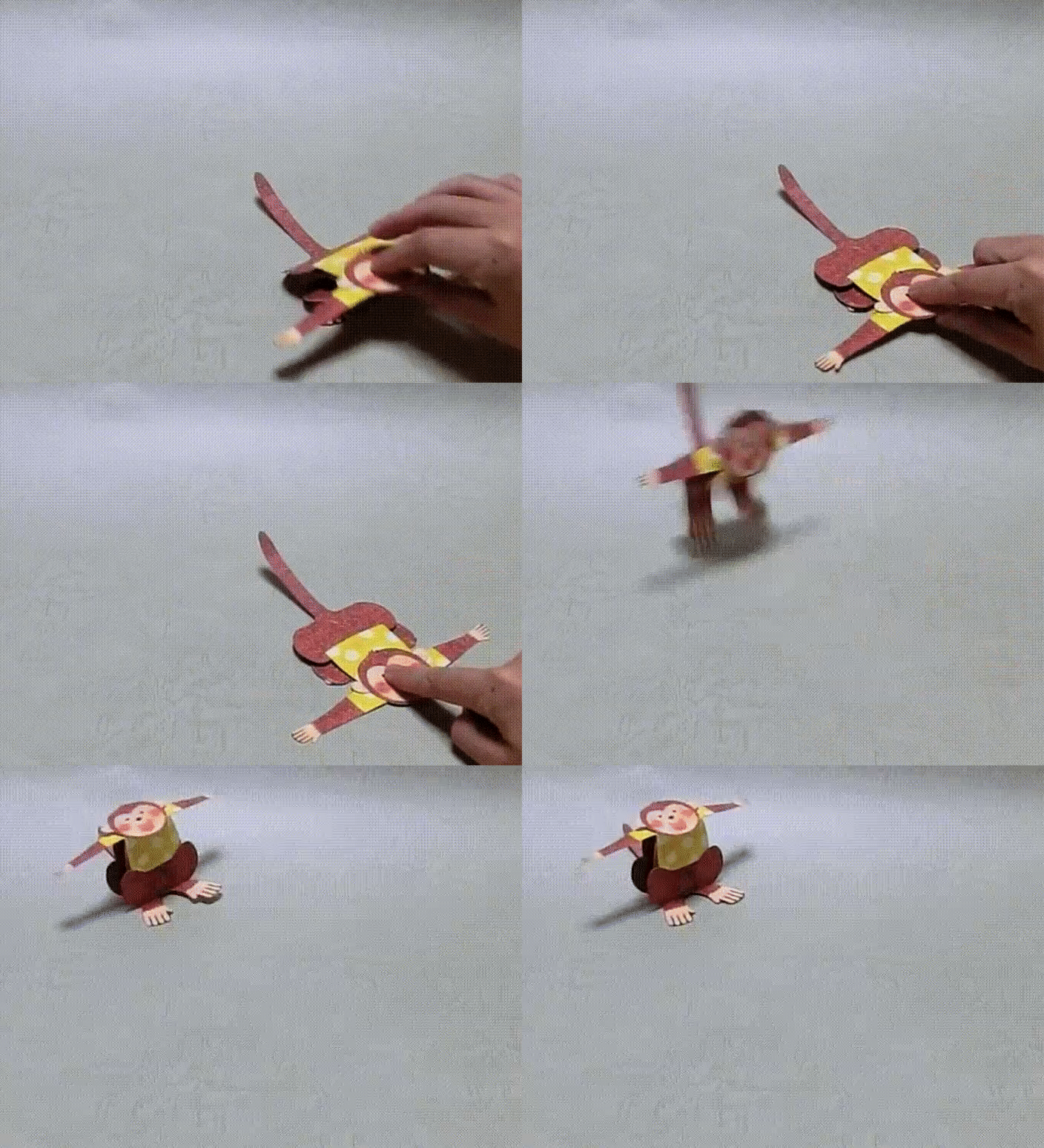
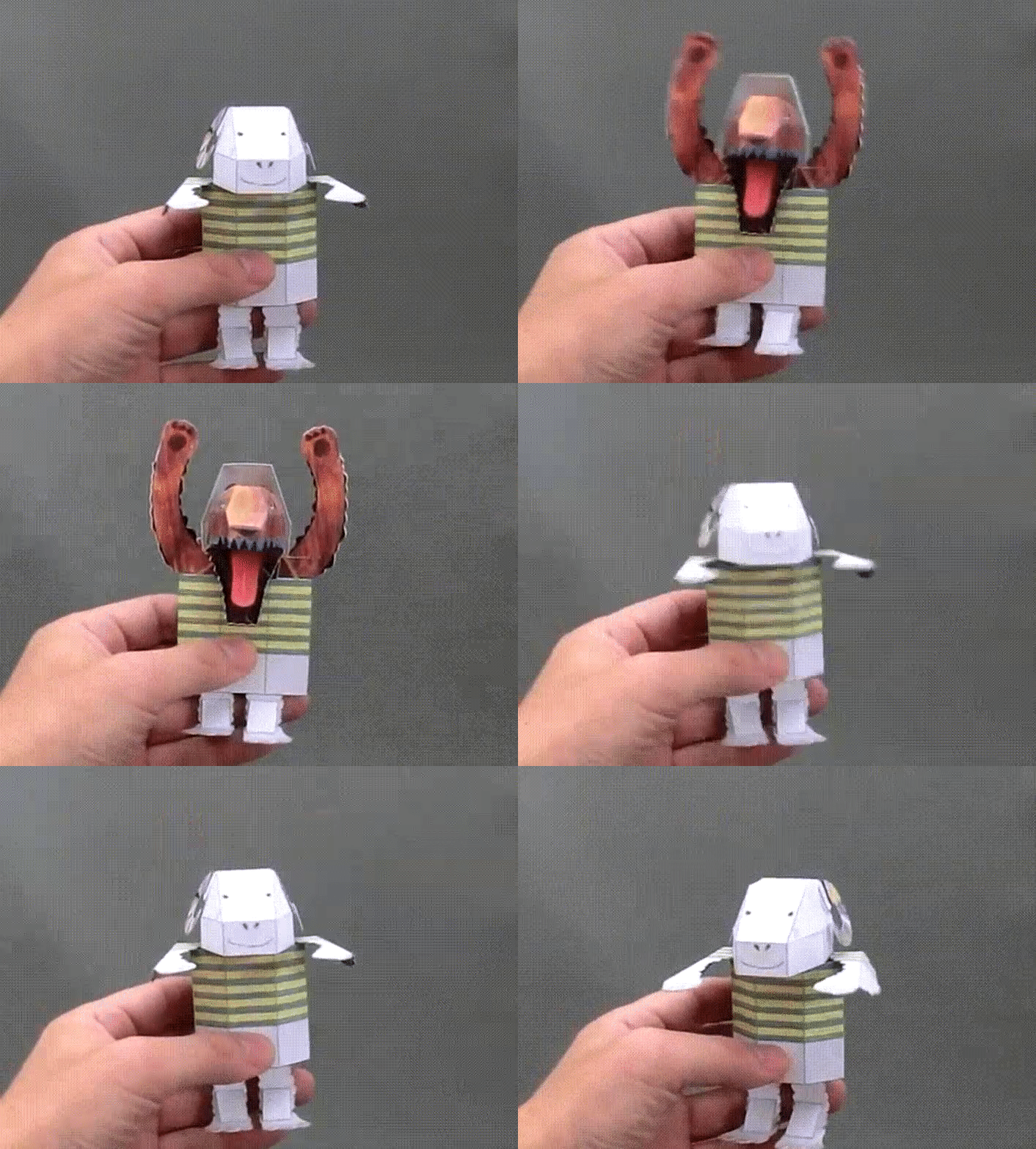
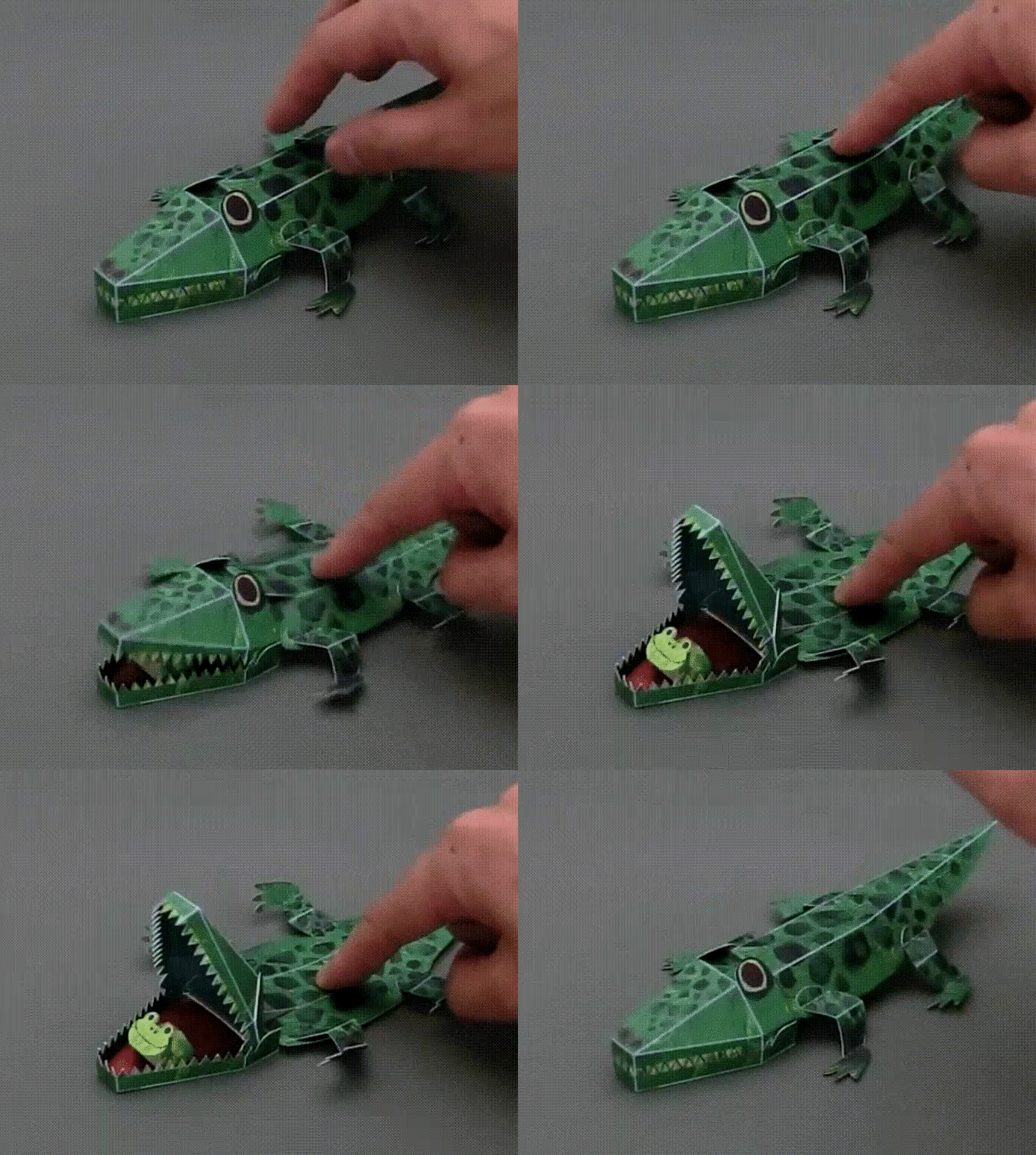
Acting out scenes from storybooks or animating real activities, these deceptively simple-looking, folded-paper toys leap, bounce, roll and hatch into action when played with.

Japanese designer Haruki Nakamura was inspired by the ancient art of kirigami, a variation on origami that involves cuts as well as folds, but takes it to the next level with his playful animals.

The specific behaviors of the toys often follow the natural reactions of a given animal, like an armadillo rolling itself up for protection when threatened.

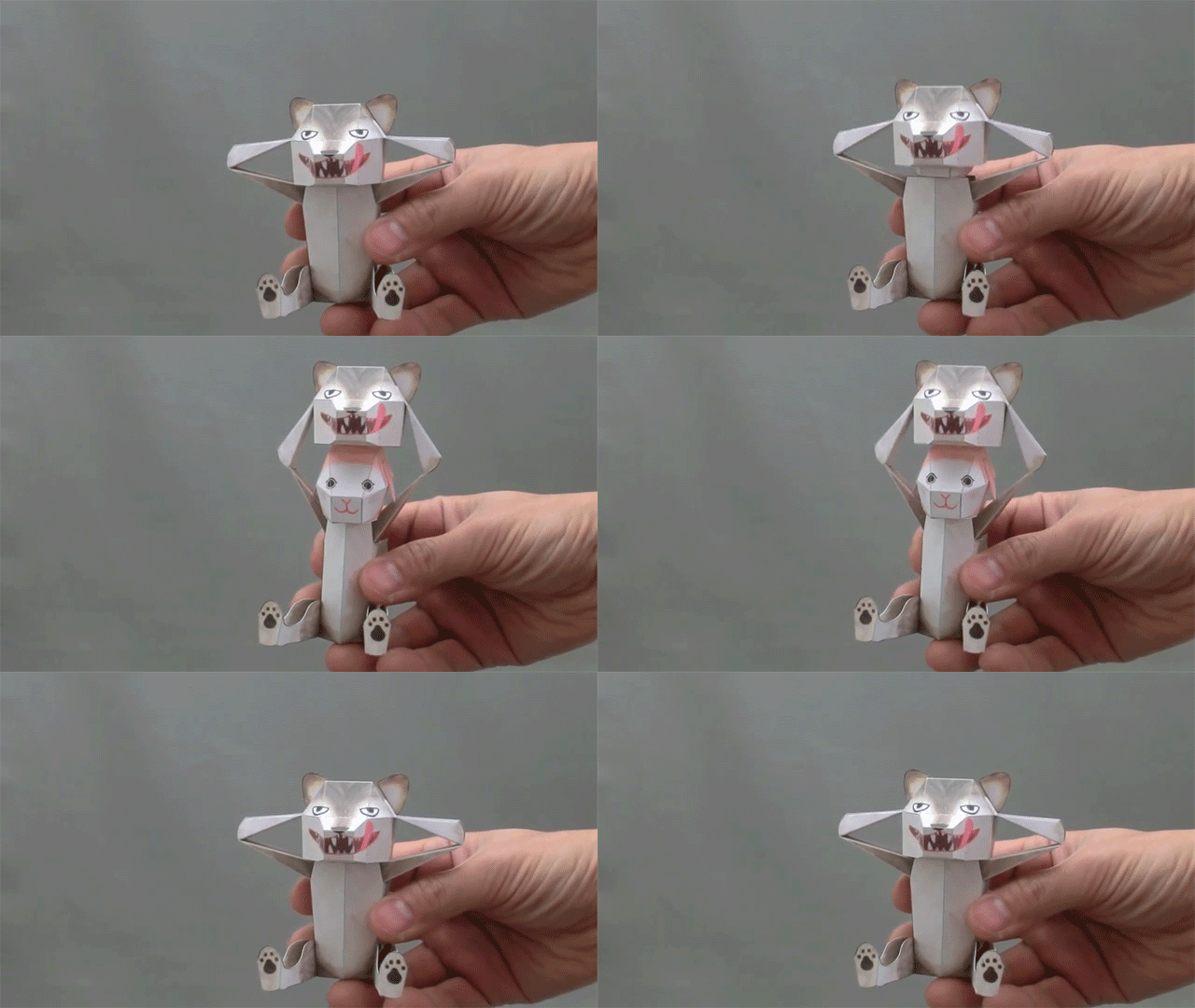
Combining kirigami with karakuri, the art of mechanical puppets actived by touch, led him to these neat hybrid creatures that one can poke, prod, press or drop into action.

In some cases, the activities are innocent and entertaining, like a turtle popping into its shell or a chick hatching from an egg. Others are humorously sinister, showing wolves in sheep’s clothing or a tortoise being eaten by an alligator. For now, alas, these works are only available in Japan.

Share on Facebook


[ By WebUrbanist in Design & Products & Packaging. ]

[ WebUrbanist | Archives | Galleries | Privacy | TOS ]


WebUrbanist

 
Comments Off on Playful Kirigami: Touch-Activated Paper Animals Pop into Action

Posted in Creativity


State district act test 2017 administration manual pdf paper

13 Sep

And resources for further exploration, educational standards describe what students should know and be able to do in each subject in each grade. Keep an eye state district act test 2017 administration manual pdf paper the newspaper columns, use the keyword search and filters to find specific resources at Common Core Search. Org File Layout […]
BooksChantcdCom

 
Comments Off on State district act test 2017 administration manual pdf paper

Posted in Equipment


How to Make Your Own DIY Light Box with Tape, Paper and a Window

01 Sep

Photographers are pretty savvy when it comes to saving money. This DIY  light box is a surprisingly simple method for photographing small, translucent objects like flower petals.

Remember holding sheets of paper against a window to trace out a design? This process is similar in technique. The sheet of baking paper will act as a diffuser, spreading light evenly through a translucent object so it can be photographed in detail. Using a well-lit sheet of paper also isolates the subject from the background with a nice, even, white backdrop. Plus, you get to take great photos without leaving the comfort of your own home. So really, it’s win-win!

Make Your Own DIY Light Box

Supplies you will need

  • Camera
  • Tripod
  • Macro lens or extension tubes
  • A well-lit glass window or door
  • Butcher’s paper
  • Clear sticky tape
  • Glass cleaner or rubbing alcohol
  • Eucalyptus oil (for removing any remaining sticky tape from the glass surface once you have finished shooting)
  • Small transparent objects to photograph (I like using flowers)

Picking a location

Before you start, you’ll need to locate a light source. While the butcher’s paper will serve as a background for your image, you’ll need a strong, even amount of light to illuminate the subject.

Depending on the time of day, you might have to try different windows around your house.  The position of the sun will dictate the strength of the light penetrating the butcher’s paper. Choose a window that is unimpeded by exterior blinds or trees if possible.

Make Your Own DIY Light Box

Capturing the intricate detail of organic materials like leaves is made much easier with the glow of light coming through the subject from behind.

Setting up

Once you’ve settled on a well-lit window, you’ll need to prepare the glass. Wipe a small amount of rubbing alcohol or glass cleaner over the window and pat down with a cloth. This will minimize any particles that may impede light from coming through. It will also allow the sticky tape to adhere to the glass more effectively. Make sure that the glass surface is completely dry, however, or the tape and butcher’s paper will become soggy and unusable.

Take your piece of butcher’s paper and hold it against the window. The reason I use butcher’s paper is because I’ve found that run-of-the-mill copy-paper disperses light in mottled and uneven patches, which looks poor in photographs. Butcher’s paper diffuses light more evenly and makes for a uniformly white background. You can use a piece as large as you like, just make sure there is enough paper to fill the viewfinder in your camera.

Make Your Own DIY Light Box

Not all paper is created equal. This is an example of the uneven, mottled light caused by a sheet of standard A4 copy paper.

Fix your piece of butcher’s paper to the glass. I recommend using clear sticky tape rather than blue-tack or colored tape because it may show up in your photographs and can wrinkle the paper. Once you have fixed the paper flush with the glass, you can begin adding your subjects.

Carefully stick your objects to the butcher’s paper with small amounts of clear sticky tape. This can be tricky on a vertical surface, so having lightweight, translucent subject matter like flowers work best. I also like to sit on a chair for this part, to avoid a backache.

Make Your Own DIY Light Box

Fix your subject matter to the butcher’s paper with bits of clear sticky tape.

Taking the shot

Once your subjects have been adequately adhered to your butcher’s paper, it’s time to get the camera out. Mount your camera on a tripod and position it so that the subject and the butcher’s paper fill your viewfinder. To capture the detail in your subject, a macro lens is ideal. I used my Kenko extension tubes to get a nice detailed shot. Of course, you could also arrange larger subjects or patterns on the butcher’s paper, focusing on pattern and light rather than macro detail.

Set your camera to Aperture priority mode (Av on Canon and A on Nikon) and adjust the aperture to allow for the desired depth of field. Remember, to maintain focus throughout the whole image, use a smaller aperture like f/22. However, this may be limited depending on the lens you use.

For the sharpest detail, using a low ISO count is also a good idea. Although this will cause your camera to automatically increase the shutter speed, your tripod will minimize camera shake, especially if you view your composition using with the LCD screen and Live View rather than the viewfinder.

Make Your Own DIY Light Box

Conclusion

Once you start photographing, you’ll notice the diffused light enveloping and illuminating your subjects. With the abundance of the soft light, you’ll discover that detail is much easier to capture and view. Using this butcher’s paper method eliminates pesky shadows, allowing the subject to lift off the background with striking contrast and intricacy.

Try photographing all sorts of flowers, fruits, leaves and other transparent materials and see your subjects in a whole new light!

Make Your Own DIY Light Box

Make Your Own DIY Light Box

Make Your Own DIY Light Box

Make Your Own DIY Light Box

Make Your Own DIY Light Box

Make Your Own DIY Light Box

Make Your Own DIY Light Box

The post How to Make Your Own DIY Light Box with Tape, Paper and a Window by Megan Kennedy appeared first on Digital Photography School.


Digital Photography School
 
Comments Off on How to Make Your Own DIY Light Box with Tape, Paper and a Window

Posted in Photography


This Olympus OM-D E-M5, lenses and accessories are made entirely from paper

18 Jul
$ (document).ready(function() { SampleGalleryV2({“containerId”:”embeddedSampleGallery_8758668443″,”galleryId”:”8758668443″,”isEmbeddedWidget”:true,”standalone”:false,”selectedImageIndex”:0,”startInCommentsView”:false,”isMobile”:false}) });

Japanese paper artist Kamihasami (his artist name means ‘paper-scissors’ in Japanese) has recreated the Olympus OM-D E-M5, a few lenses, and accessories using nothing but paper and paste.

The faithful recreation is identical to the original models, and includes things like an SD card, battery and battery charger, underwater housing, and flash. In fact, the models are so precise that the paper lenses can be attached to and removed from the paper camera body!

According to Kamihasami’s website, the entire creation process for this artwork took more than three months. Fortunately, his effort was not a waste, the paper OM-D E-M5 earned Kamihasami an award in the prestigious Kamiwaza Grand Prix competition.

To see more of Kamihasami’s paper artwork, visit his website or follow his page on Facebook.

Articles: Digital Photography Review (dpreview.com)

 
Comments Off on This Olympus OM-D E-M5, lenses and accessories are made entirely from paper

Posted in Uncategorized


Corephotonics publishes white paper on dual-cameras and image fusion

16 Jul

Not too many smartphone users have heard of Corephotonics, but the Israeli technology company is one of the innovation drivers in the area of dual-cameras, with its zoom technology currently shipping in devices ranging from Xiaomi, to OPPO, to OnePlus and others. It’s also the company behind the 5x zoom camera with folding optics that was displayed at MWC by Oppo.

Now Corephotonics has published a white paper titled “Image Fusion – How to Best Utilize Dual Cameras for Enhanced Image Quality” that was authored by the company’s Director of Product Marketing, Roy Fridman, and Director of Algorithms, Oded Gigushinski.

The paper looks at the challenges that have to be overcome when adding a second camera in either Wide + Tele or Color + Monochrome setups, such as calibration issues, how to switch between cameras in a way that enhances user experience and how to optimize image quality using algorithms and software tools.

The document is written in an easy-to-understand way and makes for interesting reading for anyone who wants to dive a little deeper into the dual-cam and image fusion topics. If that describes you, you can find the white paper on the Corephotonics website.

Articles: Digital Photography Review (dpreview.com)

 
Comments Off on Corephotonics publishes white paper on dual-cameras and image fusion

Posted in Uncategorized


How To Choose Photo Paper for Printing?

26 Apr

Photography is not a hobby nor a profession – it is an art. Although, being different from many other hobbies, it requires sheer dedication, skill and talent to end up making something outstanding. Choosing the optimum paper may not be as easy as we think. I would say this part is most challenging to a neophyte. Having no experience in Continue Reading

The post How To Choose Photo Paper for Printing? appeared first on Photodoto.


Photodoto

 
Comments Off on How To Choose Photo Paper for Printing?

Posted in Photography


Transforming ordinary landmark photos one paper cutout at a time

31 Mar

Rich McCor’s clever paper cutout photography

Getting a fresh shot of a thoroughly-photographed landmark is tough. So Rich McCor takes a different approach: his clever paper cutouts add an unexpected element of humor to what would otherwise be just your average photo. Take a look at some of his work here and find out more about his process in our Q&A.

Follow him on Instagram to keep up with his latest work. What are you tricks for getting unique photos of often-photographed subjects? Let us know in the comments.

What inspired you to start making your paper cutout images?

It began when I realised that after four years of living in London I wasn’t really appreciating the landmarks, the sights and all the things that people fly thousands of miles to see. So I used photography as an excuse to go and explore my city a little more, and through doing so I joined Instagram. However I realised that all the photos I was taking were the same as everyone elses’, so that’s when I decided to add a twist to my images with paper cutouts.

What’s the process like creating one of these images?

It used to be that I’d wander around and wait for ideas and then cut them out on the spot. I’m a bit more strategic now in that I research destinations before I visit them, and I hunt down the best vantage points through various photo websites and image libraries. That said, I still take my paper cutting equipment and black card with me in case I see something that sparks an idea.

How long have you been making these images?

My first paper transformation was in June 2015, but I’ve been into paper cutting since my early twenties when I used to make stop motion music videos for my friend’s band.

Is there anywhere you haven’t been yet that you’re itching to go to and photograph?

Tokyo. It’s full of quirky architecture, bold skyscrapers and colourful scenery. It’s the perfect playground for what I do.

Do you have any suggestions or advice for your average photographer trying to take a picture of a famous landmark?

I’d suggest walking around it 360, just to see if there’s an interesting vantage point that might not be obvious. I remember walking behind the Statue of Liberty when the sun was in front of her and it creating a perfect silhouette which was an image of the statue I hadn’t seen that often. I think, as any photographer will tell you, patience is the key. Patience for the light to do something interesting, patience for tourists to get out of the way, patience for experimenting with your style. Most of all of course, have fun and experiment with your own style of photography.

Articles: Digital Photography Review (dpreview.com)

 
Comments Off on Transforming ordinary landmark photos one paper cutout at a time

Posted in Uncategorized


Brutal East: New Scale Models of Brutalist Architecture Made of Paper

28 Feb

[ By SA Rogers in Art & Sculpture & Craft. ]

brutal east main

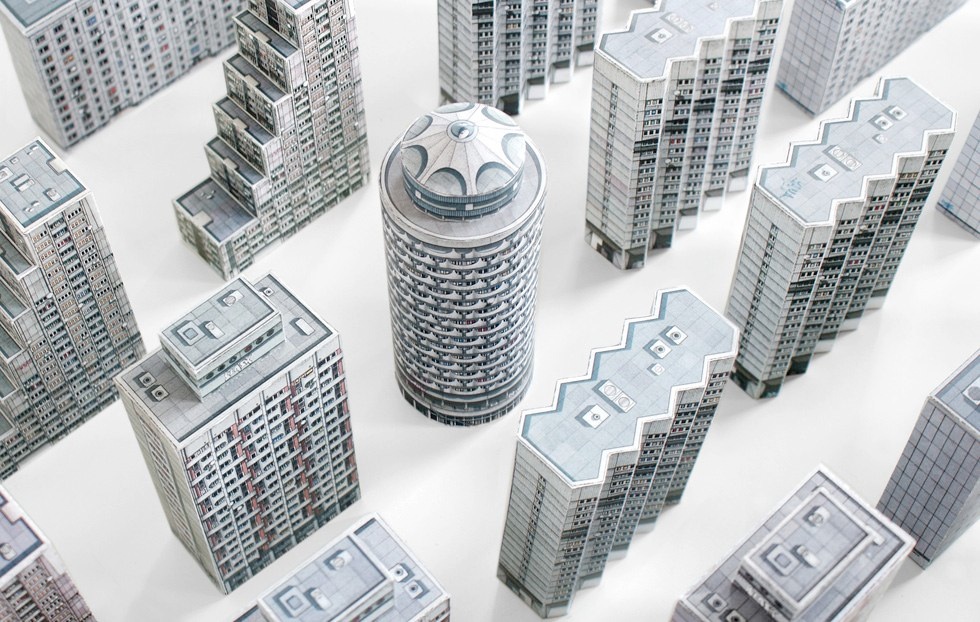
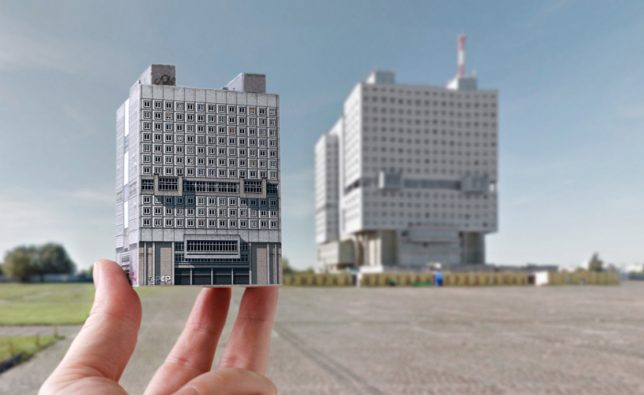
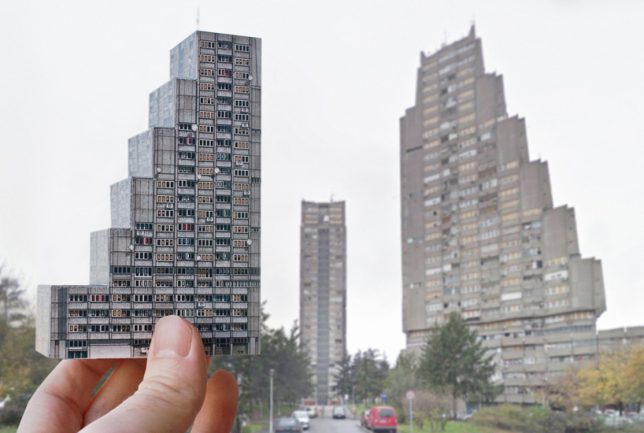
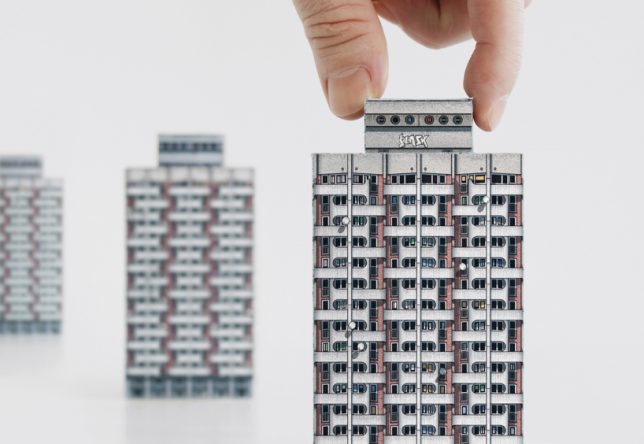
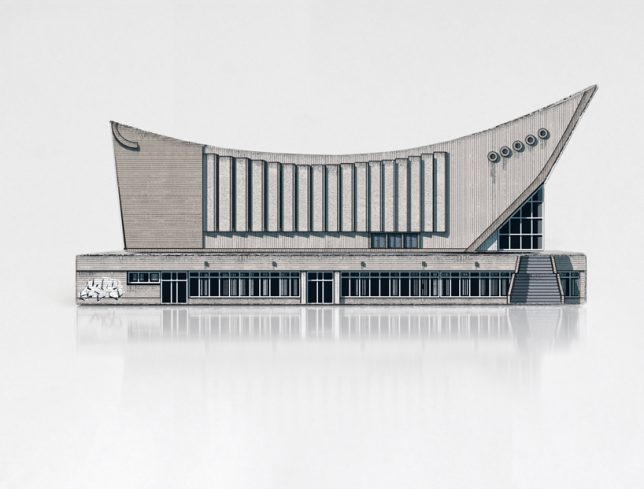
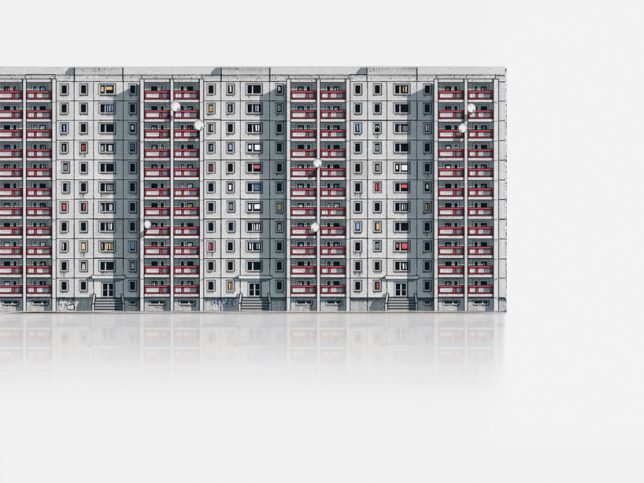
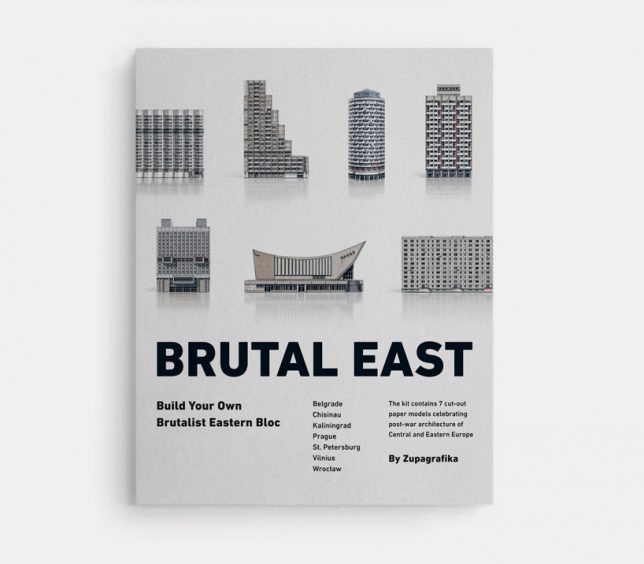
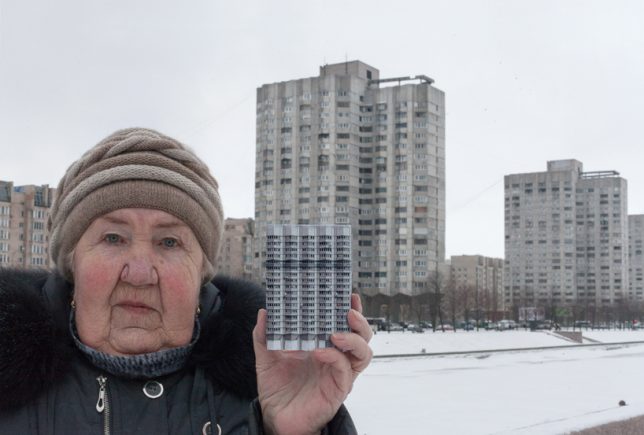
Hold the most iconic and imposing of Eastern Europe’s Brutalist architecture in the palm of your hand with this new set of paper miniatures by Zupagrafika. The design studio presents ‘Brutal East,’ a kit of seven cut-outs you assemble yourself into tiny towers from Belgrade, Kaliningrad, Prague, St. Petersburg, Wroclaw and more. ‘Build Your Own Brutalist Eastern Bloc,’ the packaging reads, an enticing statement if any architecture nerd ever heard one.

brutal east 3

brutal east 5

brutal east 2

“From the functionalist panelák estates to the otherworldly concrete grand designs, the charm of the former Eastern Bloc architecture is certainly brutal,” say the designers. “’Brutal East’ by Zupagrafika is a kit of illustrated paper cut-out models celebrating post-war architecture of Central and Eastern Europe that allows you to playfully explore and reconstruct some of the most controversial edificies erected behidn the Iron Curtain.”

“Contains 7 Brutalist buildings to assemble, from omnipresent pre-cast housing estates to mighty Post-Soviet landmarks awaiting renovation or threatened by demolition.”

brutal east 1

brutal east 4

The kit is appealingly packaged and beautifully detailed, each building bearing its tiny satellite TV dishes, stains, graffiti and weathering. It’s a neat way to hold on to divisive architecture that may soon be lost to history. While many people think these structures are ugly and depressing, they’re undeniably memorable.

brutal east 6

brutal east 7

‘Brutal East’ is just the latest kit of paper Brutalist models from Zupagrafika; the design studio previously released a set of Modernist Architectural Matryoshka it calls ‘Blokoshka’ as well as sets from London, Paris, Katowice and Warsaw. They also offer tiny paper models of Polish street icons like advertising columns, ticket validators and 1980s cars. All kits are available in the studio’s online shop.

Share on Facebook


[ By SA Rogers in Art & Sculpture & Craft. ]

[ WebUrbanist | Archives | Galleries | Privacy | TOS ]


WebUrbanist

 
Comments Off on Brutal East: New Scale Models of Brutalist Architecture Made of Paper

Posted in Creativity


Telemetry: Tessellated Paper Sculptures Marry Art and Engineering

31 Jan

[ By SA Rogers in Art & Sculpture & Craft. ]

matt-shlian-paper-art-1

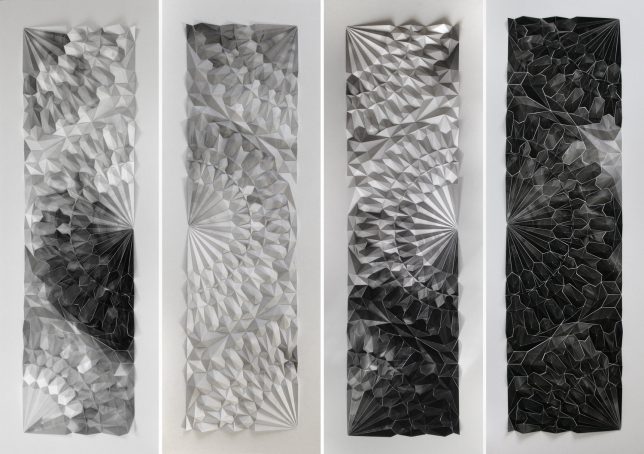
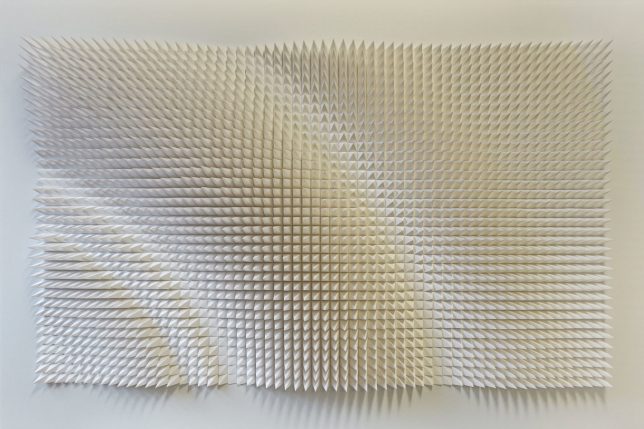
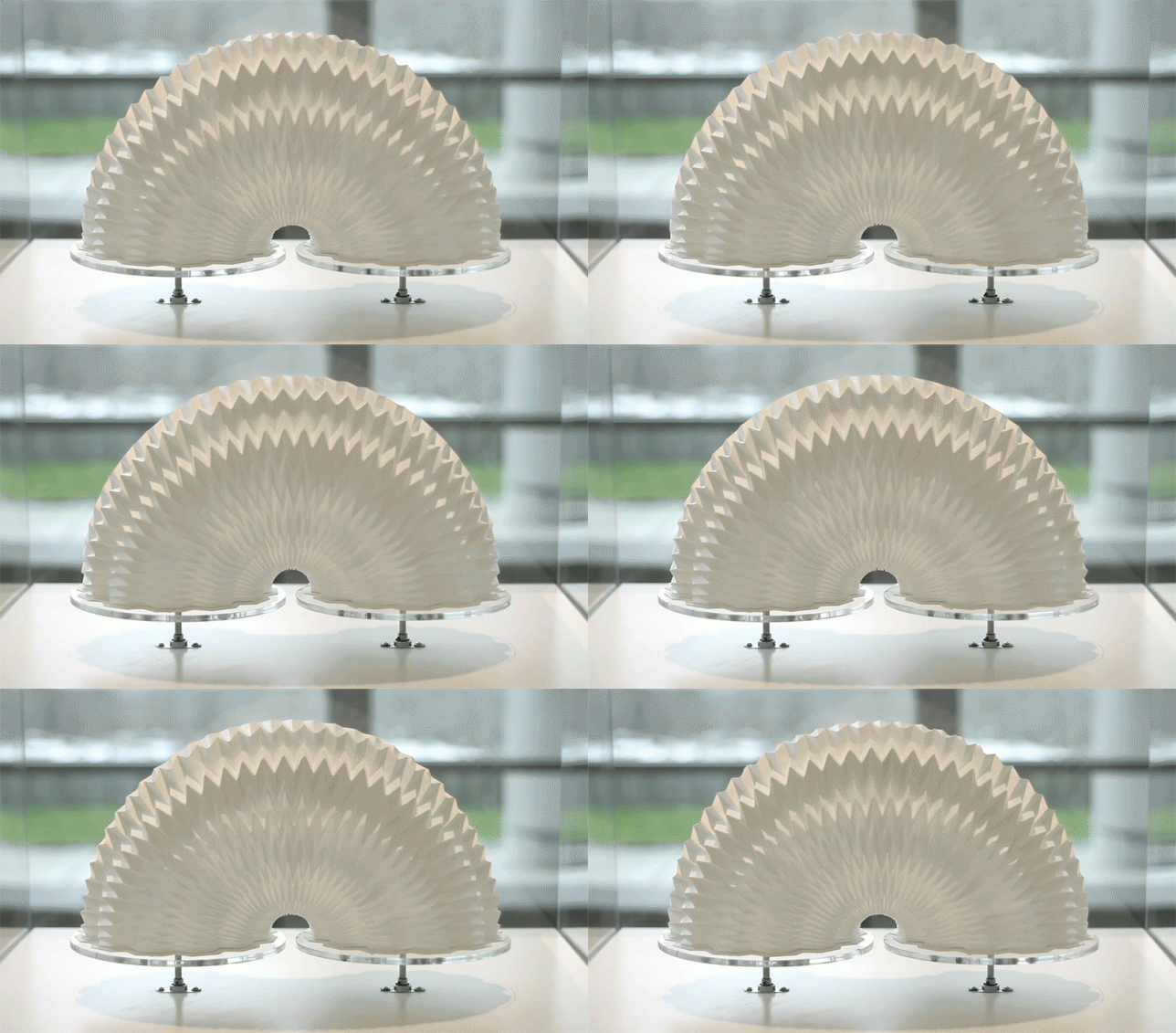
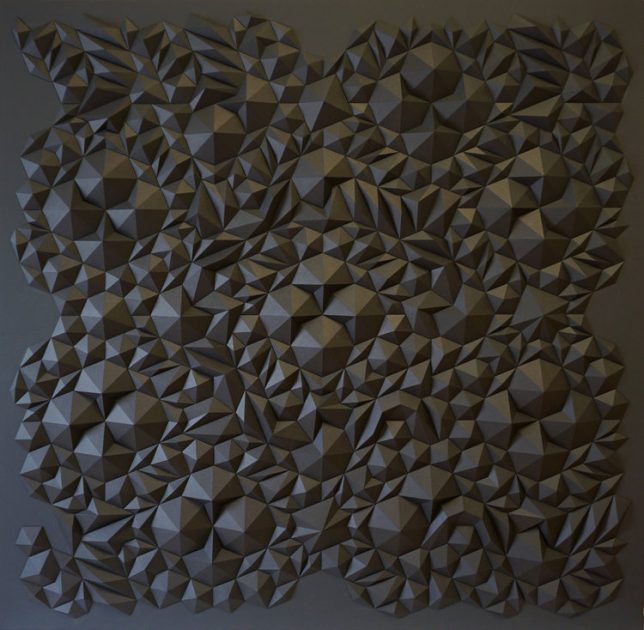
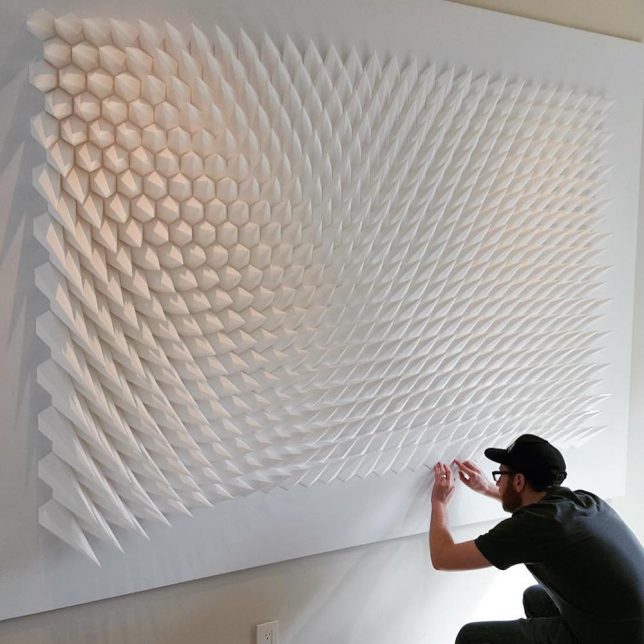
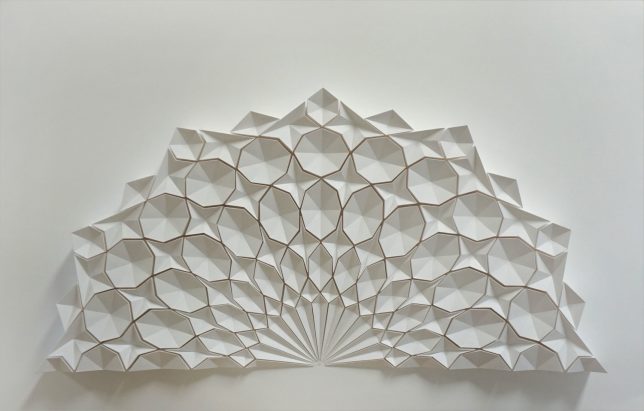
Abstract geometric paper-based sculpture may seem like an unlikely medium for the expression of scientific principles, but when the artist is also an engineer, there’s an underlying layer of meaning lost on the casual observer. It’s okay if you don’t get what these pieces represent: Matthew Shlian’s tessellations are beautiful to look at, impressive for both their intricate forms and their precision.

matt-shlian-paper-art-a-slow-descent

matt-shlian-paper-art-3

Shlian has a new show called Telemetry currently up at Florida Gulf Coast University as part of the FGCU Art Galleries’ third year of Crossroads: Art and Science Residency and Exhibition. Founder of the Initiative Artist Studio in Ann Arbor, Michigan, the artist creates large-scale installations as well as drawings, and frequently collaborates with scientists at the University of Michigan.

matt-shlian-paper-art-ara-241

matt-shlian-paper-art-ara-199

matt-shlian-paper-art-ara-211

“As a paper engineer, my work is rooted in print media, book arts and commercial design,” says Shlian. “Beginning with an initial fold, a single action causes a transfer of energy to subsequent folds, which ultimately manifest in drawing and three dimensional forms. I use my engineering skills to create kinetic sculpture which have led to collaborations with scientists at University of Michigan.”

matt-shlian-paper-art-2

matt-shlian-paper-art-ara-204

“We work on the nanoscale, translating paper structures to micro folds. Our investigations extend to visualizing cellular division and solar cell development. Researchers see paper engineering as a metaphor for scientific principles; I see their inquiry as a basis for artistic inspiration. In my studio I am a collaborator, explorer and inventor. I begin with a system of folding and at a particular moment the material takes over. Guided by wonder, my work is made because I cannot visualize its final realization; in this way I come to understanding through curiosity.”

Share on Facebook


[ By SA Rogers in Art & Sculpture & Craft. ]

[ WebUrbanist | Archives | Galleries | Privacy | TOS ]


WebUrbanist

 
Comments Off on Telemetry: Tessellated Paper Sculptures Marry Art and Engineering

Posted in Creativity