RSS
 

Posts Tagged ‘Nikon’

Nikon D5500 adds touchscreen and flat picture profile

06 Jan

Nikon has announced the D5500, an upper-entry-level DSLR and successor to its D5300. It provides a 24.2MP DX-format sensor with no optical low pass filter. Improvements over the previous model include the addition of a touchscreen, which is a fully articulated 3.2-inch 1.37M-dot affair, as in the D5300. A flat picture profile is added as a video mode option, which offers 1080/60p recording like its predecessor. Read more

Articles: Digital Photography Review (dpreview.com)

 
Comments Off on Nikon D5500 adds touchscreen and flat picture profile

Posted in Uncategorized


Nikon acknowledges ‘issue’ with flare in some D750 bodies

06 Jan

Nikon has released a statement to reassure users of the D750 that it is ‘working on measures to address’ an issue some models have with unusual flare patterns that can occur when bright light sources are just outside the frame. Although the effect seems to occur only in certain units, and comes about only when the light source is at a particular angle, it appears as flare at the top of the image with a darker band closer to the top of the frame. Learn more

Articles: Digital Photography Review (dpreview.com)

 
Comments Off on Nikon acknowledges ‘issue’ with flare in some D750 bodies

Posted in Uncategorized


22. Türchen: Nikon

23 Dec

Nikon D5300

22. Türchen

Habt Ihr schon alle Geschenke zusammen und auch an Euch bei all dem Weihnachtstrubel gedacht? Nikon wird einem von Euch definitiv einen großen Weihnachtswunsch erfüllen, denn in unserem heutigen Türchen liegt die Nikon D5300 mit AF-S DX NIKKOR 18-55 mm VR-Objektiv.

Die intuitiv bedienbare Nikon D5300 mit 24,2 Megapixeln sorgt nicht nur für strahlende Augen unter dem Weihnachtsbaum – mit der digitalen Spiegelreflexkamera lassen sich auch die schönsten Momente des Jahres festhalten. Die hervorragende ISO-Empfindlichkeit der Kamera (100-12.800 Standardbereich; erweiterbar bis zu 25.600) lässt gestochen scharfe Aufnahmen selbst bei ungünstigen Lichtverhältnissen zu. Lasst Eurer Kreativität mit dem neig- und drehbaren Monitor freien Lauf und teilt Eure Bilder und Full-HD-Filme mithilfe des integrierten WiFi-Moduls in Sekundenschnelle im Netz.

Nikon D5300

Nikon Cashback AktionNikon Logo

Die Nikon D5300 hat einen Wert von 809 € und ist in Schwarz, Rot und Anthrazit erhältlich. Welche Farbe ist Euer Favourit?

Für alle, die heute kein Glück bei unserer Verlosung haben, hat Nikon noch etwas: Eine Cashback-Aktion auf ausgewählte Kameras und Objektive bis zu 200 € bis zum 31. Januar 2015. Mehr darüber erfahrt Ihr hier.

Um die Kamera zu gewinnen, schreibe einen Kommentar mit Deiner Wunschfarbe unter bürgerlichem Namen und gültiger E-Mail-Adresse bis heute um 24 Uhr. Danach verlosen wir sie per Zufallsgenerator unter allen Kommentatoren. Die genauen Gewinnspielregeln findest Du hier. Viel Glück!


kwerfeldein – Fotografie Magazin | Fotocommunity

 
Comments Off on 22. Türchen: Nikon

Posted in Equipment


Testbericht: Nikon D750

22 Dec

Nikon D750

Ich bin die Entwicklung moderner Kameras leid, die miteinander in ständigem Wettbewerb um die Vielzahl der Funktionen stehen und neue Höhenflüge theoretischer Messwerte bewerben, deren Auswirkung nur in so spezifischen Situationen relevant sind, dass sie mir getrost egal sein können.

Man könnte meinen, in dieser Betrachtung die Zielgruppe unterscheiden zu müssen. Da gibt es leidenschaftliche Leica-Nutzer, die gerade die Einfachheit ihrer Kamera schätzen und darin eine Befreiung sehen. Frei von technischen Spielereien, dafür mit wenigen, funktionalen Merkmalen ausgestattet, können sie sich ganz der Komposition ihrer Werke widmen. Es gibt aber auch Fotografen, die in jeder neuen Funktion, jedem extra Knopf und Hebel eine Bereicherung sehen, denn all dies lässt sich potentiell kreativ nutzen.

Jedes angekündigte „mehr“ an Megapixeln löst bei so manchem Euphorie aus. In meinen Augen kommt es aber vor allem auf Arbeitsweise und Sympathie an. Die Kamera muss zur eigenen Arbeitsweise passen und den kreativen Horizont erweitern. Wenn aber die Sympathie nicht da ist, die Annäherung an das Gerät einfach nicht als gut empfunden wird, dann ist es wohl die falsche Wahl.

Eine junge Frau und ein Hund

Ich stehe irgendwo zwischen Einfachheit und neuer Technik. Ich bin kein Fan von Spielereien, die ein ansonsten wenig überzeugendes Gerät aufwerten sollen. Von meiner Canon 5D Mark II, die mir die letzten zwei Jahre hervorragende Dienste geleistet hat, bin ich nach wie vor begeistert. Aber ich nutze selbst bei dieser, im Vergleich zu neueren Modellen, simplen Kamera nur die Grundfunktionen. Meine Arbeitsweise mit der analogen Canon AE-1 unterscheidet sich davon nur unwesentlich.

Dennoch werde ich mich bald von ihr trennen und so begann die Suche nach einer Vollformat-Kamera, die ein möglichst schlichtes Wesen mit bestmöglicher Leistung an den wesentlichen Punkten verbindet. Konkret geht es mir vor allem um das Handling, den Autofokus, und, meinem Hang zu schlechten Lichtverhältnissen geschuldet, den Dynamikumfang bzw. die Bildqualität in hohen ISO-Bereichen.

Die Scheuklappen der Markentreue einmal abgelegt und sich mit dem Gedanken an einen Systemwechsel angefreundet, ergaben sich neue Welten. Natürlich habe ich die Sony A7* in ihren diversen Varianten erwägt, zumal in Kürze die A7II* zu haben ist. Aber ich kann mich mit einem elektronischen Sucher einfach nicht anfreunden. Es hat sicher seine Vorteile, aber im Sucher künstlich anmutende Farben und ruckelige Pixel zu sehen, widerstrebt meinem Anspruch an Ästhetik leider so sehr, dass alle anderen Vorteile hinten anstehen müssen. Vielleicht stehe ich mir da selbst im Weg.

Die Nikon D750* ist eine positive Überraschung. Sie erringt einige Sympathiepunkte und passt sich nahezu perfekt an meine Arbeitsweise an. Ich möchte an dieser Stelle keine Aufzählung von Produktmerkmalen der Kamera präsentieren oder Testergebnisse diskutieren, aber da diese Informationen sicher interessant sind, möchte ich darauf verweisen. Technische Daten der Kamera sind hier und verschiedene Testergebnisse hier zu finden.

Eine Frau am Wasser

Haptik und Bedienung

Wichtiger als alle technischen Details ist die Frage, ob eine Kamera zum Fotografen passt. Sie muss sich in der Hand völlig irrational gut anfühlen, sonst wird sie nie zum gewohnten Begleiter. Die Beziehung zum Handwerkszeug ist wichtig. Die D750 ist kompakter und leichter als ich es gewohnt bin, was mir insgesamt, aber besonders auf Reisen, gut gefällt. Die ergonomische Form des Bodys macht die Kamera angenehm griffig, tatsächlich besser, als ich es von vielen anderen DSLRs gewohnt bin. Vor allem der weit nach vorn gezogene Griff trägt dazu bei.

Alle Knöpfe sind gut zu erreichen und die wichtigsten Belichtungseinstellungen lassen sich zügig verändern, ohne den Sucher vom Auge nehmen zu müssen. Hier arbeitet jeder etwas anders, mir gefällt es gut, das Wichtigste mit einer Hand machen zu können. Das Menü ist intuitiv angeordnet, wenn auch die Zahl der Menüpunkte überfordernd sein kann.

In Sachen Handling ist mir die erwähnte Einfachheit wichtig, aber auch die D750 bietet einige Funktionen, die ich nicht bräuchte. Klappdisplay, WLAN zur Fernbedienung oder der interne Blitz sind sicher für den einen oder anderen interessant, mir sind sie jedoch zuviel. Sie stören mich jedoch nicht und lassen sich bequem ignorieren.

Der Versuch eines Spagats zwischen einer Allround-Kamera für ambitionierte Hobbyfotografen und einem Spitzenmodell für professionelle Berufsfotografen bringt zwangsläufig eine eigenwillige Zusammenstellung von Funktionen mit sich. Wenn ich dies einfach als Abgrenzung zur D810* verstehe, nehme ich es gern in Kauf. Die Vorteile dieses Spagats zeigen sich neben dem kompakten und simpel gehaltenen Eindruck vor allem beim Sensor.

Eine Frau am Wasser

Bildqualität

24 Megapixel sind für mich vollkommen ausreichend. Die 36 MP der Sony A7R oder die 37 MP der Nikon D810 schrecken mich eher ab, was die Anforderungen an meinen Computer und Speichermedien angeht. Praktisch gibt es in meiner Fotografie keine Situation, in der ich eine derart hohe Auflösung brauchen würde, insgesamt gibt es aber natürlich genügend Einsatzgebiete dafür.

Farben und Kontraste sehen für mich so aus, wie sie sein sollen. Die Bilder meiner 5D Mark II kommen mir kontrastreicher vor, was aber auch an dem wahnsinnig großen Dynamikumfang der D750 liegt, die Zeichnung in den Tiefen absolut ausreizt. Nach etwas Erfahrung mit verschiedenen Objektiven auf derselben Kamera bin ich aber ohnehin der Meinung, dass Glas wesentlich wichtiger ist für die Bildqualität.

Besonders gespannt war ich auf Fotos in sehr schwachen Lichtverhältnissen, um das Rauschverhalten in hohen ISO-Bereichen testen zu können. Ich kenne von vielen Kameras unschönes Farbrauschen, das schlimmstenfalls sogar Streifen ins Bild zaubert, vor allem, wenn man versucht, dunkle Bereiche aufzuhellen. Der Vergleich zur Canon 5D Mark II ist natürlich Canon gegenüber unfair und ist hier keinesfalls als ernstzunehmende Konkurrenz zu verstehen, aber das ist nun einmal mein Ausgangspunkt. Kurz vor der Nikon D750 konnte ich die Canon 5D Mark III* in verschiedenen Situationen ausprobieren.

Eine Frau im Nebel

Meine 5D Mark II war, als meine erste Vollformat-Kamera, ein überwältigender Schritt nach vorne. Sie ist eine großartige Kamera, die mich fotografisch sehr viel weiter gebracht hat. Die 5D Mark III scheint mir die konsequente Fortsetzung zu sein. Die Offenbarung, die die Mark II damals für mich darstellte, blieb aber aus.

Die Canon 5D Mark III ist eine großartige Kamera, die ich niemandem, für den es die passende Wahl ist, ausreden wollen würde. Allerdings lassen sich meine ersten Erfahrungen mit der D750 durchaus als Offenbarung bezeichnen. Sie hat mich so überzeugt, dass nun ein Systemwechsel ansteht.

Die Berichte, die ich über das Rauschverhalten und den Dynamikumfang gelesen habe, musste ich selbst nachprüfen. Man mag sich fragen, wozu man mit derart hohen ISO-Werten fotografieren möchte. Ich nutze fast ausschließlich vorhandenes Licht und arbeite nicht mit Blitzen oder Dauerlicht. Ich mag die Atmosphäre in natürlichem Licht- und Schattenspiel genauso wie die Farben. Um nach Dämmerung draußen noch fotografieren zu können, eröffnet mir der ISO-Bereich jenseits der 4000 also neue Möglichkeiten.

Unter Rauschen habe ich nie etwas Positives verstanden, daher habe ich etwas gestaunt, als ich las, wie ein Fotograf die Qualität des Rauschens ansprach. Der Blick lohnt sich, denn anstelle von Farbrauschen und verschluckten Details kommt mir die Wirkung eher vor wie die künstliche Körnung, die ich in Lightroom gern hinzufüge.

Zwei junge Frauen

1/50 s, f/2.0, ISO 8000, Bearbeitung in Lightroom

Eine junge Frau auf einer Treppe

1/50 s, f/1.6, ISO 12.800, Bearbeitung in Lightroom

Es macht natürlich einen Unterschied, ob man zum Test das Maximum einstellt, ohne dass es die Lichtverhältnisse wirklich erfordern oder die Kamera wirklich an ihre Grenzen bringt. In vergleichsweise heller Umgebung lässt sich so auch bei erweiterter ISO 2 LW (51.200, nativ geht die Kamera bis 12.800) noch problemlos fotografieren, wie gesagt, mit Rauschen in Korn-Ästhetik. Der Spielraum, den die D750 in Sachen ISO bietet, ist so groß, dass ich draußen brauchbare Fotos erzielen kann, bis es zu dunkel ist, um mit bloßem Auge noch etwas zu erkennen.

Mit dem Nikkor 58mm f/1.4*, das ich hauptsächlich zum Test genutzt habe, versagt der Autofokus weit bevor der ISO-Wert die Toleranzgrenze erreicht. Alternativen sind dann das helle Autofokus-Hilfslicht oder das manuelle Fokussieren über Live View, beides funktioniert gut.

Der Dynamikumfang der Kamera hat mich sehr beeindruckt und ist für mich das stärkste Argument für diese Kamera. Unterbelichtete Bilder lassen sich in Lightroom problemlos um ganze fünf Blendenstufen aufhellen, ohne dass große Qualitätsverluste zu sehen sind. Interessant genutzt wird der Dynamikumfang von Fotografen, die ihre Bilder enorm unterbelichten, um die Informationen aus den Tiefen zu nutzen, ohne dabei die Höhen zu verlieren.

Ein Globus

ISO LW 2 (51.200), 1/200 s, f/3.2 unbearbeitetes JPG aus der Kamera

Eine Frau im Nebel - unterbelichtet

Eine Frau im Nebel

Zu erwähnen ist, dass einige Fotografen störende interne Reflexionen festgestellt haben, wenn eine Gegenlicht-Quelle knapp oberhalb des Bildausschnitts liegt. Aufgegriffen wird das Thema mit Beispielbildern hier. Ich konnte das Problem, jedoch nicht ganz so stark, reproduzieren. Der Fehler tritt allerdings nur in sehr wenigen, spezifischen Situationen auf, es geht hier um Millimeter in der Bildkomposition.

Performance

Das Autofokussystem ist sehr schnell und fokussiert zuverlässig auf den Punkt genau. Ich habe kein Motorradrennen damit fotografiert, aber ebenso wie mit Handling und Bedienung denke ich, man muss eine Kamera in der eigenen Arbeitsweise selbst ausprobieren. Die 51 Fokusmessfelder benötige ich nicht, da ich die Komposition ohnehin oft noch nach dem Fokussieren ändere. Mir genügt die Auswahl von 11 Kreuzsensoren also völlig. Um ehrlich zu sein, würde ich auch mit einem gut zurecht kommen. Die verschiedenen Autofokusoptionen sollten aber für jede Situation mehr als ausreichend sein.

Der Akku hält weniger lange, als ich es von meiner 5D gewohnt bin, was mich aber dank Ersatzakkus nicht weiter stört. Die verschiedenen Nutzungsmöglichkeiten der beiden Kartenslots sind gut durchdacht und klappen reibungslos. Das Menü ist, wie gesagt, recht umfangreich, aber die Gestaltung ermöglicht es, die jeweils relevanten Punkte schnell zu finden und zügig eine Routine zu entwickeln, ohne sich in einem Labyrinth aus Unterpunkten zu verlieren.

Unterbelichtetes Foto

Eine Frau vor einem Zaun

Die Videofunktion ist einfach zu bedienen und liefert alles, was man erwartet. Ein Nachteil, an dem Nikon nichts ändern kann, ergibt sich daraus, dass die beliebte Video-Firmware Magic Lantern nur für Canon-EOS-Modelle verfügbar ist. Auch das gut verarbeitete Klappdisplay liefert da kein schlagkräftiges Gegenargument, sondern lässt eher am Spritzwasserschutz zweifeln.

Fazit

Nikon macht es einem wirklich schwer, Argumente für die Kontra-Seite zu finden, sofern man nicht auf die hohe Auflösung einer D810 oder Sony A7R angewiesen ist. Die Leistung des Sensors und des Autofokussystems auf dem Niveau der größeren Modelle in einem kompakteren Body erleichtern es, den Blick auf die kreative Arbeit anstatt auf die Technik zu richten.

Was Geschwindigkeit und Dynamikumfang angeht, wird die D750 von der Nikon D4S übertroffen, die natürlich aufgrund von Anspruch und Preisklasse keinen Vergleich darstellt. Wer die D810 aufgrund der wenigen, jedoch signifikanten Unterschiede benötigt, muss bereit sein, den Aufpreis in Kauf zu nehmen. Nikon liefert mit der D750 insgesamt ein als Einsteiger-Modell verkleidetes Spitzengerät, das in einigen wesentlichen Punkten derart zu überzeugen weiß, dass man über technische Spielereien gern hinweg sieht.


kwerfeldein – Fotografie Magazin | Fotocommunity

 
Comments Off on Testbericht: Nikon D750

Posted in Equipment


Gold Standard: Nikon D750 review posted

20 Dec

The D750 is Nikon’s newest FX-format camera, offering a number of features from the D810 in combination with a 24MP sensor. It also boasts a faster frame rate than any non-professional full-frame Nikon DSLR since the D700. Aimed squarely at enthusiasts and full-frame upgraders the D750 boasts a comprehensive video and still photography specification – see how it performed in the field and in our extensive studio tests. Read review

Articles: Digital Photography Review (dpreview.com)

 
Comments Off on Gold Standard: Nikon D750 review posted

Posted in Uncategorized


Real-world test: Nikon D750 at the Museum of Flight

03 Dec

The D750 is Nikon’s enthusiast-oriented full-frame DSLR, featuring a 24MP sensor and a raft of high-end features borrowed from the D810 and D4S. These include a tweaked version of their highly capable 51-point AF system and a very solid HD video specification. We’re working on a full review of the D750 right now, and as part of that process we made a short video, highlighting some of the camera’s key features in real-world use. Click through to watch.

Articles: Digital Photography Review (dpreview.com)

 
Comments Off on Real-world test: Nikon D750 at the Museum of Flight

Posted in Uncategorized


A Practical Review of the Nikon 24-70mm f/2.8 lens

27 Nov
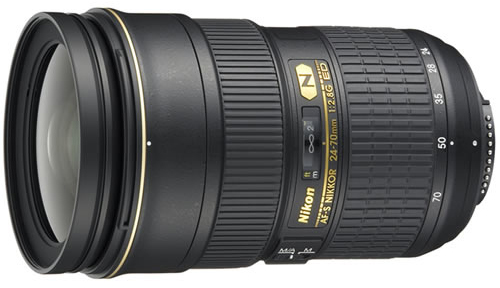
The Nikon 24-70mm F2.8 Lens

The Nikon 24-70mm F2.8 Lens

You will hear this from many photographers – “invest in your lenses”. Camera bodies will come and go, but a good lens can last a very long time. This was the advice that I first received when I started taking my photography seriously. Initially, I thought it was a bit hyped. I bought a cheap 70-300mm lens and used it at the first wedding I shot. I thought the images were fantastic until I bought a better lens a year later. I then realized how much difference a good lens can make.

This review is not going to be a technical review of the lens. You want to know how this lens performs, what the strong points are and what the weak points are – I will cover that. You will see images taken with the lens, many will be edited in Photoshop, some will be straight out of the camera, I will point out to you which are which.

About this lens

This lens is regularly praised as the best midrange zoom lens that Nikon has ever made. That sounds like a crazy statement, but when you look at the image results from this lens you can understand why. The lens is a high spec lens with a maximum aperture of f/2.8 and a minimum of f/22. Here is a quick look at the technical specs:

Focal Length: 24-70mm
Format: Full Frame – 35mm, can be used on a DX body, but will be cropped
Maximum aperture: f/2.8
Minimum aperture: f/22
Dimensions: 83mm (diameter) x 133mm (length)
Weight: 900g
Zoom ratio: 2.9X
Minimum focusing distance: 38cm

This lens is a perfect “all rounder” lens. You may find that you keep the lens on your camera most of the time. It has a really good focal range for everyday photography. It is a good travel lens too. Many photographers have said that this lens was the only lens they went on vacation with and it worked really well.

Photographic Genres that it can be used for:

1. Landscape Photography

This is not considered a super wide angle lens, but at 24mm on a full frame sensor, you will get a viewing angle of of 84 degrees which gives a pretty wide angle of view. This lens can be used for landscape photography for a few reasons. Firstly, it has really good glass elements that handle light beautifully. There is some distortion at 24mm, but this is easily corrected in Photoshop. Secondly the lens is really sharp, it makes an image seem almost too sharp. You may find that you won’t need to sharpen your image as much if you use a tripod and are properly focused. The colour rendition on this lens is really good too, colours are true and vibrant. This lens is good for landscapes, not necessarily as a dedicated landscape photography lens (you may want to look at some wide angle lenses) but it can certainly perform well for this type of photography.

This seascape image was shot at 24mm. The clarity and colour was amazing, this has been edited in Photoshop

This seascape image was shot at 24mm. The clarity and colour was amazing, this has been edited in Photoshop

2. People Photography

This lens can work well for people photography as well which can encompass portraiture, weddings, and even street photography. This lens will do a really good job in any of these genres. In people photography, you will want to have a lens with minimal distortion. If you are using the 24-70mm for people photography, you will want to be shooting at 50mm and upwards. With a wide open aperture at f/2.8 you will be able to isolate your subject easily and have a soft out of focus background. The bokeh on this lens is good, but more on this later.

A scene in a coffee shop, taken at 24mm. Converted to B&W and edited in Photoshop

A scene in a coffee shop, taken at 24mm. Converted to B&W and edited in Photoshop

3. Close-up and Macro Photography

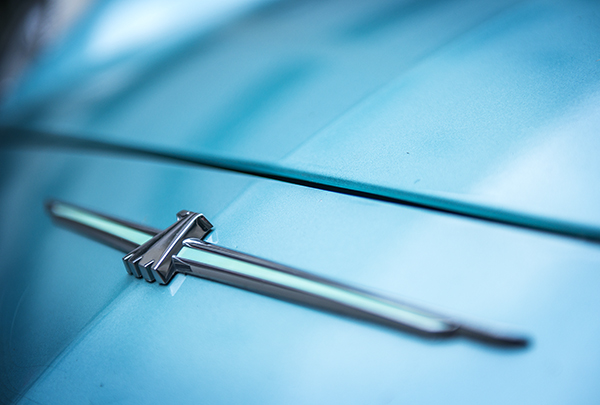
While the 24-70mm is not a macro lens, it has a 37 cm (14.5″) minimum focusing distance. That sounds like a long way, but at 70mm you can get pretty close to your subject. If you are shooting on a high resolution sensor (16 megapixels and above) you will be able to crop in quite a bit and so you will be able to get some good close up images. Bear in mind, this is not a macro lens, but if you want to get in close to a subject, really nice and close, this lens can do that. The sharpness and clarity is amazing, and it is good to have this ability on this lens.

This badge on the hood of a car was taken at 70mm and handheld. The clarity and sharpness is good and the close up shot isolates the badge

This badge on the hood of a car was taken at 70mm and handheld. The clarity and sharpness is good and the close-up shot isolates the badge

4. Street Photography

Most street photographers will traditionally use a prime lens for their work. You will often find a 50mm f/1.8 or and 85mm f/2.8 on their cameras. Sometimes though, it is good to have a little more flexibility and the 24-70mm is perfect for this. You can shoot at 35mm, 50mm, or 70mm and you will get great results. Based on your creative desire, you can shoot at f/2.8 or up to f/8 depending on your scene. The beauty of the lens is that it can focus really quickly and easily. It has a SWM (Silent Wave Motor) which means the autofocus is quick and quiet, really useful in street photography. There is some vignetting when the lens is wide open at f/2.8, but this adds some depth and contrast to street photography images.

This lens gives you flexibility when shooting street photography.

This lens gives you flexibility when shooting street photography.

5. Travel Photography

When you are planning to travel, there is always the consideration of what lenses to pack. Weight is always a challenge and of course, space. Many photographers have found that the 24-70mm is a prefect travel lens. At the low end, you can capture some great images of wide open spaces and the interiors of  churches and cathedrals easily. Zoom in and you can get pretty close to your subject, step in closer and you can do some wonderful cameo and detail shots. The 24-70mm is almost designed for travel photography. Yes, it lacks a little in the zoom category, 70mm is not a huge zoom, but you will come home with bright, sharp, colour-filled images.

The magnificent Peyto Lake in the Canadian Rockies, made with the 24-70mm lens

The magnificent Peyto Lake in the Canadian Rockies, made with the 24-70mm lens

Performance

The Nikon 24-70mm has amazing optics. It is sharp throughout the zoom range and has a fixed aperture of f/2.8 which means you can get a very shallow depth of field throughout the entire range.

1. Autofocus

This lens focuses quickly and accurately. I use it on a Nikon D800 and it works really well on that camera. You can of course manually focus, but I would only suggest doing that when you are shooting landscapes or close-up photography. If you have a subject that is moving, autofocus is necessary.

2. Colour rendition

The lens produces good colour, which is vibrant and rich.

3. Distortion

If the lens is zoomed out to 24mm you will see some barrel distortion. Once you zoom in though, the distortion goes away, so be aware of the distortion when shooting at 24mm. It is easily fixed in Photoshop or Lightrooom, so don’t be too overly concerned about that.

4. Handling

The lens is quite large and heavy, mostly because the lens has all glass elements and the body of the lens is metal. It is a hardy lens and can take some rough handling, but be careful with it as it is an expensive lens and you wouldn’t want to repair it unnecessarily. When mounted on a Nikon D800 without a battery back, the combined weight of the lens and camera body will be at least 2 kilograms (4.4 pounds). Thats a fair amount of weight to carry around at the end of your hand, so be aware if you plan to buy this lens.

5. Bokeh

Many lenses are judged not only on how sharp they are, but how smooth and creamy are the out of focus areas (bokeh) of the image. In this area, the 24-70mm does okay. The bokeh on this lens is not a wow, but it is smooth and soft. On a lens that offers so much, the bokeh is not perfect, but it is acceptable.

Overall Conclusion

This lens has been praised as one of the best lenses Nikon has ever made. It is a great addition to any photography bag. You will find that you may keep it on your camera most of the time. It really is a sharp lens and is a perfect “all-round” everyday lens. Its specifications make it a “pro-spec” lens which means it’s not cheap (just under $ 2000). Remember though, it is recommended to invest in your lenses. Generally they will outlast your camera bodies and you will have them for many years if you look after them. This is one of those types of lenses, it will last well and produce great images for many years.

The post A Practical Review of the Nikon 24-70mm f/2.8 lens by Barry J Brady appeared first on Digital Photography School.


Digital Photography School

 
Comments Off on A Practical Review of the Nikon 24-70mm f/2.8 lens

Posted in Photography


Nikon D750 shooting experience published

26 Nov

The Nikon D750 is a full-frame DSLR that mates features from the D810 with a 24MP sensor, providing a faster frame-rate than any non-pro full-frame Nikon DSLR since the D700. Its comprehensive still and video photography specifications are aimed directly at enthusiasts and full-frame upgraders. We’ve made a significant update to our D750 first impressions review including a shooting experience and studio scene analysis. Read more

Articles: Digital Photography Review (dpreview.com)

 
Comments Off on Nikon D750 shooting experience published

Posted in Uncategorized


Nikon celebrates Df’s first birthday with gold edition

18 Nov

Nikon Japan has announced a limited edition version of its Df DSLR with gold embellishments where the standard version has bare metal. Produced as a limited edition to mark the first anniversary of the Df’s launch, the gold model will come in two forms – body only, or paired with a gold-ringed AF-S Nikkor 50mm f/1.8G. There will be 600 units of the body-only form, and 1000 of the kit with the lens. Read more

Articles: Digital Photography Review (dpreview.com)

 
Comments Off on Nikon celebrates Df’s first birthday with gold edition

Posted in Uncategorized


Nikon D800 Review- The King Of Full Frame?

31 Oct

The Nikon D800 is a professional full frame camera from Nikon that features a whopping 36,3 megapixels, the autofocus system from the D4, and dual card slots. But is Nikon’s lightest full-frame DSLR capable of delivering the image quality and dynamic range that Nikon promises? Let’s find out… Here’s a quick rundown of the important specs and features: 36,3 MP Continue Reading

The post Nikon D800 Review- The King Of Full Frame? appeared first on Photodoto.


Photodoto

 
Comments Off on Nikon D800 Review- The King Of Full Frame?

Posted in Photography