RSS
 

Posts Tagged ‘Night’

6 Ways to Skill Up Your Night Photography on Halloween

30 Oct

Lights, camera, action. Photography is often referred to as painting with light, and one of the more enjoyable ways to experiment with photography is to grab your camera and capture the lights of the night. Halloween offers a unique opportunity to have fun photographing the lights and colors of the season while honing your nighttime skills. 1. Have fun with Continue Reading

The post 6 Ways to Skill Up Your Night Photography on Halloween appeared first on Photodoto.


Photodoto

 
Comments Off on 6 Ways to Skill Up Your Night Photography on Halloween

Posted in Photography


Crash Pads: Sleeper Vans Let You Stay in NYC for $20 a Night

19 Oct

[ By WebUrbanist in Boutique & Art Hotels & Travel. ]

nyc van bnb

Hotel rooms in Manhattan cost hundreds and even a cheap hostel-style hotel with partition walls in the Bowery runs nearly $ 100 per night, but starting around $ 20 you can stay on the streets in style in a plush converted van found via Airbnb. For adventurous travelers on a budget the rates are impossible to beat.

surprise secret cab bnb

One such Airbnb ‘host’ (Jonathan) has a fleet over of 50 vehicular conversions and his pads get remarkably high reviews (many with 4.5 out of 5 stars). Fans seem to appreciate the affordability as well the views and locations, often central or at least along subway lines.

sketchy bed truck bnb

At these prices, it is better not expect breakfast with your accommodations or even a restroom, though the vehicles are generally parked close to public bathrooms or otherwise accessible facilities. Some do come equipped with wifi, perhaps provided by a nearby building, but few can even charge your electronics.

van back bnb

One enthusiastic listing reads more like a room in a fancy hotel than space in the back of a truck: “Super spacious. All brand new furnishings. Only 3 Stops from Times Square – less than 10 minutes to 50 major attractions. Located in Super Safe Community. Quiet at nighttime. Best Views of NYC. Sleeps 2 comfortably.”

truck airbnb

plush truck trunk airbnb

And while Airbnb continues to face legal challenges, political difficulties or public backlash in many cities (including the Big Apple), it is apparently not technically against the law to sleep in vehicles in New York City. For now, at least, the car-centric business model appears safe – whether guests are as well is another question (ride at your own risk).

Share on Facebook


[ By WebUrbanist in Boutique & Art Hotels & Travel. ]

[ WebUrbanist | Archives | Galleries | Privacy | TOS ]


WebUrbanist

 
Comments Off on Crash Pads: Sleeper Vans Let You Stay in NYC for $20 a Night

Posted in Creativity


10 Items You Need for Your Night Photography Kit

29 Jul
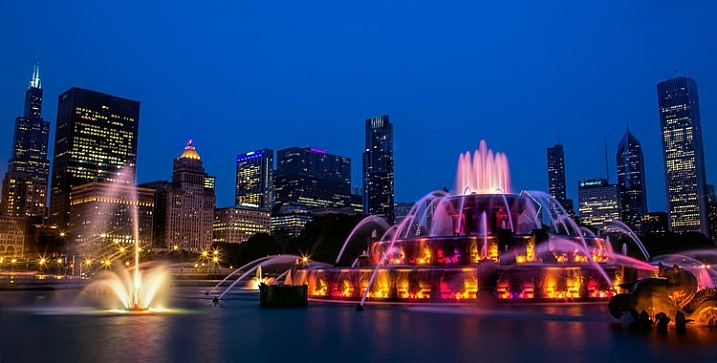
Night Photographers Toolbox - Buckingham Fountain in Chicago

Buckingham Fountain, Chicago (Shutter Speed: 10 seconds; Aperture f/18; ISO 100; focal length 21 mm)

Louis Pasteur famously said that “chance favors the prepared mind.” This statement definitely applies to photography, as there is always an element of chance, with the odds of success growing with preparation. The quote seems particularly applicable to night photography, which has unique requirements for exposure and stability. Preparation is everything.

Your odds of getting a great night photograph are greatly improved if you have taken the time make sure you have the tools needed to get the job done. In this article, you’ll learn the tools of the trade for the night photographer. You many not need all of these, but you will find most of them helpful – and some essential – for getting great pictures at night.

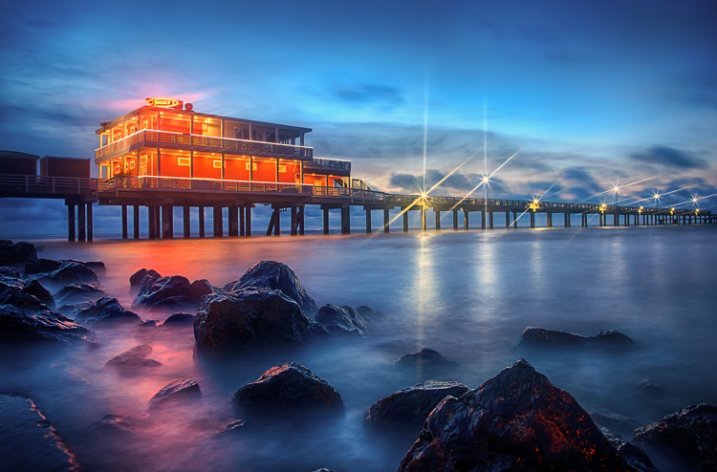
Night Photographer's Toolkit - Galveston fishing pier photo

Fishing Pier, Galveston, Texas (Shutter Speed: 3 image bracketed HDR of 5, 13, and 30 seconds; Aperture f/16; ISO 200; focal length 24 mm)

1. The Right Camera

It is perfectly obvious that you will need a camera for your night photography. But not just any camera will do. The adage that “the best camera is the one you have with you” does not apply to night photography. The first part of making sure you have the right camera is ensuring that it gives you the right amount of control. You will need one that:

  • Is capable of Raw capture, so that you can get the best image quality possible and keep digital noise to a minimum
  • Has manual controls, including manual exposure settings and manual focus, as sometimes it will be too dark for your camera’s auto-focus to work
  • Has Bulb mode for taking super-long exposures.

Beyond that, you will need a camera with good low-light performance. How do you tell that? It isn’t really that simple, and there is no particular specification you can check. Even if your camera is capable of shooting at high ISOs, that doesn’t necessarily mean that your pictures will look good at those levels. In other words, it doesn’t matter if your camera is capable of shooting at ISO 25,600 if pictures shot at ISO 1600 are full of digital noise.

Fortunately, there has been some testing done of cameras and their low light performance. Check out the testing done by DxO mark and DP review (check the review on their site for your particular model) to make sure your camera measures up.

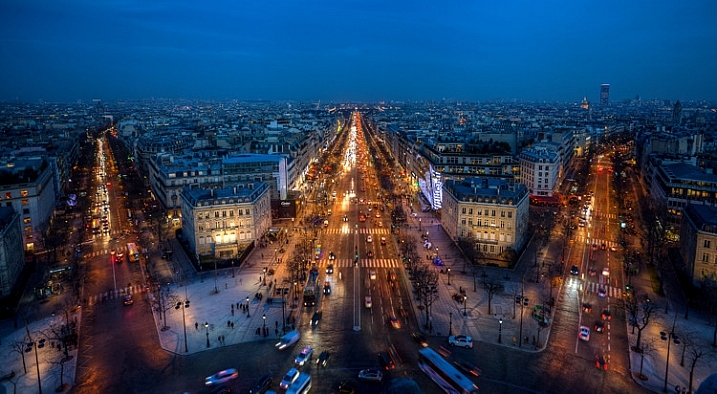
Night Photographers Toolkit - Champs Elysees from the Arc de Triomphe

Champs Elysees from atop the Arc de Triomphe, Paris (Shutter Speed: 3 image bracketed HDR of 1/4, 1/15, and 1 seconds; Aperture f/5.6; ISO 200; focal length 17 mm – note that these settings were used only because tripods are not allowed here)

2. A Small Flashlight

The next thing you’ll need is a flashlight. This will serve many purposes, one of which is helping you see your camera’s controls. That said, you should become extremely familiar with your camera before heading out, such that you can use the controls without even looking. You might even test yourself in a dark room before going.

In any case, having a flashlight with you will help with a variety of things, whether it be finding something in your bag, setting up your tripod, dealing with straps and other attachments, etc. There is no end of uses for a small flashlight, and flashlights are cheap, so you should definitely stash one (or perhaps a few) in your bag.

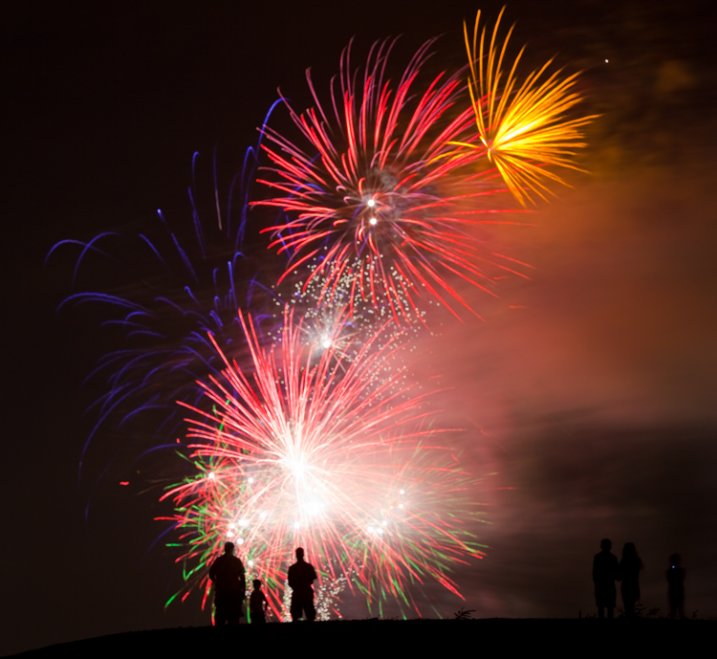
Night Photographer's Toolkit - fireworks picture

Fireworks in Southlake, Texas (Shutter Speed: 8 seconds; Aperture f/14; ISO 100; focal length 135 mm)

3. Spare Batteries

The long exposures that are inherent in night photography drain your camera battery at an alarming rate. In addition, when photographing at night, quite often you will be shooting using Live View, which will cause batteries to drain even faster. If you are dealing with cold temperatures, the battery power will be further limited. Therefore, night photography always calls for spare batteries.

Even if you have a battery grip with two fully-charged batteries, bring a couple of spares. Don’t take any chances. There is no getting around dead batteries – it means your night is over.

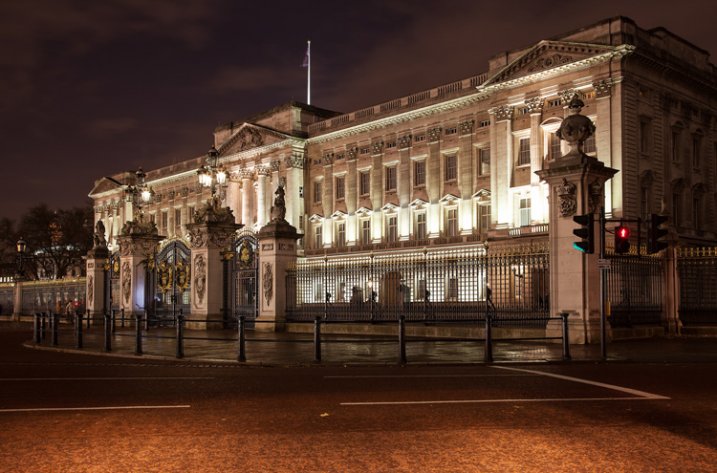
Night Photographer's Toolkit - Buckingham Palace picture

Buckingham Palace, London (Shutter Speed: 3 image bracketed HDR of 1.3, 5, and 20 seconds; Aperture f/8; ISO 400; focal length 35 mm)

4. Tripod

It is probably already obvious that you will need a tripod for your night photography, in order to keep the camera steady during the long exposures necessary due to the low light conditions. But what kind of tripod?

Most will recommend that you buy a very expensive, large, carbon-fiber tripod to keep your camera as steady as possible. To be sure, those sorts of tripods work great. In fact, if you aren’t going to do much walking – and you can afford it – you should definitely invest in a tripod like that.

Oftentimes, however, night photography involves a lot of walking around. Lugging around a big tripod when you are walking for miles is difficult, and limits your mobility as well. Why not start out with a lightweight, smaller, cheaper tripod? Check out something like a Me-Foto travel tripod or a Manfrotto BeFree. Unless you are using big, heavy lenses, they will hold your rig steady and are supremely portable. They don’t cost that much either. If you later decide you need a bigger, more substantial tripod (and you might) one of these smaller models will still make a great travel tripod.

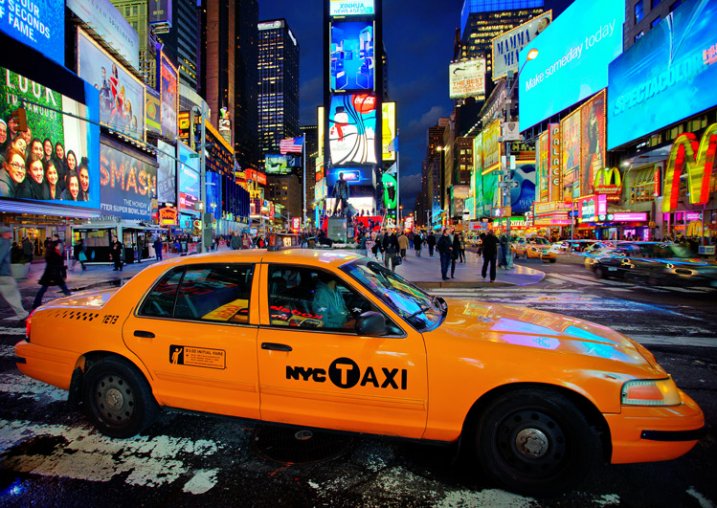
Night Photographer's Toolkit - Times Square picture

Times Square, New York (Shutter Speed: 1/100 seconds; Aperture f/4; ISO 800; focal length 17 mm – note that I used these settings only because I was forced to hand hold during this picture)

5. Remote Shutter Release (or intervalometer)

The idea behind a remote shutter release is that you are able to trigger the shutter without touching the camera, thereby avoiding shaking the camera during the exposure. They are a necessity for many photographers – especially night photographers.

The good news is that these are relatively cheap (really cheap if you don’t buy the Canon or Nikon models). What’s more, while they used to be nothing more than a way to click the shutter, there are models available now with many additional features, such as:

  • Timers and Exposure Length: These are useful when shooting in Bulb mode, which does not have a timer for shutter speed.
  • Intervals: Most models provide for shooting at intervals, which will also allow you to do time-lapse and star trails photography.
  • Delay: They will allow you to set delays (besides the 2 and 10 second delays built into most cameras).

6. Lens Hood

Night photography often involves harsh lights coming from different directions. Light hitting the front lens element from the side can lead to unwanted lens flare. A lens hood is designed to avoid this problem.

Many lenses came with a hood, but some do not. If your lens did not come with one, you can order one from the manufacturer or pick one up at a camera store. They are not too inconvenient to carry because you can store them on the lens by attaching it in a reverse position when you are not using it. When it comes time to shoot, turn the lens hood around to its proper position.

In addition, remember that a lens hood may do more to protect your lens than a UV filter. They protect the lens in the event that it is dropped or you bump into something.

7. Neutral Density Filters

googletag.cmd.push(function() {
tablet_slots.push( googletag.defineSlot( “/1005424/_dPSv4_tab-all-article-bottom_(300×250)”, [300, 250], “pb-ad-78623” ).addService( googletag.pubads() ) ); } );

googletag.cmd.push(function() {
mobile_slots.push( googletag.defineSlot( “/1005424/_dPSv4_mob-all-article-bottom_(300×250)”, [300, 250], “pb-ad-78158” ).addService( googletag.pubads() ) ); } );

The post 10 Items You Need for Your Night Photography Kit by Jim Hamel appeared first on Digital Photography School.


Digital Photography School

 
Comments Off on 10 Items You Need for Your Night Photography Kit

Posted in Photography


13 Great Subjects for Urban Night Photography

14 Jul

The great thing about night photography is that subjects that appear commonplace during the day take on a new, interesting appearance at night. Urban scenes are lit (or not lit) at night in fundamentally different ways that our eyes are not used to. The long exposure times required in night photography allow you to use different techniques to capture the scenes in creative and often dramatic ways. Plus you aren’t beholden to the sun’s rays and the changing daytime light.

Nevertheless, you may struggle with finding good subjects when you do have opportunities to get out and shoot at night. Further, you may not know what subjects lend themselves to great photographs at night, or overlook great scenes and subjects in your own city. Therefore, this article is designed to help you pick out some good subjects that might be right around the corner.

Obviously, the point here is not to limit your subject matter, but rather to show you things that might be nearby next time you are stumped for ideas. I hope you’ll use these subjects as starting points for your own thinking, and the go well beyond the ideas presented here.

1. Reflections

Great Subjects for Urban Night Photography - St. Paul reflection example

St. Paul’s Cathedral, London (Shutter speed: 1.3 seconds; Aperture f/8; ISO: 200).

Most cities have plenty of modern office buildings made of glass and steel. These are often not particularly photogenic subjects in themselves, but the glass and steel provide great opportunities for capturing reflections of anything nearby. At night, the glass can appear particularly reflective. The bright lights of the city at night will show up clearly in the glass of nearby buildings. The next time you are downtown, keep an eye out for reflections in those glass buildings.

Of course, water presents a great opportunity for capturing reflections as well. A very slow shutter speed will remove any ripples from the water and make the reflection show up more clearly. Using a slow shutter speed will not usually be a problem at night because your camera will be struggling to capture more light to achieve a proper exposure, but if it is just add a mild neutral density filter to your lens.

Keep in mind that the water with the reflection doesn’t have to be a lake or a river (although those often work great); sometimes just a puddle will do.

2. Streaking Lights
Great Subjects for Urban Night Photography - Arc de Triomphe example

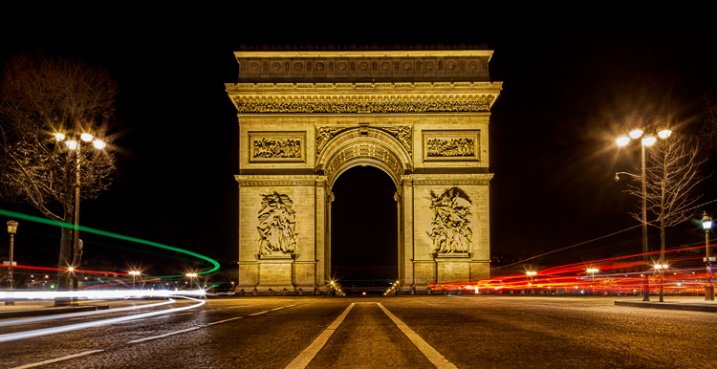
Arc de Triomphe, Paris (Shutter speed: 30 seconds; Aperture f/22; ISO: 50).

Streaking headlights and taillights from passing vehicles are a great way to deal with the problem of traffic in your picture, and as a bonus, it adds a sense of movement to your scene.

To include streaking lights, start by using a slow shutter speed. You will typically set a shutter speed of at least 15 seconds to allow enough time for the vehicles to move through your frame. Set a mid-range aperture (around f/8) and a low ISO (100) to accommodate the long shutter speed, then adjust from there depending on conditions. After that, just wait until traffic is about to enter your frame and trip the shutter. The shutter will stay open during the time the traffic moves through the frame and only the headlights and taillights of the passing vehicles will show up in your picture.

Where should you go to find good places for streaking lights? That depends. If you just want the streaking lights to accentuate a picture of something else, then you can go anywhere. If you want the streaking lights to be the cneterpiece of the photo, however, you will need to find a place where you can overlook a highway or major street. Bridges and overpasses work great for this. In addition, parking garages that are next to a highway can work great as well (if you can access them).

3. Skylines

Great Subjects for Urban Night Photography - NYC skyline example

Midtown Manhattan, taken from Roosevelt Island (Shutter speed: 10 seconds; Aperture f/8; ISO 100).

Skyline shots nearly always look great at night. In every city, the buildings will be lit, and will contrast against the black sky. Further, you don’t have to worry about a lot of things that cause problems during the day. For example, there will be no glare from front-lit buildings, or shadows from backlit buildings. For the most part, cloud conditions do not matter.

The key is to find a good vantage point. If your city has a river or bay your can shoot across, those make great spots. Another good choice is a high spot overlooking the skyline (look for overpasses of highways leading into downtown). Make liberal use of Google Maps’ street view to find good vantage points.

4. Monuments

Great Subjects for Urban Night Photography - Alamo example

The Alamo, San Antonio, Texas (Shutter speed: 13 seconds; Aperture f/16; ISO: 100).

The best part about photographing monuments at night is that they are usually well-lit. Further, the night provides a different perspective on a monument that might otherwise be commonplace.

The worst part about monuments is that, even at night, they can attract a lot of people. The long exposures required at night can help you eliminate them though. By using an extremely long shutter speed (over 30 seconds, so you will need to use Bulb mode), any people that happen to walk through your view will not show up in the final picture. Of course, if the people happen to stop walking and stand around in your frame, they will show up and you will have to use the Clone Stamp tool in Photoshop later to get rid of them.

Remember that many times the lights of monuments are not kept on all night. They seem to go out around midnight.

5. Fireworks

Great Subjects for Urban Night Photography - St. Louis fireworks example

St. Louis, Missouri (Shutter speed: 6 seconds; Aperture f/3.5; ISO: 100).

It doesn’t have to be the 4th of July or some major celebration to find a fireworks display. Many cities and towns now have fireworks displays on a regular basis as a means to draw people to local business. For example, the picture above of fireworks over St. Louis was taken on a random weekend. In addition, I live near a lake in Texas that has fireworks every weekend during the summer. See if you can find a fireworks display near you.

The key to capturing fireworks displays is to use the right shutter speed, and time the explosions. A shutter speed of around 10-15 seconds seems to work the best. That provides enough time for the fireworks to fully explode, but is not so long that the fireworks don’t show up well. Trigger the shutter when you see the dot of the firework going up. That way your picture will capture the explosion from beginning to end. After a while, you’ll develop a feel for when things are about to happen based on the rhythm of the fireworks show and you can trigger the shutter then.

6. Individual Buildings

Great Subjects for Urban Night Photography - Dallas example

Building in downtown Dallas, Texas (Shutter speed: 13 seconds; Aperture f/16; ISO: 200).

Don’t overlook shots of individual buildings. I know . . . it sounds boring. If you photographed an individual building during the day, you would end up with something really uninteresting. But you’ll be surprised at how certain buildings look at night, be on the lookout for ones with interesting lights. There is no better way to find them than to just pound the pavement.

Don’t look just for brightly-lit buildings either. Industrial buildings and scenes have great shapes and textures to them, often better than anything modern. While you might not want to be trolling around in an abandoned factory, there are plenty of historical public structures or working factories you can photograph from the street.

7. Streetlights

Great Subjects for Urban Night Photography - London lights example

Gates and streetlamps between Green Park and Buckingham Palace, London (Shutter speed: 1.3 seconds; Aperture f/8; ISO: 800).

If you can find a row of streetlights, it will often make a great subject. It can also be a great way to accentuate a picture of something else.

Sometimes you will want to create a starburst effect to the lights. To do that, stop down your aperture to a very small setting, somewhere in the range of f/16 – f/22. The lights will appear to twinkle in the result.

8. Carnivals

Great Subjects for Urban Night Photography - State Fair example

State Fair, Dallas, Texas (Shutter speed: 10 seconds; Aperture f/22; ISO: 100).

Carnivals are all about bright lights, vibrant colors, and movement. As such, they can be great places for the prepared night photographer.

Carnivals don’t happen every day, so you’ll need to plan ahead. Most metropolitan areas have publications listing all upcoming events. If nothing else, you can check a guidebook for your city.

Once you are there, set your exposure so that your shutter speed is in the range of 8-15 seconds. That will capture the movement of the carnival in your shot. This will usually allow you to use a low ISO to keep noise under control and a moderate aperture so that you will have a sufficient depth of field.

9. Museums

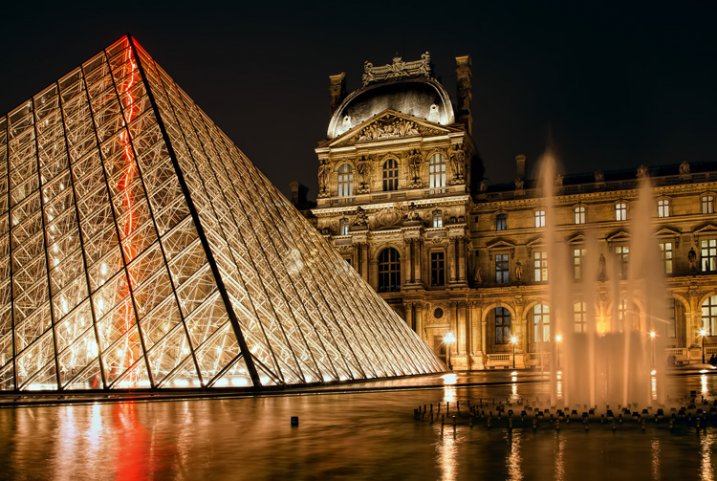
Great Subjects for Urban Night Photography - Louvre example

The Louvre, Paris (Shutter speed: 1/8 second; Aperture f/4; ISO: 3200) Note: these settings were used because I was forced to hand hold this shot.

Museums are places that cities want to show off. As a result, most museums present dramatic facades, and are well lit at night. They are an easy way to find a good subject for night photography.

In addition, you will not have to search for museums. All museums will be listed in every guidebook or tourism website for your city. There are often several museums to choose from. Just find the most attractive one and check it out.

Once you get there, the key to success is composition. Start with the obvious frontal shot, and then work the scene from there, trying out different angles and perspectives.

10. Neon

Great Subjects for Urban Night Photography - Times Square neon example

Times Square, New York (Shutter speed: 3 exposures at .6, 1/6, and 2.5 seconds; Aperture f/16; ISO: 100).

Flashing signs are everywhere, and can be easily overlooked. Next time you are out, make a point to include the signs in your picture.

11. Overlooks and Views
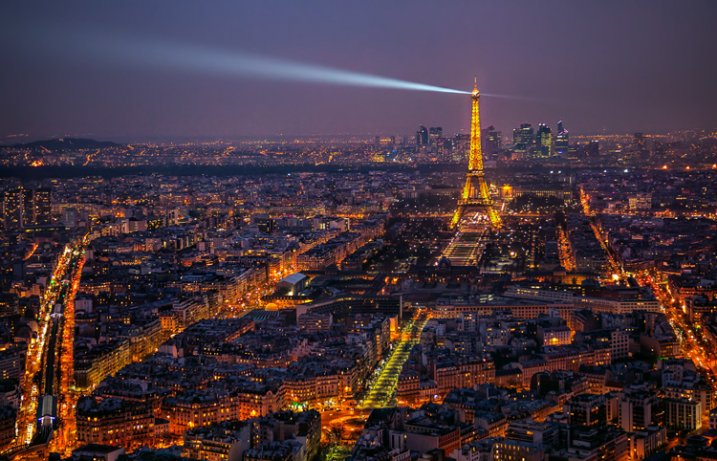
Great Subjects for Urban Night Photography - Paris example

Paris at Night, Taken from the Montparnasse Tower (Shutter speed: 1/4 second; Aperture f/4; ISO: 800).

A good view can present a great opportunity for photography at any time, and nighttime is no exception. Be careful though – a great view does not necessarily make a great picture. The key to success often lies in the foreground. Make sure there is something of interest in the foreground draw your viewer into the great view.

Finding a great view can be difficult. This is particularly true at night, since often the parks or towers from which you capture the view are closed. The best way I have found to find great views is to use guidebooks for your city. Sometimes the guidebook will actually have a section on the best views. If that doesn’t work, take a look at the map on 500px to see what views others have found.

12. Bridges

Great Subjects for Urban Night Photography - Golden Gate Bridge example

Golden Gate Bridge from Marin Headlands, San Francisco (Shutter speed: 4 seconds; Aperture f/9; ISO: 800).

When in doubt, find a bridge to photograph at night. While your city may not have the Brooklyn Bridge or the Golden Gate Bridge, I can almost guarantee you that it will have a bridge, and that it will be well lit at night. Almost every city is built on a river or a bay, meaning there will be bridges. They are always lit.

The key is to find the best vantage point to view the bridge. In your quest to find this, there is no greater tool than the street view function of Google maps. Using Google maps, find the main bridge(s) of your city and then, at either end, virtually walk around using street view. Be sure you find a place to park as well, as this is often tricky around bridges.

Take special notice of the water under the bridge. There will be two effects related to the water. First, the long exposure time will smooth out the water. In rivers it will sometimes show a smooth current. Second, the lights from the bridge will often create reflections in the water. As such, if you can maneuver to use the water as your foreground, you may be rewarded.

When photographing a bridge, don’t overlook the passing traffic. You might be able to incorporate streaking lights from the cars as an element of the shot. As mentioned above, make sure you time the exposure right so that you start it right as traffic is about to enter the frame.

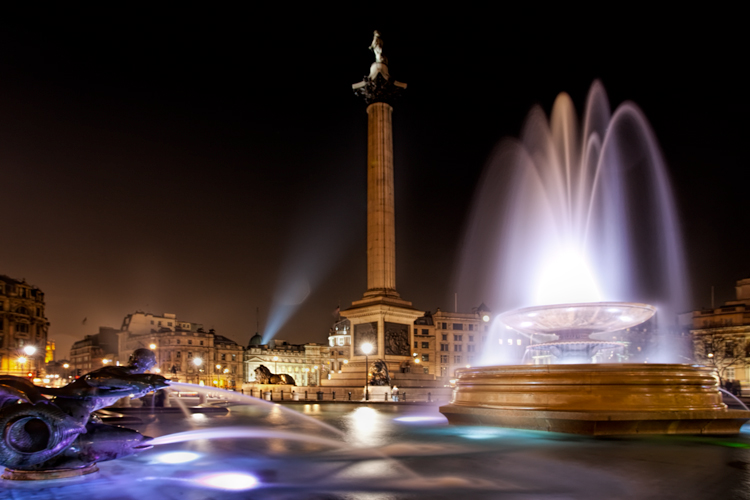
13. Fountains

Great Subjects for Urban Night Photography - Trafalgar Square fountain example

Fountain in Trafalgar Square, London (Shutter speed: 13 seconds; Aperture f/10; ISO: 100).

Many central plazas and squares are centered around a fountain, and these are usually brightly lit at night. They are great places to start when looking to photograph a city a night. What’s more, photographing at night works to your advantage when you find such a fountain. The slow shutter speeds that are required by the low-light scene allow the water to flow while your shutter is open. This makes the water appear smooth.

Start with a low to mid-range ISO (100-400) and a moderate aperture (around f/8). Start with these settings, then adjust your shutter speed to get the correct exposure ought to result in a sufficiently slow shutter speed to create the smooth, flowing water you want.

Conclusion

Night takes up roughly half of each day. Further, it is often easier to get out and shoot at night because most of our work and family obligations take place during the daylight hours. So get out and shoot in your town. Even if you do not live in a major city – many moderate-sized metro areas have most, if not all, of the same subject matter.

When you do start planning night photography, you’ll be surprised how many of the subjects above are near you. It just takes a little effort and advance thought. So check out the available subjects nearby and get after it.

googletag.cmd.push(function() {
tablet_slots.push( googletag.defineSlot( “/1005424/_dPSv4_tab-all-article-bottom_(300×250)”, [300, 250], “pb-ad-78623” ).addService( googletag.pubads() ) ); } );

googletag.cmd.push(function() {
mobile_slots.push( googletag.defineSlot( “/1005424/_dPSv4_mob-all-article-bottom_(300×250)”, [300, 250], “pb-ad-78158” ).addService( googletag.pubads() ) ); } );

The post 13 Great Subjects for Urban Night Photography by Jim Hamel appeared first on Digital Photography School.


Digital Photography School

 
Comments Off on 13 Great Subjects for Urban Night Photography

Posted in Photography


Night Life: Tips for Photographing Live Events at Night

03 Jul

Event photography can be a lot of fun. If you love taking photos, and you enjoy attending social events, then it would only seem natural that you’d enjoy taking photos at social gatherings, such as parties, concerts and night clubs. There are plenty of opportunities for intrepid young photographers (and photographers of other ages, as well) to make some money Continue Reading

The post Night Life: Tips for Photographing Live Events at Night appeared first on Photodoto.


Photodoto

 
Comments Off on Night Life: Tips for Photographing Live Events at Night

Posted in Photography


Tips for Getting Proper Exposure for Night Photography

24 Jun
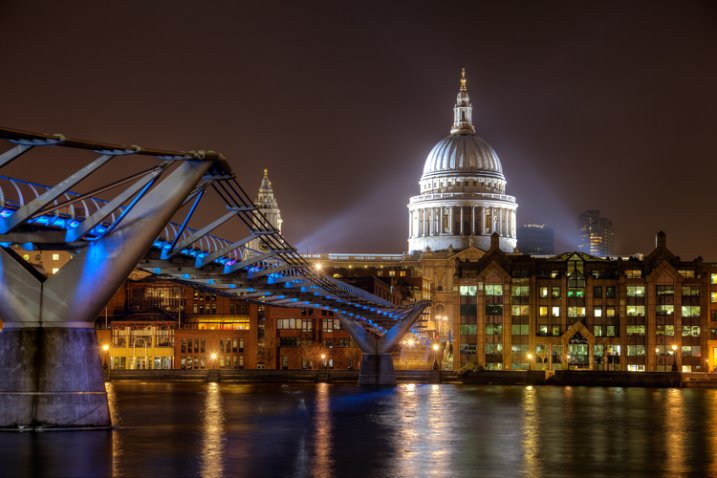
Proper Exposure at Night - Millenium Bridge example

Exposure settings for this shot: Shutter speed of 4 seconds; aperture at f/5.6; ISO 400.

Night photography can be much more rewarding than photography during the day. Because everything looks different at night, you don’t need to go somewhere exotic to get great pictures. Bridges, attractions, and buildings are usually brightly lit at night, and places that might seem rather pedestrian during the day – can make stellar photography subjects at night. Further, you can take your time when photographing at night, more so than during the day. There are generally less people out, and you don’t have to worry about the light changing.

The main challenge when photographing at night is getting a proper exposure. During the day, you can just walk around and hand hold your camera without worrying about camera shake. In addition, because of the amount of available light during the day, you don’t need to worry about shooting at a high ISO and the resulting digital noise. At night, however, hand holding is generally not an option and digital noise can be a major problem.

The principles of exposure work the same way at night as during the day – you will just need a lot more time to allow light into your camera. It goes without saying that you will need a tripod to stabilize your camera, and a remote shutter release to keep from moving anything during the exposure. But with these changes made, you can get out and explore the night with your camera. When you do, here are some tips to keep in mind to help you maximize the experience.

Proper Exposure at Night - ouvre example

Exposure settings for this shot: Shutter speed of 4 seconds; aperture at f/11; ISO 400.

# 1.  Work in Manual Mode

The first tip is to make sure you are shooting in Manual mode. In Manual mode, you will set the shutter speed, aperture, and ISO. This puts you in complete control over you camera.

When shooting at night, your camera will be on a tripod and you will be working slowly. There is no need to use any automatic mode because of the speed provided. Further, there might be a little trial and error with the exposure settings (the camera can be easily fooled by the great differences in bright and dark areas of the picture) and you want to make sure you have plenty of control over this process. Manual mode gives you that control.

#2.  Make sure you are comfortable with Bulb Mode

Manual mode only works for exposures up to 30 seconds. If you need a shutter speed that is longer than 30 seconds, the only option for getting a proper exposure is Bulb mode. Therefore, while you should generally shoot in Manual mode, you should also be comfortable with Bulb.

In Bulb mode, the shutter stays open as long as you hold the shutter button down. When you press the button, the shutter opens. When you release the button, the shutter closes. To avoid introducing any shake or movement into the exposure, using a remote shutter release is imperative when using this mode.

With Bulb mode you can make your exposure several minutes long. If your remote shutter release does not have a timer built-in to it, make sure you keep another timer handy (your phone may have one). If your remote does not have a timer, make sure it has a locking feature so you do not have to hold it the entire time.

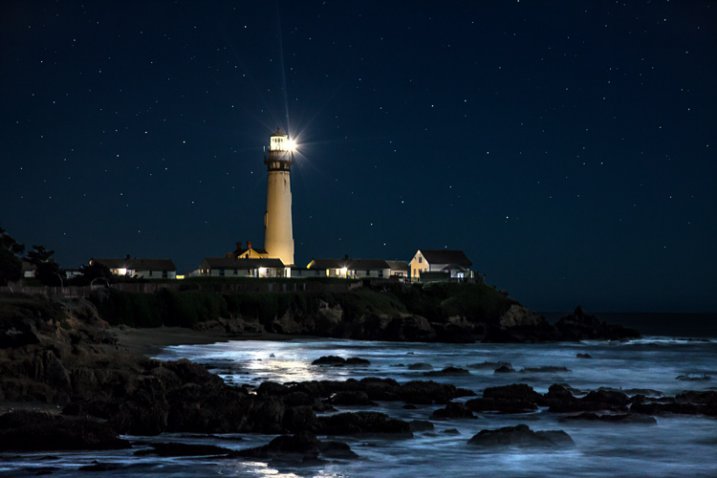
Proper Exposure at Night - Pigeon Point example

Exposure settings for this shot: Shutter speed of 6 seconds; aperture at f/5.6; ISO 1600.

#3.  Shoot in Raw

When shooting at night, it is particularly important to make sure you are shooting in Raw format. The Raw files coming out of most cameras are 14 bit files, whereas JPEGS are only 8 bit files. The more bits, the higher the range of available colors and the smoother the transitions between them.

The reason shooting in Raw is even more important at night, is that most of the colors that a camera can capture are at the top (bright) end of the scale. The range of available colors at the low (dark) end of the scale is extremely limited. At night, your pictures will almost always include a large dark portion. A JPEG file, with its reduced color options, you will likely introduce banding in your pictures.

#4.  Bring a flashlight

Knowing your camera controls really well pays dividends at night. You can make changes to the settings without being able to see everything. Nevertheless, a small flashlight is tremendously useful. Keep one handy to make sure you can see everything on your camera and tripod. It occasionally comes in handy for lighting areas of your picture as well.

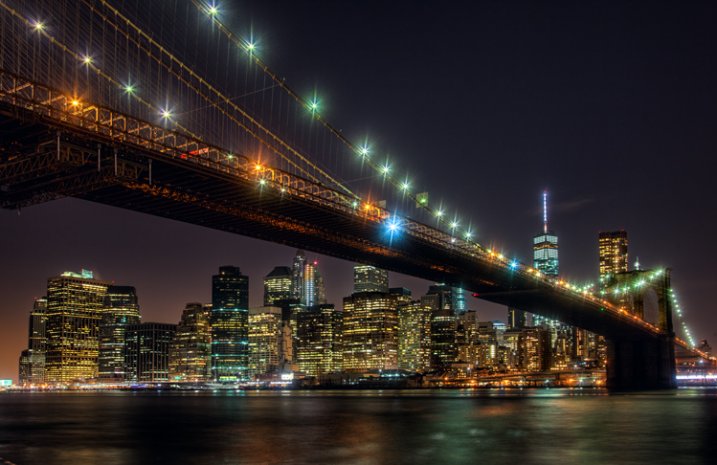
Proper Exposure at Night - Brooklyn Bridge

Exposure settings for this shot: Shutter speed of 10 seconds; aperture at f/9.0; ISO 200.

#5.  Choose proper settings

Proper settings will always depend on the situation. Nevertheless, there are some ways you should bias your settings when shooting at night. Here are a few:

  • Aperture: Open up your aperture more at night than you would during the day (i.e., use a lower f/number). Most night photographs tend to be of shots on a narrower plane than shots during the day. Further, the background and sky will be black anyway and you will not need as large a depth of field. The larger aperture also has the benefit of letting more light into the camera.
  • ISO: Keep your ISO setting as low as you can. Night photography always means there will be dark areas in your pictures, and these dark areas inevitably lead to digital noise. Raising the ISO will compound the problem.
  • Shutter speed: Whereas shutter speed might be the first exposure setting you worry about during the day, it should generally be the last one you think about at night. Since you will be shooting from a tripod, you can let the shutter stay open as long as you need. If you have traffic (streaking lights), a fountain, or running water in your picture, the longer shutter speed will actually benefit your pictures anyway. The only exception is high winds, or other instability impacting your rig.

One other setting to check is the Long Exposure Noise Reduction, which will be in your camera’s menu. If you enable this option, the camera will make two exposures, one normal and one with the shutter closed, which the camera will use as a comparison to filter out noise from the normal picture. Photos taken with this option enabled will take twice as long to expose, but will be less noisy.

#6.  Meter for the highlights

Determining the proper exposure level can be tricky at night. Each metering mode presents its own challenges. If you use evaluative metering, the camera is likely to be confused. If you use spot or partial metering, the meter will jump around depending upon whether you are aimed at a bright light or the dark background.

One answer to this problem is to use spot metering and to expose for the highlights. Set your meter between +1 and +2 as you meter on the highlights. The +1 -2 setting will keep your highlights looking bright, but at the same time, will keep the highlights within the dynamic range of the camera. Do not worry as much about the dark portions of the picture. If the dark areas happen to turn black, well, it is nighttime after all, and there is supposed to be some black. Take a test shot and adjust as necessary.

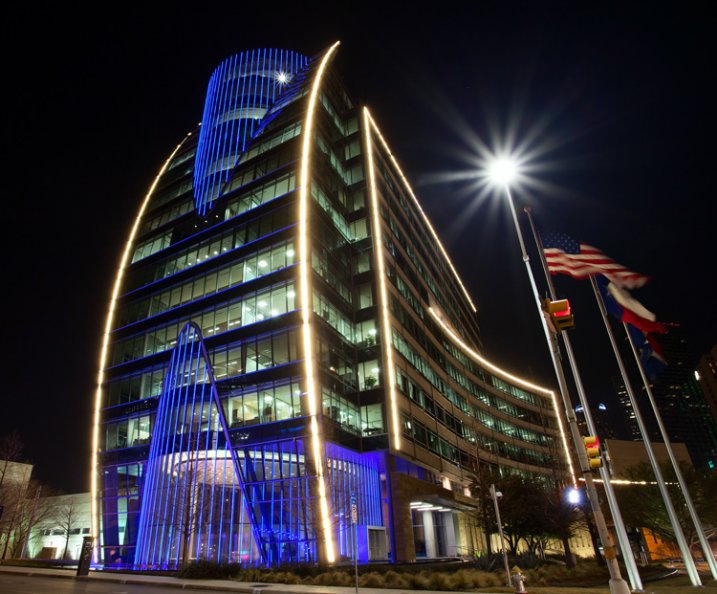
Proper Exposure at Night - Dallas example

Exposure settings for this shot: Shutter speed of 5 seconds; aperture at f/16; ISO 400.

#7.  Take a test shot at a high ISO

Speaking of test shots, you should make liberal use of them when shooting at night. However, you don’t want to sit around for 30 seconds, a minute, or even longer, waiting to see if the test shot is going to work out. The best way to get a test, without wasting a lot of time doing so, is to take tone at a much higher ISO than you would ordinarily use.

For example, let’s say you think the proper exposure settings for a given shot are: 30 seconds at f/5.6 with an ISO of 400. Rather than taking that shot and waiting around 30 seconds for the exposure, crank up the ISO and speed up the shutter speed by the same number of stops. The exposure level will be the same, but it will take a lot less time to expose the test picture. In this case, I would raise the ISO by four stops to ISO 6400 (raising it one stop to moves it to ISO 800, one stops increases it to ISO 1600, three stops to ISO 3200, and four stops gets you to ISO 6400). That allows you to reduce your shutter speed by four stops to only 2 seconds (reducing the shutter speed by one stop shortens it to 15 seconds, two stops shortens it to 8 seconds, three stops to 4 seconds, and four stops gets the shutter speed down to 2 seconds).

When you are satisfied with your exposure, just decrease the ISO and increase (lengthen) the shutter speed by an equal amount to get back to the final settings.

#8. Bracket your photos

Night photography is one area where you will want to bracket your photos. Blending and HDR can work wonders at night, but even if you are against such processing, bracket your photos anyway. Think of it as exposure insurance.

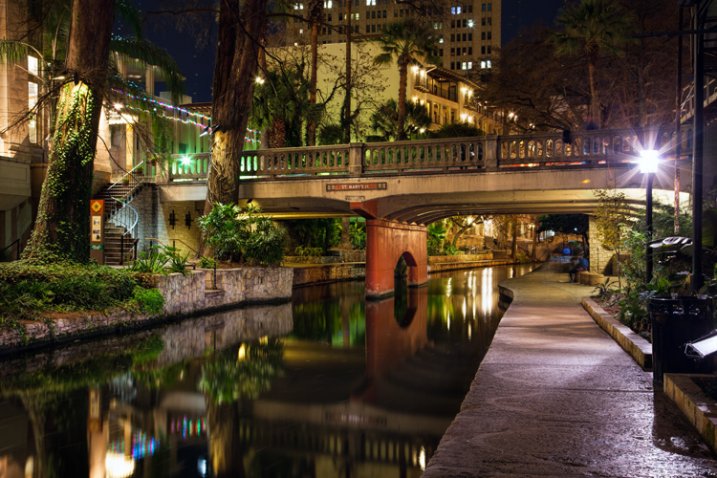
Proper Exposure at Night - San Antonio Riverwalk example

Exposure settings for this shot: Shutter speed of 30 seconds; aperture at f/11; ISO 200.

#9.  Verify the exposure with the Histogram

After you have taken your exposures, check them on the LCD on the back of your camera. The picture on the LCD will show you if the exposure is close to correct, but it is better to also check the histogram to make sure the exposure is within the dynamic range of your camera. Remember to keep the highlights on the right side of the histogram, but avoid a spike on the far right. If the dark areas spike on the left side the histogram, that is okay since parts of your picture are supposed to be black. In general, however, keep as much of the image as possible within the range of the histogram, but err on the side of keeping the highlights from blowing out.

Exposing at Night

If you are not totally comfortable with exposure, then doing some night photography will get you there in a hurry. You will have your camera on a tripod in unchanging light, so you can take as much time as you need to think through the exposure, and get it right. You’ll be forced to take into account the highlights and shadows when you meter, then study them on your histogram. Taking test shots, and making adjustments, will help you see the interrelationships between the exposure controls.

When you follow these steps, you are likely to get some great shots. Every city lights up its major attractions, bridges, and museums – often in colorful ways. A scene that might be boring during the day could be a great photo at night. Often, because of the effects of the lights, you’ll actually be surprised at what you end up with. Taking your time and applying these tips to nail the exposure will help you maximize the experience.

googletag.cmd.push(function() {
tablet_slots.push( googletag.defineSlot( “/1005424/_dPSv4_tab-all-article-bottom_(300×250)”, [300, 250], “pb-ad-78623” ).addService( googletag.pubads() ) ); } );

googletag.cmd.push(function() {
mobile_slots.push( googletag.defineSlot( “/1005424/_dPSv4_mob-all-article-bottom_(300×250)”, [300, 250], “pb-ad-78158” ).addService( googletag.pubads() ) ); } );

The post Tips for Getting Proper Exposure for Night Photography by Jim Hamel appeared first on Digital Photography School.


Digital Photography School

 
Comments Off on Tips for Getting Proper Exposure for Night Photography

Posted in Photography


Weekly Photography Challenge – Night Photography

20 Jun

Recently I rounded up some great examples of stunning night photography. It’s a genre of photography that is popular with many and comes with its own challenges and issues to overcome. But it’s worth the effort as you can create images with something special. Places just look different at night.

Darlene Hildebrandt

Route 66 near Chicago – By Darlene Hildebrandt

Darlene Hildebrandt

Trinidad, Cuba – By Darlene Hildebrandt

Above are a couple examples of my own night photography. Now it’s your turn.

Weekly photography challenge – night photography

If you haven’t tried long exposure photography or gone out and done some shooting at night, now is the perfect time to try it. Find a buddy to come along with you, it’s more fun if you work with a friend. Photography clubs and meetup groups often do group events for night photography, look for one in your area. Find a mentor who has some experience with night photography to help you get started.

Try some star shots, city light, light trails, moon or Milky Way shots, painting with light, or even a portrait. If you need some assistance see the list of articles below that can give you some tips.

Thomas Hawk

By Thomas Hawk

Luc Mercelis

By Luc Mercelis

Chris Lofqvist

By Chris Lofqvist

Mike Boening Photography

By Mike Boening Photography

Mariusz Kluzniak

By mariusz kluzniak

Raphael Borja

By Raphael Borja

Mclcbooks

By mclcbooks

Jonathan Miske

By Jonathan Miske

Share your images below:

Simply upload your shot into the comment field (look for the little camera icon in the Disqus comments section) and they’ll get embedded for us all to see or if you’d prefer upload them to your favourite photo sharing site and leave the link to them. Show me your best images in this week’s challenge. Sometimes it takes a while for an image to appear so be patient and try not to post the same image twice.

DAVID MELCHOR DIAZ

By DAVID MELCHOR DIAZ

Alfredo

By Alfredo

Alfredo

By Alfredo

Theboseographer

By theboseographer

Need some help getting started?

Try these articles for some night photography tips:

  • Tips for Retouching a Night Photograph using Lightroom
  • Tips for Getting Proper Exposure for Night Photography
  • 9 Tips to Help you get Sharp Focus at Night
  • How to do Long Exposure Photography and Light Trails at Night
  • Beginners Tips for Night Sky and Star Photography
  • Nightscapes: Photographing the City at Night
  • Better Star Trails Photographs with StarStaX
  • Beginner’s Guide to Light Painting

googletag.cmd.push(function() {
tablet_slots.push( googletag.defineSlot( “/1005424/_dPSv4_tab-all-article-bottom_(300×250)”, [300, 250], “pb-ad-78623” ).addService( googletag.pubads() ) ); } );

googletag.cmd.push(function() {
mobile_slots.push( googletag.defineSlot( “/1005424/_dPSv4_mob-all-article-bottom_(300×250)”, [300, 250], “pb-ad-78158” ).addService( googletag.pubads() ) ); } );

The post Weekly Photography Challenge – Night Photography by Darlene Hildebrandt appeared first on Digital Photography School.


Digital Photography School

 
Comments Off on Weekly Photography Challenge – Night Photography

Posted in Photography


31 Mystical Night Photography Images

19 Jun

There is something magical, mystical about the night, and night photography. Things you can’t see with the human eye, a certain peacefulness.

Here on dPS night photography is a popular topic, with many articles to choose from if you want to learn how to do it.

In this collection let’s look at some stunning examples of night photography done well:

Photograph Black Lotus by Mathijs van den Bosch on 500px

Black Lotus by Mathijs van den Bosch on 500px

Photograph The beginning by Marco Bocelli on 500px

The beginning by Marco Bocelli on 500px

Photograph Along the Thames by Giuseppe Torre on 500px

Along the Thames by Giuseppe Torre on 500px

Photograph In New Orleans by Boberic Photography on 500px

In New Orleans by Boberic Photography on 500px

Photograph *H--H* by ömer yücel on 500px

*H–H* by ömer yücel on 500px

Photograph Shanghai at Night by Clemens Geiger on 500px

Shanghai at Night by Clemens Geiger on 500px

Photograph DUBAI by Ibrahim Albeshari on 500px

DUBAI by Ibrahim Albeshari on 500px

Photograph the queen by Ronny Behnert on 500px

the queen by Ronny Behnert on 500px

Photograph San Francisco, unseen night 2 by Ali Erturk on 500px

San Francisco, unseen night 2 by Ali Erturk on 500px

Photograph Belchite night 2 by Tony Goran on 500px

Belchite night 2 by Tony Goran on 500px

Photograph ?n Brugge by ?lhan Eroglu on 500px

?n Brugge by ?lhan Eroglu on 500px

Photograph Salamanca in the night by Isidoro M on 500px

Salamanca in the night by Isidoro M on 500px

Photograph A Night To Remember by Arild Heitmann on 500px

A Night To Remember by Arild Heitmann on 500px

Photograph Celestial Cypress by Paul Marcellini on 500px

Celestial Cypress by Paul Marcellini on 500px

Photograph Fossilized UFO by Sakhr Abdullah on 500px

Fossilized UFO by Sakhr Abdullah on 500px

Photograph Portal by Brad Goldpaint on 500px

Portal by Brad Goldpaint on 500px

Photograph Stars over Teton homestead by Royce's NightScapes on 500px

Stars over Teton homestead by Royce’s NightScapes on 500px

Photograph My bike! by Khatawut J on 500px

My bike! by Khatawut J on 500px

Photograph M11 By Winter's Night - London by Pete Dobson on 500px

M11 By Winter’s Night – London by Pete Dobson on 500px

Photograph What Once Was by Aaron J. Groen on 500px

What Once Was by Aaron J. Groen on 500px

Photograph Reaching for the stars by Dan Barr on 500px

Reaching for the stars by Dan Barr on 500px

Photograph Ball of Light by Richard Steinberger on 500px

Ball of Light by Richard Steinberger on 500px

Photograph Star Filled Sky over The Grand Tetons #2 by Matt Anderson on 500px

Star Filled Sky over The Grand Tetons #2 by Matt Anderson on 500px

Photograph Galiano Island Stars by James Wheeler on 500px

Galiano Island Stars by James Wheeler on 500px

Photograph Moonlight Dock by James Wheeler on 500px

Moonlight Dock by James Wheeler on 500px

Photograph An appropriate night for anything by Milos Savkovic on 500px

An appropriate night for anything by Milos Savkovic on 500px

Photograph Thousand star Hotel by shaiith on 500px

Thousand star Hotel by shaiith on 500px

Photograph Ai-Petry. Night, Full Moon. by Denis Belitsky on 500px

Ai-Petry. Night, Full Moon. by Denis Belitsky on 500px

Photograph industrial portrait by Alina Cürten on 500px

industrial portrait by Alina Cürten on 500px

Photograph Wat arun under loy krathong day ,Thailand by Prasit Rodphan on 500px

Wat arun under loy krathong day ,Thailand by Prasit Rodphan on 500px

Photograph Good night by Fehrum on 500px

Good night by Fehrum on 500px

googletag.cmd.push(function() {
tablet_slots.push( googletag.defineSlot( “/1005424/_dPSv4_tab-all-article-bottom_(300×250)”, [300, 250], “pb-ad-78623” ).addService( googletag.pubads() ) ); } );

googletag.cmd.push(function() {
mobile_slots.push( googletag.defineSlot( “/1005424/_dPSv4_mob-all-article-bottom_(300×250)”, [300, 250], “pb-ad-78158” ).addService( googletag.pubads() ) ); } );

The post 31 Mystical Night Photography Images by Darlene Hildebrandt appeared first on Digital Photography School.


Digital Photography School

 
Comments Off on 31 Mystical Night Photography Images

Posted in Photography


Tips for Enhancing Night Sky Photography in Photoshop

17 Jun

You will learn some important steps of enhancing a night sky photo in this tutorial. It is specifically useful if your photos were shot in areas with notable light pollution. Light pollution could spoil your photo by outshining the comparatively dim stars in the sky. Here are the tips for bringing back those spectacular stars in the sky.

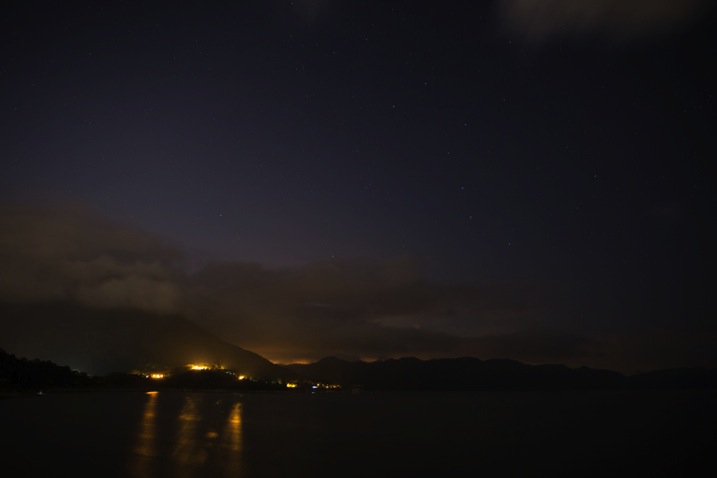
First a slight digression, I recommend to shooting your night sky photos in RAW format if you aren’t already. This is because RAW has an incomparable dynamic range which enables you to bring back the details of the photo, including the night sky in post-processing.

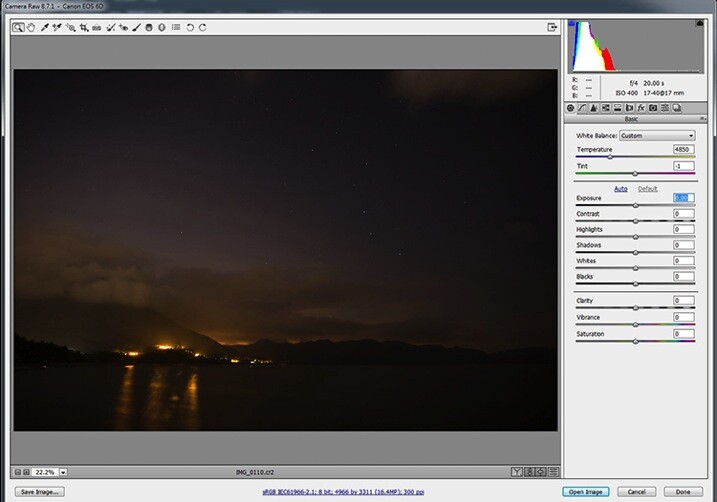
Pic1

The photo in the above screen capture is underexposed. We will need to play around with the exposure adjustments in a RAW Editor first. Generally, if the exposure of a dark image is boosted too much, there will be tons of noise. It is because the sensor failed to capture sufficient photons when the photo was underexposed. Therefore, the differences in the number of photons among pixels are significant. Such differences are the culprit of noisy images.

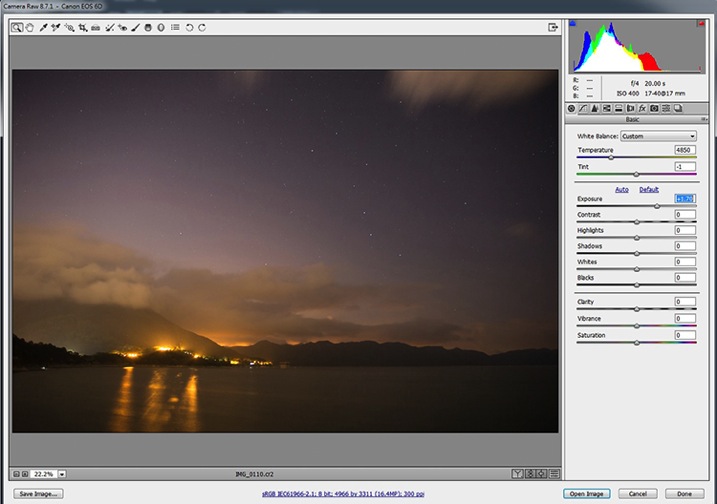
Pic2

First, you have to increase the exposure until the brightness of the photo appears to be appropriate. While adjusting the exposure parameter, use the histogram in the top right corner as a reference.

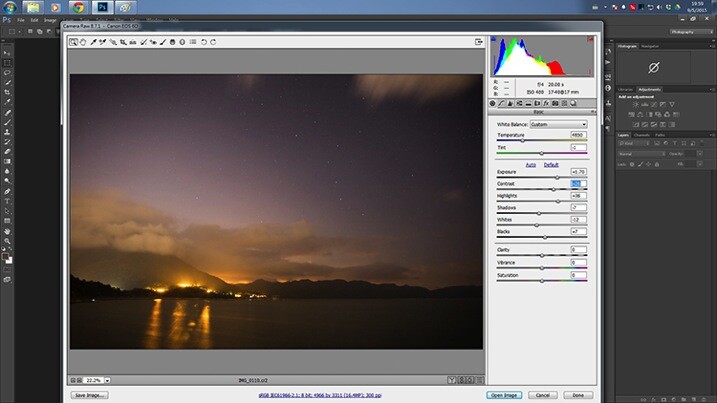
Pic3

You may want to play around with the value of the Highlight, Shadows, Whites and Blacks sliders for fine tuning the exposure. After that, add some contrast to the photo, this will make the stars stand out a little bit.

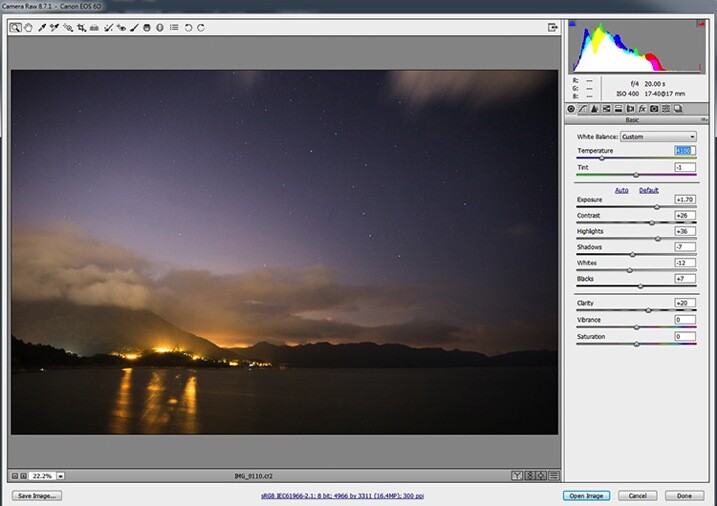
Pic4

You will need to boost the Clarity here for the whole scene. This improves the sharpness of the photo, including the stars. In my opinion, a bluish night sky is far more impressive and, therefore, you will need to adjust the Temperature setting. I would recommend a color temperature between 3500-4100. This will strike a balance between realism and aesthetic. Then, click “Open Image” (if you’re using Lightroom right click and choose “Edit in Photoshop” to continue with the next steps).

pic5b

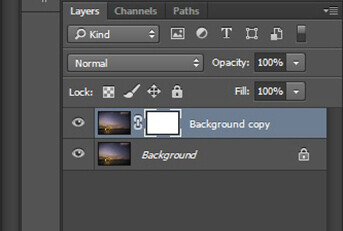
Make a duplicate a copy of the Background layer after opening the image. Right click on the original layer, and click on “Duplicate Layer” from the pop-up menu. After that, create a layer mask for the duplicated layer. To create a layer mask, you will need to have the new layer chosen and click on the third button at the bottom of the Layer panel. Then, select the image next to the layer mask in the Layer panel.

Pic6

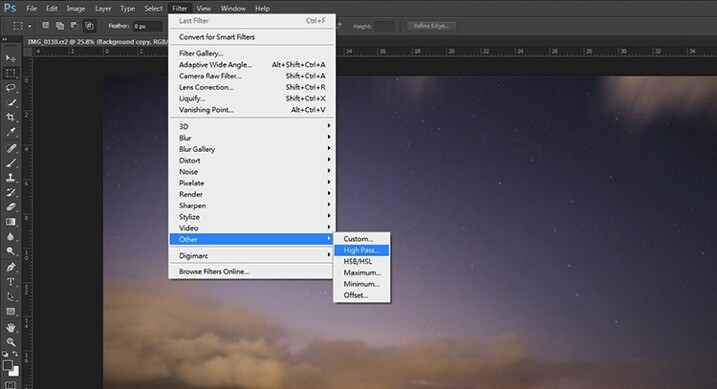
Now you are going to add a High Pass filter to the newly duplicated layer. Choose Filter > Other > High Pass. This is to further enhance the visibility of the stars.

Pic7

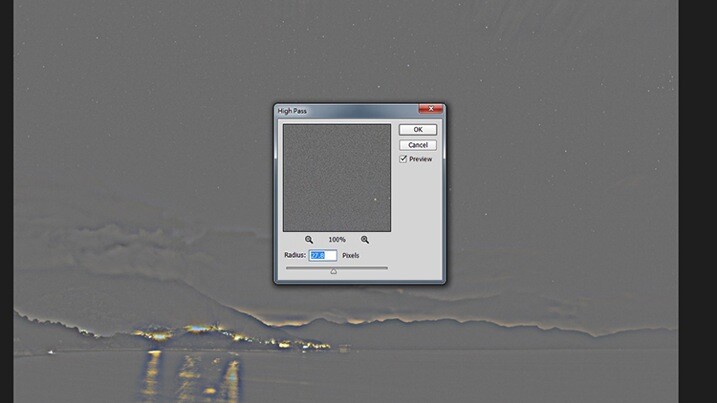
A pop-up window will appear, tweak the Radius until the stars are being highlighted in the preview.

pic8b

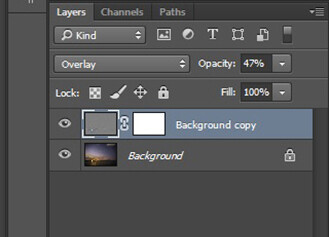
Head back to the Layers panel. You will have to switch the Blending Mode of the layer from Normal to Overlay. The whole image will be sharpened noticeably. If you feel like the image is over-sharpened, you can lower the Opacity of the layer.

Pic9

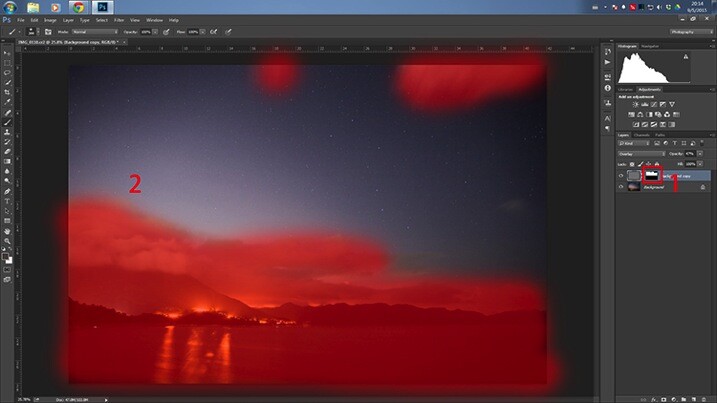
You may find that the areas outside the night sky are being oversharpened. In order to remove the excessive sharpening from the other areas, you will have to erase (hide) them by painting on the layer mask that you created earlier.

Pic10

First, choose the layer mask in the Layer panel. Then, paint over the unwanted areas (the highlighted area in the above screen capture) with a black-colored brush.

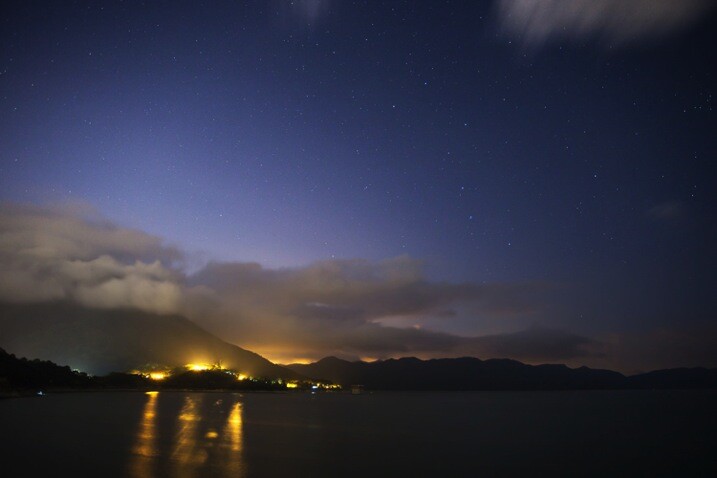
Here is the final result:

Before

BEFORE

IMG 0110

AFTER

Conclusion

There are three techniques for enhancing the visibility of stars in the night sky. First, adding some contrast to the photo will help to a certain extent. Secondly, increase the clarity of the whole photo. Lastly, don’t forget to use the High Pass filter sharpening for the final enhancement. Thanks for reading, I hope you enjoyed it.

googletag.cmd.push(function() {
tablet_slots.push( googletag.defineSlot( “/1005424/_dPSv4_tab-all-article-bottom_(300×250)”, [300, 250], “pb-ad-78623” ).addService( googletag.pubads() ) ); } );

googletag.cmd.push(function() {
mobile_slots.push( googletag.defineSlot( “/1005424/_dPSv4_mob-all-article-bottom_(300×250)”, [300, 250], “pb-ad-78158” ).addService( googletag.pubads() ) ); } );

The post Tips for Enhancing Night Sky Photography in Photoshop by Chris Yiu appeared first on Digital Photography School.


Digital Photography School

 
Comments Off on Tips for Enhancing Night Sky Photography in Photoshop

Posted in Photography


Church Champing: Spend a Night in a Historic British Chapel

09 Jun

[ By Steph in Destinations & Sights & Travel. ]

champing main

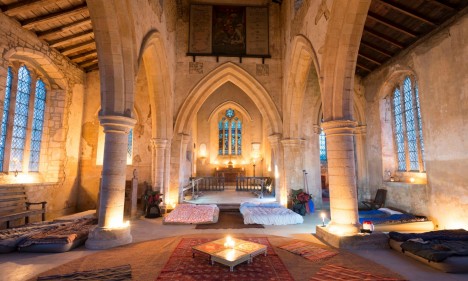
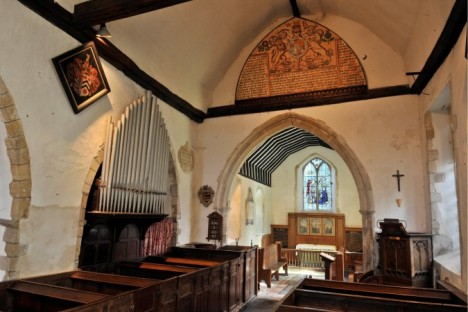
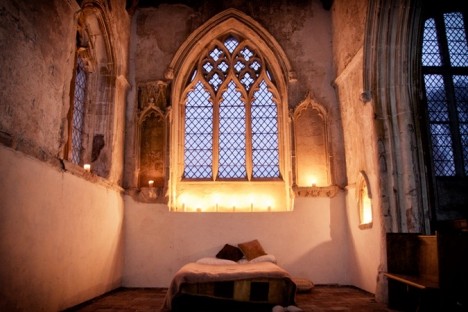
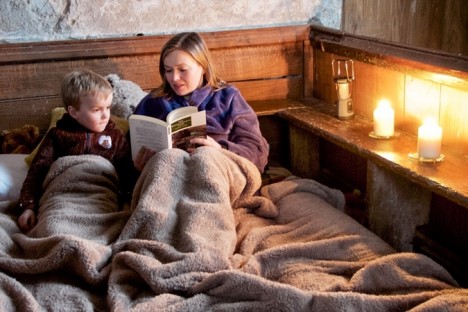
Spend an entire night climbing bell towers, composing your own sermons from a pulpit, examining historic artifacts up close or virtually anything else you want to get up to in one of England’s most picturesque rural churches. ‘Champing,’ or church camping, is somewhere in between mosquito-bitten nights in the wilderness and luxurious ‘glamping,’ with modest beds placed right in the nave of a centuries-old place of worship so paintings of Jesus can watch your every move.

champing 4

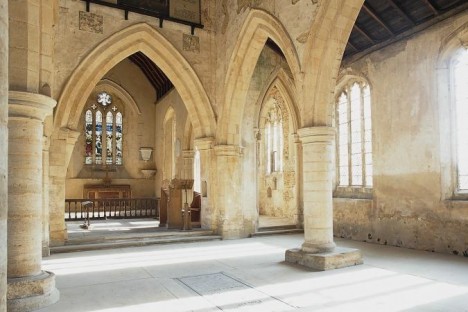
England’s Churches Conservation Trust, an organization that takes care of 347 churches that are no longer used for regular worship, has opened three of its buildings to the public for overnight stays. You can have St. Mary the Virgin in Kent, All Saints Church in Northamptonshire or St. Cyriac & St. Julitta in Cambridgeshire all to yourself. Once the medieval-looking iron key is in your hand, you’re free to act like you own the place.

church camping 2

champing 3

The experience is sort of like sleeping in a museum exhibit, getting all the time you want to look at every last detail of stained glass windows, architectural details, organs and sacred objects. St. Mary the Virgin, in England’s smallest and least-populated town, is quaint and provincial, while St. Cyriac’s features ornate Gothic windows. All Saint’s, with its soaring ceilings, can fit groups of up to twelve.

champing 6

champing 5

You’ll have to wash up with a jug and bowl, and the Conservation Trust offers to “very creatively turn a vestry into a champing toilet,” but for rates starting at roughly a hundred U.S. dollars per night, you’ll at least get breakfast delivered. Funds go to the continued preservation of these historic structures throughout Britain.


Share on Facebook


[ By Steph in Destinations & Sights & Travel. ]

[ WebUrbanist | Archives | Galleries | Privacy | TOS ]


WebUrbanist

 
Comments Off on Church Champing: Spend a Night in a Historic British Chapel

Posted in Creativity