RSS
 

Posts Tagged ‘Nature’

Nature and Wildlife Photography Tips for Beginners

23 Sep

If you have an interest in wildlife or nature photography there is a good chance you have seen an image at some point that has completely taken your breath away. Maybe it was a photograph of a sweeping landscape washed in the golden light of the dying afternoon sun or close-up of some small natural miracle that you had never noticed before that moment. You might even have asked yourself, “How did they do that?”
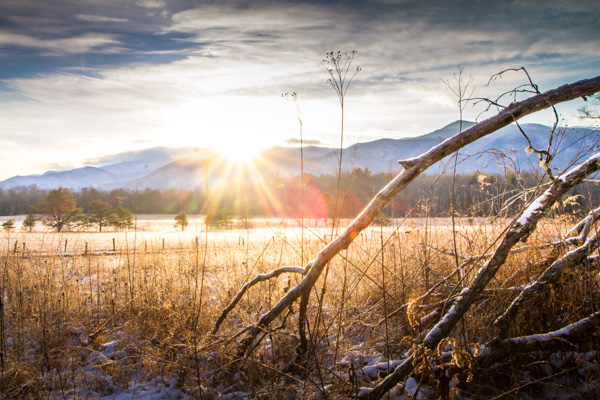
Winter landscape

Well, the majority of those incredible photographs came about through a good deal of physical hardship, practiced patience, and a healthy amount of self-made luck.

Here are some tips to help you become stronger at wildlife photography and better at recording of the natural world.

Do your homework before heading out

Be as educated as possible before you ever make a photo. Doing your homework is one of the most important, yet loathed parts of wildlife photography. It never pays to walk into a situation and be completely clueless. Though you can never be totally prepared for every challenge you will face (that’s part of the fun) you can educate yourself so that you safely make the most of your outing.

What gear to pack

Advanced gear is not a requirement, however, patience and perseverance are essential. You don’t need the latest and greatest zoom lens or space-age gadgetry in order to produce outstanding nature and wildlife photos. At the same, you must also understand any limitations of your kit, so that you will have realistic expectations and avoid disappointment.
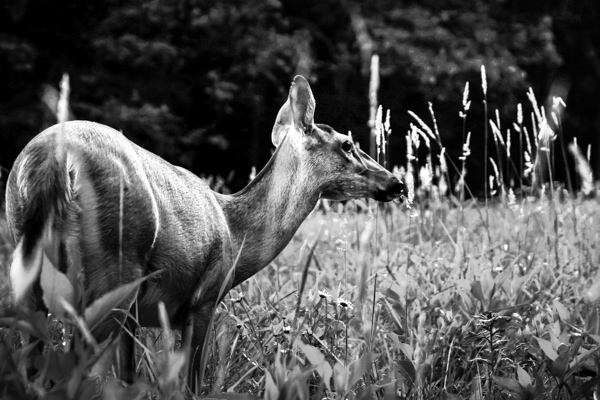
Deer

This photograph was made using the 28-135mm kit lens that came with my camera – after I slowly and quietly crawled into range.

Gear up for what you’ll most likely be shooting. Packing for a photographic outing can cause a lot of anxiety. It’s easy to over pack due to fear of lacking a piece of gear. Over packing though, can be even worse than under packing. You become weighed down and uncomfortable. You find yourself not enjoying what you’re doing which is one of the most preventable of all mistakes, made by photographers. Research the animals and scenes you are likely to encounter. Decide what is most and least important to you. Make choices, commit to them, and then let it go. It will make packing a lot less stressful.

If you plan on photographing wildlife, such as birds and animals that scare easily, then pack your best zoom lens so you can keep distance between you and your subject. Shooting landscapes or scenes where stealth is not a concern? You might consider taking along a wider angle lens to better capture your scene. Ultimately, there is no secret formula and no true all-in-one lens to cover every situation. Be informed before you leave so that you can make the best use of whatever lens you have.

A good bag is worth its weight in gold

All the planning in the world isn’t worth much unless you can comfortably carry your essential tools with you. Find a camera bag that can carry the gear you need easily, and is equally comfortable on your body. Bags range greatly in price and quality but you usually get what you pay for. For added piece of mind, you might consider a bag that is semi-weatherproof or water resistant.

My go-to lightweight bag for wildlife photography, shown with and without the handy rain cover deployed.
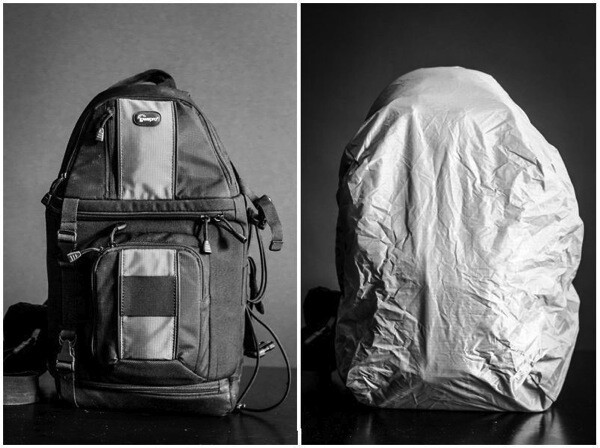
Camerabag

Read reviews and find a bag that fits your body, your gear, and your planned outing. You will have a much more comfortable and enjoyable experience. Speaking of comfort…
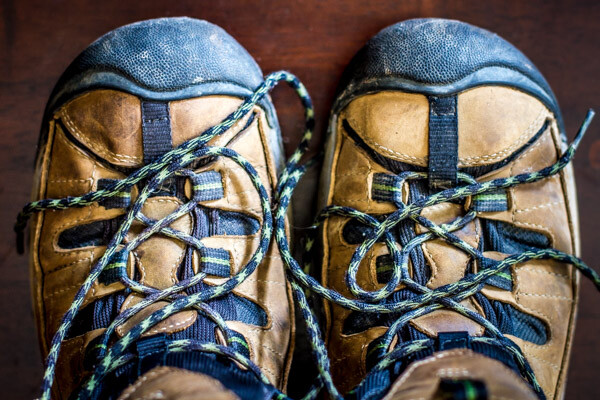
Shoes

Comfort items

Shoes: A good pair of hiking shoes or boots is one of the most important pieces of gear for any wildlife photographer. Grit, dirt, mud, water, insects, rocks, and creepy-crawlies – you need a pair of shoes or boots that can handle all of these elements. Your shoes should be well fitting and suitable for walking long distances. If your feet become uncomfortable it won’t be long before you start thinking about cutting your trip short.

Prepare a checklist

It’s always a good idea to have a mental checklist before beginning any shoot. Before your outing ask yourself the following questions:

  • Are any special permits or permissions required? Some National or State Parks and wildlife sanctuaries require special permits for access to certain areas, especially those deemed as backcountry environments.
  • Where will I park my vehicle? This is very important. Believe me, if you park your vehicle in an unauthorized area you will be stuck with a sizeable fine or worse, return to find your vehicle has been towed.
  • Are there time restraints of any kind? Most natural areas and parks have hours of operation just like a business. You might arrive expecting to shoot a great sunrise only to find out the location you chose isn’t accessible until after daybreak. Also remember that wild creatures and critters are usually most active in the early morning or late evening.
  • What are the expected weather conditions? This is a biggie. Know what to expect as far as the weather is concerned. Check the forecast the day of departure and keep tabs on it throughout the day if possible. NEVER chance endangering yourself or your equipment by venturing out unprepared for bad weather.
  • What are the times for sunrise and sunset? Again, be sure the places you want to capture a sunrise or sunset are accessible during those times. You need to also be aware of the schedule so that you can allow enough time to reach your location and set up your gear before it’s go time.
  • Are there any commonly photographed animals, landmarks, or structures? Research what is usually photographed around the area you plan to visit. Find a park ranger or staff member and ask about lesser known spots that are less travelled by tourists. Knowing what’s popular will save you time and help to avoid shooting a scene the same way it has been done time and time again. Look for ways to be creative and set your work apart!

So, you’ve researched your location and have a good idea of what to expect. Here are a few basic tips that can help you after you’ve reached your destination.

Shoot RAW
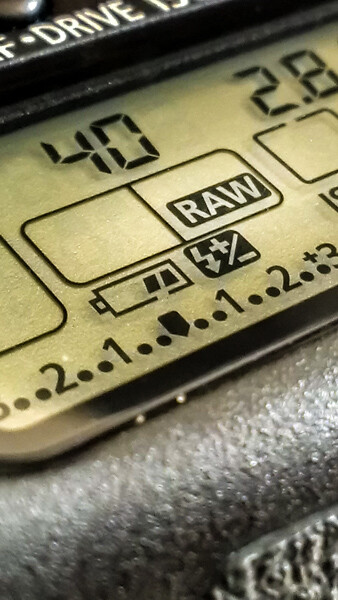
Shootraw

If possible, set your camera to capture images in camera RAW format. RAW image files are basically unprocessed, one might say uncooked, straight from your camera’s image sensor. They contain a massive amount of pixel information when compared to JPEG and take up a lot more memory card space. However, this additional information allows more latitude for adjustments in post-processing.

Use the lowest practical ISO

The ISO number of photographic film and image sensors relates to their sensitivity to light. The boiled down explanation is, everything else being equal, the higher the ISO number the less light is required to make an image. Unfortunately with higher light sensitivity comes increased image noise. In most (but not all) situations you will generally want to use the lowest ISO possible. That is not to say you should be afraid of bumping up the ISO. A fast shutter speed is often needed to capture the quick movements of wildlife and increased noise is far less noticeable than a blurred image.

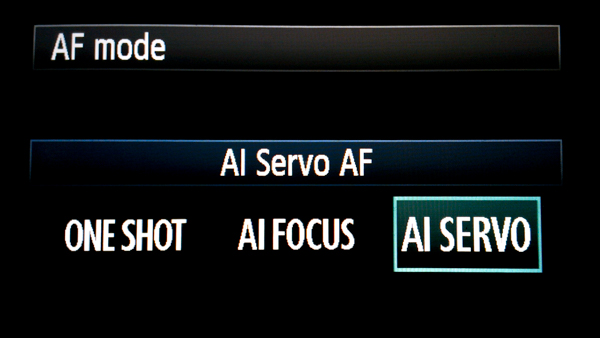
Use AF continuous (AI Servo) mode when photographing wildlife
Afservo

Autofocus (AF) can be your best friend or your worst enemy. When it comes to photographing most wildlife, however, autofocus is a great tool! Animals and birds, especially the wild variety, are almost constantly on the move. They shift positions and move closer or farther away selfishly, with little regard for the photo you are so carefully trying to compose. This is when AF-Continuous and AF-Servo modes come in handy. Though called different names depending on your camera’s make, they both accomplish the same objective which is keeping a moving subject constantly in focus. Place your selected focus area over your subject and half-press the shutter button to engage the AF. Focus will be tracked for as long as you follow your subject while maintaining pressure on the shutter button. Read your camera’s manual (you’ve done that already, right?) for detailed information concerning specific autofocus capabilities for your model, and how each mode can be selected.

Don’t forget the tripod

“I really didn’t think I would need my tripod” are words that usually begin a sad story about how a potentially great shot is missed. In most wildlife and nature photography situations a tripod is always a good idea. It’s better to have access to one and not need it than to need it and not have one available. Find the lightest and most compact tripod that is sturdy enough to handle your camera setup.

Learn so you can prepare. Prepare so you can photograph. Photograph so you can grow.

Photographing wildlife can be difficult but it can also yield huge artistic, personal, and even spiritual rewards. So go out and have fun doing what you do, but don’t forget to put the camera down every now and then to enjoy the world around you.

“Nature never goes out of style.” – Unknown

The post Nature and Wildlife Photography Tips for Beginners by Adam Welch appeared first on Digital Photography School.
Digital Photography School

 
Comments Off on Nature and Wildlife Photography Tips for Beginners

Posted in Photography


Watch Nature photographer Ian Shive, live, with CreativeLIVE

28 Aug

CreativeLIVE is hosting a three-day course on wildlife photography presented by Ian Shive. The course is free to watch live, and runs through August 29th. Shive will demonstrate techniques and give advice during three days of shooting, live from the Mt Rainier and Olympic National Parks in Washington State. Click through for a link to the course at creativeLIVE.

Articles: Digital Photography Review (dpreview.com)

 
Comments Off on Watch Nature photographer Ian Shive, live, with CreativeLIVE

Posted in Uncategorized


Readers’ Showcase: Nature and Wildlife

03 Aug

In all the talk about new gear, it’s easy to overlook the end result of our shared passion – the pursuit of stunning images. Among our large community there are some incredibly talented photographers who share their work in our forums, galleries and photo challenges, and from time to time we like to showcase some of the best work on our homepage. This week we asked users of our Nature and Wildlife forum to submit their favorite shots and as usual, the submissions were excellent. See gallery

Articles: Digital Photography Review (dpreview.com)

 
Comments Off on Readers’ Showcase: Nature and Wildlife

Posted in Uncategorized


Creating Abstract Images in Nature

22 Jul

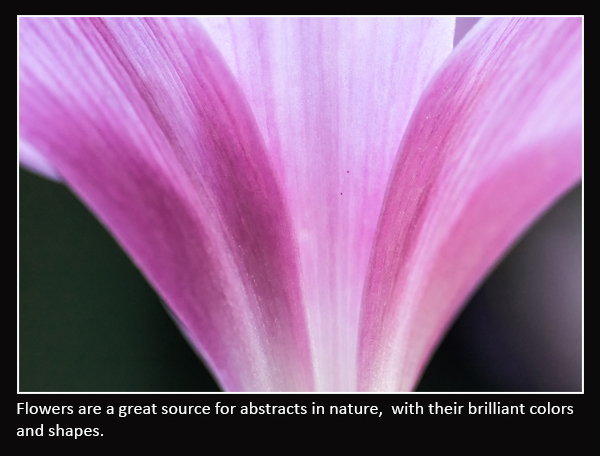
What is a working definition of “abstract” nature photography? Nature so easily lends itself to subjects realistic and dream-like, but what about abstract? You may have heard it said “If it is recognizable as an object – it is not an abstract,” but let’s challenge that notion.

Abstract pics_0006_Diagonal Lines

There are no clear rules to abstract photography. The object of the photo may or may not be recognizable. Abstract images may contain a small portion of an object or multiple objects. An abstract will often concentrate on a limited area of a subject that reveals a shape, pattern, form, color or texture. Movement can also create abstract images, such as rushing water or the wind blowing a flower. To capture an image in nature as an abstract, you don’t need any special equipment – just a camera, and the most importantly, your own imagination. What matters most is that your photograph reveals an eye-pleasing image, whether you can identify the actual subject or not.

In this article you are not going to find any magical camera settings to create abstracts, because you need to think “outside the box“. Discovering the right setting is often the key to a great abstract. Don’t be afraid to put your camera in manual mode, and experiment with different apertures and shutter speeds. Remember that your aperture will control your depth of field, and your shutter speed affects the sharpness or blurriness of the image. Likewise, normal rules of image composition do not always apply to abstract photography. The key is to become super-observant, looking for even the smallest of objects with which to create an abstract image.

Where we look to other forms of photography to tell a story or record an event, abstract photography is about capturing an emotion. There are five key elements you want to consider in creating abstract images: lines, shapes, textures, patterns and colors:

Lines

Lines are the base element of design, and their uses are the fundaments of any artistic image.

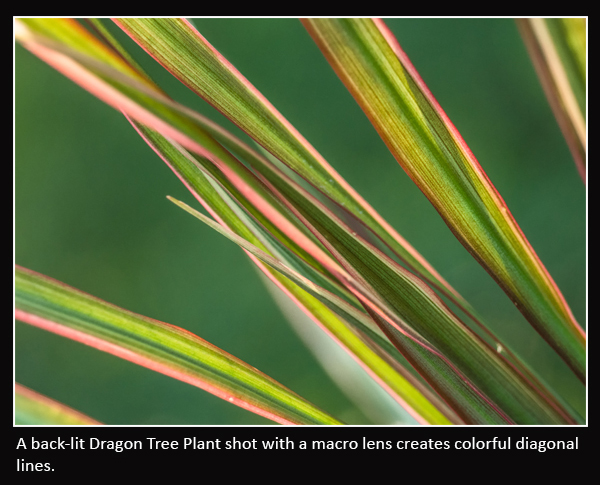
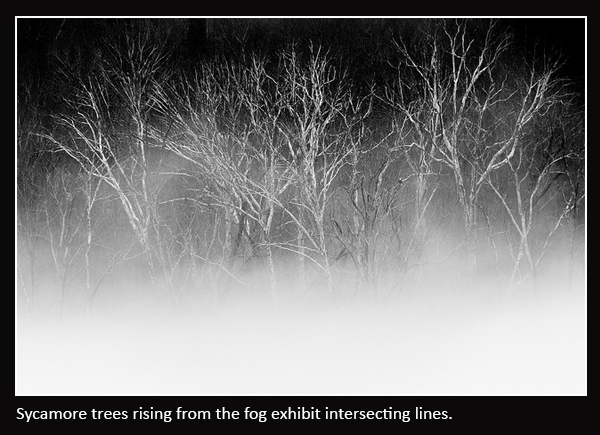
  • Lines that intersect are lines that come from different directions into and out of an image, which can give the viewer a sense of chaos.
  • Curved lines allow the viewer’s eye to explore the image in a smooth free-flowing manner, evincing a much calmer emotion than straight lines.
  • Repetitive lines or lines in repeating patterns manifest a sense of power and predictability, rhythm and movement in an image.
  •  Diagonal lines are more visually pleasing than verticals or horizontals and will lead the viewer’s eyes at a much slower pace than a straight up-down line. (By rotating your camera you can turn your verticals and horizontals into diagonals.)

Abstract pics_0007_out of the fog

Shapes

Shapes are found everywhere in nature, and can be used to create visual meaning in a photo. To capture an abstract image, choose a shape that is interesting and pleasing to the eye. It’s very important that the shape creates an emotional response from the viewer; this is called the “wow” factor.

  • Circles evoke flow, continuity and sensuality.
  • Triangles create a sense of stability if set on their base, or precariousness if set on their point.
  • Squares exhibit stability and order.
  • Spirals create a sense of energy, flexibility and life cycles.

pink flower

 Textures

Texture is created by the roughness of a surface and may seem to be completely random. Textures are often a product of lines. Light and shadow create depth (a macro lens can be useful to capture textures).

Abstract pics_0009_rocks

Patterns

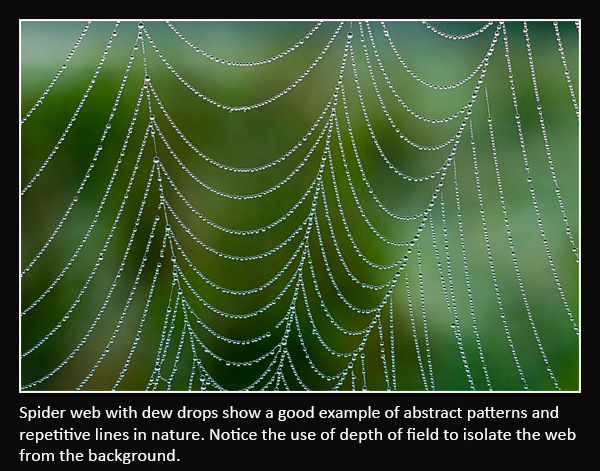
Patterns are similar to textures, but are much more structured. Patterns can sometimes be mathematically composed by Mother Nature, for example; snowflakes and spider webs.

Abstract pics_0001_spiders web

Colors

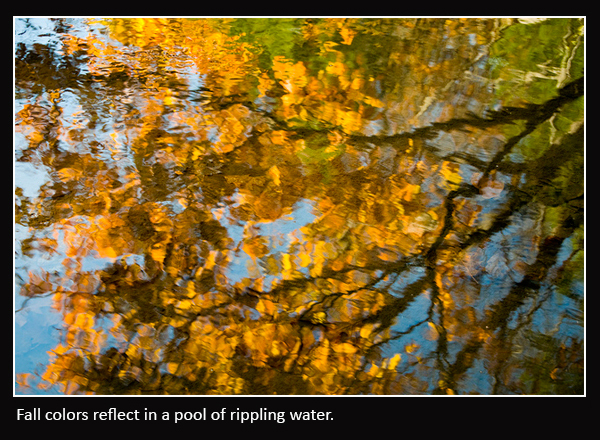
Colors in abstracts are useful in catching your viewer’s attention.  Look for complementary colors as they will hold your viewer’s attention longer.

Abstract pics_0000_fall colors

Some other tips to get started on your photographic nature abstract project:

  • Photograph common objects. Trees, rocks, gravel, seashells, dew drops – even the most common of subjects can produce abstracts.
  • Use depth of field to capture the image you want. Change your F-stop (aperture) to control your depth of field.  This is especially useful when shooting textures, when you may need your entire subject to be tack sharp.
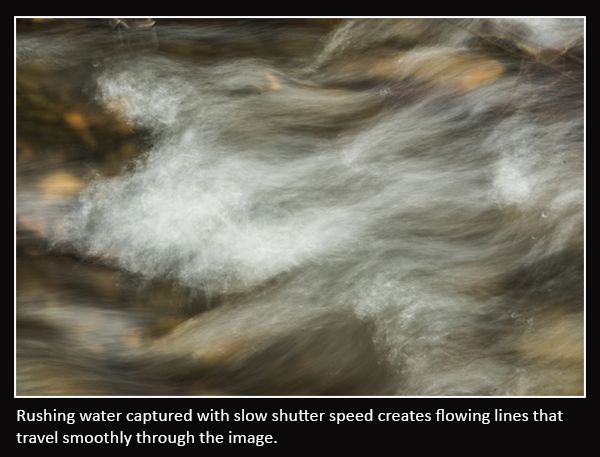
  • Use motion. Using a slow shutter speed to capture objects in motion can create some very interesting effects.
  • Experiment with your white balance. As mentioned earlier, in abstract photography you do not always need to follow the usual rules of   conventional photography and you are free to tweak your white balance to create interesting colors.
  • Adjust color saturation to create pleasing colors and look for complementary colors.
  • Look for creative uses of light for varying effects on your abstracts.

Abstract pics_0005_rushing water

Abstract Blurs

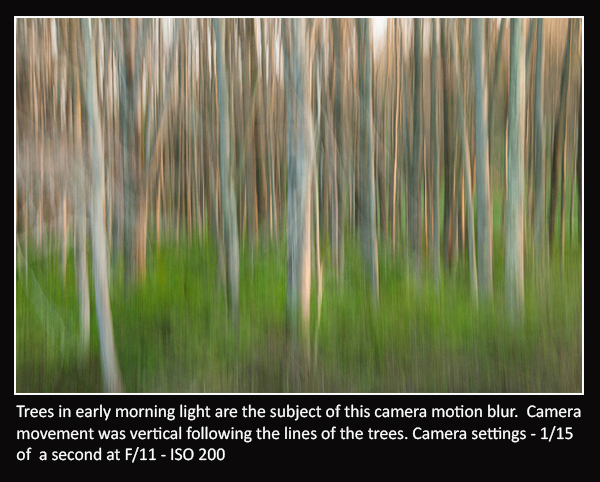
Another method to experiment with uses camera motion to create abstract blurs. Motion blurs are perfect for those nature settings that lack creative inspiration. This method takes a lot of experimentation and you will throw away a lot more images than you keep, but the rewards are worth it when you finally capture that great image. Look for subjects with lines, bright colors and good contrast, like trees and flowers. Warning: this method can become addicting!

Abstract pics_0003_first light

To set up your camera for abstract blurs:

  1. Set the camera to manual or shutter priority, which ever you are most comfortable with using.
  2. Set your ISO as low as possible.
  3. Set shutter speed between 1/4 and 1/20, depending on what your subject is and how close you are to it. Far-off objects may require a slower shutter speed than closer ones to get the blurred effect.
  4. Adjust your aperture to get a good exposure as you would normally do for any image.
  5. Look for lower light conditions such as early morning or late evening which will allow for slower shutter speeds without the need of using a very small aperture. It may become necessary to use a Neutral Density filter if your scene is too bright.
  6. Set your Focus. It is important to focus your camera on the subject even though your resulting image will not appear to be in focus. Press your shutter release half way down to focus on your main subject (back button focus can be a useful tool here).
  7. Now with your subject still in focus, move your camera to follow the lines of your subject, depressing the shutter as you pass by your main subject, it is important to follow through after the shutter is closed. This will keep all your color tones consistent all the way through your exposure. Experiment with the speed of your camera movement to find the best result.
  8. Repeat, until you get a result that is pleasing.

In conclusion, the next time you are out with your camera, be observant and look for visual details and interesting ways to express your emotional and artistic viewpoint with an abstract image found in nature. If you have any other ideas on how to make abstracts in nature, please share in the comments below.

The post Creating Abstract Images in Nature by Bruce Wunderlich appeared first on Digital Photography School.


Digital Photography School

 
Comments Off on Creating Abstract Images in Nature

Posted in Photography


Nature morte

14 Mar

Ein Beitrag von: Annick Henricy

Am 14. Februar 2014 fegte der Sturm Ulla über die Küsten des Finistère in der Bretagne hinweg.
Dies war nun schon der vierte schlimme Sturm innerhalb von weniger als zwei Monaten, mit verheerenden Konsequenzen für die Küstenlandschaft und die dort lebenden Meeresvögel.
Als ich am Morgen des 15. Februars den Strand von la Torche entlang spazierte, wurde ich Zeuge der Schäden, die die Winterstürme verursacht hatten.
Nature morte © Annick Henricy

Die hohen Gezeitenkoeffizienten verbunden mit Windgeschwindigkeiten bis zu 150 Stundenkilometern hatten Dünen über mehrere Meter landeinwärts weggespült. Der Strand war übersät mit Müll und zahlreiche tote Vögel waren angeschwemmt worden.

Nachdem ich eine Weile spaziert war und mir alles genauer angeschaut hatte, nahm ich mir vor, dieses Szenario im Bilde festzuhalten. Je länger ich mich umschaute, desto weniger sah ich den Müll. Vor meinem inneren Auge entstanden kleine Stillleben, die ich nun versuchte, mit meinem Fotoapparat festzuhalten.

Nature morte © Annick HenricyNature morte © Annick Henricy

Diese Stillleben sind Zeugnisse vom Handeln des einzigen müllproduzierenden Lebewesens, dem Menschen, und den Konsequenzen seines Verhaltens für Natur und Umwelt. Ich habe diese Fotoreihe „nature morte“ genannt, was die französische Übersetzung für „Stillleben“ ist. Wortwörtlich übersetzt heißt es „tote Natur“.

Nature morte © Annick Henricy

Am Strand begegnete ich einem älteren Seefahrer, Jahrgang 1939, der mir erklärte, woher ein Teil dieses Mülls stammt. Er erinnerte sich noch gut an seine Kindheit und daran, wie er als Sechsjähriger nach dem Krieg in den Bunkern spielte, die während des Krieges in die Dünen gebaut worden waren.

Durch die seit dem Zweiten Weltkrieg eingetretene Erosion ist die Küstenlinie an vielen Stellen um einige Dutzend Meter zurückgedrängt worden. So liegen diese Bunker heutzutage im Meer und sind bei Flut teilweise überschwemmt.

Nature morte © Annick Henricy

In den sechziger Jahren blühte die Baubranche im Finistère. Für die Bauunternehmer lag es auf der Hand, dass sie sich ihren Sand in den Dünen beschafften, wobei große Löcher entstanden. Es war zwar nicht legal, aber niemand störte sich daran. Die Löcher wurden wiederum genutzt, um Bauschutt oder sonstigen Müll zu entsorgen.

Schlussendlich wurde diese illegale Deponie mit Sand zugeschüttet und es wuchs wortwörtlich Gras über die Sache. Leider hatte niemand die Erosion der Dünen bedacht. Und so kam es, dass bei den letzten Stürmen die Deponie wieder freigeschwemmt wurde.

Nature morte © Annick Henricy

Als ich auf diesen freigeschwemmten Müll stieß, fiel mir das Sprichwort von Antoine Laurent de Lavoisier ein: „Rien ne se crée, rien ne se perd…“ – „Nichts entsteht ganz neu, nichts geht verloren…“

Ich habe auch die jüngste von Menschenhand gemachte Verschmutzung dokumentiert. Während des Sturms Ulla waren 520 Container von einem Schiff gefallen. Die Ladung eines dieser Container, Hotelpantoffeln, ist auch an den nahegelegenen Stränden an Land gespült worden.

Nature morte © Annick Henricy

Wie viel in Sachen Umweltschutz bereits getan wäre, würde der Mensch auf sinnlosen Konsum wie Hotelpantoffeln verzichten?!

Das ganze Jahr über findet man am Strand kleine weiße und bunte Plastikkügelchen. Auf Französisch tragen sie den lieblichen Namen „larmes de sirène“, zu Deutsch also „Meerjungfrauentränen“.

Die Realität dahinter ist jedoch eine viel hässlichere. Es handelt sich hierbei um den giftigen Rohstoff für Plastikware, der durch unangemessenen Transport immer wieder ins Meer gelangt. Die Meeresvögel halten die Kügelchen für Nahrung, fressen sie und sterben daran.

Nature morte © Annick Henricy

Meine Fotos wollte ich schön gestalten. Die verstörende Realität verband ich mit dem schönen Licht der Sonne. Mit diesem Gegensatz versuchte ich, die Konsequenzen menschlichen Handelns auf die Umwelt zu verdeutlichen.

Ich möchte Denkanstöße geben, denn wie ein altes indianisches Sprichwort sagt: „Die Erde ist kein Geschenk unserer Eltern, unsere Kinder leihen sie uns!“


kwerfeldein – Fotografie Magazin | Fotocommunity

 
Comments Off on Nature morte

Posted in Equipment


Urban Islet: Nordic Nature Retreat Floats in London Canal

07 Mar

[ By WebUrbanist in Architecture & Public & Institutional. ]

wildlife wood finnish design

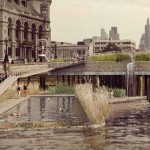
Referencing rocky Nordic island sanctuaries, this platform is designed to provide a place to relax and observe local wildlife in the heart of a bustling city. The prefabricated structure was lifted into the canal by crane and pushed into place by a tiny tugboat, all in a single day.

floating urban wildlife platform

Viewpoint was created for the London Wildlife Trust by Finnish architects of AOR. Of their inspiration: “For Finns, [small] islands are places of sanctuary, to relax the mind and get away from hectic city life. Viewpoint offers Londoners a chance to experience this escape on a secluded islet in the heart of the city.”  It is to be a permanent fixture of Regent’s Canal, located in Camley Street Natural Park.

floating islet concept context

wildlife platform floating london

As the architects alluded to, this minimalist approach and triangular architecture are modeled on the vernacular of traditional temporary dwellings found further north. Such residential retreats are situated on small islands and used for hunting and fishing excursions. Typically, these humble abodes are made using natural at-hand materials including tree bark, branches, leaves and mosses.

floating islet facade elevation

floating islet kings cross

Unveiled by the The Finnish Institute in London and The Architecture Foundation, the finished design is definitively Finnish, created with acoustics, human scale and tactile experiences in mind, and factoring in how materials will weather over time. The result features modest volumes and a warm wooden frame rising up from concrete and clad in Corten steel. In turn, this made-to-age material palette will increasingly blend the structure in with its surroundings.

Share on Facebook


[ By WebUrbanist in Architecture & Public & Institutional. ]

[ WebUrbanist | Archives | Galleries | Privacy | TOS ]


WebUrbanist

 
Comments Off on Urban Islet: Nordic Nature Retreat Floats in London Canal

Posted in Creativity


We Are Nature: Stunning Combinations of Nature + Humans

04 Jan

[ By Delana in Art & Photography & Video. ]

we are nature volume iii

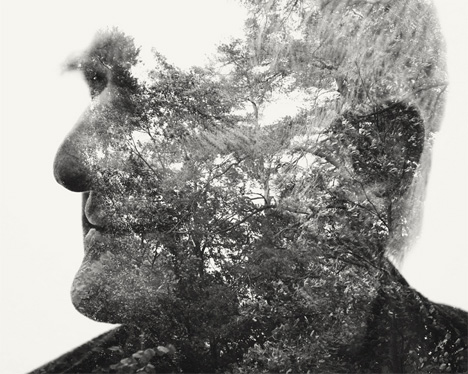
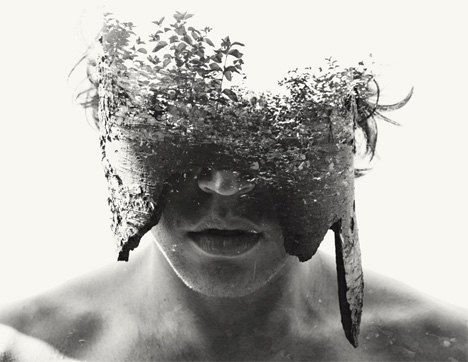
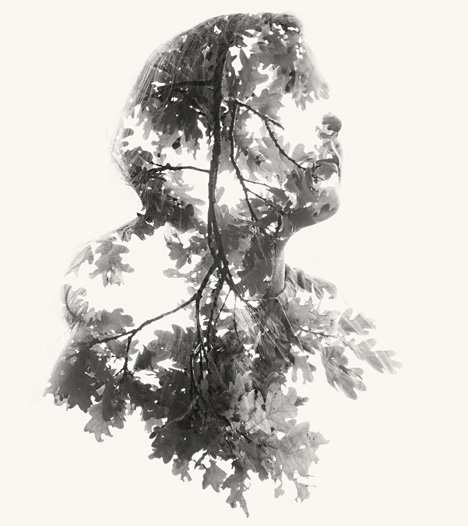
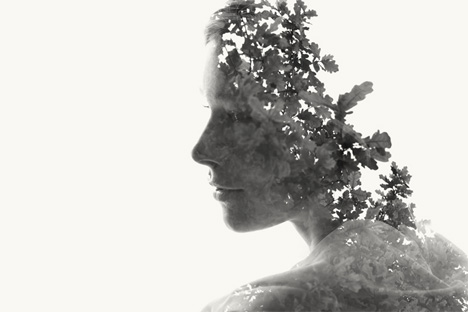
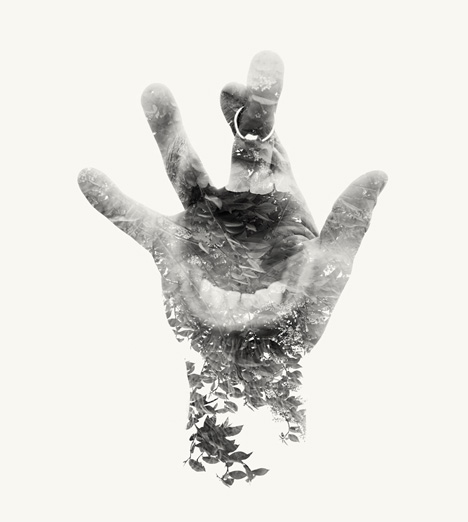
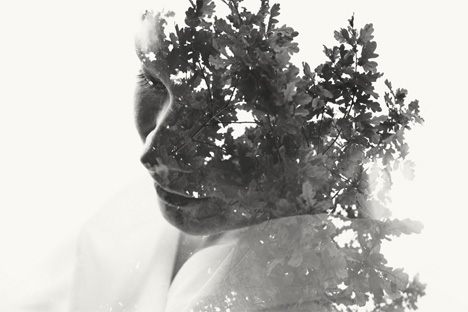
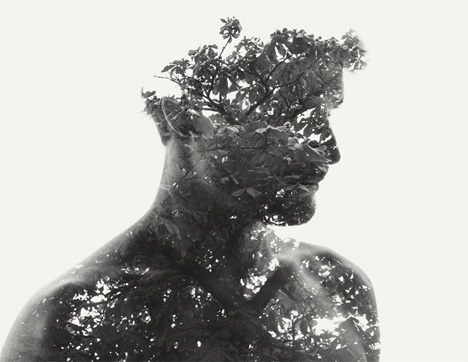
Photographer Christoffer Relander combines nature and human faces to create preternaturally beautiful portraits. The double and triple exposures blend aspects of the natural world and the grace of the human form.

humans plus nature photography

nature superimposed on humans

More than a few artists have compared the grace of nature and the beauty of humanity, but Relander’s interpretations imagine a world in which we, the animals, are as delicate and fragile as nature.

double exposures nature and humans

nature and human form

Many of the artist’s portraits add an extra dimension to the humanity of the subject. There are others, however, that all but erase the human portion of the composition. Leaves, branches and blossoms take the part of skin, veins and muscles.

graceful combinations of humans and nature

nature photography and human form

The truly amazing part of Relander’s work is that he doesn’t use Photoshop to create these masterpieces of multiple exposures. He creates them all in-camera using a Nikon DSLR.

Share on Facebook


[ By Delana in Art & Photography & Video. ]

[ WebUrbanist | Archives | Galleries | Privacy | TOS ]


WebUrbanist

 
Comments Off on We Are Nature: Stunning Combinations of Nature + Humans

Posted in Creativity


Bubble Hotels: Spacious Spherical Retreats Set in Nature

14 Oct

[ By WebUrbanist in Boutique & Art Hotels & Global. ]

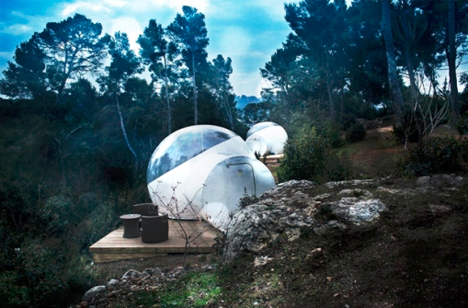
pod hotel on hill

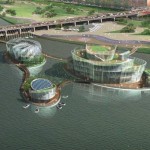
Somewhere on the scale between tent and cabin lies the bubble hotel, an optionally transparent or opaque plastic retreat that is roomier than normal camping accommodations but more minimal than a traditional bed and breakfast.

pod hotel in context

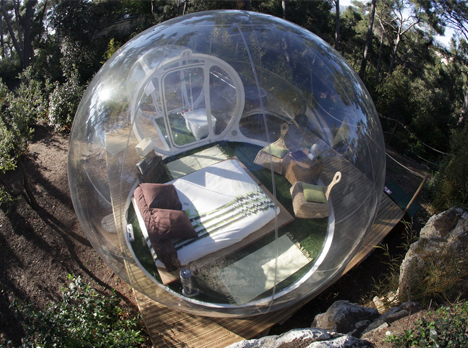
pod hotel room interior

Attrap Rêves provides such pods in sizes up to 13 feet in diameter in the rural hills of Marseille, France. They are made to be lightweight, portable and low-impact solutions for ecologically-minded travelers wishing to be closely connected to the environment.

pod hotel furniture

pod plastic plus deck

Each unit comes furnished with nighttime essentials like a bed and nightstand as well as pair of chairs and table for sitting during the day. The opacity of the shell ranges from fully see-through to light-permitting depending on desired degree of privacy.

pod hotel all weather

Airlock-style entry passages allow for an extra layer of separation from the flora and fauna of the outside world, as well as a de facto mudroom for shedding shoes and wet clothes as needed. Some units also sport outdoor decks for additional lounge space.

pod hotel at night

A nearby lodge acts as restaurant, check-in counter and managerial center for the set of pods strewn about the fields, forest and hillsides of the area. Apparently, the pod is back in fashion, at or at least has revived a bit of French passion.

Share on Facebook


[ By WebUrbanist in Boutique & Art Hotels & Global. ]

[ WebUrbanist | Archives | Galleries | Privacy | TOS ]


WebUrbanist

 
Comments Off on Bubble Hotels: Spacious Spherical Retreats Set in Nature

Posted in Creativity


The Magic of Digital Nature Photography [BOOK REVIEW]

08 Sep

The Magic of Digital Nature PhotographyI like these books for more than the obvious reason that they contain a wealth of help in their pages.
For one thing they’re an easy read so, after a hard day behind the camera, you can relax at home and read it for pleasure, not only soaking up all the useful info but enjoying the largish pictures within its pages.

Author Rob Sheppard intentionally laid out all the practical info and creative suggestions you would need to take your images to a higher level: which lenses and accessories are best for the purpose; the pluses and minuses of RAW vs JPEG; how do you stalk an animal? How about landscape composition?

Satisfying it may be, but many amateurs are unaware their work is just that: amateur. Sure, it takes effort, but it is worth while to lift your game, tune up your senses and place your image making on a higher plane.

Sheppard confesses that he has enjoyed photography since he was a kid and remembers entering a B&W print of a local scenic spot in the local newspaper’s photo contest and recalling his pride in the photo — but it didn’t win!

He still enjoys being out and about with a camera, having shot images from Peru to Newfoundland, Florida to Washington and admits he wants to ‘get you excited about getting out and taking photographs of your own special subjects.’

First the spiritual: Sheppard believes that ‘nature photography definitely deepens, widens and expands our sense of life. He believes you can shoot pictures of your favourite subjects; most times you can shoot many shots of your favourite subjects and yet capture totally different images than another person may take.

A touchy feely sort of book? You betcha!

In a chapter titled ‘Connections’ Sheppard asserts that whilst we may have many connections to the natural world, these are not always recognised. He suggest you connect with the subject in the picture, then connect again with the subject when you look at the final image. The final pleasure comes in sharing the image with others, helping them also to connect with the subject.

Then down to practicalities: choice of camera is important but what may work well for one person may not be OK with another. Educate yourself about differing camera types, decide on which type of nature photography you wish to pursue and make sure you can tote your camera into the field, making sure you don’t spoil your adventures with a pile of gear that weighs you down.

In a section titled ‘Megapixels and Quality’ he comes down heavily on the hype over pixel count: after all, megapixel counts are less about image quality and more about size.

Useful chapters follow on lenses, suitable focal lengths for scenic work, suitable camera mounts. Then follow discussions on exposure; lens aperture vs shutter speed; working in auto vs Program AE vs aperture or shutter priority vs manual exposure; reading a screen histogram; ISO settings; how to determine white balance.

Without light you can’t capture too much in the way of a digital scenic! That much is obvious. But what quality of light? Hard or soft? Front lit or backlit? And its colour?

There follows some handy help on how to model and shape the light on your scenic using reflectors or diffusers, by warming it with a change to the white balance, a change to the exposure, adding another light source, adding a grad filter etc.
The general tone of the book is more in the nature of help rather than a pile of techy details, which makes it an easy and encouraging read.

If you’re into scenics, this is for you!

But, as I said, don’t expect ‘a pile of techy details!’

Author: R Sheppard.
Publisher: Pixiq.
Distributor: Capricorn Link.
Length: 192 pages.
Size: 28x22x12mm.
ISBN: 978 1 4547 0813 1.
Price: Get a Price on The Magic of Digital Nature Photography at Amazon (currently 39% off)

Post originally from: Digital Photography Tips.

Check out our more Photography Tips at Photography Tips for Beginners, Portrait Photography Tips and Wedding Photography Tips.

The Magic of Digital Nature Photography [BOOK REVIEW]


Digital Photography School

 
Comments Off on The Magic of Digital Nature Photography [BOOK REVIEW]

Posted in Photography


Macro to Micro: Intricate Paper Cut Art Inspired by Nature

03 Sep

[ By Steph in Art & Sculpture & Craft. ]

Rogan Paper Cut Art 1

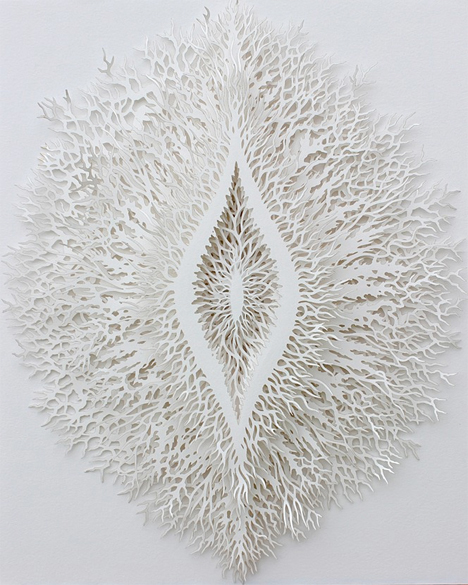
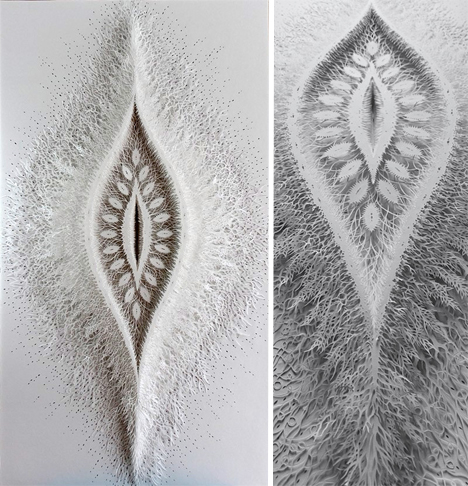
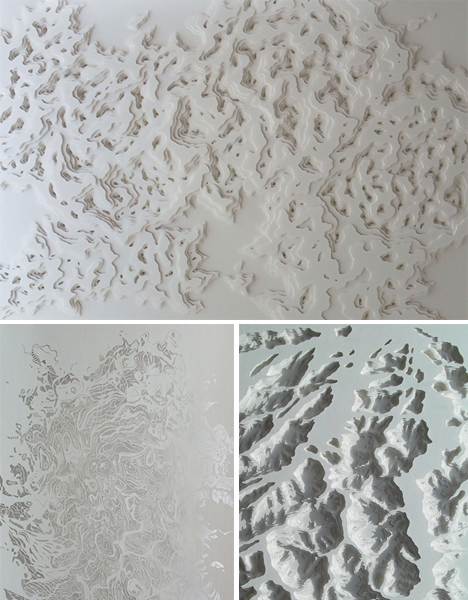
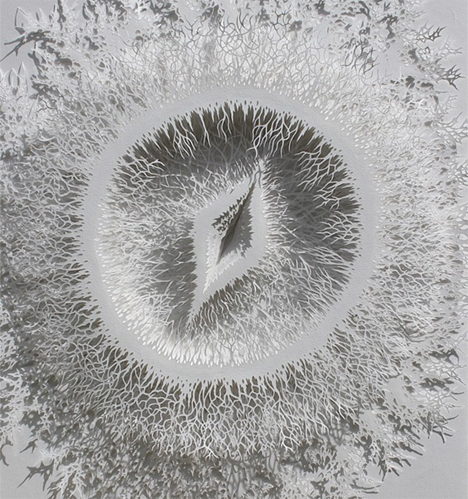
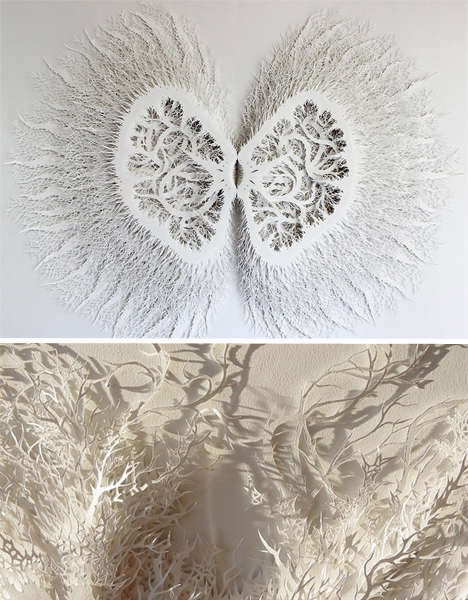
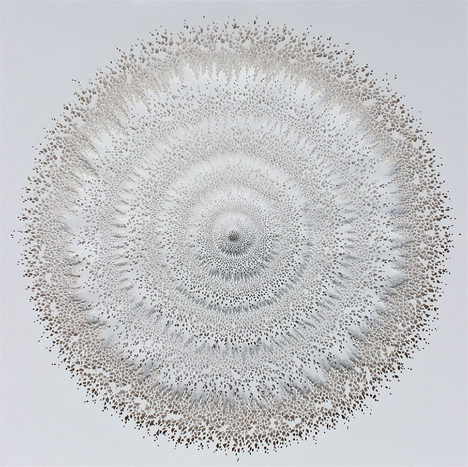
What starts as a scientific study takes on a life of its own, guided only by the imagination of artist Rogan Brown as he transforms a sheet of paper into a masterful sculpture with thousands of tiny incisions. Rogan takes his inspiration from natural organic forms, mineral and vegetal, ranging from microscopic individual cells to large-scale geological formations.

Rogan Paper Cut Art 7

Each of these sculptures is incredibly time-consuming, with a single work sometimes taking more than five months to complete. Rogan starts with a pattern that catches his eye, carefully observing his chosen inspiration and creating ‘scientific’ preparatory drawings. But then, as he states, “everything has to be refracted through the prism of the imagination, estranged and in some way transformed.”

Rogan Paper Cut Art 3

Rogan Paper Cut Art 2

The artist sees the very long, arduous process of not only allowing his imagination to take over the work in a natural way but actually making those precision cuts in paper as an essential element of the work. “The finished artifact is really only the ghostly fossilized vestige of this slow, long process of realization.”

Rogan Paper Cut Art 4

Rogan Paper Cut Art 5

The complexity of Rogan’s work calls to mind the papercut art of Tomoko Shioyasu, whose own nature-inspired paper tapestries based on the structure of cells can measure as large as twelve feet high and eight feed wide.

Share on Facebook


[ By Steph in Art & Sculpture & Craft. ]

[ WebUrbanist | Archives | Galleries | Privacy | TOS ]


WebUrbanist

 
Comments Off on Macro to Micro: Intricate Paper Cut Art Inspired by Nature

Posted in Creativity