RSS
 

Posts Tagged ‘most’

Adobe Announces New Lightroom CC – What Features are You Most Excited About?

23 Apr

Lightroom CC

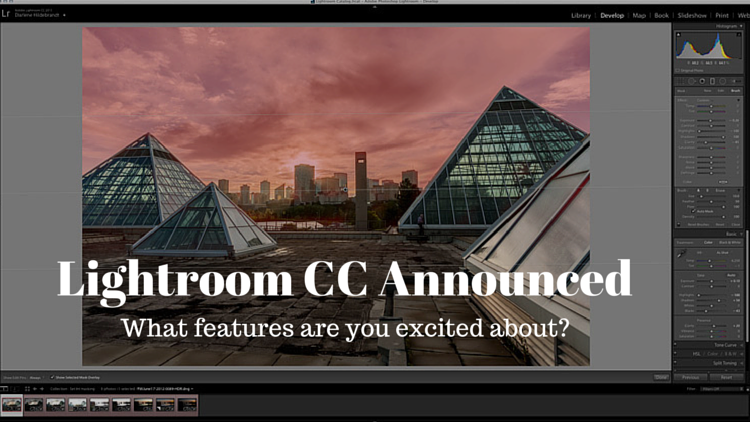
Well yesterday Adobe pulled the trigger on the much anticipated release of the new Lightroom 6, which is actually called Lightroom CC (part of the Creative Cloud). It will still be available as a stand alone product but many people, myself included were eagerly downloading the new version as soon as it was available.

We’ll have one of our writers doing a more involved look at the new features soon but I wanted to see what you are most interested in with this new version.

LR-CC-03

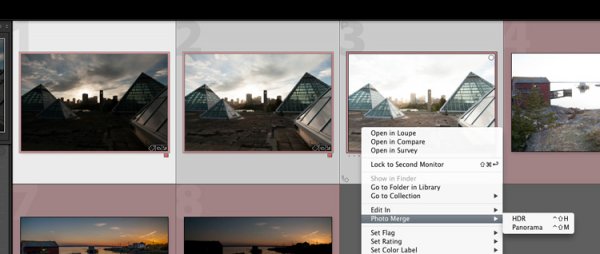
New Photo Merge feature in LR CC

What features were on your LR wish list?

So tell me in the comments below – what things were you hoping Adobe would build into this incarnation of Lightroom? Did you get all the features you wanted? What’s still missing in your opinion?

Was there anything you wanted removed?

What new features are you most fired up about?

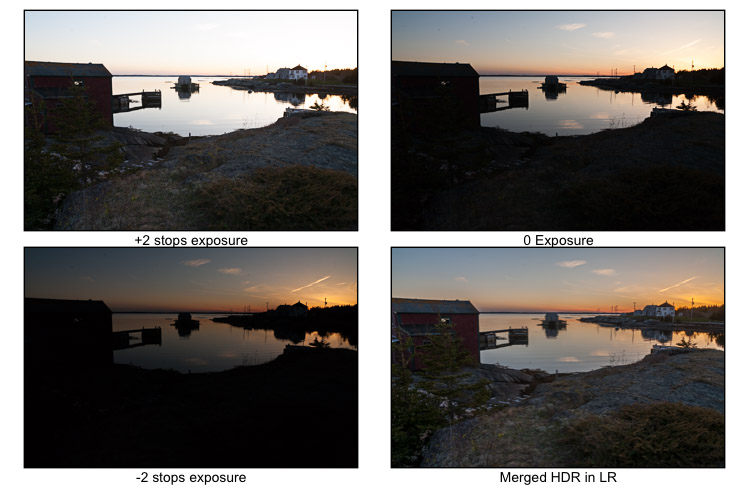
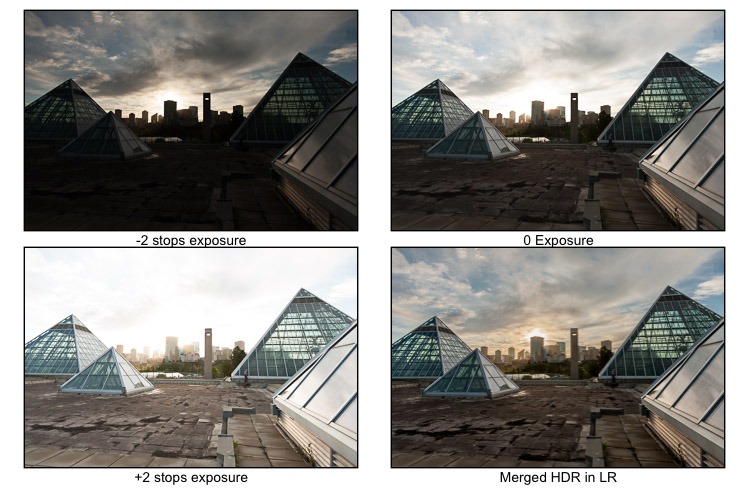
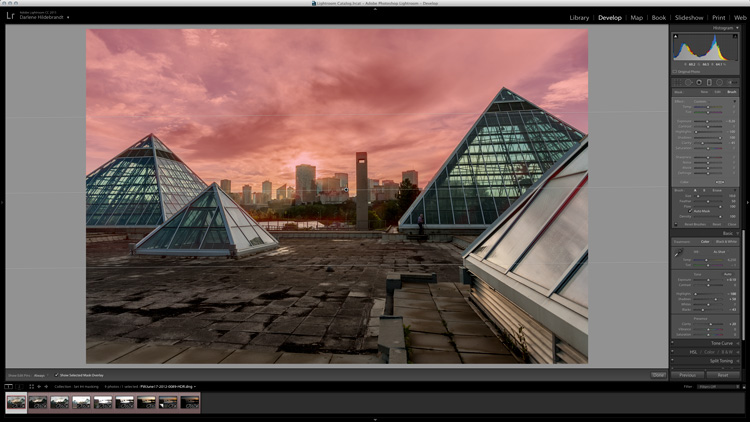
In watching some of the live broadcast of the announcement I picked up on a few of the new features and was eager to try them out, most of all the Merge to HDR (Pano also available). It takes your bracketed shots which you previously had to take to either Photoshop or another plugin to work with – and now Lightroom merges them into a gorgeous 32-bit file which comes back in as a DNG no less! So you have all the editing power of a 32-bit file at your fingertips without every leaving Lightroom CC – I’m sold!

I ran a couple sets through the HDR to test it. Was pretty impressive and super easy. I’ll have to dig into it more later.

LR-CC-02 LR-CC-01

Previously on the set of images above I had to mask the sky back in – but using LR local adjustments and the new HDR Merge I was pretty happy with the result which took about three minutes.

Some of the new features I’m excited about and keen to try are:

  • The Merge feature (to Pano and HDR – it even handles alignment, auto tone and deghosting)
  • Add to Collection on import
  • Filter in Collections (search)
  • Enhanced video slideshows (I use it now for easy shows, this looks like it can make them look better now too)
  • Auto-straighten on the crop tool
  • New finer control using the graduated filter and radial filter. You can now brush out, or mask (hide) part of it to bring back buildings, trees and areas you do not want affected by the filter. Brilliant!

See a complete run down of all that’s new on the Adobe site.

LR-CC-04

New brush option on graduated filters, very slick!

How about you?

We’ll have more on the new Lightroom in the coming weeks but for now tell us what you think in the comments below.

googletag.cmd.push(function() {
tablet_slots.push( googletag.defineSlot( “/1005424/_dPSv4_tab-all-article-bottom_(300×250)”, [300, 250], “pb-ad-78623” ).addService( googletag.pubads() ) ); } );

googletag.cmd.push(function() {
mobile_slots.push( googletag.defineSlot( “/1005424/_dPSv4_mob-all-article-bottom_(300×250)”, [300, 250], “pb-ad-78158” ).addService( googletag.pubads() ) ); } );

The post Adobe Announces New Lightroom CC – What Features are You Most Excited About? by Darlene Hildebrandt appeared first on Digital Photography School.


Digital Photography School

 
Comments Off on Adobe Announces New Lightroom CC – What Features are You Most Excited About?

Posted in Photography


6 of the Most Essential but Underused Camera Features

08 Apr

If you are just getting started in photography, you’ll be pleasantly surprised to find these six often overlooked features in the menu of your DSLR. While each one can be used to create professional quality results, extensive experience is not required to leverage their usefulness. Best of all, there’s no need to upgrade to a high end model. These settings are now found on even the most entry-level camera bodies. With the ability to take full control of your camera, you’re more likely to get the shot right at the time of the exposure.

1 roar

1) Flash Exposure Compensation

The pop-up flash gets a bad rap, and this is unfortunate as it’s actually a very useful tool when set properly. Out of the box, it simply provides too much light, resulting in a bright, washed-out appearance. The trick is to adjust the flash exposure compensation to a reduced output. As a starting point, bring it down to negative two (-2). This creates a soft quality of fill flash that’s immediately more pleasing. Should you need even less light, you can further reduce the flash to negative three. While it’s rarely necessary, you could even add intensity to the flash by raising it towards the positive. Just remember, effective use of flash is meant to soften, not eliminate shadows.

2 fill flash

2) Two Second Timer

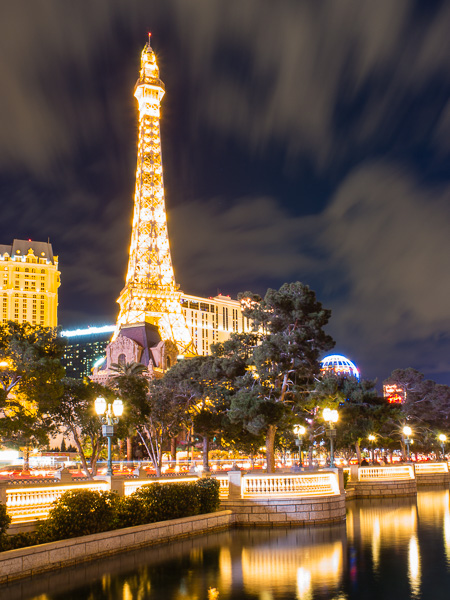
This rarely used setting can open up a whole new world of creative possibility for you. It’s typically found in the “drive” menu, along with single shot, multi-shot burst mode, etc. If you’re in a place that doesn’t allow tripods, it’s still possible to take sharp photos, even with long exposure times.

Select the two second timer and rest the camera on a chair, or the ground. You can use the folded camera strap to angle the camera upwards if necessary. When you press the shutter, the camera will move initially. Don’t worry, you have two seconds for it to settle down before the camera actually fires. This is also helpful for tripods that are not as stable as they should be. If you don’t have a cable release, the timer is a terrific wireless alternative.

3 two second timer

3) Histogram

Think of the histogram as a visual cheat-sheet for photographing bright tones. To render a subject as true white, you want the data on the right hand side to be as close to the edge of the graph (histogram) as possible. This will indicate a crisp exposure rather than a muddy, grey appearance. As you change the exposure to let in more light, the histogram will inch towards the right. Keep adjusting your settings until it’s literally just a hair from the outer wall. You are now maximizing all of the wonderful dynamic range of which your camera is capable.

Once the data actually collides with the right hand wall of the histogram, you’ve technically overexposed part of your scene. This means there is no detail in the highlights, but rather a hotspot that is impossible to recover, even with sophisticated software. While this data is valuable, it doesn’t tell you exactly where the trouble spot is in your scene. This is where the “highlight alert” becomes a helpful aid.

4 histogram

4) Highlight Alert

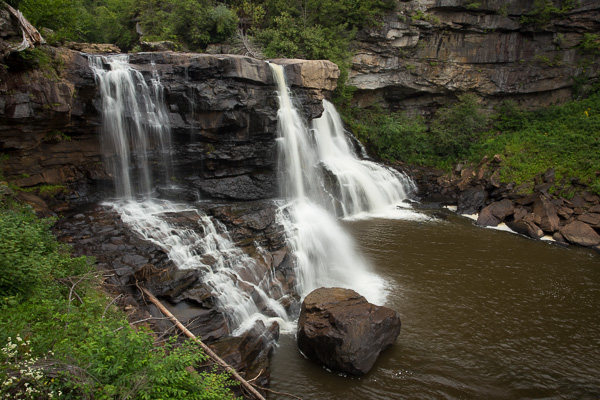
By default, many camera models have the highlight alert turned off so you’ll need to enable it in the menu. Commonly referred to as “the blinkies”, this feature alerts you to the precise location that’s overexposed. With this knowledge, you can make a quick adjustment to the exposure, or even change your composition to eliminate the unwanted area. That translates to more consistent exposures with no washed-out areas. You’ll also be rewarded with less time in the digital darkroom, trying to fix problems that could have been prevented in the field.

5 waterfall

5) Live View

If you’ve ever struggled to achieve autofocus at night, or desire more accuracy for macro work, Live View will be your new favorite mode. With it, you can zoom in on a tiny portion of a subject at 5x and 10x magnification. This extreme close-up gives you the ability to carefully micro-focus on whatever is most important in your scene. Just note, the enlarged view on your LCD is not representative of your lens’ effective focal length. Upon pressing the shutter, the entire scene will still be captured in sharp detail. You’ll be amazed at the level of precision possible. For the ultimate in control, use this with manual focus and a sturdy tripod.

6 macro

Live View is not only useful for focus, but composition as well. For example, if your DSLR lacks a tilt or swivel screen, shooting from ground level can be a real challenge. With a live image on the LCD however, there’s no need to crane your neck for viewfinder access. The same idea can be applied to those crowded situations when you must raise the camera over your head. Instead of shooting blind, you can use Live View to better compose the shot.

6) Single AF Point

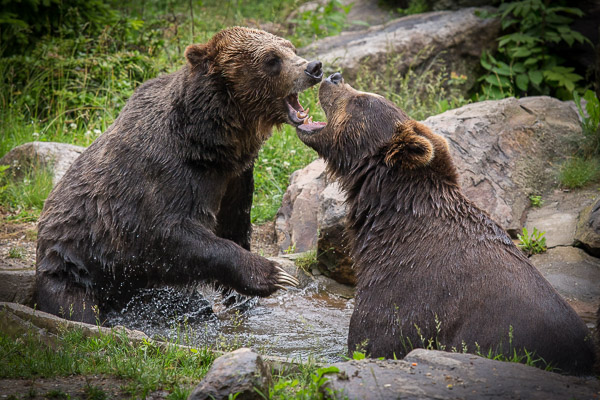
7 goose

Allowing the camera to automatically choose your focus point is one of the biggest causes of blurry photos. Don’t get me wrong, you can still use autofocus, but it works most consistently when you manually set the autofocus point. Otherwise, the camera will choose incorrectly, leaving the fence post sharp and your subject out of focus. While some cameras offer clusters of focus points, a simpler approach will often work to your advantage. By placing a single active AF point on what you want sharpest, you eliminate the guess work, and your percentage of keepers will soar.

Do you have any other hidden gems on your camera you’d like to share? What have you discovered in the menu of your camera?

googletag.cmd.push(function() {
tablet_slots.push( googletag.defineSlot( “/1005424/_dPSv4_tab-all-article-bottom_(300×250)”, [300, 250], “pb-ad-78623” ).addService( googletag.pubads() ) ); } );

googletag.cmd.push(function() {
mobile_slots.push( googletag.defineSlot( “/1005424/_dPSv4_mob-all-article-bottom_(300×250)”, [300, 250], “pb-ad-78158” ).addService( googletag.pubads() ) ); } );

The post 6 of the Most Essential but Underused Camera Features by Chris Corradino appeared first on Digital Photography School.


Digital Photography School

 
Comments Off on 6 of the Most Essential but Underused Camera Features

Posted in Photography


My Most Unique Photo of Yosemite Yet

01 Apr

Yosemite Tunnel View

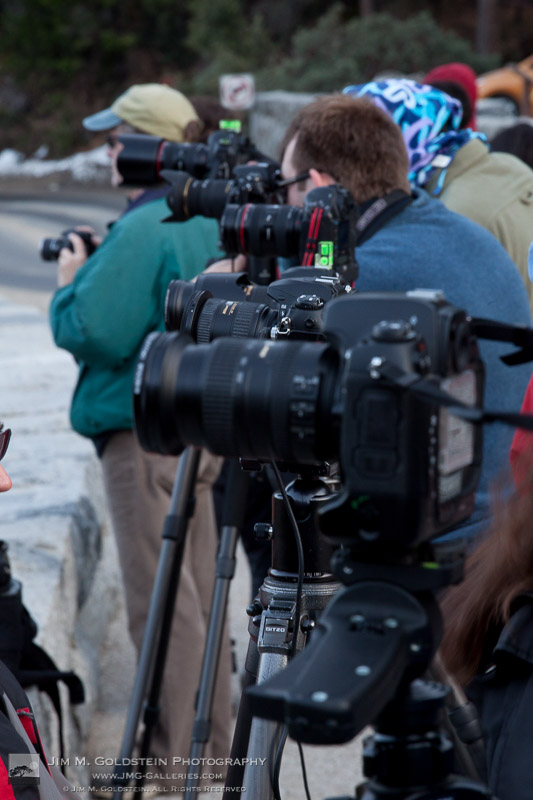
After spending days researching one of my favorite photo locations on Flickr, Instagram and 500px and then tracking down the almost exact location through shared camera GPS data I drove 5 1/2 hours to capture this amazing Yosemite view that is destined to be a centerpiece of my landscape portfolio. Just when I thought I was the only person who might have thought of capturing this unique vantage point I ran into my friend Colleen Miniuk-Sperry as I was leaving. Apart from some brief small talk as I left, my friend Colleen took my spot in the photographer lineup (after all it was standing room only) to capture her own unique take of this iconic view. I highly recommend seeing her photo on her blog You Can Sleep When You’re Dead.

Yosemite Tunnel View Photographer Line Up

Happy April 1st – Creative Debt

Copyright Jim M. Goldstein, All Rights Reserved

My Most Unique Photo of Yosemite Yet

The post My Most Unique Photo of Yosemite Yet appeared first on JMG-Galleries – Landscape, Nature & Travel Photography.


Related Stories

  • My Most Unique Photo of Yosemite Yet – Enclosure
  • Before the Tempest, Yosemite
  • Before the Tempest, Yosemite – Enclosure
Feed Ads by FeedBlitz
powered by ad choices


JMG-Galleries

 
Comments Off on My Most Unique Photo of Yosemite Yet

Posted in Equipment


How to Make the Most of Hard Light with Black and White Photography

12 Mar

Black & white photography

The quality of light is an important aspect of successful photography – good photographers spend hours chasing the most suitable light for the type of photography they do. That usually means working at the beginning or the end of the day, when the sun is low in the sky and the light has many beautiful qualities.

But what about the middle of the day? Many photographers avoid shooting in direct sunlight in this period, especially in summer, because the light is so hard and strong. You can’t use it for portraits (unless you use flash, which is the subject for another article) or find a place in the shade for your model. It’s nearly impossible to use it for landscapes, because they always look so much better in the softer light, characteristic of the the day’s end.

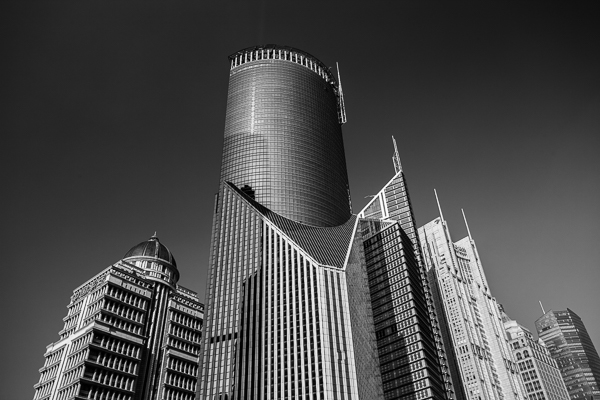
Perhaps the problem is not so much bad light, but a poor match of light to subject. So the question becomes, is there a subject that you can successfully shoot in strong, midday light? I believe there is. I like to use this part of the day for photographing a subject comprised of strong lines and graphic shapes – architecture.

Black & white photography

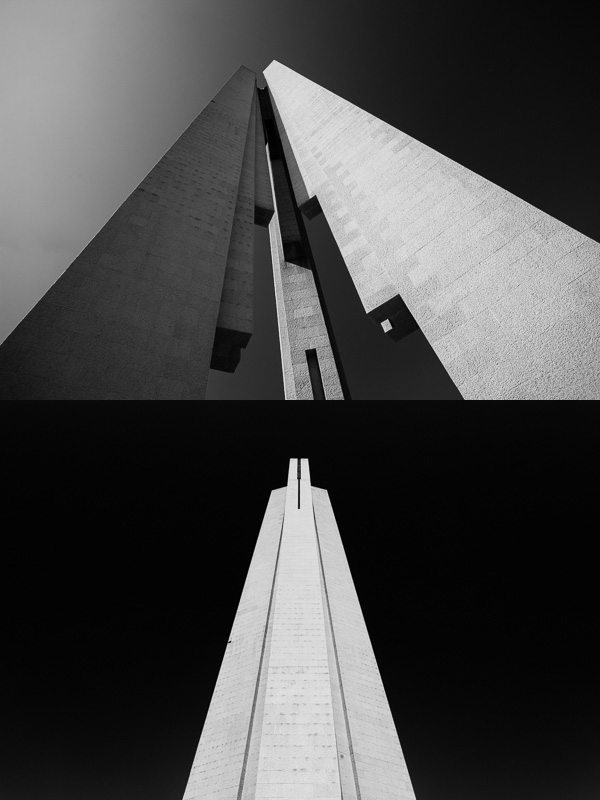
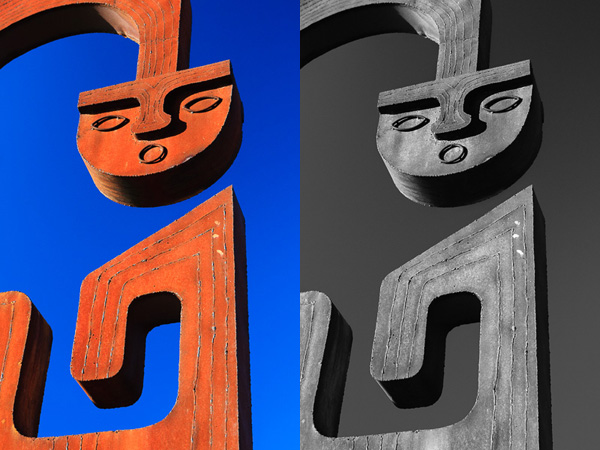
Two photos of the same structure (Monument to the People’s Heroes in Shanghai) taken moments apart. In both cases I was exploring the shape of the structure against the blue sky, shooting with a wide-angle lens from ground level looking up. The first image concentrates on shape and line. The second is more abstract. I used a polarizing filter to darken the sky, and photographed the sunlit monument against it for maximum tonal contrast.

This may seem a little strange because buildings are often best photographed during the golden hour, but there is no reason why you can’t shoot during the middle of the day as well. The only drawback is that colour photos of buildings taken at this time of the day, often with a deep blue sky in the background, are usually not very exciting.

But switch to black and white photography and it’s a different story. Without colour, and the strong distraction of a deep blue sky, the photographic possibilities change entirely. Suddenly you’re not looking at the colour of a scene. Instead you’re exploring line, shape, texture, form and shadow. Then, take those photos into Lightroom and there’s all kinds of wonderful, creative things you can do in post-processing to enhance the image.

Black & white photography

Details like this sculpture can work very well in midday light as the hard shadows suit the material it is constructed from. I enhanced the black and white version of this photo in Lightroom by using an Adjustment Brush to increase Clarity and Contrast on the metal surfaces in the image.

Learning to see in black and white takes time, but there are a couple of things you can do that will help.

The first is to shoot in your camera’s black and white mode, but with image quality set to Raw. When you play back your image on the camera’s LCD screen it is displayed in black and white, yet because you are using Raw you have the full colour file to work with in Lightroom or Photoshop.

You will probably find it useful to spend some time looking at your photos on the camera’s LCD screen during the shoot to see how the colour scene in front of you translates to monochrome. As you gain experience you will need to do this less and less, but it can be incredibly helpful the first few times you try.

If you have a camera with an electronic viewfinder, the camera displays the scene in black and white in the viewfinder. This is even more useful because you don’t have to visualize how the colours in the scene will convert to black and white. The camera does it for you and you can concentrate on creating beautiful compositions.

The second is to use a polarizing filter to turn the already blue sky an even darker shade of blue. This can look fantastic in black and white. If you enable the red filter setting in the camera’s black and white mode options it will make the blue sky darker yet, and it may even turn black. Position a sunlit, light-toned, building in front of that dark sky and you have some amazing tonal contrast and the basis for a dramatic black and white architectural study.

Black & white photography

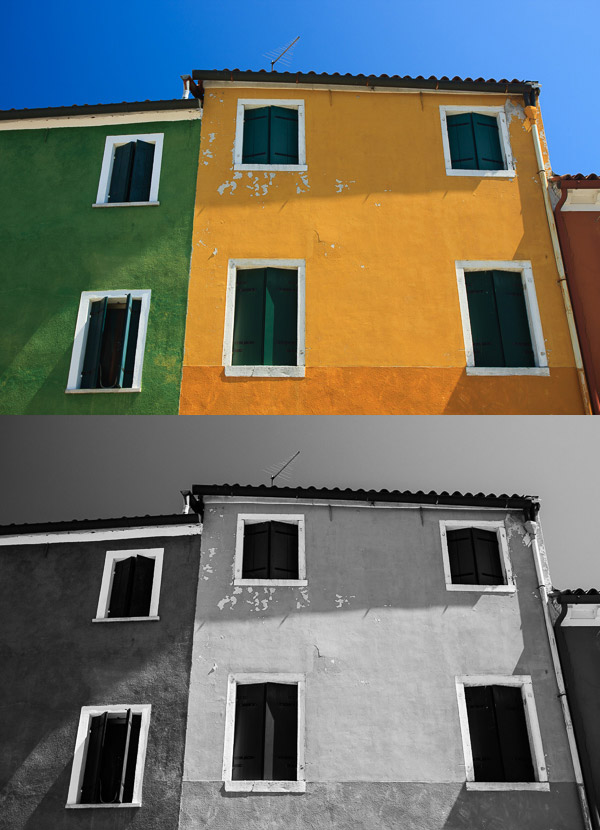
It is easy to be seduced by colour, especially when presented by colour buildings such as these ones in Burano, Italy. This photo was taken around midday, but because the sun was overheard it cast a raking light over the front surface of the buildings, bringing out the textures in the wall. I increased Clarity in Lightroom to emphasize the texture in the black and white conversion.

I’ve concentrated on photographing buildings in this article, but I’d like to hear what other subjects you shoot during the middle of the day. Please let us know in the comments.

Black & white photography

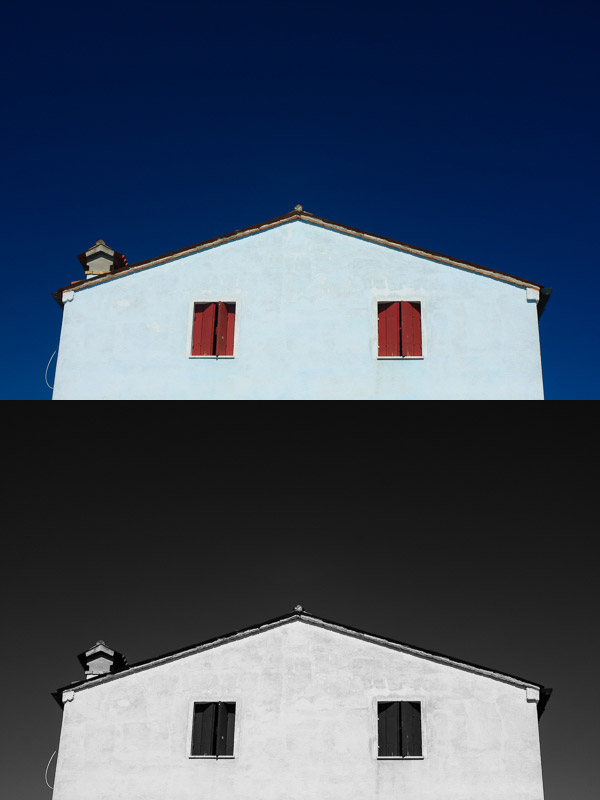
This photo, also taken in Burano, is a study of the shape of the house against the deep blue sky (emphasized by a polarizing filter). The symmetry of the house is broken by the chimney on the left.


The Mastering Lightroom Collection

Mastering Lightroom ebooksMy Mastering Lightroom ebooks will help you get the most out of Lightroom 4 and Lightroom 5. They cover every aspect of the software from the Library module through to creating beautiful images in the Develop module. Click the link to learn more or buy.

googletag.cmd.push(function() {
tablet_slots.push( googletag.defineSlot( “/1005424/_dPSv4_tab-all-article-bottom_(300×250)”, [300, 250], “pb-ad-78623” ).addService( googletag.pubads() ) ); } );

googletag.cmd.push(function() {
mobile_slots.push( googletag.defineSlot( “/1005424/_dPSv4_mob-all-article-bottom_(300×250)”, [300, 250], “pb-ad-78158” ).addService( googletag.pubads() ) ); } );

The post How to Make the Most of Hard Light with Black and White Photography by Andrew S. Gibson appeared first on Digital Photography School.


Digital Photography School

 
Comments Off on How to Make the Most of Hard Light with Black and White Photography

Posted in Photography


Most Popular Gear Articles of 2014

28 Dec

win-camera-gear.png

Photographers love our stuff, let’s admit it. We geek out on gadgets and gizmos. We want the latest and greatest thing, lens, camera. We can’t always afford what we want but it’s fun to browse. Here are some of the top gear related posts on dPS over the last 12 months:

Cameras

  • 10 Reasons Why a Pro is Using a Mirrorless Camera for Personal and Paid Jobs
  • How to Clean Your Camera Sensor in 3 Easy Steps
  • The Secret to Capturing the Best Image Quality with Your Digital Camera
  • Updating your Camera’s Firmware – What is it and Why it’s Important
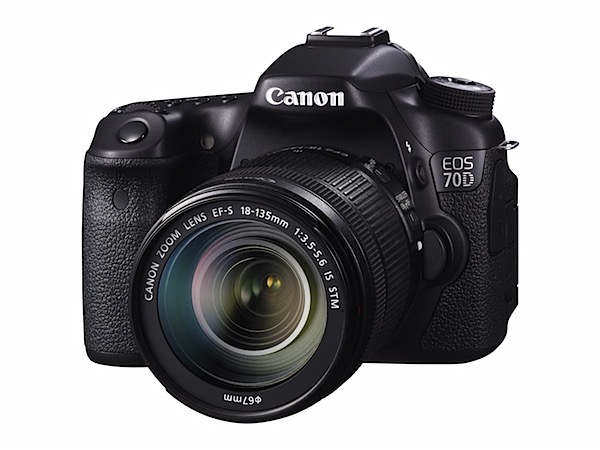
  • Review Comparison of the Canon EOS 70D vs Canon 700D / Rebel T5i
  • Review: Comparison Canon 5D MarkIII vs the Canon 6D
  • Sony A6000 Mirrorless Camera Review and Example Images

Lenses

popular lenses

  • Old Glass: How to Use Old Film Lenses with New DSLR Cameras
  • The Only Three Lenses You Need for Travel Photography
  • Why Prime Lenses are Better Than Zooms
  • 5 Easy Steps to Choose the Perfect Prime Lens for You
  • No Telephoto Lens No Problem – Tips on Shooting for the Crop
  • Ready to Upgrade Your Kit Lens? Tips for Which Lens to Invest in Next
  • How to Choose the Perfect Portrait Lens
  • A Concise Guide to Choosing a New Lens
  • Lens Review Tamron SP 150-600mm f/5-6.3 Di VC USD
  • Creating Swirly Bokeh with the Helios 44-2 lens
  • Writer’s Favorite Lens – the Tamron 18-270mm
  • Writer’s Favorite Lens – the 50mm f/1.4 Lens

Other

  • Phottix Mitros+ Review – the Best Flash System You Have Never Heard of
  • Light Blaster [ For Special Effects Lighting ] a Review
  • Bounce Flash Secrets – Bouncing Your Way to Better Photography
  • 5 Ways to Create Better Images Without Buying More Gear
  • Two Videos on How to Take Care of Your Camera Gear
  • How to Buy Used Camera Gear
  • My Portrait Gear Essentials
  • Essential Gear for the Landscape Photographer

googletag.cmd.push(function() {
tablet_slots.push( googletag.defineSlot( “/1005424/_dPSv4_tab-all-article-bottom_(300×250)”, [300, 250], “pb-ad-78623” ).addService( googletag.pubads() ) ); } );

googletag.cmd.push(function() {
mobile_slots.push( googletag.defineSlot( “/1005424/_dPSv4_mob-all-article-bottom_(300×250)”, [300, 250], “pb-ad-78158” ).addService( googletag.pubads() ) ); } );

The post Most Popular Gear Articles of 2014 by Darlene Hildebrandt appeared first on Digital Photography School.


Digital Photography School

 
Comments Off on Most Popular Gear Articles of 2014

Posted in Photography


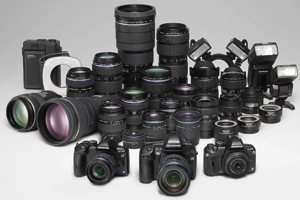
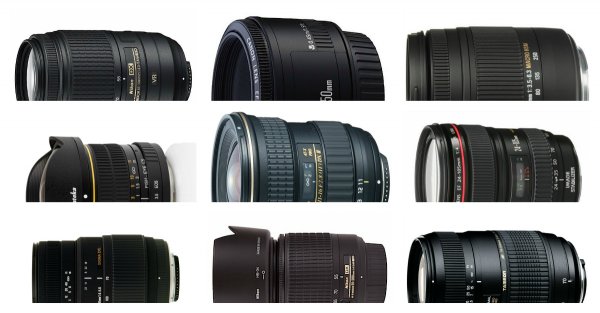
The 30 Most Popular DSLR Lenses with our Readers

11 Dec

Over the last week we’ve published posts revealing the most popular DSLRs and Compact System cameras among our readers (based upon what they’ve been buying in the last 3 months).

Today we’re looking at the best selling and most popular DSLR Lenses*.

popular lenses

This list is completely dominated by Canon and Nikon lenses so we’ve decided to break them out separately into two lists and then have put the 6 other lenses (from a variety of manufacturers) into a third list.

Note: at this stage we didn’t see any major trends in lenses for compact camera systems which is why we’ve not featured any hear. We expect this market to grow as the mirroless/compact system cameras continue to grow in popularity.

Canon DSLR Lenses

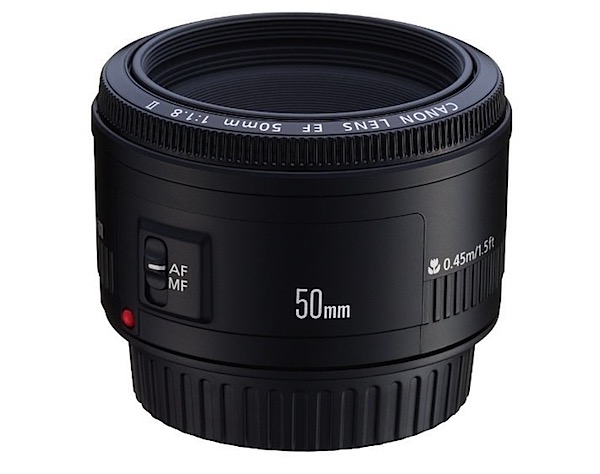
1. Canon EF 50mm f/1.8 II Camera Lens

71BuU2ZyOeL._SL1500_.jpg

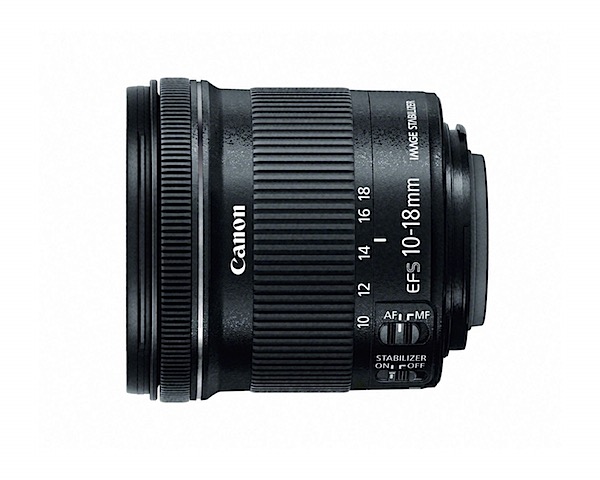
2. Canon EF-S 10-18mm f/4.5-5.6 IS STM

81bWpDA6EyL._SL1500_.jpg

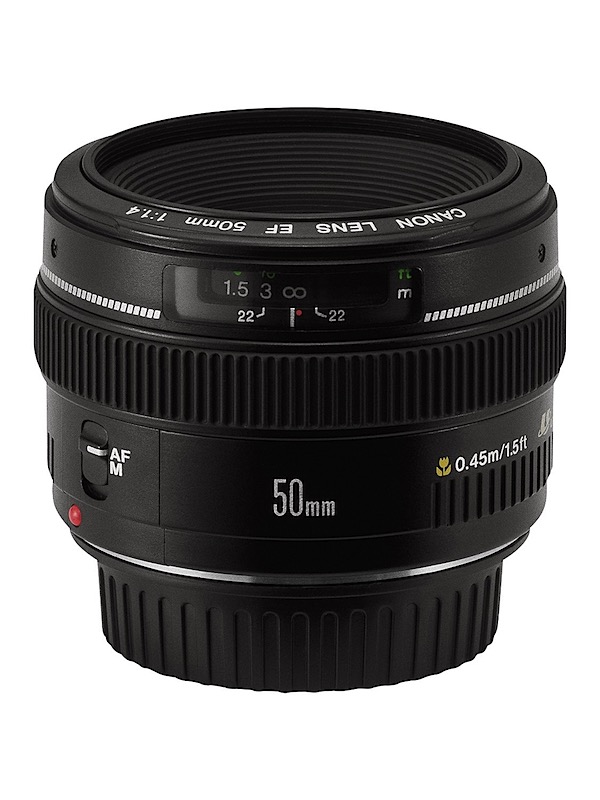
3. Canon EF 50mm f/1.4 USM

91fYqb6yGBL._SL1500_.jpg

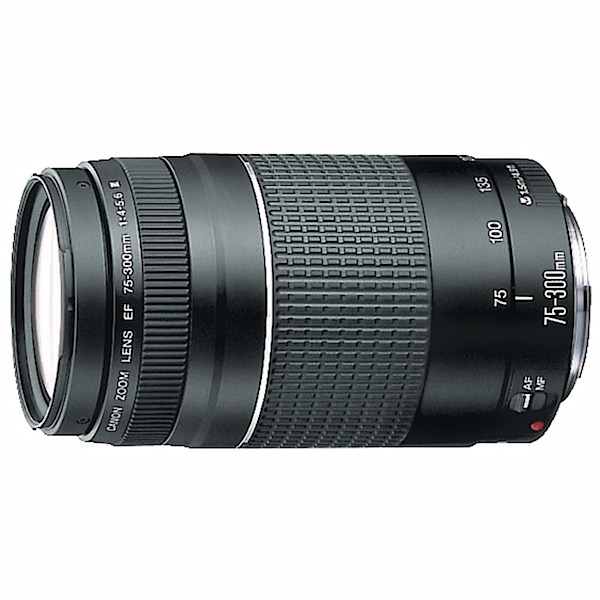
4. Canon EF 75-300mm f/4-5.6 III

71qY4hAxpoL._SL1500_.jpg

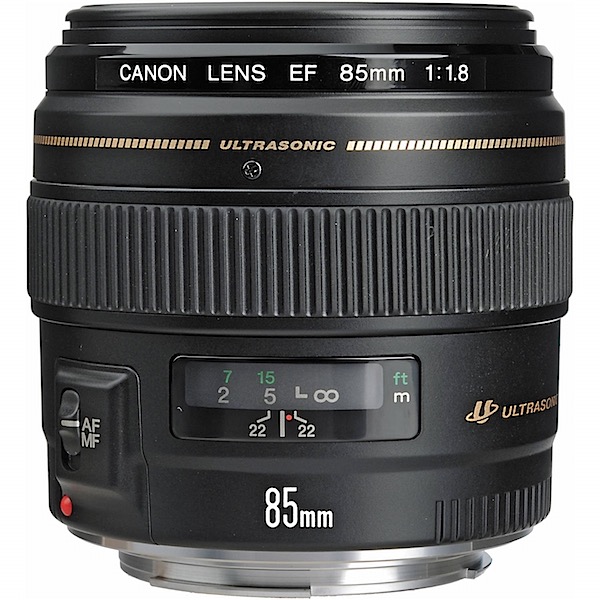
5. Canon EF 85mm f/1.8 USM

81XPZ7sQqsL._SL1500_.jpg

  1. Canon EF 24-70mm f/2.8L II USM Standard Zoom Lens
  2. Canon EF 40mm f/2.8 STM Lens
  3. Canon EF 24-105mm f/4 L IS USM
  4. Canon EF-S 17-55mm f/2.8 IS USM
  5. Canon EF-S 18-55mm f/3.5-5.6 IS II SLR Lens
  6. Canon EF 50mm f/1.2 L USM
  7. Canon EF 100mm f/2.8L IS USM Macro

Nikon DSLR Lenses

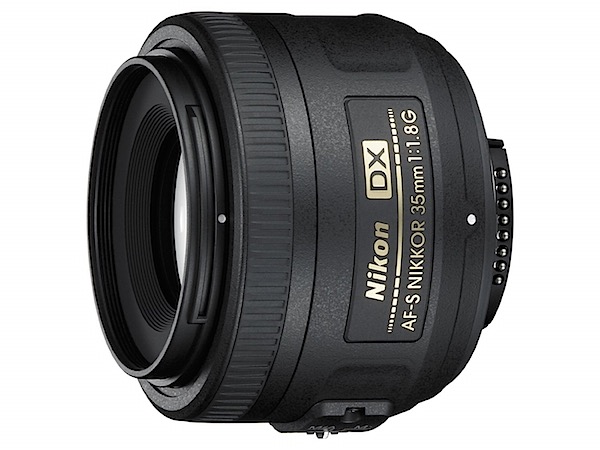
1. Nikon 35mm f/1.8G AF-S DX

71dJUbFOcEL._SL1500_.jpg

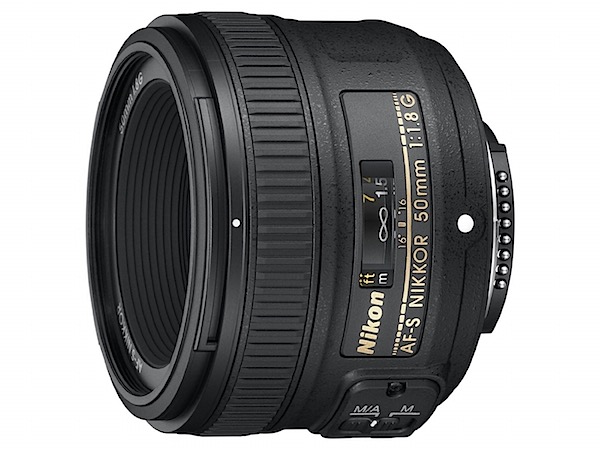
2. Nikon 50mm f/1.8G AF-S NIKKOR FX

712T0jBdPhL._SL1500_.jpg

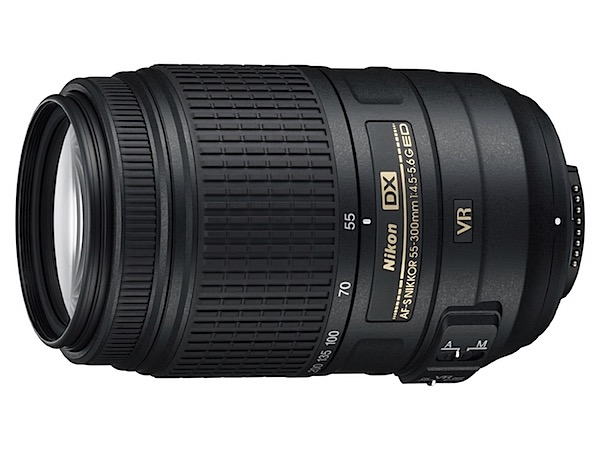
3. Nikon 55-300mm f/4.5-5.6G ED VR

71dAI8JvOTL._SL1500_.jpg

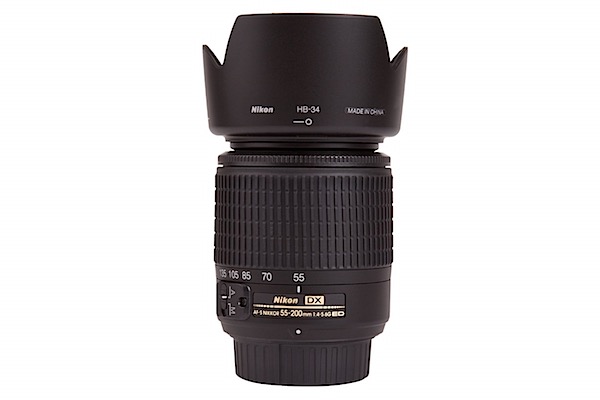
4. Nikon 55-200mm f/4-5.6G ED IF AF-S DX

71Ehi1XZoxL._SL1500_.jpg

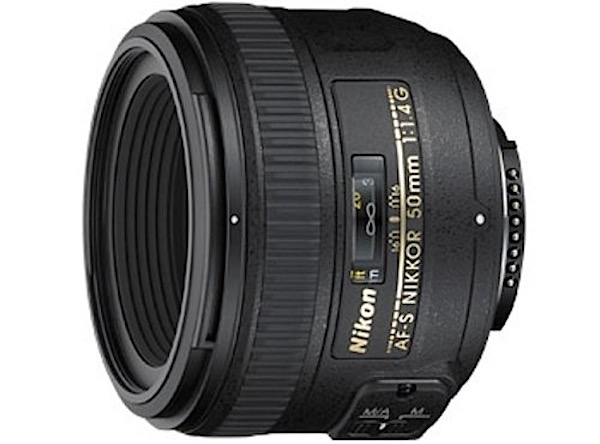
5. Nikon 50mm f/1.4G SIC SW Prime AF-S

41lq816JqzL.jpg

  1. Nikon 70-300mm f/4-5.6G AF
  2. Nikon 40mm f/2.8G AF-S DX Micro
  3. Nikon 28-300mm f/3.5-5.6G ED VR AF-S
  4. Nikon 85mm f/1.8G AF-S
  5. Nikon 18-55mm f/3.5-5.6G VR II AF-S
  6. Nikon 18-200mm f/3.5-5.6G AF-S ED VR II
  7. Nikon 18-300mm f/3.5-6.3G ED VR AF-S DX

And also worth noting are the following other lenses made by other manufacturers.

Other DSLR Lenses

  1. Sigma 70-300mm f/4-5.6 SLD DG Macro. (for Nikon DSLRs) Also available for Canon,Minolta and Sony and Pentax cameras.
  2. Tamron AF 70-300mm f/4.0-5.6 Di LD Macro (for Canon DSLRs). Also available for Nikons, Konica Minolta and Sony and Pentax cameras.
  3. Sigma 18-250mm f3.5-6.3 DC MACRO (For Canon DSLRs). Also available for Nikon and Sony cameras.
  4. Opteka 6.5mm f/3.5 HD Aspherical Fisheye for Canon DSLRs.
  5. Tokina 11-16mm f/2.8 AT-X116 Pro DX II (for Nikon DSLRs). Also available for Canon and Sony and Minolta cameras.
  6. Tamron AF 18-200mm f/3.5-6.3 XR Di II (for Canon DSLRs), Nikon, Konica Minolta and Sony and Pentax.

*Note: as with our previous best seller lists this list was compiled from reports supplied to us from Amazon.com where we are affiliates. One of the ways dPS is able to cover its costs and be a sustainable business is that we earn a small commission when readers make a purchase from Amazon after clicking on our links (including those above). While no personal details are passed on we do get an overall report from Amazon about what was bought and are able to create this list.

googletag.cmd.push(function() {
tablet_slots.push( googletag.defineSlot( “/1005424/_dPSv4_tab-all-article-bottom_(300×250)”, [300, 250], “pb-ad-78623” ).addService( googletag.pubads() ) );
} );

googletag.cmd.push(function() {
mobile_slots.push( googletag.defineSlot( “/1005424/_dPSv4_mob-all-article-bottom_(300×250)”, [300, 250], “pb-ad-78158” ).addService( googletag.pubads() ) );
} );

The post The 30 Most Popular DSLR Lenses with our Readers by Darren Rowse appeared first on Digital Photography School.


Digital Photography School

 
Comments Off on The 30 Most Popular DSLR Lenses with our Readers

Posted in Photography


Most Popular Compact System and Mirrorless Cameras with Our Readers

10 Dec

Earlier in the week we revealed the DSLRs that were best selling among our readers over the last few months. While DSLRs are still the most popular type of readers among our readers this last quarter has seen a big rise in the number of you using compact system cameras.

popular compact system cameras

In fact if we combined the two lists we’d now see compact system cameras in the top 20 cameras bought by our readers with the Sony Alpha a6000 and the Sony Alpha a7II both making that list.

What is remarkable about this is that the newly announced Sony Alpha a7II is not even released yet and it makes the list purely based upon pre-order levels!

Also an indication of the growth of sales in the compact system camera class of camera is that today we’re listing 19 of them while last time we created this list we only saw enough sales to justify making it a list of 9 cameras.

Here are the most popular compact system cameras among our readers!

Note: we’ve only included cameras with interchangeable lenses in this list. While other cameras like Fujifilms X100 series are sometimes classified in this way we’ll include them on a future list with other fixed lens cameras.

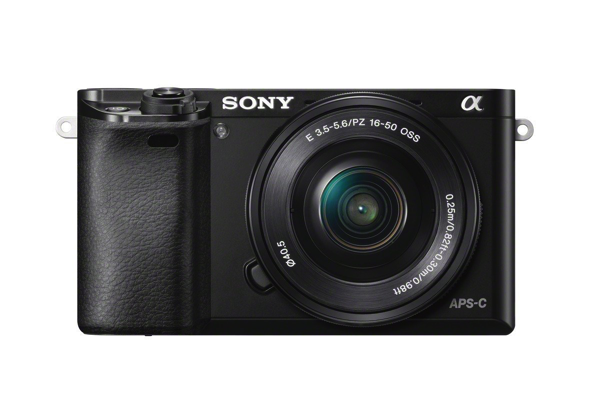
1. Sony Alpha a6000

NewImage

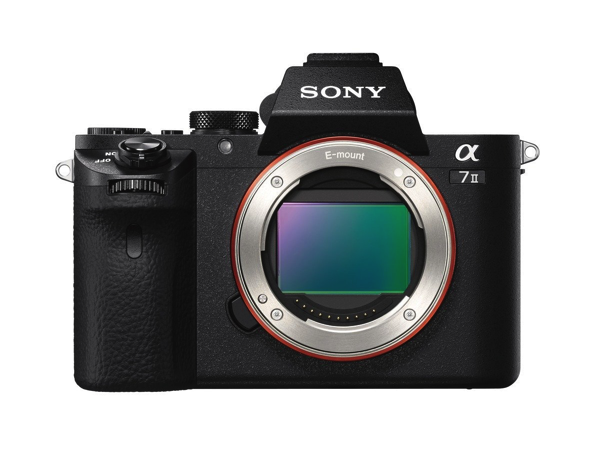
2. Sony Alpha a7II (available for pre-order)

NewImage

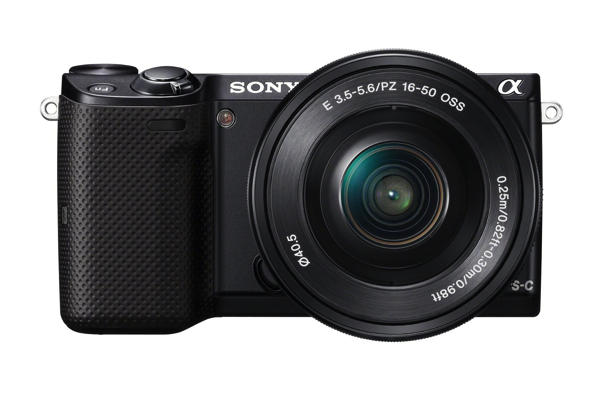
3. Sony NEX-5TL

NewImage

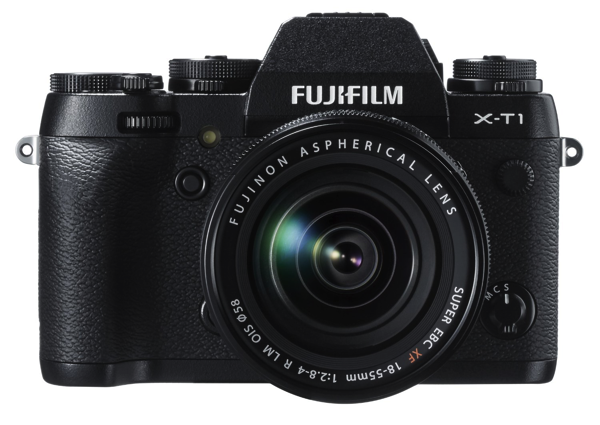
4. Fujifilm X-T1

NewImage

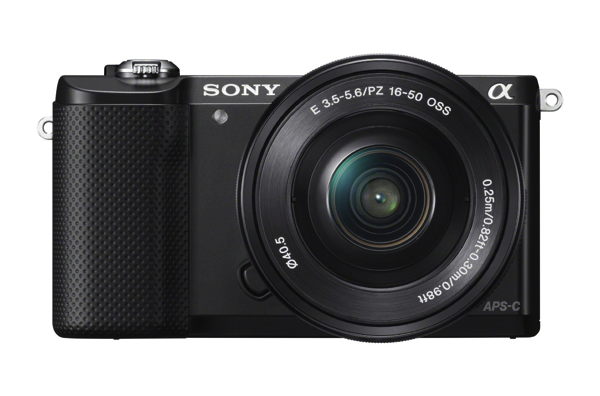
5. Sony Alpha a5000

NewImage

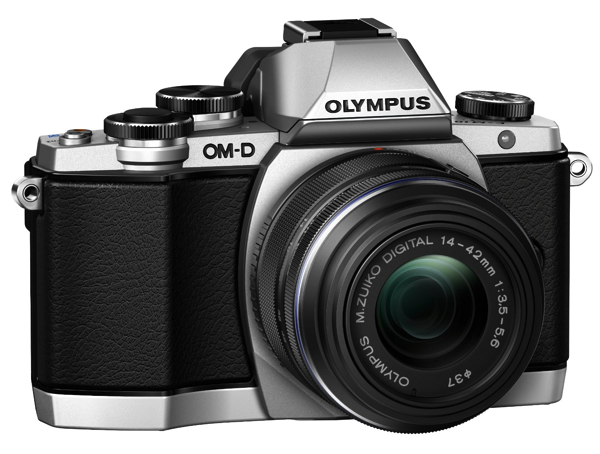
6. Olympus OM-D E-M10

NewImage

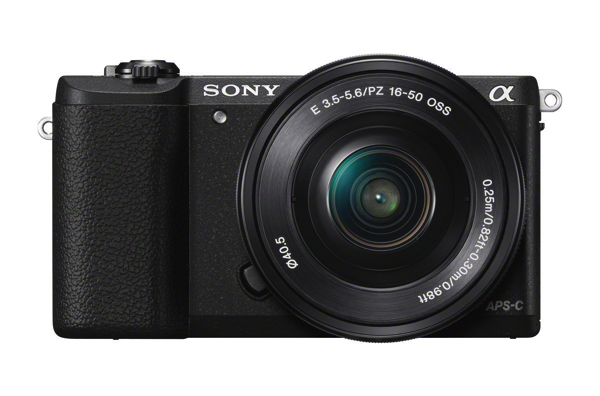
7. Sony a5100

NewImage

8. Samsung NX300

NewImage

9. Samsung NX30

NewImage

10. Sony Alpha a7S

NewImage

That’s our top 10 – here are the next 9 most popular compact camera systems.

  1. Panasonic Lumix DMC-GF3KK
  2. Sony NEX-6L/B
  3. Panasonic DMC-GF6KK
  4. Sony a7R
  5. Olympus OM-D E-M5
  6. Nikon 1 J1
  7. Olympus E-PL7
  8. Fujifilm X-M1
  9. Olympus OM-D E-M1

*Note: this list was compiled from reports supplied to us from Amazon.com where we are affiliates. One of the ways dPS is able to cover its costs and be a sustainable business is that we earn a small commission when readers make a purchase from Amazon after clicking on our links (including those above). While no personal details are passed on we do get an overall report from Amazon about what was bought and are able to create this list.

googletag.cmd.push(function() {
tablet_slots.push( googletag.defineSlot( “/1005424/_dPSv4_tab-all-article-bottom_(300×250)”, [300, 250], “pb-ad-78623” ).addService( googletag.pubads() ) );
} );

googletag.cmd.push(function() {
mobile_slots.push( googletag.defineSlot( “/1005424/_dPSv4_mob-all-article-bottom_(300×250)”, [300, 250], “pb-ad-78158” ).addService( googletag.pubads() ) );
} );

The post Most Popular Compact System and Mirrorless Cameras with Our Readers by Darren Rowse appeared first on Digital Photography School.


Digital Photography School

 
Comments Off on Most Popular Compact System and Mirrorless Cameras with Our Readers

Posted in Photography


The 19 Most Popular DSLRs Among our Readers

08 Dec

Every few months we like to report back to the dPS community which cameras (and other gear) are most popular with our readers. Today we’re going to take a look at the highest selling DSLRs among our readers over the last 4 months (as ranked by the reports that Amazon gives us*).

As usual you’ll see it is largely a battle between Canon and Nikon (who dominate this class of camera) and that at the top of the list we see entry level DSLRS most popular (mainly due to their price). Further down the list we see more serious (and expensive) contenders.

Note: Amazon currently have some great specials at the moment on cameras and gear as part of their Holiday Promotions.

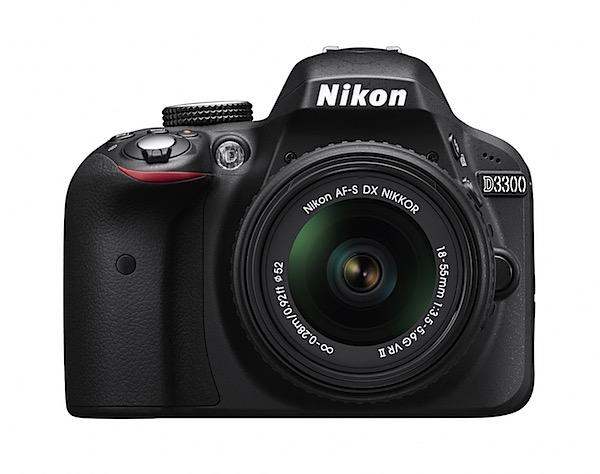
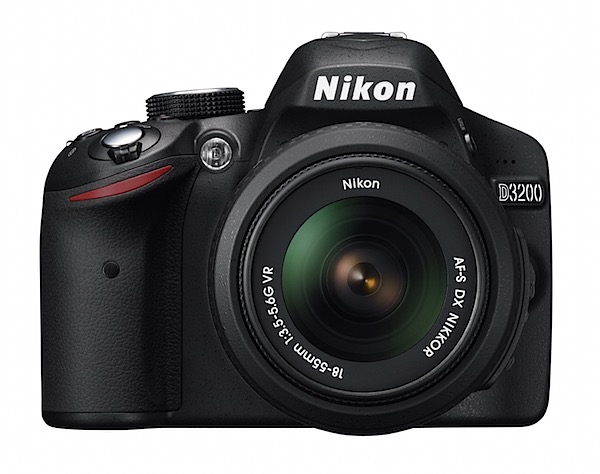
1. Nikon D3300

81aLEVAFXnL._SL1500_.jpg

2. Nikon D3200

91WSe2OKasL._SL1500_.jpg

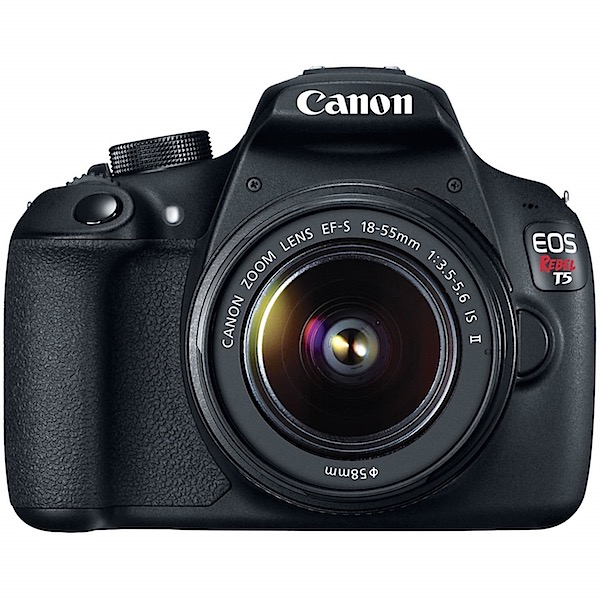
3. Canon EOS Rebel T5

71tz63oxXqL._SL1500_.jpg

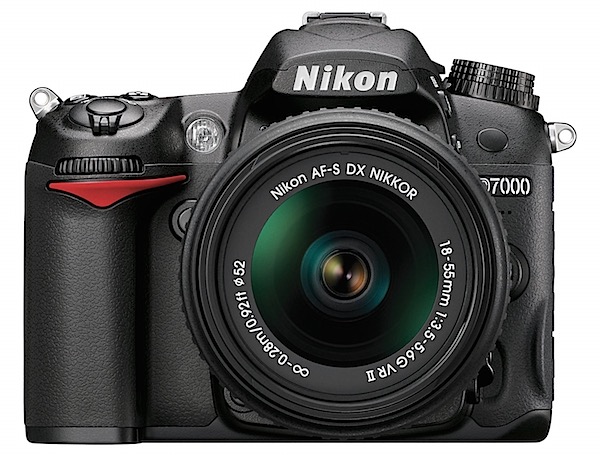
4. Nikon D7000

918RKSCRpBL._SL1500_.jpg

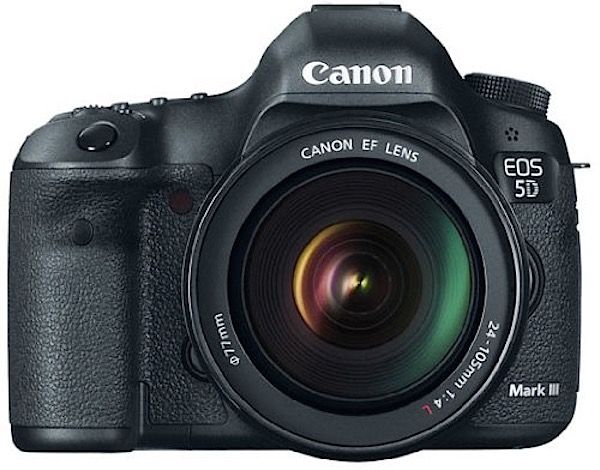
5. Canon EOS 5D Mark III

51a0nRQhFzL.jpg

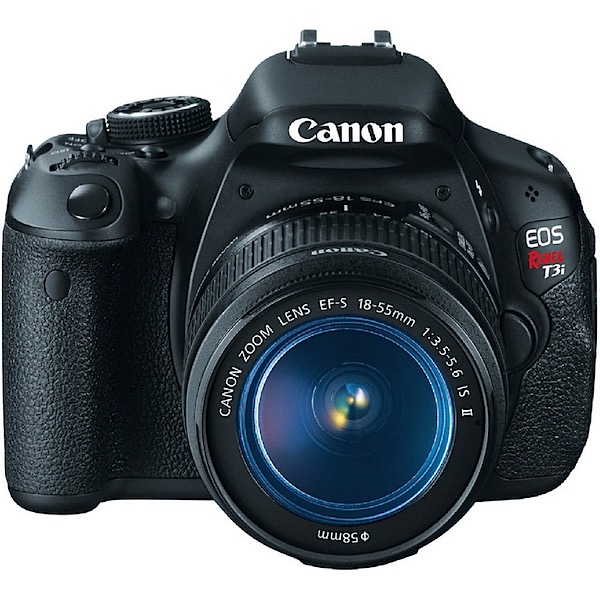
6. Canon EOS Rebel T3i

71hurE69ltL._SL1000_.jpg

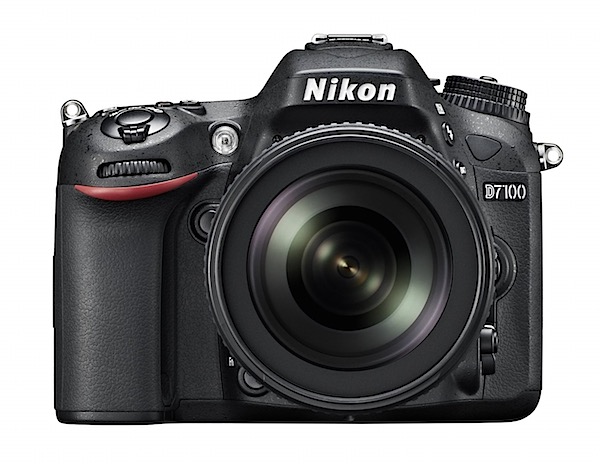
7. Nikon D7100

d7000.jpg

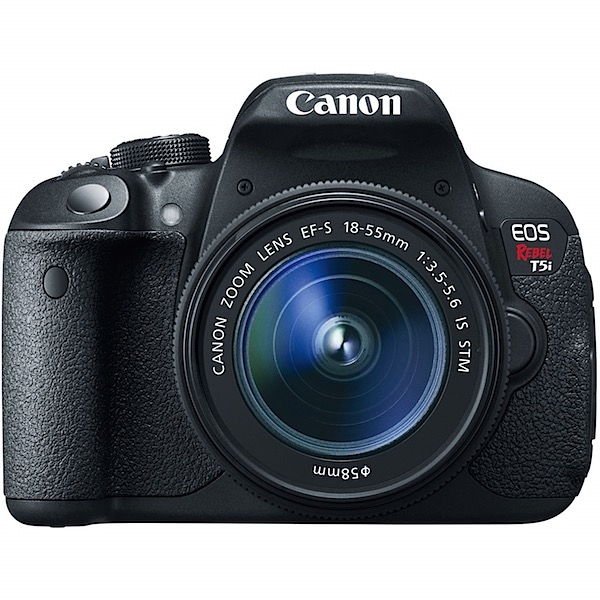
8. Canon EOS Rebel T5i

t5i.jpg

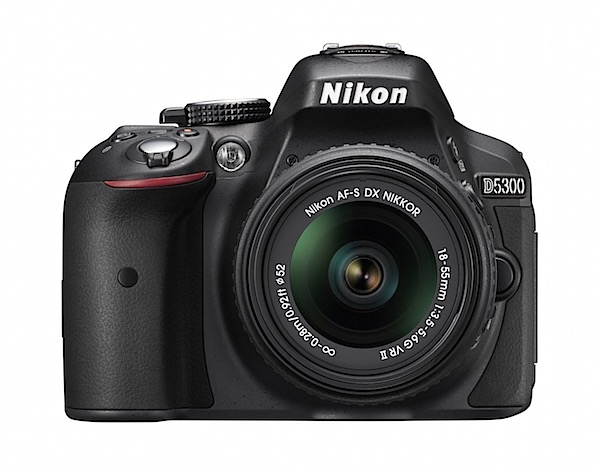
9. Nikon D5300

5300.jpg

10. Canon EOS 70D

70d.jpg

Here’s the next 9 most popular DSLRs.

  1. Nikon D5200
  2. Nikon D3100
  3. Canon EOS 7D Mark II
  4. Nikon D750
  5. Nikon D810
  6. Canon EOS 6D
  7. Sony A77II
  8. Sony SLT-A58K
  9. Pentax K-5 IIs

*Note: this list was compiled from reports supplied to us from Amazon.com where we are affiliates. One of the ways dPS is able to cover its costs and be a sustainable business is that we earn a small commission when readers make a purchase from Amazon after clicking on our links (including those above). While no personal details are passed on we do get an overall report from Amazon about what was bought and are able to create this list.

googletag.cmd.push(function() {
all_slots.push( googletag.defineSlot( “/1005424/_dPSv4_mob-all-article-bottom_(300×250)”, [300, 250], “pb-ad-78623” ).addService( googletag.pubads() ) );
} );

googletag.cmd.push(function() {
mobile_slots.push( googletag.defineSlot( “/1005424/_dPSv4_mob-all-article-bottom_(300×250)”, [300, 250], “pb-ad-78158” ).addService( googletag.pubads() ) );
} );

The post The 19 Most Popular DSLRs Among our Readers by Darren Rowse appeared first on Digital Photography School.


Digital Photography School

 
Comments Off on The 19 Most Popular DSLRs Among our Readers

Posted in Photography


I think most “creatives” can relate:

03 Dec

A great quote from Sebastian Marshall:

I don’t differentiate between work and play. I think my time is spent in either excellent, good, okay, or bad fashion. If too much of my time is just “okay” or “bad” – I’m doing something wrong

I think most freelance photographers, painters, writer, and pretty much anyone in a non-“standard” 9-5 job can relate.  Kinda reframes the whole “wasting time” thing – instead of trying to stop wasting time, just aim to increase the amount of time spent in excellent fashion!

Tweet This Post Stumble This Post


F/1.0

 
Comments Off on I think most “creatives” can relate:

Posted in Photography


10 Tips for Getting the Most Out of Ello

24 Nov

10 Tips for Getting the Most Out of Ello

Ello is the most exciting new social network to appear in years. It’s a vibrant place full of interesting thinkers and artists — I spend more time on Ello than any other network right now. Every day new and interesting people are signing up, plugging in and joining. Although Ello is a social network like many others, it is also unlike many others as well. Ello has it’s own way of organizing things and after spending a few months on the site I thought I’d share some best practices for getting the most out of Ello.

1. NSFW. As a community with a lot of artists as early members, Ello seems to have a healthy tolerance for all forms of expression, including fine art nudes and other adult oriented material. I’m a big fan of the human body as form and expression and think this is great.

You won’t be bounced off Ello or censored (like Facebook) because you express the beauty of the human body in your art. If this sort of work is your thing, then Ello asks that you set your account as NSFW. I’m guessing that if you don’t do this voluntarily, they can/will do it for you.

Similarly, it is up to you whether or not you want to *see* this sort of work on Ello.

These are two independent settings.

So there are two things for you to consider. Do you want to see NSFW content AND do you yourself in fact post NSFW content. A lot of people get this setting wrong. They check NSFW for both when they produce work that is entirely SFW. Be sure to understand the distinction and manage your settings (you can do that here: https://ello.co/settings) accordingly.

If you are not posting nudes or other adult oriented materal, then make sure the “post adult oriented content” button is checked no. You can still check yes that you want to view it, but more people will see your stuff if you manage this setting correctly.

2. Don’t overshare. I see a few people posting 10, 15, 20 photos in a row on Ello. Most people won’t want to see 20 of your photos in a row. They want variety. They want to see other stuff by other friends too. If you overshare, there is a very good chance that people will move your account into their noise bucket and a lot less people will see your work. The right number of items to share on Ello per day is probably a matter of personal opinion, but realize that every time you post you give people an option of moving you into the noise bucket where your work will be much less (if at all) visible to them going forward.

I’d say anything over 4 or 5 posts a day on Ello is probably too much and starts to feel spammy. Save your very best work for Ello and self edit a bit more. I probably post 1 – 3 images there a day depending on the day. That might even be too much.

3. Quality counts. Never has quality been as important. Again, people can easily move you into the noise category so consider that in what you post. Post your best work for others to see. Nothing makes me want to move someone to noise like thoughtless, mediocre work.

I probably sound like a broken record with my dislike for watermarking and signatures, but on Ello it’s more important than other places to avoid these distasteful aesthetically displeasing nuisances. If you put ugly watermarks and signatures on your photos people will move you to noise (if they follow you at all) and your work will not be seen. Even your best friend might do this and you will never know. So put your best foot forward and only share what you consider to be your highest quality content.

4. Be social. Ello is a *social* network, so be social. I see people already complaining that it doesn’t feel like they are getting enough attention on Ello. You shouldn’t expect to just post content and have people flock to your brilliant work. You need to engage with others. The best way to do this is to participate in conversations on other people’s posts. Find some interesting people who are engaging on the site and jump into conversations that you find. Ello is a place best served by meaningful, articulate dialog. Offer up considered thoughtful contributions to other people’s work and I think you’ll make friends fast there. Lurk and you will be alone.

If you are new and are looking for some interesting and engaging people you may find some here. Also, don’t forget about the invite button. Do you know some really great people who should be on ello? Then make sure you send them an invitation to your new party. Inevitably people will start saying that “none of their friends,” are on Ello. This is your fault. It’s up to you to get them here. It’s also up to you to make new friends. :)

Post about Ello on your other networks and encourage people there to come join you. Tweet, FB, G+, Flickr, etc. letting people know that you are hanging out there and offer to get an invitation to anyone who wants one.

5. “I think everybody should be nice to everybody.” — Andy Warhol It goes without saying that you should be nice to others. This is one of the most important things that Andy Warhol ever said. Especially on Ello where there is not only a block function, but also a noise feature, people who are antisocial assholes will quickly be marginalized out of the experience. Being nice does not mean being bland, uncontroversial and boring. It just means that when you disagree with others, try to do it as respectfully as possible. Don’t personally attack people. Rise above that. Great ideas can be discussed on Ello and people can disagree on things, but respect is the key.

6. Be visible. Make sure you have an avatar, a profile, and links to your other sites as the *very first thing* you do when you join Ello — then add some interesting content of your own. You only get one chance to make a strong first impression. When someone new follows me, a lot of the time I’ll go look at who they are by clicking on their profile link. If I’m taken to a blank page with a blank avatar and minimal description, I probably will not follow them back or engage with them. On the other hand if I find a thoughtfully written profile, links to other places where I can check out your work, and some compelling content already uploaded to your Ello account, I just might try to make friends by adding you back.

7. Be active. If you want to get the most out of Ello, you should consider making a meaningful contribution to the site. Especially after you first join you should plan on spending some time on the site every day. Post content yourself daily, but also participate in posts by other people every day, and this means more than just typing “nice photo.” If you post a few photos and then disappear for a week, when people look at your account you’ll be passed over as a dead account.

8. Understand Ello’s advertising position. Ello does not have ads on the site. Also, they don’t profile you and sell your personal data to advertisers (like they do on Facebook). This does not mean that brands are not welcome on Ello though, they are. They just won’t be able to advertise to people by paying Ello. Brands may not fully understand this and think that they need to stay away. One of Ello’s founders Paul Budnitz spells this position out clearly here:

“Because Ello doesn’t have ads, the only way for brands to be on Ello effectively is to post interesting things that people want to see.

Another way to say it is, the worst way to for a company to use social media is to advertise, because that is essentially paying money to show us things that we don’t want to see. Brands are welcome join Ello, but if their content sucks, nobody will want to follow them.”

Budnitz’s own company Budnitz Bicycles has a brand page on Ello. And you know what, it features kick ass beautiful artistic quality photographic works of their bicycles. That’s a pretty good example of how you should think about Ello if you are a brand. Just because the anti-advertising ethos runs strong on Ello, this doesn’t mean your business/company/brand should not be there. It just means you are going to really have to work to get people’s attention by providing them interesting content and not typical advertising crap.

9. Watch your activity. Click on the little lightning bolt frequently on Ello. Are new people following you? Go check them out. Did someone make a meaningful comment on a photograph of yours or ask a question? Go respond to them. Did someone mention you in one of their posts somewhere else on Ello, then acknowledge that and go say hi back. It’s important that you use this tool regularly. While you may not be able to get back to everyone who mentions you or look at everyone who adds you as a contact, be sure to spend time on your activity when you can and participate.

10. Understand and respect both imagery and text. Are you a writer? Consider adding an interesting photo to your post (or borrowing one from an image creator with attribution and permission). This will make things more interesting than just a wall of text.

Are you a photographer? Consider using the strong text function on Ello as a way to tell people more about you and your work. I’m sharing more about myself personally on Ello than I ever have on any network. When I post a photo, frequently, I write about where I was when I took it, how I made it, what my feelings are/were around the image. And I use my space on Ello as a sort of personal diary through text just as much as a visual diary through my imagery of America.

A lot of people don’t get Ello yet. Many never will. It’s so early for Ello, but I do believe that Ello has the potential to become the most substantial social network going forward — bigger and more important than Facebook or Twitter or Google+.

Being early there, you have an opportunity to participate in shaping this important new community — what it will be today and what it ultimately will become.

You can find me most days on Ello here. :)


Thomas Hawk Digital Connection
 
Comments Off on 10 Tips for Getting the Most Out of Ello

Posted in Photography