RSS
 

Posts Tagged ‘Moon’

That’s No Moon: Artists Launch Huge Human Head Balloon

11 Jan

[ By Steve in Art & Installation & Sound. ]

ojisora_human_head_balloon_Japan_main
A bizarre art installation based on a dream saw a 50-ft tall balloon become a bizarre “Man In The Moon” as it rose above the streets of Utsunomiya, Japan.

ojisora_human_head_balloon_Japan_1

ojisora_human_head_balloon_Japan_2

Residents of Utsunomiya, a smallish city roughly 60 miles (100 km) north of Tokyo, Japan, experienced the shock of their lives on the evening of December 13th, 2014 when they espied the full moon rising over the horizon.

ojisora_human_head_balloon_Japan_19

ojisora_human_head_balloon_Japan_20

ojisora_human_head_balloon_Japan_21

No doubt dozens of necks suddenly snapped in a group double-take as residents suddenly realized that’s no moon… it’s the enormous inflated head of one of their neighbors!

ojisora_human_head_balloon_Japan_3

ojisora_human_head_balloon_Japan_4

Give credit to Japanese art trio Me (in collaboration with the Utsunomiya Museum of Art) for the uniquely unusual “Ojisora” project, an artistic effort spanning over two years from conception to realization. Its origin rests with one of the three artists, Haruka Kojin (above, right), who as a junior high school student dreamed of an old man’s grossly enlarged and disembodied head floating over town and country .

ojisora_human_head_balloon_Japan_6

ojisora_human_head_balloon_Japan_5

Upon awakening from her dream, Kojin quickly sketched her recollection and then just as quickly forgot about it. Many years later, she came across her sketch and wondered… was there some way to recreate her dream in real life? After consulting with her two co-artists and with the support of the Utsunomiya Museum of Art, Kojin took the first step towards realizing – and sharing on a mass scale – her odd dream from so many years before.

Next Page – Click Below to Read More:
Thats No Moon Artists Launch Huge Human Head Balloon

Share on Facebook


[ By Steve in Art & Installation & Sound. ]

[ WebUrbanist | Archives | Galleries | Privacy | TOS ]


WebUrbanist

 
Comments Off on That’s No Moon: Artists Launch Huge Human Head Balloon

Posted in Creativity


Shooting for the moon: Photo tips from a NASA astronaut

24 Dec

Many of us have dabbled in astrophotography, but it’s a fair bet that none of us have captured star trails quite like Don Pettit has. A NASA astronaut and photographer, part of his job aboard the International Space Station has included photographing Earth from space, capturing aurora and vast glowing cities. Want to learn how to shoot like an astronaut? Read his eight tips for shooting in space. Learn more

Articles: Digital Photography Review (dpreview.com)

 
Comments Off on Shooting for the moon: Photo tips from a NASA astronaut

Posted in Uncategorized


20 Dos and Don’ts for Shooting the Moon

01 Dec
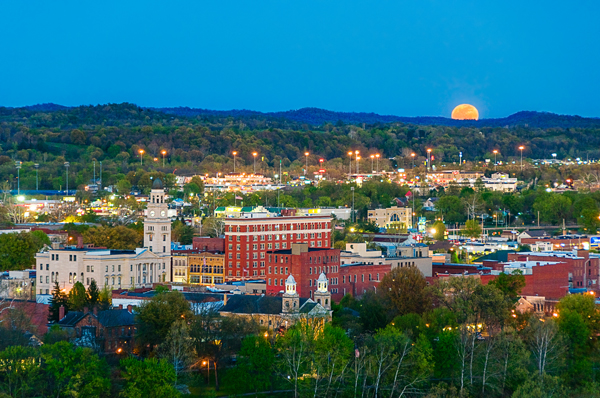
Here the April moon called the "Pink Moon" rose over Marietta, Ohio. The setting sun lit the city in a warm glow.

The April moon called the “Pink Moon” rose over Marietta, Ohio. The setting sun lit the city in a warm glow.

The moon is a very popular subject for photographers of all skill levels to shoot. But if you’ve ever tried to photograph the moon, you’ve probably discovered that it’s not that easy to accomplish. In this article let’s look at some dos and don’ts to take your moon shots from snapshot to artwork.

To begin, the first and most important DON’T is: Don’t assume that photographing the moon is going to be easy.

#1 Do use a tripod

One of the most important pieces of equipment for any low light photography is a good tripod. Since the moon is so far away, it is very important to have a sturdy base as even the smallest movement of the camera will cause your image to blur. You might be tempted to think that if you use a fast enough shutter speed you can hand-hold the camera, but you need to realize that your subject is 238,900 miles away and even the slightest movement will be exaggerated.

#2 Don’t use a slow shutter speed

The moon is actually moving very quickly around the earth at a speed of 2,288 miles per hour (3,683 kilometers per hour). The moon is so distant, it doesn’t appear to be traveling very quickly to the naked eye. Because of the moon’s speed and the long focal length necessary to capture an image of the moon, you need to use the fastest shutter speed possible. A good rule of thumb for tack sharp moon photos is nothing slower than 1/125th of a second.

#3 Do use a telephoto lens

To successfully shoot any kind of detail of the moon in your image, you need at least a 300mm telephoto. For a full frame image, you will need around an 800mm lens.
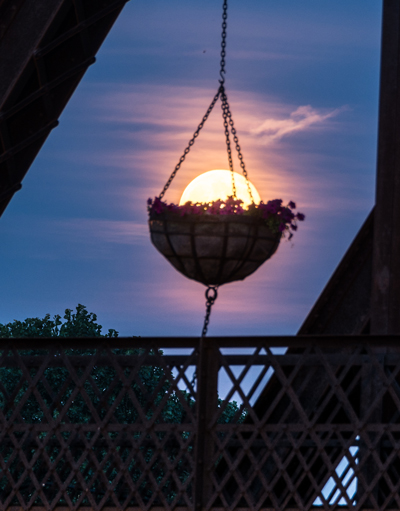
Capture the moon

#4 Don’t use any filters on your lens

Remove ALL filters from your lens! To prevent any chance of distortion, don’t use any filters. Yes, even remove the UV filter. This may sound scary if you never remove the UV filter from your lens, but it’s best to remove to do so in this case. Some may suggest using a neutral density (ND) filter for moon photography to cut back the bright light of the moon. But, all this will do is require you to use a slower shutter speed, and you want to use the fastest shutter speed possible to get that crisp, tack sharp, image.

#5 Do try the Looney 11 rule

The Looney 11 rule is similar to the Sunny 16 rule. Set your f-stop to f/11, then match the shutter speed to your ISO. For example, if your ISO is set at 100, set your shutter speed to 1/125 of a second. (This is not an exact science but will give you a good starting point.)

#6 Don’t touch the camera to start your exposure

Do not manually press the shutter release or even touch your tripod when initiating your moon shot. Remember that even the slightest touch could add enough vibration motion to blur the image. Using a cable release or remote trigger is the best way to start your exposure. If you don’t have either of these gadgets, use the self-timer feature on your camera to begin your shot.

#7 Do use Mirror Lock-up

If your camera gives you the option to lock up your mirror this can greatly increase your chances of getting a tack sharp image. Even the slightest shake of your camera’s mirror can be enough to blur your image. If your camera has this option, use it! Lock the mirror up and wait a few seconds to allow any vibration to settle before beginning your exposure.

#8 Don’t use Image Stabilization

Canon’s IS (Image Stabilization) or Nikon’s VR (Vibration Reduction) must be turned off anytime your camera is on a tripod. Turning on any vibration reduction feature with your camera mounted on a tripod will actually create blur in your image.

#9 Do know the cycles of the moon
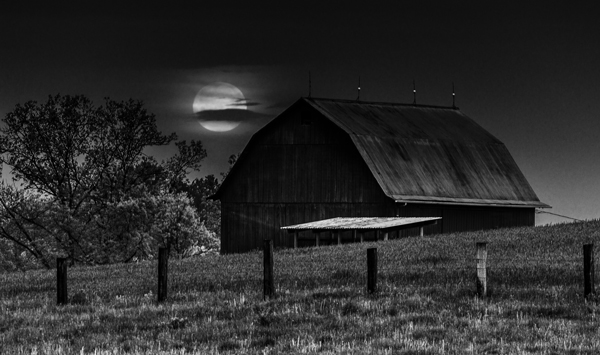
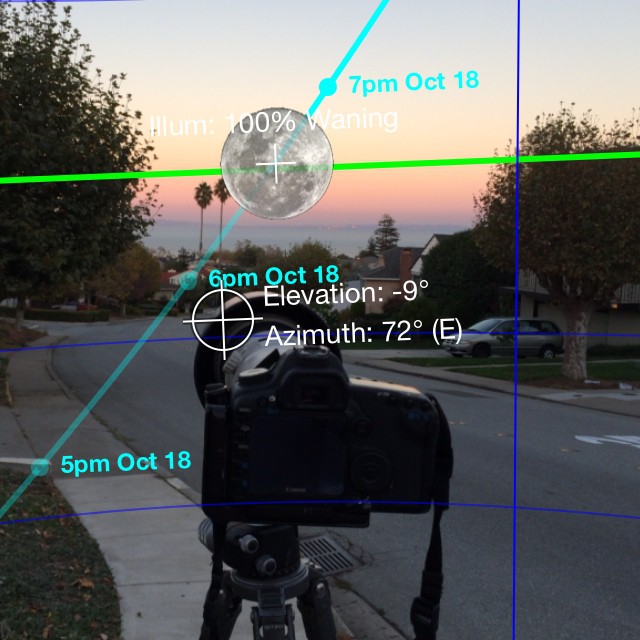
Use Photographers Ephemeris to predict the location of the moonrise

Use The Photographer’s Ephemeris app to predict the location of the moonrise.

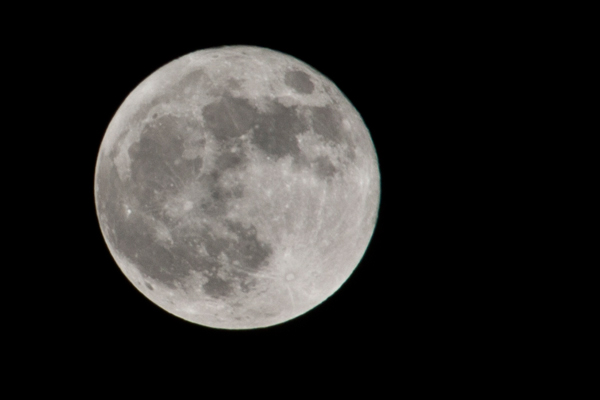
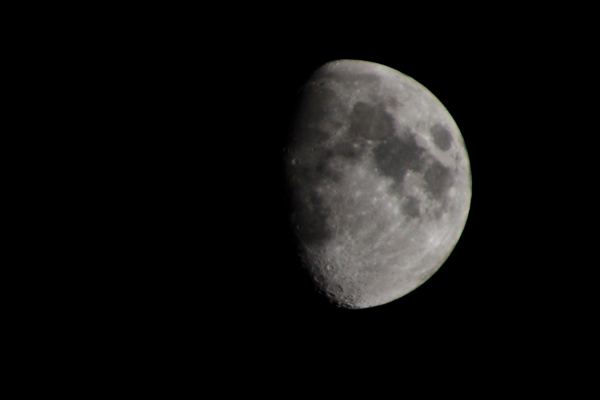
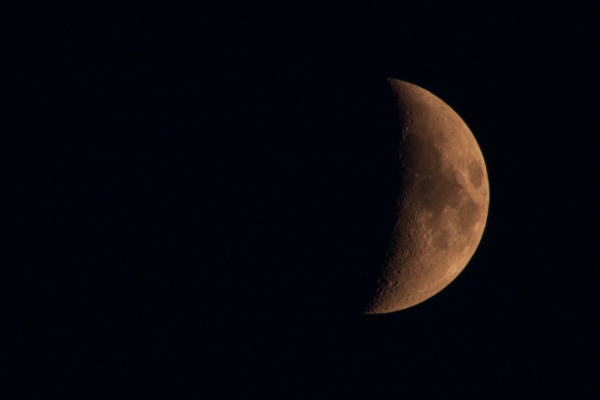
There are 29.5 days between full moons. There are many online and smart phone applications that can help you track the phases of the moon. One must- have app is The Photographer’s Ephemeris which will not only give you the phases of the moon, but also show you when and where the moon will appear in the sky. This is especially useful when planning your moon shoots in advance. By far the most photographed stage is the full moon, which is also the brightest and the most difficult to expose correctly. The side lighting of the Gibbous stage produces some interesting shadows which may allow you to capture craters and mountains. The crescent moon is, of course, the darkest stage, but one which may create some interesting effects when added to a nighttime landscape.

#10 Don’t always place the moon in the center

While you can use all the usual rules of composition for your lunar photography, don’t be afraid to break the rules if the shot calls for it. Don’t just put the moon in the center of your image with nothing else –  it’s been done a million times before and there is nothing exciting about this. Try to include other objects in the frame with the moon.
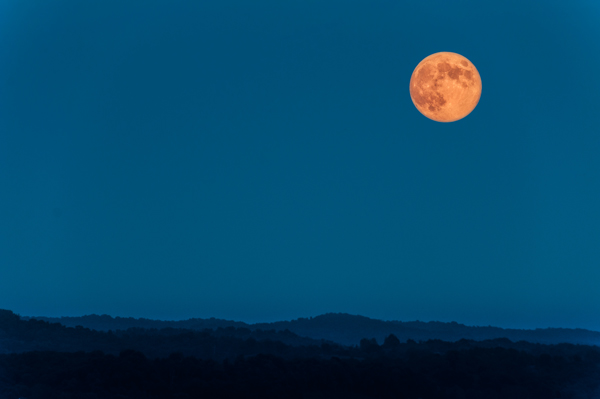
Don't just place the moon in an empty sky, including a foreground object will create a more dramatic image.

Don’t just place the moon in an empty sky. Including a foreground object will create a more dramatic image.

#11 Do switch to manual focus

There are a couple of different methods you can use to focus on the moon: First, try using your camera’s autofocus, and once you have a desirable focus, turn off the autofocus and switch to manual focus. Alternatively, you can set your camera on manual focus, and with your live view feature turned on, zoom in on the moon and turn the focus ring until the moon becomes sharp. Then do not touch the ring again.

#12 Don’t just shoot the moon at night

The best time for photographing the moon is just after it rises or just before it sets, when it is very low in the sky. When the moon is near the horizon, it is closest to Earth and will appear larger in your images. Also, as the full moon rises the sun will be setting, and as the full moon sets the sun will be rising. This may give you great lighting to include or accentuate foreground or landscape objects. Shooting the moon in the day time will give you opportunity to include foreground objects, and you also may be able to capture some craters on the moon’s surface.
The June full moon called the "Honey Moon" captured here setting at sunrise

The June full moon, called the “Honey Moon”, captured as it sets at sunrise.

#13 Do use exposure bracketing

Once you have found the exposure that you feel happy with, it is best to bracket around that setting. The view of your images in the dark, on the back of your camera, can often be deceiving. In the dark, images always appear brighter on the LCD of camera than they actually are when opened on your computer. After you are satisfied with the exposure you have dialed in, bracket two stops under and two stops over, just to ensure that you get an exposure you will be happy with later.

#14 Don’t use Auto White Balance

Using auto white balance will give you very inconsistent results. What is the source for the light of the moon? That’s right, the sun! So try daylight white balance, but if you are looking for a different effect, try tungsten or cloudy. Don’t be afraid to experiment, but also remember that if you are shooting in RAW you can change the white balance in post-production.

#15 Don’t depend on your meter

Most likely your camera’s light meter will be fooled by the amount of light reflecting off the moon. Also it is important to note that as the moon rises, the exposure will continual change. It gets brighter as it rises, so you need to keep adjusting your shutter speed.

#16 Do shoot in RAW mode

Shooting in RAW will allow you to capture more details of the moon’s surface, and also give you more latitude for adjustments in retouching. So, unless you are not at all comfortable with using camera RAW software, always shoot the moon in RAW.

#17 Don’t be afraid to crop your image

Unless you are shooting with a very large telephoto lens, you will want to crop your image to display the moon at a decent size. But remember, the more you crop, the smaller the final image can be printed at high resolution.

#18 Do tweak and sharpen

Most moon photography is going to require some post exposure retouching in Photoshop or other photo editing software. Adding clarity and contrast will help bring out details which will enhance the craters and mountains of the moon. As mentioned above, white balance and exposure may also be tweaked to finish your optimal image, as both are somewhat difficult to perfect in camera.
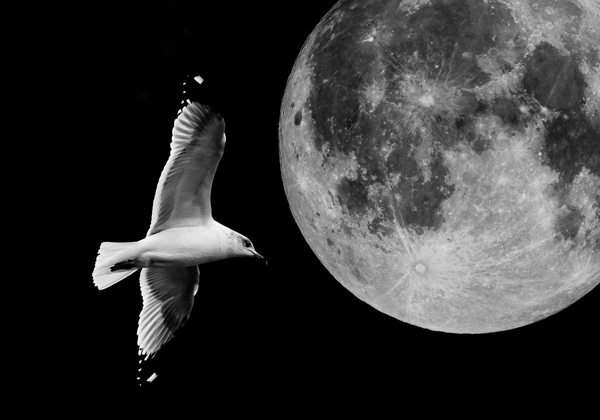
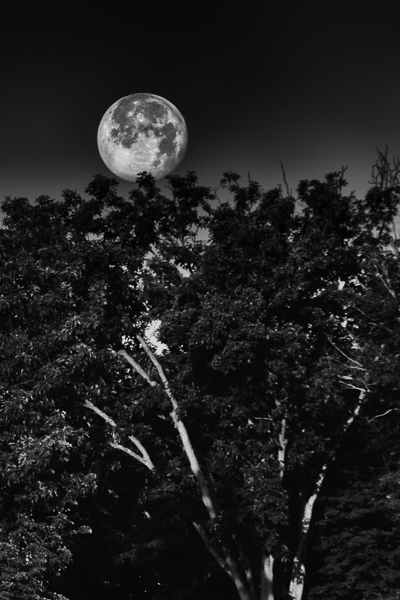
Be creative: two images are combined together here to create this final image

Be creative: two images are combined to create this final image.

#19 Don’t be afraid to be creative

Don’t be afraid to get creative with your images of the moon. Most great moon images have been manipulated in post-production because of the difficulty of capturing a great moon shot in one image. HDR or exposure blending are great methods to enhance the captures of otherwise impossible moon images. A popular method used by many photographers is to combine two exposures: one set to bring out the best of the foreground landscape and a second exposed for the moon only. When combining these two images, try enlarging the moon slightly to achieve a more dramatic effect, but don’t overdo it to the point that it looks fake. It needs to look believable unless you are going for a science fiction affect (which isn’t a bad idea, creatively speaking!).
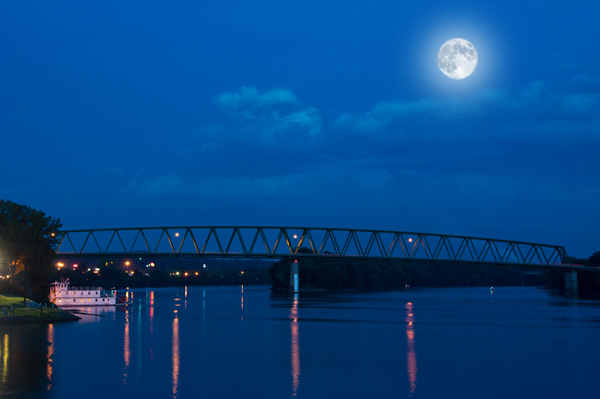
Two exposures were combined to make this final image. One image was exposed for the landscape and the other for the moon. The moon was enlarged slightly for dramatic effect.

Two exposures were combined to make this final image. One image was exposed for the landscape and the other for the moon. The moon was enlarged slightly for dramatic effect.

 #20 Do Practice, Practice, Practice

Now get out there and shoot the moon! Remember it is not as easy as it looks, so keep trying if your first results are not as dramatic as you expected.

If you have any moon images or other dos and don’ts that work for you, please share them in the comments below.

The post 20 Dos and Don’ts for Shooting the Moon by Bruce Wunderlich appeared first on Digital Photography School.


Digital Photography School

 
Comments Off on 20 Dos and Don’ts for Shooting the Moon

Posted in Photography


Blood Moon Eclipse: Mark Your Calendar 10.8.14

07 Oct
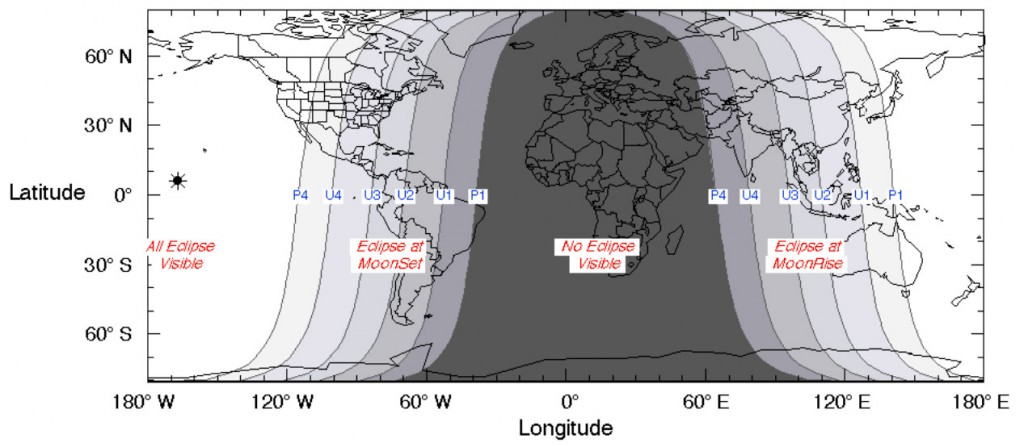
October 8th 2014 Lunar Eclipse Map

View full size courtesy of NASA Eclipse Web Site

If you’re looking for a great photo opportunity this week look no further than October 8th. The Blood moon will be in full eclipse in the white areas of the map above.   Check dates and times for your area on the Lunar Eclipse Computer.

For my fellow Californians the date and times will look similar to this.

Note: These times are specific to San Francisco.

                                                      Moon's
                                                Azimuth   Altitude
                                     h  m            o        o
Moonrise               2014 Oct 07  18:23          84.4     ----
Moon enters penumbra   2014 Oct 08  01:14.1       190.7     57.1
Moon enters umbra      2014 Oct 08  02:14.5       215.2     52.7
Moon enters totality   2014 Oct 08  03:24.6       236.4     43.1
Middle of eclipse      2014 Oct 08  03:54.6       243.4     38.2
Moon leaves totality   2014 Oct 08  04:24.5       249.6     33.0
Moon leaves umbra      2014 Oct 08  05:34.7       261.9     20.1
Moon leaves penumbra   2014 Oct 08  06:35.2       271.2      8.7
Moonset                2014 Oct 08  07:25         278.7     ----

I highly recommend geeking out with your planning now in preparation for your shoot. Good luck!

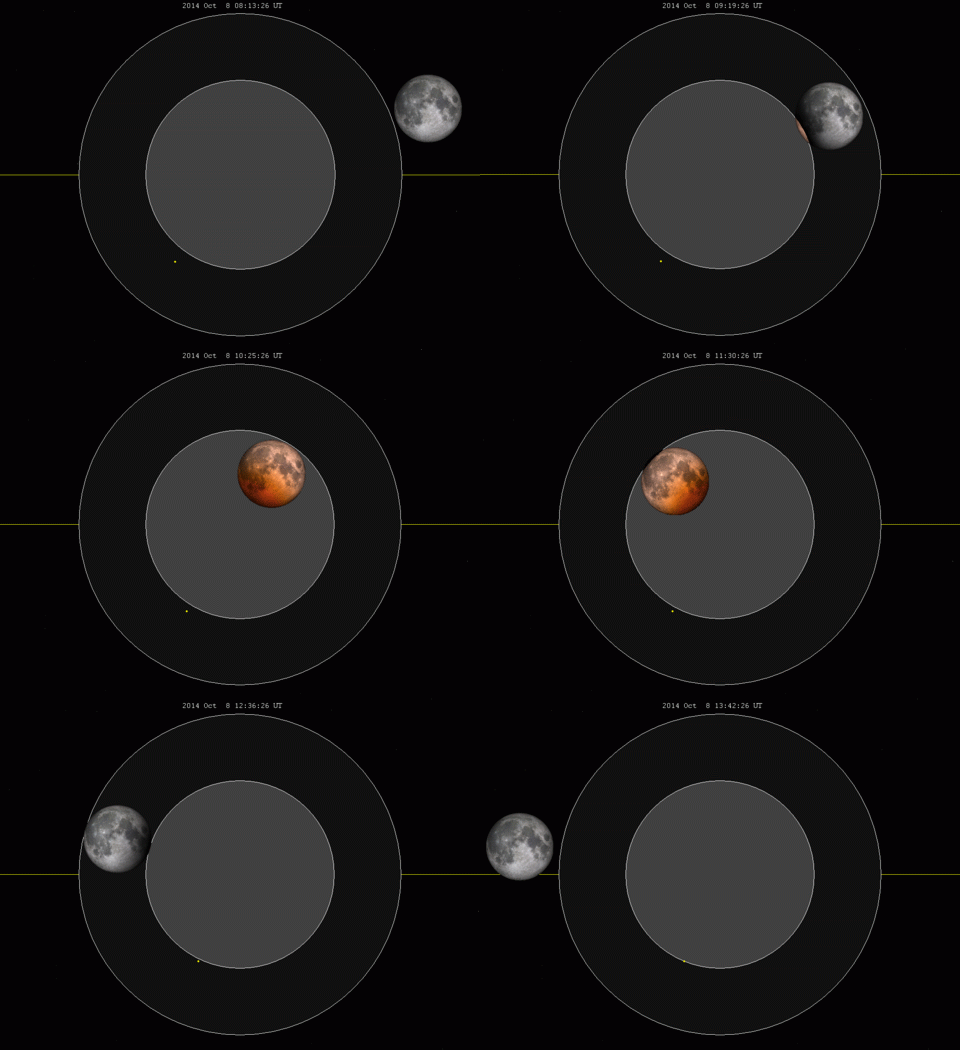
Animation of the October 8th Lunar Eclipse

Animation of the October 8, 2014, total lunar eclipse as the moon passes through the Earth’s shadow from west to east. Image credit: Tomruen


Copyright Jim M. Goldstein, All Rights Reserved

Blood Moon Eclipse: Mark Your Calendar 10.8.14

The post Blood Moon Eclipse: Mark Your Calendar 10.8.14 appeared first on JMG-Galleries – Landscape, Nature & Travel Photography.


Related Stories

  • Wilderness Protection – Only As Strong As The Wilderness Act
  • Wilderness Protection – Only As Strong As The Wilderness Act – Enclosure
  • The Insightful Landscape – A New Landscape Photography Book
Feed Ads by FeedBlitz
powered by ad choices


JMG-Galleries

 
Comments Off on Blood Moon Eclipse: Mark Your Calendar 10.8.14

Posted in Equipment


Lost 1960s moon photos recovered from analog tapes

25 Apr

289762main_GPN_2000_001588_1024-768.jpg

More than 50 years after the satellites that captured the first high-res images of the moon plunged to the surface and were destroyed, a Wired article tells the story of a group of people that found the tapes after they ended up in storage in California. Re-engineering the old drives capable of reading the tapes, they’ve recovered these historically significant images. Learn more

News: Digital Photography Review (dpreview.com)

 
Comments Off on Lost 1960s moon photos recovered from analog tapes

Posted in Uncategorized


Blood moon eclipse: Night of April 14-15

13 Apr

5280605799_1c821fa4d7_o.jpg

Photographers and astronomy fans in North America are gearing up for a rare meteorological event the night of April 14-15. According to Sky and Telescope magazine, on April 15th, the lunar eclipse will begin around 1:20am ET. While astronomers race to observatories, many photographers will take to the outdoors to capture this unique event. Here are a few tips for those looking to capture a good image of the moon. Learn more

News: Digital Photography Review (dpreview.com)

 
Comments Off on Blood moon eclipse: Night of April 14-15

Posted in Uncategorized


Camera from NASA’s moon missions sold at auction

24 Mar

Screen_Shot_2014-03-24_at_9.37.06_AM.png

A Hasselblad camera claimed to have been used by U.S. astronauts on the moon sold on at auction in Vienna for nearly $ 1 million, despite questions as to the veracity of its travels. The WestLicht Photoraphic Auction in Austria reported the camera, a Hasselblad Electronic Data Camera, sold for €550,000 (€660,000 with the buyer’s premium which is about $ 910,400) and was won by Japanese businessman Terukazu Fujisawa. Learn more

News: Digital Photography Review (dpreview.com)

 
Comments Off on Camera from NASA’s moon missions sold at auction

Posted in Uncategorized


Beyond Full Moon Photography

18 Feb

The rising full moon is a shot on many photographers’ bucket lists, but how many of us remember that the moon is even there on those other 28 days of the lunar month? Forget the moon no longer; there are many great reasons to keep shooting the moon throughout its phases.

moon, full moon, photography, how to

Better Craters and Contrast

Craters are a fascinating feature of the lunar surface, and they are easier to feature when the moon is no longer full. During a full moon, an entire side of the moon is visible and reflecting the sun’s light back to us. Craters, by contrast, look better in shadow, as this less direct light highlights the differences in elevation on the surface and bring better contrast and definition. A gibbous moon (the lumpy phase between full moon and the first or last quarter when the moon looks half full) is an excellent choice for craters. Along the edge where the moon fades into blackness, you will be able to capture the deep shadows of the craters in your moon photographs.

moon, moon photography, gibbous moon, how to, craters

As the moon continues along its progression, it will pass from gibbous through the first quarter, and enter the crescent phase. Before the moon reaches its classic, skinny crescent shape, there are also many opportunities to capture it that emphasize the craters. Because the moon is visible at different times of day and night during different phases, you will also be able to capture the different colors of its light.

moon, moon photography, crescent moon, how to, crescent, craters

Crescents and Earthshine

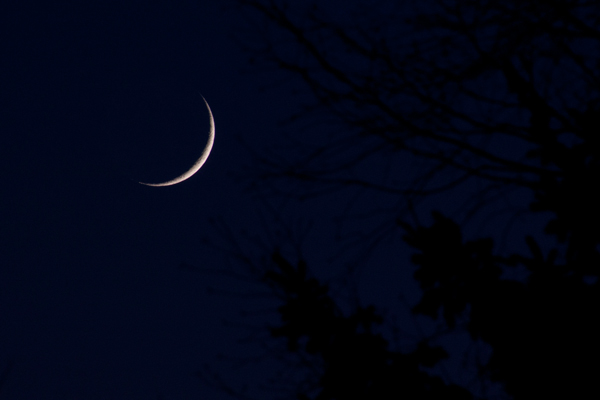
The crescent moon is the phase between first or last quarter and the new moon, when the unlit side of the moon is facing the earth. The crescent shape is hugely significant in many cultures. It is often the version of the moon drawn by children, yet it can be overlooked by photographers. The crescent moon is generally visible during the daytime hours, which can make it more difficult to see and photograph successfully. But, as the crescent reaches its smallest size, you will be able to capture it setting in the early evening, against the brilliant deep blue skies that are well-suited to moon photographs.

moon, moon photography, crescent moon, how to, crescent, craters

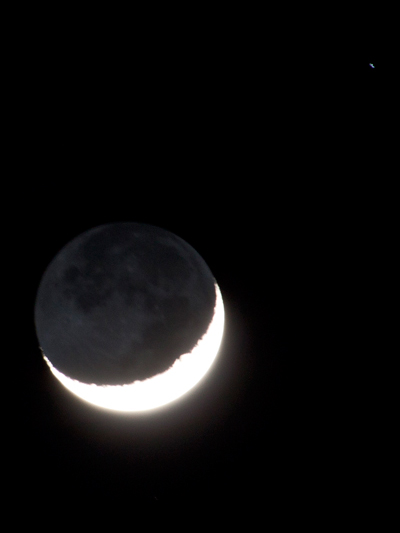
Another phenomenon to photograph with the crescent moon is known as earthshine. If you stare closely at a slim crescent moon, you should just be able to see the darkened outline of the rest of the moon’s surface. That surface is dark because it is no longer reflecting the light of the sun. The fact that you can see it at all is because that part of the surface is reflecting back light from the earth, hence the term “earthshine”.

moon, moon photography, crescent moon, how to, crescent, earthshine, star

If you want to capture a shot of the crescent moon showing earthshine, you will need to shoot in manual and significantly overexpose the image. The crescent part of the moon will become overexposed (very bright) as you bring out details within the shadowed sections of the moon, which can result in a very unique moon shot. A tripod or a camera with good high ISO performance is critical, as is a longer zoom lens. Try to keep your shutter speed below a second or two, otherwise the moon will begin to move during the exposure and blur the image.

Timing and Backgrounds for Moon Photography

A moon photographed alone, however, is simply a shot of the moon. To really make an impact with your moon photography, regardless of the phase, you need to feature an interesting foreground or background. The two critical components here are knowing the timing of moonrise or moonset, and knowing the approximate location of the moon in the sky.

The Photographers’ Ephemeris is downloadable software (free for laptops and desktops but a paid app for Apple and Android phones and tablets) that lets you view the moonrise and moonset times (as well as sunrise and sunset times) against a map, which allows you to plot out exactly where the moon will appear in the sky, depending on where you are standing. Moonrise and moonset tables and times are also easily available and searchable online. You can use the ephemeris to determine exactly when and where to stand if you wish to photograph the moon rising or setting over a specific place or landmark.

moon, moon photography, full moon, how to, Madison, Wisconsin, orange moon

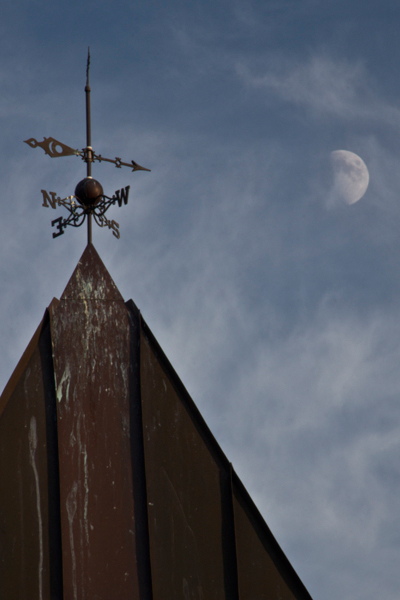
You are not limited to only shooting the moon at night. Depending on its phase and timing, you can photograph the moon during the daytime too, which makes it easier to experiment with interesting foregrounds. By walking around, moving up and down, and otherwise changing your perspective, you can ‘move’ the moon where you want it to appear in your final image. The longer the focal length that you can use, the larger you can make the moon look, relative to the other objects in the image.

moon, moon photography, full moon, how to, gibbous, half moon, photography

Variations

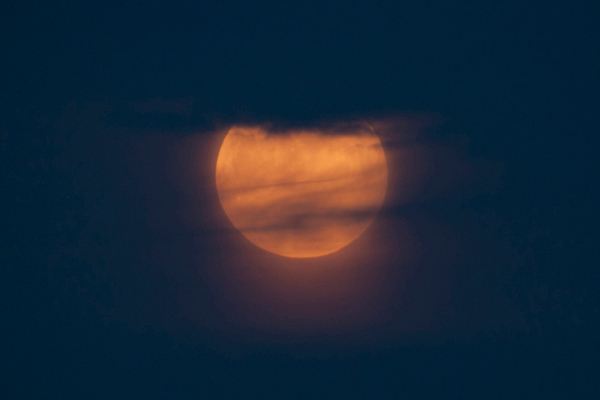
There are an infinite number of variations on moon photography. Do not let yourself be limited by the full moon, only shooting the moon at night, or only when it is rising or setting. Do not let clouds stop you from looking for the moon. Pay a little more attention to the moon throughout the month, and you will find many opportunities for moon photography.

moon, moon photography, full moon, how to, clouds, photography

Have you got some great shots of the moon or some addition tips? If so please share them in the comments below!

More night photography articles:

  • Moon Photography: 6 Tips for Better Moon Photos
  • The Mystery of Night Photography – 35 Images of the Night
  • How To Photograph Star Trails
  • Light Painting Part One – the Photography

The post Beyond Full Moon Photography by Katie McEnaney appeared first on Digital Photography School.


Digital Photography School

 
Comments Off on Beyond Full Moon Photography

Posted in Photography


Moon Photography: 6 Tips for Better Moon Photos

29 Oct

The moon is something so familiar to us, and yet so strange that it’s mesmerizing. It’s at once commonplace and extraordinary. As photographers, we are drawn to it in an attempt to convey the intrigue we feel when we look at it.

But moon photography can be tricky.

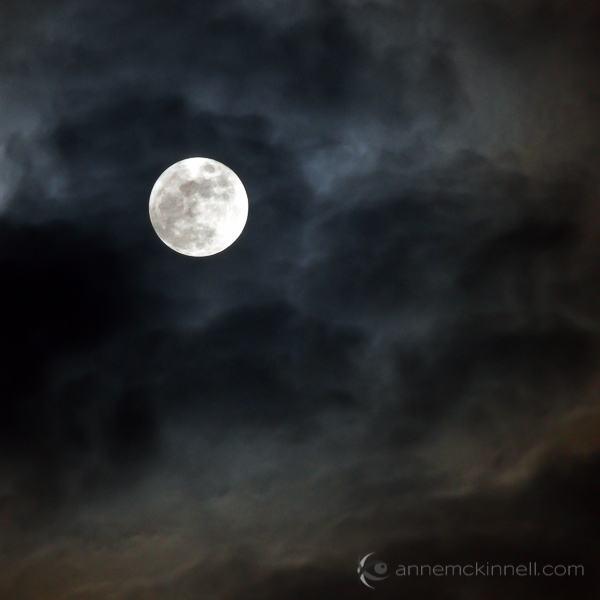
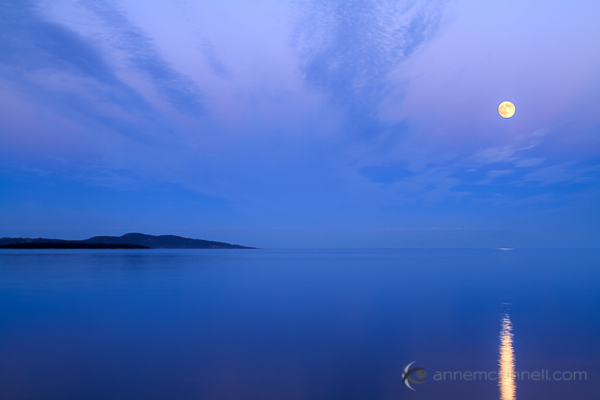
Moon Photography: Just the Moon, by Anne McKinnell

A bright full moon creates one of the most high contrast situations there is, posing a difficult challenge for photographers. Often photos of the moon appear like a spotlight in the sky that looks more like the sun than the moon.

Moon Photography Tips

To get the best possible pictures of our one-and-only moon, it’s important to know a few things about it first.

1. Learn the Phases of the Moon

The moon itself emits no light, it’s simply a huge rock being lit up by the sun. As it orbits the earth, and as the earth orbits the sun, how much we see of that reflection changes from a bright, full moon to no apparent moon at all.

Moon Photography: By Tomruen [Public domain], via Wikimedia Commons

By Tomruen [Public domain], via Wikimedia Commons

Because of our counter-clockwise trajectory around the sun, the shadow it casts on the moon is always moving to the left; after a new moon (no moon), the illuminated side starts to creep in from the right edge, expanding towards the left side each night. As the moon’s apparent size gets bigger, we call it “waxing”.

Once the moon is full, the shadow starts to reappear – again on the right side – and grow leftwards, shrinking the visible moon until it is dark again. This is called “waning”. Therefore, any time you want to know what the moon will look like tomorrow, look at it tonight; if it is lit on its right side, it is waxing towards fullness. But if it’s lit on the left, it is waning, and will soon be gone.

The twilight sky also holds clues to the lunar phases. If the moon is visible before sundown, it is waxing, but if you can see it before sunup, it’s waning. Alternatively, you can always look up a calendar online, or download a moon phase app that will do the calculations for you.

2. Use the Right Equipment

To maximize the success of your moon photography, there are a few bits of a gear that will come in handy.

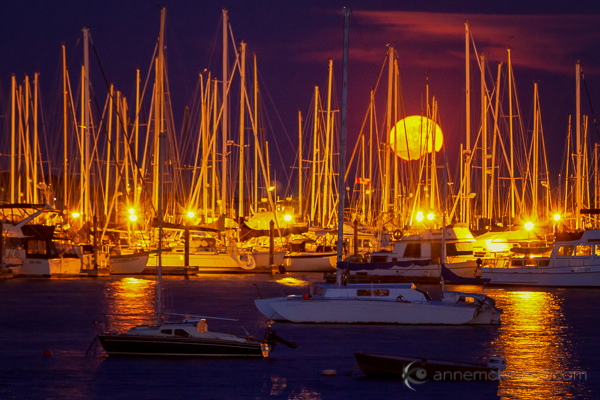
Moon Photography: Moonrise over the Oak Bay Marina, in Victoria, British Columbia, by Anne McKinnell

  • A zoom lens.
    If you’ve ever taken a shot of the moon and been disappointed by the tiny white blob that results, you’re probably using too short of a focal length. A standard wide-angle lens makes everything appear smaller, particularly things that are far in the distance. To get a close-up shot, use a focal length of at least 200mm or more. Longer lenses will result in greater magnification and detail.
  • A tripod.
    To support the weight of this large lens, and to allow the slow shutter speeds that may be necessary to get a good exposure, mount your camera securely on a sturdy tripod.
  • A shutter release.
    These come in both wireless and wired options and will allow you to fire the shutter without having to depress the shutter button and risk camera shake. If you don’t have one, use your camera’s self-timer to achieve the same benefit.

3. Get a Good Exposure

The moon is very intricate and detailed, with craters, channels, and mountains dotting its surface. If the moon in your photo turns out bright white, it is overexposed. This happens frequently because the blackness of the surrounding sky throws the light meter off.

To fix this, turn down your exposure compensation (+/-), or use your camera’s spot metering mode to expose for the moon alone. Check your camera’s manual for information about how to do this on your specific model.

Moon Photography: Long Nights Moon by Anne McKinnell

For best moon photography results, bracket your shots. Some cameras will have an automatic bracketing feature, but if yours doesn’t, you can simply do it manually. First, take one shot at the automatically-determined settings. Then, using exposure compensation, take the same shot at -0.5EV, and one at +0.5EV. Do the same at -1EV and +1EV, and continue to +/-1.5EV and beyond if necessary. Later, you can choose the best exposure when you view them on your computer.

4. Find the Best Times and Places to Shoot

Unless the city is a part of your scene, you probably don’t want a lot of urban light pollution spilling into the sky when you’re trying to photograph a pristine moonlit night. You’ll get the cleanest shots outside of dense civilization. Explore backcountry roads, or take a hike into the nearby mountains to find truly dark night skies.

That said, a common problem photographers run into with moon photography is the harsh difference between a brilliantly lit moon and a pitch-dark sky. To avoid this, consider shooting during the “blue hours”, when the sky glows faintly after the sun goes down, or before it comes up. There is less contrast at this time, though the moon is still bright.

A moon phase app can help you determine when there will be a full moon during twilight.

5. Create an Interesting Composition

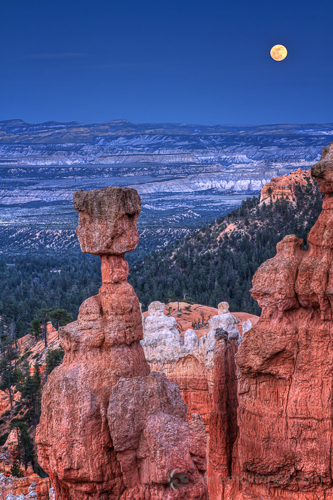
Supermoon at Bryce Canyon National Park, Utah, by Anne McKinnellAs compelling as a beautifully sharp, detailed image of a lonesome moon is, once you’ve seen one, you’ve seen them all. Getting that perfect close-up is excellent practice, but try to get creative by placing the moon within a more complex composition.

For instance, you could try framing it behind trees and buildings, or reflecting it off the surface of a still lake. Placing other objects in the foreground gives the moon context and scale that it lacks on its own. Think of the moon as a single element which should be incorporated along with other compositional elements and techniques to make a great final photograph.

6. Combine Multiple Exposures

Incorporating other objects can complicate things though, and you may find that the perfect exposure for the moon doesn’t match that of the rest of the scene. Sometimes natural light doesn’t cooperate, and the camera doesn’t see things the way our eyes do. This is where digital photography comes in really handy, allowing you to play with your images to create the scene the way you saw it, even if the camera saw it a little differently.

To do this, take several shots at different exposures by bracketing, as mentioned above. When you open the files on your computer, choose two: the one with the best exposure on the moon (‘Image 1′), and the one with the best exposure on the rest of the scene (‘Image 2′). Using an image editing program, select the moon from Image 1 and copy it, then paste it into Image 2, covering the moon in that picture. Use the eraser tool with a heavily feathered edge to remove any imperfections and blend the edges together. This method may take some trial and error to get it just right, so try it several times with several different shots to get the hang of it.

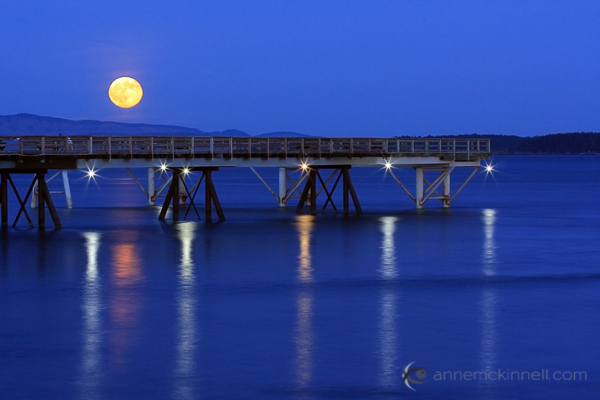
Moonrise over the ocen in Sidney, British Columbia, by Anne McKinnell

When performing this technique, try not to stretch or enlarge the size of the moon. The goal of image editing is to faithfully recreate a scene that the camera simply can’t capture all at once, so beware of any visual exaggerations that make the composition look unnatural or inauthentic.

Share Your Moon Photography Tips and Moon Photos

Got any more moon photography tips to add? We’d love to see them in comments below. Also feel free to share any photos you’ve taken of the moon.

Post originally from: Digital Photography Tips.

Check out our more Photography Tips at Photography Tips for Beginners, Portrait Photography Tips and Wedding Photography Tips.

Moon Photography: 6 Tips for Better Moon Photos

The post Moon Photography: 6 Tips for Better Moon Photos by Anne McKinnell appeared first on Digital Photography School.


Digital Photography School

 
Comments Off on Moon Photography: 6 Tips for Better Moon Photos

Posted in Photography


Hunter’s Moon Rising

20 Oct

Hunter's Moon Rising

Last nights Hunter’s Moon was quite beautiful. I ducked the fog of San Francisco by heading slightly south to watch a big purple and later orange moon rise above the East Bay hills.  Air conditions weren’t as good as I had hoped for clarity, but the particulates in the air sure helped accentuate the color. If you missed the full moon last night look again tonight, you won’t be disappointed.
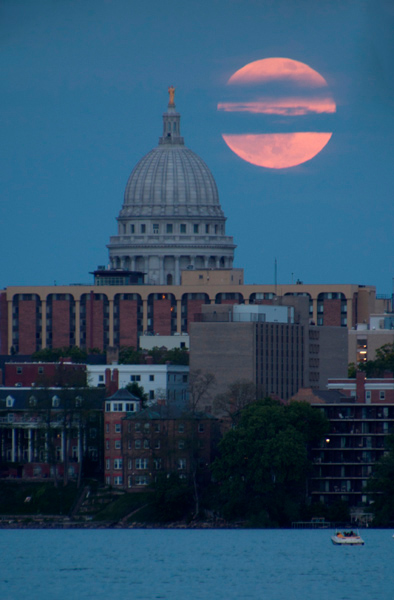
Photo Details

Canon 5D Mark II, Canon 800mm f5.6 IS USM + 2X teleconverter (1600mm), f/18, ISO 1600 at 1/50 sec.

Lens via BorrowLenses.com 

Behind the Scenes

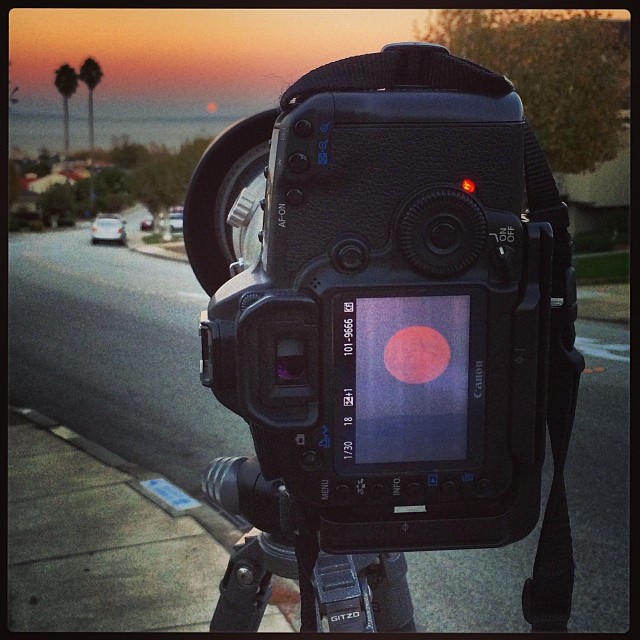
Checking my position with the Moonseeker App

In a mad rush (I’d like to say it was planned and orderly) I found an opening before moonrise and confirmed the moon would rise in that spot.

Hunter’s Moon On Camera

The earth rotates 1 degree every 4 minutes so the moon will move equal its diameter in 2 minutes. That sounds like a good amount of time, but in actuality its incredibly fast. I took numerous pictures and reframed both for photos with the horizon in the frame and for clearer images of the moon higher in the sky.

Recommended Reading

Five Useful Numbers for Sun and Moon Photographers 


Copyright Jim M. Goldstein, All Rights Reserved

Hunter’s Moon Rising

The post Hunter’s Moon Rising appeared first on JMG-Galleries – Landscape, Nature & Travel Photography.


Related Stories

  • Hunter’s Moon Rising – Enclosure
  • Yosemite Falls Moonbow and Star Trails
  • Government Shutdown Effect – Yosemite National Park
Feed Ads by FeedBlitz
powered by ad choices


JMG-Galleries

 
Comments Off on Hunter’s Moon Rising

Posted in Equipment