RSS
 

Posts Tagged ‘Making’

Video Tutorial – Tips for Making Dramatic Black and White Landscape Photos

21 Oct

Shooting for black and white requires you to see a scene and think a little differently. You’re looking for a contrast of tones, not color, and it can be hard to “see” in black and white if you’re new to shooting in monochrome.

Here is a short video with some practical tips you can apply to create more dramatic black and white landscape photos.

If you want more help with your black and white here are a few more dPS articles on the topic:

  • How to Enhance your Black and White images with Infrared Photography
  • 3 Simple Steps to Craft Better Black and White Photos
  • 6 Tips to Help You Make Better Black and White Landscape Photos
  • Avoid These 5 Common Mistakes in Black and White Photography
  • A Guide to Black and White Conversion in Photoshop

The post Video Tutorial – Tips for Making Dramatic Black and White Landscape Photos by Darlene Hildebrandt appeared first on Digital Photography School.


Digital Photography School

 
Comments Off on Video Tutorial – Tips for Making Dramatic Black and White Landscape Photos

Posted in Photography


Lush Life: 12 Verdant Architecture Projects Making Plants a Main Priority

26 Sep

[ By SA Rogers in Architecture & Houses & Residential. ]

Not all architecture incorporating lots of living greenery is doomed to remain an unrealistic rendering, depicting buildings that can’t structurally support the weight of all the soil and water needed to keep full-sized trees alive. Architect Thomas Heatherwick built ultra-strong concrete pillars into his 1000 Trees design, for example. Other buildings take a subtler approach, choosing ivy, potted plants or existing trees rooted in the ground. All of these projects attempt to meld urban architecture with lush gardens in the hopes of cleansing the air, storing CO2 to mitigate climate change and providing enhanced access to green spaces in cities.

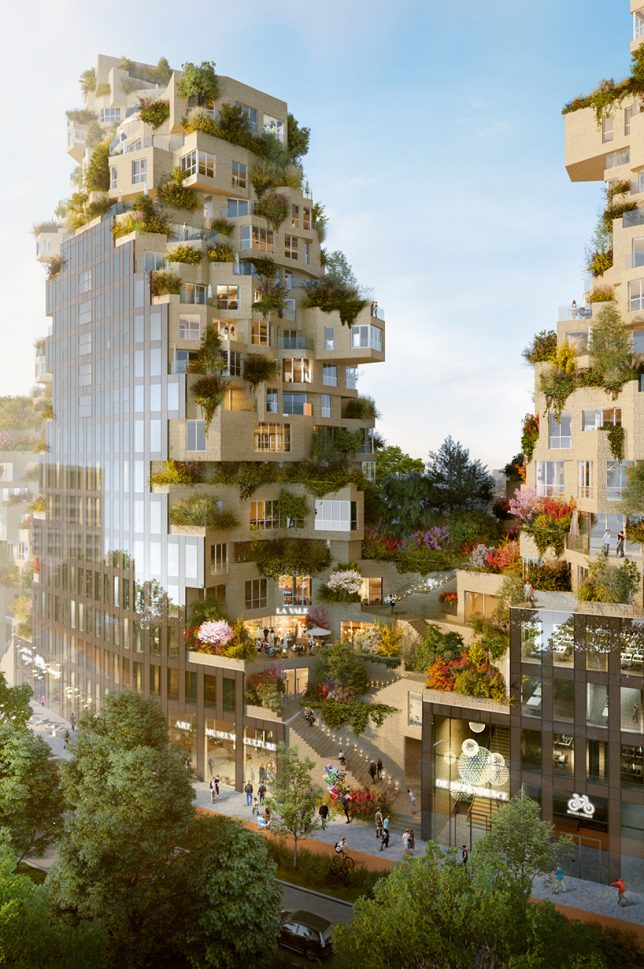
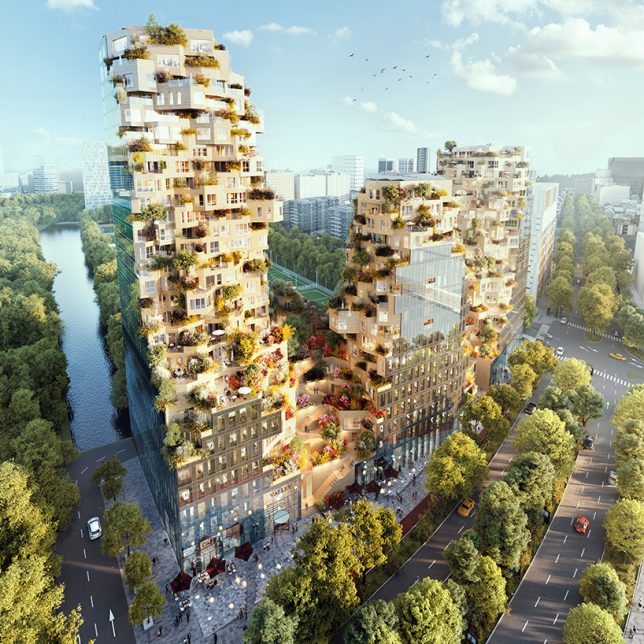
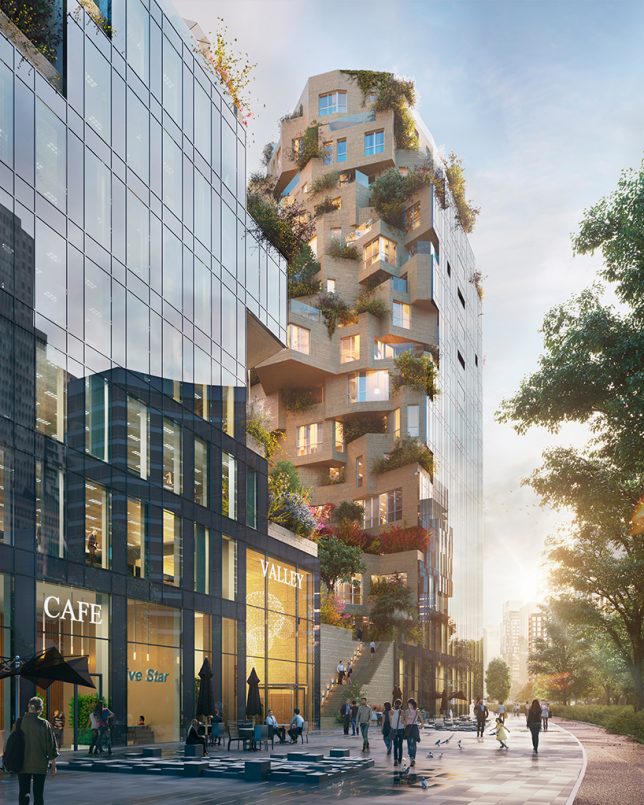
Valley: Green-Terraced Towers by MVRDV in Amsterdam, The Netherlands

Construction began in August 2017 on MVRDV’s ambitious ‘Valley,’ a mixed-use complex of green-terraced towers in Amsterdam’s central business district. ‘Valley’ is notable not only for its unusual offset stacking of volumes , creating an irregular shape, but also for all the greenery it supports. The towers include 196 apartments, 7 stories of offices, shops, restaurants, cultural facilities and a three-story parking lot.

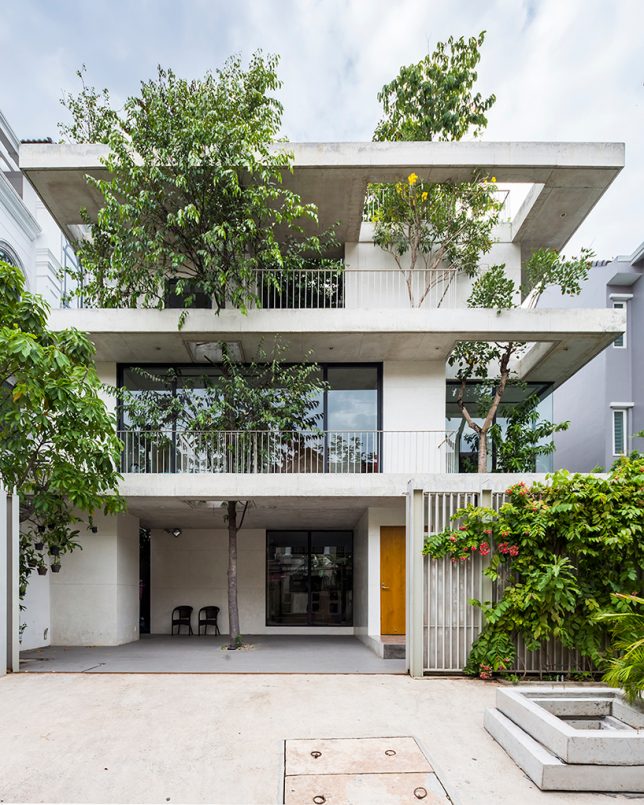
House for Trees by VTN Architects in Ho Chi Minh, Vietnam

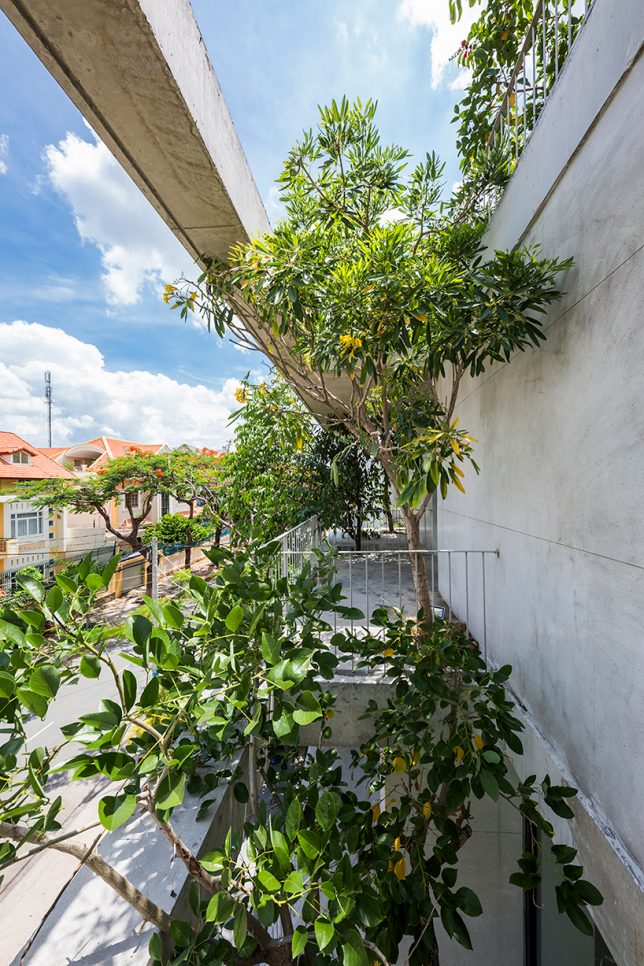
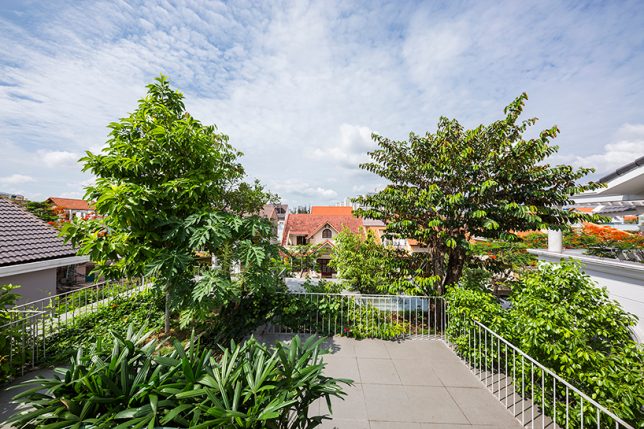
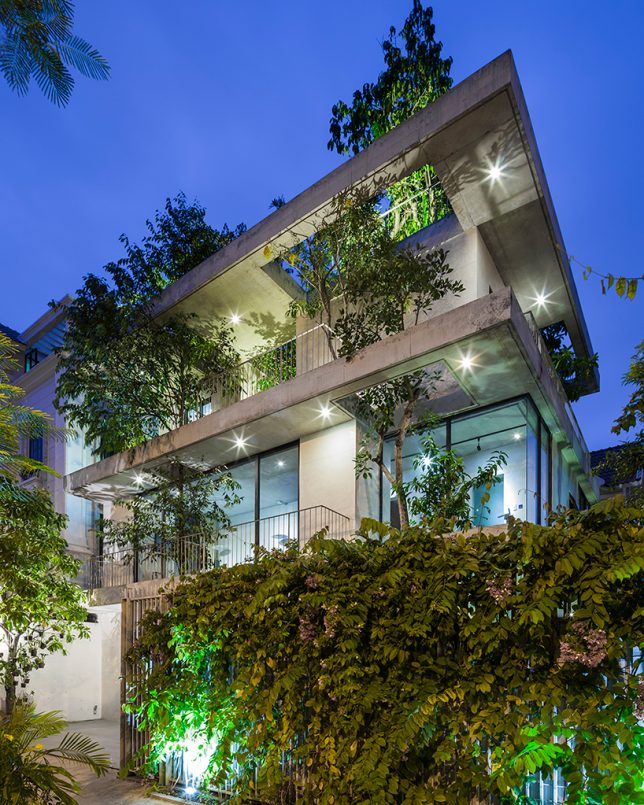
VTN Architects approached ‘House for Trees’ as a way to alleviate the lack of access to green spaces as well as poor air quality found in big cities like Ho Chi Minh. This residential project incorporates trees into its design, envisioned by the firm as a “small park in a dense neighborhood.” The trees are set into deep planter boxes disguised among the concrete volumes of the house, with cut-outs allowing their crowns to rise as high as they like.

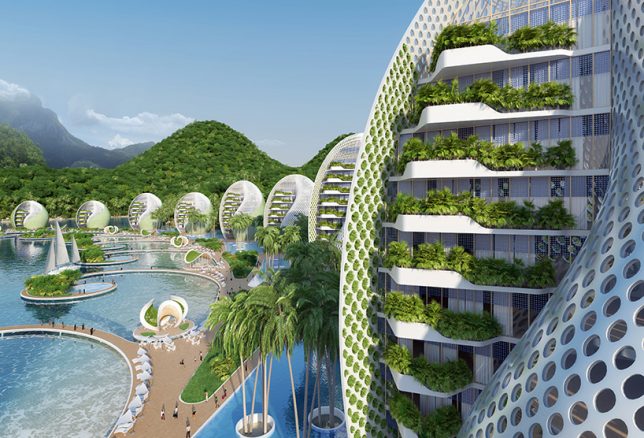
Nautilus Eco Resort by Vincent Callebaut in the Philippines

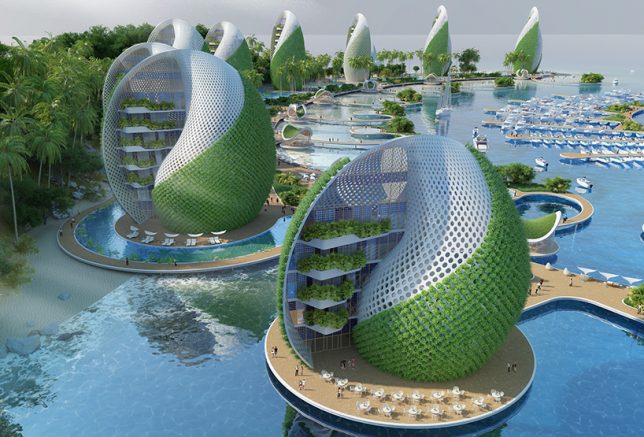
The Nautilus Eco Resort by Vincent Callebaut is designed as a ‘zero emissions, zero waste, zero poverty’ development for the Philippines in response to environmental and social problems in the country, like overfishing, pollution and mass tourism. The project would be built from reused or recycled materials, self-sufficient in producing its own energy and food, and engage volunteer ecotourists in cleaning up plastic waste that washes up onto the area’s beaches. It consists of a series of shell-shaped hotels and apartment towers spiraling around a central island housing a nautical center and scientific research laboratories. The plant walls cool the buildings as they grow food.

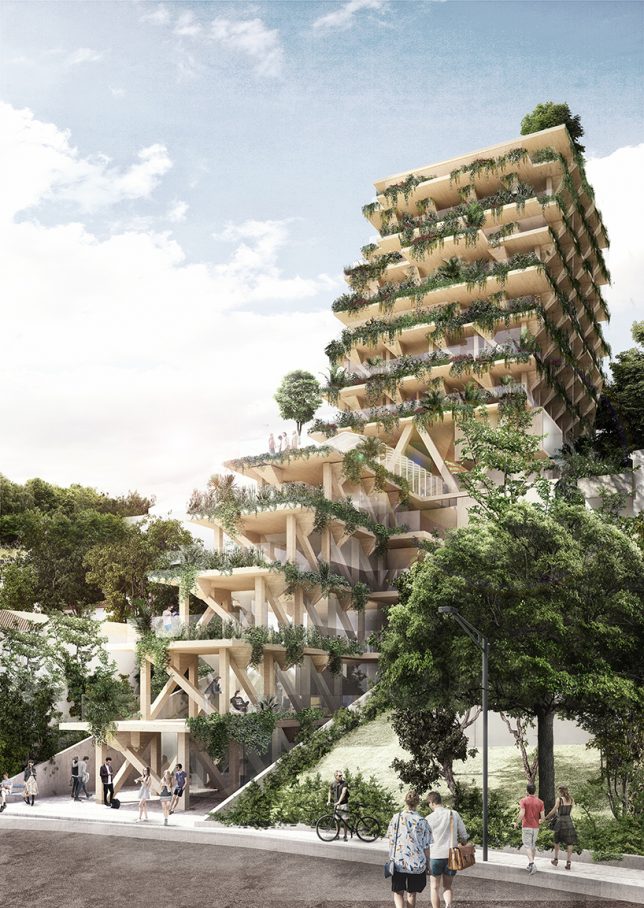
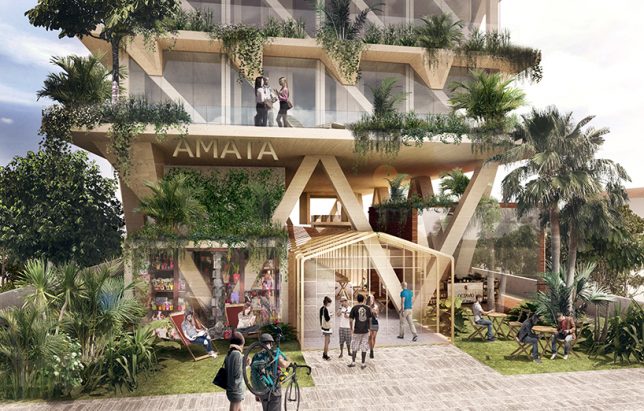
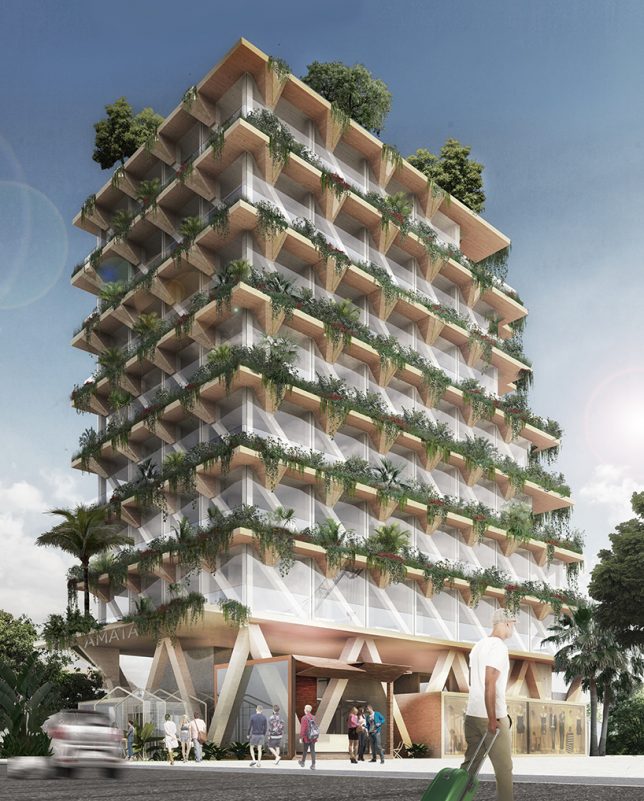
Amata + Triptyque Timber Building in São Paulo, Brazil

Constructed entirely from Brazilian timber, this building is a collaboration between architecture studio Triptyque and forest management company Amata. The building aims to be a giant carbon sink, contributing towards the fight against climate change. Each square meter of wood is capable of absorbing a metric ton of carbon dioxide from the environment. The 13-story building contains co-working, co-living and dining spaces, the edges of its terraces dripping with living plants.

Next Page – Click Below to Read More:
Lush Life 12 Verdant Architecture Projects Making Plants A Main Priority

Share on Facebook


[ By SA Rogers in Architecture & Houses & Residential. ]

[ WebUrbanist | Archives | Galleries | Privacy | TOS ]


WebUrbanist

 
Comments Off on Lush Life: 12 Verdant Architecture Projects Making Plants a Main Priority

Posted in Creativity


Panono buyer saves the brand, will continue making its 360° ball camera

07 Jul
Panono’s high-res 360° camera lives to shoot another day.

That didn’t take long. Just a few days after announcing that the company would be bought, ending an ‘amazing but also exhausting journey,’ the Panono brand has been well and truly saved. In fact, the Swiss private equity investor who bought the company intends to continue ‘all services […] without any disruption.’

All of this happened with the last few days, marking (hopefully) the end of a tumultuous journey that began with a successful Indiegogo crowd-funding campaign and seemingly ended when Panono declared bankruptcy after delivering only about 400 cameras to backers, leaving many supporters angry and out of luck. Until Wednesday of this week, that is.

Enter Swiss-based private equity investor Bryanston Group AG, the new owner of all Panono’s assets, trademarks, patents and employees.

In a press release published Wednesday, July 5th and sent to DPReview yesterday, the investor announced that Panono GmbH will restart its business operations as Professional360 GmbH in Berlin. The company will continue all of Panono’s current services ‘without disruption,’ and is even planning to release new products and software services.

If all goes according to plan, Professional360 will establish itself as, ‘a global leader in the professional 360-degree camera market.’

Which, of course, leaves us with one very pressing question: what about all of those Panono backers left in the lurch by the company’s bankruptcy? According to a company spokesperson, Bryanston Group is actively working on a solution to that pesky problem.

“While all legal liabilities remain with the old Panono GmbH and its management,” reads the statement. “We as Professional360 GmbH feel morally obliged to find a solution that all early supporters of the Panono technology will be able to enjoy the camera as soon as possible after so many years of waiting. We are working on this and will release new information on this topic shortly.”

So it would seem Panono has been saved, and all of the backers who first supported the ‘world’s highest resolution 360° camera’ may still get a chance to vent their frustration by throwing their very own ball camera at a wall.

Press Release

Swiss private equity investor saves Panono brand, platform and product by taking over all assets and employees – all services continue without any disruption

Panono’s high-resolution 360-degree camera and services will be provided by Professional360 GmbH in the future

BERLIN, JULY 05, 2017. The Berlin-based technology company Panono GmbH, the manufacturer of 360-degree cameras and software, is insolvent as of 1 July 2017. All legal and commercial matters, obligation and disputes will be managed by Prof. Dr Torsten Martini of Leonhardt Rattunde who has been appointed as the company’s Insolvency Administrator.

Bryanston Group AG, a Swiss-based private equity investor has acquired the assets, trademarks and patents of Panono GmbH and will restart its business operations under the new holding company Professional360 GmbH in Berlin.

Professional360 GmbH will continue Panono’s technological leadership by offering the world’s highest resolution 360-degree camera under the Panono brand.

A spokesperson for the company said, “As the new management, we place great confidence in Panono’s groundbreaking technology. Our vision is to be a global leader in the professional 360- degree camera market. We will continue creating and innovating the best 360-degree cameras together with a state-of-the-art platform for our users.

In fact, we are planning to release new products and software services within the next months already. The transition from Panono GmbH to Professional360 GmbH will not be affecting the current users, as the brand and the website will not change, and we will continue to operate the existing platform. Finally, while all legal liabilities remain with the old Panono GmbH and its management, we as Professional360 GmbH feel morally obliged to find a solution that all early supporters of the Panono technology will be able to enjoy the camera as soon as possible after so many years of waiting. We are working on this and will release new information on this topic shortly.”

About Professional360 GmbH

Professional360 GmbH was founded in 2017 and is a holding company for the Panono brand, web shop, assets and employees, headquartered in Berlin. For further information please visit https://www.panono.com/en or send an email to info@panono.com.

About Panono GmbH

Panono GmbH was founded in 2012 and gained public attention in its early years, especially through its successful crowdfunding campaigns and the eye-catching spherical design of its cameras. The core business of the company was the development and distribution of high-resolution 360-degree cameras, which produce a high-resolution panorama of their surroundings using their own software solutions.

About Leonhardt Rattunde

Leonhardt Rattunde is one of the leading law firms specialised in Insolvency law in Germany. Besides its services in Insolvency Proceedings, the firm also offers turnaround management, court services, contract law and Notary Public services Berlin, Erfurt, Kiel and Cologne. Leonhardt Rattunde employs around 30 lawyers in Germany, 10 of which are Insolvency Administrators and 5 are Public Notaries.

About Bryanston Group AG

Bryanston Group is a Swiss-based global management consulting, technology and investment company. The firm’s investment angle combines an active approach with specific sector focuses where they are able to add value. Bryanston deploys its capital mainly along three verticals, which are Industrial Technology, Clean-tech and Emerging Markets middle-class. For further information please visit http://www.bryanston.ch

Articles: Digital Photography Review (dpreview.com)

 
Comments Off on Panono buyer saves the brand, will continue making its 360° ball camera

Posted in Uncategorized


Fractal: A supercell thunderstorm time-lapse years in the making

02 Jun

Chad Cowan is passionate about teaching people the ins-and-outs of storms and extreme weather, as well as how to safely document them. And judging by both his impressive body of work as well as his latest release, Fractal, he certainly seems to know what he’s doing.

So crank the volume and enjoy some samplings from the last six years of Cowan’s storm-chasing across America’s Great Plains.

Articles: Digital Photography Review (dpreview.com)

 
Comments Off on Fractal: A supercell thunderstorm time-lapse years in the making

Posted in Uncategorized


Beautiful photos from 1942 show the making of the New York Times

11 May

$ (document).ready(function() { SampleGalleryV2({“containerId”:”embeddedSampleGallery_4390151446″,”galleryId”:”4390151446″,”isEmbeddedWidget”:true,”standalone”:false,”selectedImageIndex”:0,”startInCommentsView”:false,”isMobile”:false}) });

Publishing has come a long way since the mid twentieth century. What was once a herculean task putting together each individual page of a newspaper has largely been replaced by click-and-save web publishing.

So when we came across a curated set of images on Mashable, pulled from the Library of Congress, we were instantly mesmerized by the beauty and complexity of a daily paper’s production. These images were all shot during the course of one night of production in the New York Times’ Manhattan office in the Fall of 1942. The photographer, Marjory Collins, worked for the War Information office.

What’s particularly interesting about these images, aside from the daunting physical labor required to publish, is the stories of the day. September 1942 was smack in the middle of World War II and news in that day’s paper focused on fighting in both Europe and the Pacific.

See all the full gallery of images here.

Articles: Digital Photography Review (dpreview.com)

 
Comments Off on Beautiful photos from 1942 show the making of the New York Times

Posted in Uncategorized


Nikon D5600 review: making connectivity a snap?

01 Mar

The D5600 is the company’s mid-range DSLR and it’s the smallest and best-connected, yet.

Nikon has been on something of a roll, making solid DSLRs with good ergonomics, dependable metering, some of the best image sensors, often very good (often industry-leading) autofocus and a JPEG engine that gives results that lots of people like.

However, falling camera sales and rivalry both from smaller mirrorless models and the convenient, perpetually available smartphone means that producing a really good little DSLR isn’t quite enough. The D5600 aims to address this by making it as painless as possible to get the images from the camera to your phone, meaning that you get the huge benefit of a large sensor camera but with as small an energy barrier as possible.

As such, the addition of SnapBridge is virtually the only change between this and the older D5500. It may sound like a minor change but, to us, we feel it’s likely to be the making or the downfall of this model and perhaps it makes more sense than adding an array of clever but bewildering additional features and modes, as many rival makers seem to do.

Key Features:

  • 24MP APC-S CMOS sensor
  • 39 point AF sensor with 9 central cross-type points
  • 2,016-pixel RGB sensor assists AF tracking and metering
  • Up to 5 fps continuous shooting
  • ‘SnapBridge’ Bluetooth/Wi-Fi communication
  • 1080/60p video capability
  • Time-lapse movie feature

SnapBridge

At its heart, SnapBridge is primarily a Bluetooth-based system which uses a low-energy connection to stay connected to your smart device (and sidestep the hurdles that mobile OSs might otherwise place in your way) and to transfer images. Although the camera is Wi-Fi capable, that capability is used solely for remote live view operation and video transfer.

We weren’t very impressed the first time we encountered SnapBridge: it seemed unfinished and not very well suited to the D500 where it first appeared. The high likelihood of the photographer wanting full resolution files and the camera’s propensity for generating lots of images made it a poor fit for that camera. However, on the mass-market D3400 it seemed much more likeable: you take the photos and 2MP versions appear on your phone shortly afterwards.

The needs of the D5600’s users are likely to lie somewhere between these two extremes, so we’ll see how well it does.

Review based on a camera running firmware v1.0. All SnapBridge commentary amended to reflect the behavior of firmware v1.1 and both iOS and Android app version V1.20

Articles: Digital Photography Review (dpreview.com)

 
Comments Off on Nikon D5600 review: making connectivity a snap?

Posted in Uncategorized


Tips for Making Your Own Oscar-Worthy Film

23 Feb

It’s that time of year – the stars will soon be on the red carpet, and the golden statues given once again. It’s Oscar Season!

The 2017 Academy Award nominations run the gamut of filmmaking, but they all have one thing in common – they are filmed beautifully, feature perfect lighting, and capture breathtaking audio.

We’ve compiled a list of some of our favorite Oscar nominations and winners, of this year and years past, along with some tips for using Photojojo gadgets when creating your own Oscar-worthy piece of cinema.

(…)
Read the rest of Tips for Making Your Own Oscar-Worthy Film (906 words)


© Meg for Photojojo, 2017. |
Permalink |
No comment |
Add to
del.icio.us

Post tags:


Photojojo

 
Comments Off on Tips for Making Your Own Oscar-Worthy Film

Posted in Equipment


Making the Switch from Phoneographer to PRO-tographer

16 Feb

Your Instagram feed is looking incredible these days. You’ve mastered VSCO and your point of view is strong.

But now what? Ready to go from Insta to pro? We’ve got a few pointers to help you make the change.

We chatted with Jackie Barr, a New York based photographer who has gradually made the switch from Instagram-only to full-time professional.

She shared a few tips with us for getting feedback, finding a starter camera and more.

(…)
Read the rest of Making the Switch from Phoneographer to PRO-tographer (856 words)


© Meg for Photojojo, 2017. |
Permalink |
No comment |
Add to
del.icio.us

Post tags:


Photojojo

 
Comments Off on Making the Switch from Phoneographer to PRO-tographer

Posted in Equipment


Robot Home Companion: 12 High-Tech Assistants Making Life Easier

02 Feb

[ By SA Rogers in Gadgets & Geekery & Technology. ]

robot-barista

They can’t quite measure up to R2D2, but a new array of consumer robots offer all sorts of practical advantages, including companionship, soothing babies back to sleep, playing with pets, folding laundry and making the perfect latte. All 12 of these robot home companions have passed the concept stage into fully-operational products, and many of them are already up for sale.

Cargo Carrier: Gita Bot

gita-cargo-robot

gita-cargo-robot-2

gita-3

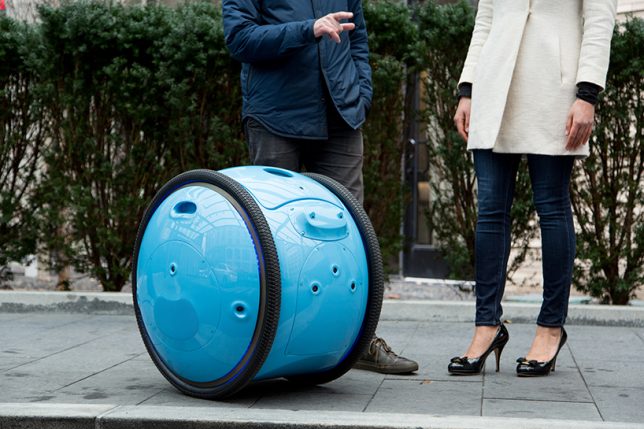
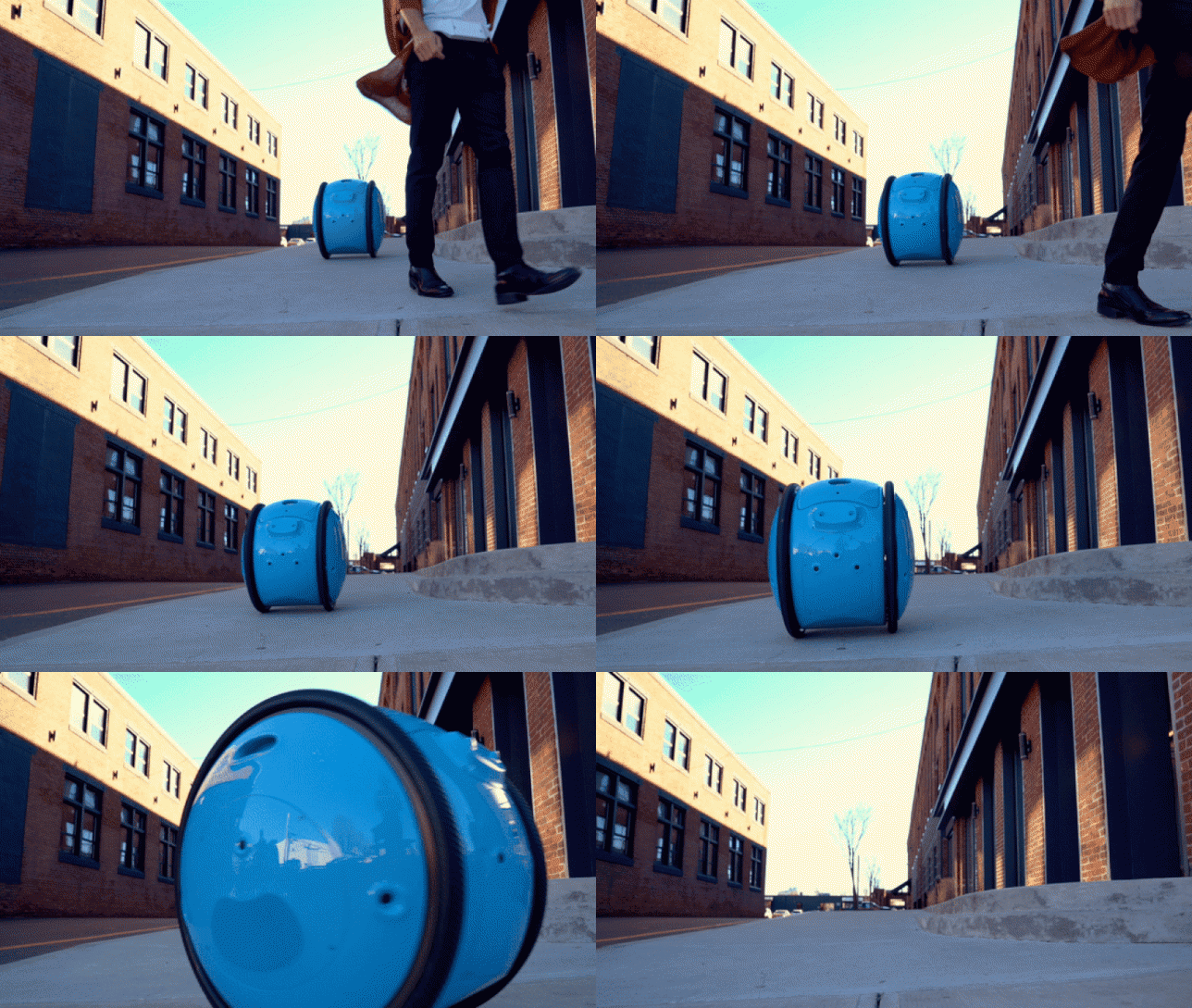
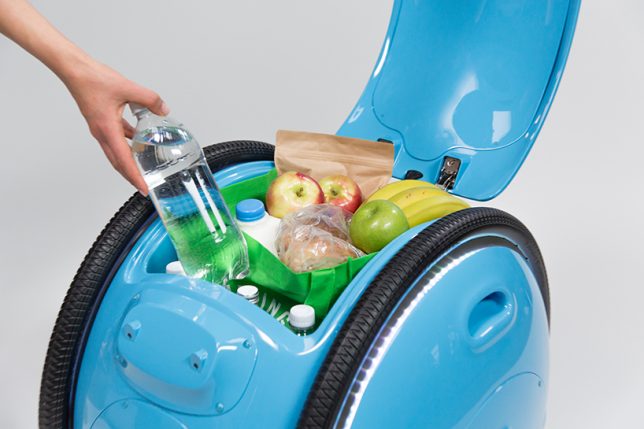
From the same company who gave us the Vespa scooter comes Gita, a cargo bot that’ll carry your stuff for you, follow you ask you walk, stop when you do, slow down when necessary and even keep up if you start running. You could use it to haul groceries home from the neighborhood market, deliver packages or as a travel aide; a display screen lets you know when the battery is getting low. One thing that’s not clear is how it manages stairs.

Scooter Bot: Segway Advanced Personal Robot

segway-robot

segway-robot-2

segway-robot-3

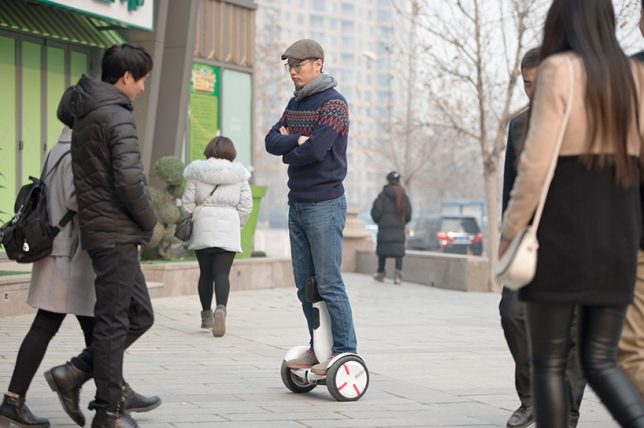
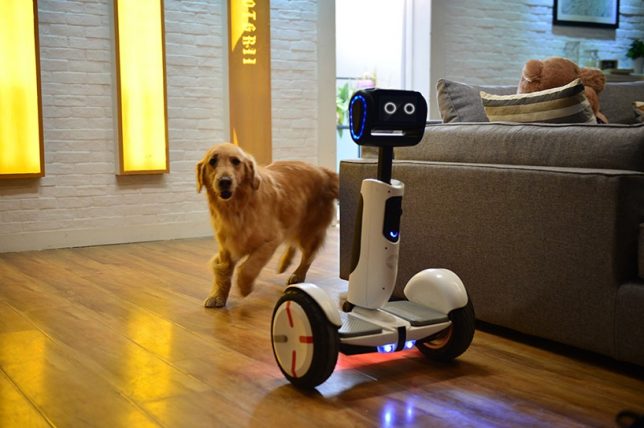
Recently renamed ‘Loomo,’ the Segway ‘Advanced Personal Robot’ is a cross between a robot companion and a functional scooter, capable of recognizing individuals and following them until it’s needed. It’s able to stay in balance while carrying loads, and its microphones listen for voice commands. Sensors keep it from bumping into objects and help it map your home and other surroundings so it can navigate itself. It’s currently still in development.

Cute Companion: Kuri Home Robot

kuri-home-robot-1

kuri-home-robot-2

kuri-home-robot-3

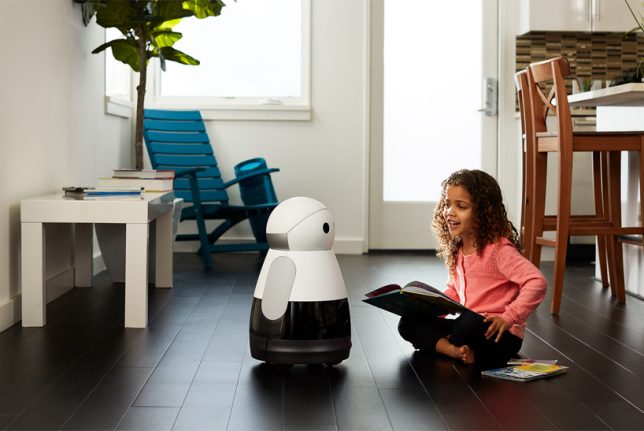
This 20-inch-tall, 14-pound personal companion robot chirps, blinks and ‘smiles’ in response to your attention, and it’s able to recognize specific people, understand context and surroundings, play music, read books, project video, tell you the weather and perform other useful everyday tasks. The Kuri bot responds to verbal commands and can also be controlled and maintained through a smartphone app.

Pet Entertainer: Rolling Bot by LG

lg-rolling-bot

rolling-bot-lg-2

This little bot may not have as much personality as the Kuri, but it’s got some seriously useful functions if you’re the kind of homeowner and/or pet owner who wants to keep a close eye on things while you’re gone. The Rolling Bot by LG is part security system, part pet toy, part smart home gadget with a built-in camera and the capability to roll itself through your home, turning lights on and off, sending you video footage, or entertaining your dogs and cats with dancing and lasers. You can control it through your phone to talk to your pets through it, too.

Next Page – Click Below to Read More:
Robot Home Companion 12 High Tech Assistants Making Life Easier

Share on Facebook


[ By SA Rogers in Gadgets & Geekery & Technology. ]

[ WebUrbanist | Archives | Galleries | Privacy | TOS ]


WebUrbanist

 
Comments Off on Robot Home Companion: 12 High-Tech Assistants Making Life Easier

Posted in Creativity


Tips for Making Natural Light Portraits

26 Jan

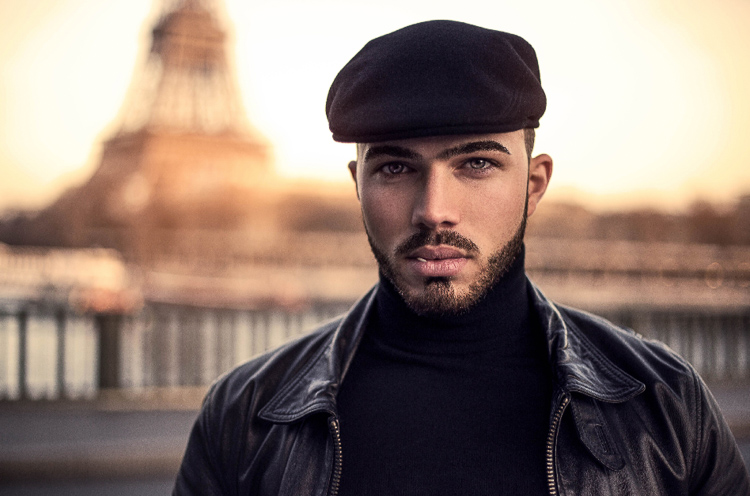
Natural light portraits are honestly one of my favourites, they have this extra feel that studio portraits don’t. Compared to studio portraits, they are much easier – you don’t need to learn all the lighting techniques. They are also much cheaper, you don’t need to buy any strobes, flashes, or light modifiers such as soft boxes beauty dishes. Studio portraits are really fun but they are much more difficult than doing natural light portraits.

Starting off, making portraits with natural light is a first great step. It will enable you to work on your composition, your communication with your model, and help you build your confidence. Then you can decide whether or not you want to invest in studio equipment.
Article natural light image1

Camera gear and settings

There are some simple tips and tricks to get the most out of your portraits with natural light. But let’s start with camera settings and camera gear first.

Shoot in manual mode

The ideal situation is to have total control over your settings, so I would highly recommend using manual mode. I recently wrote an article about using manual mode, so you can go check it out here; How to Use Manual Mode to Make Artistic Choices for Your Photography.

Shutter speed

You need a minimum shutter speed of around 1/100th of a second (or faster). This is very important as it helps you avoid blurry images as your model will be in constant movement most of the time.

Aperture and blurring the background

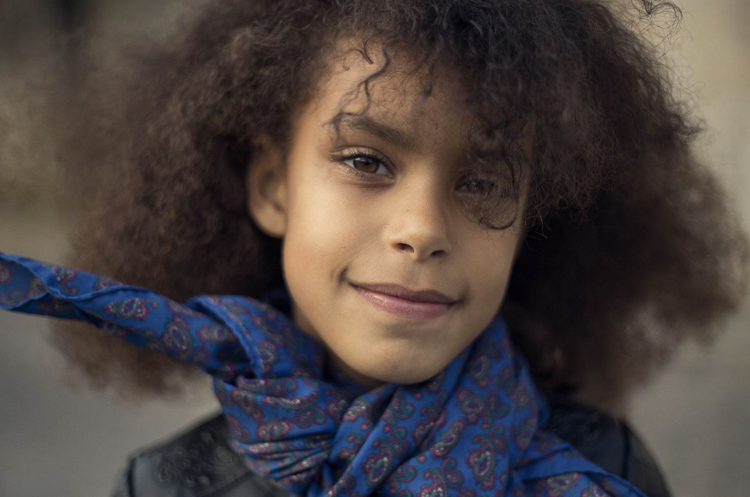
To get a soft background blur, you want to use the largest aperture possible – around f/4 works but the ideal would be f/1.8. If you want a larger aperture than f/1.8 the lenses can become quite pricey.

If you don’t have that kind of lens, you can still get nice results but separation (space) between the model and the background is needed. This really helps to drag the viewer’s attention to the model and avoid any unnecessary distractions. If you want to show the background behind your model then use a smaller aperture. I have an article on how to achieve background blur, I speak about bokeh in more detail there.
Article natural light bokeh

What lens to use?

If you are using a long (telephoto) lens then a large aperture isn’t as critical because you will automatically have some background blur separation. Long lenses are the best for portraits because they compress the subject to background very nicely. Avoid wide angles lenses because they distort the subject’s face and amplify features like the nose or the forehead. Try to use lenses with a minimum focal length of 50mm with a full frame sensor and 35 mm with an APS cropped sensor.
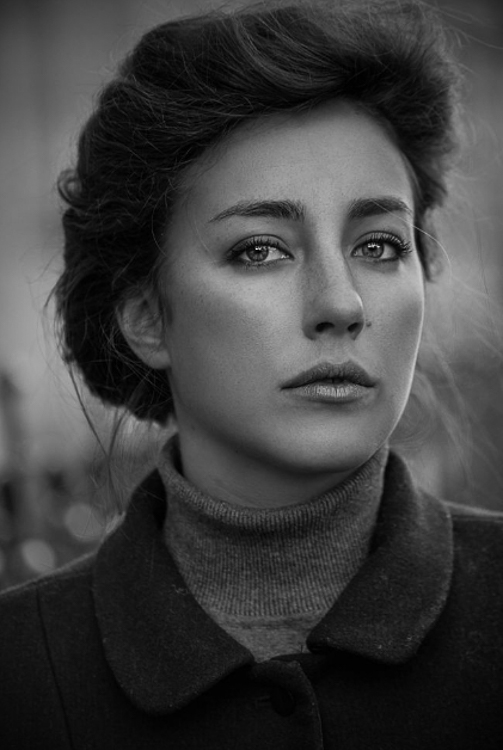
Article natural light long telephoto lens

ISO

For the ISO, choose the lowest possible option taking in consideration that your shutter speed must be 1/100th of a second or higher. Using the light meter in your camera, you can get a fast shutter speed by adjusting your ISO if the lighting conditions are low. But, knowing that you will be using a larger aperture as well, that shouldn’t be a big problem.

Shortcut – Aperture Priority Mode

One tip I can give is to use Aperture Priority mode if you are a lazy photographer (or smart?) like me. During an outdoor shoot, the light will change frequently and you will need to adjust your settings whether it’s the shutter speed or the ISO (I usually never adjust my aperture).

When you are making portraits, you will get into the shoot very quickly and with manual mode you need to constantly change your settings. The probability of missing a lot of good photos because you forgot to adjust your settings is very high. It’s very frustrating when you get the perfect pose only to realize the image is way too dark or way too bright because your settings were wrong.

I gave up on manual mode because I always forgot, so I now only use Aperture Priority and raise my ISO to 400 to force my camera to use a fast shutter speed. Don’t make the mistake of using ISO 100 in Aperture Priority with low light and ending up getting blurry images.
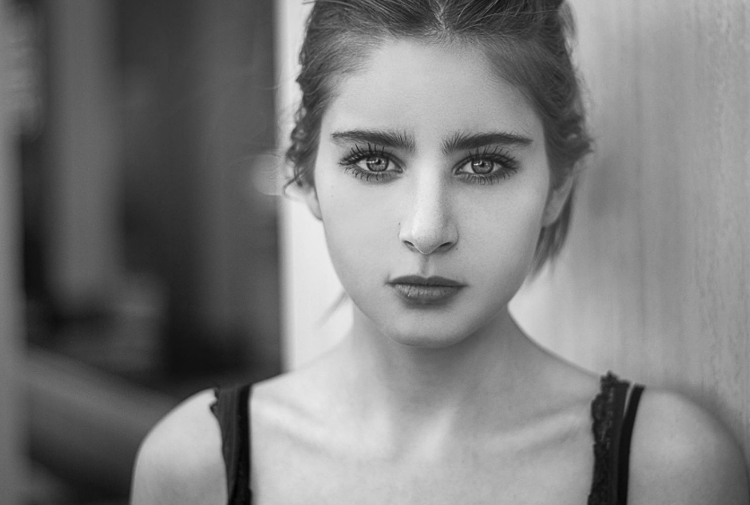
Article natural light aperture priority

Use RAW files and underexpose

I recommend shooting RAW and underexpose your images slighting using exposure compensation.

This is very important because sometimes you will accidentally expose for the shadows and that will automatically overexpose your images. The problem with that is that you will lose all the information in the model’s skin tone and if those areas area burned you may not be able to recover detail there.

A RAW file also lowers the probability of losing any information in your image because you have a bigger margin of recovery. Since you are underexposing your images slightly, you will be able to correct the exposure later in post-production. It’s a bit technical but this is the best way to have all the necessary information in your image, burned-out pixels are the worst enemy a portrait portrait photographer can have.

Another solution is to turn on the highlight alert for your camera (most entry level cameras have this setting) and every time you take an image, the burned-out pixels (clipped highlight areas) will show up in red (or blink). This is very useful because every time you see this it means that there is no information in that area, it’s just a pure white point which is not recoverable.

Article natural light shoot raw underexposue

I underexposed this image to have all the detail in the skin.

Location and lighting conditions

One thing you must avoid is taking portraits with harsh light (during the day and facing the sun). This increases the features of the face (emphasizing any blemishes and flaws) with harsh shadows and the result is not flattering. One tip I can give you to help you determine if you will have good light for a portrait is to look at the shadows (on the ground) of people passing by in the streets. If the shadow is very harsh (strong outline), you will probably not get good light but if the shadow is very soft (fuzzy or undefined) then the light is perfect for making portraits.

One main aspect of natural light portraits is soft light. There are five different possibilities to get beautiful soft light on your model’s face.

Five lighting options

#1 – Use window light, it will give you a very nice soft light on your model’s face.
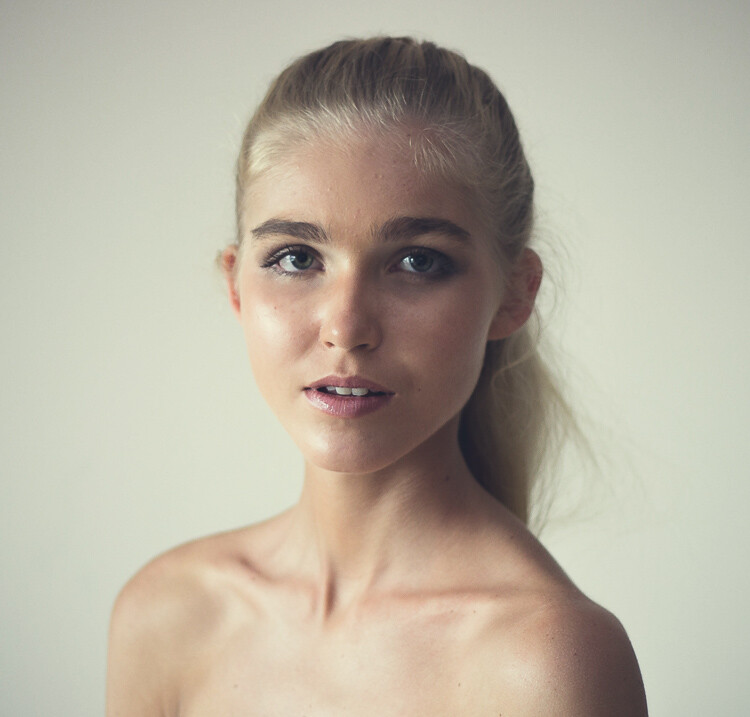
Article natural light window light

Portrait taking using natural window light.

#2 – Take portraits during sunset, you will have the softest light possible.

Article natural light image7

Portrait taken at sunset.

#3 – Take portraits on an overcast day, the sky will become a huge softbox with very soft light.

Article natural light overcast

Portrait taken during an overcast day.

#4 – Take portraits on a street where buildings or apartments are blocking the sun (like an alleyway).
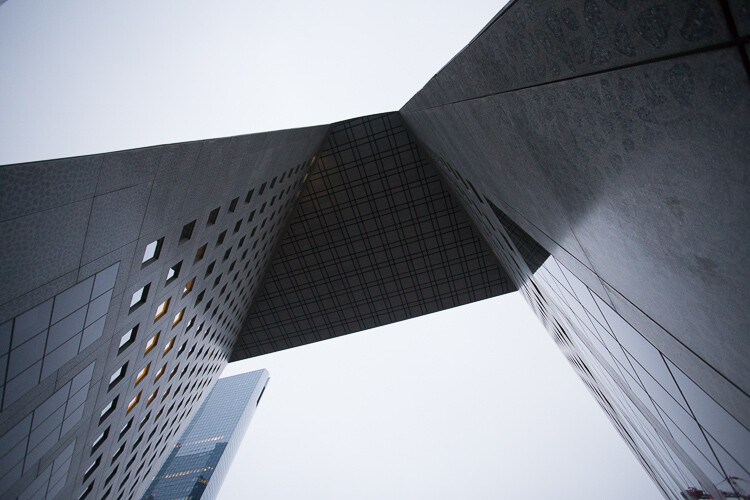
Article natural light image9

When it’s bright outside, try to look for buildings that block direct sunlight.

#5 – Use a light diffuser in the middle of the day, this will turn harsh light into soft light.
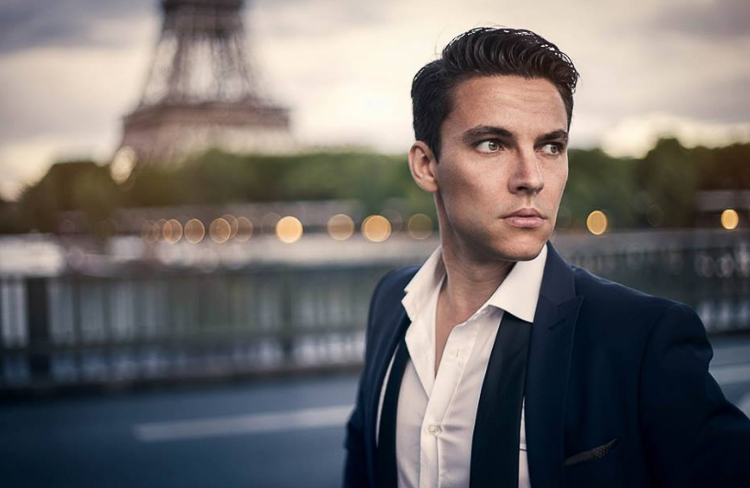
Article natural light image10

The location doesn’t really matter because most of the time the background will be blurred, but the light is crucial so overtime you want to take a portrait make sure to have one of these different possibilities.

Conclusion

I hope that gives you some tips for making natural light portraits. Find a friend to pose for you and try it out. Please share your photos and questions in the comments section below.

googletag.cmd.push(function() {
tablet_slots.push( googletag.defineSlot( “/1005424/_dPSv4_tab-all-article-bottom_(300×250)”, [300, 250], “pb-ad-78623” ).addService( googletag.pubads() ) ); } );

googletag.cmd.push(function() {
mobile_slots.push( googletag.defineSlot( “/1005424/_dPSv4_mob-all-article-bottom_(300×250)”, [300, 250], “pb-ad-78158” ).addService( googletag.pubads() ) ); } );

The post Tips for Making Natural Light Portraits by Yacine Bessekhouad appeared first on Digital Photography School.


Digital Photography School
 
Comments Off on Tips for Making Natural Light Portraits

Posted in Photography