RSS
 

Posts Tagged ‘Long’

Weekly Photography Challenge – Long Exposures

30 Jan

In this collection of long exposure photographs you can see some great examples of how you can use this technique to produce stunning images.

Stewart Ayrey

By Stewart Ayrey

I teach a night photography class and many times I’ve seen a whole new world of exciting things open up for my students when they learn about long exposures. Of course you can use this technique in the daytime as well, but it is often associated with night photography. On a weekend workshop I lead we go out and photograph the sunset and I MAKE them use tripods, amid much grumbling. Then after the sun goes down they start to pack up and head back to our hotel. I tell them to keep shooting. Many times I’ve been told “I didn’t know you could take photos in such dim light”. Then we get out the flashlights and do some light painting and the magic begins.

To see some of the top articles on night photography on dPS in 2014, head over here.

Weekly photography challenge – long exposures

Have you tried any long exposure photography before? If not, now is the time. You will need a good, sturdy tripod and ideally a remote trigger to fire the camera (reducing camera shake). Here are a few long exposure images to give you some ideas on what you can do:

Mike

By Mike

Kostas Kokkinos

By Kostas Kokkinos

José Miguel

By José Miguel

Duane Schoon

By Duane Schoon

Howard Ignatius

By Howard Ignatius

Bill Devlin

By Bill Devlin

Abi Booth

By Abi Booth

Trey Ratcliff

By Trey Ratcliff

William Cho

By William Cho

José Miguel

By José Miguel

Jason

By jason

Dave Wilson

By Dave Wilson

Nicholas Chai

By Nicholas Chai

Note: please take note if you are going to attempt doing fire spinning with steel wool, please make sure you read about safety and do so at your own risk. IT IS dangerous and can result in fire or injury if precautions are not taken.

Okay it’s your turn – go! Show us what you can come up with. Get creative.

Share your long exposure images here:

Simply upload your shot into the comment field (look for the little camera icon in the Disqus comments section) and they’ll get embedded for us all to see or if you’d prefer upload them to your favourite photo sharing site and leave the link to them. Show me your best images in this week’s challenge. Sometimes it takes a while for an image to appear so be patient and try not to post the same image twice.

googletag.cmd.push(function() {
tablet_slots.push( googletag.defineSlot( “/1005424/_dPSv4_tab-all-article-bottom_(300×250)”, [300, 250], “pb-ad-78623” ).addService( googletag.pubads() ) ); } );

googletag.cmd.push(function() {
mobile_slots.push( googletag.defineSlot( “/1005424/_dPSv4_mob-all-article-bottom_(300×250)”, [300, 250], “pb-ad-78158” ).addService( googletag.pubads() ) ); } );

The post Weekly Photography Challenge – Long Exposures by Darlene Hildebrandt appeared first on Digital Photography School.


Digital Photography School

 
Comments Off on Weekly Photography Challenge – Long Exposures

Posted in Photography


37 Ethereal Almost Supernatural Long Exposure Photographs

30 Jan

Landscape photographers use a technique involving long exposures to create those milky smooth waterfalls, and misty images of coastlines. But what other ways are long exposures used?

Here are a few long exposure photographs that seem almost otherworldly or supernatural in their appearance for you to ponder and enjoy:

Photograph Smoking Jungle by Karim Nafatni on 500px

Smoking Jungle by Karim Nafatni on 500px

Photograph Snake on a Train by Brian Donovan on 500px

Snake on a Train by Brian Donovan on 500px

Photograph Skipping Rocks by Michael Shainblum on 500px

Skipping Rocks by Michael Shainblum on 500px

Photograph Autumn Swirl by Andrew Kumler on 500px

Autumn Swirl by Andrew Kumler on 500px

Photograph 49 Shades of Grey by Dylan Toh  & Marianne Lim on 500px

49 Shades of Grey by Dylan Toh & Marianne Lim on 500px

Photograph The Proposal by Ryan Buchanan on 500px

The Proposal by Ryan Buchanan on 500px

Photograph Children of the Atom by WK Cheoh on 500px

Children of the Atom by WK Cheoh on 500px

Photograph Stars over Teton homestead by Royce's NightScapes on 500px

Stars over Teton homestead by Royce’s NightScapes on 500px

Photograph Cascading Levels by Jason Hatfield on 500px

Cascading Levels by Jason Hatfield on 500px

Photograph Beach Morning by Mobeen Mazhar on 500px

Beach Morning by Mobeen Mazhar on 500px

Photograph Timeless by Stefan Mitterwallner on 500px

Timeless by Stefan Mitterwallner on 500px

Photograph Erosion of an Iceberg by André Alessio on 500px

Erosion of an Iceberg by André Alessio on 500px

Photograph Trollstigen light trail by Attila Roszjár on 500px

Trollstigen light trail by Attila Roszjár on 500px

Photograph Forever Strong by Max Rive on 500px

Forever Strong by Max Rive on 500px

Photograph Machu Picchu by Jacky CW on 500px

Machu Picchu by Jacky CW on 500px

Photograph Onshore by Dave Cox on 500px

Onshore by Dave Cox on 500px

Photograph Long WayTo Sun by Mostafa Ammar on 500px

Long WayTo Sun by Mostafa Ammar on 500px

Photograph Persistence - Blue Boat Shed, Perth. Western Australia by Luke Austin on 500px

Persistence – Blue Boat Shed, Perth. Western Australia by Luke Austin on 500px

Photograph Colosseum Lite Trails by Yhun Suarez on 500px

Colosseum Lite Trails by Yhun Suarez on 500px

Photograph Startrails by Kittikorn Nimitpara on 500px

Startrails by Kittikorn Nimitpara on 500px

Photograph Time by David Watson on 500px

Time by David Watson on 500px

Photograph Grand Central by Conor MacNeill on 500px

Grand Central by Conor MacNeill on 500px

Note: long exposures of busy places full of people can help make all the people disappear magically!

Photograph Dubai 2014 Happy New year by Dalia Al Ameen on 500px

Dubai 2014 Happy New year by Dalia Al Ameen on 500px

Photograph Viva sant'Agata! by Giuseppe Torre on 500px

Viva sant’Agata! by Giuseppe Torre on 500px

Photograph SkyWheel in Niagara Falls, Canada by Roberto Machado Noa on 500px

SkyWheel in Niagara Falls, Canada by Roberto Machado Noa on 500px

Photograph Carnival by Photo Bones on 500px

Carnival by Photo Bones on 500px

Photograph C A R N I E by Matthew James on 500px

C A R N I E by Matthew James on 500px

Photograph L I G H T | S P I N by Matthew James on 500px

L I G H T | S P I N by Matthew James on 500px

Photograph Spinning by Benjamin King on 500px

Spinning by Benjamin King on 500px

Photograph fountain of fire by Zachary Voo on 500px

fountain of fire by Zachary Voo on 500px

Photograph The Spin by Bipphy Kath on 500px

The Spin by Bipphy Kath on 500px

Photograph Fire show amazing at night by Sasin Tipchai on 500px

Fire show amazing at night by Sasin Tipchai on 500px

Photograph Insane Crazy by Ben Hirst on 500px

Insane Crazy by Ben Hirst on 500px

Photograph Flurry II. by Christopher Chung on 500px

Flurry II. by Christopher Chung on 500px

Photograph THE WINDMILLS OF YOUR MIND, LES MOULINS DE MON COEUR... by Magda Indigo on 500px

THE WINDMILLS OF YOUR MIND, LES MOULINS DE MON COEUR… by Magda Indigo on 500px

Photograph Tunnel of Fire by Luc De La Mare on 500px

Tunnel of Fire by Luc De La Mare on 500px

Photograph The Tunnel by Dave Brightwell on 500px

The Tunnel by Dave Brightwell on 500px

googletag.cmd.push(function() {
tablet_slots.push( googletag.defineSlot( “/1005424/_dPSv4_tab-all-article-bottom_(300×250)”, [300, 250], “pb-ad-78623” ).addService( googletag.pubads() ) ); } );

googletag.cmd.push(function() {
mobile_slots.push( googletag.defineSlot( “/1005424/_dPSv4_mob-all-article-bottom_(300×250)”, [300, 250], “pb-ad-78158” ).addService( googletag.pubads() ) ); } );

The post 37 Ethereal Almost Supernatural Long Exposure Photographs by Darlene Hildebrandt appeared first on Digital Photography School.


Digital Photography School

 
Comments Off on 37 Ethereal Almost Supernatural Long Exposure Photographs

Posted in Photography


17 January, 2015 – Gimbal / Monopod Use With Long Lenses

17 Jan


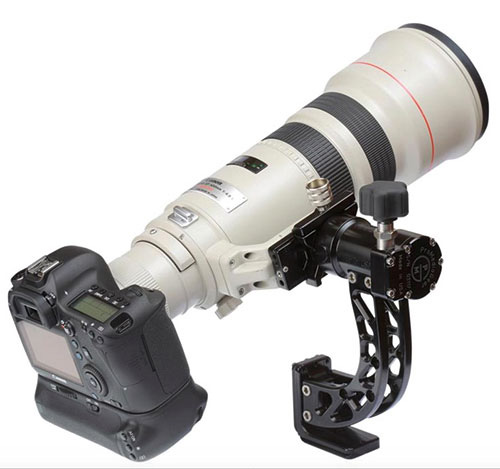
The Luminous-Landscape team is about to embark on two back to back Antarctica Photo Adventures.  Micahel and Kevin are working out the logistics for getting their gear to Antarctica as well as what gear to bring.  Today Michael shares with us his new set up for handling his NEW 150-600mmm Tamron lens while on the trip.  Gimbal / Monopod Use With Long Lenses is Michael’s answer.  His article also has a video showing how this set up is used.


The Luminous Landscape – What’s New

 
Comments Off on 17 January, 2015 – Gimbal / Monopod Use With Long Lenses

Posted in News


Fujifilm announces new rugged and long zoom compacts

17 Jan

Fujifilm has announced several new fixed lens compacts including the FinePix S9900W, S9800 and the rugged XP80. The S9900W and S9800 both offer 24-1200mm equivalent zoom lenses and 5-axis image stabilization (for video only), though only the S9900W offers built-in Wi-Fi. The XP80 dives deeper than its XP70 predecessor, improving on its 10m/33ft maximum depth up to 15m/50ft. Read more.

Articles: Digital Photography Review (dpreview.com)

 
Comments Off on Fujifilm announces new rugged and long zoom compacts

Posted in Uncategorized


Long Now: Future-Proof 10,000 Year Clock Built into Mountain

26 Dec

[ By WebUrbanist in Gadgets & Geekery & Technology. ]

longnow clock face

Founded by futurists to engage in truly long-term thinking, the Long Now Foundation is best known to many for Long Bets or its recent placement of a Rosetta Disk on a comet, but the organization has an array of amazing projects designed to last hundreds of generations, including a 10,000 Year Clock. Something to consider before we go any further: civilization as we know it is arguably only around 5,000 years old – we are talking here about an technologically sophisticated endeavor aiming to span (and keep track of) twice that period of time.

longnow clock top

longnow clock tunnel

Designers and builders are used to thinking in terms of decades, perhaps even centuries, but are rarely called upon to consider millennia in their plans and calculations. In the case of the 10,000 Year Clock, environment is critical – in addition to robust materials and geological stability, predictable temperatures and relative isolation are key ingredients in siting the mechanism. Towering 500 feet vertically and with gears weighing up to 1,000 pounds each, the first clock is being built high and dry inside a West Texas mountain on property owned by Amazon CEO Jeff Bezos. Another is planned for Nevada – both are sited to avoid excessive rain or freeze-and-thaw cycles that could damage it over time.

longnow clock design sketch

longnow clock path

In the conceptual design stage of the project, polymath inventor Danny Hillis said of his aspirations: “I want to build a clock that ticks once a year. The century hand advances once every 100 years, and the cuckoo comes out on the millennium. I want the cuckoo to come out every millennium for the next 10,000 years.” Indeed, the experience of the clock has even more unique twists than initially envisioned: each time it chimes the sound is unique – with 3.5 million melodies in store, it will not repeat itself for the next ten thousand years.

10000 year clock face

piece of long now clock

Located in a separate space from the clock’s inner workings, the face of the clock “displays the natural cycles of astronomical time, the pace of the stars and the planets, and the galactic time of the Earth’s procession.” Prototype parts of the clock are on display in some places, like the Long Now’s bar and event space in San Francisco known as The Interval, where this author recently saw Kevin Kelly, board member of Long Now and founding editor of Wired, speak about his book and history with the organization.

Perhaps most impressive of all: the clock can keep itself going for the entirety of is planned existence. While it will not display the time unless wound it will continue to keep track, using the sun and stars for guidance and temperature differentials for power. “Thermal power has been used for small mantel clocks before, but it has not been done before at this scale. The differential power is transmitted to the interior of the Clock by long metal rods. As long as the sun shines and night comes, the Clock can keep time itself, without human help. But it can’t ring its chimes for long by itself, or show the time it knows, so it needs human visitors.”

longnow clock prototype design

While this kind of working technology over such a long time period has almost no precedent, there are many examples of things surviving for such long periods – human-made ceramics have lasted up to 17,000 years along with other artifacts. The biggest worries? Some moving parts will not shift for generations, so making them able to work after a millennium without motion may be tricky. And then there are human visitors, well known for vandalizing and stealing from historical sites over time – we may, once again, be our own worst enemies.

As shown in the video above, “This system will be suspended 400ft down in the 500ft deep shaft that was carved using a raise bore drill last year. The large structural elements and gears are made from marine grade 316 stainless steel, most smaller pins and rollers are titanium, and the bearings are all made from an industrial ceramic. The entire system uses no lubrication, but the first tests have shown that over 93% of the energy put into the system, comes back out to go to the Clock.”

Share on Facebook


[ By WebUrbanist in Gadgets & Geekery & Technology. ]

[ WebUrbanist | Archives | Galleries | Privacy | TOS ]


WebUrbanist

 
Comments Off on Long Now: Future-Proof 10,000 Year Clock Built into Mountain

Posted in Creativity


Documentary photographer turns to video for ‘The Long Night’

03 Dec

A multimedia journalist by trade, Tim Matsui’s still photography projects have taken him from native Alaskan villages to Brazilian Air Force training facilities. Matsui shares with us his journey in creating his latest documentary work, from its beginnings in still photography to the adaptations he made to turn it into a video production. Learn more about his work on ‘The Long Night,’ a documentary debuting this week that looks into human trafficking in Seattle. Read our Q&A

Articles: Digital Photography Review (dpreview.com)

 
Comments Off on Documentary photographer turns to video for ‘The Long Night’

Posted in Uncategorized


Tiffen launches 10-stop ND range to prevent red-tinted long exposures

11 Nov

Tiffen has introduced a new range of neutral density filters that aim to allow stills photographers to shoot extreme long exposures without incurring the red colour cast that is so common with ND filters. The XLE series comprises three 10-stop ND filters with differing infrared-cut characteristics, ranging from none in the XLE Axent, to moderate in the Advantix and complete IR suppression in the Apex. Learn more

Articles: Digital Photography Review (dpreview.com)

 
Comments Off on Tiffen launches 10-stop ND range to prevent red-tinted long exposures

Posted in Uncategorized


Cyclonic Pictures: Long Exposures Spin Art from Light & Air

29 Aug

[ By WebUrbanist in Art & Photography & Video. ]

air light stick art

The shots seem impossibly composed, consisting of light that arcs and twists like a tornado in the night skies, but the process of creating them is much simpler than you might first imagine.

air art distance thrown

aerial cyclone light art

Martin Kimbell twirls, tosses and hurls LED sticks then uses long-exposure techniques to capture the twisting, turning and arcing patterns that result from each throw.

air timelapse spinning photos

air tornado light art

Some of the loops look like natural phenomena, swirling dust, stormy cyclones or campfire smoke, for instance, except spun from bright and colorful lights instead of organic materials. Others trajectories are simpler and captured in black-and-white instead.

art art black white

night light aerial art

air art up down

Inspired by Stu Jenks  and other light artists, Kimbell is a “freelance photographer based in Nottingham, England, specialising in light painting and action sports photography.” You can see more of his photography beyond this type on Flickr as well, and be sure to check out Diliz who crafts figures from sparklers in a much different style.

Share on Facebook


[ By WebUrbanist in Art & Photography & Video. ]

[ WebUrbanist | Archives | Galleries | Privacy | TOS ]


WebUrbanist

 
Comments Off on Cyclonic Pictures: Long Exposures Spin Art from Light & Air

Posted in Creativity


Step-by-step Guide to Long Exposure Photography

30 Jul

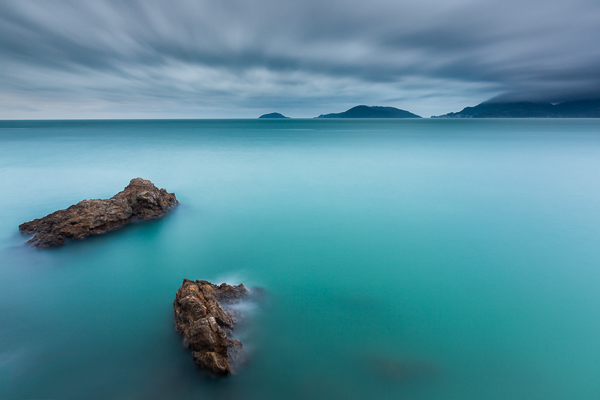
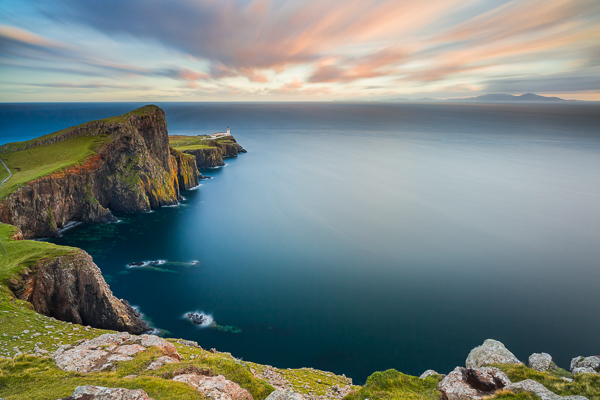
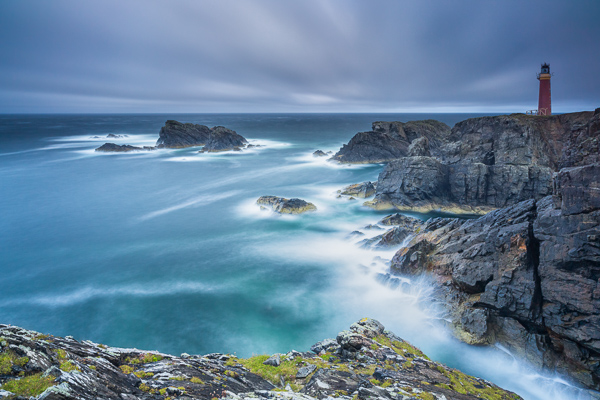
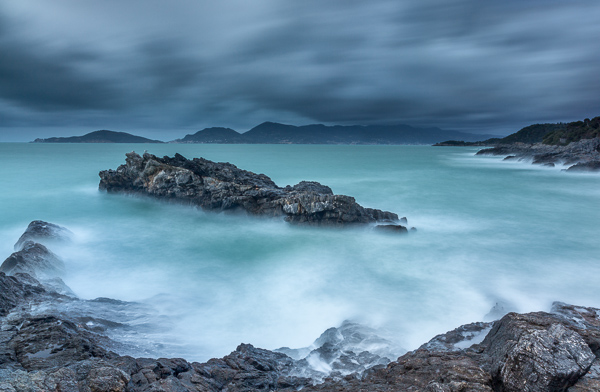
In the past few years, thanks to the diffusion of useful accessories and photographic filters with good quality and low prices, the technique of long exposure has become increasingly popular among photography enthusiasts. Even if this technique can be used both in studio and in a urban environment, the perfect playground of long exposures is landscape photography.

Unfortunately often it happens that the result we get is far from our expectations, and we end up classifying the long exposure as a demoniacal technique. However, following this step-by-step guide to long exposure photography, you’ll see how easy it is to get a good result on the first attempt (or almost).

Picture 1

Step One: study the weather

A day with a cloudless sky is a good day to drink a beer with friends, not to make long exposures. Likewise it cannot rain forever, so do not resign yourself to an afternoon with your PlayStation. You should study satellite images rather than the meteorological sites, trying to figure out if there is an incoming storm, or if the downpour is about to end.

Step Two: visit the location well in advance

Scout the location ahead of time, as you need a lot of time to find the perfect composition, or at least more than the time needed for a “short exposure”. In fact in a long exposure the world is completely different from how you see it with your own eyes. You have to try to see it with your mind, looking for a harmonious composition that includes moving subjects, trying to predict the direction of the clouds or the force of the sea. Try not to put the sun into the composition because its movement will ruin the shot and it will create area of overexposure that is not recoverable. If you cannot avoid the sun, wait for it to hide behind a cloud.

Picture 2

Step Three: use a tripod

Mount your camera on a tripod and install all the accessories such as the remote shutter release and the filter holder (if you are using drop-in filters). However, wait to actually install the filters. Very important!

Step Four: compose the image and lock focus

Refine your composition, focus on the subject and lock the focus. If you are using manual focus, just do it. If you are using the autofocus mode, you should focus by half-pressing the shutter button, and once the focus has been made, while still holding down the shutter button halfway, push the lever from Auto Focus to Manual. In this way, your camera will maintain the focus (or alternately you could use back-button focus).

Picture 3

Step Five: set the exposure

Now set your camera to Manual (M) mode or Aperture Priority (A/Av) mode. Then set the aperture to an appropriate value for the scene (for landscapes I suggest between f/8 and f/11) and take a “Test Shot”. The test is complete when you get a correct exposure. To determine if the exposure is correct, check the histogram (do not trust your display, it is too bright). It is true, there is no universally correct histogram, but there are histograms that are universally incorrect, namely moved completely to the right or left side (the image is respectively overexposed or underexposed). Once the test shot is successful, write down the shutter speed you used for that shot.

Step Six: add your filter

Now add your Neutral Density (ND) filter. If the filter is very strong, for example 10 stops, you will not be able to see through the viewfinder or the Live View. Do not worry, because if you have followed the guide up to this point you will notice that we have already made the composition and the focus too. You are blind, but your camera will see everything perfectly.

Picture 4

Step Seven: change to Bulb mode

Set the shooting mode to Bulb (B) in order to take over the thirty second limit of the camera. Do not change any of the other settings (ISO and aperture) used in the test shot.

Step Eight: take your long exposure shot

It is finally time to take our long exposure shot. But how long will you to leave the shutter open? It is less difficult than you might expect. First of all, recollect the shutter speed that you noted down from the “Test Shot” you did in Step Five above. Now you must compensate by the number of stops introduced by the filter. For example, if your test shot was 1/15th of a second, adding 10 stops will get a shutter speed of approximately 60 seconds. There you have your shutter speed. No need to be stuck in the mathematics: on the internet you can easily find conversion tables and applications for your smartphone that will do the conversion for you.

Picture 5

Step Nine: check the histogram again

Once you’ve taken the shot with the calculated shutter speed, check the histogram. If the new histogram is approximately equal to the one of the test shot, mission accomplished. If it is shifted too far to the right or to the left, repeat the shot again correcting the shutter speed.

Easy, isn’t it? Now fill your backpack with your camera and filters and go to practice in the field. For any doubt or if you need any help, don’t hesitate to ask questions in the comments below. Please share your long exposure images as well.

The post Step-by-step Guide to Long Exposure Photography by Francesco Gola appeared first on Digital Photography School.


Digital Photography School

 
Comments Off on Step-by-step Guide to Long Exposure Photography

Posted in Photography


How to do Long Exposure Photography and Light Trails at Night

03 Jun
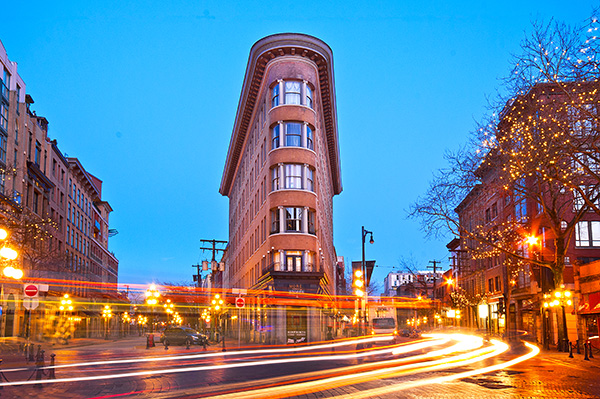
Gastown Light Trails

Gastown light trails, Vancouver, Canada

Before I understood how photography worked, I was always intrigued by light trails in images. I never understood how that happened. When I began to study photography, one of the first assignments I did was an advanced course on night photography. I decided I would try and capture some light trails. I set up my camera, made sure the settings were correct and waited. A few cars went past, but my timing was off and the shots were not great. I continued to wait. After about an hour of trying and experimenting, I got the shot I was looking for. It was like magic to me. The car was not in the shot but the lights seemed to float in mid air. I was hooked. This was something that mystified me for a long time and, I had managed to get it right.

What was so mesmerizing for me was that the image I saw on my LCD screen was not what I saw in real life. The camera had managed to capture a scene that my eyes could not capture in the same way. This seemed amazing to me. I soon realized that the camera was able to “see” things differently to the way my eyes saw them. I spent many nights trying to capture light trails in various locations. I was also doing lots of reading and research and came across a technique called long exposures. This too was amazing. It had the ability to alter a scene in such away that it looked totally different to the way our eyes normally see it. Again I was hooked and still, to this day, long exposures and light trails are some of my favourite techniques in photography.

Long exposure photography and light trails have similar techniques, it is the subject matter that differs, so I will discuss each technique separately and tell you how to get the best results in both.

How to do long exposure photography

Shooting long exposures effectively requires that you should be shooting in Manual mode as much as possible. If you are not sure how to shoot in Manual, take a look at Getting off Auto – Manual, Aperture and Shutter Priority modes explained to learn more about these modes. To be able to get sharp and effective long exposure images, here is a checklist of item you will need.

1. What equipment is needed to shoot long exposures?

  • A tripod – this is a good piece of equipment to have in most instance, but is a critical piece of equipment for shooting long exposures. Make sure your camera is properly mounted onto the tripod before you start shooting.
  • A camera – obviously you will need a camera, but many people assume you can only do this type of photography with an SLR. Some advanced point-and-shoot cameras can also do long exposures if they have a Shutter Priority function. Take a look in your camera’s manual to see if it has this function, you may be surprised.
  • Cable release – your camera will be on a tripod, so it should be very still, however, sometimes the action of pressing the shutter release button can cause the camera to move slightly and this movement can cause your image to blur very slightly. You may not notice this on the LCD screen, but when you open the image on your computer, it will be evident. I recommend getting a cable release (also called a remote trigger). It is simply a cable that attaches to your camera and acts as a shutter release button. Using a cable release means you can set up your camera, step away from the tripod and press the button without touching the camera. Cable releases can be wireless too. If you don’t have a cable release or don’t want to buy one, you could use your camera’s self-timer function to trigger the shutter.
  • Warm clothes and comfortable shoes – depending where you live, and the time of year you plan to be shooting, you may need to dress warmly. Long exposures work well after dark and it may get cold, so be sure to wear warm clothes. Be sure that you have comfortable footwear too as you may be standing for a few hours.

2. What subjects are best for long exposure photography?

Long exposures work well for certain types of subjects like seascapes, landscapes and cityscapes. The key to getting a successful long exposure image is to have something in your image that is perfectly still and something that is moving. Water, clouds and trees blowing in the wind all work well if the rest of the scene is stationary. This difference between the elements in the scene will create drama and will add significant value to your image. The viewer will be seeing something that cannot be seen with the naked eye. The reason why long exposure images are so compelling is that they warp time. Water looks like a soft mist, trees look like a dull blur and clouds become long and streaky. This is what makes a familiar scene more compelling.
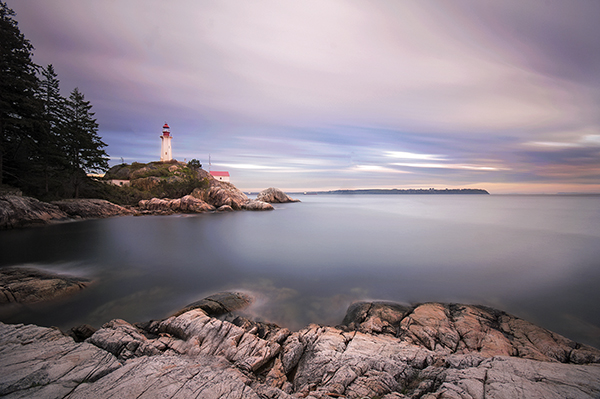
Long Exposure scene in Vancouver BC

Long exposure scene in Vancouver, Canada

3. What camera settings should be used?

Long exposures are ideally shot on Manual mode. If you are not sure how to shoot in Manual mode, you can use one of the other semi-manual modes such as Aperture priority or Shutter priority. Here are some quick pointers on the settings:

  • Shutter speed – depending on the light in your scene, your shutter time will need to be at least a 10 to 15 seconds, or longer if necessary. If you are doing a seascape and the water is moving quickly, then a few seconds may be long enough to make the water look misty.
  • Aperture – you will want to have your aperture set at anywhere between f/8 and f/16. This again, will be determined by how much light is in the scene and how long you want to expose for.
  • ISO – keep your ISO settings as low as possible, ISO 100 is what I use for long exposures.

4. When is the best time of day to shoot long exposures?

It’s normally a good idea to shoot long exposures as the sun is setting, or just after sunset. My suggestion is to be on the scene an hour before sunset. That way you can test some shots, make sure your composition is good and be sure all your settings are correct. Then wait. Personally, sometimes I will simply sit there and enjoy the scene, other times I may listen to some music, but I like to be relaxed and ready for when the light starts to work. Normally you will want to start shooting about 15 minutes before the sun has completely set and up to an hour after it is below the horizon.

The important part is to be willing to experiment. Each time you decide to shoot long exposures will be a little different. The light may be brighter than you think, the sunset may not be as dramatic as you hoped, or the shot may not be just as you imagined. Be patient and experiment. I will sometimes go back to a location two or three times to try and get the shot I am looking for. Once I have it though, the sense of reward is fantastic and the patience and effort is paid off!
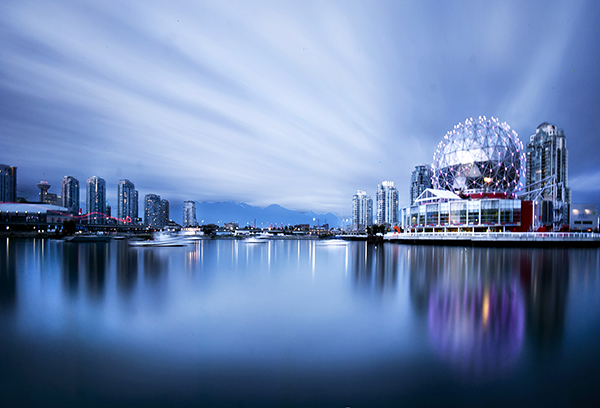
Long Exposure of Science World in Vancouver

Long exposure of Science World in Vancouver

How to shoot light trails

Much of the advice for shooting light trails is very similar to the tips above. The key difference is in the timing and location of your shoot.

1. What equipment is needed to shoot light trails?

  • Same as above 

2. What subjects are best for light trails?

For light trails to work, you need to have something with lights moving through your scene. A car, a bus, a train and even an aircraft can work. Be sure to be out of the direction of the vehicle you are photographing. Please do not stand in the middle of the road, or on train tracks. Position yourself in a safe place to make this work. Always be aware of your surroundings. It is easy to become immersed in what you are shooting and lose sight of where you are standing. Be safe, first and foremost!
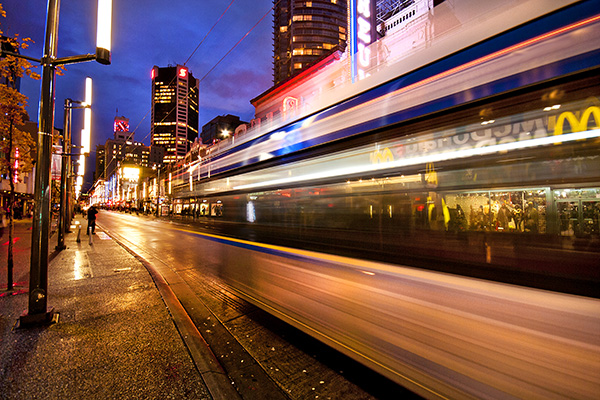
A moving bus in the scene made this shot more dynamic

A moving bus in the scene made this shot more dynamic

3. What camera settings should be used?

Light trials, like long exposures are ideally shot in Manual mode.

  • Shutter speed – depending on the light in your scene, your shutter time will need to be at least 10 to 15 seconds, or longer if necessary. Make sure that your shutter speed is long enough to capture longish light trails. You don’t want to cut them off too soon as you will have some short trails in your image that may look strange.
  • Aperture – you will want to have your aperture set at anywhere between f/5 and f/11. This again, will be determined by how much light is in the scene and how long you want the exposure.
  • ISO – keep your ISO settings as low as possible, ISO 100 is what I use for light trails. If your ISO is set to 500 or higher, your exposure will be shorter and you run the risk of overexposing the highlights ESPECIALLY when shooting car headlights.

4. When is the best time of day to shoot light trails?

Light trails can be shot in the early evening, or after the sun has set. Each scene will be different, but sometimes it is too light to get effective light trails just after sunset. You may need to wait until 30 minutes after the sun has set to get longer light trials.

The important part, once again, is to be willing to experiment. Try different times after sunset and see what works for you. Spend time behind your camera perfecting your timing. Scout locations during the day that you will think will work for light trails and then go and try it out.
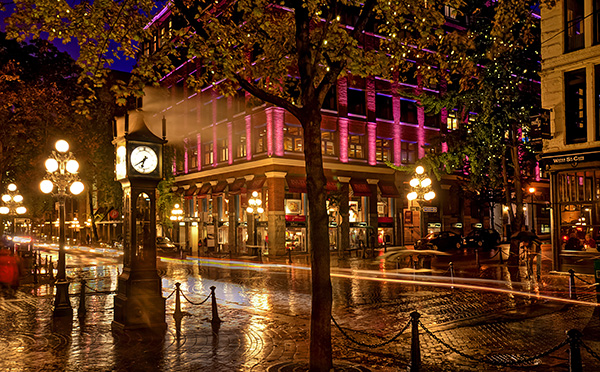
Steam Clock in Gastown, light trails on the road

Steam Clock in Gastown, light trails on the road

Photographing after dark can be very rewarding. It is worth the effort to learn how to use these techniques to bring new images into your portfolio, and to have new skills which will enable you to shoot under any lighting conditions. Experiment and enjoy! Happy shooting.

The post How to do Long Exposure Photography and Light Trails at Night by Barry J Brady appeared first on Digital Photography School.


Digital Photography School

 
Comments Off on How to do Long Exposure Photography and Light Trails at Night

Posted in Photography