RSS
 

Posts Tagged ‘Lens’

Canon PowerShot G1 X Mark II adds faster lens and AF to big-sensor body

12 Feb

HR_G1X_MARKII_BLACK_3Q_CL.png

Canon has announced the long-awaited follow-up to its PowerShot G1 X large-sensor compact: the G1 X Mark II. The G1 X II improves upon its predecessor in many ways. It’s smaller, features a faster 24-120mm equivalent F2.0-3.9 lens (with closer focusing distances), a 31-point AF system, dual lens rings, a touchscreen LCD that can tilt upward by 180°, and Wi-Fi with NFC. One added trick is that the G1 X II can shoot at 3:2 or 4:3 with the same field-of-view. The catch? No more optical viewfinder (though an EVF is optional). It will be available in April for $ 799.

News: Digital Photography Review (dpreview.com)

 
Comments Off on Canon PowerShot G1 X Mark II adds faster lens and AF to big-sensor body

Posted in Uncategorized


Testbericht: Lomography Experimental Lens Kit

11 Feb

Ein Beitrag von: Tamara Skudies

Seit Oktober 2013 bietet Lomography ein Linsenset für Micro-Four-Thirds Kameras an. Es soll mit drei Linsen und bunten Farbfolien für lomografisches Feeling und für mehr Möglichkeiten zum Experimentieren auch beim digitalen Fotografieren sorgen.

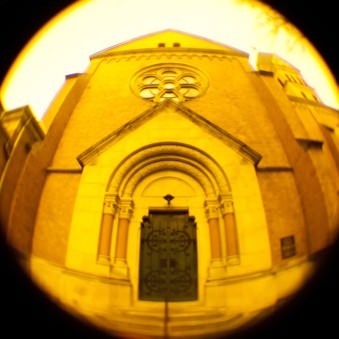
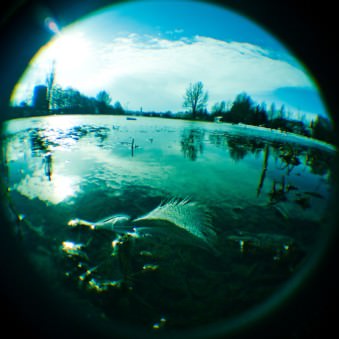
Das Set beinhaltet eine Fisheye-Linse für fantastische 160°-Aufnahmen, eine Weitwinkel 12mm-Linse und eine Standard 24mm-Linse. Sie bestehen alle aus Kunststoff – nicht nur das Äußere, sondern auch das Wichtigste, die Linsen selbst, sind aus Kunststoff.

© Tamara Skudies

© Tamara Skudies

Jede davon ist mit einer festen Blende von f/8 ausgestattet und besitzt die zwei Verschlusszeiten N (1/100) und B (Bulb). Mit dem T-Blendenverschlusshebel kann man die Blende dauerhaft öffnen, um der Kamera die Belichtungszeit zu überlassen oder die Blende schließen, um an der Linse selbst mit einer der beiden Verschlusszeiten auszulösen.

Letztere Einstellung nutzt man am besten für Mehrfachbelichtungen, indem man an der Kamera eine lange Belichtungszeit einstellt und an der Linse mehrfach auslöst. So fällt nur dann Licht auf den Chip, während man an der Linse auslöst und man erhält direkt in der Kamera Mehrfachbelichtungen, auch wenn die Kamera keine eigene Funktion für Mehrfachbelichtungen hat.

© Tamara Skudies

© Tamara Skudies

Bei jeder Optik gibt es je eine Entfernungseinstellung für unendlich und eine für den Nahbereich. Bei der Fisheye-Linse sind es 5cm, bei 12mm sind es 20cm und bei 24cm sind es 60cm. Zu den Linsen werden noch fünf Farbfolien in gelb, blau, orange, grün, lila und zwei unterschiedlich starke ND-Filter mitgeliefert.

Die ND-Filter sind für die Mehrfachbelichtungen wie oben beschreiben (Kamera auf lange Belichtung, an der Linse auslösen) sehr gut geeignet, da es sonst schnell zu Überbelichtungen an hellen Tagen kommt. Ebenso kann man auch die Farbfilter benutzen, um die einfallende Lichtmenge zu reduzieren.

© Tamara Skudies© Tamara Skudies

Dieses Feature der Linsen, direkt an ihnen auslösen zu können und so echte digitale Mehrfachbelichtungen erstellen zu können, ist meines Erachtens das absolute Highlight an den Linsen. Man ist nicht mehr an die Einstellung seiner Kamera gebunden und kann einfach wilde Mehfachbelichtungen schießen.

Während des Fotografierens bleibt der Monitor der Kamera natürlich schwarz, was den Überraschungseffekt, wie das Bild am Ende aussieht, erhöht. In der analogen Fotografie werden gerne HQME (High Quantity Multiple Exposure) Fotos vom gleichen Objekt gemacht. Das ist jetzt Dank der Linsen und den ND-Filtern auch mit den Micro-Four-Thirds Kameras möglich.

© Tamara Skudies

© Tamara Skudies

Im hinteren Teil der Linsen setzt man die Farbfilter ein. Man kann den Bildern dadurch einen Farbtouch geben, ohne am PC das Bild großartig nachbearbeiten zu müssen. Am liebsten mag ich die orange und grüne Folie. Bei Benutzung der orangen Folie sehen die Bilder fast aus wie die eines Redscalefilm und mit der grünen wie bei einem cross-entwickelten Fujifilm, wenn man den Kontrast am PC noch etwas erhöht.

Zusammen mit dem Lomography Colorsplash Flash nahm ich meine Olympus und die Linsen in die Disco mit. Die feste Entfernungseinstellung ist an den Linsen wirklich praktisch, wenn man beim Weggehen mal Partyfotos machen möchte.

© Tamara Skudies© Tamara Skudies

© Tamara Skudies

Man muss nicht mehr warten, bis die Optik in der Fast-Dunkelheit endlisch scharf gestellt hat, wenn sie es denn überhaupt schafft. Somit sind der spontanen Fotografie im Dunkeln mit Blitz, bunten Farbfolien und Doppelbelichtungen keine Grenzen gesetzt.

Zusätzlich habe ich sie noch mit den Holga Close-Up-Linsen getestet, da ich gerne Nahaufnahmen mache. Das Ganze funktioniert am besten bei der 24mm-Linse, da man bei 12mm gern mal den Rand der Nahlinse im Bild hat. Natürlich kann man auch jegliche andere Nahlinsen damit nutzen.

© Tamara Skudies© Tamara Skudies

Die Linsen machen wirklich sehr viel Spaß. Auch, wenn sie für mich niemals eine analoge Kamera ersetzen können, würde ich sie mir kaufen. Am liebsten ist mir die 12mm-Linse, die eine schöne Unschärfe im Randbereich hat und weil ich einfach ein großer Weitwinkelfan bin. Im nächsten Urlaub werden mich die Olympus und die 12mm Linse auf jeden Fall begleiten.


kwerfeldein – Fotografie Magazin

 
Comments Off on Testbericht: Lomography Experimental Lens Kit

Posted in Equipment


How to use Lens Flare to Your Advantage

10 Feb

Flare can be a polarizing topic in photography, and many articles have been written about how to prevent or eliminate lens flare. But there are many situations where you can use lens flare creatively to enhance your photographs.

McEnaney-flare-columns

What is Lens Flare?

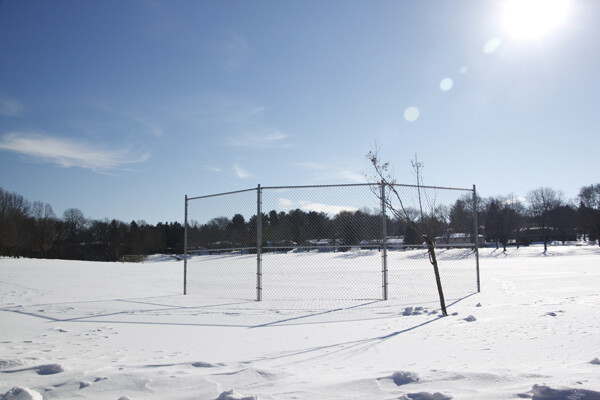
Lens flare and sun flare are terms that are often confused in photography literature. Sun flare generally refers to turning the sun into a starburst shape, while lens flare is an artifact of stray light bouncing around the lens and being recorded by the sensor. This article will focus on lens flare, but you can read more about Using Sun Flares to Create Dramatic Images.

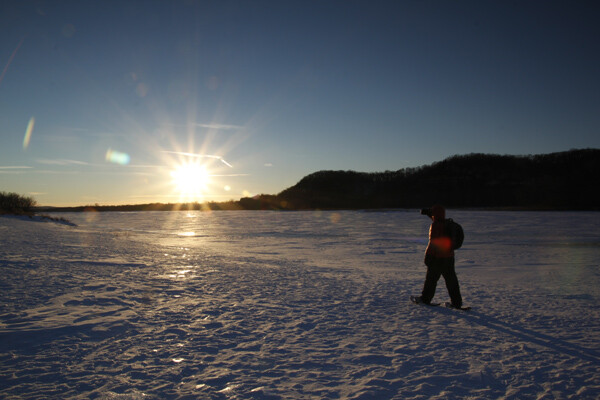
Lens flare comes in several varieties but all are related to light (generally from the sun) bouncing around inside the lens. It can include circular, or curved areas of light, around the sun, somewhat like a natural sun dog, as well as the more common stray flashes of light, or dots and dashes of light in a line.

McEnaney-flare-varieties-snowshoer

Most articles are full of advice for how to avoid lens flare, which is a good place to start if you then want to do the opposite. The first strategy for avoiding lens flare is to use a lens hood on your camera, which blocks light coming into the camera lens from the sides. The second strategy is to limit the use of filters in front of your lens, as additional glass, especially low-quality glass, can lead to more flare. There is some debate about whether a UV filter alone helps to eliminate or accentuate flare, but the pricier the glass, the less likely that there would be adverse effects.

Creating and Controlling Lens Flare

So, if you want to create lens flare intentionally in an image, you should first remove your lens hood. This allows more sunlight directly into your lens. As for filters, you can experiment with removing your filters all together or trying to combine more than one filter (such as a UV filter and a polarizer) at a time. I have not found much difference between keeping or removing my UV filter, so I tend to keep it on for ease and lens protection.

McEnaney-flare-bw-woods

Consider using a zoom lens rather than a prime lens when shooting for flare. Zoom lenses tend to have more internal elements than prime lenses, which create more potential to interfere and add flare. Zoom lenses also give you a range of focal lengths and compositional options to allow you to best place and manipulate the flare exactly where you want it in your image.

You will need the sun in, or near the edge, of your frame to create successful flare. This is easier to accomplish in the early morning or late afternoon when the sun is lower in the sky. Be careful any time you are shooting directly into the sun, as there is potential to damage your camera’s sensor and your eyesight. Be sure to wear your sunglasses and compose shots quickly. You can often get flare effects with just a hint of the sun coming in from the top edge of your image, which will also reduce potential damage to you or your camera.

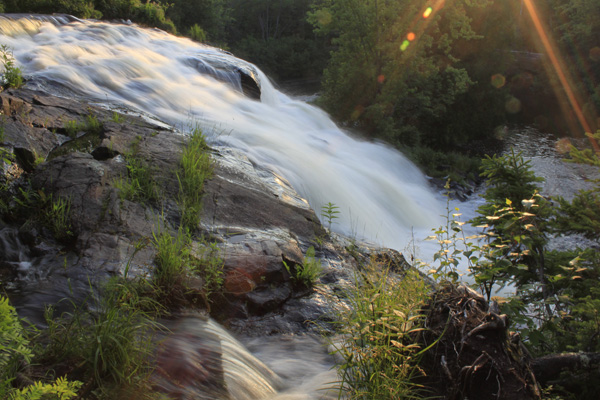
Flare effects are often more pronounced at narrower apertures, like f/22, as the narrower opening in the lens gives the light more potential to scatter. But, as you can see from the comparison shots below (at f/8 top and f/22 bottom), you can get lens flare at many apertures.

McEnaney-flare-compare-top

Shot at f/8

McEnaney-flare-compare-bottom

Shot at f/22

Depending on your subject, you may need to shoot in manual or use exposure compensation to overexpose your scene (positive values) relative to your camera’s sensor. Because lens flare requires additional light entering your camera, your subject might otherwise appear dim or darker than intended. Meter for your subject (or set exposure compensation to a positive value), and you will have a correctly-exposed subject against the extra brightness of the background flare.

Creative Uses of Lens Flare

Flare has become trendy as a way to emphasize the brightness or perceived warmth of a scene. Lens flare is even starting to make inroads in movies, as popularized in J.J. Abrams’ Star Trek reboot, where he uses lens flare and lighting to cement the futuristic nature of the film. Post-processing to add lens flare to an image is even common among portrait photographers.

How will you share your flare? Show us in the comments below!

McEnaney-flare-waterfall

The post How to use Lens Flare to Your Advantage by Katie McEnaney appeared first on Digital Photography School.


Digital Photography School

 
Comments Off on How to use Lens Flare to Your Advantage

Posted in Photography


A Concise Guide to Choosing a New Lens

09 Feb

Sony zoom lens

I think it’s fair to say that most photographers buy a kit lens with their first camera. It’s a good place to start, as despite the limitations, a good one is versatile (an idea I explored in my article Why Your Kit Lens is Better Than You Think).

But, however well a kit lens performs in the right hands, at some point you will ask yourself what lens you want to buy next. Or, you might already own more than one lens and be wondering if a new one may improve your photography. I am going to help you answer these questions by outlining some of the things you need to think about when choosing a new lens.

You may find it helpful to think of lenses in categories rather than specific focal lengths. That’s because the field-of-view of a specific focal length depends on the size of your camera’s sensor (learn why in our article Crop Factor Explained).

The benefit of considering lenses this way is that each type suits certain subjects. If you are into landscape photography, for example, then a wide-angle lens of some sort is essential. If you photograph sports, then it is difficult to do without a telephoto lens.

By the way, if you follow the links in the article you will see plenty of photos taken with these lens types.
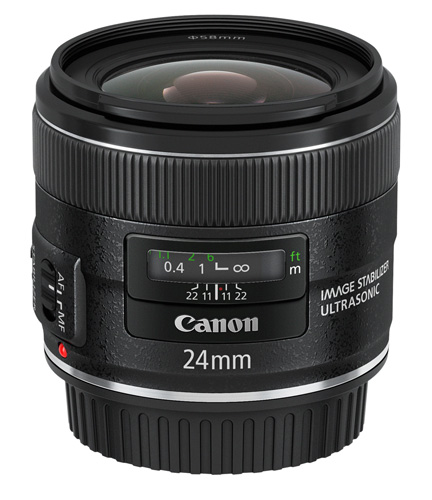
Canon 24mm lens

Wide-angle lenses

A good definition of a wide-angle lens is one with a focal length shorter than the diagonal measurement of your camera’s sensor (or negative if you have a film camera).

The idea of measuring the diagonal is a useful one for understanding the relationship between sensor size, focal length and field-of-view.

Let’s look at a specific camera to see how that works: the EOS 70D. The corner to corner distance of the sensor is approximately 27mm:
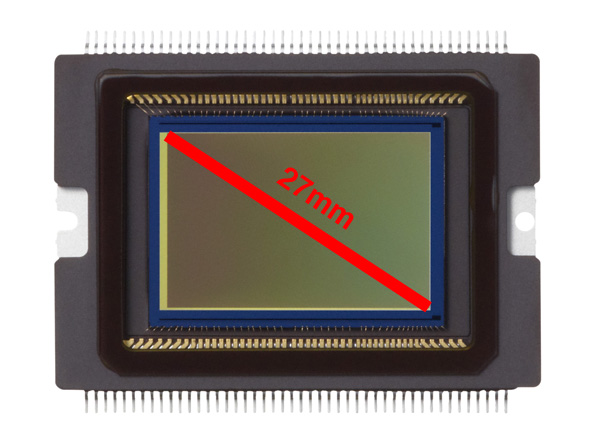
Canon EOS 70D CMOS sensor

From that figure, you can say that any focal length shorter than around 25mm is a wide-angle lens.

Wide-angle lenses are used for subjects like landscape photography and environmental portraiture. My article 7 Ways to Get More Out of a Wide-Angle Lens explores the use of wide-angle lenses in more detail.
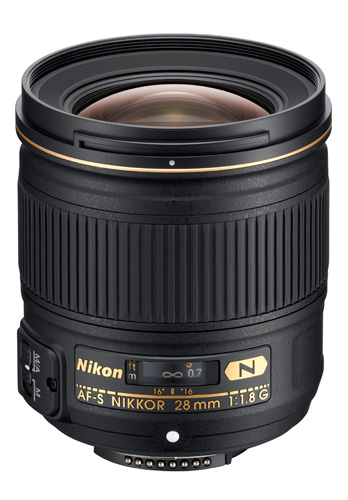
Nikkor 28mm lens

Normal lenses and short telephoto primes

A normal lens is a prime lens with a focal length similar to the diagonal measurement of your camera’s sensor.

In the example of the EOS 70D used above, a 28mm prime lens is a normal lens. A 50mm lens is considered normal for full-frame and 35mm film cameras (despite the diagonal measurement being 42mm – these things are often approximations).

A short telephoto lens is one with a focal length slightly longer than the diagonal measurement of the camera’s sensor.

Normal lenses and short telephoto primes are ideal for portraits, some types of landscape photography, and for close-up photography. Being primes, they have much wider maximum apertures than zoom lenses. This helps limit depth-of-field and create images with lots of beautiful bokeh. It also helps you take photos in low light.

Learn more about the versatility of these lenses by reading these articles Why a 50mm Lens is your new best friend and How A Humble 85mm Lens Became my Favourite.
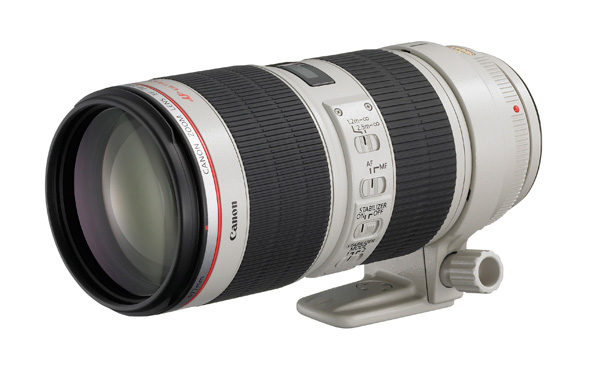
Canon 70-200mm zoom lens

Telephoto lenses

This category includes focal lengths from around double the diagonal measurement of your camera’s sensor and upwards.

There are two main reasons to use a telephoto lens. The first is for the compressed perspective they provide to pick your subject out of the background. Portrait and fashion photographers often use them for this reason.

The other is that you need a telephoto because you are photographing something that you can’t get physically close to. This includes subjects like wildlife and sports.
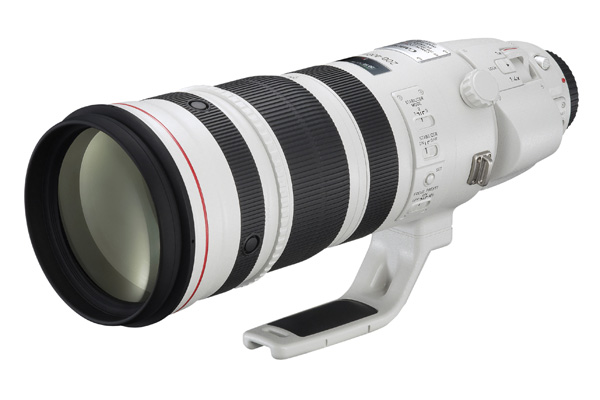
Canon 200-400mm zoom lens

Super Telephoto lenses

These are the large telephoto lenses you often see photographers using at major sporting events. With focal lengths of 300mm and upwards, you will probably want to buy one of these if you are serious in any way about sports or wildlife photography. Be warned – many of these lenses are also super expensive. The new Canon 200-400mm zoom (pictured above) retails for over $ 11,000. Ouch!
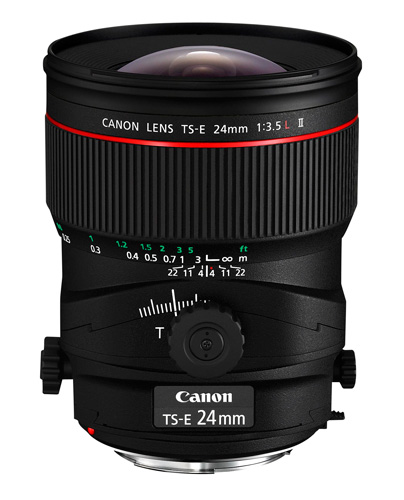
Canon 24mm tilt-shift lens

Specialty lenses

The final category includes other types of lens that you would probably only buy if you really wanted to use them, as they are specialty items, and some of them are pricey. They include macro, fisheye and tilt-shift or perspective-control lenses.

Other factors

Once you have decided which category of lens you are interested in, it’s time to consider other factors:

Image quality: You can say a lens has good image quality if it gives you sharp, contrasty images free from chromatic aberrations, colour fringing and barrel distortion from corner to corner at all aperture ranges of the lens.

No lens is perfect. There is no such thing as the lens that I just described. But good quality lenses come close. Generally speaking, the more you pay for a lens the better the image quality.

You may be wondering how to evaluate the image quality of a lens you don’t actually own. One tip is to read plenty of reviews, including the ones on the sellers’ websites, personal blogs and on Digital Photography School. DxO Mark has tested lots of lenses and posted the results on their website. You will soon get a feel for what people think about a particular lens.

Build quality and weatherproofing: These could be important if you subject your lenses to any kind of rough treatment or want to shoot in adverse weather conditions. The higher end lenses in each manufacturers’ range are the ones that have the best build quality and weatherproofing.

Another benefit of weatherproofed lenses is that they let less dust into your camera to get on the sensor.

Budget: Also important, for fairly obvious reasons. If you’re on a tight budget, consider buying prime lenses rather than zooms. You can get great image quality from relatively inexpensive prime lenses, much better than you would from zoom lenses in the same price range.

You could also consider buying second-hand (our article An Introduction to Buying Used Lenses will help).

Bear in mind that good quality glass should last you a long time. The life span of lenses surpasses that of most cameras. In the words of Sir Henry Royce: “The quality is remembered long after the price is forgotten.”

How many lenses do you need? I prefer to take the simple approach to photography and that includes equipment. The more gear you have, the more it weighs if you carry it all around in one go, and the more it costs to insure. I currently own four lenses and, depending on the subject, I take two lenses with me at the most on a shoot.

Your view

That’s my approach, what’s yours? How many lenses do you own? What are your favourite lenses and what are your recommendations for choosing a new lens? Do you buy new or second-hand? Let us know in the comments. It will be interesting to hear what our readers have to say.

Understanding Lenses ebooks
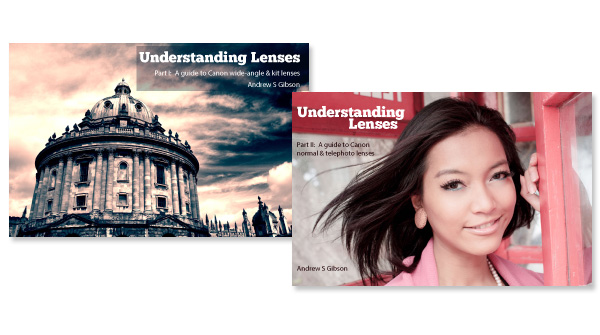
Understanding Lenses ebook bundle

My ebooks Understanding Lenses Part I and Understanding Lenses Part II will help Canon EOS owners decide what lenses to buy for their cameras. They are both filled with lots of tips to getting the most out of your Canon lenses. Click the links to learn more.

The post A Concise Guide to Choosing a New Lens by Andrew S. Gibson appeared first on Digital Photography School.


Digital Photography School

 
Comments Off on A Concise Guide to Choosing a New Lens

Posted in Photography


How to Choose the Perfect Portrait Lens

30 Jan

Portrait taken with 85mm lens

A question we often get asked at Digital Photography School is which lenses are best for portraits. It’s a tricky question because the answer is subjective. It depends on your budget, personal style of photography and the make of camera. It is further complicated by the relationship between sensor size and focal length.

Let’s start by exploring some of the things you need to think about when choosing the perfect portrait lens.

1. What about the lenses you already own?

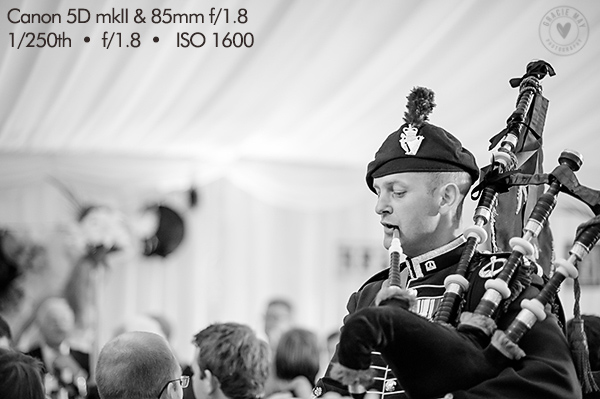
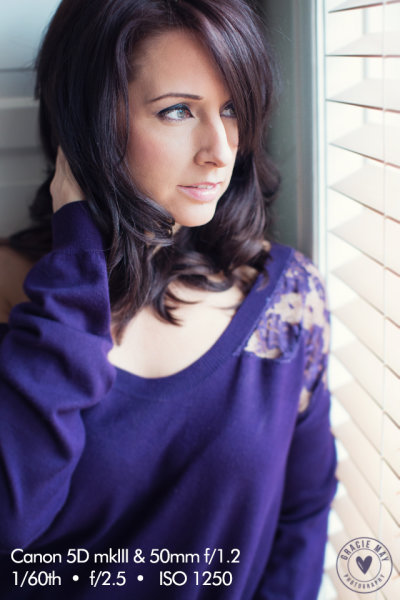
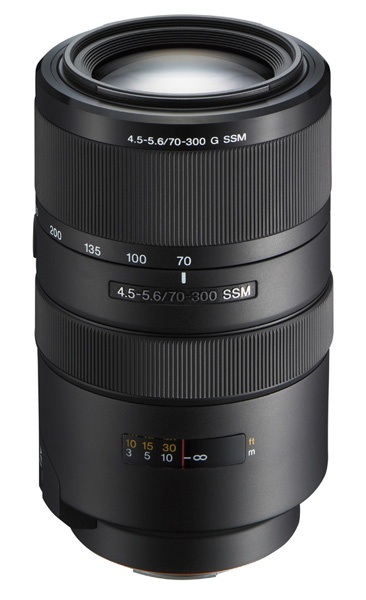
It may be that you already own a lens that you haven’t thought of using to take portraits, but could actually do the job quite well. Do you have a 50mm prime? Or maybe a 100mm macro lens? A 70-300mm zoom? All of these are capable of being great portrait lenses.

Even if your only lens is a kit lens, you may still be surprised by how well it performs (within its limitations). You can read more about that in my article Why Your Kit Lens is Better Than You Think.

Getting to Know Your Lenses will also help.

2. Do you need a zoom lens or a prime?

Prime lenses are great for portrait photography. One advantage is that they have a wider maximum aperture than a zoom lens covering the same focal length. This is useful for creating images with shallow depth-of-field (a common technique in portraits). It is also handy in low light, as it lets you take photos with faster shutter speeds or lower ISO than you could with a zoom with a smaller maximum aperture.

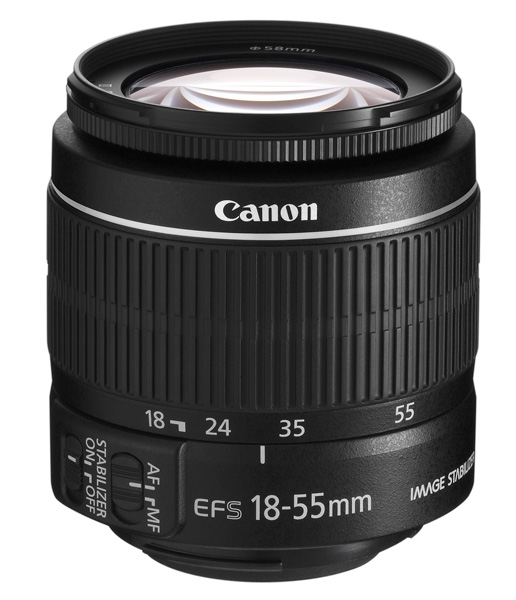
Canon EF-S 18-55mm lens

Another benefit is image quality. Prime lenses tend to have less elements than zooms, and the result is that image quality is better, and they produce sharper images with more contrast and less lens flare. If you’re on a budget (see next point) then an inexpensive prime will give you better results than an inexpensive zoom.

3. What’s your budget?

This is an important consideration because, as with most things, good quality lenses cost more. The best example of this is Canon’s 50mm lens range. There are four models, ranging from around $ 110 to $ 1600 in price. That’s a big difference, and your budget determines which model makes it to your shopping list.

More expensive lenses usually produce sharper images with less flare. The construction quality is better, they may be weatherproofed and have better or quieter autofocus mechanisms. The difference in image quality is usually greater between expensive and cheap zoom lenses than it is between expensive and inexpensive prime lenses.

The other trade-off (besides cost) for better quality built lenses, is extra weight. Top of the line lenses are usually made of metal and are heavier than the less expensive plastic lenses.

Bear in mind that good camera lenses should last decades, and sometimes spending more up front is beneficial in the long run. In the words of Sir Henry Royce (of Rolls-Royce):

The quality is remembered long after the price is forgotten”.

4. What focal lengths do you require?

The answer to this question depends on the size of your camera’s sensor (our article Crop Factor Explained tells you why). Rather than discuss specific focal lengths it’s easier to split lenses up into four categories. Once you’ve figured out what category of lens you’re interested in, and whether you would prefer a prime lens or a zoom, you can investigate which models are available for your camera.

Wide-angle lenses

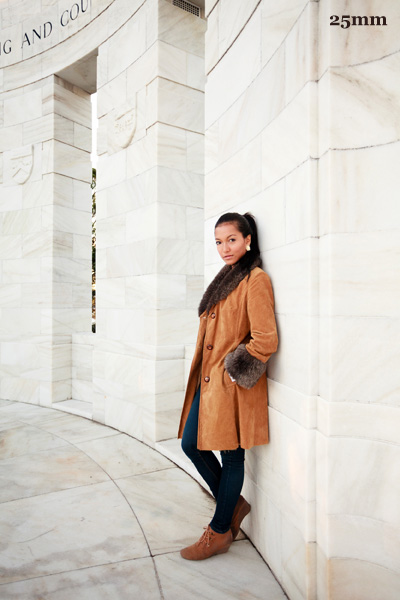
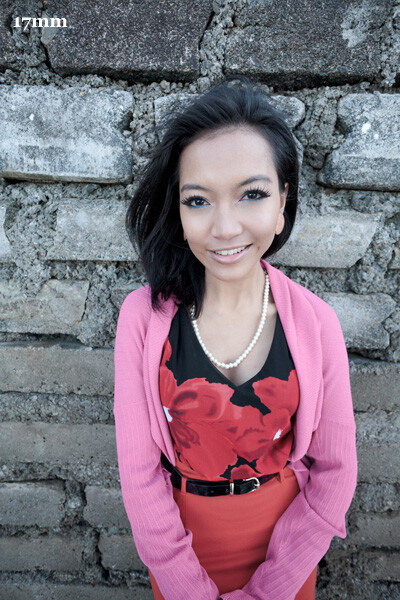
Wide-angle lenses are good for environmental portraits – those where you keep your distance a little from the subject and include their surroundings. They are generally not as good for close-up portraits as they distort your subject. Here are some examples:

Portrait taken with 25mm lens Portrait taken with 17mm lens

Normal lenses

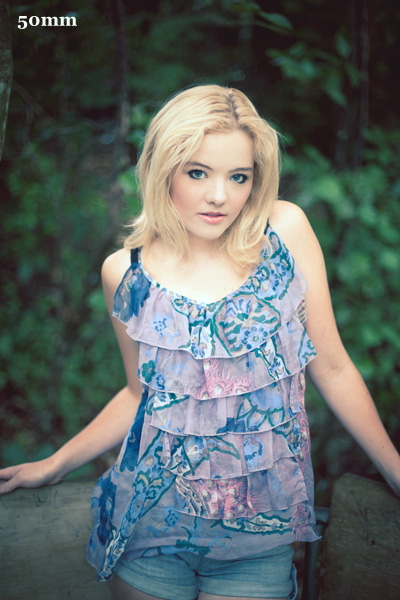
A normal lens is one with a focal length equivalent to around 50mm on a full-frame camera (that’s around 35mm on an APS-C camera, or 25mm on a Micro four-thirds camera). You may have read that these lenses give a similar perspective to that of the human eye. It’s a debatable point, but there’s no doubt they are interesting for portraits, occupying the middle ground between wide-angle and short telephoto lenses. They can be used for close-up portraits, although not completely without distortion (see image left, below)

Portrait taken with 50mm lens

A “normal” 50mm lens portrait

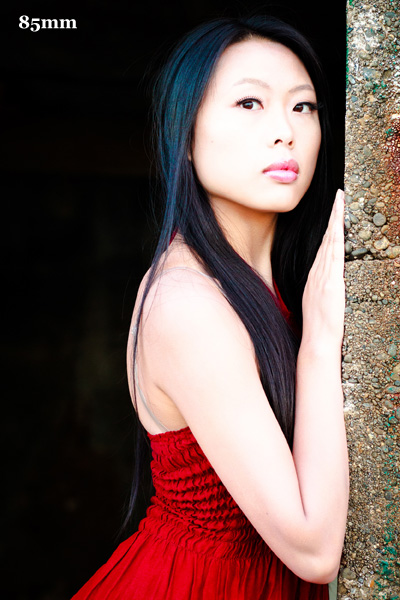
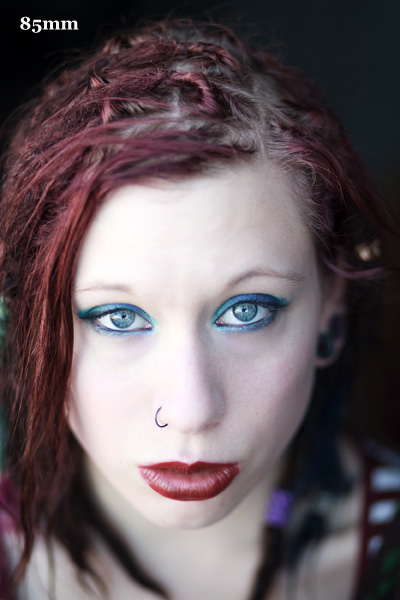
Portrait taken with 85mm lens

A short telephoto 85mm lens

Short telephoto lenses

These lenses are often called portrait lenses because they are an ideal focal length for taking flattering photos of people. You can move in close and take images without distortion, or step back and include the entire figure without moving so far away that it becomes difficult to communicate with your model. If your short telephoto is a prime lens, you get the additional benefit of wide apertures. Best of all these lenses, especially primes, tend to be reasonably priced.

My favourite lens for portraits is an 85mm prime lens (you can read more about it in my article How a Humble 85mm Lens Became My Favourite). (see image right, above)

If you have an APS-C camera then a 50mm prime lens is effectively a short telephoto. Yes, I’ve written about 50mm lenses too – let me point you towards Nifty Fifties – Why I Love 50mm Prime Lenses and Why a 50mm Lens is your new best friend.

Telephoto lenses

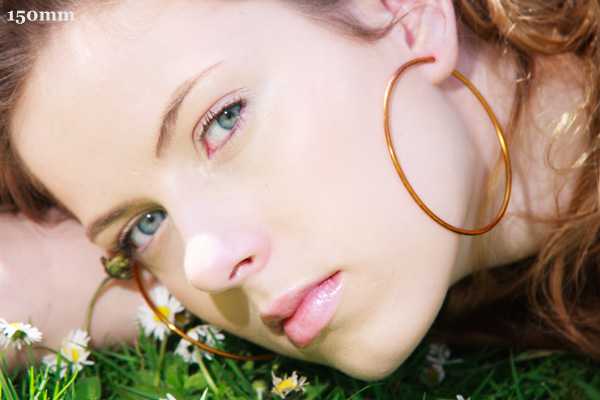
Telephoto lenses are often used by professional fashion and portrait photographers for the compressed perspective and their ability to isolate the model from the background. The downside of telephoto lenses is that they tend to be more expensive than shorter focal lengths, especially if you’d like one with a wide maximum aperture. They are definitely heavier as well. Having said that, there are plenty of relatively inexpensive lenses, especially zooms, in the 100mm-200mm range.

Portrait taken with 150mm lens

Selecting a focal length

If you’re unsure which focal lengths appeal to you, try this exercise. Go onto Flickr or 500px and do a search for portraits. Mark any you like as favourites. When you have marked at least twenty, go and have a look at them together. Examine them carefully and think about why you liked each one. Are there any common themes? Which focal lengths are used the most? Are the photographers using wide apertures for shallow depth-of-field? Are they predominantly black and white or colour? Is the photographer using natural light or flash? Are they predominantly close-ups or environmental portraits? The answers to these questions may help you decide which lenses to shortlist. Read more: 5 Easy Steps to Choose the Perfect Prime Lens for You

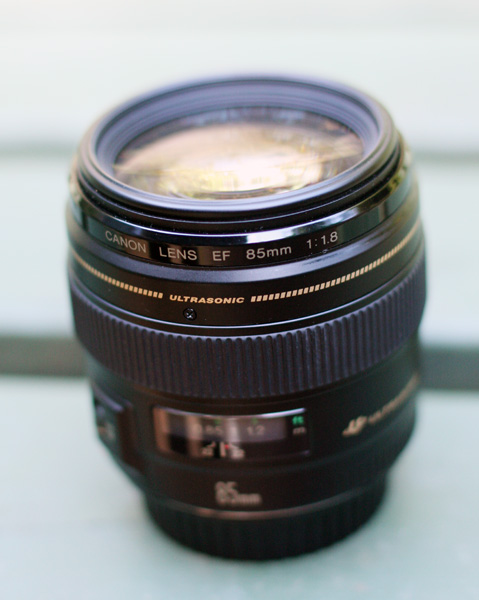
Canon EF 85mm f1.8 lens

My thoughts

I’m going to be specific and tell you exactly which lenses I use. My favourite lens for portraits is my Canon EF 85mm f/1.8 prime lens. I use it for approximately 80% of the portraits I take. I also use my Canon EF 40mm f2.8 pancake lens (it’s a moderate wide-angle) on my full-frame camera and, occasionally, a Canon EF 50mm f1.4 or EF 17-40mm f/4L zoom. The next lens on my list is a 24mm prime, and when I buy one I’ll no longer use the 17-40mm zoom for portraits. I favour primes over zooms because of image quality and the wider maximum apertures.

Your thoughts

Now it’s time to share your personal experiences. Which lenses have you purchased for taking portraits, and how did they work out?


Understanding Lenses

Understanding Lenses: Part II ebook coverI’ve written two ebooks for Canon EOS users about camera lenses. Click on the links to learn more about each one:

  • Understanding Lenses: Part I – A Guide to Canon Wide-angle and Kit Lenses
  • Understanding Lenses: Part II – A Guide to Canon Normal and Telephoto Lenses

The post How to Choose the Perfect Portrait Lens by Andrew S. Gibson appeared first on Digital Photography School.


Digital Photography School
 
Comments Off on How to Choose the Perfect Portrait Lens

Posted in Photography


Reverse Lens Macro: How to use it as a Great Learning Tool

16 Jan

Reverse lens macro photography 03

Reverse Lens Macro: How to Use It as a Great Learning Tool

Yesterday one of my friends called me late and told me that he was going to buy a DSLR and asked me which one he should choose. As a friend, I knew that this was his first camera and he was in fact a complete stranger to the field of photography. I told him to buy a good compact camera in order to get used to the basic concepts of photography and to buy a DSLR only when he feels his equipment is limiting his creativity.

On the other hand are the people how have already bought an SLR, but get confused and overwhelmed by the level of control these cameras offer, and the sheer amount of effort they have to put in to make their photographs look beautiful. I write this article for those people who bought a DSLR, and are in distress seeing none of their photos looking as good as someone else’s.

Considering that you have bought a DLSR and are delving into some advanced levels of photography, let’s see how an interesting and fun technique known as reverse lens macro can teach you a great deal about your camera, light and in effect make the art of photography.

Reverse lens macro photography 01

The basic trio of photography

Before understanding reverse lens macro let’s take a look the basic trio that every photographer needs to know to take a well exposed shot:

  1. Shutter speedreverse-lens-macro-photography-02.jpg
  2. Aperture
  3. ISO

Shutter speed is in essence the duration for which light falls on the camera’s sensor, shown in most cameras as 1/250th or 1/30, lower the denominator, the longer the duration.

Aperture is the opening in the lens which controls the amount of light entering your camera and the area in your image which is in sharp focus (aka depth-of-field) usually shown as f/5.6 or f/7.1. The lower the number, the more light getting to the sensor, and smaller the area in focus.

ISO determines just how sensitive your camera’s sensor is to the light falling on it. ISO usually ranges from 50 to above 100,000 in number. Large numbers represent high sensitivity.

Macro and reverse lens macro

Macro photography is a beautiful way to capture subjects as it gives you a very different and up-close perspective of photography. What macro photography does is to help us see the small world around us in a big picture. What your lens in its normal state does is to make the big world around you small, so just think what it will do when used reverse mounted? Yes, make the small world even BIGGER. But the fact is that dedicated macro lenses cost a fortune which puts it out of the reach of many of us. Reverse lens macro technique allows you to get really close without having to lighten your wallet on expensive lenses.
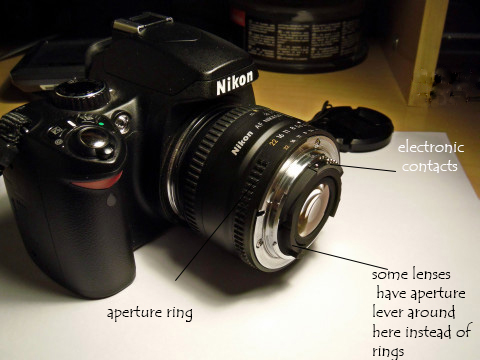
To take reverse lens macro shots, you have to reverse mount your kit lens (as depicted in the picture below).

Reverse lens macro photography 07

HOW DOES REVERSE MACRO TEACHES YOU ABOUT THE ART OF PHOTOGRAPHY?

Everything is a double-headed sword. So is reverse macro, though it allows us to get really close to your subject it also means you have less light at your disposal, a very tight frame, and a very narrow area which is in sharp focus (depth-of-field). Less light means you will have to adjust shutter speed, aperture and ISO to get good exposure and nice depth of field.

But the best part lies ahead, when you reverse mount your lens, the camera loses all the electronic means to communicate with the lens, so you will have to move your camera back and forth to get your focus right and you have to use the small lever on the back (now front) of the lens for controlling the aperture. An interesting point to be noted is that the actual focal length (55mm gets you closest to the subject for 18-55mm lens) of a lens in normal operation is also reversed, meaning that you can get closest to your subject when the lens is at its widest (18mm for the same lens). Now when you look through the viewfinder you will see the magic unfolding right in front of your eyes!

Reverse lens macro photography 06

Reverse lens macro photography 04

Suddenly your viewfinder becomes a visual textbook through which you will see all the subtle changes that aperture, shutter speed and ISO makes on your image and how subtle changes to these can bring amazing clarity and depth to your images. At first this may seem a difficult task because of the extreme stillness needed to take them successfully and clearly, but “practice makes perfect”, doesn’t it?

The interesting part being that you can apply the information you learn, when you use your camera normally. Obviously this can also be learned with time and effort but rest assured many get bored or disheartened because their photos are not looking good before they understand how to use the camera. Reverse macro, as mentioned earlier, magnifies the world beyond what our eye can see. It is because of this magnification that the effect the changes you make to (shutter speed, aperture, ISO) have on our image becomes more apparent than in “normal” use. When doing reverse macro I recommend not using a tripod because that way you will also learn to keep your hands steady (a boon when shooting in dim light).

Reverse lens macro photography 05

So because you get to see the magic of light unfold right in front of your eyes it registers quickly, and with practice becomes rather instinctive. This will startlingly improve the way you approach photography and ultimately your photos.

As Ansel Adams, a master of photography said “A Good photograph is knowing where to stand”. Understand where you stand now (as a photographer) and where you have to be standing to take photographs that exude beauty and share the emotion of the frame with the viewers.

Happy clicking!

The post Reverse Lens Macro: How to use it as a Great Learning Tool by Sharath Prakash appeared first on Digital Photography School.


Digital Photography School
 
Comments Off on Reverse Lens Macro: How to use it as a Great Learning Tool

Posted in Photography


Sigma announces all-new 50mm F1.4 DG HSM ‘Art’ lens

11 Jan

50mm-news-520.png

CES 2014: Sigma has announced the 50mm F1.4 DG HSM | A, a fast ‘normal’ prime for full frame DSLRs. It will also work on APS-C / DX format cameras, offering a 75mm equivalent short telephoto effect. It’s a completely new lens, rather than a revision of Sigma’s existing 50mm F1.4, with an unusually complex optical formula for its type (13 elements in 8 groups). It’ll come in Canon, Nikon, Sigma and Sony mounts; pricing and availability are still to be confirmed.  

News: Digital Photography Review (dpreview.com)

 
Comments Off on Sigma announces all-new 50mm F1.4 DG HSM ‘Art’ lens

Posted in Uncategorized


5 Easy Steps to Choose the Perfect Prime Lens for You

10 Jan

“But how will I zoom in and out?”,  I blinked my eyes in disbelief.

“You’ve got feet, don’t you?”

85mm-canon-lens

My first encounter with the concept of fixed or prime camera lenses was when they were explained to me (a baby photographer) when I met with a local wedding photographer whose work I was (and still am) crushing on. I was so surprised to hear that there were lenses that (gulp) didn’t zoom. ‘What’s the point of that?’ I wondered. Why pay more for less?

Clearly, I had lots of catching up to do!

There are many merits to utilizing prime lenses in your photography. One is that you may find you can achieve mind blowing sharpness and quality with a lens that isn’t 10 lenses in one. I like to say that the 50mm prime lens doesn’t have to try to be anything other than 50mm. It only needs to focus on (pun intended) being the best 50mm it can be. Of course, there are many fantastically sharp and capable zoom lenses out there, but you will find that you’re not only paying for quality, but versatility. Prime lenses aren’t very versatile, but what they lack in versatility, they can make up for in quality which may leave you asking, “what zoom?”

How to choose

So with so many to choose from, how do you choose the perfect prime lens for you? You can be like me and buy-to-try a whopping 14 lenses in 5 years, to the tune of $ 10,250, (true story) or you can try these great 5 steps:

  1. Choose one of your existing zoom lenses
  2. Set it on a focal length and leave it there
  3. Shoot for a week or so only on that setting. Experience what it’s like to use your feet instead of your zoom. Photograph your typical subjects, ones you photograph the majority of the time, and see how that focal length feels.
  4. Repeat the exercise at different focal lengths.
  5. Assess your experience shooting at different lengths. The setting at which you felt most comfortable will be a great indication of where to start when purchasing the perfect prime lens for you.

50mm-canon-lens

Bonus tip!

If you use multiple lenses (or even just a few), there’s a super cool way to use Lightroom to see all the images taken with a particular lens. First, make sure you’re in the library module. On the left (under the smaller preview image) click ‘all photos’. Then on the top bar, click ‘metadata’. You’ll then see many sorting options depending on what photos you want to see. In the middle is the box which shows every lens you’ve used for all the images in your catalog (if you don’t see that use the pull down menu to select “lens”. How cool is that?! Then you can sort by focal length and see which one(s) you use most often.

50mm-canon-lens

My Final Choice

As I mentioned before, I’ve experimented with many different zoom and prime lenses. As for primes, I’ve owned the following Canon lenses: 50mm f/1.8, 50mm f/1.4, 50mm f/1.2, 85mm f/1.8, and 24mm f/2.8. After all that, the only one that remains in my collection is the 50mm f/1.2. I personally love quite tight portrait shots so although I think the quality was fantastic, the 24mm was too wide. The 85mm had phenominal sharpness and quality, but I sold it to help pay for the 50mm. I find the 50mm great on my full frame camera for wideish family shots but also tight-enough portraits. The f/1.2 means it’s my best lens for ultra low light and the sharpness is a little mind blowing. For me, it’s the perfect prime lens.

Now, there are many lenses from which to choose and that’s where you fine people come in! If you’re a prime lens aficionado or even just a fan of a particular lens, get involved below and tell us what prime lenses you have experience with, and which are your favourites!

The post 5 Easy Steps to Choose the Perfect Prime Lens for You by Elizabeth Halford appeared first on Digital Photography School.


Digital Photography School

 
Comments Off on 5 Easy Steps to Choose the Perfect Prime Lens for You

Posted in Photography


Hands-on with the Nikon D3300 and 35mm F1.8G lens

07 Jan

DSC00015.jpg

CES 2014: Earlier today Nikon announced its new D3300 entry-level DSLR, along with a collapsable F3.5-5.6 18-55mm kit lens and FX-format F1.8 35mm prime. We were able to get our hands on all three, and have put together a quick slideshow that you’ll find after the link.

News: Digital Photography Review (dpreview.com)

 
Comments Off on Hands-on with the Nikon D3300 and 35mm F1.8G lens

Posted in Uncategorized


Nikon unveils D3300 with new sensor, processor and kit lens

07 Jan

D3300_BK_18_55_VR2_frt34l.png

CES 2014: Nikon has released its D3300 entry-level DSLR, which replaces 2012’s D3200. The D3300 gets a new 24.2 megapixel CMOS sensor with no optical low-pass filter, as well as an ‘Expeed 4’ image processor. The camera’s ISO range now tops out at 25,600 and continuous shooting has increased to 5 fps. The D3300 can also record 1080/60p Full HD video. A new, collapsible, 18-55mm F3.5-5.6 VR II kit lens has also been announced. The lens is 30% smaller and 20% lighter than the exisiting 18-55, and will be available as part of a D3300 kit or separately.

News: Digital Photography Review (dpreview.com)

 
Comments Off on Nikon unveils D3300 with new sensor, processor and kit lens

Posted in Uncategorized