RSS
 

Posts Tagged ‘Lens’

Writer’s Favorites – 35mm Prime Lens

04 Jan

Street Photography

When I was 15, I was diagnosed with Attention Deficit Disorder. While it has gotten much better with age, when I was younger the slightest stimuli would grab my attention. It was a tough job to keep me focused on a single task (it still is if you ask my wife).

Why am I telling you this and what does this have to do with my favorite lens / focal length? I’m telling you because over the years simplifying things has become very important to me and for my photography, and this has manifested itself into a love of the simple 35mm prime lens. I much prefer the simplicity of sticking with a single focal length, as long as a situation allows for it.

When I say 35mm prime, I am referring to the 35mm focal length, so it would be a 35mm lens on a full frame, around a 23mm lens on a cropped APS-C sensor, and around a 17mm lens on a micro four thirds camera.

Lightweight

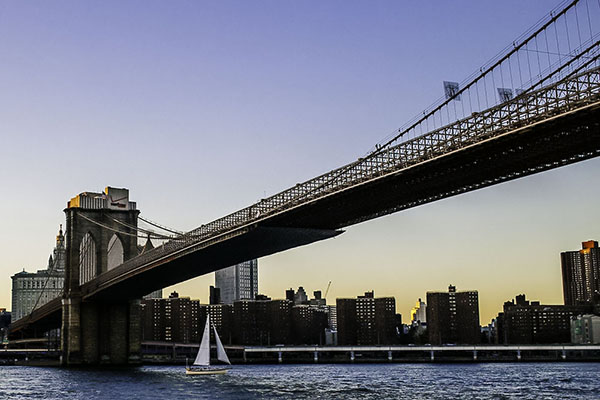
Brooklyn Bridge35mm lenses are light and non-intimidating, which is a huge advantage for daily use. For this reason, I prefer lenses that are a little slower, such as a 35mm f/2 instead of a 35mm f/1.4, because the f/2 lenses are usually significantly smaller than their faster counterparts. I rarely feel the need to use f/1.4, particularly since most newer digital cameras can shoot very well at high ISOs.

The Freedom of a Prime Lens

Using a single focal length is a great way to simplify your photography and to make it more consistent. The constraint can slow you down and help you think more critically about perspective and framing. It can help you grow as a photographer.  In addition, 35mm  is just wide enough without being too wide. It will not overly distort a scene, but it will allow you to capture a wide scene from a close distance.

Fuji X100s + 23mm (35mm equivalent)

Fuji X100S

Fujifilm X100S with 23mm F2 Lens (35mm equivalent).

Currently, my favorite 35mm lens is actually a camera, the Fuji X100S, which has a fixed 23mm (35mm equivalent) f/2 lens that is not removable. I use this small camera as a daily complement to my DSLR system and am now able to carry a high quality camera with me everywhere, no matter what I am doing.  Because the lens was built specifically for the Fuji X100S, it is a spectacular combination and the image quality is very comparable with my high-end DSLR in a much lighter camera body.

A 35mm can be used for a variety of situations. It is not perfect for every situation, but you can use it for street photography, landscapes, travel photography, portraiture, and even architecture. Here are my favorite ways to use the 35mm focal length.

Street Photography

Street Photography

The 35mm focal length is one that has been used by many street photographers over the years and there is a reason that so many do. The focal length makes it easy to show an entire scene, to combine a person and a background, or to combine multiple subjects within the same frame from a close distance. It is wide enough for you to show a large area of background while still focusing on a main subject at a close and intimate distance.

PortraiturePortrait

A 35mm can even be used for portraiture. It is not your typical lens for a tight headshot, where an 85mm to 120mm is ideal. However, the 35mm excels at producing wonderful environmental portraits from a little further away, where both the person and elements of the background are prominent. It is wide enough to include a lot of the surroundings, but not too wide to significantly distort the subject’s features.

Architecture

Architecture

This focal length is not ideal for zooming into building details at far distances, however it is a great focal length for capturing buildings. The constraint can almost turn into an advantage as you begin to photograph buildings in ways that you might not otherwise. I do not recommend only a 35mm for architectural photography, but a 35mm can be a big asset much of the time.

Urban Landscapes

Urban Landscape

The focal length is wide enough to include a scene with a lot of depth and a lot of interest, while not being too wide as to significantly distort the features of the scene.

Travel Photography

Overstuffed Photo Backpack

Have you ever given your wife a black eye by swinging around a tripod that was attached to your backpack at 5am, while getting out of a taxi at the airport for a vacation to Mexico with her extended family? Here is how I used to pack for vacations. I no longer pack like this for vacations.

So for these reasons the 35mm is my favorite lens. Do you use it? What is your fave and why?

googletag.cmd.push(function() {
tablet_slots.push( googletag.defineSlot( “/1005424/_dPSv4_tab-all-article-bottom_(300×250)”, [300, 250], “pb-ad-78623” ).addService( googletag.pubads() ) ); } );

googletag.cmd.push(function() {
mobile_slots.push( googletag.defineSlot( “/1005424/_dPSv4_mob-all-article-bottom_(300×250)”, [300, 250], “pb-ad-78158” ).addService( googletag.pubads() ) ); } );

The post Writer’s Favorites – 35mm Prime Lens by James Maher appeared first on Digital Photography School.
Digital Photography School

 
Comments Off on Writer’s Favorites – 35mm Prime Lens

Posted in Photography


Writer’s Favorite Lens – The Canon 24-105mm f/4

21 Dec

I like shooting all manner of outdoor scenes. I am a sucker for landscapes and seascapes, which almost always require a wide-angle lens. I really enjoy exploring new cities with my camera, which also requires a wide-angle lens but can also be helped by a little zoom to capture details. And, of course, I like taking pictures of my family while we are out, which requires portrait focal lengths. My favorite lens, the Canon 24-105mm f/4 does all these things, and does them remarkably well.

Bernard

A wide angle allows you to get right behind your subject and also get the background. Shot at 24 mm (1/100, f/8, ISO 200)

So when the dPS writers began writing about their favorite lenses, I did not need to think more than a second to determine which lens was my favorite. I carry other lenses, like an extreme wide angle, and a longer telephoto zoom, but I find I rarely need to break them out. In fact, perusing my Lightroom library shows me that I actually used the 24-105mm to capture over 60% of all the pictures I have ever taken.

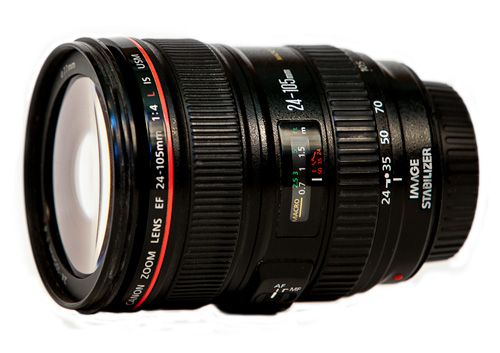
Canon 24-105mm f/4 L IS

Image courtesy of Canon

Here is a quick look at the technical specs for this lens:

  • Local lengths: 24-105 mm (38mm – 168mm on APS-C cameras)
  • Aperture: f/4 (max.) – f/22 (min.)
  • Dimensions: 8.4 cm x 10.7 cm (3.3″ x 4.2″)
  • Weight: 670g (1.47 lb.)
  • Minimum focusing distance: 45 cm

A Great “Walking-Around” Lens

Sure, there is a place for prime lenses. But gone are the days when serious photographers needed to carry around a bunch of prime lenses in order to get high quality. Sometimes you want to just carry your camera and one lens. And sometimes you just don’t want to have to change lenses.

With the 24-105mm, you can carry one lens of high quality and moderate size, and shoot with it all day. It will handle landscapes, urban, street, and people photography really well. As such, it is almost ideal for taking on the family vacation, where you will likely encounter any or all of these scenes. Rather than dig through your bag to find a lens, then change lenses, and then get the shot, you can just walk around with the 24-105mm on your camera and be ready for almost everything.

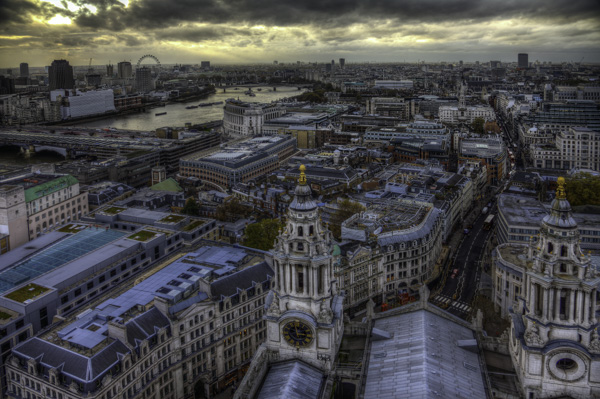
London from top of St. Paul's

The 24-105mm is great for urban shots where you want to zoom out to get the whole scene. It is also nice to walk around with one lens when you have to climb a bunch of stairs, like at St. Paul’s Cathedral in London. Zoomed all the way out at 24mm (1/80 sec., f/5.6, ISO 200).

This is particularly true for full-frame shooters. At full frame, zooming all the way out to 24mm will take a nice wide angle shot, and that is often as wide as you will need to go. Further, at full frame you need to get up to 105mm to cover the portrait focal lengths and get a little bit of telephoto for details. More on that in a second.

High Quality

But am I really just advocating for good walk-around lenses in general? I don’t think so. The focal lengths for these sort of lenses are nice, but they have to be of high quality, and the 24-105mm is remarkable in that regard. It is an L-series lens. It is fully weather sealed. It is sharp and has great image quality. It is known for fast and accurate focusing. My personal experience with it has borne this out. But beyond that, any test I have ever seen of this lens has given it high marks. I have honestly never seen a bad review of this lens (or even a luke-warm one).

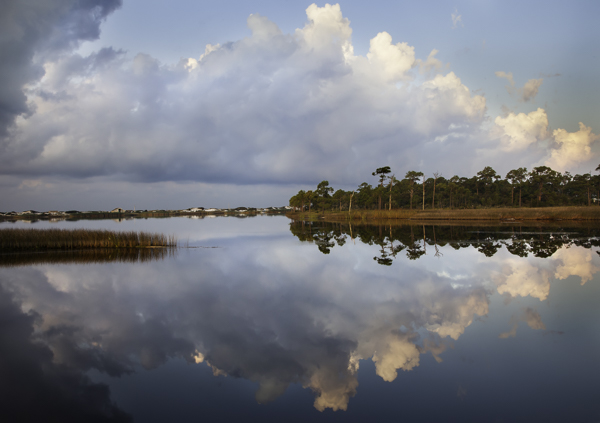
Western Lake

Landscapes and seascapes require a good wide angle. Shot at 28mm (1/30 sec., f/16, ISO 200).

Compared to Other Mid-Range Zooms

But don’t most serious photographers use a 24-70mm for their mid-range zoom lens? Perhaps. I believe they are drawn to the aperture of f/2.8 (versus the f/4 for the 24-105mm). There is no question that the wider aperture of such lenses will get you a greater degree of background blur, and the 24-70 is a really nice lens. But I have a few reasons why the 24-105mm is a better choice for many photographers, particularly those shooting full frame:

1 – Image stabilization

Although the aperture on the 24-70mm opens up one stop more (f/2.8 versus f/4), the 24-105mm has image stabilization, which actually gives you three extra stops in low-light situations.  So unless you need to stop the action in low light, you will actually get better low-light performance out of the 24-105mm.

2 – Better for portraits

If you want to shoot portraits, the 24-70mm is not a good choice despite its wider aperture, at least if you are shooting full frame. The best focal length for portraits is in the range of 80-90mm, which is not included in the range of the 24-70 mm at full frame. It will get there with an APS-C camera since the crop factor will result in an effective focal length of up to 105mm, but not at full frame.

3 – Price/cost

The 24-105mm is a relative bargain at $ 1,150, since you will pay almost twice as much for the 24 -70mm f/2.8.

The price of the 24-105mm becomes even better if you buy it along with a camera, as it is the “kit lens” for some high-end Canon cameras.

The Importance of Lens Diameter

One final note on price, and that is to consider the effect of the purchase of filters. I use a lot of filters, as do many outdoor photographers. I carry three different strength neutral density filters, a polarizer, and a graduated neutral density filter kit. Some photographers might add a UV filter to that list as well. So it is worth mentioning that another good thing about the 24-105mm is that its lens diameter of 77 mm is the same as other common Canon lenses (it is the same for the three lenses I use most often).

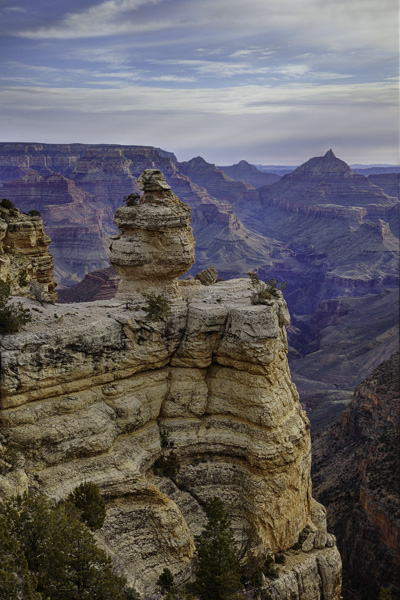
Grand Canyon

When out hiking, you often want to keep your weight down, so a walking around lens like the 24-105 works great. Shot at 58 mm (1/200 sec., f/11, ISO 250).

Why is that important? Because having the same lens diameter on different lenses means that I can use the same set of filters on all of them. If I had to buy new sets of filters for lenses of different diameters, it would get very expensive, very fast. That is especially true if you are using high-quality filters (and you should be, since it directly affects the optics).

Lenses that share the 77 mm diameter with the 24-105mm include the:

  • 100 – 400 mm f/4.5 – 5.6
  • 70 – 200 mm f/2.8
  • 17 – 55 mm f/2.8
  • 17 – 40 mm f/4
  • 16 – 35 mm f/4
  • 10 – 22 mm f/3.5 – 4.5

Not for Everyone

So I think the 24-105mm f/4 is the perfect combination of great focal lengths, high quality, and reasonable price. It will allow you to take landscapes, urban scenes, street photos, and family pictures. You might never take it off your camera.

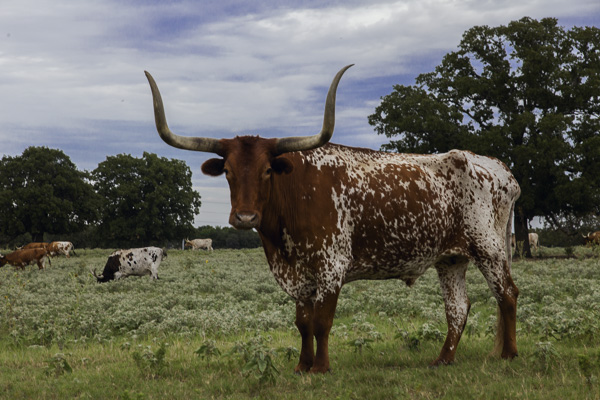
Longhorn

Sometimes you want to zoom in a bit. Shot at 82 mm (1/100 sec., f/8, ISO 400).

But, of course, the 24-105mm is not for everyone. Even among those looking for a good walking-around lens, the $ 1,150 price tag might be too strong. In addition, there are a lot of things this lens won’t do, like macro, for example.  It doesn’t have enough reach for sports or wildlife photography. Although the focal length of the 24-105mm does cover the “portrait lengths,” portrait and wedding photographers will doubtlessly want a faster lens. In fact, anyone shooting inside will likely want a faster lens (larger maximum aperture).

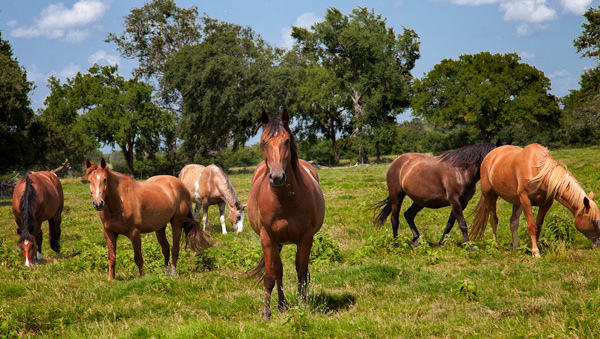
When you are photographing horses, you need to be ready for a variety of focal lengths.  Sometimes they will walk up to you looking for a treat, and sometimes they stay away.  These stayed away, so I needed all 105 mm.  (Shot at 105 mm, 1/160 sec., f/11, ISO 200)

When you are photographing horses, you need to be ready for a variety of focal lengths. Sometimes they will walk up to you looking for a treat, and sometimes they stay away. These stayed away, so I needed all 105 mm. (Shot at 105 mm, 1/160 sec., f/11, ISO 200)

Conclusion

For many, the 24-105mm will be a great choice. Rarely do you see this combination of focal length, quality, and price. I would say that it would make a great addition to your photography bag, except that it is likely that this lens won’t spent much time in your bag (unless your camera is also in your bag). I agree with Bryan Carnahan of The Digital Picture, who writes that “if I had only one lens, this would be the one.”

googletag.cmd.push(function() {
tablet_slots.push( googletag.defineSlot( “/1005424/_dPSv4_tab-all-article-bottom_(300×250)”, [300, 250], “pb-ad-78623” ).addService( googletag.pubads() ) ); } );

googletag.cmd.push(function() {
mobile_slots.push( googletag.defineSlot( “/1005424/_dPSv4_mob-all-article-bottom_(300×250)”, [300, 250], “pb-ad-78158” ).addService( googletag.pubads() ) ); } );

The post Writer’s Favorite Lens – The Canon 24-105mm f/4 by Jim Hamel appeared first on Digital Photography School.

Digital Photography School

 
Comments Off on Writer’s Favorite Lens – The Canon 24-105mm f/4

Posted in Photography


Have your say: Best Lens of 2014

16 Dec

A lot more lenses are released every year than cameras, and while we can’t use all of them, we know that you – our readers – are avid lens buyers, and have your own opinions about which of the many models released every year are the best. For this poll, we’ve selected what we think are the standout lenses of 2014 for enthusiast DSLR and mirrorless interchangeable lens cameras. Click through for a chance to vote for your choice of best lens released in 2014.

Articles: Digital Photography Review (dpreview.com)

 
Comments Off on Have your say: Best Lens of 2014

Posted in Uncategorized


7 December, 2014 – The Olympus 40-150mm Lens

08 Dec


It’s a photographers market right now.  Tough decisions must be made as to what gear to purchase.  There is no question the mirrorless revolution is well under way.  We recently reviewed the new Samsung NX1 with some very impressive specs.  The Olympus OMD and Fuji systems have been growing very fast and let’s not forget Sony with the amazing a7 system.  Sony took another step forward this last week and announced the Sony a7 II with some amazing features.  We are now testing a version and we should have a report very soon. So, if you join the mirrorless movement which system do you go with?  They are all good and offer amazing performance. We’ll be visiting a number more of the mirrorless options over the next few weeks. Hopefully we can help you make the choice bestt for you.

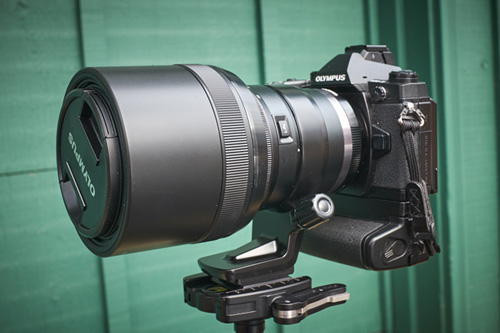
So, continuing with our focus on the mirrorless systems we post Kevin Raber’s look at the new Olympus 40-150mm Pro zoom lens. This new lens is the second of four announced Pro Lenses by Olympus, that are on the road map to be shipped.  This lens is a good example of what smart engineering is all about and is quite a performer.  Read more HERE.


The Luminous Landscape – What’s New

 
Comments Off on 7 December, 2014 – The Olympus 40-150mm Lens

Posted in News


Casio launches EX-MR1 selfie camera with lens behind a mirror

05 Dec

Casio has taken the selfie camera a logical step forward with a new design. The Casio Exilim EX-MR1 uses a lens behind a large mirror so that shooters can check their appearance as they take a picture. The camera, which the company seems to be targeting at women, is a 14MP compact camera with an extra wide angle 4x zoom that starts at 21mm equivalent – a focal length Casio says is optimal for taking self-portraits. Read more

Articles: Digital Photography Review (dpreview.com)

 
Comments Off on Casio launches EX-MR1 selfie camera with lens behind a mirror

Posted in Uncategorized


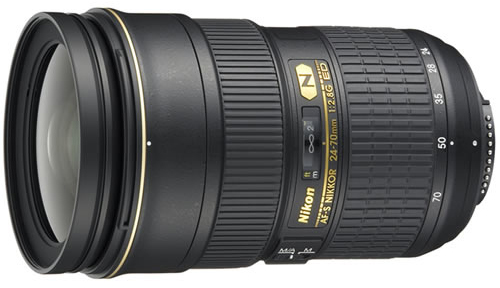
A Practical Review of the Nikon 24-70mm f/2.8 lens

27 Nov
The Nikon 24-70mm F2.8 Lens

The Nikon 24-70mm F2.8 Lens

You will hear this from many photographers – “invest in your lenses”. Camera bodies will come and go, but a good lens can last a very long time. This was the advice that I first received when I started taking my photography seriously. Initially, I thought it was a bit hyped. I bought a cheap 70-300mm lens and used it at the first wedding I shot. I thought the images were fantastic until I bought a better lens a year later. I then realized how much difference a good lens can make.

This review is not going to be a technical review of the lens. You want to know how this lens performs, what the strong points are and what the weak points are – I will cover that. You will see images taken with the lens, many will be edited in Photoshop, some will be straight out of the camera, I will point out to you which are which.

About this lens

This lens is regularly praised as the best midrange zoom lens that Nikon has ever made. That sounds like a crazy statement, but when you look at the image results from this lens you can understand why. The lens is a high spec lens with a maximum aperture of f/2.8 and a minimum of f/22. Here is a quick look at the technical specs:

Focal Length: 24-70mm
Format: Full Frame – 35mm, can be used on a DX body, but will be cropped
Maximum aperture: f/2.8
Minimum aperture: f/22
Dimensions: 83mm (diameter) x 133mm (length)
Weight: 900g
Zoom ratio: 2.9X
Minimum focusing distance: 38cm

This lens is a perfect “all rounder” lens. You may find that you keep the lens on your camera most of the time. It has a really good focal range for everyday photography. It is a good travel lens too. Many photographers have said that this lens was the only lens they went on vacation with and it worked really well.

Photographic Genres that it can be used for:

1. Landscape Photography

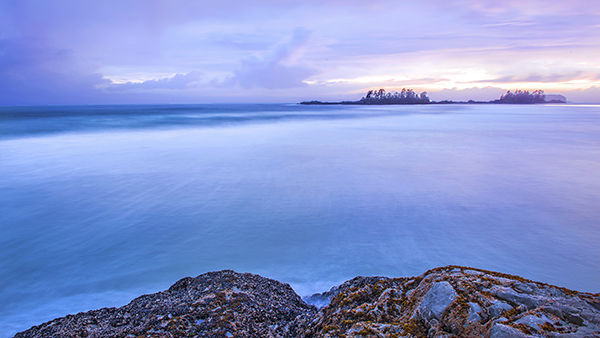
This is not considered a super wide angle lens, but at 24mm on a full frame sensor, you will get a viewing angle of of 84 degrees which gives a pretty wide angle of view. This lens can be used for landscape photography for a few reasons. Firstly, it has really good glass elements that handle light beautifully. There is some distortion at 24mm, but this is easily corrected in Photoshop. Secondly the lens is really sharp, it makes an image seem almost too sharp. You may find that you won’t need to sharpen your image as much if you use a tripod and are properly focused. The colour rendition on this lens is really good too, colours are true and vibrant. This lens is good for landscapes, not necessarily as a dedicated landscape photography lens (you may want to look at some wide angle lenses) but it can certainly perform well for this type of photography.

This seascape image was shot at 24mm. The clarity and colour was amazing, this has been edited in Photoshop

This seascape image was shot at 24mm. The clarity and colour was amazing, this has been edited in Photoshop

2. People Photography

This lens can work well for people photography as well which can encompass portraiture, weddings, and even street photography. This lens will do a really good job in any of these genres. In people photography, you will want to have a lens with minimal distortion. If you are using the 24-70mm for people photography, you will want to be shooting at 50mm and upwards. With a wide open aperture at f/2.8 you will be able to isolate your subject easily and have a soft out of focus background. The bokeh on this lens is good, but more on this later.

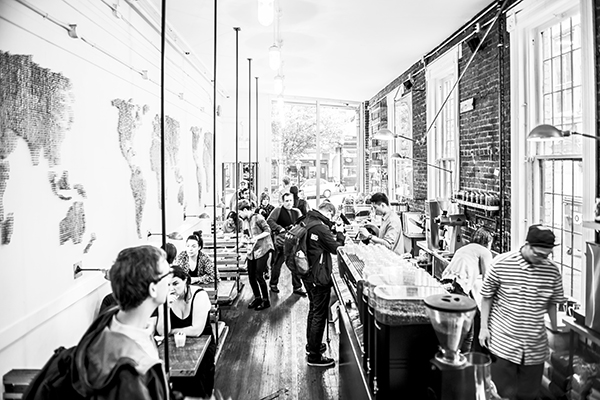
A scene in a coffee shop, taken at 24mm. Converted to B&W and edited in Photoshop

A scene in a coffee shop, taken at 24mm. Converted to B&W and edited in Photoshop

3. Close-up and Macro Photography

While the 24-70mm is not a macro lens, it has a 37 cm (14.5″) minimum focusing distance. That sounds like a long way, but at 70mm you can get pretty close to your subject. If you are shooting on a high resolution sensor (16 megapixels and above) you will be able to crop in quite a bit and so you will be able to get some good close up images. Bear in mind, this is not a macro lens, but if you want to get in close to a subject, really nice and close, this lens can do that. The sharpness and clarity is amazing, and it is good to have this ability on this lens.

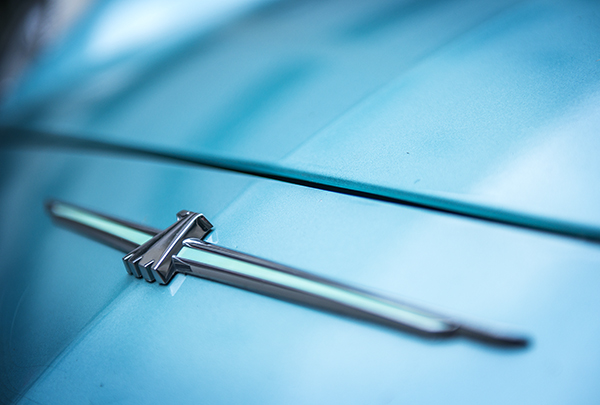
This badge on the hood of a car was taken at 70mm and handheld. The clarity and sharpness is good and the close up shot isolates the badge

This badge on the hood of a car was taken at 70mm and handheld. The clarity and sharpness is good and the close-up shot isolates the badge

4. Street Photography

Most street photographers will traditionally use a prime lens for their work. You will often find a 50mm f/1.8 or and 85mm f/2.8 on their cameras. Sometimes though, it is good to have a little more flexibility and the 24-70mm is perfect for this. You can shoot at 35mm, 50mm, or 70mm and you will get great results. Based on your creative desire, you can shoot at f/2.8 or up to f/8 depending on your scene. The beauty of the lens is that it can focus really quickly and easily. It has a SWM (Silent Wave Motor) which means the autofocus is quick and quiet, really useful in street photography. There is some vignetting when the lens is wide open at f/2.8, but this adds some depth and contrast to street photography images.

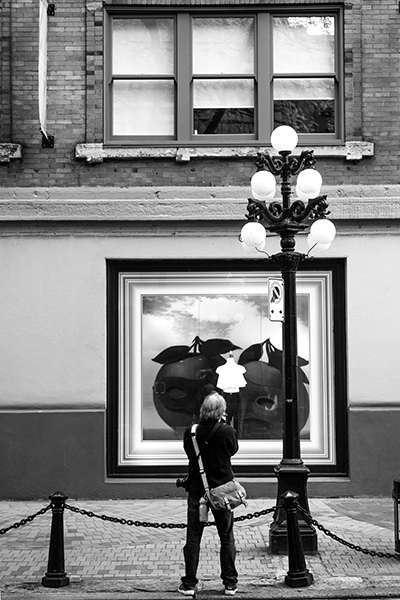
This lens gives you flexibility when shooting street photography.

This lens gives you flexibility when shooting street photography.

5. Travel Photography

When you are planning to travel, there is always the consideration of what lenses to pack. Weight is always a challenge and of course, space. Many photographers have found that the 24-70mm is a prefect travel lens. At the low end, you can capture some great images of wide open spaces and the interiors of  churches and cathedrals easily. Zoom in and you can get pretty close to your subject, step in closer and you can do some wonderful cameo and detail shots. The 24-70mm is almost designed for travel photography. Yes, it lacks a little in the zoom category, 70mm is not a huge zoom, but you will come home with bright, sharp, colour-filled images.

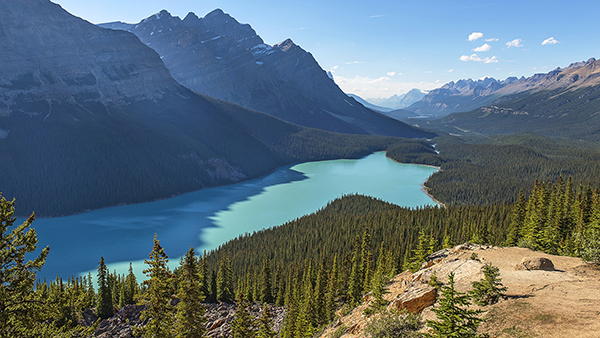
The magnificent Peyto Lake in the Canadian Rockies, made with the 24-70mm lens

The magnificent Peyto Lake in the Canadian Rockies, made with the 24-70mm lens

Performance

The Nikon 24-70mm has amazing optics. It is sharp throughout the zoom range and has a fixed aperture of f/2.8 which means you can get a very shallow depth of field throughout the entire range.

1. Autofocus

This lens focuses quickly and accurately. I use it on a Nikon D800 and it works really well on that camera. You can of course manually focus, but I would only suggest doing that when you are shooting landscapes or close-up photography. If you have a subject that is moving, autofocus is necessary.

2. Colour rendition

The lens produces good colour, which is vibrant and rich.

3. Distortion

If the lens is zoomed out to 24mm you will see some barrel distortion. Once you zoom in though, the distortion goes away, so be aware of the distortion when shooting at 24mm. It is easily fixed in Photoshop or Lightrooom, so don’t be too overly concerned about that.

4. Handling

The lens is quite large and heavy, mostly because the lens has all glass elements and the body of the lens is metal. It is a hardy lens and can take some rough handling, but be careful with it as it is an expensive lens and you wouldn’t want to repair it unnecessarily. When mounted on a Nikon D800 without a battery back, the combined weight of the lens and camera body will be at least 2 kilograms (4.4 pounds). Thats a fair amount of weight to carry around at the end of your hand, so be aware if you plan to buy this lens.

5. Bokeh

Many lenses are judged not only on how sharp they are, but how smooth and creamy are the out of focus areas (bokeh) of the image. In this area, the 24-70mm does okay. The bokeh on this lens is not a wow, but it is smooth and soft. On a lens that offers so much, the bokeh is not perfect, but it is acceptable.

Overall Conclusion

This lens has been praised as one of the best lenses Nikon has ever made. It is a great addition to any photography bag. You will find that you may keep it on your camera most of the time. It really is a sharp lens and is a perfect “all-round” everyday lens. Its specifications make it a “pro-spec” lens which means it’s not cheap (just under $ 2000). Remember though, it is recommended to invest in your lenses. Generally they will outlast your camera bodies and you will have them for many years if you look after them. This is one of those types of lenses, it will last well and produce great images for many years.

The post A Practical Review of the Nikon 24-70mm f/2.8 lens by Barry J Brady appeared first on Digital Photography School.

Digital Photography School

 
Comments Off on A Practical Review of the Nikon 24-70mm f/2.8 lens

Posted in Photography


Shooting Sunspots or How to Get a Beautiful Lens Flare

26 Nov

Sunspots, they’re such an enigma. They’re huge right now. Everyone wants to see them in their photos, but they don’t want to have them on their wall…unless you do it right. When I first started in photography, 20 years ago, there were Big Taboos, the Uncrossable Chasms that one never even considered crossing; Never use a flash on camera, keep Continue Reading

The post Shooting Sunspots or How to Get a Beautiful Lens Flare appeared first on Photodoto.


Photodoto

 
Comments Off on Shooting Sunspots or How to Get a Beautiful Lens Flare

Posted in Photography


The Canon EF 8-15mm f/4L Fisheye USM, My New Favorite Wide Angle Canon L Series Lens

21 Nov

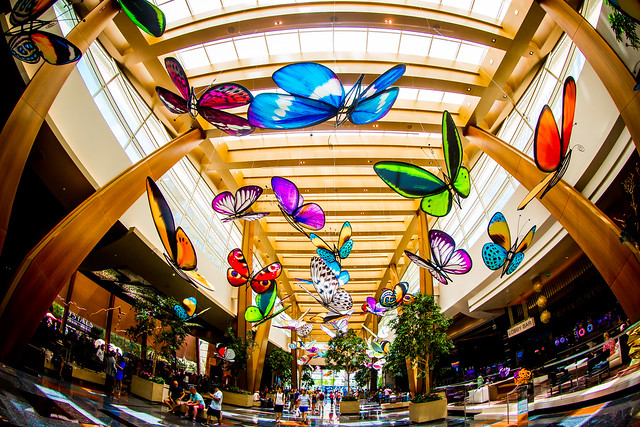
My Friend Chihuly Says Hi

I almost didn’t purchase the Canon EF 8-15mm f/4L Fisheye USM lens. I remember a conversation when I bought it a few years back on Google+ with my good pal Gordon Laing where I was really debating buying it. It was in pre production and I had an order in with B&H but it hadn’t shipped yet. At around $ 1,400 the lens felt expensive for what I worried might be an oddball lens, a lens useful for making a few high impact fisheye shots but not good for much else.

I’m happy to say that I did buy the EF 8-15mm fisheye lens and that I couldn’t be more happy about that decision.

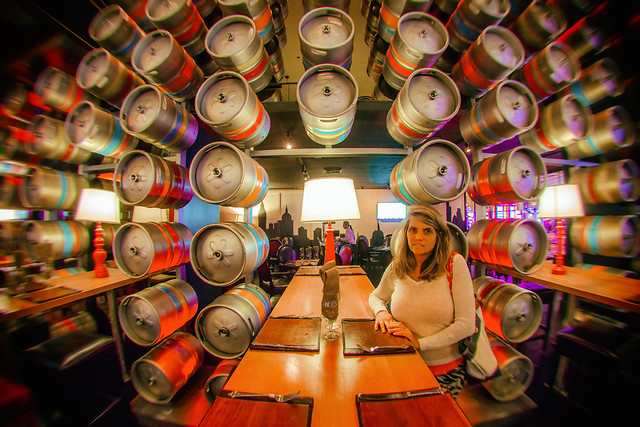
My main dilemma with the EF 8-15mm fisheye was that I already owned the excellent EF 24mm f/1.4 lens and EF 14mm f/2.8 lens, and so I felt like I had the whole wide angle world covered. Now I find that I use this lens at 15mm much more than either my EF 24mm f/1.4 lens and EF 14mm f/2.8 lens and get what feels to me to be a remarkable more normal non fishy looking wide angle shot. Yes, you can tell it came from a fisheye lens at 15mm, but barely and I love the slightest degree of distortion I get there artistically speaking.

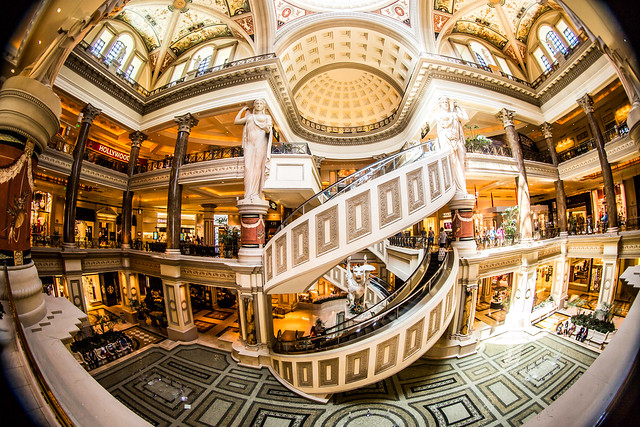
Welcome to Caesars

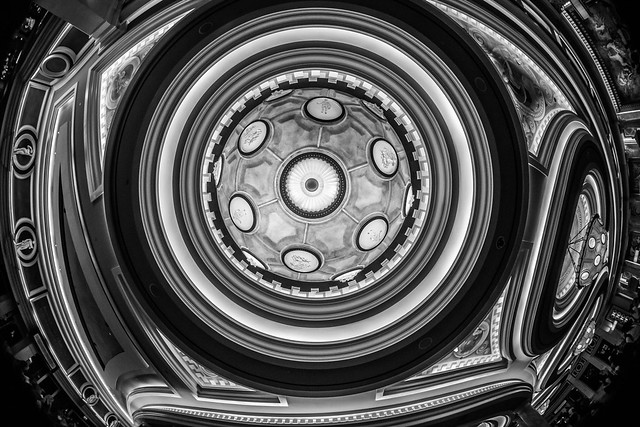
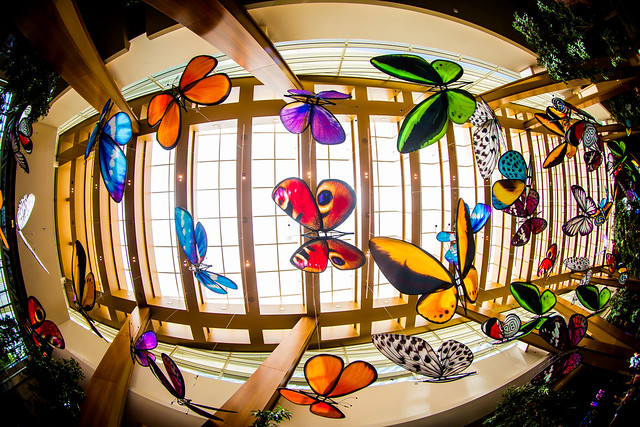
Of course I have way more fun shooting this lens at 8mm and have found that beyond traditional fisheye subjects, this lens has opened up a whole new world to me when it comes to shooting more abstractly — especially with architecture. I find these days my EF 14mm lens stays in my bag and instead I put on my EF 8-15mm fisheye lens for almost every ceiling photo I take.

I find this lens gets me my highest impact shots. Shots that make you go wow and make people notice.

Underground

On a full frame lens this lens gives you a perfect circle at 8mm. I love the square crop format and frequently shoot it at 8mm and then crop square afterwards.

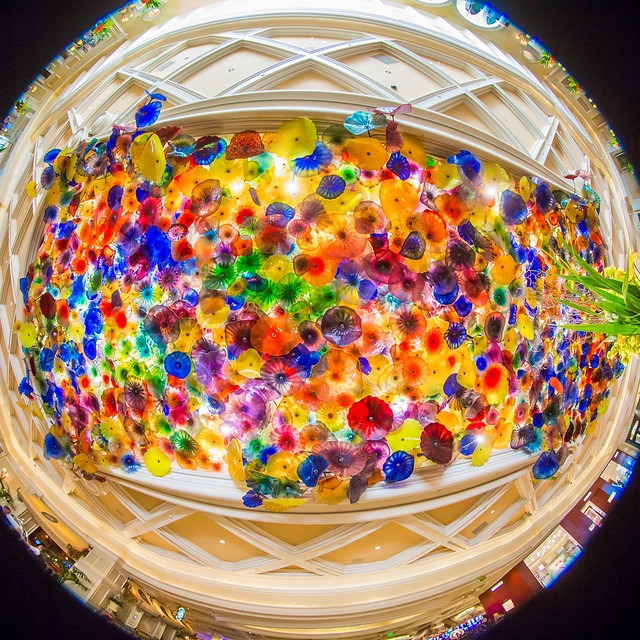
The lens is super sharp and great if you want to get the entire ceiling of Chihuly’s amazing sculpture at the Bellagio like in the photo with this post.

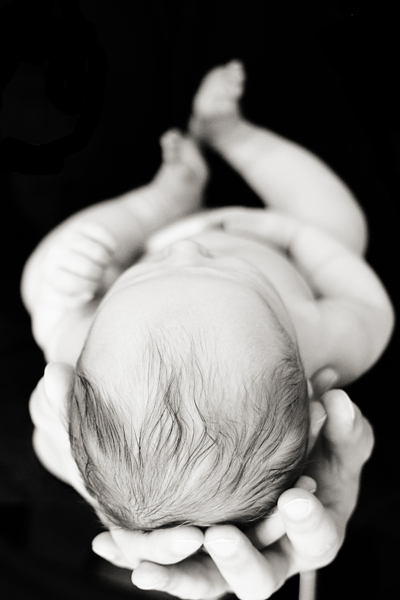
While it’s not the best portrait lens, it can be fun to use as well with photographing people in new and creative ways (like this version of the human eye that I used it on).

As a reminder, my analysis of my Canon gear is being done in partnership with Canon and I am receiving compensation for this work with them.

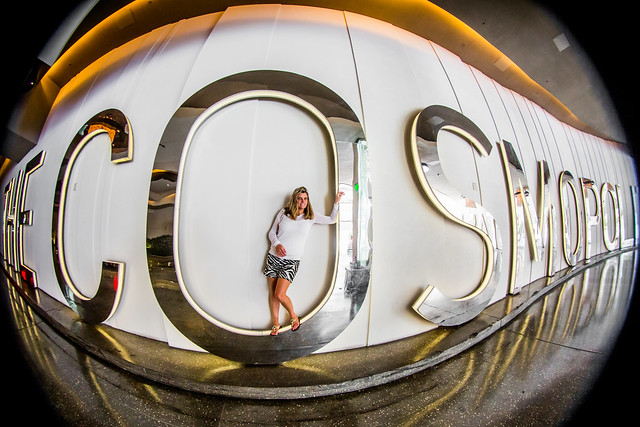
Meet You at the Cosmopolitan

You Give Your Hand to Me

If You Can Find Her

Your Love is My Favorite Color

Time for a Beer?

Your Love is My Favorite Color

Penchant


Thomas Hawk Digital Connection

 
Comments Off on The Canon EF 8-15mm f/4L Fisheye USM, My New Favorite Wide Angle Canon L Series Lens

Posted in Photography


Writer’s Favorite Lens the Nifty Fifty on a Cropped Sensor Camera

18 Nov

50mm1Growing up, the first letter of my last name was towards the end of the alphabet, which meant that I was one of the last kids who got to choose my electives in high school. It was for this reason that I ended up with strange electives such as Physics, Advanced Placement Composition, Metal Shop, and eventually Black and White Photography. I was less than thrilled about taking Photography – I had SATs to take, colleges to get in to, and certainly did not have time for a photography class taught by the Psychology teacher who was notorious for making kids walking around campus with their hands in the shape of a rectangle, “visualizing” the shot. Despite my best efforts, somewhere between the enlarger and placing my paper in the developer for the first time, I fell in love.

I clung to black and white film photography for a number of years, until husband bought me my first DSLR – a Canon Rebel XS. One of the very first things I noticed was that something was wrong. Even when shooting with some of my favorite focal lengths, something looked off. After consulting Dr. Google, I quickly realized that the difference was that I learned photography in 35mm film format, and that the cropped sensor of the Canon XS made my lenses function in a different way than I was used to. There are plenty of articles that go into great depth explaining the hows and whys of cropped sensors, but what you need to know is that if you own an entry-level DLSR, you probably have one. If you do have a cropped sensor camera, you also need to know that a 50mm lens on a cropped sensor camera doesn’t actually act like a 50mm lens. Rather, APS-C (cropped sensor) cameras have a magnification factor of either 1.6x (Canon) or 1.5x (Sony & Nikon). So, you need to multiply the length of the lens on your camera by the magnification factor above in order to see what focal length that particular lens will function as on your camera. For example, if you put a 50mm lens on a cropped sensor camera, you have to multiply by 1.6x which means that your 50mm lens is actually functioning more like an 80mm lens.

50mm3

This is important because when you see reviews of lenses, or even when professional photographers talk about lenses, chances are that the images that they include will be taken with a full frame camera, which does not have a cropped sensor. In other words, even if you buy exactly the same lens, your photos will probably not look similar if you are using a cropped sensor camera. Now, please hear me when I say that this doesn’t mean that your camera is “bad” or that you need to upgrade your gear – you are capable of taking some absolutely amazing photos with a cropped sensor camera and a nifty fifty lens. There is a TON of potential there at a fairly low price point, which is why the 50mm f/1.8 lens is the first upgrade that a lot of new photographers make, and rightfully so! Today, I’d like to showcase a few of my favorite uses of a 50mm lens on a cropped sensor camera. In fact, every photo in this article was taken with a Canon 50mm f/1.8 lens and either a Canon XS or Canon 60D, which are both cropped sensor cameras.

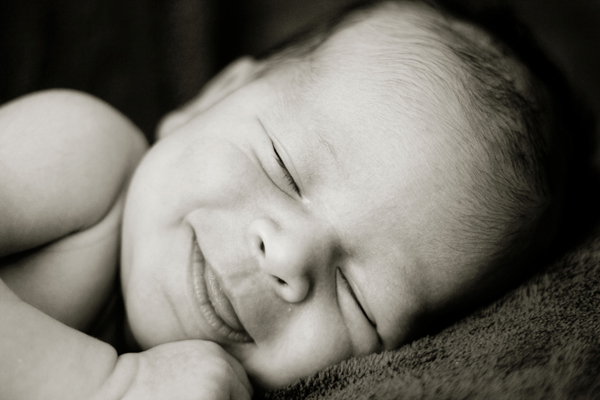
Newborn Photography

50mm2

When I’m photographing newborns, I’d say that the 50mm lens is on my camera 90% of the time. I like to go to the new parents rather than have them come to me whenever possible because I tend to find that mom and baby relax a bit faster in their own space, and I like to include a lot of “lifestyle” images in the session as well. However, doing so comes at a trade-off, which is that I don’t have as much control over the light in their home as I would in my space. Yes, I can move furniture if necessary or even shoot in the kitchen if that’s where the best natural light is, but it’s also nice to have a lens that can accommodate lower-light situations if needed, and the 50mm certainly can do just that when I shoot wide open or close to it. I find that the sweet spot in terms of aperture with this lens is around f/2.5, which is typically sufficient, but I like the fact that I can go down even further if I want to bring the focus to little feet, hair, or newborn features.

Nature Photography

50mm4

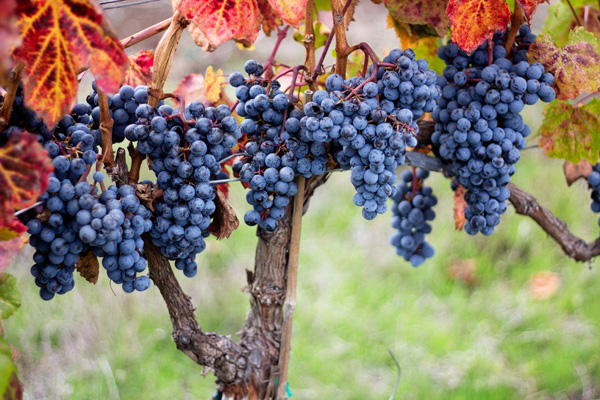
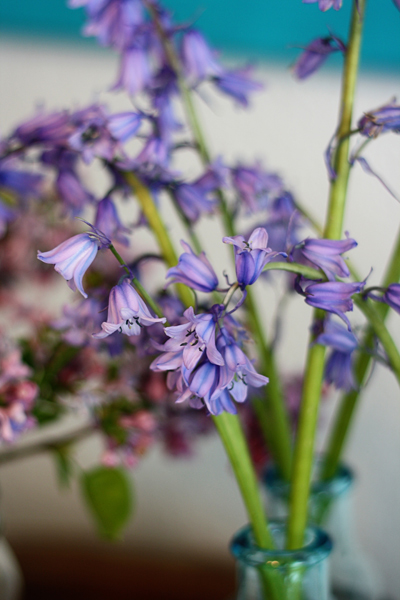
While I have experimented with landscape photography using my 50mm lens, I prefer a wide angle lens (somewhere around 35mm) for that purpose. That said, while the 50mm may not be your best option for capturing waterfalls or beautiful mountain ranges, the 50mm lens shines in capturing the smaller details of nature – think flowers, vegetables, fruit, leaves, snow covered branches, and buds on trees.

50mm5

Portraits

Of course, one of the most common uses for the 50mm lens is for standard portraits. I use my 50mm lens most often for portraits of one or two people, but have pulled it out quite frequently for groups of about three to six people as well (any more than six, and I prefer a wider angle lens). When I first purchased the 50mm lens, I was so excited about the ability to create a blurred background in portraits that I almost always shot wide open, with the aperture at f/1.8. It was so exciting to be able to achieve that bokeh!

However, I also created a lot more work for myself and ended up with a lot fewer photos that nailed focus because the depth of field was so shallow, and any small movement of a kid could throw the focus out of whack . Now, I tend to set the aperture around f/2.5 when I’m shooting portraits, which still gives plenty of blur in the background but also makes my life a little easier. This is especially true when it comes to photographing toddlers and young kiddos that are often moving even when they’re “sitting still”. The bottom line? Don’t fall into the trap of shooting wide open all the time just because you can!

50mm6

Unexpected Surprises

When I’m out and about, I often toss my camera with the 50mm lens in my purse or in the car. As I’ve mentioned, it’s my favorite lens, and the one that gets the most use, so it’s a generally safe bet. That said, there have been a handful of occasions in which my 50mm lens may not have been my first choice if I had other options with me, but it performed better than expected nonetheless.

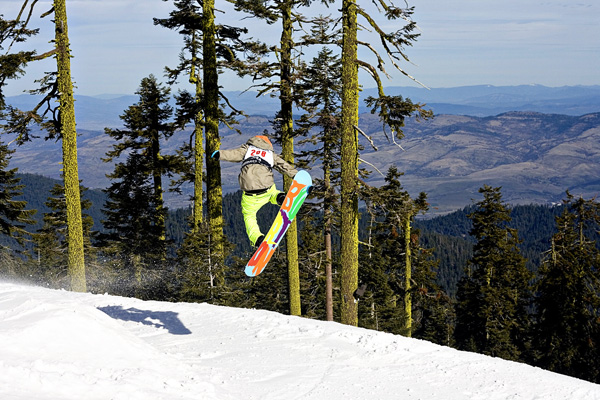
One such instance was when we ended up at a ski resort on the day of their high school snowboarding competition. I grabbed my camera just for fun, and was surprised at how well the 50mm lens handled a shot that I’d typically prefer a wider angle for. So, don’t be afraid to experiment with a 50mm lens even beyond the standard portrait applications, there’s a whole lot of potential there!

50mm8

Your Thoughts?

Do you own a 50mm lens? What do you find yourself using it for most often? Do you have a cropped sensor or full frame camera?

The post Writer’s Favorite Lens the Nifty Fifty on a Cropped Sensor Camera by Meredith Clark appeared first on Digital Photography School.

Digital Photography School

 
Comments Off on Writer’s Favorite Lens the Nifty Fifty on a Cropped Sensor Camera

Posted in Photography


Writer’s Favorite Lens – the Canon 40mm Pancake Lens

16 Nov

Like many beginning photographers, I’ve been a long-time fan of zoom lenses throughout much of my four year photography career. This past year, however, something in my brain shifted and I began to first accumulate and suddenly prefer using prime lenses. I began with the humble Canon 50mm f/1.8, eventually adding a 100mm f/2.8 macro lens. For many months, this combination of lenses paired with my Canon 6D became my preferred travel photography kit, replacing my beloved 16-35mm f/2.8. I loved the compact, significantly lighter kit that I was now able to tote around in my discrete Kata DSC 437 camera bag.

DPS 08

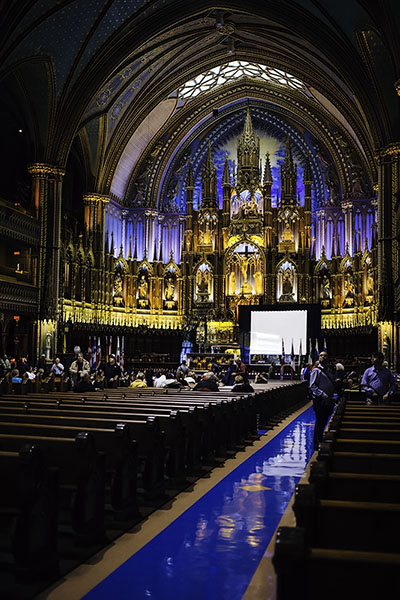
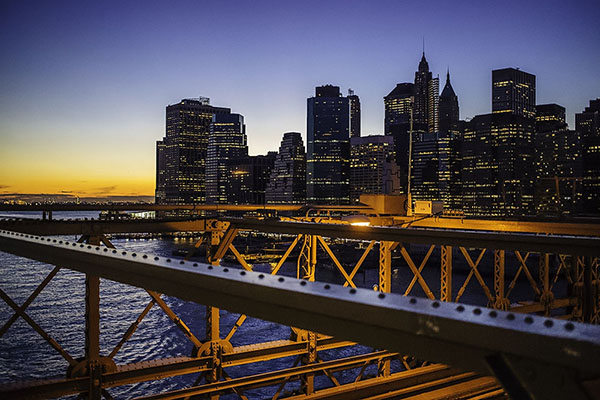
Several weeks ago, I decided to pull the trigger on another prime lens: the Canon EF 40mm f/2.8 STM pancake lens. Announced by Canon in June 2012, this is a relatively new lens and is the smallest ever made by Canon. Intrigued by its smaller size and slightly wider focal length, I decided to use it in place of my nifty fifty lens on a two week trip to New York and Montreal. The resulting images I took and overall experience shooting with the 40mm have secured it as my favorite new all-around shooting lens. Here are some reasons why you too may want to consider adding the 40mm pancake lens to your collection.

DPS Pancake lens 03

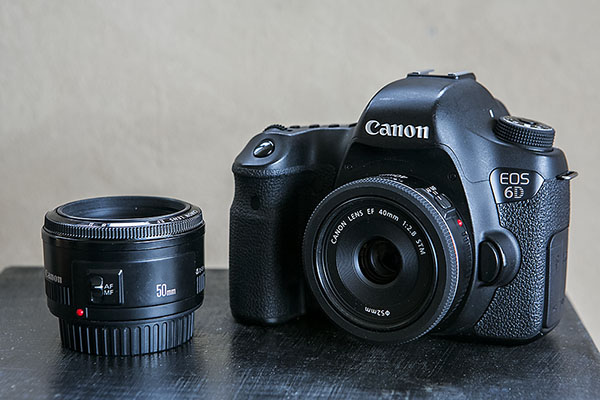
Makes DSLR cameras even more compact

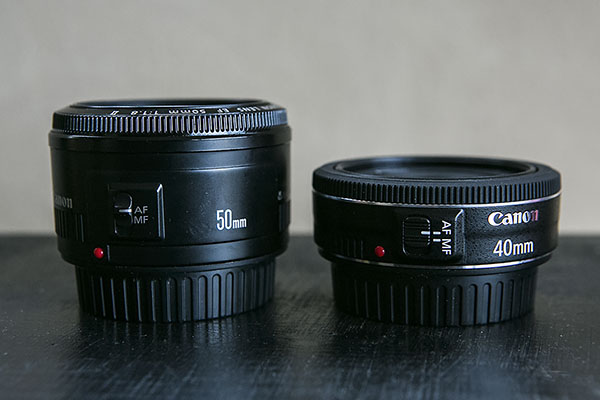
At 22mm (0.86″) deep, the 40mm is significantly shorter than the 50mm f/1.8, which measures 41mm (1.6″) deep. The 40mm’s shortened length makes it easy to slip it into a relatively small camera bag, or even a medium sized purse.

DPS Pancake lens 02

Allows for the “perfect normal” focal length for full-frame cameras at a reasonable price

While the 40mm will work on every Canon DSLR ever made, it is optimized for use on full-frame digital cameras. I always found 50mm to be slightly too long for most of the casual street photography or travel shots that I want to take, and Canon doesn’t make a 35mm for less than $ 500. Priced brand new at $ 199.99, the 40mm is the perfect balance in terms of focal length and cost, providing an incredibly natural perspective to images at a reasonable cost.

DPS FINAL 05

Solidly built with instant manual focus override

Despite being drastically shorter than the 50mm f/1.8, the 40mm actually weighs about the same at 4.6 ounces (130 grams). This is likely due to the 40mm being constructed of both metal and plastic, giving it a very solid and secure feel, especially when compared to the mostly plastic 50mm f/1.8. Like the 50mm f/1.4, the 40mm also has an outer focus ring that can be adjusted at any time for instant manual-focus override when shooting in Canon’s One Shot focus mode.

DPS New York Food

Ideal for street, architectural, and food photography

The 40mm’s compact build makes it very easy to stow in casual bags of nearly any size. Its size also makes it more inconspicuous, making it ideal for street or documentary photography, as opposed to the popular 24-70 f/2.8 lens, which always seems to stick out. My travels through New York and Montreal saw many tall buildings and skyscrapers which were admittedly harder to shoot with the 40mm, making me miss my wider 16-35mm.

DPS FINAL 02

However, the 40mm was still wide enough to capture certain architectural scenes, and the benefit was the lack of distortion when captured at 40mm versus 16mm. This meant far less lens correction in post-processing. Another area of photography that is immensely easier with the 40mm is food and drink photography for the casual shooter.

DPS New York Food

If you want to make less of a show of grabbing a few snaps of a dish while being seated at a restaurant, the 40mm’s wider focal length and minimum focusing distance of 0.3m (11.8″)  – compared to 0.45m (17.7″) on the 50mm f/1.8 – is perfect for capturing what is immediately in front of you without having to stand up and fuss with angles.

DPS Portrait 02

The One Downside to Having a Pancake Lens

Throughout my three weeks of shooting with the 40mm, I had only one minor complaint that to me is the compromise of having a slimmer lens: lack of space to properly handle the lens during lens changes. It is much harder to attempt spur of the moment lens changes without accidentally getting fingerprints on one side of the lens or potentially dropping it.

Do you have a favorite lens? Have you tried this little gem? Share your thoughts in the comments.

The post Writer’s Favorite Lens – the Canon 40mm Pancake Lens by Suzi Pratt appeared first on Digital Photography School.

Digital Photography School

 
Comments Off on Writer’s Favorite Lens – the Canon 40mm Pancake Lens

Posted in Photography