RSS
 

Posts Tagged ‘Learned’

103 Things I’ve Learned About Street Photography

31 Aug

By Street Photographer Eric Kim
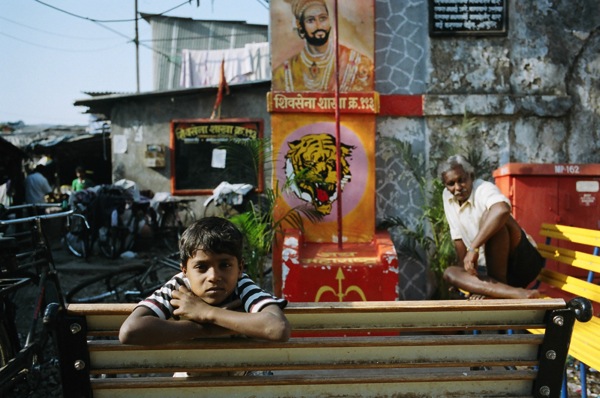
Calcutta 2013 2

  1. A good photo asks more questions than provides answers
  2. 35mm as a focal length is generally ideal for most street photographers. 28mm is too wide (most people don’t get close enough) and 50mm is too tight.
  3. My keeper ratio : one decent shot a month, one shot I am proud of in a year.
  4. “When in doubt, click.” – Charlie Kirk
  5. When in doubt, take a step closer.
  6. You will become a better photographer by asking people what they don’t like about your shots (rather than what they like).
  7. A harsh and constructive critique is better than a pat on the back.
  8. A good photo critique needs (at least) 4 sentences online. Preferably 8 sentences or more.
  9. It isn’t the quantity of social media followers you have that matters, rather then quality of followed you have that matters.
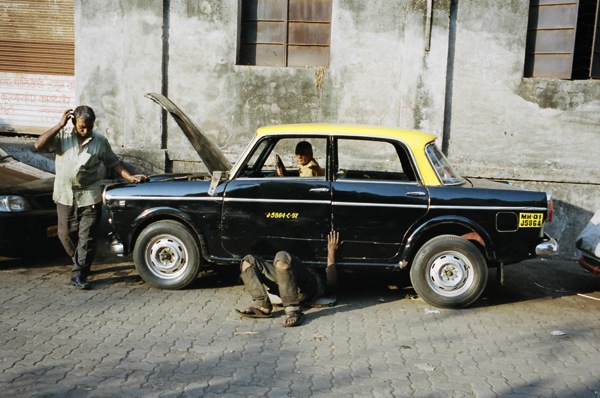
Calcutta 2013 1

  1. Be consistent : stick with one camera, lens, film, or post processing approach to develop your style.
  2. Great photography projects generally take at least 5-10 years.
  3. Buy books, not gear.
  4. The only way money will make you happier in photography if you invest it into experiences (travel, workshops, teachers) rather than material things (cameras, lenses, gear).
  5. The best camera bag in street photography is no camera bag.
  6. “The decisive moment” is a myth. Even Henri Cartier-Bresson took at least 5 photos of scenes he found interesting and worked the scene to get the one memorable shot.
  7. Most famous photographers are only known for their 1-3 most popular images after they die. If you accomplish the same, you have done your job as a photographer.
  8. When shooting film, it is better to over expose than underexpose (film has more details in the highlights).
  9. When shooting digital, it is better to unexpose than overexpose (digital has more details in the shadows).
  10. Street photos of people just walking by billboards is boring.
  11. To become a great street photographer you must first understand what a great street photograph is. Study the masters.
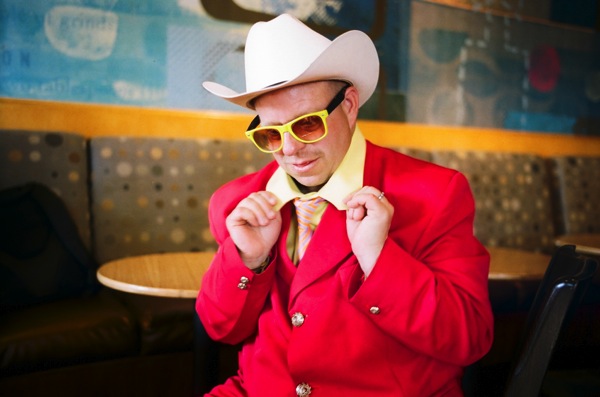
Eric Kim Color 1

  1. When shooting street photography with a DSLR, micro 4/3rds, or a compact and you don’t want to worry about technical considerations, just use “P” mode at ISO 1600.
  2. Projects are more meaningful than single images.
  3. Creating a photo book is the ultimate expression of a photographer.
  4. Shoot as if each day were your last.
  5. One camera, one lens is bliss.
  6. Grain is beautiful, noise is ugly.
  7. My favorite films are Kodak Tri-X (for black and white) and Kodak Portra 400 (for color).
  8. Bokeh in street photography is overrated. Shoot at f8-16
  9. With film, your first 10,000 photos are your worst. With digital, it is more like your first 1,000,000 are your worst.
  10. The secret of a memorable street photograph : capturing emotion.
  11. A street photograph without emotion is dead.
  12. No amount of post processing will make a crappy photograph into a good photograph.
  13. Wait at least 6 months to a year before uploading your images to the Internet, to truly understand if is a good photograph or not.
  14. When it comes to editing, remember to “kill your babies.”
  15. Cheesy titles in street photographs don’t make them any better.
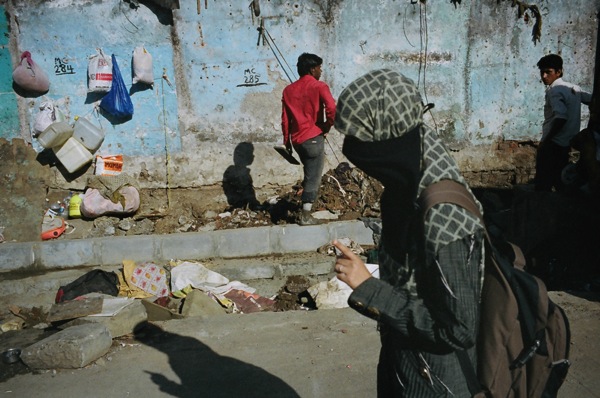
Calcutta 2013 11

  1. Watermarks in street photographs ruin the viewing experience for your audience.
  2. Buying a more expensive camera won’t make you a better street photographer.
  3. Shooting film will teach you more discipline in street photography (and may lead you to become a better photographer).
  4. Street photography is the most challenging genre of photography out there.
  5. A great street photograph needs strong content (what’s inside the frame) and form (composition).
  6. Shoot for yourself, not others.
  7. Spend less time on gear review sites and more time on Magnumphotos.com
  8. You can never spend too much money on photo books.
  9. You are your worst critic. Always get critique from others, they will help spot the holes in your photography.
  10. Sticking with one focal length for a long time will help you better pre visualize your shot and master framing.
  11. You are only as good as your worst (public) street photograph.
  12. Secret to good multi subject shots : don’t overlap your subjects and look for emotional gestures.
  13. How to improve your framing : don’t crop for a year.
  14. How to become a better editor : don’t upload photos to social media for a year.
  15. Try to shoot at eye level (or extremely above or below) your subjects. So crouch when taking photos of people sitting down, shorter than you, or kids. Or shoot from a very high vantage point.
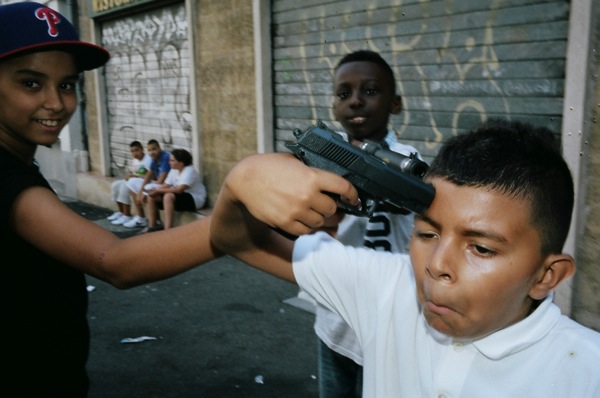
Eric Kim Color 6

  1. 99% of street photographs are ruined by messy backgrounds.
  2. To get cleaner street photographs, first find a clean background and then wait for your subjects to enter the scene.
  3. If your mom likes your street photographs, your photos are probably generic and boring.
  4. Always carry a camera with you.
  5. Street photographs don’t have to have people in them (but generally are more interesting with them in it).
  6. You don’t need a Leica to shoot street photography. Be grateful for what you have and use what you got.
  7. Spend 99% of your time editing your photos (choosing your best images) and only 1% of your time post processing them.
  8. Style in street photography is a combination of having consistent equipment (camera and focal length) as well as “look” (film or post processing style) and content (the subjects you generally photograph).
  9. It is better to over shoot a scene then under shoot a scene.
  10. “Shoot from the gut, edit with the brain” – Anders Petersen
  11. It is always nice to have a shooting partner when out on the streets.
  12. “Shoot who you are.” – Bruce Gilden
  13. Taking a photo of an interesting character isn’t enough. Try to capture them in an interesting context or with a good gesture.
  14. Don’t take photos of homeless people and street performers. They rarely make good photos.
  15. Don’t worry if your photos qualify as “street photography” or not. Just aim to make meaningful and memorable images.
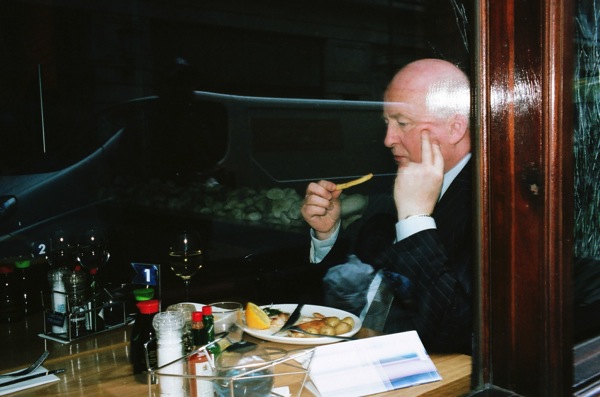
Eric Kim Color 2

  1. Telling the truth isn’t the job of a street photographer (it is for the photo journalist).
  2. Don’t be afraid to interact with your subjects when shooting on the streets. Not all of your photos have to be candid.
  3. You can make interesting posed street photographs. But don’t pretend to your audience that they are candid.
  4. There is no one “right” definition of street photography. Define it personally for yourself and just shoot.
  5. You often can’t control the scene when you are shooting in the streets, but you can control whether you share the image or not. Case in point : don’t make excuses for the small failures in your photos, just edit out those shots.
  6. Don’t respect the critique of other photographers unless you have seen their portfolio.
  7. Zoom lenses will prevent you from becoming a great street photographer (you will never master one focal length). Stick to primes (preferably a 35mm full frame equivalent). 28mm and 50mm are okay too (if you can use it well).
  8. A single photo can’t tell a story (it doesn’t have a beginning, middle, or an end). Only photo series or projects can do that.
  9. The photos you take are more of a reflection of yourself (than of the people you photograph).
  10. The importance of looking at great photos : you are what you eat. Fine french cuisine = great photos in books, galleries, or exhibitions. Junk food = most photos on Instagram, Flickr, Facebook (not always, but mostly).
  11. 99% of people on the Internet don’t know what a great street photograph is. Don’t always trust the comments, likes, and favorites you get from the Internet on social media sites. Rather, stick around in street photography critique groups (or private ones).
  12. You will find the best street photography opportunities in the least expected places.
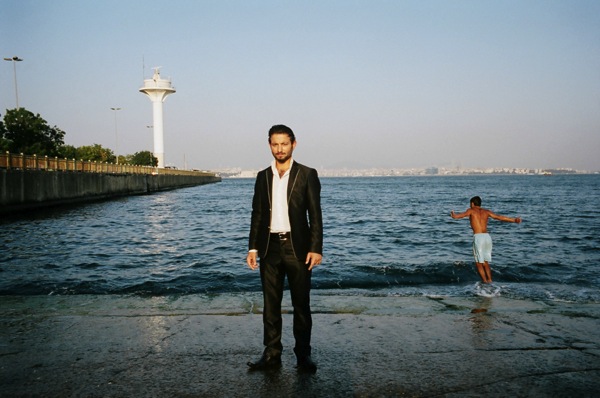
Eric Kim Color 4

  1. When you see an interesting person or a scene, don’t just take one photo and move on. Aim to take at least 5 photos (or more if possible).
  2. Beware using telephoto lenses in street photography. Remember, “Creepiness is proportional to focal length.”
  3. Incorporate your own reflections and shadows in street photography. They often make interesting images (look up Lee Friedlander).
  4. Photos shot head on have more energy and drama than photos shot from the side.
  5. A brief list of great street photographers : Garry Winogrand, Lee Friedlander, Henri Cartier-Bresson, William Klein, Daido Moriyama, Diane Arbus, Weegee, Bruce Gilden, Alex Webb, Joel Meyerowitz, Martin Parr, Josef Koudelka,
  6. After taking a photo of a stranger, make it a rule to look at them, smile, and say thank you.
  7. I never regret taking photos. I always regret not taking photos.
  8. It is better to beg for forgiveness than ask for permission.
  9. Be confident while you are shooting and rarely will you have any issues. Be nervous while shooting and you will ruin into many problems.
  10. The only person you should try to impress with your photos is yourself.
  11. The benefit of getting eye contact in your photos : eyes are the windows to the soul.
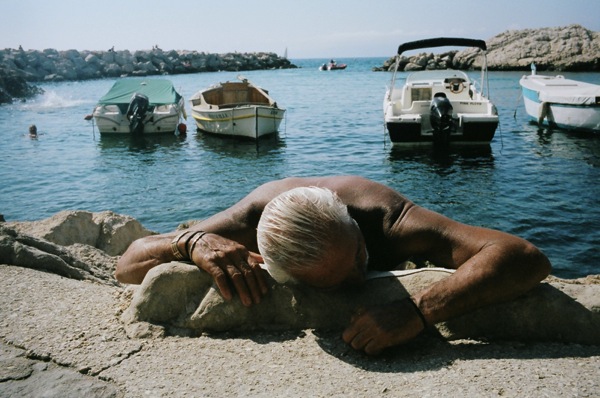
Eric Kim Color 5

  1. Don’t make photos. Make connections.
  2. The best place to shoot street photography isn’t New York, Tokyo, or Paris. The best place to shoot is your backyard.
  3. See your scenes with your eyes and shoot with your heart.
  4. If you are working on a project and photographers discourage you by saying “it has been done before” ignore them. Nobody has done it like you before.
  5. Street photography is applied sociology with a camera.
  6. If you aim to get recognition for your photography you will never get it.
  7. If someone gets upset when you take their photograph, offer to email them a copy. Carrying around business cards always come in handy.
  8. Don’t just look at photos, read into them.
  9. To double your success rate in street photography, double your failure rate.
  10. The photos you decide not to show are more important than the photos you decide to show.
  11. Rather than creating photos to please your audience, find an audience that will be pleased by your photos.
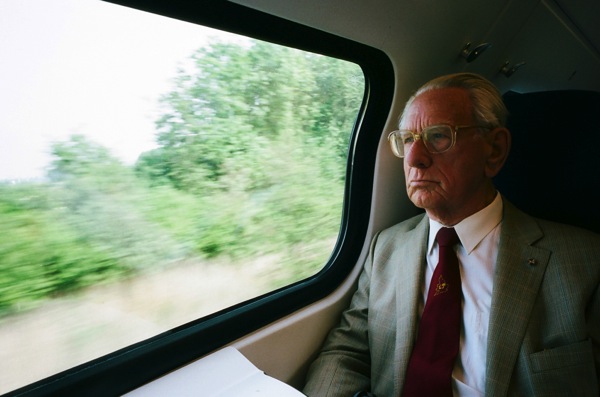
Eric Kim Color 12

  1. Street photography isn’t a contest about how many followers, viewers, followers, exhibitions, books, cameras, lenses, and fame you have. There are no winners and losers. Collaborate with one another instead of competing with one another.
  2. Giving away my prints and cameras has brought me more joy than selling it for money.
  3. The friendships I have made through street photography is mode valuable than any of the photos I have ever taken.
  4. Luck is when preparation meets opportunity – Seneca. Make your own luck.

Check out more from Eric Kim at his Blog, Facebook, and Twitter.

Post originally from: Digital Photography Tips.

Check out our more Photography Tips at Photography Tips for Beginners, Portrait Photography Tips and Wedding Photography Tips.

103 Things I’ve Learned About Street Photography


Digital Photography School

 
Comments Off on 103 Things I’ve Learned About Street Photography

Posted in Photography


Bursting the Burst Mode Myth: [What I Learned from Shooting with Film]

29 Jul

Over the next week we’ll be featuring a mini-series of posts from Rachel Devine (author of our kids photography eBook) in which she’ll be talking about five reasons learning photography on film cameras made her the digital photographer that she is today.

Here’s today’s on Busting the Burst Mode Myth.

no burst mode here

There are a few things I hear as top advice for budding children’s photographers and parents who want to take better photos of their children. I think that setting the camera to burst mode and holding the shutter down while taking photos is the one I hear most often and makes me cringe hardest. Called the “spray and pray” method, lots of digital photographers rely on taking hundreds of images (I have actually heard of thousands of frames shot for one portrait session) at a sitting to get a handful of good shots.

When keen new photographers ask for advice on how to get better photos of kids (their own or for a client) and are told, “It is digital, it will not cost you anything, just put the camera in burst mode and take as many as you can and you are bound to get a good one in there” they are being fed bad advice…or rather non-advice.

I started my photography career on film 16 years ago and when I did, those who swear by the spray and pray method may be shocked to learn that there were lots of other kid and family photographers who had to get the entire session worth of images for their clients on just a few rolls of film. And they did…every time.

Here is why shooting in burst mode not best for everyone and what I think is better advice for those really wanting to get better at taking photos of kids.

Burst Mode does actually cost something

Time:: It takes time on your end to weed through those hundreds of resulting shots. Culling images is a time sucking and soul zapping process where you will be tied to your computer for hours sorting, comparing and slitting hairs. It may be fun the first few times you go through your images, but it will wear on you over time and if you get into the habit of having to shoot this way, you will also have to allow time for sorting and editing all of those images.

Not learning to see:: If you do have to resort to shooting in burst mode, then things really are on auto. Burst mode does not allow for the photographer to make changes to the image and exposure settings while they are taking the shots. With single images taken thoughtfully, the photographer can fine tune the exposure settings and compose carefully. Learn to recognize what makes a great image and then set out to purposefully shoot that.

no burst mode here

Missing Details:: When the camera is set to burst mode, the focus is on quantity and quality tends to take a back seat. People tend to forget to scan the shot for details and end up with an entire series of cute expressions on a child who seemingly has a tree growing out of the top of their head. That photographer can now tack extra time onto their post processing routine to edit that sucker out. I have seen tags left on clothes, dirty faces, cars parked prominently in the background. Things get missed easily in the rapid fire fury.

Connection with the subject:: Finally, I have heard an argument in favor of burst mode that it helps avoid missing any special moments. Really, the wham-bam-thank you ma’am approach to photography may seem like a good idea for kids because they are fast and have short attention spans, but getting them involved in the whole experience is so much more enriching for both photographer and subject. These are not wild animals on safari, but tiny human beings who can and should bring personality to the table when they are active participants in your sessions, not just being shot at. This is especially true for people who enjoy documenting their own children over and over again. Slow down, take a moment to breathe, observe and photograph and then breathe again…it is then when you will not only be photographing the special moments, but also participating in them.

If that all does not speak to you, let’s talk cash…

Shutter actuations:: Your camera does have a shelf life and it really is not determined by when the latest and greatest new model is released, but more by how many times the shutter has actually clicked. While the total end number can vary by camera model and may seem really quite high, it will be reached faster if you are taking hundreds of images each time you go to use your camera.

Where burst mode does come in handy

no burst mode here

Shooting big group portraits :: Great for getting extra shots of the same scene (especially when mounted on a tripod) where you may need to do a head swap because someone closed their eyes.

Sports :: That is pretty much why it is called Sports Mode

Portraits with a point and shoot camera :: The shutter lag present in point and shoot cameras (the time it takes the camera to actually capture the shot from when you press the shutter button is called shutter lag and is very apparent in point and shoot cameras) can cause you to miss the moment even when you are shooting carefully and are ready for it. Setting the little compact cameras to sports mode can help overcome this technical hurdle.

Back in the days of film, we were limited by budget as we had to pay cash money for the film and processing. That made it necessary to shoot mindfully. We ended up with more images that we loved and fewer wasted frames. Today with digital, the costs are hidden, but there are still costs. Take the time to set up the sessions, meter the light, compose and be present while you are photographing your little subjects. Practice shooting digital with the discipline of film. You just may find that you enjoy the act of photographing kids even more than you thought possible.

For more on the topic of Kids Photogrpahy – Check out Rachel’s eBook Click! How to Take Gorgeous Photos of Your Kids.

kids photography tips

Post originally from: Digital Photography Tips.

Check out our more Photography Tips at Photography Tips for Beginners, Portrait Photography Tips and Wedding Photography Tips.

Bursting the Burst Mode Myth: [What I Learned from Shooting with Film]


Digital Photography School

 
Comments Off on Bursting the Burst Mode Myth: [What I Learned from Shooting with Film]

Posted in Photography


Misho Baranovic: 50 lessons I’ve learned about mobile photography

19 Jul

eyeem3.jpeg

We love this 50 Things I’ve Learned About Mobile Photography List (and iPhone Photography) by Misho Baranovic, an accomplished mobile photographer and Connect contributor. You’ll find some universal truths in there and maybe a few things you disagree with, but Baranovic’s list is guaranteed to get you thinking, and laughing, too. Click through for some extracts and a link to the full article. 

News: Digital Photography Review (dpreview.com)

 
Comments Off on Misho Baranovic: 50 lessons I’ve learned about mobile photography

Posted in Uncategorized


Weddings Through The Eyes of a “Noob”: Lessons I Learned

23 Feb
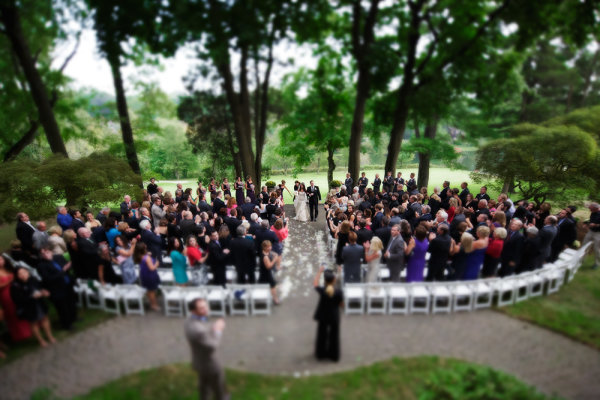
One of the things I'll do is set up a remote camera in the back of the ceremony, elevated if possible.  In this shot, a tilt-shift lens was used to create that miniature look.  EOS 5D Mark III, TS-E 17mm f/4L. Exposure was 1/320, ISO 3200, f/4.

One of the things I’ll do is set up a remote camera in the back of the ceremony, elevated if possible. In this shot, a tilt-shift lens was used to create that miniature look. EOS 5D Mark III, TS-E 17mm f/4L. Exposure was 1/320, ISO 3200, f/4. Photo by Rick Berk/kNot Photography

Throughout the first 20 years of my career in photography, I’d photographed a lot of different things- NHL All-Star games, Major League Baseball, NFL Football. I’d photographed portraits, boudoir, model portfolios. Landscape photography became a passion of mine. One thing I never photographed was a wedding.  When I began my career, I assisted on exactly two weddings. Never did I shoot one.  The two weddings I assisted on went so badly that I never wanted to touch one again.  I thought all weddings were like that. It wasn’t until years later that I understood it was more the photographer I worked for than it was the weddings themselves.

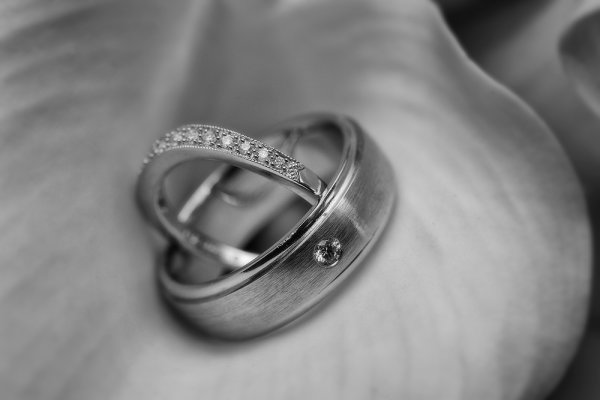
This type of shot is the kind that makes for a nice touch in the overall collection from a wedding.  They complete the set and really show a photographer's attention to detail.  EOS-1D X, EF 100mm f/2.8L IS Macro. ISO 800, 1/200, f/8.

This type of shot is the kind that makes for a nice touch in the overall collection from a wedding. They complete the set and really show a photographer’s attention to detail. EOS-1D X, EF 100mm f/2.8L IS Macro. ISO 800, 1/200, f/8. Photo by Rick Berk/ OneRedTreePhoto.com

For a variety of reasons, I made myself available as a second shooter in 2012, and got my first taste shooting weddings.  That first one was intimidating, but I learned a few things along the way.

This is a must. Depending on the setting it will always change, but at least one formal portrait of the bride is essential.  This shot simply used on camera flash, bounced into a reflector at camera left. EOS-1D X, EF 85mm f/1.2L II. 1/250, f/1.2, ISO 400.

This is a must. Depending on the setting it will always change, but at least one formal portrait of the bride is essential. This shot simply used on camera flash, bounced into a reflector at camera left. EOS-1D X, EF 85mm f/1.2L II. 1/250, f/1.2, ISO 400. Photo by Rick Berk/OneRedTreePhoto.com

1. Prepare and be organized.

Prior to the wedding day, speak to the bride and groom about what shots they absolutely must have. Plan when and where you will be shooting each of the shots. If you’re doing group shots in the park, make sure they know that’s the plan, and when you need them there.  Keep a shot list with you. Don’t promise anything more than that you will try to get these shots, because things could always happen preventing you from getting the shot. But at least this way you know what to try and focus on.  This is also where you manage their expectations so they understand that you can’t possibly get EVERYTHING, but you will try to get what’s most important to them.

2. It’s your job to manage things.

Your bride and groom have a ton on their plates on the wedding day. Photography is the last thing on their mind. But you still need to get the shots and you need to do so as efficiently as possible so as not to hold up the proceedings.  Gentle reminders to the bride and groom about the shots they wanted will help, especially if you can give them a few minutes warning. For instance, “We need to get the family portrait, and we have a window in 5 minutes if we can get you all together,” works fine.  They WILL ask why the shot isn’t there if you don’t get it, and even if they are resistant during the event, they will thank you later.

3. Do what you can without their cooperation.

Yes, there will be some shots you absolutely need to pull the bride and groom away for.  But if you can manage to get shots without interfering in their activities, you’ll be exactly the kind of wedding photographer everyone wants- an invisible one who delivers the goods. Shoot preparation shots, detail shots of the rings, the cake, etc., while you have the free time and nothing else is going on. Getting those kinds of shots out of the way makes it easier to get the really important stuff later.

4. Don’t try to go it alone.

It’s easy to underestimate how much work goes into shooting a wedding. Many times, a photographer’s first taste is when a friend asks them.  It’s an honor to be asked, but it’s also a great responsibility.  Theoretically, this is a once in a lifetime event.  You can’t be everywhere at once.  The weddings I worked as a second shooter, I wasn’t a secondary shooter.  I just wasn’t the guy contracted to do the job.  But I shared responsibility for getting certain shots. For instance, the bride and groom getting ready at different locations. One of us would go to the bride’s, one to the groom’s. We’d meet back at the church, or at another location where we might be doing shots, depending on how the day is planned.  This takes a huge amount of pressure off.  In terms of the ceremony, it ensures that multiple angles are covered so if one of you is blocked, the other might have a chance at getting the shot.

5. Be on the lookout for those special moments.

It can be easy to focus on the primary photos and lose sight of those smaller, special moments that, when captured, make for the best images. Be on the lookout for a tender moment between bride and groom, the bride and her father, or the groom and his mother. Look for moments with friends and relatives that might end up telling a story.  This means your camera is always ready and you are always watching. There is no time to let down your guard.

6. Approach it like any other shoot.

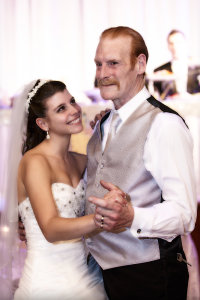
There are a lot of little moments that make up a wedding day. Near the end of the father-daughter dance, the bride looked up and had this beautiful expression of admiration for her father. When her mother saw the image, tears came to her eyes.  As a photographer, those are the moments I live for.

There are a lot of little moments that make up a wedding day. Near the end of the father-daughter dance, the bride looked up and had this beautiful expression of admiration for her father. When her mother saw the image, tears came to her eyes. As a photographer, those are the moments I live for. Photo by Rick Berk/OneRedTreePhoto.com

One common theme I’ve heard from all photographers thinking of diving into the wedding pool is that they build it up so much that they become intimidated by it. You were hired for your expertise, so approach it like anything else. Look for creative shots you can use to illustrate the day, to give a storybook feel to the images, and to capture the emotion. If you need the bride and groom and other family members in a certain spot, direct them as you would a portrait shoot. Don’t be afraid to ask for them to do something for you if you think that by doing so, you can provide them with a shot that will make them remember the day fondly for the rest of their lives.

7. Use ALL of what you have.

In my bag at most weddings I keep a 24-70mm lens and 70-200mm lens.  These are my workhorse lenses. But I try to offer variety and for me this means using different lenses for different shots.  I have a 100mm macro for ring and detail shots, but also for portraits.  I use a fisheye lens for some candids on the dance floor. I’ll use an ultra wide angle like a 16-35mm.  I keep a couple of speedlites with me.  Sometimes I use them on camera, sometimes off, and sometimes I turn it off and just shoot available light.  The point of all this is to provide variety.  Different shots with different looks create more interest when the images are viewed as a collection. Yes, you could get away with using a 24-70 for the entire day, but I like to change things up when I can.

8. Have backup.

This means a backup camera, flash, batteries, memory cards.  Anything that can die, go bad, break, corrupt.  If you are being paid, you are considered professional, and being a professional means that the words “My camera broke” cannot be used as an excuse.

9. Check with the officiant

Each priest, minister, judge, or other officiant I have worked with so far has had a different set of rules where photography during the ceremony is concerned. Prior to the ceremony, introduce yourself, and ask what is permissible and what isn’t as far as you are concerned. Is flash ok during the ceremony? Where would he prefer you NOT be during the ceremony? Laying the ground rules beforehand can make a huge difference in how you cover the event.

10. Have fun!

Weddings are fun, happy occasions. Enjoy it. There’s good music, happy people, and you get to capture the memories. If you are enjoying yourself, it will show in your work.

For 20 years I always swore I wouldn’t touch a wedding.  But having shot three of them now, I find I enjoy the challenge and creativity of capturing these once (or twice) in a lifetime event for the couples I’ve worked with. No, they aren’t for everyone. But with the right attitude and know-how, they can be incredibly satisfying to shoot.

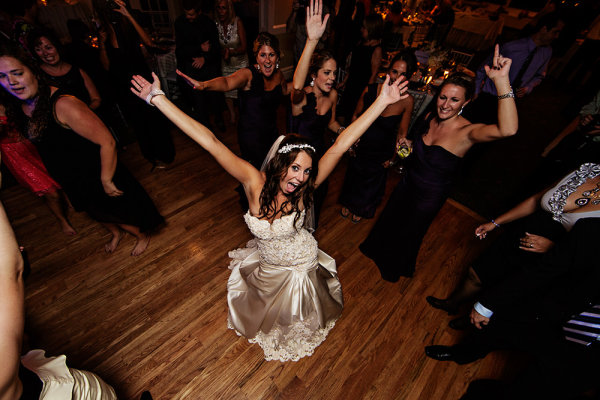
When the dancing started I decided I wanted something different. I mounted a 5D Mark III on a monopod with 14mm lens. a flash was mounted on the camera with the head aimed at the ceiling for bounce. Using a remote release, I got the bride's attention and waited for her reaction, firing when I saw it.

When the dancing started I decided I wanted something different. I mounted a 5D Mark III on a monopod with 14mm lens. a flash was mounted on the camera with the head aimed at the ceiling for bounce. I held the camera out over the dance floor by extending the monopod a few feet. Using a remote release, I got the bride’s attention and waited for her reaction, firing when I saw it. Photo by Rick Berk/kNot Photography

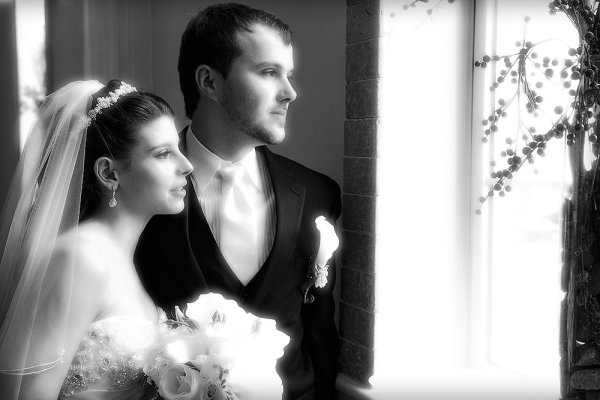
The church had these huge windows with light pouring in.  I knew I wanted to use it but time was tight.  I grabbed the bride and groom quickly and asked them to stand by the window and look out.  I fired off a handful of shots varying the exposure a bit. The black and white conversion added a nice artful touch. EOS-1D X with EF 24-70 f/2.8L II. ISO 1250, 1/100 f/5.6.

The church had these huge windows with light pouring in. I knew I wanted to use it but time was tight. I grabbed the bride and groom quickly and asked them to stand by the window and look out. I fired off a handful of shots varying the exposure a bit. The black and white conversion added a nice artful touch. EOS-1D X with EF 24-70 f/2.8L II. ISO 1250, 1/100 f/5.6. Photo by Rick Berk/OneRedTreePhoto.com

Further Wedding Photography Reading:

  • 21 Tips for Amateur Wedding Photographers
  • 50 Must Have Wedding Photography Shots
  • The One Location Technique for Wedding Photography

Post originally from: Digital Photography Tips.

Check out our more Photography Tips at Photography Tips for Beginners, Portrait Photography Tips and Wedding Photography Tips.

Weddings Through The Eyes of a “Noob”: Lessons I Learned


Digital Photography School

 
Comments Off on Weddings Through The Eyes of a “Noob”: Lessons I Learned

Posted in Photography


What I Learned from Meeting Bruce Gilden

29 Oct

by Michael Ernest Sweet

Bruce Gilden

It was bound to happen. I had already been in New York City for a couple of weeks and planned to spend the rest of the summer working the streets. As a street photographer, Times Square is a natural draw. So, Times Square is where I began and that’s where it happened. First, a flash of light, then, a snippet of a safari jacket. At once, I knew this would be the day I met Bruce Gilden.

Bruce Gilden is the stuff of legend for street photographers all over the globe. A full member and vice president of Magnum Photos – the storied international collective of photographers – Gilden is one of the most prolific street photographers at work today. It was in the 80′s that he began seriously working the streets of New York City and quickly developed his signature style. Gilden is known for up close, black and white photographs punctuated by off-camera flash. His subjects: unique and startled looking strangers which Gilden refers to as “characters”.

So, what did I learn from this chance meeting with a great photographer? A lot. I’ve summed up the twenty minute sidewalk master class in four major tips:

Great photographers care about great photographs, not cameras. This was an important aha moment for me. I’ve never had GAS (gear acquisition syndrome) too badly, but there have been a few late nights reading B&H.com. Right away, I noticed Gilden’s very old and very used Leica M6. Now, here is a man that could have any camera he wants (and certainly a new one) and what does he use? The same camera he’s been using for decades but why? Because he knows the camera inside and out. He knows how it’s going to react in every situation. Despite this I had to smile, it was not only tapped up, I think it may well have been tapped together! I asked him about it. He replied that a camera is just a tool. He gestured toward my Ricoh GR IV and told me that my camera was just as capable as his. It’s the guy (or gal) behind the lens my friend. He admired my camera a bit more and well, I was ticked pink as the saying goes. Here’s Bruce Gilden admiring my little Ricoh. I’ve not wasted time lusting over gear since.

Just do it! I watched Gilden work. He’s not scared of anything. Imagine getting into a stranger’s face (mere inches away) and firing a flash. He does that, over and over again. The most interesting part? No one seems to care. Gilden even thanks people afterward more often than not. So much for the old saying about never making eye contact. He not only looks at people, he speaks to them. This was crucial for me to witness firsthand. I’ve been up close and personal with my camera ever since. In fact, the image below (Jackie Who?) was taken moments after my meeting with Bruce.

Jackie Who

It may not be my best shot ever, but it’s an important photograph for me. It was the beginning of my own style, it was the picture which brought me out of my shell and allowed me to get close to people. I get so close now that people can smell my camera. Whatever you do, don’t shoot the streets though a long lens. The photos will lack a background story and are ultimately boring. Get a 28mm and get close, really close. Hey, if someone does say something to you just use this line: “Do you know that guy Gilden? He’s even worse!” I told Bruce about this quote and he laughed and said he’d be sure to use it himself the next time he got cornered.

Edit before you shoot! Many people don’t seem to be able to edit at all from what I see on Flickr. However, editing before you shoot is even more rare. Until I met Bruce I was trigger happy too. Hey, what the heck it’s digital right? No harm done, so I thought. But watching Bruce work revealed something to me. He doesn’t just shoot. He thinks about what he’s going to shoot, he ‘sees’ it and then decides whether or not to pull the trigger. So what difference does this make you ask. Well, it helps remove the clutter of mediocre shots from your life. Instead of buying five hard drives a year, now you can do with two! I know this sounds trivial and it is hard to explain well in writing. Just trust me on this one. Learn to see as your camera does and edit your shots ‘before’ taking them. If you shoot black and white, learn to see in black and white (as Bruce does) I promise you’ll see the quality of your photography improve. Uploading ten great shots at the end of the day will be a heck of a lot more satisfying than trying to find ten great shots in a hundred. You won’t look back.

Use a flash when you don’t need one. So who the heck uses a flash outdoors in bright sunlight? Bruce does. It adds effortless drama to the photograph, especially in black and white. You get some background defocus too. Overall it just adds a layer of ‘wow’ to your street photos with little effort. Of course, there is some learning curve here but give it a go and see what happens. All of my photographs were kind of flat and muted until I learned this trick from watching Bruce work. Now I hardly shoot without the flash. I went from a no flash guy to a flash guy overnight. Mind you, using flash will blow your cover. Sometimes you can get away with photographing someone when there’s no flash and they don’t even notice but chances are this won’t happen if you fire a flash. So, increased risk, increased gain.

My meeting with Bruce Gilden was but twenty minutes. In some ways it seemed like twenty seconds, in others like twenty days. Either way, I took away enough knowledge, tips, tricks and inspiration to last a career. Meeting Bruce Gilden was not only fun, it was ‘fundamental’ to my life and work as a photographer.

Michael Ernest Sweet is an award-winning educator, writer and street photographer. A recipient of both a Prime Minister’s Award and the Queen’s Medal, Michael divides his time between Montreal and New York City. More of his photography can be viewed at MichaelSweetPhotography.com. All images in this article are (c) Michael Ernest Sweet.

Post originally from: Digital Photography Tips.

Check out our more Photography Tips at Photography Tips for Beginners, Portrait Photography Tips and Wedding Photography Tips.

What I Learned from Meeting Bruce Gilden


Digital Photography School

 
Comments Off on What I Learned from Meeting Bruce Gilden

Posted in Photography