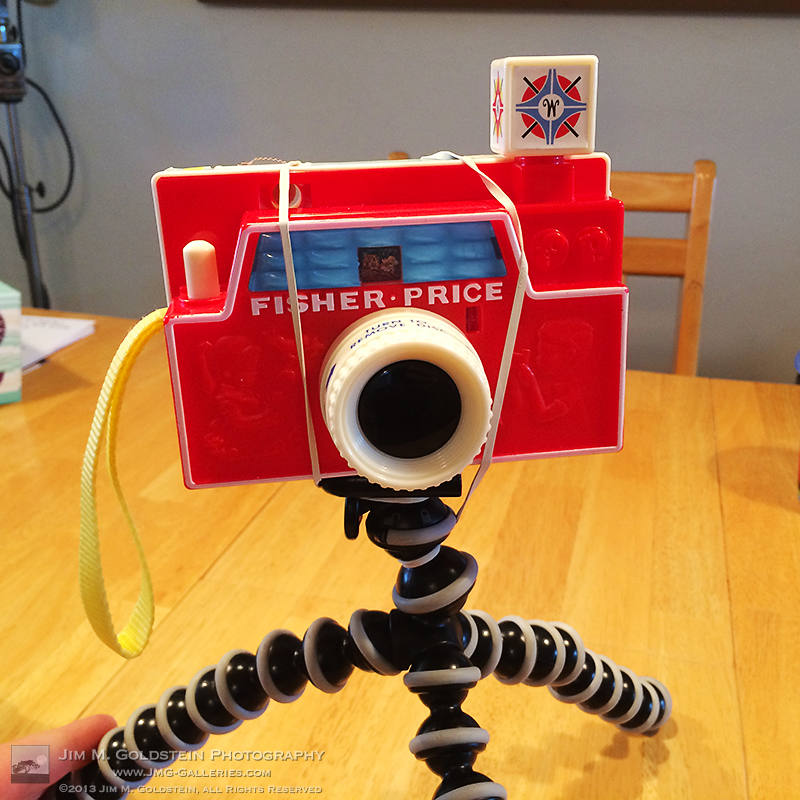
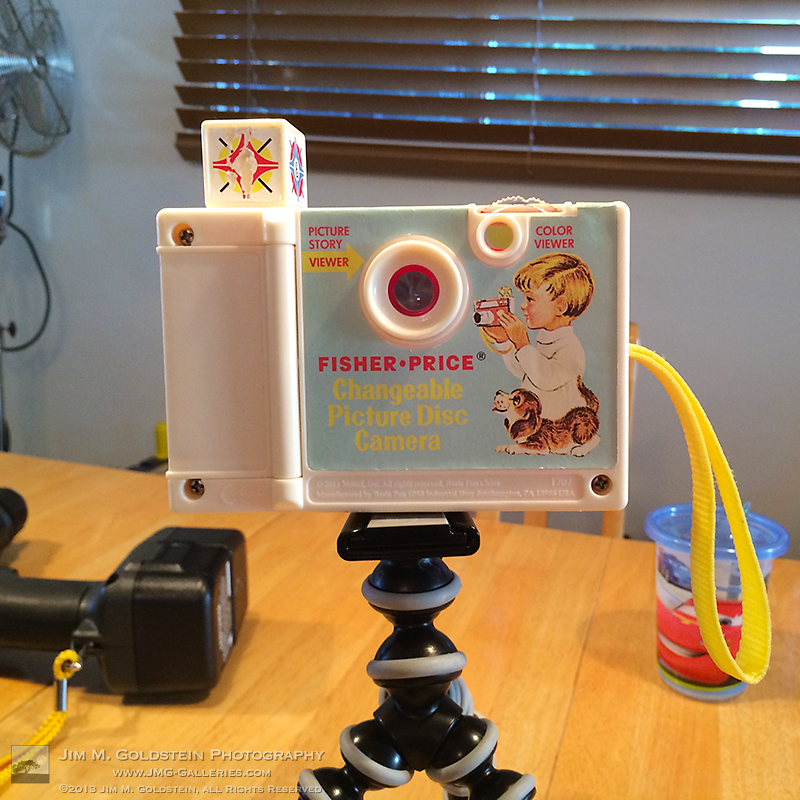
This summer I took my 3 year old son to Big Sur for his first camping trip to show him the Milky Way. Remarkably he held on to this experience beyond expectation and he’s been talking about the Milky Way ever since. On top of that he’s really developed an interest in photography and cameras. I’m not sure how that happened, perhaps it is something in the water supply. Fast forward to last week when he caught sight of my Joby tripod. I gave it to him to play with thinking it’d be one of the few items he could bend and try to destroy that wouldn’t worry myself or his mother. To my surprise he immediately dug up his retro Fisher-Price toy camera and proceeded to put it on the Joby tripod. The kicker is that he was telling me he was photographing the Milky Way. This would be a short story if it wasn’t for the fact that every day since he’s been setting up his camera and tripod all around the house to photograph different things at all times of the day.
If my little guy is going to get serious about make believe photography I felt it was my parental duty to make sure that he was going to develop good habits. To put it bluntly no one in my household is going to take sub-par make believe photos and to avert that we needed a secure way to fasten his camera to the Joby tripod. When I explained the dilemma to my son he was eager to take me up on my offer to modify his camera.
Here for your entertainment is the Fisher-Price camera tripod modification:
(Have a great Christmas!)
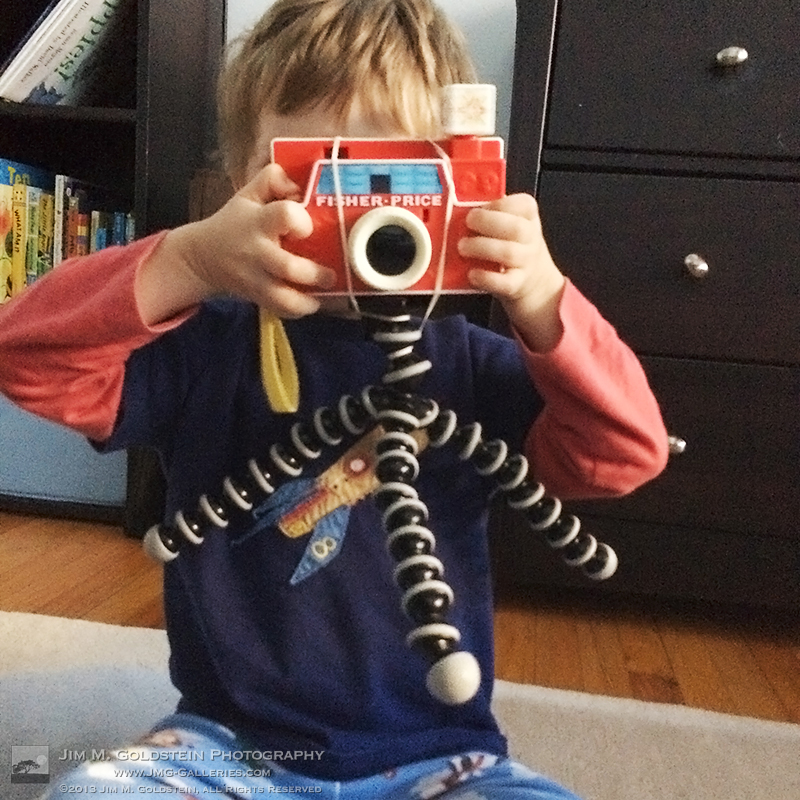
The Fisher-Price rubberband mount wasn’t cutting it. For simple shots sure it worked, but….
The rubberband mount worked well enough for level shots,
but not for all shots.
Any non-level use of the camera resulted in camera instability.
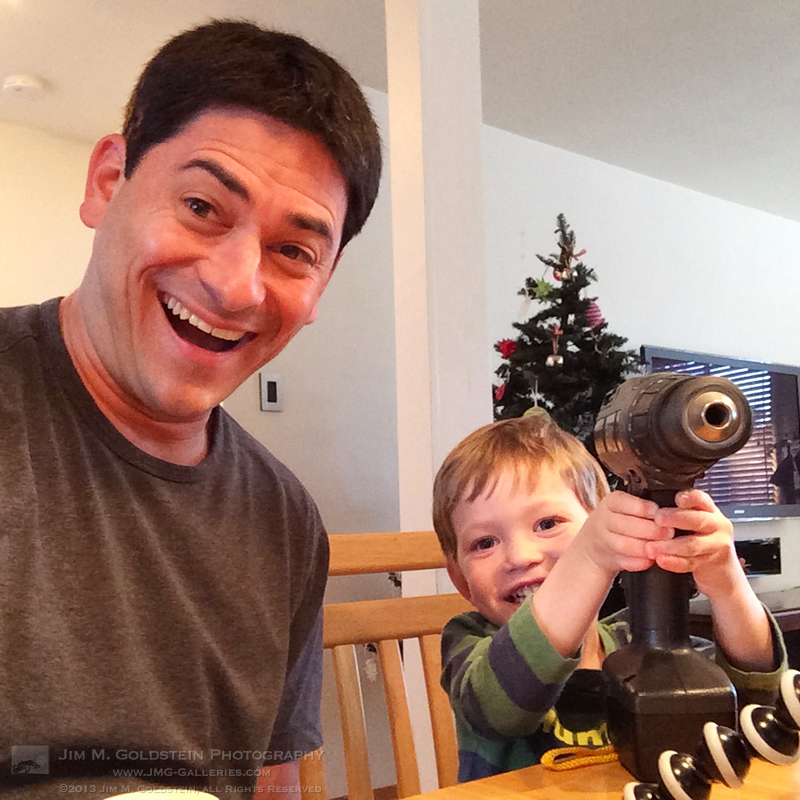
We were pumped to fix the problem and even more so
because we weren’t using toy drills.
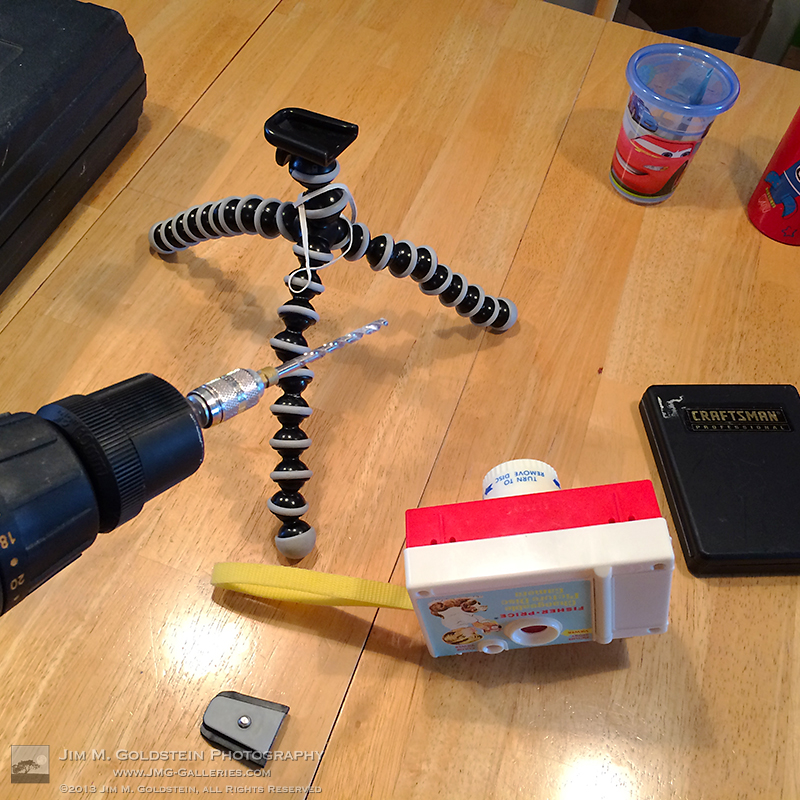
Just before we started the modification.
Things would never be the same again.
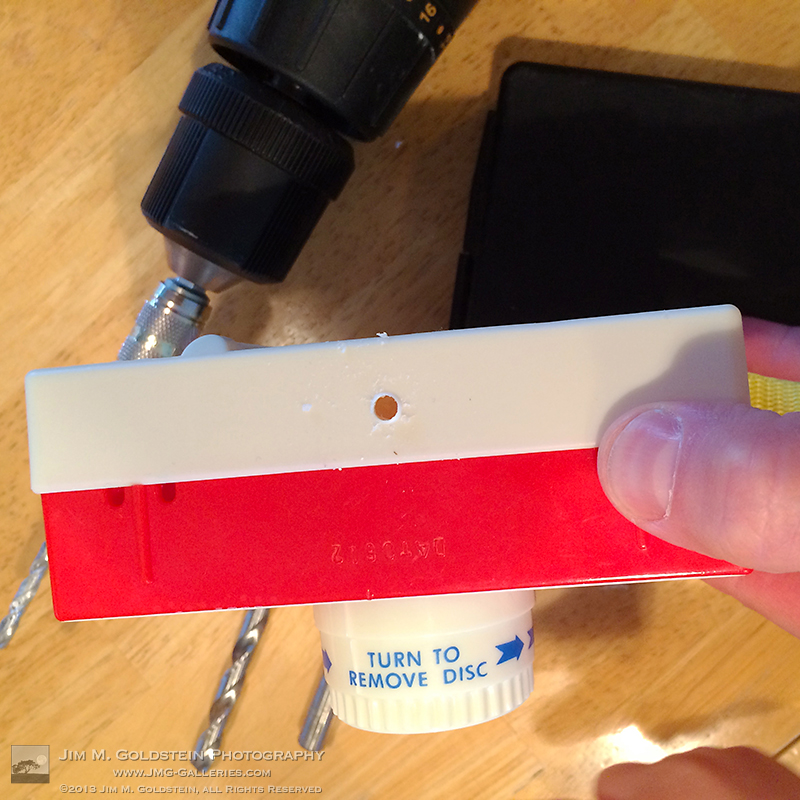
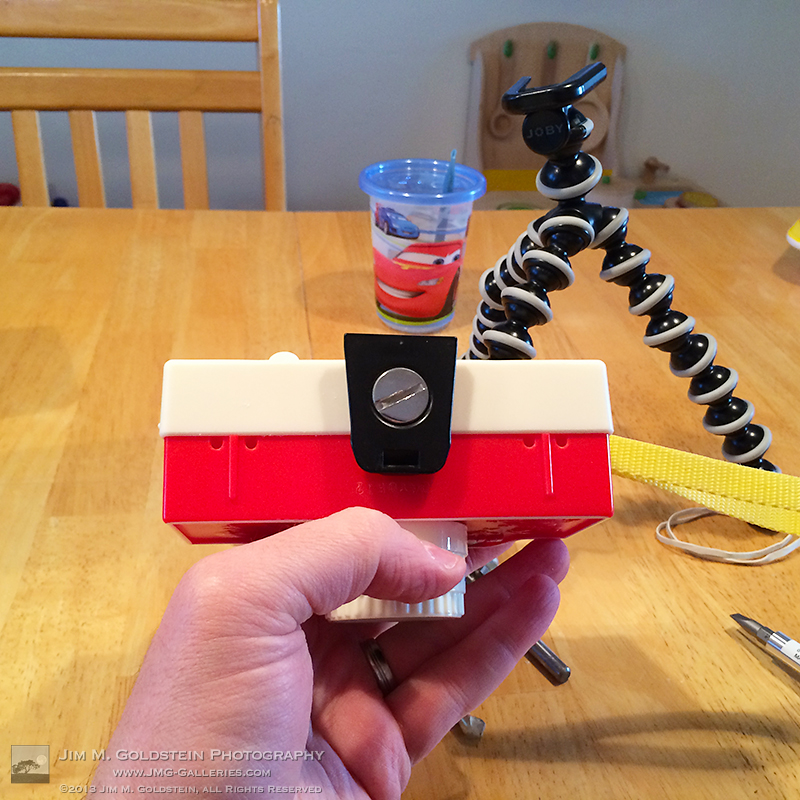
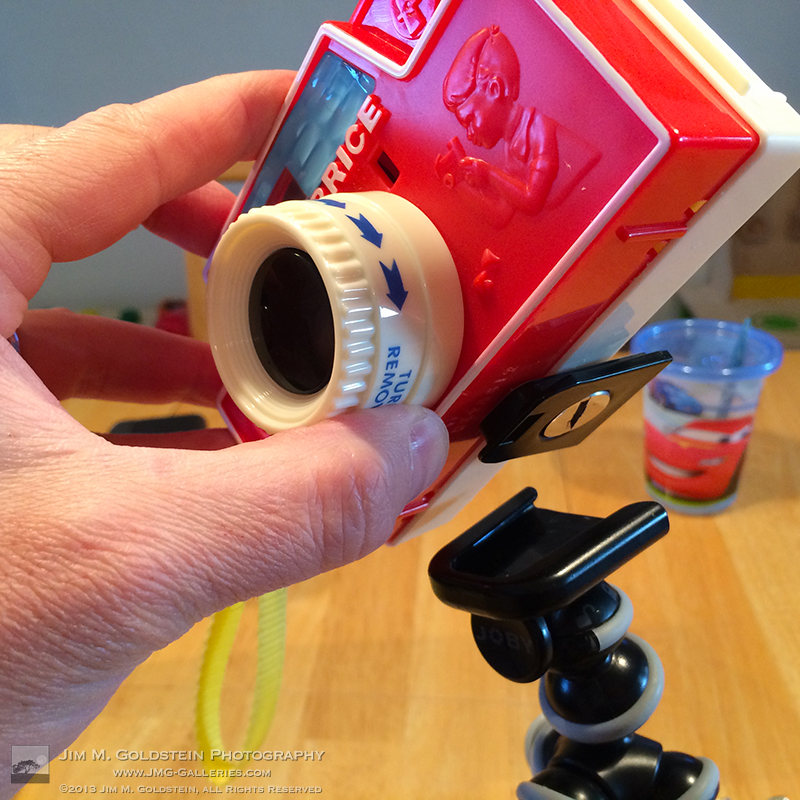
To create a stable mount we had to drill a hole in the bottom
of the camera to install the Joby base plate.
Looks good lets try it out
Making sure that the base plate was installed as
level as possible we put it to the test.
Our first test was a positive one, but what does the photographer think?
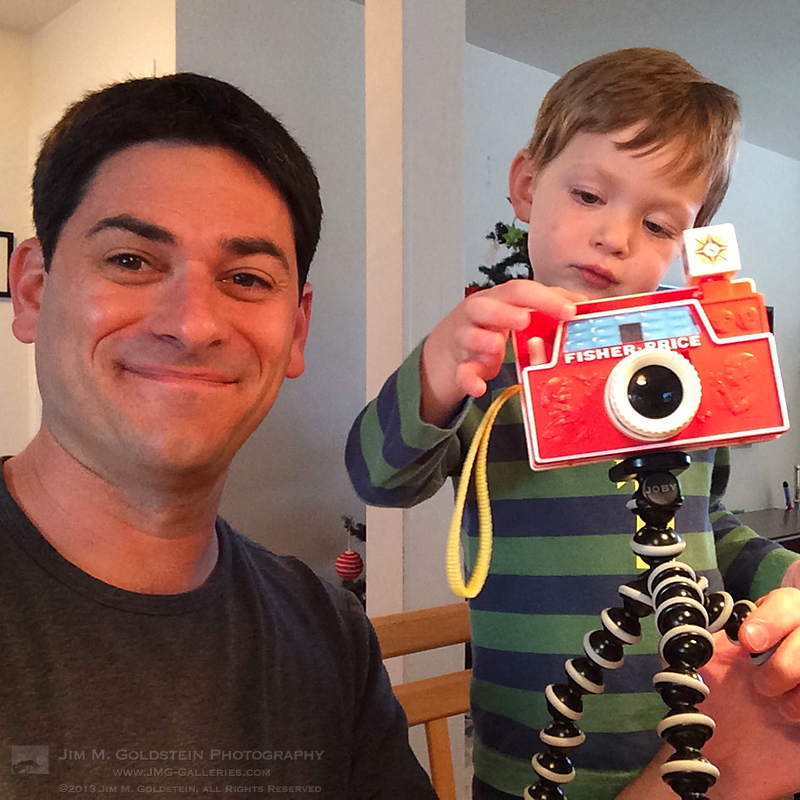
My little photographer was quite content with the new
tripod mount. Now he’s on his way to good make believe
photography technique.
Copyright Jim M. Goldstein, All Rights Reserved
Fisher Price Camera Tripod Modification – It’s Never Too Early Tutorial
The post Fisher Price Camera Tripod Modification – It’s Never Too Early Tutorial appeared first on JMG-Galleries – Landscape, Nature & Travel Photography.
Related Stories
Fisher Price Camera Tripod Modification – It’s Never Too Early Tutorial – Enclosure
30 Mile Shadow of Haleakala – Haleakalã National Park
30 Mile Shadow of Haleakala – Haleakalã National Park – Enclosure
A number of years ago I (Kevin Raber) was drivng through the Iceland countryside with Mark Dubovoy. Our discission was on printing. Mark was sharing how he makes profiles and how important it is to be precise. No surprises there if you know Mark. I told him I didn’t do any of that because I had been using ImagePrint Software for years and the profiles included with ImagePrint were so good I couldn’t come close in my experience making such a good profile, Bottom line Mark tried Imageprint out and low and behold he switched. He even reviewed Imageprint on this site.
Today we hear right from John Pannozzo who is the man behind ImagePrint with an article Building A Better Profile – It’s All in The Recipe
It wouldn’t be the holiday season without a sale, now would it? So we’re having a 25% Off Sale on everything in our online store.
The sale runs from right now through the end of New Year’s Day. To obtain your 25% off on any purchase just enter
HappyNewYear-25pc
in the Coupon Code box when you check-out.
New Travel Video Online for Subscribers
Video Subscribers will find that there is a new travel video online as of today. It is titled The Palouse: A Washington State Photo Trip. You’ll find it in your Video Library of your device, or it can be viewed online in your browser. The video is also available for purchase and may be streamed or downloaded. Check under Subject / Travel & Locations.
You can win an all-expenses paid photographic expedition to Antarctica, along with air fare from anywhere in the world. The value of this prize is $ 15,000.
The Luminous Landscape wants you to try any of our more than 60 training or travel videos and our new free video player. Each purchase is an entry, and an annual subscription that includes all previous as well as new videos counts as six entries. The winner of a free lifetime subscription is also chosen from each month’s entries.
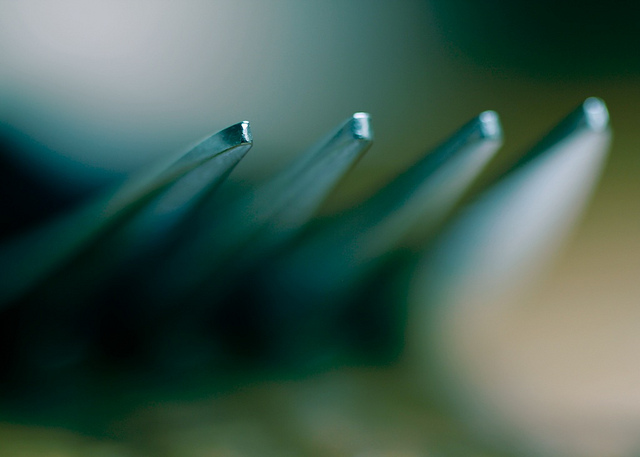
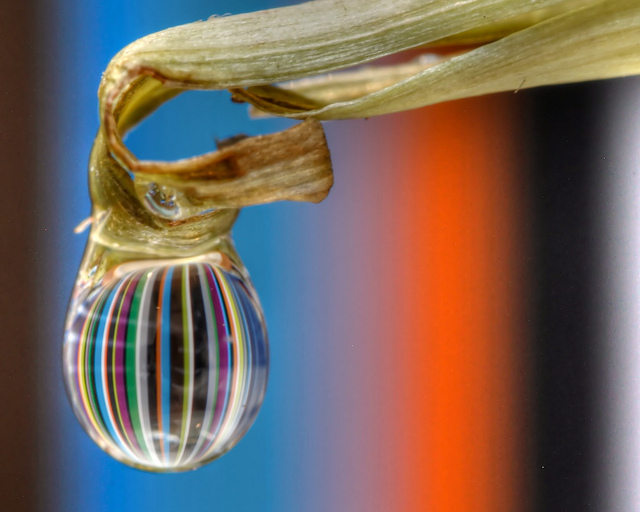
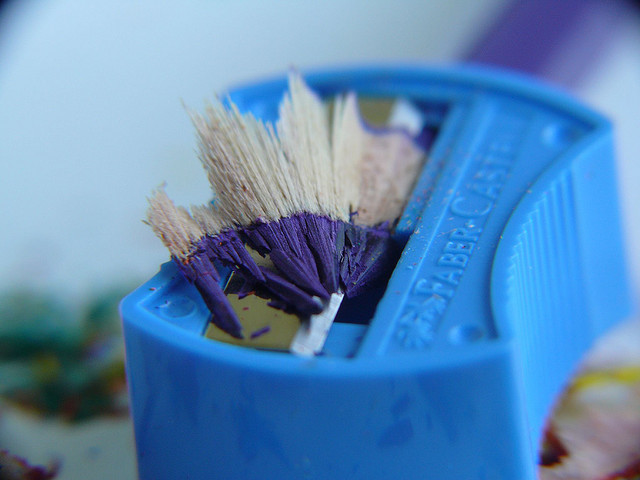
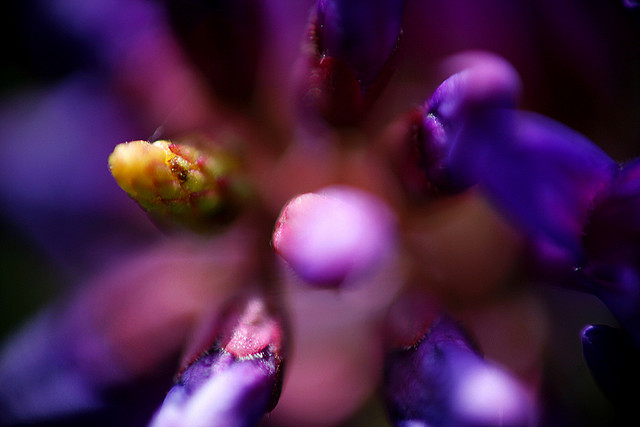
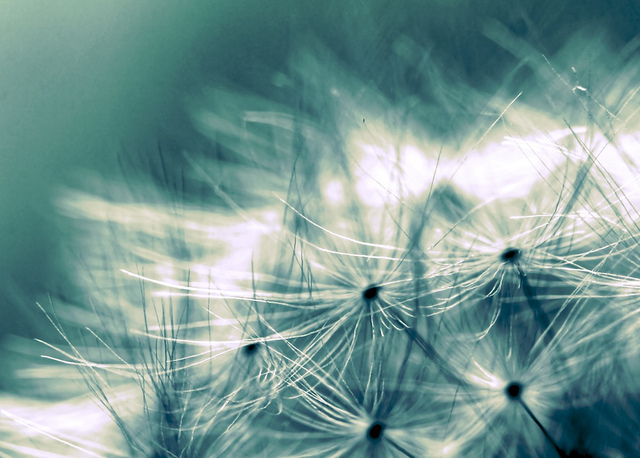
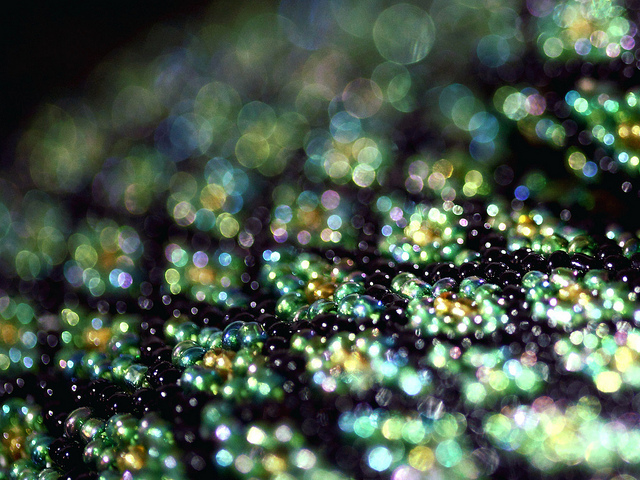
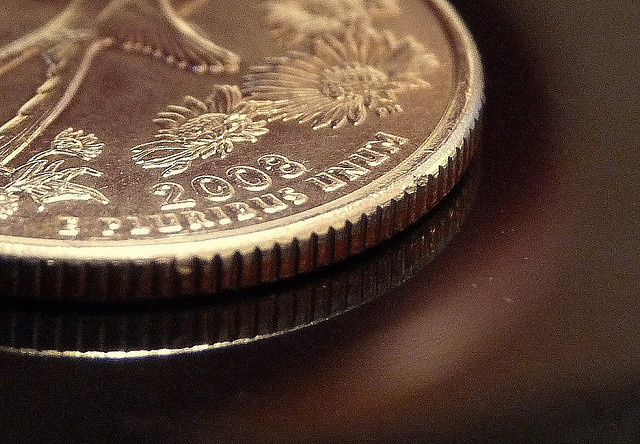
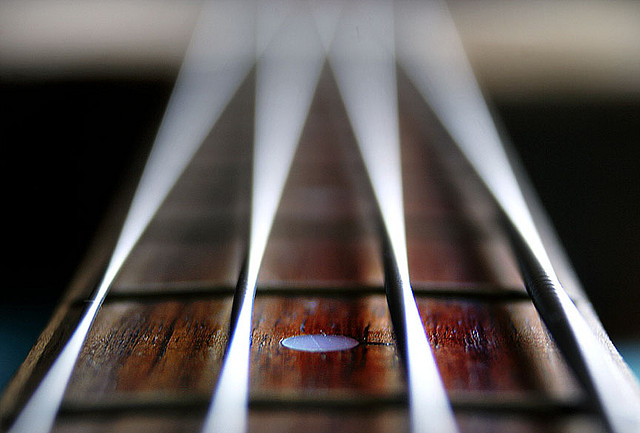
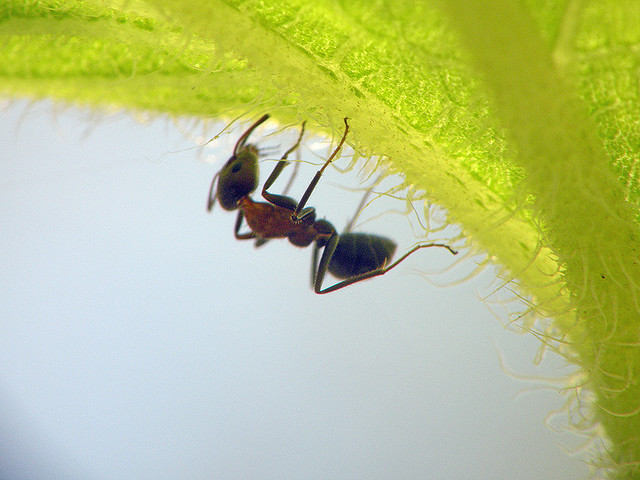
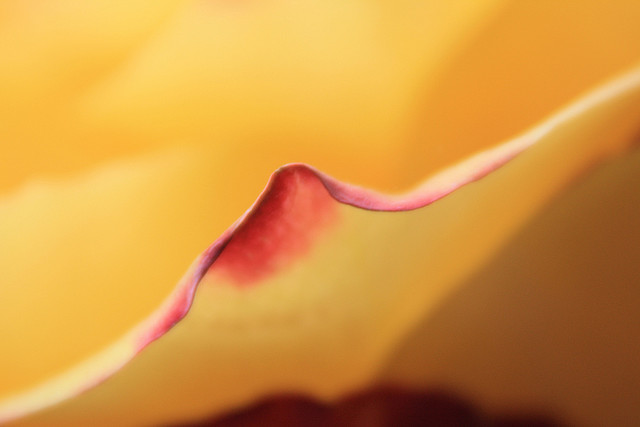
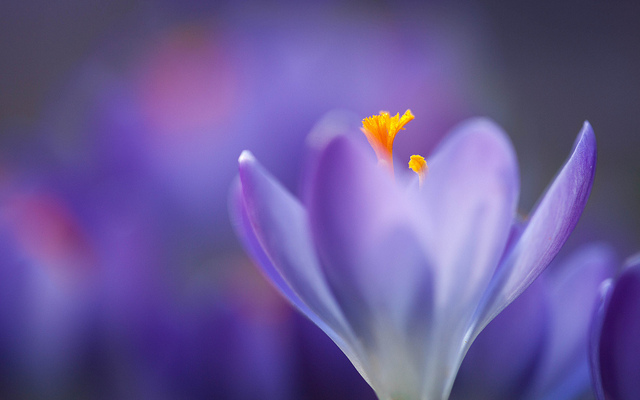
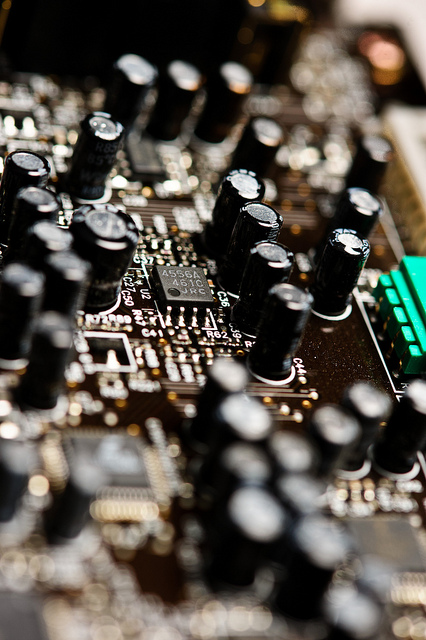
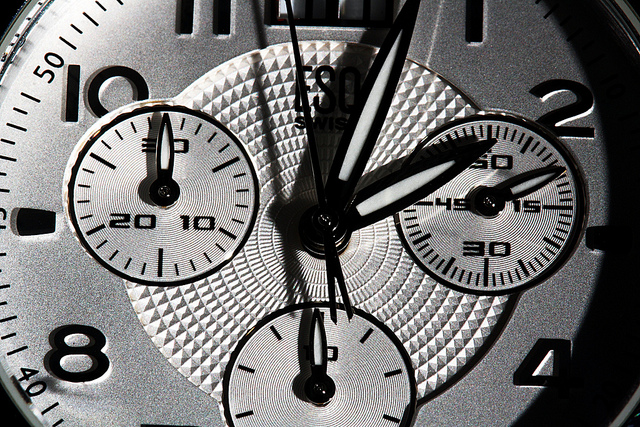
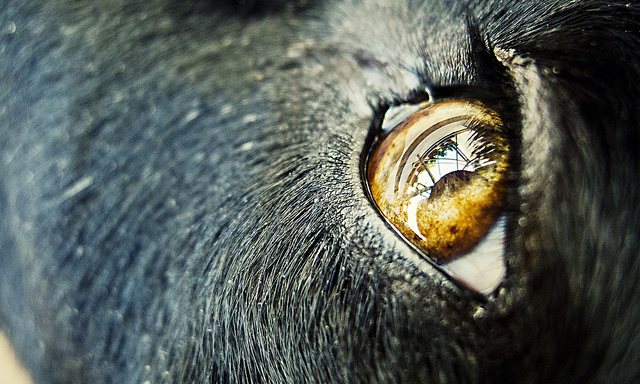
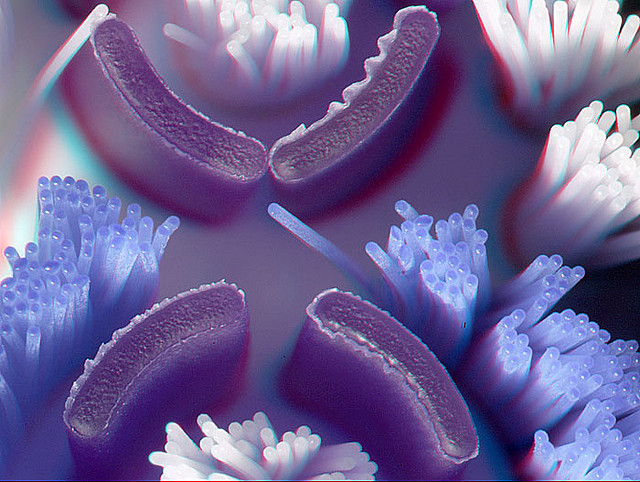
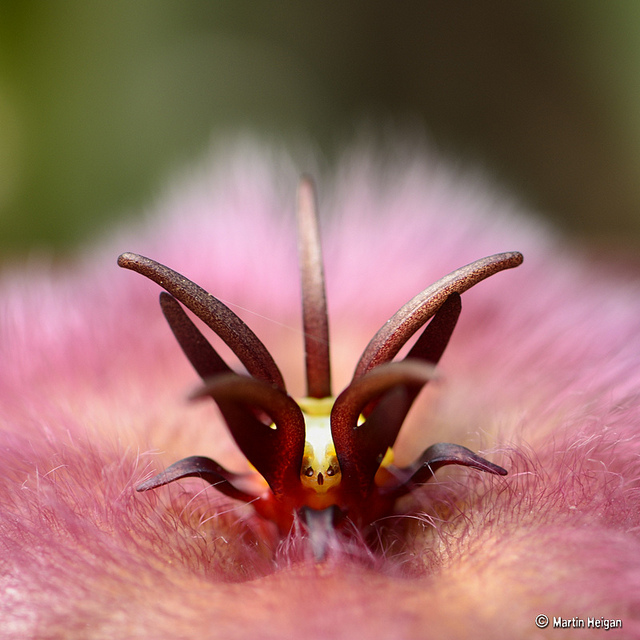
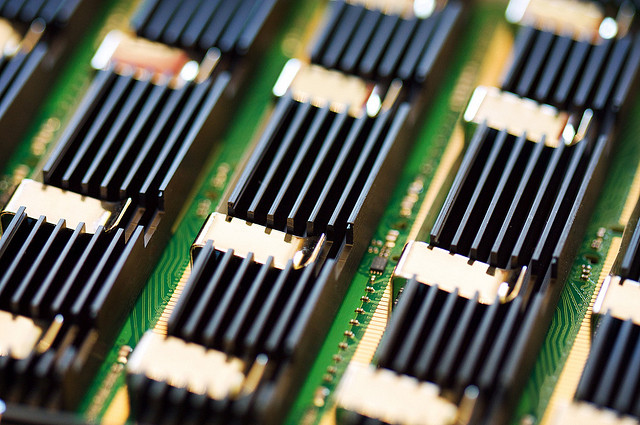
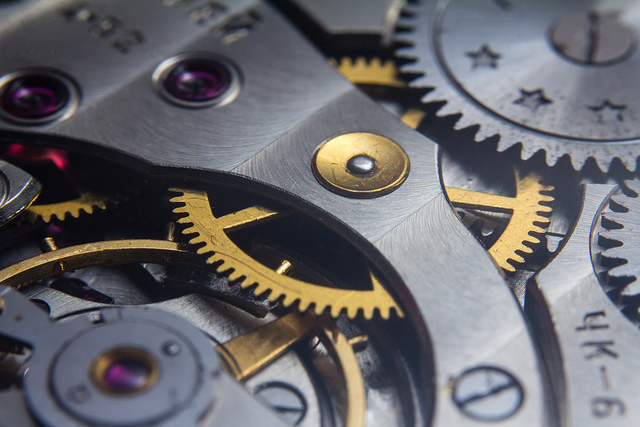
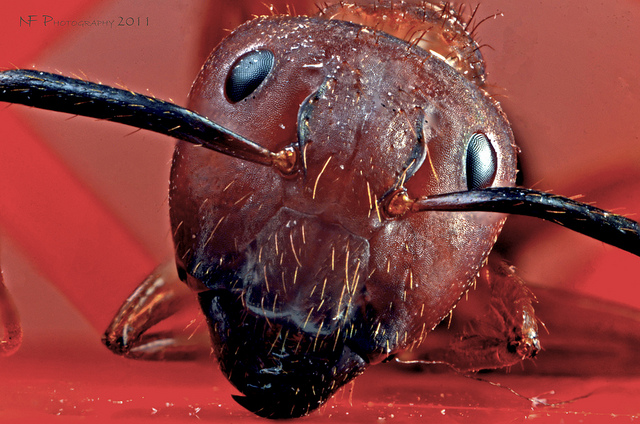
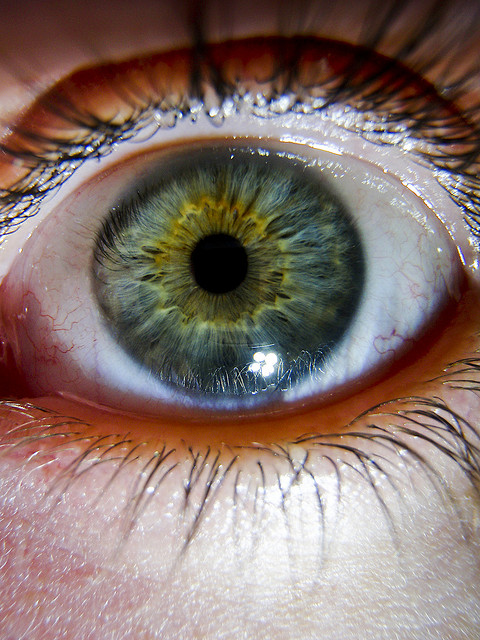
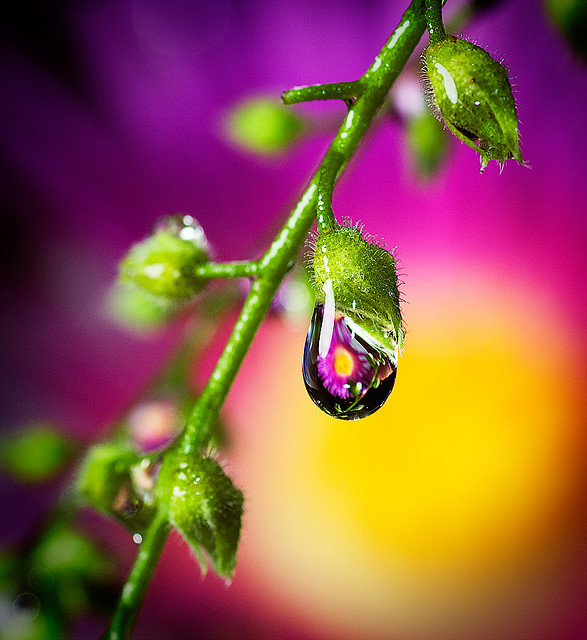
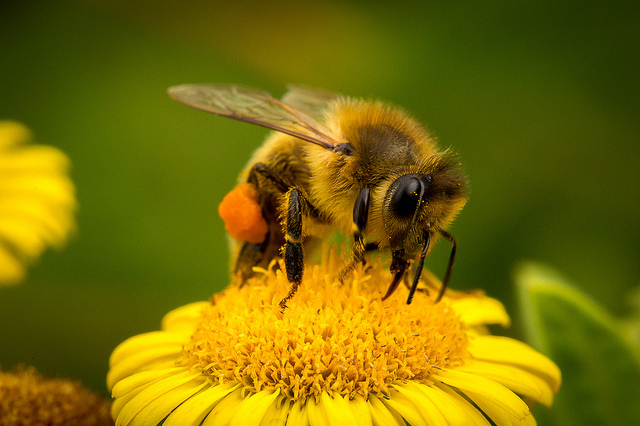
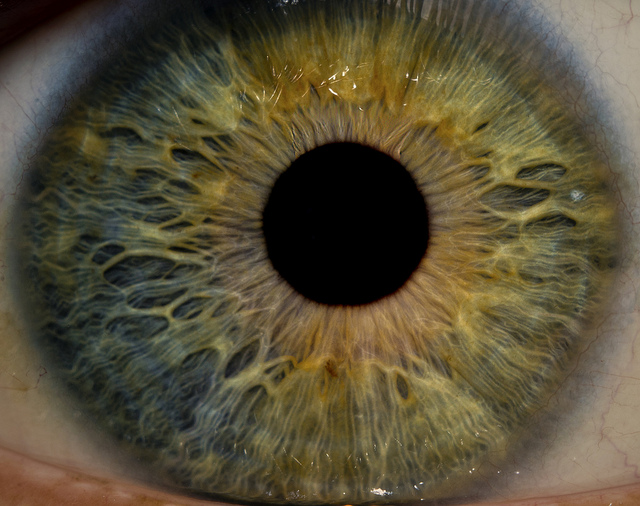
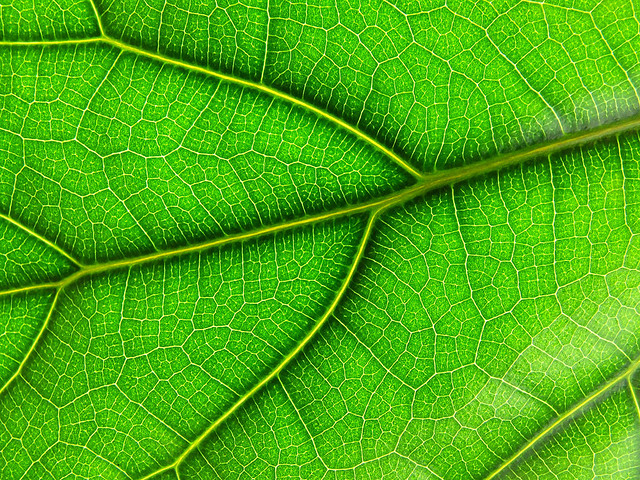
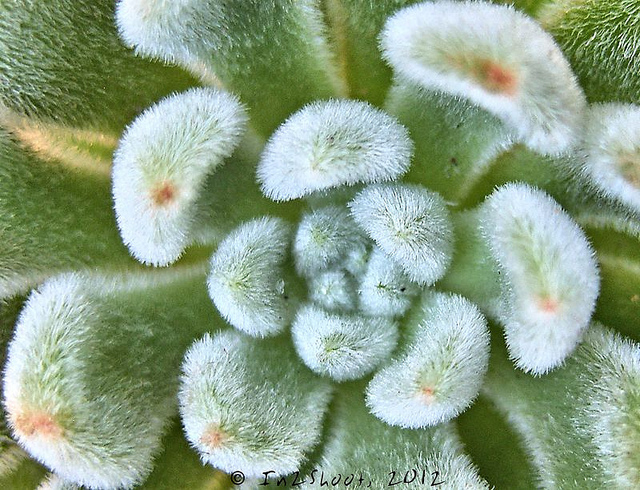
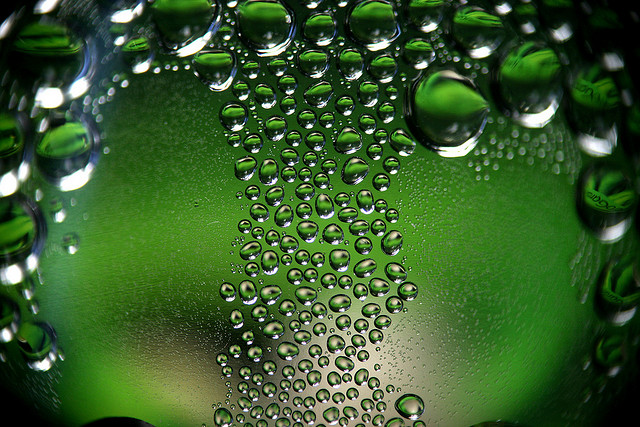
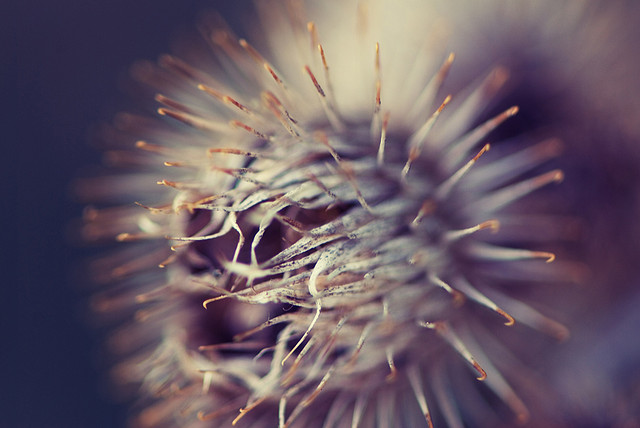
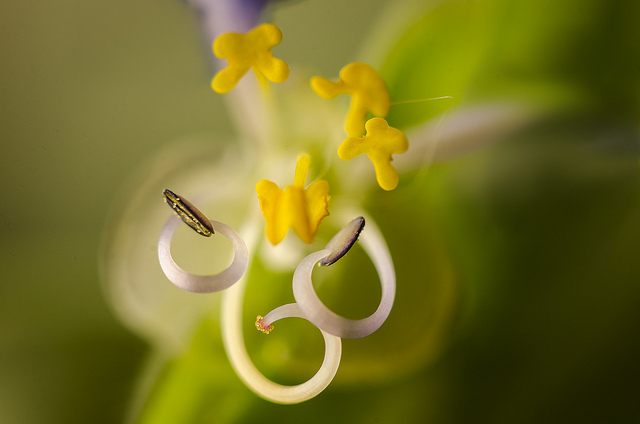
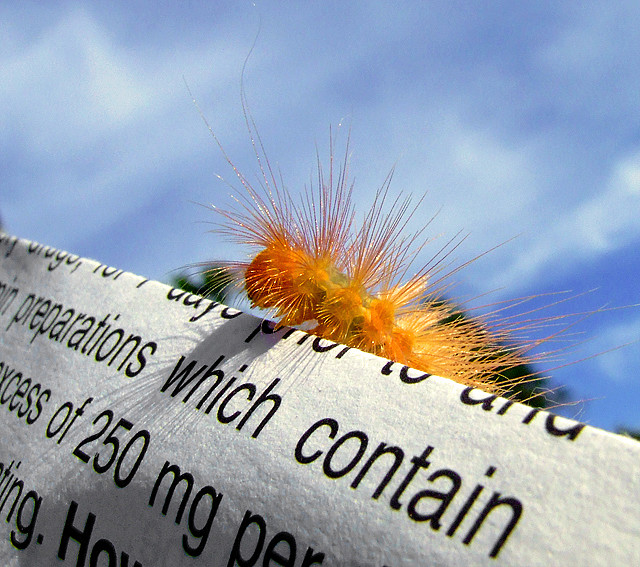
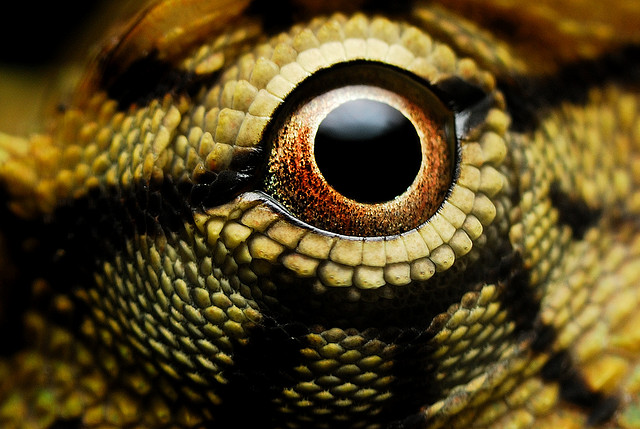
Macro photography is like a secret world. You can capture ordinary objects in a way that the human eye cannot see them, and create captivating images.
Many people immediately think flowers and bugs at the mention of the word macro, but there are so many other great options. This is meant to inspire you to get out there and look at the world a little closer. Find interesting subjects right under your nose – hey, maybe you can even photograph your dog’s nose!
Here’s a few ideas for you including some flowers and bugs:
By @Doug88888
By @Doug88888
By Tasumi1968
By @Doug88888
By @Doug88888
By cobalt123
By tony babcock
By Becky
By Ben Kreunen
By Mahmoudreza Shirinsokhan
By Johann Coetzer
By Brian Wolfe
By Randy Pertiet
By Jonathan Cohen
By Eduardo Millo
By syvwlch
By Martin Heigan
By maury.mccown
By Johan J.Ingles-Le Nobel
By Guy Sie
By Nick Fedele
By Chris Moody
By Brent Pearson
By Paul clarke
By Nick Fedele
By seeks2dream
By Antonio D’Emanuele
By mcdarius
By Mike McCune
By Bram Cymet
By Chechi Peinado
By Vanessa Pike-Russell
By MEMANG RIZALIS ENT.
For more reading on Macro Photography check out these articles:
How to focus stack macro images using Photoshop
How to photograph snowflakes with a DSLR
Tips for near-macro photography with a telephoto lens
Fun with macro photography
The post It’s a Small World – the World of Macro Photography by Darlene Hildebrandt appeared first on Digital Photography School.
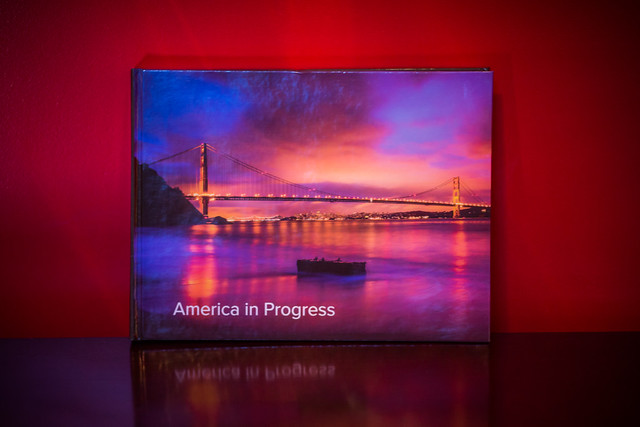
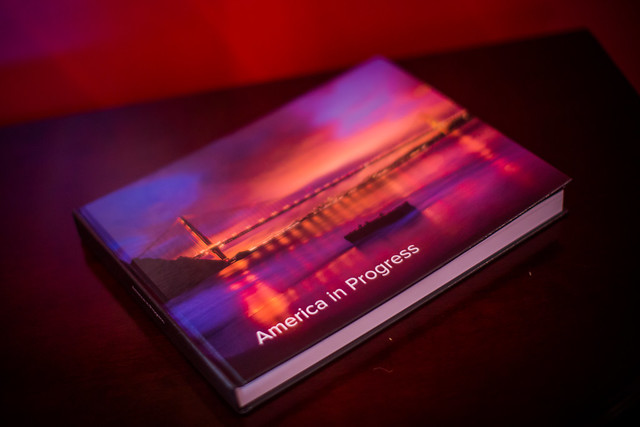
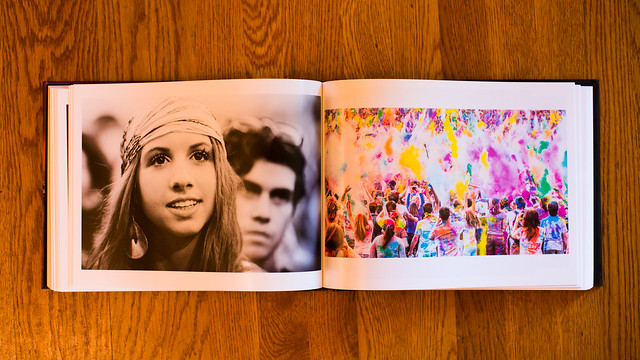
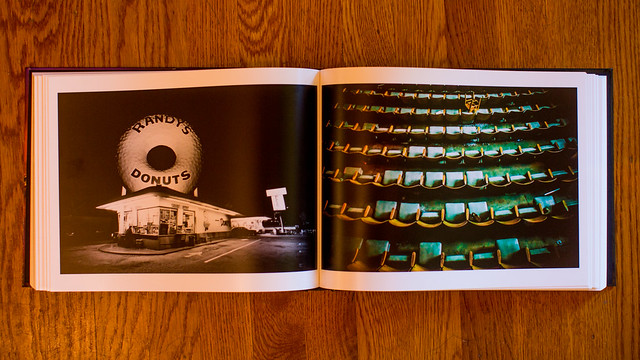
Yesterday my first book that I made with Flickr’s new book publishing service arrived. I was very impressed. My 200 page book was one of the best self publishing books that I’ve seen yet. I was most impressed with the paper that was used in the book. It was super premium high quality photo paper and as you turned each page it felt much weightier than most paper I’ve seen in other self publishing books.
The binding was not as nice as professionally printed books, but it was consistent with the binding that I’ve seen on other self published books from places like blurb.
It took my book exactly 7 days to arrive from the time of order to receipt. Once it was shipped, it was delivered next day.
As it stands right now you can just order books for yourself. You can’t sell them to others through Flickr. I had a few people that I showed the book to inquire about ordering a copy for themselves. As it stands right now this is a one of a kind book and I don’t plan on making additional copies of it.
Although I did not see a way to get text into the book, it seems like it might be possible looking at this example of another Flickr book by Flickr user Snoop Pac Doggy Dog. The book comes with a very nice printed removable slip cover and the book also has the same image on the cover itself.
I would definitely order more books from this service by Flickr. The quality of the product was first rate. It’s also nice that I did not need to upload high res photos to another site. Because Flickr already has my high res photos, it made it easier to just build my book through them.
It’s nice to finally be able to look at my own photo book and especially put it up on the shelf with my other photo books when I’m done — it sits right between photo books by Friedlander and Winogrand.
Electronic functions aren’t just limited to gadgets anymore – they can be extended to everyday objects, architectural surfaces, paper, clothing and even our own bodies. Conductive paint, thread and wires are used in conjunction with little processors like the Arduino Lilypad to turn bananas into musical instruments or a pair of metallic false eyelashes into a controller for an LED headset.
Gilded Ceramic Radio Controlled by Gesture
The metallic patterns on what looks like no more than a ceramic vase aren’t merely ornamental. In fact, they’re how you control the volume, frequency and on/off functions of this object, which is actually a radio. Made using fine palladium paint that has conductive properties, geometric patterns each have an individual motif for the function they control. The Hibou, as it’s called, is the result of an unusual collaboration between a gilder and an electronic specialist.
MusicInk: Turning Paper into Instruments
Flat sheets of ordinary paper become functioning, noise-making instruments thanks to a prototype kit containing conductive carbon paint, stencils and an Arduino Duemilanove board. Individual painted areas on the paper turn into playable trumpets, guitars, drums and more (recorded by the London Philharmonic Orchestra) by turning them into capacitive sensors that react to gestures. The Arduino board is synched with a smartphone app via Bluetooth.
Touch Board Turns Everyday Objects into Interactive Artifacts
Another touch board uses capacitive sensing to turn any conductive material into an interface. The touch boards are pre-programmed to turn gestures into sound just by connecting them to a speaker and plugging in a micro USB cable. You effectively paint light switches, volume controls or musical instruments onto a surface with electrically conductive paint, and then use gestures to control them.
SmartWrap Interactive Building Film
Now imagine taking that kind of interactive functionality and applying it to an entire building. That’s the idea behind SmartWrap interactive architectural film, which can be applied to a wall or the facade of a structure to provide not just shelter and climate control but also lighting, information display and power. It’s embedded with OLED technology, thin film batteries and silicon cells and conductive ink.
Conductive Body Paint Enables Novel Interaction with Environment
A conductive ink applied directly to human skin can bridge the gap between electronics and the body. Bare Conductive’s body paint is a skin-safe, water-soluble carbon-based ink that can be brushed, stamped or sprayed on to allow users to interact with technology through gestures, creating ‘custom electronics.’ The makers list potential areas of use as dance performances, music, fashion, security, military, audio/visual communication and medical devices.
Next Page – Click Below to Read More: Its Electric 14 Fun And Interactive Conductive Designs
Want More? Click for Great Related Content on WebUrbanist:
Touch input has already almost entirely eliminated the need for physical keyboards and mouses, but soon, it won’t even be confined to a screen. …
Click Here to Read More »»
Dazzling Digital Ads: 12 Interactive Storefront Displays
It’s practically impossible to ignore interactive storefront ads that literally jump out at you, react to your movements and follow you down the street.
Click Here to Read More »»
Touchy Instrument Turns Literal Beets Into Figurative Beats
The BeetBox from designer Scott Garner explores user expectations and creates a delightful visual pun. Its wooden enclosure holds six beet-making beats.
Click Here to Read More »»
When was the last time you got to snuggle a wolf puppy at work?
Never? Us neither. Sharon Montrose, on the other hand, can raise her hand to that one (and we’re green with jelly).
Sharon’s the photographer behind The Animal Print Shop. You might’ve spotted her portraits of wide-eyed baby giraffes, raccoons looking smug, and baby bears being baby bears.
We asked about how she discovered her awesome talent for photographing animal personality and what working commercially is all about.
While wolf pups might not be next up on your model list, you’ll get inspired to sit your pet down for a session!
Sharon Montrose on Animal Photography
p.s. We’re hiring for an amazing opening at Photojojo. We’re looking to re-invent what/how/where we publish online, and we’re seeking one amazing somebody to lead the charge as Editorial & Community Lead.
Who is Sharon?
The first time we heard about Sharon, she was snapping a baby giraffe in this Etsy interview. That’s when we knew that she probably had the best job in the world.
Sharon’s an acclaimed animal photographer who happened upon her talent for capturing portraits of animals when she was inspired to photograph her own dog one day (read more about that in the interview).
While she shoots dogs and cats commercially (you’ve probably seen her photos on billboards), Sharon has had the opportunity to work with less common animals like bear cubs, ostriches, and flamingos in her personal photography. This project is what became her Animal Print Shop series. Read about where the animals come from here.
Looking through Sharon’s portfolio is a roller coaster ride of awwww and is that real! and dang, she’s inspiring. Read on to learn more about how Sharon got started and what gets her inspired.
Is photographing large animals intimidating?
Q:You’ve photographed buffalo, cows, giraffes, lions even! Is it intimidating to stand in front of an animal that large with your camera?
A: No. I’m naturally a somewhat fearful person, but I when I get behind the lens, my fear is goes away–I think I’m too distracted getting my shot to be afraid.
How do you get great photos of wiggly subjects?
Q:So, kittens and puppies aren’t known for their sitting-still-in-one-spot skills. How do you manage to get great photos of them regardless?
A: Patience and timing. With animals that move around a lot, you have to be ready and focused to hit the shutter in that split second when they stop.
How many shots does it take to get that one photo?
Q:When you’re shooting for your Animal Print Shop series, how many shots does it take to get that one incredible photo?
A: It really depends on the animal–if it’s a calm animal (like a cow) who will just stand there and look around, I can get my shot in a couple frames. Others though, like little lion cubs, are running all over the place and take some serious time and patience.
How did you get into animal photography?
Q:Did you know you wanted to get into animal photography off the bat? If not, what was getting there like?
A: At first I had a very tough time turning what I loved doing into a way to earn a living. I floundered before I became established as a working photographer. I was shooting headshots and weddings and doing okay at it, but I wasn’t happy doing either and had lost the love I had for photography.
Around the same time, I adopted my first dog (several members of my family also had dogs), so I started taking photos of all the dogs in my life to see if it reignited the love I once had for photography. It did, and I learned an important lesson as a result: I had to have an authentic connection with my subjects.
Shortly afterwards I began work on my first book Dogtionary (Viking Press 2001). The book came after many failed attempts at marketing myself as a private party pet photographer. Back in 1998 people didn’t spend money on their dogs like they do today.
The book (and subsequent books) established me in my niche because the internet was still new, so being published was more productive in those days and there were very few published photographers with dog books in the United States. There were only a handful of us in the shadows of the great William Wegman, Elliot Erwitt, Henry Horenstein, and Keith Carter. I think it was me, Jim Dratfield, Kim Levin, Valerie Shaff, Sharon Beals, Deborah Samuel, Jeff Selis, and Debra Marlin. If I forgot someone, I’m human, please don’t send me hate mail.
Can you describe a shoot in 5 steps?
Q:Can you describe a shoot (let’s say one from your Animal Print Shop series) in 5 steps? Give us an idea of what happens start to finish!
A:
1. Phone calls: Reaching out to my contacts to see if there’s anything out there for me to photograph.
2. Production: Coordinating the logistics and equipment for the shoot.
3. Shoot day: The best day!
4. Editing, post production, and test printing.
5. Producing Materials for New Release: Producing product shots, printing inventory, and adding the new release to the site, plus marketing efforts.
What is having a professional team like?
Q:What is having a professional team like? Are you ever like, “I wish it was just me?”
A: I never wish it was just me. I literally couldn’t do what I do without my team–I’m very lucky to have them.
What didn’t you realize you would be doing?
Q: You’re pretty much running your own business as a photographer. What do you do a lot of now that you didn’t realize you would be doing when you started?
A: Answering questions about myself in interviews. I take my work seriously, but I don’t take myself seriously–so it’s a weird challenge.
How much creative free-reign do you typically get?
Q:In commercial photography how much creative free-reign do you typically get? We’re guessing you’re working with clients’ marketing teams and maybe stylists — how collaborative is it?
A: It’s always a collaborative effort to get the shot, sometimes with many different creatives coming together: creative director, set decorator/prop stylist, production, and my crew.
If I have been selected for a job by a creative team, it’s because they like what I do and believe I can nail their comp, so it’s inherently collaborative.
Usually after we’ve been successful at getting their comp and the client is happy, I’ll shoot variations and freestyle a little to get extra options and make sure they have everything they need — that’s where I get free-reign. And sometimes they end up using those shots instead or in addition to the original concept.
Who are your top 3 favorite photographers?
Sally Mann, Robert Mapplethorpe, Edward Weston.
Where or who is your favorite inspiration?
Q:When you want to photograph your own stuff, where or who is your favorite inspiration?
A: Honestly, it’s hard to shoot my own stuff now since I’m so busy running The Animal Print Shop. Inspiration does strike though, and I usually just pull out my iPhone to take a few snaps. It’s usually of my dogs or my crew messing around at the shop to post on Instagram.
Unless I’m in my most favorite place on earth: Yosemite. There you will find me somewhere along the Merced River in all my photo glory looking like a total Ansel Adams wannabe, photo-geek. True story.
Do you have any favorite phone photo apps or tips?
Q: We see you’re on Instagram. (OMG wolf puppy!) Do you have any favorite apps or tips?
A: I like VSCOcam and Squareready. But don’t ask me, I’m old.
Related posts:
How to Photograph the Holidays — From Around the Web Points of Interest Got ideas for great New Year’s Photo…
Photograph Your Friends From Five States Away! Relationships, fragile packages, our feet. Long distance is hard on…
How to Photograph the Galaxy…in 3D! The minute Richard Branson’s Virgin Galactic takes off, you’ll be…
Not every shoot I’ve done is full of lollipop promises, cute matching (but not too matching) outfits, and happy families throwing their kids up into a perfect blue sky with puffy cloud dreams. In fact, typically the ones that didn’t, are among the most important pictures I have ever taken. The ones that there are no road maps for, no instructions, and no cheat sheets. Several years ago I photographed a beautiful wedding of a young couple deeply in love on a perfect July day. I shot the wedding, went home, and put those images at the bottom of my “waiting to be edited” stack. Which is where they stayed until I got a random call that the groom, a police officer, had gone missing in an attempt to save a young girl who had almost drowned in a fast moving river. For three days rescue teams searched for him, until they found his body a day shy of his and his new bride’s first month anniversary.
I Googled everything I could think of in an attempt to edit the images, perfectly and quickly with poise and professionalism, as I knew that they would now would hold a gravity beyond what I could have ever imagined when I shot them. I found nothing—no road map, no instructions, no guide for this massive task I had ahead of me. Instead I holed up in my office for a weekend with a bottle of scotch and a case of tissues, emerging in time for them to be delivered to his bride at his memorial service. Those images are now locked in a vault of sorts for me professionally, and I can only hope that by now they perhaps bring an amazing and strong woman great comfort and lovely memories of a beautiful day in her life.
Photography is a very powerful thing. And having the ability to do it is an incredible gift. Not all tough to photograph events will be dire, but do photography even just as a hobby for long enough and you will find yourself in situation beautiful in it’s complexity and the images you take poignant beyond words.
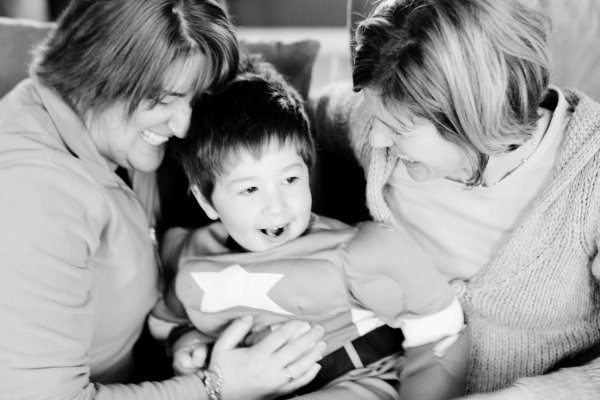
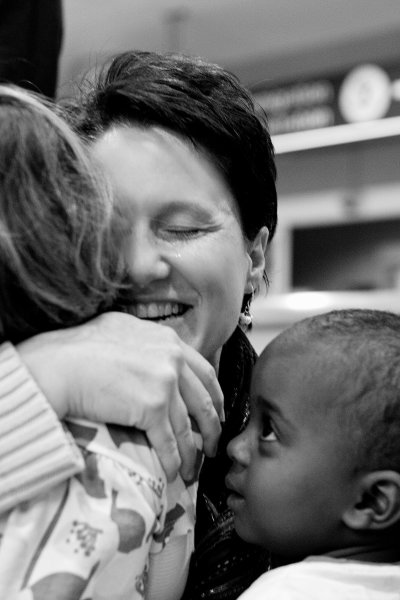
This is a picture of my dear friend, her son, and her son’s birth mom. It’s out of focus and isn’t properly exposed. The kid is wearing a Captain America costume and was feeling especially “spirited” on this day. It is all of the makings of disaster. Yet it is one of my favorite images and incredibly important to both myself and the people in it. A picture doesn’t have to be technically perfect to be amazing. Sometimes it’s just you being in the right place at the right time, hauling a camera in tow. Sometimes it’s a matter of you being invited to something very special because you have been trusted to document it. What a beautiful responsibility that is. Sometimes it’s not about the where and the how you do it; it’s about that you showed up and did it. The pictures you take may turn out perfect. They may not. Either way, they will be treasured as great gifts.
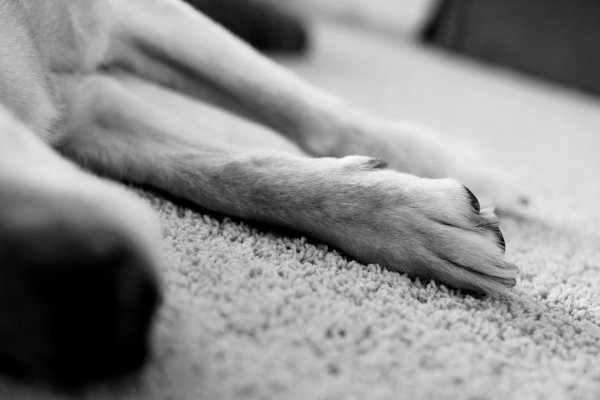
Every once in a while I get asked to photograph someone (or a pet) who is gravely ill, or a funeral or memorial service. I have never been in a situation personally to want a photographer at something like this, but I am always honored when asked to do something so significant. This is one of those situations where if you have any reservations at all, you should politely decline. It’s a heavy task, one that can only be done with complete focus and presence. The first thing I do if I’ve been asked to photograph something like this is make absolutely certain that the immediate family members are all in agreement in wanting my services and what exactly that means to them. While I have personal guidelines, I want to be sure that what they are wanting works with these, and also something I will be able to do with great compassion. Each time I’ve photographed this type of situation I have come across someone that didn’t feel I should be there or was confused by my presence and camera. My best advice is to reply very simply and quietly: “I was asked to be here today” and move on. Not everyone will understand why a photographer was requested. Often I don’t understand myself. But I know that I am doing something important as part of a healing process for another and that’s reason enough.
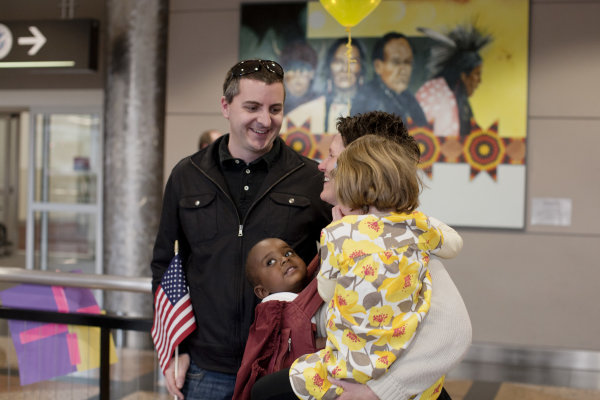
Sometimes the occasion is joyful and wonderful and still requiring of great tact and compassion. Homecomings, be them military or adoption or just long awaited, fall into this category. If you have been invited to something like this, take a moment to be a bit proud of yourself. Go on—I’ll wait. This means that you have been asked to be part of a moment so delicate and special that your abilities are obvious and you are trustworthy beyond measure. Your camera may have been your golden ticket in the door, but your skills is what will get the job done. This is one of the few times I stay completely out of the way and ask nothing of anyone. I am there only to document, not set-up moments or force poses and smiles. The event will happen so naturally and beautifully on it’s own that you need only to trust in yourself, stay alert and in the moment, and know that the most intense moments will happen very, very quickly.
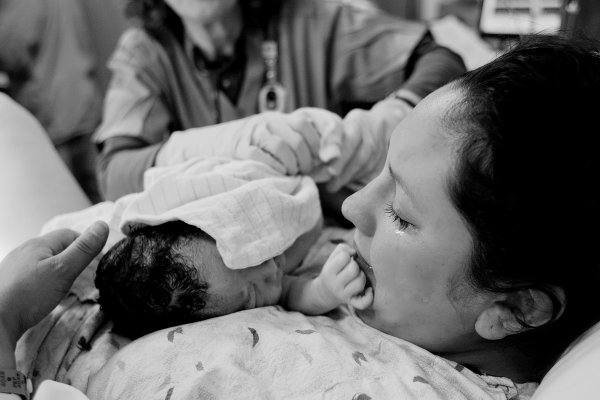
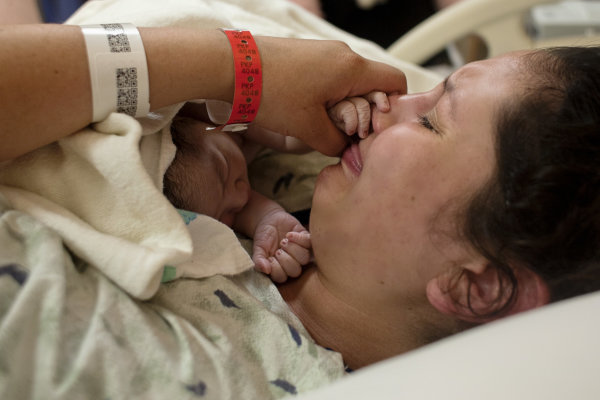
In my humble opinion, there is no greater honor than being trusted to photograph someone. Making the honor of being asked to photograph a human coming into this world the highest of the high. If you ever get the chance the witness life start, I highly recommend it. Most of this is going to be common sense, but in this case, don’t shoot for the moon. You are documenting something so special, so amazing, there is no need to force a specific shot. In a perfect world, you’ll be allowed to stand near the mother, at the top of the bed (or similar), lessening the chances of angles that no one will want pictures of, and increasing the chances of being able to stay out of the way. Photographing a birth is one of the only times I truly have to use everything I have to hold it together and do my job. But it turns out you can focus (literally and figuratively) through a layer of tears pretty easily if you need to. Much like birth itself, this is pure adrenaline; nothing to plan, no way of knowing what shots you are going to get. I do like to always ask if there is something special that is hoped for—perhaps the first bath or a picture of the baby getting weighed. Things like that are usually possible and of importance for some. Photographing births is a game of hurry up and wait and only a couple of things are certain: good glass, a high ISO (no one wants a flash here and the room is often dark), and impeccable manners.
These type of images may not end up being part of your portfolio, they may not be technically perfect in any way, but likely to someone they will mean everything.
Post originally from: Digital Photography Tips.
Check out our more Photography Tips at Photography Tips for Beginners, Portrait Photography Tips and Wedding Photography Tips.
It’s Not Always Sunsets and Kittens: Photographing the Tougher things in Life














 The first time we heard about Sharon, she was snapping a baby giraffe in this Etsy interview. That’s when we knew that she probably had the best job in the world.
 Q: You’ve photographed buffalo, cows, giraffes, lions even! Is it intimidating to stand in front of an animal that large with your camera?
 Q: So, kittens and puppies aren’t known for their sitting-still-in-one-spot skills. How do you manage to get great photos of them regardless?
 Q: When you’re shooting for your Animal Print Shop series, how many shots does it take to get that one incredible photo?
 Q: Can you describe a shoot (let’s say one from your Animal Print Shop series) in 5 steps? Give us an idea of what happens start to finish!
 Q: What is having a professional team like? Are you ever like, “I wish it was just me?”
  Q: You’re pretty much running your own business as a photographer. What do you do a lot of now that you didn’t realize you would be doing when you started?
 Q: In commercial photography how much creative free-reign do you typically get? We’re guessing you’re working with clients’ marketing teams and maybe stylists — how collaborative is it?
 Q: When you want to photograph your own stuff, where or who is your favorite inspiration?
  Q: We see you’re on Instagram. (OMG wolf puppy!) Do you have any favorite apps or tips?