RSS
 

Posts Tagged ‘into’

Recycling Rockets: Ixion Will Turn Orbital Space Junk into Spacious Habitats

25 Jun

[ By WebUrbanist in Conceptual & Futuristic & Technology. ]

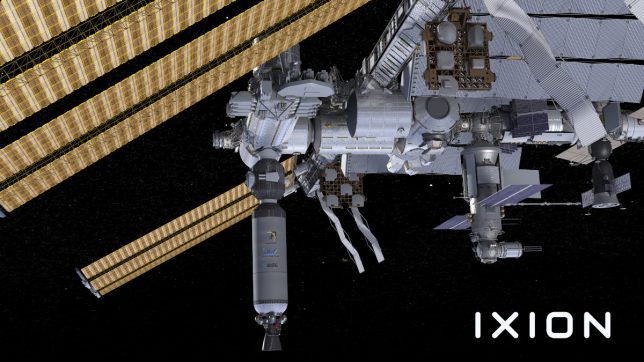
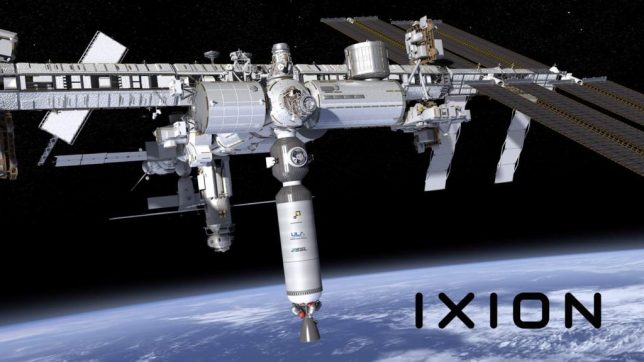
As part of their NextSTEP program, NASA has contracted a space company to turn trash into treasure, converting used rocket sections already being sent into orbit into habitation units rather than letting them drift or be destroyed.

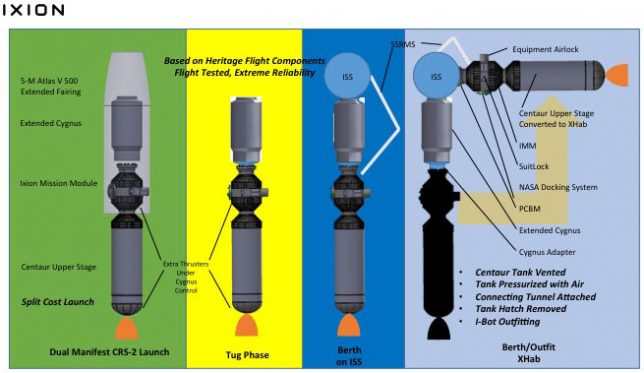
It takes an immense amount of effort and fuel to break out of the Earth’s atmosphere, yet upper stage rocket sections are routinely set adrift or de-orbited, burning up on reentry. Nanoracks believes these can be put to better use — their Ixion project aims to take large fuel-carrying rocket tubes, burn out whatever fuel remains and retrofit them for occupation.

Once the propellant-containing segment is vented in open space, remaining materials will oil off over the course of a few days. Then Nanoracks will fill the void with pressurized air from tanks attached to the outside. Humans (or robots) will take the next step, entering the capsule to add fabric, wiring and whatever else is needed. The design will factor all of these needs in advance, featuring operable hatches and attachment mechanisms as needed.

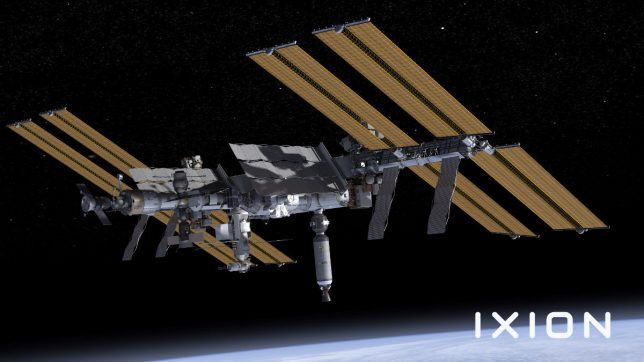
Initially, the plan is to attach these to the International Space Station for testing and to extend their habitable space. Future tubes could be used to form the basis of a commercial station or to serve other functions — the idea, in part, is to get out ahead of the demand, readying this space junk for unknown future applications. And this idea could be just the beginning: robotic space junk collection could eventually put the vast amounts of orbital debris circling the planet to much better use.

Share on Facebook


[ By WebUrbanist in Conceptual & Futuristic & Technology. ]

[ WebUrbanist | Archives | Galleries | Privacy | TOS ]


WebUrbanist

 
Comments Off on Recycling Rockets: Ixion Will Turn Orbital Space Junk into Spacious Habitats

Posted in Creativity


Pollution Pops: Sewage-Ridden Public Waters Frozen into Horrifying Popsicles

21 Jun

[ By WebUrbanist in Art & Sculpture & Craft. ]

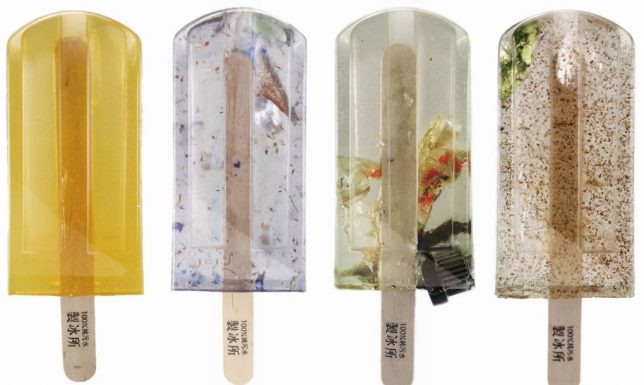
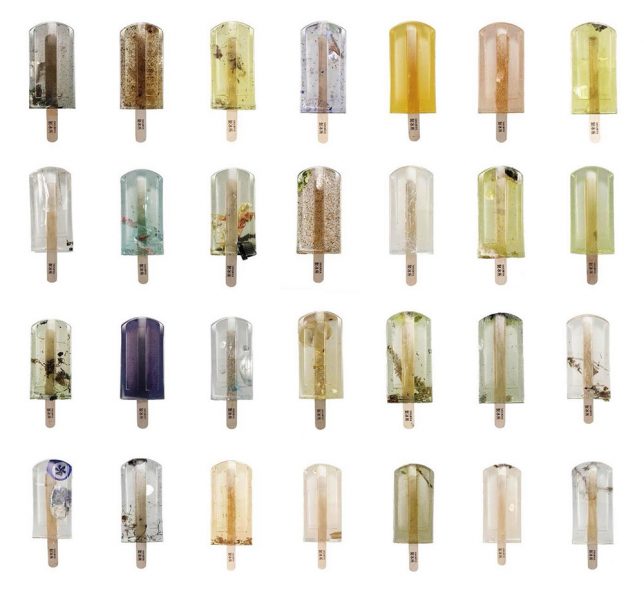
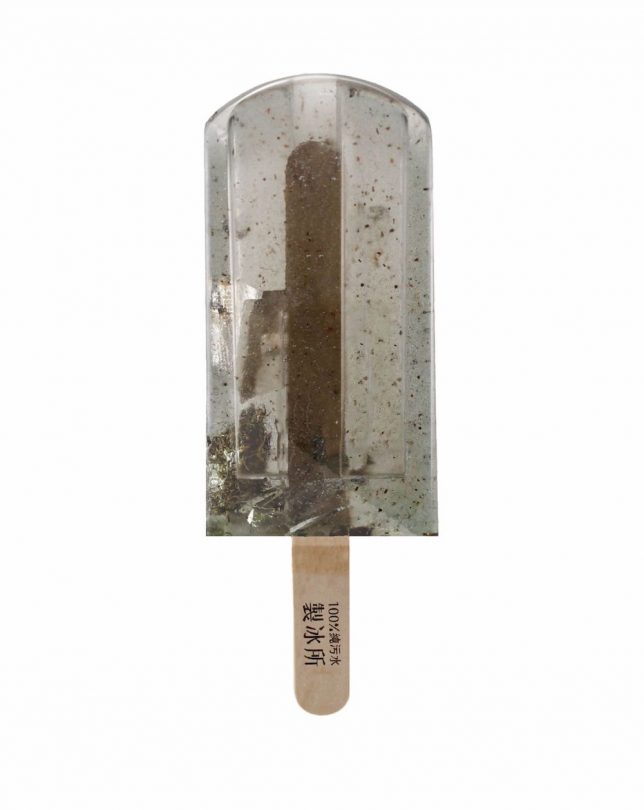
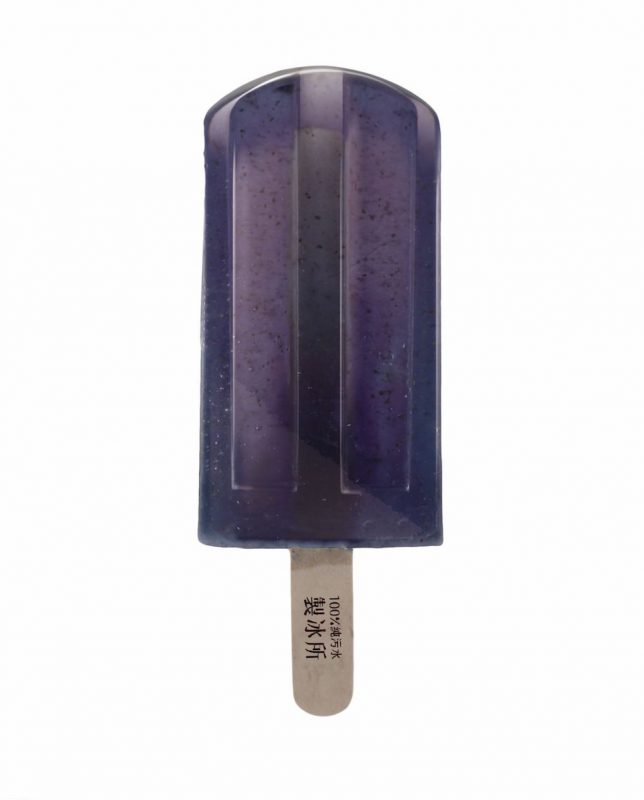
A stomach-churning twist on classic frozen treats, 100 stabilized ice pops made from Taiwan’s polluted lakes, rivers, beaches and ports feature an unsettling array of sewage found in public waters.

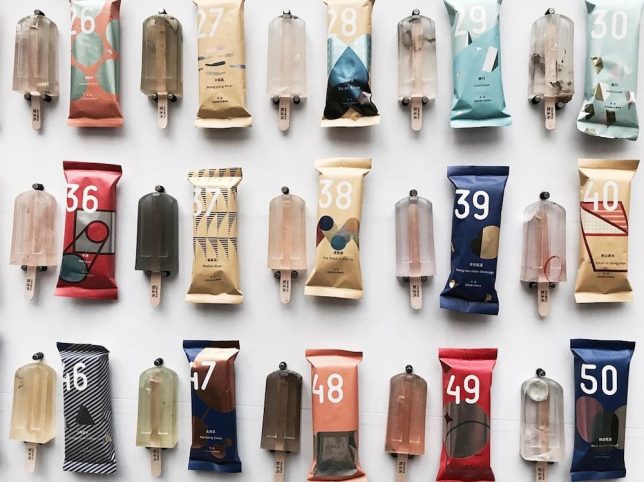
Each of these edible-scale popsicles was first frozen then preserved in polyester resin and wrapped in packaging. Diverse flavors feature ingredients such as plastic, arsenic, mercury and metal. Unappetizing titles include Yang-tzu-chou Drainage, The Large Ditch in Tianwei, and New Huwei Creek.

Some even look tasty at a glance, like some kind of hand-crafted iced delight. But the game of choosing something to try quickly becomes a nightmare of deciding which might be least terrible. Surely one without bits of cork, bottle caps or candy wrappers would be better, but then again: invisible poisons could be much worse.

Art students Hung I-chen, Guo Yi-hui, and Cheng Yu-ti from the National Taiwan University of the Arts concocted titled their line of less-than-delicious designs “Polluted Water Popsicles.” Their work was nominated for the Young Pin Design Award and featured in the New Generation of Design Exhibition this May at the Taipei World Trade Center.

Share on Facebook


[ By WebUrbanist in Art & Sculpture & Craft. ]

[ WebUrbanist | Archives | Galleries | Privacy | TOS ]


WebUrbanist

 
Comments Off on Pollution Pops: Sewage-Ridden Public Waters Frozen into Horrifying Popsicles

Posted in Creativity


Aromatic Art: Empty NYC Trash Bins Turned into Beautiful Floral Bouquets

07 Jun

[ By WebUrbanist in Art & Street Art & Graffiti. ]

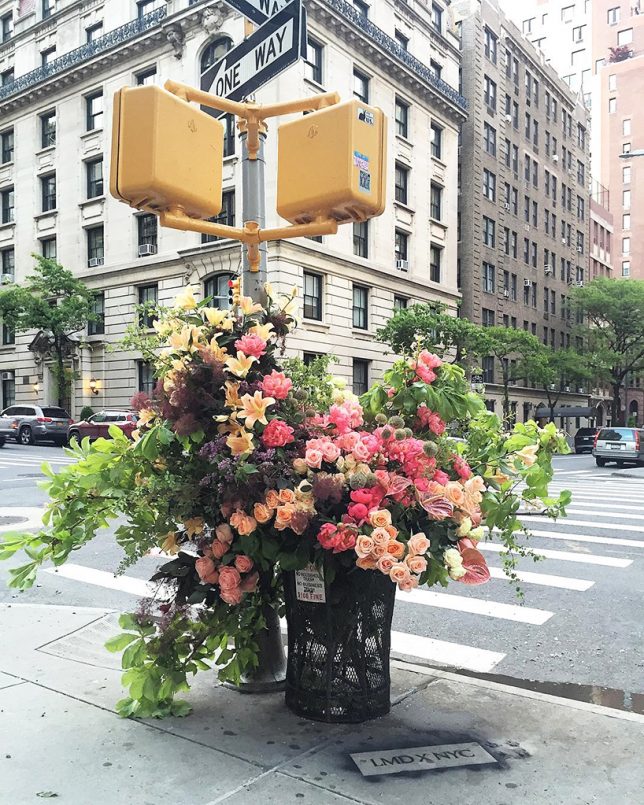
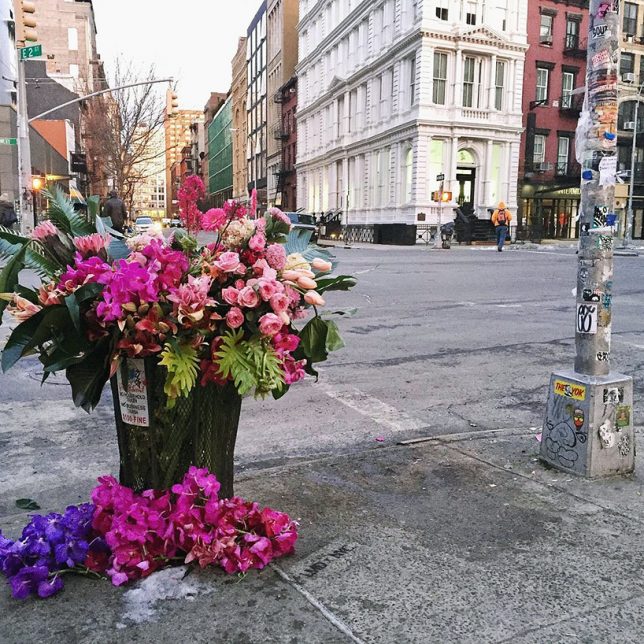
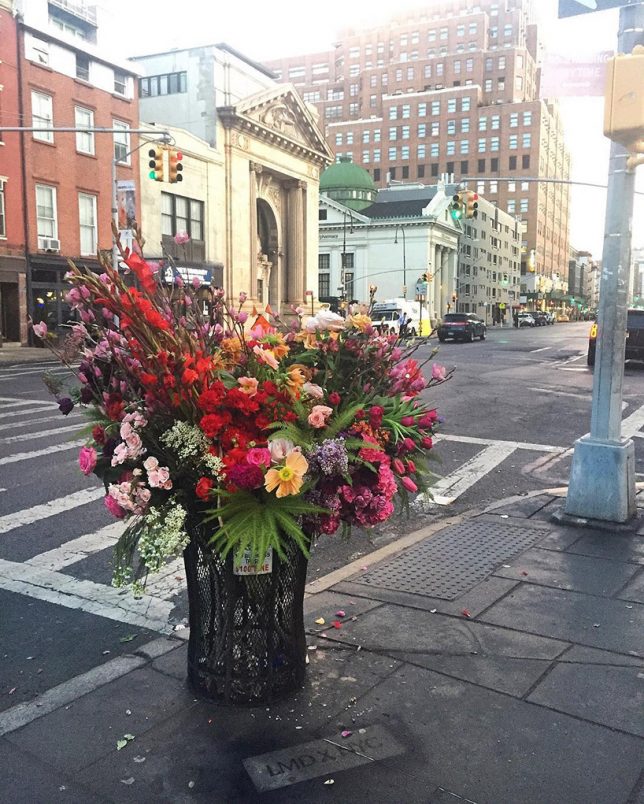
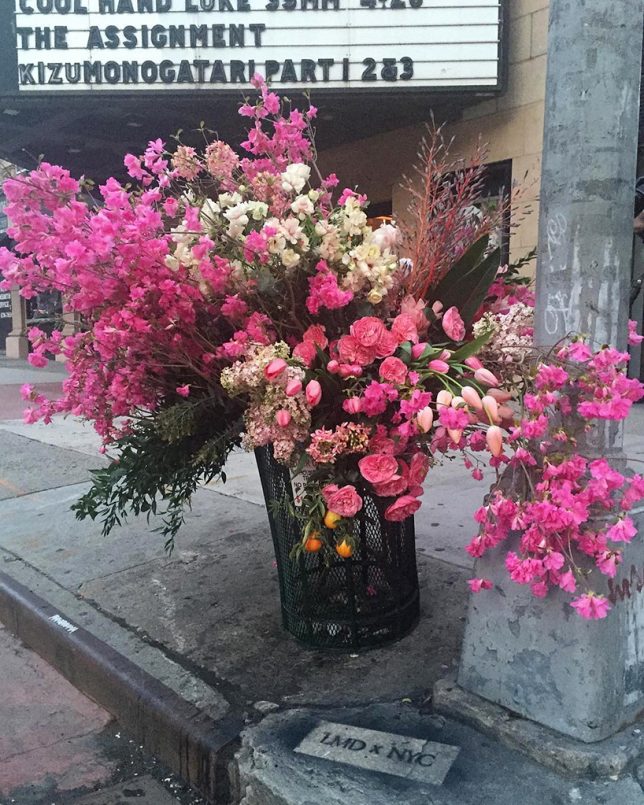
Sprouting up alongside the streets of New York City, garbage cans packed with colorful flowers are turning repelled waste receptacles into attractive centers of attention for garbage-weary pedestrians.

Floral designer Lewis Miller has been turning heads — passersby are quite literally stopping to smell the roses (and other plants) appearing in his carefully arranged bouquets, each unique and site-specific.

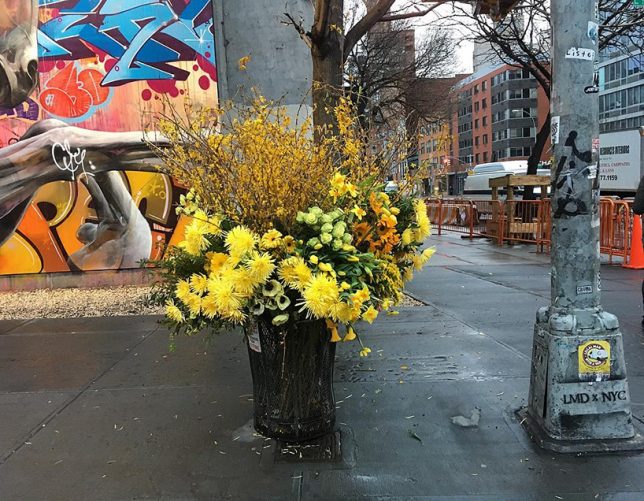
His ongoing project takes empty bins and uses them as blank canvasses, creating botanical art through sunflowers, azaleas, and other more exotic species. Something about the juxtaposition with beat-up wire-mesh containers makes them all the more stunning, too.

“We are storytellers through the art of floral design, transforming an arrangement into a love song and an event into an indelible experience,” says the artist. Different arrangements also pick up patterns and colors from their context, be it stickers, signs, architecture or other street art.

The temporary installations may not be a permanent solution for bad-smelling trash in a city well known for its street-side waste, but at least they offer a colorful (if passing) reprieve from the normal contents of these containers.

Share on Facebook


[ By WebUrbanist in Art & Street Art & Graffiti. ]

[ WebUrbanist | Archives | Galleries | Privacy | TOS ]


WebUrbanist

 
Comments Off on Aromatic Art: Empty NYC Trash Bins Turned into Beautiful Floral Bouquets

Posted in Creativity


Mathematician turns Juno images into stunning Jupiter flyby video

04 Jun

Since NASA’s Juno probe entered Jupiter’s orbit a year ago, it’s been sending back high-resolution images of the solar system’s biggest planet.

When NASA released the latest batch of images, last month, German mathematician Gerald Eichstaedt got to work, turning them into into a video. Using software that he wrote, Eichstaedt used Juno’s trajectory data to determine the probe’s exact position when it captured an image, and then placed that image on a spherical model of the planet. The resulting video combines 36 images from the probe to simulate a Jovian flyby.

London-based filmmaker Seán Doran saw the video when Eichstaedt uploaded it to unmannedspaceflight.com and spent another 12 hours smoothing the thousands of frames, before adding a soundtrack.

It’s almost like being there. Almost…

Watch Gerald Eichstaedt’s original video

Read more about NASA’s Juno mission

Articles: Digital Photography Review (dpreview.com)

 
Comments Off on Mathematician turns Juno images into stunning Jupiter flyby video

Posted in Uncategorized


Urban Blinds: Skyline Curtains Turn Bright Days into Dark City Nights

28 May

[ By WebUrbanist in Design & Furniture & Decor. ]

Casting pixelated patterns into day-lit rooms, these shades swap boring views (or overly bright days) for iconic scenes of metropolises at night.

This particular set by HoleRole features famous structures from cities like Manhattan (the Chrysler) and London (the “Gherken”).

In each piece, minimal geometric windows and pinpoint stars on black prompt observing eyes to complete each picture, but theirs is not the only (or first) approach to urban curtain design.

Aaalto+Aalto designed a similar series (Better View) some time ago but with a few key differences. For one thing: by varying the sizes of the perforations, their built landscapes take on more dimension. Implied curves as the windows recede, for instance, allow the flat surface to appear warped (as illustrated above).

Also, the larger holes let some details shine through from the background. While visible window elements and natural scenery can be identified with inspection, they also serve to animate the scenes — instead of a black-and-white image, additional details make it seem like there are objects or activities filling in the windows. The net effect adds a bit of character and fun unpredictability.

Of course, none of these are true “blackout” curtains in the traditional sense, but for mood lighting during the day they are certainly a bit more interesting when total darkness is not required.

Share on Facebook


[ By WebUrbanist in Design & Furniture & Decor. ]

[ WebUrbanist | Archives | Galleries | Privacy | TOS ]


WebUrbanist

 
Comments Off on Urban Blinds: Skyline Curtains Turn Bright Days into Dark City Nights

Posted in Creativity


How to Photograph Your Museum Visits – Turn Limitations Into Creative Challenges

20 May

Do you feel frustrated that you are not allowed to make selfies in museums? Did a light reflection ruin the photo of your favorite artwork? Are the other visitors always in the way of your perfect shot? Then this article is for you, to help you photograph your next museum visit!

Museums are a great place to get inspiration, however, the great teams behind every exhibition have to be more concerned with the preservation of the artworks than about your photo. Therefore, photographing in a museum poses two big challenges.

First, the multiple rules that you have to follow, remember to always be respectful of them because they exist for a reason. Second, the fact that you can’t alter the conditions in which you have to shoot. But this doesn’t mean that you can’t make great photos, actually, you can turn it around and use these limitations to take your photography to the next level.

Every museum has different rules so I’ll cover some of the most common:

NO SELFIE-STICK

Many museums of the world like the Palace Museum in Beijing, the Van Gogh Museum in Amsterdam, the Metropolitan Museum of Art in New York, and many others have banned the selfie-stick. Not to worry, this shouldn’t stop you from making a memory of yourself with your favorite artwork.

Whether it’s in a frame or a display case, most objects in museums are protected by glass. So, you can use your reflection on the glass to make a selfie. You can also use mirrors and other reflective surfaces you can find.

How to Photograph Your Museum Visits - Turn Limitations Into Creative Challenges

Crystals, Teylers Museum, Haarlem, The Netherlands.

How to Photograph Your Museum Visits - Turn Limitations Into Creative Challenges

Albergo Diurno Venezia, during the exhibition Senso 80 by Flavio Favelli, Art Week Milan 2017, Milan, Italy.

In order to work with reflections, you need to understand how light works. Without going into a complicated physics lesson, what you need to know is that light travels in straight lines.

Light Diagram How to Photograph Your Museum Visits - Turn Limitations Into Creative Challenges

Which is also why you can get those annoying light flares that can ruin your photos. So you need to be very aware of all the other objects in the room to avoid unwanted reflections.

Reflection Mistakes - museum

Me As Mapplethorpe, 2009. Gillian Wearing RA, (based upon the Robert Mapplethorpe work: Self Portrait, 1988) exhibited at Gemeente Museum, The Hague, the Netherlands.

Now that you know how it works, you know how to move around the space in order to control your reflection. A few tips to consider though:

  • The darker the background, the better you will see the reflection. For example, if you are doing the selfie in front of a black and white photo, position yourself in a way that you will be reflected in the darkest part of the photo, so you will stand out more. If you are wearing white or a light color shirt that’s even better.
  • Try different positions so that you are not blocking an important part of the artwork. You can even try interacting with it.
  • If there is a metallic surface or a mirror in the piece, use it to your advantage, and acknowledge your presence (smile, wave, etc.) so that it doesn’t look like a mistake.
  • Locate the light source and then position yourself in a way that the bouncing trajectory doesn’t hit the lens of your camera, but it does hit any objects you want to reflect.

NO FLASH

This is one of the most universal rules in museums. This is because the hundreds of thousands of visitors that some artworks attract would sum to a great amount of light that some materials cannot take without damage. So you’ll have to make the best with the lighting of the museum that is designed to either preserve the delicate artworks, or to set a mood that complements a whole concept of the exhibition.

In other words, more often than not it will be very dark. This is where the settings of your camera (and even some smartphones) come in.

Since this article is not about exposure I won’t go into a lot of detail, but I will give you a quick guide to adjust it to better photograph in low light. The correct exposure depends on three things:

ISO

In photography this stands for International Standard Organization just like every other ISO that you’ve heard about. What it standardizes in this case is a scale for measuring sensitivity to light. The higher the ISO number you choose, the higher sensitivity your device will have. A lot of people are afraid to go very high because there is the risk of getting noise in your image, which is like the grain that used to be in film photography.

Nowadays most cameras can keep the quality even at higher numbers, so try all the settings out to determine which one is the highest you can go with your own equipment. However, in my experience, you get less noise from a high ISO than going lower and then trying to correct the underexposure in Photoshop later. Here is an example:

ISO 320 museums

This image was taken at ISO 320.

Versus . . .

ISO 3200 museums low light

This image was taken with an ISO of 3200.

Aperture (f-number)

The simplest explanation I can offer is that the aperture is the hole in your lens that lets in light. Therefore the bigger the hole, the more light will enter.

But here is the tricky part, the aperture reference scale is inversely proportional. So, contrary to what you might think, a smaller number means a bigger hole and therefore more light. For example, a photograph taken with f/8 will be lighter than the photo taken with f/11.

This setting also controls the depth of field of your image (the area that will be in focus). So be careful moving this one because you might loose some sharpness in areas that are farther away from your point of focus if you use smaller f-numbers. Notice in the image below how the objects are loosing focus towards the back.

Depth of field museums

Crystals, Teylers Museum, Haarlem, The Netherlands.

Shutter Speed

This setting controls how much time you expose the sensor to light. Since the sensor (or film) is accumulative, the more time you expose it, the lighter your image will be. Shutter speed is very straightforward and it could be your best choice, except that anything moving will look like a blur if you go too slow.

Even if everything is still, if you are not using a tripod, YOU are the one moving. So don’t let it stay opened too long. In some museums you’re allowed to use a tripod if you pay an extra fee, so feel free to ask.

It is also useful to know that telephoto lenses need a faster shutter speed to avoid blur than the wide angle lenses. So you can also consider re-framing your image like the next example.

Shutter speed 1/8th, f/5.6, ISO 800, focal length 55mm.

Shutter speed 1/8th, f/5.6, ISO 800, focal length 22mm.

You can also use this setting in a creative way. For this photo I wanted the tram passing in between the two pieces of the sculpture to leave a blurry line to have a more dynamic result and also show more context on how the sculpture was meant to interact with the space.

Shutter speed 1/2 second, f/11, ISO 400; focal length 18mm.

Shutter speed 1.3 seconds, f/11, ISO 400; focal length 18mm.

Now that you know what each setting does, you can adjust them to your needs. Keep in mind that they are interrelated, so if you move one you need to correct the others accordingly. For example, if you close your aperture because you want more depth of field, remember to compensate it by leaving the shutter open for a longer time, or by making your ISO more sensitive (higher number). Always keep an eye on your exposure meter!

NO TOUCH

Given that you can’t change your surroundings or rearrange the artworks, you will have to be extra creative and flexible.

Take care of composition.

When photographing an artwork in a museum, don’t try to just reproduce it. To do that it’s always better to buy the postcard or the catalog. What you do want is to capture what it’s transmitting to you. Use the architecture of the gallery, make it interact with the other pieces of the exhibition, try to capture the ambiance. In other words, make it your own. Notice how in this example I didn’t photograph any specific artwork, just the space and the atmosphere.

Composition museums

Rijksmuseum van Oudheden, Leiden, the Netherlands.

Change your position.

Retaking the topic from the No Selfie-stick, if you need to avoid reflections and you can’t move the artwork or the lighting, then reposition yourself. Do this also to play with perspective, to include or exclude objects from your frame, and just try as many angles as you can.

For this next image, I was playing with perspective and the position of the circular lamps in order to make them look like the aura of the statue.

Position museums

Rijksmuseum, Amsterdam, the Netherlands.

Be aware of other visitors.

It will be very difficult for you to have the museum to yourself, so try to be respectful of others and don’t get in the way. Don’t be afraid to include people in your photo as well, just be sure to wait until the right moment so that they complement your image.

Mirrors museums

Het Dolhys, Haarlem, the Netherlands.

Silhouette museums

Museo de la luz, Mexico City, Mexico.

COPYRIGHT

Last but not least, there is one rule that you won’t see on the museum signs, but it exists and it’s very important – the issue of copyright.

While getting inspiration from other artists it’s great, remember that you are photographing the work of a fellow artist so it is covered by copyright. This can apply from the artwork being exhibited to the architecture of the museum so it can be a very complicated issue to understand.

I advise you inform yourself about it in more depth. A general rule of thumb that you can always follow is that you can’t use the image for commercial purposes without permission and/or retribution from the creator. And in any other context for educational purposes (e.g. this tutorial or giving a conference) you should always give the credits. Let’s be respectful of one another.

Next time you go to a museum you can both get inspired and creative. Enjoy and share your photos!

The post How to Photograph Your Museum Visits – Turn Limitations Into Creative Challenges by Ana Mireles appeared first on Digital Photography School.


Digital Photography School
 
Comments Off on How to Photograph Your Museum Visits – Turn Limitations Into Creative Challenges

Posted in Photography


Conductive Design: 10 Objects Transformed Into Touch Pads & Circuits

11 May

[ By SA Rogers in Gadgets & Geekery & Technology. ]

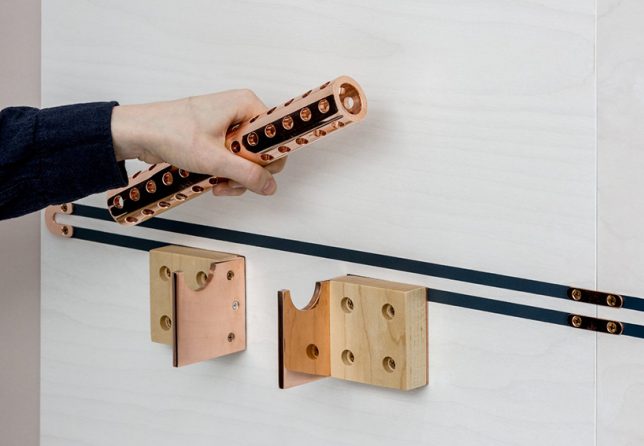
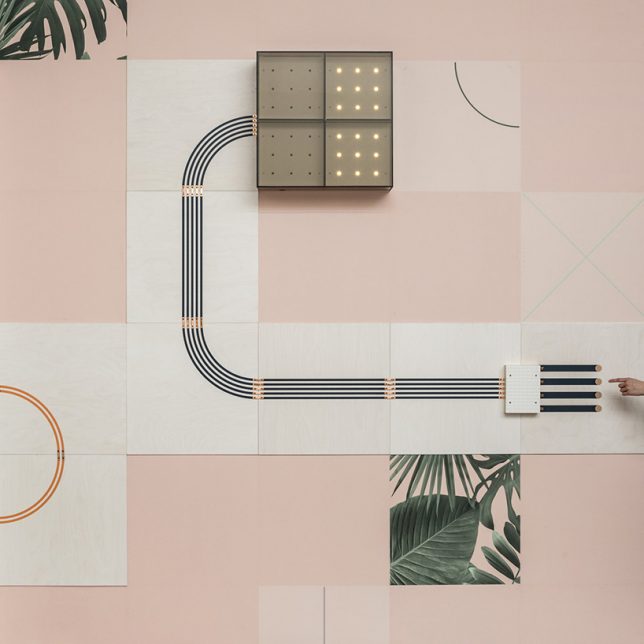
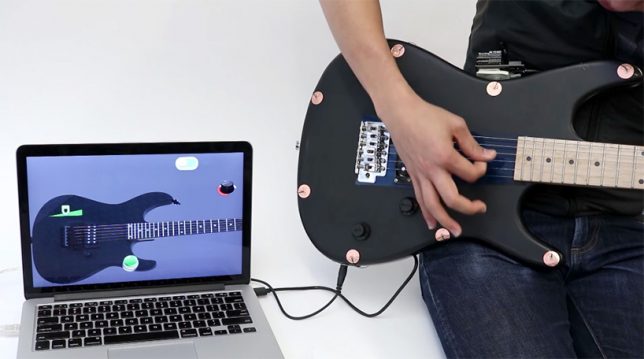
Conductive paint, ink and thread can be drawn, woven or even tattooed into objects like denim jackets, carpeting and leather iPad cases to make them into electrical circuits, adding a new layer of functionality as well as cool-looking graphic patterns. Draw circuits in any shape, create smart objects that interact with apps, and answer your phone while biking by swiping your finger across your sleeve. These 10 projects – some of which are available commercially – show how far conductive designs have come in less than four years.

Conductive Wallpaper by UM Project

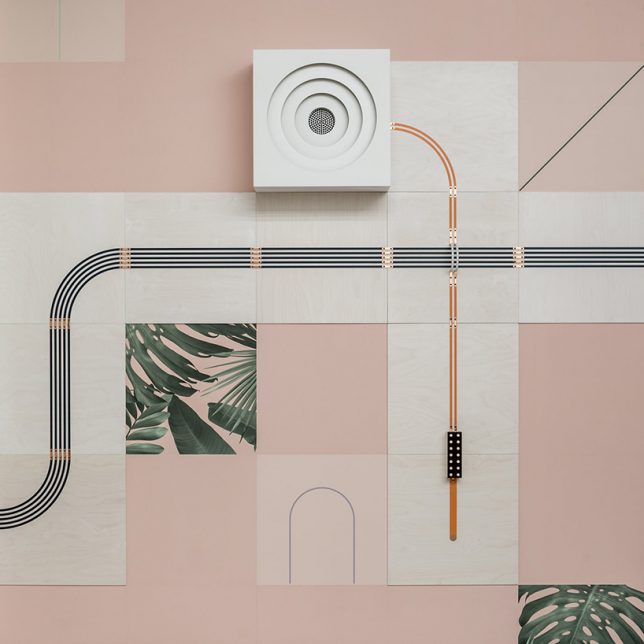
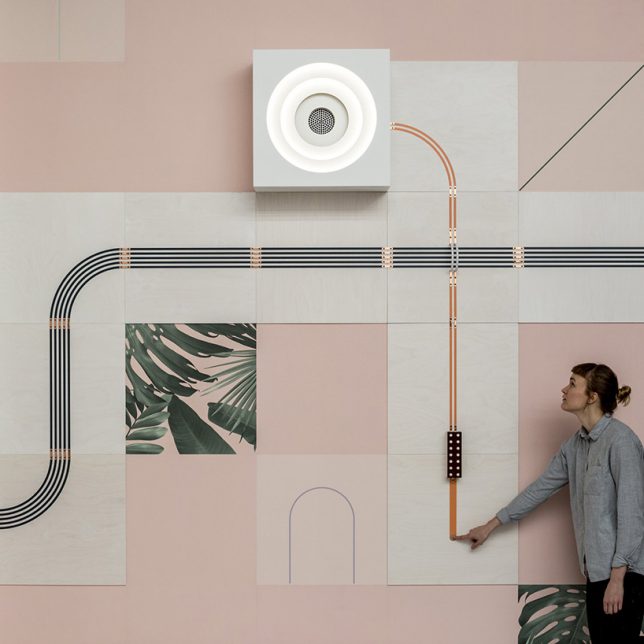
Instead of hiding wiring for lights away within walls, ‘Conduct’ by UM project and wallpaper company Flavor Paper lays it all out as part of the wall’s design using conductive inks to create decorative circuitry. The circuits control a lamp, fan, speaker, light box and hinged mirror, activated them when someone touches the copper dots, using their body to complete the electricity circuit.
Jacquard by Google: Conductive Levi’s Denim Jacket

Jacquard by Google teamed up with Levi’s to create a smart denim jacket made with woven conductive yarn, designed specifically for bike commuters. The aim is to seamlessly integrate technology into textiles, prioritizing the garment over the gadget and making it ultra-wearable. The threads connect to a smart tag on the sleeve that communicates with your mobile device, turning the jacket into a gesture-controlled canvas so you can get directions, adjust the volume on your music or answer a phone call using finger swipes on your sleeve. The Commuter will be available this fall for $ 350.
Circuit Scribe Conductive Ink Pen

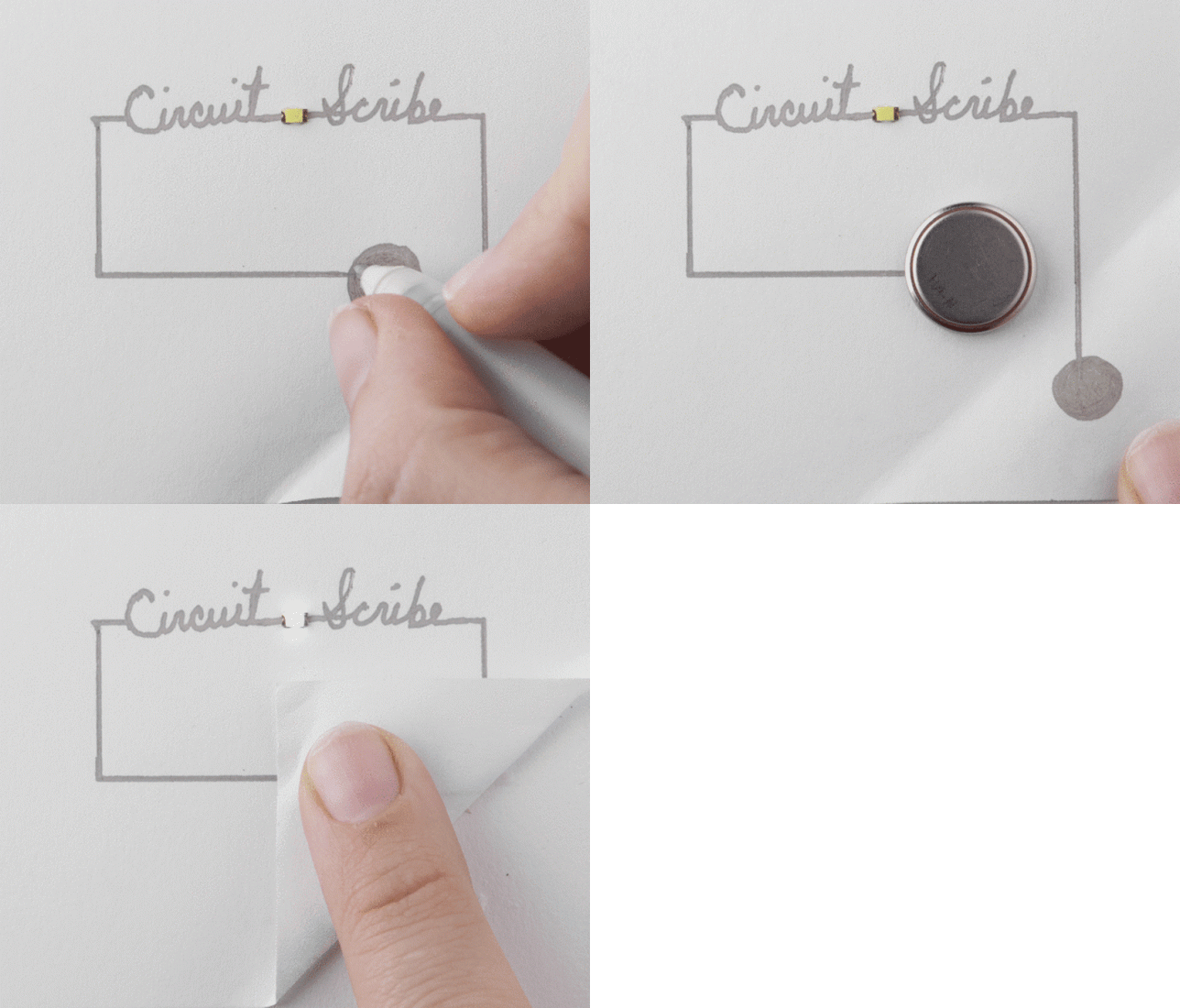
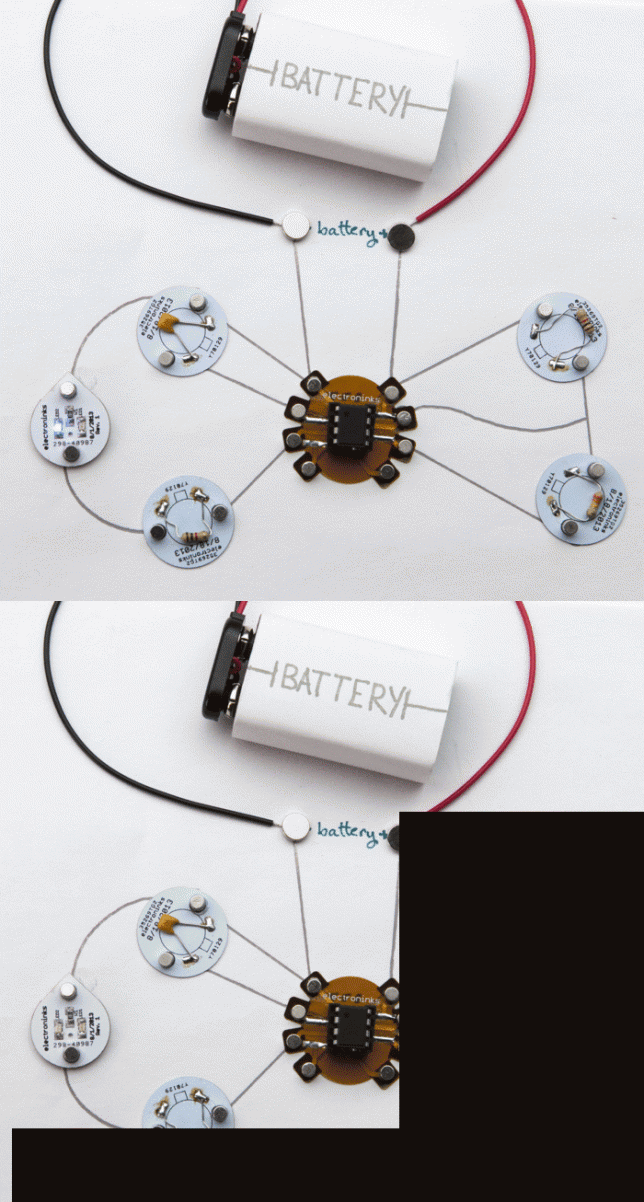
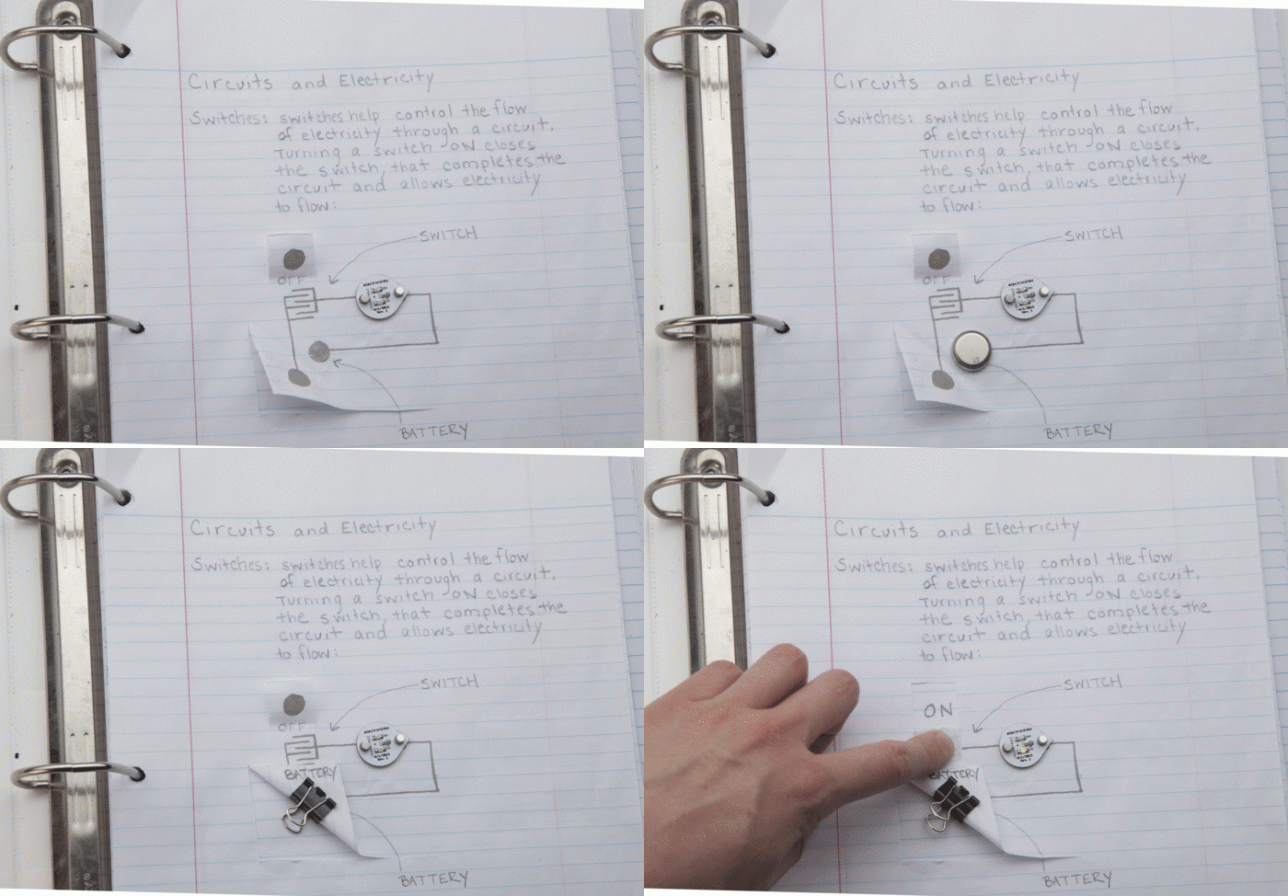
The ’circuit scribe’ ballpoint pen allows you to draw circuits in any shape using a quick-dryings conducting ink, connecting them to a coin battery, paper clip and LED or more complex parts. While similar conductive pens have been offered before, this one differs by producing just the right amount of ink flow to achieve an ideal conductivity of 50-100 milliohms/square/mil. You can buy kits starting at just $ 10.

‘Electrick’ Conductive Paint Turns Anything Into a Touch Pad

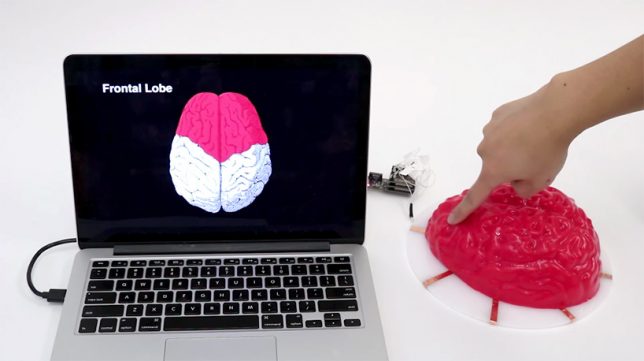
This conductive paint from Future Interfaces Group (a research lab within the Human-Computer Interaction institute at Carnegie Mellon) turns virtually any surface into a touch pad when you add an electric current over the painted conductive surface using a pair of electrodes. When you touch the surface, the current is disrupted, and the ‘Electric’ program detects exactly where the object has been touched, showing it on a screen. The technology could potentially help engineers test prototypes of touch pad gadgets.

Conductive Knot Lamp by Celia Torvisco

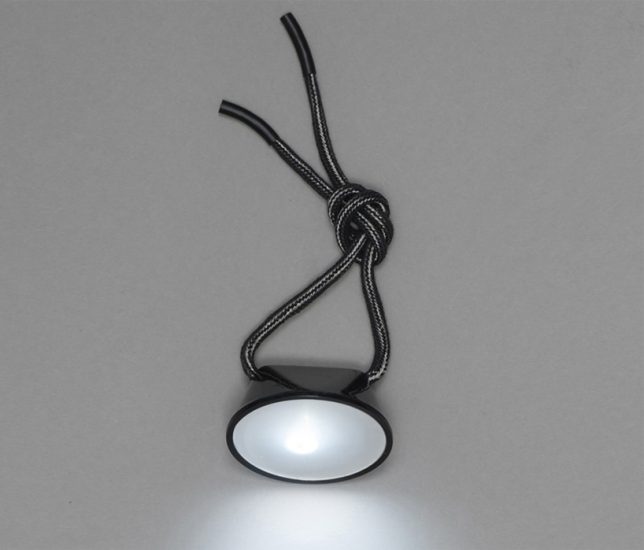
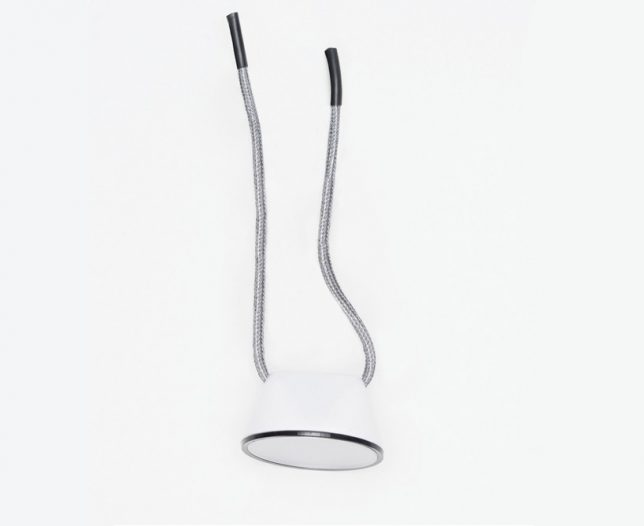
Tie the threads dangling from this minimalist lamp together, and you’ll complete the circuit to turn it on. Designer Celia Torvisco, who’s also known for her conductive ceramic radio, envisions the flashlight for use while camping, riding a bike or reading a book.

Next Page – Click Below to Read More:
Conductive Design 10 Objects Transformed Into Touch Pads Circuits

Share on Facebook


[ By SA Rogers in Gadgets & Geekery & Technology. ]

[ WebUrbanist | Archives | Galleries | Privacy | TOS ]


WebUrbanist

 
Comments Off on Conductive Design: 10 Objects Transformed Into Touch Pads & Circuits

Posted in Creativity


The PolarPro Katana Mavic Tray turns your DJI Mavic Pro into a handheld stabilizer

23 Apr

The DJI Mavic Pro camera drone has been designed with portability in mind. The PolarPro Katana Mavic Tray is a new accessory that increases the Mavic Pro’s versatility even further by turning it into a stabilized handheld shooting platform while on the ground. 

This allows Mavic Pro users to use their drone for shooting smooth, cinematic video on the ground that complements the drone’s aerial footage perfectly. The PolarPro Katana Mavic Tray is made from glass-filled nylon and features two grips on either side of the clamping mount that holds the Mavic Pro securely in position. An integrated smartphone mount at the top of the tray lets you use the drone’s companion app for framing and camera controls.

The PolarPro Katana Mavic Tray will be officially launched at the NAB trade show later this week and carry an anticipated MSRP of $ 49.99. More information is available on the PolarPro website.

Articles: Digital Photography Review (dpreview.com)

 
Comments Off on The PolarPro Katana Mavic Tray turns your DJI Mavic Pro into a handheld stabilizer

Posted in Uncategorized


Fractal Fruit: Produce Carved into Elaborate Geometric Patterns

20 Apr

[ By SA Rogers in Art & Sculpture & Craft. ]

S

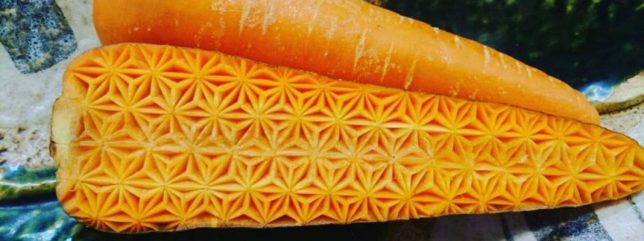
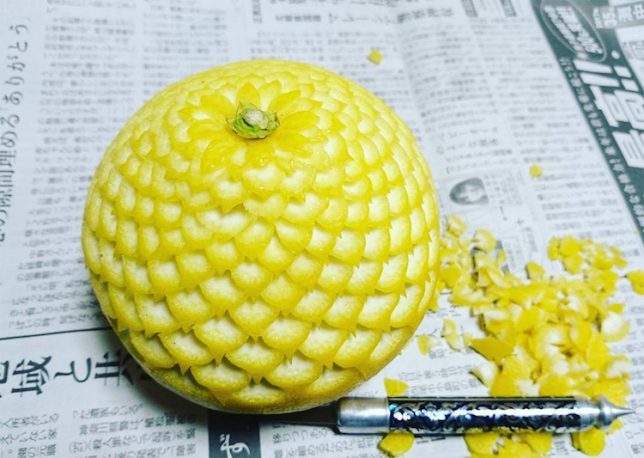
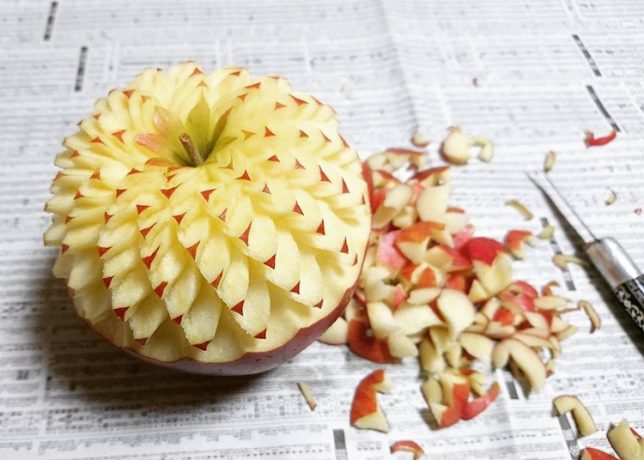
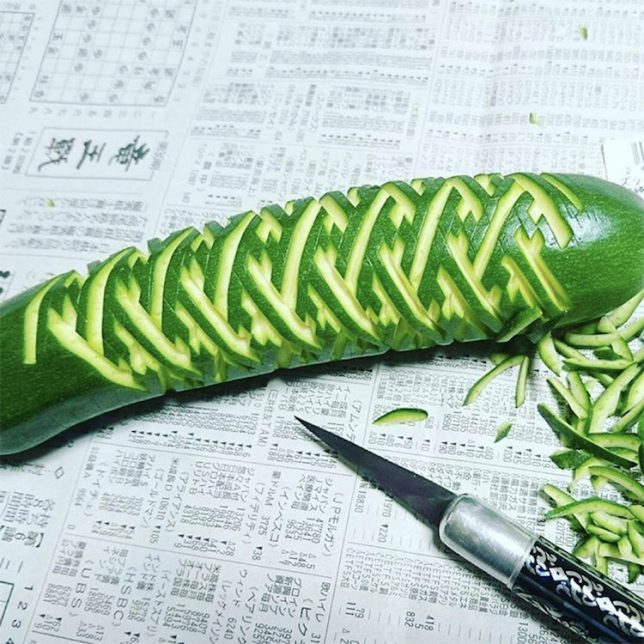
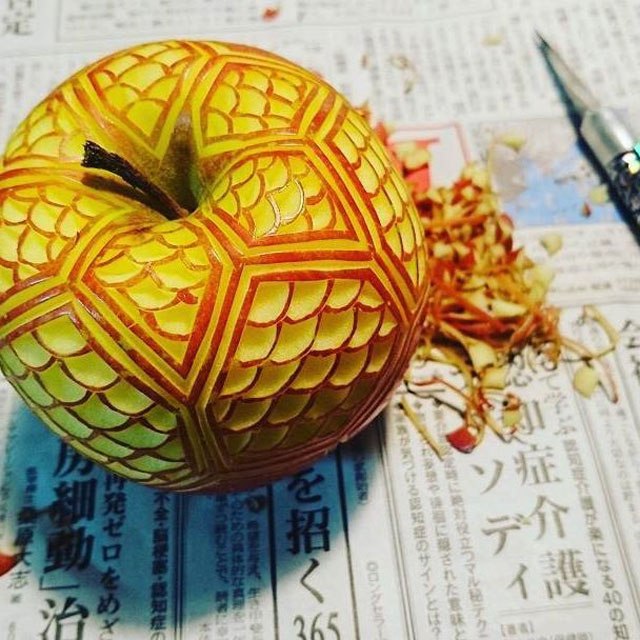
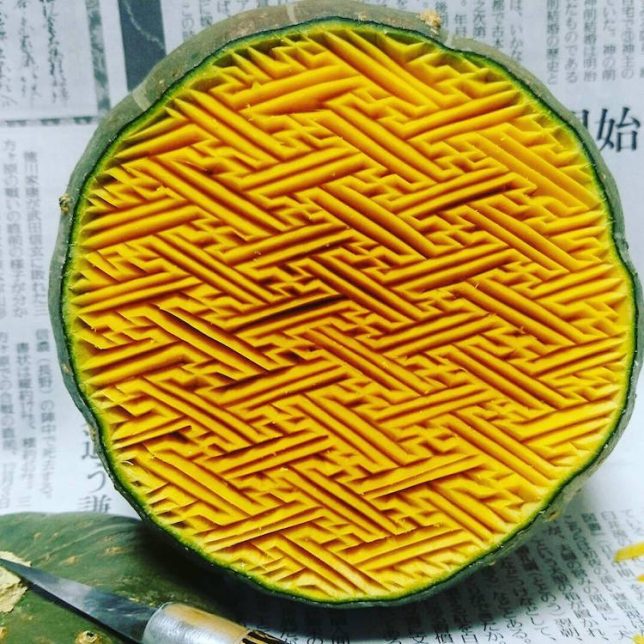
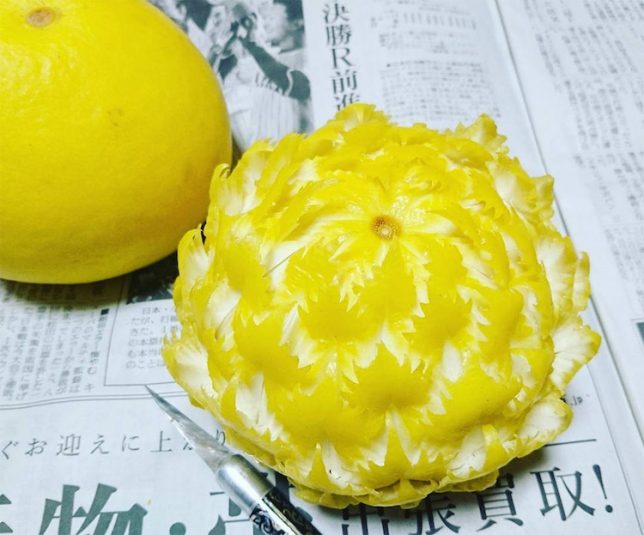
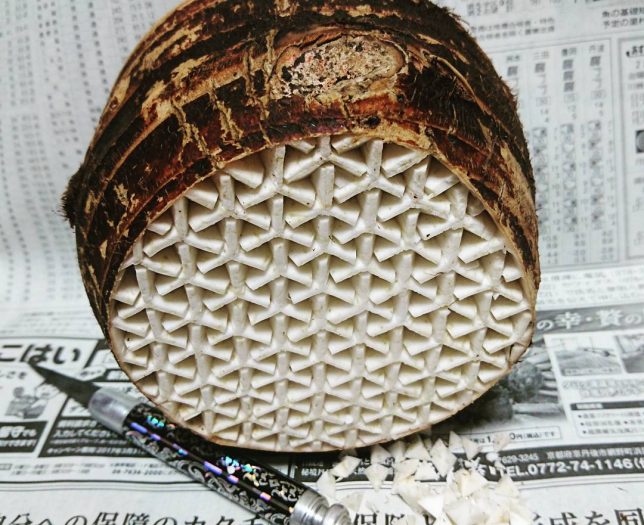
The mathematical precision of the patterns cut into raw fruits and vegetables is almost too perfect to be real, but on top of that, Japanese artist Gaku has to work as rapidly as possible to capture a photo of the finished product before it starts to turn brown. Imagine how hard that is with apples and avocados! ‘Mukimono’ is the Japanese art of food carving based in the idea of taking time to appreciate food before it’s consumed. But while many people are dazzled by the elaborate carvings, others are disturbed.

Clearly, it takes a practiced eye and a steady hand to deftly carve out each temporary masterpiece, especially considering that the patterns are so perfectly sized and spaced, they could be computer generated. Gaku says he learned the art five or six years ago, and that he’s a chef by trade, but rarely gets to use his carving skills at work.

You could say it’s too beautiful to eat – or maybe you’d say it’s terrifying. Buzzfeed rounded up a bunch of hilarious Twitter reactions to the work, ranging from “This kind of pisses me off and I don’t know why” to “I want to punch this food.” Perhaps these folks have undiagnosed cases of trypophobia (irrational fear of holes), intensified by the fact that it’s something you’re supposed to put in your mouth?

See more of Gaku’s work on his Instagram.

Share on Facebook


[ By SA Rogers in Art & Sculpture & Craft. ]

[ WebUrbanist | Archives | Galleries | Privacy | TOS ]


WebUrbanist

 
Comments Off on Fractal Fruit: Produce Carved into Elaborate Geometric Patterns

Posted in Creativity


Picasso in 3D: Famous Paintings Transformed Into Physical Objects

13 Apr

[ By SA Rogers in Art & Drawing & Digital. ]

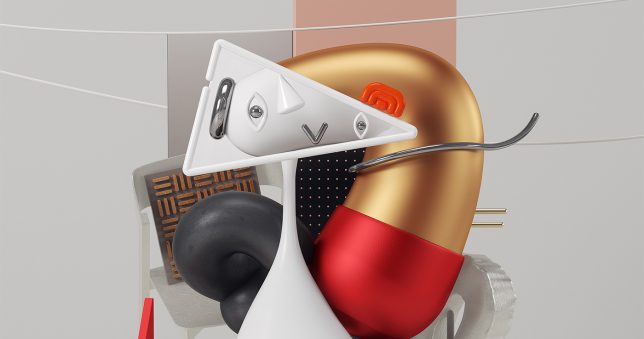
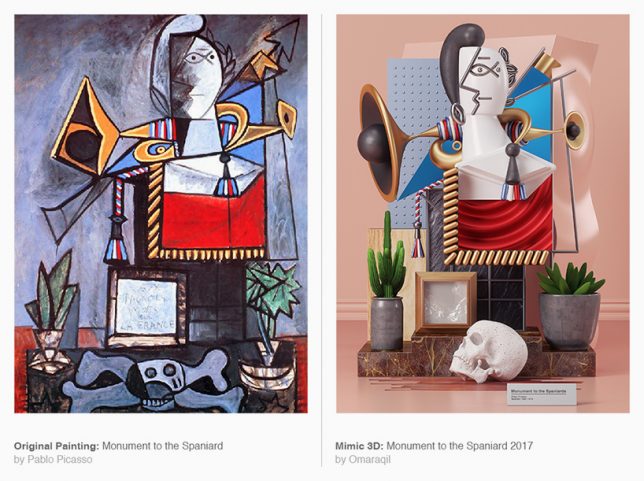
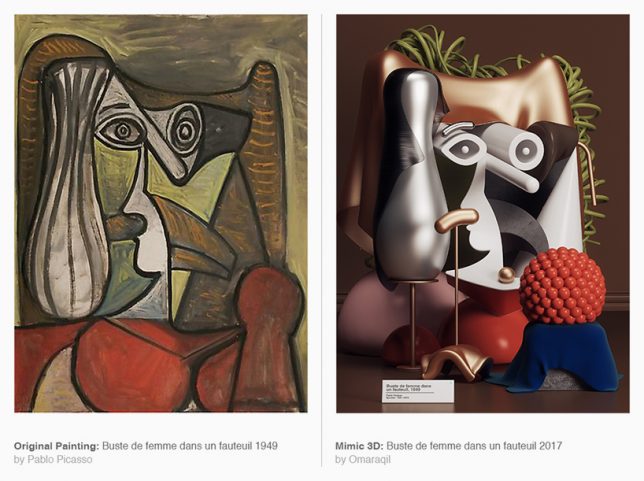
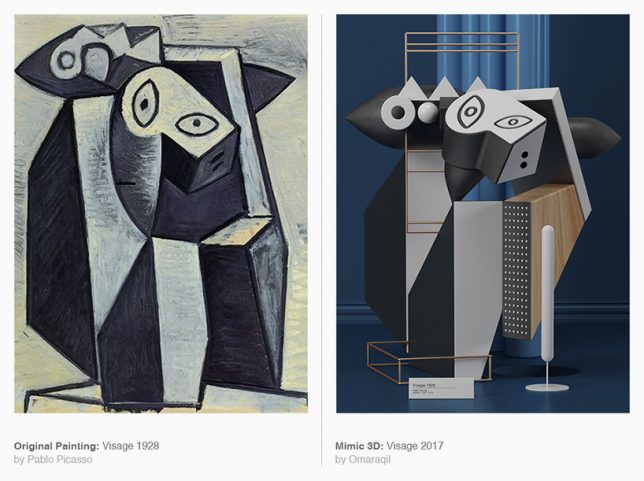
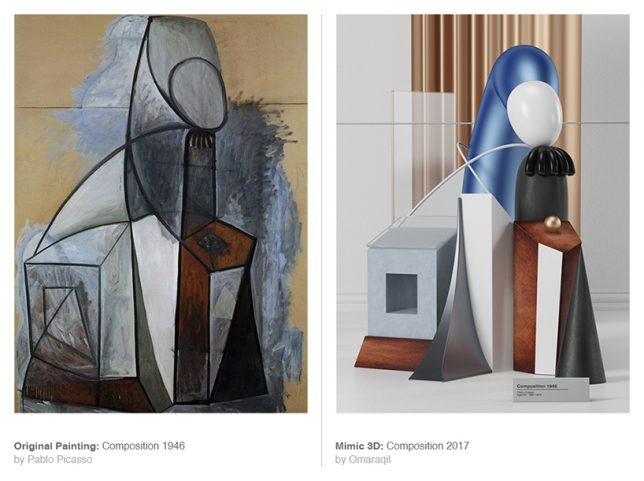
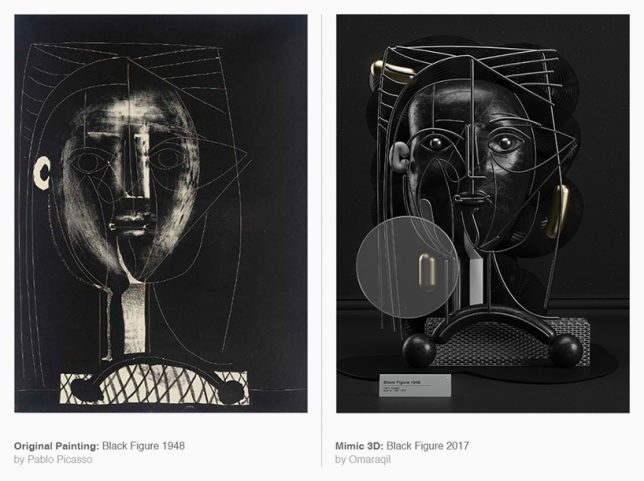
What would Pablo Picasso think if he saw that another artist had transformed his two-dimensional Cubist works of art into three-dimensional form? While the MIMIC series by Omar Aqil was created digitally and doesn’t exist as physical objects, it’s easy to imagine each piece as a sculpture you can walk around and examine from all angles, and it certainly offers an interesting perspective on the originals.

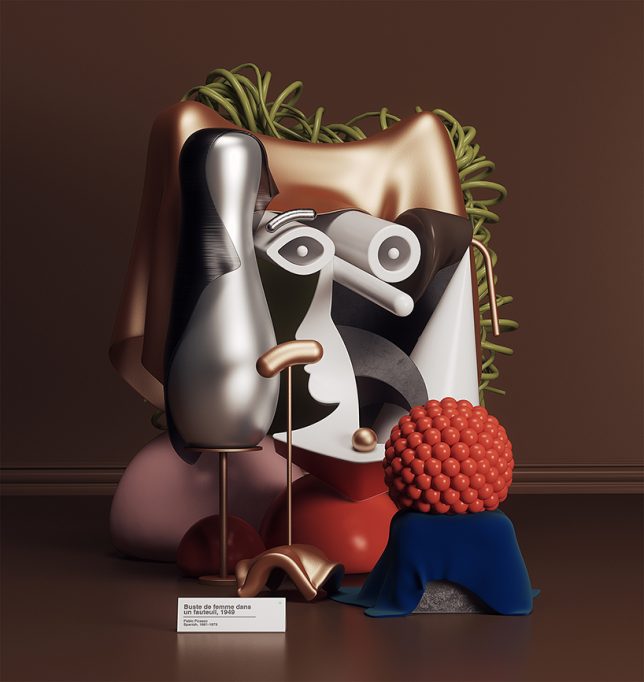
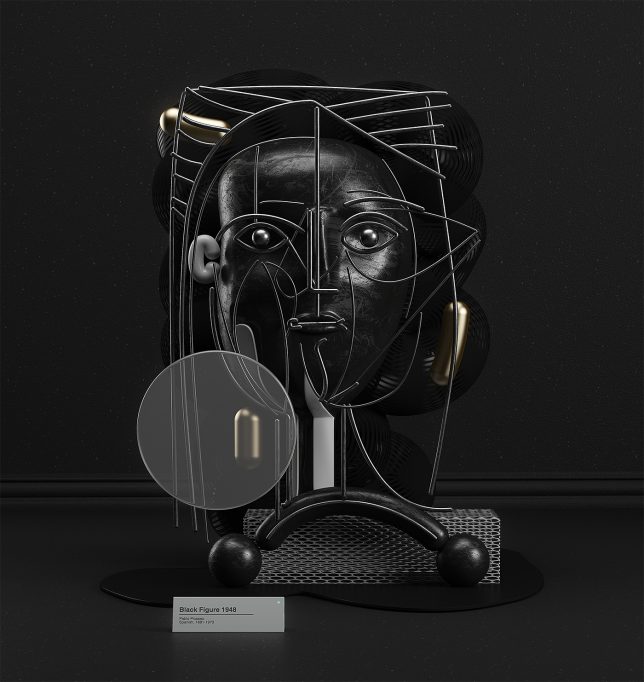
Aqil used Photoshop, Illustrator and Cinema 4D-Ray to reimagine six of Picasso’s most dynamic, angular paintings, including Buste de femme dans un fauteuil (1949), Seated Woman (1930), Black Figure (1948), Visage (1928) and Composition (1946). Aquil explains that he’s been studying Picasso’s work since beginning his career in art, and has always found the abstract visual language inspiring.

“MIMIC is a series of new visual experiments using art from the past,” says the Pakistan-based artist. “In this project I have randomly picked 6 paintings from the Pablo Picasso’s (one of the greatest and most influential artists of the 20th century) work and recreate them into modern 3D visuals. In this visual mimicry I have shown, how the skill responds when it come across the complexity of someone’s thought and how the meanings of the shapes and forms have been changed and create new physical realities. It’s propose to give a new implication of Picasso’s artworks with a series of hyper-realistic visuals.”

The choice of ‘materials’ used in the renderings is interesting in and of itself; while some might have given them textures and finishes resembling more classic sculptural materials like stone, Aquil’s sculptural visions seem to be made of plastic, as if they could be sold as tchotchkes in museum shops.

Considering that Picasso is famously quoted as saying “Good artists copy, great artists steal,” perhaps he wouldn’t have minded.

Share on Facebook


[ By SA Rogers in Art & Drawing & Digital. ]

[ WebUrbanist | Archives | Galleries | Privacy | TOS ]


WebUrbanist

 
Comments Off on Picasso in 3D: Famous Paintings Transformed Into Physical Objects

Posted in Creativity