RSS
 

Posts Tagged ‘Inspiration’

Photo Inspiration: The Best of the Best of 2013

03 Jan

Happy 2014! The future is now.

We love Januaries. They’re a great time to look back at the amazingness of the previous year, and make resolutions for the new one.

We’ve done our fair share of looking back, poring over every “Best Photos of the Year!” list we could find on these here internets.

Then, we resolved to let all the great shots we just saw inspire us to improve our photo skills in 2014.

We’ve compiled a handy list of the top of the tops: our favorite “best photo” lists and what we’ve learned from them.

See the Very Best of The Best Photos of 2013

(…)
Read the rest of Photo Inspiration: The Best of the Best of 2013 (376 words)


© laurel for Photojojo, 2014. |
Permalink |
No comment |
Add to
del.icio.us

Post tags:


Photojojo

 
Comments Off on Photo Inspiration: The Best of the Best of 2013

Posted in Equipment


25 Images Using Framing in Composition – Weekly Inspiration

30 Nov


By lagusa

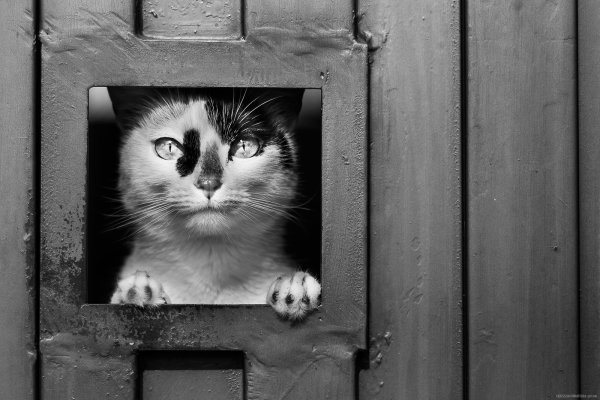
Framing in composition

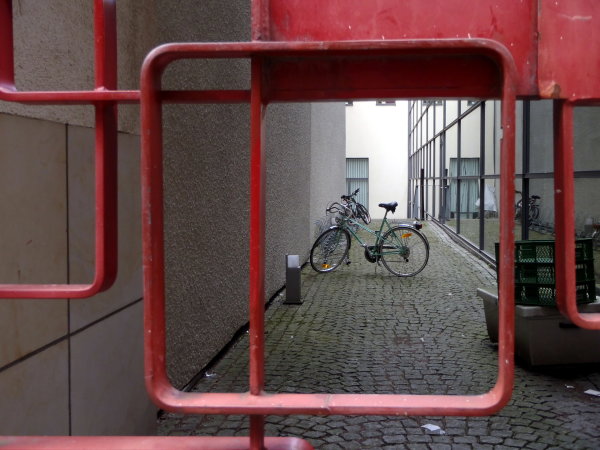
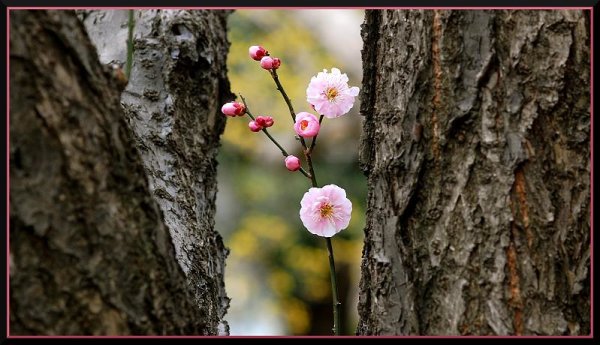
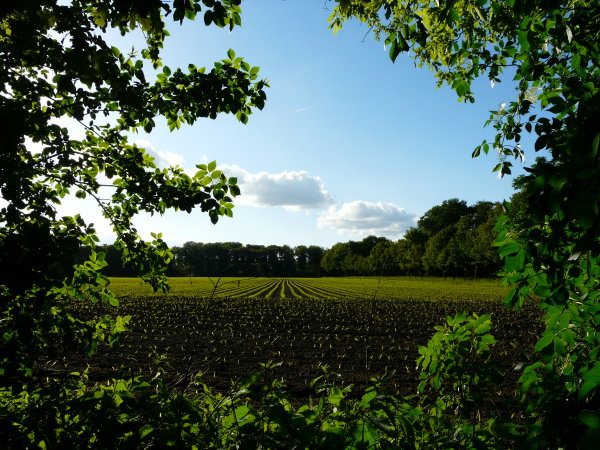
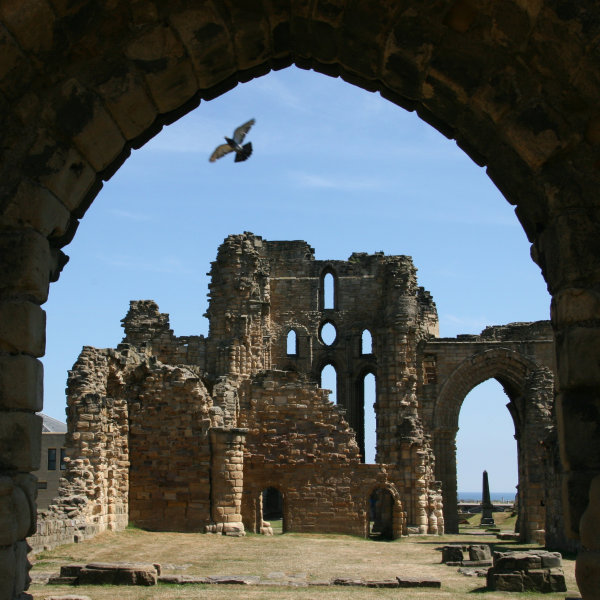
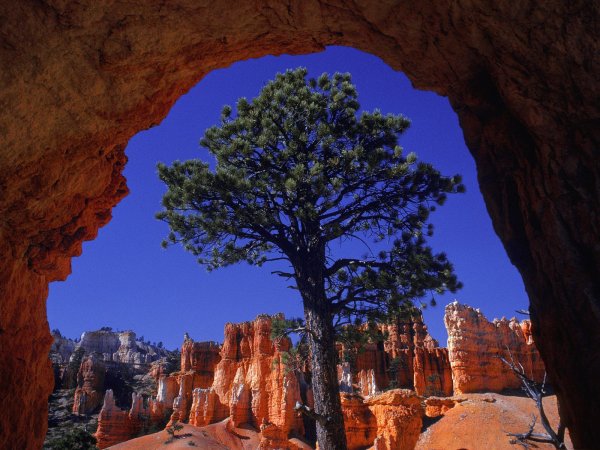
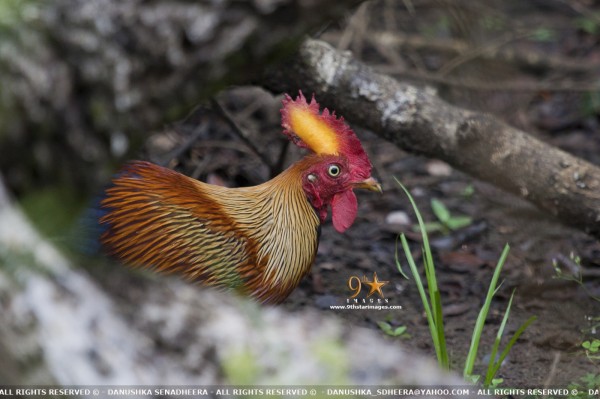
This week I want to showcase some images that use framing in composition to create a successful image. It is one of the most difficult elements to master, but one of the most important in terms of create depth in your images. In a nutshell this is what frame is all about:

  • adding a foreground object into your scene that frames, or helps highlight your subject
  • sometimes involve stepping back from your original composition and looking for elements to use as a frame
  • usually using a shallow depth of field to put the foreground, framing element out of focus
  • the frame is there to set the scene, and draw the viewer into the image

Enjoy!

By Eva Ekeblad

By Mayr

By B Gilmour

By Paul

By Brian Smithson

By Judy van der Velden

By Les Bessant

By myheimu

By Katerina Zaitsava

By Moreno Berti

By gwynydd michael

By Danushka Senadheera

By Tarik Browne

By Sid Das

By Sue Hasker

By Freaktography Urban Exploration and Photography

By Edward Simpson

By Chris Beckett

By Hersson Piratoba

By Tom Parnell

By Roberto Saltori

By Kevin Labianco


By Jan Maklak

By Nina Matthews


Post originally from: Digital Photography Tips.

Check out our more Photography Tips at Photography Tips for Beginners, Portrait Photography Tips and Wedding Photography Tips.

25 Images Using Framing in Composition – Weekly Inspiration

The post 25 Images Using Framing in Composition – Weekly Inspiration by Darlene Hildebrandt appeared first on Digital Photography School.


Digital Photography School

 
Comments Off on 25 Images Using Framing in Composition – Weekly Inspiration

Posted in Photography


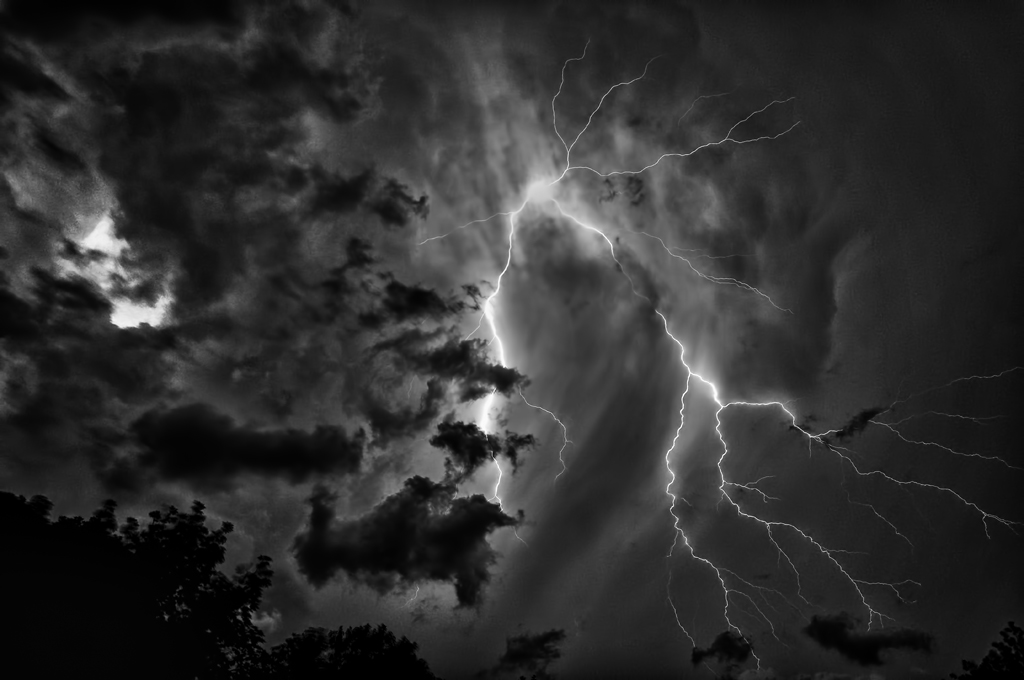
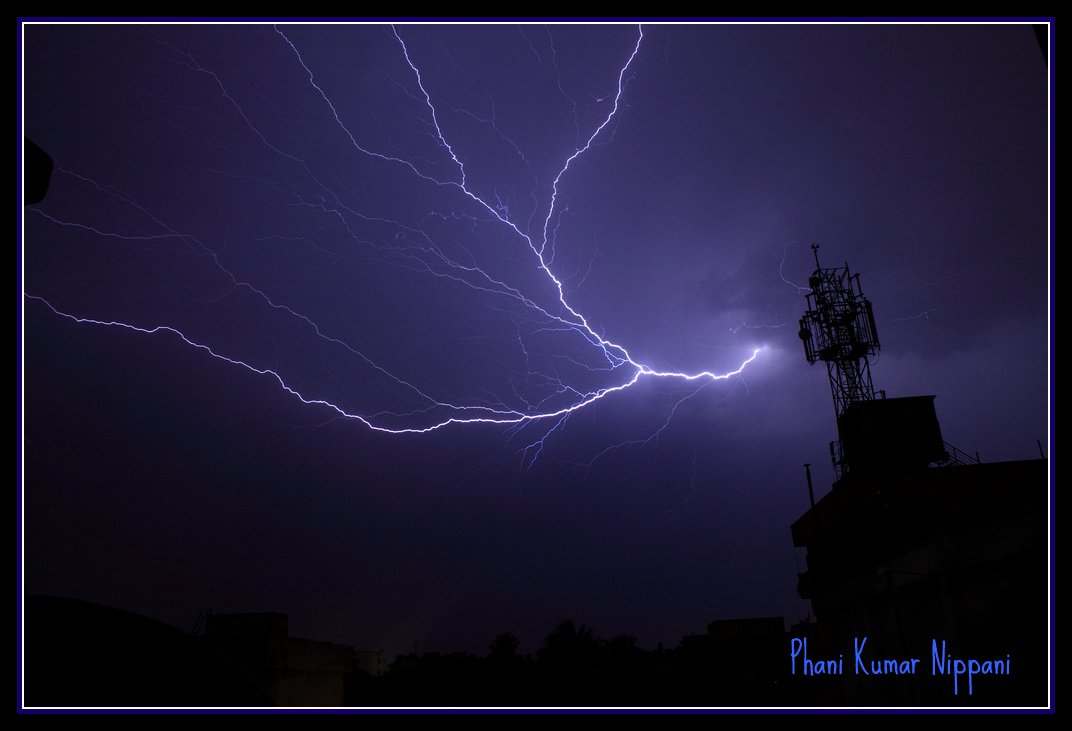
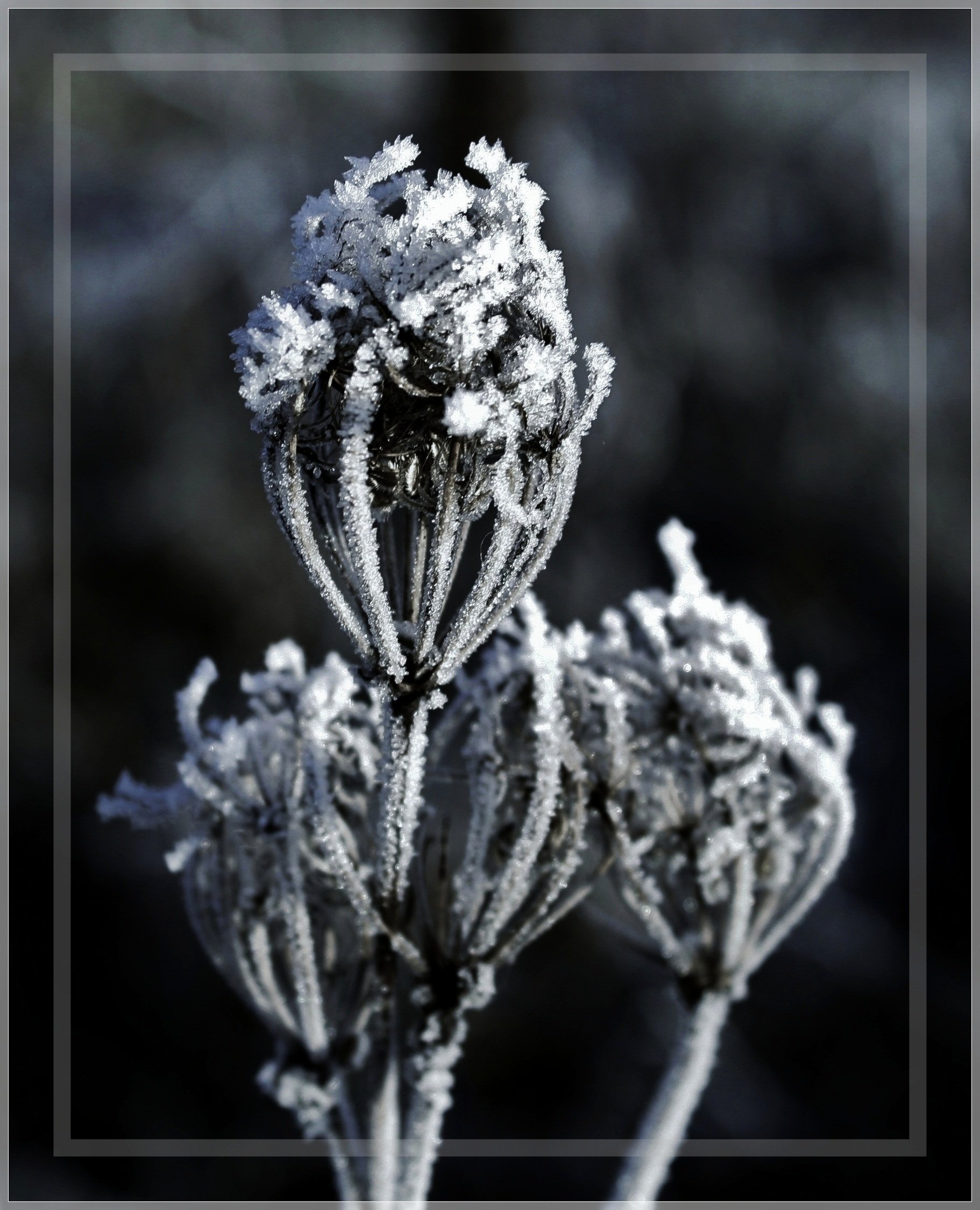
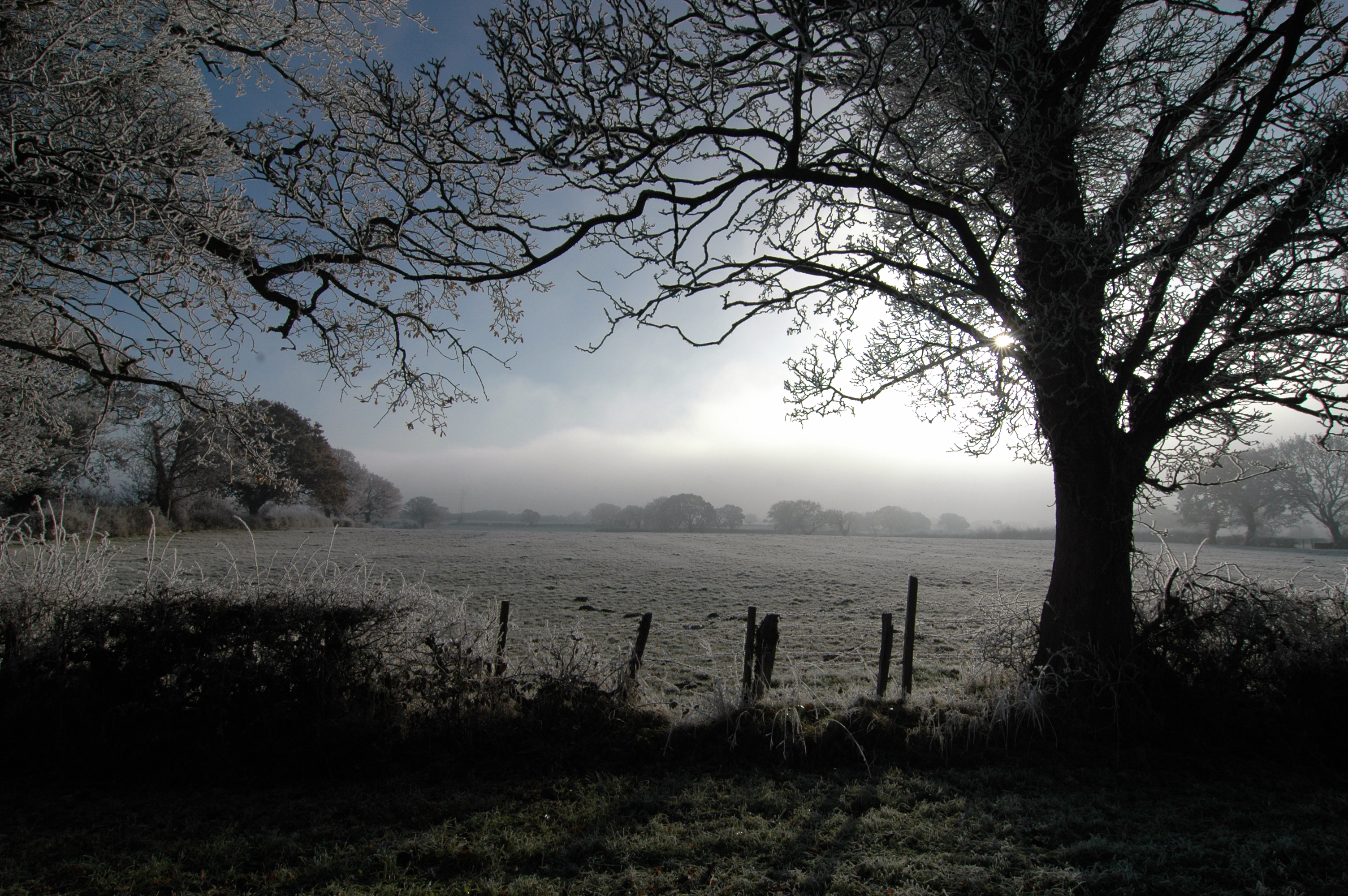
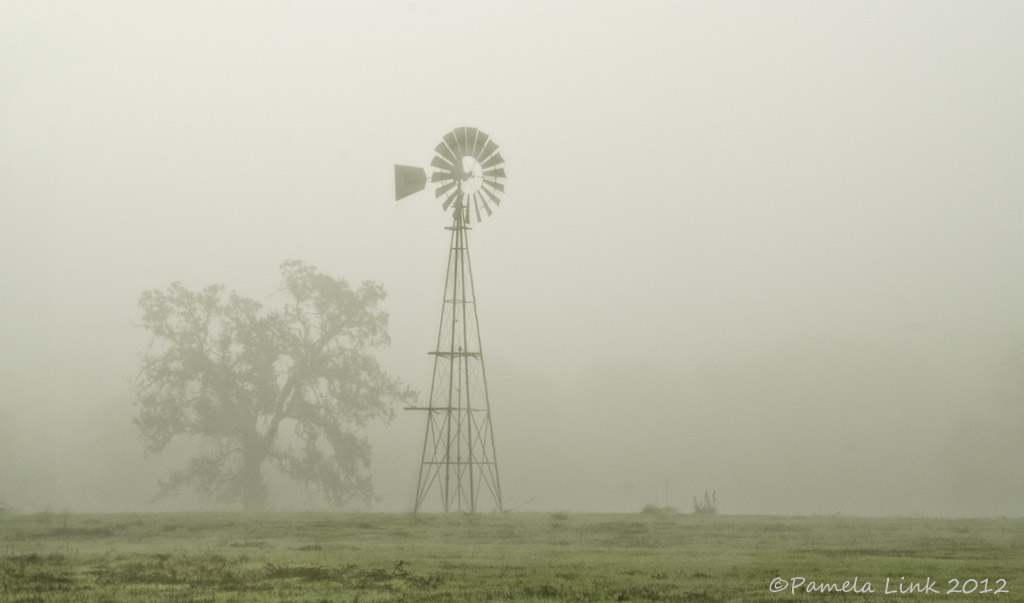
30 Foul Weather Photos for Inspiration

24 Nov

By John

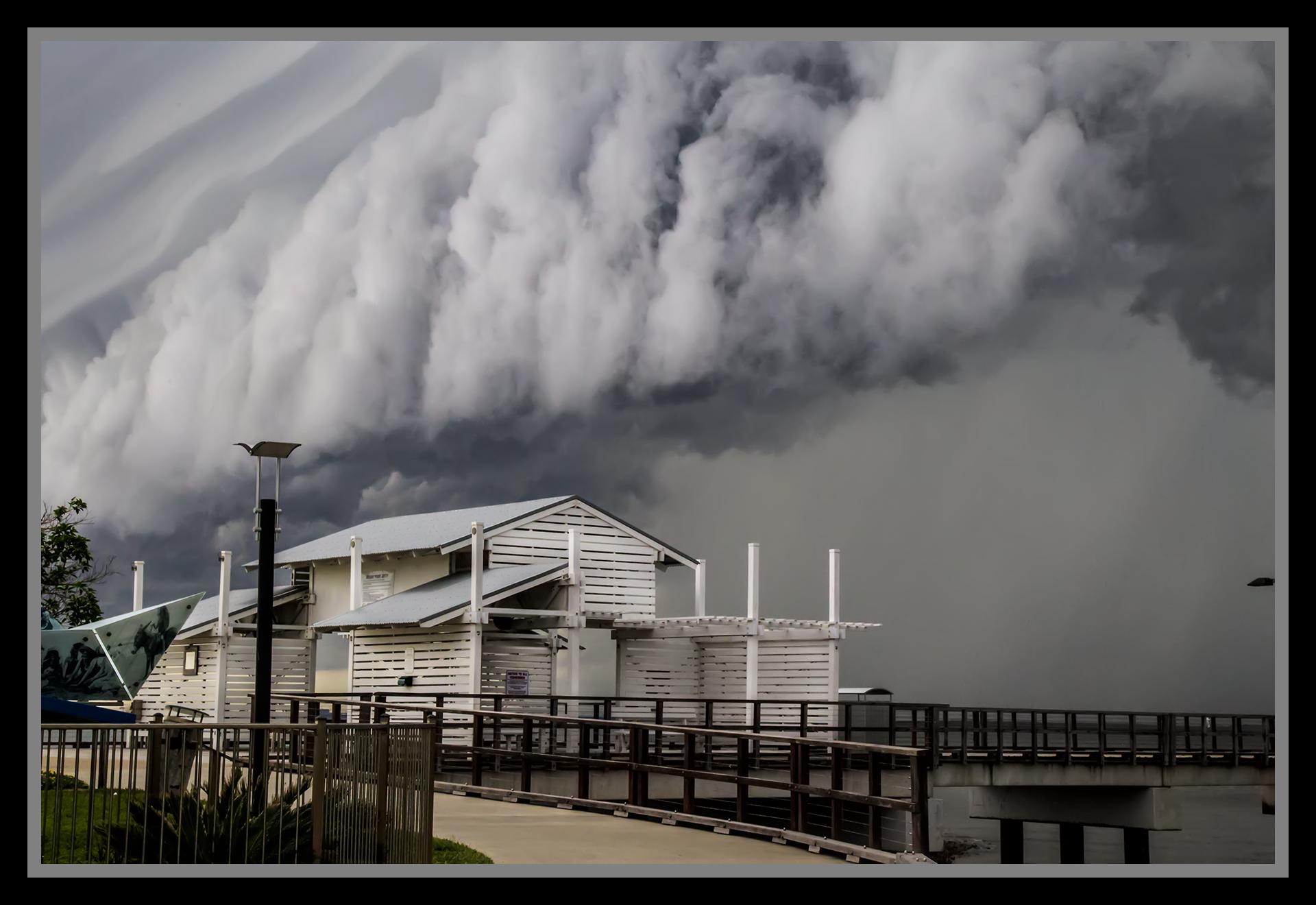
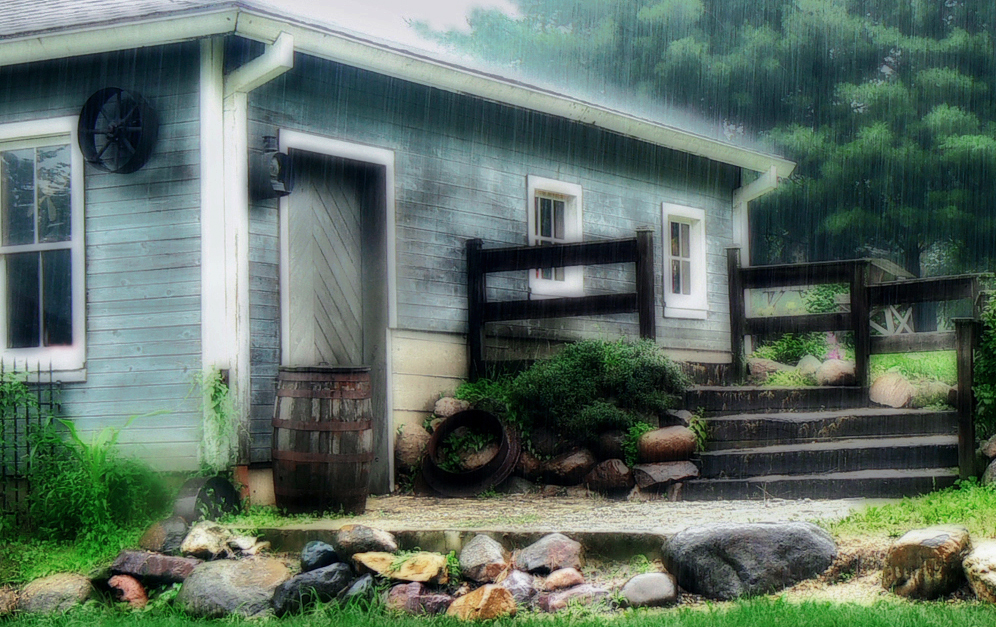
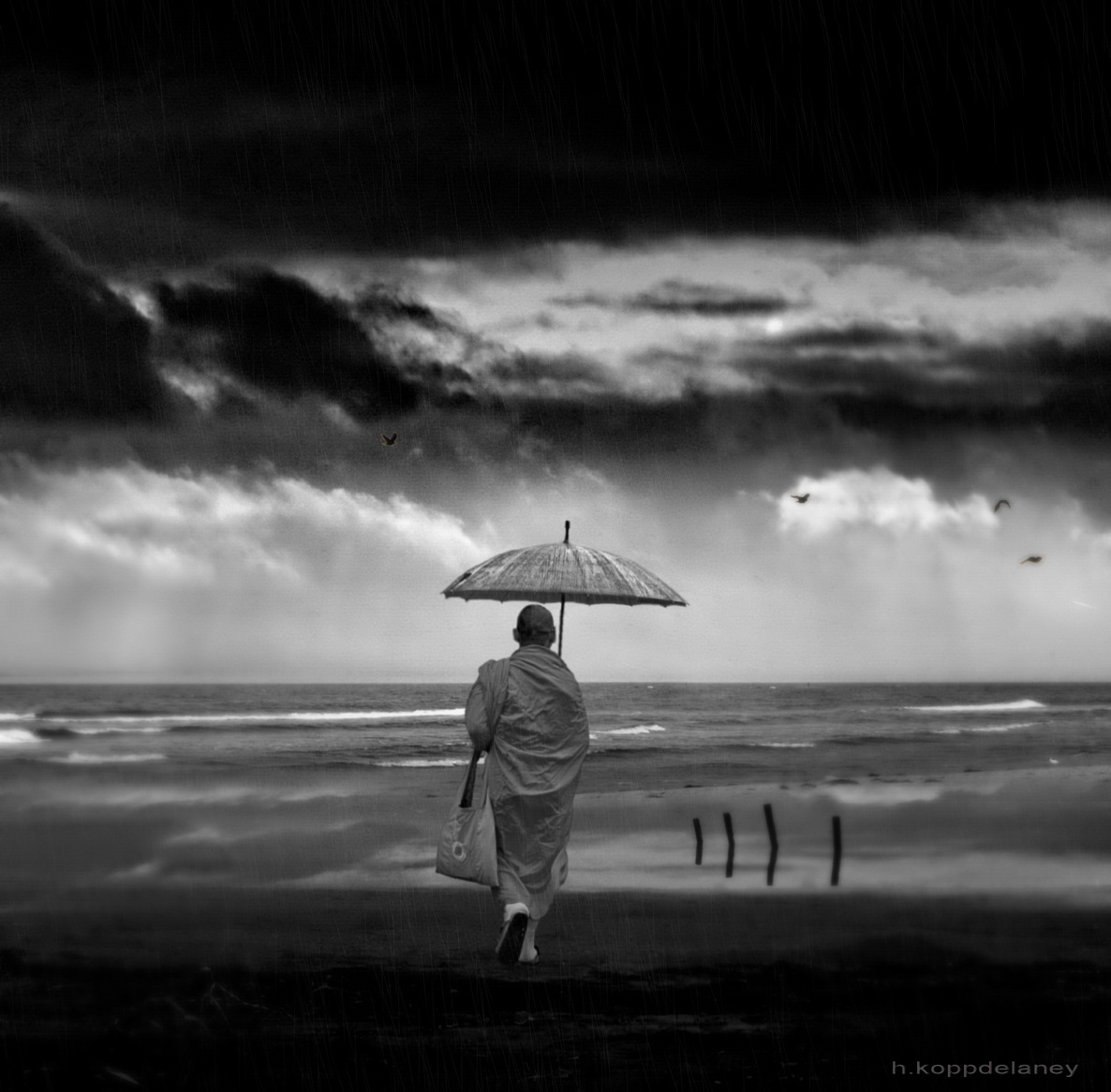
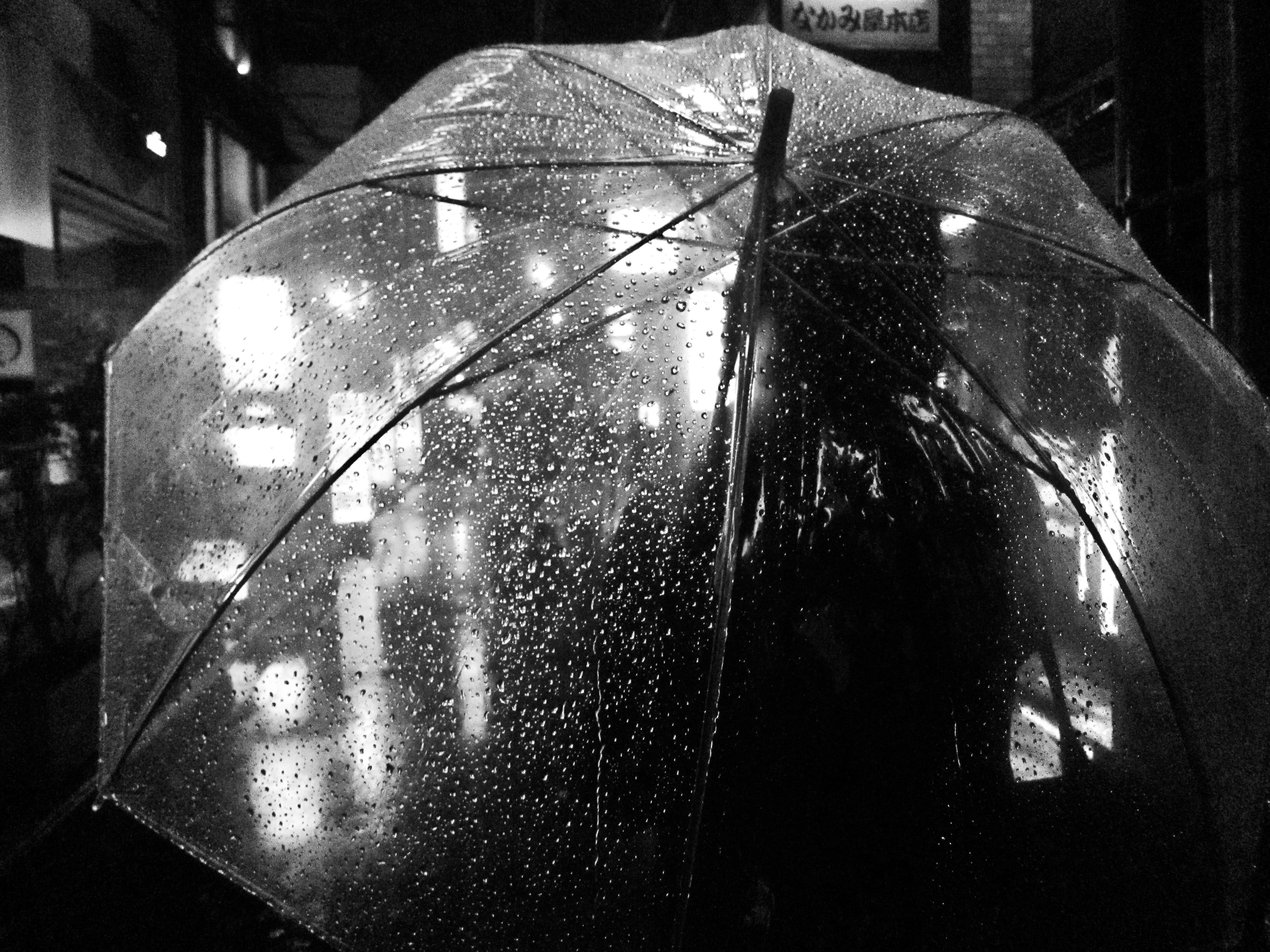
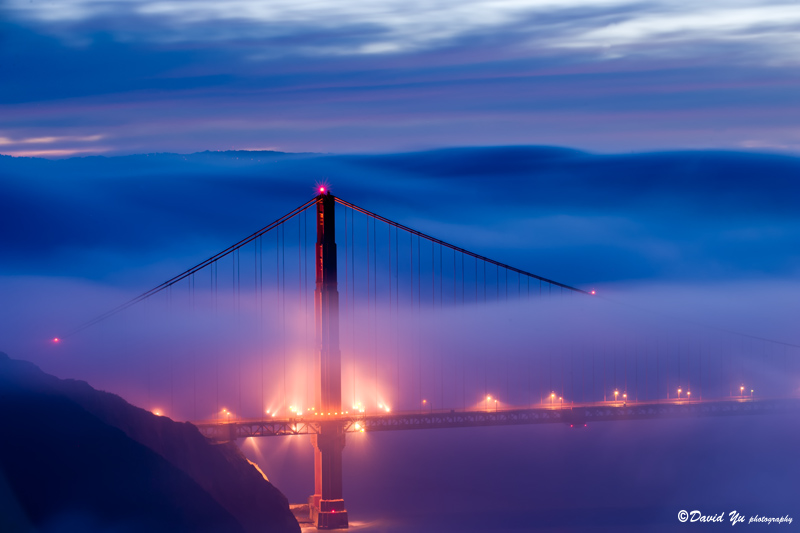
This week I want to give you a little push to get out of your comfort zone. Turn of the television and get outside and shoot – no matter what the weather. As a matter a fact, in spite of the weather is even better!

Take your photography up a level

Many photographers pack up their gear and head home at the slightest sight of inclement weather. But some of the very best and most dramatic images are to be had if you are willing to brave the elements. Just make sure you are prepared and stay safe. Take the follow precautions:

  • a rain cover for your bag
  • a rain cover for your camera, it’s not water proof!
  • rain gear and boots for yourself, there’s nothing more uncomfortable than being wet or cold or both
  • stay a safe distance away of lighting – you are after all carrying with you a lighting rod (tripod)

Having said that, I hope these images inspire you to do what most others do not as this will almost certainly take your photography up a notch. Being willing to do what’s hard or unpopular is the key to standing apart and making some “wow” images to amaze your friends.

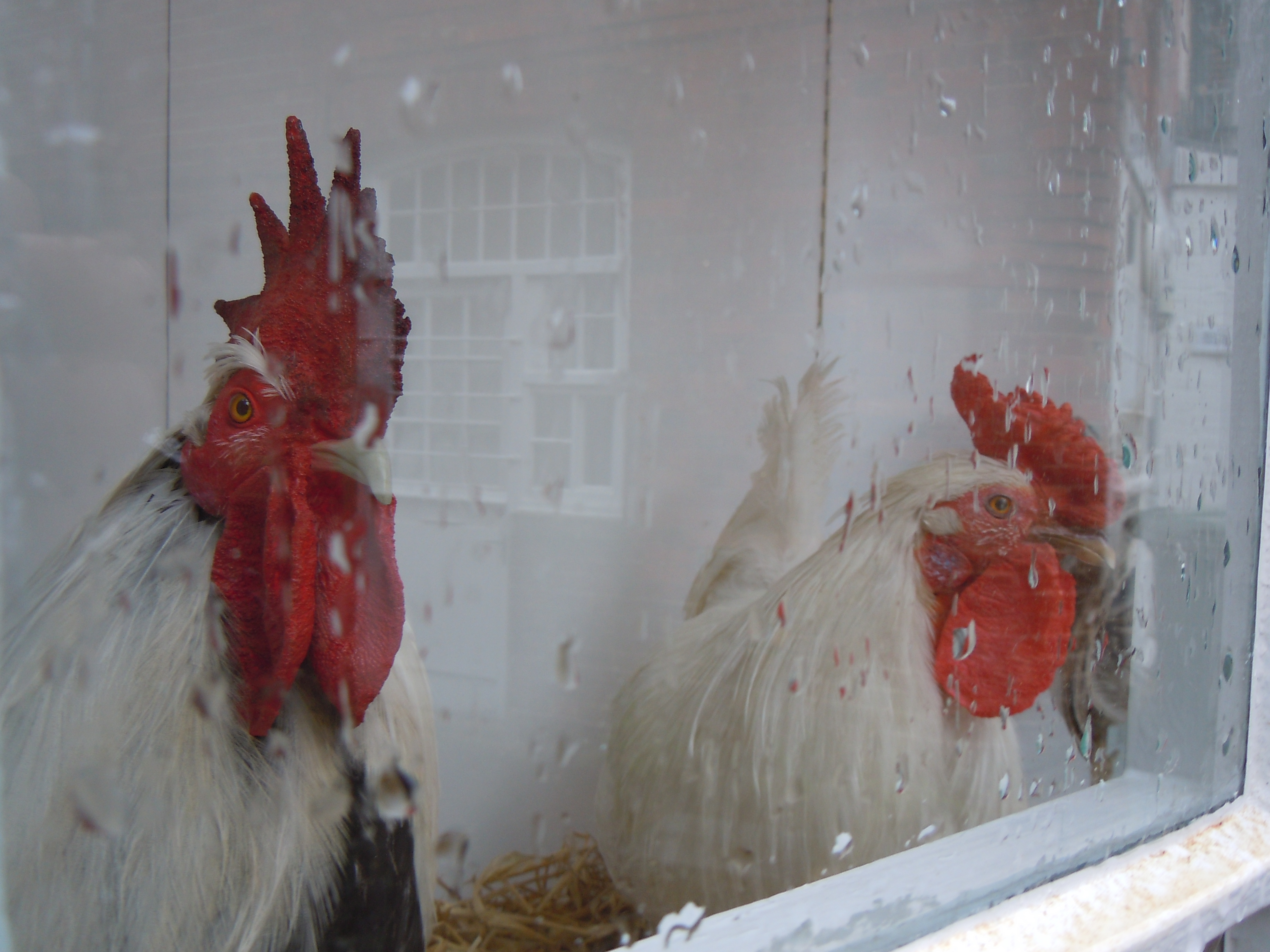
Here are 30 foul weather photos by photographers who did just that, enjoy!

By QtrFlash

By Evan Bornholtz

By Marcus T Ward

By arbyreed

By Marcus Böckmann

By Masashi Mochida

By Gabriel Anast

By Mark Dumont

By Boston Public Library

By Robyn Jay

By Mark A Coleman

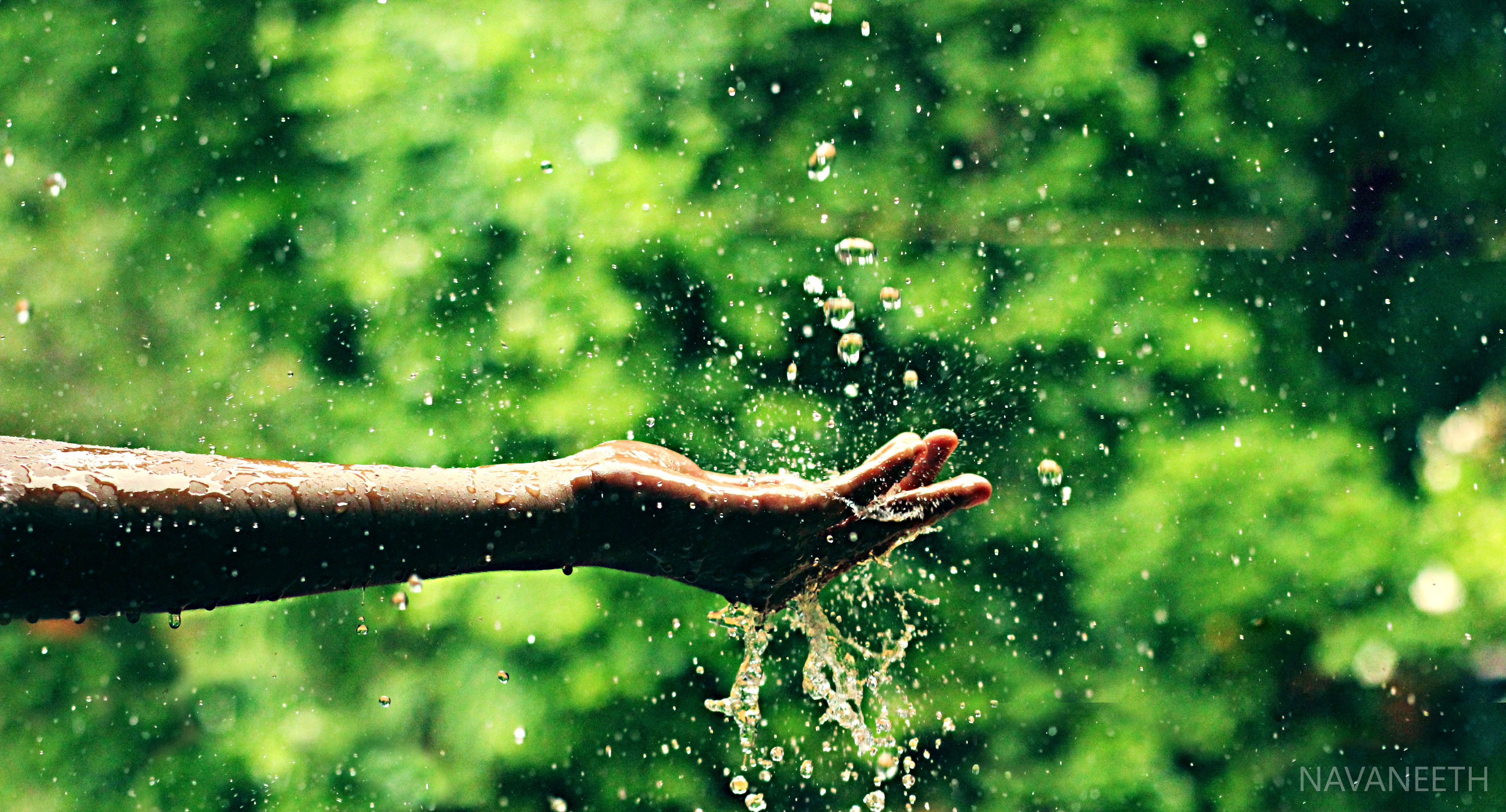
By Navaneeth Ashok

By Jean Piere Candelier

By DaveTBear

By hinderik

By Marilylle Soveran

By ap.

By M Gleason

By phani_astronomy®

By Viola & Cats =^..^=

By jimmedia

By Pam Link

By Joe Vahling

By Simon

By Rehman Chughtai

By Roy

By Hartwig HKD

By Héctor García

By David Yu

Added – extra photo just for our commenters that wanted “fowl weather”

By Kevan Davis

Post originally from: Digital Photography Tips.

Check out our more Photography Tips at Photography Tips for Beginners, Portrait Photography Tips and Wedding Photography Tips.

30 Foul Weather Photos for Inspiration

The post 30 Foul Weather Photos for Inspiration by Darlene Hildebrandt appeared first on Digital Photography School.


Digital Photography School

 
Comments Off on 30 Foul Weather Photos for Inspiration

Posted in Photography


10 Best Photography Books Bursting With Inspiration for Every Photographer

24 Oct

Every passion in life begins with an inspiration. This is especially true in the arts, where inspiration is such a huge part of the artist mindset. One great piece of art can change someone’s world and set them on the right path. Many photographers today—from nature photographers to portrait photographers—have started out this way. Beautiful photographs incited in them a Continue Reading

The post 10 Best Photography Books Bursting With Inspiration for Every Photographer appeared first on Photodoto.


Photodoto

 
Comments Off on 10 Best Photography Books Bursting With Inspiration for Every Photographer

Posted in Photography


Fall Instagram Inspiration

23 Sep

We’re not sure what it is about autumn that makes us feel downright snap happy!

Maybe boots and sweaters just make us feel more poetic than flip-flops.

We know how quickly autumn’s colors fade, and we don’t want you and your lens to miss a minute of it.

So we’ve scoured Instagram for the season’s best hashtags to inspire you to trade in your lemonade for a latte, then get out there and capture fall in all it’s glory.

Fall in Love with the Season’s Most Inspiring Hashtags

why it’s cool

All Link and Henry David Thoreau had to do when their spirits were down was visit their magical ponds. Lucky punks.

We don’t have a magical pond, but we do have a whole internet full of inspiration.

We’re big fans of Instagram, and we especially love the efficiency of the hashtag. It’s a great tool when there’s a certain something we’re trying to capture, be it a subject, place or even a particular color. 

Pulling up a hashtag and spending time with other people’s work helps our photography to keep moving in a fresh direction. With 150 million users on Instagram you’re bound to find someone who makes you see things from a whole new angle.

FANCY FOLIAGE #LeafPeeping

beforeGrams and Pop-Pop used to take us for a scenic drive every fall, which was great until Pop-Pop started belting out Tom Jones, we ran out of cookies and our sister started poking us in the ribs.

These days we like take a gander at #LeafPeeping to enjoy the scenery without ever leaving our couch — or sharing our snacks.

When you head out to capture that leafy goodness for yourself, set your alarm clock to take advantage of that “golden hour” right after sunrise. Or, you could snuggle in for an extra 50 winks and hold out for those just-before-sunset rays.

FAIR GAME #CountyFair

beforeLife doesn’t hand us too many opportunities to capture swirling neon lights, deep-fried snack cakes and Nigerian Dwarf goats all in the same venue.

The #CountyFair might not be such a great place for watching your waistline, but it’s always a good place to grab some fun and fanciful photos.

Apps like Slow Shutter Cam (iPhone) and Camera FV-5 (Android) offer DSLR-like control over your shutter speed, giving you the best shot at getting your best shot of swirling and whirling rides during evening hours.

GROWTH INDUSTRY #harvest

beforeIt was all we could do this summer to keep the tomatoes on our balcony alive, so we’re totally in awe of the work that real farmers put in every year.

Farmers all over the United States are reaping what they’ve sowed this time of year, and it’s a nifty thing to witness. All those golden #harvest hues are really pretty.

Don’t have access to your own agricultural landscape? Head to a corn mazes or apple-picking orchard, which give you full access to farm photo ops without the responsibility of keeping things alive.

CLEAR EYES, FULL HEARTS #FridayNightLights

The contrast of a ginormous floodlight against a clear night sky makes us happier than a backside defensive end on the sunny side of a scrape-exchange cutback.

OK, so we don’t know what that means (or if it means anything at all).

But we do know that a night at your favorite local sporting venue can make for some dramatic and dynamic photos. Check out #FridayNightLights for a quick pigskin fix.

Grab an iPhone Telephoto Lens to get right up in the action!

Taking It Further


Now that you’re totally inspired…

  • Pick out a nearby deciduous muse and take its pic at the same time every day. String the results together with your own hashtag — #JuliaFallsforFall2013, perhaps? — for an awesome time-lapse glimpse of fall.
  • Create a hashtag for your next event so your friends and family can share their pics from #BigJims4thAnnualJimboree, #WandaAndRoderickLeafTour13 or #TheHarveyFamilyCatInASweaterNationals. (Or possibly something like #SmithFamReunion, if your family is more normal than ours.)
  • Take some leaves home and make some chemical-free prints with your scanner.
  • Join us in sharing the fall-tography at #PhotojojoFall. We’ll be looking for your autumnal visions!

Big thanks to pde_; leahohh; hilldwellertom; Amber and her buddy Anubis; Annie Smith; Pocono Tourism; Mandy Cooke; Tiffany Cornwell; leahohh; and shazzwright for sharing their inspirational Instagram photos with us!

Related posts:

  1. 12 Fantastic Fall Photo Tips — Our Extra-Crunchy Guide to Leaf Peeping
  2. A Healthy Dose of Photo Inspiration — George Lange’s 2006 Photo Flipbook Every so often, we run across photos that make us…
  3. 500 Photographers – 100 Weeks of Photo Inspiration Carbonmade, Your online portfolio Find 5 active, amazingly talented photographers…


Photojojo

 
Comments Off on Fall Instagram Inspiration

Posted in Equipment


Light that Fire: A Guide to Finding Photo Inspiration at the Library

01 Aug

Dear Mr. Dewey,

Please point me in the direction of the photography books.

Thank you.

Love, A photographer in need of a little inspiration.

If dust is settling on your camera and your creative juices need some stirring, the library is a great place to explore photographers and books on photography that’ll light that photo bug inside you. It’s always in there… sometimes it just needs a a little push in the right direction.

Learn some super simple tips on finding the photo books in your library and what to do once you’ve found them.

If you’ve got yourself a free afternoon, strap on your sneakers and head to the library to peruse the photo books and get inspired!

Find Photo Inspiration at the Library

p.s. We’re looking to re-invent what/how/where we publish online, and we’re seeking one amazing Editorial & Community Lead to lead the charge.

GETTING STARTED

Find your local library.
before
This is a handy website to discover where to locate the library in your hood.

Walk into the library and breath in the musty and awesome smell that is special only to a public library.

Lots of people have been in this institution and many of them have come out of it knowing something they didn’t when they walked in. Or they went in, used the restroom, and left.

But not you! You are going in to be inspired by photography and all of the wonder that comes along with looking at a photograph in print.

What’s great about the library is that you have access to all kinds of photo catalogs that aren’t available online.

You are part of this storied piece of public learning now.

Go forth brave photographer. Inspiration is now shooting out of your fingertips.

DO A LITTLE DIGGING

before

Thanks to Melvil Dewey and his Dewey Decimal System there is a super simple way to find the photo books in most libraries.

When at the library head straight to the stacks labeled 770.

All nonfiction books have a 3 digit number in front of them that corresponds with their subject matter. The 700 section of the library is The Arts section. All photo books start in the 770 section of the library. Anything with the numbers 770-779 on the binding is a photography book.

If you happen to be in a library that uses the Library of Congress system, then you’ll find the arts in section N.

Once at the photo stacks it’s pretty darn fun to run your hand over the books and see a name or binding that strikes your fancy.

Pull some books off of the shelf and find a cozy place to peruse what you just picked out.

A GOOD PLACE TO START

before

If you like to have a little more direction when you are searching for books here are some awesome books to look for.

Names of Photographers to Look for at the Library

  • Wegee (aka Arthur Fellig)
    Scandal! Intrigue! Awesome black and white photographs from a man who beat the police to the scene of many a crime!
  • Lee Friedlander
    Magic street photographs, idiosyncratic landscape photos, and bizarrely awesome self-portraits.
  • Francesca Woodman
    Beautiful and sad stories told through images of the artist herself. If you love taking self-portraits, take a look at Ms. Woodman’s poignant images.
  • Since there are so many amazing photographers out there, here’s a starting list of 100 of the most influential photographers of all time.

 Books on Photography

  • The Photographer’s Eye by John Szarkowski
    A formative guide to the visual language of photography.
  • The Flame of Recognition by Edward Weston
    A fascinating glimpse into the life of a photographer who was constantly on the lookout.
  • The Education of a Photographer edited by Charles T. Traub, Steven Heller, and Adam B. Bell
    A great collection of essays about what it means to be a photographer now.

How-to Photo Books

  • Photography by Barbara London, John Upton, and Jim Stone
    This book guides you to be your own photo teacher!
  • The Art of Photography: An Approach to Personal Expression by Bruce Barnbaum
    Barnbaum explains photography in a way that won’t leave you saying “what?!!”
  • Image Transfer Workshop: Mixed Media Techniques for Successful Transfers  by Darlene Olivia McElroy and Sandra Duran Wilson
    Learn how to turn your photos into fun mixed media pieces.
  • Photojojo!: Insanely Great Photo Projects and DIY Ideas  by Amit Gupta and Kelly Jensen
    Lots of DIY ideas to help you inspire yourself and others with photo projects. From your favorite photo people: us!

Magazines Have Photos, Too!

Books aren’t the only sources for your photo research.

Magazines are full photos, and the amazing thing about the library is that they’re subscribed to basically every magazine ever.

Exploring magazines will introduce you to photography besides the kind you’ll find in the Arts section of the book stacks. You’ll see nature photography, fashion photography, interior design, and portraiture.

Magazines are also a great place to discover emerging photographers. PDN Magazine in particular does a fantastic job of featuring up and coming photogs.

Some more awesome magazines to check out: National Geographic, PDN, Vogue, American Photo, Kinfolk Magazine, Popular Photography, B&W, Wallpaper, Time, Vanity Fair.

TAKE NOTE

beforeBring a notebook, sketchbook or your phone to the library with you.

While you are joyfully perusing the books you’ve picked off the shelves take notes on photographers, photo tips, or quotes.

Write down words that come to you while looking at photographs. You don’t have to get crazy or put pressure on yourself… free associate as you flip pages. This is all for the joy of photography.

If a photo really grabs your attention write down what you are feeling as you look at the photo. Why did this one photo jump off of the page and into your heart?

Remember how you felt when you looked at the specific image while you are out taking your own beautiful photographs.

When you find you are in need of a little inspirational kick in the pants you can look through your notes and see what inspired you.

YOU CAN TAKE IT WITH YOU

Start  an inspiration archive by designating a folder or binder for all things photography.

We feel it important to note that this is a compilation of things you love and is only for personal reference. We don’t believe in stealing artwork or infringing on copyrights.

Once you’ve found something that strikes your fancy make some photocopies of images that you really love and put them in your binder. You can categorize them into sections, like street photography, portraiture, or landscape. Think of it as a Pinterest board, but for your eyes only.

You can also put the notes you have taken in the binder as well.

Organize the images by photographer’s name, subject matter, however you like to look at later and get inspired whenever you are feeling a creative lull.

Related posts:

  1. World Photography Day — Ideas & Inspiration to Celebrate All Things Photo Do you remember the first time you held a camera?…
  2. DIY: Make Crazy Detailed Light Paintings with Photo Light Stencils Extra photos for bloggers: 1, 2, 3 Ever tried painting…
  3. A Healthy Dose of Photo Inspiration — George Lange’s 2006 Photo Flipbook Every so often, we run across photos that make us…


Photojojo

 
Comments Off on Light that Fire: A Guide to Finding Photo Inspiration at the Library

Posted in Equipment


Engineers eye-up insect biology as inspiration for curved camera

04 May

bugsview1.jpg

Engineers have developed a curved camera designed to mimic insects’ compound eyes. The hemispherical design gives a wide field-of-view with no aberrations and effectively infinite depth-of-field, with the hope it could be used in applications such as endoscopy or as visual sensors on unmanned aircraft. The current design uses 180 light-sensitive elements, each behind its own lens, but researchers hope to build one with 20,000 elements, giving a similar resolution to that seen by dragonflies.

News: Digital Photography Review (dpreview.com)

 
Comments Off on Engineers eye-up insect biology as inspiration for curved camera

Posted in Uncategorized


Travel Photography Inspiration Project: Japan

26 Feb

Not only will this be one of the longest Travel Photography Inspiration Project posts to date, it is one I am very excited to put together. All of the participants not only delivered high quality images, but they all also held true to my request to provide you, fellow DPS readers, with helpful tips, either about travel in Japan or about specific photos.

Japan is on my list of places to visit and that’s just for the sushi. Putting together this post has opened my eyes to many of the beautiful areas of Japan as well as it backroads. I hope you enjoy this inspirational trip to Japan through the lenses of DPS readers.  If you have a moment, click through on the hyperlinks for each artists’ name to see more of their work.

Let’s wander around Japan in today’s installment of the DPS Travel Photography Inspiration Project.

And if you would like to be involved in the next country’s post, drop me a line here.
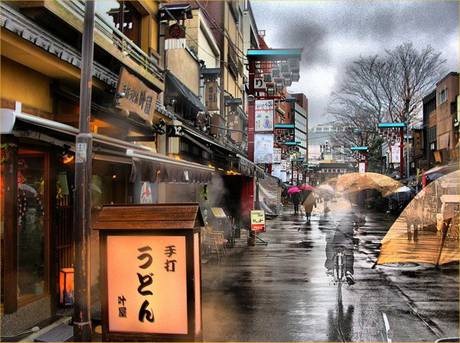
image014

Reflections in Time by Michael D.Keller

A part of old Japan, waiting for you to explore. After a while discard your map and just walk.

Hands of the Daibutsu

Hands of the Great Buddha, Kamakura by Angus McIntyre

Tip: Kamakura, just a short distance from Tokyo, has many beautiful temples.

SaraHentschke602

Sunset dreams by Pamela Oliveras

One of the many fantastic year round sunsets.

Tip: Okinawa is nearly 1,000 miles south of Tokyo and is known as the Hawaii of Japan for its sub-tropical climate and fantastic beaches. It is easy to reach from mainland via one of the domestic airlines.

DPS Japan 05

A-Bomb Dome, Hiroshima by Greg Knudsen

Surrounded by peace lanterns made by children, the A-Bomb Dome in Hiroshima Peace Memorial Park was left partially standing after the nuclear blast that leveled Hiroshima on August 6, 1945, hastening an end to WWII. Travel tip: The whole of Hiroshima Peace Memorial Park is a reminder of the horrors of war, yet now conveys a spirit of hope and peace.

We visited on the 59th anniversary of the bombing. Each anniversary and throughout the year, tens of thousands of origami cranes are delivered to the Children’s Peace Monument in memory of Sadako and her 1,000 cranes, whose story and some of her original cranes are among the displays in the haunting and moving museum.
image

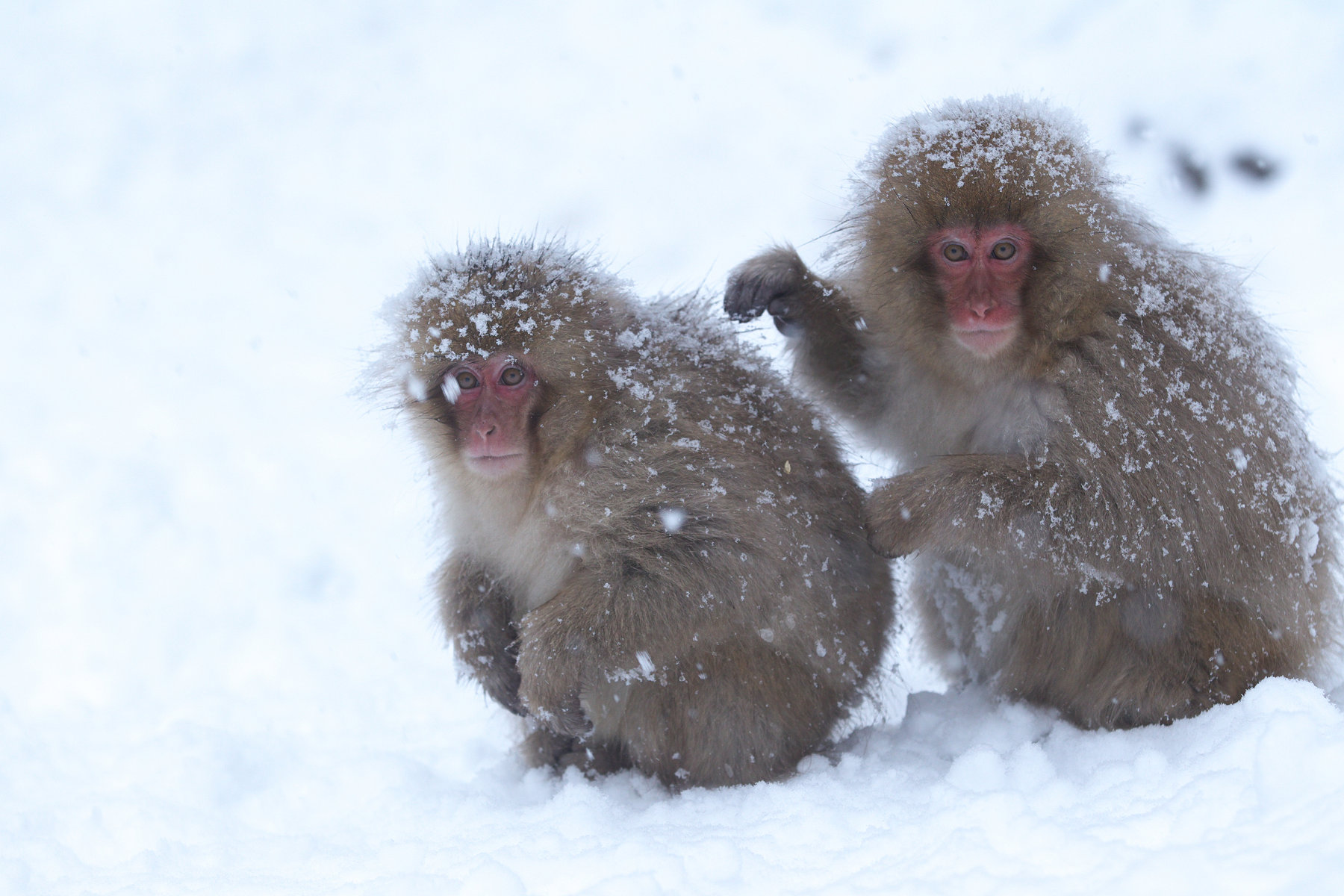
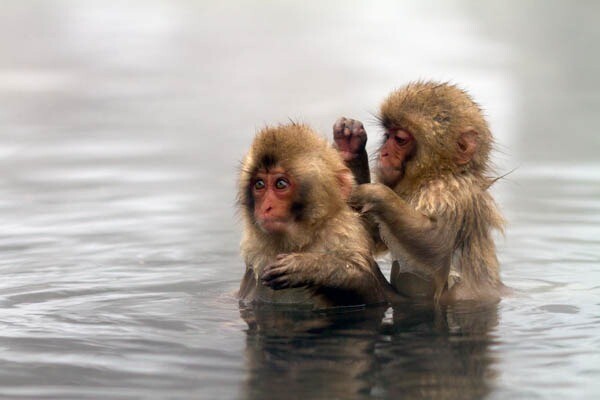
Baby snow monkeys, Nagano Prefecture by Oscar Tarneberg

I took this photo in the Jigokudani valley near a town called Yudanaka-Onsen in Nagano prefecture. The lighting conditions were challenging, being dimly lit and steamy due to the hot volcanic spring water, meaning the shot required the use of a fast prime (135mm F2.0) and a lot of post-processing to boost the contrast and sharpness.

Political self-promotion

Political Self-Promotion by Draycat

A Japanese politician stands outside a station promoting himself.

Tip. Use a wide aperture to blur out ugly backgrounds and make the subject stand out. Also try and capture a moment that contains some action to create a more interesting shot, which tells more of a story.

Silent Prayers (Daisho-in, Miyajima)

Silent Prayers (Daisho-in, Miyajima) by Beck

There are hundreds and thousands of temples in Japan – you can try to go to them all, hit up just the most popular (or “touristy”) ones, or be a little more adventurous and visit some of the smaller, lesser known sites. Daisho-in turned out to be one of my favourites – high up on a hill on the island of Itsukushima (also known more popularly as Miyajima) and with very few tourists about, we had the grounds of the temple almost entirely to ourselves. This allowed us to wander for as long as wanted, without crowds of people getting in our way, and to get as close as possible to the thousands and thousands of different statues and relics that coat the area. This was a great opportunity to practice taking photos from different angles – getting down low, shooting from up high, looking for reflections in ponds, and practicing a variety of other techniques such as working in AV mode rather than snap-happy-tourist-AUTO-mode.

Dragon of Izumo

Dragon of Izumo by Khoa Dinh

This is a statue of the mythical eight headed dragon that would terrorize the people of Izumo.

Advice: Take public transportation, subways or trains, while you travel in Japan. Taxis are expensive and traffic in Japan is horrible.

fhdbchgd

??????  (The Mikimoto Building) by Christopher Carlo Casilli

Tokyo is filled with interesting small scale architecture and the Mikimoto building is a favorite of mine. Looking to set it off and show it unique windows and facade, I decided to shoot this up angle in late afternoon to bring out the slight pink tones of the building reflecting the setting sun.

Sunset at Hakone

Hakone by Kishan Harwalkar

If you are visiting Tokyo on Business and have a spare day, then its best to book a day tour to Mount Fuji & Hakone or Nikku. Hop-on to one of the tourist buses and have a guided tour of your choice. You can go up to level 7 of Mount Fuji and also visit some beautiful regions in the area of Hakone. But beware, the traffic towards Tokyo in the evening (especially on weekends) is very heavy and expect delays.

The Tokyo View

Tokyo View by Simon Skipper

Tokyo is one of the largest cities in the world with the centre housing more than 13 million people. It’s worthwhile finding one of these tall buildings for a magnificent view, even in clear weather it’s difficult to see beyond the houses growing into the horizon.

the-candy-trail-JAPAN_1

Women of Tokyo by Michael Robert Powell

This juxtaposition of old and young was a lucky shot – I had my camera out just by chance. The out-of-focus background was softened futher by converting the image to black and white to give more attention to the older woman (as there was too much red around the young ladies).

Nagano-House-Matt-Gibson

Nagano House by Matt Gibson

Shooting at sunrise and sunset is always a good idea, but doubly so for travel photography when nearly all your shots are lit by sunlight.  This shot turned out pretty much only because the sun was setting and the light was right.

image015

Ueno Temple Roof by Michael D.Keller

This is from Ueno Park.  A must visit for any first timer to Tokyo. It is halfway between Asakusa and Akihabara,  on top of a few subway lines and the airport express. Keep your eye open for artifacts that spark interest.

Moving prayer tablets

Shinto priests, Hachiman-gu, Kamakura by Angus McIntyre

Tip: Shinto shrines and Buddhist temples are rich in colors and textures.

Eisa2012524

Faces of Eisa by Pamela Oliveras

10,000 Eisa dance festival. Naha, Okinawa

DPS Japan 04

Deer at 5-Story Kofuku-ji Pagoda, Nara by Greg Knudsen

A day-trip out of Kyoto, Nara is filled with historic temples and pagodas, and hundreds of free-roaming deer.

Travel tip: The deer are semi-tame, but I saw a couple of stags clashing antlers, so stay clear. Nara also includes the world’s largest wooden building, Todai-ji Temple, with a massive 15m bronze Buddha inside.

2222

Bamboo grove, Arashiyama, Kyoto Prefecture by Oscar Tarneberg

Arashiyama makes a great detour from Kyoto, as it is close by but also contains many temples, as well as incredible walks through bamboo groves, but without the crowds. This shot was taken several years ago on a camera with poor high ISO capability, so the main challenge was holding the camera steady enough to stop down enough to get a deep enough depth of field to get the whole path in focus.

Rush hour rush

Rush Hour Rush by Dreycat

A woman rushes to get to work during Tokyo morning rush hour.

Tip. The key to getting a shot like this is to use panning, where the camera is set to a low shutter speed and you track the movement of the person with your camera. You’ll often need a few attempts to get a good shot.

Kyoto Station

Kyoto Station by Beck

This shot was taken “from the hip” (literally) whilst I was waiting for a friend to join me at the station. I love people-watching but sometimes feel a little self-conscious doing it, especially as a foreigner who stands out in a country like Japan, and where traditional and personal values of the locals also make me hesitant to take photos of people. As such, I recently tried my hand at “shooting from the hip” and just waited to see what results I could achieve … I didn’t have my eye to the viewfinder nor could I see the LCD display – the camera was near my waist, I didn’t have a lens disrespectfully shoved in anybody’s face, and I simply clicked the shutter button. Sometimes it worked, sometimes it didn’t – but I’ve discovered it’s all about practice and having fun with it! You’ll be astounded at some of the shots you can achieve.

Shibuya cross walk

Shibuya cross walk by Khoa Dinh

This is the busiest and most famous crosswalk in Japan.

hggaigfd

??????????  (Crossing the Street in the Shinjuku Ward) by Christopher Carlo Casilli

Just outside the busiest train station in the world (JR Shinjuku in Tokyo) is a good place to really see the crowds typically frequenting this area of shops and restaurants…here on a warm summer’s eve. A slow shutter speed at night gave me that sense of a sea of motion set against the towering rows of tall buildings glowing with their bright vertical signs.
Streets of Shinjiku

Shinjiku: Animation & Neon all around by Kishan Harwalkar

Shinjiku is the main place of Tokyo housing Business centers on one side and bars & restaurants on the other. You get a glimpse of two shades of Tokyo from this place. A must visit place.
Japan, is also a place were Animation is worshiped. You can see people engrossed in animation all around you. Be it the comic books, mobile phones or hoardings on the Road, everything is centered around Cartoon characters.

The Mochi

‘Mochi’ is a traditional Japanese meal of rice especially eaten during winter by Simon Skipper

Looking for someone making it the traditional way is highly recommended, as it takes up to six hours involving a huge hammer and numerous people.

the-candy-trail-JAPAN_3

Women-only train carriage by Michael Robert Powell

Often ordinary things offer a great photo opportunity. A simple composition here with a vignette added, to partially shadow her face. (Note: the women-only rule is limited to rush-hour; so I was able to sit here).

image003

Japan Vending by Michael D.Keller

Vending Machines are everywhere, in numbers.  Many today even let you pay by cell phone! Make use of them, they are convenient and relatively cheap.

Frozen tuna

Tuna, Tsukiji fish market by Angus McIntyre

Tip: If you are able to visit Tokyo’s Tsukiji fish market, remember that it’s a working market; tourists were recently banned after one group behaved badly.

okuma280

Beach life: Northern Okinawa beaches in the summer by Pamela Oliveras

A 50mm lens would be a great all round lens to bring. A wide angle would also be an added bonus to capture the beauty of the landscapes and seascapes.
Summer is VERY VERY HOT and HUMID, but produces some thunderhead cloud phenomenal sunsets too. Nov it starts cooling down.

DPS Japan 02

Ryoan-ji Rock Garden, Kyoto by Greg Knudsen

My wife and daughter “deep in meditation” at Ryoan-ji Rock Garden, a 500+ year-old zen temple and UNESCO World Heritage Site.

Travel tip: Kyoto, which should not be missed, is best reached from Tokyo by Shinkansen (Bullet Train). We bought a 7-day Japan Rail Pass, which also took us to Hiroshima, Nara, around Tokyo on the JR Line, and back to Narita Airport. You must purchase the JR Pass before you arrive in Japan.

image3

Koya-san monks by Oscar Tarneberg

High in the mountains of Okayama prefecture, Koya-san it is the site of many ancient and holy temples. This shot was taken in the Oku-no-in graveyard, which is a fascinating and eerie place, particularly photogenic later in the afternoon when shafts of light come down through the trees.

Heavy Duty

Heavy Duty – A Sumo Training Stable by Drewcat

Sumo wrestlers training at a sumo stable in Tokyo.

Tip: Don’t be afraid to change your viewpoint and experiment with shutter speeds when taking action shots. Often getting low and close can make a stronger image than just shooting at eye level, while changing the shutter speed can help to inject more drama into the shot.

The Quiet Life (Asakusa, Tokyo)

The Quiet Life (Asakusa, Tokyo) by Beck

A simple snapshot of a simple life in a back street of Asakusa, Tokyo, taken early in the morning on my way to the train station. I love to get up early and go exploring whenever I’m travelling somewhere – and as many people in Asia, including Japan, like to rise early, this is a great time to start shooting! The light is also far less harsh in the early and late hours of daylight, rather than the hours around midday (when you probably want to be out of Japan’s heat and humidity any way!) – so don’t be afraid to get up early and go to bed early on one or two days if you want to find some great shots with softer lighting.

Tokyo from Odaiba Island

Odaiba Island by Kishan Harwalkar

Odaiba, a manmade island claimed from sea is an ideal place to spend a day. It offers a nice view of Tokyo town and houses several interesting buildings. The Tokyo Museum of Engineering Science & Innovation, which houses Asimo, the famous Honda humanoid Robot, is worth a visit. After a visit to this museum during the day, you can explore the interesting places near the Fuji centre in the evening. There are several restaurants to have a drink and some good Japanese good. You should stay here when sun starts to set and the lights come up in Tokyo. It’s a beautiful sight and a treat to watch. If you are lucky you’ll also see Hannabis, the famous Fireworks which take place from time to time. You need to take a tripod to capture those lights n Fire works . For more details you can visit: http://www.japan-guide.com/e/e3008.html

The Monkey

The Monkey by Simon Skipper

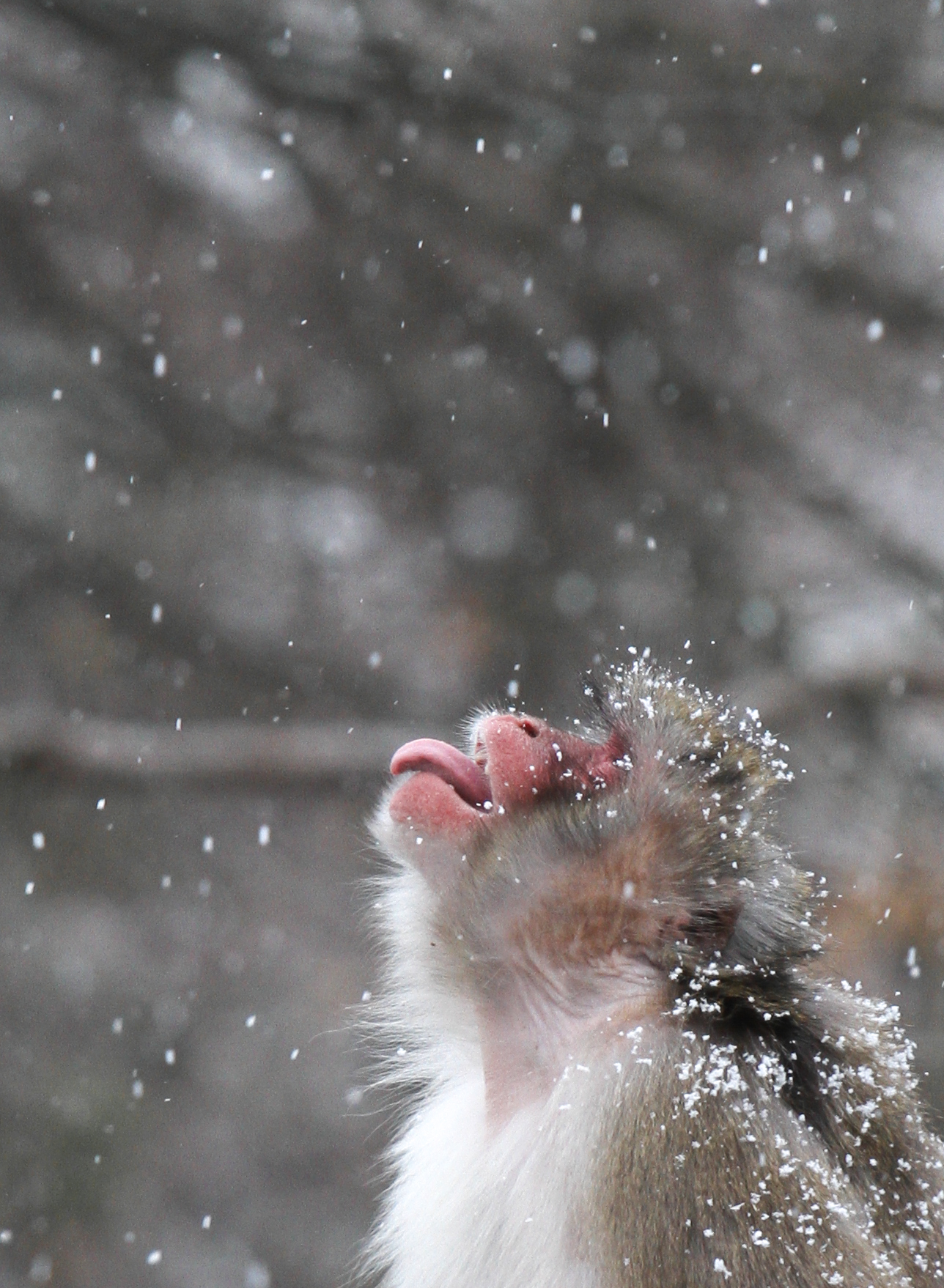
These Japanese Macaques are very unique to Japan, living in the area of Jigokudani where they enjoy the hot thermal springs in a very intriguing way, almost obsolete to the fact that thousands of tourists are around at almost all times.

the-candy-trail-JAPAN_2

Temple roof-tops at dusk by Michael Robert Powell

Arriving before dusk at the Senso-ji Temple meant that flood-lights were already on – but it wasn’t dark yet, so the red paint glowed golden and orange. Using a telephoto lens and then later adding a digital vignette, I managed to get a somewhat surreal image.

Horses in a landscape

Horses in a landscape, Mt Aso by Angus McIntyre

Tip: Despite the image of Japan as hugely urbanized, parts are surprisingly pastoral, offering opportunities to landscape photographers.

DPS Japan 03

Kiyomizu-dera, Kyoto by Greg Knudsen

One of my favorite sites, Kiyomizu-dera is a nail-less wooden temple built in 1633 on a hillside along a waterfall and stream whose pure water is said to have wish-granting powers.

Travel tip: Most visitors enter from the west up a long narrow street leading straight up to the temple. However, my preferred approach is from the north, starting near Shoren-in and Chion-in temples, through Maruyama Park, past the 24m Ryozen Kannon statue, through cobblestone village streets, then joining the upper climb to Kiyomizu.

image4

Mount Fuji, viewed from Kawaguchi-ko, Yamanashi prefecture by Oscar Tarneberg

Mount Fuji is the classic symbol of Japan, but getting a clean shot of it is harder than you think! Kawaguchi-ko, just a short journey from central Tokyo, offers stunning views with a range of natural foregrounds, including a lake. This photo was taken from a nearby hilltop around dusk for the best lighting; in March the air was relatively clear and the peak was still capped with snow.

Japanese School days

Japanese School Days by Draycat

Two schoolgirls walk through the entrance to a temple.

Tip. This type of shot is all about patience; once you see the possibility for a shot you need to wait until all the elements are in place to get it. In this case it’s all about making sure the schoolgirls are in the right place and that there are no distracting factors, like other people, elsewhere in the image.

Kamakura Fortunes

Kamakura Fortunes by Beck

These are hanging paper fortunes at one of the many temples in Kamakura, just south of Tokyo. The size of your aperture changes the depth of focus in your image, to create very different effects – but where exactly you make your point of focus (front, middle, distant) can also change the perception of the image. Mix it up occasionally to see what different results you can achieve – you may be quite pleasantly surprised!

The Buddhist

The Buddhist by Simon Skipper

In Zenk?-ji, Nagano you find one of the oldest buddhist temples of Japan, built in the 7th century. The site remains one of the last religious pilgrimages of the country, and many of the locals are very interesting to photograph.

Post originally from: Digital Photography Tips.

Check out our more Photography Tips at Photography Tips for Beginners, Portrait Photography Tips and Wedding Photography Tips.

Travel Photography Inspiration Project: Japan


Digital Photography School

 
Comments Off on Travel Photography Inspiration Project: Japan

Posted in Photography


Travel Photography Inspiration Project: Argentina

19 Feb

From the seemingly timeless Southern areas to the modern heart of Buenos Aires, Argentina is a lively county with wide spaces, soaring peaks and a unique culture.

Let’s wander around Argentina in today’s installment of the DPS Travel Photography Inspiration Project.

And if you would like to be involved in the next country’s post, drop me a line here.

PageImage-512483-3672802-FloridaStBuenosAiresJuly2011

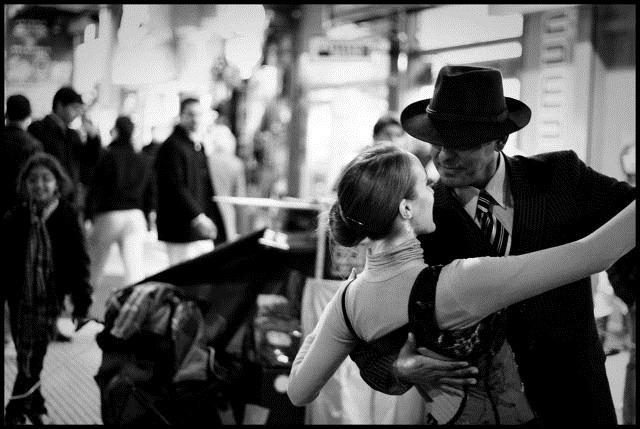
Street Tango in Buenos Aires  by Anand Gopol

Tango dancers strike a pose on Florida Street in Buenos Aires.

Tip: While in Buenos Aires, walk, walk, walk. It’s a great walking city and downtown is drizzled with street artists and dancers. On many street corners, one can find a tango troupe such as this one with a speaker busting out some music and a hat that’s being passed around.

DSC04313

Local young couple in colourful La Boca, Buenos Aires by Joshua Raif

IMG_0041copy

This is Buenos Aires’ iconic national historic monument, the obelisk, located in Plaza de la Republica by Ken Duquaine

We were in Argentina for a few days between Christmas and New Years Day this past year before leaving on a trip to Antarctica.  There is a considerable difference in weather conditions between Buenos Aires (very warm) and Ushuaia (much cooler), so anyone traveling to Argentina and planning on seeing both areas would do well to pack clothing that will accommodate a fairly wide range of temperatures. 

Glacier

Glacier trekking at Perito Moreno by Will Villiers-Tuthill

ARGENTINA-michael-robert-powell_1

rain-clouds over bariloche by Michael Robert Powell

I was above the town of Bariloche in Patagonia; bad weather can bring nice shots, too. The image was a bit flat so I tweaked it to make the image pop more (without getting too HDR).

DSC07209

Enjoying the local Mate by Joshua Raif

Colourful local characters on San Telmo square are usually happy to be photographed. In good weather the square is full of action: crafts stands, musicians, tango dancers, and is surrounded by old and beautiful architecture.

IMG_0158copy

A window with character in La Boca by Ken Duquaine

Right Whale Breeching

Right Whale Breeching: Puerto Madryn by Will Villiers-Tuthill

ARGENTINA-michael-robert-powell_4

girl staring into rainbow – iguazu falls by Michael Robert Powell

A lucky few seconds, in which I took a few shots and this was the best. Simply, have your camera ready.

DSC04914

Upsala Glacier Viewpoint, Patagonia by Joshua Raif

Since boat access has been blocked by the melting glaciers, this remote site now requires a full day trip which combines a boat ride on Argentina lake together with a 4X4 dirt road drive from Estancia Cristina. This full day trip contains a wide variety of photo opportunities which include icebergs on the lake, the old ranch itself, sculptured trees, rock formations recently sculpted by the melting glaciers and the panoramic viewpoint itself.

IMG_0110copy

Plaza de Mayo, the scene of the May 25, 1810, revolution leading to Argentina’s independence, and a major center for political activity in Buenos Aires by Ken Duquaine

Nest Building

Birds building nests outside Ushuaia by Will Villiers-Tuthill

quiet streets of downtown – buenos aires by Michael Robert Powell

DSC04353

A modern neighborhood of Buenos Aires by Joshua Raif

Ushuaia20111231_2327copy

Ushuaia, known in Argentina as the “End of the World” owing to its being the southernmost city in the world and the staging area for boat trips through the Drake Passage to Antarctica by Ken Duquaine

Ushuaia

Ushuaia – the coordinates are on the signposts by Will Villiers-Tuthill

ARGENTINA-michael-robert-powell_3

changing the guards – buenos aires by Michael Robert Powell

Get low for some shots. This was taken years ago on a video camera and hence is only a low-res still image (but better than nothing). I played with the lighting later.

DSC07238

A 19th century coffee shop on San Telmo square, still in operation by Joshua Raif

Buenos Aires still boasts 19th & early 20th century architecture and establishments which appear more authentic than those found in Europe or the U.S.


IMG_0140copy

The very colorful La Boca neighborhood of Buenos Aires where the sights, smells and activity complement the “over the top” colors of the buildings by Ken Duquaine

HDR tonemapped

snowy mountains behind ushuaia by Michael Robert Powell

Apart from the great scenery, the inclusion of a person (bottom left) gives it a real sense of scale. This is close-to straight out of the camera; a near-monochrome shot.

Thank you again to all the DPS reader-contributors who participated. If you would like to be involved in the next country’s post, drop me a line here.

Post originally from: Digital Photography Tips.

Check out our more Photography Tips at Photography Tips for Beginners, Portrait Photography Tips and Wedding Photography Tips.

Travel Photography Inspiration Project: Argentina


Digital Photography School

 
Comments Off on Travel Photography Inspiration Project: Argentina
Posted in Photography


kwerfeldein diskutiert: Über Kopie, Inspiration und Idee

09 Feb

Vor ein paar Wochen trudelte bei uns folgender Kommentar ein, den wir mal ganz mutig aus dem Zusammenhang reißen und lesen:

„Allein die Flut solcher Bilder im Internet verrät, dass es sich hierbei um ein massenkompatibles Sujet handelt. Mir erschließt sich der Sinn solcher Bilder allerdings nicht so ganz. Was will der Fotograf hier zeigen? Der inflationäre Umgang mit dem Graufilter und das beharren auf einer Schwarzweiß-Wiedergabe stempelt die Aufnahmen für mich als reine Effekthascherei ab. Warum wird hier nicht mal mit Farben, Kontrasten und Perspektiven experimentiert? Zugegeben, es gibt wirklich wenige Fotografen, die auf dem Gebiet der Landschaftsfotografie neue Sichtweisen vermitteln können, aber ewig auf den selben Effekten herumzureiten kann es nun auch nicht sein. Dann lieber mal den Deckel auf dem Objektiv lassen, und einfach nur spazieren gehen.“

Martin: Daraus ergeben sich viele Fragen, denen wir uns in den nächsten Zeilen bewusst ausgesetzt haben: Macht es Sinn, ein Foto zu machen, das in dieser Form schon einmal ungefähr so gemacht wurde? Ist es erstrebenswert, immer nach Neuem zu suchen oder auch legitim, Vorhandendes weiterzutragen? Oder sollten wir doch lieber gleich „den Deckel auf dem Objektiv lassen und einfach nur spazieren gehen“?

Robert: Zuerst einmal finde ich es wichtig, zu verstehen, mit welcher Motivation Menschen Fotos machen. Und vielleicht hilft es auch für die Beantwortung dieser Fragen, einmal die zwanghafte Fotografie-ist-Kunst-Projektion auszublenden.

Frei nach Susan Sontag: Die meisten Leute, die ein Aufnahmegerät bedienen können, fotografieren gar nicht mit dem Drang, zwangsläufig Kunst zu machen.

Wie bei jedem Massenphänomen ist es für die meisten einfach ein Vergnügen oder Teil eines sozialen Ritus und vielleicht auch einfach das Bedürfnis, Erinnerungen festzuhalten, zu sammeln und mit anderen zu teilen.

Dass auf diese Weise verschiedene Fotografen bildinhaltliche Dopplungen erzeugen, ob nun absichtlich oder unbewusst, ist einfach Teil des Massenphänomens, sich mit Bildern über Erlebnisse und Erfahrungen auszutauschen.

Jemandem zu sagen „Mach das Foto nicht, das gibt es schon.“ wäre etwa vergleichbar mit „Halt bloß die Klappe. Den Satz, den Du gerade sagen willst, haben schon 3.972 Menschen vor Dir gesagt.“

Martin: Womit Du die Fotografie mit der alltäglichen Kommunikation vergleichst. Was mir sehr gut gefällt, denn zu solchen Zwecken wird sie ja auch eingesetzt. Und in einem Gespräch wird oft das noch einmal unterstrichen, was vorher jemand anderes gesagt hat.

Dass es sich hierbei nie exakt um das Gleiche handelt, hört man schon an der Stimme. Und diese lässt sich, um den Kreis zur Fotografie wieder zu schließen, auch in der Fotografie wiederfinden. Denn 100% kopieren, das will mit Sicherheit niemand, zumindest nicht auf Dauer. Wie sehen das die anderen?

Normen: Ich finde es grundsätzlich in Ordnung, wenn man während der eigenen Entwicklung in der Anfangszeit versucht, andere Fotografen zu „kopieren“, jedoch sollte man in so einem Fall dann so ehrlich sein und die Quelle der Inspiration mit angeben. Damit können die meisten kopierten Fotografen leben und der Kopierende bricht sich dabei nicht wirklich einen Zacken aus der Krone.

Ist es nicht oft sogar gut, ein ähnliches Foto noch einmal zu machen? So gibt es unzählige Fotos der Golden Gate Bridge, viele davon hätten nicht gemacht werden müssen, andere hingegen sind es absolut wert.

Katja: Normen, klar sind es einige absolut wert. Aber sind das nicht genau die wenigen, die aus einer anderen, selteneren Perspektive fotografiert wurden? Oder bei denen zum Motiv der Brücke noch weitere seltenere Gegebenheiten kommen, wie Nebel oder der Sonnenuntergang? Und damit sind diese wenigen doch keine einfachen Kopien mehr.

Den Versuch, ein Foto 1:1 kopieren zu wollen, kann ich zum Teil nachvollzielen. Es ist sicher eine Herausforderung und man kann dabei etwas über Technik, Licht und so weiter lernen. Was ich nicht verstehe, ist, dass diese Motive dann stolz gezeigt werden.

Und das geschieht sehr oft, wenn ich mir die Communities ansehe. Ich denke da gerade an das Motiv mit dem Ring zwischen zwei Buchseiten, dessen Schatten ein Herz wirft. Das habe ich schon so unglaublich oft gesehen und klicke meist direkt weg, egal wie gut es gemacht ist.

Normen: Da hast Du natürlich recht, dass die besseren Fotos irgendwelche Besonderheiten aufweisen.

Aber in mich hineinblickend kann ich sagen, dass ich es mir wohl kaum verkneifen könnte, ein Foto von der in Nebel gehüllten Brücke zu machen, obwohl ich weiß, dass es Fotografen gibt, die dies schon besser gemacht haben als ich. In dem Moment würde es mir auch nicht in den Sinn kommen, jemanden zu kopieren, da ich gar keine Vorlage zur Kopie im Kopf hätte.

Von daher würde ich jetzt erst einmal die Meinung vertreten, dass es in Ordnung ist, wenn man Fotos macht, die es in ähnlicher Weise schon gibt. Gerade in der Entwicklungsphase ist es sicherlich in Ordnung, sich an anderen Fotos zu orientieren, bevor man sich gar nichts mehr traut und lieber zu Hause bleibt.

Wie sehr beschäftigt Euch eigentlich der Gedanke, etwas Neues zu schaffen?

Martin: Aktuell überhaupt nicht. Ich habe einfach genug damit zu tun, viele gute Fotos zu machen und mir ist es letztendlich egal, wer wie wann wo was schon einmal gemacht hat. Der Vergleich mit anderen war bei mir nach den ersten drei Jahren Fotografieren gegessen, davon habe ich mich bewusst getrennt, weil mich das zu sehr unter Druck gesetzt hat.

Beim Fotografieren auf der Straße nehme ich alles auf, was irgendwie toll aussieht. Da schalte ich den Kopf aus und mache einfach, solange die Konzentration reicht. Hinterher suche ich dann die besten aus. Natürlich kann es sein, dass jemand ein Foto dieser Art schon einmal gemacht hat. Damit habe ich aber kein Problem.

Ich denke sowieso, dass niemand einfach aus sich heraus etwas Neues erschaffen kann. Denn wir sind nun einmal von anderen beeinflusst, ob wir das wollen oder nicht. Zu sagen, man mache etwas „ganz Eigenes“ ist für mich etwas naiv, denn jeder ist inspiriert von der Arbeit anderer und das beeinflusst – wenn auch nur unterbewusst. Und das ist auch gut so, ich finde daran nichts Schlechtes.

Wie würdest Du, Robert, die Frage von Normen beantworten?

Robert: Wenn ich ehrlich bin, steht für mich selbst gar nicht im Vordergrund, zwanghaft etwas Neues zu schaffen. Gut zu sampeln, das heißt, Vorbilder* zu sammeln, sie anders zu mischen, über Lücken und Brüche mithilfe der eigenen Vorstellungskraft hinweg zu improvisieren und so insgesamt etwas zu schaffen, womit ich selbst zufrieden bin, ist eigentlich alles. Fotografie ist Jazz. Nebenbei bemerkt ist auch dieser Satz nur geliehen.

* Hier wäre eigentlich „Vorideen“ ein angemessenerer Begriff als Vorbilder. Gerade die Inspiration aus fotofremden Bereichen ist mitunter würziger als die Wurst aus der eigenen Brühe.

Ich finde übrigens Katjas Bildbeispiele für den Ring, der einen herzförmigen Schatten auf die Seiten eines aufgeschlagenen Buches wirft, sehr interessant. Nicht wegen des Bildes selbst, sondern eher, weil Katja hier anhand eines Begriffes (der wiederum als Idee auf einem Bild basiert) relevantes Material aus den Datenbanken (hier: Flickr und Fotocommunity) herausgefiltert hat.

Die auf verfügbare Daten anwendbare Suchfunktion ist also das technische Hilfsmittel, das uns überhaupt erst zu erkennen ermöglicht, dass es viele solche sich ähnelnde Bilder gibt. Ich finde die Überlegung interessant, ob wir uns die eingangs gestellte Frage auch gestellt hätten, wenn es dieses technische Hilfsmittel nicht geben würde. Vielleicht führt das jetzt aber auch zu weit…

Normen: Vermutlich hätten wir anders argumentiert. Überlegt doch mal, wie lange das Internet erst als Instrument der Verbreitung genutzt wird. 15 Jahre? 20 Jahre? Weitergedacht werden in den kommenden 50 Jahren noch unfassbar viele Fotos gemacht werden und man wird immer mehr den Eindruck gewinnen, dass es alles schon gegeben hat und man nichts Neues mehr macht.

Ich denke auch, dass es oftmals auch eine Sache des Geldes ist, vorhandene (neue) Ideen umzusetzen. So würden sicherlich viele Fotografen gern Fotos mit einem Aufwand ähnlich wie bei Gregory Crewdson machen und so mancher Landschaftsfotograf würde sicherlich gern einen Helikopter haben, um andere Perspektiven zu bekommen.

Ich denke, dass man in seinem Sujet die Fotos einfach mit Liebe und Leidenschaft machen sollte. Diese Herangehensweise führt dann dazu, dass man eine eigene Bildsprache entwickelt und möglicherweise dann auch als Vorbild für andere dient.

Katja: Das klingt, als wären wir uns alle einig. Jeder soll fotografieren, was er möchte, auch gern dasselbe Motiv. Und wenn die „Inspiration“ einverstanden ist, darf man das Bild auch veröffentlichen. Warum auch immer man das möchte. Dieser Teil erschließt sich mir nach wie vor nicht.

Wurde denn schon einmal jemand von Euch auf irgendeine Art und Weise kopiert?

Robert: Naja, Katja, ich verstehe schon, dass es Dich verwundert, wenn mehrere Autoren das augenscheinlich gleiche Bild machen und dann stolz das Resultat auch (mit)teilen, womöglich noch so als wäre es auf ihrem eigenen Mist gewachsen. Die Motivation dafür steht, denke ich, kaum in irgendeinem nachvollziehbaren Zusammenhang mit dem Bild selbst.

Wenn man das Kopieren als legitim akzeptieren möchte, kommt es, finde ich, entscheidend darauf an, was eigentlich kopiert wird – ein Bild oder eine Idee?

Der massenhaft wiederholten Kopie eines Bildes kann man schnell überdrüssig werden, wie wir am Beispiel des Herzschattens schon festgestellt haben. Hingegen eine Idee zu kopieren, ist schwieriger und im direkten Vergleich mitunter weniger offensichtlich.

Und um nun endlich den Bogen mit einer Antwort auf Deine Frage zu schließen, Katja: Ja, es kam schon vor, dass Bilder, die ich gemacht habe, in technischer Weise imitiert wurden, wobei ich allerdings merke, dass meine Idee dahinter gar nicht verstanden wurde. Der „Look“ ist ähnlich, aber das „Warum“ fehlt. Respekt zolle ich Bildern, die mit einem Verständnis für das Warum ihrer Vorbilder diese kreativ nutzen und neu interpretieren.

Martin: Ja, auch von mir wurden schon Bildideen übernommen, ein und dasselbe Bild „kopiert“ hat aber noch niemand – und das geht technisch auch nicht, außer jemand klaut das Foto und setzt es bei sich in den Stream – was auch schon passiert ist.

In gewisser Weise bin ich jedoch davon überzeugt, dass wir alle kopieren, wenn auch nicht bewusst. Wir übernehmen einen Stil, eine Idee, eine Pose, eine Art, zu sehen und und und. Ich glaube, niemand kann von sich behaupten, etwas gänzlich Neues zu schaffen – denn wir alle sind in einem Netz (Web) von Menschen, die uns inspirieren.

Der Herzschatten ist ein gutes Beispiel dafür, wie Menschen imitieren. Bücher und Ringe sehen eben fast alle gleich aus, aber mit offener Blende Menschen auf der Straße fotografieren, da unterscheiden sich auch nur die Menschen und der Hintergrund – auch, wenn jedes Bild anders aussieht.

Wie gesagt: Ich finde es schwierig, hier von „klauen“ oder „kopieren“ zu sprechen, denn keiner ist eine Insel, wie schon Thomas Merton sagte.

Normen: Wenn man sich nun einmal umschaut, gibt es eigentlich in allen Richtungen, in denen etwas geschaffen wird, eine Art Epoche, also einen Stil, der für einen bestimmten Zeitraum besonders bevorzugt wurde. Sei es in der Architektur, der Malerei oder in der Musik; überall finden wir ähnliche Werke, die unweigerlich durch Inspirationen entstanden sind. Ich kann Martin also nur Recht geben. Es ist nicht möglich, sich nicht inspirieren zu lassen, selbst wenn man es nicht möchte.

Martin: Ich kenne ganz gut von mir selbst, dass mir das Streben nach Originalität manchmal sogar im Wege stand. Früher habe ich dann manchmal lieber gar kein Foto gemacht, als eines, das ich in dieser Form schon einmal gesehen hatte. Daraus entstand dann ein destruktiver Druck, der, zumindest was die Kreativität anbelangt, ein Schuss in den Ofen war. Kennt Ihr das auch? Oder läuft es bei Euch einfach?

Katja: Ich habe mir bisher keinen Druck bezüglich der Originalität gemacht, aber einige Ideen verworfen, wenn ich sie ähnlich öfter gesehen habe. Zum Beispiel gab es vor Kurzem viele kreative Portraitbilder, bei denen Mehl oder farbiges Pulver verwendet wurden.

Nachdem ich das erste Foto damit gesehen hatte, fand ich es großartig und überlegte, wie man dieses Pulver noch verwenden könnte. Die Tage darauf sah ich aber immer mehr dieser Bilder und verlor die Lust an dieser Idee; ja, sogar die Lust an den Fotos, die mich zu Beginn so faszinierten.

Versteht mich nicht falsch, ich finde Wiederholungen nicht an sich schlecht. Dass „I follow rivers“ von Triggerfinger gecovert wurde, ist großartig, denn die „Kopie“ ist viel besser als das Original. Aus „Covern“ kann auch in der Fotografie etwas Anderes und für mich Besseres, Interessanteres entstehen.

Vielleicht nimmt man sich mit dem Originalitätsdenken doch mehr Möglichkeiten als man manchmal denkt.

Robert: Ja, das sehe ich auch so. Wobei das Streben nach Authentizität und Originalität an sich erst einmal nichts Schlechtes ist. Es sollte nur nicht die oberste Direktive für das eigene Schaffen sein. Zu leicht baut man sich sonst einen Turm aus den Erwartungen eines ausgedachten Publikums und immer wieder Ausreden, um der eigentlichen Arbeit auszuweichen.

Und Martin, um auf Deine Frage einzugehen: Abgesehen davon, dass ich solche Situationen nur selten erlebe, gibt es, finde ich, überhaupt keinen Grund, ein Foto nicht zu machen, weil ich mich in diesem Moment an ein bereits existierendes Bild erinnere. Es kann ja auch sehr reizvoll sein, bewusst und unbefangen ein schönes Zitat zu erstellen, ohne sich zu ängstlich den Kopf darüber zu zerbrechen, ob eine Kopie nun legitim ist oder nicht.

Man lernt auch nicht beim Nachdenken über seine Möglichkeiten, sondern beim Machen. Und virtuelle Ausreden zu konstruieren, weshalb man jetzt gerade nicht fotografieren sollte, ist nichts als hinderlich.

Martin: Da stimme ich Dir zu, Robert.

Und an dieser Stelle übergeben wir das Wort an unsere Leser. Wie seht Ihr das? Könnt Ihr unseren Gedanken folgen? Wo habt Ihr eine anderen Standpunkt? Wir sind gespannt und lesen mit.


kwerfeldein – Fotografie Magazin

 
Comments Off on kwerfeldein diskutiert: Über Kopie, Inspiration und Idee

Posted in Equipment