RSS
 

Posts Tagged ‘Images’

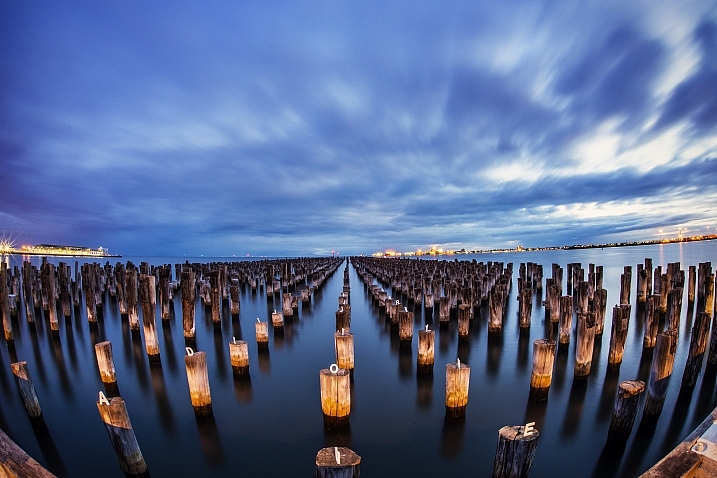
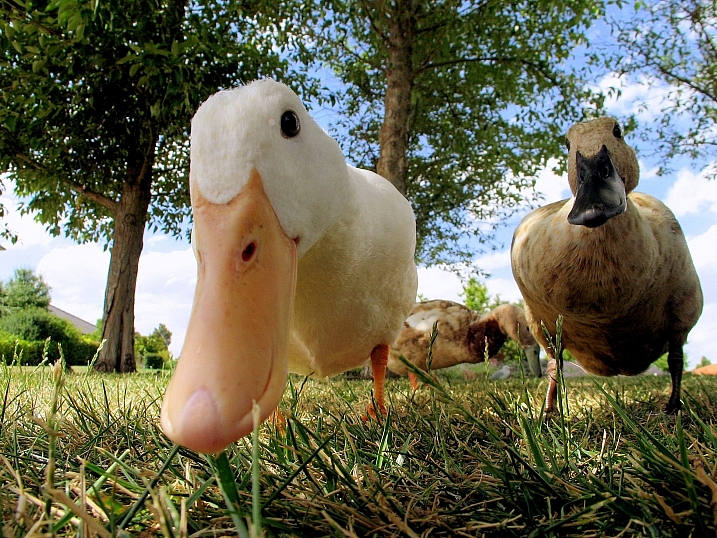
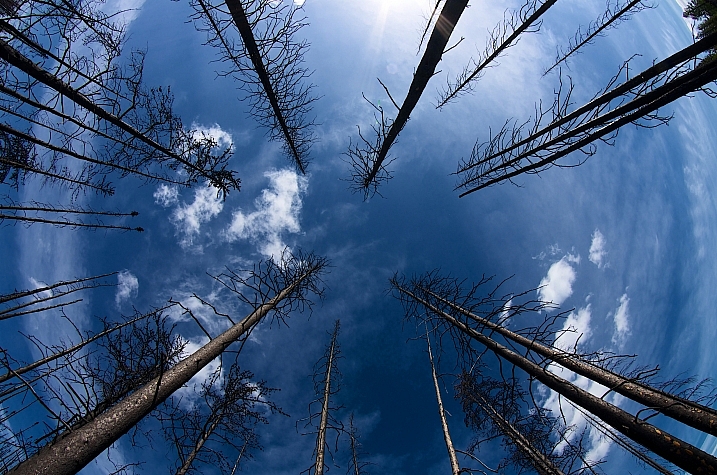
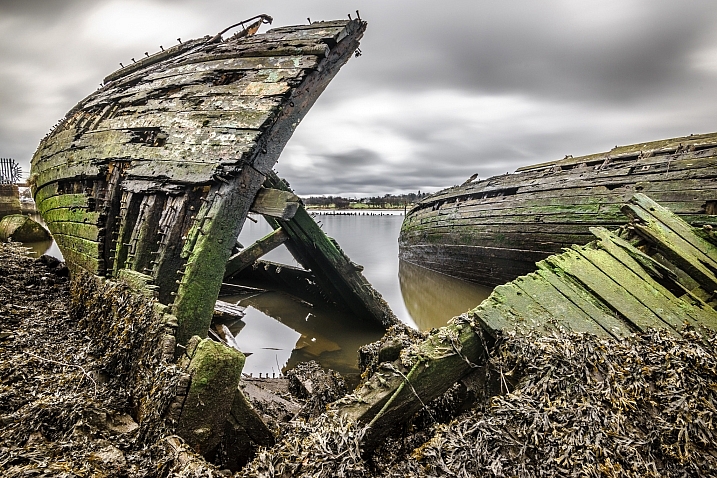
15 Expansive Wide Angle Images

12 Aug

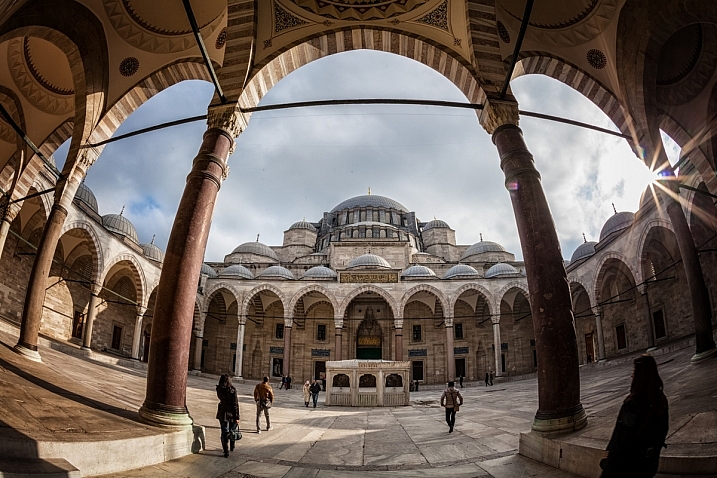
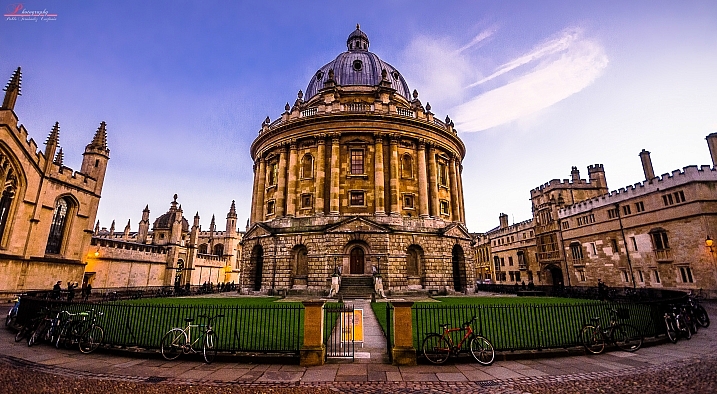
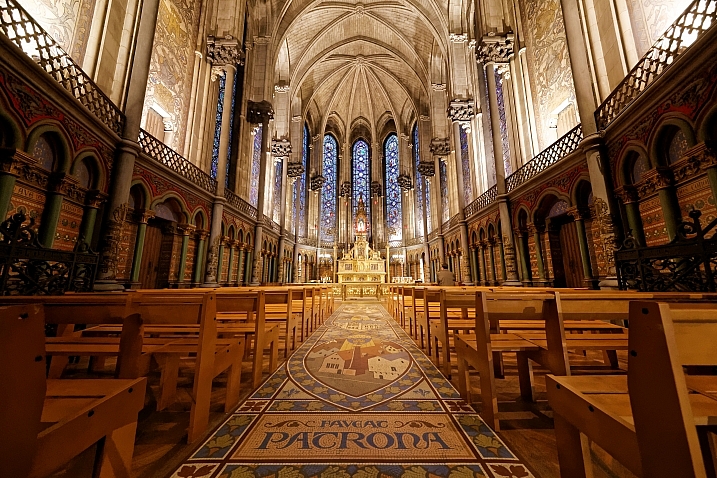
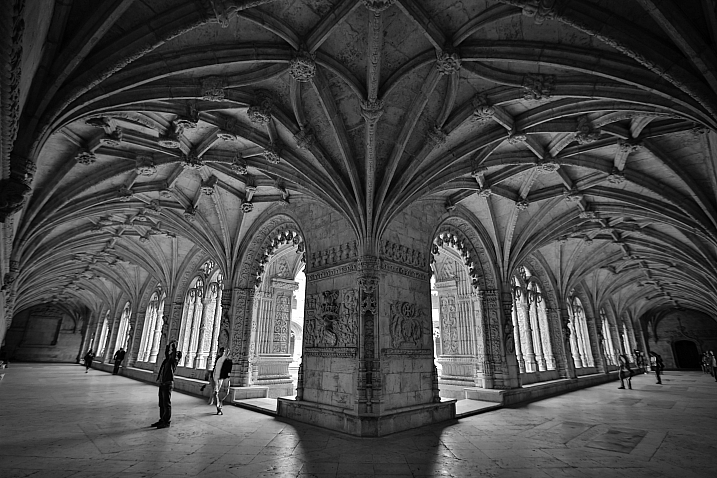
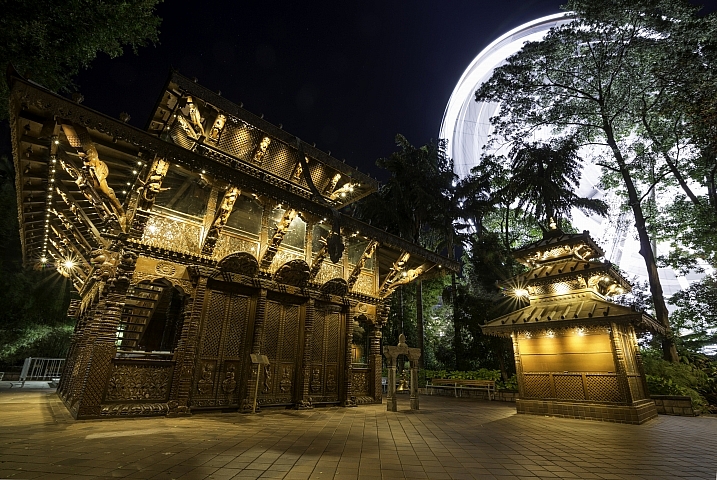
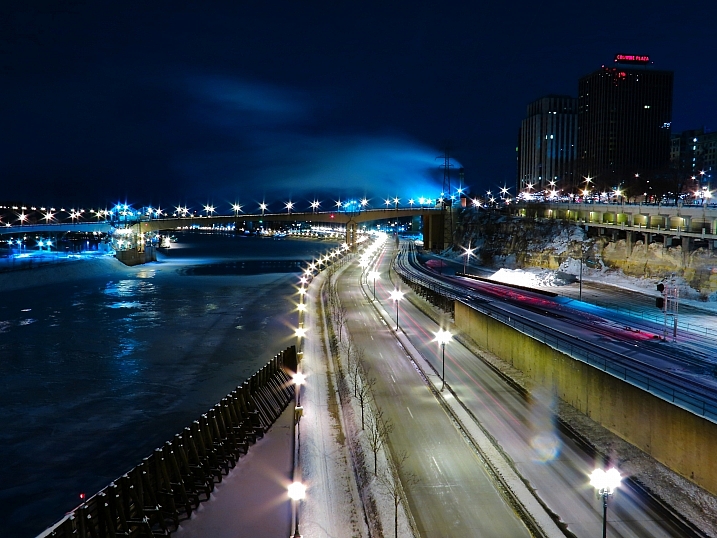
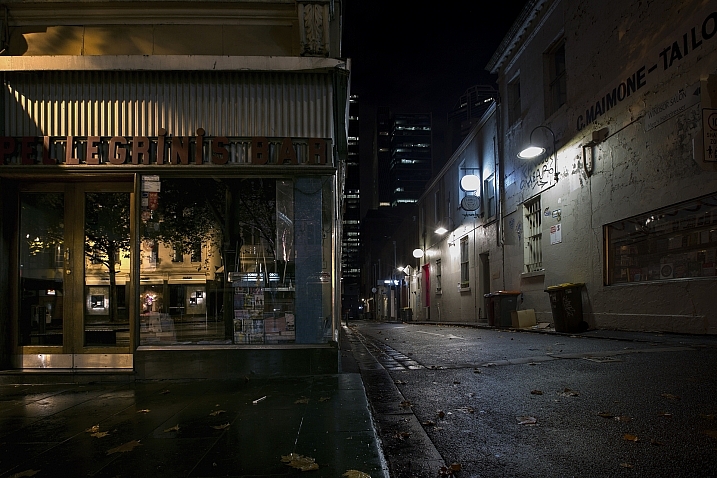
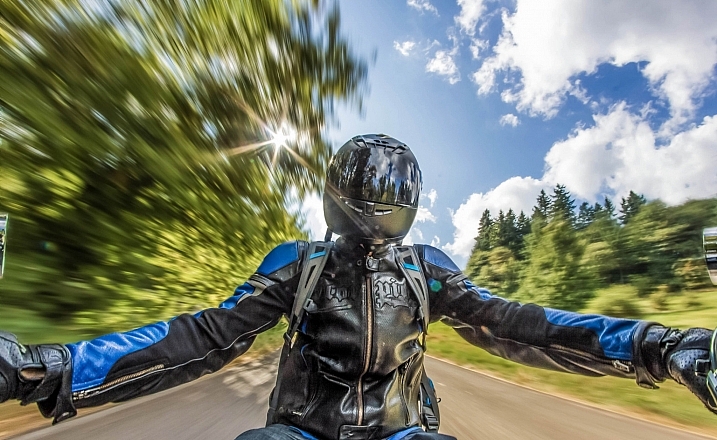
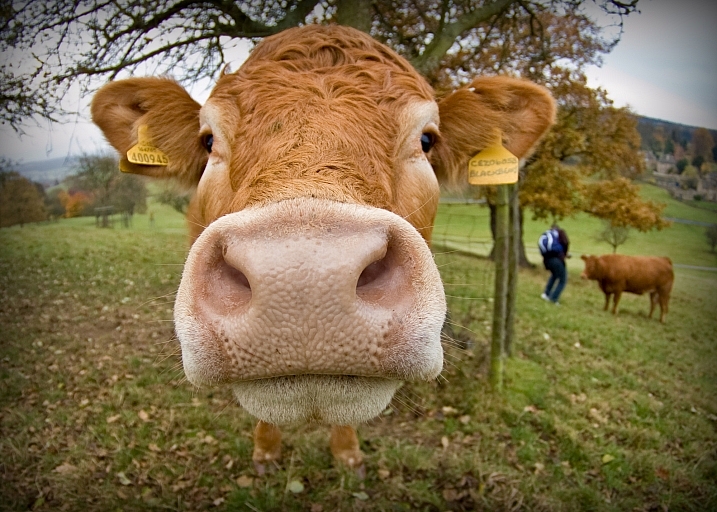
Wide angle lenses provide a very different view of the world than what your eye sees. They are inclusive, meaning the viewer feels like they are included in the image – like they could step into it.

These photographers have used the wide angle optics to great advantage – see if you enjoy them as much as I did:

Dave Wild

By Dave Wild

Stròlic Furlàn - Davide Gabino

By Stròlic Furlàn – Davide Gabino

Indigo Skies Photography

By Indigo Skies Photography

Meg

By meg

David Tomic

By David Tomic

Mark Iocchelli

By Mark Iocchelli

Giuseppe Milo

By Giuseppe Milo

Stròlic Furlàn - Davide Gabino

By Stròlic Furlàn – Davide Gabino

Pablo Fernández

By Pablo Fernández

Guillaume DELEBARRE (Guigui-Lille)

By Guillaume DELEBARRE (Guigui-Lille)

Paulo Valdivieso

By Paulo Valdivieso

Lenny K Photography

By Lenny K Photography

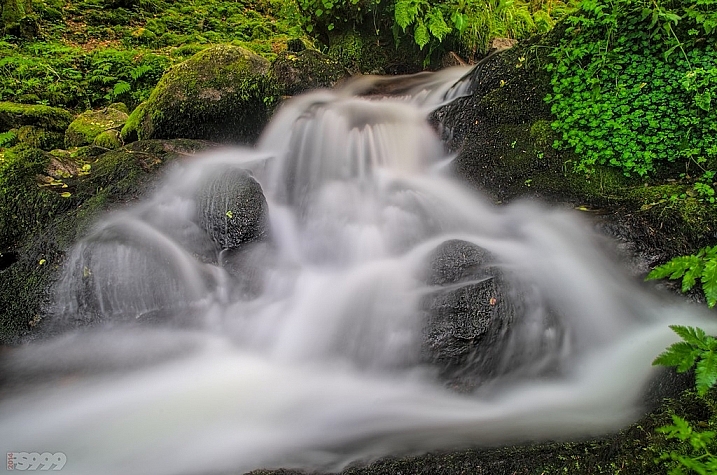
Fs999

By fs999

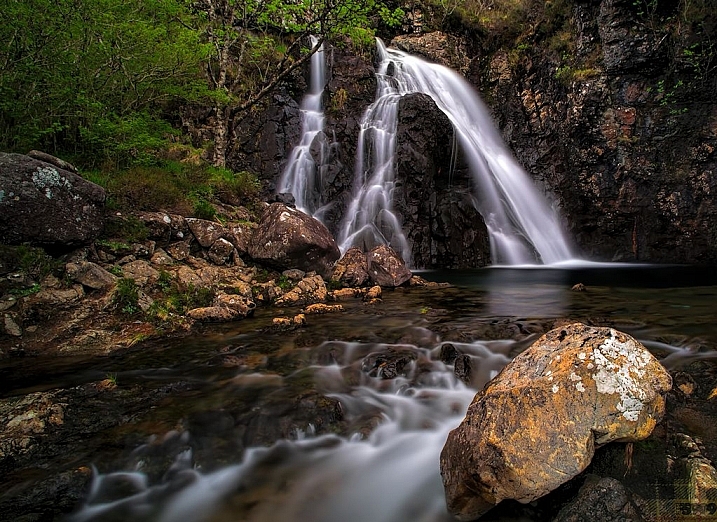
Fs999

By fs999

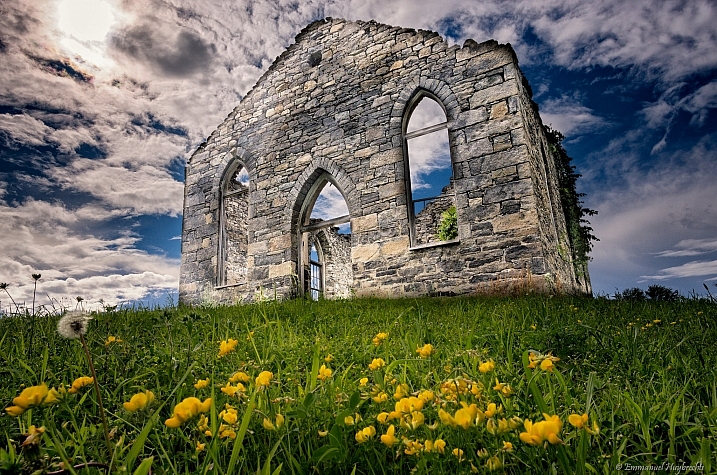
Emmanuel Huybrechts

By Emmanuel Huybrechts

googletag.cmd.push(function() {
tablet_slots.push( googletag.defineSlot( “/1005424/_dPSv4_tab-all-article-bottom_(300×250)”, [300, 250], “pb-ad-78623” ).addService( googletag.pubads() ) ); } );

googletag.cmd.push(function() {
mobile_slots.push( googletag.defineSlot( “/1005424/_dPSv4_mob-all-article-bottom_(300×250)”, [300, 250], “pb-ad-78158” ).addService( googletag.pubads() ) ); } );

The post 15 Expansive Wide Angle Images by Darlene Hildebrandt appeared first on Digital Photography School.


Digital Photography School

 
Comments Off on 15 Expansive Wide Angle Images

Posted in Photography


21 Enjoyable Images of Long and Winding Roads

05 Aug

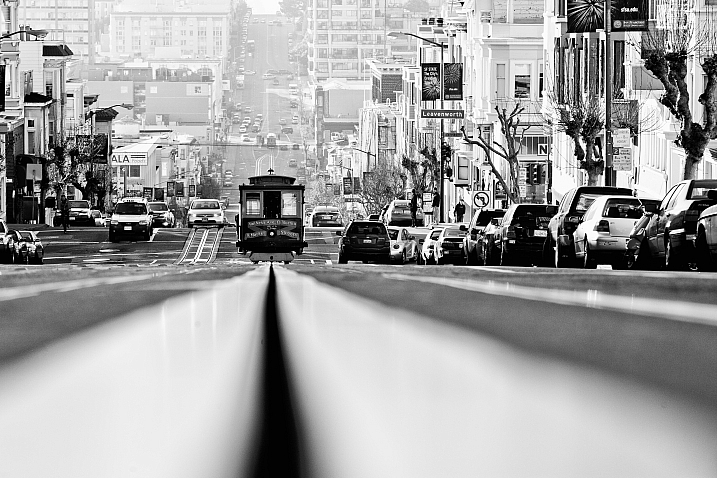
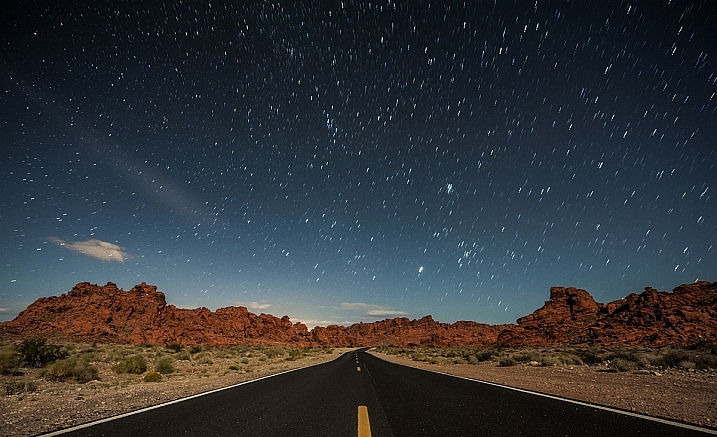
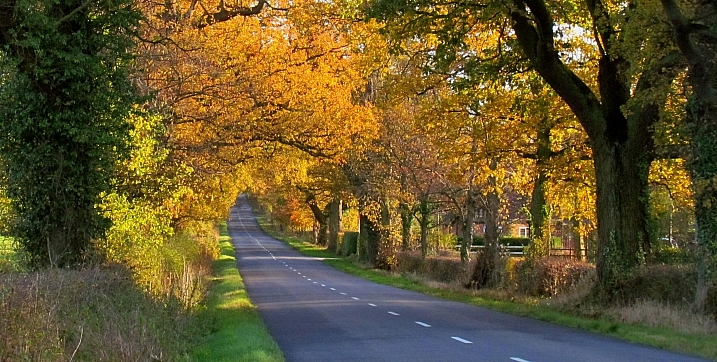
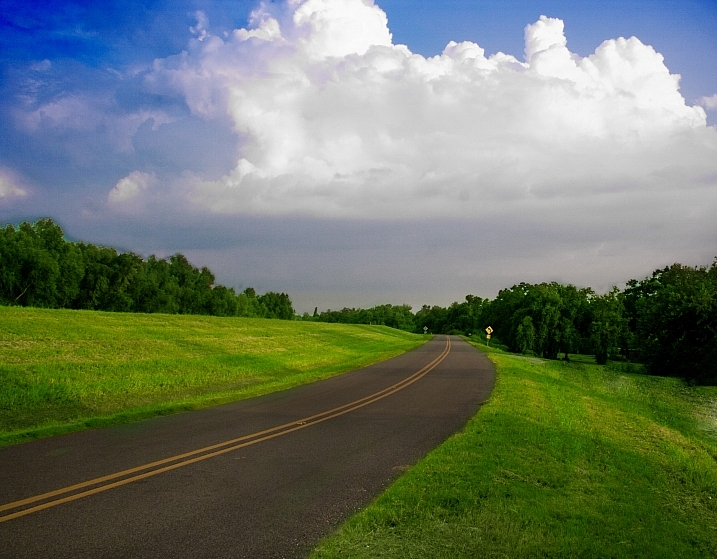
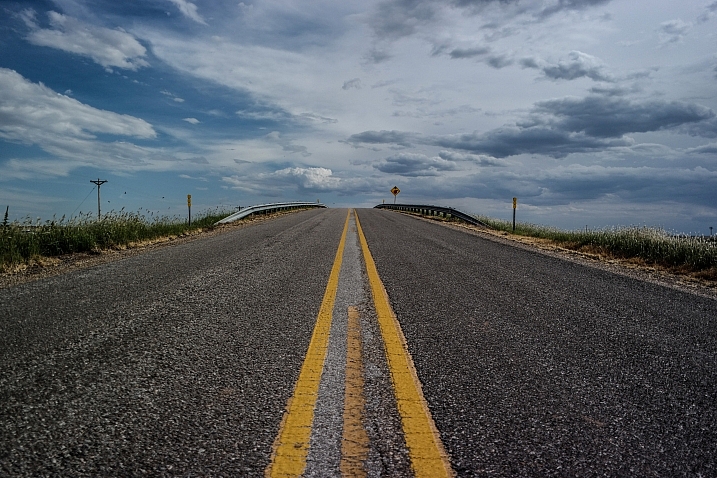
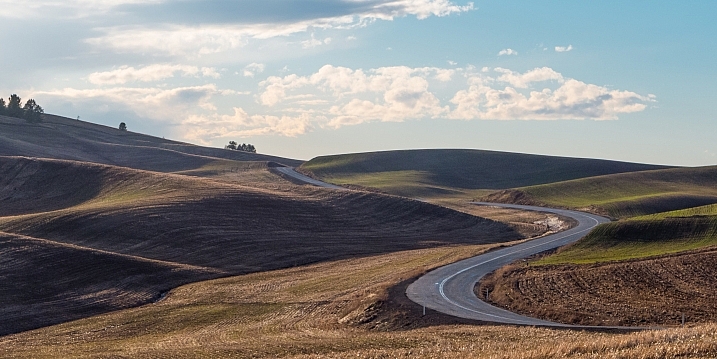
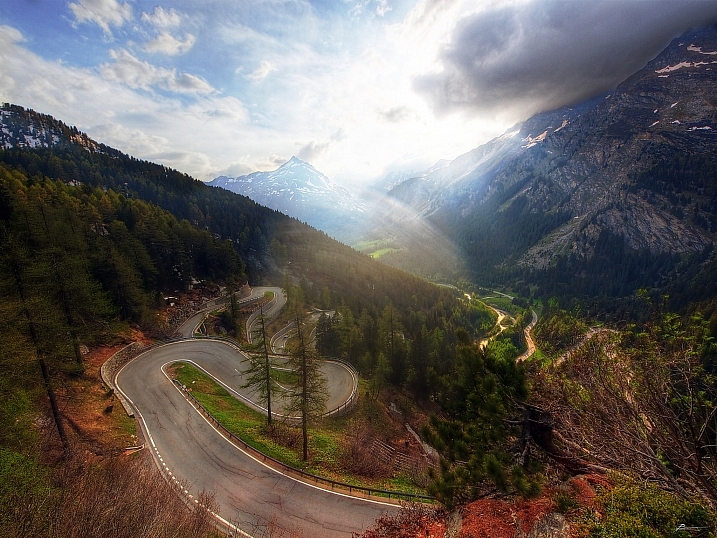
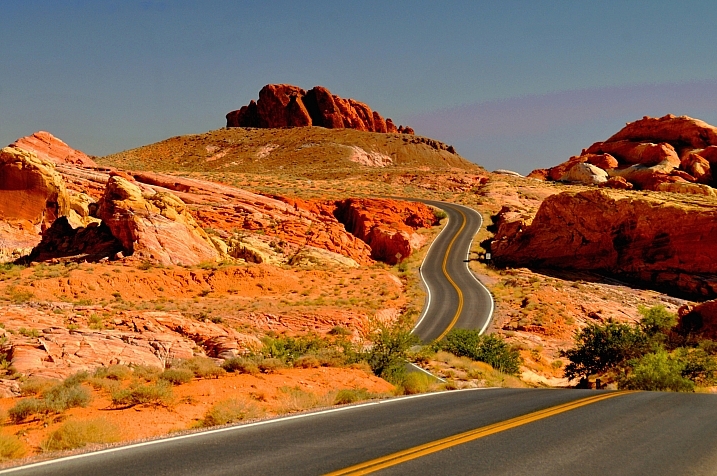
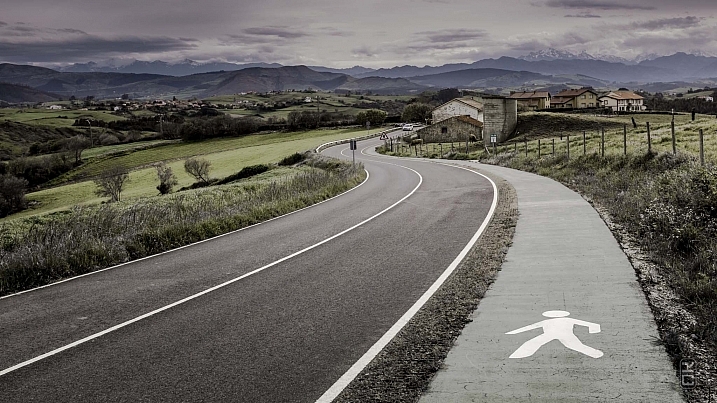
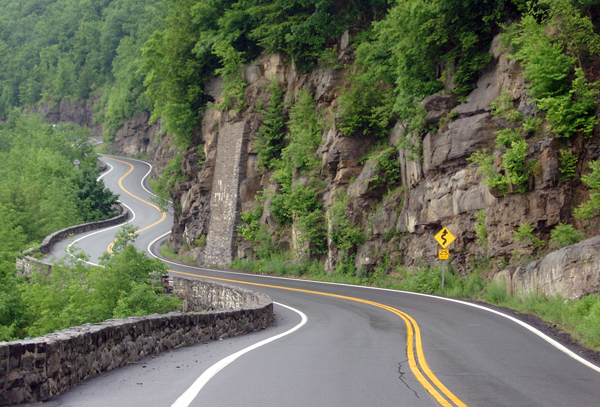
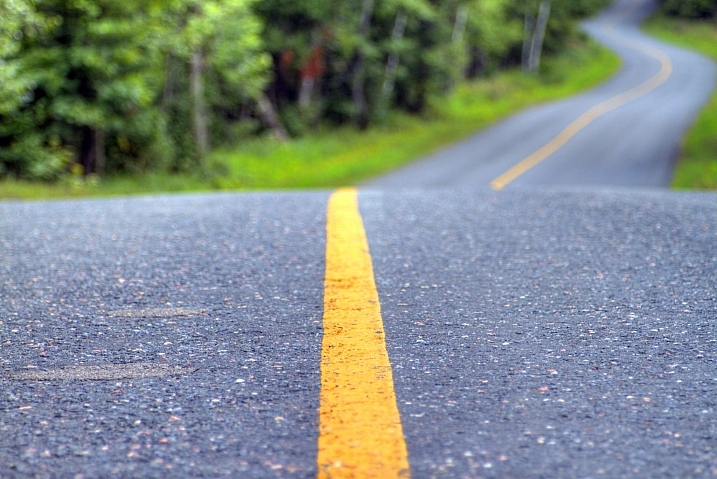
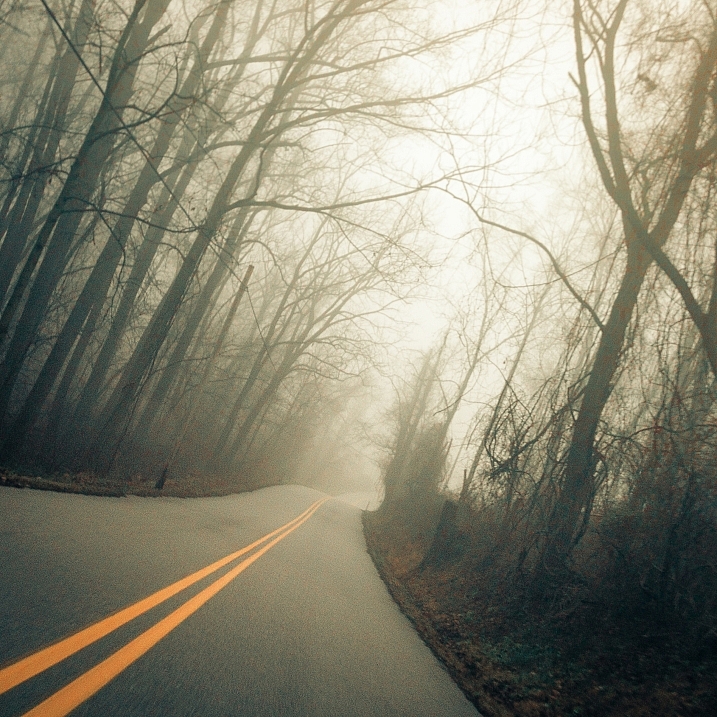
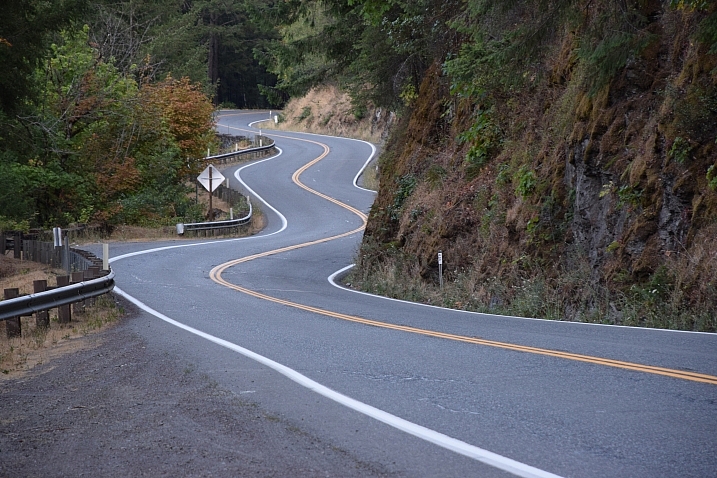
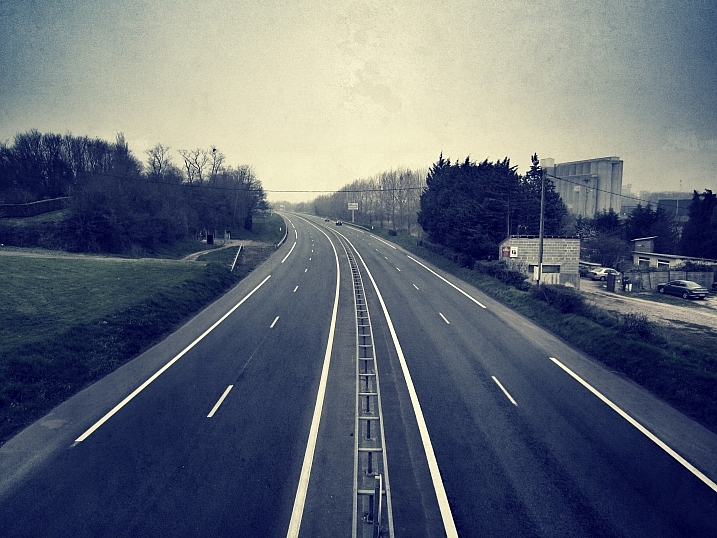
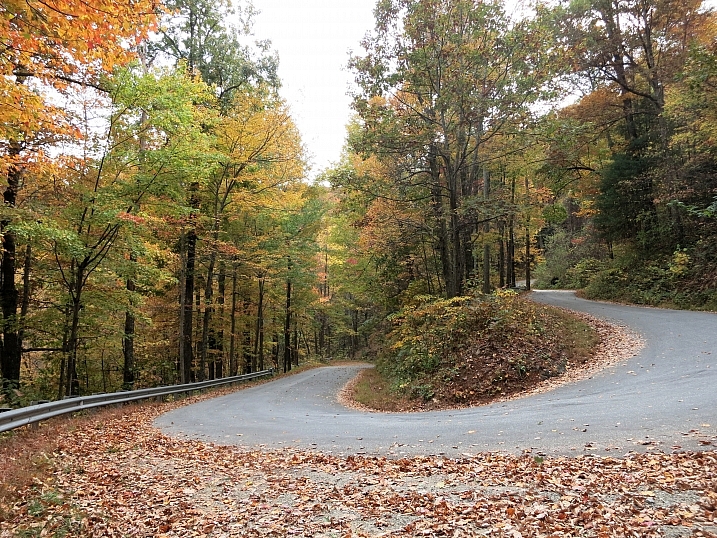
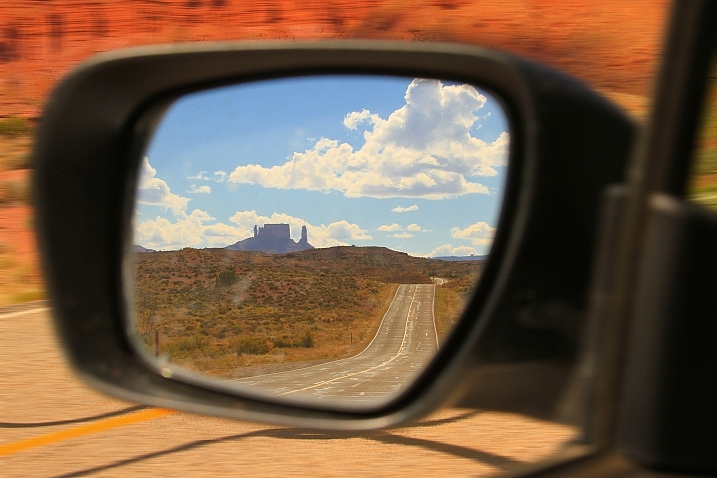
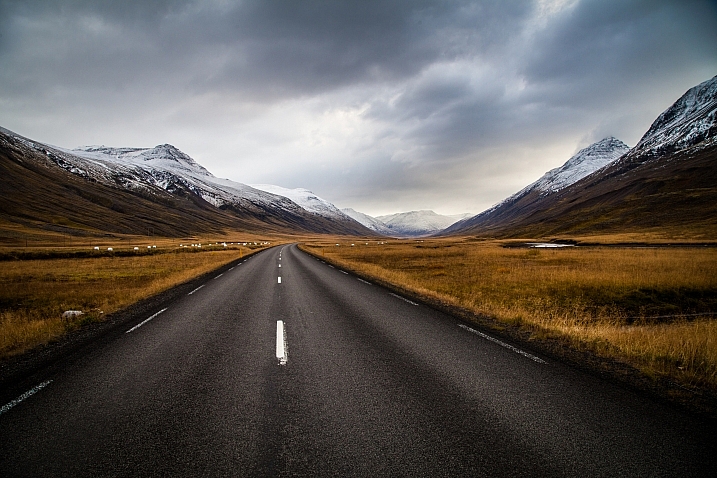
Using lines and in particular, leading lines, in photography is a popular method of composition to create more interesting and dynamic images.

Roads, pathways, and trails can give you a great opportunity to photograph such leading lines. Let’s look at these images of long and winding roads and see where they lead us:

Thomas Hawk

By Thomas Hawk

Carl Jones

By Carl Jones

Ozzy Delaney

By Ozzy Delaney

Joshuadelaughter

By joshuadelaughter

Anthony Wright

By Anthony Wright

C.C. Chapman

By C.C. Chapman

Dom Crossley

By Dom Crossley

Kylie_Jaxxon

By Kylie_Jaxxon

Terry Chapman

By Terry Chapman

Ed Suominen

By Ed Suominen

Paul Bica

By paul bica

Del Brown

By Del Brown

Cushmok

By cushmok

Diana Robinson

By Diana Robinson

Geee Kay

By Geee Kay

Jon Noel

By Jon Noel

Nrg_crisis

By nrg_crisis

David Menidrey

By David Menidrey

Todd Martin

By Todd Martin

UnShuttered Soul~ Good To Be Busy!

By UnShuttered Soul~ Good to be busy!

Andrés Nieto Porras

By Andrés Nieto Porras

googletag.cmd.push(function() {
tablet_slots.push( googletag.defineSlot( “/1005424/_dPSv4_tab-all-article-bottom_(300×250)”, [300, 250], “pb-ad-78623” ).addService( googletag.pubads() ) ); } );

googletag.cmd.push(function() {
mobile_slots.push( googletag.defineSlot( “/1005424/_dPSv4_mob-all-article-bottom_(300×250)”, [300, 250], “pb-ad-78158” ).addService( googletag.pubads() ) ); } );

The post 21 Enjoyable Images of Long and Winding Roads by Darlene Hildebrandt appeared first on Digital Photography School.


Digital Photography School

 
Comments Off on 21 Enjoyable Images of Long and Winding Roads

Posted in Photography


Getty Images sued again, this time by Zuma Press

05 Aug

Getty Images has been sued again, this time by independent press agency Zuma Press over the alleged copyright infringement of 47,048 of its sports images. According to the lawsuit, Getty Images copied the aforementioned photos in April 2016 and made them available on its own website for both selling and licensing purposes without permission. The legal claim further states that Getty ‘altered/removed Zuma’s credit and replaced it with its own credit.’

The lawsuit, which was filed August 1 in the US District Court of the Southern District of New York, claims that, ‘Getty has been carelessly and recklessly acquiring content, not doing due diligence and not taking adequate measures to prevent infringement as well as falsifying/removing proper copyright management information… Getty has shown that it cannot and will not reform on its own accord.’

The lawsuit is seeking damages plus profits or, alternatively, statutory damages that can range from $ 2,500 to $ 25,000 per infringed photograph.

This is the second copyright infringement lawsuit filed against Getty Images in recent days. On July 25, photographer Carol M. Highsmith filed a suit against Getty for $ 1 billion over its alleged infringement of her photographers. In response, Getty said the lawsuit was based on ‘misconceptions.’

Via: Ars Technica

Articles: Digital Photography Review (dpreview.com)

 
Comments Off on Getty Images sued again, this time by Zuma Press

Posted in Uncategorized


How to Look at Other Photographers’ Images to Improve Your Work

04 Aug

When you’re starting out in photography, it’s quite easy to become obsessed with getting critique and feedback on own work to help you improve. Your peers may suggest a different crop, highlight issues with composition, and help you along your journey with camera settings and post-production techniques. Receiving feedback from your peers also provides a fantastic forum for you yourself to ask questions about specific items that have been brought up in discussion, and clear up any little issues that you may have.

While these are always very helpful methods of improving your photography, they are not the only ways. Another method is to simply look at others photographers’ work and ask yourself questions about it. You can even share websites of other photographers on social media, where you and many of your peers can have fantastic discussions about the work. Here are some tips for learning by reviewing other photographers’ work.

Fig.4

Discussion Points

Some great topics to discuss may be:

How do you think the photograph was made?

For help on this read: 4 Steps on How to Read Images and Learn to Replicate the Results

We all like to discuss camera settings and possible post-production techniques, so this is an important question to ask. Reverse-engineering an image will help you understand how the photograph was made, and give you a better insight. It will help you replicate a particular technique for you to try on your own.

Fig.2

What compositional techniques have been used?

How has the photographer composed the image? Have they used the Rule of Thirds (or as I like to call it, the Guide of Thirds!) or is the subject in the centre of the frame? How has the composition and placement of the subject helped the photograph? From what vantage point have they photographed the subject – straight on, from up above looking down, or down low looking up? How does this vantage point influence the impact of the subject (looking down on someone makes them look more vulnerable, for example).

Fig.6

How does the photo make you feel?

What emotions does the image evoke in you, and why does it make you feel that way? For example, if the image has a blue colour-cast, this could make you feel cold. Or does the image have a lot of vibrant, warm colours which can make you feel warm and happy? How does the composition techniques employed affect how you feel?

For this, if the image has been photographed from above looking down, the viewer will feel more powerful where the subject will look more vulnerable – it is the opposite if the photograph has been taken from down low looking up.
Is the image confronting? Knowing how you feel about and image and why, are very important for you to be able to achieve the same result in your own work.

Fig.1

What elements have been included in the frame?

Has the photographer kept the frame clear of any distractions and gone for a minimalist look, or have they included extra elements in the frame? How do these elements work together with the subject; do they complement it, or do they clutter the frame and distract from the subject?

What is the light like?

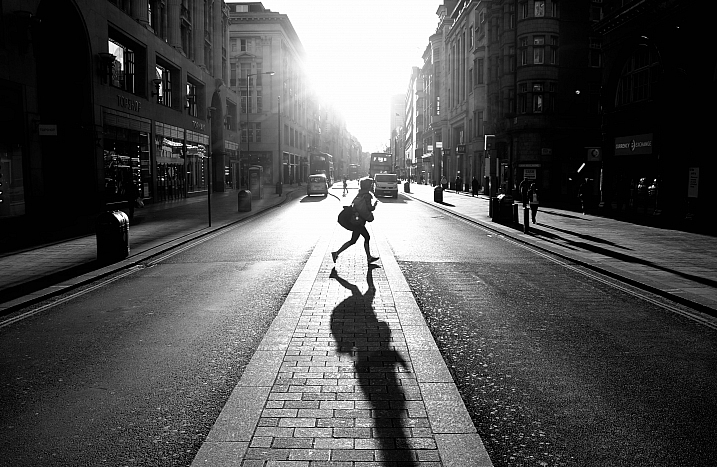
Discussing the light will help you see light better in your own work. Is the light hard or soft? To answer this, look for the shadows; the more defined a shadow is the harder the light (sunny day versus overcast day). How much light is there, and in what direction is it coming from? The direction of the light will influence the shape and form of a subject, as well as its colour. For example, if an object is backlit, this can create a silhouette.

Fig.3

Places to Look for Images

Now that you have a list of discussion topics, it’s time to look around for some images to discuss! The internet is full of fantastic websites where you can view the work of other photographers. Websites such as 500px.com, 1x.com and Flickr all have some fantastic images, that span a wide range of genres.

Here is a list of some websites, and photographers, that I often look at: (this list is by no means exhaustive!)

  • Getty Images: fantastic collection of sport, editorial, and entertainment images photographed by some of the world’s best photographers.
  • Time Lightbox: nice collection of images and projects from Time Magazine. The content often changes, so it’s always a good idea to check often.
  • Instagram: I’m not going to give you a list of accounts to follow, but Instagram as some fantastic photographers on it sharing some amazing work. Follow dPS on Instagram here.
  • Adam Pretty: an Australian sports photographer.
  • Trent Parke: an Australian documentary photographer. His style is something that I often like to incorporate in to my own work. He is also a member of Magnum Photos.
  • Clive Brunskill: a UK based sport and commercial photographer and someone I have been luck enough to work with.
  • James Nachtwey: the world’s best documentary and war photographer. He has taken some amazing images across his almost 30-year career!
  • Vladimir Rys: European sports photographer. I really like his style of photographing through objects.
  • Rob Cianflone: Australian based photographer with Getty Images.
  • Quinn Rooney: Australian based photographer with Getty Images.
  • Al Bello: Getty Images Chief Sports Photographer – North America.

Editor’s note: you can also come join the new Digital Photography School Facebook group where we encourage lots of images sharing and commenting. 

Fig.5

Over to You

While feedback on your own work is important, in many ways looking at other photographers’ work will help you more. These are just a few suggestions on what you can discuss about an image, and where to look for images, and they are by no stretch of the imagination exhaustive!

Do you have a favourite place to look at images? It would be great to hear about them in the comments below.

googletag.cmd.push(function() {
tablet_slots.push( googletag.defineSlot( “/1005424/_dPSv4_tab-all-article-bottom_(300×250)”, [300, 250], “pb-ad-78623” ).addService( googletag.pubads() ) ); } );

googletag.cmd.push(function() {
mobile_slots.push( googletag.defineSlot( “/1005424/_dPSv4_mob-all-article-bottom_(300×250)”, [300, 250], “pb-ad-78158” ).addService( googletag.pubads() ) ); } );

The post How to Look at Other Photographers’ Images to Improve Your Work by Daniel Smith appeared first on Digital Photography School.


Digital Photography School

 
Comments Off on How to Look at Other Photographers’ Images to Improve Your Work

Posted in Photography


How to Use Adobe Camera Raw and Photoshop to Make Your Landscape Images Pop

02 Aug

Photoshop is a wonderful tool if it is used correctly. Yes, there is a way to use it right. The basic idea is that if someone can see the adjustments you have made to your image, that’s not so good.

Think of Photoshop as your own personal darkroom. During the film era, some photographers had black and white darkrooms in their homes. That way, they could control the complete process of making the image. Very few had colour darkrooms, as that was far more complicated and costly. Nowadays, we have a fully functional colour darkroom loaded onto our computers (even our iPads), it’s called Photoshop or Lightroom (which is not named that by mistake, it is the opposite of darkroom). If you have Photoshop or Lightroom, you have a very powerful tool with which to edit your images.
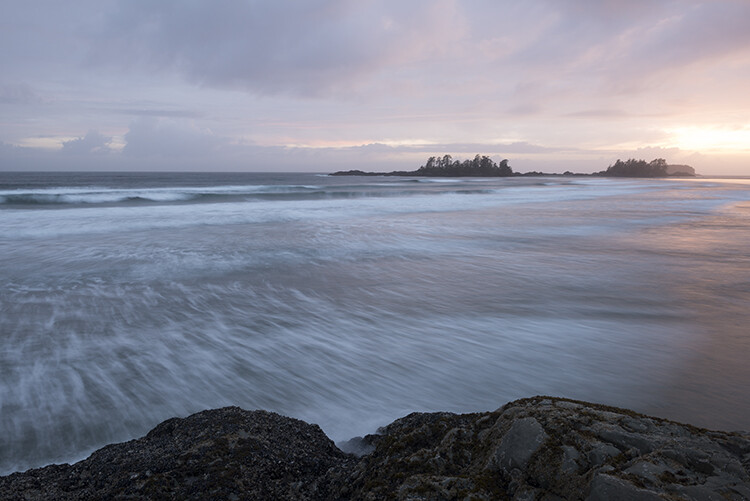
Before
Before

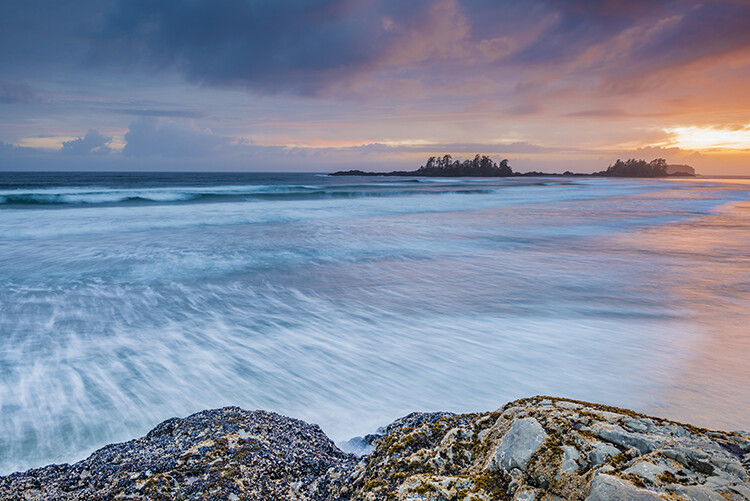
After

After

Making your images POP!

What does it mean to make your images pop? It can mean a number of things, but mostly it means to have more colour, contrast, and look more dramatic. As always, it implies that you have a good image to start with. Trying to make an average image pop, is not what this is about. Make sure you start off with a good image out of camera, then go through these steps in order.

Shoot in RAW

Shooting in RAW is a good start. I know, you may not want to shoot in RAW because the file sizes are so big, or you don’t really see the benefits, but RAW really does make a difference. Firstly, you are working with a full uncompressed file of data. A JPEG image has already had adjustments make in camera to compress it to that file size. Some information has already been discarded, which means you are working with less image information, which in turn means you have less flexibility in the editing process. Of course, RAW is only useful if you are going to spend time editing your images in Photoshop or Lightroom.

Let’s assume that you are going to edit and you have shot in RAW, open your image up in Photoshop and you will see the Adobe Camera Raw (ACR) Editor open. The ACR editor is a really powerful tool. The latest updates have made the ACR editor in Photoshop almost a separate image editing tool, it’s that powerful. As it opens, you will see a selection of tools on the right hand side, mostly sliders such as: White Balance, Tint, Exposure, Contrast, Highlights, Shadows, Whites, Blacks, Clarity, Vibrance and Saturation.

Camera Raw Editor in Photoshop CC

The camera raw editor has some very powerful adjustment tools. The next few steps will be done mostly in the RAW editor, then the image will be opened in Photoshop, and edited further. Many of these edits are very similar in the Lightroom Develop module, so you can make these same adjustments there as well.
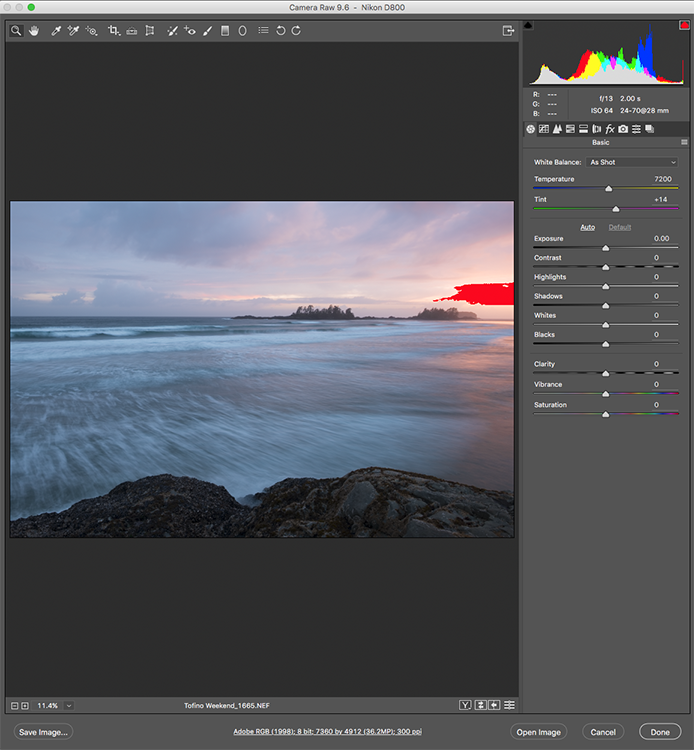
The Camera Raw Editor in Adobe Photoshop CC
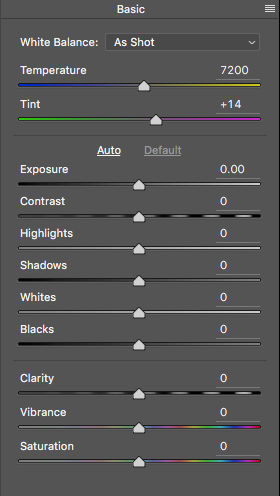
Close up of the basic RAW editor sliders

Making adjustments in the RAW editor

  • Temperature – Start off by taking a look at the colour in your scene. You can adjust the temperature to make the colour of the scene warmer (slide towards yellow) or cooler (slide towards blue). This can be used to correct a colour cast, or to add some drama to your image. In this scene, I chose to move toward the warmer side.
  • Exposure – Take a look at your exposure, the image might be a little dark, or maybe a little bright. Slide the exposure slider to adjust this.
  • Contrast – Adjust the contrast to make sure that the dark areas of the image are dark enough, but don’t lose details here.
  • Highlights – In this image, the red indicator in the highlights shows me where there is very little detail. To compensate for this, slide the highlights slider to the left. If your highlights are underexposed, slide this slider to the right, but be sure not to overexpose your highlights.
  • Shadows – The shadows slider can help you bring back details in the shadows or darken them a little. Be careful not to overdo this slider as your shadows may look noisy (or your image can take on an “HDR” look) if you push this too hard.
  • Whites – This slider adjusts any pixels in the image that are white or partially highlighted.
  • Blacks – This slider will adjust any pixels that are black.
  • Clarity – The clarity slider adjusts contrasts in the midtones. This can really add some structure to your image, but be careful not to overdo it.
  • Vibrance – This slider will adjust any pixels that are not saturated. This is a good place to start to add some subtle pop to your scene.
  • Saturation – This slider will adjust all pixels by saturating or desaturating them.
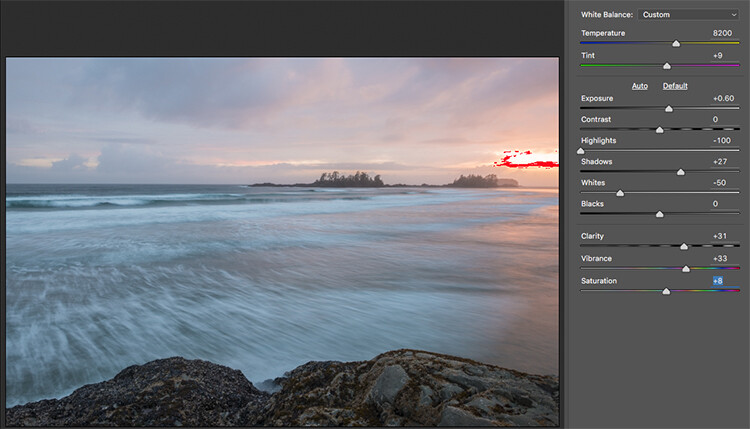
Basic adjustments in Camera RAW

HSL adjustments tab

This tab has three different tools under it, namely: Hue, Saturation, and Luminance (HSL). These adjustments will make changes based on the colour channels in your image. For example, if you click on the saturation tab, you can make the reds in your image more or less saturated, the same is true for the oranges and all the way through the colour channels. You can also make certain colours brighter, by using the luminance tab. In this image, I wanted to saturate the reds, yellows, and oranges, as well as some of the blues.
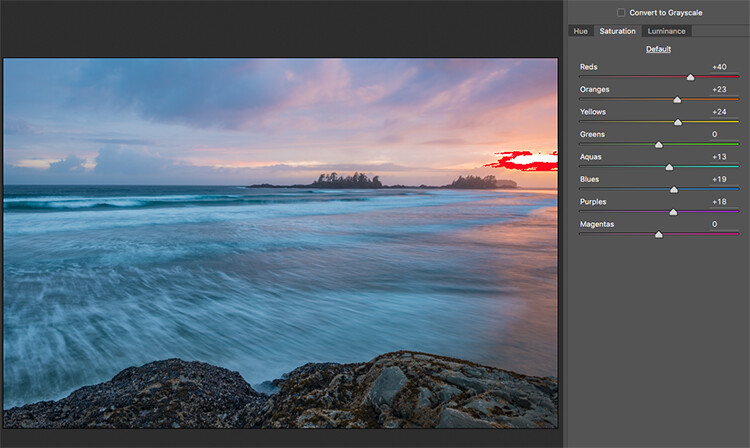
HSL tab adjustments

Graduated Filter in Camera Raw

Much like using one on your camera in the field, you can add a graduated filter in Camera Raw. The beauty about doing this in Photoshop is that you can make some very fine tuned adjustments to your image, depending on how you position the Graduated Filter tool.

Click on the Graduated Filter icon at the top of the screen, and the you will see a whole new dialogue box with very similar functions to the basic Camera Raw Module. The difference here is that you will click and drag the filter down on your image to select the sky. You can also click and drag up from the bottom to select the foreground. I will do both (theGraduated Filter applies to the image from the edge inward).

Starting at the top, I click and drag the filter to just over midway through my image. That limits the effect to the top half. This filter is graduated, so the effect will be properly blended, and you won’t see a hard line where the filter ends (the more you drag it the wider the blend area, you can also adjust that after). I make some adjustments and you can see the difference they made to the sky. Once you are finished with one filter, click on New (at the top of the adjustment box) and repeat the process, but drag up from the bottom this time to make adjustments to the foreground. Once you have made the final adjustments, you can click open image at the bottom of the Camera Raw box to open your image into Photoshop.

Graduated Filter icon highlighted

One key adjustment that needs to mentioned here is the Dehaze tool. The Dehaze tool does exactly what it says, it removes haze and creates better contrast. Use it carefully, it is easy to go too far with it, and your image may suffer as a result. It is a really useful tool for landscapes and seascapes, as there is often some haze in the images, as there was in mine. Using it lightly has removed the haze and made the image better overall.

You will notice it is part of the Graduated Filter tool, and there is also a Dehaze function in the effects tab of the Camera Raw Editor. It is up to you when you use it, but be aware that if you use it without a selection, it will apply the effect universally to your entire image. Using it here in the Graduated Filter tool means you can have better control over how it affects your image.
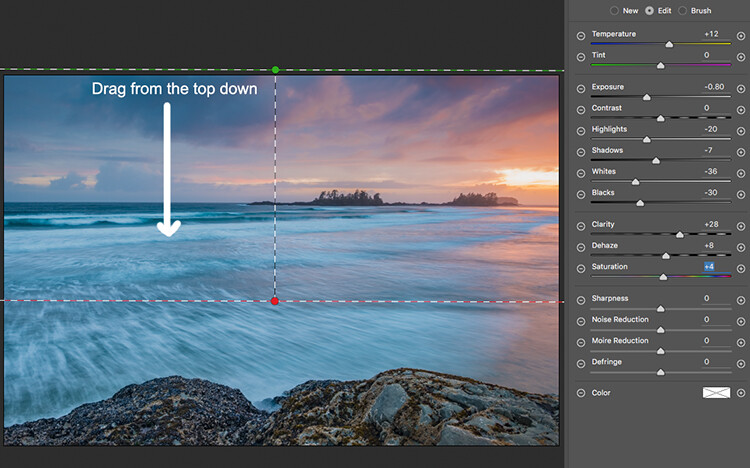
Click and drag the Graduated Filter from the top down to select the sky. Then select with adjustments you want to apply.
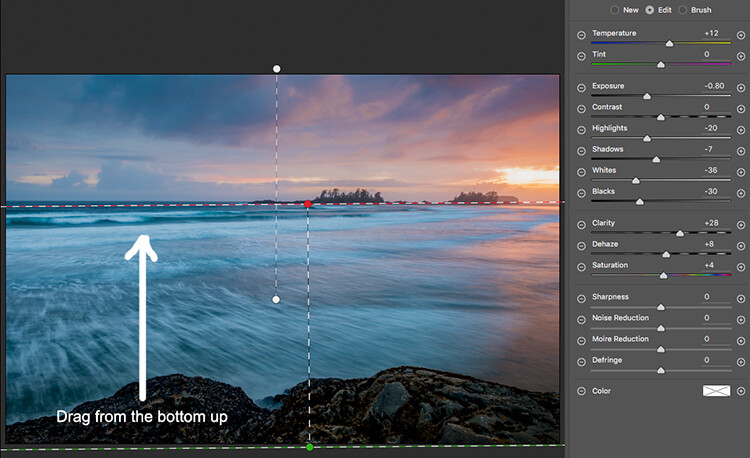
Selecting the foreground by dragging from the bottom up.

Open your image in Photoshop

After you have made your adjustments in Camera Raw, the final touches can be applied in Adobe Photoshop. Once again, the sky and the foreground in this image are going to look different, and will need different adjustments.

To make a softer selection of the sky, click on the quick mask tool at the bottom of the left hand side toolbar in Photoshop. You can then use a soft brush to paint in a selection of the sky as a mask. Once you are happy with the selection (see red mask) click on the quick mask tool again to activate that selection. There is one tricky thing to note about the quick mask tool, the mask means that you are selecting everything that is NOT red. So, when you click on the quick mask tool, you will see the marching ants around the bottom portion of the image and not the red area. This is good, because you can toggle between the two areas very easily and make adjustments to each selection.

First of all, make the necessary adjustments to the foreground using Levels. In this image, I wanted to make the foreground a bit brighter, so I popped up the highlights a little. From there I selected the inverse (i.e. the sky). You can do this by holding down CMD>SHIFT>I together. This will toggle your selection from the foreground to the background.
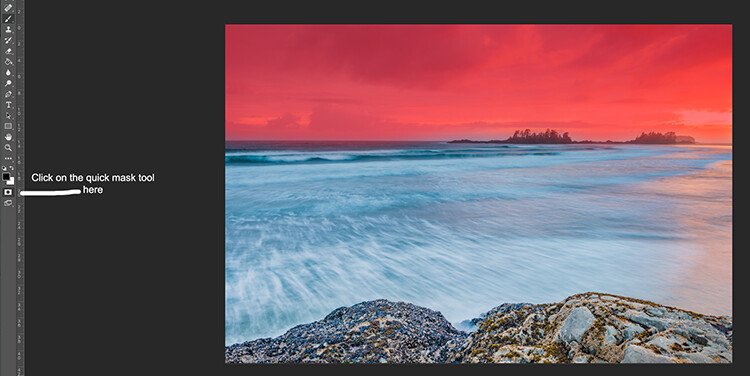
Red indicates the area that will be masked
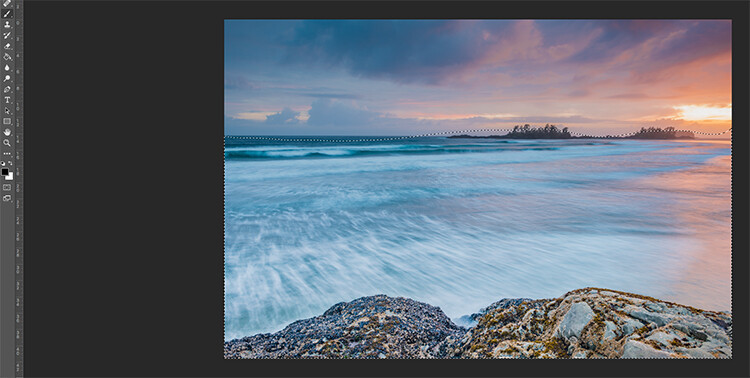
Screen Shot 2016-07-05 at 3.28.52 PM

The marching ants show where the current selection is in the foreground.
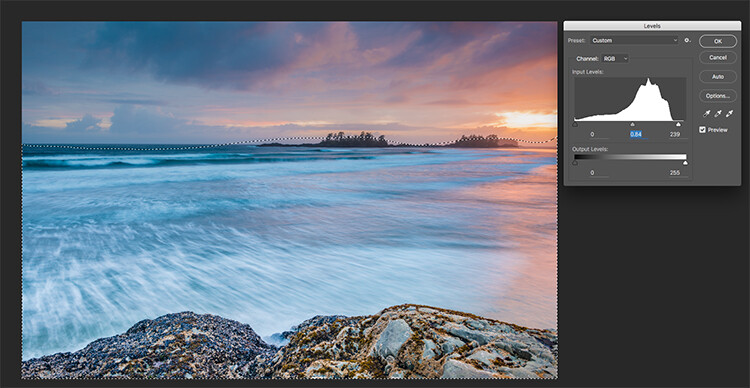
Screen Shot 2016-07-05 at 3.29.56 PM

Making levels adjustments to the foreground
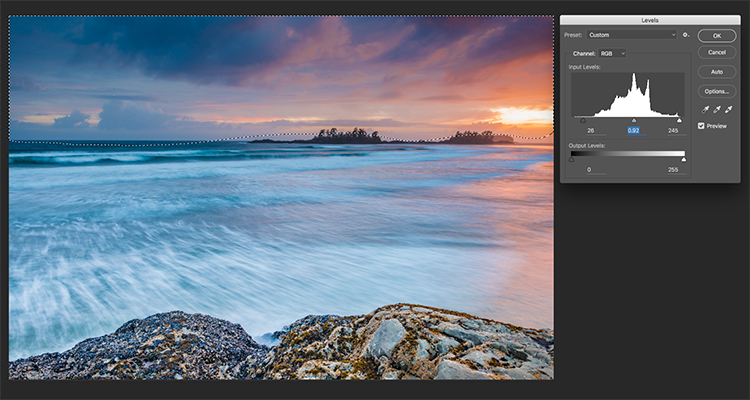
Screen Shot 2016-07-05 at 3.30.24 PM

CMD>SHIFT>I will toggle the selection, here the sky is being selected and levels is being used to adjust the sky

Use Hue and Saturation to make final colour adjustments

You can use the toggle function (CMD>SHIFT>I) to select the sky and foreground interchangeably. Once you have your selection, choose a tool to make adjustments, and the changes will only be made to the area that is selected. In this example I have used the Hue and Saturation function to make further enhancements to the image. I am again making adjustments by each channel. This gives me great control over what colour ranges need to be saturated, and perhaps desaturate others that are a little over done. Go through each channel and make the necessary adjustments.
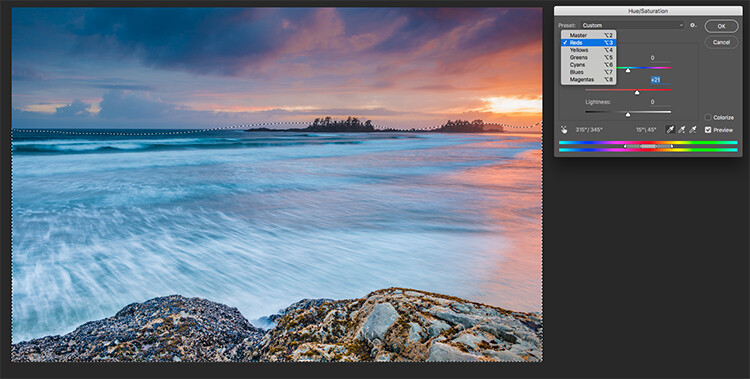
Screen Shot 2016-07-05 at 3.30.53 PM

Use Hue and Saturation to make final colour adjustments

Once you are done, you can then sharpen your image as you see fit and save it to be printed. The steps outlined above will help you make any image look better. If done correctly, your images will have the pop and drama that you are looking for.

Give it a try, once you know the process, these adjustments can be done really quickly.

After

Final image

Please share your images and thoughts on the comments section below.

googletag.cmd.push(function() {
tablet_slots.push( googletag.defineSlot( “/1005424/_dPSv4_tab-all-article-bottom_(300×250)”, [300, 250], “pb-ad-78623” ).addService( googletag.pubads() ) ); } );

googletag.cmd.push(function() {
mobile_slots.push( googletag.defineSlot( “/1005424/_dPSv4_mob-all-article-bottom_(300×250)”, [300, 250], “pb-ad-78158” ).addService( googletag.pubads() ) ); } );

The post How to Use Adobe Camera Raw and Photoshop to Make Your Landscape Images Pop by Barry J Brady appeared first on Digital Photography School.


Digital Photography School
 
Comments Off on How to Use Adobe Camera Raw and Photoshop to Make Your Landscape Images Pop

Posted in Photography


Getty Images says $1 billion lawsuit is based on ‘misconceptions’

02 Aug

On July 25, photographer Carol M. Highsmith filed a lawsuit against Getty Images seeking $ 1 billion in damages over the company’s alleged infringement of her photo copyrights. The lawsuit names both Getty Images and distributor Alamy, claiming both have been charging licensing fees for the use of photos she provided to the Library of Congress for public use. The suit also names LCS, which it claims is owned by or operated under common control with Getty. In a response to the lawsuit, Getty said, ‘We believe it is based on a number of misconceptions.’

In its statement, Getty Images distances itself from the copyright infringement claim, stating that LCS was acting on behalf of Alamy.

The content in question has been part of the public domain for many years. It is standard practice for image libraries to distribute and provide access to public domain content, and it is important to note that distributing and providing access to public domain content is different to asserting copyright ownership of it.

LCS works on behalf of content creators and distributors to protect them against the unauthorized use of their work. In this instance, LCS pursued an infringement on behalf of its customer, Alamy. Any enquiries regarding that matter should be directed to Alamy; however, as soon as the plaintiff contacted LCS, LCS acted swiftly to cease its pursuit with respect to the image provided by Alamy and notified Alamy it would not pursue this content.

The company also said that, assuming it can’t ‘rectify’ the situation with Highsmith, ‘we will defend ourselves vigorously.’

Via: Getty Images

Articles: Digital Photography Review (dpreview.com)

 
Comments Off on Getty Images says $1 billion lawsuit is based on ‘misconceptions’

Posted in Uncategorized


New technology alters perspective in selfies, generates 3D images, and more

31 Jul

A team of researchers from Princeton University and Adobe Research have detailed a new project in which they use a 3D computer model of a head and a virtual ‘full perspective’ camera to manipulate the perspective of a single portrait. The manipulations simulate various shooting distances and the warps typically seen at those depths, potentially allowing software adjustments that create selfies with corrected perspective distortion.

A demo system (currently in beta) on lead researcher Ohad Fried’s website allows you to upload your own images to explore the technology.

The front-facing lenses found in smartphones cameras are often wide-angle, fixed focal length, to make them as flexible as possible, but the close-up nature of selfies tends to show distortions such as large noses or sloping foreheads. Interestingly, these distortions can change how the individuals are perceived; the subjects in portraits taken at close distances are often described in ways that include ‘approachable’ and ‘peaceful’ while subjects in portraits taken at longer distances are more often described as ‘smart,’ ‘strong,’ and ‘attractive.’

While it might be beneficial to take selfies at longer distances and longer focal lengths to eliminate the distortion, there is no practical way to do so with present phone technology. This newly developed technology could change that, however, with the researchers explaining: ‘our framework allows one to simulate a distant camera when the original shot was a selfie, and vice versa, in order to achieve various artistic goals.’

The researchers based their method on existing approaches to manipulating images, including the type of technology used in face-swapping apps. The key difference was using a ‘full perspective’ virtual camera model rather than a more simplistic, ‘weak perspective’ model, enabling them to compensate for the wider range of perspective adjustments needed for portraits taken at very close distances. This new method is able to estimate the camera distance and edit the perceived camera distance. Its modeling of depth also allows slight changes in the position of the virtual camera, allowing the photos to be slightly ‘re-posed’.

The technology promises than just correcting selfie perspective. The ability to slightly correct perspective and map facial features to a 3D model allows the creation of stereo pairs of images (3D anaglyphs) from a single image, or could make it possible to animate changes in facial expressions.

Articles: Digital Photography Review (dpreview.com)

 
Comments Off on New technology alters perspective in selfies, generates 3D images, and more

Posted in Uncategorized


Dazzling images from the Astronomy Photographer of the Year 2016 shortlist

30 Jul

Astronomy Photographer of the Year 2016 shortlist

Flash Point © Brad Goldpaint (USA)

The Perseid Meteor Shower shoots across the sky in the early hours of August 13, 2015, appearing to cascade from Mount Shasta in California, USA. The composite image features roughly 65 meteors captured by the photographer between 12:30am and 4:30am.

The Royal Museums Greenwich has announced the shortlist for its eighth annual Insight Astronomy Photographer of the Year competition. More than 4500 entries were received from over 80 countries; winners will be announced on September 15, with winning images going into a free exhibition at the Royal Observatory. One overall winner will walk away with £10,000, and runners-up will take home £500 each. 

Here are just a handful of the more than 130 images that made the shortlist – head to the Royal Museums Greenwich site to learn more about the competition.

Astronomy Photographer of the Year 2016 shortlist

Seven Magic Points © Rune Engebø (Norway)

The rusty red swirls of the circular, iron sculpture Seven Magic Points in Brattebergan, Norway mirror the rippling aurora above.

Astronomy Photographer of the Year 2016 shortlist

Frozen Giant © Nicholas Roemmelt (Germany)

The celestial curve of the Milky Way joins with the light of a stargazer’s headlamp to form a monumental arch over the Cimon della Pella in the heart of the Dolomites mountain range in northeastern Italy.

Astronomy Photographer of the Year 2016 shortlist

M8: Lagoon Nebula © Ivan Eder (Hungary)

New stars are formed in the undulating clouds of M8, also commonly referred to as the Lagoon Nebula, situated some 5,000 light years from our planet.

Astronomy Photographer of the Year 2016 shortlist

Parallel Mountains © Sean Goebel (USA)

The shadow of Manua Kea, the highest peak in the state of Hawaii, is projected by the rising sun over the volcano, Hualalai, whilst the Full Moon soars above them, higher again.

Astronomy Photographer of the Year 2016 shortlist

Northern Lights over Jokulsarlon, Iceland © Giles Rocholl (UK)

A couple takes in the awe-inspiring sight of the Northern Lights streaking across the night sky over the lagoon at Jokulsarlon, Iceland on Valentine’s night of 2016.

Astronomy Photographer of the Year 2016 shortlist

Just Missed the Bullseye © Scott Carnie-Bronca (Australia)

The International Space Station (ISS) appears to pierce a path across the radiant, concentric star trails seemingly spinning over the silhouettes of the trees in Harrogate, South Australia.

Astronomy Photographer of the Year 2016 shortlist

Painted Hills © Nicholas Roemmelt (Germany)

With very little light pollution, the glimmering stars of the Milky Way bathe the colourful layers of the Painted Hills of Oregon in a natural glow.

Astronomy Photographer of the Year 2016 shortlist

Antarctic Space Station © Richard Inman (UK)

A view of the Halley 6 Research Station situated on the Brunt Ice Shelf, Antarctica, which is believed to be the closest thing you can get to living in space without leaving Earth, making it perfect to be used for research by the European Space Agency. As the Sun’s light dissipates into the horizon, the aurora can be seen swirling overhead.

Articles: Digital Photography Review (dpreview.com)

 
Comments Off on Dazzling images from the Astronomy Photographer of the Year 2016 shortlist

Posted in Uncategorized


25 Speedy Images That May Leave You in the Dust

29 Jul

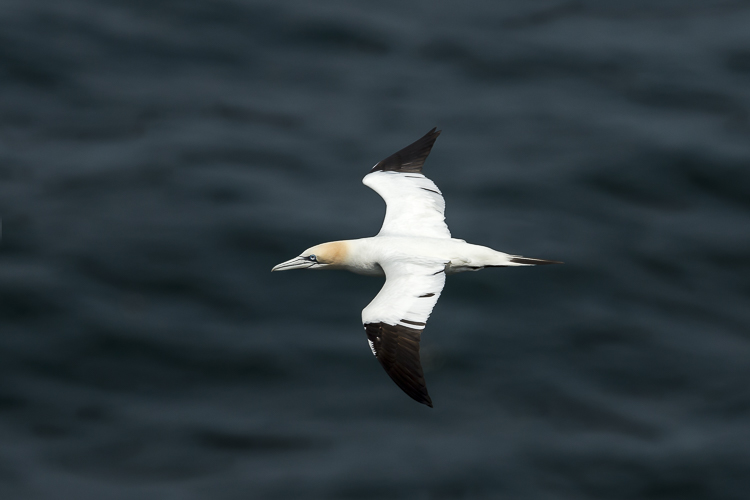
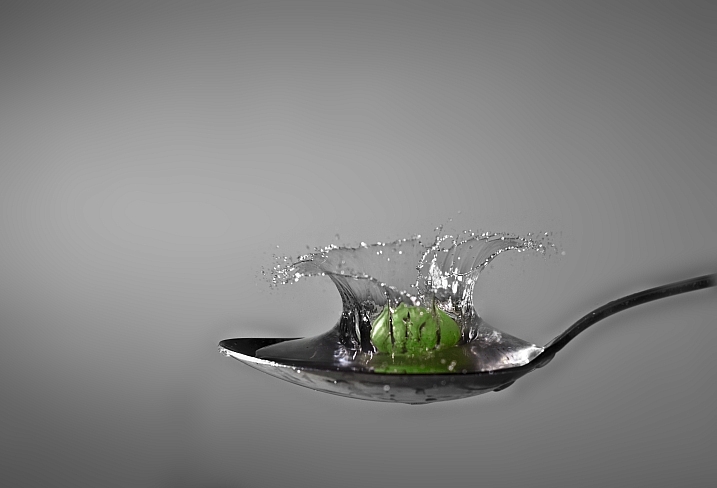
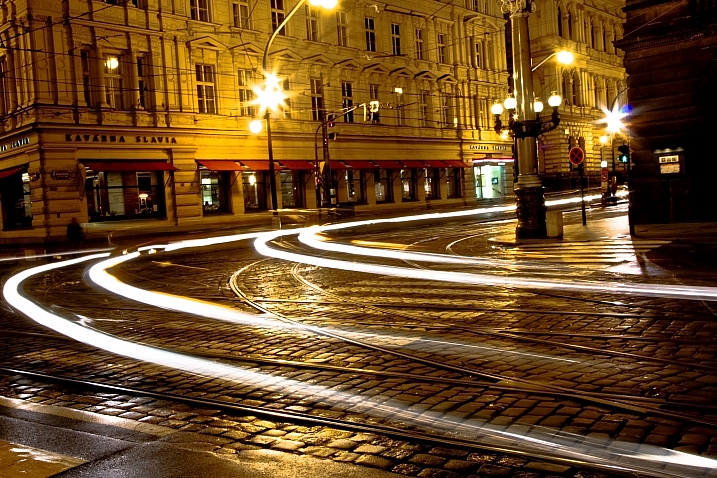
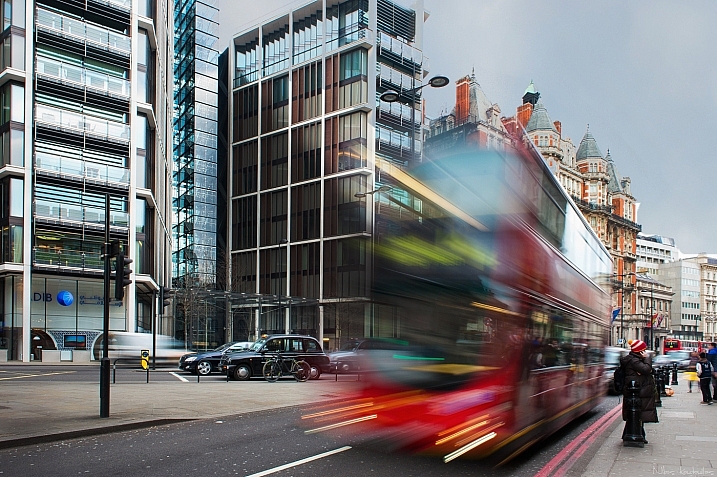
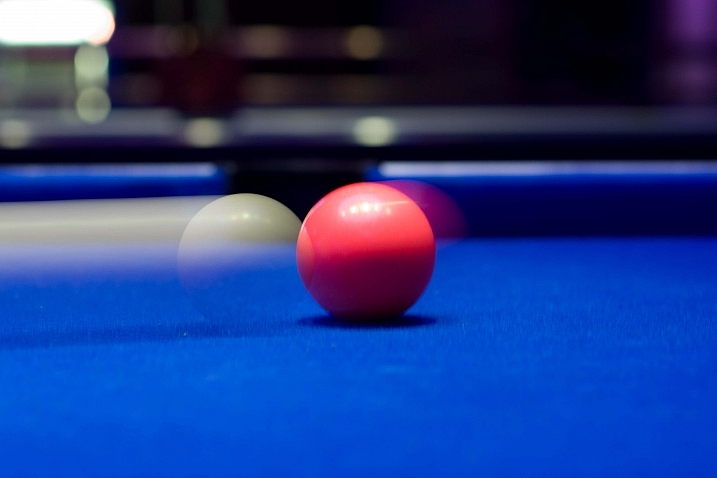
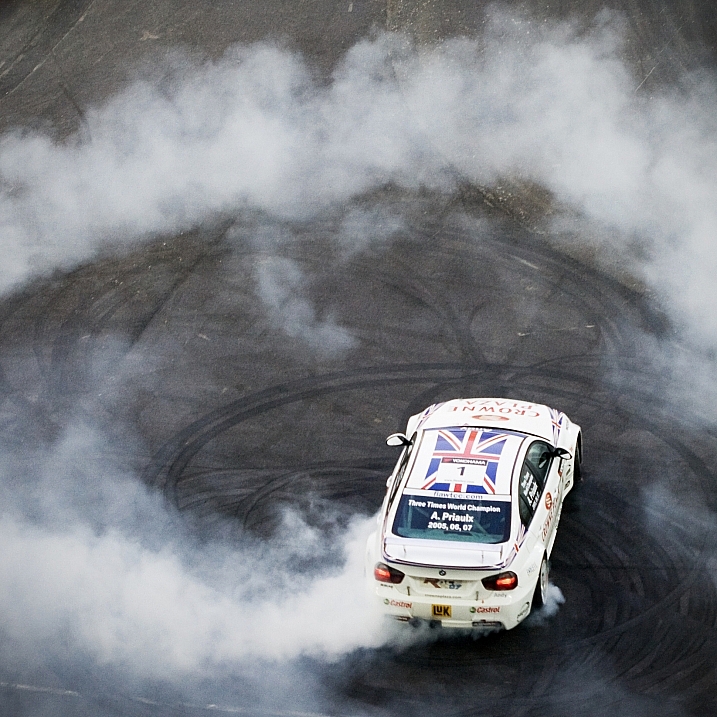
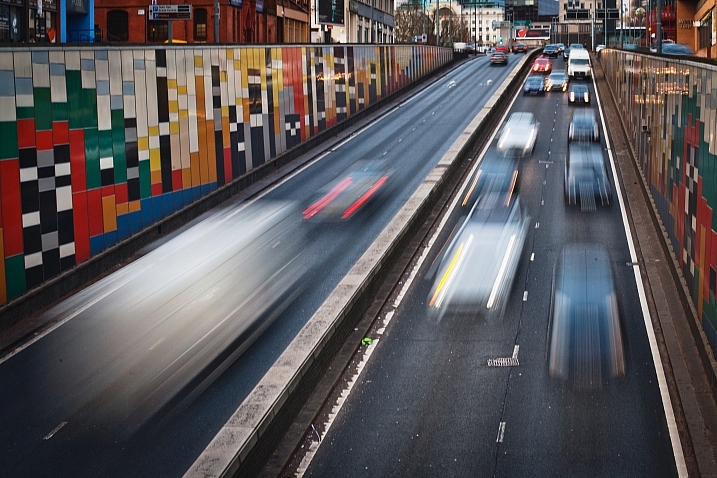
How you photograph a moving subject really depends on two things:

  1. Your intentions (to blur or freeze it)
  2. The lighting conditions (it may be low light)

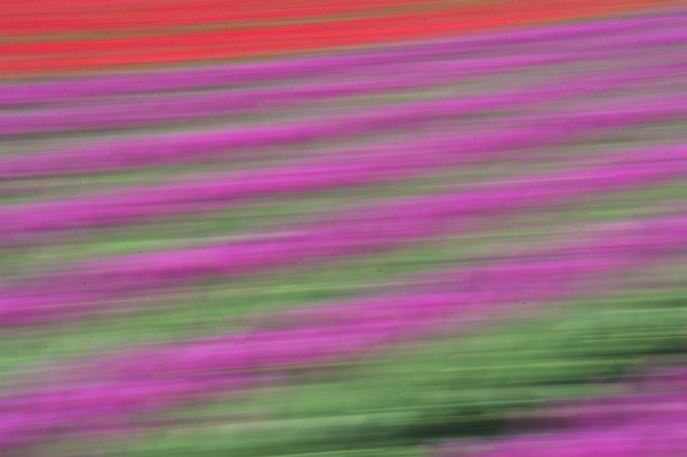
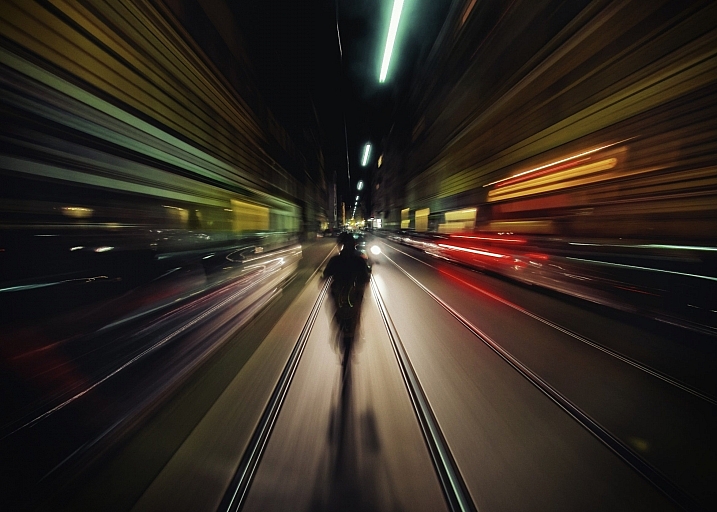
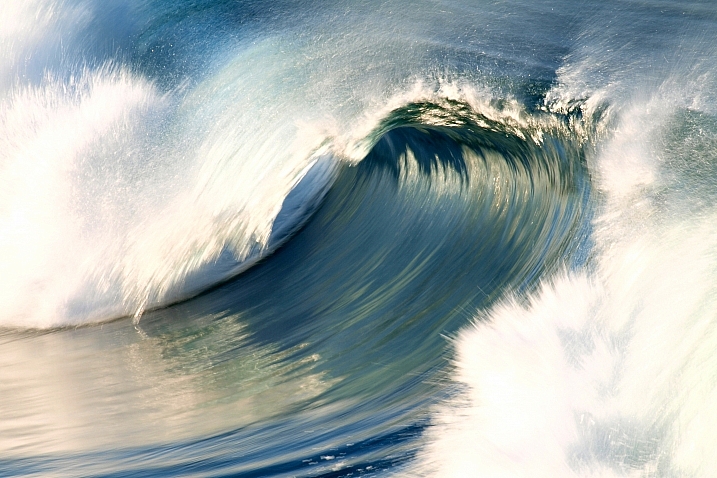
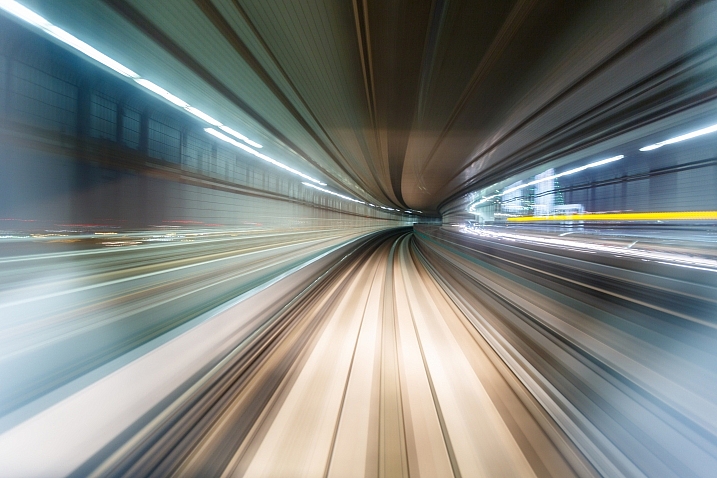
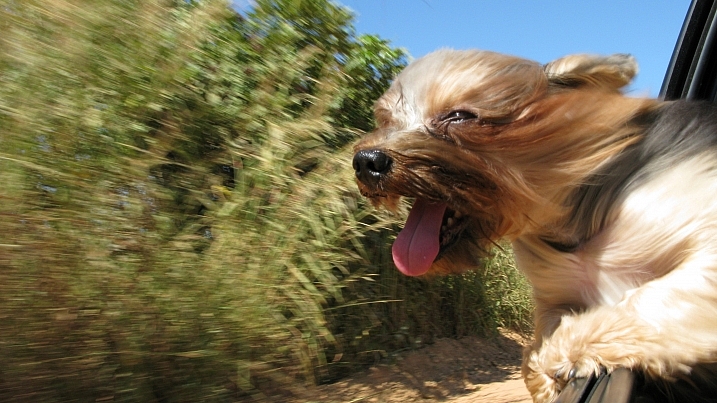
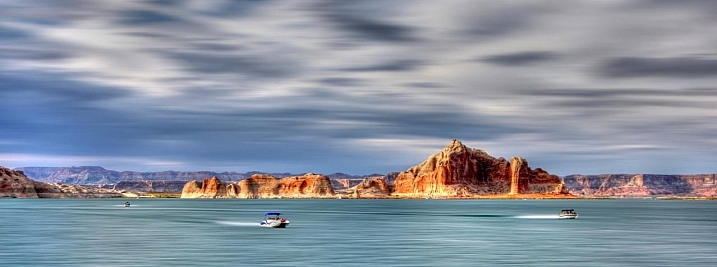
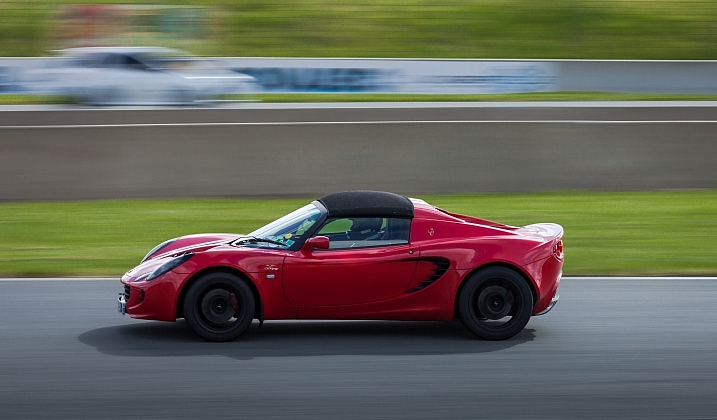
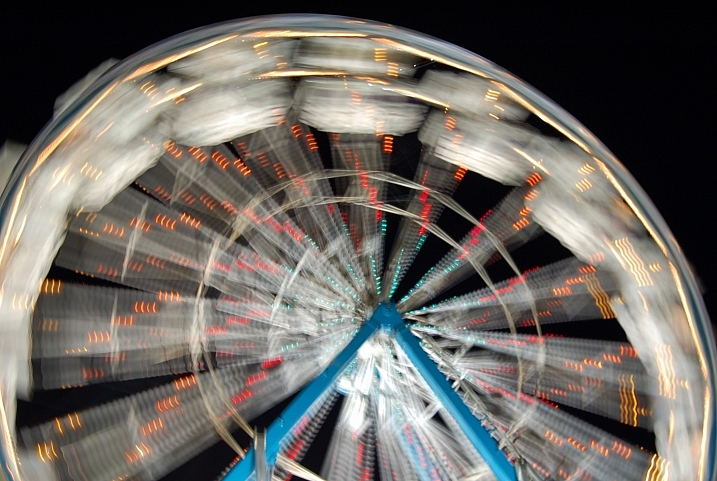
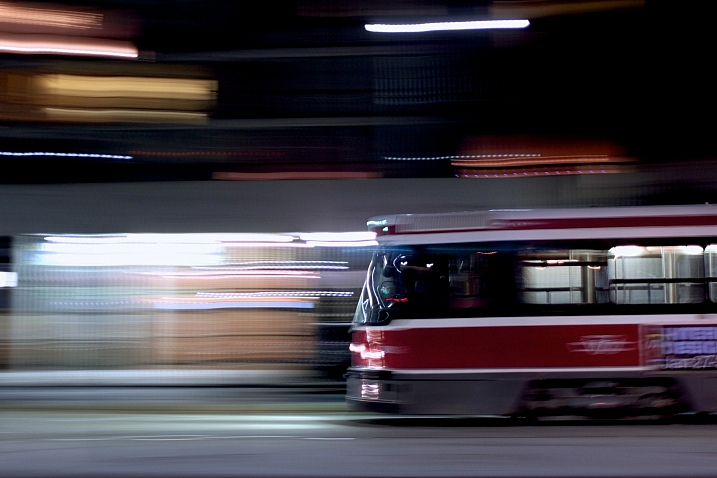
You could decide to blur the object, adding a sense of motion to your image. Or make a complete abstract.

Diana Robinson

By Diana Robinson

Manfred Majer

By manfred majer

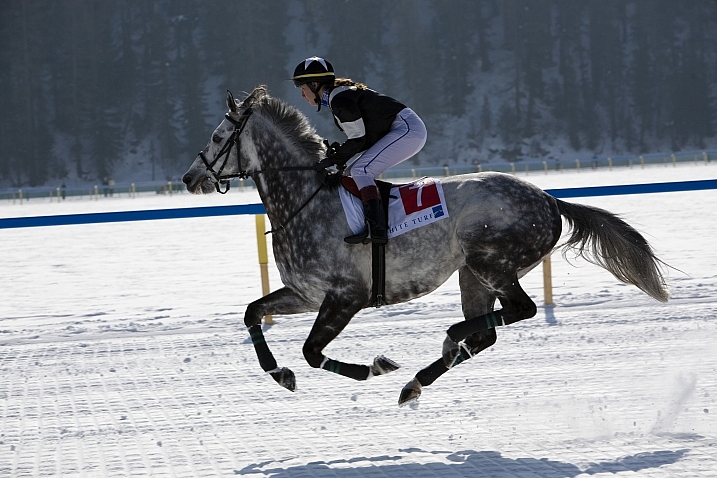
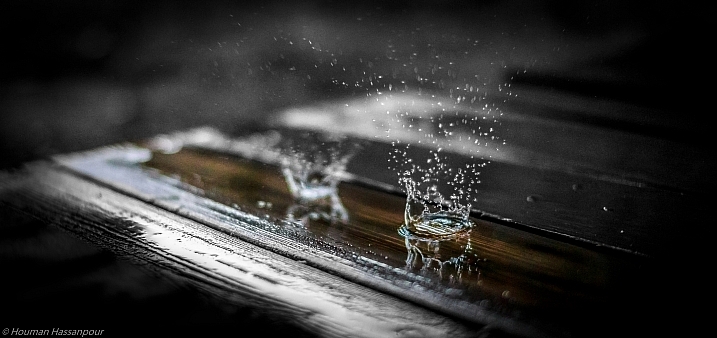
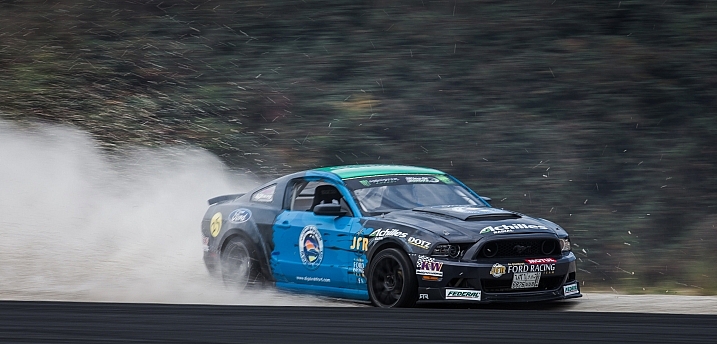
Or you could freeze motion using a fast shutter speed.

René Something Something

By René something something

Chris Chabot

By Chris Chabot

Here are 21 more images that show speed:

CLAUDIA DEA

By CLAUDIA DEA

Jasper Nance

By Jasper Nance

Marc Forrest

By Marc Forrest

Pierre Anquet

By Pierre Anquet

Elvin

By Elvin

Nikos Koutoulas

By Nikos Koutoulas

Curtis John

By Curtis John

Bryce Bradford

By Bryce Bradford

Houman_thebrave

By houman_thebrave

E01

By E01

Damianos  Chronakis

By Damianos Chronakis

Loïc Lagarde

By Loïc Lagarde

Sama093

By sama093

Lena Vasiljeva

By Lena Vasiljeva

SuperCar-RoadTrip.fr

By SuperCar-RoadTrip.fr

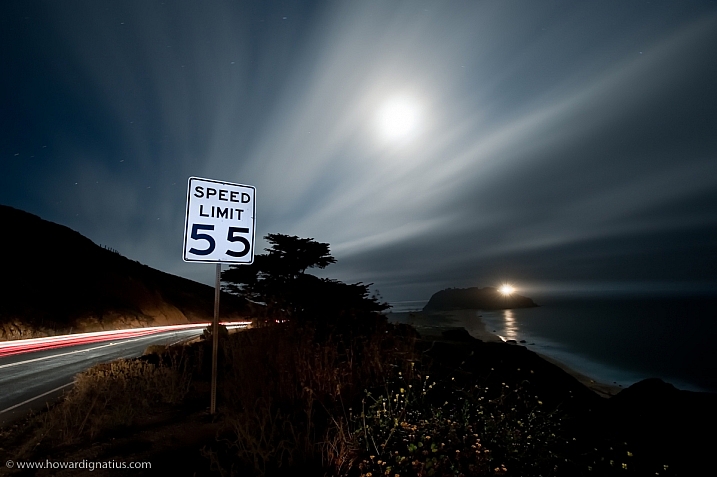
Howard Ignatius

By Howard Ignatius

Renato Carvalho

By Renato Carvalho

Photophilde

By photophilde

SuperCar-RoadTrip.fr

By SuperCar-RoadTrip.fr

Stephanie Wallace

By Stephanie Wallace

Greg Heo

By Greg Heo

googletag.cmd.push(function() {
tablet_slots.push( googletag.defineSlot( “/1005424/_dPSv4_tab-all-article-bottom_(300×250)”, [300, 250], “pb-ad-78623” ).addService( googletag.pubads() ) ); } );

googletag.cmd.push(function() {
mobile_slots.push( googletag.defineSlot( “/1005424/_dPSv4_mob-all-article-bottom_(300×250)”, [300, 250], “pb-ad-78158” ).addService( googletag.pubads() ) ); } );

The post 25 Speedy Images That May Leave You in the Dust by Darlene Hildebrandt appeared first on Digital Photography School.


Digital Photography School
 
Comments Off on 25 Speedy Images That May Leave You in the Dust

Posted in Photography


Getty Images sued for $1 billion over alleged copyright infringement

29 Jul
Photographer Carol Highsmith with her Phase One camera. Photo via The Lyda Hill Texas Collection of Photographs in Carol M. Highsmith’s America Project, Library of Congress, Prints and Photographs Division.
Photographer Carol M. Highsmith is suing Getty Images for $ 1 billion over its alleged copyright infringement of 18,755 of her photos. The lawsuit, which was filed in a New York federal court on July 25, alleges that Getty Images has been charging fees to license her images without her permission – the same images she has provided to the Library of Congress for free use by the public. In addition to distributing her images, the lawsuit alleges that Getty did not give Highsmith proper credit for her photos.

The legal claim alleges statutory damages at up to $ 468,875,000. But because of a ruling against Getty in Morel v. Getty, a previous copyright case, the damages can reportedly be tripled to deter ‘bad faith business practices’. Highsmith became aware of Getty’s alleged copyright infringement after, she says, it sent her a letter accusing her of infringing the copyright of her own photograph by posting it on her own non-profit organization’s website.

The claim states, in part, ‘The defendants have apparently misappropriated Ms. Highsmith’s generous gift to the American people. [Getty Images and subsidiaries] are not only unlawfully charging licensing fees… but are falsely and fraudulently holding themselves out as the exclusive copyright owner.” The lawsuit also claims Highsmith’s reputation has suffered a serious blow as a result of Getty’s alleged actions. 

Via: PDNPulse, Hyperallergic

Articles: Digital Photography Review (dpreview.com)

 
Comments Off on Getty Images sued for $1 billion over alleged copyright infringement

Posted in Uncategorized