RSS
 

Posts Tagged ‘Help’

Studying high-res satellite images on your lunch break can help uncover new archaeology sites

03 Feb
You gotta start somewhere – GlobalXplorer participants’ first mission is to look for pits that signal looting.

If you’ve ever dreamed of becoming an archaeologist, you might want to take a look at GlobalXplorer: a browser-based app that trains ordinary citizens to analyze high-resolution satellite imagery for signs of looting and previously unknown sites. It’s the brainchild of Dr. Sarah Parcak, a National Geographic Fellow and Space Archaeologist (really!) whose techniques have identified 17 potential pyramids and 3,100 potential settlements in Egypt.

Dr. Parcak won 2016’s $ 1 million TED prize to turn her vision for citizen-powered, satellite-based archaeology into a reality. Launched this week, GlobalXplorer is available to anyone with an internet connection. Participants register to the site, watch a training video and get started by looking for signs of potential looting in satellite images. There’s a ‘gamification’ factor too – you can level up once you’ve gained enough experience and start looking for the really exciting stuff, like signs of currently unknown archaeological sites. 

GlobalXplorer’s imagery is provided by DigitalGlobe’s commercial satellites courtesy of a customized version of the Tomnod crowd-sourcing platform. For now, the journey starts in Peru, where citizen archaeologists are examining 200,000 square km of land. If you’d like to channel your inner Indiana Jones, head to the GlobalXplorer website and get started.

Articles: Digital Photography Review (dpreview.com)

 
Comments Off on Studying high-res satellite images on your lunch break can help uncover new archaeology sites

Posted in Uncategorized


500px launches Directory to help photographers connect with clients

25 Jan

Photography website 500px has launched a new directory that aims to help photographers find new clients – and vice versa. The directory currently has more than 50,000 photographers listed across 191 countries and more than 11,000 searchable locations, according to 500px. This public launch follows the directory’s beta arrival back in December.

Photographers utilizing the directory can establish their own user profile, set rates for offline work, and directly communicate with clients. 500px says it will use the directory to locate photographers for ‘large corporate customer photography-on-demand assignments’ globally, and that clients can also use the directory to locate suitable photographers for their projects.

Currently all 500px users can access the entire directory right now, but the company says the directory will only be available to paid tier users starting in early April. Those interested can access the directory’s ‘Join’ page here.

In addition to the directory news, 500px has announced a new partnership with Adobe that’ll involve some of the best 500px photos being made available in the Adobe Stock Premium collection. 

Via: 500px

Articles: Digital Photography Review (dpreview.com)

 
Comments Off on 500px launches Directory to help photographers connect with clients

Posted in Uncategorized


Jared Polin launches ‘MyGearVault’ app to help you keep track of your gear

24 Jan

You probably know him as that shouty man on YouTube with the big hair, but for the past few months, Jared Polin (aka ‘Fro Knows Photo’) has been working on a new app called MyGearVault. It’s designed to help photographers keep track of their gear and make sure it’s properly covered if anything goes wrong.

The app launched over the weekend, and we’ve been using it for a few days. So far, we’re impressed. MyGearVault is one of the most straightforward ways we’ve found to keep track of a collection of photo equipment, and features like .CSV file export and an option to generate insurance quotes from within the app make it a potentially very powerful tool for enthusiasts and professionals alike. 

We caught up with Jared last week to get the low-down on what MyGearVault is, and how it works.

Download MyGearVault


Why did you make an app?

Two things. We all know that photography is more than a hobby, its also an investment. Like other photographers, I have a lot of gear, and keeping it organized is essential. This free app primarily acts as a way for creatives to organize their equipment, and includes features to help them safeguard that investment.

Far too many photographers either don’t have insurance, or have the wrong kind. That’s why I created MyGearVault – to educate creatives about the proper insurance coverage so they can finally get the right protection. 

MyGearVault isn’t just me. My partner in this project is an insurance industry veteran of 15 years who has overseen the formation of multiple insurance companies.

How does MyGearVault work?

MyGearVault has three major functions – it helps you to input, organize and finally protect your gear. Adding your cameras, accessories, computers and more to your vault is an extremely easy process, and if you don’t find your item in our database you can manually enter it.

If your item is in our database an image will already be populated along with the manufacture and model name. If you would like to change the image you can load one from your phone or take a picture of your item.

One of the most important features and my favorite is the ability to take a picture of your receipt and upload it to MyGearVault from your phone. Your receipt will be safely and securely stored inside your vault. This is important if you ever need to file a claim with an insurance company or supply a copy of your receipt for a warranty repair.

As you enter gear you will see your ‘total vault value’ listed at the top. As you enter different categories you will see the total value of that particular category. This is a great way to know what you have and what it’s worth.

We’ve also built a simple way for you to organize your gear into ‘kits.’ For example you can create a wedding kit that includes everything you would take to shoot a wedding. From the bodies and lenses to memory cards, computers, flashes, stands etc. At the top of each kit you will see ‘total kit value’ so you know what you have and what it’s worth. 

Finally, there’s the protection aspect. We understand the importance of protecting your gear. That’s why we’re working with licensed professionals with access to top rated insurance companies to find a solution that fits your needs. Right now inside MyGearVault you can take a short questionnaire to receive an insurance quote. And in about one business day you can expect to have full comprehensive coverage from one of our licensed insurance partners.

What does your service offer that others don’t?

MyGearVault stands above anything else out there because it not only lets you input and organize your gear simply and elegantly but also lets you protect it. This is an interface designed for creatives by creatives, so its easy to understand and fun to use.

We are also working on features that help photographers protect their gear, such as serial number recognition in the case that gear gets stolen or misplaced. Additionally, we’re working with licensed professionals with access to top rated insurance companies to find a solution that fits a photographer / videographers needs. 

In the weeks ahead we will be rolling out videos to help creatives understand the insurance world so they make sure they have the proper coverage. Insurance my not be sexy, but understanding it and protecting your gear is very important.

$ (document).ready(function() { SampleGalleryV2({“containerId”:”embeddedSampleGallery_5812076312″,”galleryId”:”5812076312″,”isEmbeddedWidget”:true,”standalone”:false,”selectedImageIndex”:0,”startInCommentsView”:false,”isMobile”:false}) });

I’m not a pro. Why do I need MyGearVault?

Simple, MyGearVault helps you keep track of what you have and what its worth. Many of us have a significant amount invested in our photography. Whether you’re a pro or not, it makes sense to organize your investment, and protect it.

If you make any money from your photography / videography, or if it’s your livelihood, MyGear Vault is a simple way to track and protect your gear.

I am a pro, and I already have insurance – why do I need MyGearVault?

If you’re happy with your insurance by all means stick with it. But I would suggest you still download and utilize MyGearVault because it can help you keep track of what you have, what it’s worth, and organize your receipts and serial numbers. When I entered all my gear into my personal Vault the first time, I realized I had more gear than I was currently insured for. MyGearVault helped me see what I had so I knew how much coverage I needed.

With MyGearVault you’re able to export a complete listing of all your gear, with its value and serial numbers, or just the gear within a specific kit or category as a .CSV file. Simply send this to your current insurer each year when they ask for it. In the future we will include an option to export this data as a PDF, which will include your sales receipts. 

Even if you currently have insurance it might be a good idea to compare your current policy to one offered by our insurance partners. You can get a no obligation insurance quote under the insurance tab of MyGearVault.

I’m not sure I’m comfortable uploading information about my photo equipment – is the data secure?

When you use MyGearVault, data is sent to over a secure https protocol (the same thing used when you’re doing online shopping or logging in to your bank account). If you want to get technical, we’re serving API calls over https using token authentication. We will never share your data with anyone. When it comes to device security, you can secure the MyGearVault app with a touch ID or passcode, and there’s an option for Facebook login.

How are you making money from MyGearVault?

The short answer is that right now we’re not. MyGearVault is free, and in the long run, we hope that it becomes a revenue-generating service. For now though, we want photographers and video creatives to use it, tell us how it should evolve, and help us create the next version. 

How are you hoping MyGearVault will evolve in future?

Right now we’re focused on helping both enthusiast and professional photographers / videographers keep track of their gear and protect it with this free app. As the community grows, we’re looking forward to offering additional resources to help them creatively and professionally.

INPUT• ORGANIZE• PROTECT: NEW “MYGEARVAULT” APP HELPS PHOTOGRAPHERS KEEP TRACK OF AND INSURE THEIR CAMERAS AND GEAR

  • Photographer and Instructor Jared Polin of FroKnowsPhoto created this service for creative professionals and hobbyists
  • Free App available today on the App Store
  • Photographers and Videographers can organize all of their equipment in their own secure personal “Vault”
  • App educates on how to protect gear and help users find insurance options

PHILADELPHIA, PA (January 23 2017) – Announced today and now available, MyGearVault is a new app for creatives (photographers / videographers) to help organize and protect their investment in expensive equipment. Jared Polin, also known as FroKnowsPhoto, created the app to help creatives and professionals understand what gear they have and what its really worth, while educating users and offering choices for protecting their own equipment.

“I get more emails than I should with stories of how someone’s gear was stolen, and they want to crowd fund replacements, because they didn’t have insurance. The truth is, its not entirely their fault. There’s not a lot of education out there about proper insurance for creatives. That’s all about to change. Whether you’re a working professional, a beginner, or a seasoned photo enthusiast, odds are you have a significant investment in your photo / video gear, which NEEDS to be organized to be protected,” Said Jared Polin.

Input and Organize

Knowing what you have and what its worth is the first step to protecting yourself. The interface of the MyGearVault app is easy to use, and allows users to input all of their equipment into their own secure, personal “Vault.” It’s simple to store all the important information about your gear, including a verified serial number, picture of your receipt, date purchased and much more. To speed up the process, the app has an auto-populate function that recognizes what the user is typing and completes fields. Recognizing that users have a lot of gear, the app helps organize it in unique and effective ways.

Each item can be saved into a specific category, such as Cameras, Lens, Computers, Data Storage, etc. When users click on a category, the total value of items based on the gear inside will appear. users can also create custom kits of gear, such as a specific gear assortment for weddings, travel, studio, video, astro -the possibilities are endless. This is a great way to know the value of gear you’re taking with you for any given vacation, project or job. All of this data can be easily exported as a CSV file and sent as needed for insurance, repair purposes or to friends and colleagues.

Protect

MyGearVault works in a few ways to help protect you: First, your vault is a record of your purchases, receipts and serial numbers, which makes it easy to account for your gear if the unfortunate happens. Your serial number is registered, so if the item is stolen, we will let you know if it is registered within another vault. MyGearVault educates users on the best option for insuring their gear. While not an insurance company, MyGearVault has partnered with licensed insurance professionals to helps users find a solution that fits the unique needs of every type of creative professional.

We understand how important insuring gear is, but also how confusing it can be, and that’s why we’re working with licensed professionals with access to top rated insurance companies. Right now inside MyGearVault you can take a short questionnaire to receive an immediate, no obligation insurance quote. In approximately one day, you can have full comprehensive coverage from one of our licensed insurance partners. “I have seen too many times that people are denied coverage, don’t have an adequate policy, or no coverage at all,” says Polin. This is the first step users can take to protect themselves.”

Availability

The MyGearVault app is available now, free of charge in the Apple App Store®. To download the app, click here: https://itunes.apple.com/app/mygearvault/id1106860868

An Android compatible version of the app is planned for the future. Contact Jared Polin with questions regarding MyGearVault – jared@mygearvault.com

Be sure to check out https://mygearvault.com/ for more information. Please check out our YouTube playlist for “how-to” videos.

Articles: Digital Photography Review (dpreview.com)

 
Comments Off on Jared Polin launches ‘MyGearVault’ app to help you keep track of your gear

Posted in Uncategorized


10 Tips to Help Photographers Avoid Back Problems

21 Jan

Studies state that one time or another, about 80% of the world population experiences some kind of back problems or pain. This is either due to nerve and muscular problems, degenerative disc disease, arthritis or some kind of trauma. Age, poor physical fitness and being overweight may explain some causes of back pain, but the main reason responsible is for sure bad posture.

A lot of jobs require physical efforts like lifting, pushing, or pulling while twisting your spine, but sitting at a desk all day may be just as bad, as a static posture increases stress in the back.

Nick Haskins

By Nick Haskins

Photographers are for sure high-risk candidates to back pain, either for carrying heavy cameras or bags on their necks or shoulders or by spending a long time at their computers editing images. Every photographer I know always complains about how bad their back hurts after a long shooting session or many hours editing images.

For many years I was one of those photographers with constant back pain. I was always trying to relieve it with pain medication or visits to a chiropractor until the day I woke up with my left arm completely numb. The doctor told me I had two really bad herniated discs in my cervical and that I needed surgery to fix it.

It was not an easy surgery let me tell you; the recovery was long and painful and it all made me realize that I could have avoided reaching this point if I had paid more attention to my posture. So here are some tips I have learned along the way that can help you take better care of your back while doing your photography work, so you can avoid what I went through.

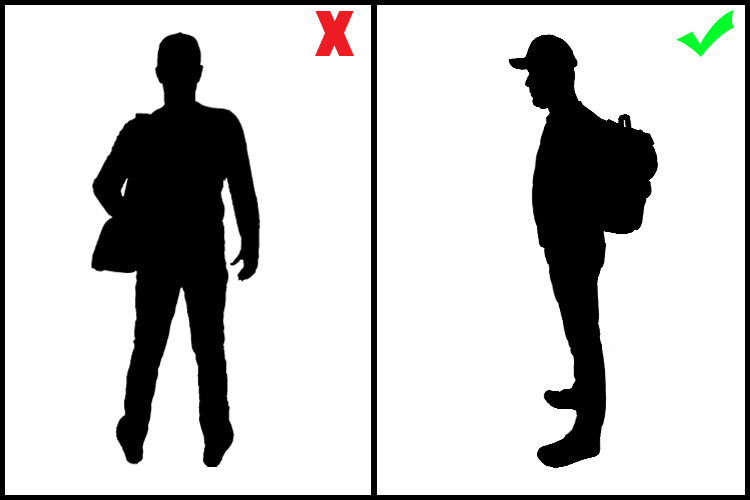
#1 – Trade your shoulder bag for a backpack

10 Tips to Help Photographers Avoid Back Problems

A shoulder bag is a signature style for most photojournalists, and it is indeed practical when you need to have easy access to your equipment while on the move. But it is also a big enemy of your posture, as it puts all the weight in one of your shoulders making your spine curved and unbalanced.

Backpacks distribute the weight equally on both shoulders, making it a much better solution for carrying your equipment. Rolling trolleys are an even better option, but they are not as practical if you need to move fast and don’t have smooth terrain.

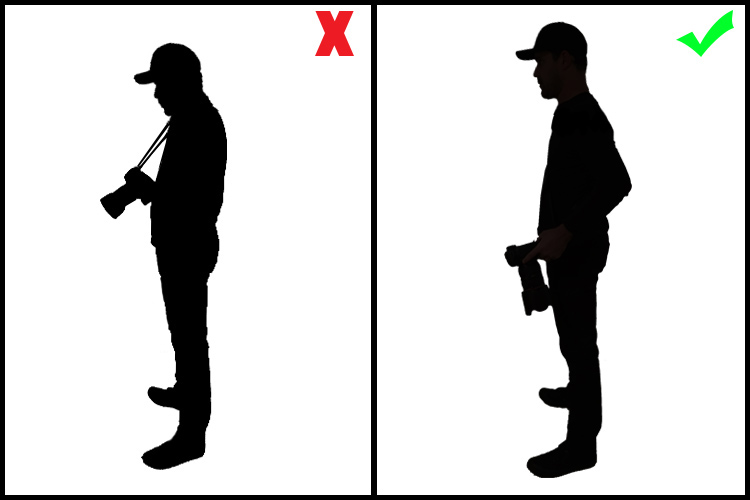
#2 – Trade the neck strap on your camera for a sling strap

Having a heavy camera and lens hanging from your neck by a strap is obviously a really bad idea. It causes a lot of stress on your neck, leading to issues with either the spinal discs or in the joints of the cervical spine. Sling straps minimize the impact of the camera’s weight, hanging it from the shoulder and across the torso. This makes it easier for you to move around and reach the camera, reducing the impact on your neck.

10 Tips to Help Photographers Avoid Back Problems

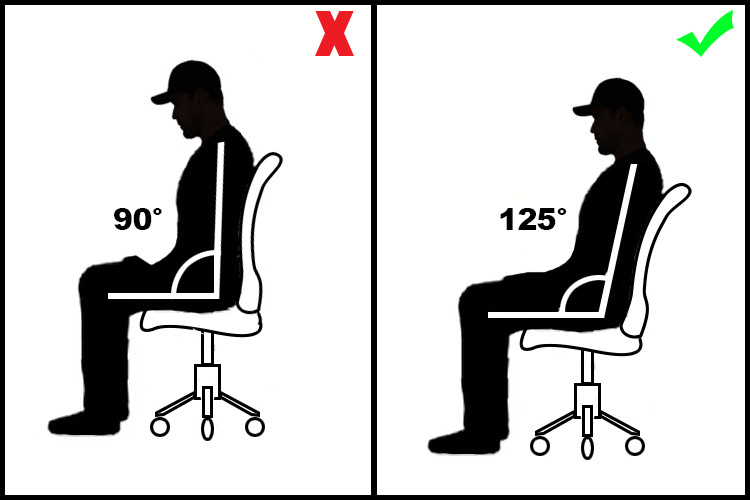
#3 – Get a good office chair

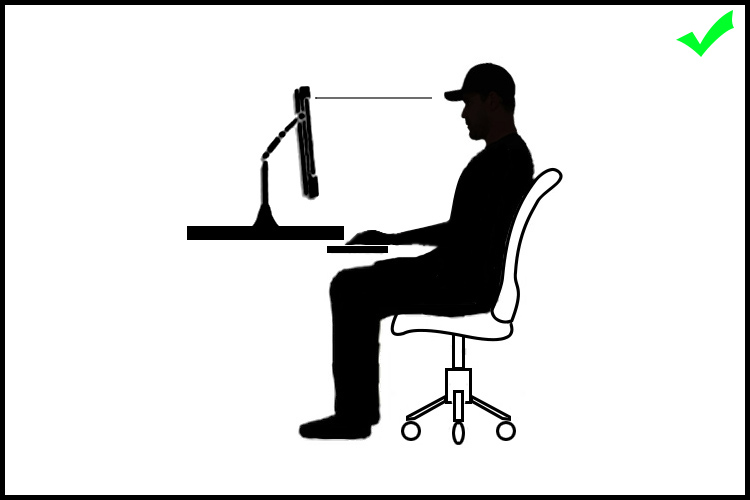
If you spend a long time working on your computer, then a good office chair is something you must invest in. It is really important that your chair is adjustable, and can be regulated to your size, and the position you adopt in relation to the table and the computer you are working on.

The optimal angle position between your legs and back is around 125 degrees.

10 Tips to Help Photographers Avoid Back Problems

Also avoid chairs with wheels that cannot be blocked, as they tend to move back and forward leading you to bad posture while seated. Also, avoid arm rests as they might cause pressure on the elbow tendons leading to tendinitis and ulnar nerve compression.

#4 – Adapt the computer position to your body

Almost everyone uses their computer in the worst possible position as they are most of the time located very low, especially if it is a laptop.

Hunching over and looking down for a long time causes really bad stress on the cervical spine and neck muscles, This can lead to a stiff neck, headaches, and in a long run degenerative spinal problems. The correct thing to do is to place your computer monitor in a position that you can look straight ahead without having to curve your neck.

10 Tips to Help Photographers Avoid Back Problems

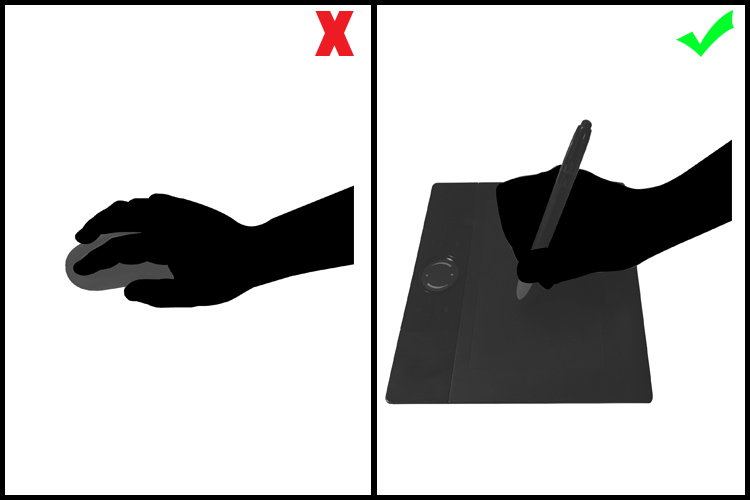
#5 – Use a pen and tablet instead of a mouse

A mouse is a fundamental piece of hardware for most people’s computer work, but at the same time, it is a bad ergonomic tool. It forces your hand to stay in an unnatural position, leading in the long run, to hand, wrist, shoulder and arm problems like tendinitis and arthritis.

The use of a pen and tablet, besides giving you much better control of design functions in image editing software, allows a much more natural hand position, avoiding health problems.

10 Tips to Help Photographers Avoid Back Problems

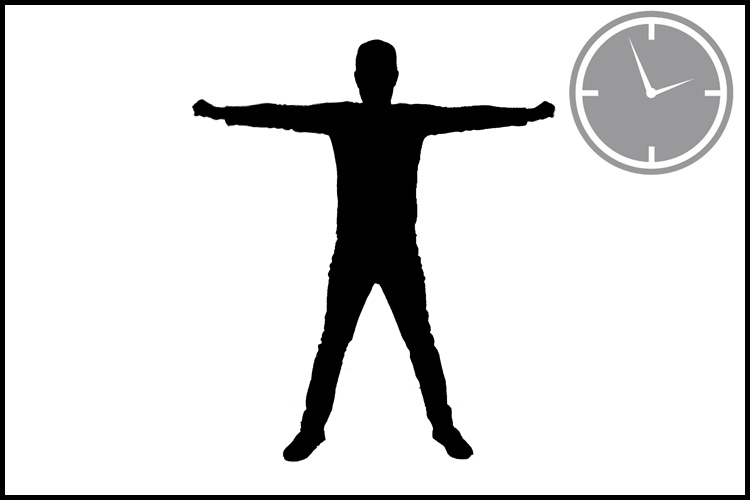
#6 – Take regular breaks and stretch your body

A common mistake we all make is to stand in the same position for long periods of time whether it is photographing, driving, standing at a desk, or simply just relaxing on the couch.

It is fundamental to take small breaks in your daily activities and simply just stretch, allowing the fibers in your muscles to move and avoid cramps and contracting.

10 Tips to Help Photographers Avoid Back Problems

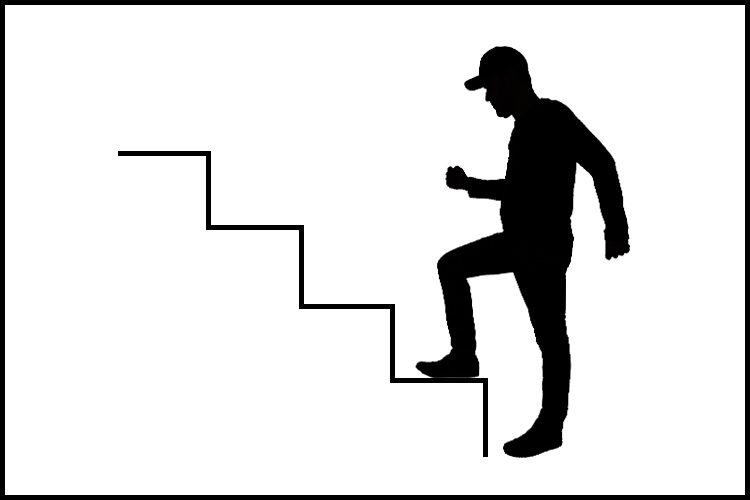
#7 – Get your blood flowing

Poor circulation is the starting point to a lot of really serious health problems. Of course, we would all like to have a healthier life, eat better, and exercise more, but the truth is that it takes a lot of time and discipline.

A great way to overcome this is to turn your regular activities into small exercises.

Simple things like taking the stairs instead of the elevator, or turn a walk down the street to the coffee shop into a power walk, just by adding more movement to your arms while you walk, can make a big difference in your overall physical condition.

10 Tips to Help Photographers Avoid Back Problems

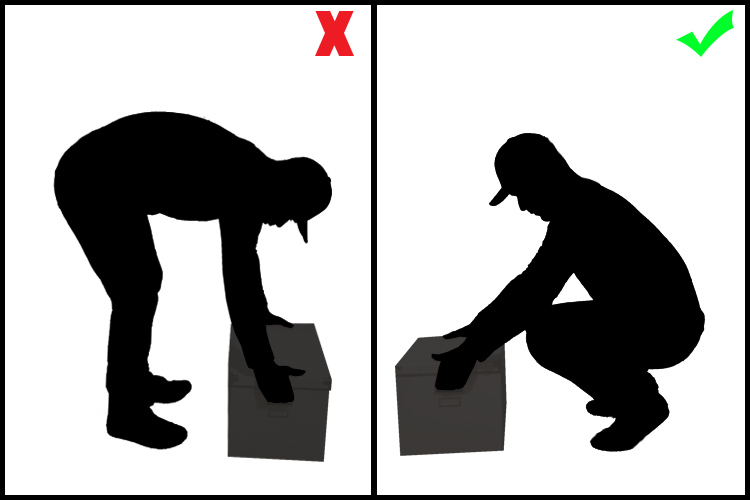
#8 – Always lift with your knees, not your back

Most severe back injuries come from trauma or heavy weight lifting. Trying to pick up something heavy from ground level, using just your back, is a true recipe for a disaster like a herniated disk.

The trick here is to always keep you back straight and use your knees as a lever to lift up the weight. Your legs muscles are much stronger than your back, trust me.

10 Tips to Help Photographers Avoid Back Problems

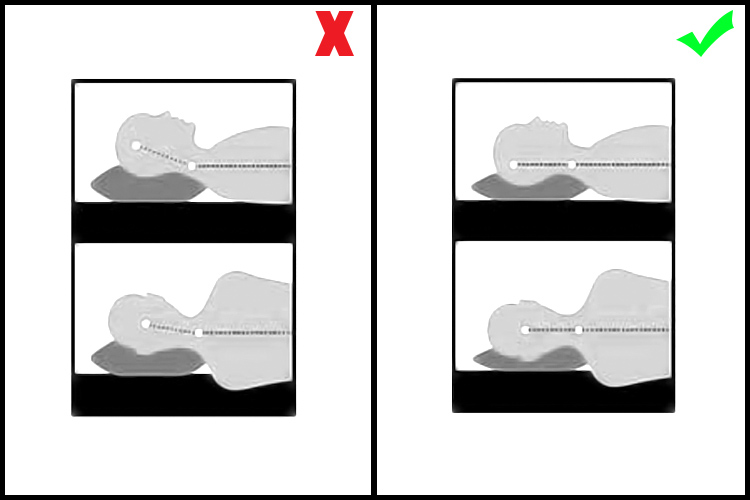
#9 – Adjust your sleeping position

We spend roughly one-third of our lives sleeping, so if we worry about our posture during the day, we should also worry about our posture while we sleep.

Most hard working people I know are so tired when they get to bed, that they just lay down, close their eyes and get to sleep right away. Most of the time that’s in really awkward positions and they spend most of the night wrestling with their pillow or sinking in really bad mattresses.

The best sleeping position is a really controversial discussion as it is a personal thing due to your body shape, weight, breathing difficulties, etc.

We move a lot in our sleep, but whether you sleep most of the time on your back, side or stomach, always try to have a mattress and pillow that keep your spine as straight as possible. You will rest a lot better and wake up a lot more fresh.

10 Tips to Help Photographers Avoid Back Problems

#10 – Hydrate yourself properly

Our body is 90% water, but yet we tend to forget how much we need to drink water just to be alive.

If you are a busy person, it’s not easy to reach the 2 liters per day of optimal water intake. But if you just make an effort and carry a water bottle around with you and drink regularly during the day you will see that your internal organs will function a lot better, your skin will look younger and your joints and bones will not get old so fast.

10 Tips to Help Photographers Avoid Back Problems

Conclusion – over to you

So there it is, a small list of simple tips that might make a significant change in your life.

They may seem obvious for most people, but the fact is that we are all so busy with our daily life and work routines, that we seem just to forget to take care of ourselves and only realize when it is just too late.

What about you, do you have some tips we could add to this list to help other photographers avoid back problems?

googletag.cmd.push(function() {
tablet_slots.push( googletag.defineSlot( “/1005424/_dPSv4_tab-all-article-bottom_(300×250)”, [300, 250], “pb-ad-78623” ).addService( googletag.pubads() ) ); } );

googletag.cmd.push(function() {
mobile_slots.push( googletag.defineSlot( “/1005424/_dPSv4_mob-all-article-bottom_(300×250)”, [300, 250], “pb-ad-78158” ).addService( googletag.pubads() ) ); } );

The post 10 Tips to Help Photographers Avoid Back Problems by Ivo Guimaraes appeared first on Digital Photography School.


Digital Photography School

 
Comments Off on 10 Tips to Help Photographers Avoid Back Problems

Posted in Photography


10 More Photography Tips to Help Take Your Images to the Next Level

12 Jan

A while back I wrote an article that was quite popular: 10 photography tips to take your photography up a level. In this article, I bring you 10 extra tips from all aspects of photography. Enjoy!

10 More Photography Tips to Help Take Your Images to the Next Level

#1 – What’s more than meets the eye?

Let me ask you something, what would you do? You meet someone attractive, you are head over heels, and then you start actually talking to them. You then uncover the most superficial person you have ever met. That person is all looks and not much else. You would lose interest, right? Because looks by themselves are good enough to make you interested, but if there is nothing sustaining that interest, you’re gone. This is the same thing in Photography,

This is the same thing in photography. A beautiful composition is nice, but what is in your image that is designed to keep the viewer’s attention? What is it about your image that is more than meets the eye? Is it saying something deeper? Is it making a point? Showing a concept? Add meaning to your images to keep the viewer engaged.

#2 – Know your opportunity

I believe there are only four times when you control the image. The first is at the moment of exposure (when you shoot), the second is in post-processing, the third is in sequencing and editing, and the fourth is while printing. So, when shooting, have these things in mind in order to shoot with clarity.

Example, you shoot an image and it is overexposed (because of the camera’s limitation). But it doesn’t end there as you know that you have another opportunity in the post-processing phase to recover details. Or you shoot something with a nice texture but it doesn’t have the effect you want. It doesn’t end there, you know that you can print and blow it up real big to have the effect you seek. Or you shoot an image that can’t stand by itself. Once again it doesn’t end there, you know you have another similar image that can make a diptych.

The point is that making an image is only the first step. There’s a whole process that comes afterward when you can get the effect you desire. So it’s important to know that what you have in the camera is the starting point and not the end.

#3 – Pay attention to this detail (after your background)

10 More Photography Tips to Help Take Your Images to the Next Level

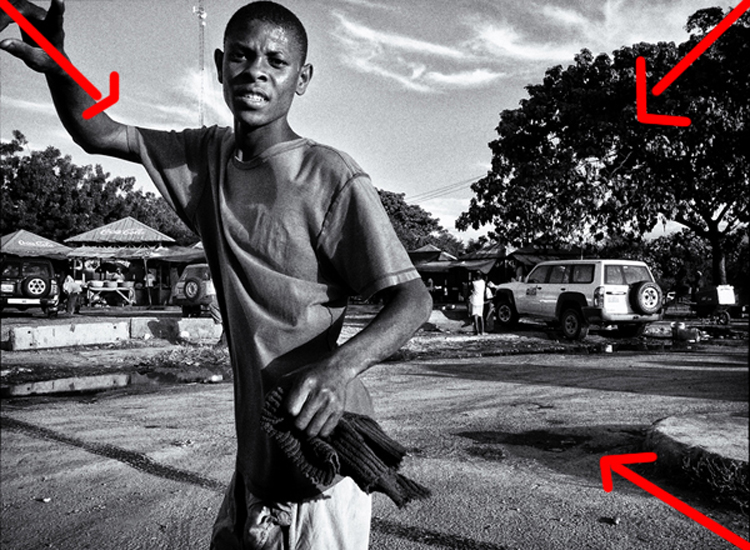
In the first 10 tips article, I suggested that you pay attention to the background first. Now I would like to add another thing to pay attention to before your subject – the corners. You see there is a strong dynamic with the corners, they draw you into the frame, towards the dead center and if you can align some lines there, it’s like surfing a big wave, it just draws your eye even more!

In the image above we have the guy’s hands, the shape of the tree and the shadow on the bottom right corner just pulling you into the image. So, pay attention to your background, watch your corners, and then look at your subject.

#4 – Dennis Rodman-ize it

10 More Photography Tips to Help Take Your Images to the Next Level

Let’s face it, it’s hard to get attention in this ever increasing attention deficit world. Dennis Rodman had been in the NBA for years, but he was receiving few endorsement contracts. He was a good player but didn’t shine enough. Then came the Rodman with the crazy hair and style, even as a kid I knew his name because he simply looked different.

That brings us to photography, you are probably doing something a certain way, so can you Dennis Rodman-ize it? Shoot in a different way that makes your work pop above and beyond what you normally do? For example, landscapes are usually shot with a wide angle, what if you shot landscape abstracts with a telephoto? Or used a special processing technique on your images that gave them a certain look?

#5 – Work on your name

You probably know the wine experiment, where they gave people wine to drink, one was expensive and the other was cheap. Everyone, of course, preferred the expensive wine over the cheap one, even if it was the same wine. Here’s the REAL KICKER, when they scanned the brains of the people who drank the wine, their brain actually made them believe they were drinking expensive wine, and it literally tasted better. Their perception altered their reality.

10 More Photography Tips to Help Take Your Images to the Next Level

With that in mind, work on your images but also on your name or brand. Try to get as much recognition as you can, it will alter people’s perception of your work. I remember a photographer who had decent work, and then that person got famous literally overnight. Let me tell you, even I, knowing all that I know about psychology, now see his work in a better light.

It’s crazy, and probably a bit sad, but that’s just the way it is. The story of Joshua Bell also illustrates this point well. This guy makes $ 1000 per minute playing on a million dollar violin, yet he got a meager $ 32 and a few cents when they had him play anonymously in a metro. Same guy, same skill – different context, different result.

#6 – Get luckier

Let’s not mince words here, luck plays a big role in photography. That Cartier-Bresson shot of the man jumping? That was 100% luck because he couldn’t even see what he was shooting through a hole.

Why is luck such a big deal? Because you DO have to be there at the right moment, and so does your subject, the light, etc. Truth be told, you need the skill and the eye to seize the moment, but if you are not there, the shot won’t be yours.

10 More Photography Tips to Help Take Your Images to the Next Level

So taking into account the luck factor, shoot more often. You’ll get luckier and luckier every time you do. By making more photo opportunities, you’ll be making more images. So if you used to go out once, go out twice, etc.

I mean, who do you think will have a better chance at getting a job? The one that applies for one job, or the one that applies for 10? Skill and creativity are multiplying forces, but it doesn’t matter how skillful you are if you are a couch potato. Sharpen your skills and get out there to get lucky.

#7 – Scramble everything

There was this cool experiment where they gave this guy upside down glasses, so everything was inverted. They wanted to pour him a drink, and he turned the cup upside down (because he believed it was upside down). Imagine the world upside down and how hard it would be to live like that. The kicker? After 10 days he adapted to the upside down vision, and could even ride a bike!

10 More Photography Tips to Help Take Your Images to the Next Level

Sometimes we just get used to how we shoot, we get complacent, that’s normal. So scramble things up. If you normally shoot color, try b/w, if you like portraits try street photography, if you are a film shooter, try digital, etc. It’s like the “Dennis Rodman-ize” tip, but this is more designed to shake you out of complacency rather than to bring attention to your work.

#8 – Revisit your images
10 More Photography Tips to Help Take Your Images to the Next Level

Two photographers can look at the same scene, and yet see two different things. The difference is their knowledge about photography. You probably have some hidden gems in your images that you’ll probably never uncover if you do not revisit your images. You made them, but when you revisit them you do so with new eyes, and you will see them differently.

You will be amazed at what you find. Images that you believed were boring and/or ruined will be seen in a new light. You may ask yourself, “How did I miss that?!? There are quite a few images that I have overlooked, that’s why I have a no-delete policy. Maybe I can’t see what my future self will see or what my future self will be into.

#9 – Let go of preconceptions

10 More Photography Tips to Help Take Your Images to the Next Level

I receive emails daily from photographers around the world. The one thing many seem to struggle with is that they don’t live in a big city. It is understandable, but just because you can’t find the images you have in your mind doesn’t mean they are not there. You just need to let go of your preconceived ideas and be more open to what is in front of you.

Some people tell me they wish they had more money to travel. Evidently, the image in their mind is of travel, but an image doesn’t need to be travel photography to be good, does it? It’s good to have a general idea of what you want, but also to be open to the possibilities.

Some people get hung up on relationship breakups, passing by great, if not better opportunities in front of them. Likewise, seeing what is possible right in front of us allows us to maximize our opportunities as photographers.

#10 – Remember it’s all plastic

10 More Photography Tips to Help Take Your Images to the Next Level

It’s a hard concept to grasp, especially as a beginner, but remember that photography is plastic. Exposure? Plastic. Colors? Plastic. White Balance? Plastic. Sharpness. Who said every image needed to be averagely exposed, with white balance set perfectly by grey card, and super sharp? The first thing I do as a photographer in Lightroom is to clip my blacks. I LOVE clipping my blacks. I never set my white balance with a grey card, I just look at the image and hear what it creatively calls for, then do that.

Photo of a bride and groom? Probably needs to be on the warmer side so that the viewer can get some emotional cues from that. Shot these plastic surgeons? I’ll put my white balance on the cool side to reinforce the surgical cleanliness. Whatever you are doing right now, remember all of it is plastic. Who said images needed to be in a square or rectangle? Who said portraits have to contain faces? Who said colors had to be realistic (see above)? Who said paper and canvas was the only printing options…..you get the gist!

Conclusion

There you have it, 10 more photography tips to help you in your photography journey. I hope you resonate with some of them. Be yourself, stay focused and keep on shooting.

10 More Photography Tips to Help Take Your Images to the Next Level

googletag.cmd.push(function() {
tablet_slots.push( googletag.defineSlot( “/1005424/_dPSv4_tab-all-article-bottom_(300×250)”, [300, 250], “pb-ad-78623” ).addService( googletag.pubads() ) ); } );

googletag.cmd.push(function() {
mobile_slots.push( googletag.defineSlot( “/1005424/_dPSv4_mob-all-article-bottom_(300×250)”, [300, 250], “pb-ad-78158” ).addService( googletag.pubads() ) ); } );

The post 10 More Photography Tips to Help Take Your Images to the Next Level by Olivier Duong appeared first on Digital Photography School.


Digital Photography School

 
Comments Off on 10 More Photography Tips to Help Take Your Images to the Next Level

Posted in Photography


Shots from a drone help photographer take first place in Travel Photographer of the Year awards

18 Dec

2016 Travel Photographer of the Year

Joel Santos, Portugal Winner, Travel Photographer of the Year 2016/www.tpoty.com

Salt Desert, Danakil Depression, Afar, Ethiopia. This unique aerial photo shows the salt miners guiding a dromedary and donkey caravan through this desert’s unique salt patterns.

A photographer from Portugal has won the £4000 top prize in 2016’s Travel Photographer of the Year competition with a pair of portfolios of volcanic landscapes and, in contrast, a document of the life of fishermen in Ghana. Joel Santos is the first Portuguese winner of the competition, as well as the first to win with a set of images shot from a drone.

Winners of other categories in the competition went away with cash and accessories, while the best portfolios in the ‘Mankind’, ‘Land, Sea, Sky’ and ‘Journeys & Adventures’ sections won a Fujifilm X camera and lens. The Young Travel Photographer of the Year was Darpan Basak, a 14-year-old from India, while an 18-year-old from the USA, Courtney Moore, won the 15-18-year old category, and Ankit Kumar from India won the 14 and Under section.

The competition attracted entries from 123 countries, and a selection of the winning images will be exhibited in Hull, UK, between 18th May and 30th June, and again at the University of Greenwich, London, during August.

For more information and to see the winners in all categories visit the Travel Photographer of the Year website.

Press Release

ON TOP OF THE WORLD

Travel Photographer of the Year 2016 winners are revealed

From fiery lava flows to a magical, snow-swirled New York street scene that echoes an impressionist painting and from the imperious gaze of an elusive, endangered Iberian lynx to wonderfully minimalist images of West Kirby, England, the winning images in the 2016 international Travel Photographer of the Year awards (TPOTY) have been revealed, and they are stunning.

Photographers from 20 countries have won awards, and the winning images will go on show at TPOTY exhibitions at the UK City of Culture celebrations in Hull from 18th May to 30th June 2017 and at 10 Stockwell Street, Greenwich at the University of Greenwich, London from 4th August to 3rd September 2017.

Joel Santos becomes the first-ever Portuguese overall winner in the award’s 14-year history, beating photographers from 123 countries to take the title of Travel Photographer of the Year 2016. His winning entry features a delicate and intimate portfolio depicting traditional fishing in Ghana and – in another first for TPOTY – an aerial portfolio captured using a drone, giving a bird’s eye view of one of the hottest places in the world, Ethiopia’s Danakil Depression.

The Young Travel Photographer of the Year 2016 is 14-year old Darpan Basak from India, 18-year old Courtney Moore (USA) won Young TPOTY 15-18 and Ankit Kumar (India) won Young TPOTY 14 and Under.

In the portfolio categories, former overall TPOTY winner Craig Easton won ‘Land, Sea, Sky’, with two German photographers – Sandra Bartocha and Stephan Fürnrohr
– each being awarded ‘Best Single Image’ in the category. China’s Ruiyuan Chen took first place in ‘Mankind’, with Jeremy Woodhouse (UK) winning the award for Best Single Image, and Beniamino Pisati (Italy) won ‘Journeys & Adventures’, with Lluís Salvadó (Spain) winning Best Single Image.

In the single image categories, ‘Shaped by Light’ was won by Chinese photographer Biran Zhao, Michele Palazzo (Italy) won ‘Cities – Architecture & Spaces’ and Luke Massey (UK) won ‘Wildlife & Nature’.

Briton Alison Cahill came first in the New Talent award, and fellow Brit Rufus Blackwell won the HD video category Travel Shorts. Finally, Italy’s Marina Spironetti took first prize in Smart Shot, the category for images taken on a mobile phone or tablet.

Travel Photographer of the Year is judged by an international panel of judges that includes Deputy Editor in Chief, Fotomagazin, Germany, Manfred Zollner, champion jockey turned travel photographer Richard Dunwoody and Jerry Tavin (co-president of Glasshouse Images and founder of Young Photographers’ Alliance).

Awards and prizes
In addition to the significant international exposure that comes with winning TPOTY, Joel Santos receives £4,000, a selection of StaaG luxury leather travel goods and sterling silver accessories (worth over £1250), £500 to spend on the Páramo clothing of his choice, and a Plastic Sandwich personalized leather portfolio case.

For their success in Journeys & Adventures; Land, Sea, Sky, and Mankind, Beniamino Pisati, Craig Easton and Ruiyuan Chen each receive a Fujifilm X-Series camera and lens of their choice. The winner of the Best Single Image award in each portfolio category receives a giclée fine art print from Genesis Imaging.

Biran Zhao, Luke Massey and Michele Palazzo, the winners of Shaped by Light; Wildlife & Nature, and Cities – Architecture and Spaces will each enjoy a five or six- day winter or summer voyage for two people along Norway’s stunning coastline with Hurtigruten, and receive a Torres Insulator Jacket from Páramo.

Alison Cahill receives a set of luxury leather travel goods from StaaG, a personalized leather portfolio case from Plastic Sandwich, Photo Iconic tuition and a Páramo Halcon Traveller jacket for winning New Talent, while Marina Spironetti and Rufus Blackwell each win £500, a Páramo Halcon Traveller jacket and a Plastic Sandwich portfolio case, for winning ‘Smart Shot’ and the HD Video category respectively.

Young TPOTY winner Darpan Basak receives £500, Photo Iconic photography tuition and a Plastic Sandwich leather portfolio case. Each Young TPOTY age group winner receives £250 plus Photo Iconic photography tuition. The awarded photographers in Young TPOTY also receive destination guides from SNAPP Guides, as do certain awarded photographers in a number of other categories

To see all the winning images across all categories, visit the 2016 Winners’ Gallery at www.tpoty.com.

2016 Travel Photographer of the Year

Joel Santos, Portugal Winner, Travel Photographer of the Year 2016/www.tpoty.com

Lake Bosumtwi, Ashanti, Ghana. The Ashanti people fish from the traditional wooden padua.

2016 Travel Photographer of the Year

Courtney Moore, USA (age 18) Winner, Young TPOTY 15-18/www.tpoty.com

Island Beach State Park, New Jersey, USA. On a particularly windy day, this fox was sitting only a few yards away from the ocean as sand pelted against his fur.

2016 Travel Photographer of the Year

Ankit Kumar, India (age 13) Winner, Young TPOTY 14 and Under/www.tpoty.com

Lake Natron Tanzania. A flock of Lesser flamingos take flight above Tanzania’s salt and soda Lake Natron.

2016 Travel Photographer of the Year

Beniamino Pisati, Italy Winner, Journeys & Adventures portfolio/www.tpoty.com

Bayankhongor, Mongolia. Horses are present in all aspects of life in Mongolia. A popular saying is: “A Mongol without a horse is like a bird without wings”.

2016 Travel Photographer of the Year

Alison Cahill, UK Winner, New Talent, Eye to Eye/www.tpoty.com

Son & Dad Barbers, George Town, Penang, Malaysia. Portrait of Elyas the head barber and owner of Son & Dad.

2016 Travel Photographer of the Year

Craig Easton, UK Winner, Land, Sea, Sky portfolio/www.tpoty.com

West Kirby, Wirral, UK. A lone Buddhist monk walks around the boundary wall of the West Kirby Marine Lake.

2016 Travel Photographer of the Year

Ruiyuan Chen, China Winner, Mankind portfolio/www.tpoty.com

Daliang Mountains, Sichaun province, China. Portraits of the ethnic Yi people, who live in great poverty.

2016 Travel Photographer of the Year

Biran Zhao, China Winner, Shaped by Light/www.tpoty.com

Baiyu County, Ganzi, Sichuan Province, China. Every morning, the nuns walk around the mountain as practice lesson. Regardless of the season, they walk year after year, day in and day out.

2016 Travel Photographer of the Year

Luke Massey, UK Winner, Wildlife & Nature/www.tpoty.com

Sierra de Andújar National Park, Andalucia, Spain. In 2001 there were less than 100 Iberian lynx left in the wild. Fifteen years later there are now more than 400, but it is still, unfortunately, the rarest cat in the world.

2016 Travel Photographer of the Year

Rudi Sebastian, Germany Joint Runner-up Wildlife & Nature/www.tpoty.com

Berlin, Germany. In a small pond at the rural border of Berlin, male moor frogs in their bright blue mating colour try to mate with a common toad, which almost drowned. It took about 30 minutes before she managed to free herself and reach dry ground.

2016 Travel Photographer of the Year

Michele Palazzo, Italy Winner, Cities: Architecture & Spaces/www.tpoty.com

Flatiron Building, Manhattan, New York, USA. While walking through the Jonas snowstorm that swept across the East Coast, I captured this shot of the Flatiron Building against a backdrop of swirling snow.

Articles: Digital Photography Review (dpreview.com)

 
Comments Off on Shots from a drone help photographer take first place in Travel Photographer of the Year awards

Posted in Uncategorized


3 Photoshop Elements Tutorials to Help You Correct and Enhance Your Images

14 Dec

We’ve noticed on our current reader survey (if you haven’t filled it out already, please do so here) that many of you are using Photoshop Elements. So I rounded up some video tutorials to help you use Elements (15 or any older version) to help you make corrections and enhancements to your images.

#1 How to brighten and improve a dull photo

George Peirson from How To Gurus walks you through several steps you can apply to make a dull photo more exciting. He covers things like working with adjustment layers so you can work non-destructively, adding more color in certain areas, layer blending modes, and more.

#2 How to remove people using the clone stamp tool

Sometimes you can get unwanted people in your shots. In this video you can learn how to remove them using just the clone stamp tool in Photoshop Elements.

#3 How to create a motion blur effect using Elements

In this final video learn the steps to add motion to an image using different blur effects in Photoshop Elements. The example used is a race car that was frozen with a fast shutter speed.

If you use Photoshop Elements I hope these videos have helped you out, and you have learned a couple new things. Many things that you can do in Photoshop, can also be done in Elements. Some of the tools and menus are a bit different but many of the features are similar. Elements also offers a “guided” user experience to help you walk through doing some common things.

If you want to learn more try the Adobe website where they have more tutorials and articles on Elements.

For more Photoshop help try these dPS articles:

  • How to Add a Sun Flare to Your Images Using Photoshop
  • How to do Non-Destructive Editing in Photoshop
  • An Introduction to Photoshop Layers Possibilities and Properties
  • Tips for Using the Blur Filters in Photoshop
  • 2 Simple Methods for Adding Color to Your Images Using Photoshop
  • A Guide to Black and White Conversion in Photoshop

googletag.cmd.push(function() {
tablet_slots.push( googletag.defineSlot( “/1005424/_dPSv4_tab-all-article-bottom_(300×250)”, [300, 250], “pb-ad-78623” ).addService( googletag.pubads() ) ); } );

googletag.cmd.push(function() {
mobile_slots.push( googletag.defineSlot( “/1005424/_dPSv4_mob-all-article-bottom_(300×250)”, [300, 250], “pb-ad-78158” ).addService( googletag.pubads() ) ); } );

The post 3 Photoshop Elements Tutorials to Help You Correct and Enhance Your Images by Darlene Hildebrandt appeared first on Digital Photography School.


Digital Photography School

 
Comments Off on 3 Photoshop Elements Tutorials to Help You Correct and Enhance Your Images

Posted in Photography


How to See and Photograph Light – 6 Tips to Help you Take Better Photos

13 Dec

I was teaching a class recently and someone asked me how they could have made a particular set of landscape images better. Should they have used a different aperture, shutter speed, etc.? “You couldn’t have made those photos any better because the light was terrible.” I explained. You must learn to see and photograph light to take better photos.
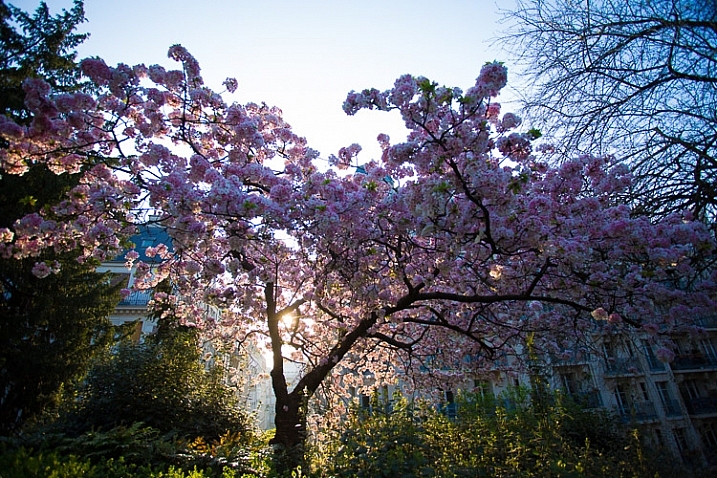
How to See and Photograph Light - 6 Tips to Help you Take Better Photos

Blossoms at dawn, Paris.

There are times when interesting photos can be made in bad light. But I will unequivocally say that in most cases (as there are always exceptions to the rules, right?) when you have boring light you will have boring photos.

Interesting light transforms any subject. It reveals and enhances the subject’s natural qualities. In many ways, it brings your subject to life. If you follow only one piece of advice in photography it should be this:

“Light makes photography. Embrace light. Admire it. Love it. But above all, know light. Know it for all you are worth, and you will know the key to photography.” George Eastman.
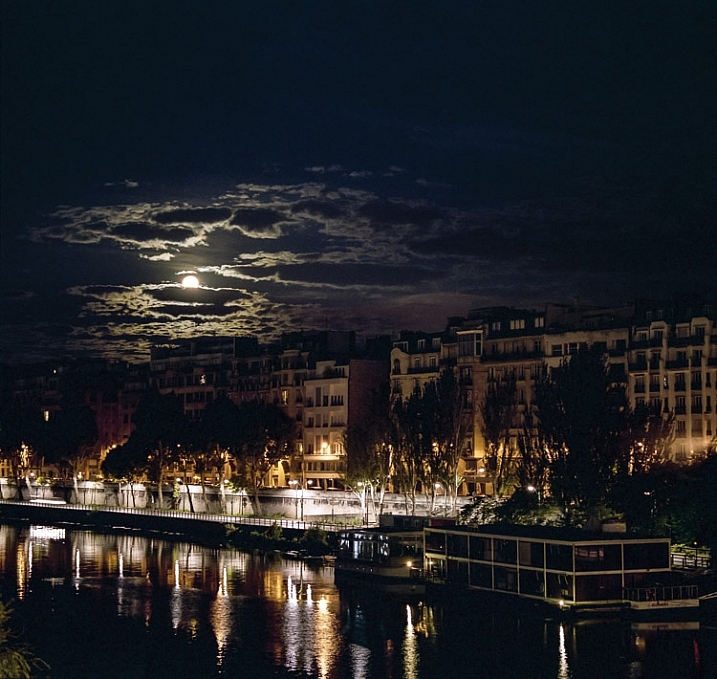
How to See and Photograph Light - 6 Tips to Help you Take Better Photos

Moonset on the Seine.

In this article, I am going to explore light in many forms, but it’s not a technical article. This is about the how you compose with light, how its different forms affect your subject, the emotions that light communicates, and how when you really chase light you’ll learn to create more compelling and memorable images.

In every single one of these photos, I will say that the subject is the light. The light might be subtle, or very obvious, but what compelled me to snap that shutter was what the light was doing. Here are some tips to get you more involved with capturing the mesmerizing qualities of light.

1) Notice light

“It’s not what you look at that matters, it’s what you see.” Henry David Thoreau
How to See and Photograph Light - 6 Tips to Help you Take Better Photos

This first step seems like a stupidly simple piece of advice right? I mean who doesn’t notice light? Most people notice the obvious aspects of light – it’s a sunny day, it’s stormy, it’s twilight. There is so much more to light, though. It’s a rich, varied and complex entity. Light is creating hundreds of different effects all around us all the time.

The first piece of advice I always give to all my students is – look for what the light is doing and look for light sources. You’re out and you see a beautiful shaft of light on a wall. Ask yourself – where is it coming from? Is it direct or is it being reflected off of something? Is it bouncing off the wall and doing something else?

As you move around light alters – as you enter a square, go under a tree, move behind a building – it’s bouncing and reflecting off so many things. Light is being filtered through leaves, through different urban and natural materials. It’s this constantly changing aspect that you need to become very familiar and intimate with. Light is always changing – as clouds drift across the sun, as the hours pass, as weather systems move.
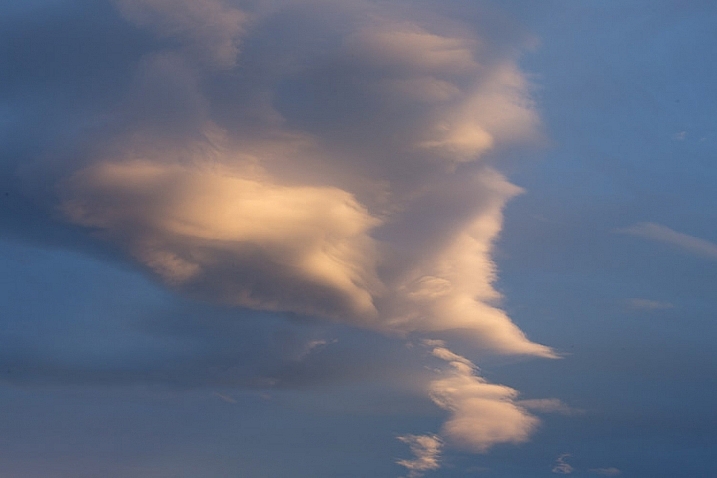
How to See and Photograph Light - 6 Tips to Help you Take Better Photos

See the shadows on the clouds?

Become a light detective

There are, of course, many times when the light is super flat. We have many days in London where cloud cover is very dense and the light is very flat and gray. Or back in California, where I grew up, in the height of summer at midday the light is hard and almost flat in its piercing white intensity. Then you have to work harder to look for alterations in light. But like life itself, change is something we can consistently rely on.

You’ll also start to notice that when the light outside changes, it also changes the light inside. A drop in the vibrancy of the light outside will make the light inside seem warmer and stronger.

Becoming a good photographer is like becoming a light detective. What is light doing to your subject? What is it revealing about your subject?
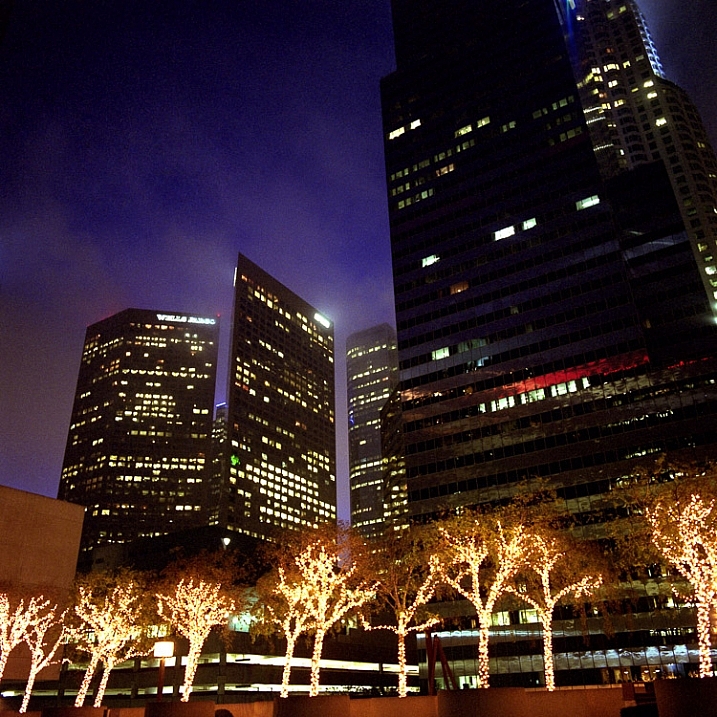
How to See and Photograph Light - 6 Tips to Help you Take Better Photos

Los Angeles downtown at dawn.

2) Use light to create emotion in your images

“A great photograph is a full expression of what one feels about what is being photographed in the deepest sense and is thereby a true expression of what one feels about life in its entirety.” Ansel Adams

For me, light always creates an emotion, a feeling, or a sense of mood. It doesn’t have to be a strong feeling or even a positive one, but it does have to create an impact with me that goes beyond the initial pleasingness to the eye. I am constantly searching to capture a feeling in my images. Light is a very powerful way to communicate emotions.

So I want you to look at the light in the following photos and ask yourself – how do they make me feel? Light can be a powerful and dramatic element in your photos, creating a deep feeling of awe, about the grand beauty of the world.
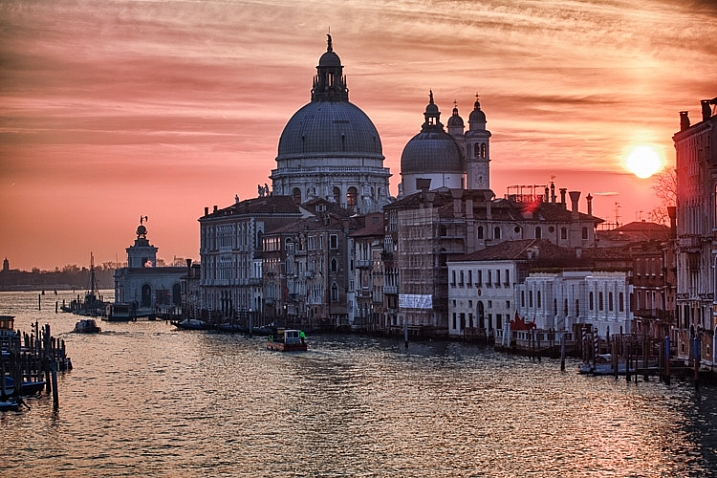
How to See and Photograph Light - 6 Tips to Help you Take Better Photos

Dawn over the Grand Canal Venice, Italy.

Light enhances the subject

Of course, the photo above would have been interesting without the dramatic sunrise, after all, it is Venice and the subject is incredible. What the beautiful light adds, though, is a big pop of color, adding a layer of depth and enhancing the awe-inspiring feeling of these amazing buildings. The dramatic color and light matches and enhances the dramatic subject.

It doesn’t have to be big subjects, though. This simple shot of pretty flowers would be quite boring if it didn’t have this lovely dappled light on it. It’s simple but very evocative. If you are starting out, or trying to refresh your basic skills, focusing on detailed shots like this, and what light is doing to the elements in the world around you, is a fantastic way to start playing with, and capturing the magic of light.
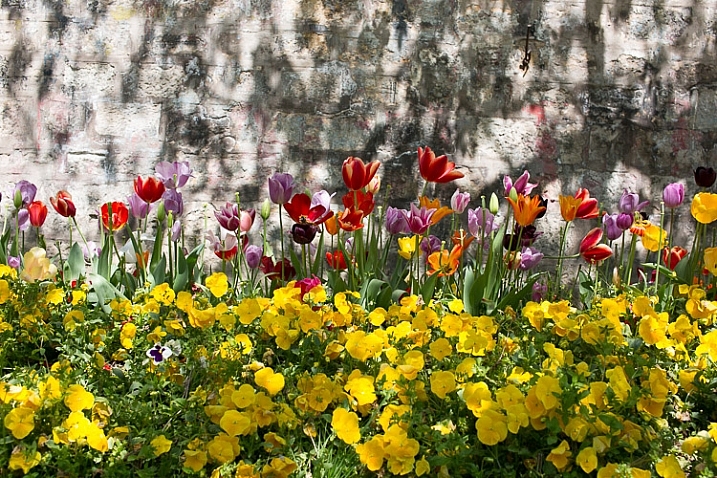
How to See and Photograph Light - 6 Tips to Help you Take Better Photos

Tulips in bloom Istanbul Gulhane park

I have mentioned interesting and beautiful light. So what is interesting light? Well, to me it’s any light that communicates an emotion, a feeling, or a mood. It’s light that makes you feel something. Even if that’s melancholy.
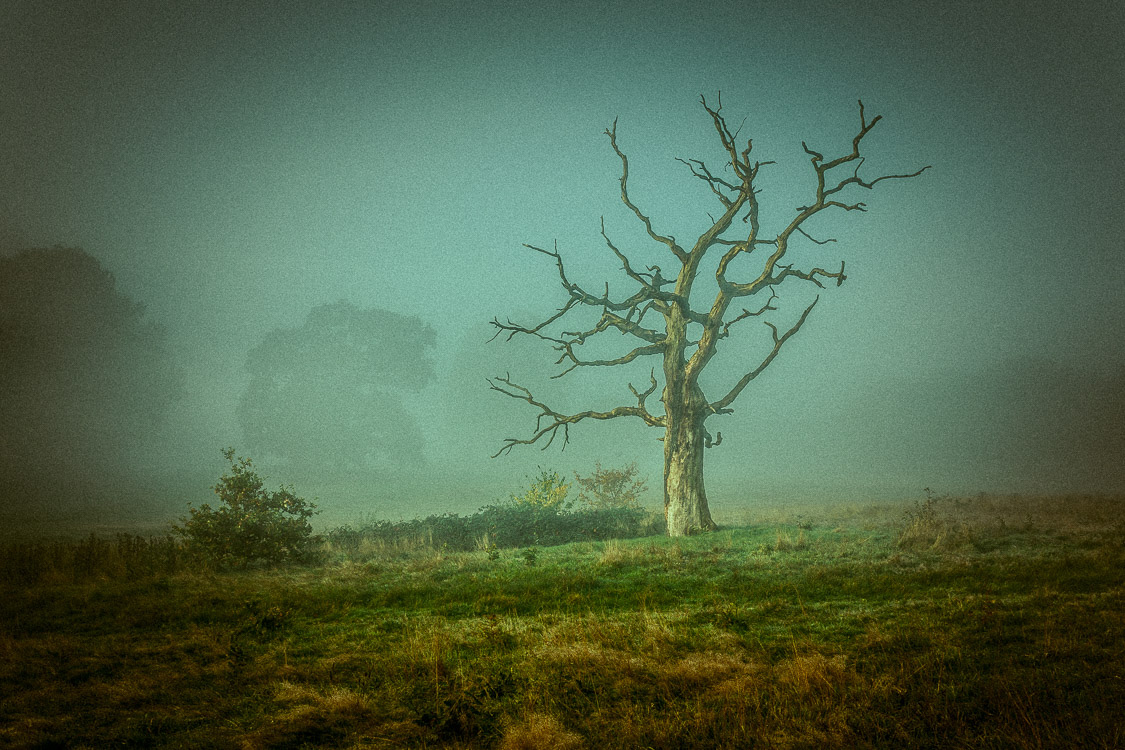
How to See and Photograph Light

Lone tree on a foggy morning on Hampstead Heath London, at dawn.

I shot the photo above on a cloudy autumnal morning. The light was very diffuse, very subtle, but it was still pretty and interesting to me. It matched the location I was in – the wild heathers and grass along with the stark leafless tree standing alone.

Can you see how the light emphasizes the natural qualities of the tree? How the amazing wild branches, stripped bare, almost like someone’s mind going crazy, are enhanced by the soft light?

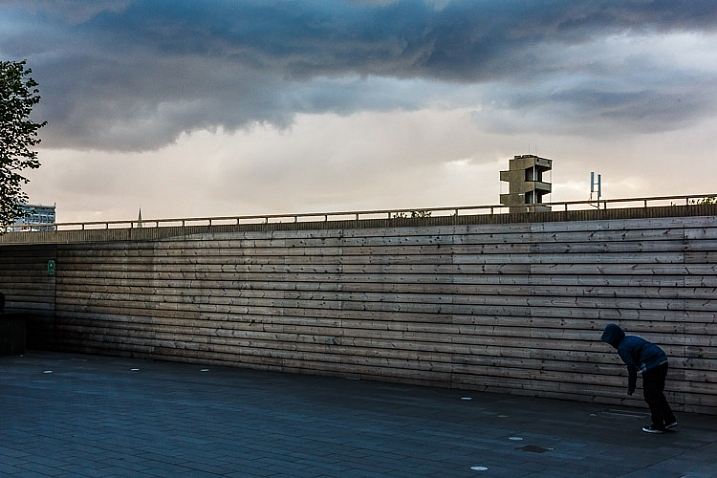
In the photo below, to me, the light is offering an amazing feelingof foreboding.
How to See and Photograph Light - 6 Tips to Help you Take Better Photos

Dark days ahead, London.

3) What is the color of light?

“Light, that first phenomenon of the world, reveals to us the spirit and living soul of this world through color.” Johannes Itten

Color from light is produced when white light is split by a prism into the colors of the rainbow. You also get artificial effects created by the myriad of things that light reflects onto and bounces off.

For me, color is the second most powerful force in my photography, and getting a sense of the color of light is a great way to start using light and color in your compositions.

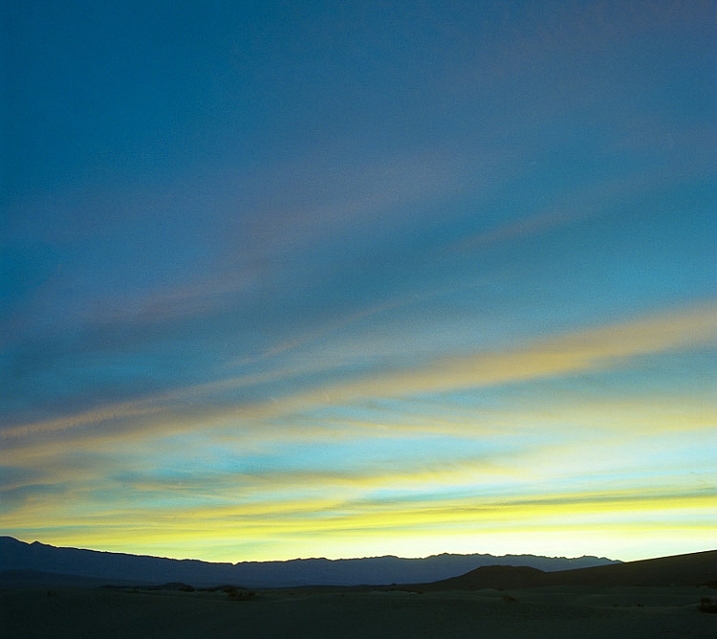
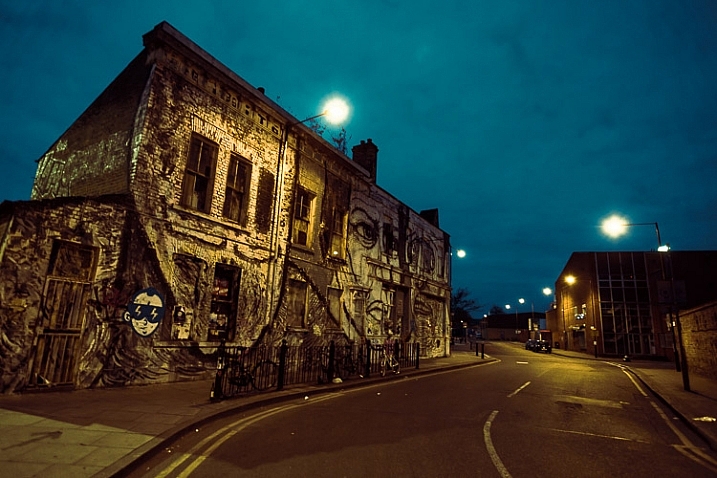
Compare the color of the light in the following three images.
How to See and Photograph Light - 6 Tips to Help you Take Better Photos

Dawn over Death Valley, California

How to See and Photograph Light - 6 Tips to Help you Take Better Photos

Sunrise over the Bosphorus, Istanbul Turkey at dawn.
How to See and Photograph Light - 6 Tips to Help you Take Better Photos

Near Hackney Wick station London at dawn.

Light is always full of color – even if it’s piercing white. And it’s doing something to the color of your subject.

4) Light can make even dull and boring subjects interesting

“In the right light, at the right time, everything is extraordinary.” – Aaron Rose

Interesting light doesn’t have to just be natural, or even beautiful. Light of all kinds creates mood and feeling within a photo. Your aim is to ensure that the light helps to create a story of some kind for your image, that it tells you something about what it’s like to stand right there, where you were.
How to See and Photograph Light

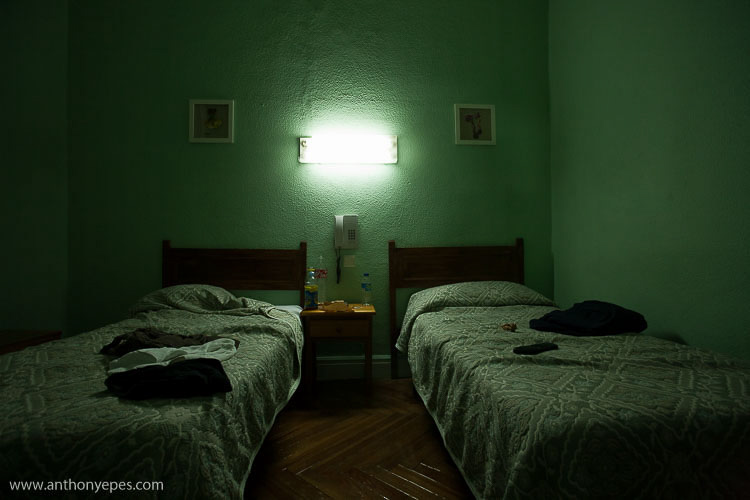
Hotel room, Madrid, Spain.

Above is a great example of harsh light that usually I wouldn’t go near – but it works in this photo because it works well for the subject. I rarely take photos using such unflattering hard lighting. But in a grim hotel room in Madrid, it enhances the feeling of loneliness that the twin (disconnected) beds give off, with the bleak looking paint color. That burst of light wraps up the photo into a nice melancholy package. See, even horrible light can be interesting (in the right circumstances)!

Then you also have the issue of beautiful, gorgeous light making rather dull subjects suddenly quite interesting.
How to See and Photograph Light - 6 Tips to Help you Take Better Photos

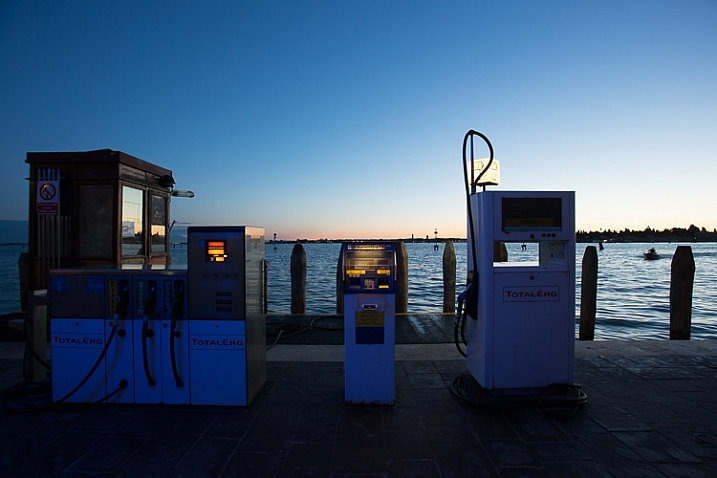
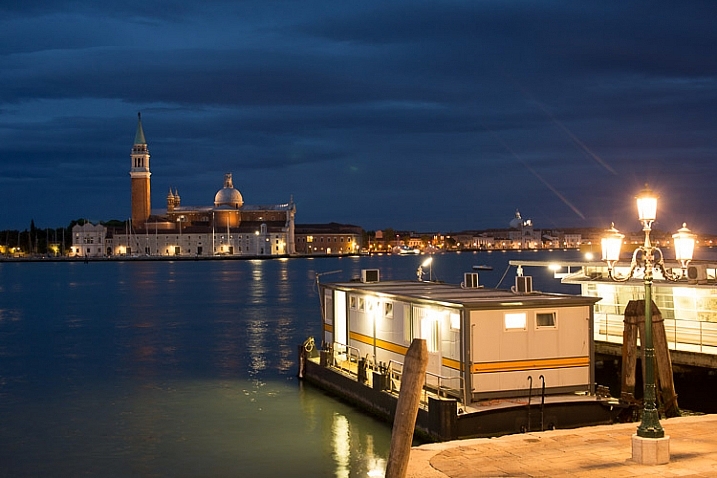
Gas pumps for boats in Venice, at dawn.

Without the rich blue light, this would not be an interesting photo. Plus what gives it another layer of interest are the pops of artificial light.

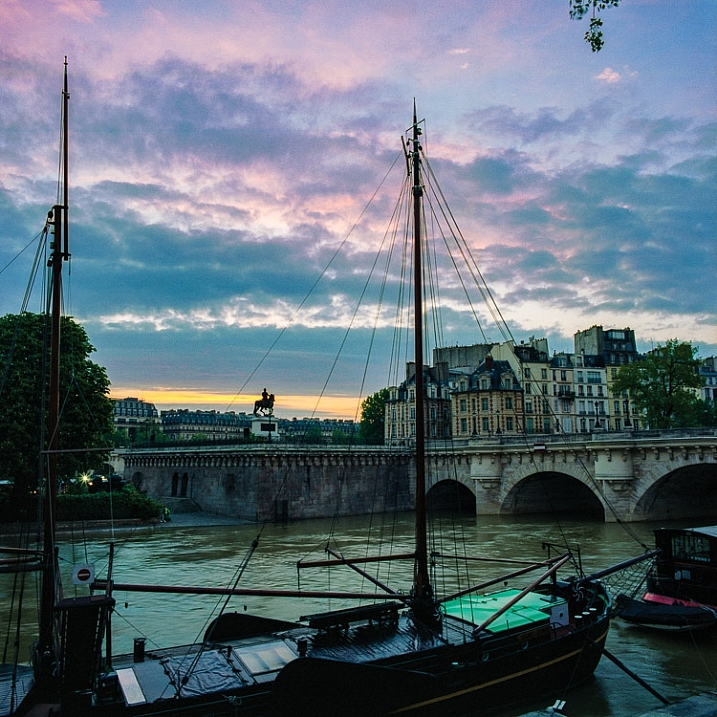
This following photo has a fascinating subject. But imagine this scene on a gray, drab Parisian morning, when all you want to do is dive into a cafe and eat several pains au chocolat?
How to See and Photograph Light - 6 Tips to Help you Take Better Photos

A dawn Idyll on the Seine, Paris.

The light is bringing everything to life – the gray stone buildings, the grayish-green water, the black and browns of the boats. This would be a totally boring photo without that magical light and sky.

5) Use light to tell a story

“There is only you and your camera. The limitations in your photography are in yourself, for what we see is what we are.” – Ernst Haas

I think photographs are at their strongest when they enhance the inherent qualities of the subject you are photographing when they add another layer of story to the photo.

What story do you want to tell?

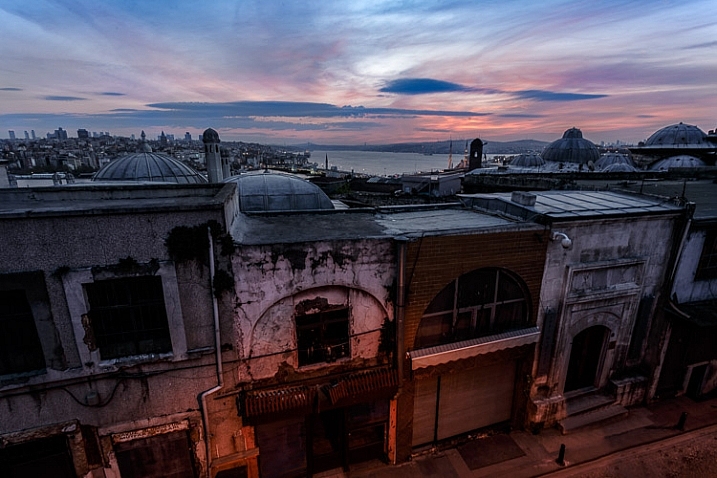
I photograph a lot of cities at dawn; it’s my main subject at the moment. Dawn, though, becomes very repetitive to photograph. It’s often so pretty, but just how many epic sunrises can you photograph? So one of my favorite things to do is to juxtapose that beautiful, ethereal light of dawn with the broken, used or decaying elements of our cities.
How to See and Photograph Light - 6 Tips to Help you Take Better Photos

Ancient vista, Istanbul at dawn.

I think it says so much. The hopeful light of dawn, with the heavy feeling you get from the urban scene, and feeling of human impact.

I also love to photograph dawn when the street lights are still on. That mix of the best light nature produces, with that hard functional light we humans create for our cities, is a very interesting thing to play with. The light is telling you more about what it’s like to be exactly where you are – it’s helping to tell the story of your subject.
How to See and Photograph Light - 6 Tips to Help you Take Better Photos

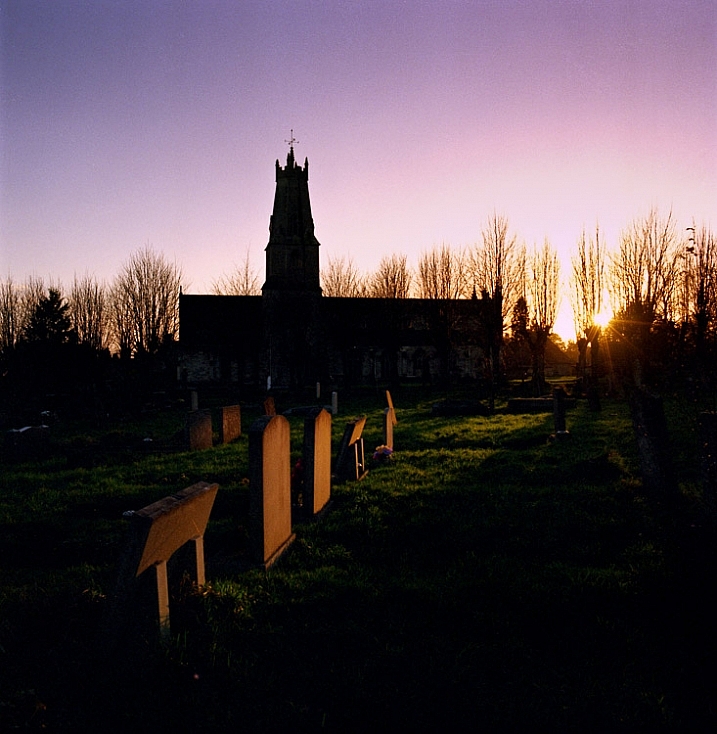
Last light on gravestones, Stroud, England.

In the photo above I was in this graveyard on a winter’s afternoon. I noticed that the sun was starting to set and realized that if I waited, the sun would fall perfectly between the trees, lighting up the gravestones. This stream of light through the trees only lasted a minute or two, but it shows that when you really pay attention to light you can start to anticipate what it’s going to do, and how it will affect your photos. Without that stream of beautiful light the scene would have been really boring.

6) Chasing light is an adventure

“Photography is a love affair with life.” – Burk Uzzle

Photography is such an amazing creative pursuit. I love how it connects me so much more to the world around me. Learning to pay attention to light and how to capture it is one of the best ways to elevate your photography. Becoming intimate and familiar with light will help you become really present with the beauty and wildness of this amazing world.
How to See and Photograph Light - 6 Tips to Help you Take Better Photos

I would encourage you to photograph light – just for the sake of it. It’s a wonderful, thrilling adventure to always be chasing the light.

I’d love to know if you how you go about capturing light and use it in your photos. Please comment below, I love hearing your ideas.

googletag.cmd.push(function() {
tablet_slots.push( googletag.defineSlot( “/1005424/_dPSv4_tab-all-article-bottom_(300×250)”, [300, 250], “pb-ad-78623” ).addService( googletag.pubads() ) ); } );

googletag.cmd.push(function() {
mobile_slots.push( googletag.defineSlot( “/1005424/_dPSv4_mob-all-article-bottom_(300×250)”, [300, 250], “pb-ad-78158” ).addService( googletag.pubads() ) ); } );

The post How to See and Photograph Light – 6 Tips to Help you Take Better Photos by Anthony Epes appeared first on Digital Photography School.


Digital Photography School

 
Comments Off on How to See and Photograph Light – 6 Tips to Help you Take Better Photos

Posted in Photography


Tips from the Sports Photography Pros to Help You Get the Money Shots

07 Dec

The pros know that sports photography is a fast paced and intense profession. You have to be quick. Really quick! Catching the moment is one-third intuition, a third skill, and the rest is pure luck. Accept it now! Sometimes the most amazing shot you capture will just be pure luck.

sports photography action

Capture the emotion and the intensity of the players. These shots sell.

There are things you can do to increase the odds of success. If you’re like me and you want to earn part of your income from sports photography then there are some tips and tricks you need to learn. Sports photography is a lot more than just pointing the camera at an athlete and holding down the shutter button.

Camera grip is key

The sheer speed of sports photography requires a specialized grip. You have to be able to zoom in and out quickly as well as switch from landscape to portrait (horizontal to vertical) orientation. If you are strong enough to handhold your lens then this technique is for you.

sports photography black and white

For a magazine a shot in black and white can create a lot of drama.

Loosen up the tripod collar on the lens so it slides easily. Hold the lens by placing the base of the collar in the palm of your hand and grip the zoom ring with your fingers. As you rotate your camera from portrait to landscape your camera will automatically change focal lengths. It’s quick and convenient and it’s also pretty easy to maneuver. You can then adjust the orientation of your camera back to portrait or landscape by releasing your grip on the zoom ring. It takes practice to perfect this method but once you’ve got it the process becomes very quick.

The same basic premise can be used if you shoot with a monopod. Instead of using your hand as the base for monopod ring you’re going to handhold the zoom ring and turn from portrait to landscape in the same way.

sports photography

In this case, the image is about the struggle and expressions on the kid’s faces. The scene tells a story about struggle.

Money shots

I quickly learned that certain types of shot sell while other shots are nice but they don’t sell. The images that generally fall into one of the following three categories:

sports photography action hockey

At tournaments, these types of shots sell to parents.

1) The Celebration

Images of athletes celebrating are so popular because they show the height of emotion and sacrifice. The recent shot of the World Series winning Chicago Cubs is a fantastic example.

While this isn't an epic celebration parents love this type of shot.

While this isn’t an epic celebration parents love this type of shot.

2) The profile shot

In this instance, you capture an image of an athlete in action. The shot shows the shape of their body as they compete and there is little to distract from the perfection of their form.

sports photography girl running

The water droplets are my favorite part of this shot even though most people won’t notice them.

3) The unusual occurrence shot

These are the unique moments in sports that only happen once. You won’t catch these types of shots very often but when you do it’s a fantastic adrenaline rush.

sports photography expressions

In this case, the facial expression and position of the girl’s arms and the ball make for a unique shot.

I’m not saying that other shots won’t sell but the likely hood is far less. Sometimes the image falls into a category of its own. If you try to capture the majority of your images from these three categories then you are well on your way to earning an income from sports photography.

Don’t give up

Sports photography is an incredibly tough world to try and break into. You have to work so hard to get noticed. It’s also incredibly challenging and very physical. Be prepared for the ride of your life. You will have to push your camera and your body to their limits to keep up with these talented and very physical athletes.

So use every trick or tip you can find to rise above the rest and take those memorable shots. Leave any of your tips below and also share your favorite images.

Capturing goalies is a real challenge. Usually, there's a lot of traffic in front of them.

Capturing goalies is a real challenge. Usually, there’s a lot of traffic in front of them.

googletag.cmd.push(function() {
tablet_slots.push( googletag.defineSlot( “/1005424/_dPSv4_tab-all-article-bottom_(300×250)”, [300, 250], “pb-ad-78623” ).addService( googletag.pubads() ) ); } );

googletag.cmd.push(function() {
mobile_slots.push( googletag.defineSlot( “/1005424/_dPSv4_mob-all-article-bottom_(300×250)”, [300, 250], “pb-ad-78158” ).addService( googletag.pubads() ) ); } );

The post Tips from the Sports Photography Pros to Help You Get the Money Shots by Erin Fitzgibbon appeared first on Digital Photography School.


Digital Photography School

 
Comments Off on Tips from the Sports Photography Pros to Help You Get the Money Shots

Posted in Photography


Tips to Help You Find the Right Photography Studio Space to Rent

06 Dec

Are you looking to up your portrait, fashion, or product game but are running out of space in your home? Maybe you are on the cusp of having a steady stream of clients but small droughts here and there have you worried about signing a lease for more space. Or perhaps you are curious about what you could do with some professional equipment and a dedicated space? Renting photography studio space is often a perfect solution for any of these situations and more.

Ravenshoe Group

By Ravenshoe Group

Casual studio renting sounds ideal; no need to own extra gear, no monthly rent, no lighting/heating/insurance costs. But it can have some drawbacks if you’re not careful. Here are some tips to help you find the right photography studio space to rent.

What do you need in a photography studio?

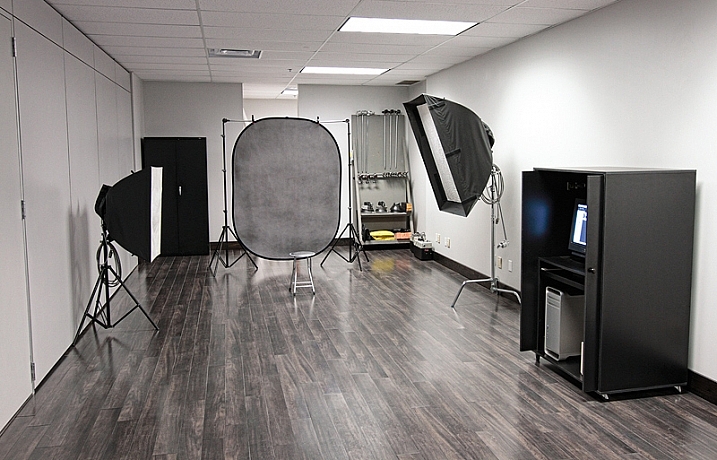
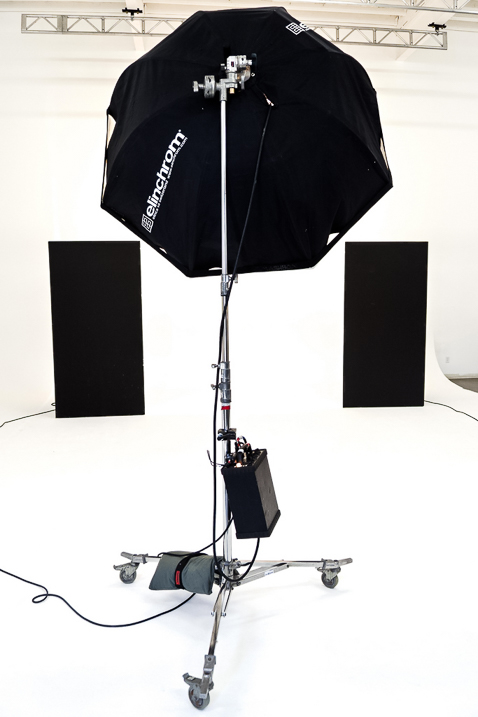
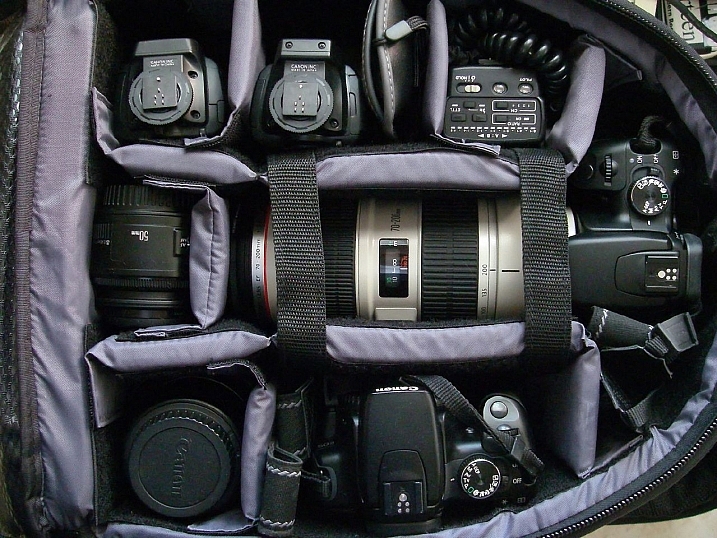
Some studios have all the gear you would ever need; C-Stands, professional strobes and modifiers, and a gaggle of backdrops. Others will give you a heated space and an outlet, that’s all.

The right photo studio equipment can make magical images

Image by Erik Söderström/Flickr

Your first step before renting a space is to figure out just what you need. Having a list of items you require will help you in the next phase (searching for your studio) as you file through website after website.

For those totally new to studio shooting, I’d suggest finding a class to help you become familiar with handling the expensive gear in a studio space. I know I was intimidated the first time I was given an Alien Bee light and told to set it up.

If you are only showing up with a camera, you’ll need to make sure the studio has it all. But if you like your strobes (yes, you can use a typical camera flash, with or without modifiers, in a studio) maybe you only need a dry space with a variety of backdrops.

Resources for your search

Google Maps works as a starting point but shouldn’t be your only stop. I use search terms like “Photo Studio”, but you have to be careful how you use the word “studio” otherwise you’ll start getting all kids of apartment listings.

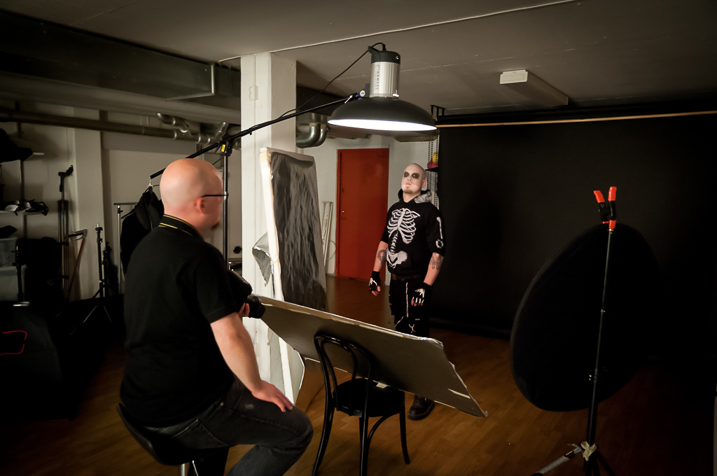
Getting setup for a photo studio shoot

Image by Heisenberg Media/Flickr

I’ve found Yelp to be useful for all the normal Yelpy reasons, but also because the photos help me get a sense of the space.

Facebook groups are another excellent place to find space but make sure you do a little research first. Chances are someone has already asked your question, so search the results in your area. These groups are often run by local photography clubs, so a search for the likes of “Nashville Photography Club” will point you in the right direction. I find that photography club members are usually quite helpful finding most any photo resource when I am visiting a new location as well. They can also be a good source if you are looking for a mentor or assistant to help in the studio.

Knowing what you’re getting

Read the studio’s website very carefully if when in doubt, ask. Keep your emails that describe what you’re getting and what’s not included. Know when you can show up and if they will let you tour the space before your reservation date.

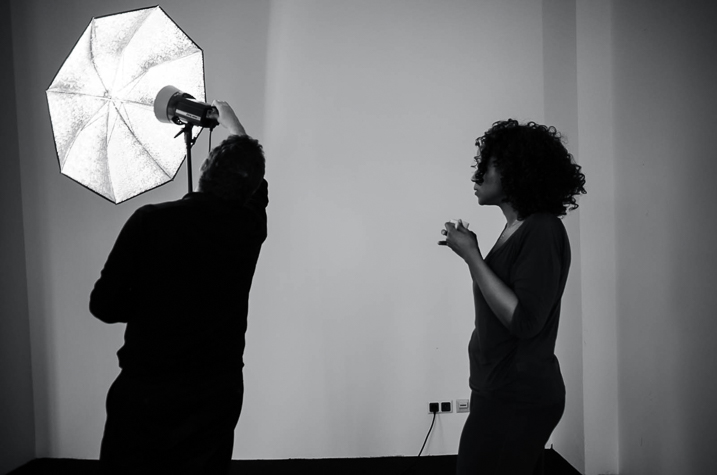
Lots of space can be an advantage when renting photo studio space

Image by jm3/Flickr

This is just a business transaction; don’t be afraid to ask for what you need. If you want a fog machine, ask if one is included. Will a changing room be available? Will remote triggers for any flashes be included or should you bring your own? If you like a specific modifier for the lights, make sure they can provide it.

These all seem like simple things but they will trip you up if you make an assumption that turns out not to be true. If the space has plenty of daylight but no good draperies to cover the windows, you should know this before you show up with clients.

Be prepared

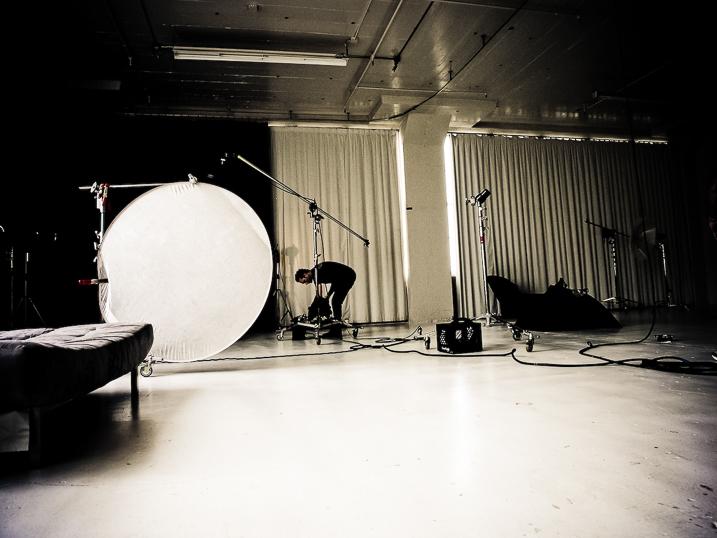
Know which gear is available when renting a photo studio

Image by a kindly stranger/Flickr

Assume nothing. While the list of items may be complete and you received guarantees in email, be prepared to have vital items with you or a backup plan in place. What if the backdrop color you want got damaged just before your session by another patron? What if you really need music for your shoot (such as playback for a music video) and their system breaks?

Have backups and backup plans. Carry extras of your own gear, as much is as practical, in case you are the cause of a breakage. Such as a lens cracks or your own wireless transmitter freaks out. You’ve spent time and money on the shoot; make sure it is not scrubbed because of something that can be backed up.

Depending on the level and importance of the shoot, you may want to rent backup gear if there isn’t a shop close to your rental studio. Studio space can range from $ 30-$ 150 per hour or more, and if you are bringing in hair and makeup professionals or maybe a model or two the costs add up. It’s worth the slight extra cost to make sure that money isn’t wasted because you ran out of batteries or gaffers tape or can’t find your 50mm lens.

Conclusion


Renting studio space to expand your skills and resources is a great option as your photography grows. Getting in with a local group, via Facebook or an internet search, is a great way to find space and people who might be good mentors. Make sure you know what you are getting yourself into and what is and is not, included with the rental.

Most of all, have fun shooting!

googletag.cmd.push(function() {
tablet_slots.push( googletag.defineSlot( “/1005424/_dPSv4_tab-all-article-bottom_(300×250)”, [300, 250], “pb-ad-78623” ).addService( googletag.pubads() ) ); } );

googletag.cmd.push(function() {
mobile_slots.push( googletag.defineSlot( “/1005424/_dPSv4_mob-all-article-bottom_(300×250)”, [300, 250], “pb-ad-78158” ).addService( googletag.pubads() ) ); } );

The post Tips to Help You Find the Right Photography Studio Space to Rent by Peter West Carey appeared first on Digital Photography School.


Digital Photography School
 
Comments Off on Tips to Help You Find the Right Photography Studio Space to Rent

Posted in Photography