RSS
 

Posts Tagged ‘Help’

Tips to Help Newbies Find Success in the Photography Business

04 Aug

Many dream about becoming a professional photographer, but unfortunately it can be difficult to last longer than two years in business, if you don’t have the right plan. People fail every day. They question themselves, wonder if their work isn’t as good as they thought it was, then pass along the common belief that it’s impossible to make a living in photography.

Corporate Portrait

Corporate portraiture. Every business needs photography.

You commonly hear that everyone is a photographer these days, but that’s just not true. There are lots of photographers, in the same way that there are many people who enjoy writing – as there should be, because it’s an incredibly fun passion. But there are not as many professional photographers pushing themselves in the right way and making a living, and this is solely due to their marketing ability, not the state of the industry.

If anything, there is more opportunity than there used to be. With the Internet, LinkedIn and social media, everyone needs a good portrait. Companies need their events documented to then be shared. People are spending so much money on weddings. Good photography is more important than it ever has been. What people really mean when they talk about the industry being saturated with photographers, is that the old gatekeepers who once sought out the skilled photographers are gone. Now to succeed you have to figure out how to do it on your own, and to raise above the noise.

Here are some tips to help you find success in your photography business.

1. Create a strong and unique body of work
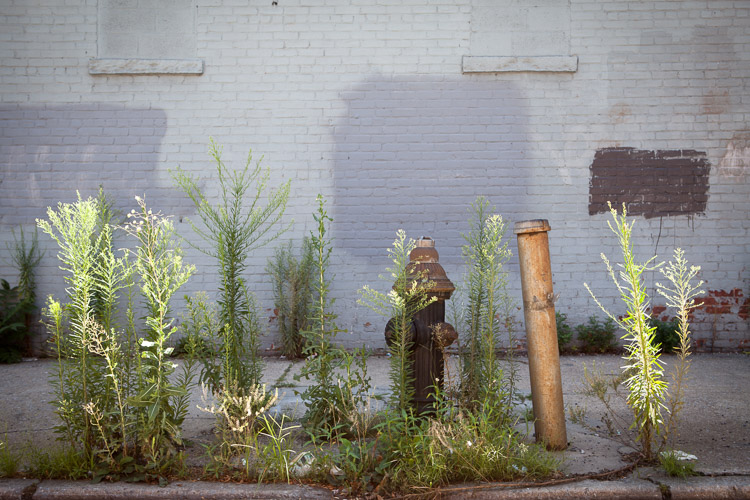
Gowanus, Brooklyn.

Gowanus, Brooklyn. This photograph sells very well due to its uniqueness.

There is no way around it, if you want to succeed as a photographer, you have to learn how to create strong work. There are no excuses these days. Everything you need to learn is on the Internet. There are videos, courses, ebooks, YouTube, you name it. Map out what you need to learn, particularly where you feel your weaknesses are, and seek out content to address them. Maybe it’s posing, or studio lighting, or printing. Everything’s out there, and it’s not hard to locate. Go to town.

Train your eye. Find 10 photographers whose work you love, and figure out how to do what they do. Study them, go deep into their archives, and then try to recreate the look of their images. Use friends as models, do whatever you need to do. Recreating their look is not copying, it’s learning, and eventually as you continue to improve, you will take elements from all of your favorite photographers, and mesh them into your own style.

Plan creative days. It’s not good enough to say that you will find time within your schedule. Set aside entire creative days, and put them in your calendar. Turn off all other distractions and treat it as a job, because it is a job. Plan what you are going to do ahead of time and execute it. This is where your portfolio will begin, and what you will use to get jobs.

2. Realize that nobody notices you or your work
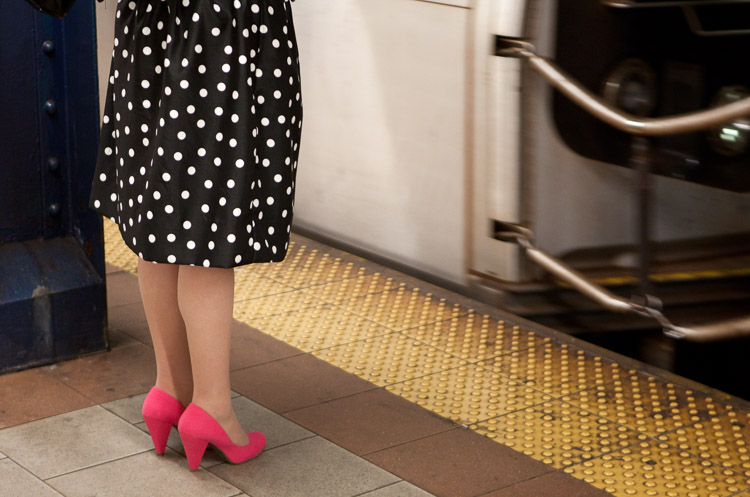
Polka Dots and Pink Shoes, Subway, 2012.

Another New York print that sells well.

It’s important to understand how people see you, and they don’t. Everyone is being bombarded with imagery everyday from so many sources. Even if you put yourself out there, people aren’t going to notice you. It takes time and persistence, so keep at it.

The reason that you need to understand this, is because you have to grind at first. The beginning is always a grind, particularly as you’re trying to get to an income that can stabilize you for the long term. People may not notice you the first time, or the second, and when they do first notice you, they will probably write you off. It’s common for some people’s first reaction to be negative and dismissive about you, before they even give you a chance. But, the more they see you, the more they will notice you and warm up to you. It takes time, and people appreciate seeing others work hard for it. One try is not enough. Neither is two.

3. Reach out to your community

Every successful photographer that I’ve spoken to has received their first smattering of jobs through word of mouth. Who else is going to hire you right away? Your personal community is so important to your early and ongoing success. Your friends and colleagues know you and trust you. They will give your work more of an eye and a chance right away, and they will recommend you. Be social, surround yourself with a strong community, and your professional life will benefit.

Facebook Event

A job I received through a fellow photographer.

However, these word of mouth referrals are not going to happen on their own. Your community isn’t going to help if they don’t understand what you are doing. Make it official. Create an email list and send out an official announcement about your business. Explain, and show what you do, and make it clear how you can help people. If you are building a portraiture business, explain that you do photography for engagements and families, businesses, law firms, actors, and artists. You know who that covers? Everybody. Suddenly, everyone will have you at the top of their mind. They will understand how you can help them when they are in need of your services. People will not know this unless you tell them.

Start fostering a community of other photographers around you. It can be easy to think of other photographers as competition, but that is so far from the truth. The only one keeping you from getting jobs is yourself, and photographers are the ones that you can bounce ideas off. If you need to gain experience, offer to assist for them whenever they need. This is particularly popular in wedding and commercial businesses, but every photographer can use a hand. This will teach you more than any Internet website or tutorial can. As you get closer, this community of photographers will give you advice in times of need, and will pass you jobs when they are booked. It’s a win-win for everybody involved.

4. Active versus passive marketing
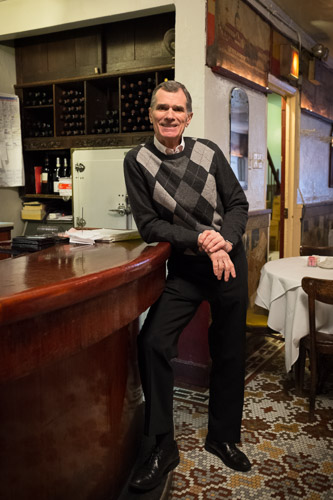
Local Business Photography

The owner of my favorite local restaurant.

Passive marketing is the act of putting yourself out there over and over again, while waiting for the jobs to come to you. This is so important for the long term, but it takes time to come to fruition, and in the short term it does nothing. Instead, take an active approach to your marketing and directly reach out to your potential clients.

If you want to work with local businesses, contact them and introduce yourself and your services. Make an appointment to show them your portfolio, or call them on the phone. If you want to work with restaurants, start with the ones you eat at, and work the town. If you want to do portraits of actors, go to acting schools, and the places where the actors hang out. If you want to sell your prints, seek out interior designers, art consultants, and businesses without art on their walls. Figure out who your clients are, where they are, and then plan out the best way to approach them.

5. Create a business plan
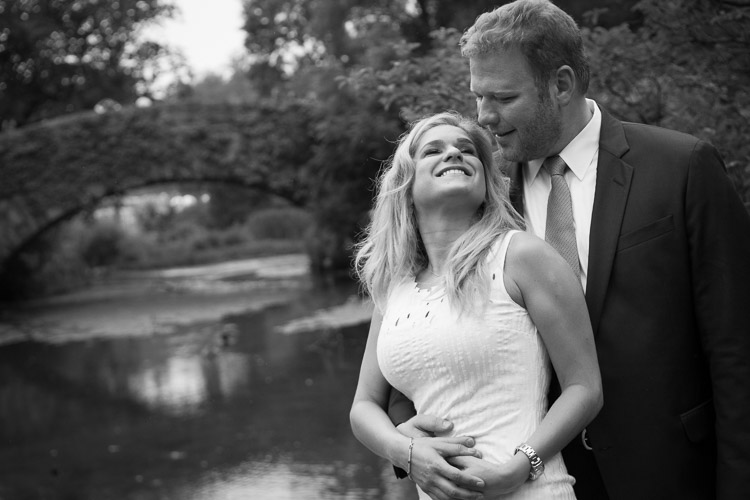
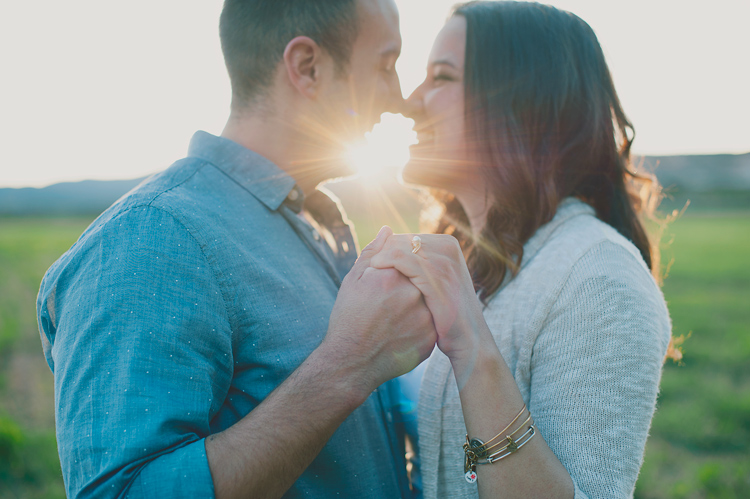
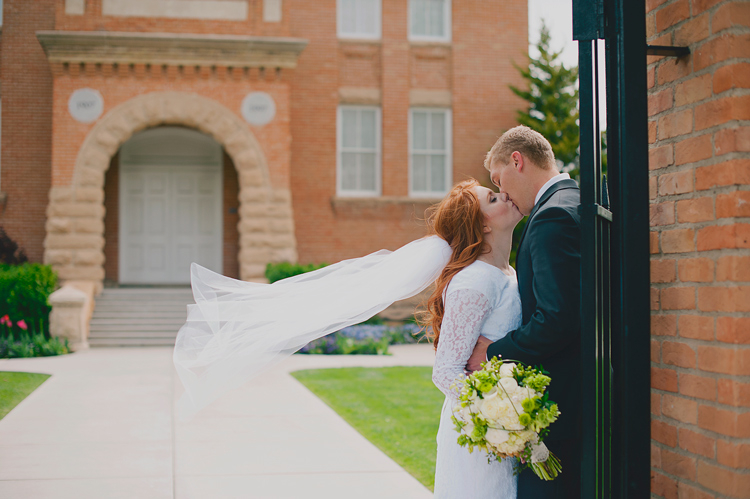
Engagement Photography.

Engagement and family photography can be a great business to start off and gain skills you need.

Creating a business plan is vital to your success. Figure out the income number that you will need to earn in the first year, and create a plan for how to achieve it. How much will your expenses be? How much will you charge, and how many jobs will you need to book to reach your desired income? Who are you marketing to? What are all the ways that you can reach your potential clients, and which have the potential to pay off the best? What promotional material will you need? Do this in a spreadsheet, map it all out, and continue to reference and tweak it as you go.

6. Contact people!

Corporate Portraiture.

Corporate portraiture.

Once your portfolio and website are ready, start contacting the people on your list. Do this consistently, and not all at once, so you don’t burn yourself out. Try a few, see how your pitch went, then refine it. The first few might not go so well, and if that happens, try to figure out what went wrong. If they do not seem to have a strong reaction to your work, then maybe you need to improve or tweak it. As you achieve more success, you can start to contact additional people. This is the grind phase of your career, and it is the only way to succeed.

You will fail more often than not, but be elegant in failure. Someone who rejects you now could be doing it for so many reasons, and could be a great client down the road. Even if they can’t work with you now, make a good impression and don’t give up on them.

7. Follow through

Every step that you did before this is how you got hired for the job. Don’t screw it up. You want your career to snowball, and the only way it will do that is if you impress everyone. Jobs are the quickest way to get more jobs and new referrals. Unfortunately, as some photographers start gaining jobs consistently, they can become cocky or complacent. You know how much work went into gaining these clients, and you want the grind to pay off.

Event Photography.

Event photography.

Respond quickly. Under-promise and over-deliver. Plan out jobs, communicate well with clients in the planning phase, and don’t mess up details. Always keep a smile on your face and look confident, even during the many times when you will be freaking out inside. Make sure to talk to the clients when you have the chance, and get to know them. Send thank you notes, and don’t be afraid to ask for referrals.

Do you see from all of this how a career can take off when you approach it in the right way? It’s not rocket science, but unfortunately it often takes newer photographers much longer to figure all of this out than necessary. It took me a long time. Now you know it, so go do it. Fight the fear, and kick some butt.

googletag.cmd.push(function() {
tablet_slots.push( googletag.defineSlot( “/1005424/_dPSv4_tab-all-article-bottom_(300×250)”, [300, 250], “pb-ad-78623” ).addService( googletag.pubads() ) ); } );

googletag.cmd.push(function() {
mobile_slots.push( googletag.defineSlot( “/1005424/_dPSv4_mob-all-article-bottom_(300×250)”, [300, 250], “pb-ad-78158” ).addService( googletag.pubads() ) ); } );

The post Tips to Help Newbies Find Success in the Photography Business by James Maher appeared first on Digital Photography School.
Digital Photography School

 
Comments Off on Tips to Help Newbies Find Success in the Photography Business

Posted in Photography


Photographer captures kayakers with help from drone-mounted Speedlites

12 Jul

Australian adventure photographer and Canon Master Krystle Wright is the subject of a new video from Canon in which she details photographing kayakers with the EOS-1D X Mark II. Wright captures the kayakers dropping down a 60ft waterfall in near darkness with help from a drone rigged with two 600-EX Speedlites.

‘With the way the world is these days, there’s so many images being produced,’ she explains, ‘you really have to push hard to create something that is unique.’ We’d say the unique approach definitely paid off with some memorable shots.

Articles: Digital Photography Review (dpreview.com)

 
Comments Off on Photographer captures kayakers with help from drone-mounted Speedlites

Posted in Uncategorized


5 Tricks from Professionals to Help You Do Better Wildlife Photography

17 Jun

Whether professional or an amateur, most photographers who enjoy wildlife photography do it because we love being outside in nature, and we love to share our experiences of the world’s wild creatures. Carrying our cameras, and making images along the way, helps us to truly see and appreciate what nature has to offer.

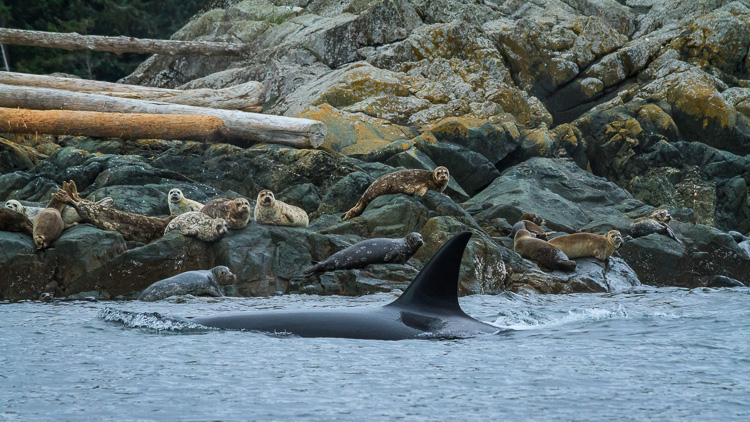
Orca, also known as killer whales, hunting seals by Anne McKinnell

But there’s more to making a captivating wildlife photograph than simply having an animal in the frame. If you just snap a shot when an animal is in front of you, you may find that your photograph lacks the impact you were after.

Next time you are out in the wild, try out these five tricks that professional wildlife photographers use to capture the world’s wild creatures at their best.

1. Watch and Learn

Every one of the world’s many species of animals are different. You cannot photograph them all the same way. But, if you spend some time observing your creature’s behaviour, you’ll be better equipped to click the shutter at exactly the right moment.

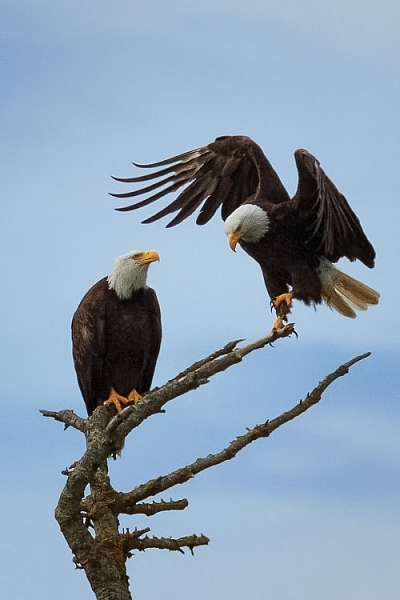
Two bald eagles by Anne McKinnell

It’s all about that special moment when the animal is doing something – whether it’s flying, walking, making eye contact, or interacting with another animal. Like spending time with friends, you come to know when they are going to do a particular thing and what triggers a reaction. Once you observe and understand their behaviour, be patient, be quiet, and wait for the right moment.

We often think of wildlife photography as being exciting, but more often than not, better images are made when it is a quiet, contemplative experience.

2. Use Faster Shutter Speeds

Many a great wildlife photograph has been ruined when an animal moves faster than the photographer anticipated, resulting in a slightly blurry image. It has happened to us all. Try not to let that happen by increasing your camera’s ISO, which will allow you faster shutter speeds.

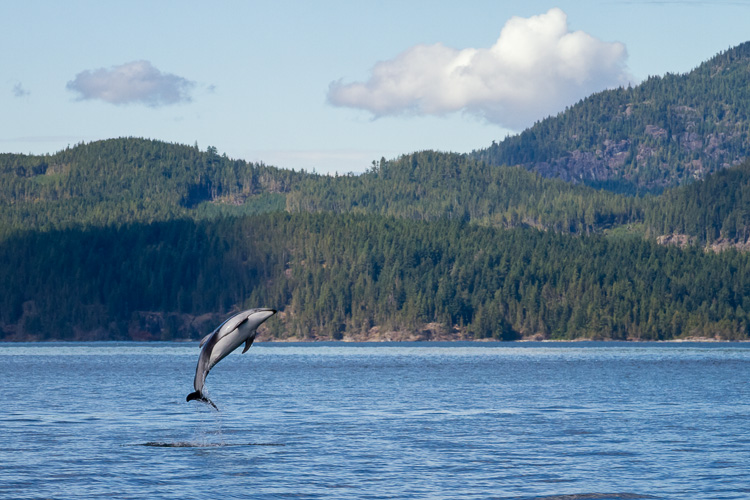
Pacific White Sided Dolphins by Anne McKinnell

Even when your subject is absolutely still, you never know when they’ll decide to move, and that could be the magic moment you’ve been waiting for. Be ready by using a shutter speed of at least 1/500th of a second.

3. Carry Two Camera Bodies

The most important thing is to capture that special moment, so don’t miss it by changing lenses. It’s better to pick two lenses to work with, and have each mounted on its own camera body. Then, when you need to switch, you simply put down one camera, pick up the other, and you’ll be ready to shoot in less than one second. I usually use one camera with a 70-300mm lens, and the other with a 400mm lens.

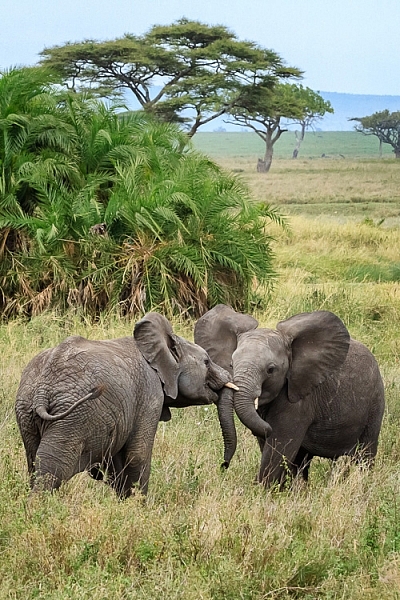
Two elephants playing in Serengeti National Park, Tanzania by Anne McKinnell

4. Don’t Get Rusty

You don’t have to wait until you have an exotic animal to work with! Keep your skills sharp by practicing with whatever animals are nearby. You might surprise yourself and come up with some of your favourite shots. Practicing with seagulls and geese, will ultimately improve your photos of cranes and spoonbills when you have the opportunity to shoot them.

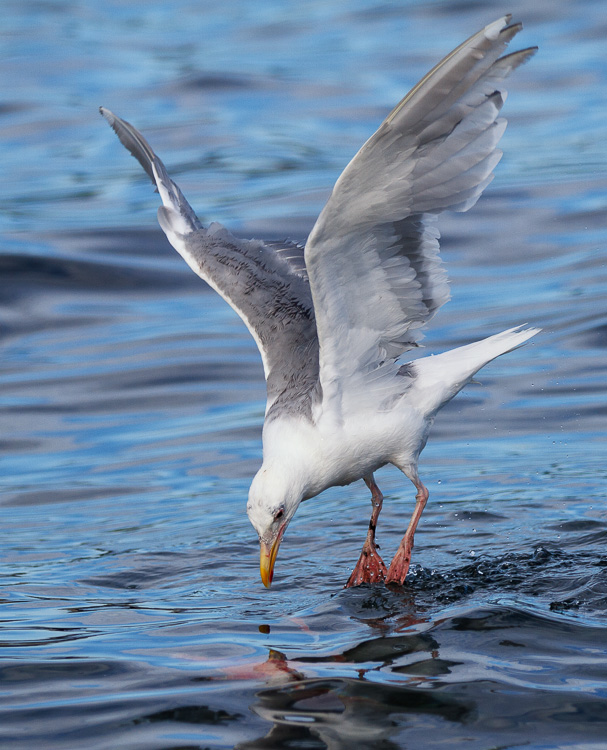
Seagull looking at underwater sockeye salmon by Anne McKinnell

Try setting up a bird feeder outside your window and you can practice on the birds that come right to you.

5. Vary Your Compositions

Usually when we photograph wildlife, we want the animal to fill as much of the frame as possible. But once you get that shot, don’t keep making the same shot over and over. Try some different compositions, such as getting super close to just part of the animal. You can shoot just the eye, or zoom in on an interesting detail.

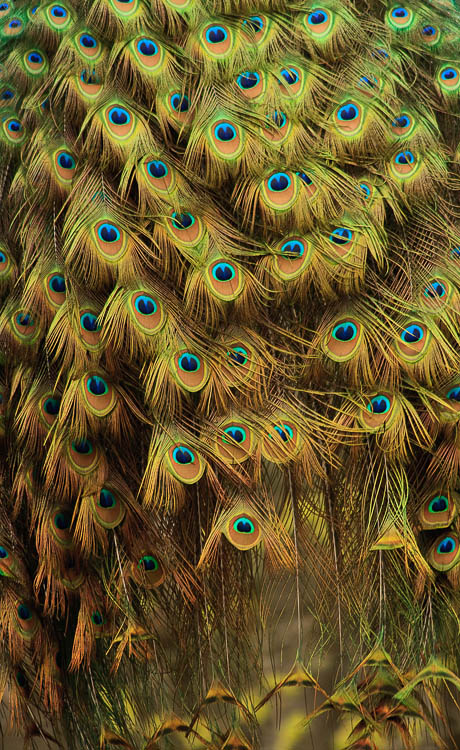
The tail feathers of a peacock by Anne McKinnell

Then try zooming out and photographing the animal and its environment. Also try to change your perspective. Get on eye level with your subject or try making an image from a lower angle.

By understanding your subject, having good techniques under your belt, and lots of practice, you’ll be well on your way to making more captivating wildlife photographs. If you have any other tips of tricks for wildlife photography please share them, and your images in the comments below.

googletag.cmd.push(function() {
tablet_slots.push( googletag.defineSlot( “/1005424/_dPSv4_tab-all-article-bottom_(300×250)”, [300, 250], “pb-ad-78623” ).addService( googletag.pubads() ) ); } );

googletag.cmd.push(function() {
mobile_slots.push( googletag.defineSlot( “/1005424/_dPSv4_mob-all-article-bottom_(300×250)”, [300, 250], “pb-ad-78158” ).addService( googletag.pubads() ) ); } );

The post 5 Tricks from Professionals to Help You Do Better Wildlife Photography by Anne McKinnell appeared first on Digital Photography School.

Digital Photography School

 
Comments Off on 5 Tricks from Professionals to Help You Do Better Wildlife Photography

Posted in Photography


5 Tips to Help Build Your Confidence in Photography

14 Jun

Think of your last bad day of photography, a time where you just blew a whole batch of portraits, or even a couple’s wedding day images were spoiled. As photographers you can’t go back and fix that. Yes if you use RAW, you can get some info back from under or over exposed shots, and editing tools these days can be incredibly useful. But, when you spend more time behind the computer than with you camera it can be a real confidence buster. It may even be taking away from future business, if not your enjoyment of photography.

So how do you build your confidence?

confidence in photography

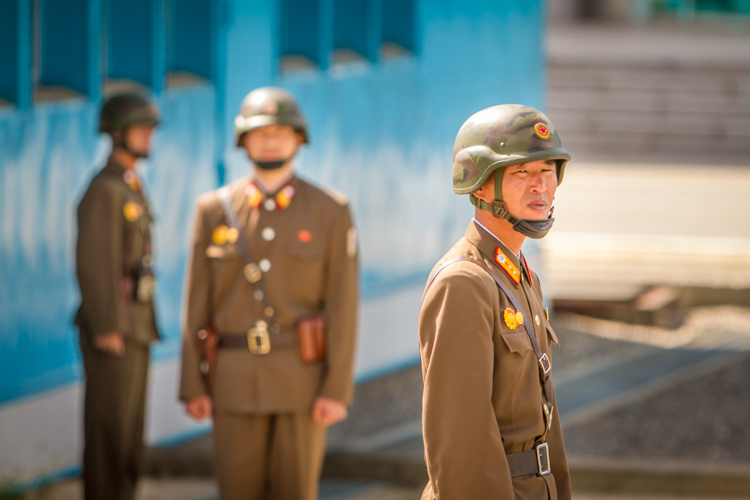
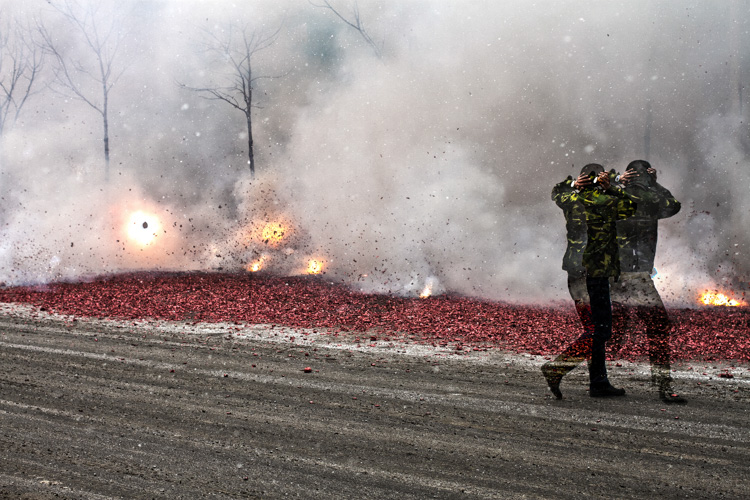
These DPRK soldiers show confidence and loyalty guarding the DMZ and the 38th parallel of Korea. The soldiers at Buckingham Palace don’t flinch, and that takes practice.

Having confidence exudes confidence, but where does real confidence come from. Well it doesn’t just come from nowhere, that is often called arrogance. It comes from the awareness of your emotional state relative to your cognitive abilities.

If you use your emotions to create, you are being confident. If your emotions are overwhelming you during your shot or photo series, you are likely under-confident. By the book, you may know everything there is to know about the exposure triangle, rule of thirds, color theory, etc., but when you are actually shooting do they do more to help, or do they hinder you?

Confidence is a delicate balance between what you know, and how well you are capable of performing. So let’s look at a couple of examples and analogies to help build your confidence as a photographer.

#1 – Confidence isn’t always consistent

Real confidence is never consistent, and has its slumps. Professional sports is a great example, even superstars have an off night.

So when you have an off night, remember another night is just 12 hours away. If it is the morning, it is still 12 hours away. Even a broken clock is correct twice a day, so don’t beat yourself up. In the short run you may have really blown a photo shoot, or missed the animal of your dreams because you were not being conscious about your settings, or you were simply absent minded. But that is the short term, and as long as you get right back out there, the better off you are going to be.

The best of the best all fail, but what keeps them on top of their game is the arduous task of owning up to being human, and going out to find a solution to your goof. In the long run, they will be memories that you get to look back on with a laugh.

confidence in photography

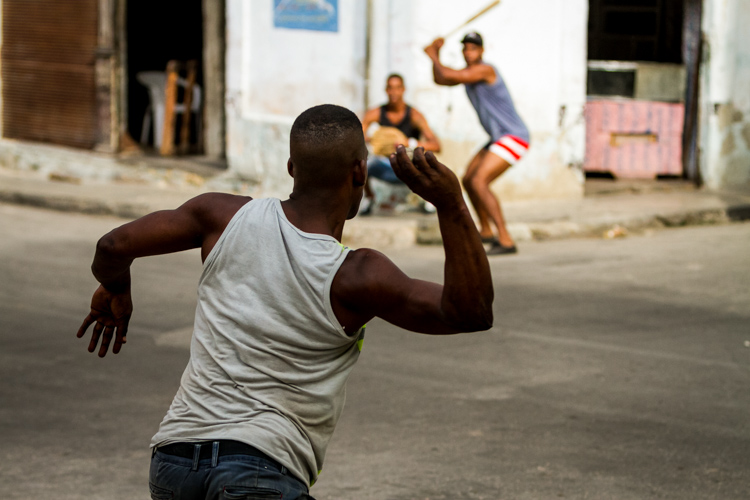
Baseball is a national pastime in Cuba. Although it was my first time shooting baseball in the barrios of Havana, it wasn’t my first time shooting it.

#2 – Learn from your mistakes

Few people are perfect photographers from birth. Generally, talent comes through sweat, tears, and sometimes even blood. If you make mistakes you can learn from them. Confidence has a conspiracy with failure. So take two steps forward, and one step back. Stay committed, and speaking of commitment and blood, I am not the only photographer who has taken a tumble, and when people ask you if you are okay, you respond with, “Yes the camera is fine”, while your knees and elbow are bleeding.

confidence in photography

Continuing with the baseball theme, after striking out, it only took one big swing to make the winning home run. Don’t give up, live, learn and keep swinging for the fences.

#3 – Be vulnerable

Enter a photo contest, and don’t expect to win. It is a final process of completing the photography and artistic conceptual circle. Letting your photo hang on a wall, while others look at it, even for a few minutes, is a scary prospect for some. But think of leaving your freshly baked pie on the dinner table, and just looking at it. We don’t do that with food, nor should we do that with our photography.

People will love it, like it, dislike it, or downright hate it, but that doesn’t mean you are wrong. It means you have succeeded in making the photography world just a little more interesting. You also never know who you will inspire. Your vulnerability will soon become a strength that will help build your confidence.

confidence in photography

After years of holding on to this photo, I finally entered it into a regional photography competition. It got in, and although I was not a recipient of anything, another gallery called a month later and wanted to host my work for a show.

#4 – Learn from others BUT don’t compare yourself to them

There is a world of knowledge available, and many people who you can learn from. Use them, ask them questions, share ideas – but don’t compare yourself to them. Generally when you compare your own work to others, it may leave you with a sense of there’s more to be desired, and a sense of failure. So learn from their perspectives, their tutorials, and their stories, but don’t get caught up in who is better.

A happy photographer is the best photographer. Furthermore, over time you will begin to see the merits in some of your earlier experimental work. Perfection is not the goal, it is the journey to becoming a more enriching photographer.

IBQ 0174
This Magnolia opening in spring was taken in full sunlight. I saw a series of flowers on a photo stream, and realized I had not taken a photo of something beautiful in a long time. This helped me learn to see, and if our images were side by side, I am sure theirs was better. But I enjoyed doing something different than what I normally shoot.

#5 – Avoid gear envy

There will always be something bigger and better, wait another year and the next new version will be out. So don’t get intimidated by other photographers’ gear, and more importantly don’t let your photos depend on your gear. Think of it as a challenge.

confidence in photography

Taken with a 50mm, manual focus lens from my father’s box of forgotten things, that I found rummaging through his old stuff. Lenses and cameras are fun to have, and fun to buy, but they don’t make the photo.

A small trick I use when the next new thing comes out, and I get in that spiral of getting all gear-junkie about it is to look at some of the classic photographers from 100 years ago or read up on some color theory. This gets me back to the basics, try it yourself.

So if you realize that every showing will not be your best, you can get over thinking that your gear dictates the success and failure of your photos, if you can start to learn from your mistakes, and begin to hang photos on a wall – then guess what? Your confidence will begin to grow, you will have more control (and more power) over photography (situations, light, camera gear, etc.). As your confidence grows it builds and builds on itself.

The next six areas are examples of how confidence will help you in that style of photography. Part one is developing confidence, and part two is a set of examples of how confidence can help in different situations.

How confidence can help you take better photos

In portraiture, confidence helps you connect with, and calm your subject, to bring out their inner spirit. There is little worse than a nervous model and a nervous photographer. Even if you are not 100% sure what you’re doing, show confidence, take your time, and slowly adjust your settings to get things closer to your ideas. Try and keep from getting frustrated and making large adjustments wildly to your gear.

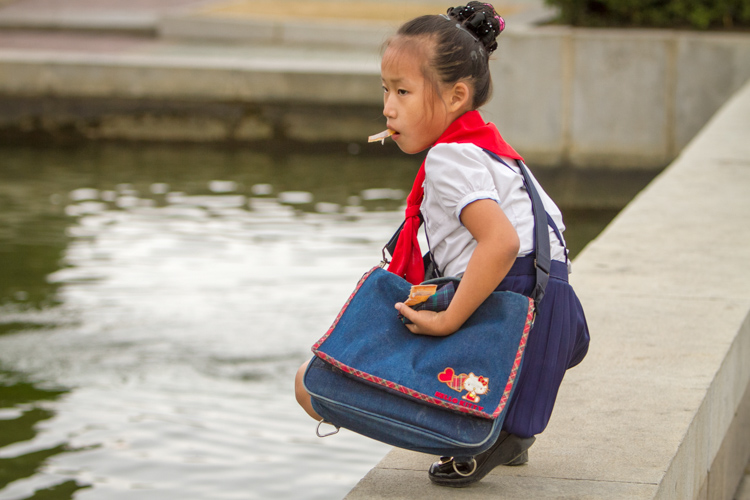
confidence in portrait photography

This young girl in North Korea had never seen an American before, but after me keeping my cool she was much more approachable.

In wildlife photography, confidence lets you trust your gut, and get in the right place at the right time. Luck is important, but perseverance will ultimately lead to success. Having confidence will give you the extra optimism to keep you going, as you wait patiently.

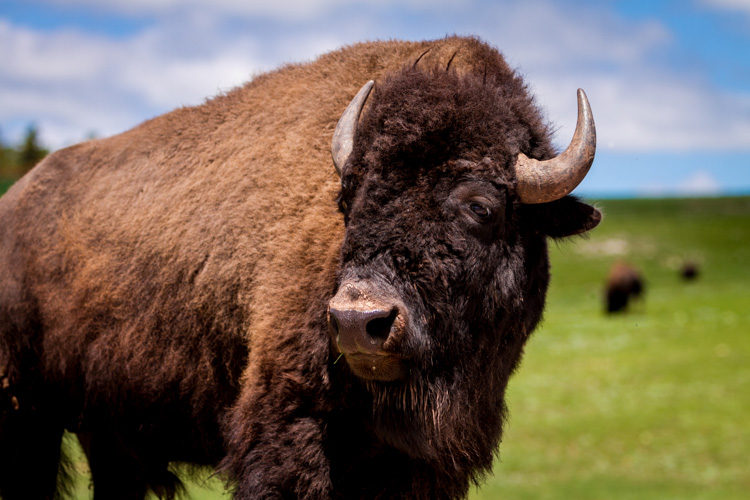
confidence in wildlife photography

On a long road trip from east to west across the US, I hadn’t run into any large animals. In Wyoming I decided to go for another shot at an indiscrete state park, and there were buffalo everywhere.

In travel photography, confidence helps you see beyond the postcard shot. Confidence allows you to see your journey, not the one that is in the travel books. It helps you see the subtleties, and personalize your travel story, rather than trying to just take the photo that everyone else wants you to take.

confidence in travel photography

This sassy little Cuban was just parading on her porch. I walked by without grabbing my camera, then discreetly turned around and caught her exuding luxury, Cuban style.

In fine art photography, confidence will allow your creative side to flow. It will allow you to access what is sometimes referred to in sports as “being in the zone.” This zone, or flow is your brilliance at its best, and confidence supports your ambitions as an artist.

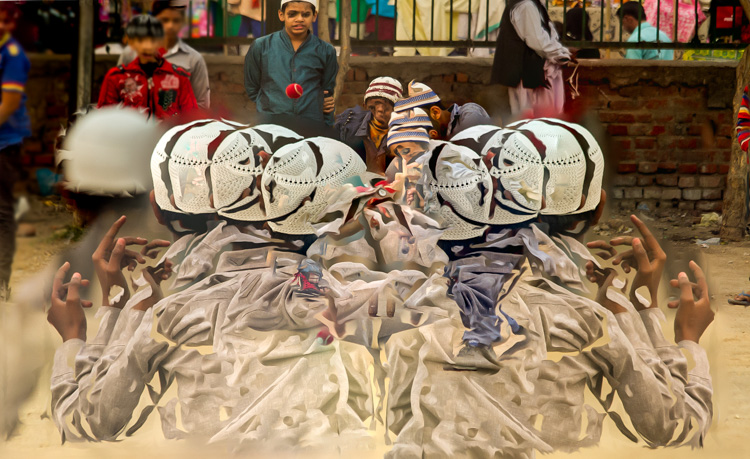
IMG 2012 Edit Edit

One of my favorite images from India, where cricket matches were being played. Using multiple exposures, then giving it a symmetrical clone, I produced something that I cherish. Maybe only you like your photo, but that is what being true to yourself is all about.

In bad weather confidence helps you see the silver lining. For all types of photography we rely on light. A great source of light is outdoors, and when that golden hour turns to wind and rain you have a choice – pack up and go, or think outside the box. Confidence helps you control your surroundings, even when they are out of control, so you can begin to work within them, and use them to your advantage.

IBQ 4876 Edit Edit 2
I can’t say that the weather was bad here, but the timing was. I was just getting to a ghetto outside of San Jose, Costa Rica at night. I wanted to get in and out before I felt compromised, unsafe. So regardless of if it’s bad weather, or bad timing, confidence can help you to push through.

In tough times confidence gives you the grit to continue. Really, this is what a lot of photography comes down to – do you have the gumption to get up early for sunrise, or not? Can you give a genuine smile to your client, even when you are not having the best day? Can you be satisfied with the gear you have, and not think about the next lens you want to get? Can you be the best photographer you can be?

confidence in photography

Symbolically this Burmese woman has had a few more tough times than I have. Confidence in photography will help you put things into perspective.

Confidence is hard to gain and can take years to attain. It is a process, and is easier for some than others. But if you work at it, it will build. Just as you work on other aspects of your photography, your emotions need work to. Confidence is an emotion, so practice with your feelings, and let them grow alongside the cerebral aspects of photography. Be mindful of your emotions, not fearful of them.

Do you have any other confidence building tips? If so, please share them in the comments below.

googletag.cmd.push(function() {
tablet_slots.push( googletag.defineSlot( “/1005424/_dPSv4_tab-all-article-bottom_(300×250)”, [300, 250], “pb-ad-78623” ).addService( googletag.pubads() ) ); } );

googletag.cmd.push(function() {
mobile_slots.push( googletag.defineSlot( “/1005424/_dPSv4_mob-all-article-bottom_(300×250)”, [300, 250], “pb-ad-78158” ).addService( googletag.pubads() ) ); } );

The post 5 Tips to Help Build Your Confidence in Photography by Branson Quenzer appeared first on Digital Photography School.

Digital Photography School

 
Comments Off on 5 Tips to Help Build Your Confidence in Photography

Posted in Photography


5 Tips to Help Get Yourself Out of a Photography Rut

09 Jun

Shootthroughyourrut 01

Are you in a photography rut?

Tell me if this sounds familiar – you’re the person who almost always has a camera with you. Maybe it’s in a backpack or purse, in your trunk, or strapped right to your hip – you’re always seeking that next level. Yet on the flip side, you also find it excruciating when you hit a rut. You know that terrible feeling when you look at your recent work and feel like it’s the endless blip of a scratched record, when you don’t feel inspired, creative, or excited by your own work.

Friend, when it gets to this point, you’ve officially hit a rut. Ruts are the curse of the artist. but fear not — if you handle this wisely, you’ll come out the other side on the next level. Here are a few tricks that have gotten me through my creative plateaus.

Shootthroughyourrut 02

Tip #1 – put the camera away for a while

First, put that camera down. It’s unsettling, isn’t it? You see the world in a series of beautifully composed photos, and not having a camera feels like you’re missing a limb. Sit in that discomfort. Force yourself to look at your surroundings with a fresh eye — no lens between you and the world — and new frames, new light, new ways of capturing this crazy planet will all slowly unveil themselves to you.

If you keep going in a rush to capture it all before it disappears, you’ll never see it properly. Start slow. Look carefully. Don’t take any photos. Keep things captured in your mind just for yourself. When you do pick up your camera again, it’ll feel like a whole new world of opportunity, because you’ve refreshed your own gaze. In the spirit of always keeping your gaze fresh, is the next point.

Shootthroughyourrut 03

Tip #2 – look for new inspiration close to home or online

Find new sources of inspiration. During one of my “leave the camera at home” phases last month, I was hungrily soaking up inspiration from everywhere and everything BUT photography. I sat in slack-jawed wonder at Kehinde Wiley paintings, examined the brush strokes in Japanese calligraphy, studied ancient mapmaking techniques and short shadowy films, and the impeccable detail on the Manus x Machina gowns at the Met Museum.

You don’t have to travel to new countries to find a street you’ve never walked down. This absorption of every art besides photography reminded me over and over that this world is rife with creativity that bursts from its very pores, in a hundred different manifestations. I felt so small, so unimportant, and so refreshed by the many ways of creativity that humans are capable of, that aren’t my piddly little photography efforts. It’s good to feel small, while also being inspired to be bigger. That being said, we come to the next tip.

Shootthroughyourrut 04

Tip #3 – stop comparing yourself to others

Stop absorbing other people’s work. Seriously, give yourself a break from the comparison game, because no one wins. Either you end up in a fetal position in defeat, after a depressing Instagram session in which you realize you’re a talentless hack, or you’re left with that icky smug feeling when you look at someone’s work who isn’t as good as yours. Either way, the comparison game doesn’t improve your art, nor does it improve the world either. Take an Instagram break, stop looking at how other photographers are doing it, and keep working on your own vision. It’s a smarter use of your time, and will take you further (now if only I could figure out how to actually implement this one).

Shootthroughyourrut 05

Tip #4 – take advantage or your own strengths and skills

Take the photo that only you can take. This is the crux of it. Instead of imitating other photographers’ techniques and subjects, have a good hard think about the photo that literally can only be taken by YOU. What communities are you a part of that others would kill to break into? What skill sets do you have, that will open doors that otherwise would stay latched shut? There are so many little components of you that make you unique — so don’t waste your time trying to recreate your current photography idol’s recent shoot.

Shootthroughyourrut 06

Tip #5 – just get some rest

If all else fails – take a nap. Seriously, sometimes I’m just so damn tired that I can’t come up with a fresh idea to save my life. Have a good lie down, and know that the world will still be there, waiting to be captured when you wake up.

In a rut? Leave your techniques for working through it in the comments section below, I can’t wait to hear how you handle it!

googletag.cmd.push(function() {
tablet_slots.push( googletag.defineSlot( “/1005424/_dPSv4_tab-all-article-bottom_(300×250)”, [300, 250], “pb-ad-78623” ).addService( googletag.pubads() ) ); } );

googletag.cmd.push(function() {
mobile_slots.push( googletag.defineSlot( “/1005424/_dPSv4_mob-all-article-bottom_(300×250)”, [300, 250], “pb-ad-78158” ).addService( googletag.pubads() ) ); } );

The post 5 Tips to Help Get Yourself Out of a Photography Rut by Laura Sullivan appeared first on Digital Photography School.

Digital Photography School

 
Comments Off on 5 Tips to Help Get Yourself Out of a Photography Rut

Posted in Photography


How Limitations Can Help You Grow as a Photographer

07 Jun

142

Have you ever said to yourself, “If only I had that lens, or this camera I’d be an amazing photographer”? Or maybe you’ve thought that if only you had more time or money, your dreams of being the photographer you want to be, would finally be realized. Many times as photographers we will have limitations put on us. Sometimes we may set those limits on ourselves, and sometimes they are limits that can’t be helped. Either way, we can use those limitations to our advantage and become better photographers because of them.

Set aside those “if only” thoughts. Push away those feelings of inadequacy. Don’t let those limitations hinder your progress as a photographer. Once we have gone through some of those limitations that can help you grow, you might even decide to limit yourself on purpose sometimes, just for the challenge.

185

I don’t have an expensive camera

Do expensive cameras make a difference? Of course they do. There’s a reason some cameras cost more than others. However, the person behind the camera matters a whole lot more. If you’re looking at your favorite photographer’s work and thinking that their camera is amazing, you may be right. Their camera is possibly amazing, but the reason you love their photos isn’t because of their camera, it’s because of what they do with that camera.

If you constantly think that you can’t do what you want to because your camera isn’t fancy enough, then you’re probably right. With that kind of thinking, you’ll always be waiting for the next purchase before you even try to get better. If you can convince yourself that your camera is good enough, smart enough, and doggone it, people like it, then your photos will change with your perspective. Find out what your camera CAN do, instead of lamenting about what it can’t do. Pull out your camera’s user manual, and practice until you’ve truly worn out your camera. You might decide to get the next big thing then, or you might have fallen in love with your camera so much that you wouldn’t dream of trading it in for a newer model.

143

I don’t have the right lens

Want to know a secret? For a long time I used my kit lens, and a 50mm f/1.8 on my first camera body. That’s it. I made those lenses work for me, and I learned how to get the most out of them. Want to know another secret? Now I use a 50mm f/1.4 and 85mm f/1.4, and that’s it. Nothing else, ever. I’ve looked at other lenses, and thought about them a lot, but when it comes down to it, I really feel like I don’t want any other lenses.

I’ll often go through an entire session with only one lens on my camera body. I feel more free to concentrate on what’s going on in front of me, and capturing what I want. I’m completely comfortable and familiar with my lenses, and I know exactly what they can do. I don’t waste time switching to another lens, and risk getting dirt on my sensor. Your lens of choice may be different from mine, and that’s okay. If you are photographing other things besides portraits, you may very well need a different lens from what I have.

However, you don’t need EVERY lens. Figure out how to make the lens (es) you have work for you. Challenge yourself to work with the constraints of a 50mm prime, or even a kit lens. You might realize that you don’t need that expensive new lens after all.

1202

I don’t have ALL the equipment

It’s exciting to dream about all the photography equipment you could buy. All the different flashes, reflectors, tripods, timers, camera bags, diffusers, and straps are calling to your wallet, begging you to buy them all. Money is a real issue for me, and likely for many of you, too. If it’s not something that you are going to use on a regular basis, see if there are ways that you can work without it.

There are many DIY ideas that will stretch your creativity. You might find that you can make beautiful photos, even without all the extra equipment. Sometimes having a limit to what you are able to purchase can make your creativity grow, because creativity is free. You can use it abundantly without hurting your budget one bit. Cameras don’t care if they’re stored in a bag you’ve had for years, that is worn on the corners (at least that’s what my camera tells me).

194

I don’t have any pretty locations available nearby

Wouldn’t it be great if we always had beautiful waterfalls and trees and majestic mountains right there to photograph? Unfortunately life doesn’t work that way. I live in a place that is actually truly spectacular, but when I first moved here, I was quite underwhelmed. It’s one of those places that takes time to appreciate, and sometimes certain camera angles to hide the parts that aren’t so photogenic. Look at your surroundings with new eyes, and you might find that you actually have a lot of gorgeous views. You’ll not only be able to make some beautiful photos, but you’ll be happier with your life and surroundings.

Sometimes you might be at a location that you must shoot then and there, and there’s not much to choose from. A back deck at high noon can work in a pinch. This is where your creativity and resourcefulness can come in handy. Hone those skills, and you will find that you are never at a loss for great locations.

169

I don’t have enough training or knowledge

Every photographer has had to say this at some point, we all have to start somewhere. If you are turning down opportunities to take photos, or scared to try something new because you’re afraid you don’t know enough, you’re selling yourself short. The worst that could happen is that you could learn what not to do.

Find every opportunity to practice and learn. Don’t let a lack of knowledge stop you from trying, instead, let it motivate you to learn more. While you are in the process of learning, remember the saying, “Fake it until you make it”. If you pretend that you know what you are doing, that fake confidence can pull you through, and you’ll gain more real confidence for the future.

***However, I must insert a warning here. Don’t agree to be the sole photographer for a very important once in a lifetime event, like a wedding, if you aren’t knowledgeable and prepared enough. You’re welcome.

293

I don’t have good weather today

Suck it up and get out there. That may sound harsh, but unless the weather is going to ruin your camera, give it a try. Some of my favorite sessions have been in the wind, in light rain or snow, or in freezing temperatures. If you always seek out comfortable conditions, you won’t stretch yourself to find new ways to deal with things. You’ll miss out on some very compelling shots, because you won’t be forced to make something less than ideal work to your advantage. You might get dirty, cold, wet, hot, or sunburned. Don’t limit yourself when conditions aren’t perfect.

158

I don’t have time

Quality over quantity will help you here. Instead of thinking you have to take 1000 frames at a time, challenge yourself to capture something great in 10 frames. Instead of spending two hours on one session, see if you can get a handful of truly great images in fifteen minutes. Sometimes when we have more time, we don’t end up with more great photos, we just end up with a whole lot of mediocre photos. Use your time constraints to help you focus on capturing exactly what you want, and not wasting time with thoughtless clicking. Use the little time you have to your advantage, and make every click count. Read: 6 Tips on How to Make More Time for Photography

Summary – let’s hear from you

What limits do you think are holding you back? Could you find a way to make those limits benefit you and make you a stronger photographer? Change your perspective on your limits, and see if you can make your photography growth limitless.

How have you found limitations have helped, rather than hindered your own growth as a photographer? Have you tried any limitation exercises on purpose? If so please share your actions and results in the comments below.


Editor’s Note: This is one of a series of articles this week that are Open for Discussion. We want to get the conversation going, hear your voice and opinions, and talk about some possibly controversial topics in photography.

Give us your thoughts below on the article above on limitations and watch for more discussion topics this week.

See all the recent discussion topics here:

  • 7 Commonly Accepted Photography Beliefs Debunked
  • Is HDR dead? Some dPS Writer’s Thoughts on this Controversial Topic
  • How to Find your Personal Photographic Style
  • Why You May be Failing to Reach Your Potential as a Photographer
  • To Process or Not To Process? Let’s Discuss
  • How much do you process your images? – a dPS POLL
  • Does the Camera Matter? SLR versus Mirrorless versus Smartphone
  • Natural Light Versus Artificial Light: Which is Better?

googletag.cmd.push(function() {
tablet_slots.push( googletag.defineSlot( “/1005424/_dPSv4_tab-all-article-bottom_(300×250)”, [300, 250], “pb-ad-78623” ).addService( googletag.pubads() ) ); } );

googletag.cmd.push(function() {
mobile_slots.push( googletag.defineSlot( “/1005424/_dPSv4_mob-all-article-bottom_(300×250)”, [300, 250], “pb-ad-78158” ).addService( googletag.pubads() ) ); } );

The post How Limitations Can Help You Grow as a Photographer by Melinda Smith appeared first on Digital Photography School.

Digital Photography School

 
Comments Off on How Limitations Can Help You Grow as a Photographer

Posted in Photography


How Using Your Smartphone Camera Can Help Improve Your Photography

12 May

One of the triumphs of digital photography is that it has become accessible to more people, across more and more devices. Cameras are no longer standalone devices; as the technology allows the camera to be smaller and smaller, it can be built in to other devices that you may have on you more often than a dedicated camera, such as a smartphone. Cameras in smartphones, and other devices like tablets for example, are producing images of an increasingly higher standard. Their low-light performance is improving, and manufacturers are constantly improving upon the dynamic range, autofocus, and lens quality.

Photographer Chase Jarvis said that, “The best camera is the one that’s with you” – so why not use your smartphone or tablet camera more often? There are restrictions on smartphone cameras over their DSLR or mirrorless camera brethren – their low light and AF performance still have quite a lot of catching up to do, the lenses cannot be changed, and you also have far less control over what settings (ISO, shutter speed, aperture) are used. But it is also these very restrictions that can help you improve your photography when you are using your DSLR, mirrorless, and even compact cameras.

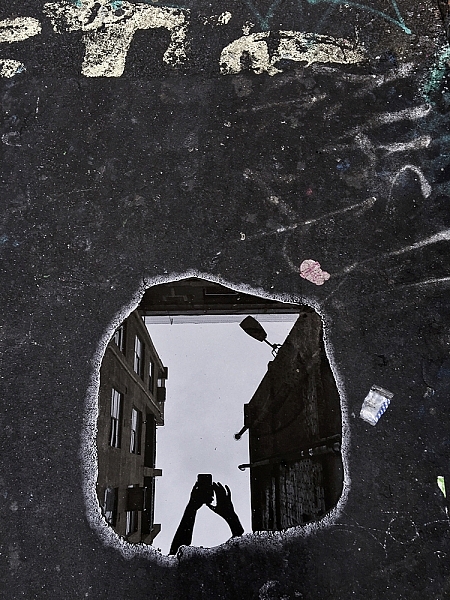
Puddles, and other reflections, can make for interesting subjects.

Puddles, and other reflections, can make for interesting subjects.

So how can these restrictions help your photography? Simple, you have less to think about! You no longer have to worry if you have the correct settings dialled into get the exposure you want – you’re phone will work that out. You do have some say in the overall exposure; you can control how bright/dark the image turns out, but that’s it! Worried you don’t have the right lens for the photo you want? Too bad. With your phone you can’t change it, even if you wanted to. There’s another thing you don’t have to worry about.

You can’t control the camera settings. You can’t change your lens, and you generally have poor Autofocus (at least, poor continuous AF). So how can you take great photos with a smartphone? You need to think less about what you cannot control and more about what you can control. For example, no matter what camera you have, you can always control the composition. You can decide from which angle you take a photograph – will you take it down low, looking up or up high, looking down – and which direction you stand in relation to the light. Photographing toward the light can create stunning silhouettes, so looking for striking shapes will help here. You have full control over how close, or how far, from the subject you stand. You dictate what you include in the frame, and what you omit. All of these elements work to make images more interesting, and by removing the control over some of the more technical features as mentioned earlier, you now have more time to consider the compositional elements.

Controlling Focus and Exposure

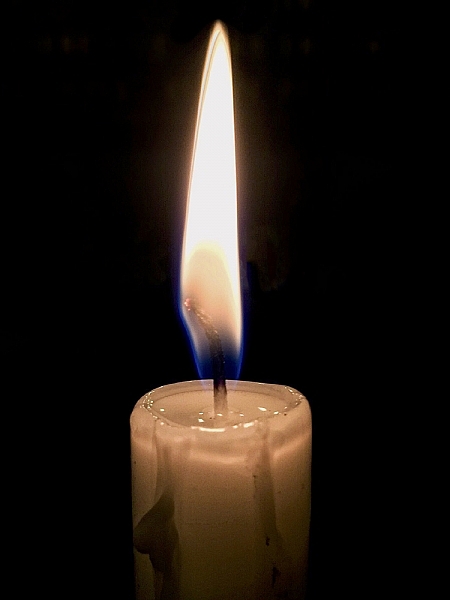
Focussing and exposing on the candle has made the background go very dark. This works well to isolate the subject more.

Focussing and exposing on the candle has made the background go very dark. This works well to isolate the subject more.

Across most smartphones, touching the screen on the area you want in focus, will make the phone focus on that area. In addition, this is also where the phone will take its exposure reading. There are some camera apps available that will allow you to focus on one area and have the phone take its exposure reading elsewhere. You may also be able to increase or decrease the exposure of the image. How to do this will depend on the phone you are using, but for iPhone users, after tapping the screen to focus, sliding your finger up/down will alter the exposure compensation.

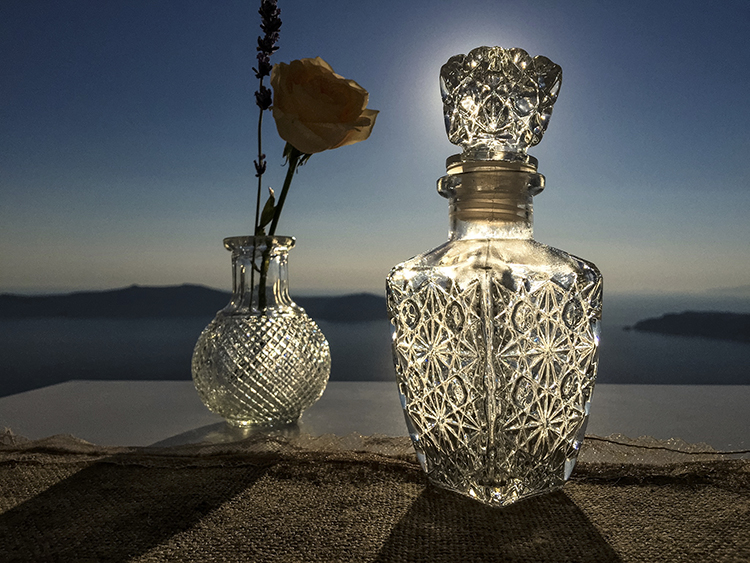
Another image taken with the sun behind. This time, the light makes the bottle glow.

Another image taken with the sun behind the subject. This time, the light makes the bottle glow.

Creating Shallow Depth of Field

Despite many newer smartphones having fast apertures (the iPhone 6 and 6s use an f/2.2 lens), their tiny sensor sizes make getting that nice creamy background bokeh a little more challenging, than with other cameras. If you’re unaware, generally the larger the sensor, the easier it is to create stunning bokeh. However, if you have a little understanding of depth of field, then you can create images from your smartphone with a blurry background. You can achieve this by reducing the distance between your subject and the phone, and increasing the distance from your subject to the background.

Make Your Images Pop

Post-processing is another tool that we have in our arsenal as photographers to make an image more striking. Introduce that to your phone photos. There is a plethora of apps available that give you varying levels of control with the post-processing phase.

Some apps, like VSCO, have a vast range of filters that you can apply to images, and allow you to tweak areas, such as highlights and shadows, to get a different look. Other apps like Adobe’s Lightroom works much like the desktop variant, allowing to develop your images with a more natural touch. Photoshop and Photoshop fix (Note: it is called Photoshop Mix for Android) are both from Adobe and offer varied editing options that are fantastic at polishing up images in the final stages. Personally, I use Lightroom and Photoshop fix on my content now. However, in the past I used SnapSeed and found that to be great fun to use, too. It’s up to you which editing app you decide to employ, and how involved with it you become.

Smartphone-17

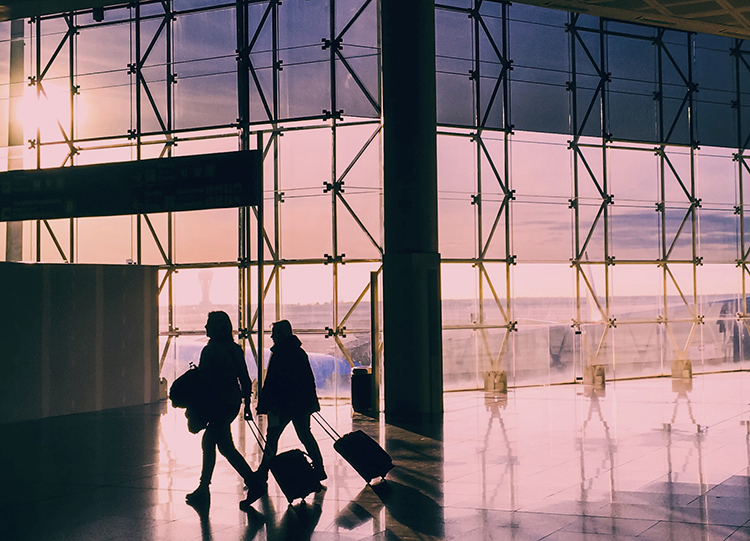
Again, looking for clean shapes to create a striking silhouette in an airport.

Looking for clean shapes to create a striking silhouette in an airport.

Other Tips to Consider

  • Take a lot of photos: Sometimes things happen fast. Don’t be afraid of taking a lot of photos. The perfect shot isn’t going to come with every single click. The trick is to take more photos than what you really need, then pick the best one from the bunch. If you do this, then you will have more to choose from, and a higher chance of getting one that stands out.
  • Learn how to see light and how it interacts with its environment: Light is the most important object in a photograph. It doesn’t matter what camera you’re using, how well you know how to use it, or how amazing your subject is; it all counts for nothing without light. You’ll often hear photographers talking about the Golden Hour, which is early in the morning and again in the evening when sun is lower, softer and the light is more directional.
  • If you’re photographing with the sun behind you, know how that will make your subject look. Do you want to light up their entire face, for example? Or do you want to shoot from the side? If you move so the sun is behind the subject, then consider photographing them silhouetted. If the light source is behind the subject, the foreground will always be darker than the background. The way you position your subject – or wait until the light is right for your subject – is how you make an image more creative and stand out.
  • Watch your background: Something that is often overlooked in an image is the background. A bad background can bring a great subject down. You need to think about your photo and what makes it interesting. If the subject you’re photographing is to be the only thing in the photo, then you should use a nice clean background, that isn’t going to draw away people’s attention from the main subject. However, backgrounds can also add to an image, and are great for environmental portraits.
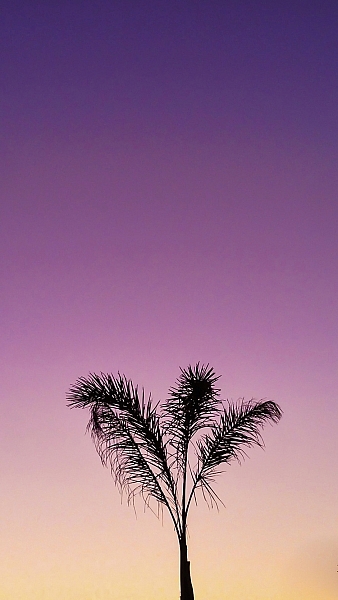
I loved the peacefulness of the light here and the silhouette of the palm tree.

I loved the peacefulness of the light here and the silhouette of the palm tree.

Here, I photographed toward the light and decided to include the flag on the right to add a little more interest.

Here, I photographed toward the light and decided to include the flag on the right to add a little more interest.

Conclusion

Whilst there are many limitations to using the camera in your smartphone, or indeed a tablet, it can help teach you how to work around limitations, and still create striking images. Their quality is clearly not going to be as high as a dedicated camera’s quality will be, however, it’s still a lot of fun to be able to capture a great image on a device with such limitations.

Below are some more images that I have taken with my iPhone. Feel free to share some images you’ve taken on your smartphone or tablet in the comments below, as well as your favorite camera and processing apps.

Smartphone-2

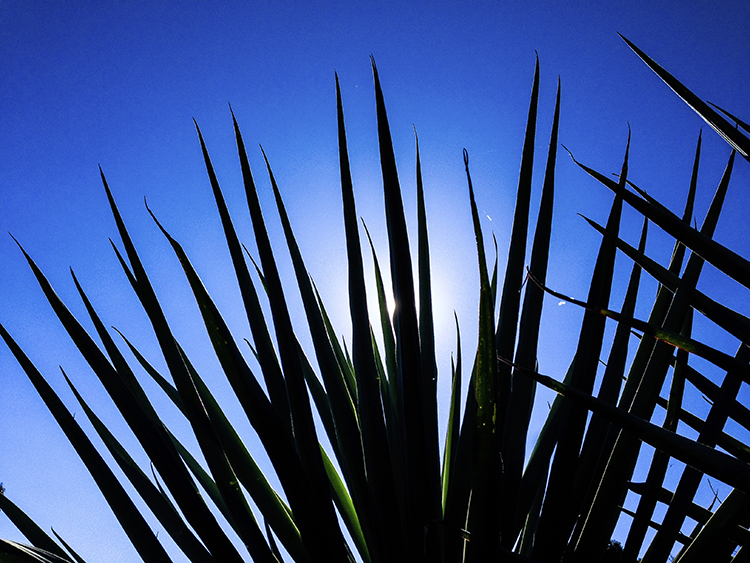
I found the leaves of this plant to be quite striking. By photographing from a very low perspective, I was able to make my subject pop out more against a plain blue sky. The position of the sun also creates interest as the light kicks off edges.

Smartphone-5

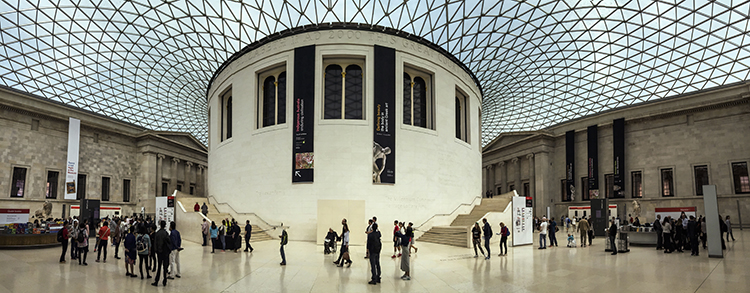
The in-built panorama feature of my phone worked well to create this image.

Smartphone-8

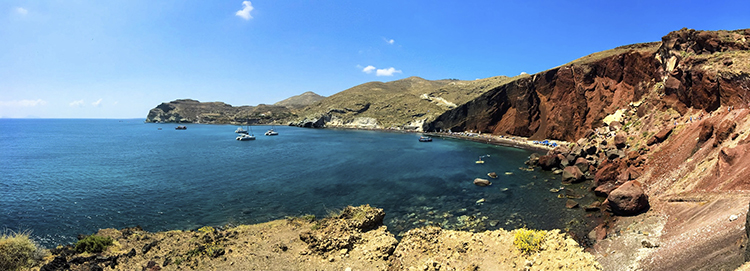
Another image where the panorama mode worked quite well.

Smartphone-9

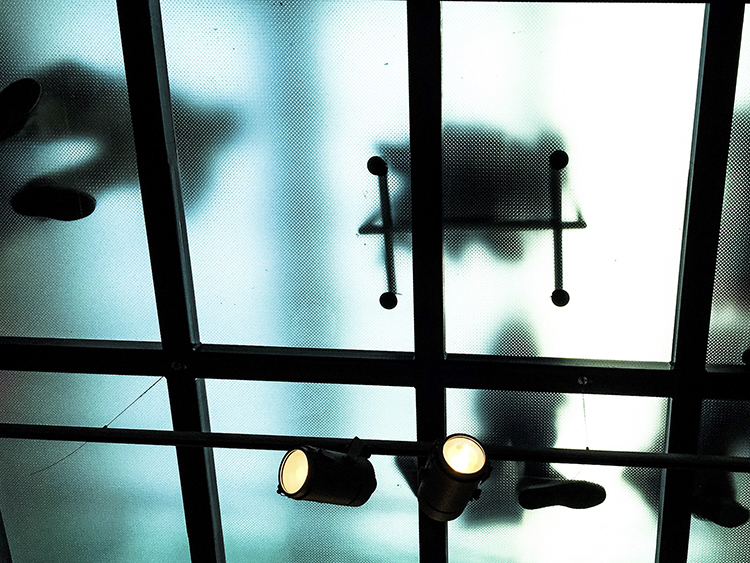
Don’t be afraid to look up! In this image, the floor above me was frosted glass and made for some interesting shapes.

Smartphone-10

Converting this image to black and white has given it an almost unearthly feel to it.

Smartphone-12

Photographed looking straight down. Simple images often work best not just with smartphones, but in photography in general.

Smartphone-13

The clean lines of these buildings create some interest.

Smartphone-14

Again, photographing down low I was able to show an every day scene from a different perspective.

Smartphone-19

The same principles used in this image will work very well on any camera. The road in this image creates a sense of depth.

Smartphone-20

The quality and direction of light help make this image. These are qualities you should always look for; no matter what camera you are using.

Smartphone-18

googletag.cmd.push(function() {
tablet_slots.push( googletag.defineSlot( “/1005424/_dPSv4_tab-all-article-bottom_(300×250)”, [300, 250], “pb-ad-78623” ).addService( googletag.pubads() ) ); } );

googletag.cmd.push(function() {
mobile_slots.push( googletag.defineSlot( “/1005424/_dPSv4_mob-all-article-bottom_(300×250)”, [300, 250], “pb-ad-78158” ).addService( googletag.pubads() ) ); } );

The post How Using Your Smartphone Camera Can Help Improve Your Photography by Daniel Smith appeared first on Digital Photography School.

Digital Photography School

 
Comments Off on How Using Your Smartphone Camera Can Help Improve Your Photography

Posted in Photography


4 Questions to Ask Yourself Before You Shoot to Help Improve Your Photography

09 May

One of the nice things about mobile phones is that virtually all of them have cameras built in, which means almost anyone can be a photographer and has at their disposal quite an advanced piece of technology, capable of creating stunning images with the tap of a button. Some people prefer dedicated cameras like a DSLR or mirrorless model, and others like to carry a small point-and-shoot or even use good old-fashioned film. However, good photography has much less to do with the gear and is more about the person taking the image.

With that in mind, here are four questions to ask yourself the next time you take out your camera and start snapping away. If you stop and think about these, it will help improve your photography and you will take better photos:

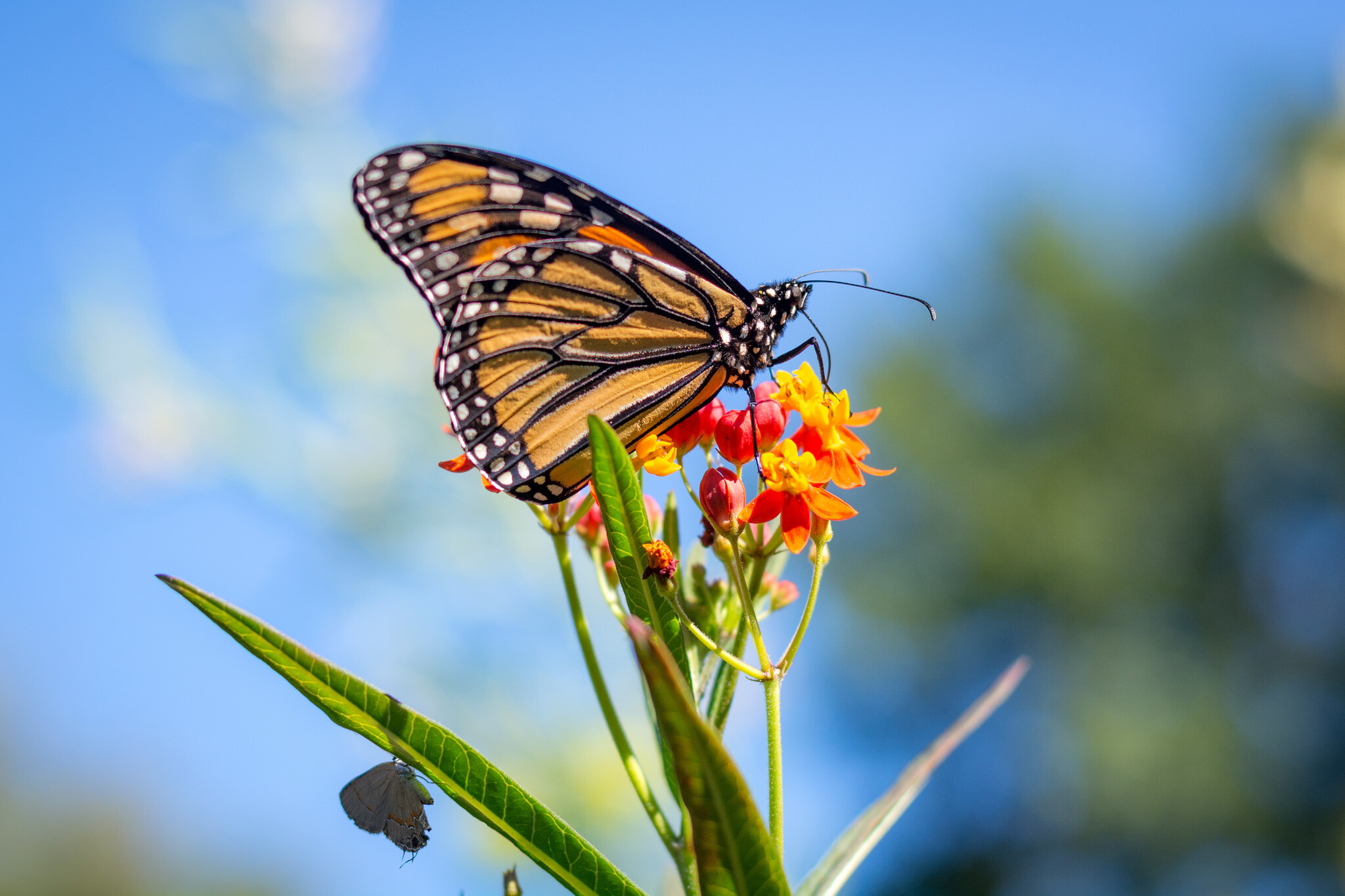
  1. What is the purpose of the picture?
  2. What do I want my viewers to see or feel?
  3. How can I use my surroundings to create the image I want?
  4. How can I control my camera to get the image I want?

five-questions-before-photos-butterfly-flower

You could stop reading right now after seeing those questions and get to work on improving your photos, but I want to dig a little deeper into each one, to see how answering them can help you improve as a photographer and artist.

1 – What is the purpose of the picture?

Think back to the last time you sat scrolling through images on Instagram, Facebook, Flickr, or another image sharing site. Perhaps you just looked through some pictures at random, and maybe you even gave a precious few the much-coveted like, double-tap, or star rating. What was it about those photos that caught your eye and made you pause for a second or two? Recently a study carried out by Microsoft found that, thanks to smartphones and the rapid pace of our modern tech-infused lifestyles, people have an average attention span of only eight seconds. That’s shorter than a goldfish! A similar study carried out in the year 2000 found that attention spans then were roughly 12 seconds, which means things are only getting worse as we become more and more connected via technology.

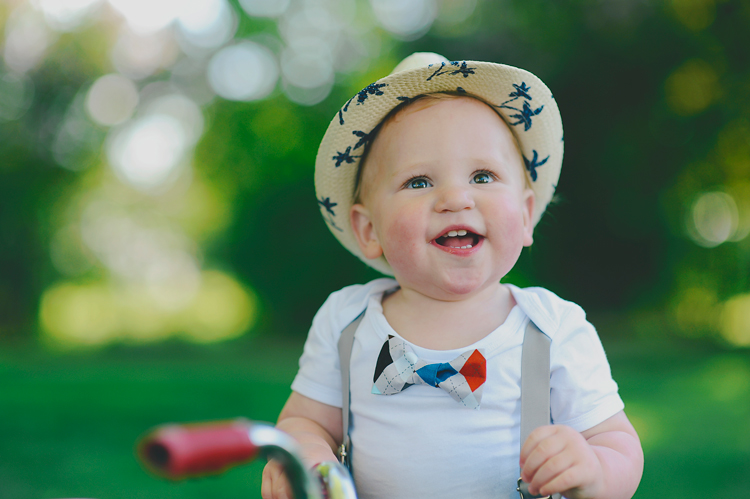
You might very well have a shorter attention span than this infant. And it's a good bet your audience does too.

You might very well have a shorter attention span than this infant, and it’s a good bet your audience does too.

This has profound implications for photographers because it means that in the already-crowded landscape of digital pictures, your photos are not only vying for attention among thousands or millions of other images, but you have even less time to grab the viewer’s attention than ever before. To combat this, you need to make it abundantly clear to your viewers just what precisely is the point, of any given picture you take. In other words, your photos should have a clear subject – whether it’s a person or people, a flower, a kitten, a plane, a train, or even an automobile.

Look through your own pictures and ask yourself, “What’s the point?” If you can’t answer that question, then chances are that the photos won’t mean much to anyone else who sees them either. When I first got into photography I took all kinds of pictures of things that I thought might be interesting at the time, but looking back on them I honestly can’t tell you what is the purpose of many of those images. If I had taken the time to make sure the images had a clear purpose, instead of just pointing my camera at whatever I thought might look cool, I would have more important photos and much richer memories too.

I shot this photo about 10 years ago, and while I'm sure I had some kind of purpose I honestly can't remember what the point of it was supposed to be.

I shot this photo about 10 years ago, and while I’m sure I had some kind of purpose, I honestly can’t remember what the point of it was supposed to be.

2 – What do I want my viewers to see or feel?

So now you have a clear subject in mind for your picture, and you’re all ready to snap the shutter on your DSLR, mirrorless, or even mobile phone. But wait, there’s more to consider before you start eating up that memory card, and flooding your favorite social networks with more photos. Now that you know what the purpose of your photo is, take the concept one step further and ask yourself what feelings, symbols, or other elements you want to impart on your viewers.

Do you want them to feel happy, sad, curious, introspective, or nostalgic? Do you want to stir them up so as to take action for a particular cause? Do you want them to notice things other than what might be the main subject of the image, and spend time digesting and interpreting your photos to gain a deeper understanding of the world around them?

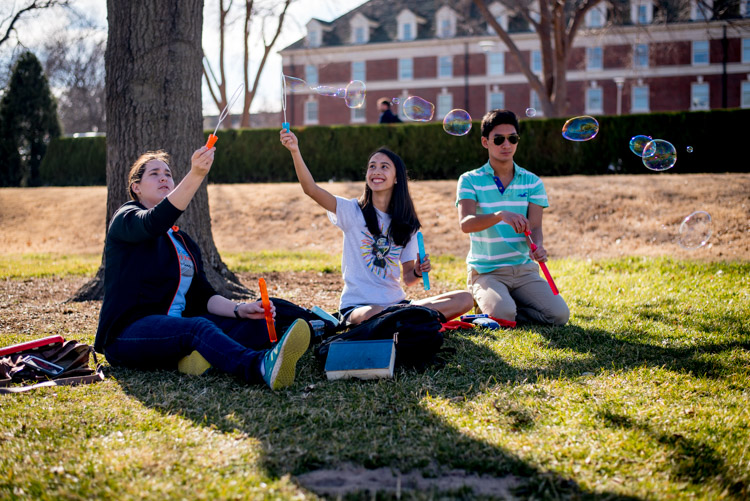
five-questions-before-photos-bubbles

I didn’t just want those who saw this picture to think “Oh, some students playing with bubbles.” I wanted people to smile and feel the same sense of delight as the girl in the middle.

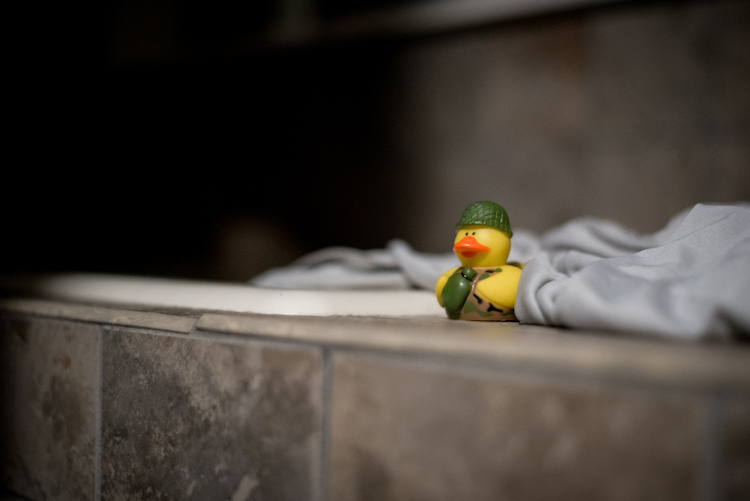
Humans are visual creatures, and as a photographer you are in the unique position of using a visual artistic medium to transmit thoughts and emotions. In this sense, photography is a form of one-way communication as you invite your viewers to engage with your images, and take something away from them. For example, here’s what might appear to be a rather mundane picture of a plastic duck:

Is it a duck...or is it something more?

Is it a duck…or is it something more?

My goal in taking that picture was to have my viewers see more than just a basic rubber duckie. I specifically chose the time of day, angle of my camera, foreground and background elements, and exposure settings (i.e. f/1.8 aperture) to create this image, so that my viewers might see more than a kid’s bath toy. Perhaps they would think back to their own childhood, or maybe even invent a fantasy backstory for this duck standing guard at the edge of a precipice. It might seem like a simple image, but to me there was a lot more going on here, and by asking myself some deeper questions before I took the picture I got a better image as a result.

The same lesson applies to photography in general, and you have a powerful image-capturing tool at your disposal, to not just make snapshots, but tell stories and communicate with your audience. Going through some of these questions might seem like a lot of work when all you want to do is just pull out your camera and snap a few photos. But, as you work on doing this more and more, it will soon become second nature and you will see a noticeable increase in the quality of even your most mundane images.

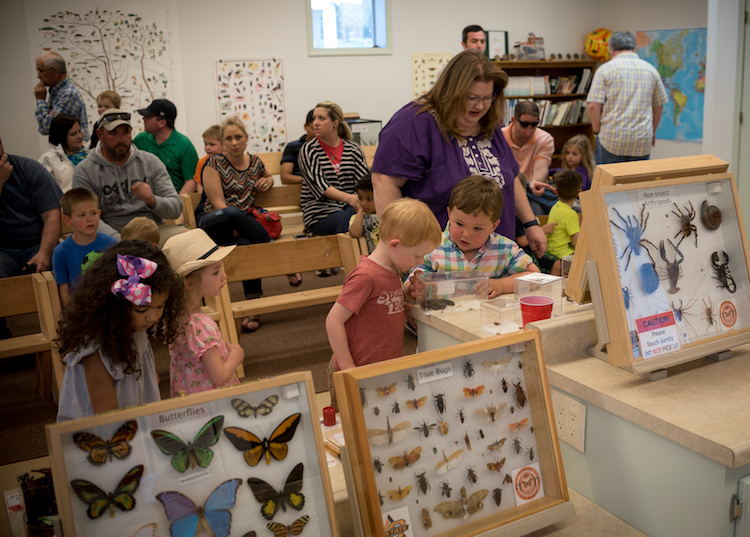
This picture is just a quick snapshot that's not going to win any awards, but I shot it in such a way so as to provide context, invite the viewer to feel slightly squirmy, and hopefully see more than just the some kids in a room.

This picture is just a quick snapshot that’s not going to win any awards, but I specifically took it in such a way so as to provide context, invite the viewer to feel slightly squirmy, and hopefully see more than just some kids in a room.

3 – How can I use my surroundings to create a better photo?

One of the easiest ways to create a more compelling, interesting, and visually appealing photograph is to take a few seconds and examine the context in which the picture is being taken. Then try to position yourself, your subject, or even just your camera in such a way as to create maximum visual impact, and help you get precisely the photo you are trying to capture.

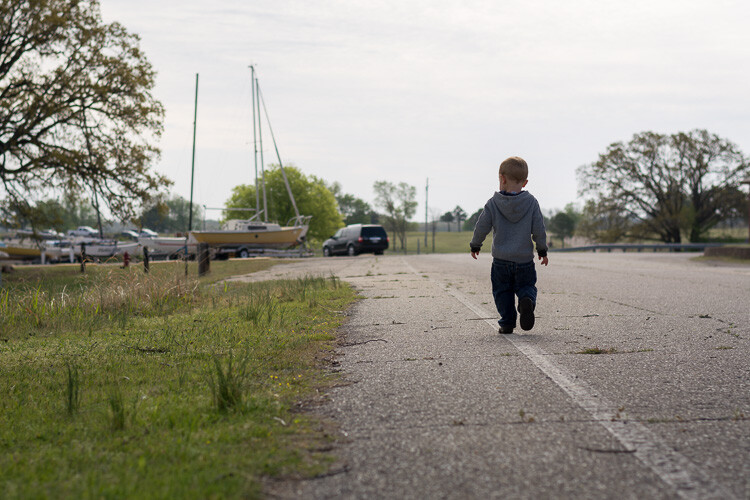
As an illustration of this take a look at the photo below. When I took it, I made several quick decisions with regard to my surrounds in order to get a better picture, than if I had just settled for a quick snapshot. As the child was walking down the street I followed from a short distance in order to get a photo of him, and adjusted my viewpoint so the sailboats would occupy the left side of the frame. I crouched down low to get a better angle, and positioned myself so that the boy’s head and shoulders were above the horizon and showing through a clear portion of sky instead of a tree or building. I also scooted over so the white paint line was leading towards the center of the picture, rather than off to the side. All this was done in a matter of seconds, since I knew this particular moment would be quite fleeting.

five-questions-before-photos-marina

The result is a picture that, in my opinion, is elevated several notches above what otherwise might be a quite ordinary picture of a kid walking down the street. It also provides clear answers to the two previous questions:

  1. What is the purpose of the picture? To show a child walking down the street.
  2. What do I want my viewers to see or feel? A bit of nostalgia, a connection to the boy, perhaps a bit of hopefulness for the future.

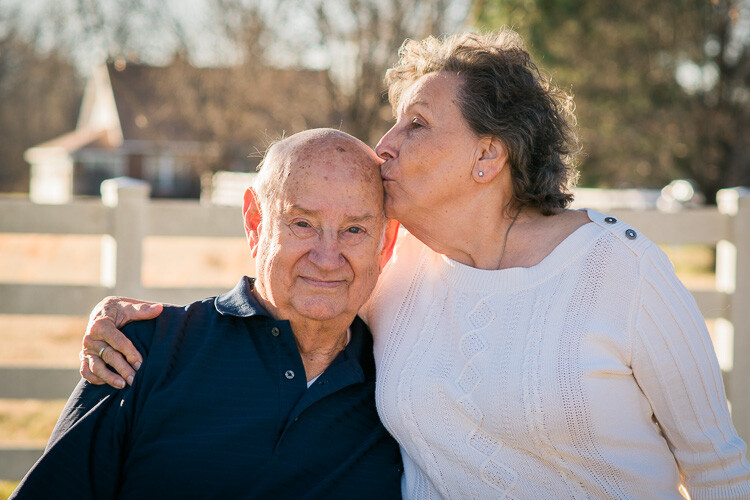
Recently I had the privilege of photographing four generations of one family, so I chose a location that would evoke feelings of a certain time period and place my subjects in a very specific context. What you see below is the direct result of me choosing to use the environment to elevate the impact of the photo. In order to create a sense that the couple had a long and rich history together, I placed them a few meters in front of a white fence, with an old farmhouse occupying the top-left portion of the frame. I could have taken the picture from many other angles, with very different scenery around them, but what you see here is the result of a very specific artistic choice on my part, in order to get precisely the photo I wanted.

five-questions-before-photos-couple-barn

You can do the same thing, and it doesn’t require any special equipment or educational training. All you need is to keep your eyes open, examine the world around you when you take photographs, and use the environment to give your images a richer sense of time, place, and context.

4 – How can I control my camera to get the image I want?

Many people take great pictures without ever straying from the Auto option on their camera dial, and if you have a mobile phone or point-and-shoot you may not have any other options besides Auto. I know from personal experience how scary it can be to move away from Auto. For years I wondered why I would ever bother leaving that safe little green option when it did a pretty good job – especially since every time I ventured into another mode such as Aperture Priority, Shutter Priority, or (gasp!) full Manual, I never seemed to get the results I was looking for. What you may not realize if you stick with Auto, is that a whole new world of photography wonder is right in front of you, just waiting to be discovered if you can learn how to control your camera a bit more.

It's virtually impossible to get pictures like this using the Auto mode.

It’s virtually impossible to get pictures like this using the Auto mode.

Learning to control the aperture of your lens, the shutter speed of your camera, and the ISO sensitivity of your image sensor can make all the difference between a forgettable snapshot, and a wall-worthy masterpiece. It takes a little while to learn the fundamentals, but once you get the hang of it you will find yourself asking technical questions in order to solve artistic problems. I am constantly pressing buttons and flipping dials when I take pictures (even if it’s just my kids in the back yard) so I can get exactly the image that’s in my head, and not the picture that my camera thinks I want to take.

If this sounds hopelessly complicated, look down at the keyboard the next time you are at a computer. Remember when it took you agonizing minutes just to peck out a few words or sentences? Now you probably don’t look at the keyboard at all, and typing isn’t something you really think about anymore. You think of the words you want to appear onscreen, and your fingers naturally move to the right letters on the keys. The same thing happens with practice when you learn to use other modes on your camera, and your pictures will be much improved as a result. The bottom line is that if you, not your camera, decide which aperture, shutter speed, and ISO to use, you will get better pictures.

five-questions-before-photos-butterfly

Now that you have read my four questions, I’m curious to know your side of things too. Are there any tips you have found that work well for you to get better images? What are some of the best practices you have learned over the years? Share your thoughts in the comments below.

googletag.cmd.push(function() {
tablet_slots.push( googletag.defineSlot( “/1005424/_dPSv4_tab-all-article-bottom_(300×250)”, [300, 250], “pb-ad-78623” ).addService( googletag.pubads() ) ); } );

googletag.cmd.push(function() {
mobile_slots.push( googletag.defineSlot( “/1005424/_dPSv4_mob-all-article-bottom_(300×250)”, [300, 250], “pb-ad-78158” ).addService( googletag.pubads() ) ); } );

The post 4 Questions to Ask Yourself Before You Shoot to Help Improve Your Photography by Simon Ringsmuth appeared first on Digital Photography School.


Digital Photography School

 
Comments Off on 4 Questions to Ask Yourself Before You Shoot to Help Improve Your Photography

Posted in Photography


5 Camera Bag Hacks to Help You Curb the Temptation of Buying More

04 May

There has been quite a parade of camera bags launched on the market recently. Peak Design’s latest in their line of products with the Everyday Messenger Bag, achieved an incredible target on Kickstarter.

Check out Simon Ringsmuth’s review of the bag. ThinkTank Photo followed with the Lily Deanne bag, in the same price league but targeted more for women. Another Kickstarter venture by Progo gear successfully launched their carry-on/camera backpack in January of this year.

title

5 Hacks to curb the temptation to buy another camera bag

But, this article isn’t about reviewing yet another camera bag. Instead, it got me thinking no matter what camera bag that you may have, one fit doesn’t suit all. I’ll admit, I have a weakness for camera bags. There is such a vast array of camera bags on the market to suit every photographer’s needs. The types range from shoulder bags, backpacks, and rolling cases, to name just a few. However, when choosing a bag, the following factors should be considered:

  • Materials: I have a preference for man-made, hi-tech materials like ballistic nylon as opposed to natural fabrics, such as cotton or leather – simply because they are lighter and generally offer better water resistance.
  • Protection: Obviously, you want the best protection for your gear. This will mean a bag that has sufficient padding on the inside, and a material on the outside which protects against inclement weather. This can be the inherent material that the camera bag is made from, or a waterproof cover which you can pull over the bag if it rains.
  • Capacity: This will be very subjective to the type of photographer you are. A travel photographer’s gear and bag(s) will be in sharp contrast to a photographer on a fashion shoot in a studio.
  • Comfort: This is a very important factor. If you have to carry your bag at all, it should feel comfortable, and you shouldn’t really be aware of it. If you are, it’s a nuisance.

I do like features on so many different bag, and I wish that the sum of all these features were all rolled into one bag. But I am asking a lot here. So I thought, rather than buying another bag, why not customize or hack a bag that you already own?

Here’s my five hacks that may help you curb the temptation to go out to buy another camera bag – at least for now:

#1 Tent repair tape

The bottom of my camera bag isn’t really at all abrasion resistant, or waterproof. This was an initial concern for me when I was buying the bag. Most camera bags should, in my opinion, offer some degree of ruggedness to ensure the bottom of your camera bag will be protected for a number of years.

However, in the end, I decided to buy it, as it ticked most of the boxes for the type of bag I wanted. I came up with my own solution to safeguard the underneath part of the bag for general wear and tear.

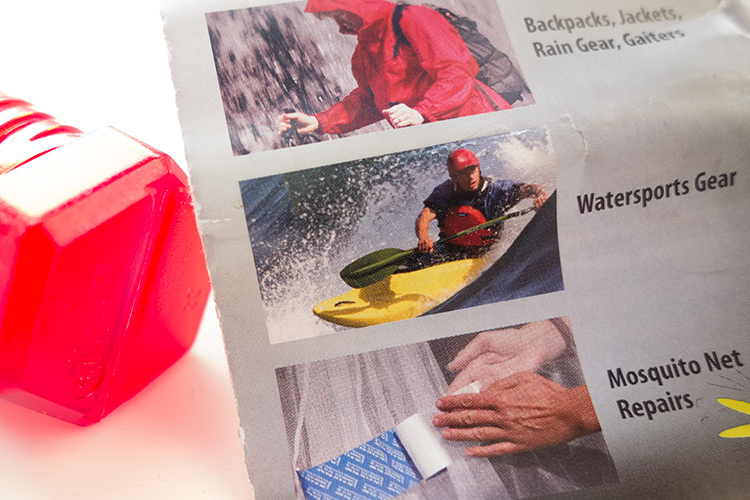
Tent Repair Tape – found in most camping outdoor retail outlets.

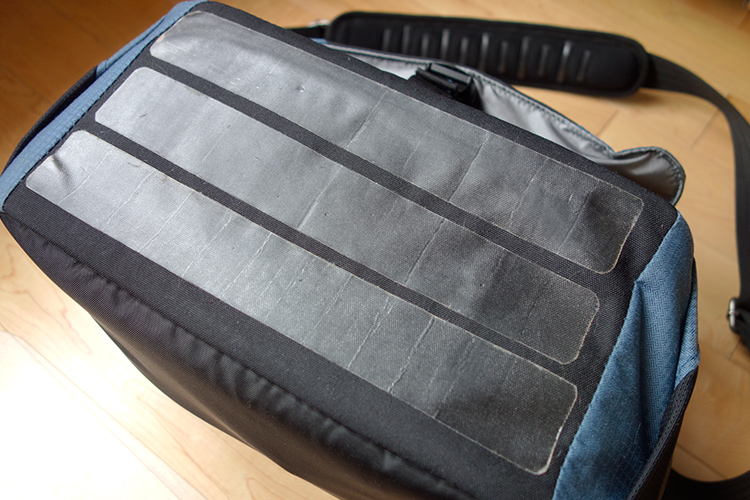
I cut 3 strips of the tent repair tape to suit the dimensions of my camera bag.

Cut strips of tent repair tape the same length as your bag and apply them length ways across the bottom. This tape is super strong and waterproof. I also added feet to the bottom, like you would see on most bags, not just camera bags. I have a neat way to add feet to the bottom of your bag, without taking away from the aesthetic look. See #5 below for more details.

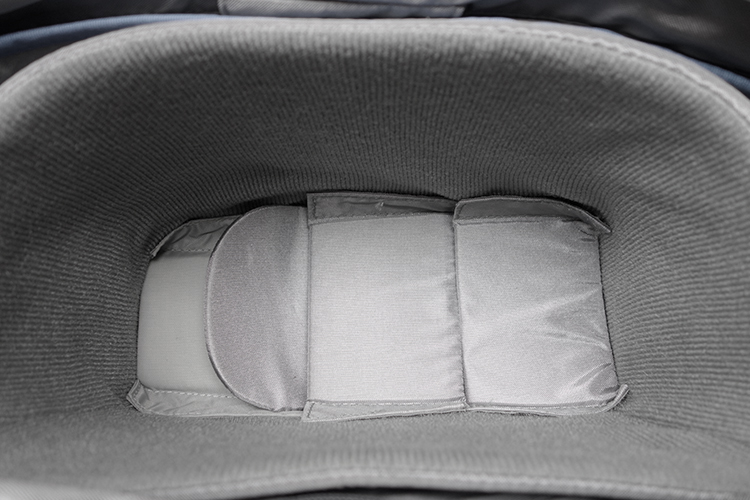
Tip: By putting another layer of cell foam dividers flat across the inside bottom of your camera bag helps to give more padded protection. I seem to have gathered a collection of these over the years!

Inside-padded-insert

I added another layer of spare foam cell pads at the bottom of my already padded insert.

#2 Carabiner Rings

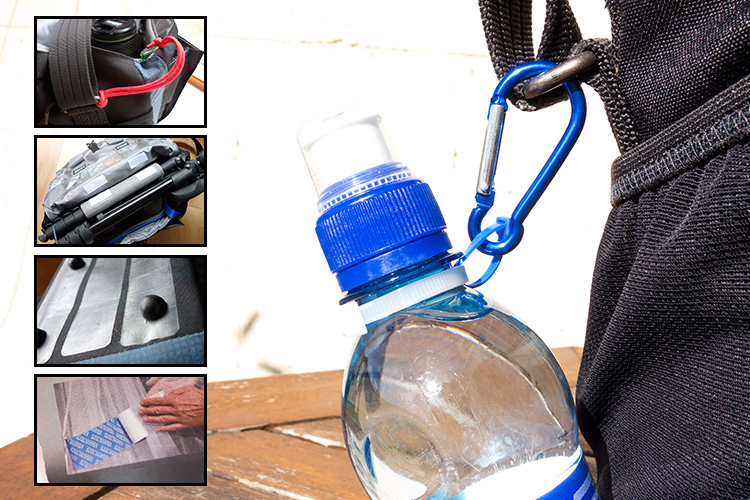
These aluminium rings are so versatile for attaching extra accessories, that you simply can’t fit inside the bag. For example, side pockets are great for adding a flash gun or a drink bottle. But, what if your camera bag doesn’t have a side pocket?

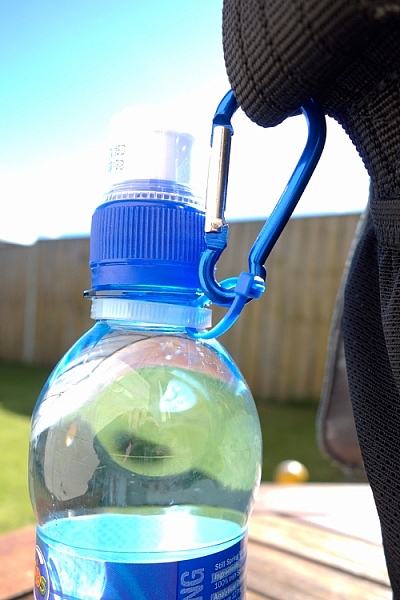
This solution should work for any type of drink bottle. You will need two cable ties, one longer than the other. Secure the longer one around the neck of the bottle and the smaller one acts as a ring to attach to the carabiner, which is then looped around one of the metal rings on the bag’s strap.

carabiner-water-bottle

Water bottle attached to the camera strap, via the metal ring using two cable ties.

Tip: Water bottles can also serve as an extra weight to stabilize your tripod.

#3 Paracord

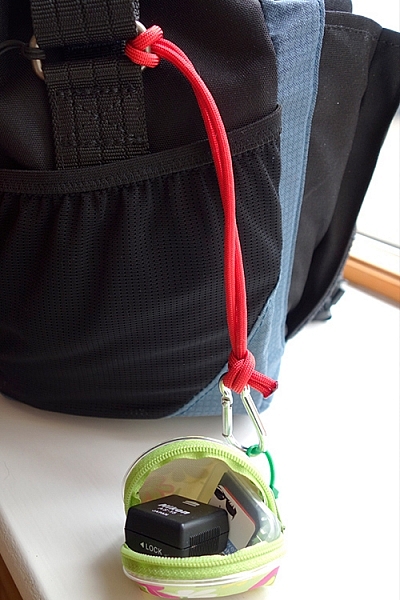
I wish every camera bag would come with at least two key fob straps. Of course, I don’t use mine for keys. Key fob straps are great for attaching the likes of SD/CF memory card wallet holders or other items that you may need to hand, without looking like a badger who is burrowing out of his nest.

My hotshoe adaptor and spare SD card attached to my paracord strap, which also doubles up as a wrist camera strap.

My hotshoe adaptor and spare SD card attached to my paracord strap, which also doubles up as a wrist camera strap.

This is a very simple method to add an extra key fob strap to any bag. Measure a length of a Paracord, in my case 27 inches. Tie both ends together. You will need to burn the ends of the cord, after the knot, to stop it from fraying. Loop one end around the bag’s strap ring on the outside and secure a plastic carabiner to the other end. See photo.

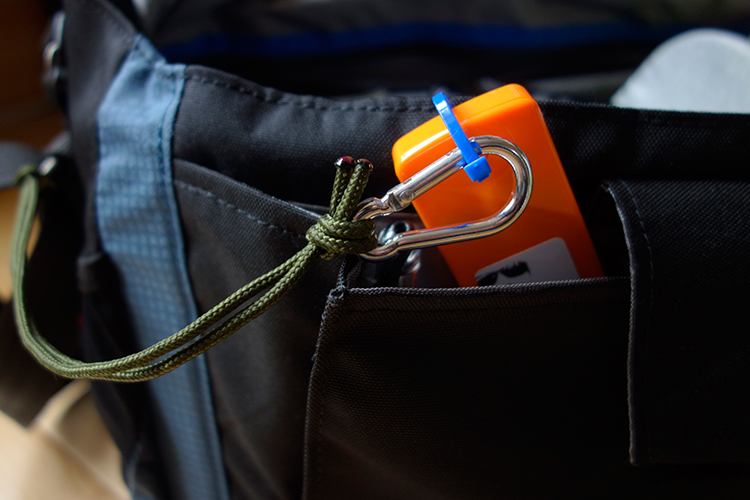
I used a plastic carabiner, as I don’t particularly like metal rings inside my camera bag. I have my business cards secured in their holder, attached to the carabiner. These are quick and easy to hand. No foraging around in your bag for what seems like an age looking for them!

A key fob strap made from paracord, using a plastic carabiner (even though it looks aluminum) attached to my business cards.

Tip: This strap can also double up as a camera wrist strap. See my other article for this tip and other DIY hacks.

#4 Insulation Foam Sleeves

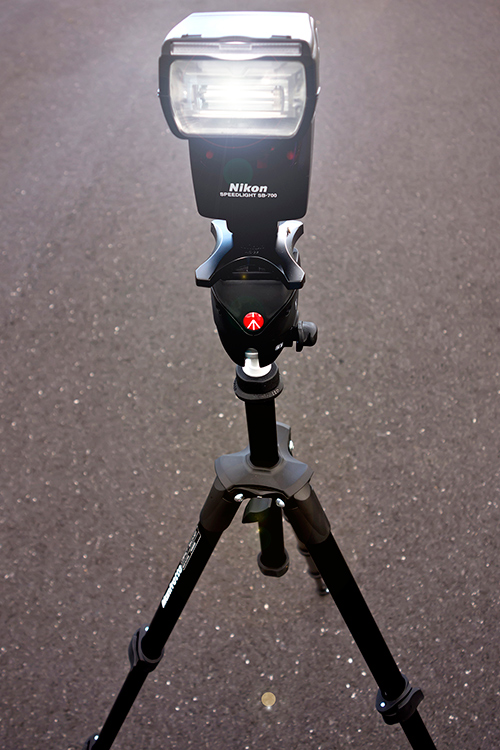
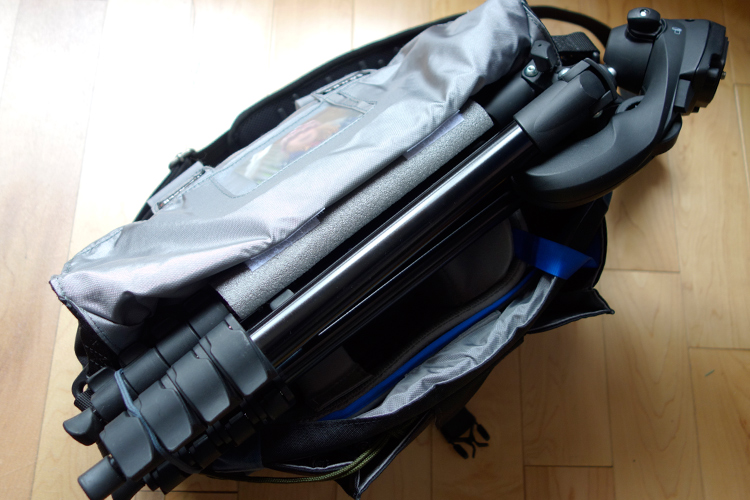
I like the option to be able to carry my travel tripod with me, as it also doubles up as a light stand. But there isn’t a designated tripod holder on this type of bag. However, as it has a big front flap. I came up with this idea of using a foam insulation sleeve.

My travel tripod which I also use as a light stand.

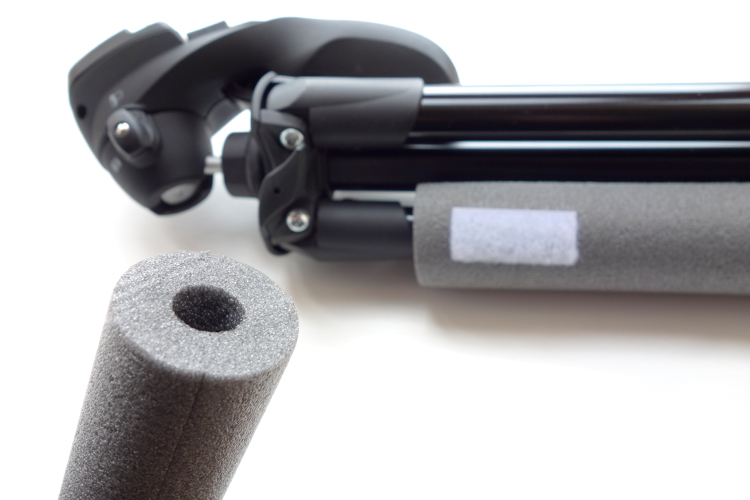
These Economiser Polyethylene Pipe Insulation sleeves can be purchased at most DIY stores. Their function is to insulate heating pipes. I bought this 1/2″ Cosy Sleeve, 1 Metre length (3′ approx.) for less than $ 2.00 USD. It has a pre-cut slit down the length. To cut to the desired length is simple and quick.

Foam insulation sleeve for heating pipes, found in DIY stores.

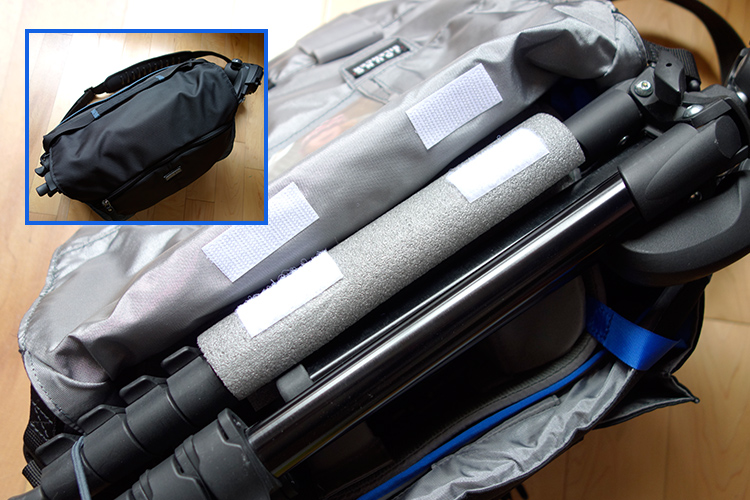
Place the sleeve around one of the tripod legs. Cut two small strips of self-adhesive velcro strips and stick them onto the foam sleeve and then under the front flap of the bag. The tripod is resting on top of the removable padded insert. When the front flap is closed, the sleeve acts as a cushion to keep it place.

Foam insulation sleeve attached to one of the tripods legs. Velcro adhesive strips are used to secure to the underneath part of the front flap.

The tripod felt very secure, as it is resting on the inner padded insert, and when it is closed the sleeve acts as a cushion for a snug fit.

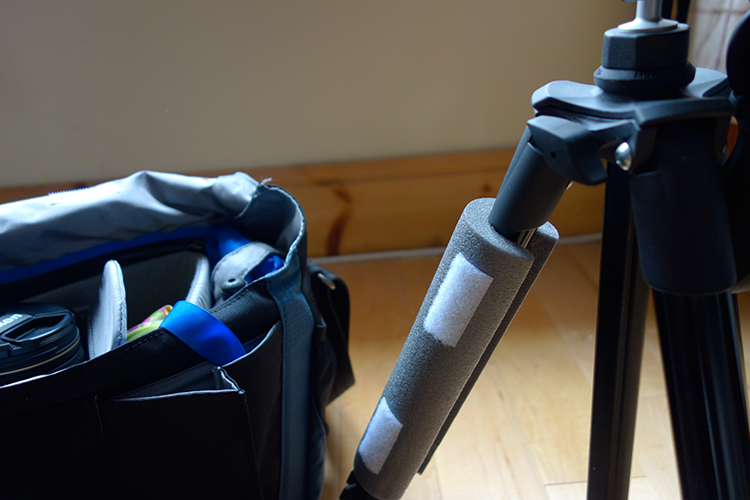
Tip: the foam sleeve can also be left on the tripod while in use to act as a cover (nicer on fingers in cold weather).

The foam sleeve can be left on the tripod when in use to act as a cover.

#5 Sugru

If you haven’t come across this product before, it’s simply brilliant, a DIYer’s dream. The company’s tagline is, “Mouldable glue that turns into rubber”. The methods or ways that it can be applied as fixes or hacks, are only limited to your own imagination.

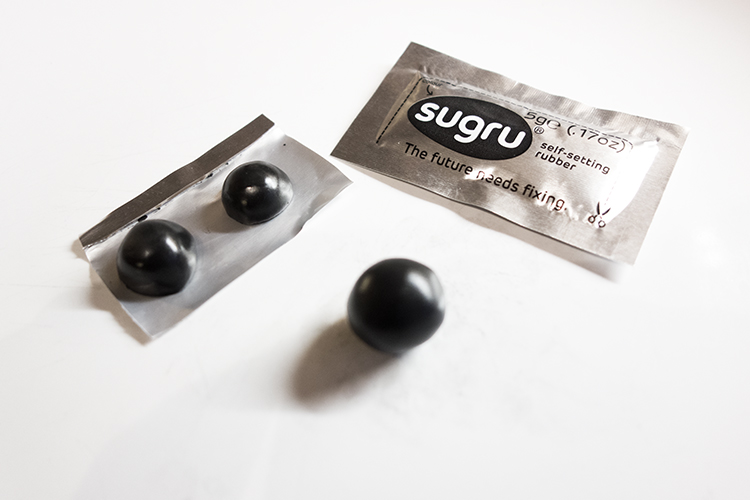
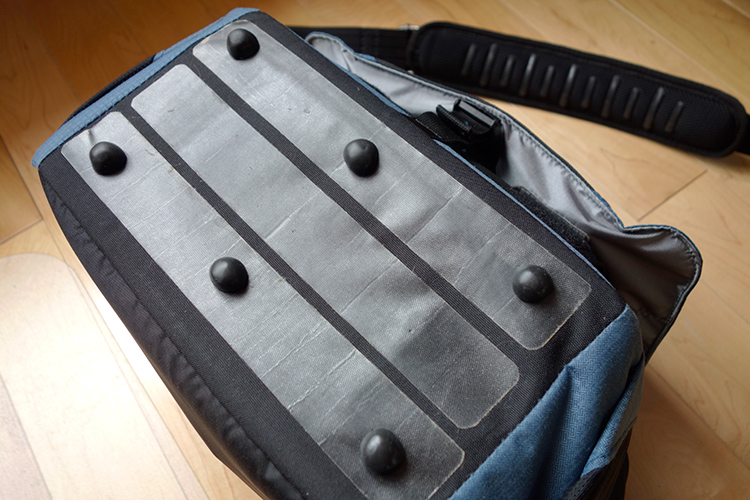
You can create your own rubber feet for the bottom of your camera bag, to protect it against general wear and tear. I used a three pack ($ 13.50 for 3 packs) of pitch black Sugru to create these feet. Roll each one into a ball, and with a sharp kitchen knife, then cut each ball in half. Allow these to cure (set) for a day or two. In order to secure the feet to the bag, you will need some extra Sugru. (You can buy 8 packs for $ 22, which works out cheaper than 2 x 3 packs).

Sugru-balls-rubber-feet

Rubber feet moulded from Sugru, for underneath my camera bag as added protection.

Sugru-rubber-feet-attached-to-bag

The rubber feet attached to my camera bag along with the tent repair tape.

Here’s another tip for using Sugru. If your camera bag strap has a cushion pad but no silicone strips to prevent it from sliding off your shoulder, or they have simply worn away, you can make your own by rolling out strips of Sugru and stick them firmly on to the pad.

Do you any other camera bag hack ideas that you would like to share? Leave a comment below.

Disclaimer: I was not approached or sponsored by any of the companies mentioned in this article. All opinions are by the author.

googletag.cmd.push(function() {
tablet_slots.push( googletag.defineSlot( “/1005424/_dPSv4_tab-all-article-bottom_(300×250)”, [300, 250], “pb-ad-78623” ).addService( googletag.pubads() ) ); } );

googletag.cmd.push(function() {
mobile_slots.push( googletag.defineSlot( “/1005424/_dPSv4_mob-all-article-bottom_(300×250)”, [300, 250], “pb-ad-78158” ).addService( googletag.pubads() ) ); } );

The post 5 Camera Bag Hacks to Help You Curb the Temptation of Buying More by Sarah Hipwell appeared first on Digital Photography School.

Digital Photography School

 
Comments Off on 5 Camera Bag Hacks to Help You Curb the Temptation of Buying More

Posted in Photography


4 Tips to Help You Get Started Doing Lifestyle Photography

27 Apr

135

People are my favorite subject to photograph, and one of my favorite ways to capture them is through lifestyle photography. I love documenting a day in the life of a family, student, or child. I love making beautiful photos out of real life happenings; the everyday stuff that we forget to treasure. Some moments are perfect and gorgeous, and other moments are more ordinary, and sometimes even unattractive; but I love every one of those moments, and I find joy in looking for the beauty in everything.

If you would like to get started with lifestyle portraiture, maybe these tips and photos will inspire you to jump right in. These photos are from a day in the life session with a sweet family. I wanted to document what a normal, ordinary day is like for them, and give them photos that they would treasure forever. We had a lot of fun together, and not only do they love the photos, but I ended up being inspired by them as I spent a little time getting to know who they are.

1 – Set yourself up for success

160

If you decide to do a lifestyle session and just show up without a plan, you may get exactly what you planned for – nothing. I asked the B family to tell me some of the things they enjoy doing together as a group, and we chose some that would photograph well, and represent their life right now.

We took photographs of snack time, with kids helping prepare and eat the peanut butter and apples. We took a few photographs of them jumping on the trampoline, and then we came inside while they played games together. We ended the session with something that they do every single day, and is a huge part of the fabric of their family. They read scriptures together, and prayed as a family. It was important to me to capture the essence of their family, so we planned, ahead of time, the things that would best show who they are.

There are so many scenarios that could be planned and prepared. Families are fun, because there is a lot of interaction. You could have them bake cookies together, or go for a picnic in the park. A family hike might be the perfect thing to photograph if they love the outdoors. It’s so much fun to do sessions on the lake with the family’s boat, or at home with their pets.

168

Although families are fun, they’re definitely not the only group of people who lifestyle photography lends itself to. A group of tweens painting fingernails together, or some kids playing a game of basketball could make great lifestyle sessions. A day in the life of a college student, or a documentary style session with an elementary school teacher could also be amazing. People are involved in so many great things, whether it be their hobbies, work, or recreation. It’s a wonderful experience to capture them in action, doing the things that they love.

As long as you don’t get too attached to it, it can be helpful to create a shot list. This could be a list of all the photos that you are hoping to capture during your session together. If all the things on your list don’t happen, don’t fret about it, but it can give you some ideas to get going.

2 – Be ready for the unexpected

180Now that you’ve planned and prepared, and set yourself up for success, loosen up and go with the flow. If you try to manage every moment, or even direct too much, you lose the realness of a lifestyle session. Things just happen during your time together, and sometimes those things are what make your most memorable photos.

In the photo to the right, the little one got quite upset over something that happened in the game, and she knew right where she had to go, and exactly what she had to do; standing with her nose in the corner was the standard procedure in her family. Although it wasn’t her finest moment, and she probably wasn’t enjoying it very much, I’m pretty sure this photo will be one that she will love when she grows up, and her parents will cherish forever.

These moments are the ones that aren’t on your shot list, because you can’t foresee them happening, but you need to be ready to capture them and include them as part of the story you are telling. You may even have days where you don’t capture one thing that you had planned, and nothing on your shot list is even available to shoot. If that happens, just go with it, and know that you may create something even better than you could have planned. If you have a calm mindset, knowing that you are prepared, but you are ready to roll with the punches, you’ll be just fine.

3 – Capture the story details

181

Some of your photos may not even have your human subjects in them. A lot of your photos might not show any faces or expressions. These detail shots can create interest in the group of photos chosen to represent their story, and tell the story even more deeply than if all the photos were of their faces.

For each scene you are photographing, you might consider taking the “big picture” with lots of the surroundings, and all of the participants visible in the photo. This will provide context, and help your viewer understand the setting, and exactly what is going on. Then you might want to break it down a little further, showing a close up of one or two of the people, or a close up of their hands, or the activity. You could then break it down even further, and take detail shots of what is going on, and the objects that are part of your subject’s story.

100

As you break down these little details, you’ll enrich your story by showing emotions, interactions, and the things that are most important to your subject. Be careful not to get too sidetracked. If you start photographing anything and everything that is in the room, your story becomes muddied, and it won’t be clear what you are trying to portray. Have a clear vision of the story you are telling, and keep that focus as you shoot.

4 – Consider different perspectives

200

Be creative as you figure out how to best tell the story you are trying to portray. Perspective is a great way to add interest to your photos, and show a unique point of view. There are two different types of perspective to consider.

Your perspective

Where are you located when you are taking the photograph? Try shooting from above, or below. Try shooting from behind curtains, or stair railings. Sometimes having something in the foreground makes the viewer feel like they are really seeing into the heart of someone’s life, and seeing something they wouldn’t normally see. Move closer, move back, move around. Be creative.

Their perspective

How does your subject view this activity? What might the little girl be feeling? How could you portray that in a photograph? What does the mother see when she looks at her family? Can you capture her feelings and perspective? When you are creating lifestyle portraits, your vision will definitely be part of the process, but trying to capture your subject’s perspective can add a whole new dimension to your photographs.

196

One of the best things about lifestyle portraiture is that there really are no rules. This opens up so much more room for fun and creativity, and takes a lot of stress off of you as a photographer. Have fun with it, and get you and your camera out there to tell a really great story. I’d love to see your lifestyle photographs in the comments below!

People photography week

This week on dPS we’re featuring articles all about different kinds of people photography including portrait, event and travel photography. See all the previous ones below, and watch for more people photography articles over the next few days.

  • How to Take Low Key Head-shots
  • How to Do a One Light Portrait Setup and Use it as Your Back-up Plan
  • Travel People Photography – Tips and Pitfalls
  • 8 Tips for Photographing Men
  • 24 Diverse Images That Showcase People Photography
  • Weekly Photography Challenge – People Photography
  • Tips for Getting Yourself to Relax as a Photographer and Have More Successful Portrait Sessions
  • 5 Good Reasons to Add People into Your Landscape Photography
  • 6 Must-Have People Shots to Capture When Photographing Corporate Events

googletag.cmd.push(function() {
tablet_slots.push( googletag.defineSlot( “/1005424/_dPSv4_tab-all-article-bottom_(300×250)”, [300, 250], “pb-ad-78623” ).addService( googletag.pubads() ) ); } );

googletag.cmd.push(function() {
mobile_slots.push( googletag.defineSlot( “/1005424/_dPSv4_mob-all-article-bottom_(300×250)”, [300, 250], “pb-ad-78158” ).addService( googletag.pubads() ) ); } );

The post 4 Tips to Help You Get Started Doing Lifestyle Photography by Melinda Smith appeared first on Digital Photography School.
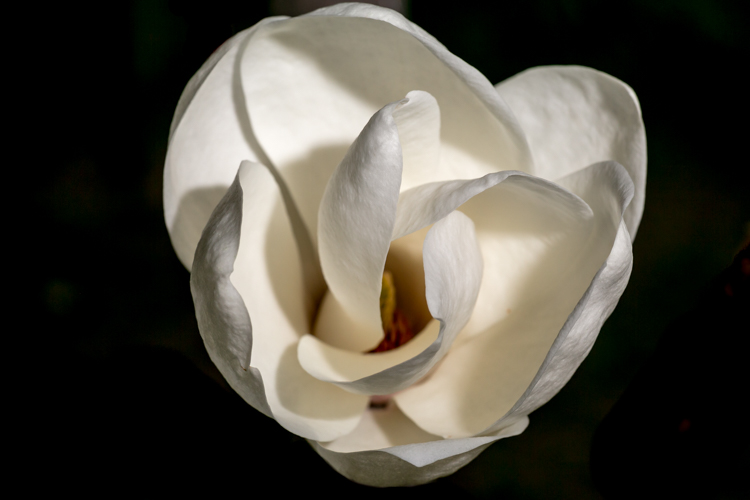

Digital Photography School

 
Comments Off on 4 Tips to Help You Get Started Doing Lifestyle Photography

Posted in Photography