RSS
 

Posts Tagged ‘Great’

Gear Bag: Five Great Tips for Dealing with Cables

30 May

If your lighting gear includes sync cords, power cables and/or extension cords, this could happen to you. Don't laugh, pictured is my actual Ancient Sync Cord Burial Ground from the past 20+ years.

But over that time I have also gotten a lot better at dealing with cords, and picked up a few cool tips along the way. Keep reading for my favorite five.

Read more »
Strobist

 
Comments Off on Gear Bag: Five Great Tips for Dealing with Cables

Posted in Photography


Learning From My Mistakes: 5 Okay Shots That Could Have Been Great

28 May

by Lynsey Peterson.

I am incredibly lucky. It’s taken me a decade, but I have built a portrait photography business that depends solely on word-of-mouth marketing and stays plenty busy that way.

If there was a magic 3 step process for this, I promise I would share it.

I’ve learned a ton along the way: treat your clients like gold, be generous whenever you can, and everyone should blow their nose and empty their pockets before a single picture is taken. Yet……..I still learn every day. Which is odd because every day I am also pretty sure that I couldn’t possibly know more than I know now or be presented with a situation I have yet to encounter. Then again, sometimes my ego and I have trouble fitting thru doorways together.

Mistakesphoto1 1

See that? It’s a house. It’s actually my house – which I am putting on the market soon.

My wonderful realtor who knows I’m a photographer, asked if I wanted to go ahead and take the pictures myself to save time and money instead of bringing in the trained and experienced real estate photographer she usually uses.

Now, I am asking a little more than my hourly rate for this house. In fact, I am asking like a thousand of my hourly rates for this house. 999 of them are going to pay off the note with the bank, but I’m pretty excited about that one I might get back – and I don’t do real estate photography. I’m not even really sure how to go about it if we are being honest. But, hey, I have a fancy camera and an expensive lens and how hard could it be, right?

If you have those fore mentioned things, you are going to be asked at some point to shoot something that you don’t have any interest in shooting. Maybe it’s a house. Maybe it’s food. Maybe it’s dirt in a fetching abstract pattern. And it’s tempting to say yes, because after all…..how hard could it be? The answer is hard. The longer answer is that every time you shoot something subpar, if only because you don’t have the experience, training, and interest in shooting that, you are taking away from the work you do want to shoot. I get it. I really do. Favors for friends, good money in the off-season. But it’s rarely worth it.

The lesson: Stick with what you know. If you don’t have any desire to do it or learn how, don’t take it on.

Mistakesphoto2 1

I love photographing people upside down. It’s unexpected and quirky and different and fun. And, and, and. It’s also complicated and only works when the rest of what the viewer’s eye has to process is simple and easy. If I had stopped for a moment and viewed it without my camera, I would have seen how hard it was to take it. Why is one kid upside down and the other not? Who’s arms are those? How did they get like that? The cuteness of siblings rolling around in grass and beautiful light gets lost trying to understand the whole picture.

The lesson: Simplify.  If it takes you a second to process what is happening, it will take the viewer of the future photograph much more than a second and your concept could be completely lost….no matter how “perfect” the shot itself is.

Mistakesphoto3 1

When a plane went by, causing most everyone in this family to look toward the sky, I though I had hit pay dirt. I quickly envisioned them all looking up in amazement and excited baffle. Instead it only served as an interruption to what we were doing. At the moment I remember thinking I should encourage them to watch the plane. But I was so caught up in the moment passing us by that I didn’t think I had time.

Even if the plane had long passed by the time I conveyed what I meant, I still could have gotten the shot I imagined. But I didn’t say a word about it and therefore didn’t allow them their own moment, which would have produced an amazing shot. Instead I have this: everyone a bit thrown off by the interruption because I didn’t ease the situation.

The lesson: Take your time. No matter how tight the schedule, you always have 30 extra seconds to make a fun situation into a great shot.

Mistakesphoto4 1

Oh this picture. It was such a beautiful shot…………two hours of Photoshop ago. I love MORE. I’m a fan of bigger and better and faster too. When this cutie showed up with this adorable hat,

I got an idea. A crazy/complicated/fun idea.

I. Was. Going. To. Get. This. Shot.

We were going to stay here all day if that’s what it took. And I got a great shot (without the whole day bit luckily). However left to my own devices, I wanted to do everything I could to make it THE shot. What’s post-production, if not to enhance right? I felt it was a Gap Kid’s moment, what with the cute kid and fun hat and all. Deserving of the kind of “enhancement” ready for a catalog cover. Never mind that I don’t shoot fashion, that I rarely shoot commercial, and that for this shot I was being paid to shoot a portrait and nothing more.

The lesson: Less is usually more. There’s a fine line between giving an image a little editing love and turning people into plastic.

Mistakesphoto5

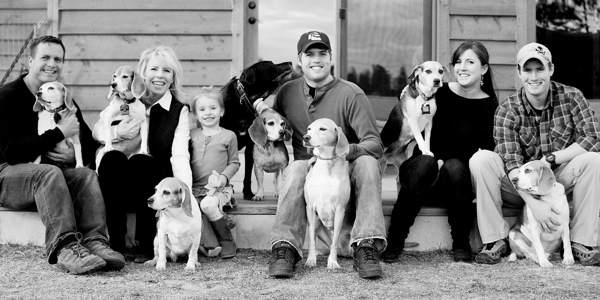
Now I knew going into this shoot that I was photographing a large family and 8 dogs and you’d think that I would have come with my pockets full of dog treats and spent the hour and a half drive there practicing my whistle. But, alas, I did not.

This particular client was a referral who lived really far from me and was willing to pay me a significant travel fee to come to them – and their 8 dogs.

Admittedly my ego got the best of me here. There are hundreds of photographers closer and cheaper. Maybe even some with experience shooting 8 dogs. But they wanted me. And instead of saying, “do I really want to shoot this?”, I happily fed my ego a big serving of “I’m So Wanted” with a side dish of “How Awesome Am I? Answer: Really Awesome”.

Here’s the problem with that: this shot is forever my body of work. Even if I had never shown it to anyone, the client might. And it’s not my greatest work. Yet it may be the only work of mine someone sees.

This isn’t the shot I want to hang my hat on or be known for. I’m not embarrassed about it, but I do get a little bummed about the idea that a viewer may see this and think it’s the best example of my skills.

The lesson: Get over yourself. This shot doesn’t need to be in my body of work, but it is. I could have done more research and come in with better ideas for this 8 dog craziness and by not, the take-away is a shot that could have been so fun and different and interesting and…… isn’t.

Check out more of Lynsey Peterson’s work on her website.

Post originally from: Digital Photography Tips.

Check out our more Photography Tips at Photography Tips for Beginners, Portrait Photography Tips and Wedding Photography Tips.

Learning From My Mistakes: 5 Okay Shots That Could Have Been Great


Digital Photography School

 
Comments Off on Learning From My Mistakes: 5 Okay Shots That Could Have Been Great

Posted in Photography


5 Tips For Capturing Great Street Portraits

27 May

A Guest Post by Desmond Louw

I just love street photography and with this comes street portraiture.

DPS post 02.jpg

It can be a bit daunting to go up to a stranger and ask them to take their photo, but after a day or two it becomes addictive!  Here are some tricks that might make it a bit easier for you:

Trick number 1

?Always have your camera with you, don’t lug your whole photo bag or a tripod around like a tourist in your own town, just have your camera body and one lens handy. It sucks walking in the street and seeing something awesome and not having my camera with me!

DPS post 13.jpg

Trick number 2

?Have a good lens, this makes a huge impact. I like the 50mm F1.4/F1.8 and the 85mm F1.4/ F1.8, they are also small and relatively lightweight.

DPS post 01.jpg

The wide aperture isolates your subject nicely with a shallow depth of field.

Trick number 3

?Don’t use a flash! Remember you want to maintain a low profile. Rather push your ISO up if you have to. I personaly think an onboard flash could spoil a photo.

DPS post 07.jpg

Trick number 4

?Before approaching a person to ask him or her if you can take a photo, have your settings spot on. When they say yes, lift your arms and snap snap snap, say thank you, and walk away. Easy.

DPS post 09.jpg

Trick number 5

?If you are taking a shot of someone without them knowing, keep the auto focus assist light off, otherwise they will see it and spoil the mood.

DPS post 14.jpg

Connect with Desmnd Louw at his website and on instagram where his id is – desmond_in_capetown

Post originally from: Digital Photography Tips.

Check out our more Photography Tips at Photography Tips for Beginners, Portrait Photography Tips and Wedding Photography Tips.

5 Tips For Capturing Great Street Portraits


Digital Photography School

 
Comments Off on 5 Tips For Capturing Great Street Portraits

Posted in Photography


What the Mona Lisa Can Teach You About Taking Great Portraits

13 May

Mona-Lisa

When it comes to famous images the Mona Lisa by Leonardo Da Vinci is one of the most recognized in the world.

When I visited the Lourve in Paris a couple of years ago I was stunned by the crowds of people gathering around this small image, pushing and shoving to get close and to take a picture of it (I got some great shots of the crowd).

The Mona Lisa has been at the center of much debate and speculation over the years but why is it an image that intrigues people so much and what can we learn from it as photographers today?

While we live in a different time (the Mona Lisa was painted in the 1500′s) and use different technology – is there something in this famous image that we can be inspired by as image makers today?

Lessons from the Mona Lisa for Photographers

Today I want to explore some of the different aspect of the Mona Lisa and point out some things that Leonardo did in painting this image that I think we could take away as portrait photographers today.

Composition
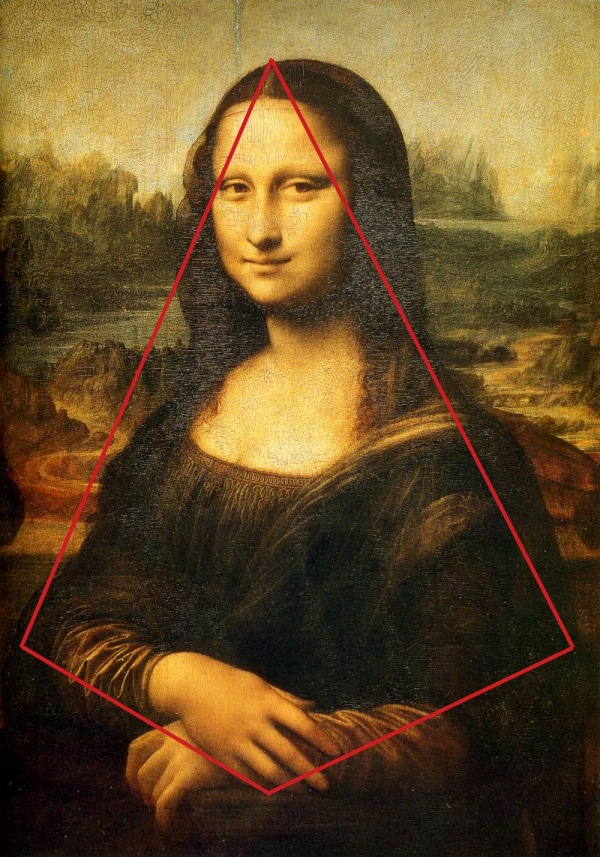
mona-pyramid.pngWhile we look at the Mona Lisa today and see it’s composition as fairly standard and simple – for it’s time the composition of the Mona Lisa was ground breaking and has set new trends in painting which have been followed for centuries since.

One of the compositional elements that the portrait is known for is Leonardo’s use of a pyramidal composition which shows the subject with a wider base at her arms and her hands forming the front corner and everything is in place to draw the eye up her body to her eyes and her infamous smile.

Take Home Lessons for Today

The same form of composition can work for us. While I wouldn’t dare suggest that this is the only or best way to set up a portrait shot – the pyramidal composition is one worth trying.

The Pose

Again – today we look at Mona Lisa’s pose and it seems fairly normal but for it’s day it was quite revolutionary as most portraits at the time were rigid, stiff and quite often profiles rather than front on.

In contrast Mona Lisa is somewhat relaxed and at ease as she leans upon the arm of a chair with her hands crossed in a relaxed fashion.

While she’s slightly turned to one side she sits open to the viewer and holding their eye.

Also unusual for the time was the fact that Leonardo went against the norm with the framing of this image and opted for a three quarter length pose rather than a full length one. In this way he filled the frame with his subject which lends itself to an intimate image and little room for distraction by her context.

One last aspect of the pose is that the Leonardo has positioned Mona Lisa’s eyes at the eye level of the one viewing the image. This brings a sense of intimacy to the image as we the viewer gaze directly into her eyes (there’s not a sense that we’re looking down on her or that she’s doing that to us).

mona-hands.png

Take Home Lessons for Today

This classic pose works today. Fill your frame with your subject by using a three quarter length pose, relax your subject, have them turn their body slightly away from the camera and look directly at the camera. Give their hands something to lean on (they can look awkward otherwise). Most of all – attempt to relax your subject.

The Background

mona-background.png
Much has been written about the background of the Mona Lisa and we can draw out a few things from it for today.

One thing worth noting is that while paintings of the day generally had both the subject and background in sharp focus with lots of detail – the background of the Mona Lisa seems to ‘fade’ or become more blurred and out of focus the further from the subject it extends.

This was unusual for the time and is an effect that many portrait photographers use today by choosing a large Aperture to make for a blurred background that leaves the viewer of the image to focus upon the subject.

While there is definitely points of interest in the background (there’s a lot of debate about whether the two sides of it ‘match’ and whether it’s supposed to be some kind of a fantasy/imaginary background) the colors in it are somewhat bland, muted and subtle – again leaving the focus upon Mona Lisa.

Take Home Lessons for Today

There are different ways to use a background of a portrait. It can either be used to put your subject into context by showing their surrounds – or it can be used as a backdrop that is largely a blank canvas with few features so that your subject stands out.

In a sense Leonardo has done both with his background. It doesn’t take the focus away from the subject – yet the landscape behind her does have an element of mystery and interest to it. It’s also visually complementary to the subject with some of the shapes and colors almost mirroring colors and shapes in the subject’s clothing.

The lesson is to carefully consider your backgrounds – they can greatly enhance or detract from your portraits.

Light

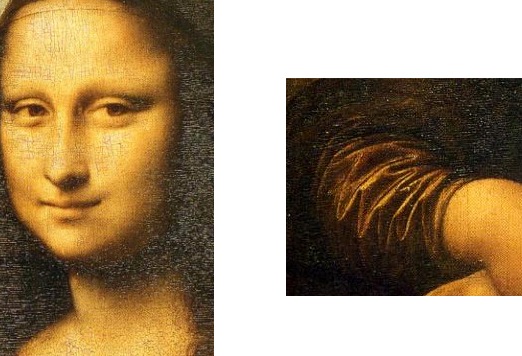
One of the things that I like about the Mona Lisa is the way in which light falls upon the subject. Leonardo uses light to draw the eye of the viewer to the parts of the image that he wishes to be highlighted (the face and hands) and balances the image nicely by placing hands and face in positions that counter one another.

Leonardo also uses shadow (or a lack of light) to add depth and dimension to different aspects of the image – particularly the area around Mona Lisa’s neck and in the ripples on the dress on her arm.

light-1.jpg

Take Home Lessons for Today

Think about how your subject is lit. Use it to draw the eye to key parts of your image but also use shadow to create depth and dimension to your shots.

Clothing

We’ve talked about clothes and portraits here at DPS before and Leonardo takes the approach of darker less obtrusive clothes in this image. Once again – this is a little different to other portraits of the time which are renowned for being bright.

While her dress has quite a bit of detail (the lace work is quite fine and the detail in the folds on her arms are lovely) and it all is within keeping of the feel of the image – everything works to highlighting her face.

mona-lisa-clothes.jpg

There’s also a lack of any kind of jewelry or any other kind of accessory to distract the viewer away from Mona Lisa’s face.

Leonardo obviously wants something about the woman herself to shine through in this image rather than anything else.

Take Home Lessons for Today

Clothes are another element that can be a real distraction in a portrait. Take a lesson from Leonardo and use clothes that fit with the subject and give them context – but which don’t distract your viewer.

Framing

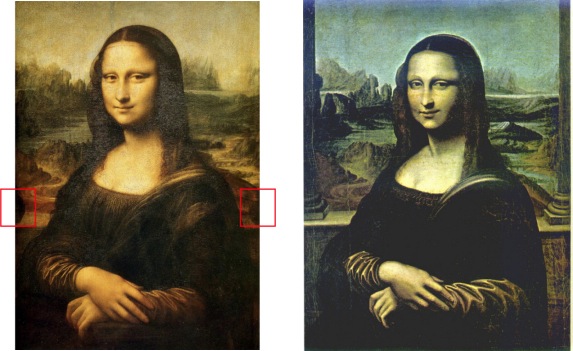
One of the things that I’d not noticed about the Mona Lisa before that i read about today is that on either side of the subject just under and to the side of each of her shoulders there is half of a round ball shape (see the images below on the left).

It is believed that what we see of currently of the image is actually slightly smaller than the original. Part of the image was lost when the image was re-framed at some point. What were the balls?

The most widely accepted theory is that in the original and full version of the painting two columns extend up from the balls on either side of Mona Lisa. She’s actually sitting on a balcony overlooking the view behind her. You can see the horizontal edge of the balcony extending between the two columns.

Here’s how one artist reproduced the Mona Lisa with the extra columns.

mona-lisa-framing.jpg

Whether or not the columns in the original looked exactly like this reproduction or not I’m not sure – but it seems that Leonardo used a technique that we call ‘framing‘ in photography today. This technique is all about drawing the eye of the viewer of an image to your main subject. It also has the potential to add a little context to a portrait (with the columns it would be more obvious that Mona Lisa is sitting on a balcony).

Take Home Lessons for Today

Learn to use techniques like framing to draw the eye of the viewer of your images to your main subject. Frames can be subtle and a natural part of the environment around your subject. Don’t use them in every shot but do keep your eye out for opportunities to include them to add another dimension to your portrait work.

Mystery

Who is the woman (its been argued that she is anyone from a female form of Leonardo himself through to the wife of the man who commissioned the image)? What is the background? Why is she smiling (or is she)?

mona-smile.png

There’s something mysterious both about the subject herself (her look is both alluring and aloof) and the way that the image was painted (Leonardo used a technique called ‘blurring’ around the edges of the subject that was new for his time that give it a mysterious quality). This leaves the viewer of the image asking questions and entering into it with imagination. Leaving elements of the image open to interpretation can make an image impact it’s viewer.

Take Home Lessons for Today

One of the elements that takes a proficient image and makes it a great image is that it goes beyond being a record keeping exercise and becomes a story telling one.

The Mona Lisa has drawn viewers to use their imagination and have conversation about it for centuries simply because it leaves parts of the story untold. This is something that can’t really be learned as a photographer – but is something that comes with experience.

What Lessons Does the Mona Lisa Teach You about Photography?

What have I missed out on? What do you see in this famous painting that could teach us about photography?

Post originally from: Digital Photography Tips.

Check out our more Photography Tips at Photography Tips for Beginners, Portrait Photography Tips and Wedding Photography Tips.

What the Mona Lisa Can Teach You About Taking Great Portraits


Digital Photography School

 
Comments Off on What the Mona Lisa Can Teach You About Taking Great Portraits

Posted in Photography


You are My Wild — Great Kid Photography That’ll Inspire Your Own At-Home Photos

25 Apr
Photo by Brooke Schwab

When you were a kid, having a camera in front of you was just a little less scary. You probably didn’t even notice it was there most of the time.

It’s that enviable carefree ‘tude kids have that makes taking portraits of them so much fun.

That’s just what You are My Wild is all about. 14 photographers document how they see their kids by submitting one remarkable portrait each week.

Meaghan Curry explains how it started:

Right after the new year, and in sort of a creative lull, we were brainstorming about starting a project to force ourselves to put down our phone cameras down and pick up our other cameras more regularly…

Ironically, Instagram is the common thread between us. It is where we found other people documenting their children in really loving, beautiful and respectful ways.

We hoped that some of these other IG photographers would be interested in using their higher quality cameras to “see” the same way that we were using our phone cameras.

And it seems to have worked! Check out their portraits, and may they inspire you to photograph your loved ones in a new light.

You Are My Wild — Beautiful Kid Photography

p.s. INK361 has a special offer for you guys! Get 25% off their Instagram prints and more by using code PJJ25.

Related posts:

  1. Rockin’ Photography: How to Shoot Great Concert Photos It’s all about the D&B. (Dark and blurry.) If you’re…
  2. Alternative Prom Photography — Ideas & Tips for Truly Great Prom Photos Extra photos for bloggers: 1, 2, 3 Prom photo-ops have traditionally come in…
  3. Worldwide Pinhole Day, 5 Amazing Cameras to Inspire You + Tips Extra photos for bloggers: 1, 2, 3 Every year, a…


Photojojo

 
Comments Off on You are My Wild — Great Kid Photography That’ll Inspire Your Own At-Home Photos

Posted in Equipment


SEO For Photographers Part 3: 5 Great Link Building Strategies

06 Apr

Why are link building strategies important? This is a common question and the answer has everything to do with how much weight the search engines place on different aspects of our SEO activities. Although paying attention to your on-site search engine optimization is important, and it’s vital to select and use the right keywords for your photography business (see “SEO Continue Reading

The post SEO For Photographers Part 3: 5 Great Link Building Strategies appeared first on Photodoto.


Photodoto

 
Comments Off on SEO For Photographers Part 3: 5 Great Link Building Strategies

Posted in Photography


The Simple Light: How to Take a Great Passport Photo

27 Mar

Fact: most people on the planet—including roughly two-thirds of Americans—do not have a passport.

Without a passport, you won't be traveling internationally any time soon. And even if you have no immediate travel plans, just having a passport is kinda like having a muscle car at a red light. You won't always squeal tires when the light turns green, but you know you could.

If you have never held a passport before, it's a neat feeling when it arrives in the mail. For perhaps the first time, you feel like a citizen of the world. Merely having the possibility of international travel is better than not having a passport and being guaranteed you can't go.

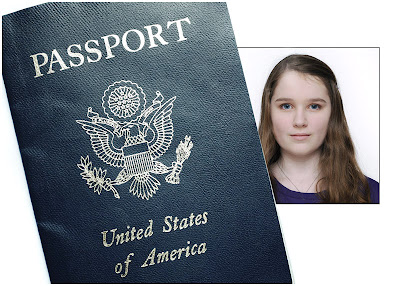
Even better, unlike your crappy driver's license or student I.D. mugshot, your passport photo is something you can control. So if you are gonna be a jet-set traveler, you may as well look good doing it.

Read more »
Strobist

 
Comments Off on The Simple Light: How to Take a Great Passport Photo

Posted in Photography


Photographer clicks pictures from top of Egypt’s Great Pyramid of Giza

27 Mar

original__1_.jpg

Russian photographer Vitaly Raskalov, known on the web for his ‘skywalking’ exploits in which he scales man-made structures (without authorization) has added Egypt’s Great Pyramid of Giza to his list of conquests. And, as is his custom he has posted photos taken atop of one of the Seven Wonders of the World. Raskalov and his companions managed to hide from armed guards and climb the pyramid undetected under at night. Climbing the Great Pyramid is illegal of course but you can click through to see the images Raskalov captured. (via Daily Mail)

News: Digital Photography Review (dpreview.com)

 
Comments Off on Photographer clicks pictures from top of Egypt’s Great Pyramid of Giza

Posted in Uncategorized


50 Great Photography Blogs You Can’t Afford to Pass by

19 Mar

Have you ever seen excellent photography by Joseph Linaschke? Or do you know 22 things you can do today to change your photography forever? Or maybe you know what you may look like while taking pictures? All these intriguing posts were published on different photo blogs which you might have never seen before. I guess how many cool posts you’ve Continue Reading

The post 50 Great Photography Blogs You Can’t Afford to Pass by appeared first on Photodoto.


Photodoto

 
Comments Off on 50 Great Photography Blogs You Can’t Afford to Pass by

Posted in Photography


2 March, 2013 – Great Basin National Park

02 Mar

Many photographers continue to seak out the iconic landscape locations in America’s national parks. One of the lesser known western parks is Great Basin National Park, which is described on a new location article by Don Whitebread.


Win a New 128GB iPad with Retina Display
Including all Major Luminous Landscape Videos
– Pre-Installed –

Find Out More


The Luminous Landscape – What’s New

 
Comments Off on 2 March, 2013 – Great Basin National Park

Posted in News