RSS
 

Posts Tagged ‘gear’

DPReview Gear of the Year Part 4: Sigma 18-35mm F1.8 DC HSM

05 Dec

Sigma18-35.png

A lot of equipment passes through our Seattle and London offices, everything from high-end cameras to inexpensive accessories. A lot of it gets reviewed, but we can’t cover everything. In this series of short articles, DPReview staff will be highlighting their personal standout products of the year. In part 4, Richard Butler discusses the Sigma 18-35mm F1.8 DC HSM and what it means for APS-C shooters.

News: Digital Photography Review (dpreview.com)

 
Comments Off on DPReview Gear of the Year Part 4: Sigma 18-35mm F1.8 DC HSM

Posted in Uncategorized


DPReview Gear of the Year Part 3: Olympus OM-D E-M1

29 Nov

e-m1-shot2.jpg

A lot of equipment passes through our Seattle and London offices, everything from high-end cameras to inexpensive accessories. A lot of it gets reviewed, but we can’t cover everything. In this series of short articles, DPReview staff will be highlighting their personal standout products of the year. In part 3, Andy Westlake talks about his personal favorite – the Olympus OM-D E-M1.

News: Digital Photography Review (dpreview.com)

 
Comments Off on DPReview Gear of the Year Part 3: Olympus OM-D E-M1

Posted in Uncategorized


5 Pieces of Photography Gear to Consider as Your First Upgrade

26 Nov

Neil Creek is the author of our newest ebook Photo Nuts and Gear. In this post he offers some advice to the beginning photographer about the first upgrade they should buy for their camera.

So you’ve been getting into this photography thing pretty seriously ever since you bought that “good” camera you wanted. It turns out that you really enjoy photography, and you think you’ll be doing it for a while. You want to know what cool camera gear is out there, and you know there’s a lot, but what should you get first?

Where to start on the photography gear upgrade trail

When you’re just starting your photography journey, it’s intimidating how much gear there is and how much it costs. It’s obvious that some photos are impossible without certain gear, and sometimes it’s not obvious when gear has helped a photo.

I’ve been shooting and helping new photographers to get the most out of their gear for years, so I have a few suggestions for great first investments in photography to suit your varying interests and budget.

A 5-in-1 reflector

5in1reflector

Light is everything in photography, but sometimes you can’t quite get the right kind of light where you need it. A great example is outdoor portraits. With the light predominantly coming from overhead, there are often dark circles under the eyebrows. A reflector can be used to reflect some light back up into the face of your subject to fill these shadows.

A 5-in-1 reflector is cheap and very versatile. Built around a collapsible steel ring spanned by diffusion material, it has a reversible cover with four different surfaces. The diffusion material inside is great for turning full sun into bright shade, for small and macro subjects as well as head and shoulder portraits. I’ve even used it as a flash diffuser in a pinch. The cover has three reflective surfaces: white for gentle fill, silver for strong fill, gold for a warm strong fill, and a black surface for eliminating light to bring shade back to a scene which is too evenly lit.

This is an incredibly versatile tool at a very affordable price, and it neatly fits into the “laptop pouch” in camera bags which have one. This item should be in every portrait photographer’s kit.

Who is this for: photographers on a budget who shoot in natural light
Approximate cost: $ 20-50 depending on size

creek-130310-051

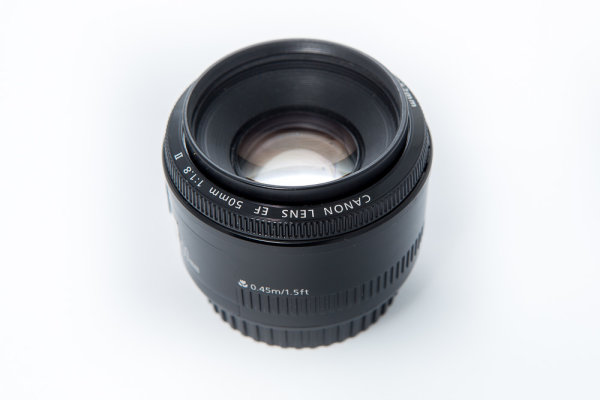
The Nifty 50 lens

Lenses are a critical part of the optical system that creates the photographic image. Unfortunately almost every lens choice is a compromise between price, speed, image quality and more. Plus, lenses are expensive!
creek-131028-048

There is one lens however that is possibly the best of all worlds: the 50mm prime, also known as the “Nifty 50″. Several lens makers have their own or similar versions of this lens, but the most famous is probably the Canon 50mm f/1.8. This lens is small, fast (thanks to its wide f/1.8 aperture), tack sharp and extremely affordable. If you are looking for an excellent portrait lens that will take well exposed photos in low light, it’s hard to go past the Nifty 50 especially if you are on a budget.

These lenses aren’t without their weaknesses of course: cheap plastic body construction keeps the price and weight down, but negatively affects the durability; weather sealing is also thus not an option; it is notoriously slow to focus in low light; there’s no image stabilization; andthe focus ring is very small. Despite all this, it is hard to resist the appeal of professional level image quality, at a hobbyist price.

Who is this for? Anyone looking for a high image quality, fast, small lens on a budget
Approximate cost: $ 100-200 depending on brand

A good solid tripodcreek-131031-028-Edit
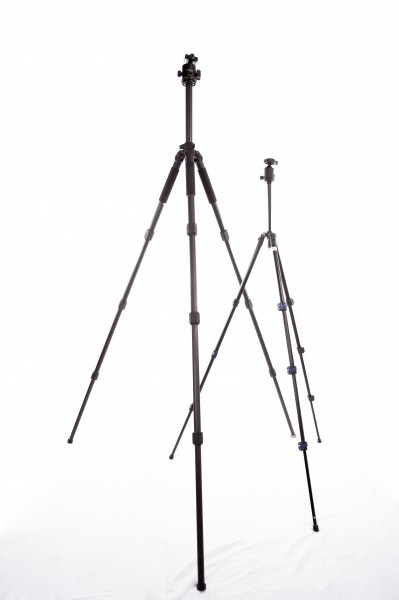
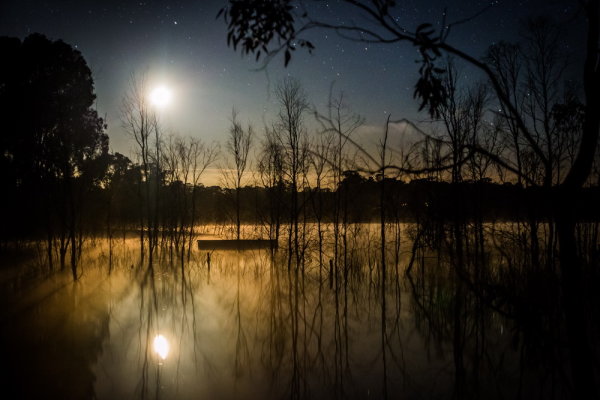
Photographers are always limited by the amount of light, and without adequate amount, you are forced to make compromises with your settings. When you have to use a slower shutter speed you risk getting blurry photos from camera shake. A tripod fixes that. By providing a stable platform you can almost eliminate camera movement from short, to incredibly long shutter speeds.

Not only does a tripod fix the problem of a shaky camera, it opens up whole new photographic and creative opportunities. Seven of the eleven special effects photography techniques discussed in my ebook Photo Magic use a tripod. A Tripod is possibly the most versatile piece of photography equipment you can buy. You will be able to try photos and techniques otherwise impossible.

Buying a tripod can be like walking through a minefield however. There are so many options from the very bad to the very expensive so it pays to do your research. For a first time tripod for a small DSLR user, I recommend one of the base end models from the big name tripod makers. I go into a lot of detail in Photo Nuts and Gear on choosing the right tripod for you. One tip – avoid department store tripods!

Who is this for? Photographers shooting in low light, with macro subjects, landscapes, and creative low light photography such as light painting.
Approximate cost: $ 100-200 for a first tripod
creek-130928-341 - Copy

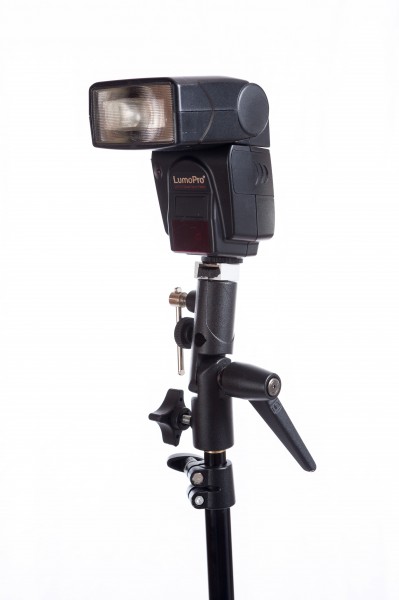
An external hot-shoe flash or speedlight (speedlite)
creek-131102-035

A flash unit or speedlight is often one of the first big purchases camera owners make, and unfortunately it’s very easy to pay more than necessary. The flagship units from Canon and Nikon are very expensive and packed with features, many of which a new photographer won’t need. I personally recommend buying a cheaper, manual power, third party flash first. The ETTL, or auto exposure, feature of the expensive flashes is handy, but I find that manual power control is pretty easy to master, and it will save you a lot of money: enough to buy one or two more flashes for the price of a flagship model. Manual flashes are also compatible with the more affordable radio triggers that let you fire your flash off the camera and enter the amazing world of Strobist photography.

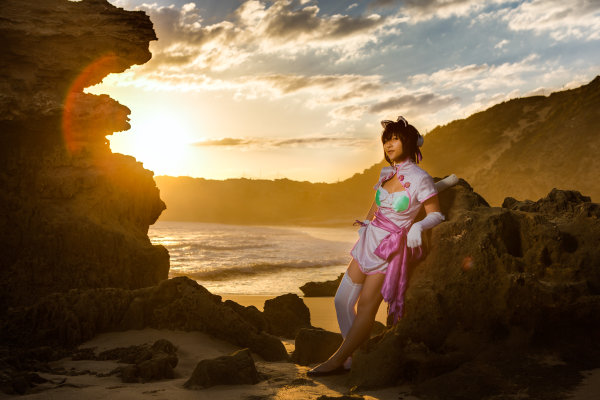
Flashes adds a good deal of versatility when shooting in low light, but their real power comes when you get them off camera. A couple of flashes, triggers, light stands and simple modifiers can utterly transform your photography, and add creative options that match those offered by a tripod. A little research and careful spending can put all of these within reach for the about same price as a top of the line flash from Nikon or Canon.

Who is this for? Photographers shooting indoors in low light, Strobist wannabes

Approximate cost: $ 100-200
creek-130426-192-hdr

Walk-around lenscreek-131028-056

Like most people, you likely bought your camera with a kit lens. These lenses are often good enough for most photographers, but unless you buy a top end DSLR (which come with higher quality lenses as standard), they’re not going to be the best you can find. Most kit lenses are a bit slow, a bit soft, a bit “plastic-y”. If you’re getting serious about being a photographer, you’ll probably want something better. A walk-around lens is one you leave on your camera by default, and use all of the time you don’t have a specific need for another lens. As such, most of your photos will be taken with it, and you’ll probably want to upgrade it once you can afford to grow your lens collection.

There are a lot of options available, so you need to think a bit about how you use your camera, and what features are important to you. You will want to consider:

  • how heavy is the lens
  • how often you shoot in low light
  • what frustrates you most about your current lens
  • whether you’re always wanting to fit more in your shots or if you want to bring distant things closer

All of these issues will affect the best choice of walk-around lens for you. Be prepared to possibly spend a lot of money. Lenses are expensive, especially high quality ones. Since there are so many options and factors to consider it’s hard to offer much practical advice in a blog post, but I go into a lot more detail in Photo Nuts and Gear. In short however, be prepared to do a lot of research to understand your options and how to choose between them. A good walk-around lens will get a lot of use over many years, and the quality of your images will be impacted by the choice you make.

Who is this for?  Someone who is taking the first big step into turning photography from a pastime into a serious hobby
Approximate cost:  $ 300-1800

Post originally from: Digital Photography Tips.

Check out our more Photography Tips at Photography Tips for Beginners, Portrait Photography Tips and Wedding Photography Tips.

5 Pieces of Photography Gear to Consider as Your First Upgrade

The post 5 Pieces of Photography Gear to Consider as Your First Upgrade by Neil Creek appeared first on Digital Photography School.


Digital Photography School

 
Comments Off on 5 Pieces of Photography Gear to Consider as Your First Upgrade

Posted in Photography


Portrait Gear Essentials – by dPS eBook author Gina Milicia

21 Nov

portrait-gear-essentials-02

My Portrait Gear Essentials – Images by Gina Milicia

What’s the best equipment for taking amazing portraits?

portrait-gear-essentials-12

I’m often asked what the best equipment is for taking great portraits. Many people assume that a great camera will take great portraits. That is simply not true. A quick scan through Flickr, Instagram or any photo sharing site will reveal thousands of beautiful portraits, some taken on mobile phone cameras, and yet others using very basic entry level equipment.

A great photographer can take great photos using any kind of camera. A great camera in unskilled hands will still deliver mediocre photos. Before you invest the big bucks in high end gear take the time to learn the craft first.

I started out my professional career with a borrowed camera and very cheap lens. I worked this way for a few years and then invested in a high end second hand camera and lens. If I were starting out again now I would do exactly the same thing. My advice on buying a camera is always buy within your means and upgrade as your skills start to improve.

Most girls love buying shoes and handbags. I admit I’m a self-confessed gear-a-holic!

It’s taken me 25 years to accumulate this gear. My gear is subjected to punishing workouts, with my average shoot being approximately 2000-3000 images. I need gear that is built to last and won’t curl up and cry for its mama when I push it too far.

My portrait gear essentials – what’s in my bag

Cameras

  • Canon 1Ds Mark III – this is a pro-level camera, so it’s more expensive and a lot heavier but it’s designed to survive heavy usage. I would say I use this camera for 80% of my shooting.
  • Canon 5D Mark II – I’ll favour this camera body if I know I have to shoot with a high ISO (in very low light or on a night shoot). At 400-1600 ISO this camera is amazing.

Lenses

I like to work with a focal length between 70mm and 200mm. With a long lens, facial features are slightly compressed, which is really flattering for portraits.

The workhorse

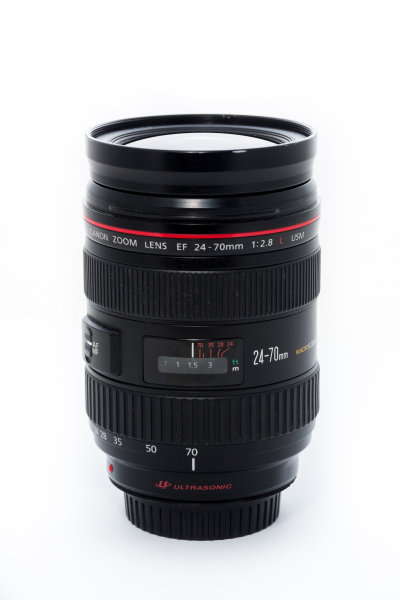
Canon EF 70-200mm f/2.8L IS lens – this lens is my workhorse and I use it for 70% of my shoots. It’s fast, sharp and consistently gives amazing results.

I like working with zoom lenses because they give me the luxury of zooming in to get tight head shots and mid-shots, or zooming out to get full length shots. All without moving my camera. As a result, I can stay out of my model’s personal space, which can be intimidating or confronting, and keep the momentum of the shoot flowing.

The traveller

Canon EF 24-105mm f/4L IS lens – this is the lens I use for events, lifestyle and travel shoots. It’s light, compact and my go to lens when travelling.

Makes my heart skip a beat

Canon EF 85mm f/1.2L lens – it’s expensive, heavy, and slow to focus but I quickly forget all of this when I see the gorgeous results. I love using this lens for head shots, beauty, portraits, and events.

This lens will give amazing results in very low light conditions and the shallow depth of field will eliminate any background clutter giving me the luxury to use it lens in any location.

Tripods

portrait-gear-essentials-11

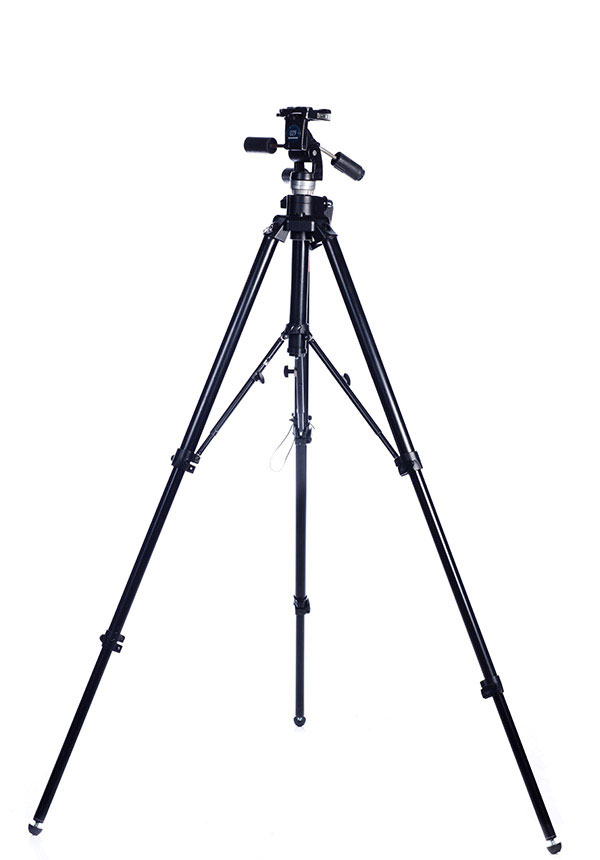
Most of my portraits are shot using tripods. I like to set up my shot, position my model and then focus on their expression. Keeping my camera fixed in one position allows me to do this and really suits my shooting style.

Having my camera on a tripod also allows me to focus 100% of my attention on my model and frees me up to gesture with my hands, or step away from the camera without breaking the shot.

I have four tripods:

  • Manfrotto 190XPROB – small, light-weight tripod that I use when I travel
  • Manfrotto 475B Pro – great sturdy tripod for location shoots
  • Manfrotto 058B – heavy duty tripod for studio use
  • Manfrotto 679B Monopod – for film, TV stills, and theatre

portrait-gear-essentials-07

Remote flash triggers

PocketWizards

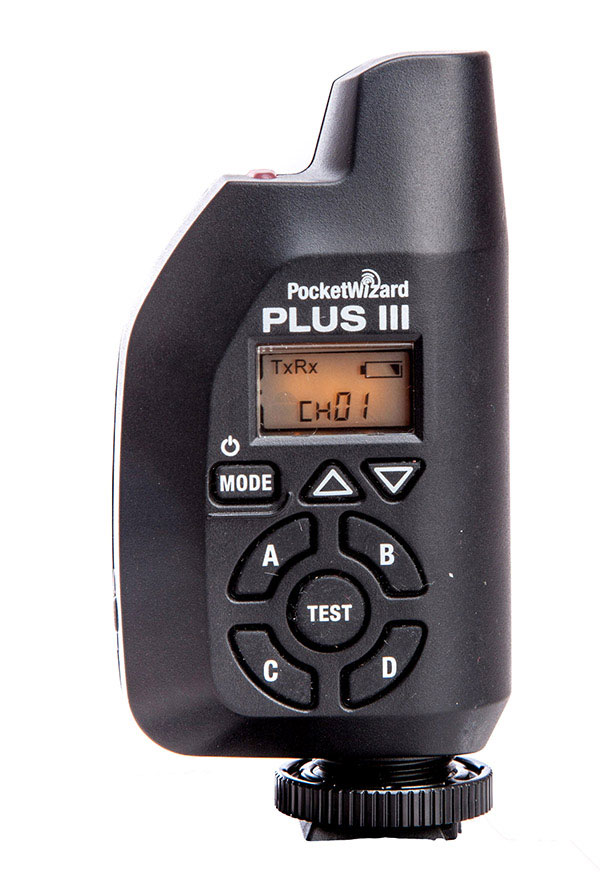
I have six PocketWizard remote flash triggers because I’ll often have three different sets running. I love the PocketWizards because they are reliable and rarely misfire.

Light meter

This model isn't available any more, try one in the Sekonic line

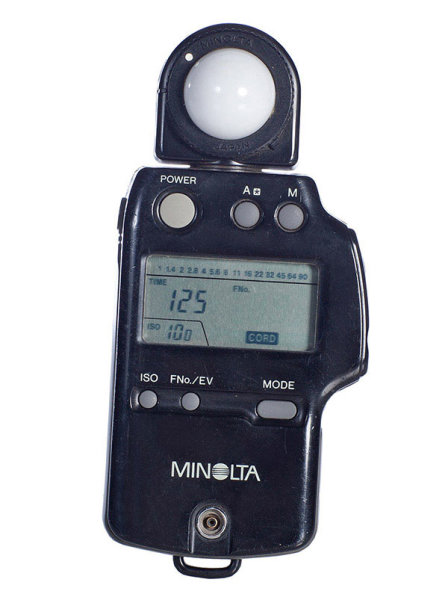
I believe the light meter is an essential tool in good portrait photography and would never leave home without one. When you use a light meter you know you have most accurate readings.

Minolta IV (not available any more) – I’ve had this light meter for over 23 years now and I’ve grown rather fond of it. As a basic meter it’s excellent, reading ambient light or flash, and it’s perfect for most lighting conditions.

Lighting

Speedlights

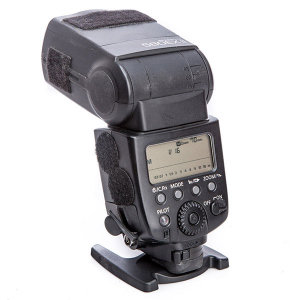
portrait-gear-essentials-01I use a speedlight off camera for about 20%-30% of my photo shoots. Like any piece of gear, they have their pros and cons, but they can light you out of some tight spots (quite literally).

I use Canon 580EXii speedlights as my preferred lighting when I am travelling or need to work quickly or in tight locations. I will also use a Photoflex medium size softbox that folds flat, and is perfect for lighting one person and couples.

portrait-gear-essentials-09

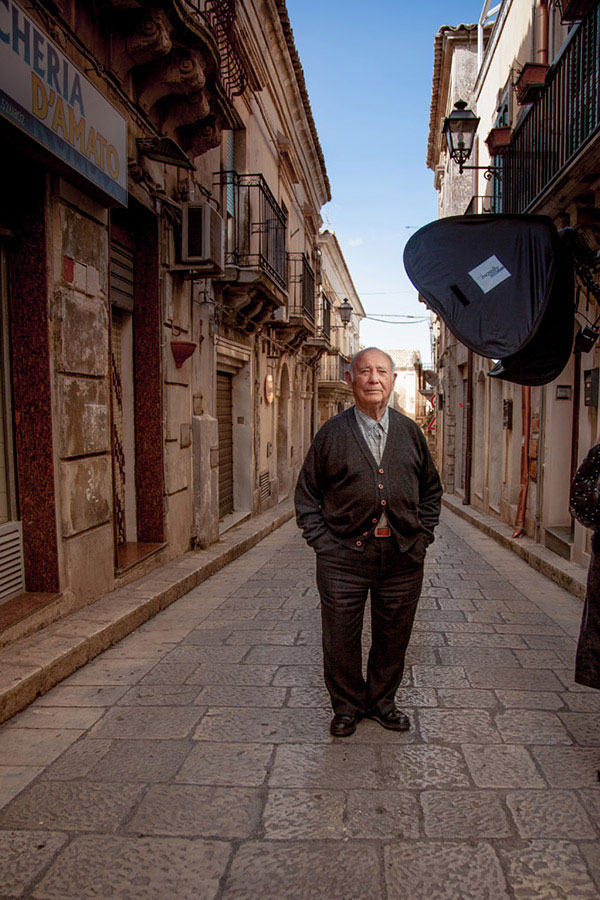
Portrait of Vito shot on location at my Sicily Photography workshop

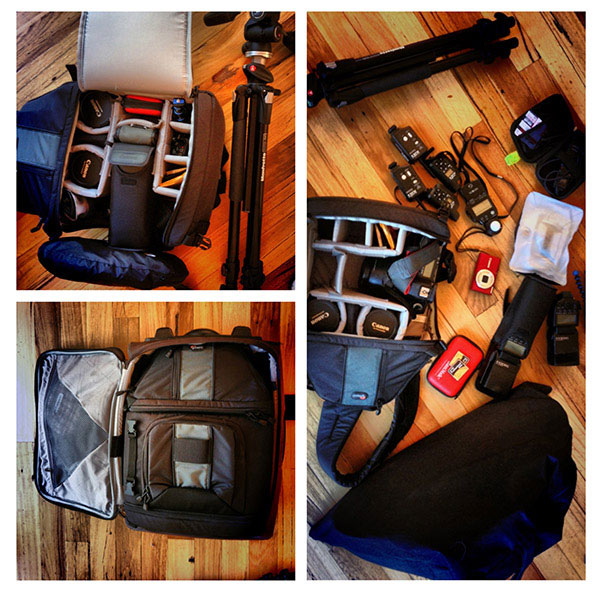
My complete travel location portrait photography kit:

  • One Canon 5D MKII (much lighter than the Canon 1Ds Mark III 
  • Two Canon 580EXii speedlights
  • Four PocketWizard remote flash triggers
  • Six 8GB memory cards. I prefer smaller cards because I don’t like to have an entire day’s worth of images on one card. I’ve had several cards fail over the years ,and also lost one once.
  • Minolta IV light meter (this model is no longer available, try one in the Sekonic line)
  • Canon EF 24-105mm f/4L IS lens
  • Canon EF 85mm f/1.2L lens  or Canon EF 70-200mm f/2.8L IS lens

portrait-gear-essentials-04

Studio lighting

Elinchrom Lights

60% of my shoots require studio lighting, so I need heavy duty monolights with fast recycle times, and a high quality of light. When I’m working on location, I still need a great quality of light and I give my Elinchrom Rangers a work out in those situations.

portrait-gear-essentials-06

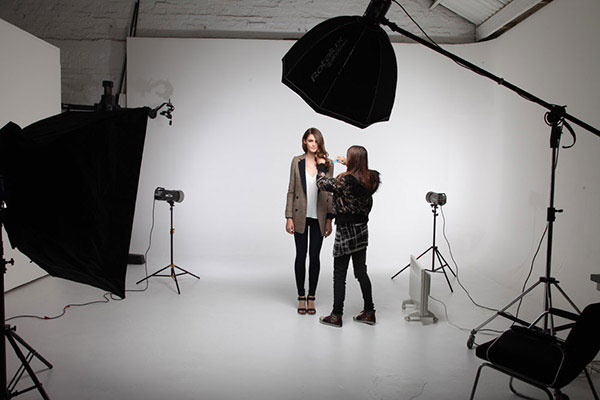
Behind the scenes for Piperlane.com

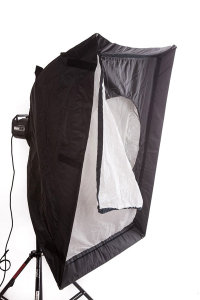
Large Softboxes

portrait-gear-essentials-08If I could only pick one light modifier to take to a deserted island, it would have to be a softbox. Small, medium or large this little puppy is my go to light source for 80% of my shoots.

Why? The quality of light is soft, flattering and malleable. Changing the angle and proximity of the softbox to the subject, easily changes the quality and direction of light.

A softbox, I feel, recreates the effect of soft daylight through a window.

I think what I like most about softboxes is that they are subtle. Highlights gently merge to shadows.

If it’s a studio shoot I love using my Chimira Medium softbox, with white reflective interior. The white interior creates a softer light and this particular softbox has an extra layer of diffusion on the inside, adding even more softness to the light.

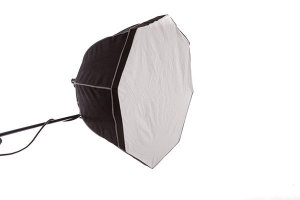
portrait-gear-essentials-05Rotalux Deep Octabox

Rotalux deep octabox would be the result if a softbox married a beauty dish and made babies. This, as far as I’m concerned, is a match made in heaven for lighting single person portraits.

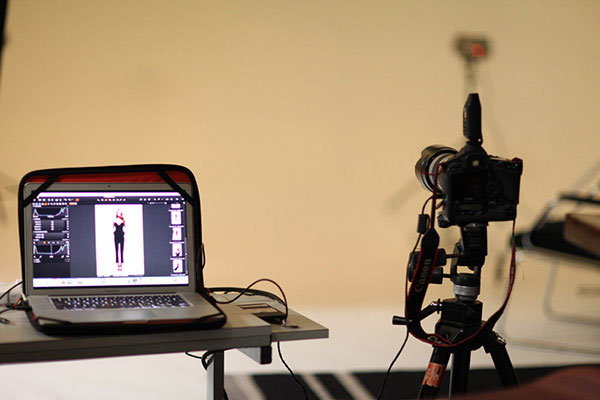
Laptop

MacBookPro 15”

portrait-gear-essentials-10

Shooting tethered to a computer has made my life as a photographer so much easier, because I can use my computer as a teaching tool. ?I can show my model a series of great images, with slightly different poses. We can talk about how the poses are different and what I want them to do in the next series. They can see what I mean and it makes more sense, straight away.

Note from the Editor

For more information on how Gina works and does her portraits, pick up her dPS eBooks “Portraits Lighting the Shot” and “Portraits Making the Shot”

You also might want to grab our brand new eBook “Photo Nuts and Gear – know your gear and take better photos” if you’re trying to decide what equipment you need to purchase. Spend a little on an eBook, so you don’t spend a lot on the wrong gear.

Post originally from: Digital Photography Tips.

Check out our more Photography Tips at Photography Tips for Beginners, Portrait Photography Tips and Wedding Photography Tips.

Portrait Gear Essentials – by dPS eBook author Gina Milicia

The post Portrait Gear Essentials – by dPS eBook author Gina Milicia by Gina Milicia appeared first on Digital Photography School.


Digital Photography School

 
Comments Off on Portrait Gear Essentials – by dPS eBook author Gina Milicia

Posted in Photography


DPReview Gear of the Year Part 2: Panasonic Lumix DMC-GM1

20 Nov

gm1.jpg

A lot of equipment passes through our Seattle and London offices, everything from high-end cameras to inexpensive accessories. A lot of it gets reviewed, but we can’t cover everything. In this series of short articles, DPReview staff will be highlighting their personal standout products of the year. In part 2, Allison Johnson comments on her personal favorite – the Panasonic Lumix GM1.

News: Digital Photography Review (dpreview.com)

 
Comments Off on DPReview Gear of the Year Part 2: Panasonic Lumix DMC-GM1

Posted in Uncategorized


Show Us Your Gear: Weekly Photography Challenge

16 Nov

By Marina del Castell

Show us your Gear!

This week we launched our brand new eBook – Photo Nuts and Gear – an eBook to help you choose the best camera and gear for your needs.

While we’re talking gear we thought it might be fun to have a photo challenge this week that got you to photograph your favourite piece of photography gear.

This may involve you having to get a little creative and shoot a self portrait in a mirror but you’re a creative bunch and we think you’re probably up for the creative challenge!

Once you’ve taken your ‘GEAR’ shot we’d love to see them in comments below. Simply upload your shot into the comment field (look for the little camera icon in the Disqus comments section as pictured below) and they’ll get embedded for us all to see or if you’d prefer upload them to your favourite photo sharing site and leave the link to them.

If you tag your photos on Flickr, Instagram, Twitter or other sites with Tagging tag them as #DPSGEAR to help others find them. Linking back to this page might also help others know what you’re doing so that they can share in the fun.

Also – don’t forget to check out some of the great shots posted in last weeks Beauty in the Everyday challenge – there were some fantastic shots submitted.

Post originally from: Digital Photography Tips.

Check out our more Photography Tips at Photography Tips for Beginners, Portrait Photography Tips and Wedding Photography Tips.

Show Us Your Gear: Weekly Photography Challenge

The post Show Us Your Gear: Weekly Photography Challenge by Darren Rowse appeared first on Digital Photography School.


Digital Photography School
 
Comments Off on Show Us Your Gear: Weekly Photography Challenge

Posted in Photography


Looking to Buy a New Camera or Gear? Check Out Our Brand New Guide

13 Nov

dps_covers_gear2

Are you looking to buy a new digital camera, lens, flash or other gear in the next 12 months?

If so – you’re not alone.

Check out these stats:

In a recent survey of dPS readers we found out over the next 12 months:

  • 31% of you were planning on purchasing a new camera body
  • 71% of you were looking to buy a new lens
  • 26% of readers were in the market for a new flash unit
  • 14% of you were looking to buy studio lighting
  • 24% of you were looking for a new camera bag

In fact over 85% of our readers are currently looking to make a significant addition to their gear in the next year.

If you’re one of them – you really need to check out our brand new Guide to Buying and Looking after your photography gear.

It’s the latest edition in our ‘Photo Nuts’ series and is called Photo Nuts and Gear: Know Your Gear and Take Better Photos.

Add to Cart

Why We Published This eBook

Since starting dPS back in 2006 a question that we see on a daily basis is:

“What Gear Should I Buy?”

It’s a tricky question to answer because each photographer has their own unique needs and there are constantly new cameras and accessories on the market.

One of the other common things we’ve heard from readers repeatedly over the year are stories of frustration and remorse over buying the wrong gear – something that can be a costly mistake.

The camera equipment market is a complicated and ever changing thing. There are some great pieces of gear out there but among them are also a lot of poorly constructed, overpriced or unnecessary things that will waste your time and money.

As a result we’ve long wanted to produce a simple yet helpful guide on the topic of choosing the right gear for your needs.

Our Guide: Neil Creek

creek-130510-055-sqThe author of this guide is Neil Creek, a photographer that will be familiar to many dPS readers as he is someone who has authored 4 previous dPS eBooks (including the 3 best selling Photo Nuts eBooks already in our library).

We chose Neil for this topic for a number of readers.

Firstly, Neil is an experienced photographer who knows his stuff and has an ability to explain it clearly (as readers of his previous eBooks will attest to).

Secondly, Neil knows that it’s not ONLY about the Gear. As he says in his introduction – “Vision, passion, creativity, practice, experience and other qualities are far more important than the gear used to create an image.” This is why we’ve put this eBook in our ‘Photo Nuts’ series – because it is just one element in taking great photos.

Lastly, Neil knows and loves gear. He has his eye on all the latest and greatest equipment on the market – but he’s also a discerning fellow and is committed to helping readers of this guide to not only choose great gear, but to decide if they really need it at all.

The aim of Photo Nuts and Gear is to help you understand what camera equipment can do for you, to hope you decide if you need it and to assist you in finding the best of the many options available. Neil’s the perfect author to help you through that process.

What You’ll Discover in Photo Nuts and Gear

This eBook teaches you how to research and buy camera bodies, lenses, tripods, flashes, light modifiers, camera bags and accessories. You’ll be led through clear and practical teaching on:

Do you really need new gear?

  • A reality check: do you really need to buy more equipment?
  • Can you DIY instead?
  • Reasons for buying new gear and justifying your decision.

Finding the right gear for you

  • How to fully unleash the power of the internet.
  • Community support and the wisdom of the crowd.
  • How to read reviews, read between the lines and know which reviews are garbage.
  • Lists of valuable resources for research.
Camera Gear Explained
  • Extensive in-depth look at a wide variety of camera equipment.
  • Many important features explained, in the context of researching your purchase.
  • Advice and help with determining what’s important and what’s not.
  • Covers core and obscure features you might otherwise overlook.
  • Covers the most equipment including camera bodies, lenses, flashes, tripods and more.

Case studies:

  • Examples of real world gear purchasing decisions.
  • Advice on how to choose and buy a telephoto, flash and more.

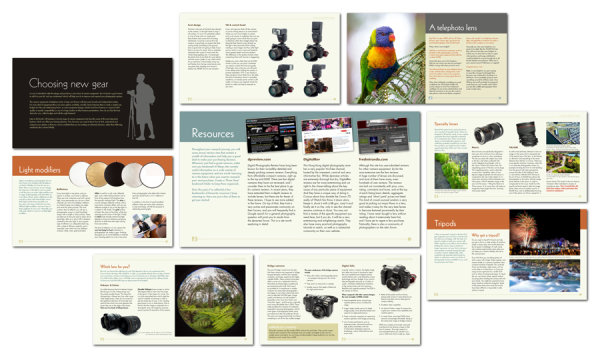
A Peak inside Photo Nuts and Gear

gearpagefan

An eBook Designed to Save You Money

As we planned this eBook one of the wonderful realisations that our team had was that it was something that was going to save those who read it money.

Camera gear is a costly investment and by learning what you really need and buying the right camera, lens, flash or accessory you you’re more than likely to save much more than the purchase price of this guide.

Best of all – coupled with the photographic knowledge that you’re gaining here from dPS and some practice, this eBook will help you to take better photos with gear that is suited to your needs.

Learn more about this eBook or grab a copy by clicking the download button below.

Add to Cart

Post originally from: Digital Photography Tips.

Check out our more Photography Tips at Photography Tips for Beginners, Portrait Photography Tips and Wedding Photography Tips.

Looking to Buy a New Camera or Gear? Check Out Our Brand New Guide

The post Looking to Buy a New Camera or Gear? Check Out Our Brand New Guide by Darren Rowse appeared first on Digital Photography School.


Digital Photography School
 
Comments Off on Looking to Buy a New Camera or Gear? Check Out Our Brand New Guide

Posted in Photography


DPReview Gear of the Year Part 1: Fujifilm X100S

12 Nov

X100S_beauty_news.jpg

A lot of equipment passes through our Seattle and London offices, everything from high-end cameras to inexpensive accessories. A lot of it gets reviewed, but we can’t cover everything. In this series of short articles, DPReview staff will be highlighting their personal standout products of the year. In part 1, editor Barnaby Britton takes us through his personal favorite – the Fujifilm X100S.

News: Digital Photography Review (dpreview.com)

 
Comments Off on DPReview Gear of the Year Part 1: Fujifilm X100S

Posted in Uncategorized


‘Letting Go of the Camera’: Olivier Duong concludes look at gear addiction

17 Jul

nex-7-miami-street-photography-5.jpg

Florida-based photographer and blogger Olivier Duong has concluded his examination of so-called ‘gear acquisition syndrome’ with an article that explains how he broke free from his addiction. Starting with the mantra ‘there is more to photography than gear’, Duong describes how he make a conscious effort to appreciate the equipment he already owns, and to concentrate on using it to improve his photography. Click through for more details.

News: Digital Photography Review (dpreview.com)

 
Comments Off on ‘Letting Go of the Camera’: Olivier Duong concludes look at gear addiction

Posted in Uncategorized


Blogger Olivier Duong continues look at ‘Gear Acquisition Syndrome’

11 Jul

ricoh-grd-iv-miami-street-photography-11.jpg

Florida-based photographer Olivier Duong has expanded his ongoing examination of so-called ‘Gear Acquisition Syndrome’ with a description of how he overcame his own personal addiction to buying photographic equipment. Categorizing G.A.S. as a ‘habit’, Duong identifies three components – trigger, routine, and reward, and describes how he went about overcoming his addition by ‘changing the routine [but] keeping the trigger, and the reward’. Click through for more details. 

News: Digital Photography Review (dpreview.com)

 
Comments Off on Blogger Olivier Duong continues look at ‘Gear Acquisition Syndrome’

Posted in Uncategorized