RSS
 

Posts Tagged ‘Future’

Two-Wheel Tech: 12 Innovative Motorcycle Designs Envision the Future

21 Feb

[ By SA Rogers in Technology & Vehicles & Mods. ]

3D printed motorcycle main

What happens to the aesthetics of motorcycles when we let go of our nostalgic love for retro silhouettes and whole-heartedly embrace the future? Sleek and seamless unibody construction, lightweight 3D-printed components, unexpected silhouettes and hover bike concepts optimistically designed around technology that doesn’t yet exist. Some of these motorcycles are already in production (or one-off prototypes) while others will remain no more than renderings, but all of them take two-wheeled transportation to exciting new places, with the potential to inspire manufacturers to do the same.

BMW Motorrad Vision Next 100

BMW Vision Next 100

BMW vision next 100 2

BMW Vision Next 100 3

BMW set out to move beyond retro silhouettes with a zero-emissions, self-driving smart bike with active digital support displayed through the visor headset. The company is so confident that this system will keep the driver safe, they emphasize that no protective clothing is needed, not even a helmet.

BMW Titan Concept Motorcycle

BMW Titan Concept

BMW Titan 2

BMW Titan 3

Looking like something that would come roaring out of the Bat Cave, the BMW Titan concept envisioned by Istanbul-based designer Mehmet Erdem encloses the front wheel within the body for an unusual silhouette inspired by the shape of a shark.

BMW K75 Typhoon

BMW K75 alpha

BMW K75 Alpha 2

BMW K75 Alpha 3

Another wild motorcycle idea by Mehmet Erdem, which most people might expect to forever remain no more than a rendering, actually came to life in the hands of motorcycle expert Mark Atkinson. The machinist, who has years of experience in the Bonneville Salt Flats racing, built a real functional model of the design.

Renard GT Luxury Carbon Fiber Motorcycle

renard GT

renard GT 2

The sleek body of Renard’s GT features lightweight hardened aluminum components that were designed in 3D and then CNC-milled from a solid block.

Next Page – Click Below to Read More:
Two Wheel Tech 12 Innovative Motorcycle Designs Envision The Future

Share on Facebook


[ By SA Rogers in Technology & Vehicles & Mods. ]

[ WebUrbanist | Archives | Galleries | Privacy | TOS ]


WebUrbanist

 
Comments Off on Two-Wheel Tech: 12 Innovative Motorcycle Designs Envision the Future

Posted in Creativity


GIMP seeks funding for future advanced features

20 Jan

Open source image editing application GIMP has always been free, but the work required to continue building and improving the software doesn’t come without cost. In a recent post, the team asks GIMP’s users to lend financial support to Øyvind Kolås, the man behind the Generic Graphics Library (GEGL) and 42% of its commits.

Kolås is responsible for numerous improvements to the graphics engine GEGL, as well as the pixel data conversion library babl. Thanks to this work, in part, GIMP 2.10 will offer numerous notable features including the previously announced 16-bit and 32-bit color channel processing. However, some requested features are still missing, including CMYK and spot colors support, additional filters, better GPU usage and more. 

To help get the ball rolling on those features and others like them, GIMP is pointing users toward a Patreon page for Kolås, where he explains, “GIMP does not redistribute donations to developers/contributors — and I am currently living off savings…” Thus far 186 patrons have lended a total of $ 793/month support for Kolås. Support options for prospective patrons starts at $ 2/month, and ranges up to $ 128/month or higher for institutions.

Via: GIMP

Articles: Digital Photography Review (dpreview.com)

 
Comments Off on GIMP seeks funding for future advanced features

Posted in Uncategorized


Is this drone-toting concept car the future of photojournalism?

11 Jan

$ (document).ready(function() { SampleGalleryV2({“containerId”:”embeddedSampleGallery_3973428980″,”galleryId”:”3973428980″,”isEmbeddedWidget”:true,”standalone”:false,”selectedImageIndex”:0,”startInCommentsView”:false,”isMobile”:false}) });

Photojournalists, especially those embedded or covering remote and/or dangerous regions of the world would likely benefit from a vehicle specifically designed to help them overcome the daily challenges they face. Dillon Kane, an automotive design student at Lawrence Technological University, seemed to think so too. He recently won Magna International’s ‘Main Event’ design competition for his concept called ’30 degrees West,’ a futuristic car that we can only describe as an Inspector Gadgetmobile for visual journalists.

The competition is held annually prior to the North American International Auto Show, and this year, judges asked young automotive designers to dream up a new vehicle that might debut in the year 2030.

Sure, the vehicle rendering looks a bit like a riding lawnmower, but it would actually be packed with intelligent technology and design. Kane’s design features compartments for gear located on all sides of the vehicle (that apparently open and close in near silence) and a ladder pops out from the back of the vehicle to allow journalists a higher vantage point. Of course, if standing on the roof still isn’t high enough, the vehicle has a built in drone, also located on the roof, that can be launched for aerial coverage. Because duh, it’s the future and drones.

Additionally, the vehicle would be covered with smart sensors and cameras to record information about one’s environment, and a built-in ‘gentle light’ is also included in the design to create some flattering light for portraits on the fly. While some aspects of its design may seem like they need more hashing out (like the fact that it is not autonomous and must be piloted), it’s pretty cool to see a vision for a car designed specifically with photographers in mind.

So what do you think of Kane’s design, is it something you’d drive? Or better yet, how would you improve upon it to make it truly meet the needs of traveling photographers? Let us know in the comments!

Articles: Digital Photography Review (dpreview.com)

 
Comments Off on Is this drone-toting concept car the future of photojournalism?

Posted in Uncategorized


Future Cities: 13 Fresh New Visions for Residential Towers

13 Dec

[ By SA Rogers in Architecture & Houses & Residential. ]

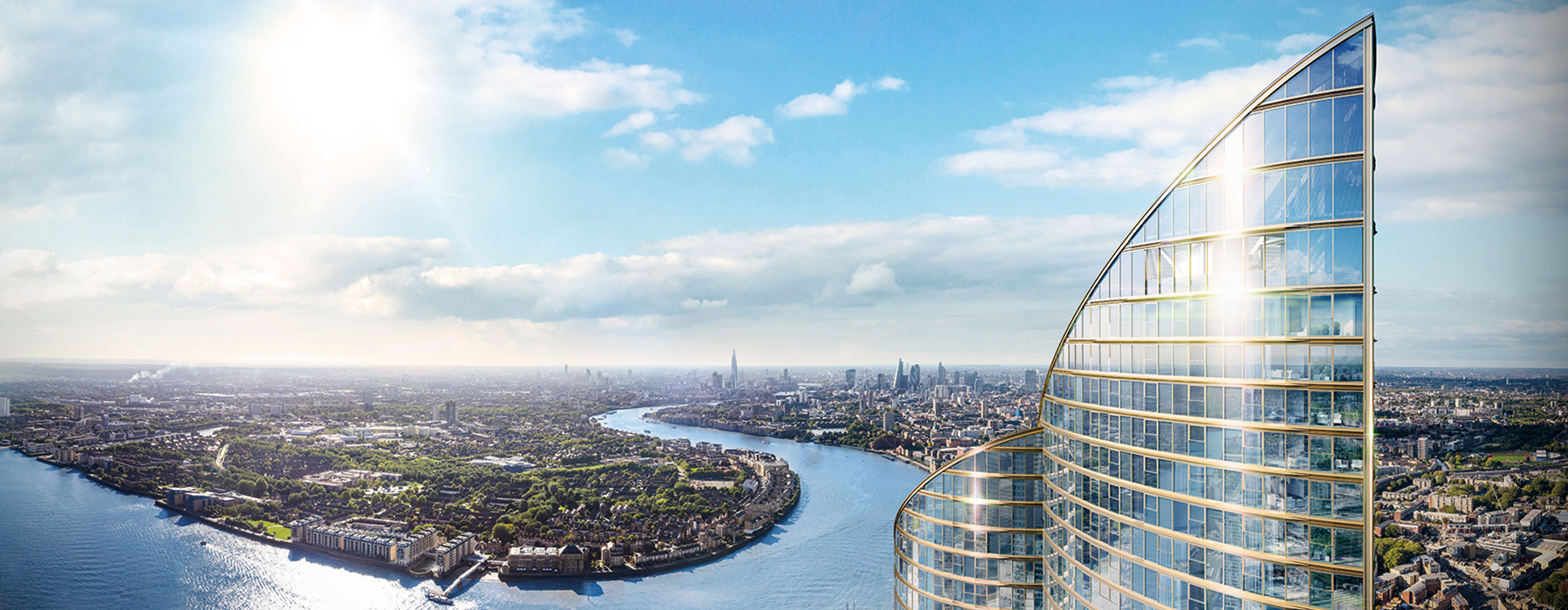
spire-london-main

The future of urban living (at least for the wealthy) is looking pretty lush, with residential towers finding new and creative ways to incorporate greenery, maximize views and give residents the feel of a spacious suburban backyard hundreds of feet in the air. As unrealistic as some of the renderings have looked, these towers are becoming a reality, with many set to be completed in 2017.

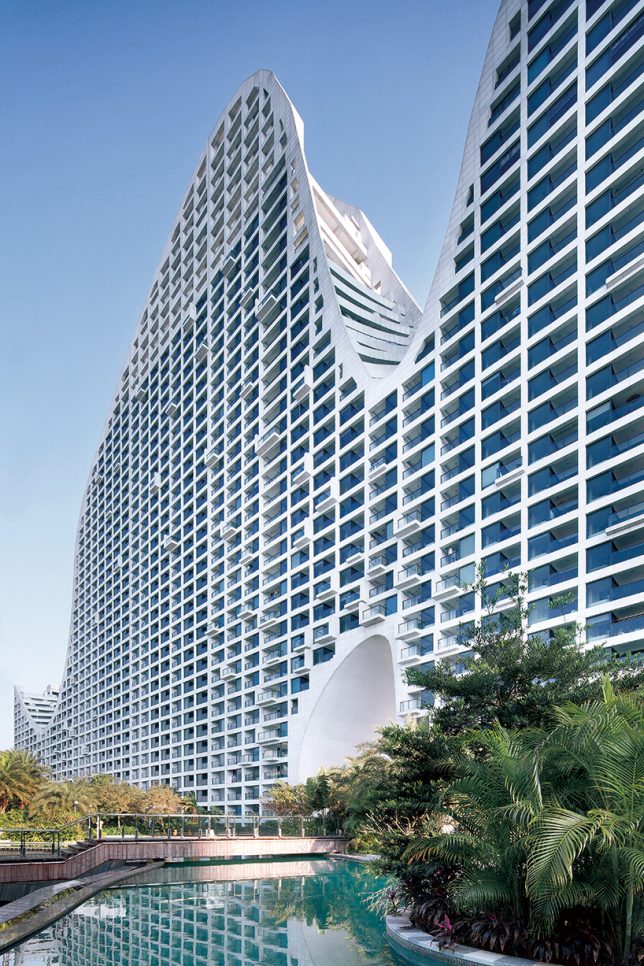
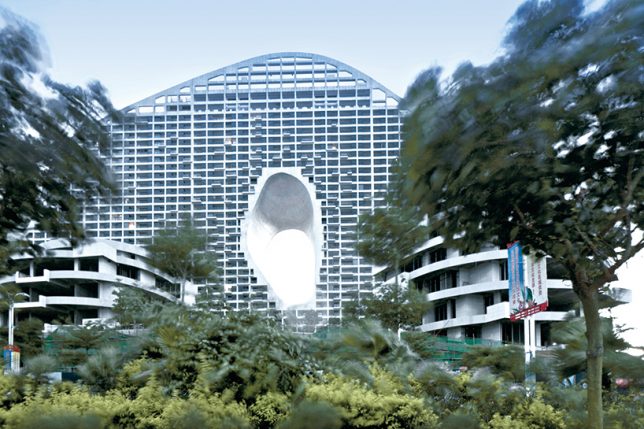
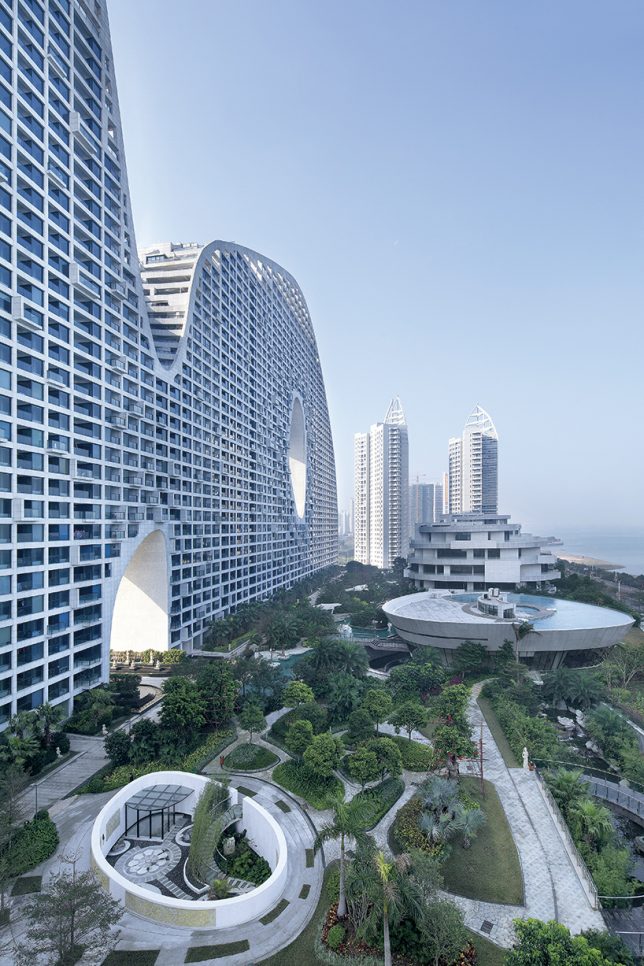
Fake Hills by MAD Architects, Beihai, China

residential-towers-fake-hills

residential-towers-fake-hills

residential-towers-fake-hills-3

residential-towers-fake-hills-4

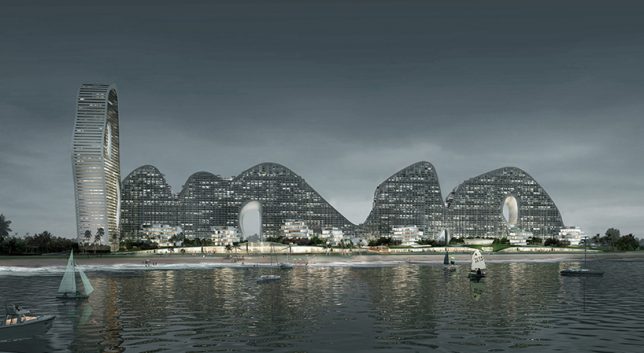
One of those renderings that looked too fantastical to be real, ‘Fake Hills’ by MAD Architects is almost fully complete in the coastal Chinese city of Beihai. The development is part of a planned, built-from-scratch city featuring dense housing in architecturally innovative form along with a lush green landscape. The continuous roof platform running along the top will eventually be planted with gardens, too, and feature tennis courts and swimming pools.

Grove at Grand Bay by BIG, Miami

residential-towers-big-1

residential-towers-big-2

residential-towers-big-3

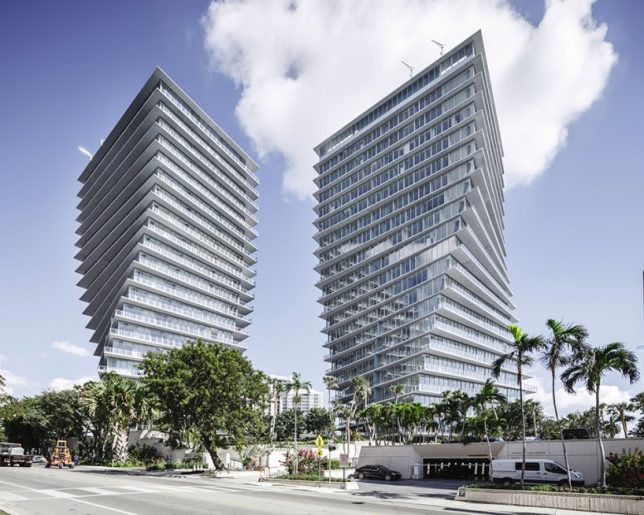
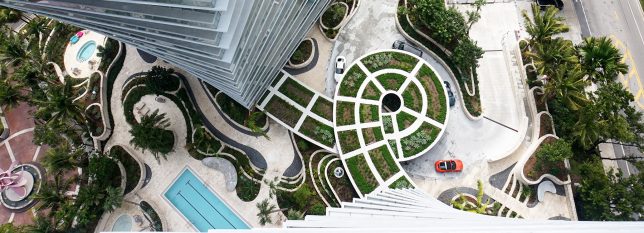
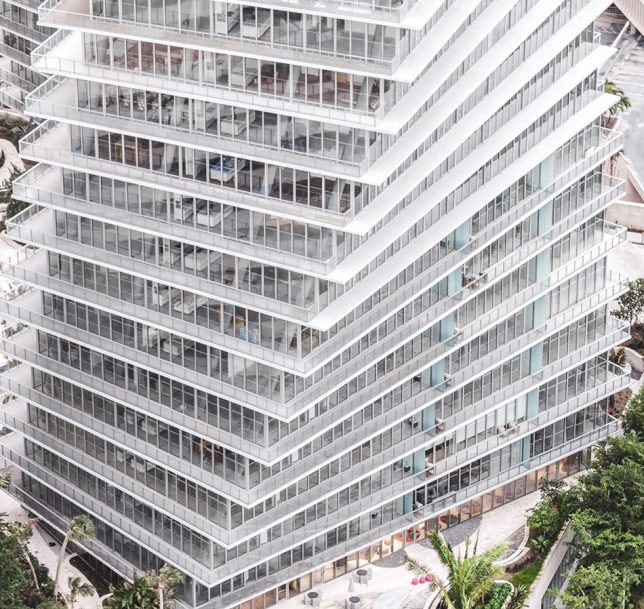
BIG’s recently completed ‘Grove at Grand Bay’ in Miami is true to its renderings, down to the undulating planted areas at the base. The pair of twisting towers is actually a luxury ‘low density’ project featuring 98 units topped with dual level penthouses and containing seven swimming pools, a spa and fitness center, and an on-site art gallery in what could be perceived as stacked mansions for a dense urban setting.

Gridded Residential Tower by C.F. Møller and Brut, Antwerp

residential-tower-gridded-1

residential-tower-gridded-2

residential-tower-gridded-3

residential-tower-gridded-4

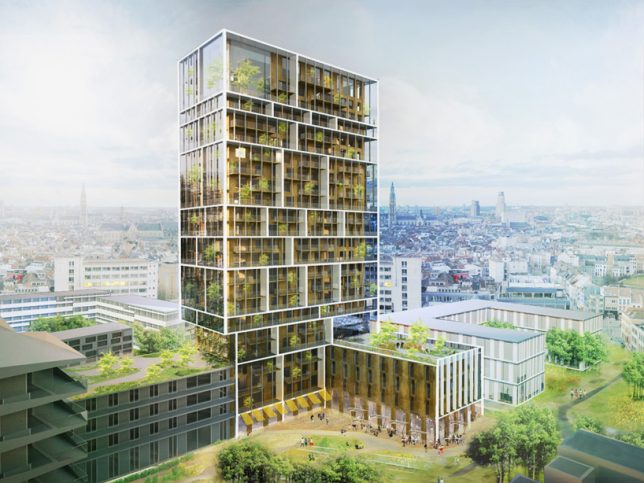
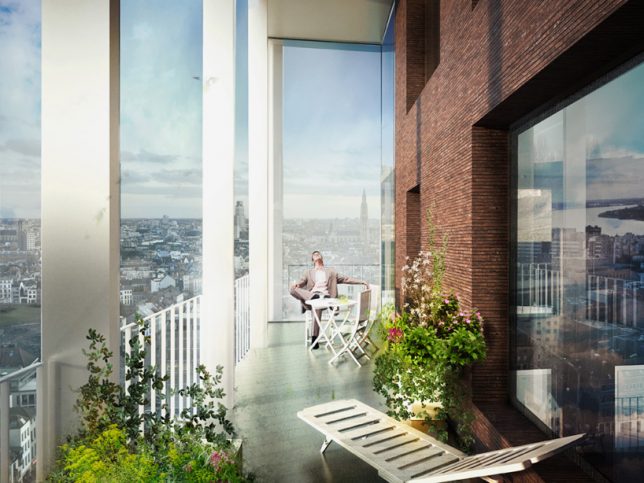
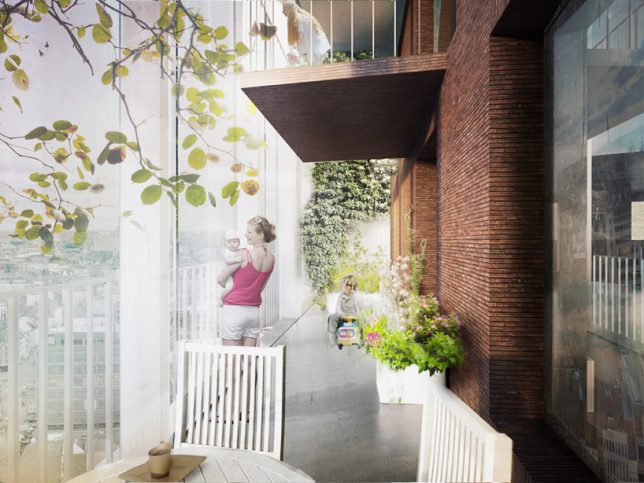
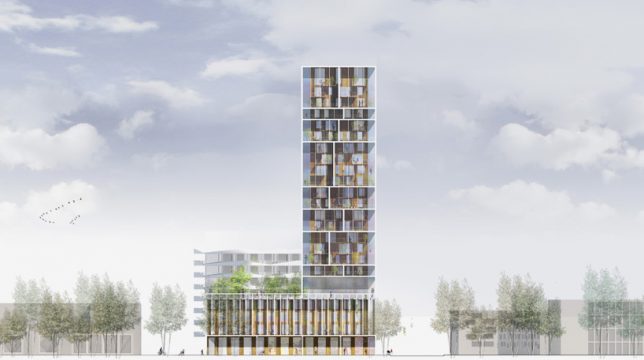
This ‘vertical community’ by C.F. Møller is a residential and mixed-use tower that was “developed from the inside out,” placing an emphasis on social qualities, aiming for a suburban quality of life. The 24-story complex contains 116 homes, retail outlets, offices and communal areas, including enclosed winter gardens at each end of the tower and a shared 5th floor facility with a landscaped roof terrace. The envelope of the structure contains balconies enclosed within glass, spacious enough for kids to play.

Farmanieh Residential Tower by ZAAD Studio and Marz Design, Tehran

residential-tower-zaad-1

residential-tower-zaad-2

residential-tower-zaad-3

residential-tower-zaad-4

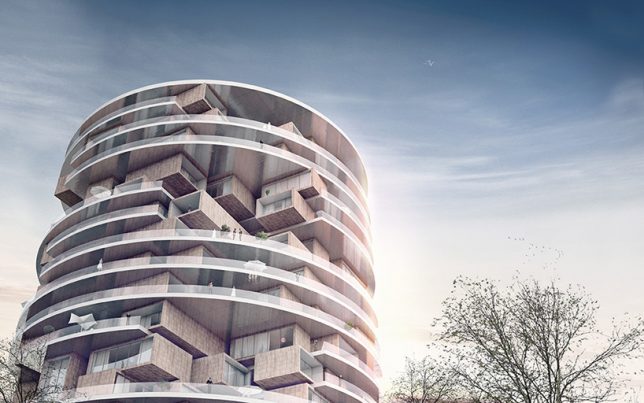
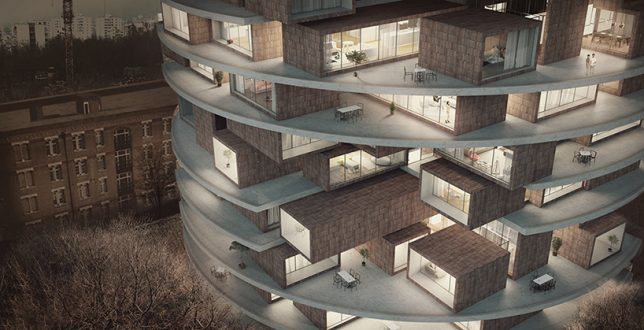
The form of this residential tower by ZAAD is pretty unusual, featuring a series of modular units wedged between stacked circular platforms to create a patchwork of indoor and outdoor areas. Also set to the scale of a suburban home, the units offer a comfortable living environment and highly varied views of the city intermixed with spacious terraces.

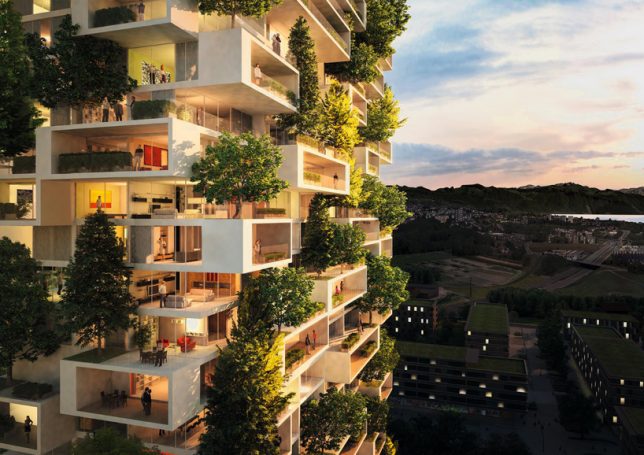
Vertical Forest Tower by Stefano Boeri, Lausanne

residential-tower-vertical-forest

residential-tower-vertical-forest-2

residential-tower-vertical-forest-3

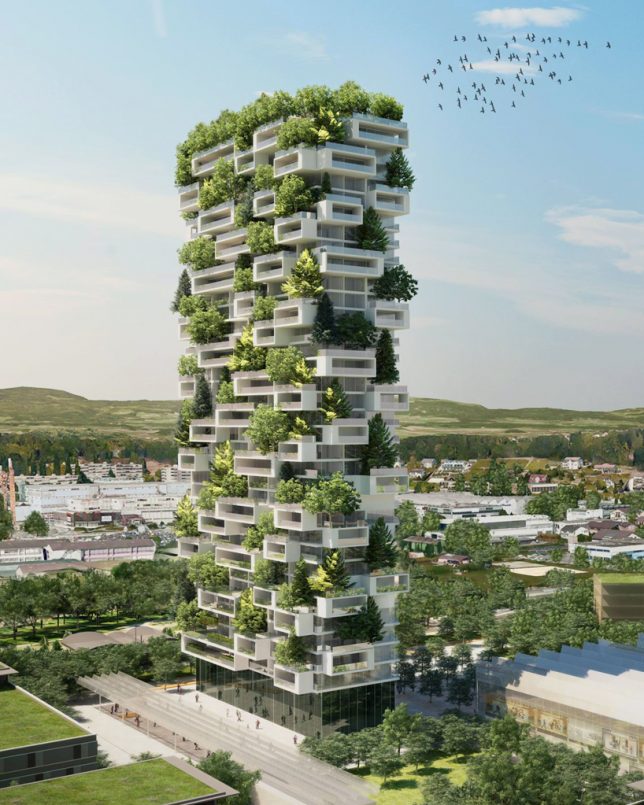
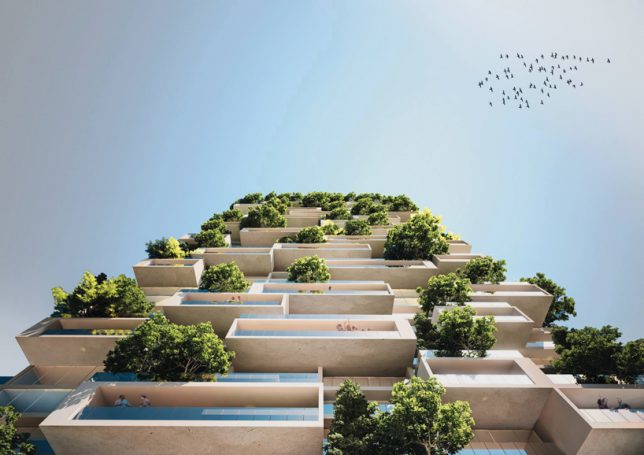
Critics have questioned whether this ‘vertical forest tower’ by Stefano Boeri is an ‘Alice in Renderland’ kind of concept, especially considering that the trees pictured along the peripheral areas of the structure would need a much deeper root system and lots more soil than the design allows. The vision of such large-scale greenery seems pretty unrealistic, especially given the high demand for water and the inevitable strain on the supporting structures. But we’ve been surprised before, and the tower is under construction with a completion date set for 2017, so we’ll soon find out.

Next Page – Click Below to Read More:
Future Cities 313 Fresh New Visions For Residential Towers

Share on Facebook


[ By SA Rogers in Architecture & Houses & Residential. ]

[ WebUrbanist | Archives | Galleries | Privacy | TOS ]


WebUrbanist

 
Comments Off on Future Cities: 13 Fresh New Visions for Residential Towers

Posted in Creativity


Navigating the Future: 12 Forward-Thinking Urban Transit Systems

15 Nov

[ By SA Rogers in Conceptual & Futuristic & Technology. ]

Integrating fairly seamlessly into existing city infrastructure, making use of renewable energy and solving the ‘last mile’ problem plaguing most public transit systems, these designs make some major advancements from the buses and trains already in use today. With some already in development around the world and others representing ideas that could provide inspiration for real-life solutions, these futuristic urban transit systems aim to get around traffic congestion and provide safer, more efficient rides.

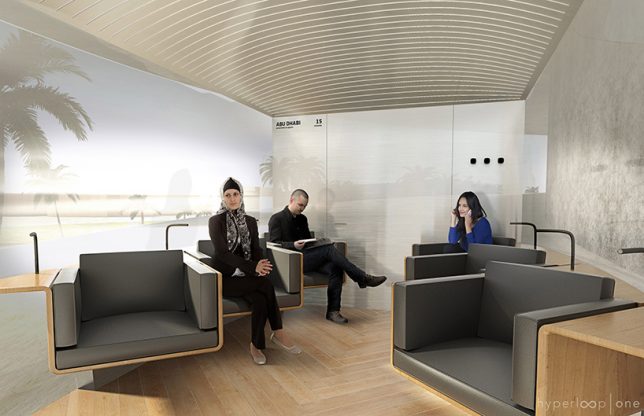
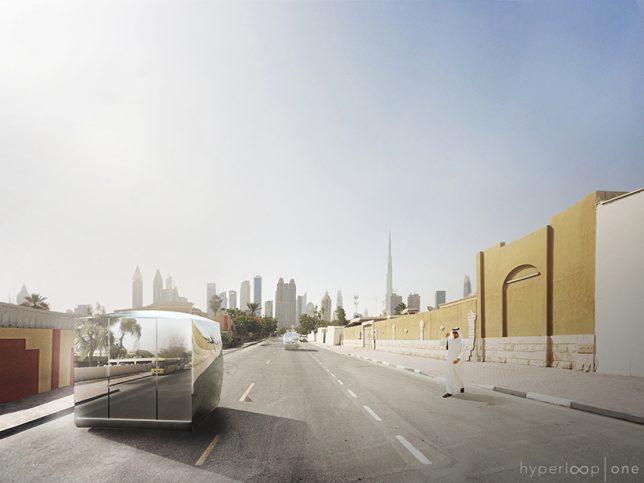
Hyperloop for Dubai by Bjarke Ingels Group

hyperloop-dubai-1

hyperloop-dubai-2

hyperloop-dubai-3

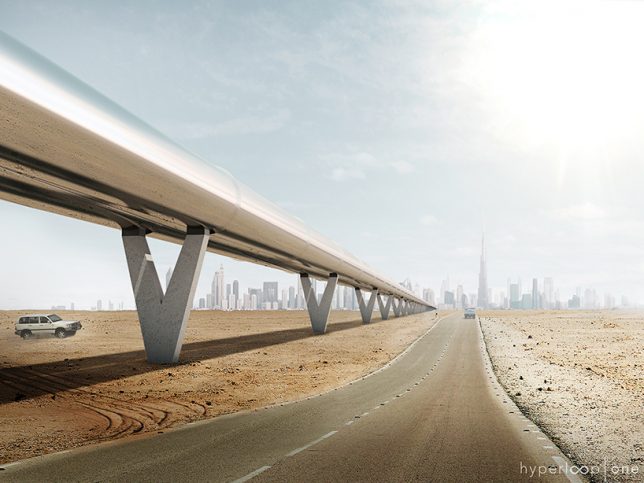
Residents of the United Arab Emirates could get from the cities of Dubai to Abu Dhabi in just twelve minutes with the hyperloop transportation system recently announced as a deal between Hyperloop One and Dubai Roads and Transport Authority. Designed by Bjarke Ingels Group (BIG), the system will carry passengers in 6-person pods contained within a pressure vessel ‘transporter’; the units are small to allow for on-demand travel and reduce wait times.

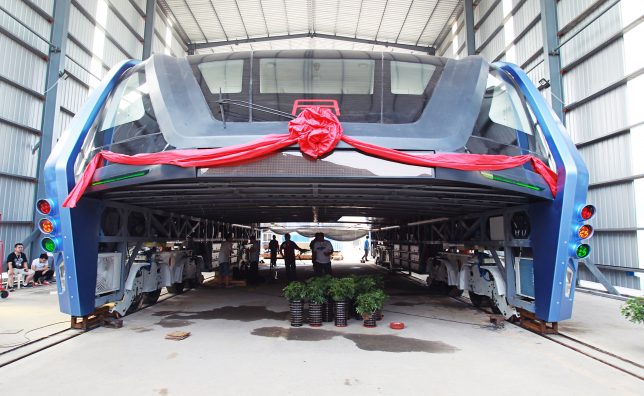
Self-Driving Bus by Mercedes-Benz

Weltpremiere: Mercedes-Benz Future Bus mit CityPilot – Meilenstein auf dem Weg zum autonom fahrenden Stadtbus

mercedes-bus-1

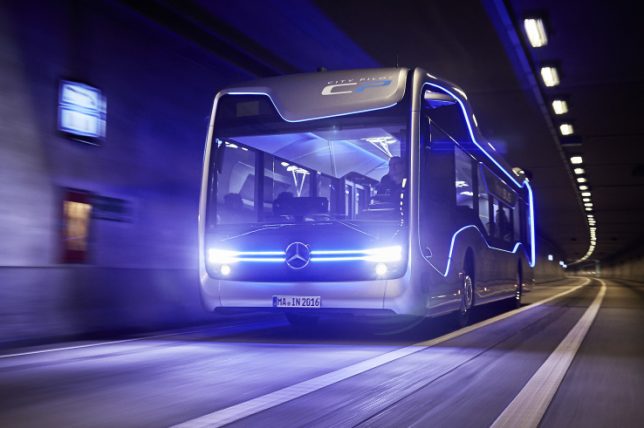
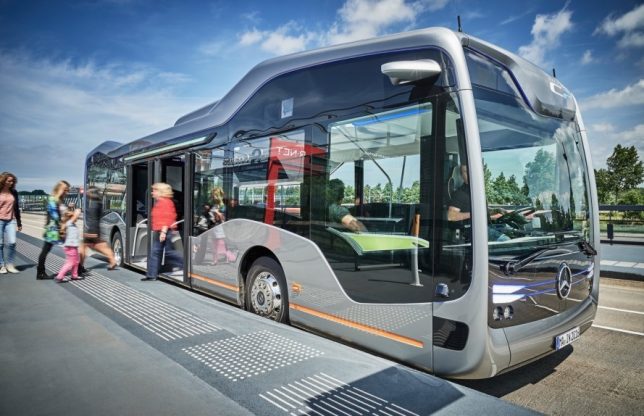
Already tested on a 12-mile route in Amsterdam, Mercedes-Benz’ new line of self-driving buses avoids human error while performing their usual duties, with a driver only present to take over when the route isn’t suitable for automated driving. Short-range radar, satellite-controlled GPS navigation, sensors and cameras help it on its way, and it communicates with the route infrastructure via wi-fi to take advantage of rolling green lights.

Skytran for Tel Aviv

skytran

skytran-2

skytran-3

skytran-4

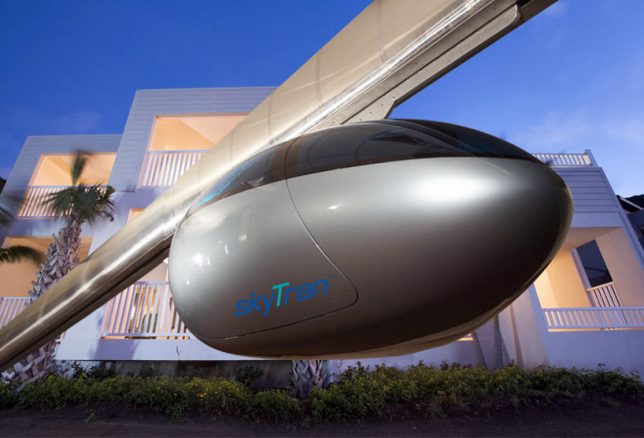
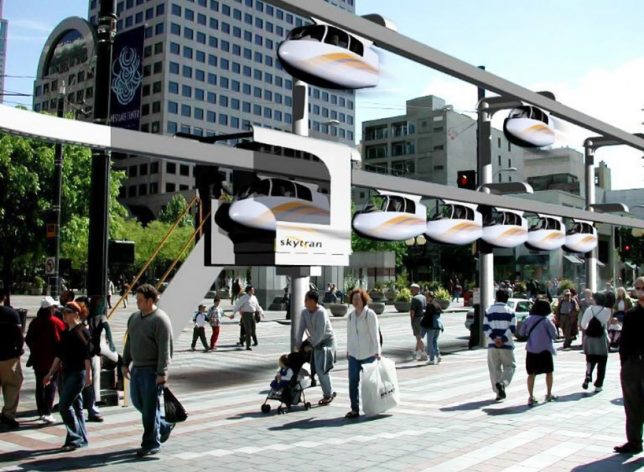
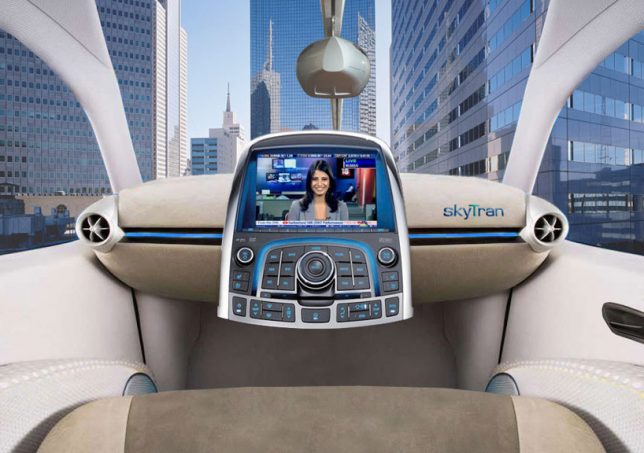
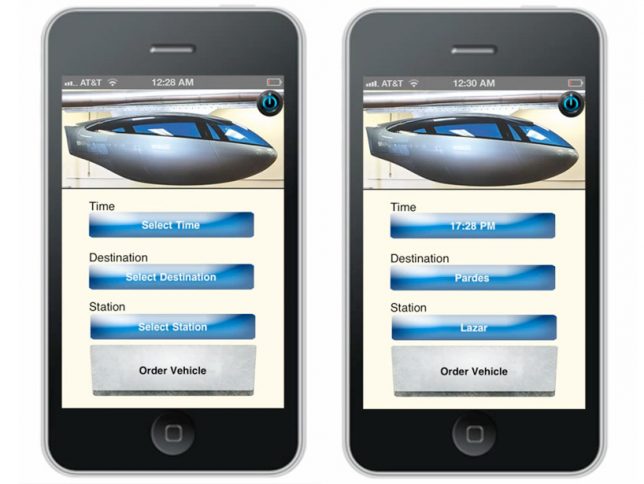
The world’s first magnetically levitating skytTran system is set for development in Tel Aviv to reduce congestion, making routes faster, less expensive, more comfortable and more earth-friendly. Individual two-seater pods feature point-to-point service so travelers can reach specific destinations, and you can request one via a mobile app. Following completion in Tel Aviv, commercial skytrain systems will be rolled out worldwide.

Next Future Modular Transportation System

nextfuture-1

nextfuture-2

nextfuture-3

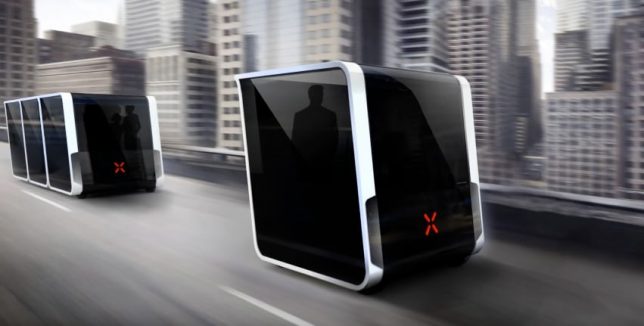
The self-driving modules envisioned by Next Future can link up like a typical transit system or go their own way on existing roadways, with users ordering them through a mobile app. Like the skyTran, this system takes care of that ‘last mile’ problem, automatically calculating routes. The 8×8’ modules, which hold ten passengers each, can link together in a ‘swarm’ or split up. When they’re linked, you can move from one module to the next to find the one that’s headed in the direction of your destination.

Next Page – Click Below to Read More:
Navigating The Future 12 Forward Thinking Urban Transit Systems

Share on Facebook


[ By SA Rogers in Conceptual & Futuristic & Technology. ]

[ WebUrbanist | Archives | Galleries | Privacy | TOS ]


WebUrbanist

 
Comments Off on Navigating the Future: 12 Forward-Thinking Urban Transit Systems

Posted in Creativity


The future is bright: technology trends in mobile photography

01 Nov

The future is bright: technology trends in mobile photography

Smartphones have long overtaken the trusted digital compact camera as the most popular imaging device among consumers. So it’s no surprise that for some time now the mobile industry has been a major driving force of innovation in imaging. 2016 is slowly yet surely coming to an end, and has been a fruitful year in terms of innovation in mobile imaging. What better time to look back at the most important technology trends that have emerged over the past few months?

Multi-lens-cameras

Dual-cameras have been around for some time now, but this year we’ve seen the introduction of two new types of this camera category with real potential to have a lasting impact on mobile imaging. The dual-camera modules in the Huawei P9 and Honor 8 capture images on a color and a monochrome sensor at the same time. Thanks to the lack of a color array filter, the latter can record better detail, higher contrast and a wider dynamic range than its color counterpart. After capture, the image information from both sensors is combined, resulting in better overall image quality than on a conventional camera.

 The dual-cam in the Huawei P9 combines images from color and monochrome sensors.

Both the LG G5 and Apple’s new iPhone 7 Plus use dual-cameras for optical zooming. However, there is an important difference. On the LG the standard wide-angle lens is accompanied by a super-wide-angle. The Apple’s secondary lens offers an equivalent of 56mm, double that of the 28mm standard lens.

 Apple’s iPhone 7 Plus uses a dual-camera setup for digital zooming.

Lack of optical zoom is one of the key limitations of conventional smartphone cameras. The digital zoom functions implemented in most smartphones lead to a deterioration of image quality and can’t really be considered an alternative. This is why the solutions from LG and Apple represent a real step forward that can help expand the creative potential of smartphone photography. The concept of dual-cameras is still in its infancy and it’s probably only a question of time before we’ll see smartphones with more than two camera/lens combinations – the very approach that the the Light L16 camera development team is taking.

Raw-capture on smartphone cameras

Raw-capture on smartphones is not a totally new topic either. It was first introduced to the high-end models in Nokia’s Lumia line and came to Android devices with version 5.0 of the Google OS, which was introduced in 2014. Since then many high-end devices from Samsung, Huawei, LG and other manufacturers have supported the feature. However, with the introduction of the seventh iPhone generation and iOS 10, Raw capture is now finally available on the other major mobile platform, iOS, massively expanding its potential user base. 

 The Huawei P9’s DNG files can be edited in Adobe Camera Raw or other Raw converters.

The advantages of the Raw file format are the same on a smartphone camera as they are on a DSLR or mirrorless system camera. Instead of leaving the conversion of the captured image data to the algorithms of the camera’s JPEG-engine, the photographer can adjust many image parameters after capture, without any loss of image quality, by processing manually in a Raw-converter such as Adobe Camera Raw, Lightroom or Capture One.

With the small image sensors in smartphone cameras digital exposure compensation can only be applied within narrow limits, but white balance, sharpness, contrast, noise reduction and many other parameters can all be modified. Especially in difficult lighting situations shooting Raw can be a lifesaver. However, it can also help achieve more natural image results when the camera’s default settings produce too vibrant images, as is often the case with smartphone cameras, or to create different versions of the same image – for example one for large-scale printing and one for viewing on the web.

There is no doubt that the conversion of Raw image files can improve the quality of an image, or at least adjust it for specific requirements. However, the crucial question is if this all makes sense on a smartphone. Here, opinions are mixed. On one hand it can be argued that photographers who are willing to put time and effort into Raw conversion would typically shoot with their DSLR or system camera to start with. On the other hand, you never know when you encounter a great photo opportunity. If the only camera you’ve got is the smartphone in your pocket, Raw conversion can make the difference between a good and a great image.

Modular solutions

For many users an elegant and thin smartphone body is an important buying criterion. Unfortunately those characteristics stand in direct contrast to camera performance. Larger sensors offer lower noise levels and better dynamic range. Bigger lenses provide for brighter apertures or offer zoom capability. A powerful xenon flash also requires space. One of the solutions to this dilemma is a modular approach: for general everyday day use you carry the slim smartphone in the pocket. When better image quality and camera features are required, for example while visiting an event or when traveling, an external camera module is attached to the smartphone.

Previous approaches, for example Sony’s QX-models or the Kodak Pixpro SL modules, which are compatible with most smartphones and connect to the device via Wi-Fi, were unfortunately cumbersome to operate. Connection to the smartphone was often slow and occasionally unstable, leading to laggy image transmission and operation.

However, this year Lenovo has revived the camera module concept by introducing the Hasselblad True Zoom. The TrueZoom is so far only compatible with the smartphones of Lenovo’s Moto Z series but, on the upside, attaching and operating the device work much more seamlessly than anything else we’ve seen before. The TrueZoom attaches to the smartphone magnetically and, with a 10x zoom lens and xenon flash, instantly transforms it into a connected travel zoom camera, without any rebooting or other configuration steps.

The Hasselblad True Zoom camera module attaches magnetically to smartphones of the Lenovo Moto Z series.

The fact that the True Zoom is only compatible with a handful of phones won’t contribute to a wide distribution of the device. However, it is showing what is currently technologically feasible in terms of smartphones and external modules working together. Things could get even more interesting if market leaders Apple or Samsung show an interest in camera modules and make them popular with the masses.

Algorithms trump hardware

As mentioned above, your standard smartphone doesn’t provide enough space for large image sensors, zoom lenses or powerful flash units. However, mobile devices have one definite advantage over conventional cameras: computing power.

Thanks to powerful chipsets modern smartphone cameras can record and digitally merge several image frames in a split-second. This process, called image stacking, captures more image information than a single frame. The resulting JPEG files show better detail, lower noise levels and a wider dynamic range than standard exposures. In very dark scenes this method can also achieve a brighter exposure than conventional capture. In addition, camera shake and blur in low light are less of an issue, as the individual frames of the image stack can use faster shutter speeds than a single standard exposure.

 The HDR+ mode in the Google Camera app uses frame stacking for improved image results.

Apple offers such high dynamic range and night modes in its iPhone cameras and Google has implemented them into the HDR+ function of its Google Camera app, which is also used as the stock camera app on the new Pixel and Pixel XL phones. Again, development of such technologies is still in relatively early stages. Over the coming years more powerful processor hardware and better algorithms will likely further improve smartphone image quality, without a need for larger sensors or faster lenses.

Outlook

It’s probably fair to say that in the conventional digital camera sector the rate of innovation has noticeably slowed down over the last few years. In contrast, many of the new concepts that are currently being applied in mobile imaging are still in their infancy. It remains to be seen which ones will be here to stay and which ones will be forgotten in the nearer future. However, there’s no doubt that mobile photographers have a lot to look forward to. 

Articles: Digital Photography Review (dpreview.com)

 
Comments Off on The future is bright: technology trends in mobile photography

Posted in Uncategorized


Dramatic ‘Elastica’ Residence: The House of the Future is Here

18 Aug

[ By SA Rogers in Architecture & Houses & Residential. ]

elastica house 1

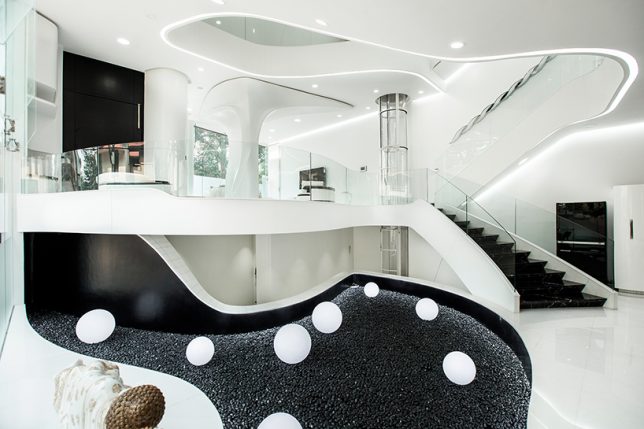
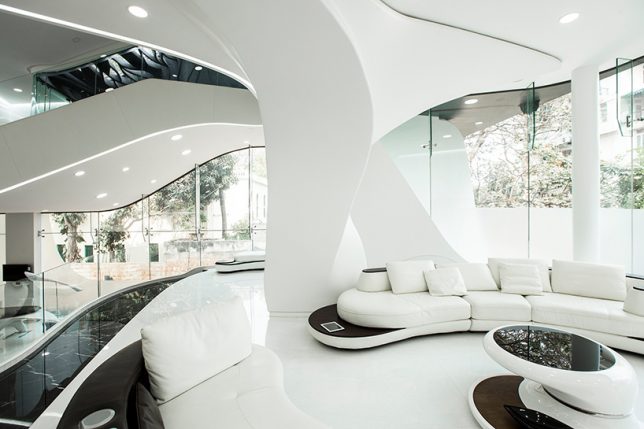
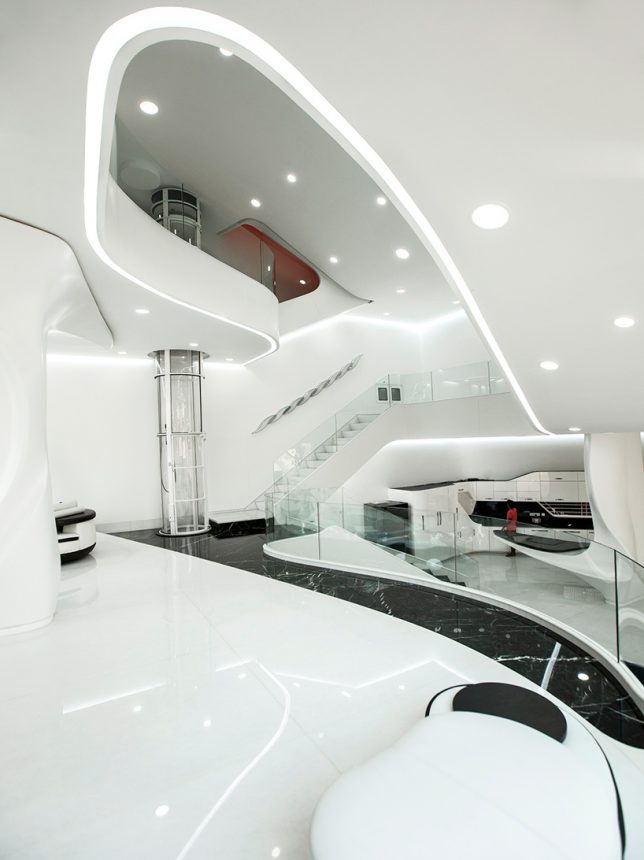
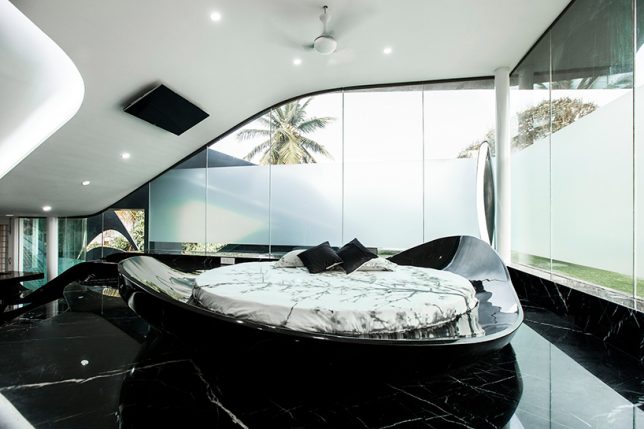
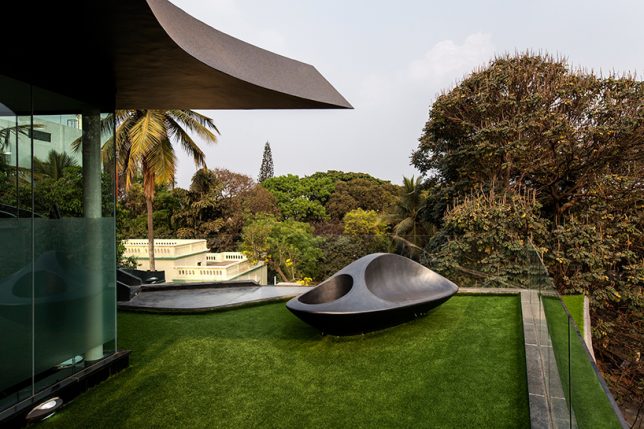
Looking like the set of a sci-fi film, the ultramodern ‘Elastica’ residence in Bangalore, India is pretty much what we all imagined our houses would look like by the time we became adults. It’s a little bit Jetsons, a little bit rock n’ roll, and a whole lot different from the decidedly unfuturistic houses most of us still occupy in the year 2016. Inside, there are virtually no straight walls, with undulating white surfaces stretching around the space, and what looks like a translucent cylindrical elevator reminiscent of the ‘Orgasmatron’ machine in the 1973 film Sleeper standing at its center.

elastica house 2

elastica house 3

elastica house 11

Cadence Architects conceived the house as a continuous loop rising from the ground, with large open spaces providing sight lines from the upper floors to the living space on the lowest level. Made of acrylic and ferroconcrete, the walls and floors flow like liquid in sculptural curves, occasionally stretching out to become built-in furniture like a cantilevered kitchen island. In the bedroom, a black acrylic base cradles a circular mattress like a gigantic soap dish, matching the marbled floor.

elastica house 4

elastica house 10

elastica house 7

elastica house 8

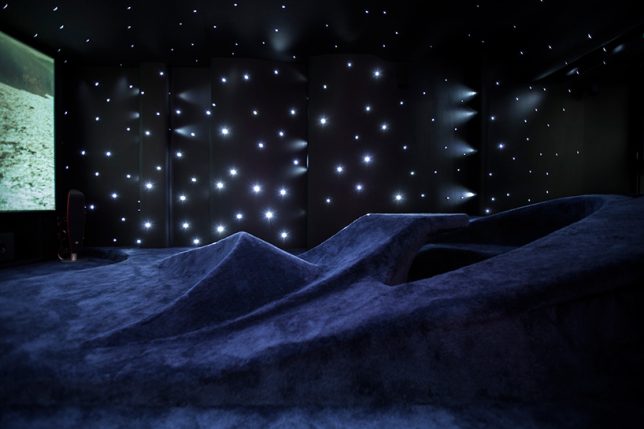
A minimalist black and white palette keeps all the attention on those curves and gives the interiors the air of a spaceship, accented with strips of LED lighting and furniture that appears to have been custom-made to match the scheme. A pod-like children’s bed looks like something you might wake up in after traveling for light years on an intergalactic journey, and a home cinema amplifies the outer space effect with starry lighting and a molded, carpeted floor shaped like a landscape with comfy hills and planes to lay on.

elastica house 6

elastica house 5

elastica house 9

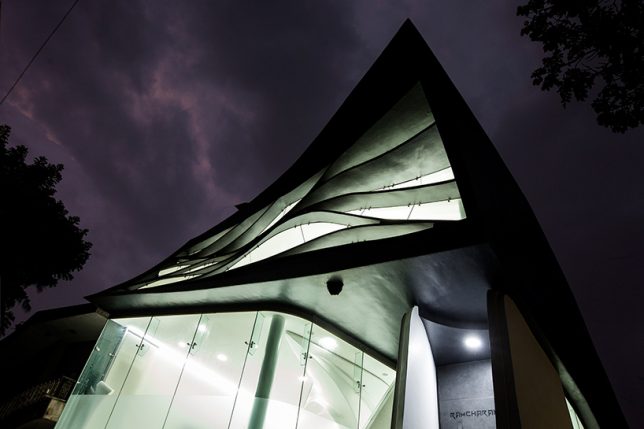
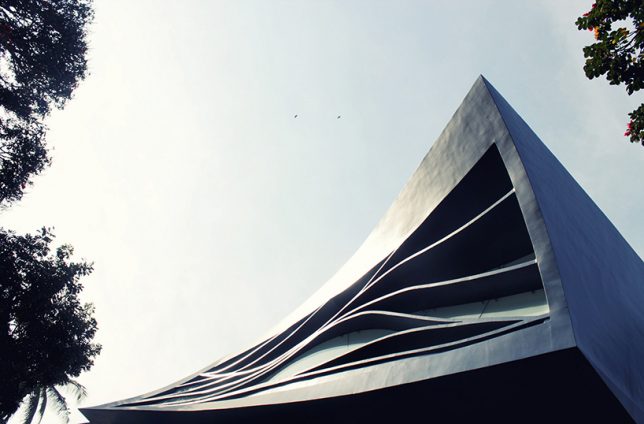
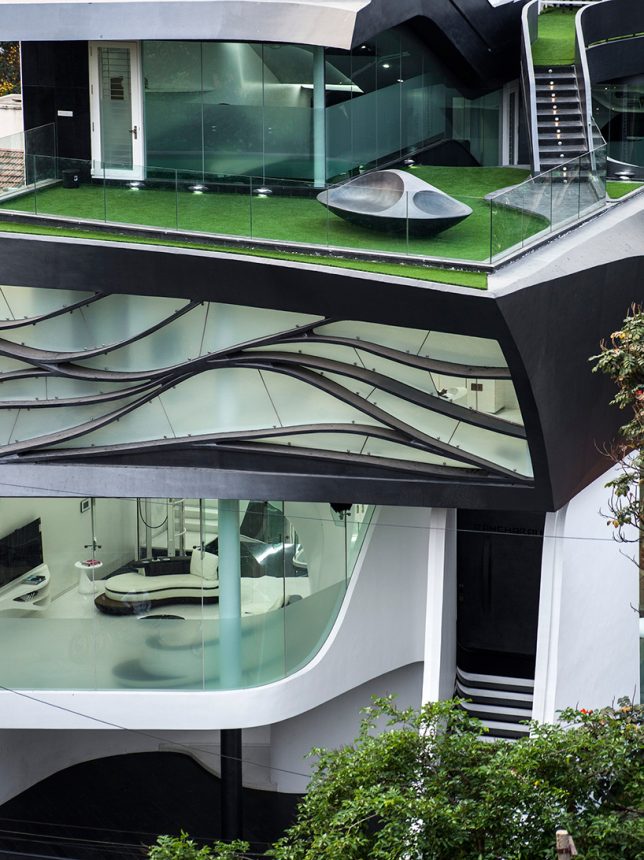
The facade of the home is glazed on every level except the middle one, which is sheltered by a modern interpretation of the traditional brise-soleil, a perforated screen that filters direct sunlight. The ground and top floors feature Astroturfed terraces, the highest of which looks out onto the more conventional architecture of the neighborhood. Some of the design touches throughout are strange in an otherworldly sort of way, and certainly not everyone’s cup of tea, but it’s a cool example of architects getting creative with residential designs.

Share on Facebook


[ By SA Rogers in Architecture & Houses & Residential. ]

[ WebUrbanist | Archives | Galleries | Privacy | TOS ]


WebUrbanist

 
Comments Off on Dramatic ‘Elastica’ Residence: The House of the Future is Here

Posted in Creativity


Urban Dystopia: 11 Short Sci-Fi Films Set in Future Cities

14 Jul

[ By SA Rogers in Drawing & Digital. ]

LIMA

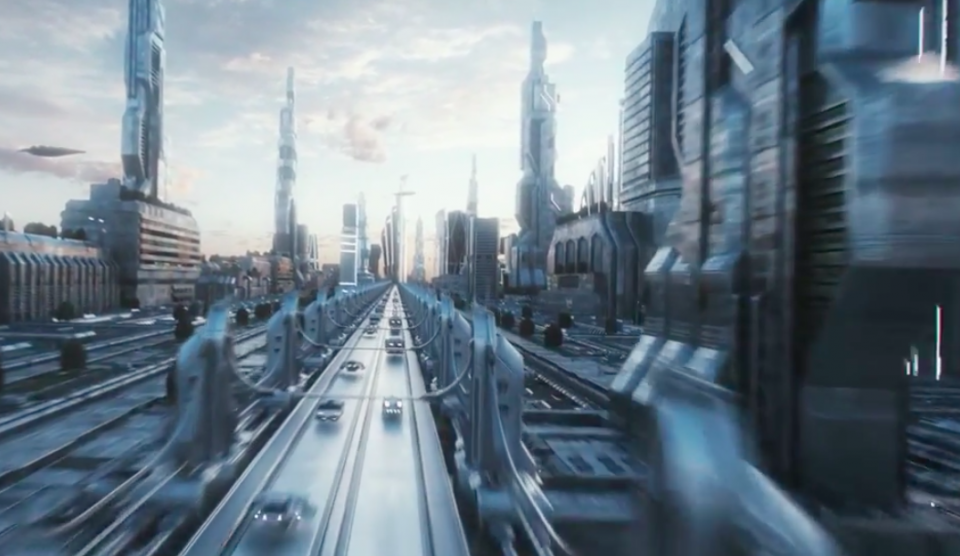
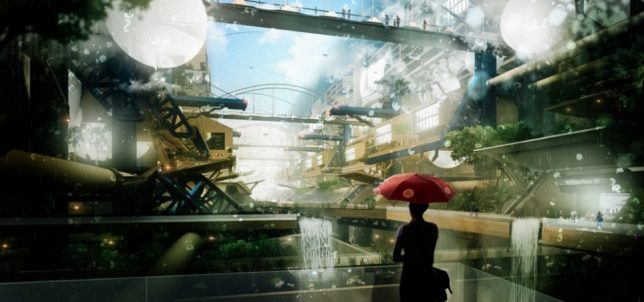
The science fiction of the past thirty years has evolved beyond the midcentury’s optimistic space-age visions into a darker, grittier place, where technology is out of control and resources are running out. Whether you think these imagined dystopian futures are overly dramatic or prescient of harder times to come, their depiction of our downfall can be absolutely riveting, and worth watching for the urban scenery alone. Short films offer an ideal medium for filmmakers of all skill levels to explore these concepts, including architecture that’s taken on a life of its own and high-tech surveillance societies.

In fact, if you want to know what sci-fi films might be coming out in the next few years, keep an eye on the digital shorts that are proliferating across the internet, as many of them get snapped up by major studios to become full-length features.

Spatial Bodies by AUJIK

OSAKA 1

OSAKA 2

OSAKA 3

OSAKA 4

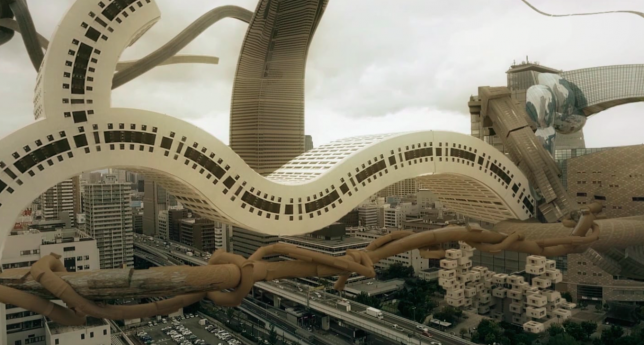
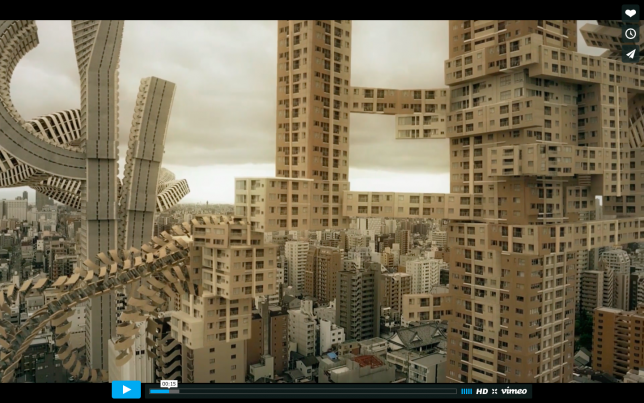
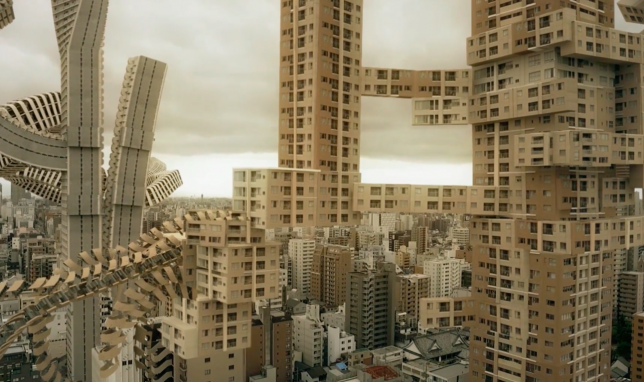
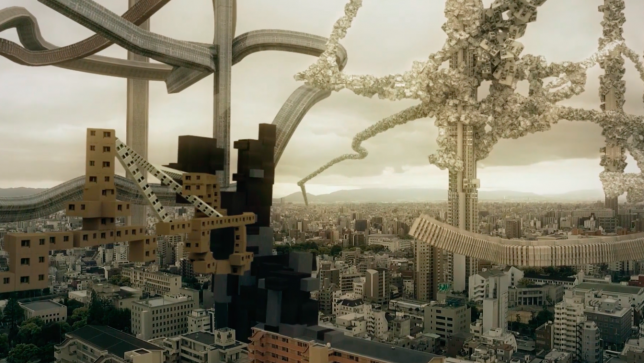
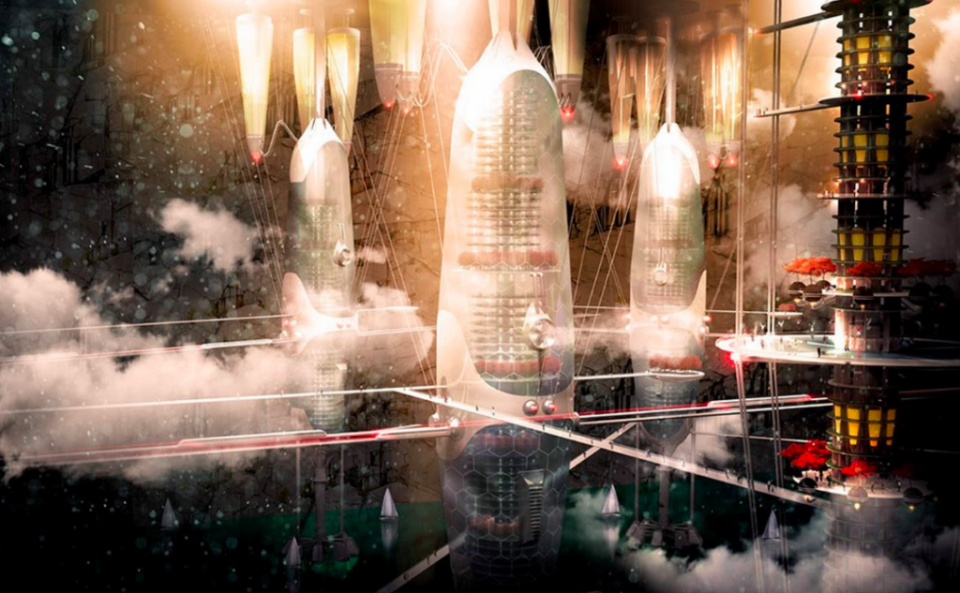
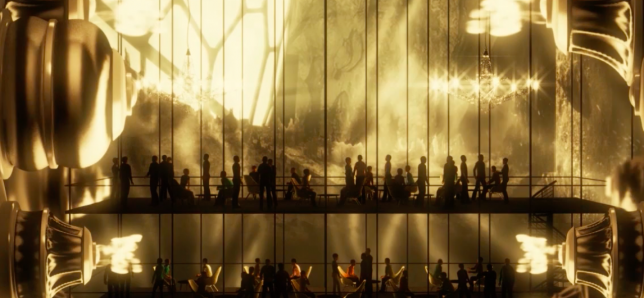
Architecture in Osaka, Japan takes on a life of its own and begins to grow organically like vines and trees in the short ‘Spatial Bodies’ by AUJIK. “Spatial Bodies depicts the urban landscape and architectural bodies as an autonomous living and self replicating organism. Domesticated and cultivated only by its own nature. A vast concrete vegetation, oscillating between order and chaos,” say the creators, a collective referring to itself as a ‘mysterious nature/tech cult.’

Megalomania by Factory Fifteen

factory fifteen 1

factory fifteen 2

factory fifteen 3

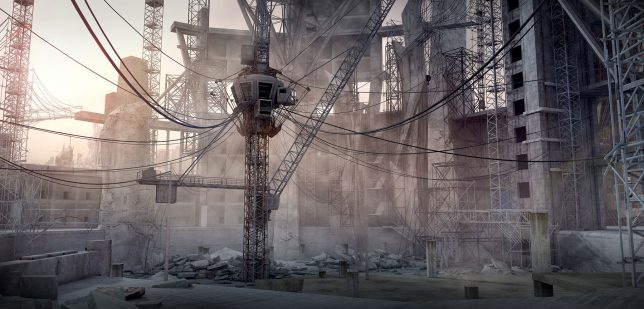
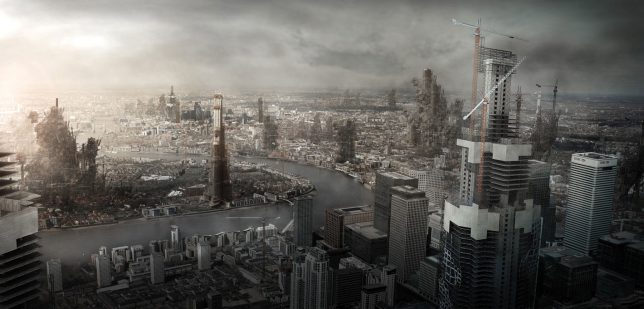
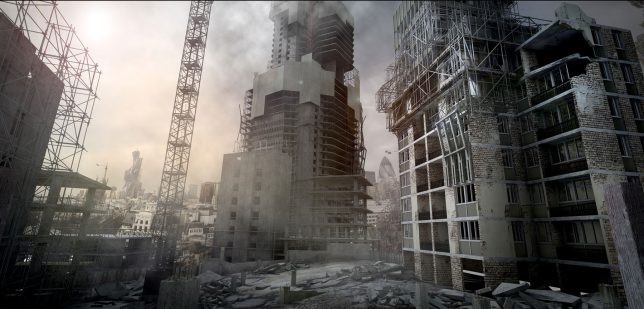
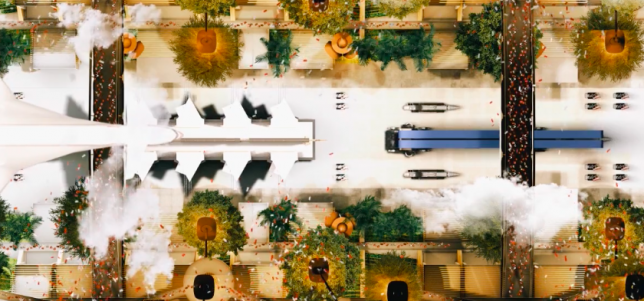
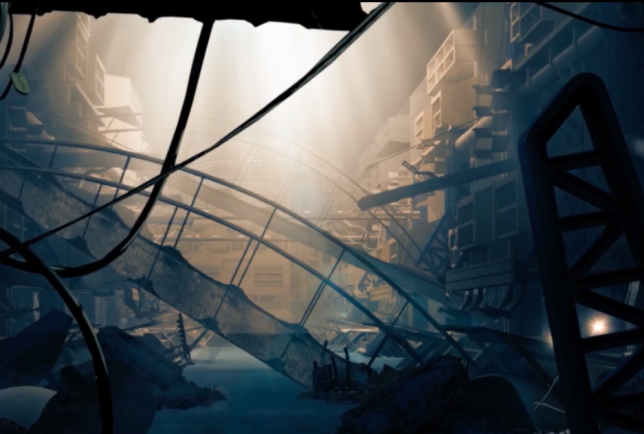
From digital film studio Factory Fifteen, which has produced a number of striking shorts set in the future, Megalomania imagines a world in which cities are constantly in active construction mode. “The built environment is explored as a labyrinth of architecture that is either unfinished, incomplete or broken. Megalomania is a response to the state of infrastructure and capital, evolving the appearance of progress into the sublime.”

TEARS OF STEEL by Ian Hubert/Blender Institute

Tears of Steel

Tears of Steel 2

Tears of Steel 3

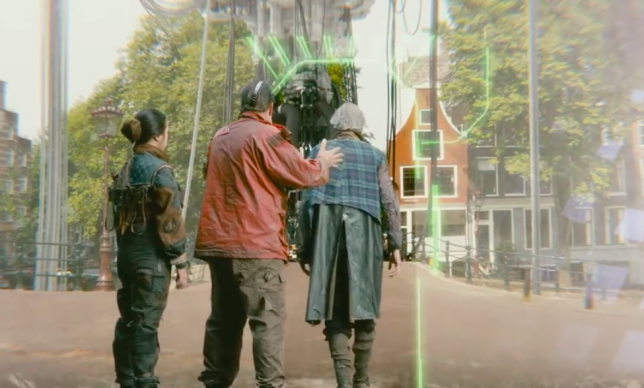
This Creative Commons-licensed short made entirely with free and open source software was made in the Netherlands by the Blender Institute, which crowd-sources funding in online communities of 3D artists and animators. In ‘Tears of Steel,’ a group of warriors and scientists gathered at Amsterdam’s Oude Kerk attempt to stage a crucial event from the past in a desperate attempt to rescue the world from destructive robots.

The Sand Storm by Jason Wishnow and Christopher Doyle

Sand Storm 3

Sand Storm

Sand Storm 2

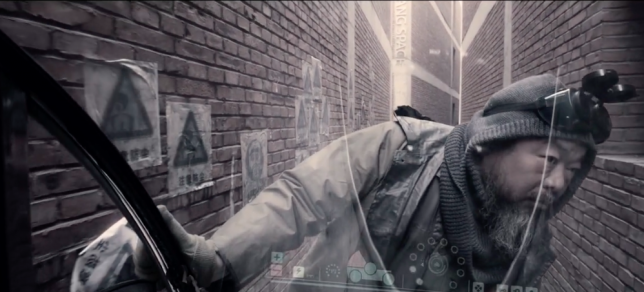
Starring Chinese dissident and artist Ai Weiwei, ‘The Sand Storm’ by Hong Kong-based cinematographer Christopher Doyle and director Jason Wishnow examines a dystopian future that’s not so far away, where society is facing water shortages and technology is not as helpful as we might hope.

Next Page – Click Below to Read More:
Urban Dystopia 11 Short Sci Fi Films Set In Future Cities

Share on Facebook


[ By SA Rogers in Drawing & Digital. ]

[ WebUrbanist | Archives | Galleries | Privacy | TOS ]


WebUrbanist

 
Comments Off on Urban Dystopia: 11 Short Sci-Fi Films Set in Future Cities

Posted in Creativity


Subterranean Singapore: Short Sci-Fi Film Envisions Dystopian Future

07 Jul

[ By SA Rogers in Art & Drawing & Digital. ]

subterranean singapore 2

Instead of stretching upward toward increasingly polluted skies, could the solution to land scarcity issues in places like Singapore be found in subterranean development? Like something out of a dystopian film, this proposal by a student at Bartlett School of Architecture envisions a sort of mole city with inverted skyscrapers digging deep below street level, an extreme excavation of massive caverns and “a complex and continuously self expanding network of green canyons, tunnels, reservoirs and exploratory excavations into the granite rock below.”

Screen Shot 2016-07-06 at 5.47.16 PM

Screen Shot 2016-07-06 at 5.47.52 PM

If you look at the sci-fi we humans have been producing for the past half-century, many of us have already accepted a future in which living on the surface of the Earth is no longer viable, whether that means we will have to build vertical cities, float on the oceans or leave the planet altogether. It’s not too far-fetched to imagine that a combination of climate change, pollution, overdevelopment and overpopulation would push us into building underground wherever possible, as well. This proposal by Finbarr Fallon envisions Singapore starting to plan the project by the year 2020, celebrating the idea before ultimately tearing it down and highlighting its many flaws.

subterranean singapore

Screen Shot 2016-07-06 at 5.48.55 PM

Fallon presents Singapore 2065 as a darkly cinematic short film, with an engineer from the Subterranean Development Institute explaining how and why the development came about. The film takes us on a tour of the ‘World’s Greatest Engineering Feat’ and its luxurious architecture, which is clearly targeted at the well-to-do. The presentation seems fairly straightforward, but watch it all the way to the end for an unexpected plot twist.

Screen Shot 2016-07-06 at 5.48.42 PM

Screen Shot 2016-07-06 at 5.47.25 PM

“The film follows a documentary created by the state led, Subterranean Development Institute which looks behind the scenes of the world’s largest construction project, from a highly corporate and nationalistic point of view,” says Fallon. “This concludes with spectacular scenes of celebration where the National Day Parade is reconfigured from traditional military use, to a choreographed march of robotic construction technology through the underground city.”

Screen Shot 2016-07-06 at 5.49.26 PM

“The documentary however, is interrupted by a subversive protagonist (the author), who gains access to secretive parts of the network by discovering hidden cave networks. This acts as a counter point critique to the corporate led masterplan, forming a social commentary on the ethics of large scale infrastructural projects and the resulting consequences, such as the exploitation of foreign workers.”

Share on Facebook


[ By SA Rogers in Art & Drawing & Digital. ]

[ WebUrbanist | Archives | Galleries | Privacy | TOS ]


WebUrbanist

 
Comments Off on Subterranean Singapore: Short Sci-Fi Film Envisions Dystopian Future

Posted in Creativity


Cities of Bone: Organic Future Skyscrapers Free of Concrete & Steel

06 Jul

[ By WebUrbanist in Architecture & Cities & Urbanism. ]

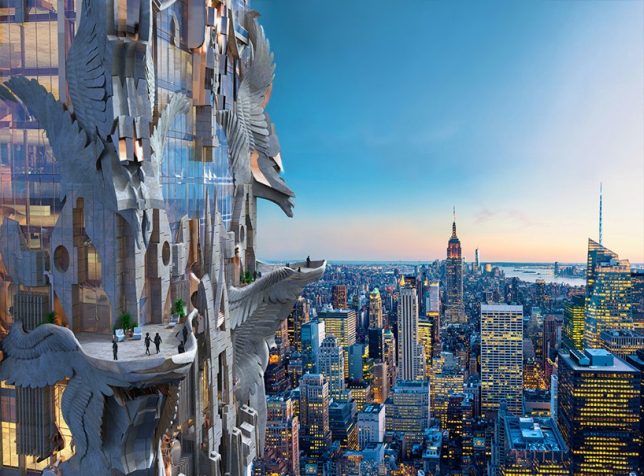
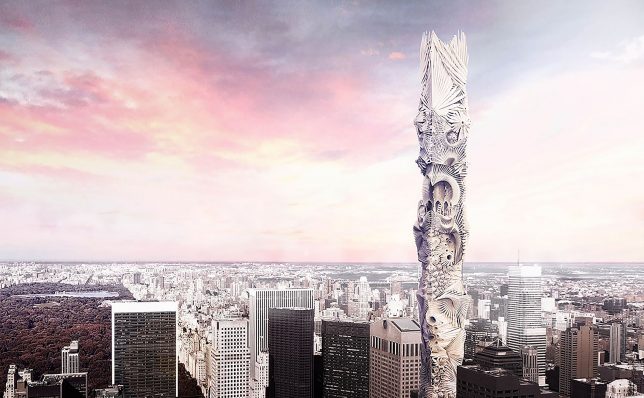
building of bone

Our cities have grown up thanks to concrete and steel, but these materials are far from sustainable, leading architects and researchers to explore new (and old) materials, from wood to eggshell and even bone.
Steel and concrete account for 10% of global carbon emissions, polluting close to as much as the entire transportation industry. Bioengineer Doctor Michelle Oyen of Cambridge’s Department of Engineering builds structures in her lab from artificial bone and eggshell. These can be used for medical implants, but could also scaled up to create low-carbon building materials.

ossuary

Funded in part by the US Army Corps of Engineers, Oyen’s creations are composites of proteins and minerals, the former providing toughness and fracture resistance and the latter lending stiffness and hardness to the mix. These currently come from natural (animal) sources, but she is investigating whether a “non-animal-derived or even synthetic protein or polymer could be used instead of natural collagen.”

0758-11

In theory, her biomimetic creations could even become self-healing, in the same vein as concrete designed to repair itself. For the construction industry to adopt such radical new technologies at scale remains one of the biggest challenges for future organic and semi-organic materials – for decades, building codes have been framed around the use of concrete and steel.

Cities and skyscrapers of today already represent a good first step to long-term sustainability, packing lots of people into dense areas and vertical structures requiring less land. Still, a shift to renewable, organic and reusable materials would make them more future-proof and environmentally friendly.

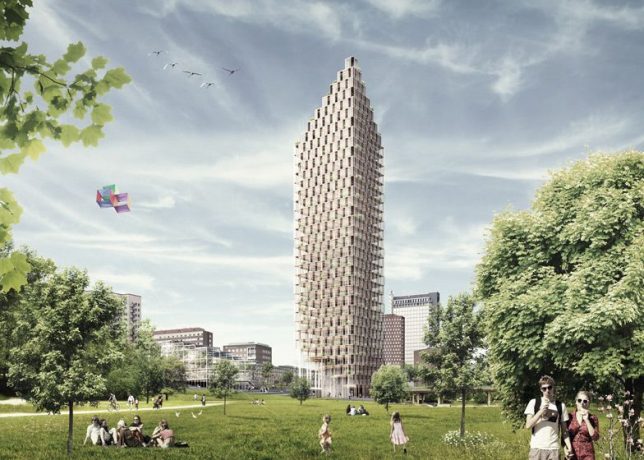
wood skyscrapers

Wood is another natural building material gaining increased attention from the built environment community, a renewable resource that is strong, durable and recyclable. “Future cities may not look a whole lot different – you may not know immediately if you are in a timber, steel or concrete building,” says Doctor Michael Ramage from the Cambridge Department of Architecture.

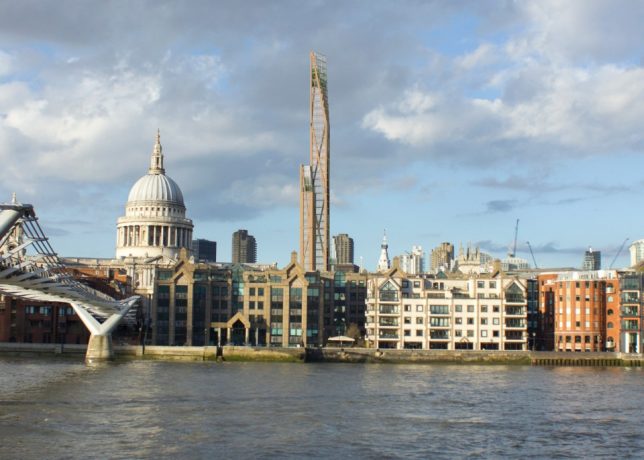
wood skyscraper design

And “cities might be a whole lot quieter, as most timber buildings are built off site, and then just assembled on site, and use roughly a fifth as much truck traffic as equivalent concrete buildings. In other words, what needs to be delivered in five trucks for a concrete building can be delivered in one truck for a timber building. That’s an incredible advantage, for cost, for environment, for traffic and for cyclists” (Bone Church image by Davis Staedtler and Ossuary by jockrutherford).

Share on Facebook


[ By WebUrbanist in Architecture & Cities & Urbanism. ]

[ WebUrbanist | Archives | Galleries | Privacy | TOS ]


WebUrbanist

 
Comments Off on Cities of Bone: Organic Future Skyscrapers Free of Concrete & Steel

Posted in Creativity