RSS
 

Posts Tagged ‘Fuji’

24 December, 2014 – Living With The Fuji X-T1

24 Dec


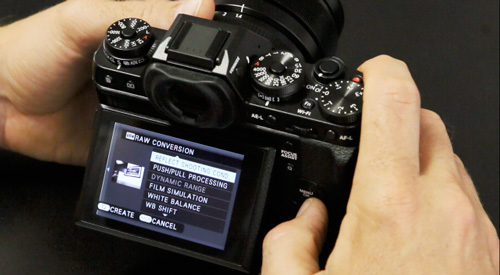
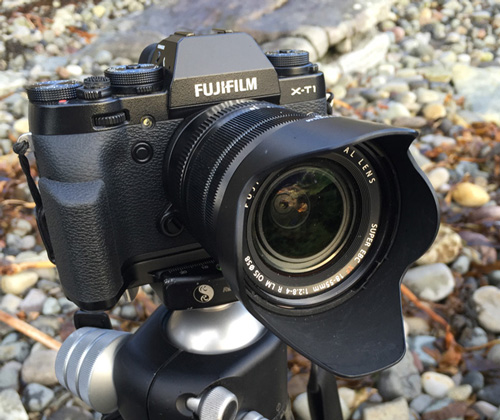
The Fuji X-T1 a camera that has received all sort of good press and seen remarkable sales.  The camera has helped define where the mirrorless market is going.  For your Holiday reading we are pleased to publish an in depth look at the Fuji X-T1 Living With The Fuji X-T1

Don’t forget we also have a detailed video tutorial on the Fuji X-T1 available on our Video Store.

Have a great Holiday!!!


The Luminous Landscape – What’s New

 
Comments Off on 24 December, 2014 – Living With The Fuji X-T1

Posted in News


Lomo’Instant vs. Fuji Instax mini 90

12 Dec

LomoInstant und Fuji Instax

Schon lange liebäugle ich mit einer kleinen Sofortbildkamera. Ich habe früher viel mit der SX-70 fotografiert, damit jedoch vor ein paar Jahren aufgrund des hohen Preises und der Qualität der neuen Filme aufgehört. Nun suche ich nach einer Alternative, um schnell schöne Momente festhalten zu können.

Die Fuji Instax mini 90 NEO CLASSIC erschien bereits 2012. Ende November dieses Jahres brachte Lomography die Lomo’Instant heraus. Da beide Kameras die Fuji-Instax-Mini-Filme nutzen, kann man sie ganz wunderbar miteinander vergleichen.

Lomography schickte mir für den Test die Lomo’Instant Black im Set mit drei Objektiven im Wert von 129 €. Von Fuji bekam ich die Fujifilm Instax Mini 90 Neo Classic im Wert von 124,89 €. Preislich nehmen sich die beiden also nichts, aber wie sieht es technisch aus?

Babypuppen nach Größe sortiert mit Kleinkind.

Lomo’Instant mit 35-mm-Portrait-Objektiv und Blitz

Babypuppen nach Größe sortiert

Fuji Instax mini 90 NEO Classic mit Blitz

Optik und Verarbeitung

Beide Kameras sind aus Plastik, auch die Objektive, was bei dem Preis nicht verwundert. Dafür sind sie schön leicht und liegen angenehm in der Hand. Die Fuji Instax ist ein wenig kleiner und durch das einfahrbare Objektiv sehr gut zu transportieren. Möchte man alle Objektive für die Lomo’Instant mitnehmen, dann benötigt man etwas mehr Platz.

Die drei mitgelieferten Objektive haben dafür zum Schutz Objektivdeckel. Das eingebaute Weitwinkelobjektiv ist jedoch nicht durch einen Deckel geschützt. Die Fuji Instax wirkt insgesamt durch die digitale Anzeige und das ausfahrbare Objektiv viel digitaler als die Lomo’Instant, bei der man fast alles mit Schaltern einstellt.

Kapuzinerkresse mit Blüte

Lomo’Instant mit eingebautem 27-mm-Weitwinkel-Objektiv und Blitz

Wiese mit Bank und Holzhaufen.

Fuji Instax mini 90 NEO Classic

Im Paket enthalten

Das Set von Lomography kommt mit drei Objektivaufsätzen für Portrait-, Makro- und Fisheye-Aufnahmen. Sie enthält ein eingebautes Weitwinkelobjektiv, auf das die zusätzlichen Objektive aufgeschraubt werden. Zusätzlich gibt es noch vier Farbfilter (farbige Folien), die vor den Blitz gesteckt werden können. Die Kamera arbeitet mit vier AAA-Batterien, die dazu gekauft werden müssen. Die Bedienungsanleitung ist wunderbar übersichtlich und leicht zu verstehen.

Die Fuji besitzt nur ein eingebautes 60-mm-Objektiv. Sie läuft mit einem wiederaufladbaren Akku, das Ladegerät liegt dem Paket bei. Zusätzlich im Paket ist ein schmaler, schwarzer Schultergurt und eine Bedienungsanleitung, die etwas schwer zu durchschauen ist.

Schwein im Stall. Perspektive von oben.

Lomo’Instant mit 170°-Fisheye-Objektiv

Zwei Schweine im Stall liegen nebeneinander.

Fuji Instax mini 90 NEO Classic

Der Sucher

Die Lomo’Instant kommt mit einer kleinen Herausforderung: Das Objektiv liegt natürlich nicht auf der Höhe des Suchers, weshalb sich das Bild, das ich durch den Sucher sehe, nicht mit dem Bild, was die Kamera macht, deckt, wie man es vielleicht von digitalen Kameras gewohnt ist. (Parallaxenfehler) Aber ich bekam schnell ein Gefühl dafür und korrigierte vor dem Auslösen ein wenig nach unten links.

Schwieriger wird es dann schon mit den Objektivaufsätzen. Ob Fisheye oder Makroobjektiv – das, was man durch den Sucher sieht, ändert sich natürlich auch nicht. Die ersten Bilder sind daher ziemlich schief gegangen. Der richtige Bildausschnitt ist gerade beim Makroobjektiv sehr schwer zu finden.

Die Fuji hat einen Zielpunkt und Parallaxenausgleich und behebt damit dieses Problem. Was man durch den Sucher sieht, sieht man nach dem Auslösen auch auf dem Bild.

Ich bin mir sehr sicher, das Lomography sich bewusst gegen diesen Parallaxenausgleich entschieden hat, denn es passt nicht zu ihrem Motto „Don’t Think, Just Shoot“ und den 10 goldenen Regeln.

Zwei Kinder sehen aus einem Fenster

Lomo’Instant mit 35-mm-Portrait-Objektiv ohne Blitz

Ein Kind sieht aus einem Fenster

Fuji Instax mini 90 NEO Classic mit Blitz

Möglichkeiten

Beide Kameras bieten die Möglichkeit für Langzeitbelichtungen. Bei der Fuji ist dies jedoch auf maximal 10 Sekunden begrenzt. Auch bei der Mehrfachbelichtung punktet die Lomo’Instant, denn sie erlaubt unbegrenzt Mehrfachaufnahmen, während die Fuji sich auf Doppelbelichtungen beschränkt.

Bei den Makroaufnahmen kommt man mit der Lomo 10 bis 15 cm nah ans Motiv, während die Fuji nur bis zu 30 cm scharf stellt.

Laubblätter

Lomo’Instant mit Makro-Objektiv ohne Blitz

Fuji Instax mini 90 NEO Classic mit Blitz im Makro-Modus

Fuji Instax mini 90 NEO Classic mit Blitz im Makro-Modus

Generell bietet die Lomo mehr Spielraum für Experimente dank der verschiedenen Objektive. Die Fuji hat zwar einen Landschafts- und Makromodus, mit diesen stellt man jedoch nur die Schärfebereiche ein, am Bildausschnitt ändert sich nichts.

Die Fuji hat noch zwei weitere Modi: Den Partymodus zum besseren Ausleuchten von Hintergründen und den Kindermodus für sich schnell bewegende Objekte. Bei beiden Kameras kann man selbst Belichtungskorrekturen vornehmen und beide besitzen auch einen Stativanschluss.

Die Lomo hat eine Blende zwischen f/32 und f/8 und damit die größte Blende im Sofortbildbereich. Die schnellste Verschlusszeit beträgt 1/125 s. Die Fuji Instax hat die Fixblende f/12,7. Im Unterschied zur Lomo’Instant hat die Instax jedoch einen programmgesteuerten Verschlusszeitenbereich von 1,8 bis 1/400 s.

Ein Kind am Fenster

Lomo’Instant mit 35-mm-Portrait-Objektiv und Blitz

Ein Kind am Fenster.

Fuji Instax mini 90 NEO Classic mit Blitz

Der Blitz

Bei den niedrigen Blendenwerten kommt man um die Nutzung des Blitzes in Innenräumen kaum herum. Bei beiden Kameras kann man den Blitz an- und ausschalten und im Automatikmodus nutzen. Zudem besitzen beide einen intelligenten Blitz, der je nach Licht die richtige Blitzstärke wählt.

Ich habe jedoch stark das Gefühl, der Blitz der Fuji ist intelligenter, denn die Bilder waren fast immer perfekt ausgeleuchtet und kamen auch mit extrem schwierigen Lichtsituationen klar. Der Blitz der Lomo’Instant hingegen war oft zu hell, was dazu führte, das man vom Motiv oft nur noch wenig sah. Deshalb habe ich ihn draußen selten genutzt und die Bilder sind entsprechend dunkel ausgefallen.

Blick aus dem Fenster.

Fuji Instax mini 90 NEO Classic unter schwierigen Lichtverhältnissen

Kind malt mit Wasserfarben

Lomo’Instant mit 35-mm-Portrait-Objektiv und Blitz

Die Bilder

Obwohl beide Kameras die gleichen Filme benötigen, unterscheiden sich die Fotos am Ende doch. Die Bilder aus der Lomo’Instant wirken viel analoger und haben eine Vignette. Die Bilder der Fuji sind gleichmäßig ausgeleuchtet und wirken daher digitaler.

Fazit

Die Fuji Instax mini 90 NEO Classic hat mich sehr überzeugt, da ich persönlich schnell gute Ergebnisse möchte. Die Kinder beim Spielen zu fotografieren, ist damit einfach möglich. Der Parallaxenausgleich ist für mich sehr wichtig. Die Bilder werden mit der Kamera meist gut.

Lomography-Fans werden die Fuji jedoch schnell langweilig finden, denn Experimente lassen sich mit der Lomo’Instant eher realisieren. Sie bietet mehr Möglichkeiten, dafür muss man jedoch auch hin und wieder Bilder in Kauf nehmen, die nichts werden. Hat man ein Gefühl für ihre Eigenheiten entwickelt, wird das aber sicher auch viel einfacher. Wer keine Lust auf Überraschungen hat, sollte sich die Fuji genauer ansehen. Auch mit ihr kann man dank Doppel- und Langzeitbelichtung etwas experimentieren.

Für größere Experimente sind mir die Filme jedoch noch etwas zu teuer. Ein Doppelpack der Fuji-Instax-Mini-Filme mit insgesamt 20 Bildern kostet zwischen 17 und 20 Euro, wodurch ich schnell begann, die nichts gewordenen Fotos in Euro umzurechnen.


kwerfeldein – Fotografie Magazin | Fotocommunity
 
Comments Off on Lomo’Instant vs. Fuji Instax mini 90

Posted in Equipment


Budget Mitakon 42.5mm f/1.2 offered by ZY optics for M43, Sony E and Fuji X systems

27 Oct

Chinese lens designer and manufacturer Shenyang ZhongYi Optical and Electrical Company has launched a new 42.5mm f/1.2 lens that is capable of covering an APS-C imaging sensor. Priced $ 359, and available initially in the Micro Four Thirds mount, the Mitakon 42.5mm f/1.2 appears to be aimed squarely at competing with Panasonic’s Leica DG Nocticron 42.5mm f/1.2 for its Lumix G bodies. Read more

Articles: Digital Photography Review (dpreview.com)

 
Comments Off on Budget Mitakon 42.5mm f/1.2 offered by ZY optics for M43, Sony E and Fuji X systems

Posted in Uncategorized


1 October, 2014 – Guide To The Fuji XT-1

02 Oct


Luminous-Landscape pioneered instructional videos years ago with the very successful Lightroom Tutorials.  Now, LuLa takes the same format and applies it to the operation of popular cameras.  Our first in a series of Camera Guide Tutorials we introduce today – Lu-La’s Guide To The Fuji XT-1.  This new tutorial is 3 hours in length and covers all aspects of the set-up and use of this popular camera.  Kevin Raber, LuLa’s publisher along with Jarrid Spicer of Roberts Camera in Indianapolis, Indiana walk you through the process. 

The LuLa Guide To The Fuji XT-1 is available now for LuLa Video Subscribers as well as an individual download for $ 29.95.  There are 14 videos totaling three hours.  Each video has chapter markers to quickly access the control or menu item you may be interested in.  There is also a PDF available with all the chapters listed.


The Luminous Landscape – What’s New

 
Comments Off on 1 October, 2014 – Guide To The Fuji XT-1

Posted in News


22 September, 2014 – Leica and Fuji Video Interviews Concluded

22 Sep

 UPDATE: We now have completed the upload of Part 2 of the Leica video interview and also Part 2 of the Fuji video Interview.  We apologize for the delay, but our Cologne hotel’s Internet service had bandwidth limitations.


The Luminous Landscape – What’s New

 
Comments Off on 22 September, 2014 – Leica and Fuji Video Interviews Concluded

Posted in News


Fuji X-T1 Versus X-E2 – Which Comes Out on Top?

31 Aug

This video by Munetake Kayo over at BigHeadTaco compares some of the features of both of these popular Fuji mirrorless cameras.

If you’re considering getting a more compact camera and downsizing from a DSLR, or maybe upgrading from a point and shoot camera – you might end up looking at one of these Fuji cameras.

I know for me, as a previous film shooter, the X-T1 has a lot of appeal and it currently sitting on my list to get. So I was interested to see this comparison and it actually solidified my choice.

Check out the Fuji X-T1 versus X-E2 in the video review and see what you think

Not convinced? Here’s a review of the X-T1 by dPS writer Paul Burwell.

So are you ready to get either of them? What are you shooting with?

The post Fuji X-T1 Versus X-E2 – Which Comes Out on Top? by Darlene Hildebrandt appeared first on Digital Photography School.


Digital Photography School

 
Comments Off on Fuji X-T1 Versus X-E2 – Which Comes Out on Top?

Posted in Photography


Opinion: Do we really need the Fuji X30?

26 Aug

With the camera industry moved on somewhat since the birth of the Fuji X series compact, is there still room for a 12 million pixel compact in a less-than compact body? In this opinion piece, senior contributing writer Damien Demolder ponders the very existence of Fujifim’s newest X-series camera. Read more

Articles: Digital Photography Review (dpreview.com)

 
Comments Off on Opinion: Do we really need the Fuji X30?

Posted in Uncategorized


Photographer hits #1 on Reddit with Mt Fuji picture, and quickly regrets it

27 Jul

British photographer Kris Boorman summited Mount Fuji in 2012 and took a photograph from the top, showing the shadow cast by the giant mountain at sunrise. The image has since been used as a background for the Bing search engine and last year won a competition held by Gettty Images. A couple of days ago he posted the photo at low resolution on Reddit, and within a few hours it had garnered more than 6000 upvotes. Although this might sound like good news, Boorman quickly came to regret posting the picture. Click through to learn why. 

Articles: Digital Photography Review (dpreview.com)

 
Comments Off on Photographer hits #1 on Reddit with Mt Fuji picture, and quickly regrets it

Posted in Uncategorized


23 April, 2014 – Olympus OM-D EM1 and Fuji XT-1 Video Review

23 Apr


Mirrorless cameras are getting a lot of attention these days.  The new Fuji XT-1 and Olympus OM-D EM1 have redefined this format.  Both Kevin Raber and Michael Reichmann have adapted this format for much of their shooting.  We plan to do some more articles going over this format and using it on an everyday basis.  There will be some future articles on this soon.  In the mean time Luminous-Landscape made a video review on using both the Olympus and Fuji.

In a two-part video review, Kevin Raber (Luminous Landscape’s Publisher) takes a close look at the Olympus OM-D EM1 and the Fuji XT-1. These two mirrorless 16 megapixel cameras each offer very high image quality but differ radically in their design approach, features and intended user.

In Part One, Kevin details the features and functions of each camera.

In Part Two, the video follows Kevin on a field shoot in Zion National Park, Utah. He talks through his use of the cameras while shooting and demonstrates the cameras’ controls. He also offers some observations & advice while shooting.

These videos are available in the Video Store now for $ 10.00 USD. Or if you are a subscriber as part of your subscription. 


There aren’t too many places to slow your photography down and to work the landscape as Isle Of Skye. Come join Kevin Raber, Steve Gosling and Joe Cornish on an amazing photographic adventure to this amazing landscape.  It gets even better as this is being held with the cooperation of Phase One as a PODAS workshop and each participant will receive a Phase One camera system to use for the duration of the workshop.  There isn’t a better camera system to do the Islel Of Skye Landscape with than the Phase One camera and digital back.  Spaces will go fast for this workshop.  Your workshop fee provides you with an all expenses paid worry free trip. All you need to do is get to the Inverness airport.  Learn more about this amazing week of photography HERE.

If you can’t make this workshop check out our other workshops.  We have an amazing small ship cruise in July to The Land Of The Polar Bear.  We have only select berths left for this trip so please inquire.   And our August Palouse Harvest workshop is filling fast. There are still a few berths left for our second Antarctica Workshop next January. 

Mark your calendars for December of this year in New Zealand, details coming soon and a most amazing adventure next April aboard the True North sailing the Kimberley region of Western Australia.


The Luminous Landscape – What’s New

 
Comments Off on 23 April, 2014 – Olympus OM-D EM1 and Fuji XT-1 Video Review

Posted in News


Fuji adds grips, grip strap, and extended eye-cup accessories for X-T1

16 Apr

big-grip-news.png

Fujifilm UK has announced a host of accessories for its X-T1 mirrorless cameras. These include two extra accessory grips for the X-T1, which build on the features offered by the MHG-style grips already available for the X-series cameras. The MHG-XT Small and Large offer a choice grip sizes and include integrated Arca-Swiss compatible flanges, as well as full-time access to the battery port. Other accessories include a deeper viewfinder eye-cup and a handgrip-style strap that’s compatible across the X-mount range. Pricing and availability dates have not yet been announced.

News: Digital Photography Review (dpreview.com)

 
Comments Off on Fuji adds grips, grip strap, and extended eye-cup accessories for X-T1

Posted in Uncategorized