RSS
 

Posts Tagged ‘Format’

Phase One announces IQ250 50MP CMOS medium format back

24 Jan

iq250.png

Phase One has announced the ‘world’s first CMOS-based digital camera back’ – the 50MP IQ250. It uses a 44x33mm sensor – 68% larger in area than 35mm full frame -and promises the widest ISO range of any medium format camera system (100-6400). It sports a high-resolution 3.2″ touchscreen for live view, playback and changing settings, and has built-in Wi-Fi. The IQ250 is available now, with prices starting at €24990 / $ 34990. Learn more.

News: Digital Photography Review (dpreview.com)

 
Comments Off on Phase One announces IQ250 50MP CMOS medium format back

Posted in Uncategorized


Nikon launches AF-S Nikkor 35mm F1.8G for FX format SLRs

08 Jan

35_1p8-news.png

CES 2014: Nikon has rounded-out its line of relatively affordable F1.8 primes for FX cameras, with the launch of the AF-S Nikkor 35mm F1.8G. It uses a Silent Wave Motor for fast, quiet autofocus, and includes one ED and one aspheric element in its optical construction. It’s not to be confused with the existing AF-S DX Nikkor 35mm F1.8G, which is for DX format cameras only. It’ll be on sale February 20th with a MSRP of $ 599.95.

News: Digital Photography Review (dpreview.com)

 
Comments Off on Nikon launches AF-S Nikkor 35mm F1.8G for FX format SLRs

Posted in Uncategorized


Google working on Raw format for Android

20 Nov

TS520x0~cms_posts-7036618563-n5-device_0.jpg

It looks like Raw capability for Android is in development. After digging into the publicly-available application programming interface (API) for Android 4.4 Kitkat, code-reading sleuth Josh Brown made some observations on his Google+ page. ‘Looks like Google was working on a new Camera API, but it didn’t make the KitKat release’, he said. Learn more on connect.dpreview.com

News: Digital Photography Review (dpreview.com)

 
Comments Off on Google working on Raw format for Android

Posted in Uncategorized


Long Exposure Photography and the Square Format

04 Aug

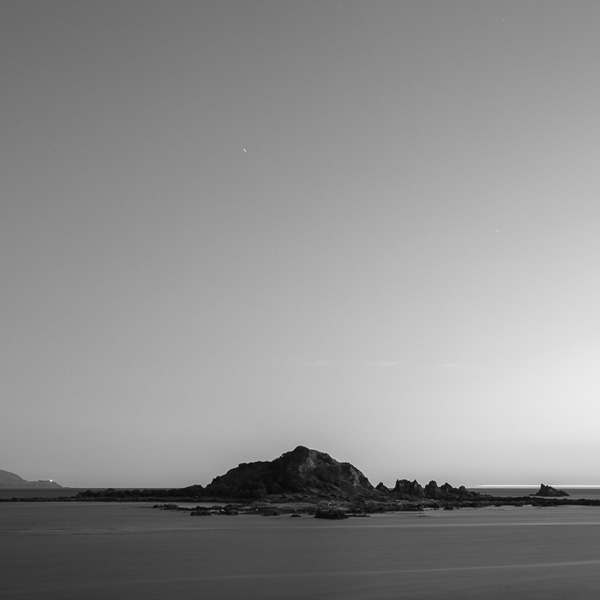
Square format black and white photograph

The rise in popularity of digital cameras over the past decade has coincided with the emergence of a new genre of photography – long exposure photography. Long exposure photography involves using shutter speeds of anything from one second to five minutes or more while using a tripod to keep the camera still. The result is a landscape or architectural study characterised by still elements, such as rocks or a building, contrasting with moving elements, such as water or clouds in the sky. Most long exposure photographers use neutral density filters to obtain long shutter speeds and would probably aim to use a shutter speed of at least thirty seconds to obtain their effects.

Digital cameras greatly assist with long exposure photography because there is no reciprocity failure with digital and the instant feedback provided by the LCD screen lets photographers see right away how effective the composition is.

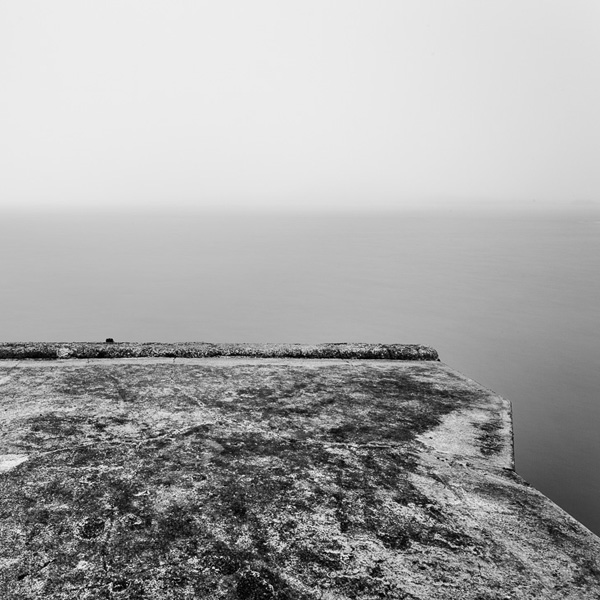
Square format black and white photograph

If you are familiar with the work of some of the more well-known long exposure photographers then you would no doubt have noticed that many of them choose to work in both black and white and the square format. Why is this?

Let’s start with black and white. Monochrome is the medium of choice for many fine art photographers. It’s moody, timeless, evocative and expressive. Removing colour from the composition concentrates attention on texture, contrast, line and light – the visual building blocks of powerful imagery.

The square format is different from other aspect ratios because of its balanced shape. The four sides of a square are equal in length and encourage the viewer’s eye to move around the frame in a circle, rather than side-to-side or up and down. The square frame lends itself to compositions that contain strong shapes, lines or other graphic elements. The strong shape of the square frame seems to emphasise other shapes that appear within it.

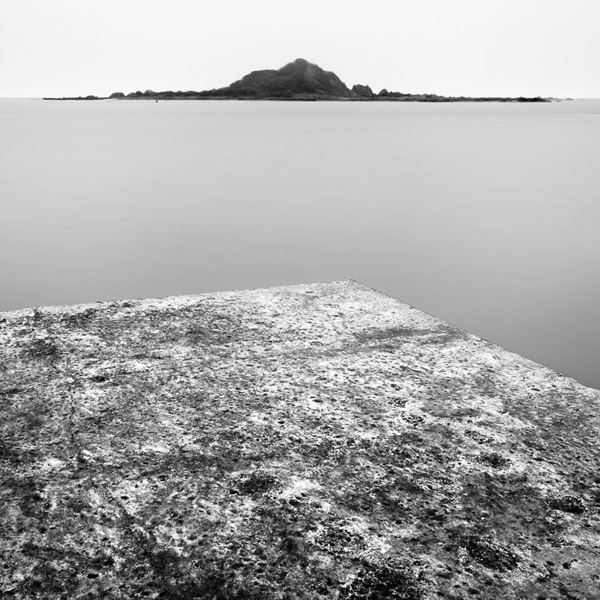
Not all long exposure photographers work exclusively in black and white or the square format, but many of them do. The heavy emphasis on simplicity led composition in the long exposure photography genre marries well with the compositional strengths of the square format.

Square format black and white photograph

Long exposure photographers

Looking at the work of other photographers is an excellent way to learn more about the creative side of photography. The following is a list of some of my favourite long exposure photographers. Each photographer in this list works predominantly in black and white and the square format. You will learn a lot from their work.

I have interviewed many of these photographers on my website. You can work your way through the interviews here.

Photographer Nathan Wirth has also interviewed some of these photographers on his blog Slices of Silence.

  • Joel Tjintjelaar
  • Moises Levy
  • Keith Aggett
  • Julia-Anna Gospodarou
  • Hengki Koentjoro
  • Spencer Brown
  • Didier Demaret
  • Thomas Leong
  • Andy Brown
  • Will Le
  • Maria Strömvik
  • Nathan Wirth
  • Steve Landeros
  • Paul Wheeler
  • Gavin Dunbar
  • Håkan Strand
  • Josef Hoflehner
  • Michael Kenna
  • Jeff Gaydash
  • Michael Diblicek
  • Xavi Fuentes

Conclusion

I hope you enjoyed looking through the work of the photographers listed above. If you’d like to find out more about long exposure photography, then Joel Tjintjelaar’s website BWVision is an excellent place to start. The tutorials page has plenty of information to get you started.

Post originally from: Digital Photography Tips.

Check out our more Photography Tips at Photography Tips for Beginners, Portrait Photography Tips and Wedding Photography Tips.

Long Exposure Photography and the Square Format


Digital Photography School

 
Comments Off on Long Exposure Photography and the Square Format

Posted in Photography


6 Lessons the Square Format Can Teach You About Composition

29 Jul

Square format composition

In another article I wrote that one of the main attractions of the square format for me is composition. Today I’m going to elaborate on that idea.

Composition in the square format is a different process than within a rectangular frame. The benefit of understanding of why that is so is that you will be able to apply the lessons learnt to improving the composition of your images in any aspect ratio. Even if you never intend to use it in earnest, it’s worthwhile playing around with the square format for this reason alone.

Let’s take a look at some of these factors:

1. Balance

A square is a perfectly balanced shape. Each side is equal in length. Using the square format encourages the eye to move around the frame in a circle. This is different to the rectangular frame, where the eye is encouraged to move from side to side (in the landscape format) or up and down (in the portrait format). There are many factors that influence the way the eye moves around a photo, including the use of line, texture, colour, selective focus and negative space. But the shape of the frame is a major factor.

In this landscape, composed within the 3:2 aspect ratio of my 35mm camera, the eye is encouraged to move from side to side by the shape of the frame and the horizontal lines:
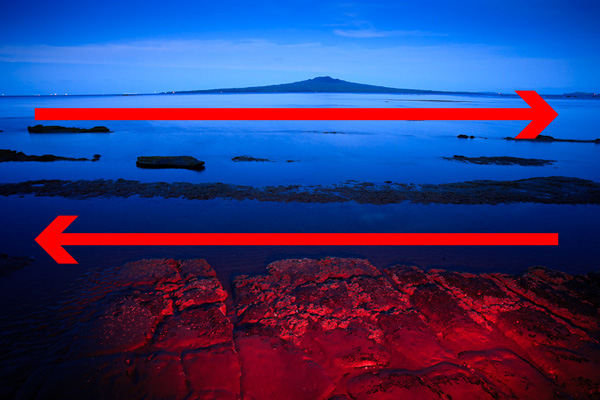
Square format composition

In this square format photo, the eye is encouraged to move around the frame in a circle:

Square format composition

2. Space

Negative space is the term used to describe the empty space in an image around the subject. Composition is often improved by getting closer to the subject. But sometimes you can create atmosphere or emphasise the shape of the subject by including negative space around it. In the rectangular frame, this can be difficult to do as it results in a lot of empty space. But it can be very effective in the square format.

Here is a photo that I took of a lizard in the 3:2 aspect ratio:

Square format composition

And here is the same photo cropped to a square:

Square format composition

Which do you prefer? There is no right answer – it’s entirely subjective. But it’s interesting how the dynamic of the image is changed by a single crop.

3. Simplicity

The square format lends itself to a simple approach. There is less room within the square frame than the rectangular one, therefore simplifying the composition becomes a necessity.

Creating a simple composition is often much harder than it seems. But it’s a very useful exercise. For your photos to have impact, you want to eliminate as many distractions as possible. The focus should be on your subject. If there are other elements within the frame that pull the viewer’s eye away from the subject that can lessen the strength of the image.

The composition of this image is about as simple as it is possible to get:

Square format composition

4. Shape

How many shapes can you see in the images below? There are circles, squares, diamonds, rectangles and triangles within these photos. The square format lends itself to this style of composition. I think that’s because the square is such a powerful shape in itself, that it emphasises other shapes within it. Linked with this are the ideas of balance and simplicity. Simplifying the composition emphasises shape, and so does placing shapes within a square frame. Converting to black and white emphasises them further.
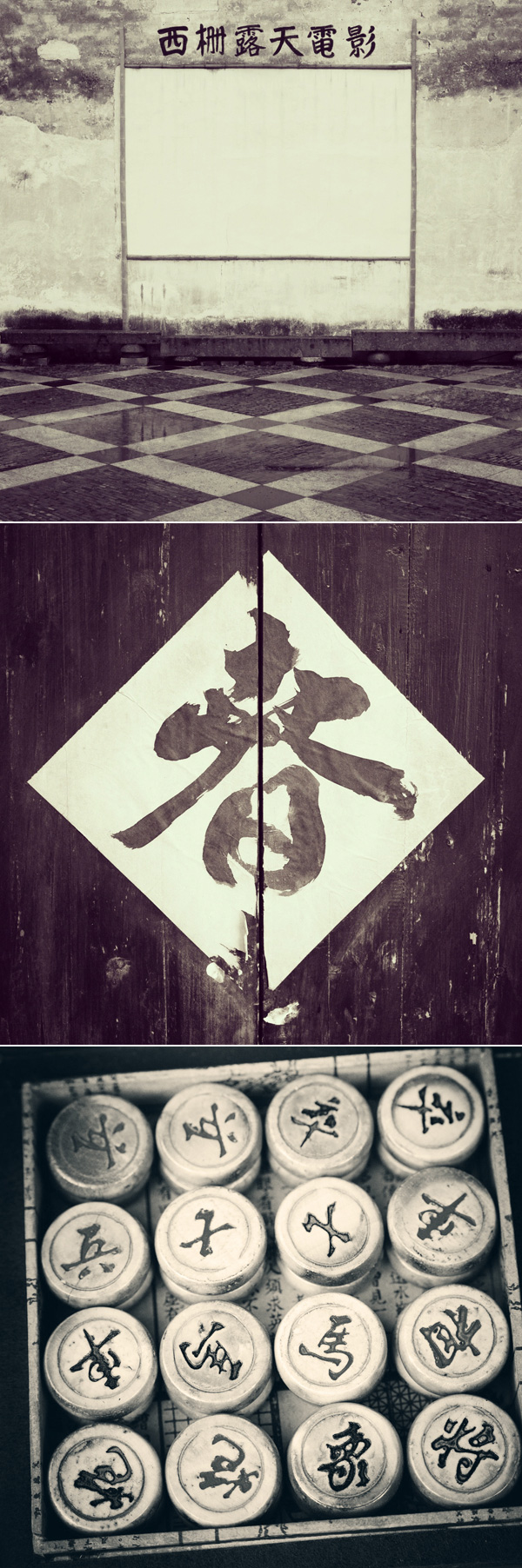
Square format composition

5. Central composition

In the square format you can often place the subject in the centre of the frame for an effective composition. Generally speaking, many photographers tend to avoid place the subject off-centre for a more interesting composition.The rule-of-thirds is a reminder of this. But in the square format that doesn’t apply.

It’s even more true when the image is simple. The less distractions there are in the frame, the more effective a central composition becomes. If the subject has a strong shape, the empty space around it emphasises the shape. And the square format provides the perfect, balanced frame:

Square format composition

6. Black and white

Take away colour and what do you have? An image that relies on tonal contrast for impact and that emphases visual elements such as line, texture and shape. The square format and black and white seem made for each other, which perhaps explains its popularity with fine art photographers.

Take another look at the photos in this article. Do you prefer the colour images or the monochrome ones? The answer may give you an idea for future photo projects.

Final thought: Have fun

Whether you shoot with the intention of utilising the square format, or go back over old images to see whether they can be improved by cropping to a square, the most important thing is to have fun with the process. Enjoy the challenge of getting to grips with the square format and its implications for composition. Don’t take it too seriously. You’ll create some beautiful images and the lessons you learn about composition along the way will help you create better images in the future.


Post originally from: Digital Photography Tips.

Check out our more Photography Tips at Photography Tips for Beginners, Portrait Photography Tips and Wedding Photography Tips.

6 Lessons the Square Format Can Teach You About Composition


Digital Photography School

 
Comments Off on 6 Lessons the Square Format Can Teach You About Composition

Posted in Photography


Fury, Asilomar State Beach – Diving Into Digital Medium Format

29 May
Fury - PAsilomar State Beach, California

Fury – Asilomar State Beach, California

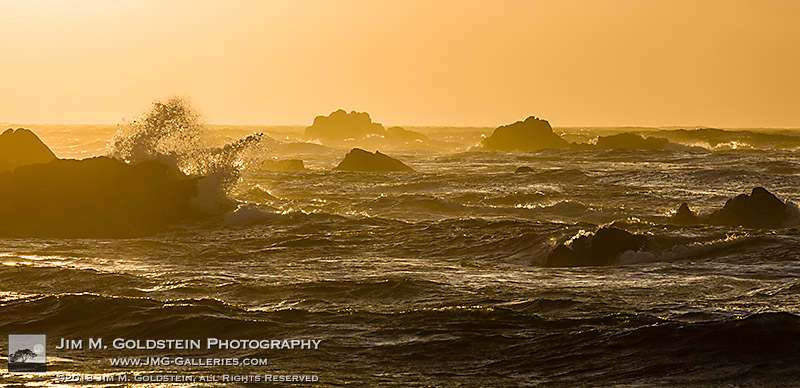
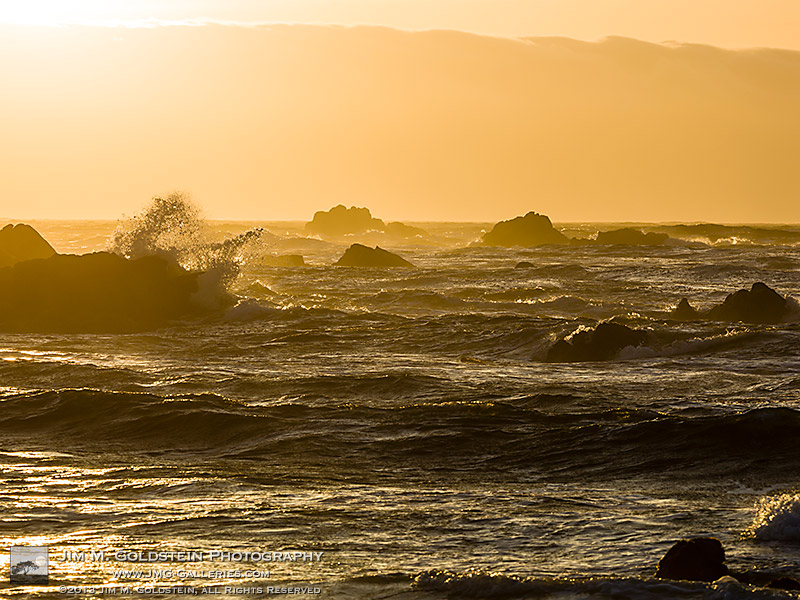
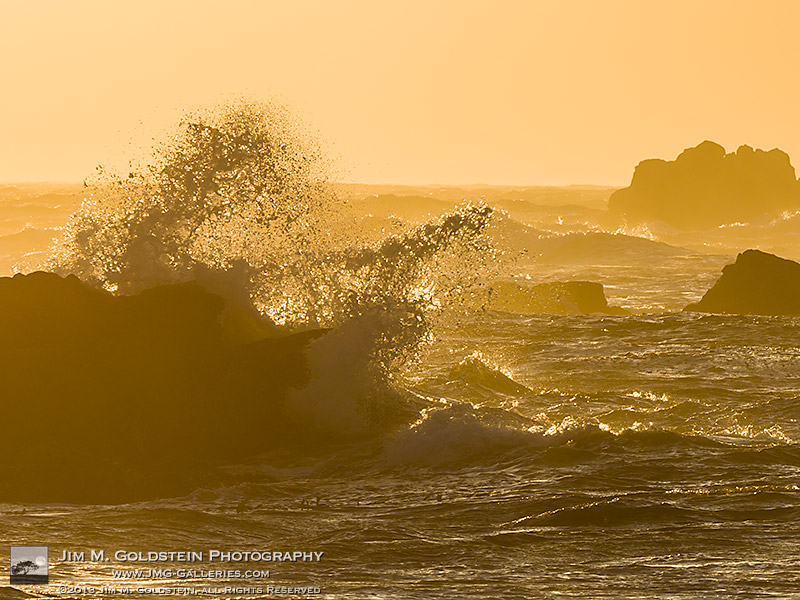
This weekend I went out with some new gear to test, namely the Hasselblad H5D medium format DSLR and Hasselblad 300mm f/4.5 lens via BorrowLenses.com. The location of choice was Asilomar State Beach. The H5D has roughly twice the resolution as my Canon 5D Mark II with a whopping 40 megapixels per image.  I had been curious to find out if Hasselblad’s reputation was hype or not. To cut to the chase I’ll tell you that the reputation is justified.  Focusing just on resolution for the sake of this post I’ll tell you that working with a 40 megapixel image is breathtaking especially when Hasselblad optics reveal so much sharp detail.

Fury - Asilomar State Beach, California

Fury – Asilomar State Beach, California

Above is the original image I took (7304 x 4578 pixels) before cropping it down to a ~2:1 ration (7304 x 3539 pixels). This particular composition I knew ahead of time I’d crop down into a panoramic format as much of the extreme background and foreground were uninteresting and unnecessary to include.

Fury - Asilomar State Beach, California - Detail

Fury – Asilomar State Beach, California – Detail

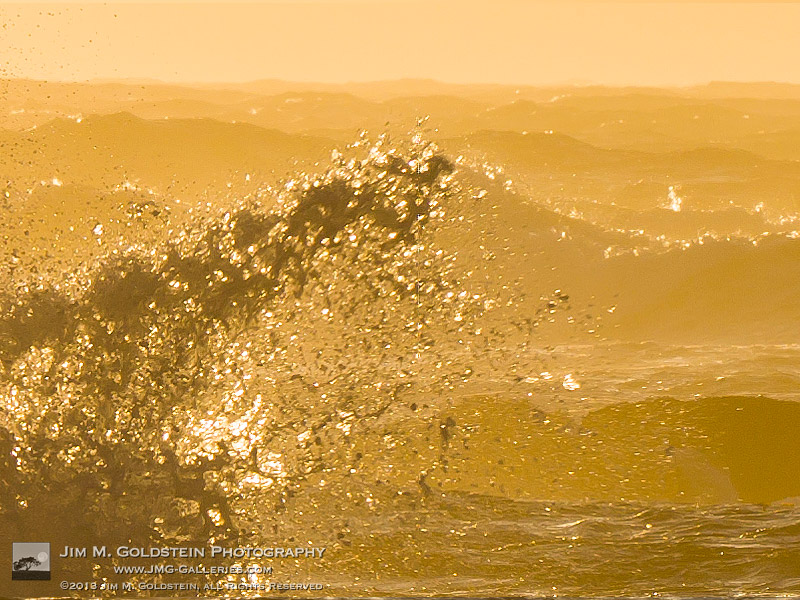
Above is a tighter crop into the image to highlight the sharpness Hasselblad lenses provide.  This particular image was cropped down to 2604 x 1953 pixels and below is a 1 to 1 crop of the original image.

Fury – Asilomar State Beach, California - Hasselblad H5D 1-to-1 crop

Fury – Asilomar State Beach, California – Hasselblad H5D 1-to-1 crop

In case you were curious this was the setup for the previous test shots. Expect a few more photos and thoughts on my experience with Hasselblad in the near future.

Hasselblad H5D and 300mm f/4.5 Auto Focus HC Lens

Hasselblad H5D and 300mm f/4.5 Auto Focus HC Lens

Photo Details:
ISO 100, f/13, 1/350 sec, 300mm on a H5D-40

Copyright Jim M. Goldstein, All Rights Reserved

Fury, Asilomar State Beach – Diving Into Digital Medium Format

The post Fury, Asilomar State Beach – Diving Into Digital Medium Format appeared first on JMG-Galleries – Landscape, Nature & Travel Photography.


JMG-Galleries – Landscape, Nature & Travel Photography

 
Comments Off on Fury, Asilomar State Beach – Diving Into Digital Medium Format

Posted in Equipment


Fury, Point Lobos State Natural Reserve – Diving Into Digital Medium Format

28 May
Fury - Point Lobos State Natural Reserve, California

Fury – Point Lobos State Natural Reserve, California

This weekend I went out with some new gear to test, namely the Hasselblad H5D medium format DSLR and Hasselblad 300mm f/4.5 lens via BorrowLenses.com. The location of choice was Point Lobos State Natural Reserve. The H5D has roughly twice the resolution as my Canon 5D Mark II with a whopping 40 megapixels per image.  I had been curious to find out if Hasselblad’s reputation was hype or not. To cut to the chase I’ll tell you that the reputation is justified.  Focusing just on resolution for the sake of this post I’ll tell you that working with a 40 megapixel image is breathtaking especially when Hasselblad optics reveal so much sharp detail.

Fury - Point Lobos State Natural Reserve, California

Fury – Point Lobos State Natural Reserve, California

Above is the original image I took (7304 x 4578 pixels) before cropping it down to a ~2:1 ration (7304 x 3539 pixels). This particular composition I knew ahead of time I’d crop down into a panoramic format as much of the extreme background and foreground were uninteresting and unnecessary to include.

Fury - Point Lobos State Natural Reserve, California - Detail

Fury – Point Lobos State Natural Reserve, California – Detail

Above is a tighter crop into the image to highlight the sharpness Hasselblad lenses provide.  This particular image was cropped down to 2604 x 1953 pixels and below is a 1 to 1 crop of the original image.

Fury – Point Lobos State Natural Reserve, California - Hasselblad H5D 1-to-1 crop

Fury – Point Lobos State Natural Reserve, California – Hasselblad H5D 1-to-1 crop

In case you were curious this was the setup for the previous test shots. Expect a few more photos and thoughts on my experience with Hasselblad in the near future.

Hasselblad H5D and 300mm f/4.5 Auto Focus HC Lens

Hasselblad H5D and 300mm f/4.5 Auto Focus HC Lens

Photo Details:
ISO 100, f/13, 1/350 sec, 300mm on a H5D-40

Copyright Jim M. Goldstein, All Rights Reserved

Fury, Point Lobos State Natural Reserve – Diving Into Digital Medium Format

The post Fury, Point Lobos State Natural Reserve – Diving Into Digital Medium Format appeared first on JMG-Galleries – Landscape, Nature & Travel Photography.


JMG-Galleries – Landscape, Nature & Travel Photography

 
Comments Off on Fury, Point Lobos State Natural Reserve – Diving Into Digital Medium Format

Posted in Equipment


22 May, 2013 – Medium Format Aerial Photography

22 May

As I prepare to head of for Australia in just a few days to teach a PODAS workshop aboard ship on the northwest coast it seems appropriate that I publish a new article by an excellent Australian photographer, Nick Rains.

It is titled Medium Format Aerial Photography and describes his use of a Leica S2 for this work. It should be mentioned that if you find yourself in Solms, Germany during the next month, Nick has an exhibit of his aerial work at the Leica Factory Gallery.


If you’re in Sydney next week, and would like to say "Hi", you might want to visit the L&P Digital IQ2 World Tour event on Wednesday, May 29. Art Wolfe, Thomas Knoll, Kevin Raber, Peter Eastway, Tony Hewett, Alexia Sinclair, myself and other well known photographers will be there speaking as well as engaging in Q&A sessions.


The Luminous Landscape – What’s New

 
Comments Off on 22 May, 2013 – Medium Format Aerial Photography

Posted in News


19 March, 2013 – Is Medium Format Dead?

19 Mar

As American humourist Mark Twain was reputed to have once said, after a newspaper mistakenly reported his death, "The reports of my demise have been greatly exaggerated."

What’s the truth, then? I figured – who better to ask than the CEO of Phase One, the makers of Phase One, Leaf and Mamiya cameras, backs and lenses? Henrik Håkonsson kindly agreed to fly to Mexico for a sit-down to discuss the state of the industry on-camera.

I have just published a 41 minute long interview on video which took place between Henrik and myself at my winter home in San Miguel de Allende, in mid-March, 2013. You’ll find it here.


 "Every time I go back to a module I had already seen, I learn additional things.  I have never seen tutorials that have the excellent mix of what the features are, 
how to use them, enough of the under-the-hood information 
and concepts so that I can utilize the features creatively and efficiently, 
and just enough humor to keep the motivation level high.  Wow!"


The Luminous Landscape – What’s New

 
Comments Off on 19 March, 2013 – Is Medium Format Dead?

Posted in News


On Facebook, The Square Format Photo is Now the King

17 Mar

On Facebook the Square Photo is Now the King

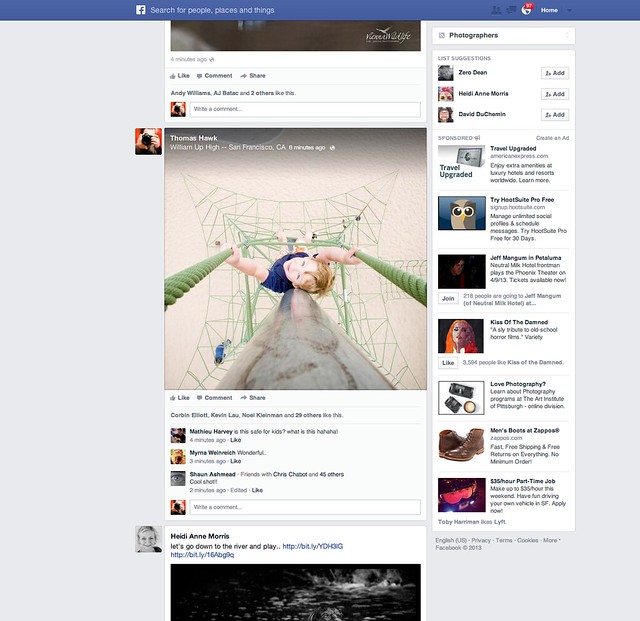
I’ve been using the new Facebook News Feed for a little while now. One of the things I noticed about it today (and maybe new even since the News Feed launch) is that square photos are now king on Facebook.

What do I mean by this? Square photos are the largest sized photos in the new Facebook News Feed. This is similar to how Flickr shows photos in our Flickrstreams.

Google+ on the other hand tries to squeeze a square photo into a horizontal photo envelope, which makes the square photo on Google+ have little side bars on it and looks awkward, smaller and ugly.

I, for one, welcome the new square format as the king of Facebook. The square crop is my favorite. What’s your favorite crop?


Thomas Hawk Digital Connection

 
Comments Off on On Facebook, The Square Format Photo is Now the King

Posted in Photography