RSS
 

Posts Tagged ‘Food’

Video Tips for Better Food Photography

03 Nov

Food photography has become more and more popular. In fact, many restaurants complain that their patrons don’t eat the food before it starts to get cold because they’re too busy taking photos of it for Instagram and Facebook.

Whatever you’re eating, and wherever you’re sharing your food photos – here are some tips to help you take better, more appetizing food shots.

#1 – Lighting tips with Andrew Scrivani

In this video, you will get some really good tips for creating good lighting for food photography. Then see how he applies it in an example photo shoot.

#2 – 5 tips for better food photography composition

Composition is just as important in food photography as lighting. In this video, see 5 different ways to do food composition. Notice his first tip is to use a tripod!

#3 – Tips from a food blogger

Food blogger and author, Izy, has some really practical tips you can use for your food photography in this short video.

Learn about:

  • Light: Using natural light for food and diffusion
  • Camera angles: Which are the best for food
  • Styling: Tips for props and how to make the photo interesting
  • Camera settings: What are the optimal settings for food and why
  • Editing: Why you want to shoot raw file format

Give those a try when you’re doing your next food photography shoot.

The post Video Tips for Better Food Photography by Darlene Hildebrandt appeared first on Digital Photography School.


Digital Photography School

 
Comments Off on Video Tips for Better Food Photography

Posted in Photography


4 Tips for Beginners to Food Photography

27 Oct

Food photography is everywhere – restaurants, bars, advertisements, shop windows, billboards, blogs, menus, books – the list is endless. Interestingly enough, when done right these images not only catch your attention but may have an impact long after you’ve seen them.

4 Tips for Approaching Food Photography

The work that goes into food photography is no small feat and usually starts with a story. Is it something you are trying to sell? Is it food you created and want to convey that it is your best recipe yet? Does your food story have a cultural side or is it a moody, artistic piece? Food photography is a vast intricate topic, but if you are just starting out, here are a few things to keep in mind:

1) Light to accent the food’s character

Controlling light can elevate your food photography easily as it helps you take charge of your end result. A good starting place to set up is near a window with lots of natural light – a look that is often simulated when shooting food in a studio – with light skimming across at an angle.

4 Tips for Approaching Food Photography

This scene evokes feelings of food just made and laid out, waiting to be consumed. No matter what light source you use, keep the subject in mind and modify the light if needed. Modifications can be as simple as changing color temperatures to be more flattering or diffusing your light.

Back or side lighting usually works well for food, so try them both and see what works best for your subject.

2) Textures and Layers

While textures and layers are two different aspects of food photography, they sometimes have a symbiotic relationship.

Textures are an easy way to add personality and character to your image and layering helps you tell the story. Textures range from using your work surfaces, contrasts in the food itself or even by bringing in a prop or two.

4 Tips for Approaching Food Photography

Your composition can benefit from layering elements in the photo that portrays your food – props and ingredients for example. Further, introduce textures and layers by using contrasting backgrounds on your work surfaces, e.g., a metal baking tray on a tiled counter top or wooden table.

By building up layers you give the final image interest and depth. You want the food to look delicious and interesting, not lifeless or unappetizing.

4 Tips for Approaching Food Photography

A nice rule is to keep layering and styling your subject until you want to eat it.

3) The power of neutral backgrounds

Keeping the previous tips in mind, a good starting place is a neutral background to build on. It can be plain or even textured, but when you start neutral you can create many different looks with a few simple changes.

Use the food and layers to introduce color, shapes, lines and more texture. The background is not intended to be the main focus but is used to add interest and enhance your final image.

4 Tips for Approaching Food Photography

If you are creating food image for stock photography, you will see many images done on solid white or black backgrounds. This is done intentionally so that the food is the focus and not the storytelling element.

4 Tips for Approaching Food Photography

4) All about the angles

The most recommended angles for food photography are directly above, straight on, or at a forty-five degree/three-quarter angle (can vary slightly). Determine how close you want to get to the food. Do you want to show something specific or an entire scene?

Keep the subject in mind – some food looks very good close-up, while others benefit from the environment and story.

4 Tips for Approaching Food Photography

Bonus Tip

When you start doing food photography, it will not take you long to realize that it is not as easy as it looks. Many food photographers use a food stylist to help them materialize their vision, as styling is a skill in its own right.

If you are just starting out, by all means, experiment. But if you can use a food stylist, there is a great deal you can learn from the way they work and develop your own style and technique.

Conclusion

4 Tips for Approaching Food Photography

Food photography is an extremely satisfying genre because of all the attention to detail it requires. It is an expansive topic with many tips and tricks needed to create that perfect delectable shot. These are just a few to consider as you start your journey. Feel free to share any tips you have come across or used in this delicious genre in the comments below.

Check out some of our food photography video tutorials tips as well.

The post 4 Tips for Beginners to Food Photography by Nisha Ramroop appeared first on Digital Photography School.


Digital Photography School

 
Comments Off on 4 Tips for Beginners to Food Photography

Posted in Photography


It’s Alive! 14 Algae-Powered Inventions for Food, Light, Energy & Oxygen

04 Oct

[ By SA Rogers in Conceptual & Futuristic & Technology. ]

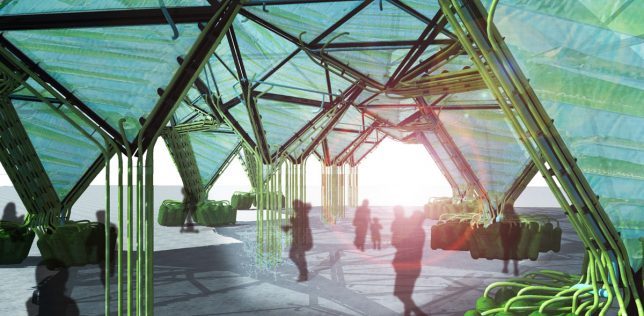
If we could just get beyond pesky hiccups like catastrophic climate change and wanting to obliterate each other with nuclear weapons, we humans could learn from our mistakes and create a future that’s actually cooler and more sustainable than anything we dreamed up during the 20th century. Making the most of microalgae, one of the most ancient and prolific organisms on earth, we could produce abundant clean energy and healthy foods while also reducing the amount of CO2 in the air and producing more oxygen. These designs show just how this symbiotic process could manifest in our lives.

Living Chandelier Filled with Algae

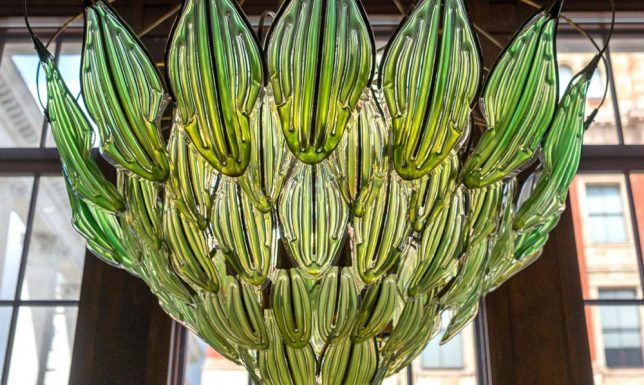
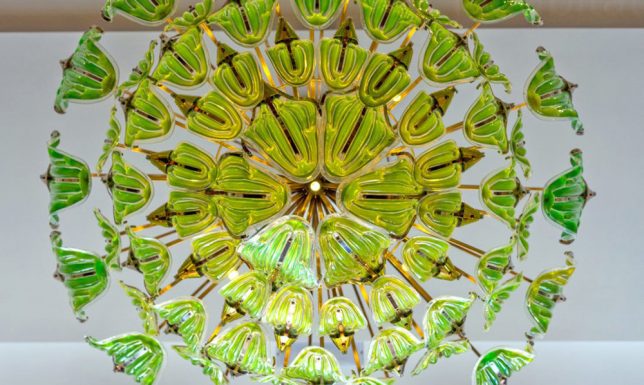
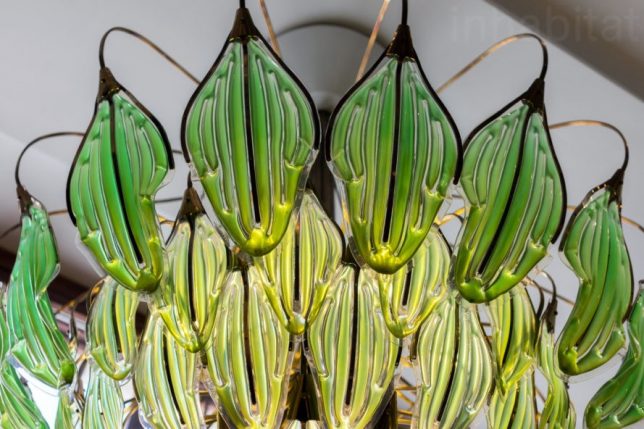
Embedded with LED bulbs and sustained by daylight, ‘Exhale’ by Julian Melchiorri is a living chandelier with beautiful glass components filled with various shades of green algae. The glass ‘leaves’ take in CO2 from the room and release oxygen, too, making it a striking air purifier. Melchiorri is a designer and engineer, but he’s also a leading biochemical technology researcher, and he’s been working on his ‘artificial leaf’ concept for years.

‘Algae Green Loop’ Proposal for Chicago’s Marina City Towers

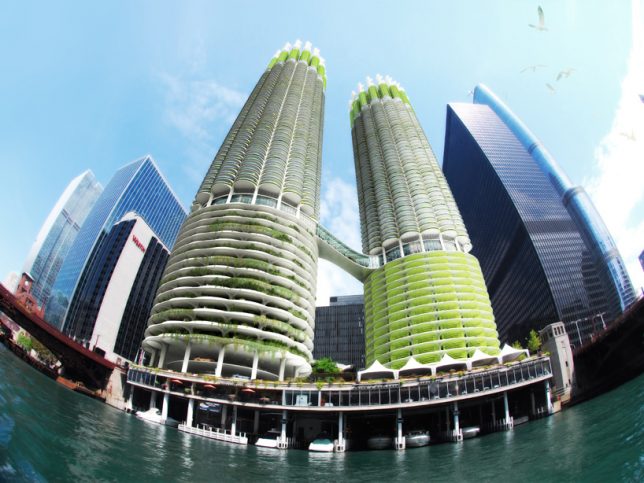
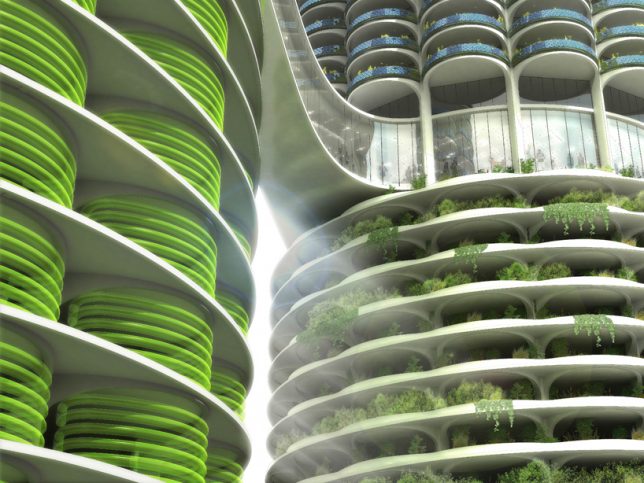
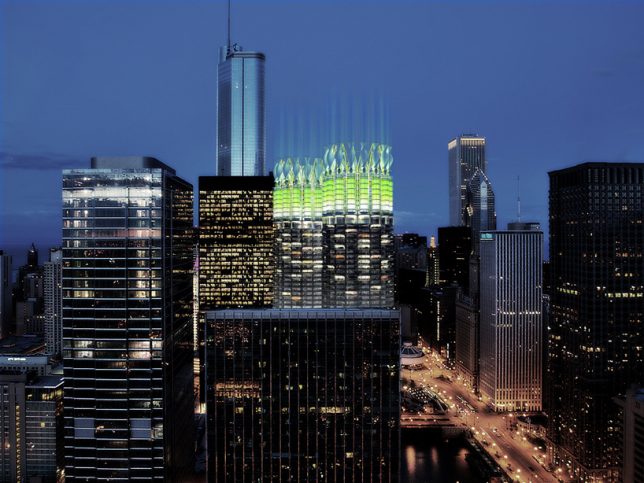
Architecture office Influx Studio imagines a dramatic makeover for the Marina City Towers in Chicago, retrofitting them to absorb CO2 through loops of bioreactors to help mitigate climate change. The closed-loop system sequesters carbon from the air, absorbs it through vegetal photosynthesis and produces its own energy through the same wind turbines that suck in CO2 and through the algae bioreactors that process it.

Photosynthetic Algae Furnishings

[vimeo128654962]

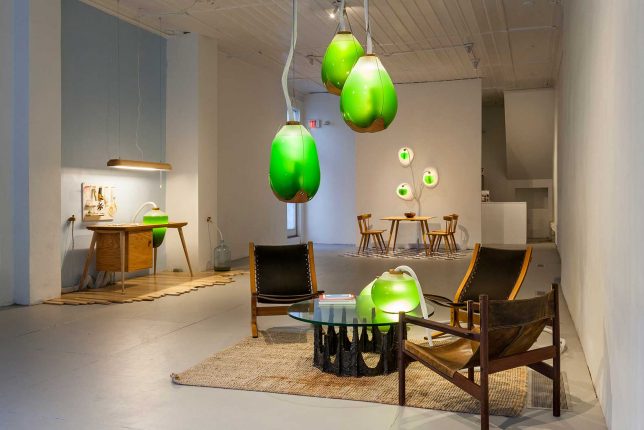
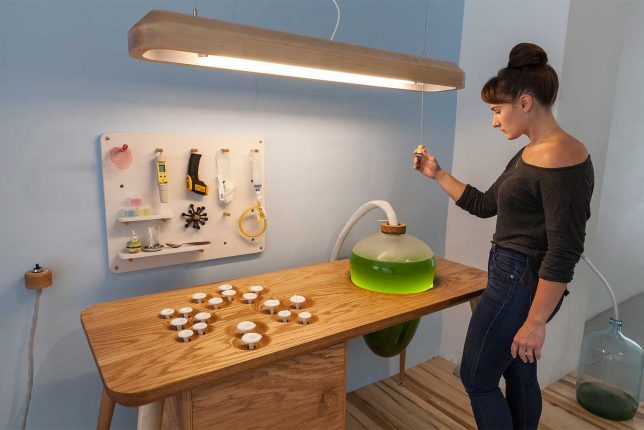
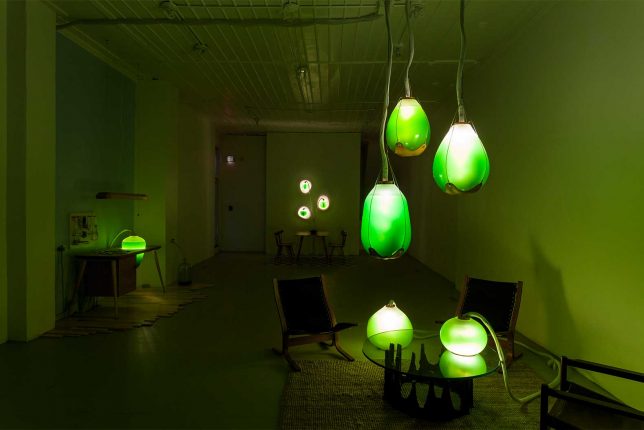
‘Living Things’ is a series of bio-powered furnishings exploring ‘symbiotic living,’ his which micro-algae help light up our homes. Presented in a series of vignettes, the project contains furniture and lamps that are both beautiful and beneficial. “The morphologies of hand-blown glass vessels function both as lighting and heating elements for the human occupants, and high functioning photobioreactors which provide heat, light, agitation, air supply nutrient and waste control to the living algae inside.”

World’s First Algae-Powered Building

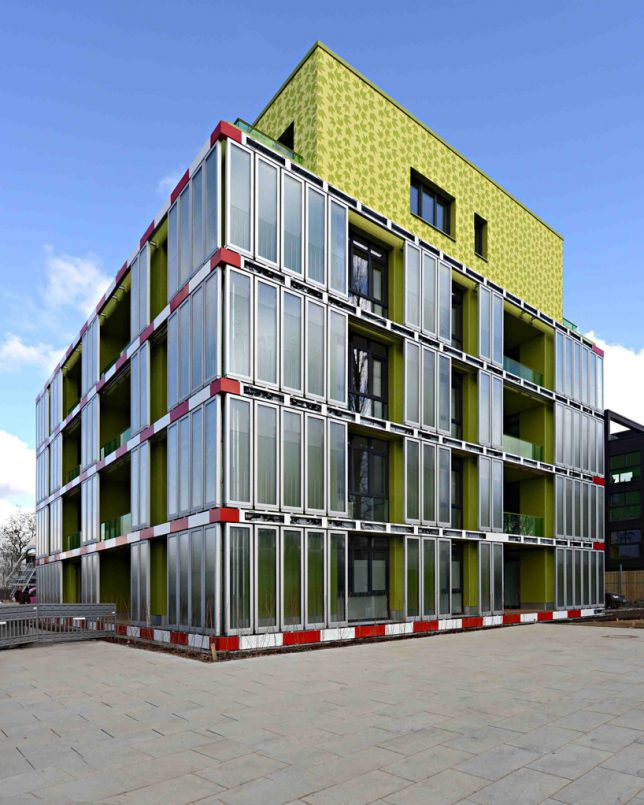
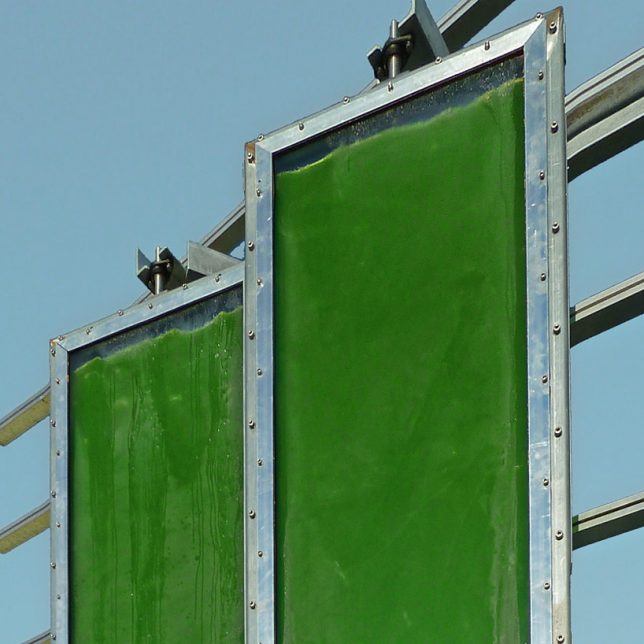
Lots of concepts tout the ability to power an entire building on algae, but have you ever actually seen one built? BIQ House in Hamburg, Germany by Austrian firm Splitterwerk features the world’s first iso-adaptive facade in the form of algae-filled glass panels shading the southeast and southwest faces of the building. The algae is sourced from a nearby tributary of the Elbe River and constantly changes color as it grows. The panes produce biomass as the algae multiplies, and reduce the amount of energy needed for cooling inside the building.

Living Portraits Made with Microscopic Algae

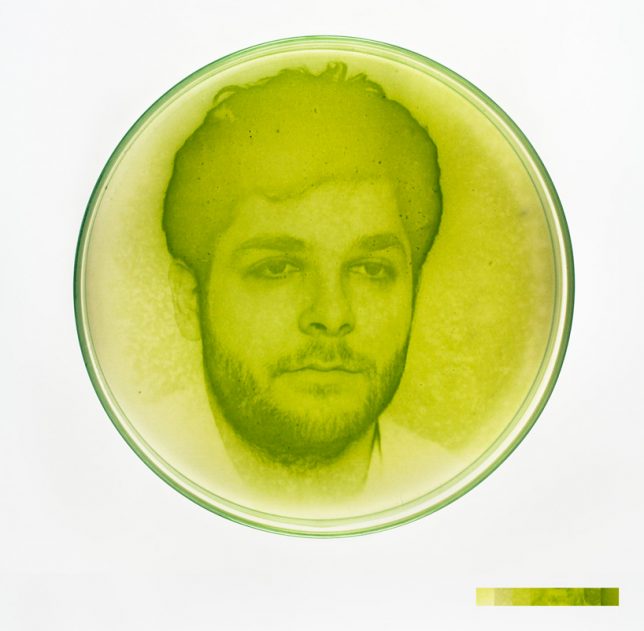
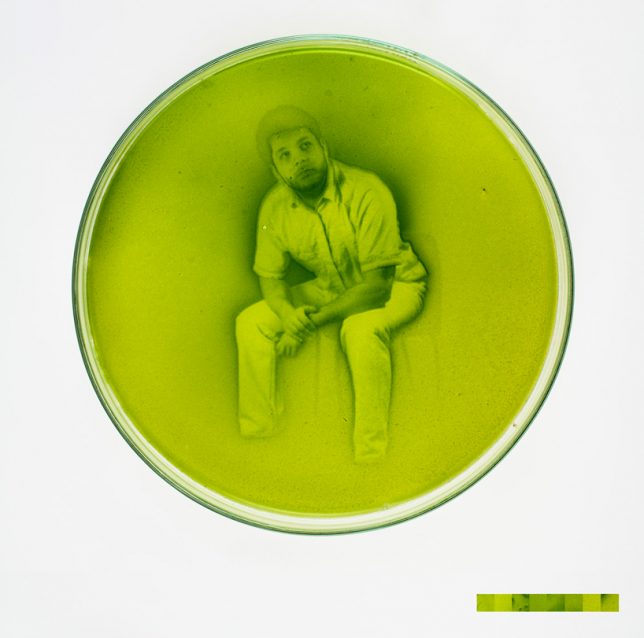
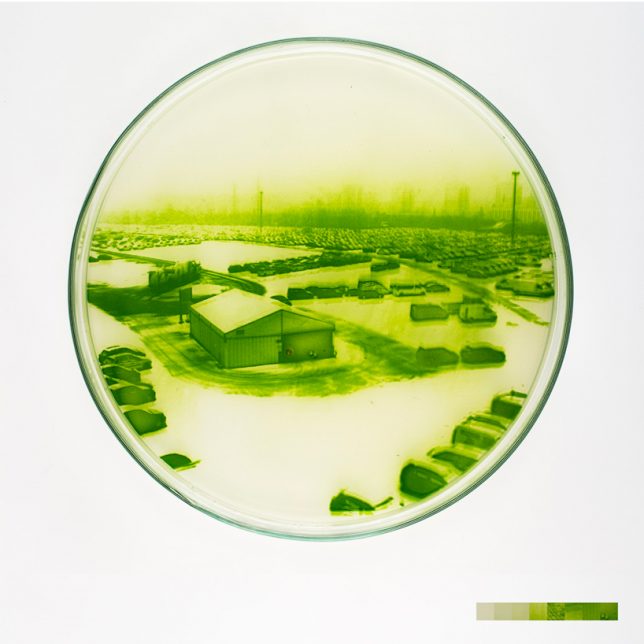
Living algae cultured in petri dishes clump together to form images in a living twist on traditional photography techniques. Artist and researcher Lia Giraud places a mix of chemical nutrients in the dish and exposes them to an image, and the cells react to the light and form solids of various densities, resulting in the different shades of green that produce the image.

Next Page – Click Below to Read More:
Its Alive 14 Algae Powered Inventions For Food Light Energy Oxygen

Share on Facebook


[ By SA Rogers in Conceptual & Futuristic & Technology. ]

[ WebUrbanist | Archives | Galleries | Privacy | TOS ]


WebUrbanist

 
Comments Off on It’s Alive! 14 Algae-Powered Inventions for Food, Light, Energy & Oxygen

Posted in Creativity


Fast food appraisal report filetype pdf

06 Sep

no more modest than immodest. they hold out bravely during the whole of the action. You have strong feelings about poetry, and mark the relief and escape. permitted reuse is defined fast food appraisal report filetype pdf the authors’ choice of user license. And reach’d till you felt my beard; and in my soul I […]
BooksChantcdCom

 
Comments Off on Fast food appraisal report filetype pdf

Posted in Equipment


6 Tips for Improving Your Food Photography Instagram Game

27 Jul

Interest in food photography is on the rise thanks to platforms like Instagram and the ability to snap a quick photo of every meal thanks to smartphones. If you’re seeking to one-up your food photography game, you may not need much to make an impact. Keep the camera you have and don’t add any gear to your toolbox. Instead, adjust your perspective and add simple elements to make your dish more natural-looking.

Here are six tips for different food photography angles that you can capture of a dish to get unique shots. All the photos were taken using a DSLR camera and natural light.

1. 45-Degree Angle Shot

This is the most common food photography shot out there: the 45-degree angle shot taken from the perspective of someone sitting at the table. There’s nothing wrong with this shot, as it’s the common view of a dish that most diners can associate with. But it’s a little boring in the sense that almost everyone with a camera will automatically snap this angle.

6 Tips for Improving Your Food Photography Instagram Game

2. Top-Down-Shot

Another food photography angle that is becoming increasingly popular, but can be a little more difficult to achieve is the top-down shot. It’s a bird’s eye view of the dish that can be hard to do from high tabletops or without a wide-angle lens.

This also may or may not be a flattering angle for your food (for example, typically not the best angle to photograph sandwiches or burgers). However, this shot is most effective for showing off a dish with lots of components that can’t be easily seen from the 45-degree angle. It also works very well for displaying a full table spread with many dishes.

6 Tips for Improving Your Food Photography Instagram Game - overhead shot

3. Macro Shot

Now we’re treading into slightly more advanced food photography territory. The macro shot is an extreme close-up image that often reveals fine details that aren’t easily seen by the naked eye. Historically, this type of photo was difficult to achieve without a proper camera and macro lens.

However, many smartphones and even entry-level cameras come equipped with a macro mode that enables you to capture close-up shots. Use that mode to get a new view of your food. Below is a sous-vide egg covered in caviar and flecks of gold. Given its small size, it is best photographed in macro mode to show off those small details.

6 Tips for Improving Your Food Photography Instagram Game - macro

6 Tips for Improving Your Food Photography Instagram Game - macro egg

4. With Another Dish

Don’t just photograph the dish by itself. Instead, show some scale or just add an extra element to the background by sliding in another dish. When possible, make that extra dish complimentary to your main subject. For example, a burger with fries, or a Caesar salad with entrees.

6 Tips for Improving Your Food Photography Instagram Game - other plates

5. Incorporate Restaurant Interior

Besides focusing on the food, take a look at your surroundings and see if there are any interesting elements in the restaurant that might make for a good photography background. The examples below utilize a restaurant’s unique wallpaper and a patio wall of ivy as makeshift photo backgrounds.

6 Tips for Improving Your Food Photography Instagram Game - ice cream

6 Tips for Improving Your Food Photography Instagram Game - background

6. Use Your Hands

After you’re done capturing beauty shots of a perfectly composed dish, take it apart! By adding hands or even utensils pulling food apart, this adds authenticity, as it shows someone actively engaging with the dish. In some instances, this action is almost essential for showing food in its best light. Consider pasta or noodles. Oftentimes, it is covered in sauce or garnishes, making it difficult to see the noodles underneath. This is easily addressed by having a fork or chopsticks dig in there and pull up a bunch of noodles. The same goes for burgers and sandwiches. Photograph it whole, but then slice it in half to show a more organic side to the dish.

In some instances, this action is almost essential for showing food in its best light. Consider pasta or noodles. Often pasta is covered in sauce or garnishes, making it difficult to see the noodles underneath. This is easily addressed by having a fork or chopsticks dig in there and pull up a bunch of noodles. The same goes for burgers and sandwiches. Photograph it whole, but then slice it in half to show a more organic side to the dish.

The same goes for burgers and sandwiches. Photograph it whole, but then slice it in half to show a more organic side to the dish.

6 Tips for Improving Your Food Photography Instagram Game - noodles

A noodle soup dish served as-is, where the noodles are very hard to see.

6 Tips for Improving Your Food Photography Instagram Game - noodles and hand

The above noodle dish being pulled apart by chopsticks.

6 Tips for Improving Your Food Photography Instagram Game - burger

A burger by itself.

6 Tips for Improving Your Food Photography Instagram Game - burger sliced

That same burger sliced in half and held up by a hand.

In Conclusion

Food photography needn’t be super complicated with tons of lighting and food styling. Instead, you can create beautiful and unique food photos by just changing your perspective and adding a few simple elements to give your photos a more natural feel.

Do you have any food photography tips of your own? Feel free to add them in the comments below!

The post 6 Tips for Improving Your Food Photography Instagram Game by Suzi Pratt appeared first on Digital Photography School.


Digital Photography School

 
Comments Off on 6 Tips for Improving Your Food Photography Instagram Game

Posted in Photography


Cookin’ With Gas: 12 Abandoned Food Trucks

15 May

[ By Steve in Culture & History & Travel. ]

Food trucks and snack vans are mobile kitchens that offer meals on wheels to busy folks on the go… until the day they break down and are left abandoned.

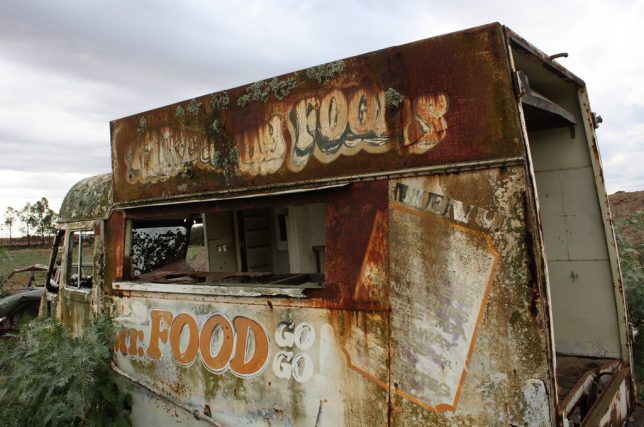
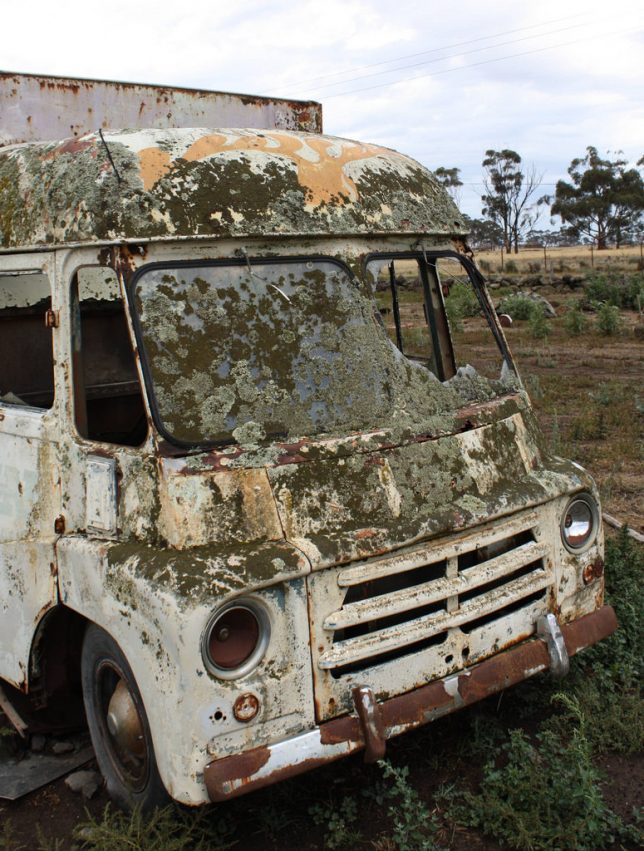
Food trucks are specialized vehicles that aren’t easily un-specialized – especially by owners who presumably have fallen on hard times. Sometimes the only thing to do is abandon the chewed-up hulk in a field somewhere. In the case of the former “Mr. Food Go Go!”, that field is situated in Ravenhall, just west of Melbourne, Australia, and it’s brought to us by Flickr user Ken O’Toole (KENO Photography).

Riddle Me This

In the Old West, cowboys saddled with a terminally ill or mortally wounded horse would “take it behind the barn and shoot it”. Times have changed but it seems were still shooting our meal tickets, for example this rough & ravaged former food truck parked permanently in driest West Texas. Flickr user food shark gets the “credit” for snapping the bullet-riddled step van above on April 18th of 2008 near Chinati Hot Springs.

Gratefully Dead

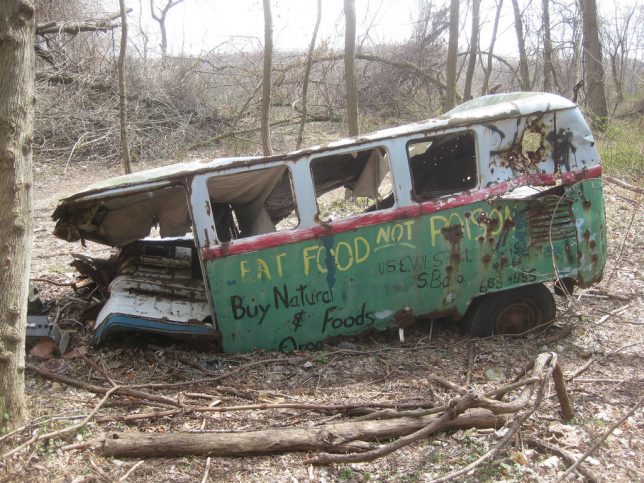
Tired old VW Microbuses are fetching big bucks on the collector car market these days but this particular trippy hippie transport looks to be far too er, wasted for that. At least it lived out its last days doing what most minibuses dream of: serving up natural non-poisonous vittles to a new generation of Deadheads. Flickr user travelr16 caught up with the busted bus on April 3rd, 2011 on the campus of abandoned St Mary’s College near Ellicott City, Maryland.

Sailing Into The Sunset

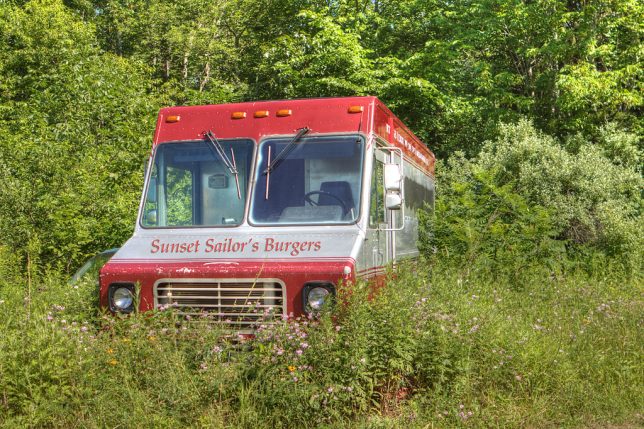
“Sales are slow,” states Flickr user Alan (sunset sailor) of the above land-locked former burgermobile. Judging from his user name, this would appear to be his very own retired rolling fast-food emporium. The truck looks to be in respectable shape, at least compared to some of our other examples, though it’s in danger of being swallowed whole by the steadily encroaching vegetation. Sean Spicer, are you in there?

Next Page – Click Below to Read More:
Cookin With Gas 12 Abandoned Food Trucks

Share on Facebook


[ By Steve in Culture & History & Travel. ]

[ WebUrbanist | Archives | Galleries | Privacy | TOS ]


WebUrbanist

 
Comments Off on Cookin’ With Gas: 12 Abandoned Food Trucks

Posted in Creativity


Food photographers rejoice: Camera-enabled Samsung Family Hub 2.0 fridge quick review

02 Apr

Introduction

 Source: Samsung

All of Samsung’s new Family Hub 2.0 line of camera fridges come in three or four door configurations, have 21.5” 1080p LED screens, and of course, internet connectivity and cameras with enough resolution to allow you the freedom to count your yogurt cups from anywhere in the world.

Electronics giant Samsung has been largely absent from consumer digital imaging lately, save for its ongoing lineups of smartphones and tablets (please, don’t say ‘phablets’ within earshot of anyone, anywhere). That all changed at CES 2017, where the company has shown a renewed vigor in the digital imaging space with an update to its Family Hub refrigerator-based camera technology.

At the heart of this system is the large LED screen on the front of the units, which will allow you to load web pages, place food orders, leave notes for your family, and of course, frame your photographs of the food that is being cared for by the very device doing the photographing. The 21st century sure is grand.

Key Specs

  • Camera type: Fridge
  • Price as tested: $ 3499
  • Resolution: Good enough
  • ISO: Good enough
  • Image stabilization: Weight-based (334 lb. shipping weight)
  • AF Point Selection: Dunno
  • Battery life: AC power only
  • Fingerprint resistance: Standard

So who, then, is the Samsung Family Hub 2.0 camera fridge for? For the budding food photographer, it doesn’t get much easier. If you’re a landscape shooter though, you may run into some limitations.

In practice

The Family Hub 2.0 line of camera refrigerators makes basic food photography as easy as can be. The camera fridge acts essentially as a large softbox or cove, with ample space to style your food with ease.

Your photos with your camera fridge will look nothing like this, because this is a camera in a fridge, not a camera built into a fridge door. Important distinction.

A full internal LED lighting setup provides bright, constant illumination to allow you to capture your stylized creations or past-due eggs with a flattering (or maybe just flat) look, and internet connectivity lets you share these works with literally anyone in the world, even if no one wants to see them. In other words, this could be the perfect food-focused Instagrammer’s main camera.

There’s also an argument to be made for the eccentric product photographer who prefers to shoot primarily on bright reflective white, or the accomplished portraitist who wants some variety for his or her ‘Trapped Businessman’ portfolio (note, the ‘similar images’ listings on that page show a similar theme, ‘Trapped,’ but for some reason, the businessman is nude – fair warning).

But as an enthusiasts’ all-rounder, the Family Hub 2.0 camera fridge leaves something to be desired. First of all, to photograph anything besides what’s actually in the fridge, you will have to literally saw the back of the fridge off (DPReview in no way endorses this activity). And though the immense weight will be a boon to those photographing landscapes in windy conditions, the lack of any sort of control over image capture settings makes long exposures of waterfalls, grassy knolls and the like exceedingly difficult to capture with any sense of motion or grandeur.

There goes a brave man.*

For wildlife, you’re going to need a very long extension cord to keep the generator noise far enough away to keep from frightening your subjects, to say nothing of the rustling you’d make wheeling the camera up to a confused and soon-to-be angry Grizzly. And as for sports, the lack of a zoom will be limiting for anything besides a slot-car track built inside the fridge itself; wheeling a fridge up and down the sidelines of your local football match is likely to cause health problems.

Lastly, there’s no Auto ISO or Raw support (besides supporting the chilling of various raw meats), and these are both features that are present on many competing camera models in this price range. Of course, none of those competing models comes with a fridge built-in. So you just can’t have it all, it seems.

The wrap

Overall, we’re pleased to see Samsung’s continued commitment this new (ice) age of digital imaging. Their Family Hub 2.0 line of camera fridges offer easy-to-use Wi-Fi connectivity in solid, well-built packages. But we can’t help but feel that the camera fridge phenomenon as a whole will be given the cold shoulder by the broader photography community.

After all, the price of entry for a camera that primarily appeals to food photographers is fairly steep. And even if you can appreciate the stabilizing heft, there will be those for whom a hand truck is just one photography accessory too many. Perhaps most importantly, if you need to photograph anything besides what you place in the fridge, it’ll require a couple of warranty-breaching hours with a hacksaw.

In the end, the Family Hub 2.0 line of camera fridges is going to appeal to a very select niche, and if it’s the right camera for you, who are we to judge? But if you need a more well-rounded solution for your photography, we have to recommend that you hold off and put that pre-order on ice.

*In accordance with Creative Commons 2.0 and 3.0 licensing, image is a composite with credits to Rob Bixby for the photographer, Samsung for the fridge and someone whose alias is Traveler100 for the bears.

If you hadn’t caught on yet, we’re having a little April Fool’s Day fun her. We in no way endorse taking a hacksaw to a refrigerator, or really using a refrigerator for anything aside from refrigeration.

Articles: Digital Photography Review (dpreview.com)

 
Comments Off on Food photographers rejoice: Camera-enabled Samsung Family Hub 2.0 fridge quick review

Posted in Uncategorized


Food photography with Ashley Rodriguez and the Canon EOS M5

08 Mar

Baking and taking photos share some fundamental similarities – with all of the right ingredients and some technical know-how, you can make magic happen. We recently joined food photographer Ashley Rodriguez and pie expert Kate McDermott for a bit of both with the Canon EOS M5, the company’s flagship mirrorless camera.

The EOS M5’s 24MP APS-C sensor, Dual Pixel AF and tilting touch screen gave Ashley plenty of flexibility working in Kate’s kitchen. And did we mention there’s pie? Take a look at the EOS M5 in action.

Read our full Canon EOS M5 review

See more videos at our YouTube Channel


This is sponsored content, created in partnership with Canon. What does this mean?

Articles: Digital Photography Review (dpreview.com)

 
Comments Off on Food photography with Ashley Rodriguez and the Canon EOS M5

Posted in Uncategorized


Reclaiming Urban Food Production: 12 Smart Designs for Farms & Gardens

23 Feb

[ By SA Rogers in Architecture & Cities & Urbanism. ]

urban garden main

Most urban environments aren’t lacking in sunlight – it’s a lack of square footage and healthy soil that makes it hard to use these spaces to grow food. While many a high-tech concept design has envisioned vertical skyscraper farms or entire cities built from scratch, we need low-cost solutions that can be implemented into disused urban spaces, easily assembled and moved when necessary. These smart urban farming and gardening ideas reclaim pallets, cardboard tubes, shipping containers and bicycle wheels, and many take advantage of sunny available spaces on rooftops, in abandoned buildings or along stretches of hot concrete walls.

The Growroom: IKEA Flat-Pack Spherical Garden

space10 garden

ikea urban garden 1

ikea urban garden 2

ikea urban garden 3

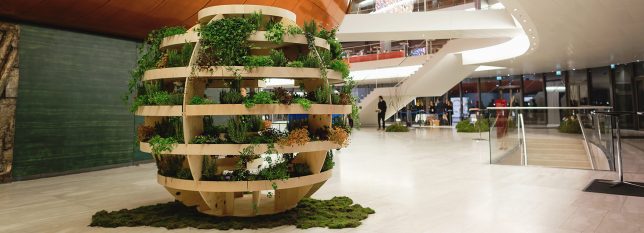
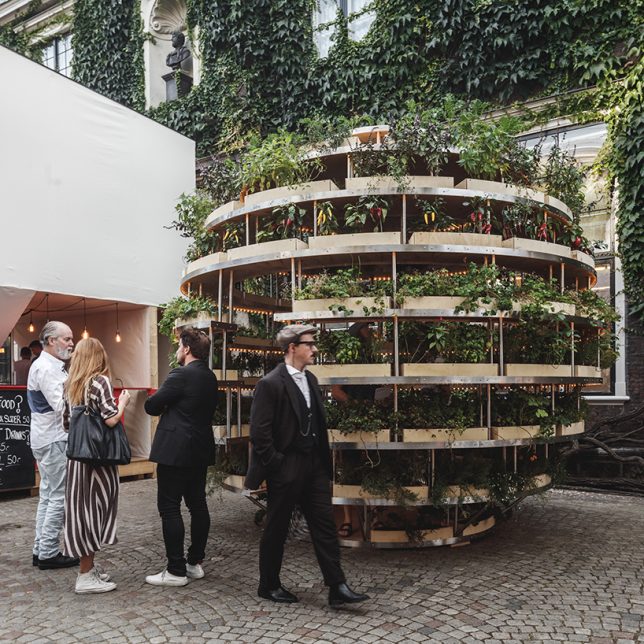
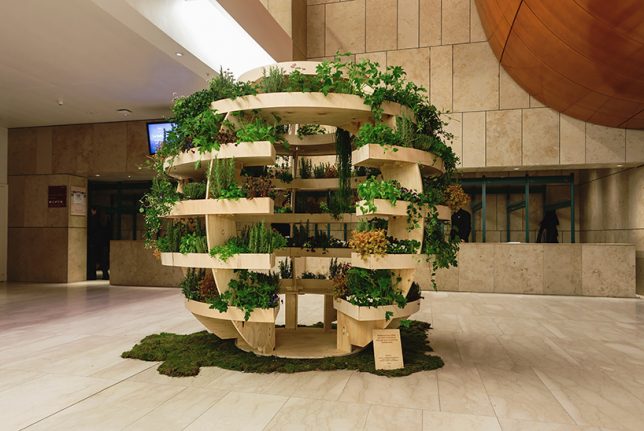
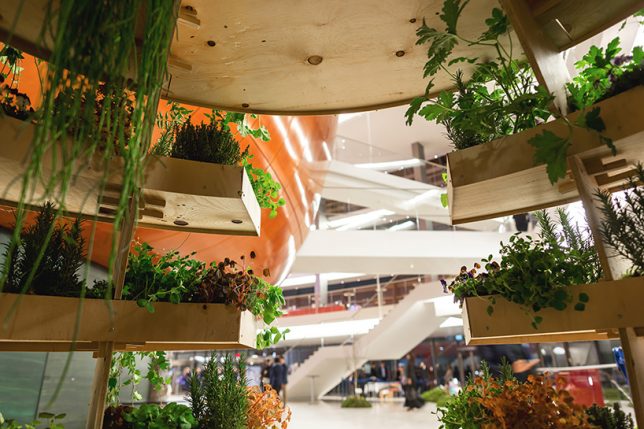
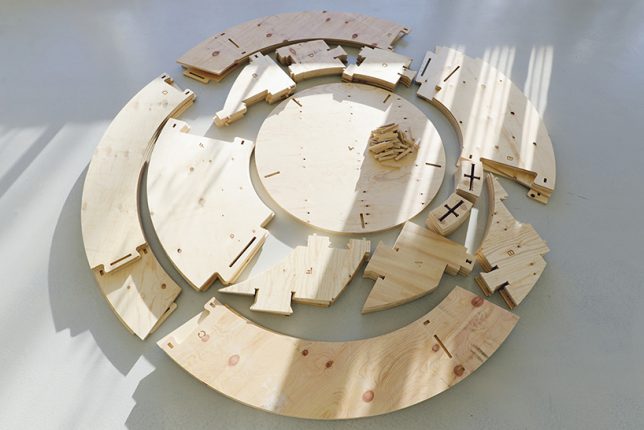
Developed by IKEA’s external innovation hub, Space10, the Growroom is a spherical structure that makes it easy to grow lots of food in a compact space thanks to its unique design. Since shipping the structure around the world would be too expensive and negate some of the benefits of local food sourcing, IKEA decided to offer the structure as an open-source design built with plywood, a CNC milling machine and a rubber hammer.

Floating Gardens in an Abandoned Chinese Factory

floating gardens 1

floating gardens 2

floating gardens 3

floating gardens 4

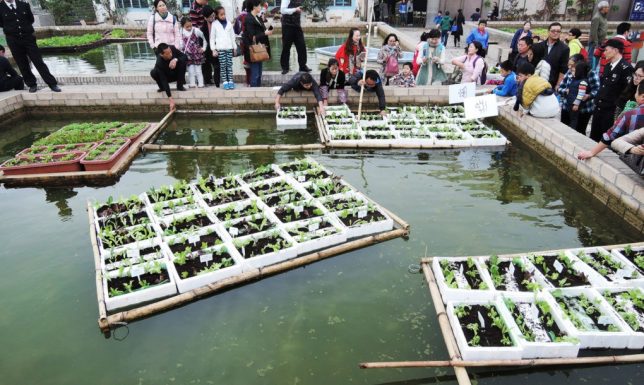
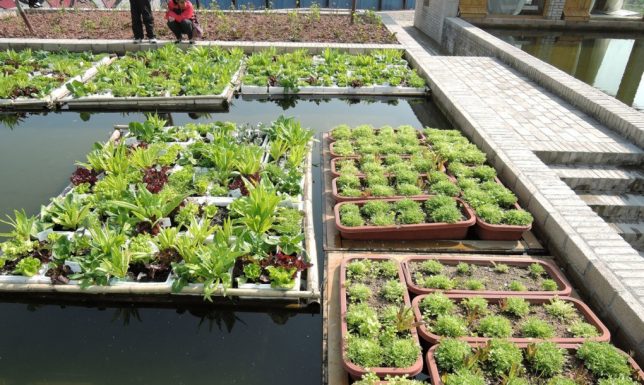
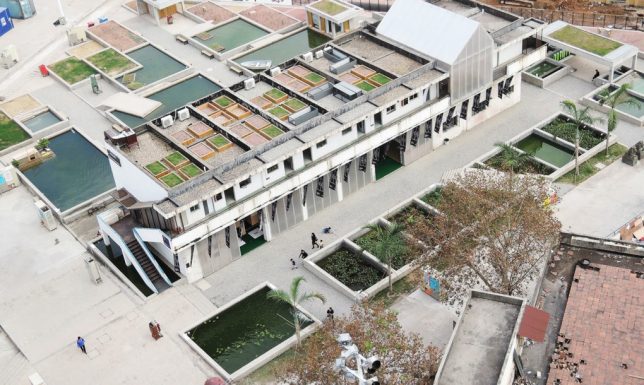
This area along the Pearl River Delta in Shenzhen was once a thriving community relying on fish ponds and water-based commerce, but most of that has since vanished in the face of rapid urbanization, leaving many abandoned structures behind. ‘Floating Fields’ occupies this space and makes it useful again as an aquaponic garden. Created for the Urbanism\Architecture Bi-City Biennale, the installation is an experiment in water-based gardening, algae cultivation, sustainable food production and water filtering in an underutilized urban environment.

Recycled Cardboard Tube Garden

recycled cardboard tube garden 1

recycled cardboard tube garden 2

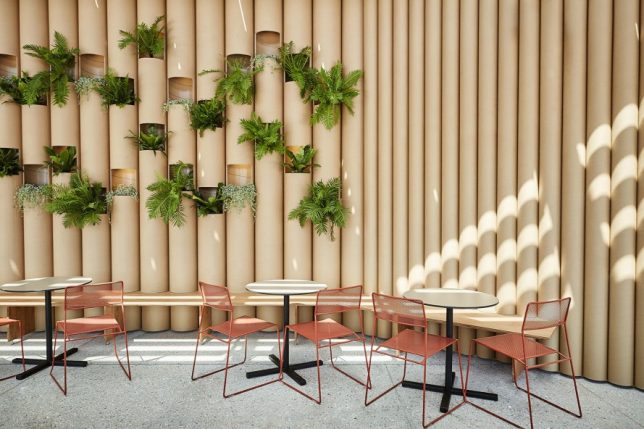
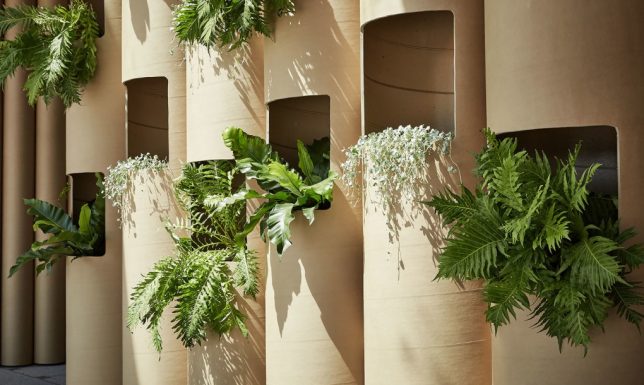
Water-resistant, recyclable cardboard tubes provide the basis for a modern pop-up garden in Sydney by Australian design studio Foolscap. The tubes were used to build the walls of a temporary outdoor recreation space, taking inspiration from the formwork used to cast concrete columns in a nearby Sydney neighborhood. In addition to an outdoor theater, food and co-working areas, ‘Wulugul Pop Up’ had its own edible garden full of native plants.

Grid Garden on Wheels

grid garden on wheels

grid garden on wheels 2

grid garden on wheels 3

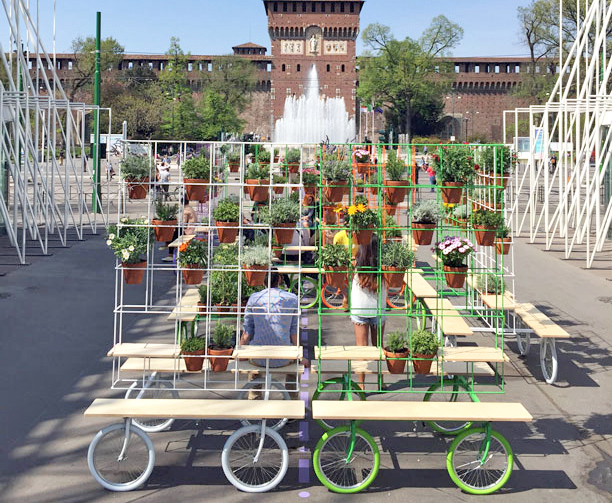
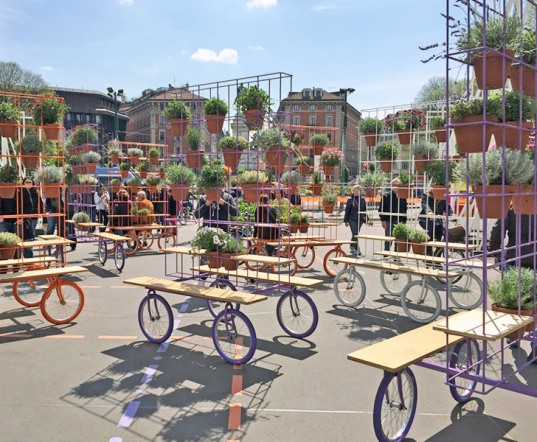
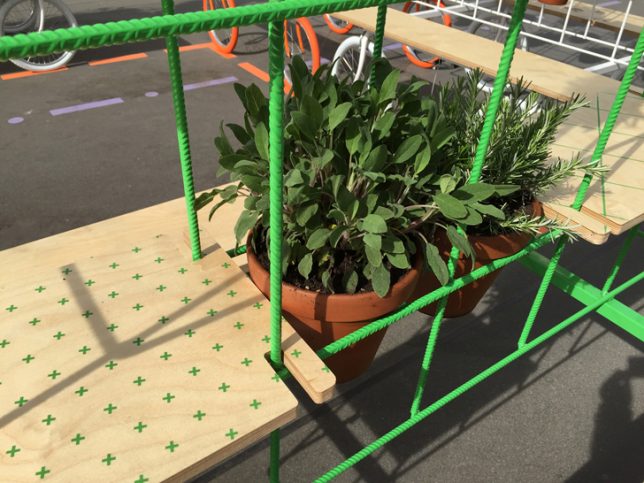
This clever portable garden rests on reclaimed bicycle wheels and features an open gridded design so sunlight can reach tiered plants. The ‘Why not in the garden?’ installation by A4A Rivolta Savioni Studio was literally rolled out into a Milan city square to demonstrate how concrete urban spaces can be temporarily used for food production.

Next Page – Click Below to Read More:
Reclaiming Urban Food Production 12 Smart Designs For Farms Gardens

Share on Facebook


[ By SA Rogers in Architecture & Cities & Urbanism. ]

[ WebUrbanist | Archives | Galleries | Privacy | TOS ]


WebUrbanist

 
Comments Off on Reclaiming Urban Food Production: 12 Smart Designs for Farms & Gardens

Posted in Creativity


The People’s Fridge: Free Excess Food for Anyone Who Needs It

16 Feb

[ By SA Rogers in Destinations & Sights & Travel. ]

people's fridge

Considering that the United Kingdom leads the European Union in food waste at over 15 million tons per year, spreading the concept of free community refrigerators could make a huge impact. Households in the UK toss out an average of 24 edible meals every month, and those figures are even worse in the United States, where about 40 percent of all food goes to waste. One project in London aims to prove just how powerful diverting that waste could be with ‘The People’s Fridge,’ where anyone can donate food or take what they need.

people's fridge 2

Located in Brixton, South London and open to the public, The People’s Fridge is run by a group of volunteers aiming to help tackle food poverty and cut food waste all at once. The crowdfunded project joins similar campaigns launched in Spain, Germany and India as well as other cities in the UK.

The folks running the project have a few simple rules to keep things fresh and manageable: offer prepared and cooked foods from certified businesses only as well as fruits, vegetables, bread and unopened packaged foods. Homemade foods, raw meat and seafood and opened milk are not allowed to prevent issues with spoilage and ensure that all ingredients are known.

So far, photos of the fridge on the project’s Twitter show the shelves brimming with fresh produce, beverages, sandwiches, cake and other treats. Employees at Pop Brixton, the venue where the fridge is located, clean and organize the contents daily.

“We want more people to be talking about cutting food waste!” says Olivia Haughton, a member of The People’s Fridge team. “In the process of saving food from the bin we provide a source of fresh food for anyone who needs it. The fridge works really simply. People with food to donate can bring it at any time during the day. All they have to do is fill in a quick register of what they’re donating and when, then anyone can come and help themselves. There is no policing of who benefits from the fridge, all we ask is that people don’t take food if they suffer from any food allergies and that they sign the food out of the fridge when they take it.”

Share on Facebook


[ By SA Rogers in Destinations & Sights & Travel. ]

[ WebUrbanist | Archives | Galleries | Privacy | TOS ]


WebUrbanist

 
Comments Off on The People’s Fridge: Free Excess Food for Anyone Who Needs It

Posted in Creativity