RSS
 

Posts Tagged ‘Flight’

Real 3D images of Mars make up this video of a simulated flight over the red planet

21 Mar

It took photographer and self-proclaimed space enthusiast Jan Fröjdman three months to produce a video turning NASA anaglyph images of Mars into a simulated flight over the planet. NASA’s high-resolution imagery offers depth information and comes from HiRISE, a camera on board the Mars Reconnaissance Orbiter. 

Fröjdman converted the still images into panning video clips using reference points – 33,000 of them – and color-graded the images. He describes it as an effort to visualize the planet in his own way, rather than as a strictly scientific endeavor. It’s certainly a mesmerizing way to spend 4 minutes.

Articles: Digital Photography Review (dpreview.com)

 
Comments Off on Real 3D images of Mars make up this video of a simulated flight over the red planet

Posted in Uncategorized


Take flight over Australia: aerial photos by Scott McCook

21 Jan

Take flight over Australia: Aerial photos by Scott McCook

Originally a tailing pond image, I have created a fictional piece of work to convey a story about Australia riding the mining boom, Boddington Western Australia

Scott McCook is a native Australian and an award winning landscape photographer with a serious passion for aerial photography. All of the images that you see in this article were shot from the skies high above remote areas of Australia and New Zealand. His goals are to not only highlight the beauty in areas that are remote and far removed from the public eye, but also to illustrate the impacts that industry can have on the world around us.

To see more of his work, check him out on Facebook and Instagram.

What inspired you to begin your aerial work?

Big Lagoon Shark Bay, an isolated birrida, these birridas are gypsum clay pans that used to be saline lakes

I have two main sources of inspiration, the first of which is my drive to photograph what hides in plain sight. This started many years ago with astrophotography, which was something I pursued in my earlier days of landscape photography. The idea of something so beautiful hiding above cities and street lights every night with many people never even seeing the Milky Way with their own eyes drove me to the dark spots of Western Australia (of which there are many) to capture the incredible beauty of the Milky Way and show people here in Western Australia what’s in their backyard every night.

This concept of showing people, via my imagery, what hides just below the surface (or above your head) is what fanned my obsession for aerial photography. It’s the very same principals, the idea that these beautiful and sometimes abstract landscapes that we see every day from the ground can explode into life from the air.

My second source of inspiration is to show people the impact of mankind on nature, as in the case of my mining aerial imagery. It’s showing people areas that they would never normally be able to see on that scale. It has the possibility to empower people to make their own opinion on these landscapes and how far man will go to chase our precious resources.

I should also mention that there are a number of truly amazing landscape photographers based out of Australia that inspire me on a daily basis. The collective of landscape photographers from ND5 put life back into the aerial genre here in the last 10 or so years and their work sparked my interest in what our beautiful country has to offer from the air. Photographers like Tony Hewitt, Christian Fletcher and Peter Eastway have not only supplied inspiration over the years but have been great mentors for myself and many other budding landscape photographers here in Australia.

What’s your favorite aspect of aerial photography?

Shark Bay Western Australia, coastal floodplain

It really comes down to two questions: Is it the unique photography? Or the thrill of being in a plane or chopper?

I think it’s the pure thrill and enjoyment of flying that keeps bringing me back and then it’s the excitement of having no idea what incredibly unique moment or landscape you’ll capture from the air. Often with aerial photography, it feels like you’re an early explorer, going over uncharted territory, the feeling is quite amazing because often we are lucky enough to be the first people shooting a location from the air.

This is often the case because you can travel to very remote locations in a short amount of time. You can really feel the excitement come over you when you know you’re shooting something completely new. So let’s go with 50% the thrill, 50% the photography, how’s that for a safe answer?

What lenses and equipment do you normally shoot with?

Perth, Western Australia. Alcoa Tailing Ponds

Everything!!! Would be my short answer, but the slightly extended answer is as follows:

My Full-frame Go to Kit:

  • Nikon D810
  • Nikon 24-70 F2.8
  • Nikon 70-200mm F2.8 VR2
  • Sigma 35mm F1.4 Art

My Medium Format combo:

  • Phase XF + IQ150
  • 80mm blue ring Shnieder
  • Mamiya 35mm

When it comes to aerial photography I have found shooting large sensor MF images really helps with not only print but the editing process, but the extra data can make all the difference to your creative vision and post processing.

How do you go about composing a shot from that high up in the sky?

Useless Loop salt farm, the different colors coming from varying stages of the process and product, Western Australia

You often have a very small window space to shoot from and you’re traveling 160km an hour at around 1500 ft, so the ground is going fast, very fast! This means you need to be on your game, with the camera settings tuned into something you would possibly find in sports photography: high shutter speeds, high ISO and looking for that sweet spot aperture.

Research using Google Maps is the key to this scenario – often I will know what is coming up, so I’m preparing myself physically (putting my arms in positions thought not humanly possible) and mentally as well, thinking ‘What orientation do I want this area in?’ Then in a matter of seconds your shooting window comes and before you know it, it’s gone. You can ask the pilot to lock into a loop pattern over the area, but time is money and I find if you can nail it first go, you can be onto the next location and maximize your shooting time and minimize your wallet taking a beating.

How much planning goes into a single aerial photography trip?

Southern Alps, New Zealand, this is an image of the ice that feeds the Fox Glacier in the South Island

Weeks or months. I did two very different aerial expeditions last year which I’ll touch on because of the difference in planning. The first was to Shark Bay Western Australia, a World Heritage Listed area and a location that is totally mind-blowing from the air. I spent around four weeks using Google Maps (My Maps) to scan areas of Shark Bay to shoot. Once I found a potential location I would run a screen grabbed image through Lightroom and the de-haze filter, along with some minor color balance adjustments – this helps me envision what I will be shooting when I arrive to the location.

The satellite images provided by Google are pretty good but with a little tweaking you can really get some detail from them and this helps me know what I’ll be coming across when we’re in the air. I would then save these screen grabs along with the location drawn onto a map, these will then be loaded onto my iPad and used when I’m discussing the flight plan with the pilot. This is extremely helpful because it allows our pilot to see exactly what we want to shoot and where it is, allowing him/her to be more precise.

The other shoot I did was in the Southern Alps of New Zealand in May last year. This was from a Hughes 500 Helicopter with all the doors off. Now, this shoot was different because using Google Maps to do reconnaissance is very limited. Why? Well because it’s a mountainous region it’s a lot harder to use the aerial perspective for a gauge on what you’re going to see. Adding to the difficulty is the fact that the snow in such areas is highly reflective, meaning large areas of Google Maps data can be blown out.

Being in a chopper allows us to hover and hold locations, so there’s no need to try and capture that one moment in a split second. We can now spot an amazing location and tell our awesome pilot (thanks Michael from Mountain Helicopters Fox Glacier, complete legend!) to head on over and bank the chopper in just the right spot. This type of aerial expedition feels far more like exploring on foot, just with the added bonus of a multi million dollar piece of machinery giving us the gift of flight wherever we want.

Okay, so slightly different than traveling by foot but I have to admit it’s an incredibly beautiful experience when you fly with all the doors off in such a location.

How do you think drones will impact aerial photography?

Shark Bay, Western Australia

How do I think drones will impact aerial photography? EVERYWHERE! That happened fast didn’t it? I’m still waiting on drone delivery of alcohol in bars, so I feel they haven’t quite achieved their full potential yet.

On a more serious note it’s impacting photography right now, the whole aerial genre has exploded in the last few years. The effect I think is largely positive, if anything it’s sparking the passion of photography in more and more people. I notice many drone operators will start off just wanting to fly drones as their primary objective and in time they develop a love for photographing the world from above, and proceed to learn the photography side of things properly.

On the not-so-positive side I’ve seen it very rapidly develop a bad name in some areas due to pilots breaking the rules and flying dangerously. This puts a bad spin on aerial photography, and in most cases the actions of very few are ruining the potential for some amazing shots for many people. But in general, I think drones are having a positive impact. Do I fly drones? Not yet, I still need my buzz! Looking at the world fly past via an iPad or iPhone just doesn’t quite do it for me yet, I like to be up there experiencing it.

What’s your favorite aerial image to date and how did you go about getting the shot?

Dirk Hartog Island, Western Australia. Coastal Sand Dunes, spot the Kangaroo tracks coming in from top of frame

It’s really hard to pick just one image, but I’m going to have to go with an image I captured near Dirk Hartog Island Western Australia. It was around 7:30am in the morning on our 5th and last day of shooting the an area called Shark Bay. Paul Hoelen and I had decided that we would burn some fuel and head over to a remote strip of sand dunes. This particular area wasn’t shot often because you had to spend a fair bit of time and money to just get there so we were pretty excited about finding some untouched landscape.

Upon our arrival we found what we were after, beautiful clean dunes, we shot the location and both nodded to each other in appreciation of our gamble paying off. We then spoke to our pilot Ryan and said lets head south then home, as we made our way down the coast something happened, Paul can barely contain himself, he’s just waving his arm and pointing down “Scott, Scott, Scott!!! Down, look down!”, I look over and this gorgeous half moon shaped sand dune just appears from nowhere. It was so out of place in relation to the rest of the landscape, like mother nature had just created the most stunning sand dune possible then placed it hidden away for Paul and I to find.

I haven’t got to the really cool bit yet, so after shooting this mind blowing sand dune, we get back to our motel that night and load up the images, I go straight to the sequence of this stunning half moon dune and start looking at the images, I zoom in 50% and suddenly spot tracks, it’s kangaroo tracks! This perfect set of Kangaroo tracks is cutting into my composition and up the spine of the sand dune. I couldn’t believe it, the chances of all those things lining up were incredibly rare and it’s why I love photography so much. Yes it’s skill and creativity, but it has equal doses of luck.

How do you keep yourself inspired?

The Salt Farms of Useless Loop Shark Bay, Western Australia

I get much of my inspiration from the amazing, kind-hearted and adventurous landscape photographers I’ve made friends with along the way. It’s so cool in this amazing field we’re in, the community is a place you can draw many things from and inspiration is available everywhere. Beyond that I gain much inspiration from the people who have come before me, I read a lot and attempt to piece together the past as it helps pave the road to my future in this craft.

What are your aerial photography goals for 2017?

Arteries of coastal floodplains pump across the land, Carnarvon, Western Australia

Push the aerial genre to new heights, pardon the pun! I love aerial photography, I am well and truly hooked. I look at 2017 as my chance to challenge myself within this genre, I enjoy story telling via my aerial imagery and look forward to sharing that this year.

Behind the Scenes

This is the Hughes 500 Helicopter with all the doors taken off that was used for the flight over the Southern Alps of New Zealand. Huge thanks to Michael from Mountain Helicopters Fox Glacier!

The below video was shot when I snagged my favorite image to date. It gives you a great idea of the feverish pace at which you are taking images while shooting aerials in a plane.  

Articles: Digital Photography Review (dpreview.com)

 
Comments Off on Take flight over Australia: aerial photos by Scott McCook

Posted in Uncategorized


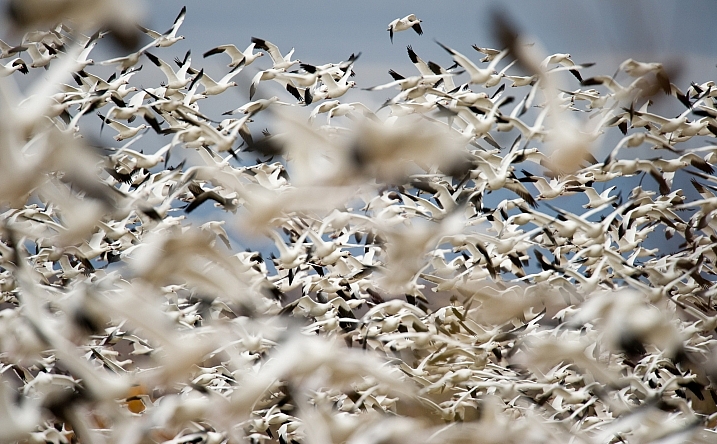
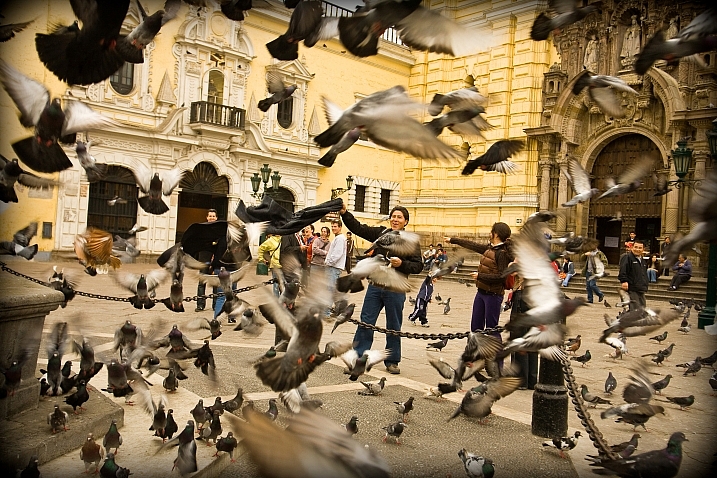
20 Airborne Images of Objects in Flight

14 Dec

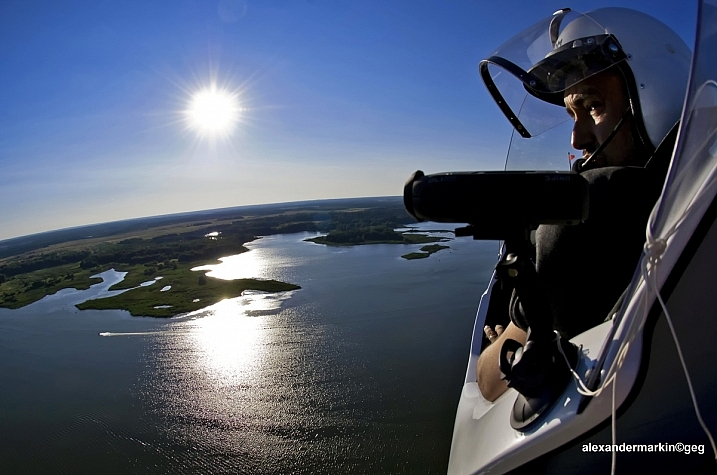
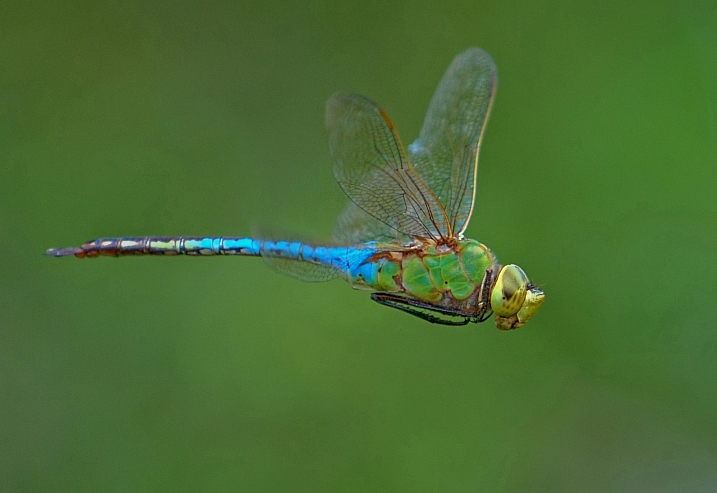
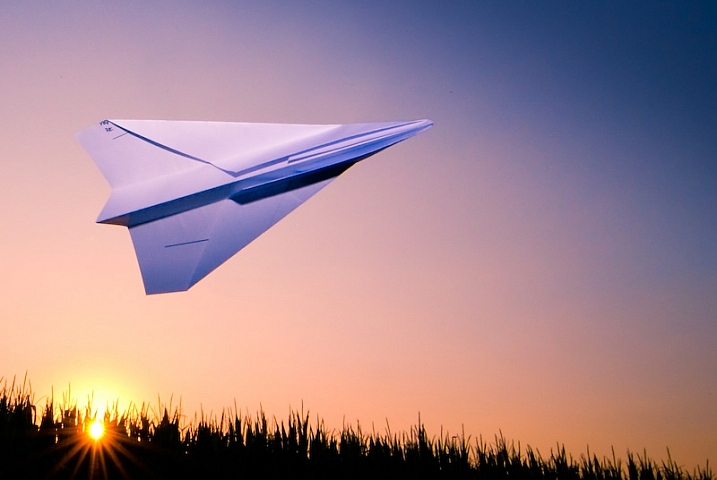
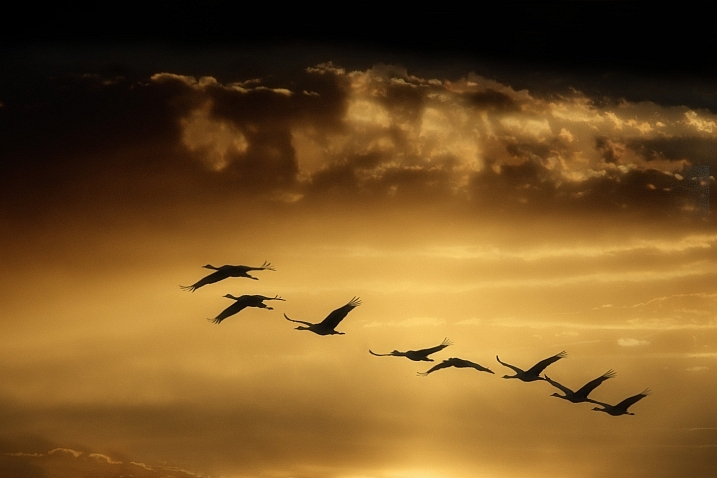
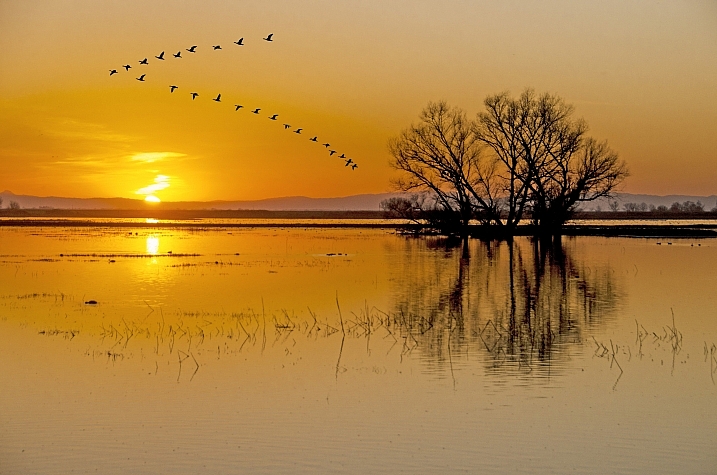
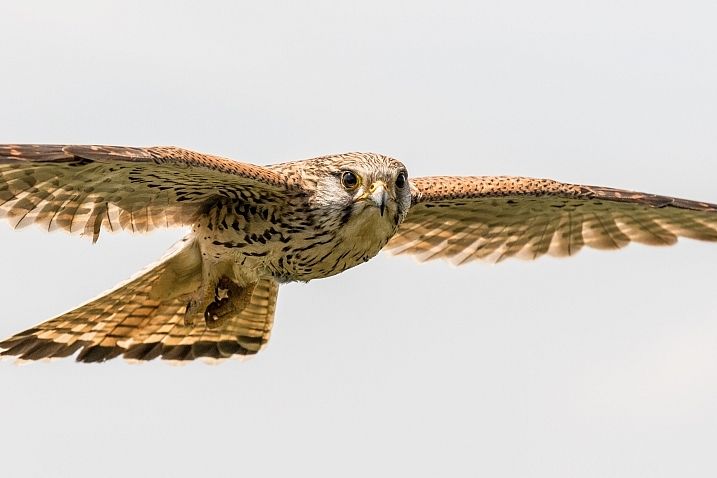
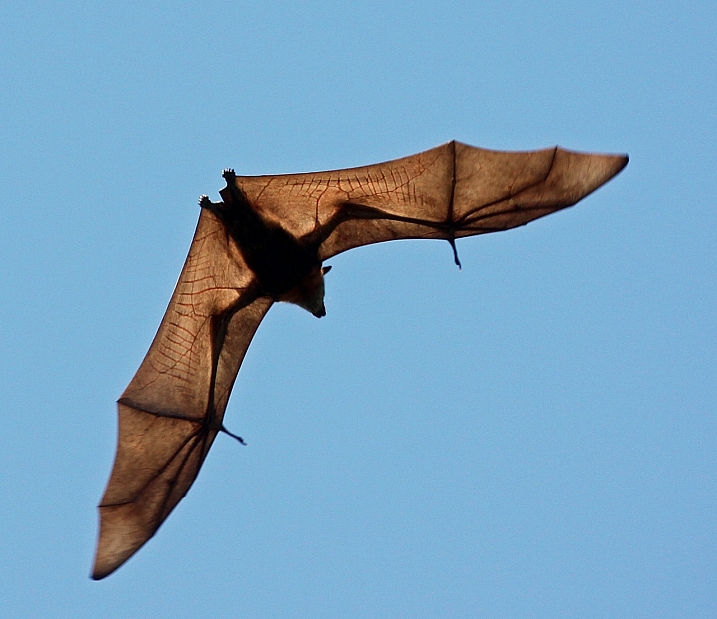
There are many things that take to the air in flight. Humans need a device like a plane or glider, whereas other creatures take off on their own steam.

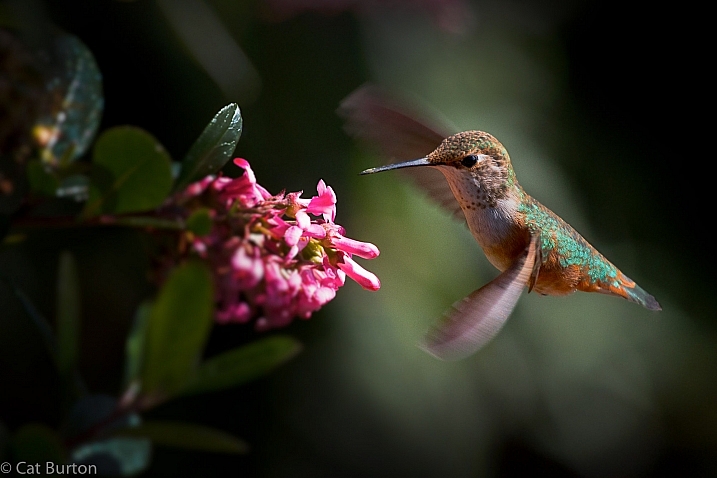
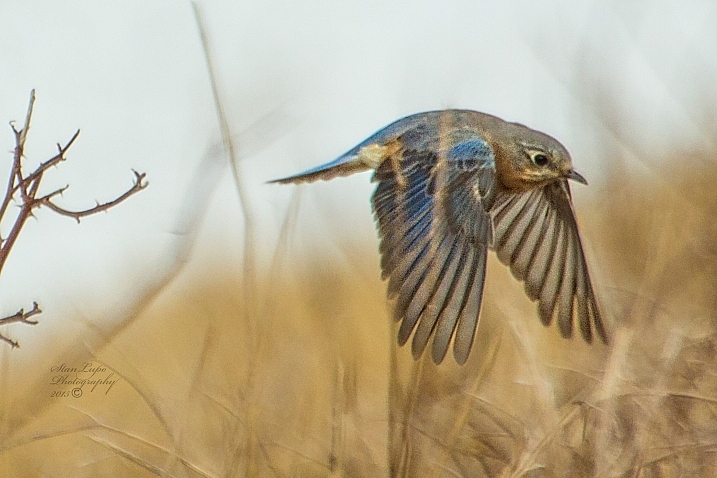
Flying things can be hard to photograph. Photographers have to make choices to freeze their motion or create a blur. Let’s see how these 20 photographers decided to photograph these flying objects.

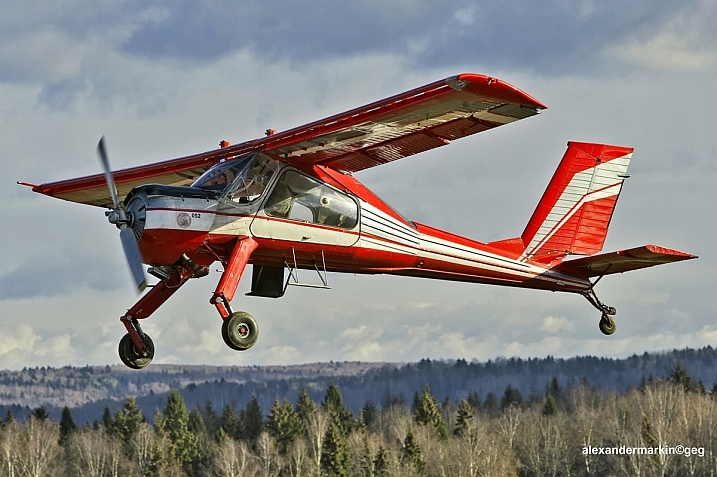
Aleksander Markin. ????????? ??????

By Aleksander Markin. ????????? ??????

Jim McCulloch

By Jim McCulloch

Gianluca Micheletti

By Gianluca Micheletti

Steve Corey

By Steve Corey

Victoria Nevland

By Victoria Nevland

Howard Ignatius

By Howard Ignatius

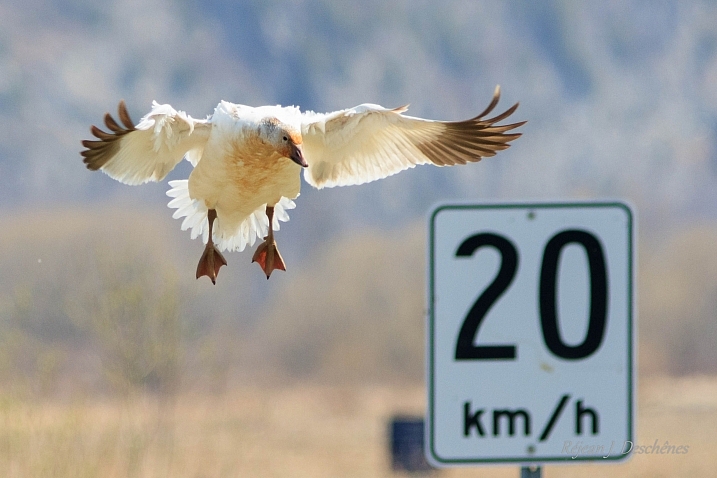
RejeanJ Deschenes

By RejeanJ Deschenes

Steve Corey

By Steve Corey

Aleksander Markin. ????????? ??????

By Aleksander Markin. ????????? ??????

Darlene Hildebrandt

By Darlene Hildebrandt

Cat Burton

By Cat Burton

Stan Lupo

By Stan Lupo

Andy Morffew

By Andy Morffew

Jblaha

By jblaha

Michael Jefferies

By Michael Jefferies

Nicolas Raymond

By Nicolas Raymond

Farrukh

By Farrukh

Pat Gaines

By Pat Gaines

ERIC SALARD

By ERIC SALARD

Darkday

By darkday

googletag.cmd.push(function() {
tablet_slots.push( googletag.defineSlot( “/1005424/_dPSv4_tab-all-article-bottom_(300×250)”, [300, 250], “pb-ad-78623” ).addService( googletag.pubads() ) ); } );

googletag.cmd.push(function() {
mobile_slots.push( googletag.defineSlot( “/1005424/_dPSv4_mob-all-article-bottom_(300×250)”, [300, 250], “pb-ad-78158” ).addService( googletag.pubads() ) ); } );

The post 20 Airborne Images of Objects in Flight by Darlene Hildebrandt appeared first on Digital Photography School.


Digital Photography School

 
Comments Off on 20 Airborne Images of Objects in Flight

Posted in Photography


Weekly Photography Challenge – Flight

14 Dec

Things that fly or defy gravity have always fascinated humans. These 20 images of airborne objects capture flight perfectly.

Susanne Nilsson

By Susanne Nilsson

Weekly Photography Challenge – Flight

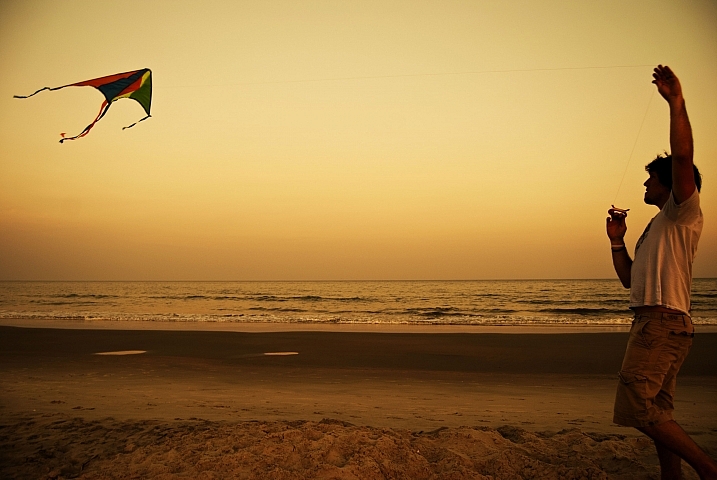
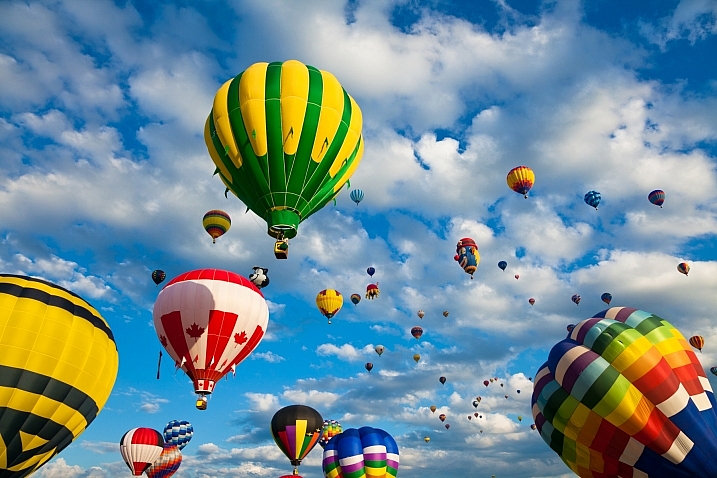
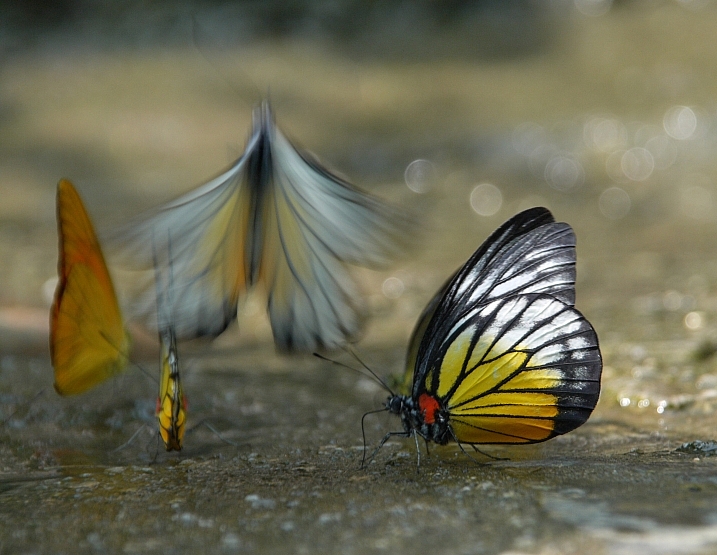
What sorts of subjects can you think of that take flight, or glide through the air? How about these:

  • Birds
  • Planes
  • Kites
  • Gliders
  • Flying squirrels
  • Paper airplanes
  • Bugs, butterflies, dragonflies, etc.
  • Balloons
  • Hot air balloons
  • Ski jumpers?
  • Skate boarders?

Can you think of any others?

Simon Plestenjak

By Simon Plestenjak

William Warby

By William Warby

Chris Harrelson

By Chris Harrelson

Heather

By Heather

Share your images below:

Simply upload your shot into the comment field (look for the little camera icon in the Disqus comments section) and they’ll get embedded for us all to see or if you’d prefer, upload them to your favorite photo-sharing site and leave the link to them. Show me your best images in this week’s challenge. Sometimes it takes a while for an image to appear so be patient and try not to post the same image twice.

Share in the dPS Facebook Group

You can also share your images on the dPS Facebook group as the challenge is posted there each week as well.

googletag.cmd.push(function() {
tablet_slots.push( googletag.defineSlot( “/1005424/_dPSv4_tab-all-article-bottom_(300×250)”, [300, 250], “pb-ad-78623” ).addService( googletag.pubads() ) ); } );

googletag.cmd.push(function() {
mobile_slots.push( googletag.defineSlot( “/1005424/_dPSv4_mob-all-article-bottom_(300×250)”, [300, 250], “pb-ad-78158” ).addService( googletag.pubads() ) ); } );

The post Weekly Photography Challenge – Flight by Darlene Hildebrandt appeared first on Digital Photography School.


Digital Photography School

 
Comments Off on Weekly Photography Challenge – Flight

Posted in Photography


Field Test: Birds in flight with the Nikon D500

18 Oct

Nikon’s D500 is a professional APS-C format DSLR, designed for shooting fast-moving subjects in tough conditions. For this week’s Field Test, we brought the D500 to a wildlife reserve in Montana, to meet with National Geographic photographer Ronan Donovan.

Over two days, DPReview Editor Barney Britton joined Ronan to shoot the various bird and animal species that make the reserve their home. Watch the video to see how the D500 performed. 


This is sponsored content, created with the support of Nikon. What does this mean?

Articles: Digital Photography Review (dpreview.com)

 
Comments Off on Field Test: Birds in flight with the Nikon D500

Posted in Uncategorized


NASA employs 150-year-old photography technique to measure shock waves from supersonic flight

28 Aug

NASA has turned to a process devised in 1864 to help it measure shockwaves created by supersonic aircraft flight. The method, schlieren photography, was invented by German scientist August Toepler to observe the effect of objects moving through transparent media, such as water or air. Read more

Articles: Digital Photography Review (dpreview.com)

 
Comments Off on NASA employs 150-year-old photography technique to measure shock waves from supersonic flight

Posted in Uncategorized


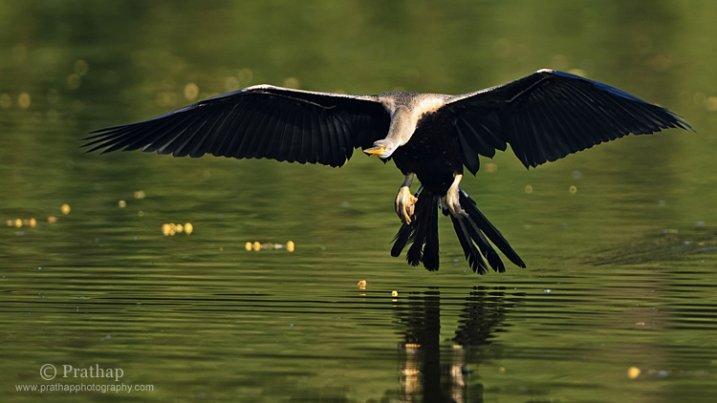
10 Surefire Tips for Photographing Birds in Flight

08 May

Recently an internal survey in my blog revealed that photographing birds in flight is the most sought after topic.
It didn’t come as a surprise though, because that’s the specialty of birds. They defy gravity and rise up into the sky. How wonderful it is!

Here I have listed 10 surefire tips that will help you to make better photographs of birds in flight. The more you practice, the better your photographs will turn out.

1. Learn Flight Behaviour of the Birds

Birds in Flight Photography

Birds normally have the predictable flight behaviour. It requires observation. The more you observe them more you understand about their behaviour.

Why is it important to learn bird flight behaviour?

Tracking the bird as it flies is the trickiest part of birds in flight photography. If you know the flight behaviour of the bird, then you will be able to predict the next move and wait for the right moment to get best photographs.

2. Point of View Matters the Most

Generally the difference between good and bad photographs is the point of view. Photographing a bird in flight right above your head gives a different impact than a bird flying across.

A photograph of a bird flying towards you will have a greater impact than a bird flying away from you.
Taking an eye-level shot of a flying bird would yield an intimate result.

Birds in Flight Photography

3. Start with Slow Flying Birds

It can often lead to frustrating results if you choose to photograph birds in flight without really having an understanding of proper techniques.

Proper hand-holding and focusing techniques doesn’t come easy. There is no substitute to hard work when it comes to practicing these techniques. Best way to master them is to start with slow flying birds like Egrets and Herons.

Great White Egret in Flight in Bharatpur Bird Sanctuary or Keoladeo National Park in Bharatpur, Rajastan

Great White Egret in flight in Bharatpur Bird Sanctuary or Keoladeo National Park in Bharatpur, Rajastan

Egrets and herons are in abundance and it is not tough to put all 10 tips into practice, just with these birds, and become a better photographer.

4. Use the Right Camera Settings

Make your life easy with these settings:

  • Aperture Priority mode
  • Matrix/Evaluative metering
  • Auto ISO settings up to whatever ISO settings you are comfortable with for your camera
  • Shutter Speed of at least 1/500th of a second or faster
  • AF-C focus mode for Nikon users and AI-Servo mode for Canon
  • Highest frames per second burst mode setting
  • 9-point or 21-point zone focus or 3-D tracking

If you are unable to get decent shutter speeds of 1/500th of a second or more while hand-holding the lens, then wait for the proper light. No point taking high noise or poorly exposed photographs.

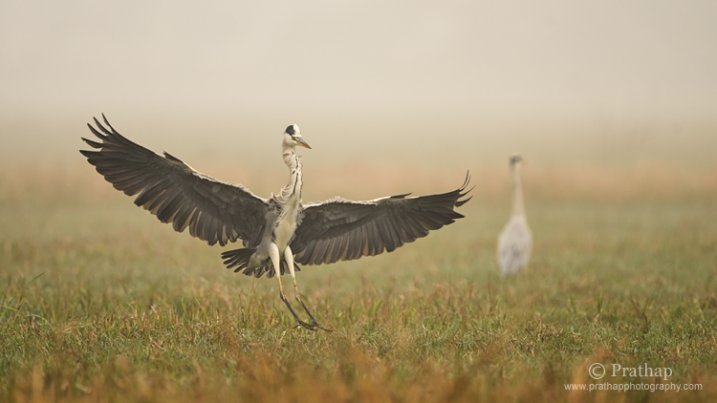
Grey Heron Landing on a Misty Morning in Bharatpur Bird Sanctuary in Bharatpur, Rajastan

Grey Heron landing on a misty morning in Bharatpur Bird Sanctuary in Bharatpur, Rajastan

If you are using a sturdy tripod and a gimbal type tripod head, then you would be able to make some creative shots like motion blur or panning shots with slower shutter speeds.

5. Choose the Proper Focus Points

Choosing the right number of focus points is critical to making successful flight photographs. Most cameras provide a selection of multiple focus points which is often referred to as zone focus.

I often select 9-point or 21-point zone focus out of 51-points. The idea is to use less, but enough auto focusing points, to make it easier for the auto focusing system and also for you to compose it in the field. If you do not have zone focusing then you might have to resort to using all focusing points. Also, with newer DSLRs, the 3-D tracking seems to have been improved considerably. You might want to try it too (consult your camera manual).

Birds in Flight Photography

6. Track Before You Photograph

Most often it is our tendency to start photographing the moment we see the bird taking off or flying away. That’s natural but wrong.

Photographing birds in flight takes patience. After waiting for a very long time you wouldn’t want to lose the opportunity. When you see a bird in flight, track the bird until the autofocusing system gets enough time to lock the focus. Once it is locked, you can fire off as many shots as you want without losing the focus.

Tip number 1 and 7 coupled with this tip will help you to make successful flight photographs.

Birds in Flight Photography

7. Wait till You Get the Best or Contrasting Background

Okay, assume that you are tracking the bird to get the focus to lock, but your lens is hunting for focus. If you understand how focusing systems work, then you will have better control over your photographs. Remember that the focusing system needs good enough contrast between the subject and the background. It is generally very easy for the autofocusing system to lock the focus when the bird is flying against a clean background like a blue sky.

With practice, you will discover the capabilities of your camera’s autofocusing system which will in turn enable you to make better flight photographs.

Birds in Flight Photography

8. Take-off and Landing Shots

Most birds often defecate before they take-off to lighten their load. This is a very important clue to get fantastic take-off shots. Of course, it also depends on your position and the light direction to get the most of the situation.

Wind direction plays a major role in getting better take-off and landing shots since birds often fly into the wind while taking off and landing. It is wise to stand with your back facing the wind, very similar to the way you would face your back to the sun.

Purple Heron Landing in Bharatpur Bird Sanctuary or Keoladeo Nationa Park in Rajastan

Purple Heron landing in Bharatpur Bird Sanctuary or Keoladeo Nationa Park in Rajastan

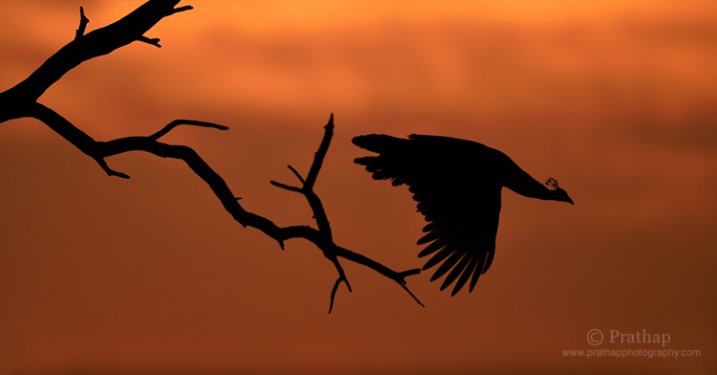
9. Get Creative with Silhouettes

Photographing silhouettes of birds in flight is much easier than you might imagine.

The brighter sky, to which you would expose, gives you a good enough shutter speed and also provides very good contrast for autofocus system to lock the focus.

What is more important in the silhouette shot is the definitive shape of the bird. Because the bird is going to be dark or featureless, you have to get the shape of the bird properly. If the shape is not defined then you won’t be able to make it work, no matter how beautiful the sky is.

Birds in Flight Photography

10. Pay Attention to the Composition

It is probably not as tough as you may think to get the decent composition in the field for birds in flight photographs. You just have to follow the Rule of Thirds guidelines so that you have enough breathing space, or room for the bird to fly in its direction.

It makes sense to use Rule of Thirds because you would want to keep the bird in the left of the frame if it is flying towards your right so that you do not clip its wings and vice versa.

Perfect Reflection of a Seagull Taking off during  Sunset in a Lake in Grayslake, IL, US. I love the reflection in this slightly frozen lake and the white plumage of the Seagull contrasting against the dark background.

Perfect reflection of a seagull taking off during sunset in a lake in Grayslake, IL, US. I love the reflection in this slightly frozen lake and the white plumage of the seagull contrasting against the dark background.

If the bird is taking off from ground level then you would want to keep the bird in the lower third position of the frame so that it takes off upwards. Keep the bird in the upper third position if it takes off downwards.

Conclusion

If you practice these 10 tips while photographing birds in flight, you will make better photographs for sure. It takes time to practice and make them your second nature, but it is worth a try.

If you like my photographs of birds in flight, they are the result of my 7+ years of photography. Very important thing to remember is, no photographer gets fantastic photographs every time he/she presses the shutter. There will be hundreds, or even thousands, of hopeless photographs before getting one photograph that is worth sharing.

You have got to have patience!

googletag.cmd.push(function() {
tablet_slots.push( googletag.defineSlot( “/1005424/_dPSv4_tab-all-article-bottom_(300×250)”, [300, 250], “pb-ad-78623” ).addService( googletag.pubads() ) ); } );

googletag.cmd.push(function() {
mobile_slots.push( googletag.defineSlot( “/1005424/_dPSv4_mob-all-article-bottom_(300×250)”, [300, 250], “pb-ad-78158” ).addService( googletag.pubads() ) ); } );

The post 10 Surefire Tips for Photographing Birds in Flight by Prathap DK appeared first on Digital Photography School.


Digital Photography School

 
Comments Off on 10 Surefire Tips for Photographing Birds in Flight

Posted in Photography


Real-world test: Nikon D750 at the Museum of Flight

03 Dec

The D750 is Nikon’s enthusiast-oriented full-frame DSLR, featuring a 24MP sensor and a raft of high-end features borrowed from the D810 and D4S. These include a tweaked version of their highly capable 51-point AF system and a very solid HD video specification. We’re working on a full review of the D750 right now, and as part of that process we made a short video, highlighting some of the camera’s key features in real-world use. Click through to watch.

Articles: Digital Photography Review (dpreview.com)

 
Comments Off on Real-world test: Nikon D750 at the Museum of Flight

Posted in Uncategorized


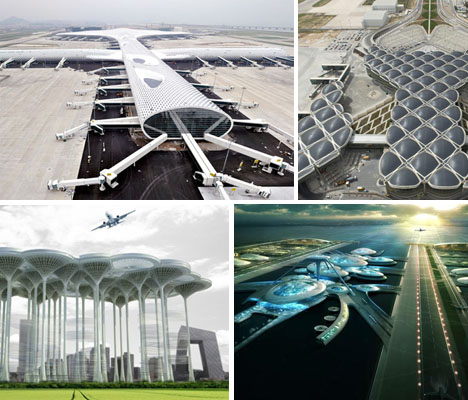
The Future Takes Flight: 13 Forward-Thinking Airport Ideas

10 Jun

[ By Steph in Architecture & Public & Institutional. ]

Futuristic Airports Main

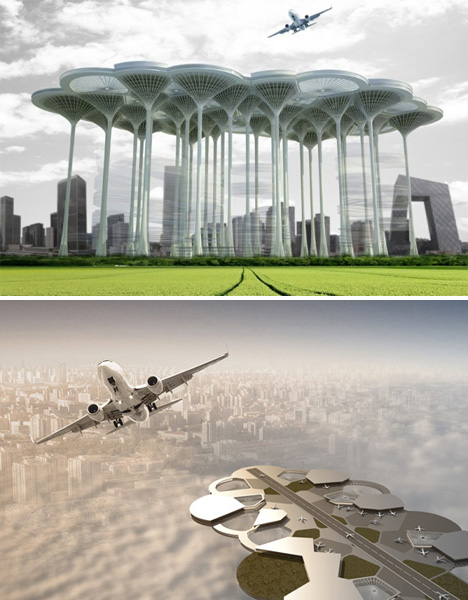
With their inefficient terminals and bloated footprints, today’s airports are typically ill-equipped to adapt to sharp increases in demand, scarce land availability or new flight technologies. These 13 futuristic airport designs address current and upcoming air travel challenges, from beautiful expansions currently under construction to fantastical concepts that accommodate vertical lift-off.

Airport Skyscraper

Future Airports Skyscraper

Beijing is in dire need of new airports, but also doesn’t have a lot of acreage to spare. This concept for the 2012 eVolo Skyscraper Competition solves both problems with ‘airport skyscrapers’ shaped like giant mushrooms. Not only does this free up the space below, it also effectively reduces the length of the runways since wind speed is higher 450 meters in the air than it is at sea level.

Floating Airport for London with Underwater Tunnels

Future Airports Floating London 1

Using the surface of rivers and the sea also frees up precious land, as illustrated in this futuristic airport design by architecture firm Gensler. Envisioned for the Thames River, the London Britannia consists of a series of rounded pods connected to four floating runways anchored to the sea floor. Underground tunnels would connect passengers to the city and to European rail networks.

Shenzen Airport Mimics a Manta Ray

Future Airports Shenzen 1

Future Airports Shenzen 2

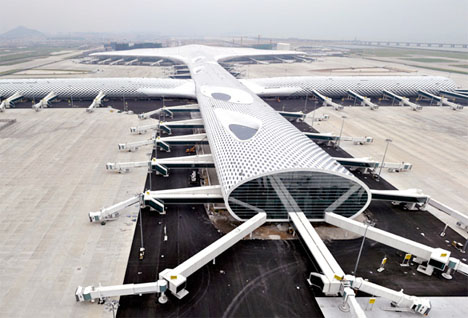
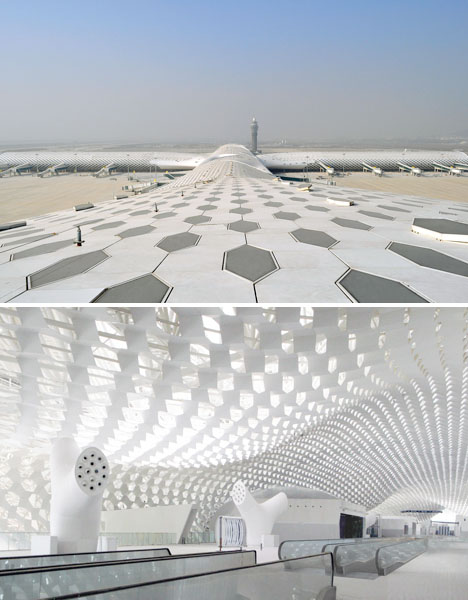
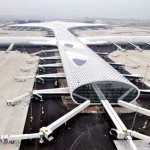
Taking inspiration from both the natural form of a manta ray and the more obvious shape of an airplane, the Shenzen airport extension in China is covered in thousands of hexagonal skylights across a steel and glass canopy, creating a honeycomb pattern within the undulating all-white interior.

Malpensa Airport Proposal

Future Airport Malpensa

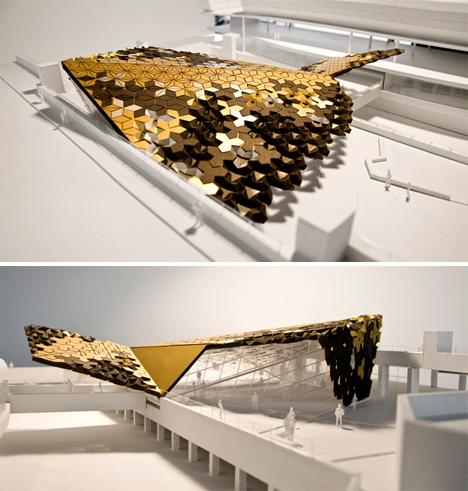
A modular geometric roof consisting of brushed metal in three golden shades makes a big impact on the Malpensa Airport, creating a covered area that serves as an exhibition space and pedestrian walkway between the Expess Train Station and Terminal 1 of the Milan Airport.

Next Page – Click Below to Read More:
The Future Takes Flight 13 Forward Thinking Airport Ideas

Share on Facebook


[ By Steph in Architecture & Public & Institutional. ]

[ WebUrbanist | Archives | Galleries | Privacy | TOS ]


WebUrbanist

 
Comments Off on The Future Takes Flight: 13 Forward-Thinking Airport Ideas

Posted in Creativity


Tips for Photographing Birds in Flight

20 May

This article introduces some key concepts to photographing birds in flight. One of the most necessary ingredients is patience; you may often photograph an entire day and not get one usable image. In most cases there is some luck involved to being in the right place at the right time. Hopefully this article will provide some information to help you improve your luck.

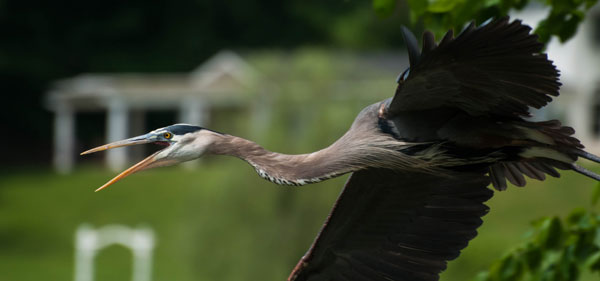
heron3

Choosing a Location

Let’s begin with choosing the best location for your birds in flight shoot. Near rivers or lakes are great locations, because of the abundant food sources for the birds. Find a position on a hill that will put you at eye level with the birds.  Check out the position of the sun, because you should not be shooting into it. Light coming from behind you or from the left or the right of your position is preferred. Also, birds will generally take off and land into the wind, so knowing the wind direction of your location will help you predict the flight direction of the birds you are photographing.

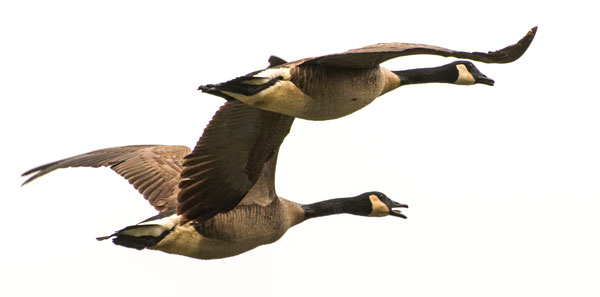
canadians

Lighting

Good lighting plays an important part in successful birds in flight photography. As in any other kind of outdoor photography, the golden light of morning and evening are best; however, because you are shooting at birds in the sky, these times can be extended and still have nice lighting on your subject.

Make Yourself Invisible

Some birds will not venture near a human presence, so you need to make yourself the least visible as possible.  In some cases it might be as simple as not wearing brightly colored clothing, but avid bird photographers may also want to set up some kind of blind. These can be purchased inexpensively from most hunting stores. Also, sitting will make you less noticeable to the birds than if you are standing.

Study Your Subject

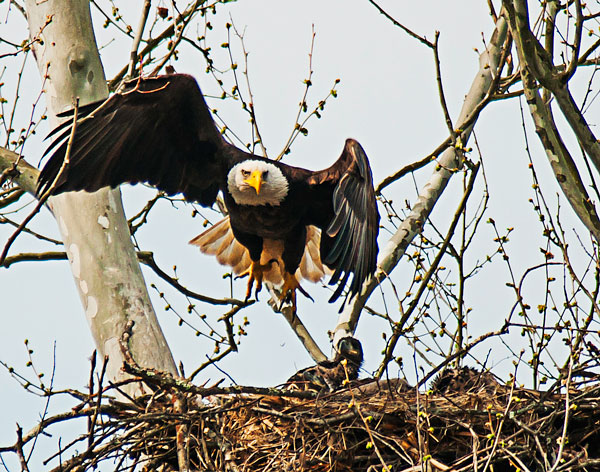
Study the birds you enjoy photographing to learn their habits. This can help you predict their movements. For instance, many birds, especially the larger species like herons or eagles, will relieve themselves just before they fly. Knowing this can help you be ready to shoot when they take off.

fall-heron

Lens

Choosing your lens can be a challenge so be advised that you should use the fastest and largest mm lens you can afford. For your best chance at a great shot, you would want at least a 300mm lens, but a 500mm to 600mm prime lens is preferable. Unfortunately, these lenses don’t come cheap.

Tripods

A great tripod head for birds in flight, especially if you are using a large lens, is the Gimbal head. It balances your camera and lens and requires very little force to pan left and right, and up and down. A less expensive option is a Pan head, which also allows for movement in all directions on two different axes. The more common Ball head can be used with effect for birds in flight photography, but is not a very stable solution for very large lenses.

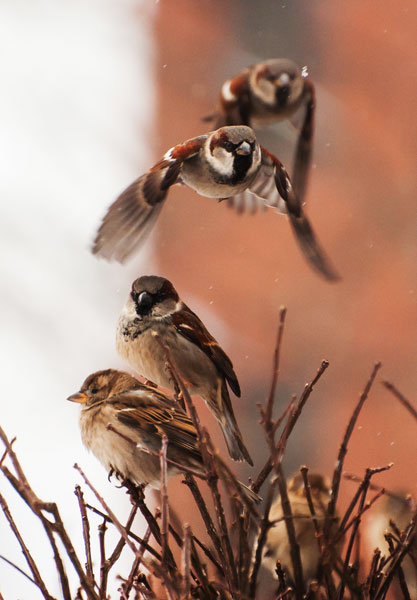
sparrows

Exposure

When you consider setting up your camera to shoot birds in flight, keep in mind how  the “exposure triangle” of shutter speed, aperture, and ISO each play an important part in the getting the perfect exposure.

  • Shutter speed – You need the shutter speed to be fast enough to “freeze” the bird’s wings in your photo. While small birds’ wings may flap approximately 40 beats per second, larger birds like herons and eagles flap around 2 beats per second. Many species of duck are fairly fast flappers at around 5 to 10 beats per second. So the question remains, how fast should you set your shutter speed to freeze the wing motion? Go for at least 1/1000th of a second to 1/2000th of a second. Even faster is better, if possible!
  • Aperture – In order to gain as much depth of field as possible, you want to use the smallest aperture possible. Select your F-Stop (the aperture number) based on your lens’s sweet spot (where your lens focuses most clearly), probably around f/8.
  • ISO – You want to keep your ISO setting as low as possible to avoid digital noise (graininess) in your photos, although most of the latest models of digital SLR cameras these days do a decent job with higher ISO allowing very little noise.

heron2

So how do you bring all three elements of your exposure triangle together to find the best exposure? You may consider simply using your camera’s Shutter Priority Mode feature in which you set the shutter speed and the camera sets the aperture (and ISO on some models) but try this alternative method.

  1. Set your camera on Aperture Priority
  2. Set your aperture to f/8 (the sweet spot) to capture the sharpest image for your lens
  3. Next, using your camera’s light meter, check the exposures in the space you hope to photograph your birds in flight. You will probably find that you have some areas that are darker than others.
  4. Using the exposure you get in the darkest area, adjust your ISO to bring your shutter speed up to at least 1/1000. It follows that when your bird flies by and you are panning your camera into a lighter area, your shutter speed will increase to above 1/1000, and when your subject is in the darker area your exposure will still be appropriate.

Now, one final step to tweak your exposure. Have you ever noticed how when photographing birds in flight your image will seem dark and missing detail, especially to those dark feathers? To bring out more detail in those dark areas, change your EV (exposure compensation) setting to +0.3 to add a little more light. Depending on the lighting, you may need to add more. On the other hand, what if you are photographing a white bird, perhaps a swan? The white bird’s image will tend to get “blown out”, also missing  detail, so adjust your EV value to -1.0 to -2.0 to pick up the detail in those white feathered birds. (If you are thinking your background will be underexposed, well, yes, it will be, but you are photographing the swan, not the background.)

Focusing

To keep your flying bird in focus, set your camera’s focusing mode to continuous focus. In this mode, as long as you have the shutter button depressed halfway and are focused on the bird, the camera will continuously focus with the movement of the bird. Canon calls this function “Al Servo”, while Nikon calls it “Continuous Servo” or AF-C. Also both Nikon and Cannon will allow expanding your focal points to look at adjacent points for movement to help you keep the moving subject in focus. Nikon also offers two additional options of Auto Focus – Area Modes that might work for birds in flight. Its 51-point Dynamic Area Auto Focus and 3D Tracking Mode will both search at all 51 focal points looking for the movement of your subject, though these methods may be a little too slow in focusing.

eagle-nest

Composition

Composition can sometimes be the most difficult aspect of photographing birds in flight. Not only are you occupied with keeping your bird in sharp focus, you are also trying to make a pleasing composition. All the rules of composition applying to any photo remain valid here. You always want to have more space in front of the bird than behind; a good rule is to have a least two to three times the space in front of the bird. One practice that helps maintain this space is to place your focus point in the center and try to keep it on the bird’s eye. This method works really well on large beaked birds like the heron. While most birds in flight images are just one bird, look for those occasions where you may capture two or three birds for a great image.

gull

Technique

As the bird is flying toward you, quickly get your focus lock. When the subject is close and in the position you like, fire away and keep panning even after you have stopped shooting. This follow-through motion will keep your last image in focus better than an abrupt stop. While panning as the bird flies by, you want to match your panning speed to that of the bird, and depending on your shutter speed, this will help keep the bird in focus while the background may be blurred.

It’s a wildlife photography principle that you want to keep the bird’s eye in focus and sharp. If you are handholding your camera, try to keep your left hand under the barrel of your lens and your elbows close to your body, as this will help you maneuver the camera as steadily as possible. If you are standing, keep your legs spread out to give you a good sturdy base. If you are planning to hold your location and position for a time, using a tripod is recommended to help keep you steady, especially if you are using a very heavy lens.

duck

So stay alert, and look for opportunities to capture great birds in flight images. It will take lots of practice to get that perfect image, but when you do you will be hooked.

Have you tried bird photography before? Want more bird tips, try these:

  • 10 Incredible Bird Photography Tips for Beginners
  • A Turn of the Head – Creating More Compelling Bird Portraits
  • An Introduction to Bird photography


The post Tips for Photographing Birds in Flight by Bruce Wunderlich appeared first on Digital Photography School.


Digital Photography School

 
Comments Off on Tips for Photographing Birds in Flight

Posted in Photography