RSS
 

Posts Tagged ‘film’

How to Improve Your Photography by Shooting Behind the Scenes of a Short Film Shoot

15 Nov

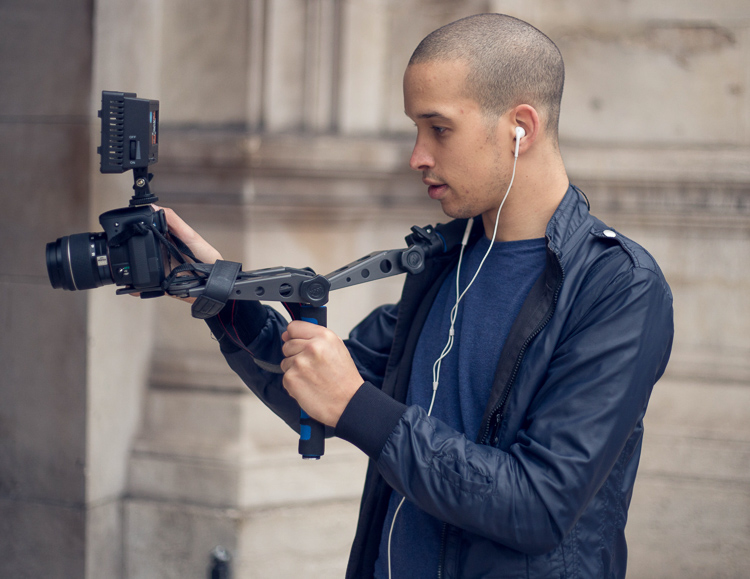
For any creative photographer, shooting behind the scenes of a short film sounds like a boring idea. That’s what I thought until my friend called me to shoot for one of his school projects (he is in a film school and had to shoot three sequences). I wasn’t going to refuse so I showed up that day and little did I know, I ended up learning so many things and got to meet a lot of people. The best part is that I took some of the best images since I first picked up my camera.
Article bts short film

Here are some reasons why you should consider shooting behind the scenes images and how it can benefit your photography:

#1 – It’s an opportunity for a photoshoot

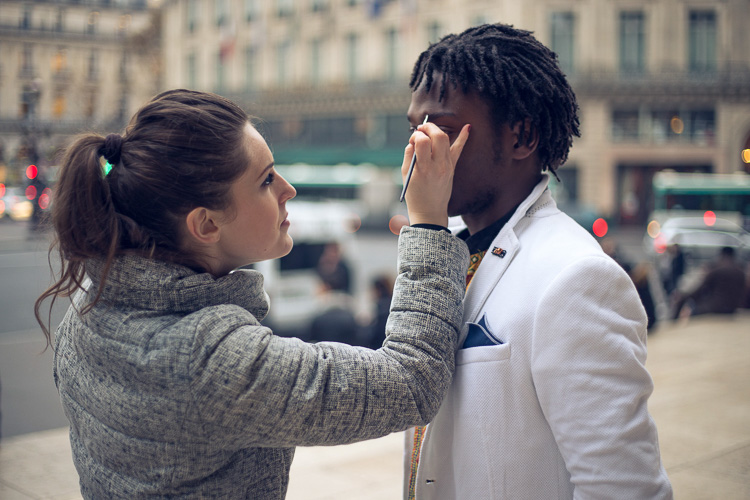
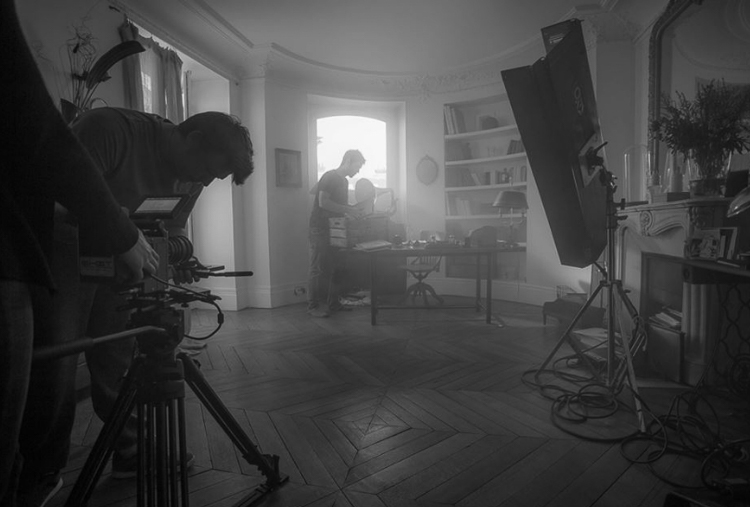
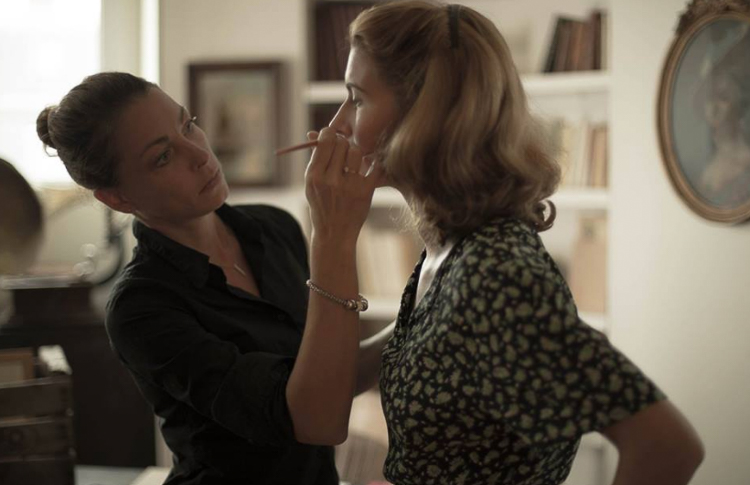
During a shoot for a short film, most of the actors are used to modeling and aren’t afraid of a camera. There is a director of photography who works on the lighting, and there is a make-up artist (of course there are more people on set who take care of the sound, costumes, assistant, etc.). A short film is basically a photo shoot but instead of taking images, people act and they are being filmed.

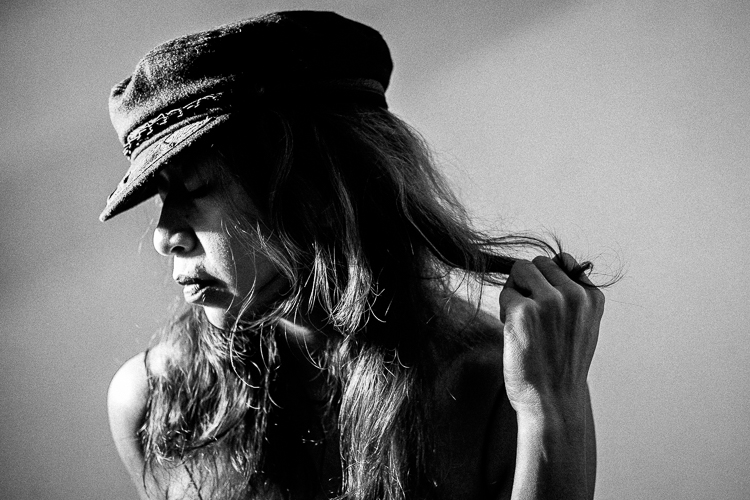
Actors have their costumes, they have had their hair and make-up done, and the director of photography just did the entire lighting for you. You have to see it as an advantage because they spend weeks planning and you’re just here to take beautiful photos with perfect conditions. I took my most beautiful images during short films and I would not have had been able to reproduce the scenes, costumes, and ambience on my own.
Article bts short film1

Article bts short film9

Even if you don’t really like the theme or would rather plan a photoshoot on your own, trying other people’s ideas can also put you out of your comfort zone and help you progress.

#2 – You’re surrounded with creatives

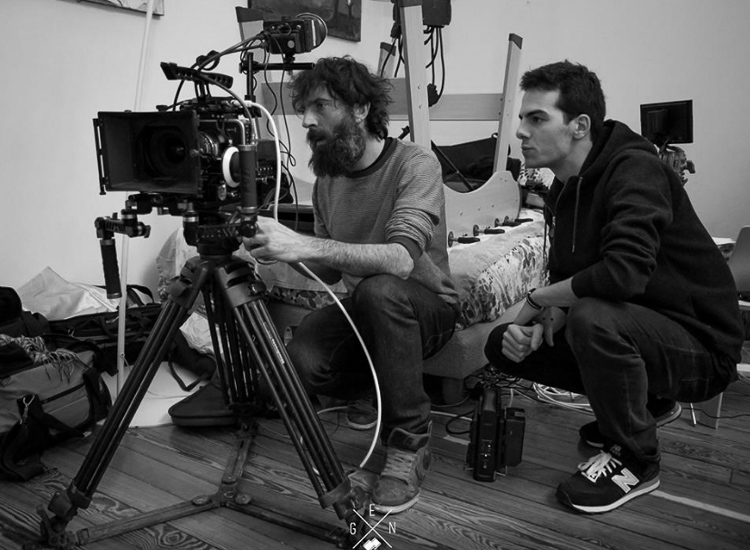
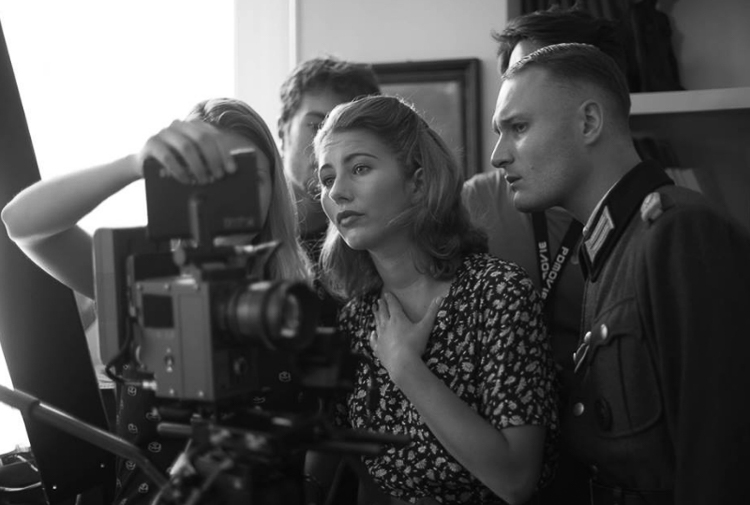
Working with other creatives has helped me so much. The best thing is the shared interest and not wanting to disappoint. Working with people who want to create gives you an extra boost and it pushes you to do your best. Most people on a film crew need these images. Looking at all the work they put into creating their projects, whether it’s for auditions to find the perfect actors, negotiating to borrow super expensive filming equipment, let’s not forget the make-up artists who stay on set all day, and all the detailed planning of the sequences. You can’t really disappoint with average images, so you automatically try to get stunner shots.
Article bts short film12

article-bts-short-film6

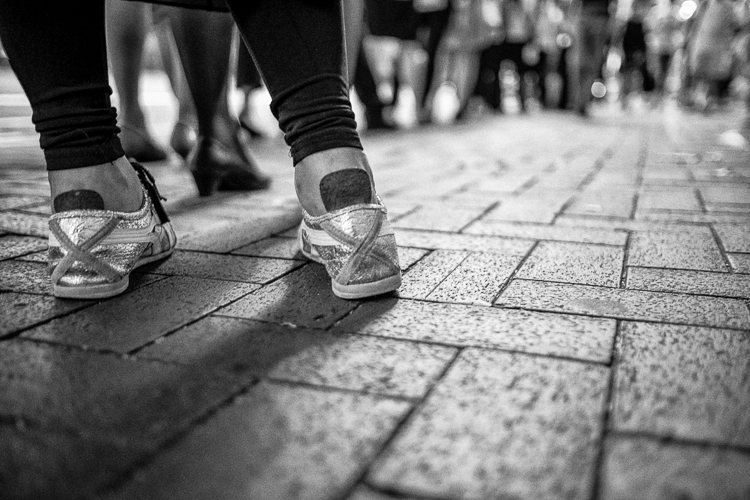
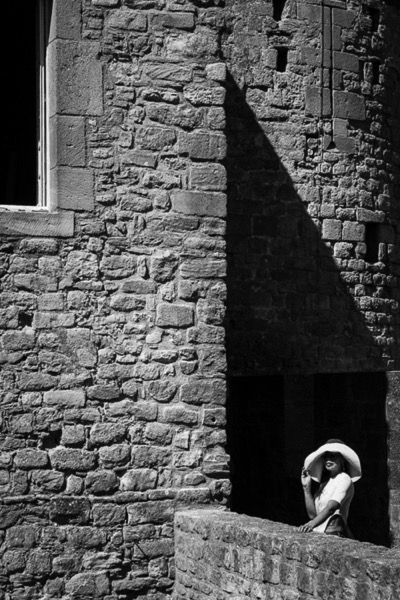
It’s quite difficult because you can only take images after the scenes when the actors are briefed by the film director. So they’re not actually posing for you, you just have to walk around without attracting any attention to get some nice images. Do not take any images when the video camera is rolling. The sound of your shutter can throw a whole scene away, and trust me you do not want to be in that situation. Just patiently wait for the director to say cut and then you can start taking your images.
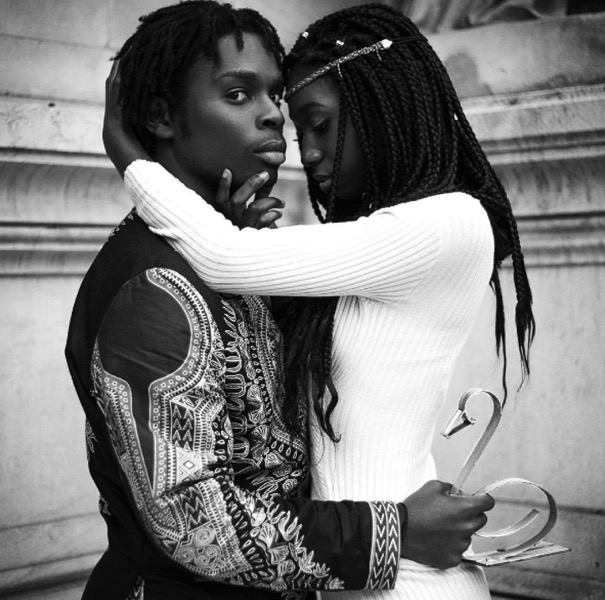
Article bts short film13

When an actor is not included in a scene, you can kindly ask them to pose for you. Most of them need portraits for their website or their portfolios so they will most likely say yes. If they say no, just tell them that if they change their minds, you’re always fine with taking portraits.
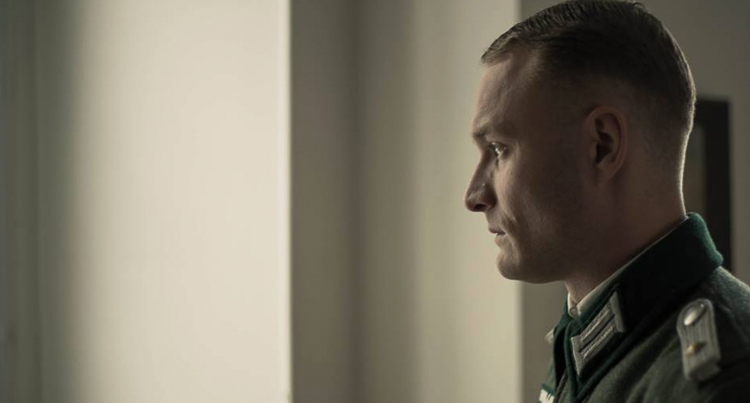
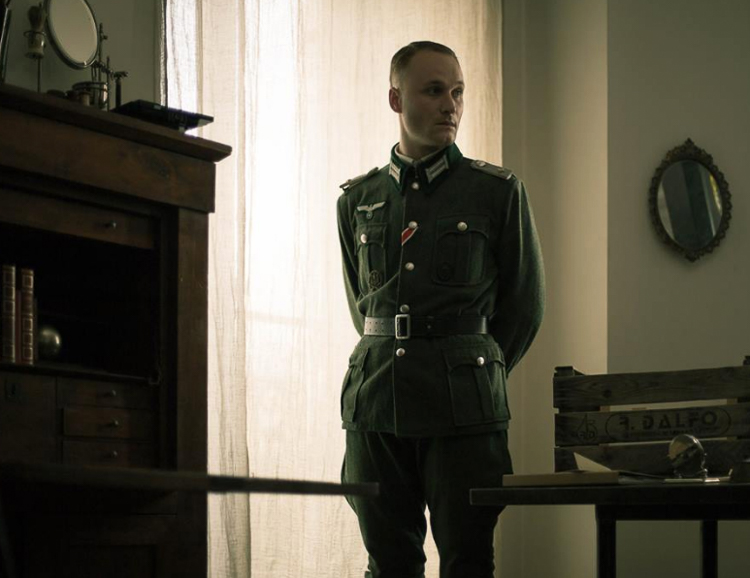
Article bts short film3

Article bts short film5

#3 – You may get to work with these people on future projects

A whole day of filming can take up to eight hours or more. You’re going to meet a lot of people (depending on the size of the crew) and you will have a lot of time to get to know everyone. I would highly recommend socializing during the breaks over a cup of coffee and getting to know everyone. Most of them have the same passion as you, whether it’s the assistant or the sound team, you can speak about previous or future projects, have tech discussions about camera gear, you name it.

The actors are the most talkative, especially when they have a few hours without any scenes. Tell them about your photography. If you like their profile ask them if they would like to have a photoshoot with you in the coming weeks. The make-up artists are also great contacts to have, take their business card and contact them for your next photo shoot if you need someone for make-up and hair.
Article bts short film8

One make-up artist I met had a little girl who wanted to start modeling. We met a couple weeks later and I photographed her daughter. I ended up having a solid image that went directly into my portfolio.

Get your images ready to show them quickly

One tip I can give is to work on the images as soon as possible. Once these people see your images they will start spreading the word to other people in their school or entourage, share your images on social media, etc. (that is of course if you had good results). You will probably end up being Facebook friends with most of the crew and you can keep in contact that way.
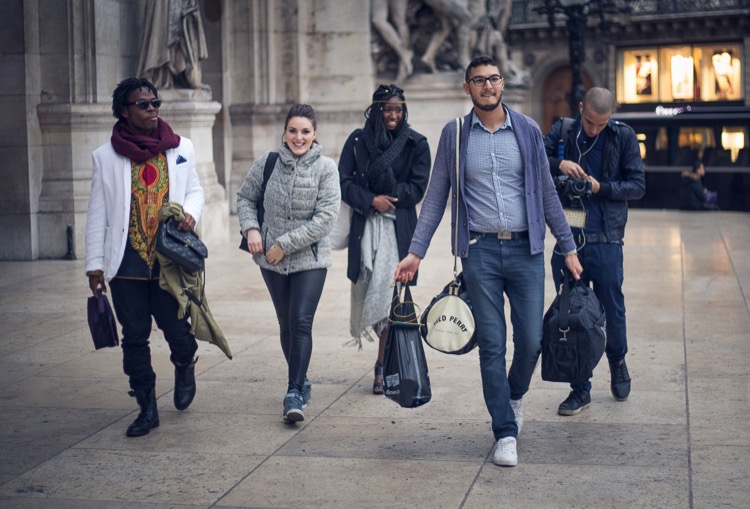
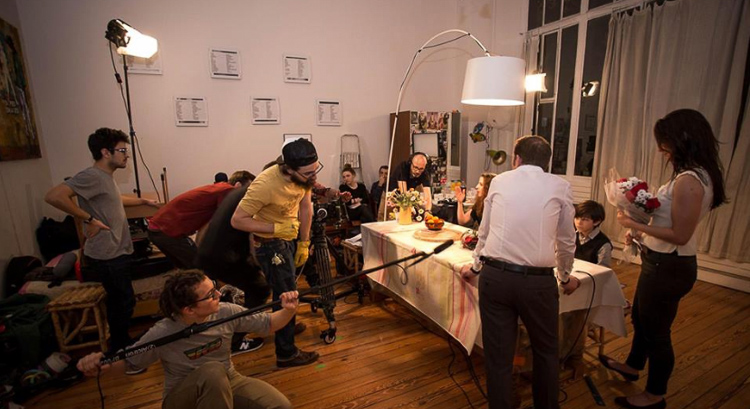
Article bts short film2

Article bts short film11

Most of them will post on Facebook or directly contact you if they need a photographer. Once you do a good job, they will most likely call you back. Their friends will start calling you then you will meet other actors and make-up artists, and increase your contacts even more.

#4 – You will learn a lot of technical things

Most film crews use a lot of advanced equipment. By watching them set up everything, you will learn a lot about cameras, the choice of lenses, framing, lighting, sound, communication with actors, team work, tracking shots, and organization. Even if you’re passive in this process, open your eyes and try to absorb as much information as you can.
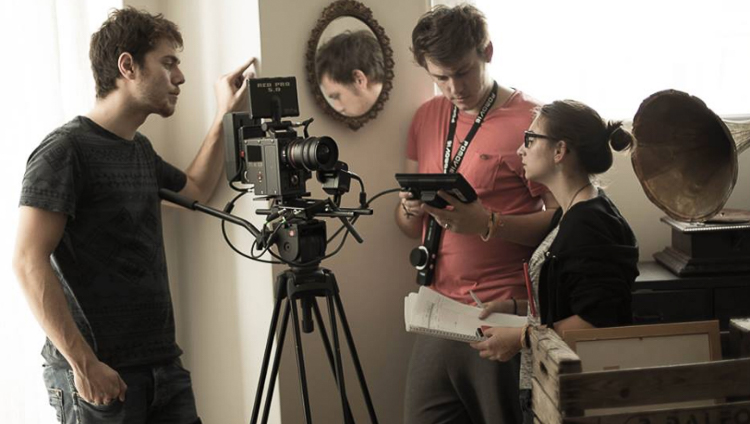
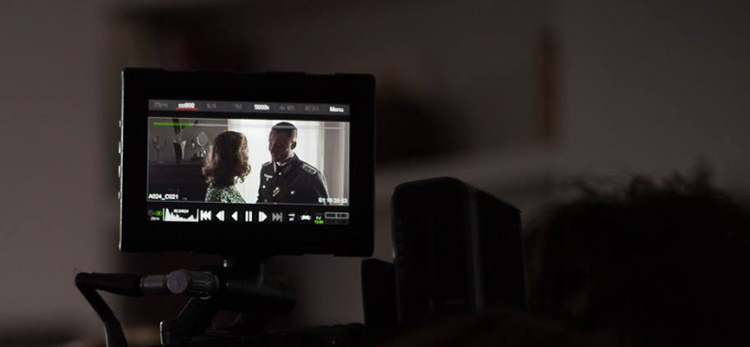
Article bts short film7

Article bts short film4

Most directors of photography will use different lighting techniques with some hair light, key light, harsh light, soft light, back-light with different modifiers. Pay attention to their work and try to replicate what you see later at home, you can also take images of the light set up to know exactly how each light is placed on set.

Conclusion

Those are just a few ways you can benefit from shooting behind the scenes on a film set. If you’ve had the experience of doing this, please share your thoughts and images in the comments below.

googletag.cmd.push(function() {
tablet_slots.push( googletag.defineSlot( “/1005424/_dPSv4_tab-all-article-bottom_(300×250)”, [300, 250], “pb-ad-78623” ).addService( googletag.pubads() ) ); } );

googletag.cmd.push(function() {
mobile_slots.push( googletag.defineSlot( “/1005424/_dPSv4_mob-all-article-bottom_(300×250)”, [300, 250], “pb-ad-78158” ).addService( googletag.pubads() ) ); } );

The post How to Improve Your Photography by Shooting Behind the Scenes of a Short Film Shoot by Yacine Bessekhouad appeared first on Digital Photography School.
Digital Photography School

 
Comments Off on How to Improve Your Photography by Shooting Behind the Scenes of a Short Film Shoot

Posted in Photography


5 Steps to Achieve the Look of Black and White Film Using Lightroom

10 Nov

As a hobbyist, amateur, or professional photographer, you may be interested in achieving the look and feel of black and white film without the hassle and investment in equipment and gear. You can edit a digital image using Lightroom with this goal without having your hands smell like rotten eggs (developing chemicals). If you shoot black and white film often, as I do, then you might actually love that smell. If not, then you might want to read on.

Look feel black white film Lightroom01

The feel of black and white film – research first

The objective here is to provide you with a few basic steps to get you started on the path to edit your digital images to look like they were shot on black and white film, without the mess. If you are not familiar with the qualities of film images or have not examined them closely, it would be a good idea to do so. Try to pick up and look closely at some actual prints on photographic paper. You might find these in your grandmother’s attic or your local museum. Photography books or online searches will yield many reprinted or scanned examples as well.

First, consider the subject of style as it relates to film photography. Film photographs generally have a certain nostalgic or vintage look and quality to them that distinguish them from the clarity and realistic look of a well-composed digital image. Film tends to render subjects and scenes in a more abstract manner. Although you can make tack sharp and very realistic looking images using today’s film and gear, that’s not really the role of film photography.

Look feel black white film Lightroom02

If you want clean, shoot digital. Film should look old, slightly out of focus, and definitely grainy. All film has some or a lot of grain and it is basically the equivalent of digital noise. While you may prefer some of your images to look super sharp and smooth, you may also find it pleasing to add a little (or a lot) of grain from time to time.

Film adds an air of mystery

You might want to experiment with this more abstract style or look of film that comes with a distinctive aesthetic. One advantage of presenting this style of image is that the viewer is given the task of filling in the blanks, so to speak. Subjects in your image that are not entirely in focus or even blurry can be representative of anything or anyone. Your image can be more open to interpretation by the viewer as compared to an image that was sharply composed with a subject that is obvious. In other words, you might want to leave some room for mystery in your images. Film photography, or working towards the look and feel of film, can do that for your images.

Look feel black white film Lightroom03

Like digital, film is really just another medium in which we can express ourselves as artists and photographers. I love many things about both film and digital and each has a place in my professional and personal photography life.

5 steps to getting the look and feel of film using Lightroom

If you shoot digital and are looking to achieve the look and feel of film, below are five easy steps using Lightroom.

1. Set your ISO high

ISO should be set to somewhere between 1600 and 6400. Digital noise is the modern day equivalent of the grain in film. The grain or digital noise creates atmosphere and the look or aesthetic that you are trying to emulate.

2. Make an image of something interesting

Look feel black white film Lightroom04

Choose a subject. Framing and composition should be pleasing, and be careful to avoid too many distractions. Emotion is usually a good idea to include if there are people or animals in your photo. Any additional compositional techniques can be applied to the image. The subject could be in focus or blurry. This is completely up to you and your vision.

3. Convert the image to black and white

To convert your image to black and white, press V or use another method for black and white conversion in Lightroom. You can stay in color, but the look and feel of color film is more difficult to achieve and will require some additional steps.

4. Open the Develop module in Lightroom

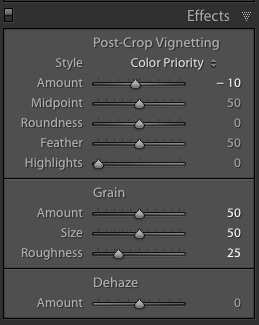
Look feel black white film Lightroom11In the bottom panel of the Develop module called Effects, make the following adjustments:

  • Using the sliders, set the Post-Crop Vignetting to -10. Older camera lenses tended to impart some vignetting onto the image. This will give the image an authentic older film quality to it. Ansel Adams famously burned (darkened) the edges to all of his prints.
  • Set the Grain Amount slider to 50.
  • Adjust the Grain Size to 50.
  • Set the Grain Roughness to 25.

5. Review your image and make the finishing touches

Adjust the sliders to increase or decrease the three Grain options to achieve your vision for the given image. You can also dial in or out the vignette as well. All images are different and all digital image files will respond differently to these adjustments based on the sharpness and ISO settings.

Look feel black white film Lightroom05

You may want to consider the following questions to evaluate your adjustments at this point. Do these edits help the image? Does it assist in the presentation of the image as more abstract so that it might connect better with the viewer? Did the adjustments achieve the look at feel of film that you were gong for? You can decide on the answers to these questions and make editing decisions as you see fit or recruit a friend to provide a critique.

If you like your results and would like to explore this topic further, there are free online software programs such as Analog Efex Pro that are part of Google’s Nik Collection. Presets are also available that will aid you in this process and even help you to achieve the look and feel of color film. You might want to consider making your own presets and applying them en masse to a given photo shoot or batch of images as well.

Look feel black white film Lightroom06

Below are a few images representing multiple genres that I made with a digital camera then edited to achieve the look I was going for using the settings in the Effects panel above.

Look feel black white film Lightroom07

Look feel black white film Lightroom08

Look feel black white film Lightroom09

Look feel black white film Lightroom10

Do you enjoy shooting film or reproducing the look of it using digital methods? Do you have a favorite way to achieve it? Please share in the comments below.

googletag.cmd.push(function() {
tablet_slots.push( googletag.defineSlot( “/1005424/_dPSv4_tab-all-article-bottom_(300×250)”, [300, 250], “pb-ad-78623” ).addService( googletag.pubads() ) ); } );

googletag.cmd.push(function() {
mobile_slots.push( googletag.defineSlot( “/1005424/_dPSv4_mob-all-article-bottom_(300×250)”, [300, 250], “pb-ad-78158” ).addService( googletag.pubads() ) ); } );

The post 5 Steps to Achieve the Look of Black and White Film Using Lightroom by Jeremy H. Greenberg appeared first on Digital Photography School.

Digital Photography School

 
Comments Off on 5 Steps to Achieve the Look of Black and White Film Using Lightroom

Posted in Photography


Filmborn for iOS offers 9 film presets and educational content

09 Nov

Mastin Labs, which is probably best known for its Lightroom and Photoshop presets, has applied its film emulation know-how to the mobile sector and launched the Filmborn app for iOS. The app is advertised as a full-blown replacement for Apple’s stock camera app, with features such as gesture-based white balance and exposure, advanced editing mode, batch processing and image library functions.

Image by Kirstin Mckee, iOS FILM: Fuji 160NS

However, the app’s real selling point are the 9 film emulations users can choose from, including Ilford Pan F, Fuji 400H or Fuji 800Z. Each ‘digital emulsion’ is customizable, allowing you to adjust it to your personal style. The app also provides some educational content that explains what capture situation or what skin tones a simulation mode is best suited for. There is also a ‘Camera Manual’ where Filmborn users can learn more about analog film processing and how it translates into the controls and features offered by the app. So, Filmborn is also an interesting tool for those who like the idea of developing film but prefer to ‘practice’ digitally first.

If this sounds interesting to you you can find more information and sample images on the Filmborn website or download the app for free from the Apple App Store. Some advanced tools are available as in-app purchases.

Articles: Digital Photography Review (dpreview.com)

 
Comments Off on Filmborn for iOS offers 9 film presets and educational content

Posted in Uncategorized


Fujifilm working on square format Instax camera and film

20 Sep

Fujifilm has announced that it’s developing a 1:1 format instant film and accompanying Instax camera for release in spring of 2017. The film itself will measure 85.6mm x 72mm, while the image itself will measure a square 62x62mm. That’s the extent of the information released at this point, though Fujifilm has created a teaser page for Instax Square.

Press release

New Square Format for instax Series
A new format that drastically enhances the potential of photographic expression of instax

PHOTOKINA 2016, COLOGNE, GERMANY, September 19, 2016—FUJIFILM Corporation (President: Kenji Sukeno) is pleased to announce that its next generation format “instax SQUARE format film” and “instax SQUARE camera” are currently under development.

With its 1:1 aspect ratio, square format photography is ideal for both portraits and landscapes, and has long been the format of choice for users enhancing their artistic expression. In recent times, the popularity of square format has increased to such an extent that it has become the de facto standard of smartphone cameras and timeline photos on social media platforms.

Fujifilm believes that the instax square format has the potential to drastically evolve the role and presence of instant photography. By adding this new format to the existing mini and wide, a new dimension will be added to the wealth of possibilities of instax photographic expression, users will have a wider choice, and instax cameras and films will be able to respond to a broader range of photographic subjects and situations than ever before.

In addition to the new square format film, a new camera which is able to fully express the attractions of square format photos is also under development. Further details are available at the below website.

instax SQUARE Special content (http://instax.com/square/)

Availability:
Spring 2017

Features:
“instax SQUARE format film”:
Image size: Height 62mm x Width 62mm
Photo size: Height 85.6mm x Width 72mm
“instax SQUARE format camera”: TBD

Articles: Digital Photography Review (dpreview.com)

 
Comments Off on Fujifilm working on square format Instax camera and film

Posted in Uncategorized


This film camera is 100% 3D-printed, including the lens

13 Sep

3D modeler Amos Dudley has created a 35mm film camera using only 3D-printed parts, including a hand-and-machine polished resin lens. Called SLO, the finished camera is functional and can take photographs, albeit somewhat low in quality, demonstrating the successful construction of a fairly complex device using only 3D-printing technologies.

Dudley has detailed the creation process on his blog, explaining that SLO is made with some basic elements like a shutter, film cartridge, spool gears and an aperture plane among other pieces. In order to support future designs, Dudley made the lens and shutter as removable modules that can be swapped out for different ones. The camera supports 35mm film and uses a two-button shutter system that provides manual speed control based on how faster the user presses the button.

89590009

Once completed, the camera was used with Fujicolor Superia 400 film to take the photos above (click for the full set).


As expected, the lens was one of the harder elements to create, at first involving between 5 and 6 hours of hand polishing followed by polishing with a DIY motorized machine. Neither proved entirely sufficient, so Dudley dipped the resin lens in epoxy instead and cured it using UV lights.

Articles: Digital Photography Review (dpreview.com)

 
Comments Off on This film camera is 100% 3D-printed, including the lens

Posted in Uncategorized


Fujifilm to introduce monochrome instax mini film

06 Sep

Fujifilm has announced monochrome film for its instax instant cameras and Share printer. It will go on sale worldwide in October, and like the color film, will be sold in cartridges of 10 sheets each. No price has yet been given for the monochrome film, but currently a twin pack of color film with 20 sheets goes for about $ 12.

Press release

“instax mini film Monochrome”
A new film that expands the possibilities of photographic expression using instax film

September 6, 2016

PHOTOKINA 2016, COLOGNE, GERMANY, September 20, 2016—FUJIFILM Corporation (President: Kenji Sukeno) is pleased to announce the launch of the “instax mini film Monochrome”, which will be released worldwide in October 2016.

The “instax mini film Monochrome” responds to the increasingly sophisticated demands of users, enabling them to expand the artistic potential of their photographic expression and adding a further dimension of fun to use instax cameras and films.

Product Name: “instax mini film Monochrome”

Availability: From October 2016

Main features:

  • Includes 10-frame, printable instax monochrome film.
  • Expands the potential for artistic, fashion and street photography.

Fujifilm is committed to offering new products and services that meet various consumer needs by leveraging innovative technological advancements. Fujifilm is also dedicated to enhancing the enjoyment of photography worldwide, and encourages users to experience the value of shooting, preserving, displaying and gifting photo images that deliver the message of “enrich your life with photographs.”

Articles: Digital Photography Review (dpreview.com)

 
Comments Off on Fujifilm to introduce monochrome instax mini film

Posted in Uncategorized


World record camera collector now has over 4500 – and a short film about himself

20 Aug

Indian Dilish Parekh has once again beaten his own world record for having the largest camera collection, with his personal museum now housing 4500 exhibits. In August 2013 DP Review reported that he had 4425 cameras, but in the intervening three years he has grown his hoard by 75 more models.

Filmmaker Dheerankur Upasak visited Dilish, who has held the Guinness Book of World Records title since 2003, at his home in Mumbai to make a short about the man and some of the models in his collection. Dilish says that he started collecting in 1970 when his grandfather gave him cameras as gifts – and things went from there. He never spends more than $ 15 on a camera, but has still managed to accumulate quite a number of rare and expensive bodies, such as the Leica Reporter GG 250. Only 950 were made and one sold with a motor drive at the ‘100 Years of Leica’ Westlicht auction for €576,000 in 2014.

The collection spans only the years between 1890 and 1960 and includes all of Canon’s rangefinder models. Dilish isn’t for selling the collection, though he says he gets lots of offers, and he has instructed his sons not to sell once he passes away.

Dheerankur filmed the piece on a Canon EOS 5D III with Pentax 50mm f/1.2, Tamron 90mm macro and Tair 11-133mm f/2.8 lenses.

Articles: Digital Photography Review (dpreview.com)

 
Comments Off on World record camera collector now has over 4500 – and a short film about himself

Posted in Uncategorized


How to Bump Your Photography up a Level by Using Film Style Limitations

19 Aug

Get 50% off Tom’s ebook Ang’s World – A Life in Photography eBook, now only until July 26 at Snapndeals.

One of the most important skills in photography is pre-visualization. The idea is that before you capture an image in the camera, you have a clear idea in your mind of what it’s going to look like. You preview the image before you shoot it. Colour or black-and-white in rendering? Rich in tones or pale and soft? Misty-blurry in feel or so tack-sharp you might cut your eyes on it? What – exactly – will your image look like?

One of the early objections to digital photography was that it wasn’t really photography because there was no negative; no sense of what kind of picture you’re making. In fact, with digital, there’s not much at all, apart from data in the form of a very, very long row of zeroes and ones. You know what kind of image you have only when you use that data to drive a screen (on camera or at computer) or a printer. And before you get there, you have to process the image. If you feel feel isolated from the process of creating the image, it’s no wonder.

01 DSC3714
The most basic in-camera processing setting is your exposure. For this nature shot in my back-garden (above), I over-exposed by two stops. This pales out the colours, fills the shadows nicely to get the effect I envisaged, all suffused with light.

If you feel a bit disjointed from your images or from your camera, one way back is to try some old-school photography. If you feel your photography is getting a bit jaded, you can re-discover its joys by committing to a treatment or filter effect at the time you take the photograph.

You simply think, feel and shoot as if you’re using film.

I love this way of working. There are two simple steps. You choose an in-camera processing or filter effect (which, of course, produces JPEG files), and you do not use the screen to review your images (it’s good practice anyway). So, let’s set to the Toy Camera option – this vignettes the image heavily (darkens the corners), under-exposes, and adds strong saturation. And off we go:

02 DSC43152013
This indoor scene on our dining table (above) is rich in a surreal way, because the strong colours in the centre and heavy vignetting forces the viewer’s attention to the centre. The very shallow depth of field – from using a f/2 aperture – also helps make the space tensioned.

One reason some photographers have returned to work with film, is that the process of envisioning how the image will look before clicking the shutter, creates a sense of connection with the subject. You feel more involved with the process, and that’s an important part of the fun of photography.

03 DSC6410 2014

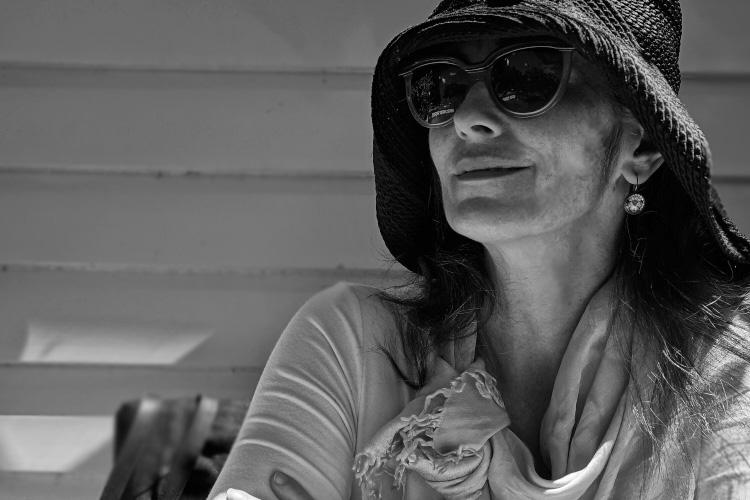
This portrait is a rich-toned black-and-white: it takes a shocking amount of processing in-camera, but comes out with deep, sharp tones that is surprisingly flattering. It works well in mixed hard and soft lighting.

There’s another advantage to camera processing – if you work this way, you often don’t need to touch the image before being able to use it. When I photograph for my books, I produce thousands of images, and have to submit as many as 1,500 images to the art department. You won’t find me messing about with the images more than I need to, I have a book to write! So images that pop straight out of the can into the book are what I aim for, like this one.

04 DSC9708 2

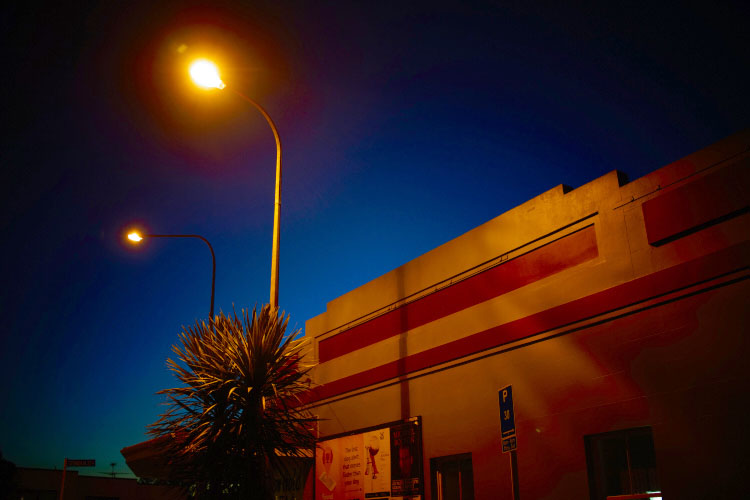
This late evening scene in Auckland, New Zealand comes straight out of the camera as rendered by the Toy Camera effect. I did try out some adjustments, but quickly decided it was best left as shot.

04A DSC14092014

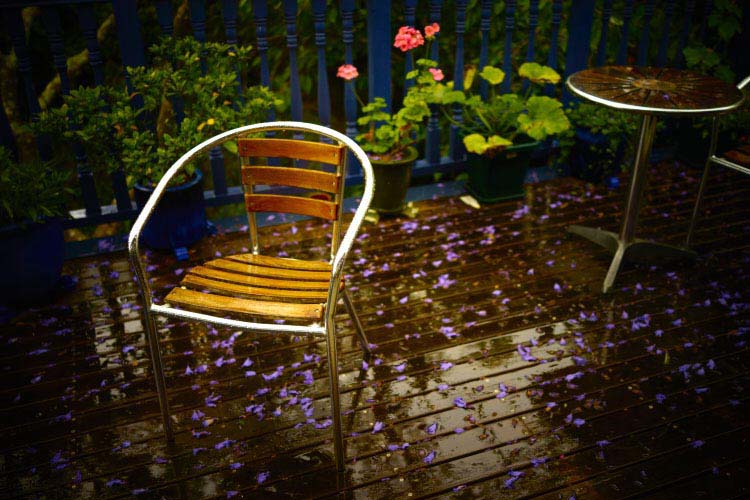
Garden furniture left in the rain came out glowing with the Toy Camera filter, which often brings out a mood that is slightly world-forsaken. I like using the filter with the lens wide open, to leave as much as possible softly blurred.

So the question is; do you know what your image will look like before you capture it? If commitment scares you, one approach is to at least think ahead to the post-processing that you’ll do. Instead of blundering around trying one effect or adjustment after another, you will go straight to the effects that you want. Saves a LOT of time.

Or you can do as I’m showing here, and bravely go for it. More jeopardy equals more fun! And that’s exactly what you’d have done with film. You load the camera with film – say slow black-and-white for fine grain, or fast colour for low-light work. 24 or 36 exposures, and you’re stuck with it until the last frame reels off, come rain or shine, action or still-life. Many photographers have found fun in photography again by embracing the risks of film-like limitations.

05 IMG 1367

I’ve used the Hipstamatic app on my iPhone since the beginning, as I enjoy the commitment to the image coming out according to the film and lens combination you pick. This is one of my favourite combinations – the Libatique lens – and the Dream Canvas film.

Just like learning to work with a fixed focal length, what looks like an imposition and inhibiting feature, can actually free you artistically. For example, knowing that I’ve chosen a filter that gives a particular soft focus but richly coloured look, means that everyday scenes become mysterious washes of colour and tone. Without that effect, I might not have thought of making this shot.

06 IMG 1446

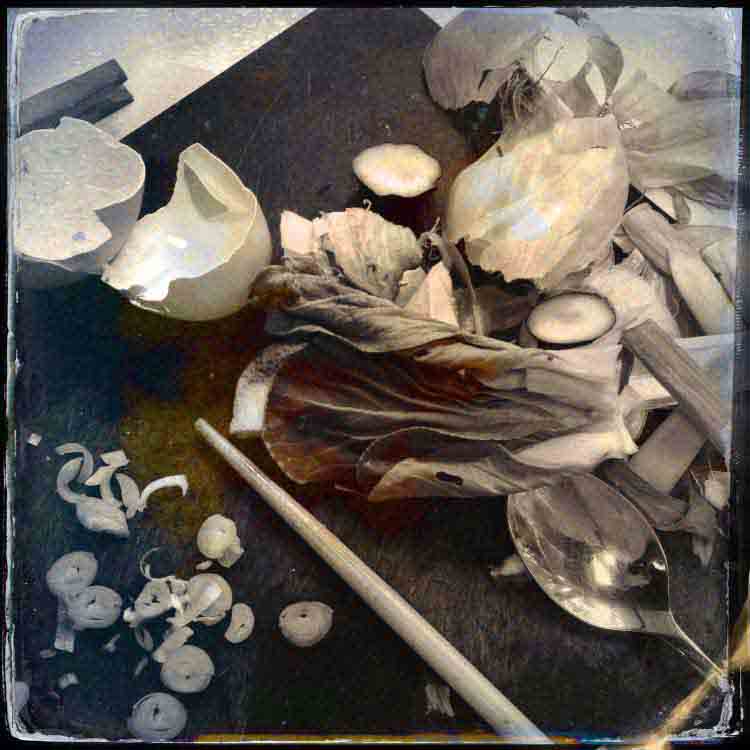
This is a Hipstamatic shot using D-Type Plate film with the Jane lens, processed for increased saturation.

A mundane scene like the mess on a chopping board just looks ordinary in colour. But in black-and-white, with a bit of fake Tintype effects, and the image moves into another arena.

Committing to a treatment challenges you, and changes the way you look at things. Some photographers say they can see compositions only in black-and-white. If you set your camera to shoot black-and-white, you will find that you photograph different things from your usual subjects. You’ll probably shoot them in a different way too. If you’re feeling especially brave, you can set your camera to apply an art filter. I like using the Illustration filter, which pumps up colours and draws a line on sharp edges. It works neatly with nature.

07A__DSC2691A
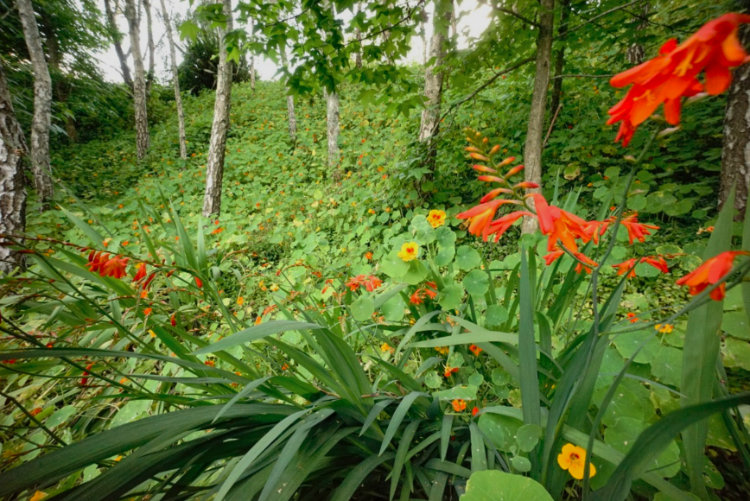
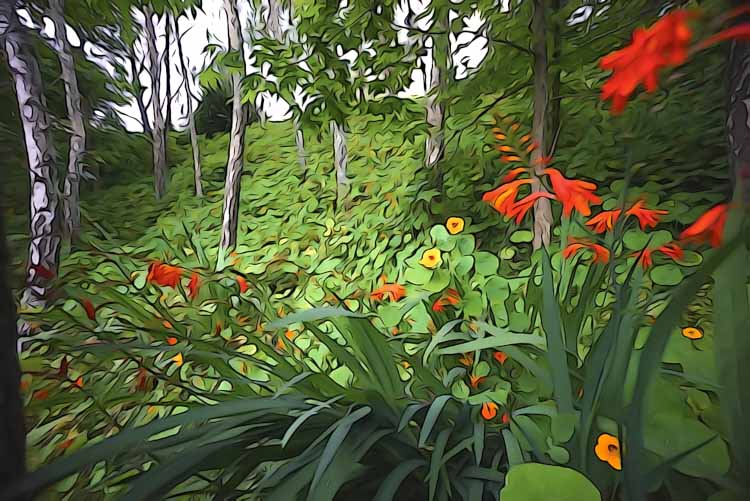
A moderate wide-angle view of a nature reserve. (Looks pretty but actually it’s over-run with invasive foreign species.) In the soft light, I thought the image would come out flat and lacking in contrast. So I decided to add some filter fizz.

07B DSC02690 2014

With the illustration filter applied, all the important features have been brought out; the trees, the slope of the hill, the bright lilies, and lily leaves. This image came straight out of the camera, with no post-processing at all.

You don’t have to be so drastic though. One useful in-camera effect available in several models, is built-in HDR (High Dynamic Range). In fact, what the effect does should be called tone-mapping. It makes three or more rapid-fire shots of the subject, at different exposure values. Then, in camera, it combines them so that the image is predominantly filled with mid-tones. Now if you try this on a moving subject, you get weird double-fringed effects. More in-camera fun!

08 DSC27672014
Three separate exposures of trees waving in the wind, even when shot at a high rate of fire, will create blurred or fringed images. Then tone-mapping them – processing to bring out mid-tones – gives a half-photographic, half-graphic effect. (Post-processed to reduce brightness and increase saturation.)

All this works, because pre-visualization makes you see in a different way. What happen is that the camera actually reprograms the way you see. That makes a lot of sense, if you think about learning new skills. Let’s take martial arts, for example. Before you start classes, you just see people punching, kicking. Once you learn more about it, you start to get your eye in – you see when someone’s leaning too far forward, or that there’s no power in a strike. It’s exactly the same moves as before, but your now-tutored eyes see more; they see differently.

In photography, you may start to see relationships, not objects. You pick out shapes and aren’t distracted by textures. Or you may see small details which before you’d overlook. In short, committing to one look for your images can invigorate your seeing, which will inspire your photography to greater, new levels.

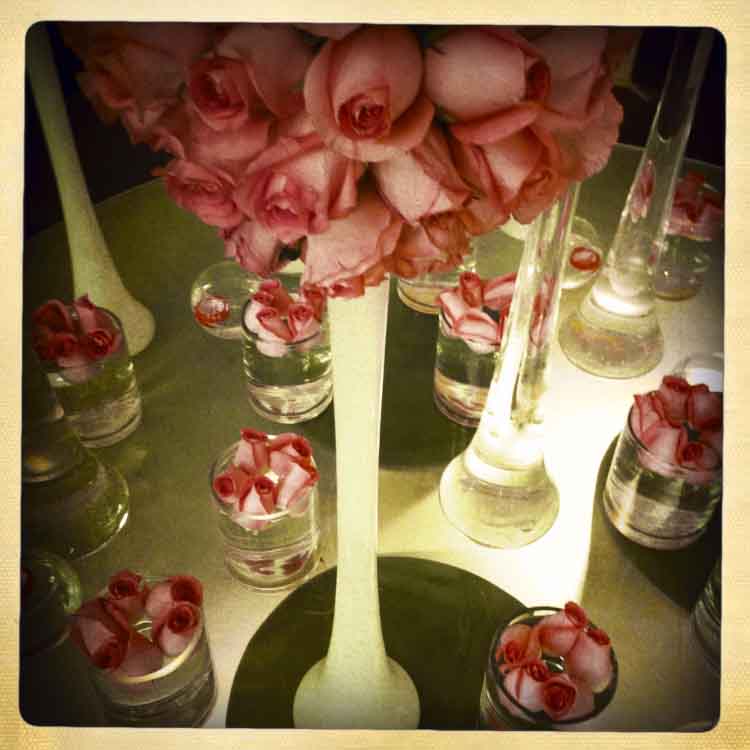
09 IMG 4425 2015
An extravagant flower display at a hotel reception looks charming when given a look of aged film, complete with old-world border given by Hipstamatic Libatique lens with Ina’s 1969 film options.

Get 50% off Tom’s ebook Ang’s World – A Life in Photography eBook, now only until July 26 at Snapndeals.

googletag.cmd.push(function() {
tablet_slots.push( googletag.defineSlot( “/1005424/_dPSv4_tab-all-article-bottom_(300×250)”, [300, 250], “pb-ad-78623” ).addService( googletag.pubads() ) ); } );

googletag.cmd.push(function() {
mobile_slots.push( googletag.defineSlot( “/1005424/_dPSv4_mob-all-article-bottom_(300×250)”, [300, 250], “pb-ad-78158” ).addService( googletag.pubads() ) ); } );

The post How to Bump Your Photography up a Level by Using Film Style Limitations by Tom Ang appeared first on Digital Photography School.

Digital Photography School

 
Comments Off on How to Bump Your Photography up a Level by Using Film Style Limitations

Posted in Photography


Subterranean Singapore: Short Sci-Fi Film Envisions Dystopian Future

07 Jul

[ By SA Rogers in Art & Drawing & Digital. ]

subterranean singapore 2

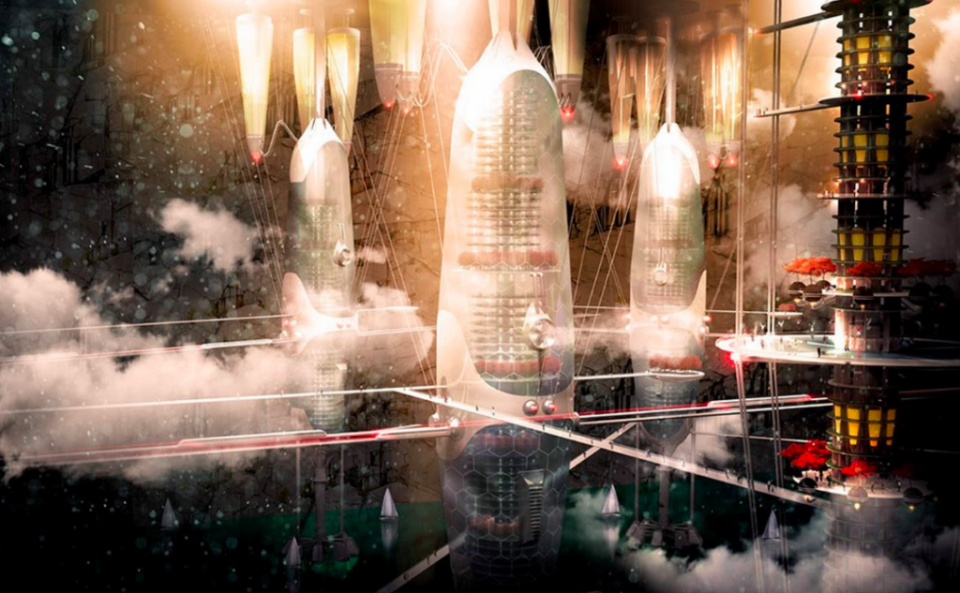
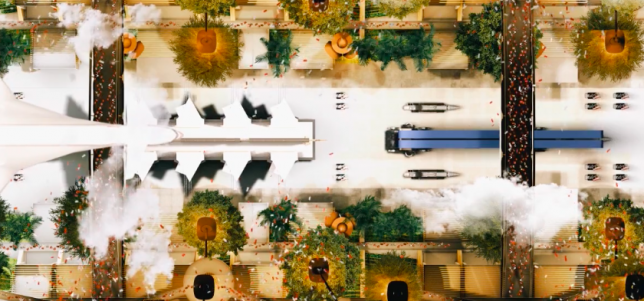
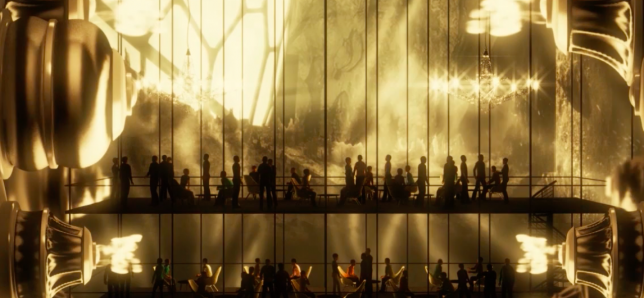
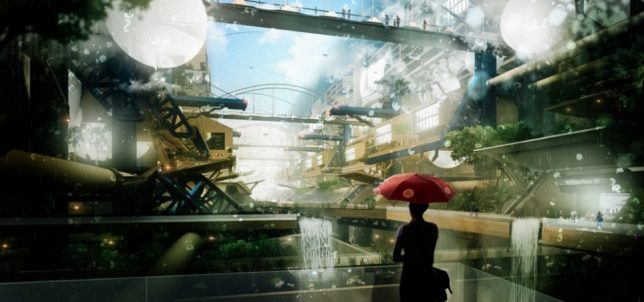
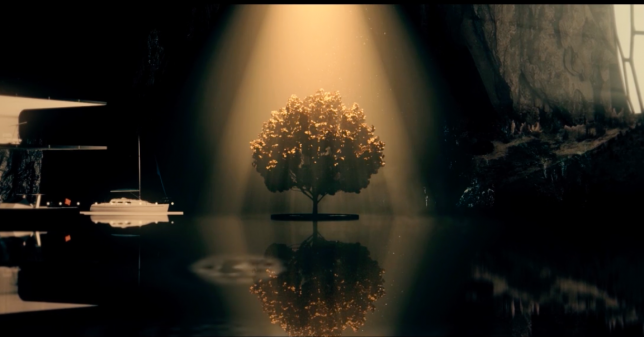
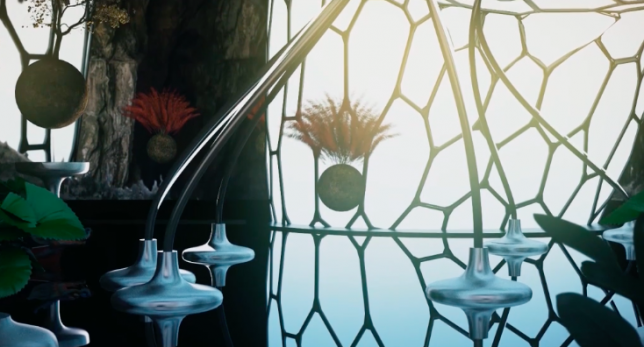
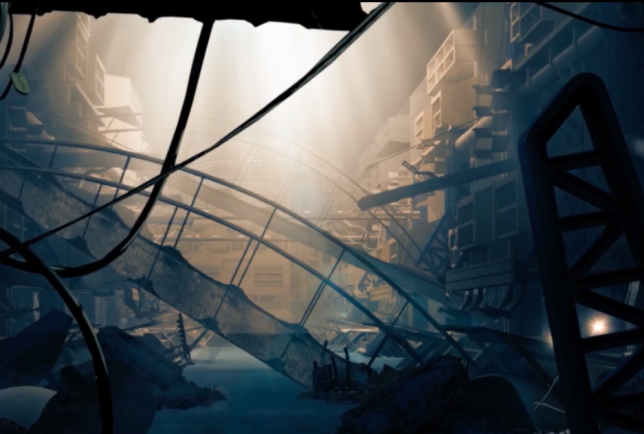
Instead of stretching upward toward increasingly polluted skies, could the solution to land scarcity issues in places like Singapore be found in subterranean development? Like something out of a dystopian film, this proposal by a student at Bartlett School of Architecture envisions a sort of mole city with inverted skyscrapers digging deep below street level, an extreme excavation of massive caverns and “a complex and continuously self expanding network of green canyons, tunnels, reservoirs and exploratory excavations into the granite rock below.”

Screen Shot 2016-07-06 at 5.47.16 PM

Screen Shot 2016-07-06 at 5.47.52 PM

If you look at the sci-fi we humans have been producing for the past half-century, many of us have already accepted a future in which living on the surface of the Earth is no longer viable, whether that means we will have to build vertical cities, float on the oceans or leave the planet altogether. It’s not too far-fetched to imagine that a combination of climate change, pollution, overdevelopment and overpopulation would push us into building underground wherever possible, as well. This proposal by Finbarr Fallon envisions Singapore starting to plan the project by the year 2020, celebrating the idea before ultimately tearing it down and highlighting its many flaws.

subterranean singapore

Screen Shot 2016-07-06 at 5.48.55 PM

Fallon presents Singapore 2065 as a darkly cinematic short film, with an engineer from the Subterranean Development Institute explaining how and why the development came about. The film takes us on a tour of the ‘World’s Greatest Engineering Feat’ and its luxurious architecture, which is clearly targeted at the well-to-do. The presentation seems fairly straightforward, but watch it all the way to the end for an unexpected plot twist.

Screen Shot 2016-07-06 at 5.48.42 PM

Screen Shot 2016-07-06 at 5.47.25 PM

“The film follows a documentary created by the state led, Subterranean Development Institute which looks behind the scenes of the world’s largest construction project, from a highly corporate and nationalistic point of view,” says Fallon. “This concludes with spectacular scenes of celebration where the National Day Parade is reconfigured from traditional military use, to a choreographed march of robotic construction technology through the underground city.”

Screen Shot 2016-07-06 at 5.49.26 PM

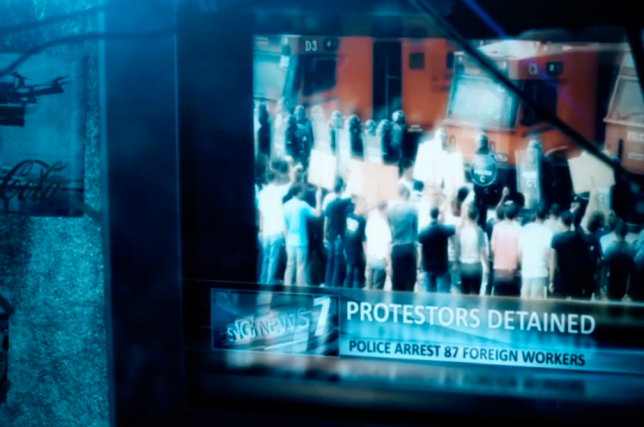
“The documentary however, is interrupted by a subversive protagonist (the author), who gains access to secretive parts of the network by discovering hidden cave networks. This acts as a counter point critique to the corporate led masterplan, forming a social commentary on the ethics of large scale infrastructural projects and the resulting consequences, such as the exploitation of foreign workers.”

Share on Facebook


[ By SA Rogers in Art & Drawing & Digital. ]

[ WebUrbanist | Archives | Galleries | Privacy | TOS ]


WebUrbanist

 
Comments Off on Subterranean Singapore: Short Sci-Fi Film Envisions Dystopian Future

Posted in Creativity


Photographer finds 1200 rolls of unprocessed film from 1950s

29 Jun
One of the 66 bundles of undeveloped film, which total an estimated 1,200 rolls, all shot by a single photographer in the 1950s. Far too much for Levi Bettwieser to develop himself.  

Levi Bettwieser is the founder and film technician for The Rescued Film Project – an archive of images from ‘lost and forgotten’ rolls of film, sourced from all over the word. Last year, Bettwieser acquired 66 packages of undeveloped film from the 1950s, totaling an estimated 1,200 rolls.

Each package is made up of several rolls of undeveloped film, meticulously wrapped in aluminum foil, newspaper and athletic tape and as Bettwieser explains, ‘this is way more film than I can process myself.’ The single roll that he has developed shows some degradation but has yielded usable images. 

Blue Moon Camera in Portland has agreed to take on the task of developing the rest of the unprocessed film, but even with a discount, processing so many rolls is going to cost a lot of money. Bettwieser has launched a funding campaign on Indiegogo.com, and at time of writing, his team has raised roughly a third of the total funding goal of $ 15,000.

If you’re interested in this project, you might enjoy reading a series of articles that we published in 2014. 

Articles: Digital Photography Review (dpreview.com)

 
Comments Off on Photographer finds 1200 rolls of unprocessed film from 1950s

Posted in Uncategorized