RSS
 

Posts Tagged ‘f/2.8’

Roger Cicala compares three 24-70mm F2.8 lenses

31 Jan

canon_24-70_2p8_ii.png

LensRentals’ Roger Cicala has published an interesting article comparing 24-70mm F2.8 lenses from Canon, Nikon and Tamron, using both an optical test bench and Imatest results from Canon EOS 5D Mark III and Nikon D800E bodies. This provides some insights about the interaction between the sharpness of the lens and resolution of the camera’s sensor, and under what practical circumstances you might see any difference. It’s worth reading for anyone interested in the long-running question: what provides more detail, a higher resolution sensor with a good lens, or a lower resolution sensor with a great lens?   

News: Digital Photography Review (dpreview.com)

 
Comments Off on Roger Cicala compares three 24-70mm F2.8 lenses

Posted in Uncategorized


Sigma announces 60mm F2.8 for mirrorless and redesigned 30mm F1.4 DC

29 Jan

Sigma_30mm_F1p4_DC.png

CP+ 2013: Sigma has announed four additions to its ‘Art’ range of prime lenses, including a 60mm F2.8 DN lens for mirrorless cameras and an updated 30mm F1.4 DC for APS-C DSLRs. Alongside these are redesigned versions of its 30mm and 19mm F2.8 DN lenses for mirrorless in metal bodies. Like these lenses, the 60mm F2.8 DN features metal casing and will be available for the Sony E and Micro Four Thirds mounts. It will offer a 90mm equivalent field of view on Sony NEX cameras or 120mm equivalent coverage of Micro Four Thirds bodies. The Sigma 30mm F1.4 DC is a completely redesigned version of the popular normal lens for APS-C DSLRs – it will be available in Canon, Nikon and Sigma mounts. Price and availability details have not been given.

News: Digital Photography Review (dpreview.com)

 
Comments Off on Sigma announces 60mm F2.8 for mirrorless and redesigned 30mm F1.4 DC

Posted in Uncategorized


Nikkor 14-24mm f/2.8 Lens [REVIEW]

24 Jan

Nikon’s Nikkor 14-24mm f/2.8 is something of a legend in the realm of ultrawide zooms and after playing with one while traveling to both Utah and Hawaii, The Big Island, I understand better why this lens is coveted. It made me a little jealous and considering moving to a full frame Nikon camera as my main landscape imaging platform. It’s that good.

I was lent my copy from BorrowLenses.com for the test and this was the piece of equipment that was hardest for me to send back, ever. Even harder than the much more expensive Pentax 645D or Canon 400mm f/2.8 (both of which are fine pieces of equipment in their own right).

Specifications

  • Mount Type
    Nikon F-Bayonet
  • Focal Length Range
    14-24mm
  • Zoom Ratio
    1.7x
  • Maximum Aperture
    f/2.8
  • Minimum Aperture
    f/22
  • Format
    FX/35mm
  • Maximum Angle of View (DX-format)
    90°
  • Minimum Angle of View (DX-format)
    61°
  • Maximum Angle of View (FX-format)
    114°
  • Minimum Angle of View (FX-format)
    84°
  • Maximum Reproduction Ratio
    0.15x
  • Lens Elements
    14
  • Lens Groups
    11
  • Compatible Format(s)
    FX
    DX
    FX in DX Crop Mode
    35mm Film
  • Diaphragm Blades
    9
  • Distance Information
    Yes
  • Nano Crystal Coat
    Yes
  • ED Glass Elements
    2
  • Aspherical Elements
    3
  • Super Integrated Coating
    Yes
  • Autofocus
    Yes
  • AF-S (Silent Wave Motor)
    Yes
  • Internal Focusing
    Yes
  • Minimum Focus Distance
    0.9 ft. (0.28m)
  • Focus Mode
    Auto
    Manual
    Manual/Auto
  • G-type
    Yes
  • Dimensions
    (Approx.) 3.8 x 5.2 in. (Diameter x Length)
    98 x 131.5mm (Diameter x Length)

In Real Life

[Click on an image for a 100% version. Warning: some can be quite big. All images Copyright Peter West Carey Photography and not to be reused without express consent.)

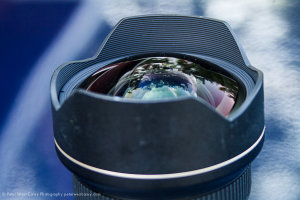
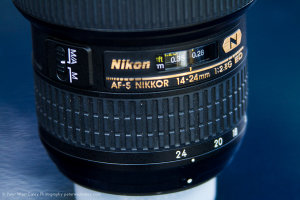
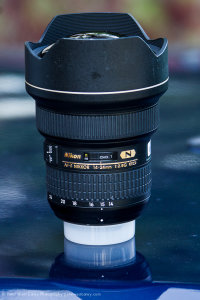
Functionally the lens is a snap in the field. Only two rings to turn for either zoom or focus. One switch on the side can turn on and off manual focus. That is it. For those not accustomed to wide angle lenses, the hood may look odd but it does help protect the extruding curve of the lens that is needed for a zoom of this nature.

The lens comes with a hood attached that can not be removed and the front element is convex, meaning it curves forward from the lens body. There is a cup of a lens cap that fits over the hood and it’s best not to lose this as replacements are not as easy to find as a standard 77mm lens cap. A special note here; finding filters for this lens is complicated by the shape of the lens and hood. There are solutions by the likes of Fotodiox that are large enough to fit the unit, but I was not able to procure a set to test with this lens.

On a full frame body, like the Nikon D800E I tested this lens on, the field of view is from 84° to 114°. For landscape photographers, this range is perfect for typical settings and locations. I have been shooting with Canon gear for over 10 years and loved the 16-35mm, but the 14-24mm Nikon has it beat with the sweat spot for wide angle. And that extra 2mm on the wide end is appreciated.

What this lens does well is not often noticed unless you have used a cheaper wide angle lens. It holds corners well and resists distortion, thanks to the curved front element. At 24mm there is virtually no noticeable distortion while it is noticeable at 14mm. Here are two examples. The macadamia nut farm is at 14mm (thanks to Paradise Helicopter Tours for the lift) and the sign in the corn maze is at 24mm. The original files will be shown in the Samples section.
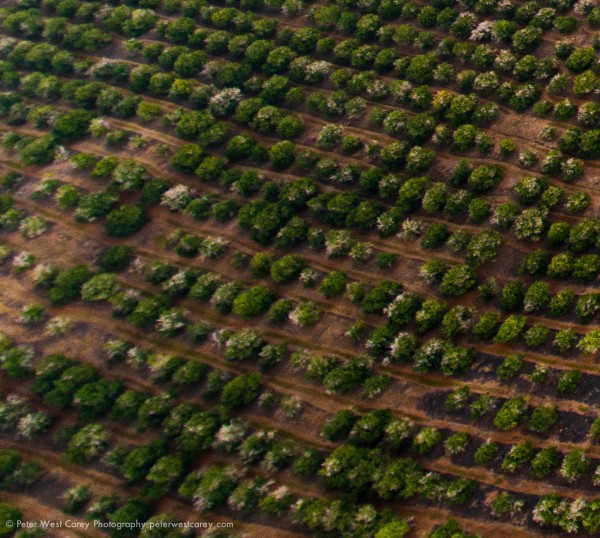

This is a boon for architectural photographers who don’t want their corners bowing out. Chromatic aberration is also less than I have seen with any other wide angle lens from Canon and it has me seriously thinking of jumping ship, at least for wide angle photography. I was able to push it and recognize some aberration, such as in the image below with 100% crop, but I really had to push it.

Here’s another of Mesa Arch at sunrise. This is all easily cleaned in Lightroom.

Lens flare was annoying for sunset shots. There are some prime examples below. I found it beyond distracting, especially in the shot from the rim of Canyonlands with the dead tree. The angle was just wrong but it’s the angle that I wanted. Sharpness was impressive, even closer to the edges. With the huge sensor of the D800E, the enlargements on wide shots was beyond my expectations while remaining sharp. For instance, take a look at the full sized version of Mesa Arch below. Look to the distant towers. This is a testament to the lens’ overall sharpness, which has me drooling.

Samples

Below are samples from the Nikon 14-24mm and D800E combo. Some images have been cropped and most have been edited.
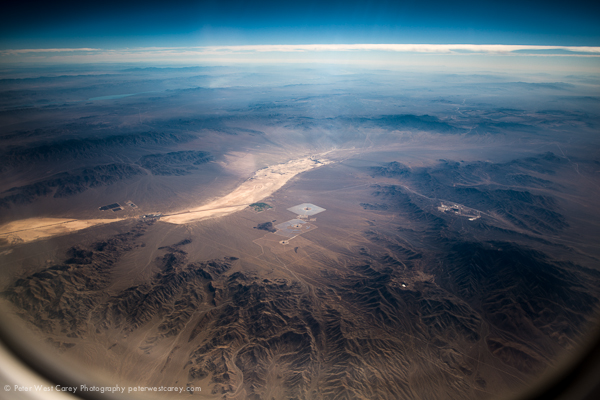
ISO 50, 24mm, f/3.2, 1/2500

ISO 100, 14mm, f/8, center shutter speed of 1/40

ISO 3200, 14mm, f/4, 30 seconds
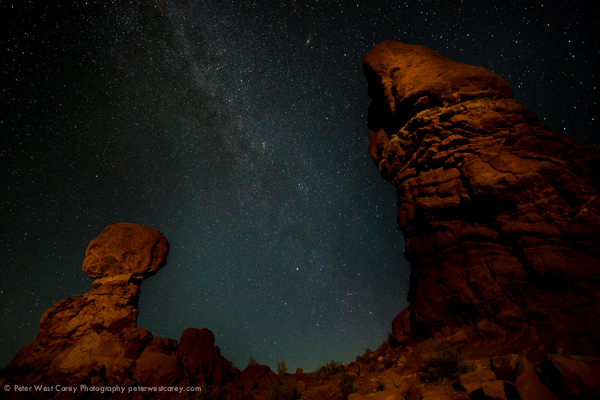
ISO 3200, 15mm, f/4, 30 seconds

ISO 2000, 14mm, f/2.8, 30 seconds

ISO 50, 14mm, f/6.3, 30 seconds (pre-sunrise)
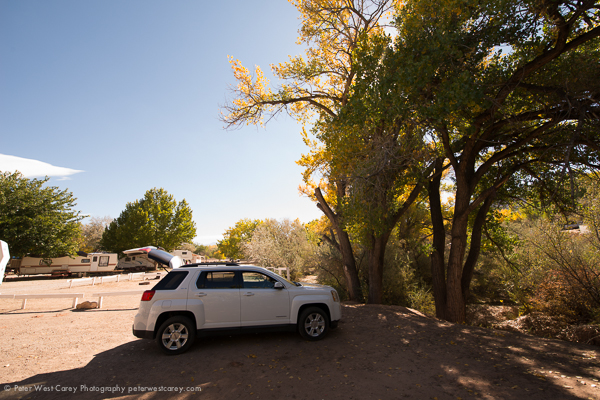
ISO 50, 14mm, f/7.1, 1/100

ISO 100, 14mm, f/4, 1/25

ISO 2000, 14mm, f/2.8, 5 seconds

ISO 50, 16mm, f/8, 1/20

ISO 50, 24mm, f/8, 1/20 – Zoom in on this one

ISO 50, 14mm, f/22, 1/8
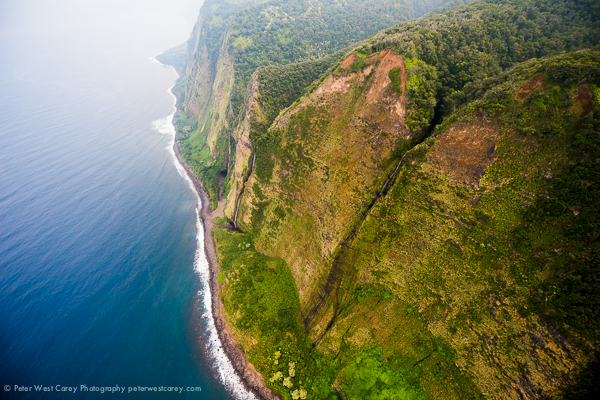
ISO 500, 14mm, f/4, 1/000
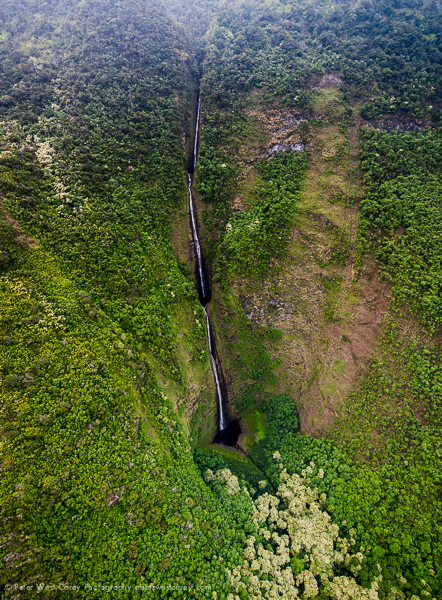
ISO 500, 17mm, f/4, 1/400
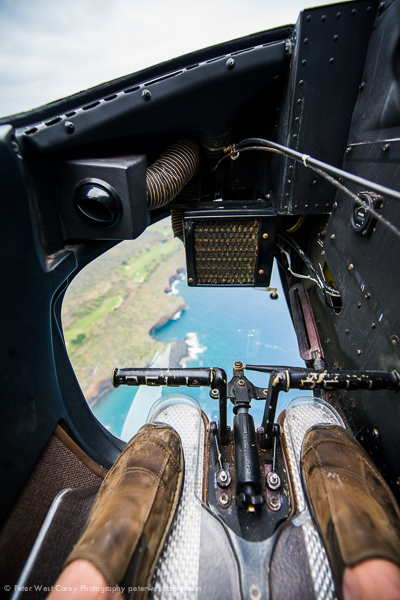
ISO 500, 14mm, f/2.8, 1/400
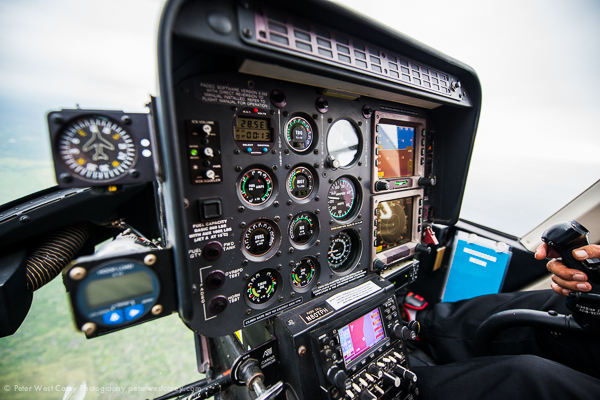
ISO 500, f/2.8, 1/320
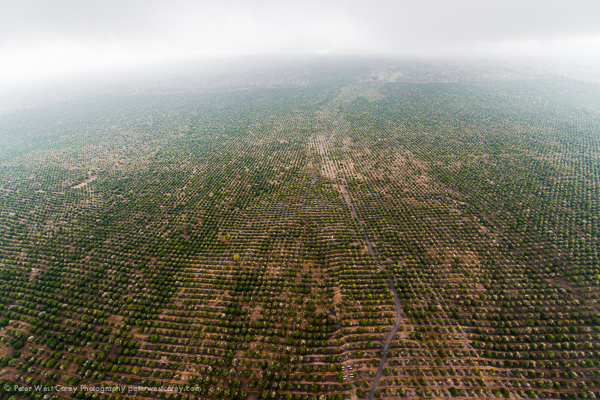
ISO 500, 14mm, f/2.8, 1/500
ISO 500, 14mm, f/2.5, 1/3200

ISO 1000, 24mm, f/2.8, 1/2500

Conclusion

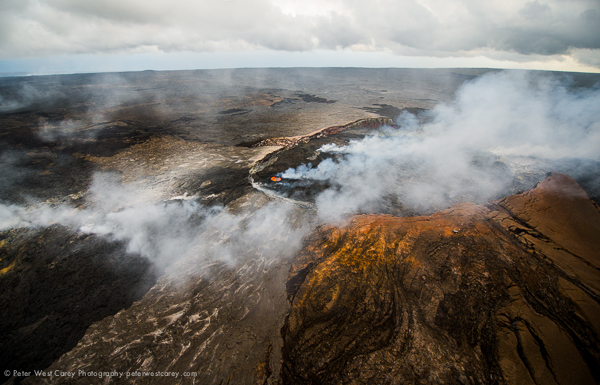
The lens is a joy to use and the results, to me, are stunning. It has me seriously thinking of adopting a Nikon camera and this lens in the future. It was very useful both in Utah when I had to get a little closer, without getting physically closer, at Mesa Arch. It was also helpful when shooting from a helicopter over Hawaii, The Big Island as the blades and skids started to show as I could zoom in just a little and make it work.

If I had a Nikon camera body, I would already own this lens and it will be the first Nikon lens I ever buy. It is an excellent lens.

Post originally from: Digital Photography Tips.

Check out our more Photography Tips at Photography Tips for Beginners, Portrait Photography Tips and Wedding Photography Tips.

Nikkor 14-24mm f/2.8 Lens [REVIEW]


Digital Photography School

 
Comments Off on Nikkor 14-24mm f/2.8 Lens [REVIEW]

Posted in Photography


Sony announces E-mount 20mm F2.8 pancake prime lens for NEX cameras

23 Jan

sony_e_20_2p8.png

Sony has announced the E 20mm F2.8 – a moderately wide-angle pancake prime lens for its NEX cameras. The moderately-fast E-mount pancake will offer a 30mm equivalent field of view and adds another compact lens option for NEX shooters. It will be available in April for around $ 350. Sony has also said it will offer its video-targeted 18-200mm OSS F3.5-6.3 power zoom lens as a standalone product. Previously only available bundled with the NEX-VG30 camcorder, it becomes the company’s third E-mount 18-200mm superzoom and will cost around $ 1200.

News: Digital Photography Review (dpreview.com)

 
Comments Off on Sony announces E-mount 20mm F2.8 pancake prime lens for NEX cameras

Posted in Uncategorized


WP Photography – Nikon 70-200 f/2.8 VR1 Review (with Nikon TC-20E II)

21 Jan

A video review of my new lens, the Nikon 70-200 2.8 VR and Nikon’s 2x teleconverter. This lens was purchased for my portraiture work but today I took it to a country park to test it out as a setup for wildlife photography to play with the teleconverter. The lens is fantastically sharp and I try to cover all the main points about this lens that make it worth the money it costs. A very good lens for all kinds of work. I hope to show it again in a video of how I use it most and where I think it is best, portraiture. Any questions or comments, fire away! Review of this lens on my blog – wp-photography.co.uk www.wp-photography.co.uk www.twitter.com/wpphotographyuk www.facebook.com/wpphotographyuk
Video Rating: 4 / 5


Two Minute Review: Canon EF 100mm f/2.8 USM Macro Lens

18 Jan

Photographer Alex Bitar heaps praise on Canon’s 100mm macro lens. Visit Alex online at www.alexbitar.com (c) 2012 Green Hill Camera http Produced by Kozak Films www.kozakfilms.com
Video Rating: 4 / 5


Nikkor 24-70mm AF-S F2.8 on Nikon D7000 Pictures/Photos and Video Test. VLOG

11 Jan

Check My CHANNEL To See More Videos : www.youtube.com proud pinoy pride asian filipino i am at the santa monica pier. trying my camera. i think i have it on iso 1600 f2.8 sht30. im not sure what setting i can put it to have good result in video. iu know please tell me in the comment bellow, thnx…

A SERIES OF PHOTOGRAPHS TAKEN WITH A NIKON D90 THEATRUM.DEVIANTART.COM


Tamron 28 – 75mm F2.8 Lens Review

01 Jan

Welcome to DSLR Lab 2012 twitter.com We are kicking of the new year with a review of the Tamron 28 – 75mm F2.8 lens. This constant aperture zoom lens is perfect for video and photography and is a great alternative to the Canon 24-70 2.8 L lens. Its a third of the cost and half the size, but produces super sharp images and has beautiful color clarity. More test footage from this lens will be uploaded during the week. Thanks for Watching and Please Subscribe. 😀 Filmed on – Canon 550D Canon 50mm 1.8 Tamron 28-75mm 2.8 Audio – Rode Videomic Zoom H1

Full review: www.carbuyer.co.uk Volvo wants its S60 to be seen to offer a stylish, sporty alternative to rivals from Audi, Mercedes-Benz and BMW, and it’s not too far off.


Tokina 16-28mm f/2.8 Ultra-Wide Angle Lens Unboxing | Nikon Mount

22 Dec

Hello, Today I am going to be unboxing the Tokina 16-28mm Ultra-Wide Angle lens that come in either a Nikon or Canon mount. This lens offers a 107º Degree field of view that goes all the way to 76º Degree’s at 28mm, mind you this is on a Full-Frame camera. A cropped sensor APS-C or APS-H camera will offer a different degree of view. With a maximum aperture of f/2.8 this lens allows you to shoot in very low light conditions keeping your shutter speed high or ISO low. This results in clearer, sharper images from any camera. Consisted of 15 Elements in 13 groups, edge-to-edge sharpness is very well controlled as well as vignetting wide open and excellent CA handling. Optically what you are getting is a Nikkor 14-24mm f2.8 for half the price. What a deal! This lens is every bit as sharp as the Nikkor counter-part and even SHARPER in some instances. Feel free to look up these claims on DxOMark. Unlike the Nikkor 16-35mm f/4 with it’s VR (Vibration Reduction) this lens allows a full stop or more or light into the lens because it is an f/2.8. This can come into handy when that extra little bit of light is needed, especially when shooting video which only allows a 1/25 Shutter Speed or higher. The Tokina is built like a tank, weighing in at 2.09lbs or 950g, this lens is no light-weight. It’s meant to be a serious wide-angle lens and you can be assured it is exactly that. One draw-back of this lens is the exposed front-element and also most-importantly the inability to except
Video Rating: 3 / 5


Tamron 17-50 mm f/2.8 Di II Lens REVIEW

19 Dec

A review of Tamron’s all rounder lens, the 17-50mm f2.8. Available in both Canon and Nikon mount.