RSS
 

Posts Tagged ‘evolution’

From the sidelines to the driver’s seat: A photographer’s evolution

06 Oct

I have worked as a race photographer, a wedding photographer, landscape photographer; I photographed architecture, food, portraits and hot air balloons.

One of the most incredible things about a photography career is how it has this magical ability to open doors—how my camera has, time and again, taken me from a spectator on the sideline and put me right in the middle of the action.

In my own career, I’ve experienced this many times. Here are just three of those stories (and some shooting tips along the way).

A teenager at the race track

I was fortunate as a teenager when a race car driver threw me a rag and told me to get under his race car and clean it from the tire rubber that was stuck to the underside. I had gone to the racetrack after spending earlier years building models of these very race cars. I wanted to see the real deal.

From that relationship, I grew to become a professional photographer, since I was lucky enough to sell all of the images from my first roll of film to the drivers at that same racetrack. I always had a desire to drive one of those 200mph “funny cars.”

This wonderful eye-opening experience led me to create work for the NHRA, AP and many racing magazines creating story-telling images of these now 300mph plus vehicles across the country.

Shooting Tips

What is most important to me when capturing cars in the drag racing world is to isolate the car from the distractions near the racecar. Generally, I let the car move down the track, away from the starting line crowds, creating a soft, dimensional background in order to allow the car to stand out.

By using a telephoto lens like my EF 200-400mm f/4L IS USM Extender 1.4x on my Canon 1DX Mark II, I can create a background made of the heat and exhaust, totally drawing the viewers attention to the razor sharp car. Compression is a wonderful tool to use in order to maintain a story-telling image, but first and foremost seeing every detail of the subject: the race car.

Another technique that I use commonly in my motorsports imagery is panning with the moving car as it goes by. Panning emphasizes speed by keeping the camera moving at the same speed as the race car. This then blurs the background, making the car look as if it is moving very quickly.

A slow shutter speed helps illustrate the movement. I may select shutter speeds of 1/30 – 1/500 sec depending upon the speed of the car that I am photographing. For this effect I am choosing to use the TV or shutter priority setting in order to allow me to maintain that certain amount of motion blur. I still try to include some of the race signage to continue that story-telling aspect of your imagery. This image was created with my workhorse EF 70-200mm 2.8L II IS lens.

While capturing the cars on the racetrack is a wonderful way to spend the day, I do look to see what I can do to add some personal element by visiting the drivers as they are strapped in to their cockpits or as they sit peacefully, contemplating their upcoming run.

One of the last tips that I would like to share with you about capturing image of powerful race cars is about the launch. I prefer to stand down track and create interesting edges to frame the main part of the composition. A drag race uses a “Christmas tree” of lights to indicate when to go. Many cars have perfected the weight transfer of the start of the race which lifts the front wheels high in the air.

The fun of flying and photography

Not too long after that amazing career-carving experience of photographing race cars, I drove to Norwalk, Connecticut in order to see and photograph a small hot air balloon festival. A few weeks later, I needed another balloon festival fix and drove north to Glens Falls, NY where I would buy my first hot air balloon ride.

All I can say is “Wow.” The hook was in. I would soon become a hot air balloon pilot.

Fast forward to today: I will soon head out to New Mexico for AIBF happening October 7th-15th, 2017. I will be there to both fly and photograph this magnificent spectacle.

5 a.m. comes early in the chilly desert air. My team and I need to be at the launch field for a 6:15 am pilot briefing in order for me and nearly 600 other pilots to take to the air filling the New Mexican blue skies with our colorful fabrics. I will be photographing right up until the time that I need to begin my inflation.

We are treated to “Dawn Patrol” when eight to twelve hot air balloons will go aloft into the dark sky about 1 hour before the rest of us do, showing what the winds are doing that day.

Shooting Tips

As most balloon events happen in the still of the early morning, we are treated to the rising sun illuminating the rich, colorful, flowing fabric that can be backlit showing leading lines and the abstract beauty that surrounds them. Wide angle lenses as well as longer telephotos are often used here to create diversely different dimensional images.

As a pilot, I so enjoy the ability to capture images from the air looking down to see so many unique compositions. This image of the “Mass Ascension” shows how you can create gorgeous landscape images as we fly over and into the river for a “splash and dash.” Pilots descend to gently float along in the rivers current.

I choose to fly with the EF 28-300mm 3.5-5.6 IS L lens so I can create images that are either wide angle or zoom in to make a tight composition while carrying only one camera body. My best tip to you when you go aloft in a balloon is to be ready to react with lightning reflexes: images come and disappear quickly as everything is moving in many different directions all at once.

I prefer to use TV or shutter priority in order to use a pre-determined shutter speed that should guarantee sharp images while moving along.

My final tip as you walk amongst the bags of fabric that will soon grow to be a balloon as tall as a 10 story building is to search out a very pretty, colorful foreground that could nicely balance a floating balloon slowly flying past, creating a multidimensional look like the above image captured through the EF 28-300mm IS L lens.

I can create images of hot air balloon events with hundreds of other balloons around me or I can fly in the desert at sunrise or sunset to have a unique perch in order to take some beautiful landscape images. It certainly puts a smile on my face whenever I get to fly, either in a balloon or even a small fixed-wing aircraft, all to enjoy being off the ground as well as seeing images from a different perspective.

Taking to the skies… again

My last story of coming from the sidelines into the driver’s seat (or in this case cockpit) would be when I furthered my flying abilities and accomplished my fixed-wing license that would carry me to locations that driving just would not allow in a relatively short time.

My first flight after successfully adding to my airmen’s license was to head to the beautiful island off the Massachusetts coast called Martha’s Vineyard. From my home on Long Island, it would take me 5-6 hours to reach the ferry that would bring you over to the island. I could fly the same route in 45 minutes.

I would do this a few times a year to go have lunch and shoot on the island before heading home for the day, very content. Photographing the beauty, flying and navigating and enjoying some remarkable culinary delights makes for a wonderful day!

Shooting Tips

Whether I’m in a fixed wing plane or a helicopter, I need to select the best lens that will be able to reach out beyond the boundaries of the aircraft to capture what I am looking for.

I will then make sure to remove my lens hood and anything else that could come off the camera while flying along at over 100 mph, and set my ISO high enough to give me a shutter speed of at least 1/1000 sec for the sharpest images.

Personally, I enjoy flying with the EF 100-400 mm f/4 IS L lens because it’s both compact and provides a great range of focal lengths. I find it important to crop my photographs in the camera, taking advantage of each and every mega-pixel my Canon gives me. Zoom lenses like this allow me to be exact in my cropping.

I always consider the lighting as a part of the planning of the flight time. I want to be able to fly in the most dimensional light possible. That lighting will provide shadows that will define the landscape below. What a great way to see and create images of iconic locations but from a different perspective.

Shape, shadow and color are very important tools that I make use of as often as possible. It may be the warm light of a sunset on the red rocks of the desert southwest or the cool morning flight over the lava fields of Hawaii. You can reserve any aircraft for the time that you would like to fly, so, select that right time for the image that you see in your mind’s eye.

In order to create the best images of any subject, you need to be intimately familiar with that subject. Throughout my photographic career, I have been able to succeed at photographing anything as long as I had some knowledge of what I was photographing.

Having knowledge of the race cars that I was learning about working on gave me the edge to be able to create story-telling imagery. I then took that and ran in order to be the best that I could be. The same followed when I chose to be a hot air and fixed wing pilot—photography opened the door to be more than a spectator, but then the experience provided me the knowledge and platform to succeed.

So much of being a successful photographer comes down to being knowledgeable of the subject and the relationships that you make along the way. From there, it’s up to you to continue to drive to be the best that you can—you are only as good as your most recent project.

I hope that, at least, will be an incentive for you to continue to grow and improve your skills. It certainly worked for me!


Ken Sklute is a multi-talented photographer and Canon Explorer of Light with over 42 years of professional photography experience. Over the course of his career, he’s photographed people, professional sports, architecture, weddings and landscapes (among other things).

To see more of his work, be sure to visit his website, or by following him on Facebook and Instagram.

Articles: Digital Photography Review (dpreview.com)
 
Comments Off on From the sidelines to the driver’s seat: A photographer’s evolution

Posted in Uncategorized


Evolution of Decay: Watch American Buildings Fall Into Ruin Over 40+ Years

19 Nov

[ By SA Rogers in Abandoned Places & Architecture. ]

detroit-time-lapse-2

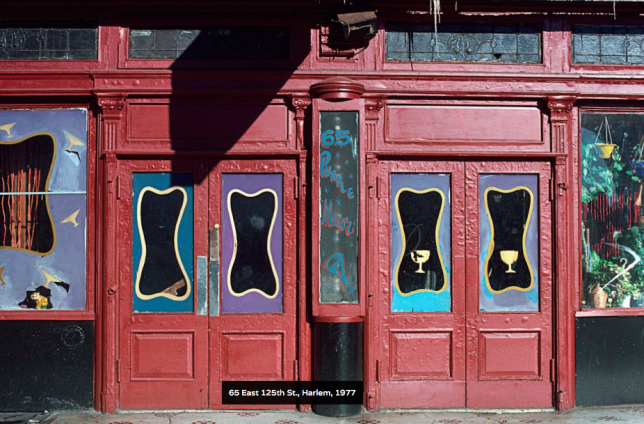
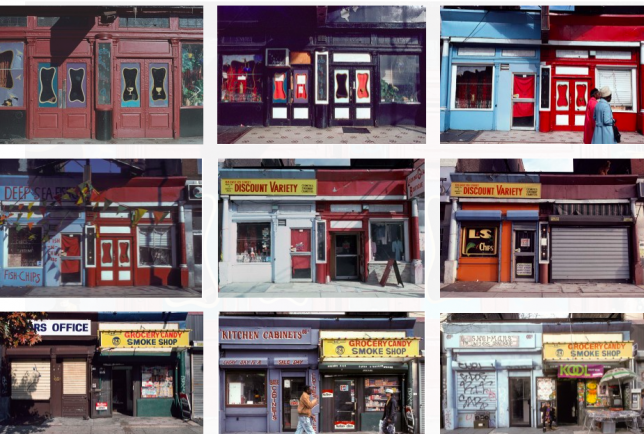
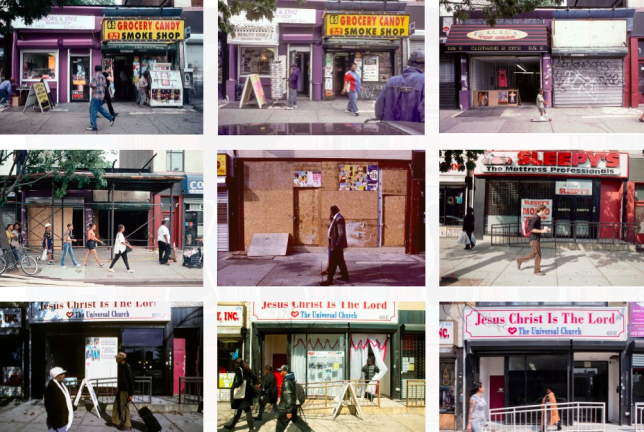
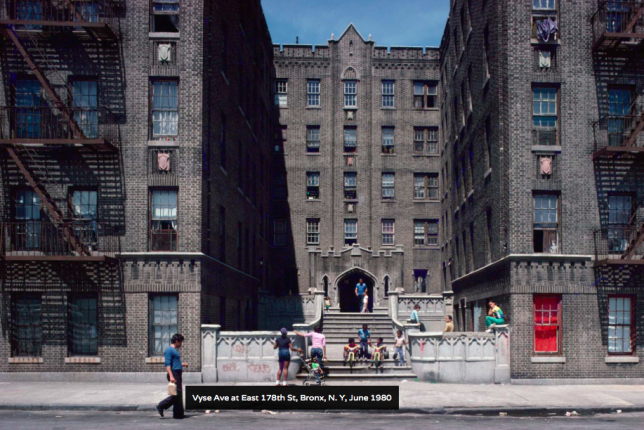
Architecture that was at its prime in the 1970s has slowly fallen into decline and often ruin thanks to decades of neglect, especially in America’s poorest and most racially segregated communities, including Gary, Detroit, Camden and Harlem. Many of these structures were historically significant, built between the late 1880s and the 1920s, but when no budget exists to care for them and entire cities are left behind by economic progress, the forces of nature and decay take over.

screen-shot-2016-11-18-at-10-01-16-am

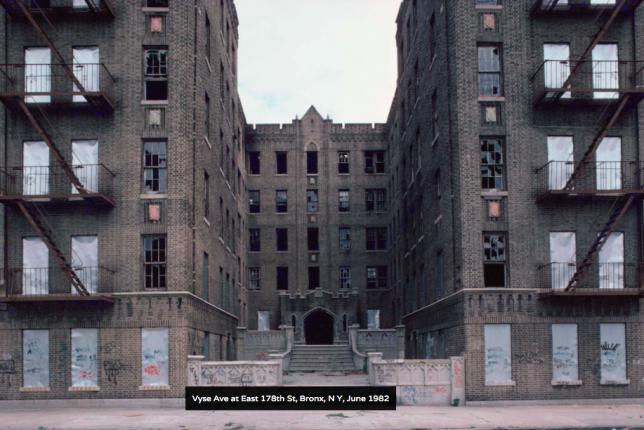
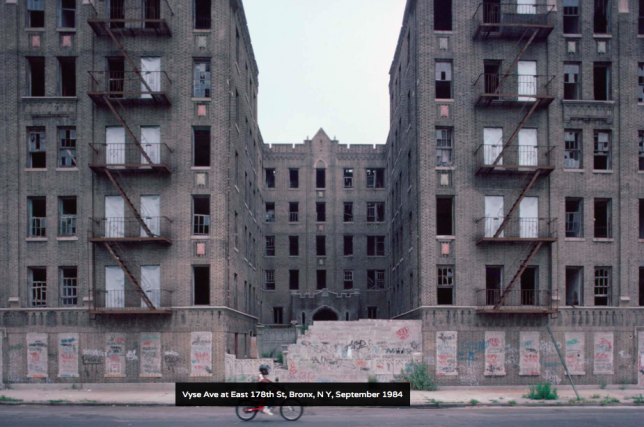
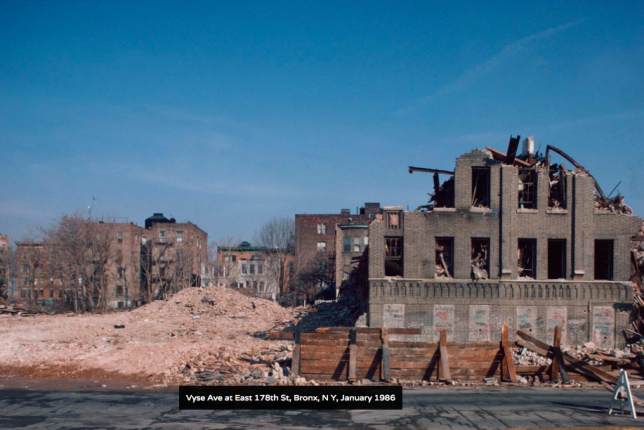
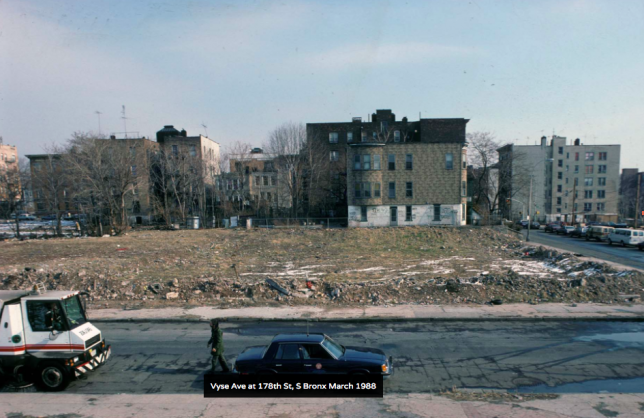
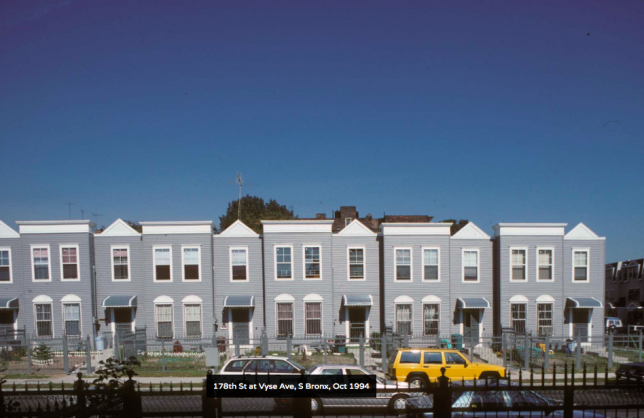
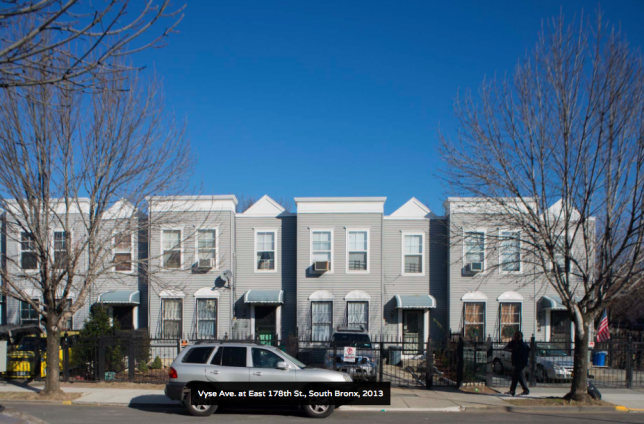
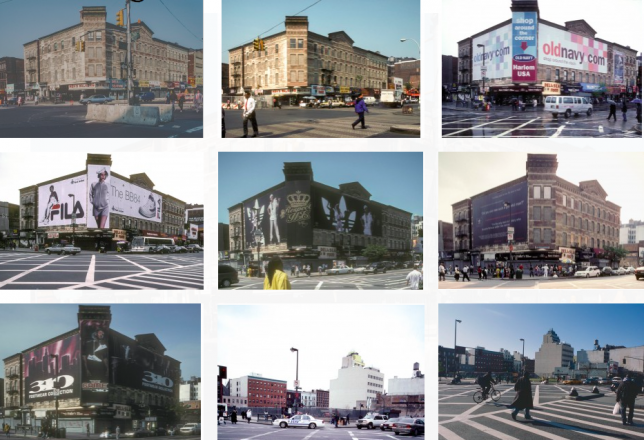
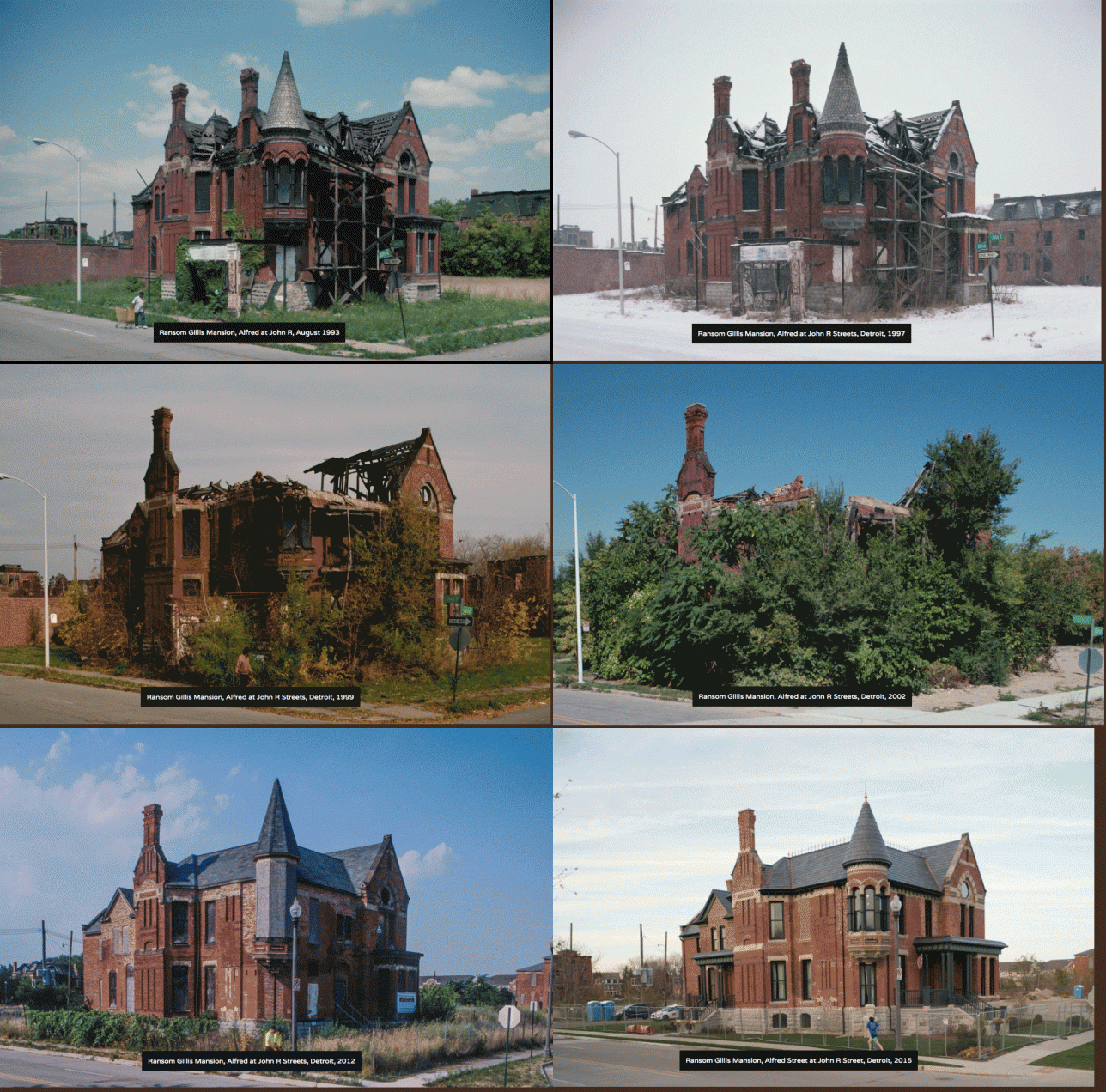
In a potent visual representation of poverty in America’s urban centers and the loss of historic architectural character via demolition, Chilean-born photographer Camilo José Vergara has spent the last 40+ years documenting the downfall of dozens of structures and city streets. The resulting series, ‘Tracking Time,’ is a time-lapse in slow motion, photographing the same buildings once every few years.

screen-shot-2016-11-18-at-10-01-52-am

screen-shot-2016-11-18-at-10-02-16-am

One old shop in Harlem gets painted several times over, has its stained glass windows knocked out, loses a facade to an ugly garage door and is split up into multiple smaller businesses before finally being boarded over and transformed into a mini-mall-style church in 2014.

screen-shot-2016-11-18-at-10-21-00-am

screen-shot-2016-11-18-at-10-21-08-am \

screen-shot-2016-11-18-at-10-21-22-am

screen-shot-2016-11-18-at-10-21-30-am

screen-shot-2016-11-18-at-10-21-38-am

screen-shot-2016-11-18-at-10-21-50-am

screen-shot-2016-11-18-at-10-22-01-am

A massive brick building in South Bronx becomes modest row houses, while The Ransom Gillis House in Detroit (top) sinks into the ground, its bricks falling in clumps, the roof caving in, ivy and trees taking over. It’s almost completely obscured by greenery before a restoration brings it back to its former glory.

screen-shot-2016-11-18-at-10-00-54-am

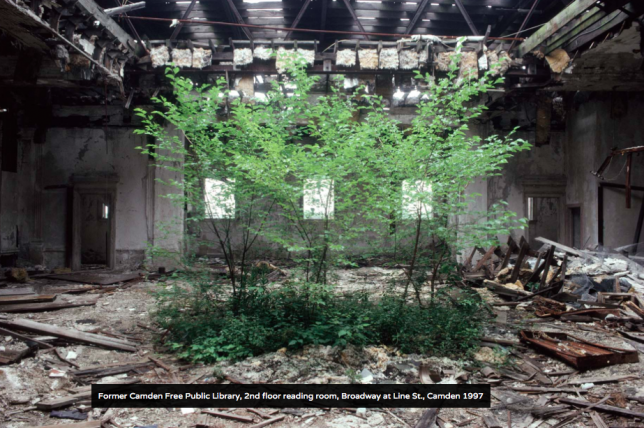
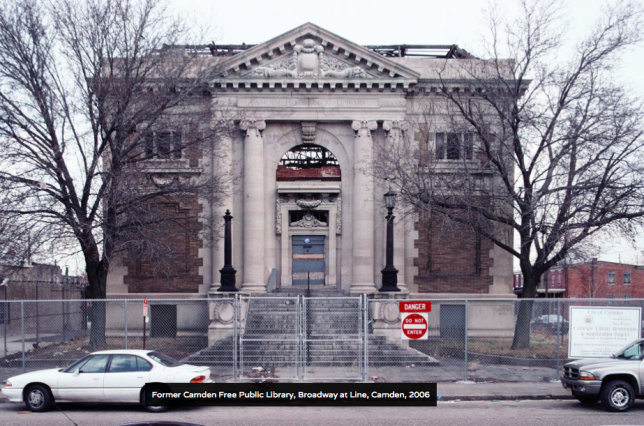
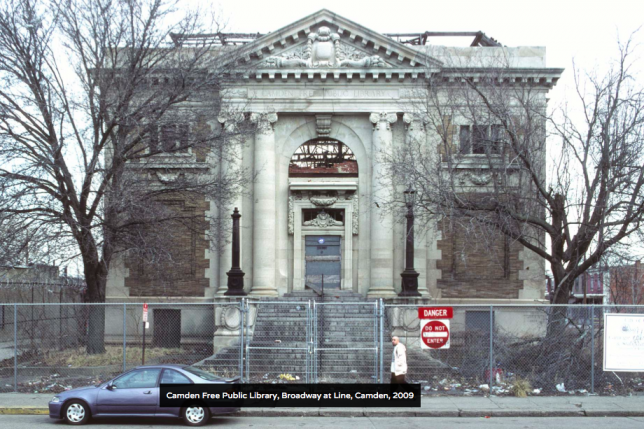
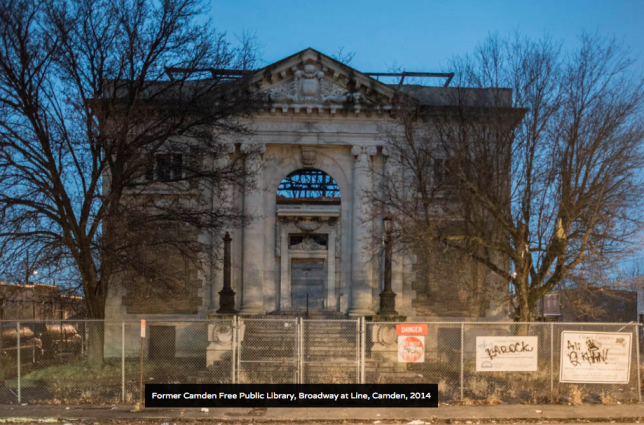
But other stories aren’t so positive, since people care more about mansions than they do about public housing projects, row houses, and modest residential neighborhoods. Occasionally, Vergara ventures inside to show us that even though the facades still look beautiful, like that of the former Camden Free Public Library, the interiors are utterly destroyed.

screen-shot-2016-11-18-at-10-10-30-am

screen-shot-2016-11-18-at-10-10-40-am

screen-shot-2016-11-18-at-10-11-08-am

screen-shot-2016-11-18-at-10-11-24-am

screen-shot-2016-11-18-at-10-11-54-am

It can be a heartbreaking journey but also a fascinating one, watching some of these structures remain the same for many years while the world changes around them before transforming into something new. And some do manage to endure.

Share on Facebook


[ By SA Rogers in Abandoned Places & Architecture. ]

[ WebUrbanist | Archives | Galleries | Privacy | TOS ]


WebUrbanist

 
Comments Off on Evolution of Decay: Watch American Buildings Fall Into Ruin Over 40+ Years

Posted in Creativity


Drawn Together: The Evolution of Architectural Scale Figures

18 May

[ By WebUrbanist in Art & Drawing & Digital. ]

architectural selfies

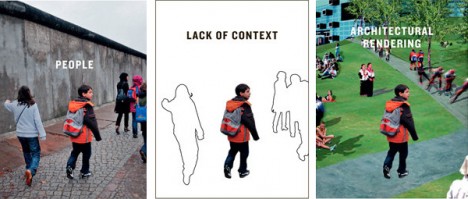
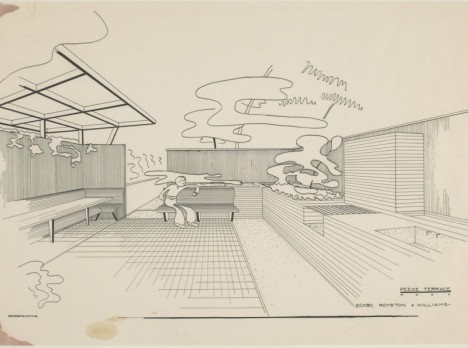
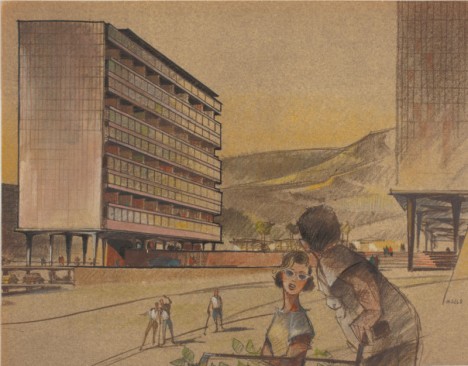
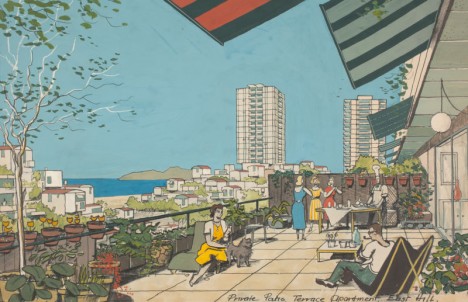
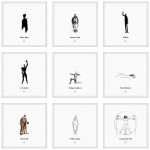
As they evolved, illustrated figures in architecture (sometimes called ‘scalies‘) have grown to have more personality, color and life, serving as more than a means to measure relative distances, heights and widths in renderings.

architectural scalies figure void

abstract scales

Historically, architectural drawings rarely featured people and, when they did, these were simplified constructs, often just outlines or silhouettes, designed simply to give the viewer a sense of scale.

scalies from gizmodo

scalies

Over time, start to see figures sitting in furniture, holding books (or recently: mobile devices), groups interacting and other strategies to bring these two-dimensional people to life, and the architectural scenes they inhabit along with them.

scalies in new rednerings

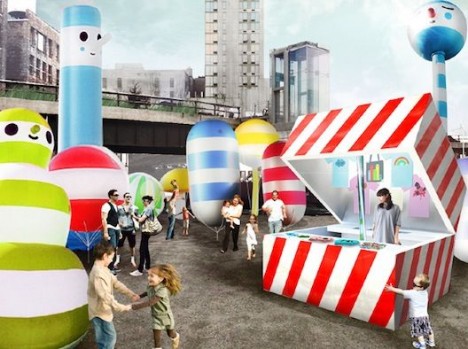
Their evolution is not accidental: scalies are often used with very explicit aims, from trying to give people a sense of the use that will take place in a finished building or space to conveying a broader vision of its popularity. Developers, for instance, may want to sell investors on how well their project will do financially, and thus pack drawings with figures to create that impression.

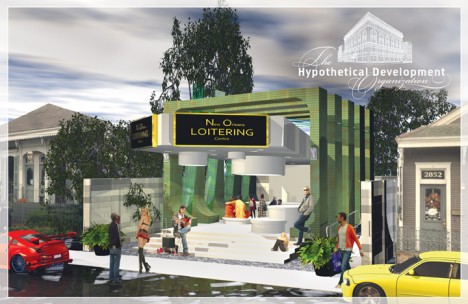
loitering scalies

On the flip side, architectural students may take things to opposite extremes, setting lewd, crude or generally absurd scenes for shock value and collegial entertainment.

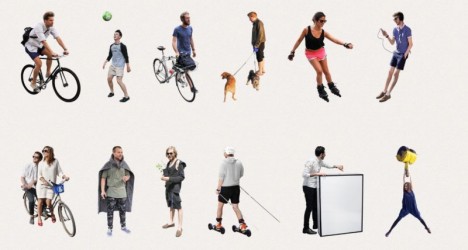
scalies package

While some architects simply photo-edit their own scalies out of various images, there are professional makers as well, who take pictures against green screens and sell them in bundles, like “100 Business People” or “100 Casual People.” With the rise of 3D modeling, some companies are starting to capture and sell three-dimensional figures as well.

scalies in extreme environmen ts

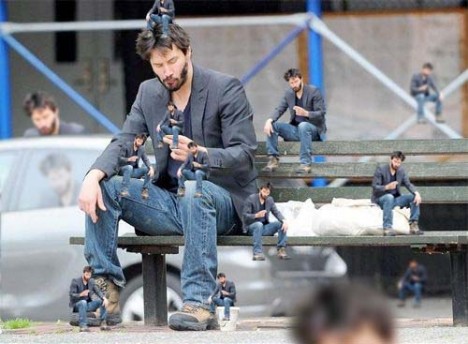
sad keanu architecture rendering

Increasingly, other ‘support’ objects have coming into play, from cars to carried accessories. Some designers go out of their way to make scalies stand out, using scantily-clad models, impossible characters (like dinosaurs) or famous figures (like a sad Keanu).

scalies example

Taking the larger view, scalies show us a great deal about times, places and cultural norms; in the mid-1900s, you find men golfing and women in kitchens, dressed (of course) in period attire. Today is no different, but we notice the cultural cues less since these are now our times and places (Images via Gizmodo, Curbed, The New York Times and DesignObserver).

Share on Facebook


[ By WebUrbanist in Art & Drawing & Digital. ]

[ WebUrbanist | Archives | Galleries | Privacy | TOS ]


WebUrbanist

 
Comments Off on Drawn Together: The Evolution of Architectural Scale Figures

Posted in Creativity


Countdown to PIX 2015: Jonathan Alcorn and the evolution of news photography

30 Sep

With just a week until PIX 2015, we’re taking the opportunity to introduce you to some of our talented re:FRAME speakers. As a veteran photojournalist, Jonathan Alcorn has acquired some impressive clients on his resume including Reuters, Bloomberg, Getty Images and the New York Times, among many more. Read more

Articles: Digital Photography Review (dpreview.com)
 
Comments Off on Countdown to PIX 2015: Jonathan Alcorn and the evolution of news photography

Posted in Uncategorized


G-Technology updates Evolution range with adapters, readers and portable storage

10 Sep

Data storage manufacturer G-Technology has revamped products within its Evolution series and has added adapters to make its family of docks and drives more flexible. Read more

Articles: Digital Photography Review (dpreview.com)
 
Comments Off on G-Technology updates Evolution range with adapters, readers and portable storage

Posted in Uncategorized


OM Evolution: Olympus OM-D E-M10 II real-world sample gallery

25 Aug

The Olympus OM-D E-M10 provides some user experience upgrades over its predecessor, though largely contains the same imaging components. We hit the road with our E-M10 II loaner as soon as it arrived a few days ago, to try out its new ergonomics and 5-axis image stabilization. Read more

Articles: Digital Photography Review (dpreview.com)
 
Comments Off on OM Evolution: Olympus OM-D E-M10 II real-world sample gallery

Posted in Uncategorized


City Evolution: Watch Urban Growth in 3D Visualizations

18 Jul

[ By Steph in Architecture & Cities & Urbanism. ]

City Growth Maps Main

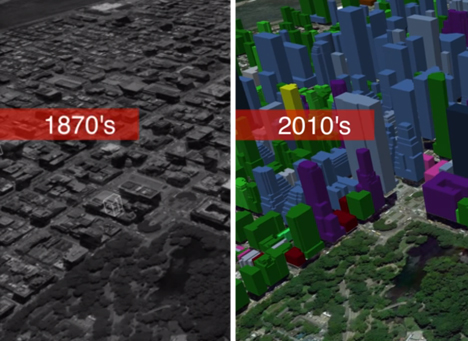
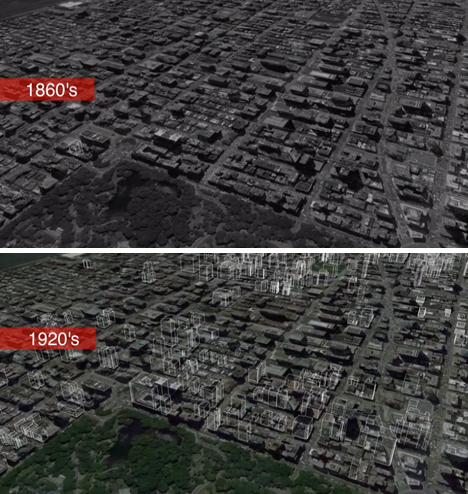
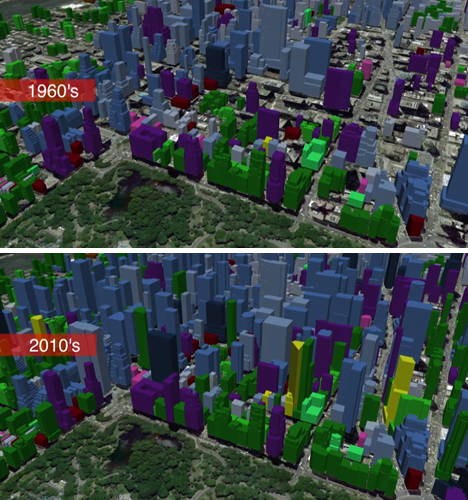
Watch Manhattan multiply and San Francisco soar into the sky in a series of growth animation videos that show the expansion of cities over more than a century. Created by Calgary-based real estate company Cube Cities, the videos utilize developer-reported data of building construction dates to show buildings pop upon top of city maps.

City Growth Maps NYC 1

City Growth Maps NYC 2

3D mapping technology from Google Earth provides the base of the videos, and animations show construction as it occurs through each decade. The videos highlight the busiest decades for growth, which is most visible in New York City during the 1920s, San Francisco during the ’60s and Toronto during the ’70s.

Next Page:
City Evolution Watch Urban Growth In 3d Visualizations

Share on Facebook


[ By Steph in Architecture & Cities & Urbanism. ]

[ WebUrbanist | Archives | Galleries | Privacy | TOS ]


WebUrbanist

 
Comments Off on City Evolution: Watch Urban Growth in 3D Visualizations

Posted in Creativity


Accessory Review: Tamrac Evolution 9 Photo Backpack

30 Mar

tamrac.png

Since the quest for the perfect camera bag will likely never end, we continue ours with a look at the Tamrac Evolution 9, a larger bag that can be used as a backpack or slingpack. Capable of holding a pro digital SLR with a long zoom, a 17-inch notebook, plus several lenses and accessories, the Evolution 9 seemed durable and well designed. Click through for our review to learn how it held up in the field.

News: Digital Photography Review (dpreview.com)
 
Comments Off on Accessory Review: Tamrac Evolution 9 Photo Backpack

Posted in Uncategorized


Pro Evolution Soccer 2012 for Android on Samsung Galaxy S i9000 High Definion 720p

15 Feb

Pro Evolution Soccer 2012 for Android on Samsung Galaxy S i9000 PES2012 gameplay, video taken on Nikon D7000 + Nikkor 35mm 1,8 G 720p HD video Samsung Galaxy S i9000 – android 2.3.5 custom ROM – 1GHz processor 4″ Super Amoled display
Video Rating: 4 / 5


RuneScape – Evolution of Combat Boss Solos Pt. 1

03 Feb

Several days after the release of EoC to RuneScape, I thought it would be nice to make a compilation of boss monsters soloing once more. Like, Comment, Fav, and subscribe for more videos like this! 🙂 My comments regarding some boss monsters in this video: – Chaos Elemental: Lvl 138; Life points: 17250; Weakness: Bolts With the removal of PK Skulls, the wilderness is now even much more dangerous and high-risk, as you will drop all of your items at death (with the exception of 1 item if you have Item Protect). What you will face is the Chaos Ele will randomly teleport you around (usually away from); you can resolve this by using an ability on your actionbar, assuming you have the boss targeted. The Ele can also disarm you if you have inventory space. This is dangerous when you are peforming an ability that channels. As shown in the video, I was using Snipe, but then I got disarmed, so snipe did not work as damage calculation only triggers if I have a ranged weapon equipped. While re-equipping your armour or weapon, you will suffer a 2-second cooldown for all abilities. Dagannoth Kings: Lvl 156’s; Life points: 37400 Weaknesses: Prime: Arrows; Rex: Fire; Supreme: Stab These bad boys are by far the hardest to solo, you cannot bind Dagannoth Rex (even if the spell hits) as he is immune to stuns (including many other bosses). I’m hoping Jagex decides to fix this particular error. Even if you were trying to kill Supreme first with Magic Protection prayer, you will get destroyed

Video Rating: 0 / 5