RSS
 

Posts Tagged ‘Dramatic’

Predicting Dramatic Sunsets

10 Oct
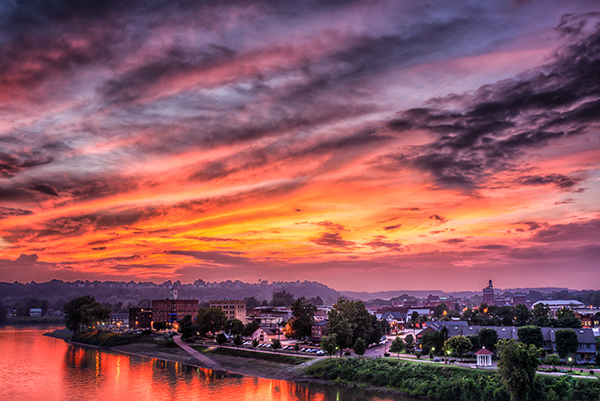
Summer sunset over Marietta Ohio just after a storm had past through earlier in the afternoon.

“Red Sky”  Summer sunset over Marietta, Ohio

One question every child asks is, “Why is the sky blue?” But let’s look at why is the sky red at Sunset. Light from the sun is made up of all the colors in the rainbow. As the sunlight enters the earth’s atmosphere, the short wave length of blue light is scattered in all directions, more than any of the other colors, causing the sky to be blue during the day. At sunrise and sunset, the light has farther to travel due to the low angle of the sun in the sky. This causes the blue light to be blocked and scattered away, allowing the longer wave lengths of red and yellow colors to appear in the sky.

I am sure you wish there was some magic formula that could tell you exactly the night for photographing a beautiful sunset? It’s not that easy, but hopefully we can discover some ways to increase your odds.

Let’s take a closer look at some other factors that will help you predict brilliantly colored sunsets. You have no doubt heard the saying “Red sky in the morning, sailors take warning. Red sky at night, sailors’ delight”. This saying can also help you predict sunsets (and sunrises) if you know the weather forecast. Look for a red sky at sunrise ahead of a storm and at sunset after a storm. Knowing what to expect weather-wise is key to anticipating the right conditions for a shoot, so the first thing you need to do is find a good weather app or website. A website such as Intellicast.com will give you a detailed hourly report for key factors: cloud cover, air quality, humidity, and wind speed.
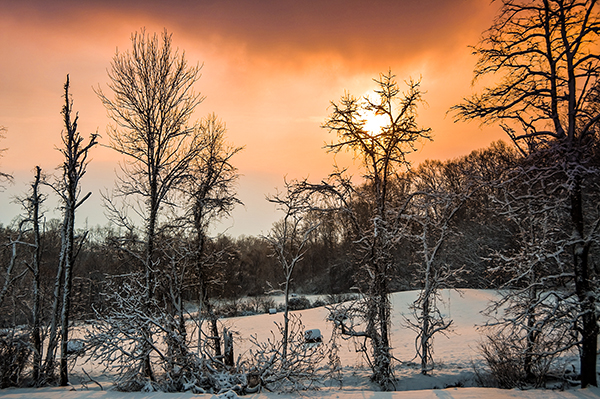
Winter sunset after a snow storm.

Winter sunset after a snow storm.

Clouds and Cloud Cover

Clouds are a crucial factor to predicting dramatic sunsets, for without clouds there is not much to see. One common misconception of brilliant sunsets is that clouds create the colors; in reality clouds only serve as the canvas to display the colors that the light is painting. High to mid-level clouds are the most effective canvases, as they will reflect the colors of the setting sun. Puffy clouds on the horizon at sunset will more than likely not allow the sun rays to pass through them, thus muting the colors. Lower clouds (such as dark rain-filled clouds) are not very helpful at reflecting much light. If the clouds on the horizon are low and thick the sun will not be able to shine through them. It is also worth noting that too many or too few clouds can be detrimental for an optimal photo, so check out your detailed weather report for cloud cover percentages between 30 to 70 percent at sunset.

You can observe cloud conditions in the afternoon and if the sky looks favorable, you can hope that these clouds will still be present at sunset. No guarantees, but if there is not much wind these clouds may stick around to create a beautiful sunset.

A brief description of fair weather clouds that may produce dramatic sunsets:

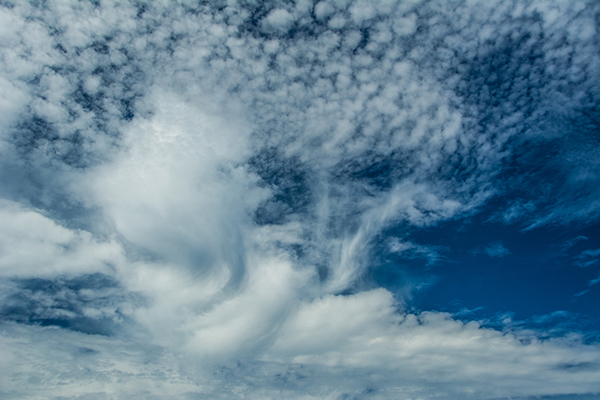
  • Cirrocumulus Clouds – These look like ripples on water. Blue sky is the usual backdrop.
  • Altocumulus Clouds – Often occur in sheets or patches with wavy, rounded masses or rolls, like little cotton balls. They are generally white or grey, and usually appear after a storm.
  • Cumulus Clouds – Easily recognizable, large, white, and fluffy, often with flat bases.
  • Cirrus Clouds – Generally characterized by thin, wispy strands. These clouds arrive in advance of frontal systems indicating that weather conditions may soon deteriorate. Nevertheless, these are one of the best kinds for photographing dramatic sunsets!
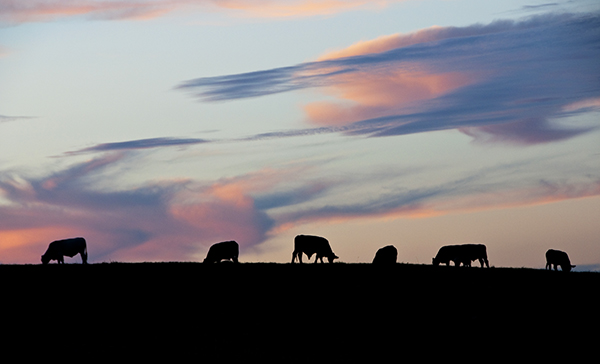
DSC_1917

If you see this kind of sky in the afternoon with calm winds, chances are good you are in for something special at sunset.
5939386215_2d2133ebcc_o

Clean Air

Clean air is very effective at scattering the blue light. For this reason one of the best times for dramatic sunsets is right after a rain or wind storm. While lower clouds rarely reflect brilliant colors (as mentioned above), note that where the lower atmosphere is especially clean, as in over open oceans in tropical regions, more vivid colors are allowed pass through. This is the reason so many beautiful sunset images are captured in the tropics.

Humidity

The amount of humidity in the air will also have an effect on the colors of your sunset. Lower humidity will produce more vibrant colors. With higher humidity the colors will be muted because of the water content in the atmosphere. The seasons of autumn and winter typically produce lower humidity than in the warmer seasons.

Wind

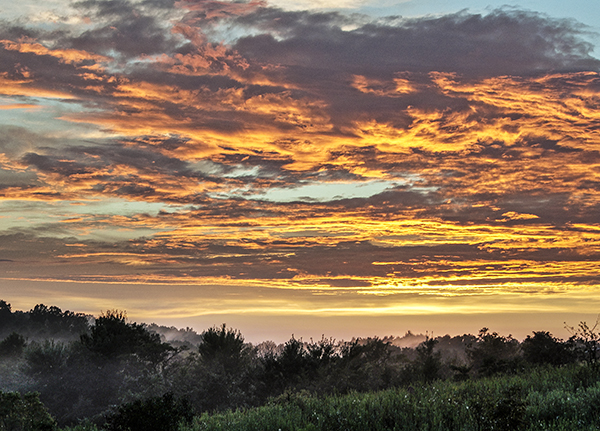
Wind is a factor that can either enhance or destroy a beautiful sunset. A change in wind direction can cause the clouds to develop ripples or billows, which can create a beautiful effect as the setting sun reflects a nice red glow onto the ripples. Also, as established earlier, clean air will produce more brilliant colors, and a nice breeze before sunset can help clear the air. Unfortunately, the wind can become a negative factor on those days when favorable clouds are present in the afternoon, but a weather front moves through with strong winds that remove those clouds and leaves you with a clear sky at sunset. This is another instance when a good weather app or weather website can give you an indication on its radar as to when a front may move through your area.
6022670360_25a65077ed_o

To summarize your sunset prediction, look for:

  • Mid to high level clouds
  • 30 to 70 percent cloud coverage
  • Clean air
  • Lower humidity
  • Calm winds

A final thought to consider when photographing sunsets – sometimes the afterglow of the sunset, which can occur 15 to 20 minutes after the sun goes behind the horizon, can be much more spectacular than the actual sunset.

Generally, all these weather-related rules also apply to photographing sunrise, but the visual signs are more difficult to spot since it is darkest before the dawn. A good time to photograph at sunrise is in the fall and winter when it occurs later in the day than in the summer months.

Do you have any other tips for predicting dramatic sunsets? Please share some of your favorite sunset images. Who doesn’t love a good sunset? If you want some tips for shooting the great sunset you’ve found try: 8 Simple Guidelines for Capturing Spectacular Sunrise and Sunset Images

The post Predicting Dramatic Sunsets by Bruce Wunderlich appeared first on Digital Photography School.


Digital Photography School

 
Comments Off on Predicting Dramatic Sunsets

Posted in Photography


LA River Rehab: Dramatic Urban Revitalization Planned

14 Jun

[ By Steph in Architecture & Cities & Urbanism. ]

LA River Rehab 1

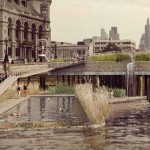
Currently a concrete wasteland along most of its urban length, the Los Angeles River is set to get a dramatic billion-dollar makeover with the backing of the Army Corps of Engineers. The Corps has revealed support for the most comprehensive plan, which transforms two segments of the river stretching 11 miles in length into green space for humans and natural habitats for wildlife.

LA River Rehab 3

Curbed LA has interactive sliding before-and-after images of various parts of the river, showing what they look like now and how much they’ll change after the rehabilitation. Among the planned changes are restoring wetlands that have been lost to urban expansion.

LA River Rehab 2

LA River Rehab 7

The LA River acted as a flood control channel until January 1st of this year, getting a new use as a navigable waterway, meaning the county has to make it accessible to the public. New public events along the river have already begun, like bike-in movie nights.

LA River Rehab 5

Aside from the obvious positives for residents of Los Angeles, the $ 1 billion transformation is expected to bring in over $ 5 million over the next 10 to 15 years alone, and generate tens of thousands of jobs.

Share on Facebook


[ By Steph in Architecture & Cities & Urbanism. ]

[ WebUrbanist | Archives | Galleries | Privacy | TOS ]


WebUrbanist

 
Comments Off on LA River Rehab: Dramatic Urban Revitalization Planned

Posted in Creativity


Floating Architecture: 16 Dramatic Cantilevered Structures

13 May

[ By Steph in Architecture & Public & Institutional. ]

Cantilevered Structures Main
Jutting out over cliffs or hovering over impossibly small foundations, these 16 dramatically cantilevered structures seem like they’re about to take off into the sky. With designs that appear to defy the laws of physics, these balancing homes, museums and mountain overlooks extend beyond the usual boundaries to take in majestic views.

Balancing Barn by MVRDV

Cantilevered Balancing Barn 2
Cantilevered Balancing Barn 1

Dutch architecture firm MVRDV has made a name for itself with wholly unexpected, often gravity-defying structures, and Balancing Barn is a prime example. The glittering metal-clad building looks like someone started to push it off a cliff and gave up, seeming to balance precariously on the edge of the hillside. The structure is 98 feet long (30 meters) and is actually no barn at all, but a home designed to take in the views of the surrounding forest.

Hemeroscopium House by Ensamble Studio & Anton Garcia-Abril

Cantilevered Hemeroscopium House 2
Cantilevered Hemeroscopium House 1

A swimming pool juts out over the grass at the highly unusual Hemeroscopium House by Ensamble Studios. Made of prefabricated concrete built from three massive I-beams, two segments of an irrigation canal and two steel girders, the house took just a week to assemble.

Top of Tyrol Viewing Platform, Austria

Cantilevered Top of Tyrol Overlook

The sculptural Top of Tyrol overlook by Aste Architecture is a platform that juts 27 feet over a ridge at the pinnacle of Austria’s Mount Isidor. The oxidized metal structure was designed to blend into the environment as much as possible, seeming to disappear into the rocks during warm weather and meld with the snow in winter.

View Hill House by Denton Corker Marshall

Cantilevered View HIll House

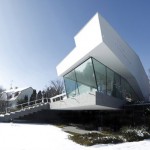
Rather than placing the second story parallel to the first, as is most common, Australian architects Denton Corker Marshall chose a perpendicular approach for the aptly named View Hill House. The architects envision the isolated building as ‘land art,’ a shape that can be reduced to two sticks placed on top of each other and ‘dropped’ onto the landscape.

Five Fingers Viewing Platform, Austria

Cantilevered Five Fingers Viewing Platform

Five individual platforms stick out of this overlook in the Salzkammergut area of the Austrian Alps, each with a different way to experience the view. One has a picture frame at the end, another has a glass floor, the third has a trampoline, the fourth features a round hole in the floor and the fifth offers a telescope.

Next Page – Click Below to Read More:
Floating Architecture 16 Dramatic Cantilevered Structures

Share on Facebook


[ By Steph in Architecture & Public & Institutional. ]

[ WebUrbanist | Archives | Galleries | Privacy | TOS ]


WebUrbanist

 
Comments Off on Floating Architecture: 16 Dramatic Cantilevered Structures

Posted in Creativity


Reconstructionism: 88 Dramatic Deformations of 1 Building

20 Dec

[ By WebUrbanist in Art & Photography & Video. ]

building montage

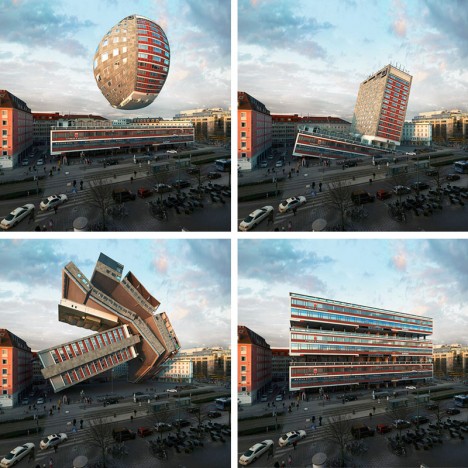
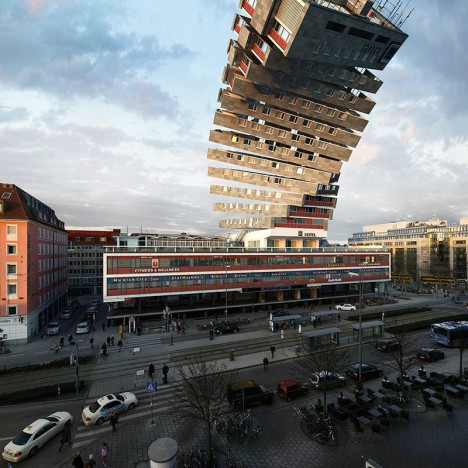
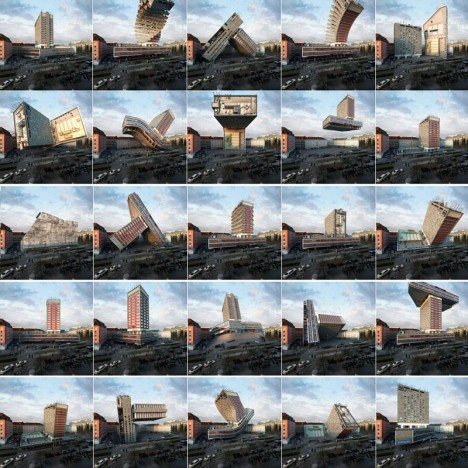
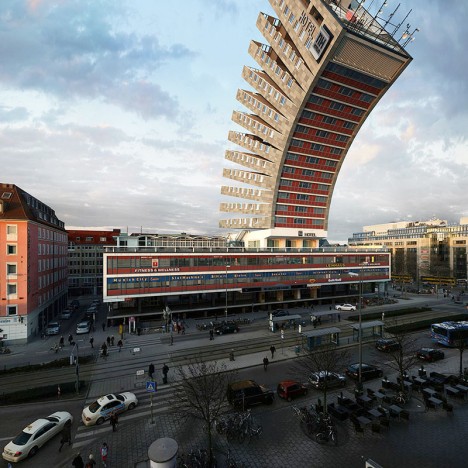
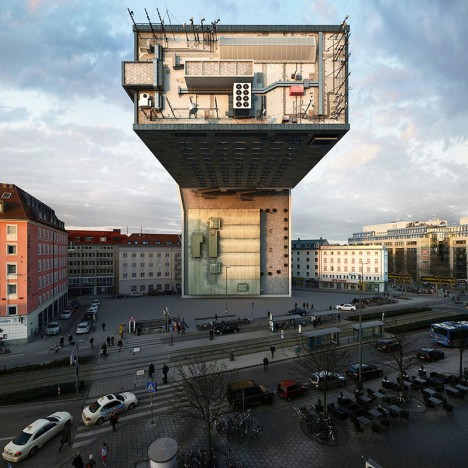
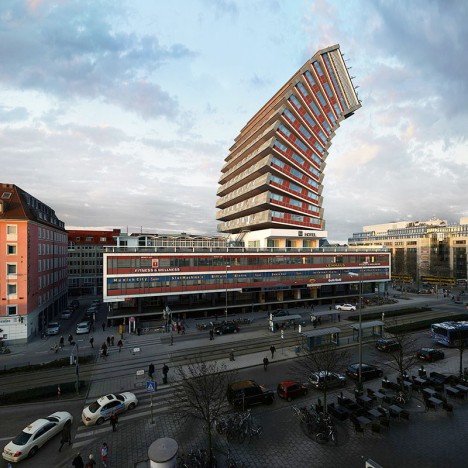
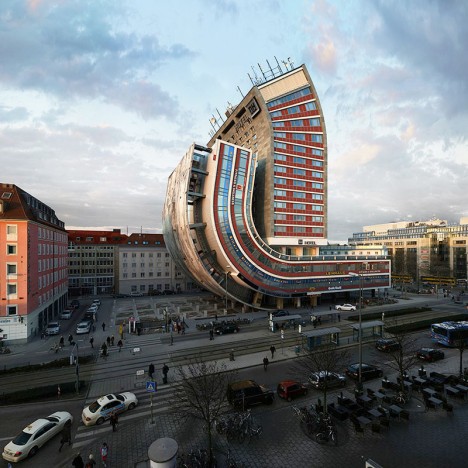
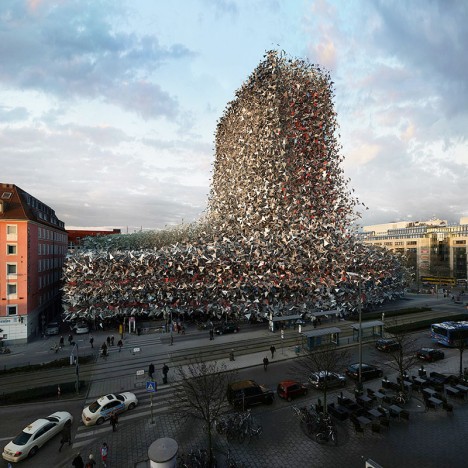
His world-famous photo manipulations span the globe but this time with a twist: a single seemingly-unremarkable structure bent, broken, shattered, turned, twisted and reformed in dozens of ways.

building float

building side

building twist

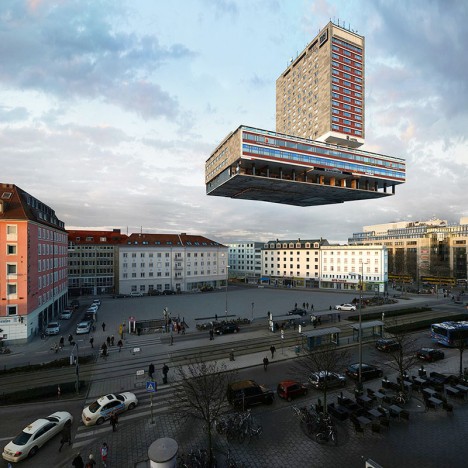
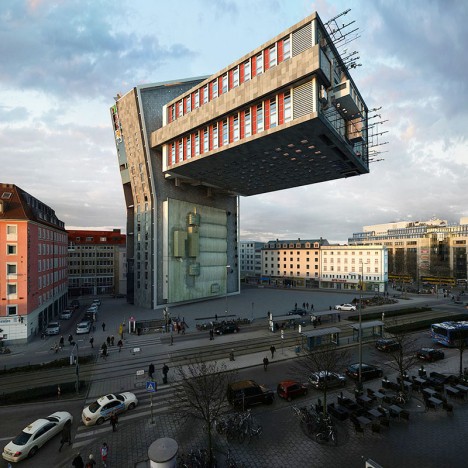
Victor Enrich starts with an intentionally plain subject – an ordinary hotel in Munich, Germany – then begins to unravel it floor by floor, split it up the middle, peal it like an onion, inflate it like a balloon, flip it from side to side and much more. Essentially any adjective you can think of has been visually applied to deform this building.

building deformations

building split

building turn

Like an architect with an over-active imagination or impossibly-demanding client, he envisions seemingly endless configurations while variously (depending on the piece) respecting the overall material, language, volume and (/or) site of the subject structure. Each piece is in some way recognizable with reference to the original, even when it pushes the boundaries of physical possibility.

building bend

building wrap

building explode

The resulting works can be viewed on his site and are summarized in the video shown here. Each is also available as a reasonably-priced print if from his website any grab your eye in particular, or grid editions (multiples on a single print) if you wish to frame your own sequence of deconstructions.

Share on Facebook


[ By WebUrbanist in Art & Photography & Video. ]

[ WebUrbanist | Archives | Galleries | Privacy | TOS ]


WebUrbanist

 
Comments Off on Reconstructionism: 88 Dramatic Deformations of 1 Building

Posted in Creativity


3 Tips for Creating Dramatic Images using Motion

18 Oct

motion-dps-09

There is a common misconception that if your image isn’t tack sharp and free of motion blur then it isn’t a good image. I’d like to show you three ways you can use motion blur to add drama and interest to your photography.

Misconception: motion blur in photography = a bad image

I would disagree and say, not necessarily so! It really depends on the subject you are shooting and your intention as the photographer and artist. Using blur can add interest and show implied movement in the image. It can help add a feeling of speed. If your are shooting a subject like sports, for example, you have use a fast lens and fast shutter speed to freeze motion at the peak of the action. OR you can introduce intentional motion blur by using a slower shutter speed to add a sense of speed. Neither is right or wrong, they’re just different. You get to choose and if you aren’t sure, do both!

Three tips for adding motion to your images

  • panning a moving subject
  • long exposures for affect
  • zooming or moving the camera during the exposure

Let’s look at each in more detail.

PANNING

DandC-Feb2013-0011-PPT

Panning is a technique for photographing moving subjects which allows you to get the subject relatively sharp, and blur the background. This adds a sense of speed and works particularly well when you have a background that is unattractive or distracting. The basics behind panning is you choose a slow shutter speed, and move your camera to follow the subject. Here are some tips on setting your camera for panning and giving it a try.

  • use high speed or “burst” shooting mode to take multiple images while holding down the shutter button
  • select Shutter Priority on your mode dial
  • start with 1/30th of a second and adjust slower and faster as necessary
  • practice following the moving object after it passes by
  • just like in golf, follow through is the key. Point your camera towards the approaching subject, shoot and follow them as they move through your field of view, and keep following their motion even after you stop shooting.

It takes a little bit of practice and a lot of trial and error but can result in some really stunning and creative images. Try shooting the same subject using a fast shutter speed and freezing the motion, then try panning and compare. It’s not something you will use for every subject, but it’s a good technique to have in your bag of tricks!

Here are a few examples of panning.

SanFran-2012-1090-PPT

1/25th of a second panned

DandC-June13-0092-PPT

1/30th of a second, panned

SanFran-2012-0893-PPT

1/25th of a second, panned

LONG EXPOSURES

By long exposures I’m taking about a shutter speed slower than you would usually be able to hand hold the camera. There are many reasons to use long exposures including: moving water, capturing star trails at night, car headlights moving through your scene, and night photography in general. You will need a sturdy tripod, a remote trigger to fire your camera and time. I say time for two reasons: one you will have to wait for some really long exposures sometimes, especially star trails; and two because you will need time to shoot, adjust and correct. A lot of photography is trial and error and in this age of digital photography we have the huge benefit of being able to have instant feedback so we can correct or adjust in the field and continue shooting.

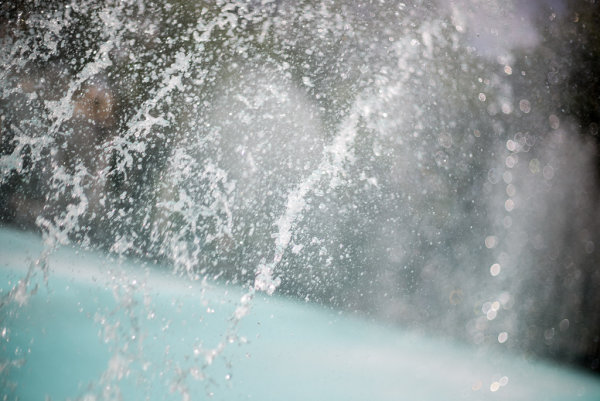
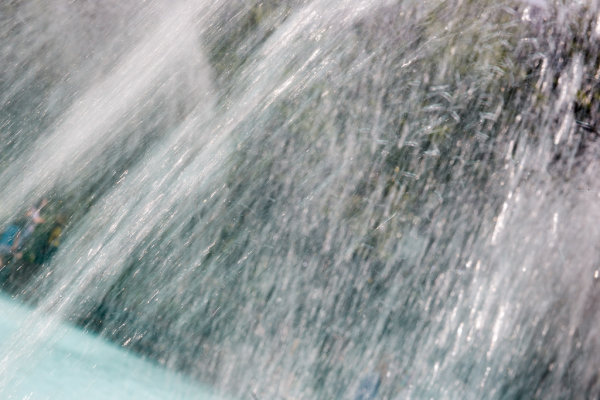
Here’s an example of the same subject photographed at different shutter speeds. Which do you prefer?

1/5000th of a second

1/5000th of a second

1/40th of a second

1/40th of a second

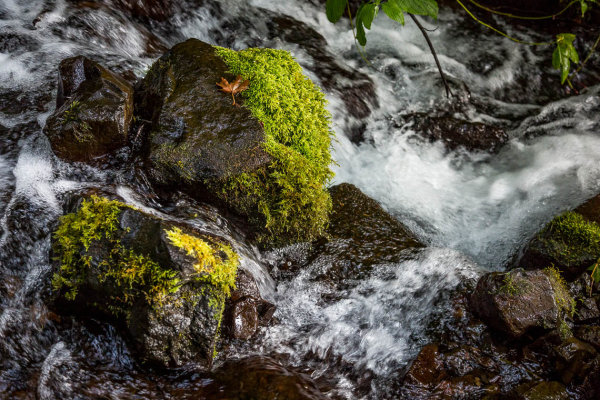
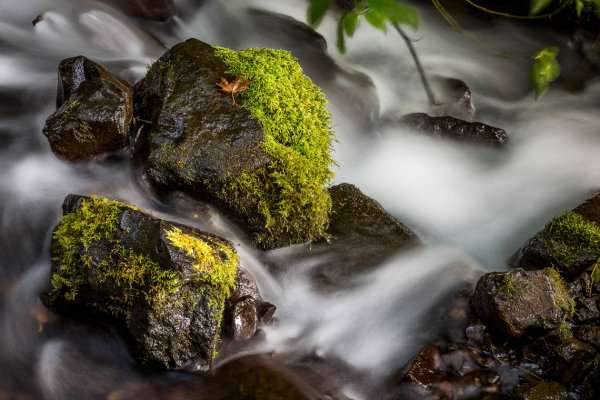
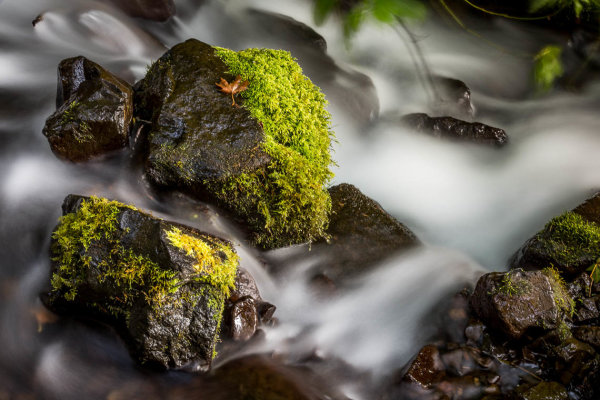
Besides night photography another common reason to use long exposures during the day is to photograph waterfalls and moving water. Keep in mind neither approach is right or wrong, you just yield different results based on the choice you make. A faster shutter speed will freeze the water in mid air (like the first image above). A long exposure will blur the water, and if you use a long enough exposure it can even disappear or become misty looking. Here’s a comparison:

1/100th of a second

1/100th of a second

2.5 seconds

2.5 seconds

With moving water, there also comes a point where doing a longer exposure doesn’t look any different. Compare the image below a 5 seconds, to the one above at 2.5 seconds. The water looks pretty similar, but what did happen was the tree above was blurrier in the 5 second one, so I chose to use the 2.5 exposure.

5 seconds

5 seconds

Here are a few more examples of long exposures.

Do you see the motion in the images below? What is moving in each?

motion-dps-01 motion-dps-02 motion-dps-03 motion-dps-04 motion-dps-05

For more information on how to shoot these types of scenes read:

  • 15 Tips for Successful Fireworks Photography
  • Three Special Effects for Night Photography

ZOOMING

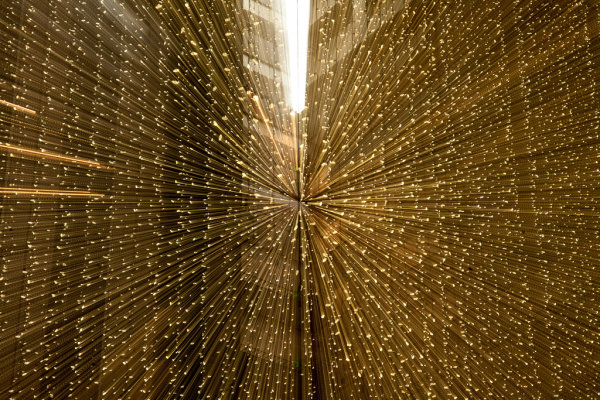
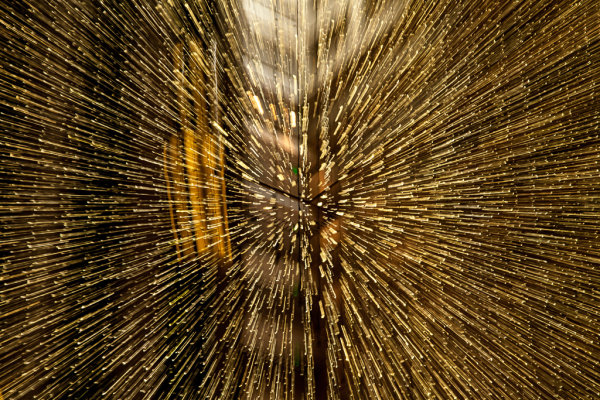
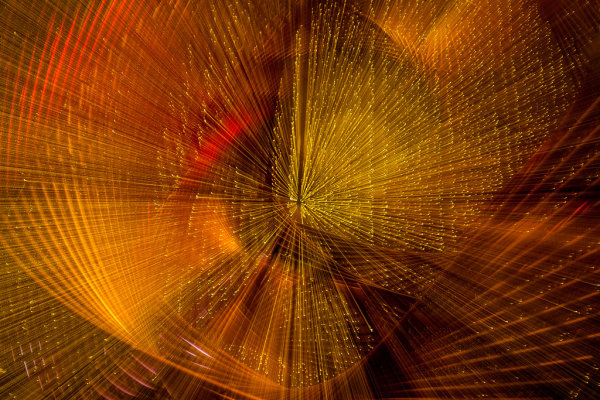
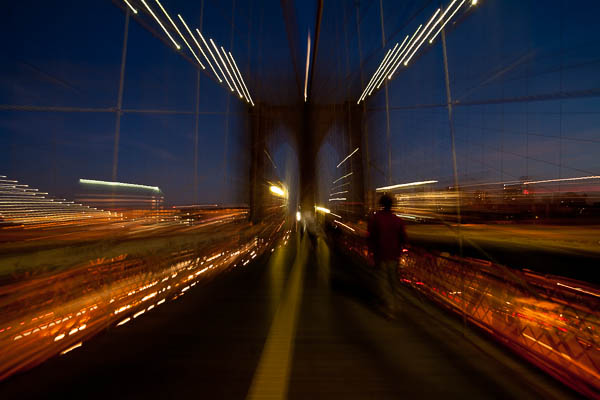
Last but not least, you can add motion by zooming your lens during the exposure. Basically what you do is physically rotate your zoom lens to change the focal length during a long exposure. This works really well and gives some really neat affects on night scenes with lights, neon signs, and even fireworks. But try it during the day too and see what you can create. It often results in a rather abstract image, sometimes completely obscuring the subject to make it unidentifiable. But that’s okay! Experiment and play with this idea. Have fun with it and get creative.

Some tips for zooming during your exposure:

  • Zoom in first to focus and lock it there so it doesn’t shift when you press the shutter button. You can use focus lock (a bit cumbersome), use autofocus and then turn it off, or use your camera’s back button focus capability. Whichever you choose just make sure you’ve focused with the lens at the longest focal length where it’s more critical than a wide one
  • Practice rotating the zoom mechanism on your lens. Get comfortable with which way to turn it, and how to turn it smoothly without making a bumpy mess.
  • Use an exposure of one second or longer. It’s pretty hard to do this a a/100th of a second!
  • Experiment with different zoom speeds (how fast you rotate the lens) and timing. The image will look different if you pause at the beginning and then zoom quickly, versus zoom slowly at the beginning and pause at the end of the exposure.

Here are a few examples of zoomed exposures

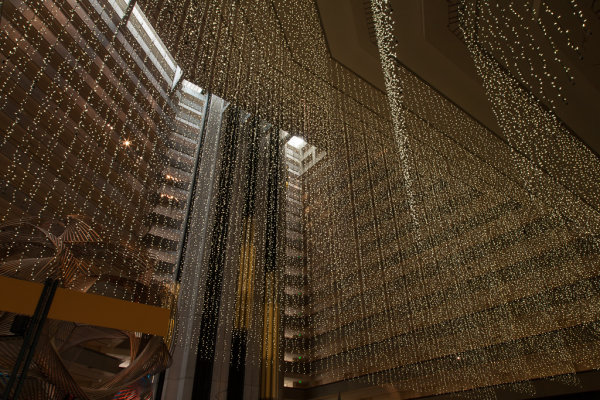
No zoom

No zoom. Notice all the small lights in this hotel lobby.

2 seconds

2 seconds

Also 2 seconds, notice how different they are? That's the zoom timing.

Also 2 seconds, notice how different they are? That’s the zoom timing.

2.5 seconds. Abstracted image of the sculpture in the first non-zoomed image (bottom left corner)

2.5 seconds. Abstracted image of the sculpture in the first non-zoomed image (bottom left corner)

motion-dps-06

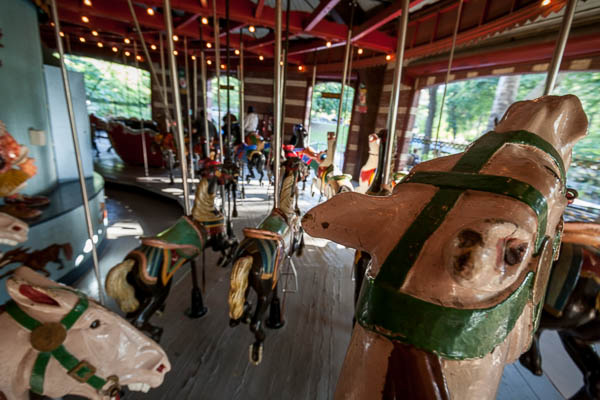
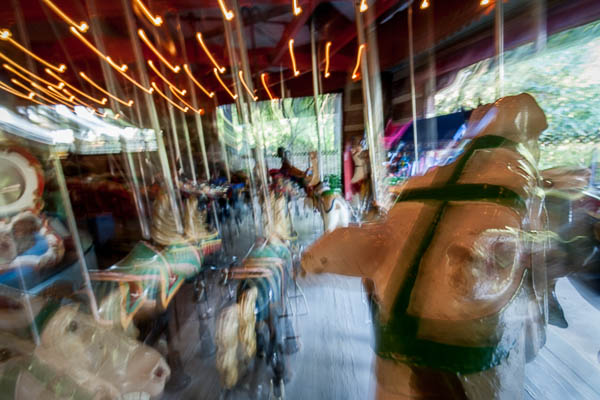
No zoom, I thought it was boring so I played with panning and zooming while on the carousel. Parents were looking at me funny after my 4th time around.

No zoom, I thought it was boring so I played with panning and zooming while on the carousel. Parents were looking at me funny after my 4th time around.

motion-dps-08

Zoomed version. Is it better? Debatable but it’s the process of playing that leads to creating great images. Always continue to play.

ACTION PLAN

If you haven’t really played with long exposures much, I challenge you to try some of these techniques. Find some moving subjects and blur them on purpose. Or find something that will make an interesting abstract and blur it by zooming.

The point is that not every image has to be tack sharp and some have absolutely nothing in focus and they’re still great images. Don’t get stuck on technical things like sharpness and try experimenting with out of focus for a while. Add some motion using these tips, or maybe even shoot completely out of focus on purpose. Come back and share your images and experience with us.

Have you got some great motion blur images? Do share those as well in the comments below.

Got another tip you want to add to the list?  Please do!

Cheers,

Darlene-1-250x130


Post originally from: Digital Photography Tips.

Check out our more Photography Tips at Photography Tips for Beginners, Portrait Photography Tips and Wedding Photography Tips.

3 Tips for Creating Dramatic Images using Motion

The post 3 Tips for Creating Dramatic Images using Motion by Darlene Hildebrandt appeared first on Digital Photography School.


Digital Photography School

 
Comments Off on 3 Tips for Creating Dramatic Images using Motion

Posted in Photography


How to Photograph Dramatic Clouds at Sunset

10 Oct

The difference between a nice sunset and a dramatic sunset is all about the clouds.

Of course, the difference between a dramatic sunset and no sunset is all about the clouds too!

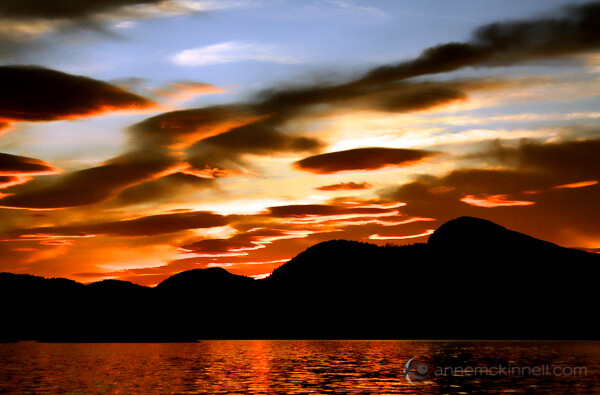
A clear sky at sunset might turn a shade of pale blue or pink, which is beautiful and calming, but with just the right amount of clouds the sky becomes alive with fire and drama as the day’s last rays reflect off the clouds making them red, orange, purple and pink.

Desolation Sound Marine Park, British Columbia, by Anne McKinnell

Not all clouds are created equal though. They come in many shapes, sizes, densities, and altitudes, and they all refract or absorb the light in different ways that can drastically change the quality of your photographs.

Types of Clouds

Clouds that hang low in the sky and form a band on the horizon or appear like a thick blanket covering the sky will block the sun’s high-flying rays and make the sunset pretty anti-climactic, if you can see it at all.

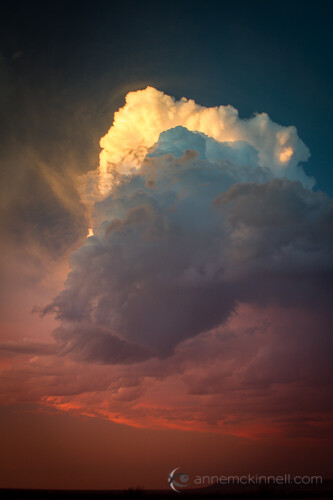
Sometimes large and lumpy clouds that are brighter on the top and dark on the bottom can create a lot of contrast, making for a very moody atmosphere. Rain, snow, and hail clouds fall under this category, as the weight of the excess moisture weighs them down.

Storm Cloud by Anne McKinnell

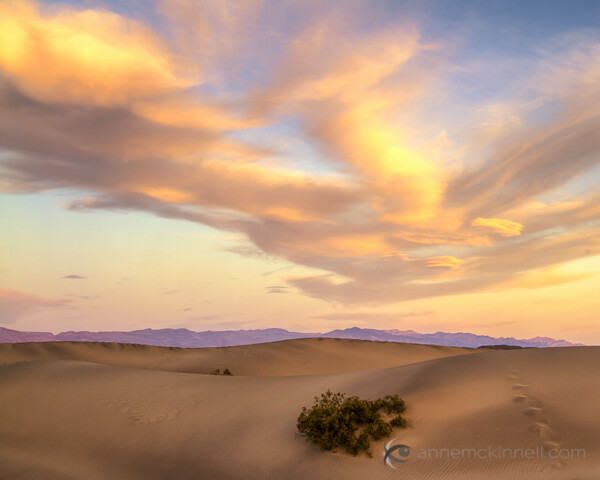
The most radiant displays of colour emerge when the clouds are very high in the sky. They are usually smaller, whiter, and thinner than the low-lying clouds, and they are able to catch the sunlight from beneath, allowing us to view those fiery colours from the ground.

These are more likely to occur when the weather is hot and dry, which is why desert landscapes are famous for their magnificent sunsets. When you want to create a dazzling sunset photo, these are the clouds you want to look out for.

Mesquite Sand Dunes, Death Valley National Park, California, by Anne McKinnell

Predicting the Weather

Sunsets don’t last very long, so it takes a little planning and a lot of luck to have nature set up the perfect sky for you. You never know when the ideal conditions are going to present themselves, but if you tune your senses to the weather and its patterns, you will start to get an idea of when you can expect to see the right amount of clouds in a sunset sky.

Watch the sky over the course of the day to see what kinds of clouds are forming and how fast they’re drifting overhead. Check your local weather forecast to find out when the sun will go down, and try to judge if they’ll be sticking around based on the time of day and the speed of their movement. Keep informed about any storms coming in that will bring low-hanging clouds along with them.

If you have a great view from your back yard, all you have to do is keep your camera at hand so you can dart out when you see a great sky. On the other hand, if your aim is to travel to a more distant location to get your shot, you’ll have to be a little more precise in your calculations to avoid hauling all your gear up a mountain only to have the clouds dissipate. Your best bet is to choose a location that will be beautiful with or without clouds – that way, if nature doesn’t cooperate, you haven’t wasted the trip.

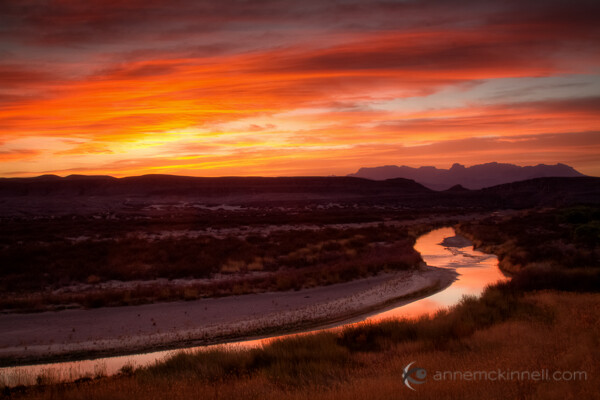
Rio Grande, Big Bend National Park, Texas, by Anne McKinnell

The Perfect Exposure

The most effective way of bringing out the natural saturation of coloured light is to underexpose very slightly – between a half-stop and a full stop. This darkens the rest of the image, making the colour pop in comparison. Use your exposure compensation to adjust this.

To make sure you get the best possible exposure, bracket your shots. This means taking several images at different exposures, so you can analyze them on your computer at home in order to determine which is the most successful. This can be done manually using your exposure compensation setting – take one image using the camera’s default settings, then take one that is underexposed by half a stop and one that is overexposed by half a stop. Some cameras will have an automatic bracketing option that you can utilize to change these settings for you.

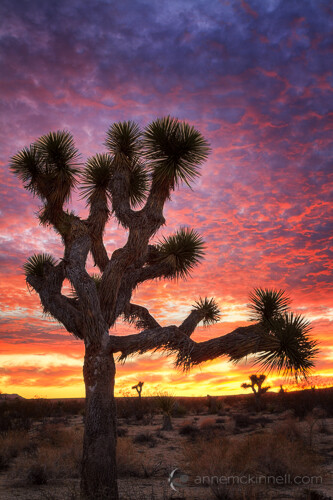
Another option is to create a high-dynamic range (HDR) image by combining multiple exposures as I did in this photo of a Joshua Tree. I made one exposure for the sky, another for the mid-tones, and another for the shadows and combined them in post-processing.

Joshua Tree National Park, California, by Anne McKinnell

If you want to soften the appearance of moving clouds, use a long shutter speed to blur them slightly. If they are drifting slowly you’ll need a longer exposure to achieve this than if they’re gliding swiftly across the sky.

Foreground

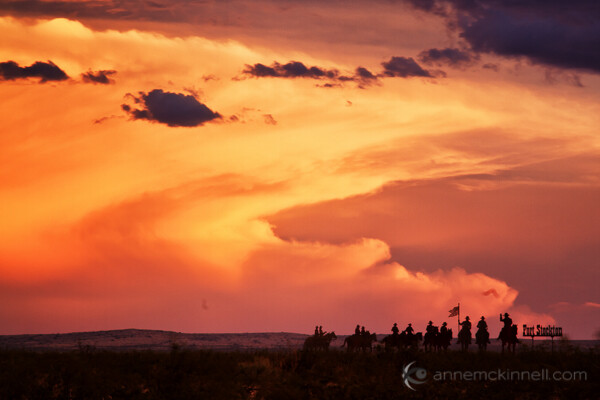
When you’re going after sunset-specific shots, there’s a good chance that your foreground is going to be silhouetted against the sky. When this happens, it’s easy to forget about the foreground all together. This is a mistake. Remember that every part of your frame is important. The darkened foreground is simply negative space, and should be composed just like the rest of the image. Look for interesting shapes or objects to place in the frame to create a focal point that enhances the picture. If you want your foreground to be more visible, use fill flash (flash with the brightness turned down) to lighten the subject slightly without overexposing.

Fort Stockton, Texas, by Anne McKinnell

Post-Processing

When you bring your photos into an image editing program, you might have the urge to crank up the saturation and make the colours really bold. Resist the urge to go overboard on this feature; a 5% increase is all right, but much more than that can cause your image to take on a cartoonish look that could make it appear inauthentic. If your software allows you to, change the “vibrance” instead. This option is similar to saturation, but it focuses its effects on the pixels with lower colour intensity, preventing over saturation. Be ginger with your adjustments, and when in doubt dial them back a little bit to ensure the alterations are subtle and the final image looks natural.

Post originally from: Digital Photography Tips.

Check out our more Photography Tips at Photography Tips for Beginners, Portrait Photography Tips and Wedding Photography Tips.

How to Photograph Dramatic Clouds at Sunset

The post How to Photograph Dramatic Clouds at Sunset by Anne McKinnell appeared first on Digital Photography School.


Digital Photography School

 
Comments Off on How to Photograph Dramatic Clouds at Sunset

Posted in Photography


Create Dramatic Lighting in your Photography by Introducing Darkness

22 Jul

Every professional photographer that you’ll ever talk to, will tell you that light is the most important part of photography. These people, myself included, are absolutely right, it is! Without it our photographs would be dull sheets of empty paper! Using dramatic lighting to a photographer’s advantage is the universal lesson preached to every photography student on the planet! But Continue Reading

The post Create Dramatic Lighting in your Photography by Introducing Darkness appeared first on Photodoto.


Photodoto

 
Comments Off on Create Dramatic Lighting in your Photography by Introducing Darkness

Posted in Photography


Performance Architecture: 10 Dramatic Opera Sets & Stages

10 Apr

[ By Steph in Architecture & Public & Institutional. ]
Amazing Opera Stages Main

Magnificent, surreal stages rise from the depths of Austria’s Lake Constance, rotating, glowing, rising and falling in time with the plots of famed operas, plays and musicals. Unparalleled in their scale and complexity, these stages are built every two years for the Bregenz Opera Festival, which began in 1946. With each season that passes, the sets get even more impressive. Here are 10 standouts.

Andre Chenier

Amazing Opera Stages Andre Chenier

AMazing Opera Stages Andrew Chenier 2

Amazing Opera Stages Andre Chenier 3

Looking like the remains of some fallen civilization, a statue emerges from the lake, its head draped. Then the fabric begins to fall away, revealing a set of stairs that lead right up to the figure’s eye. This interactive set for Andre Chenier, an opera set during the French Revolution, grows even more amazing as the night goes on: the neck of the statue is severed, the head falling back to reveal an additional set.

A Masked Ball

Amazing Opera Stages A Masked Ball

Amazing Opera Stages A Masked Ball 2

A massive skeleton looms over an open book as the scene for A Masked Ball, an opera by Guiseppe Verde. One of the Bregenz Festival’s most iconic sets, this one from 1999 is fairly simple compared to the amazingly complex ones seen in more recent years.

Tosca

Amazing Opera Stage Tosca

Amazing Opera Stages Tosca 2

Puccini’s Tosca played out against this unforgettable backdrop, which featured a giant eye with an iris that actually rotates to reveal a hidden room. Scenes for the James Bond movie Quantum of Solace were filmed in the front of the building and in the audience while this stage was still active, in 2008.

La Boheme

Amazing Opera Stages La Boheme

The 2001-2002 seasons of the Bregenz Festival featured three giant bistro tables and chairs for Puccini’s La Boheme, one of the world’s most popular operas.

Aida

Amazing Opera Stages Aida

Life-sized replicas of the Statue of Liberty – or at least, bits and pieces of it – made a dramatic setting for a contemporary adaptation of Verdi’s Aida, symbolic of the breakdown of human rights. The pieces were mounted to cranes, and seemingly floated up into the sky at various points in the opera.

Carmen

Amazing Opera Stages Carmen

Though not as surreal as many of the other sets,  the 1991-1992 stage for Georges Bizet’s Carmen was no less epic.

West Side Story

Amazing Opera Stages West Side Story

Abstract representations of a rather futuristic-looking city rose and curved as a surprising stage for Leonard Bertstein’s musical West Side Story in 2003.

The Magic Flute

Amazing Opera Stages Die Zauberflote

Last seen at Bregenz nearly twenty years ago with this magnificent rocky stage, The Magic Flute (Die Zauberflote, presented in German with English subtitles) will return for 2013 and 2014 with a new set.

The Troubadour

Amazing Opera Stages Troubadour

Il Trovatore, or The Troubadour, had a very industrial-looking stage – a recreation of an oil refinery in stark red, which spewed fire from those smokestacks during its run in 2005.

Fidelio

Amazing Opera Stages Fidelio

A prison rears up right amidst a life-sized Cardiff street as the set for Fidelio, an Italian opera about insidious evil in the world.

Share on Facebook


[ By Steph in Architecture & Public & Institutional. ]

[ WebUrbanist | Archives | Galleries | Privacy | TOS ]


WebUrbanist

 
Comments Off on Performance Architecture: 10 Dramatic Opera Sets & Stages

Posted in Creativity


Using Gobos To Create Dramatic Lighting

25 Feb

When lighting a subject, one of the things you want to try to do is create drama, or a context, using the light. This often means modifying your light source. One of the easiest ways to modify your flash to create a context, or drama, is to use a gobo.

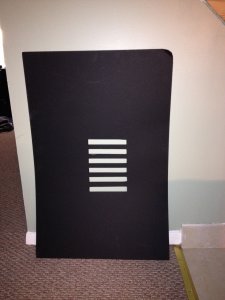
In this shot, the gobo was used on the background light, to create the illusion of light shining through window blinds. The off camera flash was a Canon 580 EX II, with the gobo positioned in front of it. The light on the model was a 580 EX II in a Westcott 18x42 strip box.

In this shot, the gobo was used on the background light, to create the illusion of light shining through window blinds. The off camera flash was a Canon 580 EX II, with the gobo positioned in front of it. The light on the model was a 580 EX II in a Westcott 18×42 strip box.

Gobos are templates that go in front of your light source (“Goes Between” your light source and the subject)  that have patterns cut out that control the shape of the light.  They can help add mood, create the idea of a setting or context, and add interest.

This is my homemade "windowblinds" gobo.  It's probably a bit larger than it needs to be, but this helps ensure that it blocks out any unwanted stray light. You want to use flat black oak tag or mat board, as the black minimizes any reflecting light.  Using a lighter colored material would reflect light that may not be wanted in the image.

This is my homemade “windowblinds” gobo. It’s probably a bit larger (about 20×30) than it needs to be, but this helps ensure that it blocks out any unwanted stray light. You want to use flat black oak tag or mat board, as the black minimizes any reflecting light. Using a lighter colored material would reflect light that may not be wanted in the image.

Gobos can be purchased, but often times, the available patterns may not fit your need.  In addition, they are relatively easy to make yourself and thus customize as needed.

Simply go to the nearest arts and crafts store, choose a piece of black oak tag, and a razor blade or exacto knife, and cut the desired pattern out.  The pattern doesn’t need to be too large, keep in mind how large the flash beam is going to be at the point that it hits the gobo. 

You may need to experiment a bit with the size and distance before getting the desired effect.

I will place the flash on a light stand, and then simply use a second light stand and use an A-clamp or two to hold the gobo in place.  This way I can experiment easily with how far the gobo should be from the flash, and how far from the subject or background.  A magic arm attached the light stand holding the flash will also work for holding the gobo.

For the accompanying photos, I wanted to create a night time mood, light projecting through the window blinds onto the wall from a street lamp.  So I simply took the piece of black oak tag and cut a series of rectangles in it. When projecting flash through it, it resembles light shining through window blinds.

There are myriad other patterns that could be used to create various moods and effects.  Play around and see what you come up with!

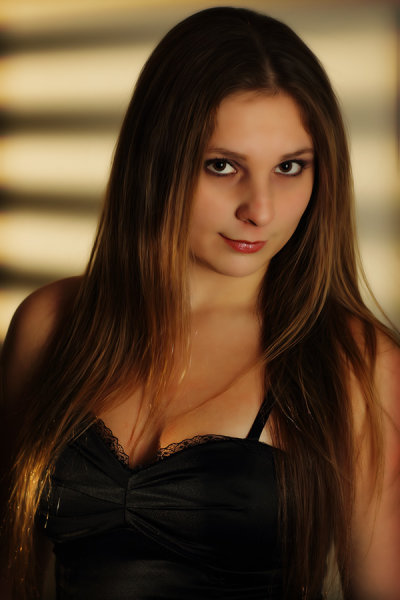
You can also use the gobo to modify light projected onto your main subject. In this instance, it creates an air of mystery about the subject.

You can also use the gobo to modify light projected onto your main subject. In this instance, it creates an air of mystery about the subject.

Post originally from: Digital Photography Tips.

Check out our more Photography Tips at Photography Tips for Beginners, Portrait Photography Tips and Wedding Photography Tips.

Using Gobos To Create Dramatic Lighting


Digital Photography School

 
Comments Off on Using Gobos To Create Dramatic Lighting

Posted in Photography


Include The Foreground For Dramatic Landscapes

30 Jan

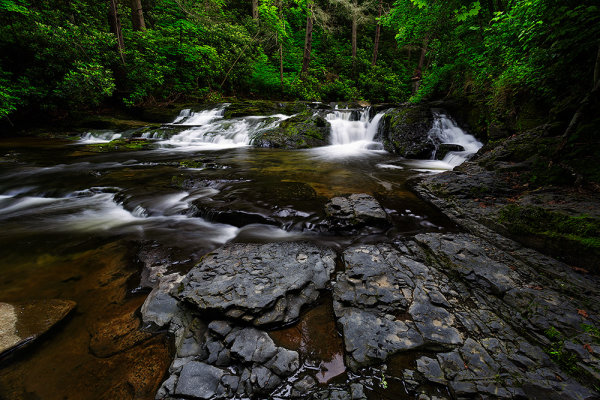
When I came upon this small cascade, I felt it would make a nice image. I began working up close and felt like something was missing. Then I walked further downstream and found these interesting rock formations. Camera was Canon EOS 5D Mark III, with EF 17-40mm f/4L. Exposure was 2.5 sec., f/18, ISO 100.

When photographing landscapes, it’s very easy to get lost in the grandiosity of the overall view, and sometimes , lose sight of what could be a better image.  Many times, I’ve been taken in by a grand expanse that was simply beautiful to look at, but was unable to translate that beauty into a compelling image. In the past few years, one of my favorite landscape techniques is to use an ultra wide angle lens to emphasize the foreground and use that beautiful expanse as background for an image.

I was never what one would call a true “wide angle shooter”, but as I began exploring landscape photography more and more, I fell in love with lenses such as the 16-35mm f/2.8, the 14mm f/2.8, and the 8-15mm Fisheye Zoom. These lenses have become my go-to lenses when shooting landscape images.  They allow me to capture wide expanses, while emphasizing elements of the composition immediately in front of me.

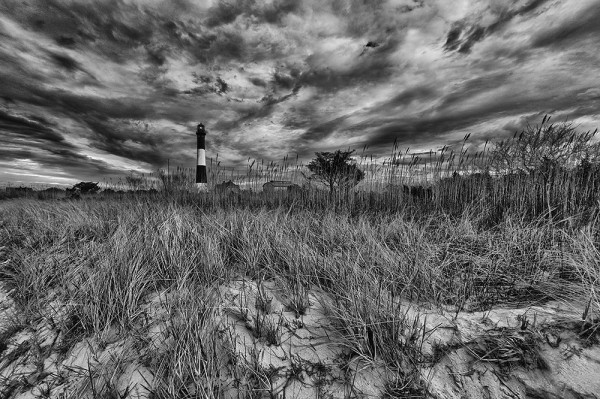
The dune grass created a lot of foreground interest for me, with a nice texture that pointed towards the lighthouse. A low shooting angle ensured I'd be able to include that dramatic sky as well. Canon EOS 5D Mark III, with EF 8-15mm f/4L Fisheye Zoom. Exposure 1/60, f/16, ISO 100. The perspective was then corrected in Photoshop.

The first thing to realize when shooting with these lenses is that you have to be close to that foreground element. It needs to be prominent and stand out. Being able to spot those elements that will do that for your image is a skill that requires some practice to perfect.  It took me some time to learn to “see” like a wide angle lens would.  But now I constantly pick out elements and frame my image around that element being right in front of the camera, rather than looking at the bigger picture first and accidentally getting a nice foreground.

It’s important to take into account point of view when placing your foreground in the scene.  Too often I see photographers extending their tripod legs to the height that would be best for them standing at their full height.  The problem with this is that this is the height at which most people look at things, so for the most part the point of view in the scene won’t be too different from everyone else’s point of view.  I prefer to be able to get low when possible, and really get close to the foreground.  It’s a point of view most people don’t bother to get to, and it also makes the chosen foreground element that much more prominent in the scene. By being low, there’s also the added benefit that if the sky is dramatic, you can angle the camera up just a bit to include more of the sky.

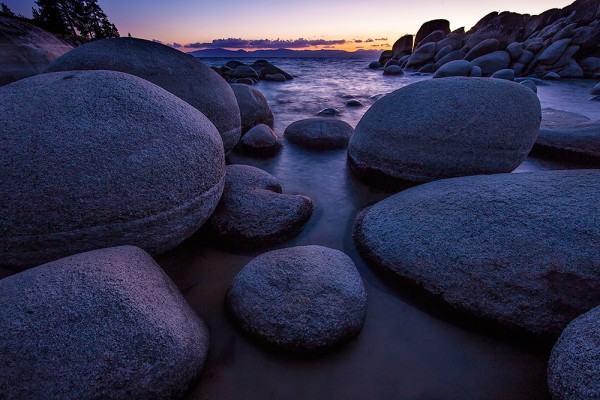
These rocks made a beautiful foreground to place against the warm tones created by the sunset. EOS 5D Mark II with EF 14mm f/2.8L II. Exposure was 2.5 sec., f/11, ISO 100.

Once you have that foreground element in place, you want to be sure it’s in focus.  But more than that, you want to be sure EVERYTHING that you want to be sharp, IS sharp. To do this, you’ll have to figure hyperfocal distance. Hyperfocal distance is defined as  the closest distance at which a lens can be focused while keeping objects at infinity acceptably sharp. When the lens is focused at this distance, all objects at distances from half of the hyperfocal distance out to infinity will be acceptably sharp.  There are two ways to figure this out.  The first way is to do some math.  Math makes my head hurt, so I do it the easy way and use a depth of field calculator on my smart phone.  There are several out there, so I’d suggest trying some of the free ones first before spending money on the paid apps.  Once you tell the app what camera you are using (sensor size), focal length, and f-stop, as well as the distance to the foreground element you want in focus, the calculator will tell you what the hyperfocal distance is- the distance you should focus your lens to, as well as the near limit- or how far the nearest area of sharp focus is from the camera. Everything beyond that point should also be acceptably sharp all the way to infinity.

Of course, the foreground does not always lend itself to being included in our compositions.  These are choices we as photographers must make for every image we take.  As I said, it can be very easy to be sucked in by a beautiful vista.  But it’s just as easy to be turned off when the vista is only so-so. By looking at all areas of the scene, the foreground, as well as the middle ground and background, more options open up to your camera, and of course, more photos.

Fog and mist at sunrise obliterated the grander vista I had intended to shoot this morning. The lighthouse was shrouded in fog, but as the sun came up it created this beautifully soft light. A long exposure using a variable ND filter allowed me to give a misty effect to the water. The wet rocks glistening in the soft light gave the foreground added interest. Canon EOS 5D Mark II, EF 17-40mm f/4L. Exposure: 20 sec., f/11, ISO 800.

Post originally from: Digital Photography Tips.

Check out our more Photography Tips at Photography Tips for Beginners, Portrait Photography Tips and Wedding Photography Tips.

Include The Foreground For Dramatic Landscapes


Digital Photography School

 
Comments Off on Include The Foreground For Dramatic Landscapes

Posted in Photography