RSS
 

Posts Tagged ‘Design’

Intelligent Design? 14 Strikingly Modern Places of Worship

25 Feb

[ By Steph in Architecture & Public & Institutional. ]

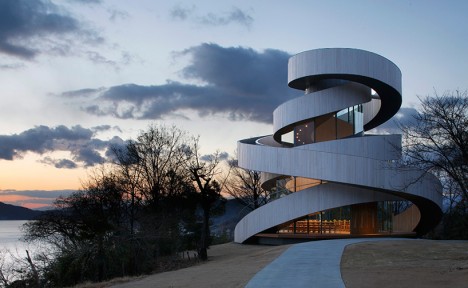
modern church ribbon 3

Dramatic and sculptural, monolithic as a stone monument or light as a bridal veil, these churches, chapels and meditation rooms eschew conventional architectural typologies for places of worship, prioritizing the way the structures make visitors feel while they’re inside. Some emphasize a connection to nature, while others encourage internal reflection or symbolize the act of marriage with unexpected visual metaphors.

Minimalist Chapel
modern minimalist chapel

modern minimalist chapel 2

modern minimalist chapel 3

modern minimalist chapel 4

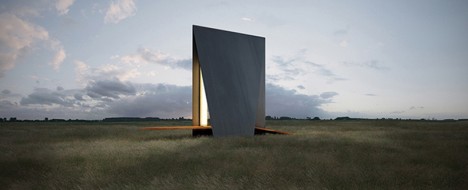
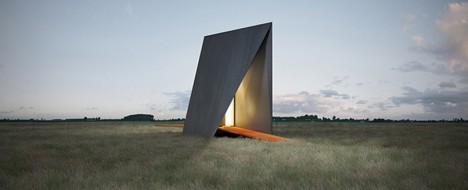
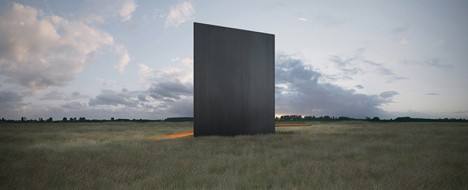
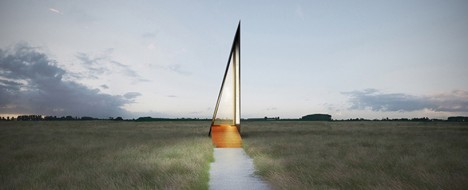
Reinterpreting the stark, minimalist works of sculptor Richard Serra in architectural form, this blade-like chapel rises from the flat grasslands of Serbia, offering a space for meditation. Stockholm-based architect Predrag Vujanovic creates a strong perpendicular line contrasting the landscape with just two main elements: the folded steel of the roof, and the cortex steel sheets making up the ramp.

Ribbon Chapel
modern church ribbon 1

modern church ribbon 2

modern church ribbon 4

modern church ribbon 5

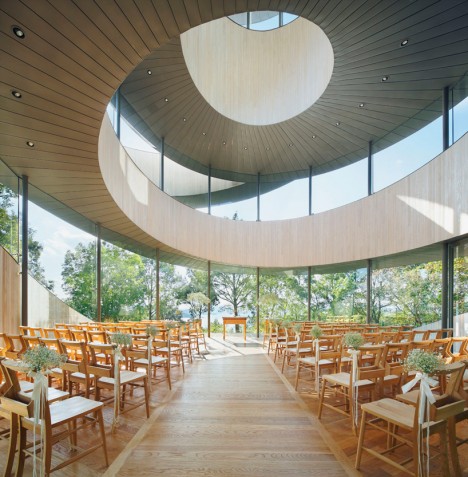
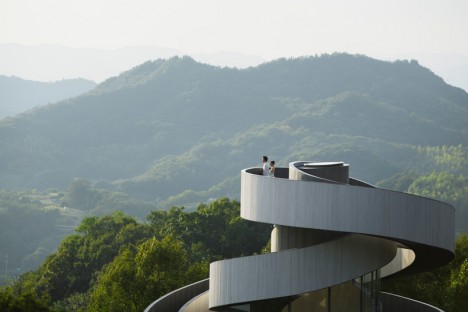
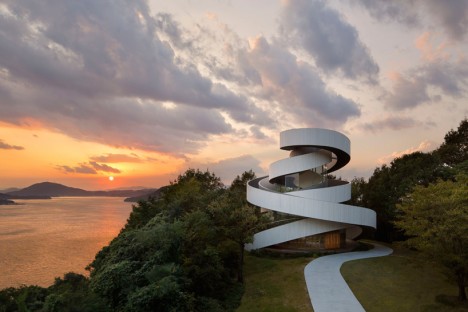
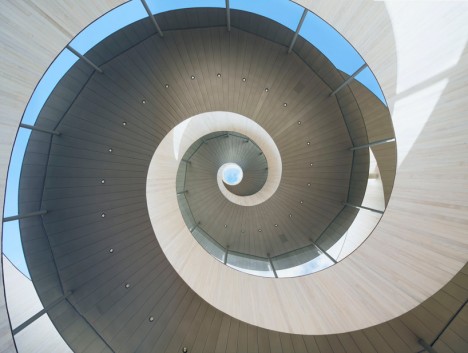
Japan’s most striking wedding chapel consists of two separate stairways that spiral up to the sky, joining into an observation platform looking out onto the sea at the pinnacle. The space beneath is glassed in to create an airy interior fitting up to 80 guests. From the center of the nave, one can look straight up into the oculus skylight framed by the spiral of the ramp.

Kamppi Chapel of Silence
modern kamppi chapel

modern kamppi chapel 2

modern kamppi chapel 3

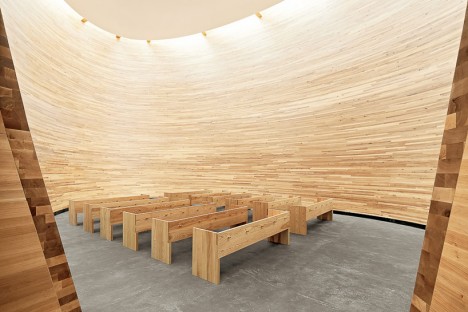
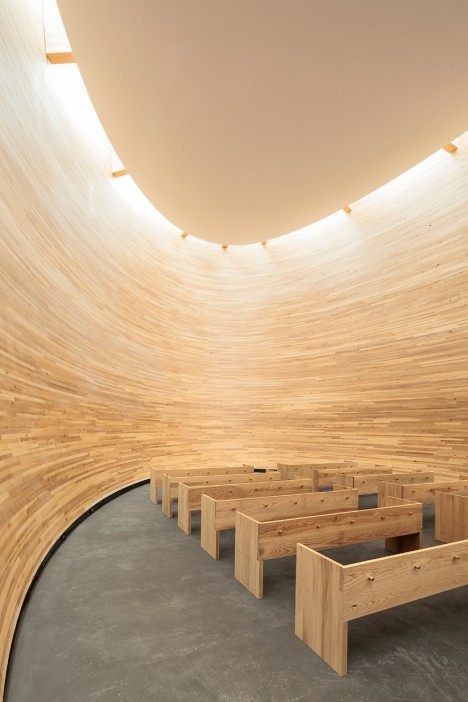
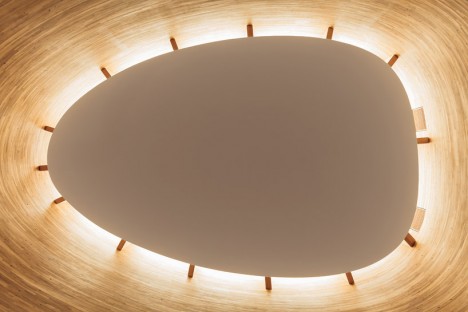
Solid wood and windowless, this egg-shaped chapel on the southern side of busy Narinkka Square in Helsinki, Finland offers a quiet place of refuge. CNC-cut, glue-laminated sections of timber create the curving walls of the striking space, leading the eye upward to the void between the perimeter and the roof, where sunlight streams in.

St. Voile Chapel
modern st voile

modern st voile 2

modern st voile 3

modern st voile 4

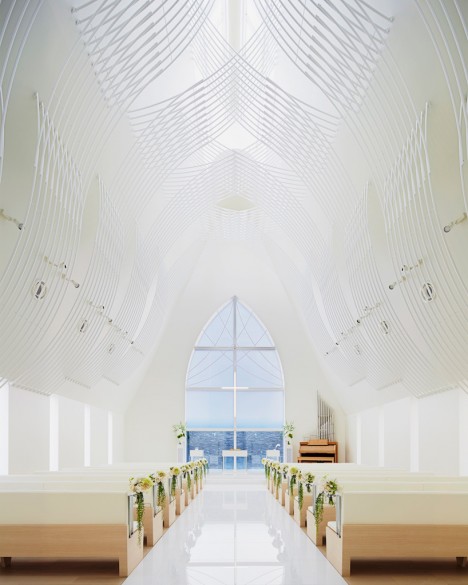
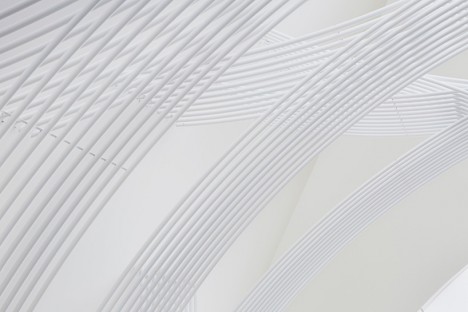
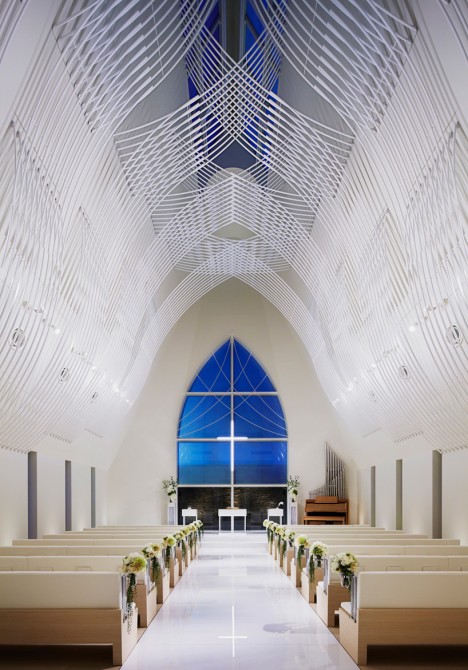
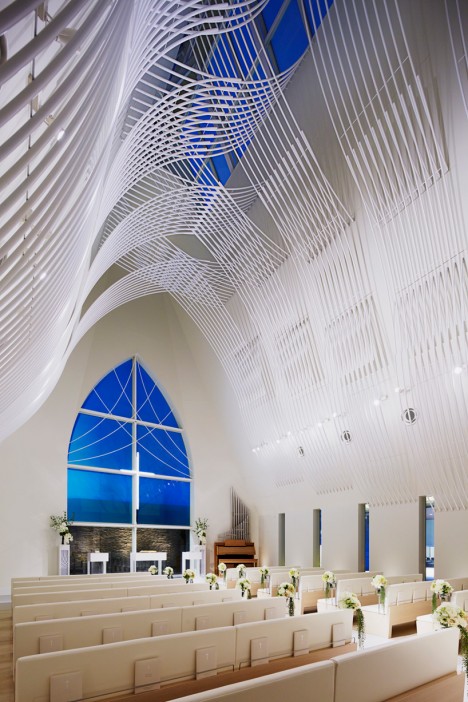
A series of white pipes climb the walls of the St. Voile Chapel by Kasahara Design Work, interweaving in flowing organic patterns as a visual metaphor for marriage. Located on the banks of Niigata’s Shinano River, the chapel is largely defined by the play of daylight on these interior lines, which streams in through a pair of skylights at the pinnacle of the steep and narrow roof.

Gratitude Open Chapel
modern open chapel

modern open chapel 2

modern open chapel 4

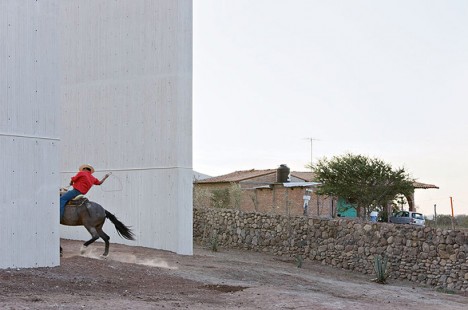
Set against the landscape of Lagunillas, Mexico like a series of four monumental stones, the simple white elements making up ‘Gratitude Open Chapel’ by Tatiana Bilbao + Dellekamp Arquitectos don’t actually form an interior space at all, but rather an outdoor gathering place for pilgrims making the holy ‘Ruta del Peregrino’ route.

Next Page – Click Below to Read More:
Intelligent Design 14 Strikingly Modern Places Of Worship

Share on Facebook


[ By Steph in Architecture & Public & Institutional. ]

[ WebUrbanist | Archives | Galleries | Privacy | TOS ]


WebUrbanist

 
Comments Off on Intelligent Design? 14 Strikingly Modern Places of Worship

Posted in Creativity


Design, looks and desire: Olympus does it again

01 Feb

You really can’t tell whether a camera is any good just by looking at it. Some people do indeed think that they can, but they will be people who admit quite openly that they know nothing about cameras. To those unfamiliar with the market, and the reasons we need different body shapes, some cameras will simply look more ‘professional’ than others. And bigger cameras will inevitably be considered much more serious than those whose designers have gone to great lengths to make compact.

Colorful cameras are obviously less credible than ones that have silver bits on them, and infinitely less credible again than ones that come cloaked entirely in matte black. Chrome and silver can make some believe the subject of their gaze is antique, and those that have no fancy knobs or shiny bits may be considered simply old-fashioned. 

Our use of Leica rangefinders when I worked as a cruise ship photographer prompted more than one jolly passenger to remark that there seemed to be no relationship between the extortionate prices the company charged for pictures and the state of the old-fashioned equipment we were forced to use. The passengers believed that our featureless, sparkle-less, prism-less, block-shaped cameras, that we had to focus ourselves, were relics of a former era. That indeed we were using M4s in 1991 instead of the M6s of the day is neither here nor there, as they essentially both look as ancient as each other. When we explained that these cameras cost of lot of money the response was generally that perhaps we should take our mother shopping with us to avoid being ripped-off. 

It’s expected that the uninitiated will make quick decisions about a camera just by the way it looks, and in many cases to base a buying decision on its visual credentials. Serious enthusiasts and professional photographers would never do that of course. That’s why all camera brands design their cameras to look plain and unexciting. 

I’m just looking, dear

As much as the more sensible of us declare that all their camera equipment purchases are grounded in logic, there are very few of us that cannot be influenced by the way a camera looks. That doesn’t mean we have to buy the best looking model, but I think that most of us will at least admire the style of the new Olympus PEN-F.

Those milled dials on the top plate and the neat flared appendage on the port-side forward facing are undeniably attractive. They may even create a twitching credit card in the pockets of those who had no prior idea they were in the market for a new camera. The clunky metallic dials may not represent the practicality of some other ways of working, but they certainly make for a more appetizing visual than a collection of black finger wheels ever could.

Olympus’ repurposing of the film rewind post, with its gnarled head, to become the on/off switch, is a clever piece of work that lends the whole design a convincing impression of both heritage and originality, rather than looking like just another retro reproduction. 

Creative license

It is ironic perhaps that the design of 2016’s PEN-F has very little in common with the original model. That it has a lens and is available with a chrome or black top are about the only similarities. In my opinion, the PEN-F of 1963 was actually less than absolutely gorgeous unless decorated with ‘Hollywood’ lighting, used in a classy portrait or featured in a period drama.

‘the new PEN-F is left looking more like the love-child of the Leica lll than it does anything from the Olympus archive of the early 1960s’

The rather-too-long top plate of the original makes the lens appear off-balanced compared to the central mount and active top plate of the 2016 model. The original also had no dials on the top plate and the action required to rewind a film was achieved with a crank handle rather than a gnarl-headed post. Olympus generally didn’t use big top-plate shutter speed dials until the OM series of 35mm SLRs, and it ran out of the gnarl-headed rewind posts after cameras like the 1948 35 1 – the first 35mm camera to be sold in Japan. 

So in the new PEN-F what we are looking at is some historical fiction rather than a recreation. But that’s OK, history often looks much better with a heavy dose of make-believe – just ask Asterix and Obelix. 

While the link between the new and old PEN-F models might not be as strong as it is between the original Leica MP and the ‘modern’ MP, I don’t think anyone is going to lose any sleep over it. The point is that the new model is very good looking, and good looking gets attention from photographers and ultimately helps to sell cameras. 

Looks versus logic

The Fujifilm X100 – massively popular even before it had been tested, and fortunately just as popular afterwards!

Fujifilm might have a fantastic X-Trans sensor in its X-series cameras, but I expect a good many of those X-T1 and X-Pro1 bodies sold because they look so cool. I know there were enormous back orders for the X100 even before it had been tested by anyone, which demonstrates that plenty of people were prepared to put their money down even before they knew if the camera was any good.

The strength of the X series design has even outweighed the widely acknowledged sluggish AF performance of some of the models, and we hear proud owners making excuses as though for a fondly looked on three-legged dog. ‘Yeah, I know the AF isn’t that great, but it’s such a beautiful camera. I love using it.’ Like the Sirens of Greek mythology, the intoxicating curves of a well-toned camera body can prove a powerful draw to a normally logical person. 

I suppose a company’s heritage can reduce the risk of a good looking camera performing badly when you buy before you try, and it’s reasonable enough to expect that the PEN-F will operate as well as the OM-D bodies and the top-tier of the current PENs (and our initial impressions have been positive). More importantly perhaps there is no reason for us to think that it will NOT perform at least just as well. 

A wolf in wolf’s clothing

It will be interesting to see how sales of the PEN-F compare with those of Panasonic’s Lumix DMC-GX8. It is after all very similar in terms of key specification – probably the same sensor, enhanced touch functions including touch-pad AF, the same viewfinder position (minus the articulation) and the same lens range to choose from. In fact, the bodies are so astonishingly similar that the PEN-F looks more like a stylish adaptation, or a flattering imitator, than a competitor – but to my eye at least the PEN, with its contours, layers and more rounded feel takes the beauty pageant rosette. The designers have done a great job. 

A camera has to perform, of course, and it won’t sell well otherwise, but an eye-catching design that appeals to the right audience is an important differentiator and often what gets the product noticed, mentioned in the press, remembered by the public and purchased in a crowded market. 

With all things being mostly equal – except that Olympus has more heritage in the camera market, and Panasonic has 4K and a head-start – I suspect that it will be on looks that most people make the choice at the camera counter between the GX8 and PEN-F.

Not for the first time

The O-Product, from 1988

Olympus has had quite a history of designing original and cool-looking cameras, and I suspect its success over the years has been as much down to the person wielding the drafting pencils as it has the people with the spanners and screw-drivers. Outstanding creations from the archive include the O-Product, the Ecru, the delightful XA and the Mju and Mju-mini digital cameras. My teenage son bought a Trip 35 from an online store that restores and re-covers them, and he thinks it is one of the coolest cameras ever made – to the best of his knowledge, of course. The model he has was likely created 20 years before he was – a better example of enduring design would be hard to find. 

The Olympus Trip 35 was in production for twenty years, and sold 10 million units from its introduction in 1968 The XA series was popular for its looks and bolt-on flash unit as well as for its sophisticated controls. Launched in 1979 the XA4 was the last model, going on sale from 1985

Is it OK to buy and love a camera because of the way it looks? Yes and no. If you buy only because of the way it looks you are about to risk your money, but if style and grace sway you from one good product to another that’s probably alright. I guess it is a question of why we take pictures and why we are into photography. Some people like their cameras more than they like taking pictures or looking at the pictures they take, while for some the end result is the be-all and end-all of the process and anything beyond pure functionality is extraneous.

Most people can find a balance between the two – we buy the best we can, and can give ourselves permission to enjoy the way our equipment looks. Photographers are supposed to be creative people, and creative people like looking at and using nice things. We can choose to remember that there are many reasons for getting into photography and many for continuing to take pictures, but for most of us it is supposed to be enjoyable. We don’t all have to be seduced, but we can allow ourselves to admire some beautiful design, whether for you that’s the PEN-F or a Canon Rebel. Either way, Olympus is certainly going to cause a stir with this new design, just as it has done so many times before. 

Articles: Digital Photography Review (dpreview.com)

 
Comments Off on Design, looks and desire: Olympus does it again

Posted in Uncategorized


Apple patent describes use of curved image sensor to design small camera module

29 Jan

A patent was recently granted to Apple describing how a spherical image sensor can be used to design a very compact camera module. The sensor is spherically curved and eliminates the need to correct for curvature of field, meaning a simpler, brighter and ultimately smaller lens design can be used. Read more

Articles: Digital Photography Review (dpreview.com)

 
Comments Off on Apple patent describes use of curved image sensor to design small camera module

Posted in Uncategorized


Olympus PEN-F revives 1960s rangefinder-style design with 20MP sensor, built-in EVF

27 Jan

$ (document).ready(function() { SampleGalleryV2({“containerId”:”embeddedSampleGallery_3475875985″,”galleryId”:”3475875985″,”isEmbeddedWidget”:true,”selectedImageIndex”:0,”startInCommentsView”:false,”isMobile”:false}) });

Olympus has announced the revival of its classic 1960s half-frame film camera in digital form – the 20MP PEN-F. The first digital PEN to feature a built-in viewfinder, it offers an impressive 2.36 Million-dot OLED panel. The PEN-F also boasts a fully articulating 1.04 Million-dot 3″ LCD. The E-M5 II’s 5-axis image stabilization is also included with a claimed benefit of 5 stops, and full 1080 HD video is offered at 60p.

Taking its design cues straight from the middle of the 20th Century, the PEN-F includes plenty of manual control points including a locking mode dial, exposure compensation dial and a front-mounted Creative mode dial housing direct access to color and Art Filter modes. A hotshoe flash is included in the box, and a number of stylish accessories will be available for separate purchase.

The Olympus PEN-F will be available in March for $ 1199.99 body-only.

Press release:

OLYMPUS’ ICONIC MASTERPIECE: THE NEW PEN-F® COMBINES TIMELESS DESIGN WITH SOPHISTICATED COLOR PROFILE CONTROL FOR THE ULTIMATE STREET PHOTOGRAPHY TOOL

20 Megapixel Live MOS Sensor, 5-Axis VCM Image Stabilization, Fully-Customizable Monochrome and Color Profile Control, and Interactive OLED Electronic Viewfinder in a Classic Rangefinder Design

CENTER VALLEY, Pa., January 27, 2016 — Olympus is pleased to announce the PEN-F, a compact system camera created by fusing cutting-edge digital technology with craftsmanship handed down from 80 years of Olympus camera manufacturing. As the digital update of the original PEN-F, the world’s first half-frame SLR, the new PEN-F is packed with incredible performance advancements for photographers seeking superior image quality and creative control. The 20 megapixel Live MOS Sensor is combined with Olympus’ 5-Axis Image Stabilization, a built-in 2.36 million-dot OLED electronic viewfinder, and a new Creative Dial on the front of the camera that accesses a host of controls to deliver a captivating shooting experience, all included in a design that exudes timeless beauty.

Elegant, Meticulous Design
The PEN-F’s classic body lines and silhouette are inherited from its predecessor, which debuted in 1963. The top and front covers of the body are crafted from magnesium, and the precision metal dials (along with the bottom of the body) are crafted from aluminum. Olympus engineers devoted extraordinary resources to ensure superior quality and craftsmanship, so much so that even screws are undetectable on the camera’s exterior. Simple, stylish touches — like the included camera strap and the leather-grained exterior of the camera body and the back of the articulating LCD monitor — provide a unified look and feel. Customizable buttons and dials are positioned for easy operation while the user looks through the viewfinder, and the new Exposure Compensation dial and four custom modes on the Mode Dial offer instant access to registered settings for simple, direct control.

Ultimate Image Quality in Every Situation
The newly-developed 20 megapixel Live MOS Sensor is paired with the latest TruePic™ VII Image Processor to bring out the amazing image quality of Olympus’ M.ZUIKO® lenses. The sensor’s low-pass filterless construction delivers high resolution and a low sensitivity ISO LOW mode equivalent to ISO 80. In addition, the powerful 5-axis VCM (Voice Coil Motor) image stabilization compensates up to 5.0 steps* of shutter speed for one of the world’s highest levels of compensation performance. This technology allows users to capture clear images of night scenes and other low light situations with minimal noise, without raising the ISO. Focal length may be set manually, so that even legacy manual-focus lenses can be image-stabilized. The PEN-F’s High Res Shot Mode captures 50 megapixel equivalent images that reproduce incredible subject detail in ultra-high resolution, perfect for architecture and still life work. Plus, Olympus Viewer 3 Ver. 2.0 image editing software has been updated to process High Res Shot RAW images.

Complete Freedom of Expression
The PEN-F’s new Monochrome and Color Profile Control functions allow photographers the ability to emulate their favorite films of years past. These functions differ from using photo editing software after shooting, as they allow users to apply and check effects in Live View while shooting to create their own original images. Both functions include quick-select presets designed to give images the look of classic film. Or, settings can be completely customized to achieve specific looks. The camera’s front-mounted Creative Dial accesses Monochrome Profile Control, Color Profile Control, Art Filters, and Color Creator, all with a simple twist.

Monochrome Profile Control combines five photographic effects — Color Filter effect, Shading effect, Film Grain effect, Monochrome Color, and Highlight and Shadow Control — for a variety of monochromatic expressions. In addition to the default setting (Preset 1), there is also Classic Film Monochrome (Preset 2) for a monochrome film effect with high contrast, and Classic Film Infrared (Preset 3) for an effect that mimics infrared film. In Color Profile Control, users are able to adjust the color saturation of 12 individual colors in 11 steps. This is combined with Highlight and Shadow Control for limitless color expression. In addition to the default setting (Preset 1), there is also Chrome Film Rich Color (Preset 2), which provides deeper tones in images, and Chrome Film Vivid Saturation (Preset 3), which creates high levels of color saturation. The PEN-F’s rear lever lets users easily toggle through the various effect controls, including Highlight and Shadow Control, a feature that also allows for the adjustment of midtones within plus or minus seven steps for advanced customization.

High-Visibility Interactive Viewfinder
The PEN-F is equipped with a built-in 2.36 million-dot high resolution OLED Electronic Viewfinder (EVF) with a 100-percent field of view and a magnification rate of 1.23x (35mm equivalent: approx. 0.62x) for a clear view without aberrations, even at the edges. Simulated OVF (S-OVF) Mode expands the dynamic range and provides an image similar to what would be seen with the naked eye. The magnified display function and Focus Peaking (which offers three levels and four colors) allow for extremely precise lens focusing. In addition, the PEN-F’s vari-angle, touch-enabled LCD monitor lets users compose Live View shots from a variety of angles, high or low.

Super-Fast Response for Comfortable Shooting
The PEN-F features blazing-fast speed with the shortest shutter-release time lag of any compact system camera** at 0.044 seconds. The 1/8000-second, high-speed mechanical shutter provides superior performance for capturing fast action, and shutter functions can be customized according to the scene. Silent Mode is useful for shooting in situations that require complete silence, and Anti-Shock Mode allows users to prevent shutter shake. The AF Targeting Pad enhances control by allowing users to set focus points by touching the rear monitor with their thumb while composing their shot in the viewfinder. Face Priority AF and Eye Priority AF detect and continuously adjust the focus on faces or eyes for easier portrait shooting. Enhancing the detail of every shot is AF Target Spot Metering, which links the AF Target and the metering area, while Super Spot AF and Small Target AF make it possible to focus on small subjects.

The PEN-F offers additional compatibility with users’ legacy lenses by enabling them to register the information of lenses without electronic contacts for inclusion in images’ EXIF data. The lens information may be recalled with the press of a button. Up to 10 lenses can be registered, including the lens name, focal length and aperture value.

Even More Creative Control
Other creative features include Live Composite Mode, which allows users to extract and composite the brightest areas from multiple, sequentially shot images to capture incredible cityscapes and star trails. With the PEN-F’s built-in Wi-Fi®, users can utilize the Olympus Image Share app for Android® and Apple® to adjust settings and monitor the progress of the image as it develops in real time on a smartphone or tablet. In 4K Time Lapse Movie, the camera captures up to 999 images automatically at intervals ranging from one image every second to one image every 24 hours, and combines them into a stunning high-resolution 4K video, all in-camera, without the need for additional software.

For those who enjoy macro photography, Focus Bracketing captures multiple shots at the touch of a button, all with slightly different focus depths. The new Live View Boost 2 makes it possible to easily focus and compose shots while checking visible stars in Live View. The PEN-F’s high-speed sequential shooting capabilities let users capture all the action at 10 fps with the mechanical shutter, 5 fps with C-AF, and an extraordinary 20 fps with Silent Mode.

Premium Leather Accessories
Optional accessories include the External Metal Grip (ECG-4) that lets users replace the battery without removing the grip, featuring a Quick Shoe Compatible Rail on the bottom for direct connection to a compatible tripod head. Premium-quality leather accessories are also available in limited quantities. The Premium Leather Shoulder Strap (CSS-S120L PR) features high-quality leather with a two-tone design and a thickness that helps reduce shoulder strain. A Premium Leather Wrapping Cloth (CS-48 PR) made of finely textured genuine leather is perfect for wrapping the entire camera with a large lens attached. The Premium Leather Camera Bag (CBG-11 PR) is a compact, genuine leather camera bag produced under the direction of AJIOKA Co., Ltd., a Japanese leather manufacturer, with thorough attention to details including pockets, a shoulder pad, and shoulder strap. The Genuine Leather Body Jacket (CS-47B) is designed to protect the bottom of the Olympus PEN-F from bumps and scratches.

U.S. Pricing and Availability
The PEN-F is available now for an estimated street price of $ 1,199.99 (U.S.) and $ 1,499.99 (Canada).

*Based on CIPA measurement conditions, when using M.Zuiko Digital ED 14-42mm F3.5-5.6 EZ (focal length = 42mm (35mm equivalent with 84mm)).
**Based on Olympus internal testing as of January 26, 2016.

Olympus PEN-F Specifications

Price
MSRP $ 1199 (body only)
Body type
Body type Rangefinder-style mirrorless
Body material Magnesium alloy + aluminum
Sensor
Image ratio w:h 1:1, 4:3, 3:2, 16:9
Effective pixels 20 megapixels
Sensor photo detectors 22 megapixels
Sensor size Four Thirds (17.3 x 13 mm)
Sensor size notes High resolution mode produces Raw images at 10368 x 7776 or JPEGs at 8160 x 6120.
Sensor type CMOS
Processor TruePic VII
Color space sRGB, Adobe RGB
Color filter array Primary color filter
Image
Boosted ISO (minimum) 80
White balance presets 7
Custom white balance Yes (4 slots)
Image stabilization Sensor-shift
Image stabilization notes 5-axis
Uncompressed format RAW
JPEG quality levels Super fine, fine, normal, basic
File format
  • JPEG (Exif v2.3)
  • Raw (Olympus ORF)
Optics & Focus
Autofocus
  • Contrast Detect (sensor)
  • Multi-area
  • Center
  • Selective single-point
  • Tracking
  • Single
  • Continuous
  • Touch
  • Face Detection
  • Live View
Autofocus assist lamp Yes
Manual focus Yes
Number of focus points 81
Lens mount Micro Four Thirds
Focal length multiplier 2×
Screen / viewfinder
Articulated LCD Fully articulated
Screen size 3
Screen dots 1,037,000
Touch screen Yes
Screen type TFT LCD
Live view Yes
Viewfinder type Electronic
Viewfinder coverage 100%
Viewfinder magnification 1.23×
Viewfinder resolution 2,360,000
Photography features
Minimum shutter speed 60 sec
Maximum shutter speed 1/8000 sec
Maximum shutter speed (electronic) 1/16000 sec
Exposure modes
  • iAuto
  • Program Auto
  • Shutter Priority
  • Aperture Priority
  • Manual
Scene modes
  • Portrait
  • e-Portrait
  • Landscape
  • Landscape + Portrait
  • Sport
  • Hand-held Starlight
  • Night scene
  • Night + Portrait
  • Children
  • High Key
  • Low Key
  • DIS mode
  • Macro
  • Nature Macro
  • Candle
  • Sunset
  • Documents
  • Panorama
  • Fireworks
  • Beach & Snow
  • Fisheye Conv.
  • Wide Conv.
  • Macro Conv.
  • Panning
  • 3D
Built-in flash No (external flash included)
External flash Yes
Flash modes Flash Auto, Redeye, Fill-in, Flash Off, Red-eye Slow sync (1st curtain), Slow sync (1st curtain), Slow sync (2nd curtain)
Flash X sync speed 1/250 sec
Continuous drive 10.0 fps
Self-timer Yes (2 or 12 seconds, custom)
Metering modes
  • Multi
  • Center-weighted
  • Spot
Exposure compensation ±5 (at 1/3 EV steps)
AE Bracketing ±5 (2, 3, 5, 7 frames at 1/3 EV, 2/3 EV, 1 EV steps)
WB Bracketing Yes
Videography features
Resolutions 1920 x 1080 (60p, 50p, 30p, 25p, 24p), 1280 x 720 (60p, 50p, 30p, 25p, 24p)
Format MPEG-4, H.264, Motion JPEG
Videography notes Choice of ALL-I, APB codecs
Microphone Stereo
Speaker Mono
Storage
Storage types SD/SDHC/SDXC
Connectivity
USB USB 2.0 (480 Mbit/sec)
HDMI Yes (micro-HDMI)
Microphone port No
Headphone port No
Wireless Built-In
Wireless notes 802.11b/g/n
Remote control Yes (wired or via smartphone)
Physical
Environmentally sealed No
Battery Battery Pack
Battery description BLN-1 lithium-ion battery & charger
Battery Life (CIPA) 330
Weight (inc. batteries) 427 g (0.94 lb / 15.06 oz)
Dimensions 125 x 72 x 37 mm (4.92 x 2.83 x 1.46)
Other features
Orientation sensor Yes
Timelapse recording Yes (video)
GPS None

Articles: Digital Photography Review (dpreview.com)

 
Comments Off on Olympus PEN-F revives 1960s rangefinder-style design with 20MP sensor, built-in EVF

Posted in Uncategorized


Leica updates wide-angle M lenses with new optical and design features

15 Jan
Left to right, and not to scale, Leica Elmarit-M 28mm F2.8 ASPH, Leica Summicron-M 28mm F2 ASPH and Leica Summicron-M 35mm F2 ASPH

German camera brand Leica has introduced upgraded versions of three of its wide-angle M lenses that offer improvements to both build and performance, according to the company. The trio of reportage favorites are the Leica Summicron-M 35mm F2 ASPH, the Leica Summicron-M 28mm F2 ASPH and the Leica Elmarit-M 28mm F2.8 ASPH. Each is a direct replacement for the current equivalent model. 

All three of the lenses will be fitted with metal lens hoods and a ring to cover the hood mount when the hoods aren’t in use, and metal lens caps will replace the current plastic units.

The company hasn’t been absolutely clear about the optical changes that it has made, making general statements about sharpness improving across the frame. The 35mm Summicron though now has 11 aperture blades, while the previous versions of the lens had only seven, eight or ten blades. 

The company also comments that both 28mm lenses have significantly improved curvilinear distortion controls that provide better drawing, as well as flatter field projection for increased resolution in the corners of the frame.

The new Leica M lenses are scheduled to be available as follows:

  • Leica Elmarit-M 28mm F2.8 ASPH. (black) – end January 2016, price £1,650
  • Leica Summicron-M 28mm F2 ASPH. (black) – end January 2016, price £2,975
  • Leica Summicron-M 35mm F2 ASPH. – beginning of February 2016, black version price £2,250, silver anodised version price £2,350

For more information see the Leica website. 


Press release: 

Leica introduces new generation of classic Leica M lenses with improved performance

  • Leica Summicron-M 35mm F2 ASPH.
  • Leica Summicron-M 28mm F2 ASPH.
  • Leica Elmarit-M 28mm F2.8 ASPH.

Leica Camera has introduced next-generation models of three of its classic M lenses: the Leica M Summicron-M 35 mm F2 ASPH., Leica Summicron-M 28 mm F2 ASPH. and Leica Elmarit-M 28 mm F2.8 ASPH., each delivering enhanced image performance and quality, thanks to their new optical design.

Additional improvements to the lenses include a more robust construction, now featuring a full metal rectangular lens hood with thread mount, and a threaded protection ring for the front of the lens when the hood is not attached. The lens cap is now also made of metal.

As with all Leica products, this classic trio of reportage lenses offers both optical and technical excellence. Made in Germany, the combination of state-of-the-art technology, the highest quality materials and meticulous manual construction ensures consistent quality, resulting in reliable products with outstanding durability.

The new generation Summicron-M 28 mm F2 ASPH. and Elmarit-M 28 mm F2.8 ASPH. lenses are scheduled to be available from the end of January. The Summicron-M 35 mm F2 ASPH. is scheduled to be available from February in black and, for the first time, also in a silver anodised finish.

The impressive Summicron-M 35 mm F2 ASPH. fast, classic prime lens delivers superior image performance and a unique bokeh. Despite its high speed and exceptional image quality, its dimensions are astoundingly compact. Furthermore, with its eleven blade iris, this new generation lens creates a circular aperture, lending out of focus areas an extremely smooth look and feel. Images are pin-sharp with rich contrast, and almost completely free from distortion with superb bokeh at all apertures and distances – and even when shooting wide open.

High performance and speed are also distinct characteristics of the Summicron-M 28 mm F2 ASPH. wide-angle lens. Its outstanding speed makes it particularly versatile and produces brilliant imaging results, even in difficult lighting conditions. At its maximum aperture, the Summicron-M 28 mm F2 ASPH. delivers rich contrast, differentiated reproduction of even the finest structures, a soft and smooth bokeh, and extremely high resolution. Improvements within the optical design in this new generation lens have made it possible to achieve superior image performance across the entire image field. The significant reduction of image field curvature guarantees better resolution of details from corner to corner within every picture.

The Elmarit-M 28 mm F2.8 ASPH. is the most compact lens in the entire portfolio of Leica M lenses. Thanks to its small size and light weight, this lens is a particular favourite with street and reportage photographers. Compared to the previous model, this new generation lens offers significantly reduced image field curvature, which brings considerably improved image performance with high resolution and brilliant resolution of details. The Elmarit-M 28 mm F2.8 ASPH. is practically distortion-free from infinity to its closest focusing distance of 0.7 metres, and provides an exceptionally clear view through the Leica M viewfinder.

Articles: Digital Photography Review (dpreview.com)

 
Comments Off on Leica updates wide-angle M lenses with new optical and design features

Posted in Uncategorized


Google awarded patent for folding handheld camera design

14 Jan

$ (document).ready(function() { SampleGalleryV2({“targetContainerClass”:”sampleGalleryImageViewerContainer”,”galleryId”:”6782824935″,”isEmbeddedWidget”:true,”selectedImageIndex”:0,”startInCommentsView”:false,”isMobile”:false}) });

Global tech giant Google could be joining the camera business if a patent it was awarded this month is anything to go by. Filed in June 2014 and just approved on the 12th January this year, the patent issued by the United States Patent and Trademark Office is for a design for a folding camera that’s hinged in the middle like a clamshell mobile phone. The design appears to allow the camera to stand upright on its own, which presents a great deal of stability and also the ability to shoot selfies. It isn’t clear from the drawings whether the camera’s screen is inside the fold or on the back outer surface, but the significant bulge of the lens housing suggests the camera has a wide ranging zoom or high class optics.

The design allows the camera to open out so that its backside outer cover/screen can be brought to face in the same direction as the lens, with the front and back of the device creating one long flush surface, other than a gutter in the fold.

The patent might, of course, come to nothing, but it isn’t inconceivable that the company that seems to be into everything should want to create a standalone camera too. We will have to wait and see, but in the meantime can enjoy a little speculation – the patent is good for 14 years.

Do you think the camera will come to life or would Google be crazy to produce it? Let us know in the comments.

For more information visit the US Patents and Trademarks office website. 

Articles: Digital Photography Review (dpreview.com)

 
Comments Off on Google awarded patent for folding handheld camera design

Posted in Uncategorized


Apple patent describes dual-camera design

12 Jan

Looking at a new Apple patent that has recently surfaced, it appears we might see a dual-camera setup in future iPhone generations. The design uses two camera modules, one with a wide-angle lens and another with a longer focal length. Throw some Apple software wizardry into the mix and you get yourself a smartphone zoom lens that should get close in quality to fully optical zooms and much better than existing digital zooms. Read more

Articles: Digital Photography Review (dpreview.com)

 
Comments Off on Apple patent describes dual-camera design

Posted in Uncategorized


Review: The Everyday Messenger Bag by Peak Design

23 Dec

I have had several camera and equipment bags over the years, ranging from simple backpacks to over-the-shoulder models, to free bags that came with gear I bought. While all of them have been effective to varying degrees, each one has had its own share of problems. Some are too bulky, while others are not big enough. Some have pockets in strange places, and others have no pockets at all. Some have nicely-padded straps and big cushions for gear, but these usually result in bags that are too cumbersome and awkward for everyday use.

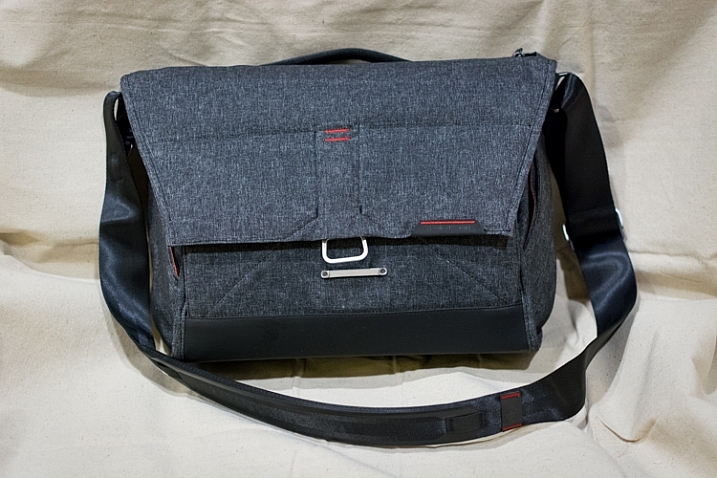
In short, while all the bags I have used have been functional, none of them have been very well designed with a photographer’s needs in mind. Enter the Everyday Messenger Bag by Peak Design.
everyday-messenger-bag-front-closed

I first heard about this bag on an episode of This Week in Photo, where host Frederick Van Johnson interviewed Trey Ratcliff, a well-known photographer who was similarly frustrated with the state of modern camera carrying equipment. Ratcliff had been working with Peak Design to create a bag that was ideally suited for not just photographers, but anyone who would need to carry various things around on a daily basis. By the end of the podcast I was intrigue,d and within a few days my wife and I backed Ratcliff’s project on Kickstarter.

However, like some of the other projects we had supported, we were not sure if our pledge would result in a high-quality product, or simply evaporate into cyberspace never to be heard from again. Thankfully Ratcliff and Peak Design held true to their word, and at the end of November our Everyday Messenger arrived, and we have been using it quite a bit ever since.

Thoughtful Design

At first glance the Everyday Messenger looks just like any other bag of its kind; it’s big enough for some cameras, a lens or two, and a laptop and/or tablet. There are pockets, a padded strap, and some zippers to let you access everything. In fact my initial reaction to the bag was a bit of a disappointment. Why spend more than $ 200 on a bag that seems the same as a $ 50 bagthat  I could buy from Amazon or a department store?

The answer, I discovered after using it for a while, lies in the details. While not perfect, there are many subtle aspects to this bag that you just don’t normally see on other camera bags, which make the Everyday Messenger imminently more practical for photographers.
everyday-messenger-bag-front-open

“She may not look like much, but she’s got it where it counts” – Han Solo, describing either the Millennium Falcon or his Everyday Messenger bag.

One of the biggest hassles with my other camera bags has been actually getting things out of the bagUsually it involves unbuckling a clasp, and fiddling with a zipper that goes around a few sides of the bag, to reveal the gear stuffed inside. It’s a cumbersome maneuver that can be anywhere from mildly irritating to downright frustrating, especially in the middle of a photo shoot.

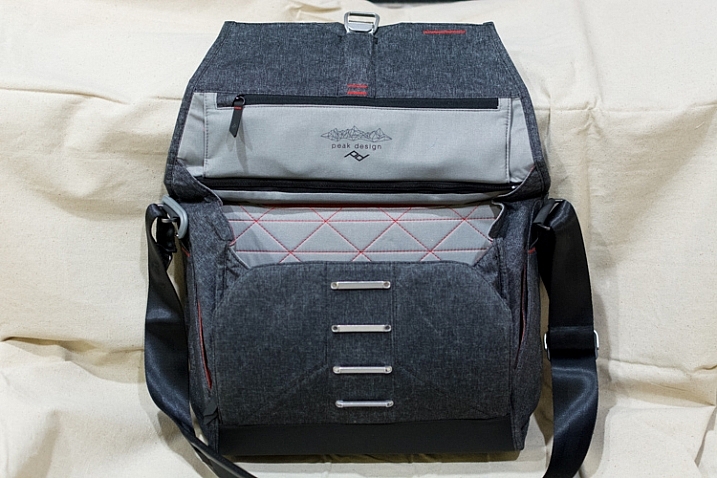
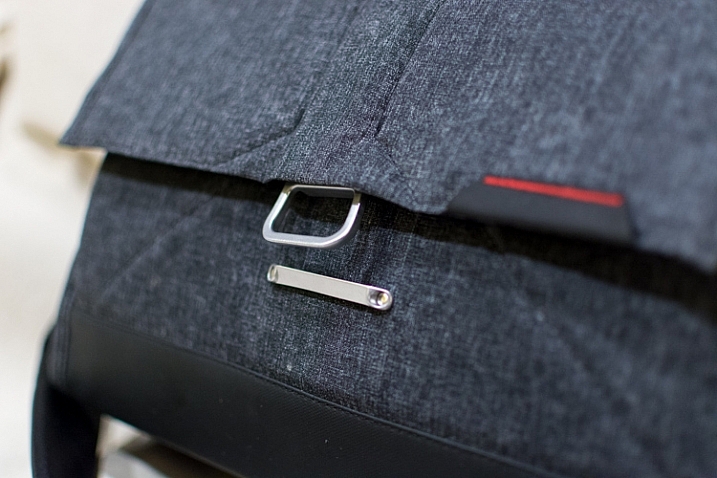
The Everyday Messenger solves this with a magnetic clasp that hooks to one of four positions, releases with a quick flick of your wrist, and snaps securely back in place with minimal effort. It also has two weather-sealed zippers on top; one which provides access to the main pouch and another for the laptop/tablet storage section in the back. All this adds up to a bag that is clearly designed to hold your equipment safe and secure, while letting you get at it as quickly as possible, and has quickly made all my other bags look archaic by comparison.
everyday-messenger-bag-front-clasp

The front clasp opens and closes easily, but locks securely. I thought it would be gimmicky at first, but it has turned out to be surprisingly useful, and quite durable.

Attention to Detail

There are dozens of little examples like this scattered throughout the Everyday Messenger bag that make it incredibly useful for photographers, as well as anyone else who needs a bag to carry things around. In fact my wife, a college professor, has been using it to carry all manner of papers and books, along with her laptop, around campus. After a week of using it she said, and I quote, “My official verdict is – it’s awesome.”

The clasp on the shoulder strap adjusts with a quick release mechanism to make it longer or shorter, and even the strap itself is unique in its design. Instead of a shoulder pad that slides back and forth, a 15-inch section of the shoulder strap is padded from the inside. This not only eases much of the stress on my shoulder, but is far more comfortable than any other camera bag strap I have ever used. The strap seems well suited for those who like over-the-shoulder bags, but can also be made long enough to accommodate users who prefer to sling the bag across their chest.
everyday-messenger-bag-all-open

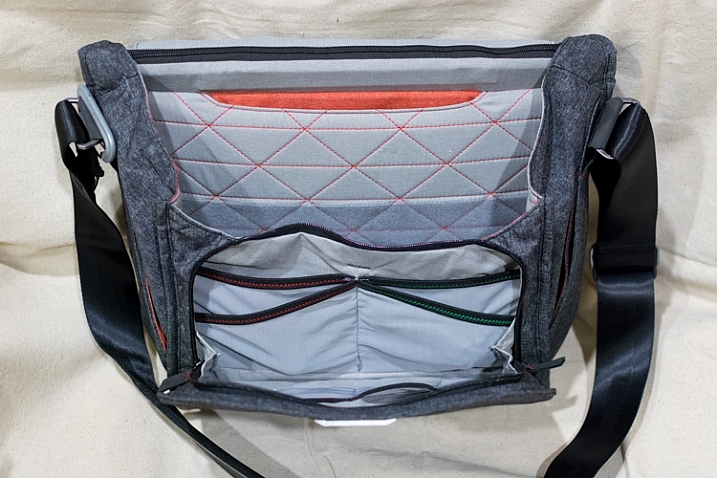
If you want pockets, this bag has plenty to spare.

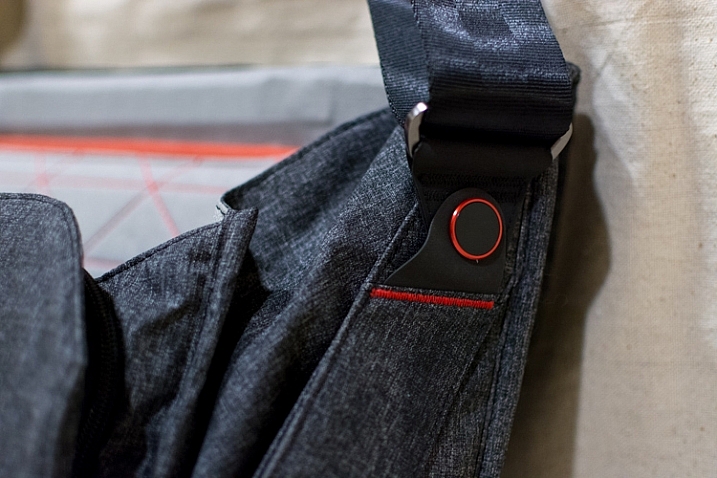
The little touches don’t stop with the shoulder strap and zippers. Two pockets on each side of the bag offer quick access to small things like lens filters, batteries, or even keys, which can be clipped to a security strap so they won’t get lost. Inner pockets in the lining of the bag are coded red and green, and are designed for memory cards or batteries that are either ready to go or all used up. The shoulder strap attaches to the bag itself with a rotating joint, instead of the common swivel style you see on most bags, which means the Everyday Messenger moves naturally at your hip instead of jostling back and forth. And unlike almost every other messenger-style bag I have used, this one stands perfectly upright whether empty or full, thanks to a thick underlining.

All of this adds up to a bag that carries your stuff like any other, but does so in a way that is more practical and easier to use than you might expect.
everyday-messenger-bag-strap-swivel

The shoulder strap rotates front to back where it is attached to the bag, which makes things far more comfortable on long walks than most other bags.

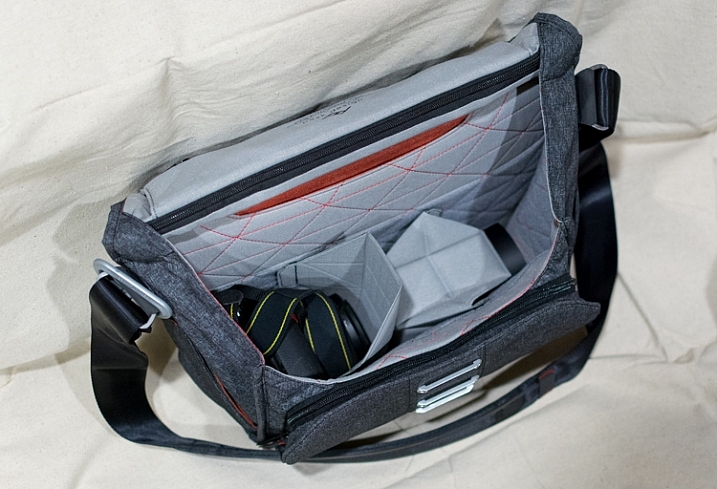
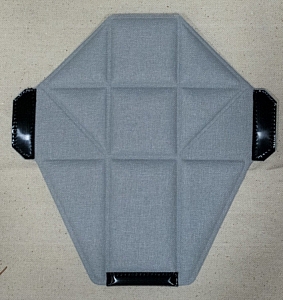
The inside of the Everyday Messenger looks like what you would expect – a big empty compartment, with velcro dividers to keep your larger gear items separate from each other. Unlike most other bags though, the creators added a somewhat unique twist on the dividers themselves; they are designed to fold and flex in order to accommodate oddly-sized equipment and even let you stack things on top of one another. If you have a larger lens it can be placed on the side, and multiple camera bodies can be put next to it, or stacked on top of each other, with everything padded on all sides. These dividers make the bag far more practical for photographers, as compared to traditional rectangular or messenger-style bags, but I should note that the dividers themselves do seem a tad flimsy compared to other bags I have used. Thus far they seem fine, but I wonder how well they will hold up after several months of daily use.

Of course a camera bag is more than the sum of its features, and all the padding, pockets, and clever nooks and crannies in the world don’t matter if the bag is uncomfortable out in the field. Thankfully the Everyday Messenger does quite well in this regard. The padded neck strap and thick cross-bracing on top distribute the weight of the bag evenly, and even with a laptop, a camera, and some lenses in the bag, it was still fairly portable and easy to use. As with other aspects of the bag, only time will tell how it handles in the long run, but for now I can safely say that this one is much more comfortable and user-friendly than almost every other I have used.
everyday-messenger-bag-gear-inside

Thanks to the folding dividers I can pack a DSLR with lens attached, another lens on the side, and still have a large padded cavity on top of the extra lens for my flash or other items.

The only reservations I have about wholeheartedly recommending this bag relate to its price, and overall durability. Peak Design claims it is made of: Weatherproof waxed 500D Kodra, which is used in many outdoor-related products, and even some military applications as well. It does feel a bit thin, so like the internal dividers, I do wonder if the bag is suited for the long haul. However, I don’t think it would necessarily be any worse than any other bag I have owned.


Finally, one of the most basic questions about this bag involves the price – is it really worth $ 250? That depends on your needs. Certainly that amount will fetch you one, or even several, perfectly fine camera bags from manufacturers like Lowepro, Ruggard, Crumpler, Tamrac, and many others. While all those bags are nice, and much less expensive, I have found the Everyday Messenger to be more enjoyable to use on a daily basis. It won’t hold as much equipment as some other bags, so if you are a professional who needs the most amount of space for all sorts of gear, you might want to look elsewhere. But if you’re a casual photographer, who likes to transport your gear on a regular basis, I can confidently recommend the Everyday Messenger Bag.
everyday-messenger-bag-divider

These oddly-shaped dividers are quite handy, though they do feel a bit thin and flimsy compared to some dividers in other camera bags.

Pros:

  • Well thought out design
  • Lots of storage for a variety of camera gear
  • Sturdy, rugged, and waterproof
  • Stands upright on its own, empty or fully loaded
  • Ingenious front clasp, along with top zippers, make accessing your gear very easy

Cons:

  • Material is slightly thin and might wear out over time
  • Price is a bit high

googletag.cmd.push(function() {
tablet_slots.push( googletag.defineSlot( “/1005424/_dPSv4_tab-all-article-bottom_(300×250)”, [300, 250], “pb-ad-78623” ).addService( googletag.pubads() ) ); } );

googletag.cmd.push(function() {
mobile_slots.push( googletag.defineSlot( “/1005424/_dPSv4_mob-all-article-bottom_(300×250)”, [300, 250], “pb-ad-78158” ).addService( googletag.pubads() ) ); } );

The post Review: The Everyday Messenger Bag by Peak Design by Simon Ringsmuth appeared first on Digital Photography School.


Digital Photography School
 
Comments Off on Review: The Everyday Messenger Bag by Peak Design

Posted in Photography


Sculptural Skyscraper: Ornate NYC Design Redefines Tower Decor
11 Dec

[ By WebUrbanist in Architecture & Houses & Residential. ]

ornate manhattan skyscraper concept

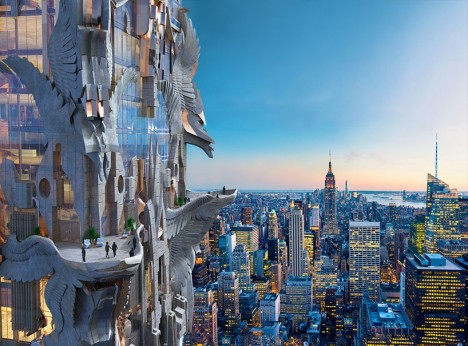
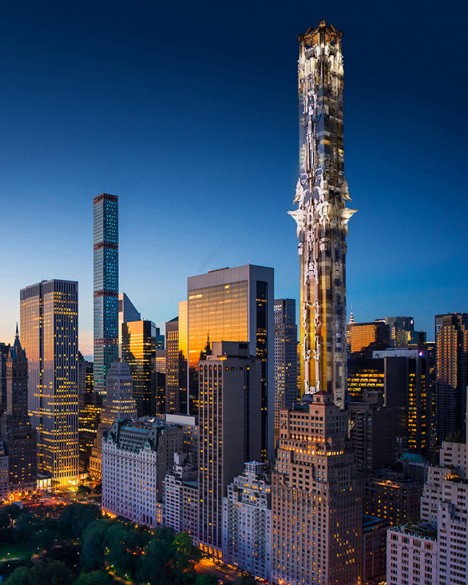
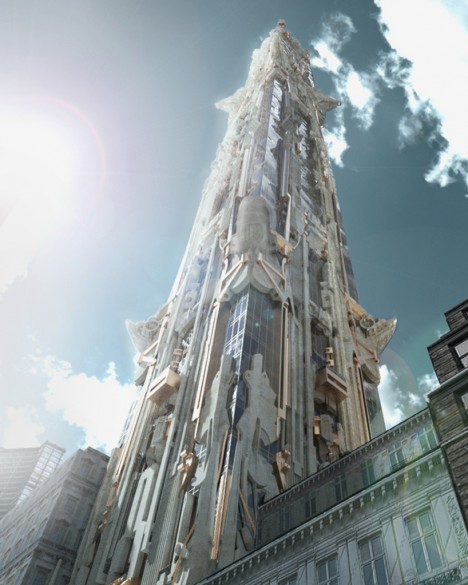
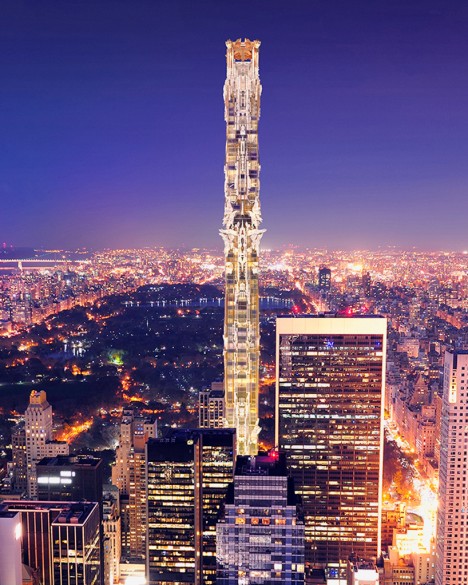
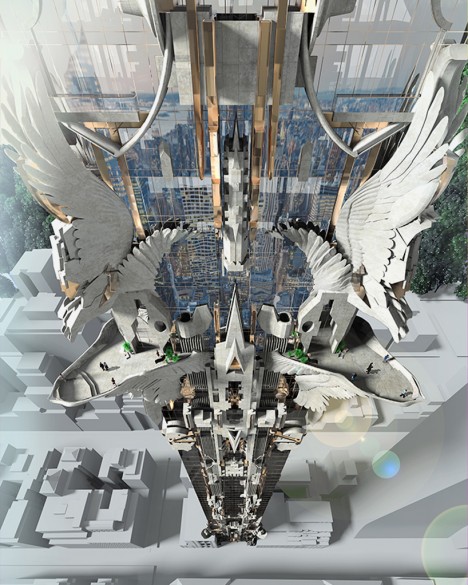
Architect Mark Foster Gage has unveiled stunning plans for this 100-story, skyline-defining structure for Midtown Manhattan with views of Central Park. Commissioned by a developer to explore a statement-making skyscraper, the work includes carved figures and ornate balconies.

ornate midtown tower design

No expense was spared, at least in this conceptual stage: limestone-tinted concrete cladding and hydroformed sheet-bronze details are accompanied by brass-tinted alloy wrapping structural extrusions and enclosures. The program features ballrooms and restaurants at various heights as well as a mid-structure retail ‘sky lobby’.

ornate facade balcony level

Early skyscrapers puzzled architects initially, and many were envisaged as lower-height buildings (featuring a plinth at the base and crowned with decorative roofs) with the central portion stretched vertically. Then Modernists came along, smoothing out lines and discarding sculptural effects for glass and steel. This design goes a step behind recalling early towers, including iterative and undulating embellishments from top to bottom.

ornate street view building

Of course, there was a logic to architectural predecessors with elongated central zones – they were street-friendly at the bottom, and sky-friendly at the top, saving cost and complexity in the middle.

Whether such an extravegant reinterpretation of skyscrapers as this represents is indeed desirable or even feasible remains an open question. Still, there is something to be said for attempting to bring non-minimalist beauty back to tall buildings.

ornate towering structure nyc

In many ways, this approach represents a hybrid of old skyscrapers and new city-in-the-sky attitudes championed by contemporary architects, mixing programs at various levels to create a sort of self-contained structure for living, working and recreating.

Share on Facebook


[ By WebUrbanist in Architecture & Houses & Residential. ]

[ WebUrbanist | Archives | Galleries | Privacy | TOS ]


WebUrbanist

 
Comments Off on Sculptural Skyscraper: Ornate NYC Design Redefines Tower Decor

Posted in Creativity


Star Wars x Starchitects: Lightsabers Meet Modern Design

26 Nov

[ By Steph in Design & Products & Packaging. ]

architect star wars 7

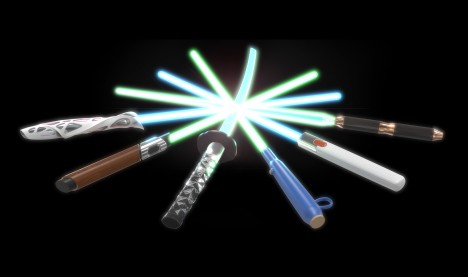
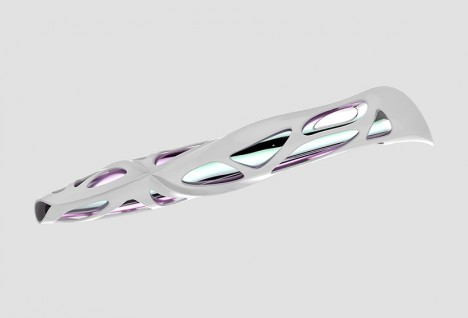
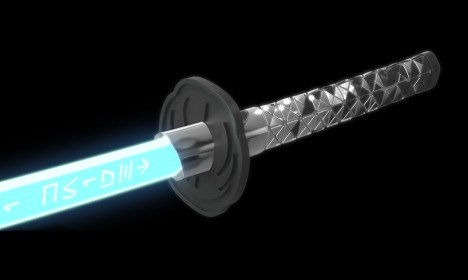
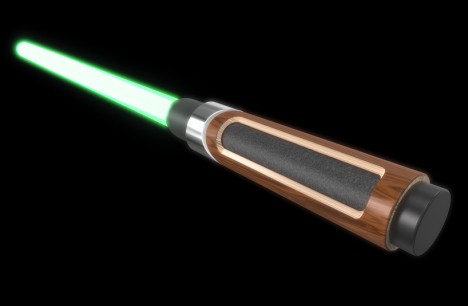
How would Zaha Hadid’s signature brand of futuristic bio-inspired architecture translate to the design of a lightsaber if she were a Jedi? The project ‘Design x Saber’ mashes up the iconic Star Wars weapon with some of the design world’s biggest names of the 20th and 21st centuries, from the midcentury modern furniture sensibilities of Ray and Charles Eames to the graphic minimalist fashions of Issey Miyake.

architect star wars 6

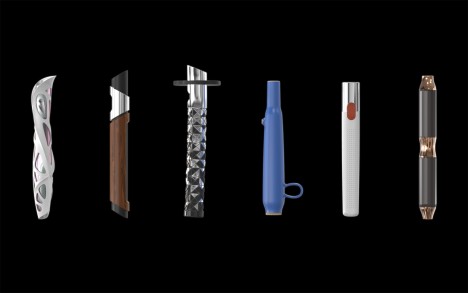
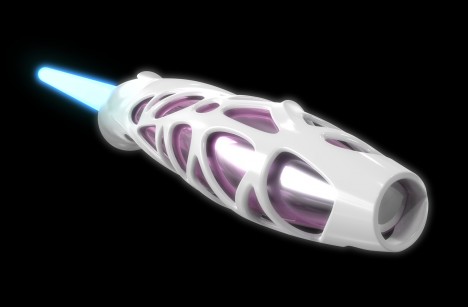
Y Studios, a San Francisco-based research company, identified five distinguished designers whose styles could be creatively applied to the Star Wars universe and then created a signature lightsaber for each one. Hadid’s saber, for instance, features a curvaceous white web wrapping around an iridescent metallic core for the hilt.

architect lightsabers

architect star wars 2

“With the Hadid saber, we wanted to explore movement through the form as an idea for designing the hilt,” says the studio. “By taking an exoskeletal structure and wrapping it around a chrome metal insert, it gave us a natural grip zone that related directly to the Hadid aesthetic. The simple, flowing and always changing curvature draws the eyes around the hilt from all angles, making it a true 360 degree design example.”

star wars starchitects 8 architect star wars 3

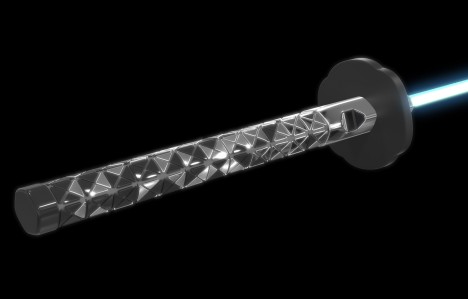
Miyake’s saber features a black faceted texture inspired by his famous Bao Bao bag paired with the silhouette of a Japanese katana sword, with the Aurebesh characters for ‘Jedi knight” etched into the blade. The Eames design, made primarily of wood, takes after the designer brothers’ most sought-after creation, the iconic Eames lounge chair made of plywood and leather.

architect star wars 4 architect star wars 5

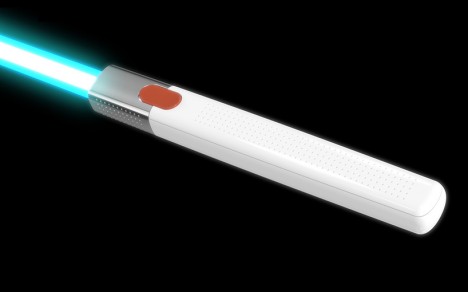
German industrial designer Dieter Rams is best known for his pleasingly simple, pure white aesthetic and a “less but better” principle for good design; his saber is appropriately clean and balanced, free of unnecessary ornamentation. See the others and get more details at the Y Studios Vimeo channel.

Share on Facebook


[ By Steph in Design & Products & Packaging. ]

[ WebUrbanist | Archives | Galleries | Privacy | TOS ]


WebUrbanist

 
Comments Off on Star Wars x Starchitects: Lightsabers Meet Modern Design

Posted in Creativity