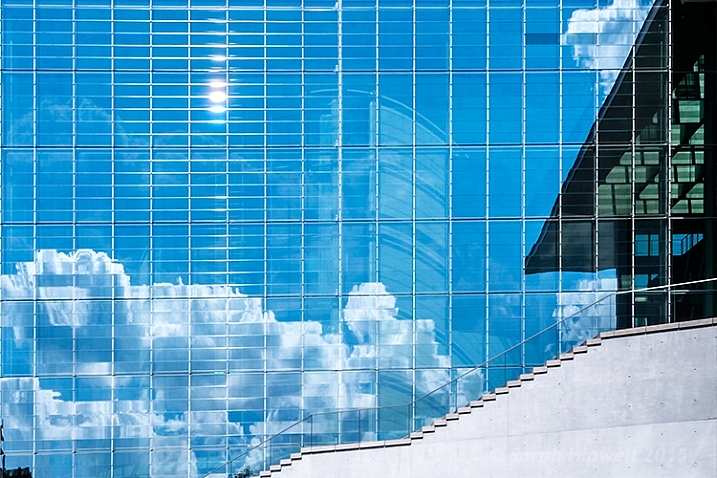
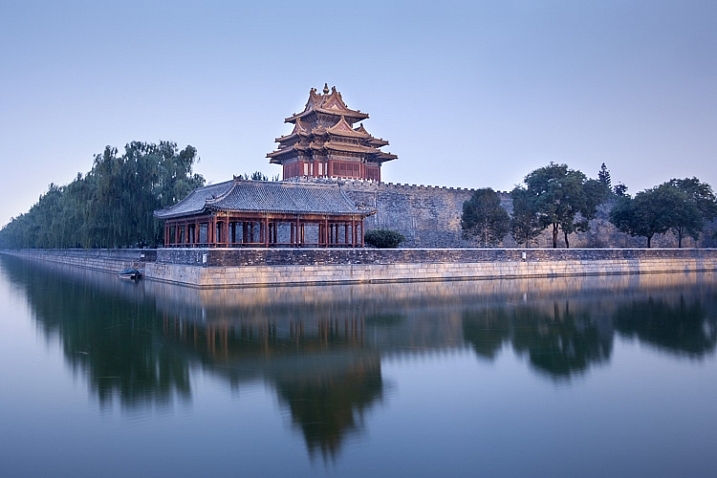
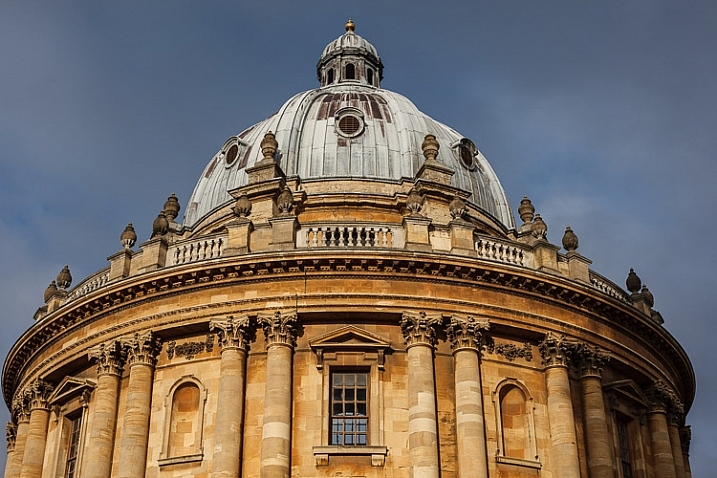
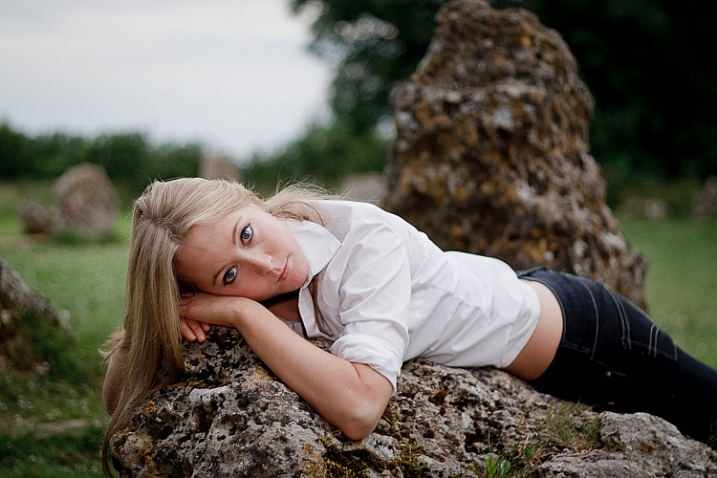
RSS
 

Posts Tagged ‘Composition’

4 Steps to Creating Images With More Meaningful Composition

06 Feb

If you wonder what composition really means, it is basically what elements you choose to put in a photograph, and where you decide to place them in the frame.
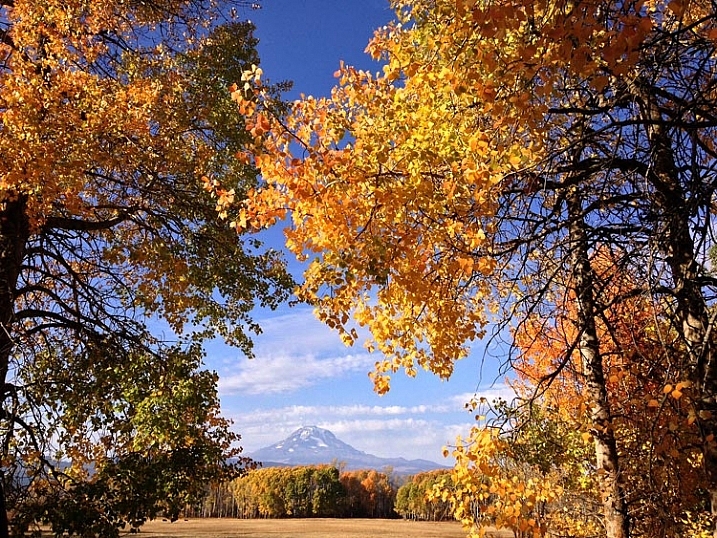
Vickie-Lewis-MtHood

When composing a photograph you need to consider several things:

  1. What is the story you are trying to tell? In other words, what do you want the viewer to see or feel when they look at your photograph?
  2. What’s your center of interest or focal point?
  3. What elements will most support that story?
  4. How can you maximize those elements?

Let’s consider each of those points individually.

1- What is the story you are trying to tell?

In other words, what do you want your viewer to know or experience when they see the photograph?

Some ideas if you are photographing your children:

  • You might want the viewers to see how cute they are.
  • You might want the viewers to see how smart they are.
  • You might want the viewers to see how much they love their sibling or new puppy.

Each of those ideas will impact how you choose to compose the picture. In the first example, you might choose to dress your daughter with a pink bow and sit her on her princess bed. If you want to show how smart your child is, you may decide to photograph them winning a spelling bee, or playing with test tubes. Of course, if the story is the new relationship with their puppy, you want to capture that moment of them hugging the puppy, or the puppy licking their face.
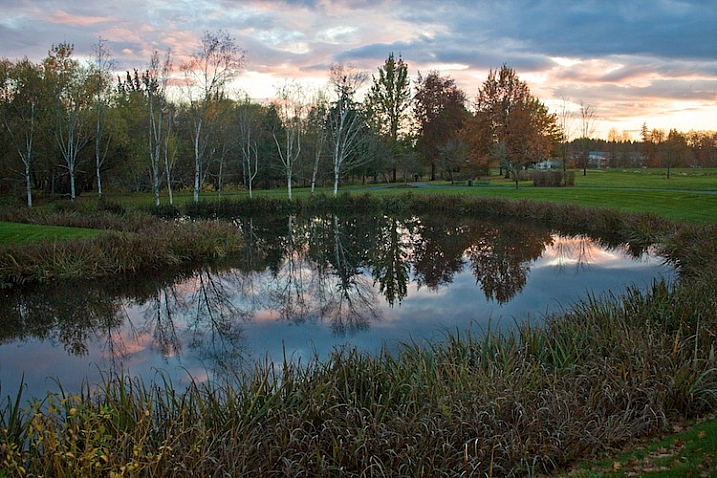
Lake-Vickie-Lewis-Photography-for-dps

Here’s another example shooting landscapes. Let’s say you want to take a photograph of a beautiful lake in a park, in the middle of a city. What’s the story you want to tell? What’s the experience you want your reader to have when they see your photo?

Here are some ideas:

  • You can isolate the lake and shoot it in such a way that it looks as though it is in the middle of nowhere.
  • You could shoot the lake with the cityscape in the background to show it as a haven in the middle of a grimy city.
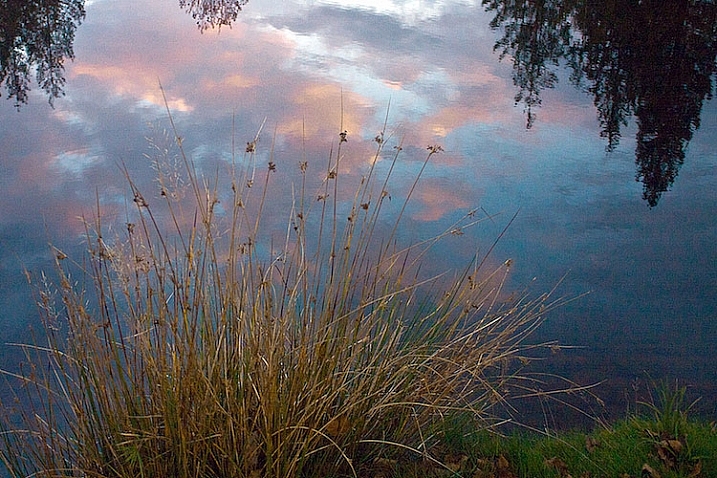
  • You could show the restful, or quiet feeling, of the lake by just focusing on an empty park bench, or the reflection of a tree in the water.
grass by edge of lake Vickie Lewis Photography for dps

In every situation, there are many different stories and compositions. Knowing what the story is, and what you want to say, is the first step in composing a photograph. You can start to see how your intention with the photograph becomes important in composing a photograph.

2 – Choosing a focal point

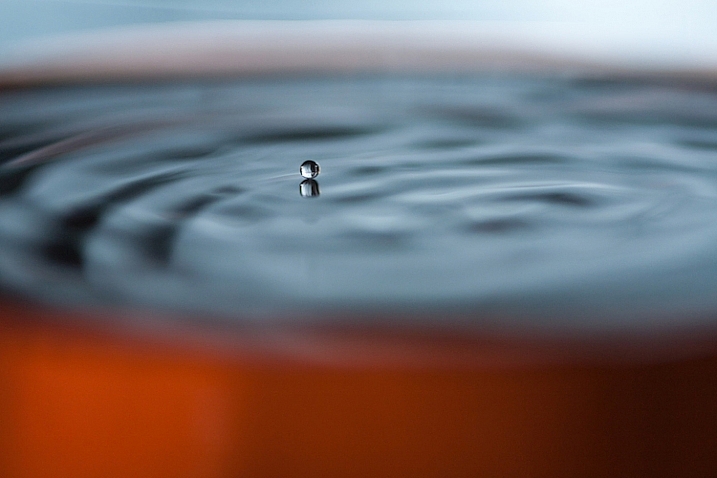
With that in mind, the next step you want to think about is what is your center of interest or focal point? In other words, what is the one element you want your viewer to see first? What ONE element do you want to stand out?

If you are photographing your children, that’s pretty simple, you want your child to stand out. We’ll talk about some strategies to do that in a minute, but first let’s look at our other examples.

If you see a lake that you are drawn to, first ask yourself the story, then ask yourself what one element can be the subject? Is it a tree or rock in the lake? Is it a house on the lake? Is it the moon rising above the lake? Is it the grass growing on the edge of the lake?
Drop-by-Vickie-Lewis

3 – What elements support the story?

As you view the scene, ask yourself, “What elements support the story I’m telling?” As you look through the viewfinder, move your eye around the outside frame of the photo, then look inside that frame and ask yourself if there is anything in the photo that doesn’t belong there.

For example when you are taking a photograph of your child, you ask yourself if you need the dining room table in the background? Do you need your car in the background? What’s important? What elements add to the subject and which distract?

4 – How can you maximize those elements?

In the next section, we’ll look at examples and talk about ways you can clean up your photographs in two simple ways.
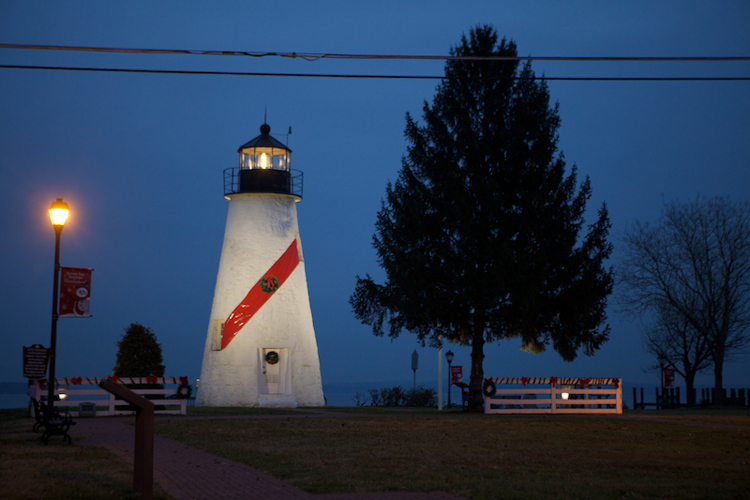
1 Lighthouse snapshopt Vickie Lewis Photography for dps

Above is a photo of a lighthouse. It’s a very pretty scene, but it’s filled with elements that don’t really help the composition. There are elements, including a wire overhead and an information stand in the front, that don’t add anything to the feel of the place.
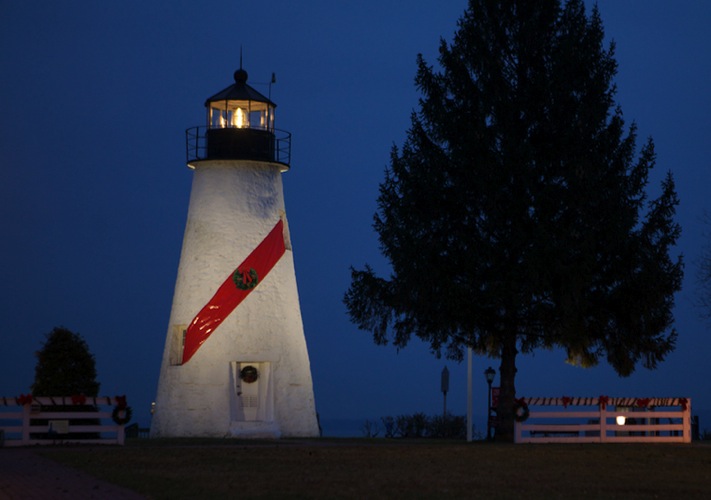
2 Lighthouse Vickie Lewis Photography for dps

This is better. The first shot was taken with a wider angle lens. In this shot, I took a few steps to the right, and zoomed in a little bit. Zooming in not only eliminates some of the foreground, it changes the perspective. Can you see how the image feels more compressed? Also, the wires were not magically Photoshopped out of the picture, I chose to eliminate the top of the tree from the frame.

3 Lighthouse Vickie Lewis Photography for dps

Here’s yet another different perspective. For the shot above, I used an even longer lens, and moved more to the right. The most important element to me, the story, is the lighthouse. The dark tree nicely frames it, and adds perspective. This photo, compared to the first, is much cleaner.

Now, I could have chosen to get closer with the wide angle lens, but the light house would start to lean, and it would have emphasized the power lines.

Different angles can also help clean up backgrounds, so you ask yourself:

  • Would taking a step or two in a different direction get rid of some distractions?
  • Would getting a little bit higher or lower help the composition?
  • Would changing the focal length help with the composition?
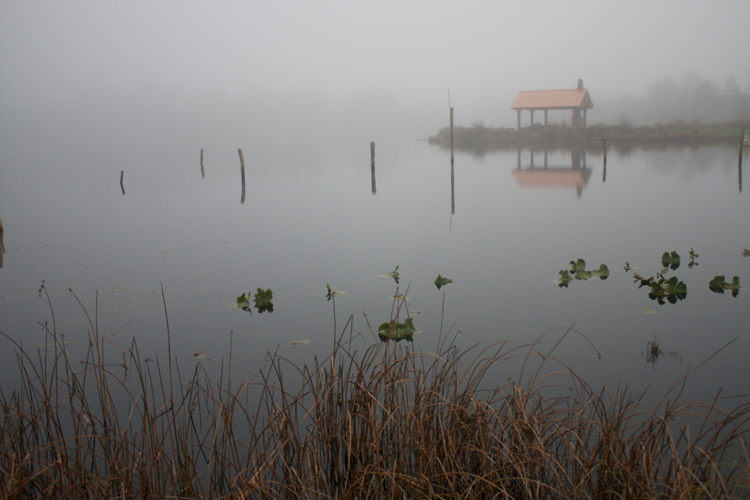
1 Foggy Shack vickie lewis for dps

2 Foggy Shack Vickie Lewis for dps

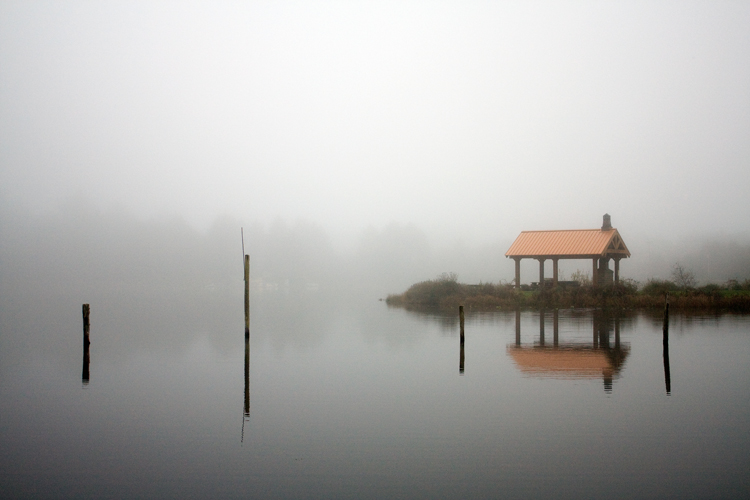
Here’s a great scene of a foggy shack on a lake. It’s next to a very busy highway, so I chose an angle from which you can’t see any cars. In the first example, the emphasis is on the grass. I used a wider lens and looked for a patch of grass for the foreground that made a nice pattern. The grass leads the viewer into the photograph. The shack seems further away.

In the second image, I chose to focus just on the reflection and the quietness of the scene. I found an angle from which I could shoot with no grass. My focus changed, the feeling also changed. Which one do you like better?
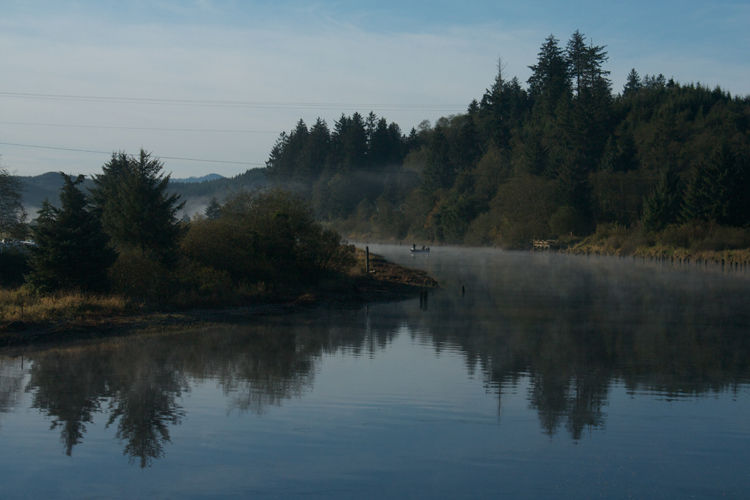
1 Nehalem River Vickie Lewis for dps

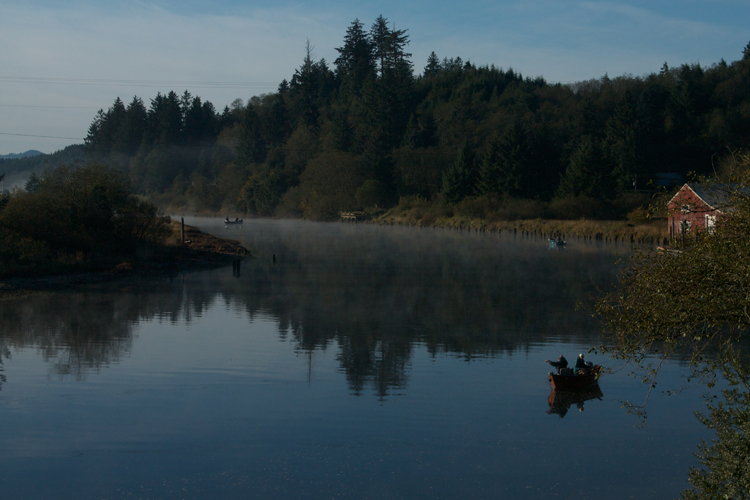
Here’s a beautiful scene with lots of potential. But your eye really has no place to go. There isn’t a strong sense of interest. The story is one of serenity and a great place to go fishing.
2 Nehalem River Vickie Lewis for dps

To improve the composition, I waited until some fishermen popped into the right place. In the second photo, can you see how your eye has a place to go? It’s immediately drawn to the fishermen in the red boat.

You can greatly dramatically improve the composition in your photographs by framing a photo and waiting for the right elements to come together.

So now, moving forward with your photography, you have some great ideas to work with:

  • Consider what story you are telling with your photographs.
  • Make sure you have a center of interest.
  • Decide what elements support the story.
  • Maximize the elements by changing position and focal length.

googletag.cmd.push(function() {
tablet_slots.push( googletag.defineSlot( “/1005424/_dPSv4_tab-all-article-bottom_(300×250)”, [300, 250], “pb-ad-78623” ).addService( googletag.pubads() ) ); } );

googletag.cmd.push(function() {
mobile_slots.push( googletag.defineSlot( “/1005424/_dPSv4_mob-all-article-bottom_(300×250)”, [300, 250], “pb-ad-78158” ).addService( googletag.pubads() ) ); } );

The post 4 Steps to Creating Images With More Meaningful Composition by Vickie Lewis appeared first on Digital Photography School.

Digital Photography School

 
Comments Off on 4 Steps to Creating Images With More Meaningful Composition

Posted in Photography


6 Advanced Composition Techniques to Improve Your Photos

27 Jan

When you think of composition in photography, what is the first idea that pops into your head? Let me guess – the rule of thirds?

Likely that was true for many of you who reading this, why do you think that is? The rule of thirds is probably the most widely known, and well used compositional tool in photography. Most often, it is the first composition tool we are taught (it was for me anyway). Once we know it, and use it, we don’t really think about it, or about any other compositional techniques.

There are other methods though, using visual design techniques that talk about texture and colour, amongst others. Many photographers simply default to the rule of thirds and take the shot, without trying other compositions. These other techniques can make a difference in your images. This article is about six techniques you can use to improve your compositions, and your photos Some of these would be known as advanced techniques, but once you understand them, they are pretty self explanatory.

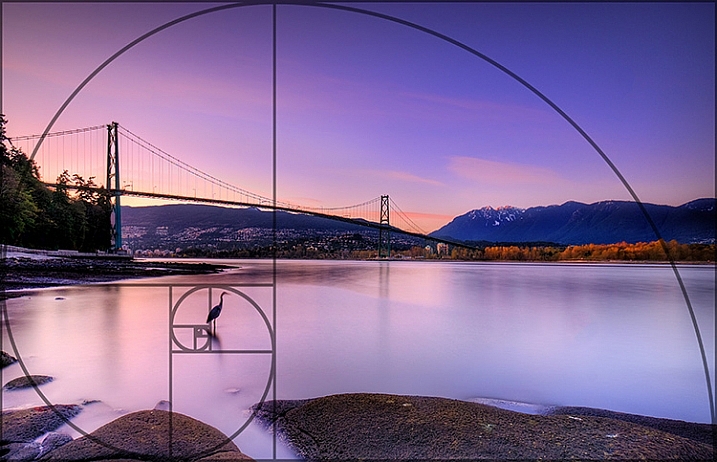
1. The Golden Ratio or Fibonacci Spiral

Use the Golden Ratio to enhance your composition

Use the Golden Ratio to enhance your composition

This is a tool that has been used for centuries, as a design principle. Many famous works of art use the Golden Ratio in their composition and it is often seen in nature’s own designs. Think of the spiral of a snail shell, how it curls in on itself. That shape conforms to the Golden Ratio. It is a ratio of 1:1.618 which seems to work really well in design and photography. To read much more detail about this technique check out: Divine Composition With Fibonacci’s Ratio (The Rule of Thirds on Steroids).

2. Unity

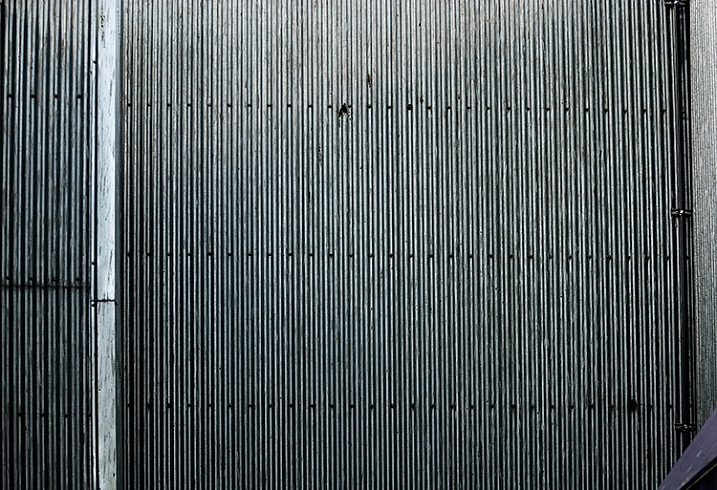
Unity is about order. Repetition can be very powerful in this regard. You can repeat shapes, lines, or colours in your image. By doing so you create a unified view of the scene, and this in turn gives a very powerful compositional effect. Unity can bring a calming feel to the image, try and find a subject that portrays this.

The lines and the rivets in the image make it feel uniform, as does the lack of colour

The lines and the rivets in the image make it feel uniform, as does the lack of colour

3. Coherence

Different from unity, coherence is more about similar types of elements or shapes in your scene. Think of a rocky river bed with similar sized rocks and pebbles. This scene would be coherent if the rocks and pebbles are a similar size, shape, and colour. Coherence appeals to the viewer’s sense of order, and can make for very interesting images.

Similar shapes and colours make this image feel more coherent

Similar shapes and colours make this image feel more coherent

4. Balance and Rhythm

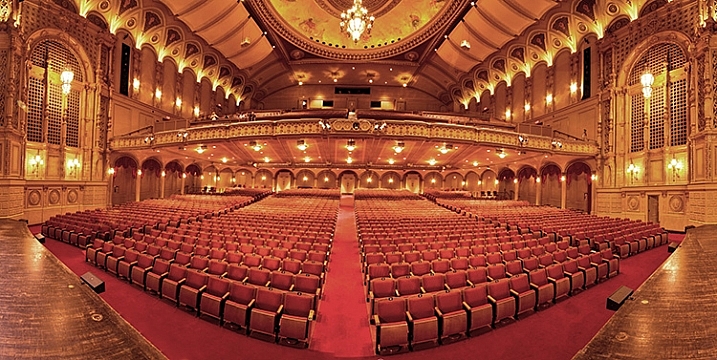
Balance is pretty much as it says, the idea here is to try and arrange the elements in your scene so that the image is symmetrical. This can be done using lines and shapes. The ideas is to create a sense of equality in the scene. Rhythm is similar in a sense, but is about a repeating pattern in the scene. These are a little more difficult to find, but often a close up or abstract image can showcase this technique well.

The centred composition of this image of a theatre shows the balance in the scene

The centred composition of this image of a theatre shows the balance in the scene

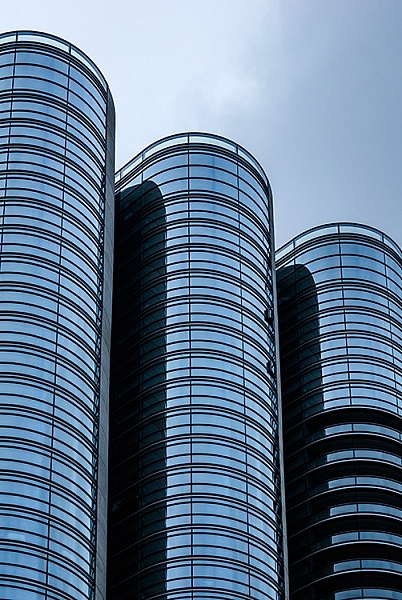
The curved shapes of the glass buildings gives a great sense of rhythm

The repeated curved shapes of the glass buildings gives a great sense of rhythm

5. Space

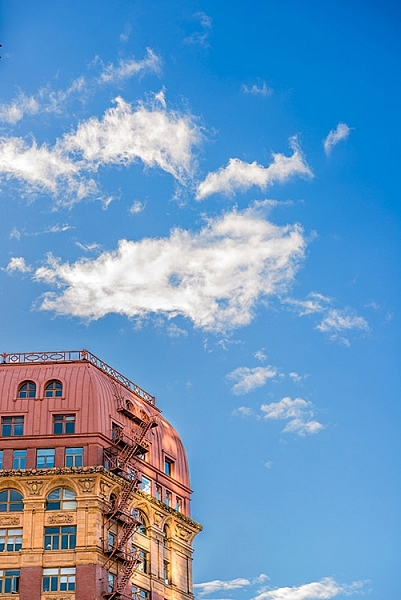
Open, or negative space, in your image is sometimes as important as the subject. Negative space gives your subject context, and shows the viewer where or how your subject relates to its surroundings. Quite often, negative space is the sky. It can be tempting to ignore this one, but if it’s used correctly, this can be a very powerful compositional tool.

The texture in the clouds in give this image some gravity. If the sky were simply blue, it would not be as impactful

The texture in the clouds in give this image some gravity. If the sky were simply blue, it would not be as impactful

6. Breaking the Rules

Now that you have some new ideas about how to make better compositions. Knowing these techniques will certainly improve some of your images, but also, knowing how to break them is just as important. In some cases, it will be obvious which technique to use, in others, you may find that putting your subject in the middle of your frame works best. You need to decide what will work for your image. Try techniques like this and see if one works. If not, break the rules and do what you think looks good.

By cropping the building quite aggressively, the image seems unfinished, but the colours and the sky make it work

By cropping the building quite aggressively, the image seems unfinished, but the colours and the sky make it work

googletag.cmd.push(function() {
tablet_slots.push( googletag.defineSlot( “/1005424/_dPSv4_tab-all-article-bottom_(300×250)”, [300, 250], “pb-ad-78623” ).addService( googletag.pubads() ) ); } );

googletag.cmd.push(function() {
mobile_slots.push( googletag.defineSlot( “/1005424/_dPSv4_mob-all-article-bottom_(300×250)”, [300, 250], “pb-ad-78158” ).addService( googletag.pubads() ) ); } );

The post 6 Advanced Composition Techniques to Improve Your Photos by Barry J Brady appeared first on Digital Photography School.

Digital Photography School

 
Comments Off on 6 Advanced Composition Techniques to Improve Your Photos

Posted in Photography


Take your Composition & Lighting Skills to the Next Level with this 70% Off Deal

18 Dec

It’s time for day 6 of our 12 Deals of Christmas and this one is from our good friends at Photography Concentrate who have two fantastic eBooks for you to choose from (and a great offer when you pick them both up).

Concentrate ebooks

Incredibly Important Composition Skills

Are you ready to unlock your superpowers in composition and gain real skills that you’ll use in every single shot you take?

Save 60% on this ebook and video guide from Photography Concentrate (and get a bonus Printable Field Guide and 7 bonus teaching videos)!

Fantastic Fundamental Light Skills

When you understand why light looks and behaves the way it does, you’ll know how to control and change it to suit your creative vision – and take better photos.

Save 60% today on this comprehensive guide (and get a bonus Printable Field Guide)!

Bundle Them Together

Grab both Incredibly Important Composition Skills and Fantastic Fundamental Light Skills in this amazing combo deal (with all the bonuses mentioned above).

A HUGE 70% OFF for 24 hours only!

googletag.cmd.push(function() {
tablet_slots.push( googletag.defineSlot( “/1005424/_dPSv4_tab-all-article-bottom_(300×250)”, [300, 250], “pb-ad-78623” ).addService( googletag.pubads() ) ); } );

googletag.cmd.push(function() {
mobile_slots.push( googletag.defineSlot( “/1005424/_dPSv4_mob-all-article-bottom_(300×250)”, [300, 250], “pb-ad-78158” ).addService( googletag.pubads() ) ); } );

The post Take your Composition & Lighting Skills to the Next Level with this 70% Off Deal by Darren Rowse appeared first on Digital Photography School.

Digital Photography School

 
Comments Off on Take your Composition & Lighting Skills to the Next Level with this 70% Off Deal

Posted in Photography


How Cropping in Post-Production Can Improve Composition

16 Nov

Even though I strive to get the best compositional shot in-camera. I do see ‘cropping’ as essential to my post editing workflow. For such a simple post edit technique, it can really enhance and improve composition of the image. I have also found cropping an image, be it small or in a creative sense can transform an image dramatically.

How Cropping in Post-Production

I like to view cropping as reframing the scene. The initial framing of the scene comes when you look through the viewfinder, then next when you have uploaded your images onto your computer for editing.

You get the chance and time to critically see if your image(s) needs cropping and what type is required. For example, there might be some distracting elements in the foreground that you missed when you looked through the viewfinder, or a horizon line isn’t quite as straight as it should be.

In this article, I’m going to illustrate the following reasons why you might crop your images in post-production:

  • To straighten lines: keep the horizons even and the vertical lines vertical.
  • To move your subject or object: a little more to the left, right, up or down.
  • To trim away distracting elements, especially at the sides or the near foreground.
  • To zoom in to show impact, especially portrait or head-shots.
  • To use the rule of odds – instead of two subjects just use one.
  • For creative cropping – rotate image, use perspective crop.

Let’s take the first example, I took this shot handheld when I should have used a tripod. An uneven horizon line does not make for a good composition. The eye is immediately drawn there, for the wrong reason.

crooked-horizon-line

Seascape with a crooked horizon line.

However, this is easily remedied in most photo editing programs. As Adobe Photoshop CS6 is my go-to photo editing software. I will be referencing it for the rest of this article.

straighten-button

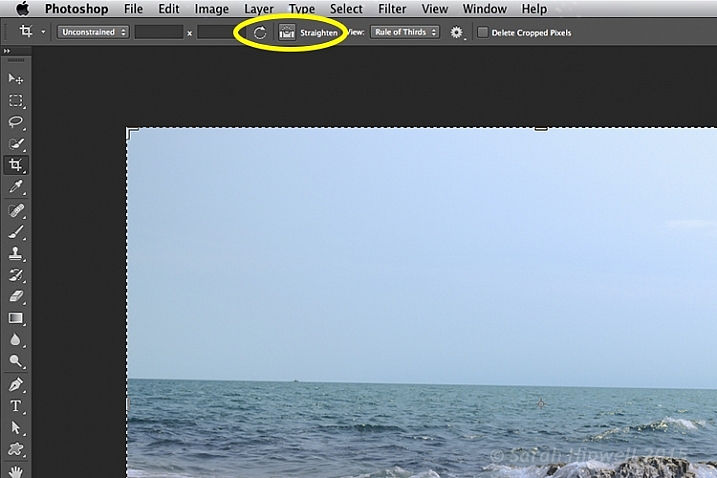
Once you click on the Crop Tool in the Tools panel, there is a dedicated straighten button in the Options Bar.

Click on the Crop Tool in the Tools panel. Go up to the the Options Bar where there is a dedicated Straighten button. Make sure this is selected, click and drag along the crooked horizon line. Release it, and Photoshop straightens the line and crops the image in one action! The same process can equally be applied to vertical lines.

straightened-horizon-line

Horizon lines are easily fixed using the Crop Tool in Photoshop.

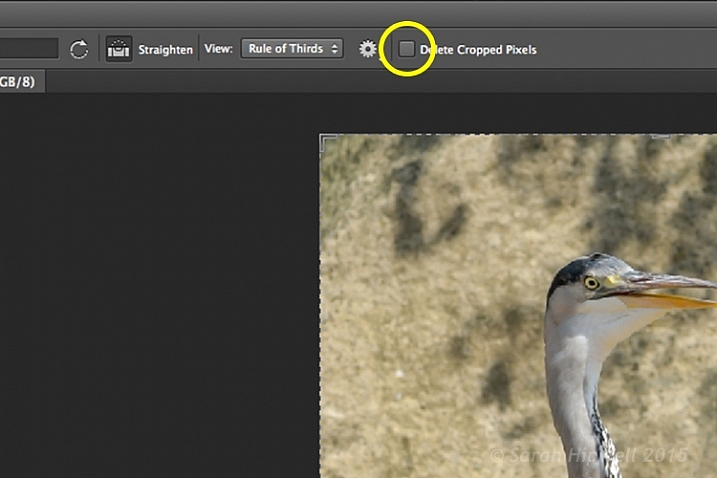
The Crop Tool in Photoshop CS6 is impressive. It now works non-destructively. But you must make sure Delete Cropped Pixels isn’t ticked up in the Options Bar (leaving this box unticked keeps cropped portions which can be recovered later if needed).

Delete-cropped-pixels

The Crop Tool in Photoshop CS6 works non-destructively if the Delete Cropped Pixels box is unchecked.

Inside most editing programs there is usually a choice of overlay guides, based on traditional compositional concepts like the Rule of Thirds or the Golden Ratio. You can read more about Composition in this article: Easy Tips to Help Beginners Understand Composition The crop overlays are great visual guides for good compositional techniques and makes it much easier to crop your image. I usually set it to Rule of Thirds.

So in the next image, I wanted the focus of this shot to be entirely on the sunflowers. The background, although blurred, is still too distracting with the color of the garments worn by the passersby.

sunflowers

Although the background is blurred, the colour of the garments worn by the passersby is too distracting.

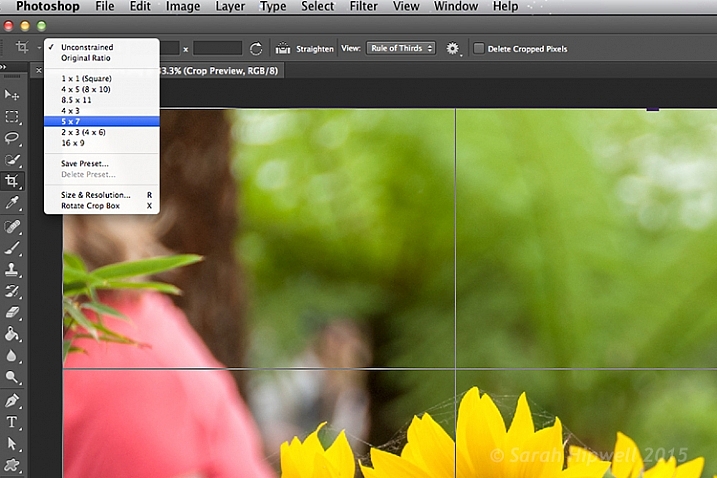
I started with one of the aspect ratio presets. These can be found under this tab Unconstrained. I selected 5 x 7.

Aspect-ratio-5x7

There are various preset aspect ratios when you click on the Unconstrained tab. You can also save your own presets too.

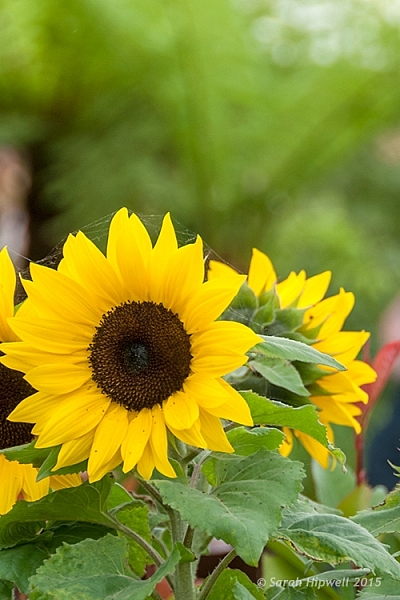
I dragged the top right corner handle of the crop box down, and in towards the centre, to maintain this aspect ratio. By clicking on the image inside the crop box, I was able to move and reposition the image into place.

sunflowers-cropped

The sunflowers are now the main focus point in this image, and the green blurred background is complimentary, without being a distraction.

I am strong believer in using my feet to get close to the subject, or if you have a nice telephoto lens, then happy days. Unfortunately for my next shot, I didn’t have the option of either of the above.

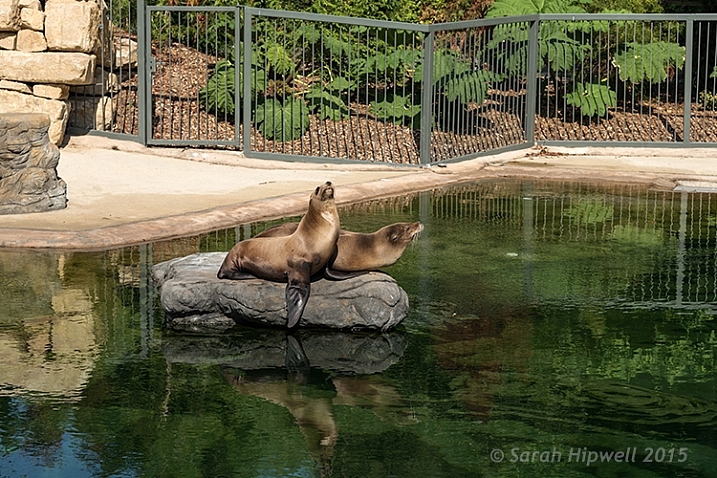
I was at the zoo on a family outing, so I wasn’t taking dedicated shots for anyone. I was behind a barrier and a good 30 feet (approx.) away from the seals. I didn’t get time to think or compose for this shot. I just wanted to grab a shot of the seals.

seals-at-the-zoo

Seals taken at the zoo.

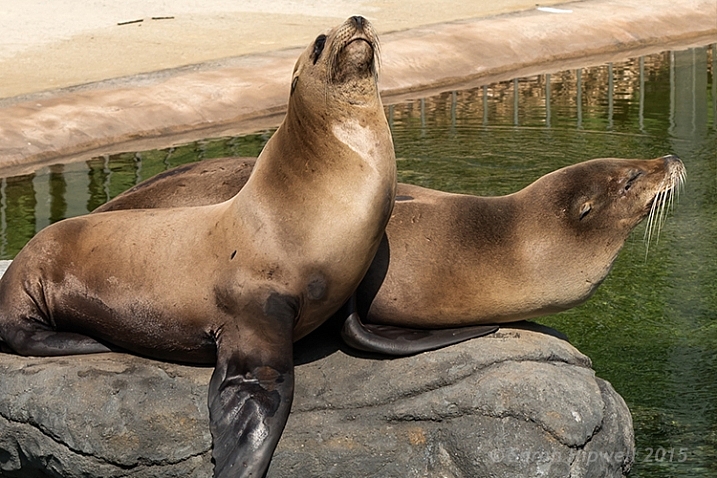
The day was fantastic weather wise, and these seals were really enjoying the sunshine. I wanted to crop in tightly, just on the seals, but I had the megapixels to play with because I had a 24 megapixel camera with me, which can produce a 20×13” at 300 dpi print. The final crop for this image would give me 5.5×4” at 300 dpi print.

seals-cropped

I cropped in tight to get a close-up of the seals. I didn’t like the railings at the back, but I would have preferred to have kept the reflection of the seals in the water, but there is always a trade off!

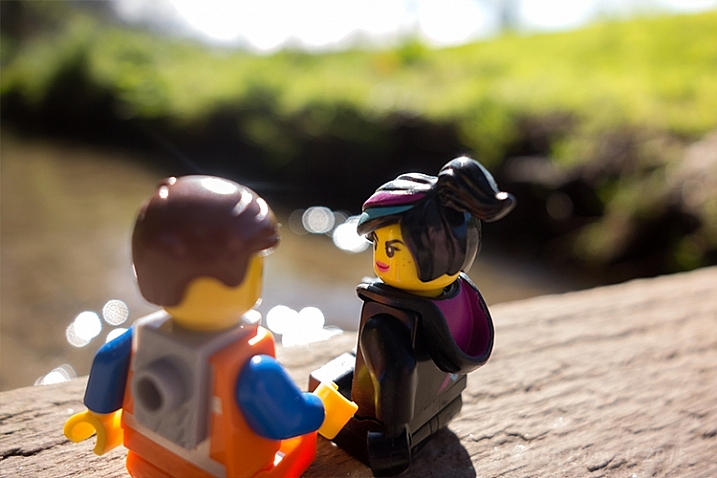
In this next shot, cropping in tight on a subject can convey more impact, especially for portrait shots. No two people reveal the same expression. As a photographer, some subjects are easier to capture an expression over others.

Emmet-and-Lucy

Emmet and Lucy enjoying the nice weather and the chat!

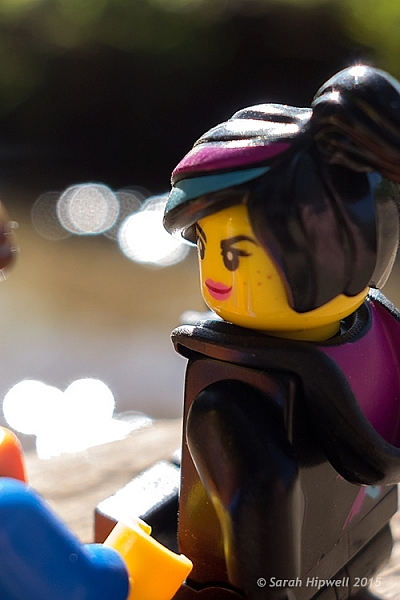
I wanted to convey Lucy looking at Emmet in an adoring fashion, I-only-have-eyes-for-you type of expression.

Lucy-cropped

Lucy hanging on to every word that Emmet is saying! The look of I-only-have-eyes-for-you!

Another way to convey impact is to focus on the action. Here, in this shot below, I cropped out my other daughter, so that the focus was on my youngest daughter running to shore.

fun-at-the-beach

Fun at the beach.

fun-at-the-beach-cropped

By cropping out my other daughter, the focus is on the action. It’s also using the Rule of Odds to focus on the single subject.

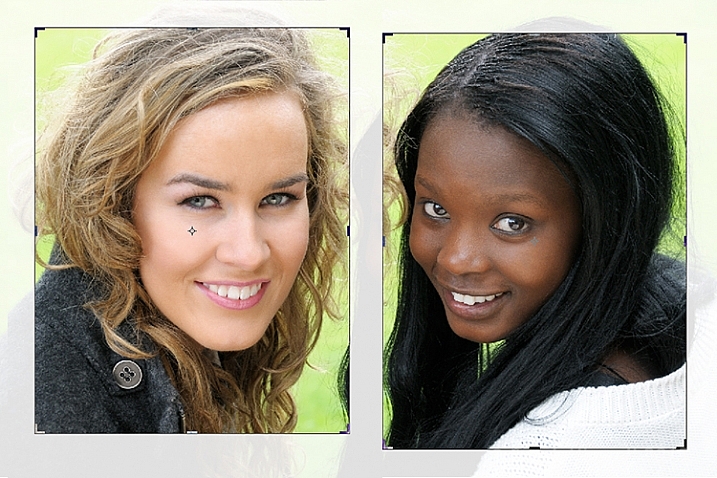
Cropping an image is a great way to apply the Rule of Odds. A good example of this is in the following shot. The two subjects are side-by-side. By cropping in tight on each subject, I have created two distinct head-shots from one single image.

two-portraits-together

Two subjects shot sitting on a bench side-by-side.

two-separate-portraits

After the image is cropped, I now have two distinct portraits.

Last but by not least, try and experiment with rotating your image to the left or right, and then cropping. This may be particularly useful with photos of tall buildings, where you want the focus to be on the height of the building.

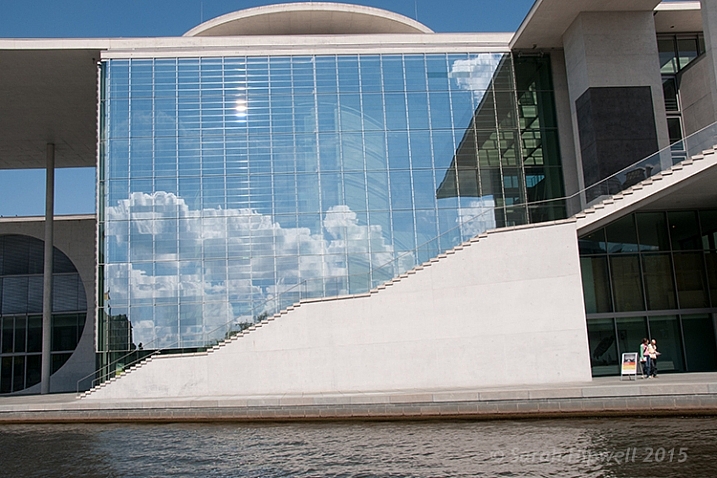
I had taken the following photo in Berlin some years back from a boat on the river Spree. This modern building was quite impressive, but the reflection of the sky and clouds in the glass, caught my eye. It made for a nice abstract composition.

Berlin

A shot of a building while in a boat on the river Spree in Berlin. Compositionally, this by itself is not a good shot.

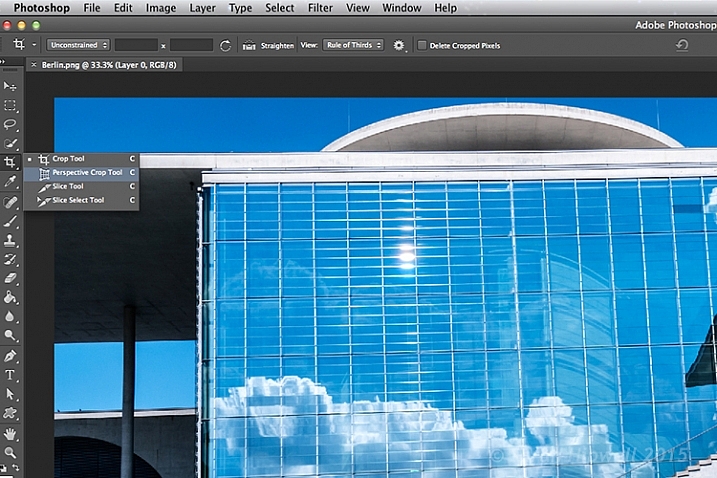
The Crop Tool in Photoshop has another feature, the Perspective Crop Tool. When you click on the Crop Tool and hold, a fly-out menu appears with four options. The Perspective Crop Tool is directly under the Crop Tool.

perspective-crop-tool

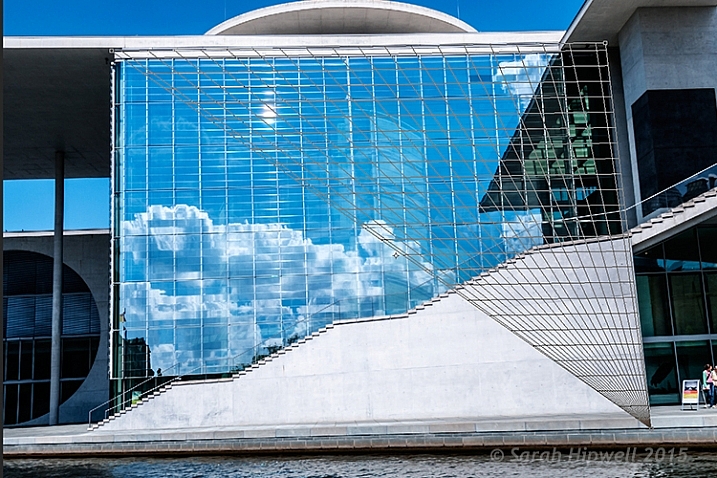
With some editing to highlight the reflection in the glass of this building, I used the Perspective Crop Tool to create an abstract composition.

Starting at one corner, click and drag across to the other corner, and repeat around the lines of the window frame. A grid appears around where you have clicked within the image. Click the commit button at the top in the Options Bar, or press the enter key. Make finer adjustments by clicking back to the regular Crop Tool.

perspective-crop-grid

The perspective Crop Tool in action.

abstract-composition

I created this abstract composition using the Perspective Crop Tool in Photoshop.

Cropping is, after-all, getting an alternative perspective to enhance a better composition.

To crop or not to crop, that is the question? Share your comments and images below please.

This week on dPS we’re featuring a series of articles about composition. Many different elements and ways to compose images for more impact. Check out the ones we’ve done so far:

  • Using Framing for More Effective Compositions
  • 7 Tips to Improve Your Skyline Photos
  • 33 Images that Exemplify Compositional Elements
  • Weekly Photography Challenge – Composition Craziness
  • How to Take Control of Aperture and Create Stronger Photos

googletag.cmd.push(function() {
tablet_slots.push( googletag.defineSlot( “/1005424/_dPSv4_tab-all-article-bottom_(300×250)”, [300, 250], “pb-ad-78623” ).addService( googletag.pubads() ) ); } );

googletag.cmd.push(function() {
mobile_slots.push( googletag.defineSlot( “/1005424/_dPSv4_mob-all-article-bottom_(300×250)”, [300, 250], “pb-ad-78158” ).addService( googletag.pubads() ) ); } );

The post How Cropping in Post-Production Can Improve Composition by Sarah Hipwell appeared first on Digital Photography School.


Digital Photography School

 
Comments Off on How Cropping in Post-Production Can Improve Composition

Posted in Photography


Weekly Photography Challenge – Composition Craziness

14 Nov

This week on dPS we’re featuring a series of articles about composition. Many different elements and ways to compose images for more impact. Check out the ones we’ve done so far:

  • Using Framing for More Effective Compositions
  • 7 Tips to Improve Your Skyline Photos

You can see how a few other photographers have used some compositional craziness to make dynamic images.

Andi Campbell-Jones

By Andi Campbell-Jones

Weekly Photography Challenge – Composition

This week your challenge is to pick an element of composition and make some stunning images. Here are a few ideas for you:

  • Lines
  • Form/shape
  • Texture
  • Contrast
  • Foreground/background
  • Angle of view
  • Rhythm
  • Framing
  • Light
  • Balance
  • Color
  • Direction of motion
  • Simplify
  • Perspective
  • Monochromatic
Noe**

By noe**

DalioPhoto

By dalioPhoto

Stavros Markopoulos

By Stavros Markopoulos

Brett Kiger

By Brett Kiger

JFXie

By JFXie

Share your images below:

Simply upload your shot into the comment field (look for the little camera icon in the Disqus comments section) and they’ll get embedded for us all to see or if you’d prefer upload them to your favourite photo sharing site and leave the link to them. Show me your best images in this week’s challenge. Sometimes it takes a while for an image to appear so be patient and try not to post the same image twice.

googletag.cmd.push(function() {
tablet_slots.push( googletag.defineSlot( “/1005424/_dPSv4_tab-all-article-bottom_(300×250)”, [300, 250], “pb-ad-78623” ).addService( googletag.pubads() ) ); } );

googletag.cmd.push(function() {
mobile_slots.push( googletag.defineSlot( “/1005424/_dPSv4_mob-all-article-bottom_(300×250)”, [300, 250], “pb-ad-78158” ).addService( googletag.pubads() ) ); } );

The post Weekly Photography Challenge – Composition Craziness by Darlene Hildebrandt appeared first on Digital Photography School.

Digital Photography School

 
Comments Off on Weekly Photography Challenge – Composition Craziness

Posted in Photography


4 Things You Should Know About Focal Length and Composition

13 Nov

Lenses are the eye of your camera. The focal length of a lens (and your point of view) determine how much of the subject your camera sees.

You may already be familiar with the basics, and understand the difference between, say, wide-angle and telephoto lenses, but let’s dive into the the topic a little deeper to see what’s really going on.

focal length and composition

There are four fundamental things to know and understand about the focal length and composition.

1. Focal length is not as important as field-of-view

There are two factors that determine the field-of-view of a lens:

  1. The focal length.
  2. The digital sensor or film size

Field-of-view (sometimes called angle-of-view) is far more important than focal length, because it tells you how much of the scene the lens sees. However, as field-of-view changes according to sensor size, manufacturers tell us the focal length instead. Focal length is a fixed measurement that doesn’t change (it is literally the distance from the middle of the lens to the focal plane, which is the sensor).

Here are some practical examples.

Example #1 – 50mm prime lens

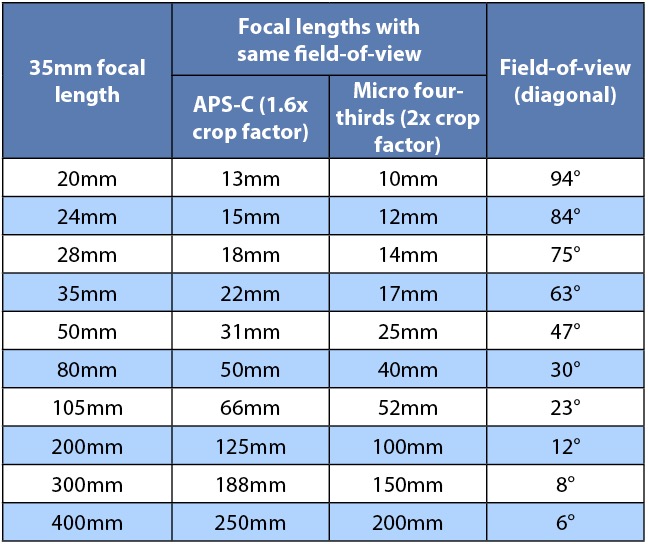
A 50mm prime lens has a field-of-view of 47 degrees on a full-frame camera. This field-of-view approximates what we see with our own eyes. But what happens when you put the 50mm lens on an APS-C camera (crop factor of 1.6x)? The crop factor of the smaller sensor means that the lens now has a field-of-view of around 30 degrees, making it a short telephoto lens.

This change in field-of-view means that you have to move further away from your subject in order to fit it in the frame, which also changes the perspective (giving the compressed effect that characterizes short telephoto lenses).

If you want the equivalent of a 50mm lens on an APS-C camera you need to use a focal length of around 31mm, as it has the same field-of-view (47 degrees).

A prime lens with that focal length doesn’t exist (you could choose between a 28mm or a 35mm depending on whether you wanted a slightly wider or a tighter field-of-view), but you can set that focal length if you have a zoom.

focal length and composition

50mm lens, full-frame camera. The lens has a field-of-view of 47 degrees.

focal length and composition

50mm lens, APS-C camera. The same lens has a field of view of 30 degrees with this camera.

Example #2 – 21mm lens

The same applies to wide-angle lenses. A 21mm prime lens has a field-of-view of around 92 degrees. That’s a nice wide field-of-view ideal for landscape photography, or creating images with dramatic perspective.

But put it on an APS-C camera the field of view narrows to around 65 degrees. It’s still a wide-angle, but the effect is much more moderate. It now has nearly the same field-of-view as a 35mm lens does on a full-frame camera

To get the same field-of-view as the 21mm lens (on a full frame) you would use a 14mm lens (on an APS-C camera).

focal length and composition

This photo was taken with a 14mm lens on an APS-C camera. It has the same field-of-view as a 21mm lens does on a full-frame camera.

Example #3 – 16mm lenses

It’s even possible to have two lenses with the same focal length, but different fields-of-view (on the same camera).

A 16mm wide-angle lens has a field-of-view of 107 degrees – but a 16mm fisheye has a field-of-view of 180 degrees.

They have the same focal length but each one is designed for a different purpose. The 16mm wide-angle is designed to keep straight lines straight. The fisheye doesn’t try to do that, and as a result has a much wider field-of-view.

This table shows the field-of-view of common focal lengths with full-frame, APS-C and micro four-thirds cameras.

focal length and composition

The next points explore the relationship between field-of-view and composition.

2. Wide-angle lenses are lenses of inclusion

You can think of any lens with a field-of-view wider than around 63 degrees as being a wide-angle. That’s 35mm or shorter on a full-frame camera, 20mm on APS-C, and around 18mm on micro four-thirds.

Wide-angle lenses have two characteristics that affect composition:

  1. The wide field-of-view means that you have to move in close to your subject to fill the frame. But, at the same time wide-angle lenses also include quite a bit of the background. The shorter the focal length, the closer you need to get, and the more background is included.
  2. Wide-angle lenses also appear to have more depth-of-field at any given aperture setting than longer focal lengths (they actually don’t, it has to do with lens to subject distance which also changes with focal length).

These two factors combine to make wide-angle lenses, ones of inclusion. You can always fit more into the frame with a wide-angle lens, no matter how close you get to your subject. The background is also more likely to appear more in focus, than it is with longer focal lengths. Getting in close, creates the dramatic perspective that some photographers love. It emphasizes line, and creates a sense of depth, that images taken with longer focal lengths can lack.

The slightest change in your point of view makes a dramatic difference to the composition of the photo. The shorter the focal length, the more this applies. As wide-angle lenses include so much background it can be difficult to simplify the composition and remove all distractions. There’s no way around it, it’s just a characteristic you have to embrace.

focal length and composition

This photo, taken with an 18mm lens (APS-C), includes the buildings, the city wall, the reflection in the water, the city trees disappearing into the distance, and keeps everything in sharp focus.

3. Telephoto lenses are lenses of exclusion

A telephoto lens is one that has a field-of-view of around 30 degrees or less. That’s around 85mm or longer on a full-frame camera, 50mm on an APS-C camera, and 40mm on micro four-thirds.

Telephoto lenses are ones of exclusion. They have a narrow field-of-view. Fill the frame with your subject, and you won’t get much background in at all. It is also easy to throw the background out of focus by using a wide aperture, and making sure there is sufficient distance between your subject and the background.

focal length and composition

This photo, taken with a 50-150mm lens set to 72 mm (APS-C), shows the woman’s hands and the textiles she is selling. There is not much in the background at all.

4. Normal lenses occupy the middle ground

Normal lenses, those with a field-of-view somewhere around 55 degrees, occupy the middle ground between wide-angle and telephoto. They don’t create images with the dramatic perspective that you can obtain with a wide-angle, nor do they exclude the background to the same extent as telephotos.

If you have a normal prime lens you can open the aperture up to defocus the background, sometimes quite dramatically if you get close enough to the subject. But, you can also often stop down enough to get everything within the frame in focus.

focal length and composition

I took this photo with a 35mm lens, a normal lens on an APS-C camera. It lacks the dramatic perspective, and wide field-of-view of the photos taken with wide-angle lenses. But it includes more of the background and shows less compression than the photos taken with telephoto lenses.

Your turn

Can you think of anything else that photographers ought to know about focal length, field-of-view, and composition? If so, please let us know in the comments. I’d like to hear your thoughts.

Note: this is the second in a series of articles on dPS this week talking about composition. See: Using Framing for More Effective Compositions and look for more over the next few days.


Mastering Composition ebookMastering Composition

My new ebook Mastering Composition will help you learn to see and compose photos better. It takes you on a journey beyond the rule of thirds, exploring the principles of composition you need to understand in order to make beautiful imag

googletag.cmd.push(function() {
tablet_slots.push( googletag.defineSlot( “/1005424/_dPSv4_tab-all-article-bottom_(300×250)”, [300, 250], “pb-ad-78623” ).addService( googletag.pubads() ) ); } );

googletag.cmd.push(function() {
mobile_slots.push( googletag.defineSlot( “/1005424/_dPSv4_mob-all-article-bottom_(300×250)”, [300, 250], “pb-ad-78158” ).addService( googletag.pubads() ) ); } );

The post 4 Things You Should Know About Focal Length and Composition by Andrew S. Gibson appeared first on Digital Photography School.


Digital Photography School

 
Comments Off on 4 Things You Should Know About Focal Length and Composition

Posted in Photography


The Rule of Thirds – How it Can Help or Hinder Your Composition

27 Oct

How compositional rules can help or hinder your composition

Creating good photographs, and becoming a good photographer, is in general, not just about learning about your camera and all the rules of composition. These help, but while you should know your camera and have a good knowledge of technique, the biggest challenge you need to give yourself is learning to expand your perception, of the world and learn to see the world as it really is. Our minds are basically full of distractions – endless thoughts about our needs, wants, and to do lists. It’s a bit like living in a bubble which you need to break out of, so that you are fully able to see what’s happening around you, and not be distracted by your mind.

ROTAnthonyEpes 02

“It takes a lot of imagination to be a good photographer. You need less imagination to be a painter because you can invent things. But in photography everything is so ordinary; it takes a lot of looking before you learn to see the extraordinary.” – David Bailey

I think the rules of composition, and in particular the Rule of Thirds, are a great way to develop your perception. It’s not a rule you should learn and then overlay on all of your images, or your view of the world.

For me rules are a way to train your eye, so that eventually you can unleash its wild creativity. The creativity that is totally unique to you and exists in no other person.

Rules of composition:

  • Do work and help you create excellent compositions – but don’t use them all the time (don’t use anything all of the time)
  • Help you develop your perception and train your eye to see the wonders of the world
  • Create harmony between your subject and its setting

My philosophy with rules is always, “Learn the rules like a pro, so you can break them like an artist.” (Picasso said that by the way, not me).

20130116_tomi_188

Use them like a tool box

I like to think of the rules of composition as a little tool box that you can draw from in different ways, and in different variations. They aren’t always necessary, but they are super useful for helping your mind be both disciplined and focused, as well as creative, free, and wild.

So – what is the Rule of Thirds?

I love the rule of thirds because it’s a very simple, and easy concept to understand. It’s one of the key compositional rules (others include: leading lines and natural framing) that many photographers use to enhance their compositions. Although it can be tricky initially to bring it into your photos, once you start composing using the Rule of Thirds, it will immediately give your photographs a feeling of flow and depth; as well as helping them look balanced, creating an easy path for the eye of the viewer.

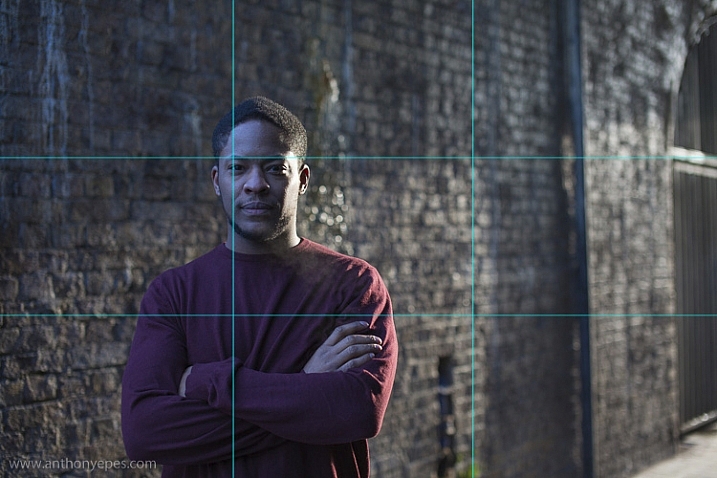
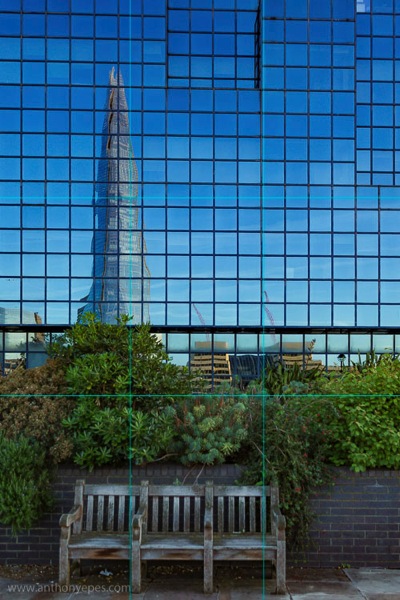
The rule of thirds breaks the image up into nine equal squares. Where the lines intersect we call these Points of Interest. The rule works by placing your subject, and other elements, along the lines and at the points of interest. Most cameras will have the option to overlay this grid on the viewing screen, so turn it on if that helps.

ROTAnthonyEpes 01

The human eye is naturally drawn to the these points of interest. It won’t generally look in the centre of an image first, unless there is a particularly arresting subject drawing the eye there.

Why use the rule of thirds?

Generally placing your subject off-balance, then using one, two or several other elements within the frame, placed at the points of interest, creates a much more visually appealing photo than having your subject dead centre. It:

  • Creates balance
  • Adds more complexity to an image than just placing your subject in the centre
  • Creates energy
  • Gives your photo a sense of depth, rather than just being a flat image

20151008_istanbul_001

What’s very important also, is that you have one or two other elements within the frame that balance or create energy, tension or harmony with your subject. It’s not enough to just have your subject off-centre. Let’s look at some examples.

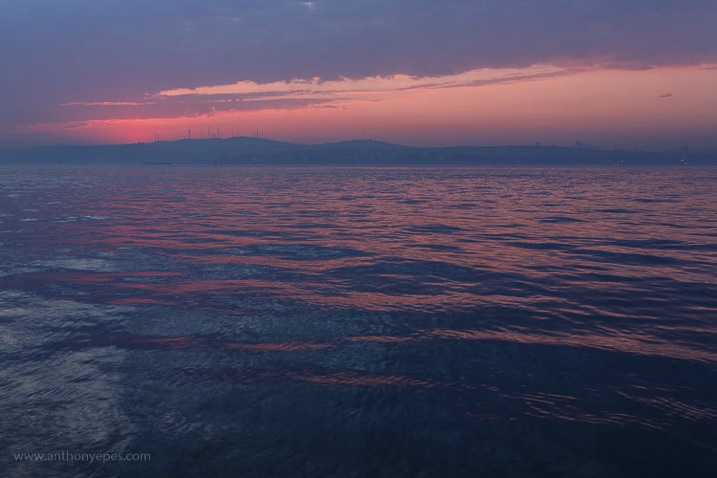
Let’s start simply. Rule of thirds can be applied to your horizon line. Don’t put it in the middle, use it to run along the top or bottom third of the image:

This is more unusual to do than you imagine. Of the thousands of photos I have with a horizon line only a handful are not running along the centre of the image.

With every technique you use, there has got to be a reason for doing it. Otherwise you just see technique. I used it in the photo above (at the top of the article) because the clouds and sky were so much more interesting than the foreground, and below, because the light on the water was beautiful.

ROTAnthonyEpes 03

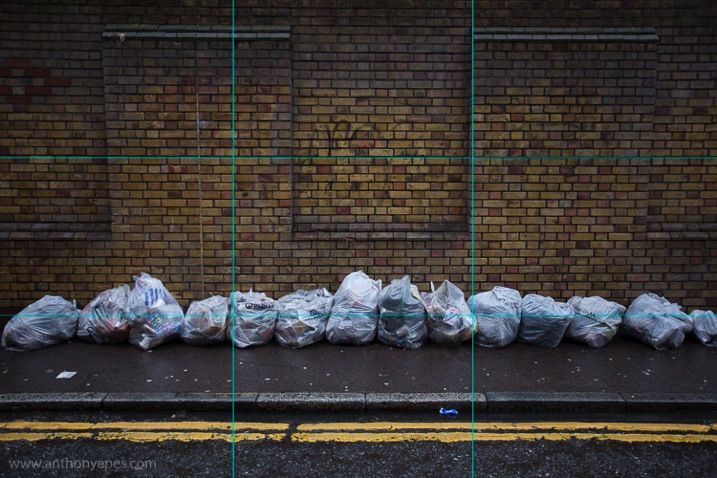
You can also apply the idea of having lines run along the upper or lower third of your image to things other than the horizon. Here I’ve applied it to some well organized rubbish bags. Notice that the line of bags follows the bottom horizontal line, but that it’s also emphasized by the line of the pavement and double yellow line at the bottom? These elements create energy – giving it perhaps a sense of movement and flow. Then you have the vertical lines and brickwork patterns as a contrast. All of this order of lines and patterns are very pleasing to the eye. The mind is always looking for order within the chaos of the world!

ROTAnthonyEpes 04

It’s important to say that I am not walking around looking for pictures that fit into the rule of thirds, or any of the other composition rules. But when I find a subject I’m interested in (I believe passion for your subject is the most important thing in your photography) and I am composing, looking for elements etc., then that’s when the rules are really helpful. Once you really get familiar with the rules, then you can start to adapt them to your own creative vision.

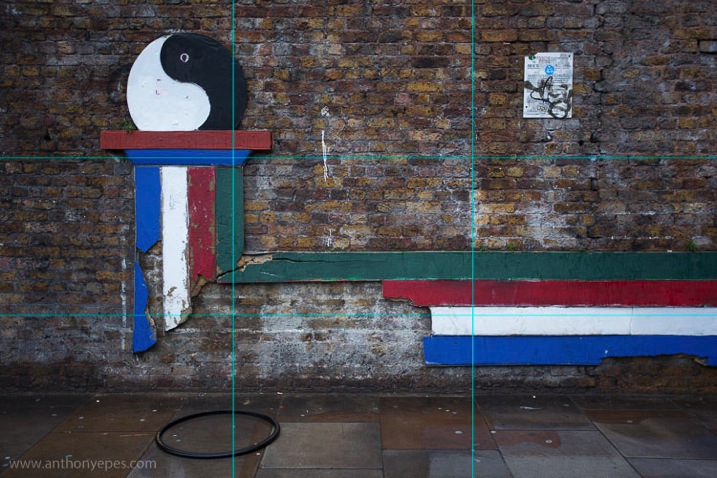
I have a passion for urban decay, you might call it. In the image below, instead of placing the ball and the column dead centre, I placed it in the left third of the frame. The other elements that are balancing it out are the ring on the floor, the lines going horizontally along the image, connecting with the points of interest lines, and then in the top third of the photo we have the notice on the wall. Take away the notice and the ring, and you’d have a much plainer, less interesting image.

ROTAnthonyEpes 05

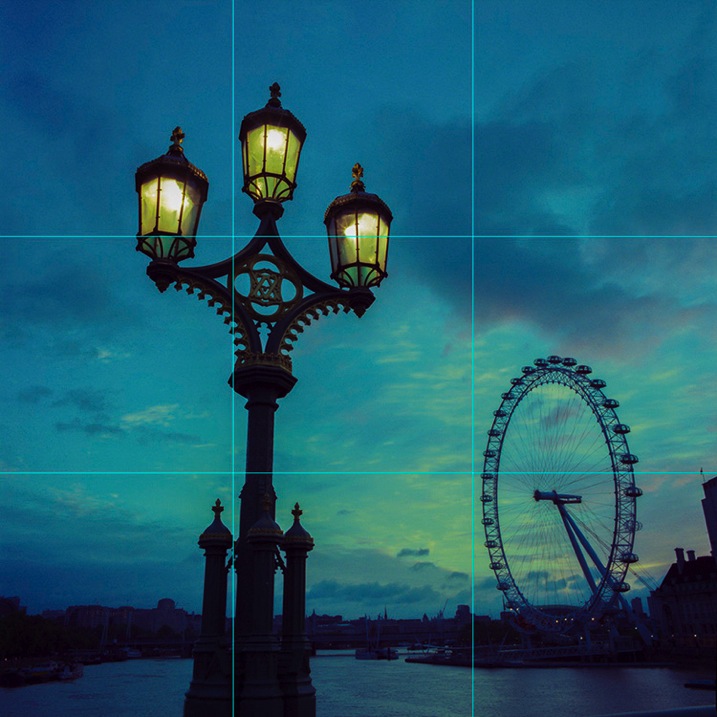
Below is one of my favourite photos of London. Here you have the old street lamp hitting the two left hand points of interest, and the wheel of the London Eye in the bottom right corner. You could say that there are only two elements in this photo – a primary and a supporting secondary in juxtaposition. The street lamp being the primary element is placed on the first third and is without a doubt the main subject. But by adding the London Eye as the secondary element we now have a sense of place, and the relationship is complete. It says, “This is London!”

ROTAnthonyEpes 06

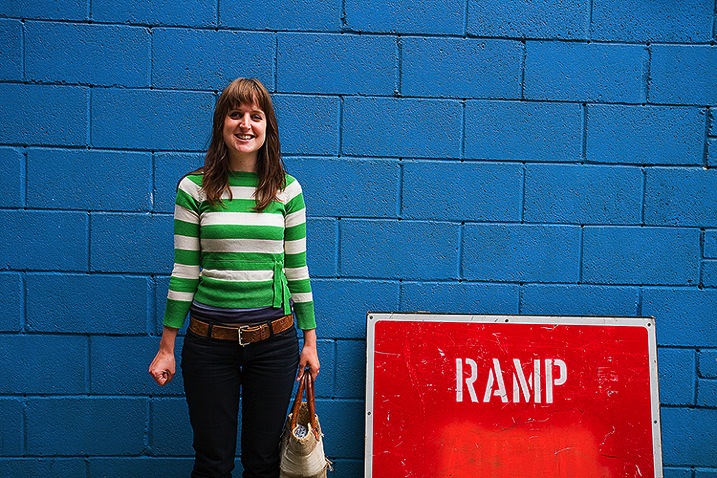
I like that the third element in the image below is the blue background, which helps the image feel clean. But because of the balancing elements of the woman and the sign, it’s not overly simple.

ROTAnthonyEpes 07

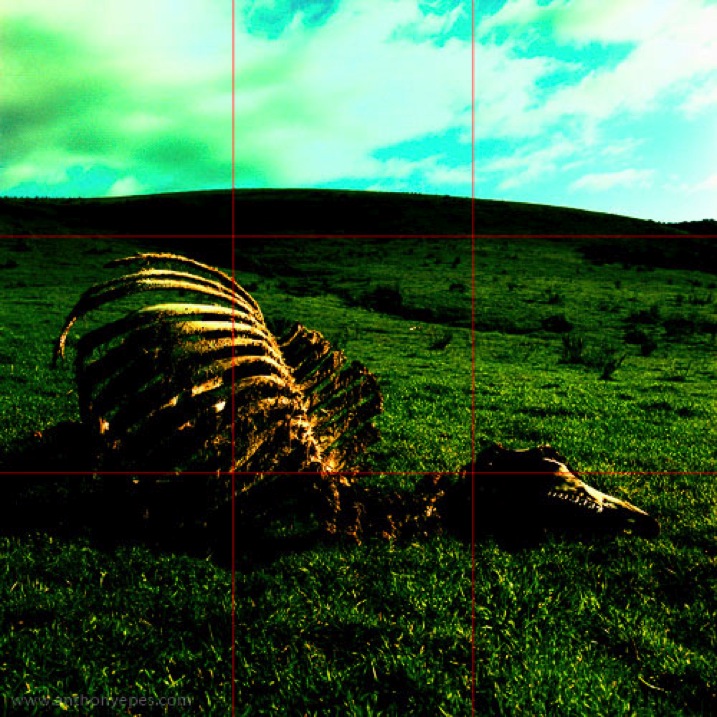
In the photo below is a rough adherence to the Rule of Thirds. Can you see where I placed the elements and why? Do you think this was the best way to compose the image? What’s important for me is that it’s not just a photo of a skeleton – it’s a photo of a skeleton in a very beautiful place. I find that lots of photographers will get absolutely mesmerized by their subject and start taking photos before absorbing the whole scene (you know that time when you get your images up on the computer and wonder why they don’t look as great as you thought they were going to, this is often due to not taking in the whole scene).

ROTAnthonyEpes 08

A very interesting skeleton it is, and unusual to come across. But there is also the element of perspective and the upper third being an almost ethereal sky. If you take away the sky the photo wouldn’t pop, would it? By placing the subject nearer the lower third I’ve created space for it to rest in.

Rule of thirds will help you capture beauty

Most people are able to appreciate, and see, the beauty and harmony of nature on a large scale – that epic view of a sunset over a beach, the vast meadow of beautiful flowers. But when you put a camera up to your eye, and reduce an image to a much smaller scale, I think most people lose that ability to see the harmony of the world, and thereby its beauty. The rule of thirds will help you see how to create harmony and balance within your photo, by helping you when you are placing your elements within your frame.

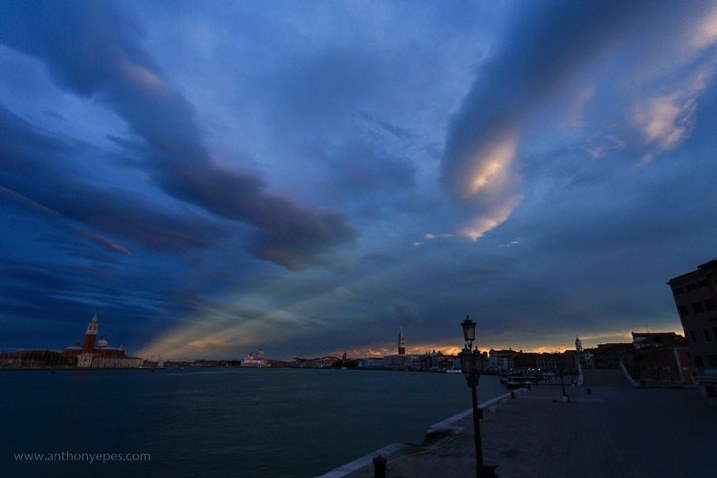
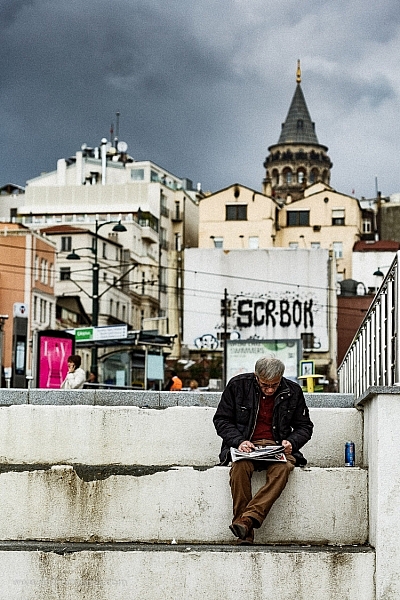
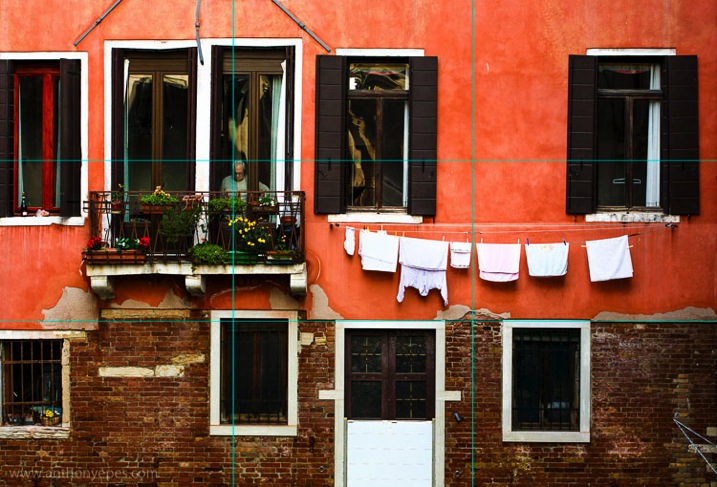
And now to Venice. This photo below is a bit more complicated, but let’s look at what elements are the most important. The man, definitely. He is bang on one of the points of interest. Now notice how the change of colour and texture of the building runs along one of the lines.

There is some of the structure of the rule of thirds but that’s not the whole story here. So you can use elements of the rule of thirds and then add in your own ideas and elements. It’s all flexible. Play with it.

ROTAnthonyEpes 09

Let the rules help you be excellent

You can sometimes use the rule of thirds to almost repair your image, by cropping. All processing programs will have the grid available, and I know that some photographers will overlay the grid and crop their image to fit these rules. I am not a fan of any kind of regular cropping. Why? Because I think in general it makes you a lazy photographer. Don’t rely on anything after the fact to make your photo better, when you can capture something in-frame now. By all means use things to enhance an already good photo, but no bad photo can be saved in post-production.

But – if you love post production, and you want that to be what defines your images, that’s fine. But become awesome at that, be excellent. What unifies all photographers who are taking consistently excellent photos is they are committed to excellence in their own way. That I can get behind.

ROTAnthonyEpes 10

We all come to rules differently. I’ve noticed in my workshops that not everyone has an affinity for absorbing rules, and putting them into practise. Maybe the idea of a more technical basis for your photography makes you squirm. But I would really encourage you to stick with it. Even if it takes a while for you to absorb this, the technical aspects of photography really give you a good grounding, so that you have the ability to take the photographs that you see in your mind’s eye.

If you are more of a technical rules-based person, my advice is to try and propel yourself away from the rules. I’ve noticed that people who get too involved in rules of composition, and their camera buttons, often find it difficult to really see what’s going on around them. So learn the rules, but then really push yourself to see beyond them.

So go explore and take the rules with you. Learn them, play with them and have fun.

googletag.cmd.push(function() {
tablet_slots.push( googletag.defineSlot( “/1005424/_dPSv4_tab-all-article-bottom_(300×250)”, [300, 250], “pb-ad-78623” ).addService( googletag.pubads() ) ); } );

googletag.cmd.push(function() {
mobile_slots.push( googletag.defineSlot( “/1005424/_dPSv4_mob-all-article-bottom_(300×250)”, [300, 250], “pb-ad-78158” ).addService( googletag.pubads() ) ); } );

The post The Rule of Thirds – How it Can Help or Hinder Your Composition by Anthony Epes appeared first on Digital Photography School.

Digital Photography School

 
Comments Off on The Rule of Thirds – How it Can Help or Hinder Your Composition

Posted in Photography


5 Effective Methods of Creative Composition

13 Oct

It seems everyone has a camera these days, so you may be wondering, “How can I separate myself from the pack?” The answer does not involve a better camera, or a more expensive lens. In fact, the most important part of your equipment actually can’t be purchased in a store. It’s your own unique vision, and perspective on the world, that makes all the difference. The following five elements of creative composition are starting points to help you better express your point of view.

1) Leading Lines

While using leading lines in composition sounds simple, it’s actually one of the harder styles to pre-visualize. The idea is to find a line that will lead the viewer’s eye through the frame, and direct them to the subject. Train tracks are an obvious example, but it’s dangerous to shoot there, and therefore not recommended. There’s no shortage of safe alternatives however. The key is learning to see these opportunities, and apply them accordingly. How do you do this? Slowing down is certainly a good place to start. If you’re chasing the light at sunset, chances are your composition will be rushed and sloppy. If you take the time to really scout a location, it’s possible to craft an image that far exceeds a routine snapshot.

2) Shutter Speed

2_waterfall_slow-shutter

Yes, even your camera settings can be used as a compositional element. In this instance, a fast shutter speed would have frozen the water, leaving it rather listless. By slowing the exposure down to several seconds, the circular motion of the stream becomes evident, and works to anchor the scene. This is a different way of thinking about composition. It’s not only about where you put your focus point, but how you apply your settings to create the scene.

3) Depth of Field and Selective Focus

The aperture you choose can also play a major role in your composition. At f/1.8 for example, you have such a shallow depth of field that only a small portion of the picture is in focus. From a strategic angle, this can be quite an effective way to bring attention to your subject. While the face of the monument is sharp, both the foreground and background are completely out of focus. Seeing like this in advance, takes practice and imagination. When you look at an object, try to visualize how the camera can render it at various settings.

4) Going the Extra Mile

Lazy Composition

When traveling, it’s easy to get swept up in the excitement of a location. Often, you have to balance shooting time with making time to eat, sleep, and well, be human. Still, you want to get the shot that will be good enough for your portfolio. This doesn’t necessarily mean you need to sleep in the field, with the camera as your pillow. Sometimes, the difference between an average shot and a great one is a little extra effort. I’ve seen this time and again in my own work, and therefore wanted to stress it here.

In the first shot (above), I got off the ship, turned around and made a quick mindless record shot. The light was pretty but the overall image is uninspiring at best. Taking my own advice, I asked the waiting cab to let it idle for a minute, and walked down the pier a few hundred feet. From this new perspective, an entire different view presented itself with the sun kissing the ship’s bow. To emphasize the shape and color I purposely underexposed the scene (to make a silhouette). The small aperture of f/16 turned the sun into a starburst. These two shots are vastly different but were taken merely 100 feet apart, separated by five minutes.

Second ship shot

5) Framing

There are of course times when you scout and plan well, but the light is just not flattering when you arrive. You can go home empty handed, or work with what’s been presented, to make something special. Framing is one of the most effective ways to eliminate bad light. By essentially hiding it behind foliage you can emphasize your subject in a clever way. For the viewer, this provides a sense of three dimensionality, almost like they’re peering through a window. A small aperture works best for this technique, as it will keep everything sharp from near to far.

So try to incorporate some of these creative composition techniques into your images as you shoot. Work intentionally and think about your image before you press the button. Share any additional tips you have in the comments below.

googletag.cmd.push(function() {
tablet_slots.push( googletag.defineSlot( “/1005424/_dPSv4_tab-all-article-bottom_(300×250)”, [300, 250], “pb-ad-78623” ).addService( googletag.pubads() ) ); } );

googletag.cmd.push(function() {
mobile_slots.push( googletag.defineSlot( “/1005424/_dPSv4_mob-all-article-bottom_(300×250)”, [300, 250], “pb-ad-78158” ).addService( googletag.pubads() ) ); } );

The post 5 Effective Methods of Creative Composition by Chris Corradino appeared first on Digital Photography School.


Digital Photography School

 
Comments Off on 5 Effective Methods of Creative Composition

Posted in Photography


Nameless Paints: Cleverly Coded Tubes Show Color Composition

05 Oct

[ By WebUrbanist in Design & Products & Packaging. ]

nameless paint content color

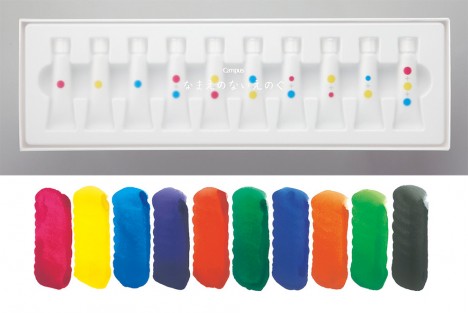
Instead of names or swatches, this series of minimalist paints comes in tubes that show off constituent colors that double as lessons about how complex hues and shades are created.

nameless paint closeup view

The nameless tubes are intended to eschew the use of words altogether and thus avoid existing associations, representing contents instead as a combination of three primary colors (cyan, yellow and magenta) with dots indicating relative amounts. The effect simultaneously divorces the product from names and looks in favor of a more abstract representation scheme that recalls unintuitive systems like binary.

nameless paint image series

These 2012 Kokuyo Design Awards-winning visual labels hint at contents and teach kids how to make their own mixtures. The paints themselves will be on sale later this year.

nameless tube paint colors

“By not assigning names to the colors we want to expand the definition of what a color can be, and the various shades they can create by mixing them” says creator Yusuke Imai, who made these with design partner Ayami Moteki (via Colossal and Spoon & Tamago).

Share on Facebook


[ By WebUrbanist in Design & Products & Packaging. ]

[ WebUrbanist | Archives | Galleries | Privacy | TOS ]


WebUrbanist

 
Comments Off on Nameless Paints: Cleverly Coded Tubes Show Color Composition

Posted in Creativity


Easy Tips to Help Beginners Understand Composition

20 Sep
Title-portrait-subject's-eye-above-the-horizon-line

Place your subject to the right or left of centre. For portraits, the eyes should be above the centre line for a pleasant good composition.

Composition is all about the balance of the elements in your photograph. This also includes colors tones and textures. This is what separates a snapshot from a great shot. If you want to achieve a good composition, you need to plan it out and see where each element is going to be placed before you take the shot.

You may have heard photographers talk about seeing the shot in their head before they have actually taken the shot. It’s this ‘seeing’ that I’m going to describe in more detail. I’ll also demonstrate a few useful tips to train your eye in seeing or framing a scene with or without a camera, and in post-editing.

A good composition in a photo will most likely have followed a compositional rule. These are very useful to know. I’ve chosen five of these principles to describe how they work. I prefer to call them principles or guides rather than rules. There are many more, but these five are a good place to start.

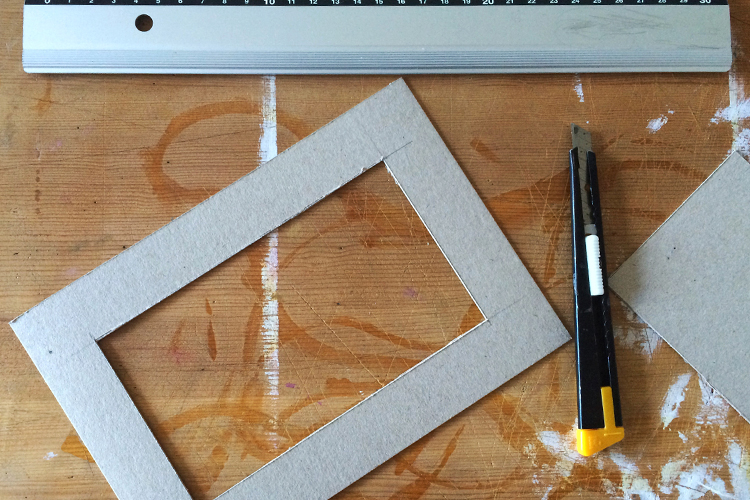
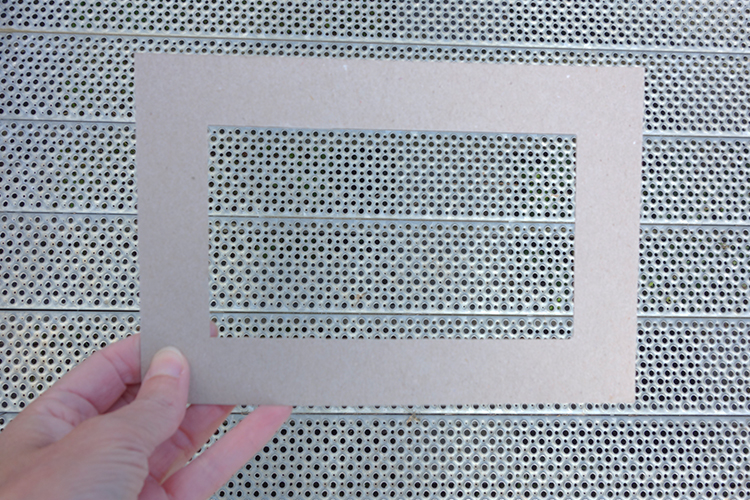
cut-out-cardboard-frame

Cut-out cardboard frame for training your eye to see.


Let’s get back to seeing your shot or framing the scene. For this exercise, you won’t need a camera. You might get funny looks but bear with me. Choose any place, location that you want.

Cut out a frame from cardboard or any material you want as long as it’s a rectangle. See above.

You could equally use your hands, but I preferred using the cardboard frame.


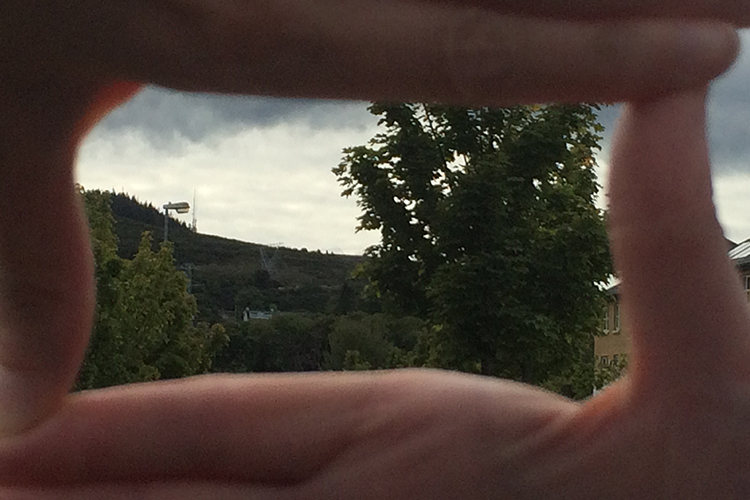
frame-the-scene-hands

Framing your shot using hands.


As you will see, the frame narrows your field of vision and helps to block out distractions and look for the main focal point, which is what the viewer’s eye is drawn to. I can’t emphasize enough that this simple exercise will help you train your eye to see better in terms of composition. Don’t forget to get down low and look up too.


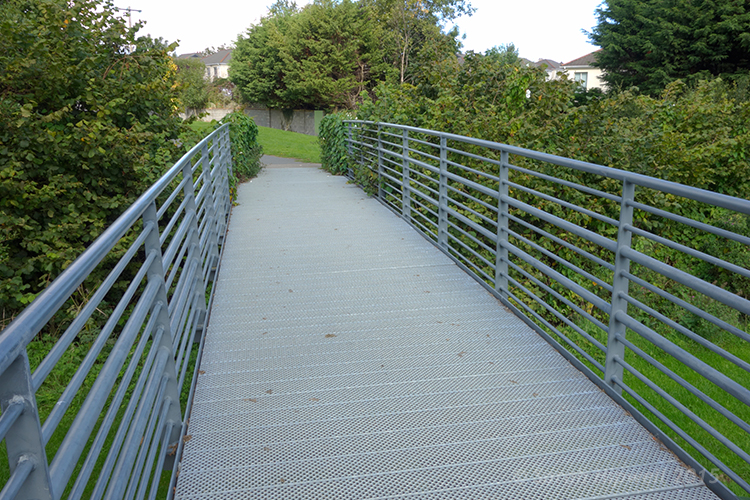
What-we-see

Take this metal bridge, for example. Not a very interesting photo.


framing-the-shot-bridge

By using the cardboard frame to ‘see’ the potential for an interesting shot.


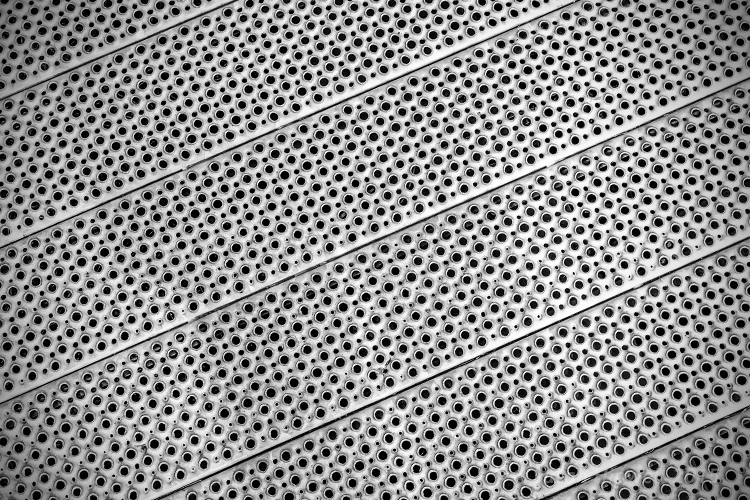
final-image-how-we-see

Bring it into your post-editing software and create an interesting texture shot.

Another useful tip that I would highly recommend is a trip to your local art gallery to see great works of art. Not only is it visually pleasing, but you get the chance to study how these great artists used composition to great effect. So the next time that you happen to be in such a museum, observe and take note. Ask why you liked a particular painting? How were the elements in the painting arranged or placed? Where was the horizon line – a third up from the bottom? What about color and texture?

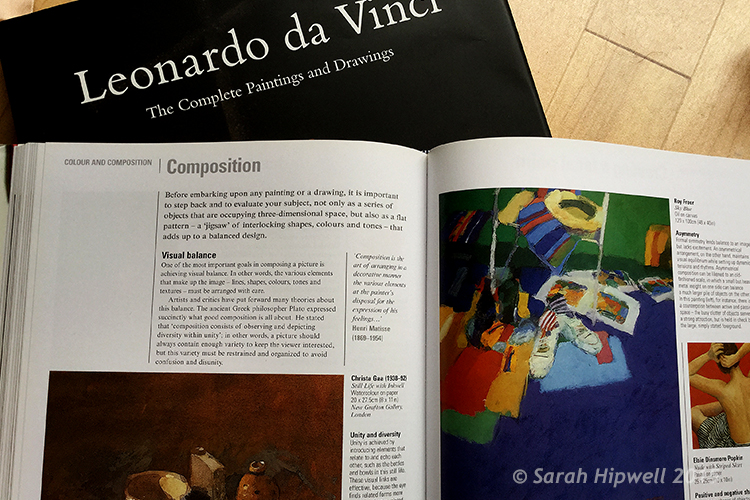
Okay, what if you don’t live near an art gallery? Then maybe a visit to your local library could be an option? Libraries are such a wonderful resource. In the art section alone, you have great masters, such as Leonardo da Vinci, Rembrandt and so forth. And of course, the masters in the photography world such as Henri Cartier-Bresson and Ansel Adams, to name just a couple.

Art-books

Go to your local library for inspiration from the masters in the art world to see how they used composition in their works.


Before you go and get your camera, let me explain the following five compositional principles I believe are a great starting point for beginners.

Rule of Thirds

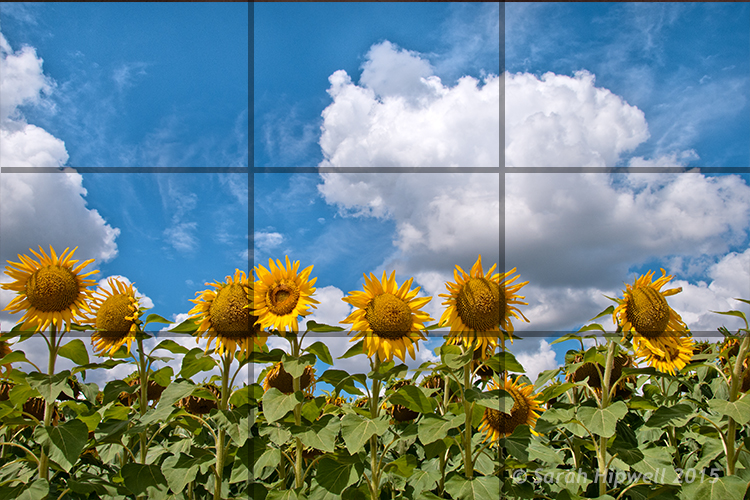
You may have already heard of this one. This is an actual formula based on mathematical principles of harmony and proportion. It has been used by artists for centuries. So think of your photo with imaginary lines that are drawn dividing the image into thirds both horizontally and vertically. You place important elements of your composition where these lines intersect. Similar to a tic-tac-toe game.

rule-of-thirds

How the rule of thirds looks like. Where the lines intersect are the points in which to place your elements.

Rule of Odds

This may sound a bit odd (sorry, excuse the pun), but our brain looks for evenness and symmetry. So this principle asserts that having an odd number of objects in an image will be more interesting and, therefore, more pleasing. By having one or three elements is better than two.

Rule-of-odds

Odd numbers of elements are more pleasing and interesting than even ones.

Lines

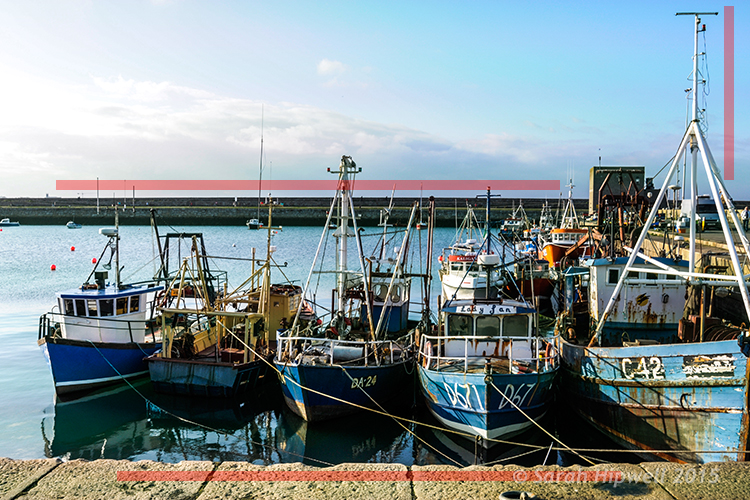
Keep the horizontal lines level and the vertical lines straight. This is particularly important if you shoot landscapes, seascapes and cityscapes. Leading lines are also very effective for drawing the viewer to where the focal point is.

lines-straight

The red lines are to show the horizontal lines are even and the vertical lines are straight.

Color and textures

Color and textures are a great way to demonstrate good composition.

Color-and-rule-of-thirds

Here is an example of color and rule of thirds for this composition. Notice the curve elements.

Negative space

This is an abstract concept which describes the space around your subject, otherwise known as ‘white space’ that draws your eye to it. Basically like ‘sky’ or a blurred background that provides the main emphasis on the subject.
Think of it in terms of letting your main subject or object breathe by giving it room.

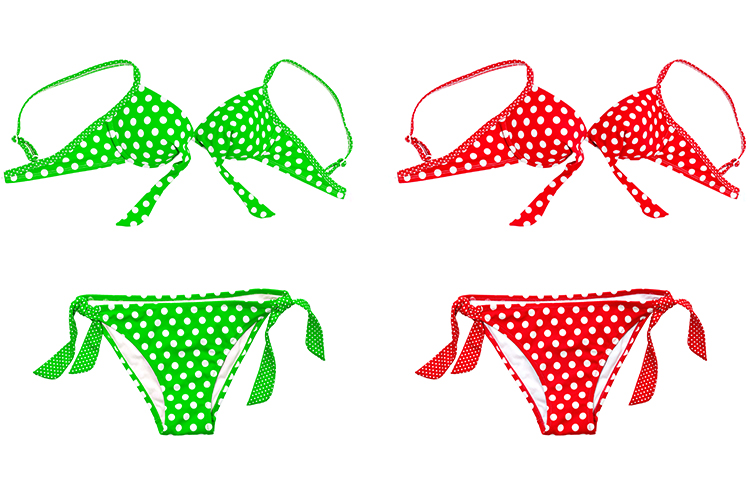
As photography is about creativity, rules are not meant to be strictly adhered to. In the bikini photo, although I used two of them and they are symmetrical, I used color to contrast the elements and by not placing them in the centre gives the photo a more pleasing compositional effect.

knowing-how-to-break-the-rules-color-as-composition

Although I used two pairs of elements and I know that these are even, the color contrast and using the rule of thirds still makes this image a good composition.

Right, let’s get the camera out. Most DSLR cameras have built-in grid lines and some have a virtual horizon or a spirit level. If your camera has none of these options, you can always add a leveling aid, such as a hot shoe-mounted spirit level or use the focusing points within the viewfinder.

Use your tripod to help you frame your shot so that you get a good composition. Look through the viewfinder, see what elements are in the frame. Then take a look at the scene in front of you with both eyes, then go back to your viewfinder, recompose, then shoot.

Practice will improve your understanding and shooting better compositions. Don’t expect to get it in one go. Give yourself time.

Last, but not least, cropping your images in post-editing. Whether you use Camera Raw, Photoshop or Lightroom, cropping your photos will give you a better understanding of how the principles of composition apply.

You can easily straighten crooked horizon lines by using the Crop Tool or get rid of barrel distortion in buildings using the Lens Correction filter in Photoshop. Or simply change the image dramatically from the one you shot originally. All of these edits can be done non-destructively, so you can crop to your hearts content!

original-title-shot

This is how the photo at top of this article was shot, yet when I cropped in tight on the model to the right, it gave me a different shot.

To summarize, like any complex subject that goes beyond just one article, I hope I have illustrated some useful tips to show the importance of composition in your photography. Please share your comments below.

googletag.cmd.push(function() {
tablet_slots.push( googletag.defineSlot( “/1005424/_dPSv4_tab-all-article-bottom_(300×250)”, [300, 250], “pb-ad-78623” ).addService( googletag.pubads() ) ); } );

googletag.cmd.push(function() {
mobile_slots.push( googletag.defineSlot( “/1005424/_dPSv4_mob-all-article-bottom_(300×250)”, [300, 250], “pb-ad-78158” ).addService( googletag.pubads() ) ); } );

The post Easy Tips to Help Beginners Understand Composition by Sarah Hipwell appeared first on Digital Photography School.

Digital Photography School

 
Comments Off on Easy Tips to Help Beginners Understand Composition

Posted in Photography