RSS
 

Posts Tagged ‘Common’

10 Common Bird Photography Mistakes and Their Solutions

01 Oct

Do you commit mistakes in photography?

I bet you do. I have made mistakes. As a matter of fact I have committed many. But we all learn from our mistakes. What you don’t have to necessarily do is to re-invent the wheel. Instead of learning about these common mistakes the hard way, why not learn from other’s mistakes? That sounds awesome, doesn’t it?

Sandhill Crane Family Flying on a Beautiful Autumn Morning in Jasper-Pulaski Fish and Wildlife Area in Medaryville in northwestern Indiana. Every year around 10,000 Sandhill Cranes migrate to this location during Autumn. The calls of thousands of Sandhill Cranes that reaches several miles is an experience that is next to none. It is one of the best locations to photograph them as they fly past the Autumn trees at the Sunrise to feed in the close by farms.

Sandhill Crane Family Flying on a Beautiful Autumn Morning in Jasper-Pulaski Fish and Wildlife Area in Medaryville in northwestern Indiana. Every year around 10,000 Sandhill Cranes migrate to this location during autumn. The calls of thousands of Sandhill Cranes that reaches several miles is an experience that is next to none. It is one of the best locations to photograph them as they fly past the autumn trees at sunrise to feed in the nearby farms.

Here is the list of 10 common bird photography mistakes and their solutions. If you learn and apply these bird photography tips you would see the results immediately in your images.

#1 BAD EXPOSURE

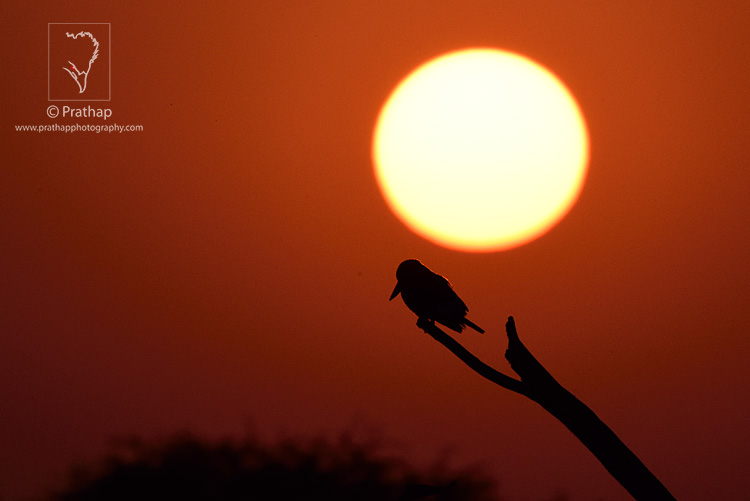
This is the biggest mistake. A bad exposure would ruin the photograph. Most common is overexposed (blown-out) highlights.
01-The-Most-Useful-Bird-Photography-Tips-for-Beginners-by-Prathap-Nature-Photography-Simplified

Overexposed – highlights blown out.

The issue is that your camera has much less dynamic range than your eyes. This means you can see the details in both brighter and darker regions of a scene, but the camera doesn’t.

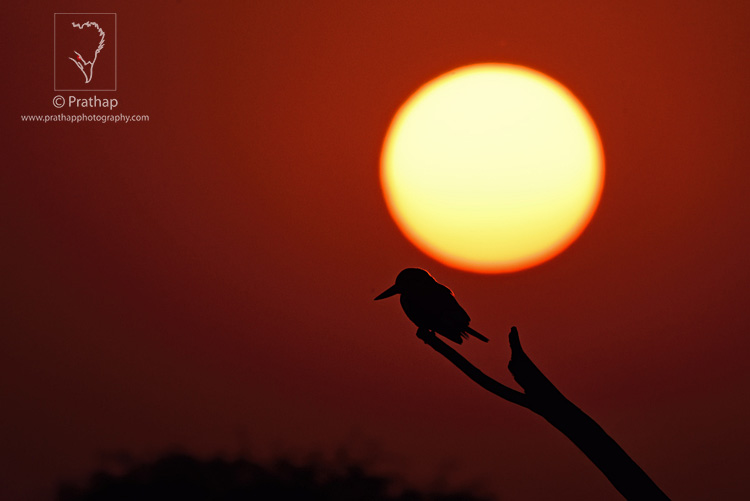
You have to make a choice whether to keep the details in the brighter or the darker region. Your choice would almost always be to keep the details in the brighter region. Because our eyes are more sensitive to brighter areas (or highlights).
02-The-Most-Useful-Bird-Photography-Tips-for-Beginners-by-Prathap-Nature-Photography-Simplified

Correctly exposed for the highlights.

In short – always expose for the highlights.

#2 BAD LIGHT

Photography is painting with light. If you underestimate the light, then you are bound to get bad photographs. It’s not an exaggeration to say most photographers seem to ignore it.

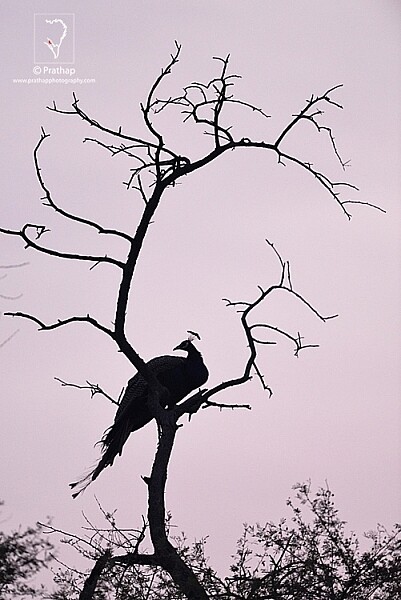
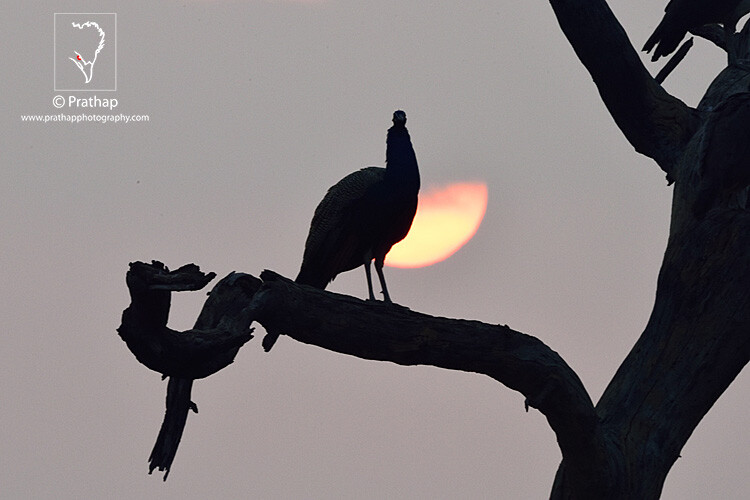
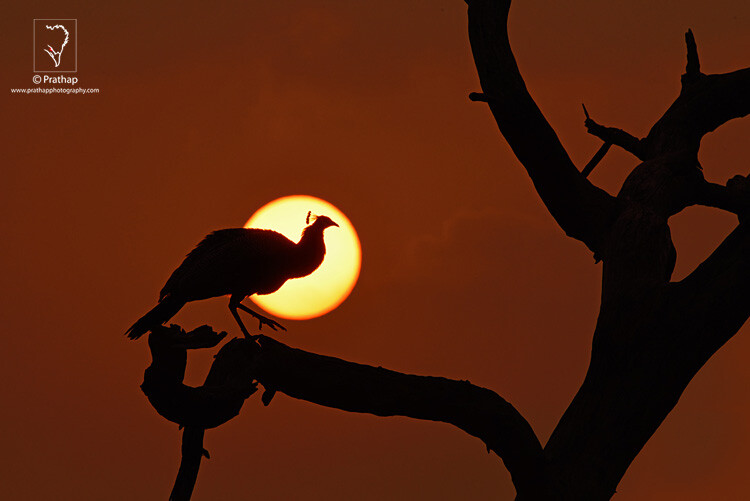
More the time is spent debating about equipment, than studying the light. No equipment can save your photograph if the light is not favorable. Look how boring this silhouette of an India peafowl is.
03-The-Most-Useful-Bird-Photography-Tips-for-Beginners-by-Prathap-Nature-Photography-Simplified
Just before minutes, it was like this.
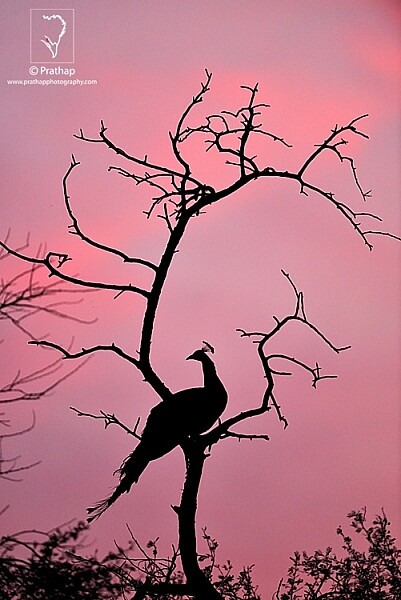
04-The-Most-Useful-Bird-Photography-Tips-for-Beginners-by-Prathap-Nature-Photography-Simplified

Isn’t it evident? Learn to see the light. It’s all about light.

#3 BAD COMPOSITION

Bird photography is not demanding in terms of composition. Even so, a lot many bird photographers don’t seem to understand simple techniques. All that you need to know is the rule of thirds, the rule of spaces, and fill the frame composition techniques.

How many times have you seen a photograph like this? A subject in the center!
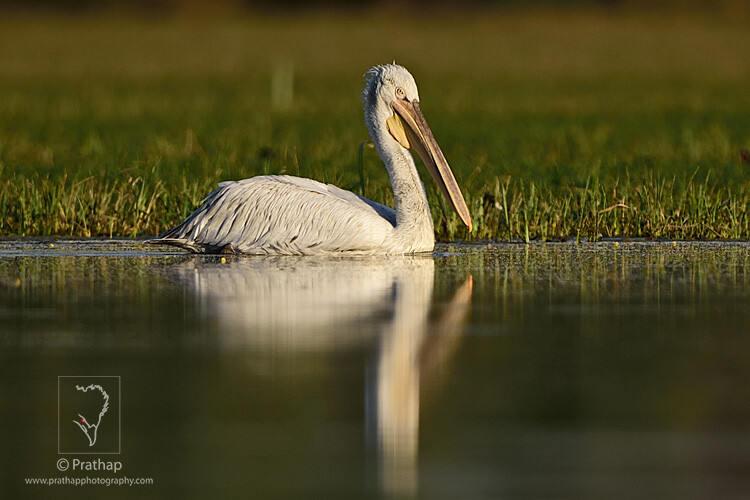
05-The-Most-Useful-Bird-Photography-Tips-for-Beginners-by-Prathap-Nature-Photography-Simplified

Just by following the rule of thirds, this is what I got.
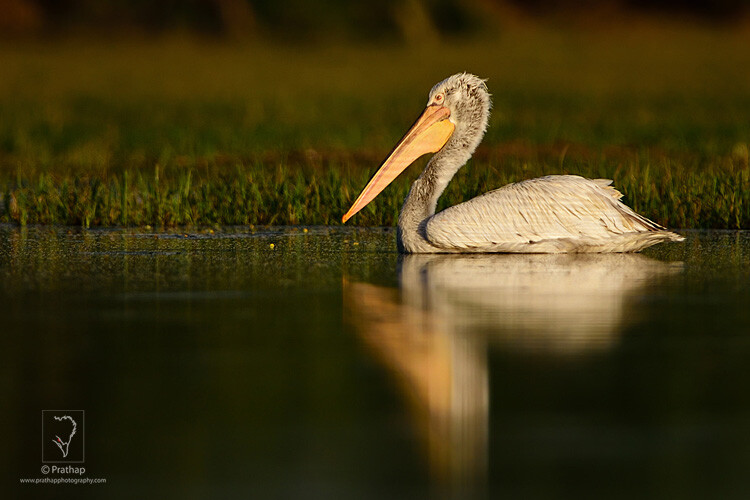
06-The-Most-Useful-Bird-Photography-Tips-for-Beginners-by-Prathap-Nature-Photography-Simplified

Next time you are out in the field, remember to compose well.

  • Place the bird off-centered and give enough it breathing space.
  • Or, fill the frame with the bird.

That is as simple as it gets.

#4 BAD FOCUS

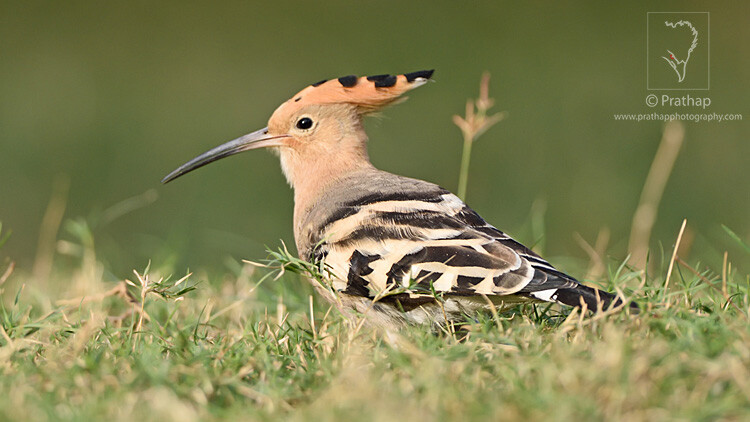
Blurry bird photos are everywhere. Birds are always active, making it harder to achieve sharp focus. But that doesn’t mean you don’t recognize it. If you rely heavily on your LCD monitor, this is what happens.
07-The-Most-Useful-Bird-Photography-Tips-for-Beginners-by-Prathap-Nature-Photography-Simplified
Nothing seems to be wrong in this photograph, right?

Wrong. It’s a blurry photograph. Can you see the out of focus eye now?
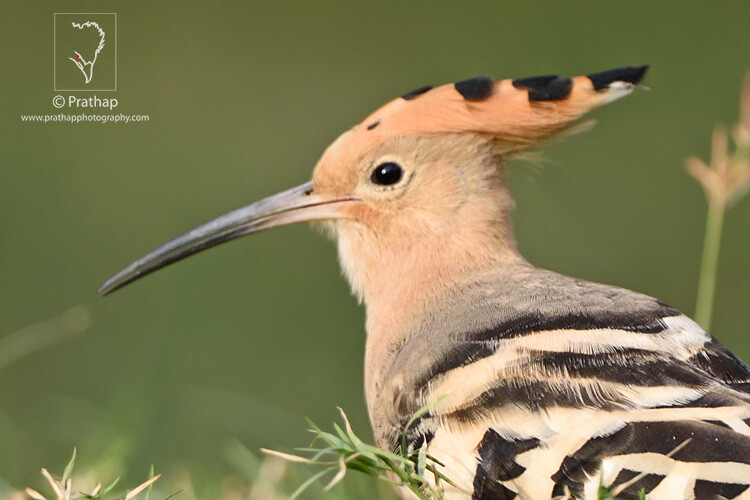
08-The-Most-Useful-Bird-Photography-Tips-for-Beginners-by-Prathap-Nature-Photography-Simplified
Fixing it is easy. Check for the critical focus by zooming in on your LCD monitor. If it’s not sharp, make the adjustments until you get the focus perfect. The initial focus was on the bird’s body. By shifting the focus point to the eye of the bird, I got this tack-sharp image.
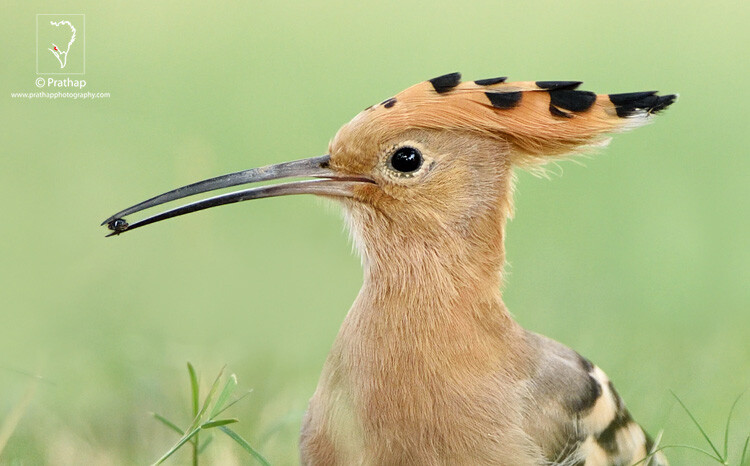
09-The-Most-Useful-Bird-Photography-Tips-for-Beginners-by-Prathap-Nature-Photography-Simplified
#5 WRONG POINT OF VIEW

How do you see your world? From your eye level…isn’t it? But, how does the bird see its world? You got the point. But more than 90% of the bird photographers do not seem to understand this simple concept. They shoot from their eye level. Can you believe that?
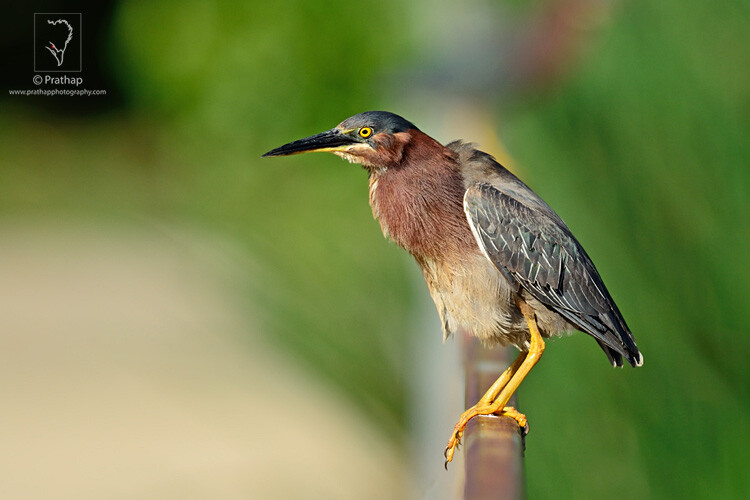
10-The-Most-Useful-Bird-Photography-Tips-for-Beginners-by-Prathap-Nature-Photography-Simplified
If you are doing it too…stop it right now. It’s not your portrait but the bird’s.
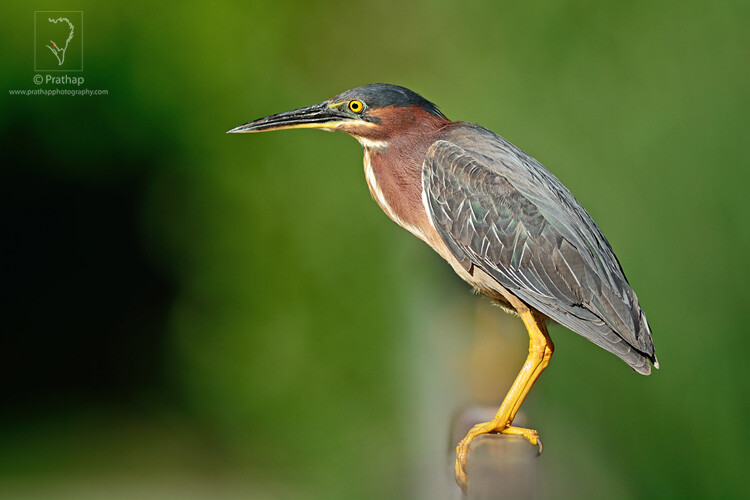
11-The-Most-Useful-Bird-Photography-Tips-for-Beginners-by-Prathap-Nature-Photography-Simplified

Get down and shoot from a bird’s point of view, and see the magic unfold.

#6 WRONG HEAD ANGLE

Your eyes follow the lead. You will follow the line of sight of a bird. If the bird looks left, your eye will move in that direction and vice versa. If your eye is lead in an interesting way, then your image works.

What doesn’t work is when the bird looks away. It’s not uncommon to see such photographs everywhere on the web.
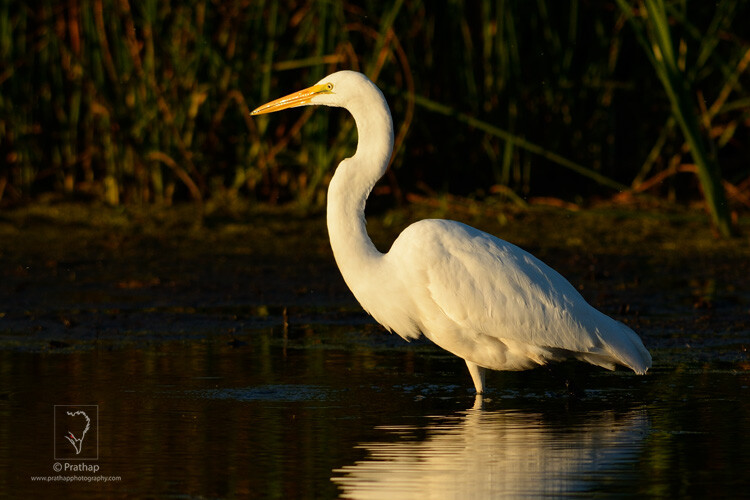
12-The-Most-Useful-Bird-Photography-Tips-for-Beginners-by-Prathap-Nature-Photography-Simplified
Wait for the right head angle. Take photograph when bird is actively looking for its prey. Or, when it is sensing an impending danger.
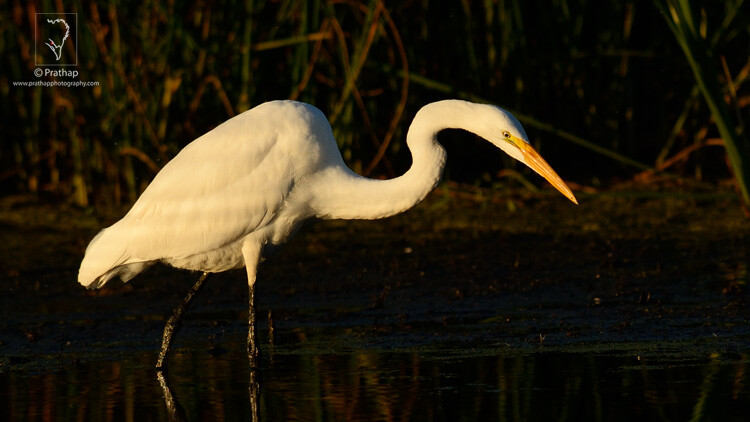
13-The-Most-Useful-Bird-Photography-Tips-for-Beginners-by-Prathap-Nature-Photography-Simplified
With just the right head angle, the image became more interesting. The Great Egret is actively searching for its prey. The head angle is diagonally inclined adding dynamism to the photograph.

#7 WRONG BACKGROUND

Do you care for the background? Most often bird photographers just don’t care about anything other than the bird. Why? Are you saying because it’s a bird photograph after all! Do you know it’s the background which makes the picture?

Okay, take a look at this bird photograph.
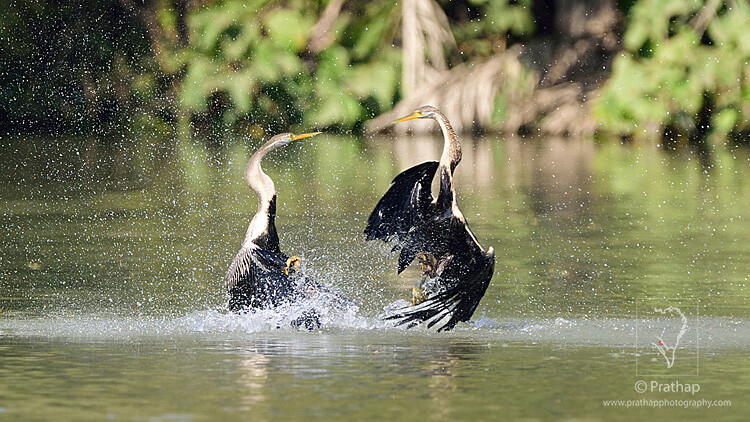
14-The-Most-Useful-Bird-Photography-Tips-for-Beginners-by-Prathap-Nature-Photography-Simplified
That’s a fantastic action shot of two Indian Darters or Snakebirds fighting. But, is it amazing? Take a look at this one now.
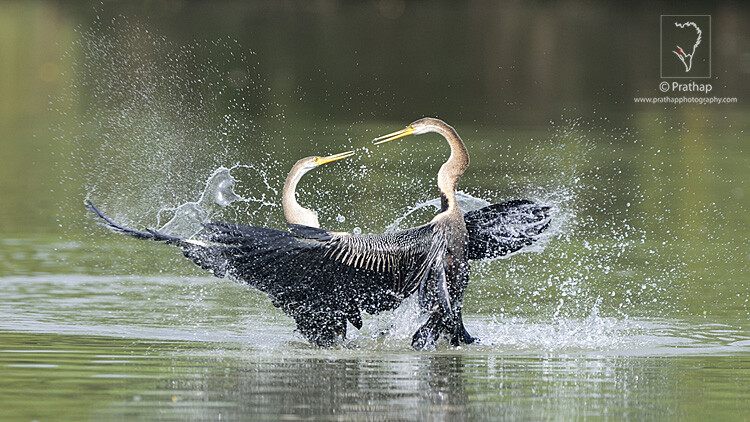
15-The-Most-Useful-Bird-Photography-Tips-for-Beginners-by-Prathap-Nature-Photography-Simplified
You see how beautiful the action is. It just couldn’t get better. Here’s the best bird photography tip I can give you – put more importance on background than the bird and you’ll make great bird photographs.

#8 BAD PROCESSING

Is post-processing good? There’s probably a hot debate around every corner about this topic. If you do post-process here’s what you shouldn’t do.

Here’s a simple and useful post-processing tip for bird photography. Don’t over process your image. Over sharpening and extreme noise reduction are typical mistakes of many bird photographers.
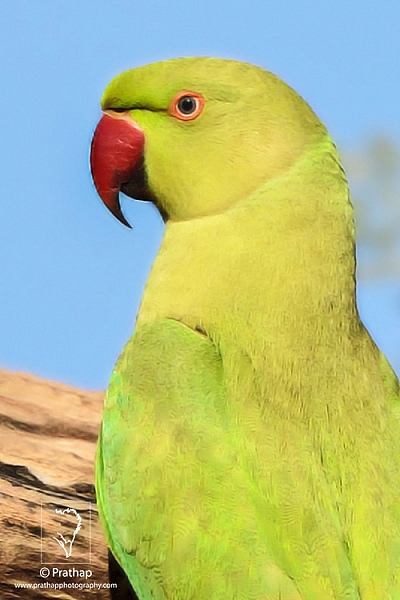
Rose-Ringed Parakeet displaying all its color in soft Sunlight in Bharatpur Bird Sanctuary. I sm so lucky to have been able to capture this beautiful parakeet. I love it!

This one has too much noise reduction

Rose-Ringed Parakeet displaying all its color in soft Sunlight in Bharatpur Bird Sanctuary. I sm so lucky to have been able to capture this beautiful parakeet. I love it!

This one is over sharpened.

It destroys your image. It makes it either look like a wax statue or a wired toy.

Take it easy. Keep your processing to a minimal. Just do enough processing to bring back the details and colors in the bird. Reduce noise only in the background. Sharpen only the bird with just enough to bring out detail.
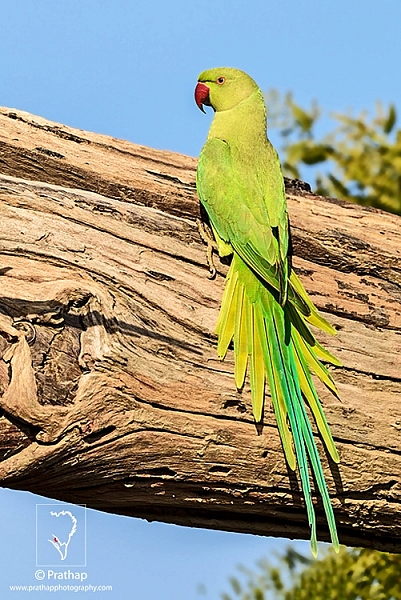
Rose-Ringed Parakeet displaying all its color in soft Sunlight in Bharatpur Bird Sanctuary. I sm so lucky to have been able to capture this beautiful parakeet. I love it!

Rose-Ringed Parakeet displaying all its color in soft Sunlight in Bharatpur Bird Sanctuary. I sm so lucky to have been able to capture this beautiful parakeet. I love it!

#9 WRONG PLACE

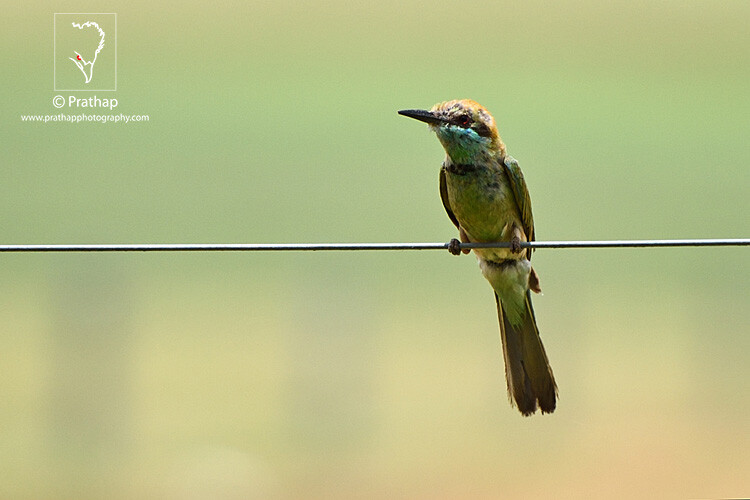
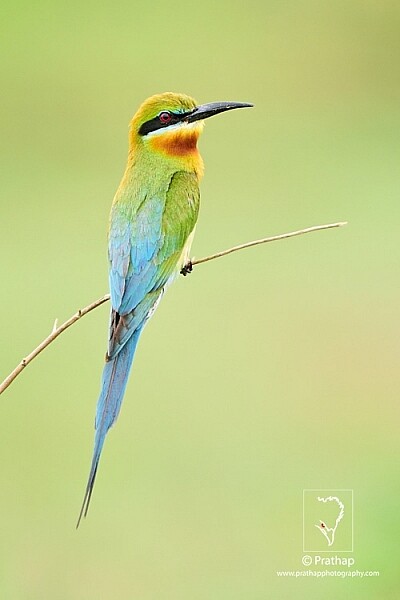
Do you know that location really matters? In fact, it can make or break your image. It’s a very important bird photography tip to remember. If you end up photographing a species in a wrong place, then you’ll end up with bad results.
18-The-Most-Useful-Bird-Photography-Tips-for-Beginners-by-Prathap-Nature-Photography-Simplified
Find the right location where there are enough birds, good light, good feeding ground, and a good background. Assuming that you know important bird photography tips, you’ll most certainly make the best bird photographs.
19-The-Most-Useful-Bird-Photography-Tips-for-Beginners-by-Prathap-Nature-Photography-Simplified
#10 WRONG EXPECTATIONS

Not many photographers talk about this. But here’s the thing: If you think that a professional or experienced bird photographer goes to a place, points their expensive gear at the birds, and take home loads of amazing photographs, then you are wrong.
20-The-Most-Useful-Bird-Photography-Tips-for-Beginners-by-Prathap-Nature-Photography-Simplified
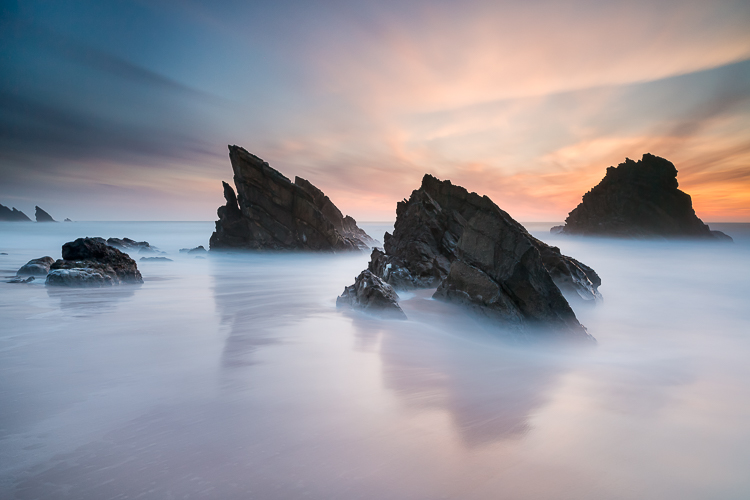
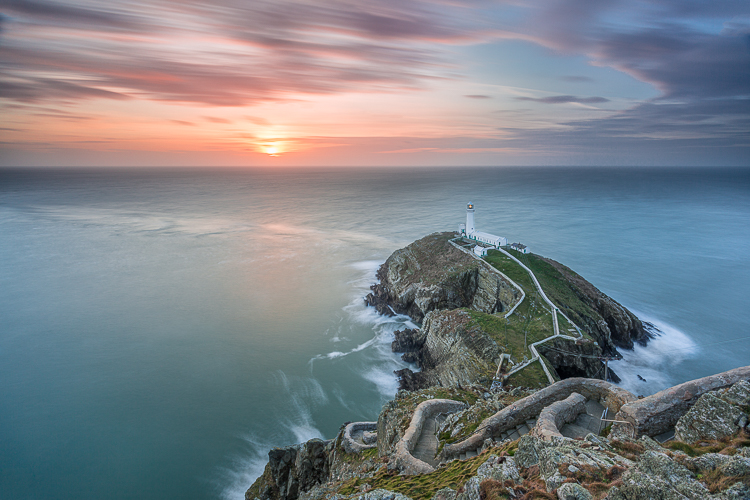
This is far from the truth. The truth is they are the ones who go to the place before anyone. Stay there until there’s no light. Come back to the same place again, and again, and again until they get what they want.
21-The-Most-Useful-Bird-Photography-Tips-for-Beginners-by-Prathap-Nature-Photography-Simplified
My friend, it’s not magic. It’s bird photography. Everyone needs to pay their due respect. Birds never differentiate.

CONCLUSION

Bird photography is fascinating.

Birds attract us like crazy. They make us forget about the world around us. But, you have to get over this. You have to see beyond the bird. You have to pay close attention to everything in the frame – the bird, the background, the placement, the light, exposure, etc.

It’s easy to be a bird photographer. Not that easy to be a good bird photographer.

These 10 bird photography tips should give you a fair idea of what makes a good bird photograph. Understand them. Practice them. Your bird photographs are bound to improve.

Let me know if you have any questions. I would love to answer them.

googletag.cmd.push(function() {
tablet_slots.push( googletag.defineSlot( “/1005424/_dPSv4_tab-all-article-bottom_(300×250)”, [300, 250], “pb-ad-78623” ).addService( googletag.pubads() ) ); } );

googletag.cmd.push(function() {
mobile_slots.push( googletag.defineSlot( “/1005424/_dPSv4_mob-all-article-bottom_(300×250)”, [300, 250], “pb-ad-78158” ).addService( googletag.pubads() ) ); } );

The post 10 Common Bird Photography Mistakes and Their Solutions by Prathap DK appeared first on Digital Photography School.

Digital Photography School

 
Comments Off on 10 Common Bird Photography Mistakes and Their Solutions

Posted in Photography


10 Common Mistakes in Long Exposure photography

27 Aug

On all the 2015 Workshop I held here in Italy, I introduced a little game, where at the end of the workshop the attendees had to write down on a paper three mistakes that they used to make before taking the workshop. So I decided to collect all these lessons learned papers and make a list of the 10 most common errors in long exposure photography so you can learn from this also:

FG 1

Mistake #1 – Vibration reduction system is set to ON

There are some lovely technologies that can help get much sharper images minimizing the blur caused by camera shake, which are extremely useful in low-light conditions where slow shutter speeds are required. Every brand calls this technology something different, but the aim is the same. They can be lens-based (like for Nikon and Canon cameras) or camera-based (like for Sony, Olympus and Pentax cameras), but at the end the result is that this vibration reduction can give you the same image quality up to four shutter speed stops slower than usual.

They use some movement sensors to detect motion and try to compensate for it by moving an element group in the lens, or on the sensor itself.

The point is that if the camera is on a sturdy tripod (and if you are shooting a long exposure, your camera is definitely on a tripod!), you shouldn’t expect any vibration. You may know this, but your camera doesn’t, so even if there is no movement, it can happen that this anti-vibration system tries to compensate anyway moving a lens group (or the sensor), and this will actually result in an introduction of a vibration (and blur) instead of a removal.

So, if your camera is on a sturdy tripod, turn the anti vibration system to OFF!

FG 2

Mistake #2 – Forgetting to use Mirror Lock-up

In a DSRL camera, light travels through the lens and is sent to the viewfinder by a mirror. When you press the shutter button, the mirror flips up so that the light goes directly onto the image sensor. This movement introduces a small vibration that will cause slight blurring in the photo.

To avoid this vibration, you can activate the Mirror Lock-up function in your camera. After its activation, the first time you press the shutter button, your camera will lift the mirror; the second time it will open the shutter. If you wait a couple of seconds between the first and the second press, you will avoid the vibration!

Yes, if you have a mirrorless camera, you can skip this advice!

Mistake #3 – Not using a GND filter because they are expensive

In some situation (in places where there is not a big difference in the exposure between different areas of the scene), just a Neutral Density filter can allow you to get the desired result. However, in many situation the light condition require the use of a Graduated Neutral Density filter to balance the exposure.

If you are using a screw-on ND filter, you may believe that the only chance you have is to try to apply a GND filter in post-production – but you’d be wrong!

FG 3

You can just hold the filter with your hand in front of the lens. For a shot with a shutter speed up to few seconds, your only problem will be the correct alignment of the filter. For shots which are minutes long, even if your hand is not perfectly still, the final result will be more than great – try it if you don’t believe me. The holder is required if you want to use multiple filters together (or when you start having cramps in your hand).

Mistake #4 – Setting the aperture to f/22 to increase the exposure time

The rule was simple: if you decrease the aperture, you increase the exposure time.

With this rule in mind, you may think that you can transform your 30 second exposure to a two minute exposure just moving from f/11 to f/22. Theoretically, you’re right. Unfortunately there is a physical phenomenon called optical diffraction that above f/16 is enough intense to ruin the sharpness of your image.

If you are already at f/11 and you need a slower shutter speed, decrease ISO if possible or use a stronger filter.

FG 4

Mistake #5 – Forgetting to adjust the ISO

ISO can be a powerful ally in a long exposure. Sometimes you forget the possibility of changing the ISO setting, and you only play with filters and aperture. Remember that every camera has a range of ISO where the output quality is almost the same. In high-end cameras this range is usually between ISO 50 and 200.

This means that you have two stops to play with, and in a long exposure shoot, two stops mean minutes of exposure.

Mistake #6 – Shooting like you’re in a studio

FG 5

When you shoot pictures at home or comfortably seated in a studio, no external agent can affect the quality of your image. But if you are perched on a rock in front of the sea, on a beautiful stormy day, quite soon your filters will be completely wet.

Remember to fill your bag with cleaning cloths. A a thin layer of water on your outer filter will result in a high diffraction, and this will irremediably ruin your image. Never underestimate nature, even on a sunny day, the weather conditions can change very quickly.

Mistake #7 – Choosing a low quality filter

Every time you add a filter in front of your lens, you inevitably decrease the overall quality of the optical system. Yes, some well-known filter brands are quite expensive, but do you believe it is worth puttting a 5$ filter in front of a camera of thousand dollars? No, it isn’t – so focus on quality: fewer filters but better! You don’t need the whole set of density ranges for ND and GND filters. Try to understand which filters you will probably use more often, then remember that you have ISO and Aperture to play with to cover the gap between. Finally, remember that a lot of good quality filters are available at incredibly affordable prices. Check in advance for filter reviews on internet.

FG 7

Mistake #8 – Underestimating the wind

When you take a long exposure shoot, you camera is exposed to possible external vibration agents for minutes. Even a wind gust of a few seconds can ruin your image. Invest on a sturdy tripod, and then set it firmly on the ground. If needed, hook an additional weight to the tripod to make it even sturdier and solid.

Avoid using the tripod’s central column too – if you raise it up, you raise the center of gravity of the system and it will be less stable.

Mistake #9 – Not covering the viewfinder

You took a three minute exposure, and the preview is full of strange purple lines and halos. Why?

It is because light, like water, loves to find a way – always.

FG 9

Your camera is intended to allow light through only from the hole in your lens, but unfortunately there are some other accesses that can potentially harm your images.

The most common of them is the viewfinder. To avoid infiltration of light from it, cover it after composing the image. If your camera is not provided with a cap, you can even use some black tape. If you forgot the black tape, use a chewing gum. The typical result of viewfinder infiltration is a strange purple halo. Yes, if you have a mirrorless camera, you are also free of this issue!

If you use slot-it filter system, another possible source is the gap between one filter to another (this is one of the reason why many photographers love screw-on filters). In this case, the best solution is to cover that gap with black tape. The typical result of filter infiltration is a vertical purple line on the opposite side of the sun.

Finally, if you use a tilt-shift lens, or a lens adaptor, you may have an infiltration from the lens body. The best way to avoid this is to cover the lens with a black neck warmer.

Mistake #10 – Believing the filter vendor

FG 8

When you buy a six stop ND filter, you expect that it has exactly the optical density to get a six stop reduction. Unfortunately, you are wrong. In my life I never found a filter with the exact intensity stated by the manufacturer. Of course, the difference usually is minimal, but remember that even ½ stop of difference, in a long exposure means minutes of error.

To avoid errors when you are on field, test it in advance by following these steps:

  • Choose a room in your home, turn on the lights and close the windows (you need a place where the lighting is perfectly constant).
  • Mount your camera on a tripod and take a photo of the room until you get a shot with a good histogram. Note down all the parameters (ISO/Aperture/Shutter speed) of the shot.
  • Mount the ND filter and compensate the shutter speed obtained before, according to the f-stop reduction introduced by the filter.
  • Take a picture with the ND filter.
  • Look at the histogram of the photo taken with the filter, and compare it to one taken without. If they are approximately superimposable (exactly the same), the filter intensity stated by the manufacturer is accurate. If the new histogram has shifted to the left, your filter has an intensity greater than that the one declared; if it is moved to the right, it has a lower intensity.
  • If the two histograms are not superimposable, take another shoot changing the shutter speed to obtain a histogram approximately similar to the one of the picture without the filter.

FG 6When you have found the exact optical density, build your own shutter speed conversion table. Another possibility is the PhotoPills app for your iPhone, the only one that allows you to convert the shutter speed for non-standard f-stop reductions.

That’s the ten mistakes to avoid when doing long exposure photography. Have you got any others you’ve made and learned along the way you’d like to share? Please do so in the comments below.

googletag.cmd.push(function() {
tablet_slots.push( googletag.defineSlot( “/1005424/_dPSv4_tab-all-article-bottom_(300×250)”, [300, 250], “pb-ad-78623” ).addService( googletag.pubads() ) ); } );

googletag.cmd.push(function() {
mobile_slots.push( googletag.defineSlot( “/1005424/_dPSv4_mob-all-article-bottom_(300×250)”, [300, 250], “pb-ad-78158” ).addService( googletag.pubads() ) ); } );

The post 10 Common Mistakes in Long Exposure photography by Francesco Gola appeared first on Digital Photography School.


Digital Photography School

 
Comments Off on 10 Common Mistakes in Long Exposure photography

Posted in Photography


Elinchrom, Phottix and Sekonic form wireless common standard partnership

13 Aug

Lighting manufacturers Elinchrom and Phottix are collaborating with the light meter brand Sekonic to establish a common standard for communication between wireless lighting devices. Read more

Articles: Digital Photography Review (dpreview.com)

 
Comments Off on Elinchrom, Phottix and Sekonic form wireless common standard partnership

Posted in Uncategorized


39 Street Photography Images That Have Common Threads

05 Jun

Street photography is a popular genre which many photographers enjoy, just for the sake of doing photography. You can find many articles on it here on dPS. Let’s look at a few street photography images from around the world and see if we can’t find similarities, as well as differences between them all.

I got carried away selecting images for this collection because I found the inter-connections intriguing and it inspired me. I hope you can see it too.

Photographers shooting other photographers

Photograph Working the Scene by Shamas Malik on 500px
Working the Scene by Shamas Malik on 500px

Photograph He is nikon photographer. How long have you been doing photography? by Zachary Voo on 500px He is nikon photographer. How long have you been doing photography? by Zachary Voo on 500px

Photograph The spy by Alexander Dragunov on 500px
The spy by Alexander Dragunov on 500px

Photograph Strike Back by Vichaya Pop on 500px Strike Back by Vichaya Pop on 500px

Photograph Violinist And Photographer by Juha Roisko on 500px
Violinist And Photographer by Juha Roisko on 500px

Photograph fellow photographer by Nico Ouburg on 500px fellow photographer by Nico Ouburg on 500px

Photograph spring frame... by Konstantin Vodolazov on 500px
spring frame… by Konstantin Vodolazov on 500px

Subways, taxis, and transportation


Photograph Don't Forget to Smile by Liz Leeb on 500px
Don’t Forget to Smile by Liz Leeb on 500px

Photograph Subway In Lisboa by Damien Dohmen on 500px

Subway In Lisboa by Damien Dohmen on 500px

Photograph Munich Subway in Yelow by Darío Sastre on 500px
Munich Subway in Yelow by Darío Sastre on 500px

Photograph Waiting by Fabio Vittorelli on 500px

Waiting by Fabio Vittorelli on 500px

Photograph some day, the man of your dreams... by laurent aublé on 500px
some day, the man of your dreams… by laurent aublé on 500px

Photograph Youth by Olga Bekker on 500px

Youth by Olga Bekker on 500px

Photograph Taxi by Steffen Richter on 500px
Taxi by Steffen Richter on 500px

Photograph Paris Taxi by Manuel Orero on 500px

Paris Taxi by Manuel Orero on 500px

Photograph Trinidad Cuba - The Green Taxi by John Barclay on 500px
Trinidad Cuba – The Green Taxi by John Barclay on 500px

Photograph tuk tuk by Eo NaYa on 500px

tuk tuk by Eo NaYa on 500px

Photograph Tuk Tuk by Drew Hopper on 500px
Tuk Tuk by Drew Hopper on 500px

Photograph Pedicab by Kent Atwell on 500px

Pedicab by Kent Atwell on 500px

Photograph rickshaw by avenish jain on 500px
rickshaw by avenish jain on 500px

Markets and vendors

Photograph Enlightened Colours by Daniel Bosma on 500px

Enlightened Colours by Daniel Bosma on 500px

Photograph Under the Bridge by Michael Steverson on 500px
Under the Bridge by Michael Steverson on 500px

Photograph Crab Steam ! by Mardy Suong Photography on 500px

Crab Steam ! by Mardy Suong Photography on 500px

Photograph Ducky by Michael Steverson on 500px
Ducky by Michael Steverson on 500px

Photograph Date Seller by William Selviz on 500px

Date Seller by William Selviz on 500px

Photograph Scottish Cheeseshop /Monger by Benedikt D-rner on 500px
Scottish Cheeseshop /Monger by Benedikt D-rner on 500px

Photograph Morning time by Dikye Darling on 500px

Morning time by Dikye Darling on 500px

Photograph market by Omid Farrokh on 500px
market by Omid Farrokh on 500px

Photograph Taladromhub , Samutsongkham , Thailand by Atipan Khantalee (Thailand) on 500px

Taladromhub , Samutsongkham , Thailand by Atipan Khantalee (Thailand) on 500px

Photograph A Piece of Lokbaintan by Fauzan Maududdin on 500px
A Piece of Lokbaintan by Fauzan Maududdin on 500px

Buskers or musicians

Photograph sax player by Daniel Antunes on 500px

sax player by Daniel Antunes on 500px

Photograph The Accordionist by Joanna Lemanska on 500px
The Accordionist by Joanna Lemanska on 500px

Photograph Musicians  by Gazali © on 500px

Musicians by Gazali © on 500px

Photograph The street musician by Alina Voitkov? on 500px
The street musician by Alina Voitkov? on 500px

Photograph Clarinetist by Hai Hua on 500px

Clarinetist by Hai Hua on 500px

Photograph The Moroccan Street Crooner by Blindman shooting on 500px
The Moroccan Street Crooner by Blindman shooting on 500px

Photograph Prague by Eduardo González on 500px

Prague by Eduardo González on 500px

Photograph Busker by Marc Apers on 500px
Busker by Marc Apers on 500px

Photograph Street Musician in Cienfuegos by Nevzat Gökmen on 500px

Street Musician in Cienfuegos by Nevzat Gökmen on 500px

googletag.cmd.push(function() {
tablet_slots.push( googletag.defineSlot( “/1005424/_dPSv4_tab-all-article-bottom_(300×250)”, [300, 250], “pb-ad-78623” ).addService( googletag.pubads() ) ); } );

googletag.cmd.push(function() {
mobile_slots.push( googletag.defineSlot( “/1005424/_dPSv4_mob-all-article-bottom_(300×250)”, [300, 250], “pb-ad-78158” ).addService( googletag.pubads() ) ); } );

The post 39 Street Photography Images That Have Common Threads by Darlene Hildebrandt appeared first on Digital Photography School.


Digital Photography School

 
Comments Off on 39 Street Photography Images That Have Common Threads

Posted in Photography


10 Common Photography Mistakes and How to Overcome Them

25 Feb

You’ve got your DSLR and you are excited to test it out. You might have gone out for the first few days or perhaps weeks and then all of a sudden the excitement wears out. Why?

Because you don’t seem to get what you want out of your mighty DSLR, right? You may have spent countless hours in your college, office, or at home in search of a best DSLR that can take the best photographs you want. All your efforts have gone in vein and you have a frustrating backlog of your actual work.

Next time you feel such frustration about your photography remember this quote:

“You will only fail to learn if you do not learn from failing.” – Stella Adler, The Art of Acting

So, get ready to learn about the 10 common photography mistakes that you may have committed and how to overcome them.

1. Wrong White Balance (WB)

The first and foremost mistake is setting the wrong White Balance. We see white as white under all lighting conditions, but the camera doesn’t. You have to guide the camera to know the light source of the current scene you are photographing.

Say you are shooting in daylight; if you set the camera’s White Balance to Cloudy then the scene will have orange cast. On the other hand if you are shooting in cloudy light and the camera White Balance is set to Daylight then the scene will have blue cast.

Here’s an easy way to remember this:

  • White Balance Temperature (K) setting = Actual light source = No Cast
  • White Balance Temperature (K) setting < Actual light source = Blue Cast
  • White Balance Temperature (K) setting > Actual light source = Orange Cast

Solution: Set the correct White Balance in the field or shoot in RAW mode. If you shoot RAW, you have a choice to set the correct White Balance in post-processing.

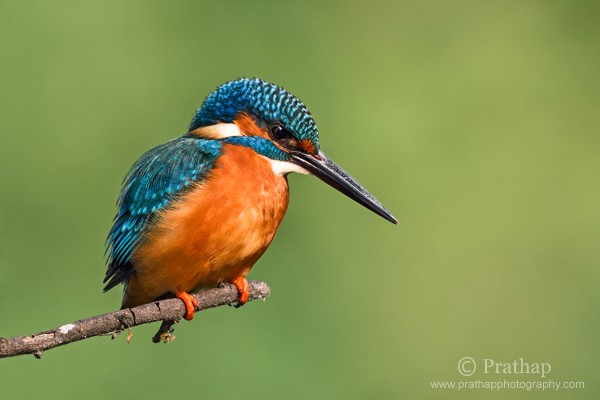
1 Common Kingfisher blue bird Bokeh Effect Bharatpur Bird Sanctuary Keoladeo National Park Nature Wildlife Bird Photography by Prathap

2. Overexposed Highlights

Remember that the dynamic range of your eyes is far greater than the camera’s dynamic range. Dynamic range is the ratio between the brightest elements to the darkest elements in the scene.

You might see the details in both brighter as well as darker regions, but the camera wouldn’t be able to record those details. As a photographer, it is your responsibility to make an exposure that is pleasing to the viewer’s eyes.

Humans are more sensitive to the highlights than the shadows. Overexposed highlights (white patches in a photograph) are more unacceptable to our eyes than underexposed shadows (black patches).

Solution: Expose for the highlights so that nothing gets overexposed, unless you are doing it intentionally. Almost every DSLR will have a blinking indicator (highlight warning, also simply called The Blinkies) that shows overexposed regions in your photograph on the LCD monitor during image playback.

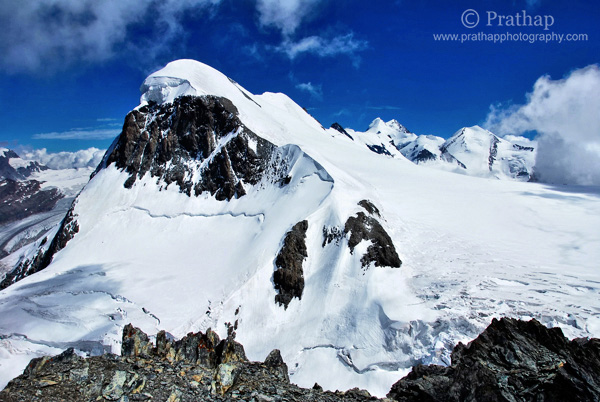
2 Magnificent Swiss Alps Switzerland Mountains Nature Landscape Wildlife Bird Photography by Prathap

If there are blinkies, then go ahead make exposure compensation (underexpose the scene by the required amount) to get that right.

3. Subject in the Center

It is a common tendency of a beginner photographer to keep the subject in center of the frame, which yields a boring, static composition. The viewer has nothing else to look for his/her eye goes straight to the subject and is stuck there.

Solution: Use the Rule of Thirds and keep the subject out of the middle of the frame. An off-centered subject makes the photograph dynamic and uneven negative space creates interest.

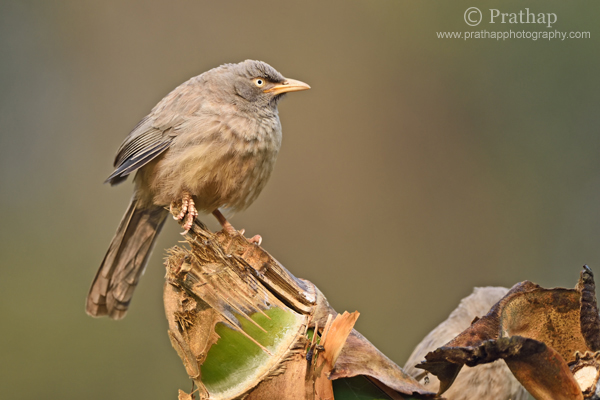
3 Jungle Babbler Shallow Depth of Field Bharatpur Bird Sanctuary Keoladeo National Park Nature Wildlife Bird Photography Prathap

4. Wrong Focus

No matter how good your photograph is technically, if the focus is not sharp enough, then your photograph doesn’t work. The main subject of interest needs to be in sharp focus, otherwise viewers will get distracted and will not find a point to rest on in the image.

We see objects sharp in reality so we expect them (at least one) to be in sharp focus to make any sense.

Solution: Make sure you check the focus by zooming in on your subject after you take a photograph (zoom feature in playback mode). Make sure there is enough light or color contrast between the subject and the background so that autofocus is able to lock the focus properly.

4 Perfect Reflection of Frog submerged in Water Nature Wildlife Bird Photography by Prathap

If you are making a portrait, then focus on the eyes of the person (or bird or mammal), because the viewer needs to make eye contact.

5. Breathing Space

It is quite common to fill the frame with your favorite subject so that it looks big in the frame. But how often does it feel that they are squeezed in the frame? They look suffocated because there is no place to move, forget about the movement there is no place to breathe!

Sometimes there will be enough space around the subject, but in the wrong direction – which is no good either.

Solution: Rule of Thirds is the best composition technique that helps you to give enough space around the subject. Think about the image border as a concealed box where there is no ventilation, you don’t want your favorite subject to suffocate.

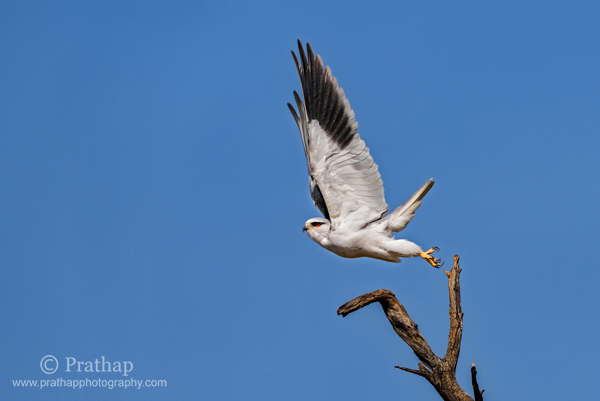
5 White tailed Kite Taking Off in Bharatpur Bird Sanctuary Keoladeo National Park Best Bird Sanctuary Rajasthan Nature Wildlife Bird Photography by Prathap

6. Cluttered Background

This is probably the most common mistake of all. Why? Because, it’s a common tendency to take photograph the moment you see something beautiful or interesting. So, what’s wrong with that you may ask.

Nothing. But have you paid attention to the background? Probably not. You are so overwhelmed by the subject, that you hardly notice anything around it.

A cluttered or distracting background plays the major role in ruining photographs.

Solution: The real photography starts after you choose your subject. Once you’ve done that, forget about it. Pay attention to the rest of the scene; include only those things that complement your subject and exclude everything else.

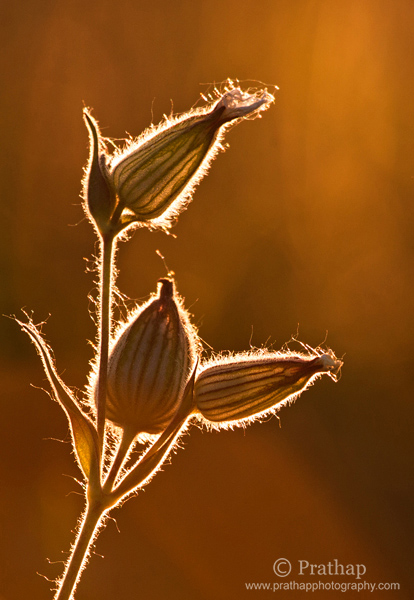
6 Painting with Light Art in Nature Backlit flowers in Golden Hours of Sunset Nature Wildlife Bird Photography by Prathap

The background makes the picture. Cleaner background makes the subject stand out making it the primary focus for a viewer.

7. Skewed Horizon

Another mistake that I see quite often is that horizon is not perfect. This is such a simple thing to notice but still a whole load of photographs have skewed horizons.

How can you miss that? Viewers feel uneasy when the horizon is skewed. It also indicates that the vertical subjects should be perpendicular to the ground. A person, building, bird, or tree tilted to one side makes them vulnerable to fall (unless of course they are tilted in reality like the Leaning Tower of Pisa).

Solution: Use the grid overlay while composing in the field, or correct the horizon using the Crop and Straighten Tool in the post-processing stage. Find a subject in the scene/photograph that should be horizontal or vertical in reality, and use it as a reference when you straighten the image.

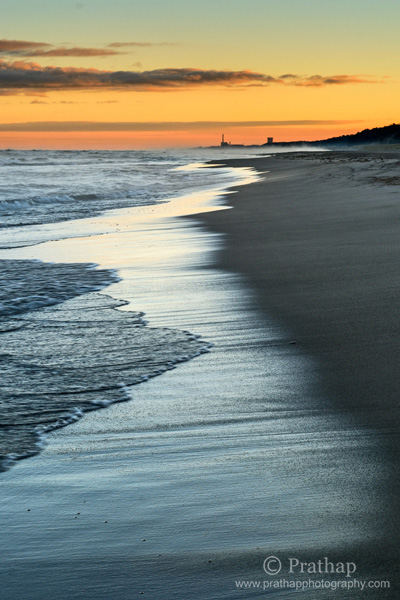
7 Beautiful Sunrise in Indiana Dunes State Park Beach in Golden Hours Nature Landscape Seascape Wildlife Bird Photography by Prathap

8. Lack of Depth

Remember, Photography is two dimensional medium but we see everything in three dimensions. Photographers often miss the depth that is inherent in photography.

You saw that most beautiful scene in 3D and you captured it, but you wonder what went wrong as you stare at your monitor, right? Something is missing. This is not what you saw.

Why? You didn’t realize that you are capturing a 3-Dimensional scene in a 2-Dimensional photograph.

Solution: There are lots of ways to create depth – include a foreground object, use leading lines, use perspective distortion, change the point of view, and so on. But the most important thing to remember when you are out in the field is that a photograph is 2-Dimensional.

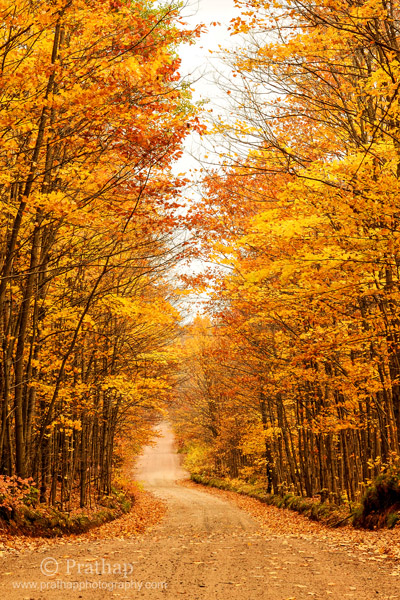
8 Beautiful Fall Foliage on the way to Agate Falls in Upper Peninsula Michigan Autumn Colors Nature Landscape Wildlife Bird Photography by Prathap

9. Too Much in the Photograph

Too much of anything is bad. When you see a scene, you see it as whole, which is natural. But if you try to include everything that you saw in one image then you end up with a photograph that has too much.

When you looked at the scene, were you really looking at the entire scene at once? Think about it. If you do this exercise of how you actually consume a scene you will know a whole lot more.

Solution: Try simple compositions. Instead of making one photo of the entire scene, ask yourself what interests you the most? Then pick that subject and make a photograph that emphasizes only that subject.

9 Backlit Flowers in Golden Hours in Sunset Rollins Savannas Forest Preserve Gryaslake IL Nature Macro Wildlife Bird Photography by Prathap

What is in a photograph is just as important as what is not in there. Once you master these simpler compositions you will be able to take grand landscapes in a much simpler, but more interesting ways.

10. Bad Light

Photography is all about Light. No light means no photography. But light has quality and direction. The best photographs are normally done in the golden hours and just few hours before and after sunrise and sunset when the light is at its best.

Many photographers don’t seem to care about the direction and the quality of light at all. Either the light is so harsh that there are multiple patches of light and shadows in the scene, or the subject’s eyes are in dark shadows, or light is just flat making the photograph 2-Dimensional, and so on.

Solution: Remember that photography is all about Light. More you learn to see the light better photographer you will become.

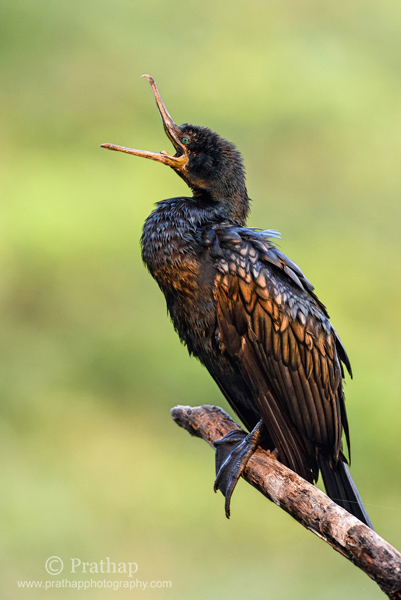
10 Double Crested Cormorant Golden Hours Sunset Bharatpur Bird Sanctuary Keoladeo National Park Best Bird Sanctuary Nature Wildlife Bird Photography by Prathap

The best way to appreciate light and its amazing qualities to transform a scene, is to go to the scene before sunrise and stay beyond sunset.

Final Thoughts

Still waiting to hear more?

Go ahead and correct the mistakes now. You will see yourself becoming a better photographer when you take control over these common mistakes.

Good luck!

googletag.cmd.push(function() {
tablet_slots.push( googletag.defineSlot( “/1005424/_dPSv4_tab-all-article-bottom_(300×250)”, [300, 250], “pb-ad-78623” ).addService( googletag.pubads() ) ); } );

googletag.cmd.push(function() {
mobile_slots.push( googletag.defineSlot( “/1005424/_dPSv4_mob-all-article-bottom_(300×250)”, [300, 250], “pb-ad-78158” ).addService( googletag.pubads() ) ); } );

The post 10 Common Photography Mistakes and How to Overcome Them by Prathap DK appeared first on Digital Photography School.

Digital Photography School

 
Comments Off on 10 Common Photography Mistakes and How to Overcome Them

Posted in Photography


A Common Misconception About Street Photography – Just Take Photos of People Walking

15 Oct
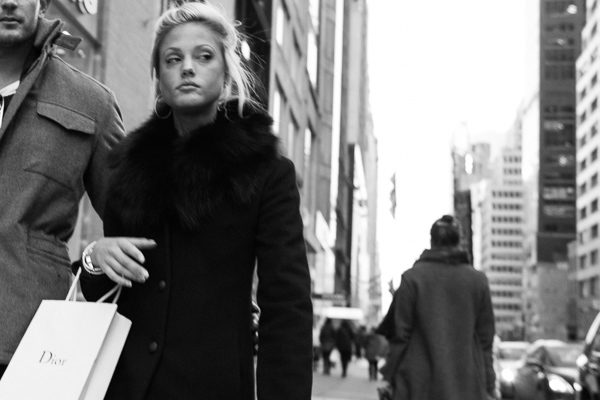
Dior, 5th Avenue.

Dior, 5th Avenue, NYC

A common misconception about street photography is that it is that it is about capturing any person that looks slightly interesting walking down the street in front of an interesting background. It’s actually about trying to capture a story, idea, or emotion through an image. While this largely can take place on the street, it can be captured anywhere.

What comes to mind when you see the term street photography? Is it a person walking down the street?

Whether or not you you have practiced street photography, I am assuming that you have come across this idea or seen images like this – a person with a blank look just walking down the street. Maybe they have some interesting clothes, beautiful hair, or the background looks interesting. But nothing is happening. There is no idea or emotion present.

Go beyond shots of people walking

Good street photography, and good photography in general, goes beyond that. Street photography is not just about capturing images of people. It is about capturing candid and natural photographs about life. There has to be something there.

My favorite street photographs make me feel like there’s something behind the curtain. Of course there needs to be something interesting and beautiful on the surface. There has to be a mix of both content and form, but behind the curtain there is some sort of idea or feeling, something that makes you think.

I can’t tell you how many boring shots I have of a person with a blank look walking down the street. We all take these kinds of images. There is a lot of spontaneity and hand-eye coordination in this type of photography and most of the time you see the potential for the shot, react to take it, but there’s just nothing there. That is normal.

Go for the expression

SoHo

The above image has a lot going for it. The main subject is up close and sharp, the angle is dynamic, the woman looks interesting and fashionable, the lighting is great, and the background is colorful and interesting. However, this image lacks for me what the top image has. There is no expression or emotion. It’s tough for me to feel anything under the surface of the image. Because of this I consider this image to be good but not great.

What we are looking for however, is something to be there. This could be a strong facial expression whivh is one of the first things that I look for when I’m out there doing street photography, particularly the look in someone’s eyes. Fashion, the background, the light, are all important elements of a strong photograph and you should pay attention to them, but in my opinion, a good expression can trump them all. The photograph at the top of this article is a person walking down the street, but there is so much more to the photo than that, because of her facial expression.

Watch for gestures

Gesture, SoHo

An example of gesture, SoHo. NYC

Gesture is also very important. I prefer to think of gesture as an expression with the body. Pay attention to how people carry themselves and what hints that might give us about them. A facial expression could be considered a gesture as well, but look at the hand in the top image. The way the hand is position with the sharp nails makes it look like a claw. When you mix that with the facial expression, this becomes a very frightening image, at least to me. Or take a look at the gesture of the legs above with the weight all on one leg and the other turned gracefully. You can get a sense of this person just from that body position.

Also, a street photograph does not have to have people in it. This goes beyond an urban landscape. Search for images that have the same effect as a good street photograph with a person. Search for an image that give us hints about life or makes us think or feel something, without people in the shot.

Gowanus

Gowanus, Brooklyn NYC

The more you get involved with this type of photography, the more you will notice themes and consistency in your work and hints beneath the surface of your photographs. Focus on this when editing and group similar photographs together. This all takes time to develop and the more you think about your photography in this way, the more it will improve.

What do you focus on when you do street photography? Do you have any other tips to share? Please do in the comments below.

The post A Common Misconception About Street Photography – Just Take Photos of People Walking by James Maher appeared first on Digital Photography School.


Digital Photography School

 
Comments Off on A Common Misconception About Street Photography – Just Take Photos of People Walking

Posted in Photography


5 Most Common Mistakes in Wildlife Photography – and How to Avoid Them

05 Mar

Animals, especially wild ones, make such beautiful subjects that we cannot resist turning our cameras on them to capture images of these majestic creatures in their natural state.

Unlike a landscape, creatures are constantly in motion, and unlike most people, they can be pretty uncooperative when it comes to getting their picture taken. This can make for a lot of botched pictures. Here are a few tips on how to avoid some of the common pitfalls of wildlife photography.

1. A Tiny Subject

Three Brown Pelicans by Anne McKinnell

It’s tough to approach a wild animal – they are easily spooked. Because of this, many wildlife photos have more wilderness than wildlife, with the animal becoming a tiny speck in its environment. This can be effective in some situations, but for the most part you want the animal to be large enough in the frame to see the detail in its eyes. This is where a good telephoto lens can really help you out. Using a long focal length (over 200mm) will allow you to keep your distance while still filling the frame.

2. Blurry Image

Blur comes in many forms. Your entire image could be blurry due to camera shake; a problem which is magnified by the longer focal lengths needed for wildlife photography.

In landscape photography, using a tripod is a good technique to prevent camera shake, but a tripod is not as practical when photographing wildlife. Wildlife photography requires a more active shooting style – you’ll be moving around constantly – so unless you are using a lens that is too big to hold comfortably, forget the tripod. Also, because the animals are always in motion, you’ll need a fast shutter speed anyway. That leads me to the first method to combat camera shake blur: using a very fast shutter speed.

In landscape photography, you normally use a shutter speed that is at least 1/focal length of your lens. But usually that isn’t going to be fast enough when photographing wildlife because the animals are always in motion (even when they appear to be standing still). To avoid disappointment, you’ll need to use a much faster shutter speed to freeze both your own motion and the motion of the animal.

Here is my rule of thumb when photographing wildlife: if the animal appears to be still, use a shutter speed of 1/500th of a second. If the animal is moving, you’ll have to adjust the shutter speed based on how fast they are moving. I suggest a minimum of 1/1,000th of a second, or faster if the animal is moving faster.

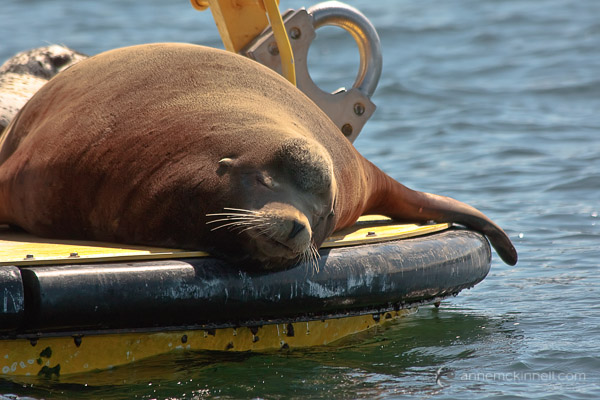
Sleeping Steller Sea Lion by Anne McKinnell

Using a lens with image stabilization will also help prevent camera shake blur. A lens with a wide maximum aperture, say f/2.8 or even f/4, will let more light in, allowing you to use a faster shutter speed. Likewise, a camera with low noise at high ISOs will let you turn up the sensitivity. All of these options will enable you to make faster exposures with better results.

Another type of blur is focus blur. This results from your camera being unable to focus, probably because your subject is moving and the AF motor gets confused. Some cameras and lenses have superior auto focus systems to others, but regardless of what you have, you can get the most out of it by setting it to continuous focus mode, usually called AF-C (Nikon) or AI Servo (Canon). This setting will track the subject’s movement in the frame and focus on it more quickly and accurately.

3. The Missed Moment

We’ve all been there. You see the perfect shot, frame it, and hit the shutter. But by the time the camera focuses and the exposure is made, the animal has moved and all you end up with is the second after the perfect shot.

There are two ways to avoid this heartbreak:

Anticipation

This is a skill that can only come with practice and a keen eye. If you can learn to see when the perfect moment is about to happen, rather than when it is happenning, you can hit the shutter right before the peak moment and cause the camera to snap at just the right time.

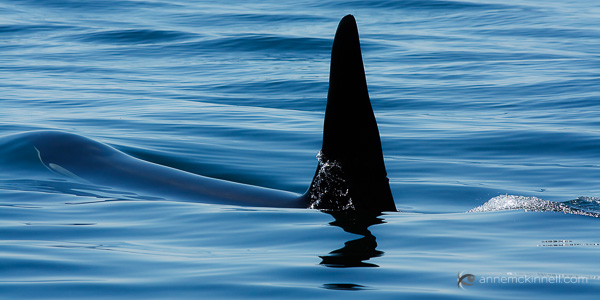
Orca by Anne McKinnell

Continuous Shooting

When animals are in motion, you’ll get the best chance at a good result by using continuous shooting mode (also called “drive mode” or “burst mode”). With this, you can take several images per second and choose the most successful.

Higher-end DSLRs and mirrorless cameras will have a much faster maximum shooting speed, but no matter which camera you have, there are a few things that will help get the highest continuous shooting rate.

One is a fast memory card – both SD (standard digital) and CF (compact flash) cards have a certain speed that they operate at, and a faster card will make sure that your camera doesn’t get bogged down trying to save the images.

The other is a fully-charged battery – as the juice drains, the camera can become sluggish, so it’s a good idea to keep an extra battery or two in your camera bag. For ultimate performance, you can buy a battery grip that fits on your camera. This holds two batteries at the same time for maximum speed.

4. Where Is Everyone???

Sometimes wild animals can be hard to find, and they’re not always where you want them to be. Before you can photograph them, you have to learn a few things about how to find them.

Know your animals

What types of animals live around you? Before you go out shooting, find out who they are, what they eat, when they sleep, and where they like to relax in between. If you’re photographing birds, research which ones are to be found in your area at which times of year. It’s also important to know how animals might react if, and when, they feel threatened – will they fight, or flee?

American Green Tree Frog by Anne McKinnell

Know the season

Some animals will be much more active at different times of year – particularly during autumn, as they rummage up enough food for winter, and in the spring when some animals come out of hibernation.

Camp out

I don’t mean overnight (unless you’re into that), but it’s often a very effective practice to find a popular area – probably somewhere with a source of water, food, shade or shelter – where animals like to congregate. Set your camera up on a tripod nearby, and disguise yourself among some trees or brush (some photographers go so far as to buy ,or build, a blind to hide their presence).

Be patient

Animals work on their own schedule, so don’t try to fit a shooting session in between other appointments. Great photos take time, and you must allow nature to unfold at its own pace. Many animals are easily frightened, so being quiet, still, and inconspicuous will help put them at ease.

5. Animal Attack!

We don’t call it “wildlife” for nothing – the biggest mistake you can make is accidentally getting mauled. Animals are not adjusted to polite society, and can be pretty rough customers if you catch them at the wrong time, or in the wrong way. They spend most of their waking lives foraging for food, and a spat over a meal can turn ugly, fast. Never get in the way of lunch, unless you want to take its place.

Don’t approach a wild animal directly, and if they see you, avoid looking them in the eye. This is usually a sign of aggression. If you need to get closer, keep low and move in a broad zig-zag pattern to avoid frightening the animal.

Baby Aligator by Anne McKinnell

Be aware of when mating season (or “running season”) is for the type of animal you’ll be photographing. Male mammals are full of testosterone at this time of year, and can be aggressive, violent, and very dangerous. Avoid photographing at these times. Similarly, find out when animals are likely to be giving birth and raising their young. We all know how risky it can be to get in between a mama bear and her cubs.

Whenever you’re dealing with wildlife, always remember that any creature can be dangerous when provoked, and it’s very important to treat animals and their habitat with the utmost care and respect.

For more tips on wildlife photography try these articles:

  • Manipulating Natural Light in Wildlife Photography
  • How Low Can you Go? An Illustration of Camera Angle for Wildlife Photography
  • Making Sharper Wildlife Photographs – [Part 1 of 2]
  • Making Sharper Wildlife Photographs – [Part 2 of 2]

The post 5 Most Common Mistakes in Wildlife Photography – and How to Avoid Them by Anne McKinnell appeared first on Digital Photography School.


Digital Photography School

 
Comments Off on 5 Most Common Mistakes in Wildlife Photography – and How to Avoid Them

Posted in Photography


10 Most Common Mistakes in Landscape Photography – and How to Overcome Them

04 Feb

If you’re serious about landscape photography, it won’t take you very long to realize the fundamental problem of the craft: not every landscape that catches your eye will easily translate into a compelling photograph.

When we experience a place, the smells, sounds, the warmth or chill in the air, and our own emotions combine to give us an overall impression. Our job as photographers is translate that overall impression into a photograph.

Every landscape photo needs to be carefully crafted with the final image in mind.

Devil's Cornfield, Death Valley National Park, California, by Anne McKinnell

There are many problems we run into along the way that can prevent our overall impression of a scene from shining through in the final image. The following are the most common traps to expect, and how you can avoid them.

1. Crooked Horizons

Most landscape photos will feature the horizon – a dead giveaway to the picture’s overall perspective. That means that if the line dividing land and sky is not perfectly straight across, the whole picture looks totally out of whack. There are a few ways to make sure your horizon squares up right:

  • Grid Overlay
    On most DSLRs (and some compact cameras), you can overlay a grid on either your viewfinder, your live view screen, or both. Align your horizon with one of these lines.
  • Electronic Horizon
    Newer, higher-end cameras often have a built-in electronic level. When turned on, it will gauge the camera’s position in space and tell you when it is evenly aligned.
  • Bubble Levels
    Some cameras have a bubble level attached and some tripods will have one as well. If you don’t have one built into your gear, you can purchase one that affixes onto the camera’s hot shoe. Just like a spirit level in construction, this will help you straighten your camera out.
  • Post-Processing
    If all else fails, every major photo editing software will feature a “straighten” tool which allows you to draw a line tracing the horizon. Using this, the program will automatically crop the image on an angle to make sure that the line is perfectly horizontal.

2. Eye-level Perspective

Most people photograph from an eye-level standing position producing photos that look as you would expect to see things if you were there. For a more interesting composition, try climbing on top of something, or getting close to the ground to achieve a different point of view.

3. Empty Skies

Without clouds, birds, or some other interesting feature, empty skies can turn out pretty flat and boring in a photo. Try to compose your picture with something interesting in the sky. If there is nothing interesting to show, raise your horizon line to the top third of the image to minimize how much space the sky occupies in the frame.

Pine Glades Lake, Everglades National Park, Florida, by Anne McKinnell

4. Hand Shake Blur

A blurry photograph loses almost all of its impact. Either use a tripod or use a fast shutter speed combined with image stabilization.

When it comes to landscapes, securing your camera onto a sturdy tripod will always yield better results. Even if you’re using short exposures, a tripod will allow you to compose your shot more precisely and lock its position into place while you shoot.

5. No Focal Point

Skies and mountains are lovely, but a picture can’t be all background. Your photo needs a focal point to hold the viewer’s interest. This can be anything – an interesting tree, a boat, a pier, a log – but no landscape photo is complete without a main subject.

Fisherman at Fort DeSoto, Florida, by Anne McKinnell

6. Cluttered Backgrounds

The opposite also applies – be careful not to focus too much on the subject and forget about how the background comes together. Pay attention to what is behind your main subject. If the background elements don’t add to the composition remove them if possible. Be careful that you have separation between each element, and don’t let them visually blend together (ie. two or more trees merging into a greenish blob). This is especially problematic when the objects are backlit or silhouetted.

7. Poor Lighting

When you rely on the sun to light your shots, you’ll find that some days the weather just doesn’t cooperate. Grey, cloudy days will give you muted, washed-out colours and not much in the way of shadows or contrast. Extremely sunny days might do just the opposite. Carefully consider the lighting conditions on your scene before you decide how to approach it.

  • If the sun is out, position it to one side of the camera to take advantage of the shadows and textures created by sidelight.
  • If the sun is in front of the lens, your scene will be backlit and you can make some dramatic silhouettes.
  • If the sun is behind you photographing the scene will be more difficult because the direct light will make the scene appear flat. Consider changing direction.
  • If there is no sun and the sky is white, use the soft lighting conditions to make close-ups.

Rainbow Rock, Valley of Fire, Nevada, by Anne McKinnell

8. Underexposing

If the sky is overly bright (say, in the middle of the day), it can confuse the camera’s light meter, which will try to compensate by underexposing the rest of the image, resulting in a dark foreground. If this happens, use the exposure compensation to turn up the brightness, but not so much that the sky becomes blown out (turns white).

If you’re having this problem, try re-composing your image to include a darker area of the sky. This type of scene is a good time to use a graduated neutral density filter. These filters are dark on the top and clear on the bottom. You place it in front of your lens to darken the top half of the image and even out the exposure.

9. Hot Spots and Blown Out Highlights

It’s not just the sky that can blow out, though – a hot sun can cause glare on many surfaces. Watch your scene for bright spots caused by reflections or excess sunlight. Most cameras have a “highlight warning” viewing mode on the image preview which will show any pixels that have turned pure white. If you have blown out highlights, use the exposure compensation to reduce the exposure slightly until they are gone.

10. Lack of Dimension

Even though a photo is a two-dimensional image, a strong landscape composition gives the illusion of depth. When you’re setting up your shot, make sure to populate the frame in the foreground, mid-ground, and background.

Lake McDonald, Glacier National Park, Montana, by Anne McKinnell

When you are learning photography it can be hard to critique your own work and understand how to improve. After your next photo shoot, examine your images for these problems so you can avoid them next time. Looking at each of your images with a critical eye and considering how they could be improved will quickly improve your artistic eye and make you a better photographer.

The post 10 Most Common Mistakes in Landscape Photography – and How to Overcome Them by Anne McKinnell appeared first on Digital Photography School.


Digital Photography School

 
Comments Off on 10 Most Common Mistakes in Landscape Photography – and How to Overcome Them

Posted in Photography


My Most Common Portrait Mistake

05 May
Here, I managed to avoid making the mistake, by having my subject keep both eyes on the same plane.  The look is striking, in that the depth of field drops off immediately and the image softens dramatically after the area of sharp focus around the eyes.

Here, I managed to avoid making the mistake, even though I shot the lens wide open at f/1.2,  by having my subject keep both eyes on the same plane. The look is striking, in that the depth of field drops off immediately and the image softens dramatically after the area of sharp focus around the eyes.  Exposure was 1/6400, f/1.2, ISO 200. Camera was EOS-1Ds Mark III, with EF 85mm f/1.2.


We all make mistakes.  Even the best photographers I know make a mistake now and then. And usually, we all have one we can’t get seem to stop making. For me, it’s a different mistake for each type of photography, whether it’s a portrait, a landscape, or some other type of photography.  The secret to getting better as a photographer is overcoming these mistakes and to stop making them.

When shooting portraits, my biggest problem isn’t lighting, or posing.  My problem is with my own settings, especially when using my favorite portrait lens. That would be the Canon EF 85mm f1.2L II.  This is a lens with incredibly smooth bokeh, and a unique look, especially when shot wide open. And I do love to shoot it wide open.  But it does require some extra care when doing so, which leads to my most common mistake.

When shooting the 85mm f/1.2 wide open (or even close to wide open), and close up, your depth of field is paper thin. If you were to focus on an eyelash, the eye itself would be out of focus. It’s that unforgiving. When done right, it creates a beautiful image, where the eyes are the sole focus. When done wrong, it ruins the image beyond repair.  The mistake is easily fixed; it just requires that you pay attention as the pose shifts, adjusting the aperture to give you the proper depth of field. In addition, if that paper-thin depth of field is what you want, simply adjust the pose so that it works for the shot.

This is probably my least favorite mistake, in that it’s not something that can be fixed in post.  Sometimes things happen quickly and it’s not possible to turn the dial that quickly. But sometimes taking a deep breath, and mentally running through the settings, is a good way to ensure you get the shot you want.  Is my shutter speed fast enough? Or slow enough? Do I have enough depth of field? Or too much? Is my ISO too high for the lighting conditions?  Or not high enough? It’s a mental checklist that can take only a second, but can ensure that you get the image you want.

In this image, also shot at f/1.2, because the model's eyes are not on the plane, the right eye drops out of focus.  The effect is disconcerting, and a mistake I make more than I'd like. It would be so easy to turn the aperture dial and stop down enough to give me the proper depth of field. I just need to remember to do that.

In this image, also shot at f/1.2, because the model’s eyes are not on the plane, the right eye drops out of focus. The effect is disconcerting, and a mistake I make more than I’d like. It would be so easy to turn the aperture dial and stop down enough to give me the proper depth of field. I just need to remember to do that.  Exposure was 1/4000, f/1.2, ISO 100. Camera was the EOS-1D X, with EF 85mm f/1.2L II lens.

For this image, I stopped the lens down to f/5.6. This game me enough depth of field to keep both eyes sharp, while the background remained out of focus.

For this image, I stopped the lens down to f/5.6. This game me enough depth of field to keep both eyes sharp, while the background remained out of focus. Exposure for this one is 1/100, f/5.6, ISO 100. EOs-1D X with EF 85mm f/1.2L II.

Post originally from: Digital Photography Tips.

Check out our more Photography Tips at Photography Tips for Beginners, Portrait Photography Tips and Wedding Photography Tips.

My Most Common Portrait Mistake


Digital Photography School

 
Comments Off on My Most Common Portrait Mistake

Posted in Photography


Are You Making these 5 Common Mistakes with Your Photography

19 Nov

A clever person learns from their mistakes. A wiser person learns from the mistakes others make. This article will identify the most common photography mistakes for you. It’s based on hundreds of hours teaching beginners through to professionals; do you still do any of these? I’m assuming you understand the essentials of photography; grab your copy of Photography: The Few Things You Need To Know if anything’s unclear.
?Photo1 0715

1. Giving Up Too Early

So many people do this. They’ve invested in an amazing camera, they’ve studied the essential techniques and then they’ve travelled to a great location; but as soon as they’re a little bit tired, hungry or bored – off they go. Even more common is not exploring the scene enough, perhaps assuming that the first photo will be the best. Experience says you’ll get better photos by taking the time to find all of the perspectives that the scene has to offer.

On my workshops, I’m always the last person out photographing before meeting up with the others in the bar. The best light isn’t necessarily before the sun goes down! When you consider that there are billions of photographs on Facebook alone, it’s wise to do a little bit more to ensure your photos stand out from the crowd. If taking a certain photograph is inconvenient and a little stressful, you can be sure a lot of photographers would give up. Keep going a little bit longer than them and you’ll be rewarded with better photographs.
?

2. Using a Wide-Angle Lens for Portraits

When you turn on a compact camera, the lens will be at its widest setting. A dSLR lens is generally at its widest when it’s contracted to fit in your bag. A wide-angle is therefore normally a default setting for most photographers. But for portraits, its distorting effect can be incredibly unflattering, especially if you’re very close. To avoid creating a caricature of your subject (and ensure they enjoy being photographed!) zoom in to the telephoto end of your lens. This will flatten the perspective, making for much more attractive portraits. If your compact camera has a digital zoom (a little line when you’re zooming in), turn it off as it only reduces image quality.
??Photo2

3. Getting Shaky, Motion-Blurred Photos

This is one we’re probably all guilty of at times; I certainly am! At slow shutter speeds such as 1/8th and even 1/80th second, the camera will show any camera movement in the photos. Beginners don’t realise, and professionals often assume they’ll be okay and don’t want to raise the ISO. Unless it’s deliberate, camera shake can be distracting, and many competitions and magazines won’t use motion blurred pictures.

The main way to get sharp photos is to keep the camera still, and one of the best methods is to use a tripod. But you don’t want to carry one of these, nor maybe even invest the money necessary to get a decent one. That’s fine. Modern lenses often have technology to reduce camera shake and modern cameras are very good at high ISO sensitivities (so you can use faster shutter speeds). To avoid this common mistake, ensure you’re as still as possible for the split second when you take the picture. Don’t be afraid to use a higher ISO sensitivity if your shutter speed is too slow. And try and find some sort of support to help keep the camera still.
?
?Photo3

4. Photographing Buildings From Too Close

To get it in, you point the camera up. This causes the vertical lines of the buildings to converge; to appear to slope inwards in the photo. This is made more obvious when you use a wide-angle lens; which will probably be necessary if the building is big and you’re right next to it. Ideally, you want the parallel lines in architecture to be parallel in your photographs. How can you achieve this? In theory, you need to be in line with the centre of the building. This is fully explained by the Pyramid Technique I teach on my courses.

This normally puts the ideal camera position way above our heads. And unless there’s a convenient window opposite our building at the right height for us to use, we’ll have to compromise. Minimise the angle at which you photograph the building by getting back as far as possible. To minimise distortion, use a longer telephoto lens from further away instead of a wide-angle lens up close. Often trees and lampposts will get in the way, so use common sense and get back as far as possible without including too many distractions in the final photograph.
???Photo4

5. No Clear Subject in the Photo

Last but definitely not least, the majority of photographs will never be award-winning because it’s either not obvious what the photographer is showing us, or because there are too many distractions from the main subject. This common tendency is due to the difference between how we see the world and how the camera captures it. Specifically, we generalise what we see, highlight what’s important to us and ignore what’s not. I covered this in my article on DPS, Benefit From How You See The World. There are several fixes you can try to help overcome this. The main one, and probably the most famous, is just to get closer. Often, people want to capture the whole scene so use the widest possible lens from far away. But this makes the subject seem small, and because the images are probably only going to be seen a few inches high on a screen, a lot of impact is lost. Likewise, photographing people and animals often prompts a fear of getting too close. Do it anyway; get closer. Also, experiment with ways to make your subject stand out using colour and lighting ratios. Check for distractions in your background. And make sure you know what you’re photographing!
??Photo5

That’s it! These are the five most common mistakes that photographers make. Check to see which ones you’ve been doing without knowing it. Ask a friend if you want a second opinion. Hopefully my ‘hard and fast rules’ will prove useful. As always, take them as guidelines only; ultimately only you can know if you’re happy with the photograph or not. And in case you haven’t already done so, remember to get your copy of my book Photography: The Few Things You Need To Know, priced for less than an espresso HERE NOW to ensure you get the most value from these articles. If you’re already enjoying your copy, tell your friends where to get it – www.GreatBigBear.com!??Ben Evans is an English Photographer in Barcelona who works internationally. Ben teaches photography classes in Barcelona and keeps a photoblog of ‘fine art street’ photos of Barcelona at www.i-Barcelona.com.
Ben is the author of best-selling book, Photography: The Few Things You Need To Know, available now at www.GreatBigBear.com. He is working on two photography teaching projects, Better Than 90 Percent and Holistic Photography.

He shoots Nikon, Hasselblad, Apple (iPad 3) and those little throwaway waterproof film cameras with the plastic lenses.

Post originally from: Digital Photography Tips.

Check out our more Photography Tips at Photography Tips for Beginners, Portrait Photography Tips and Wedding Photography Tips.

Are You Making these 5 Common Mistakes with Your Photography


Digital Photography School

 
Comments Off on Are You Making these 5 Common Mistakes with Your Photography

Posted in Photography