RSS
 

Posts Tagged ‘City’

Streets Illustrated: Colorful Interventions Make the City More Fun

24 Jan

[ By SA Rogers in Art & Street Art & Graffiti. ]

Filling the city with art by literally painting right onto the streets makes it feel like everyone is immersed in an illustration, acting out some kind of larger-than-life story. Formerly bare patches of asphalt and concrete get splashes of color, patterns and imagery that can be humorous, fun or politically pointed. Roadsworth is among the street artists best known for this style, and recently debuted a new piece referencing the refugee crisis.

roadsworth-montreal-mural-festival

“A new record: as of today, the UN has counted 65 million refugees in the world,” he says. “I painted this in recognition of this tragic fact. Walls and Fences are for painting and climbing not for dividing and obstructing.”

In this particular mural, painted onto a street in Montréal, passersby are confronted with massive hands cling to a chain-link fence, effectively forcing them to recognize and think about the subject matter.

roadsworth-gif

roadsworth-ice-cream

roadsworth-bridge-crossing

Other Roadsworth murals are more playful, like a stop-animation squirrel that appears to run down the street when the images are stacked in a GIF, and a crosswalk that has been turned into a rope bridge. A giant pink ice cream cone melts onto the pavement.

roadsworth-octopus

roadsworth-bike-path

roadsworth-singing-river

Prints can be purchased at Roadsworth.com, and you can keep up with the artist’s work on Instagram.

Share on Facebook


[ By SA Rogers in Art & Street Art & Graffiti. ]

[ WebUrbanist | Archives | Galleries | Privacy | TOS ]


WebUrbanist

 
Comments Off on Streets Illustrated: Colorful Interventions Make the City More Fun

Posted in Creativity


Street Light Art: Traffic Signals Emit Surreal Rainbow Streams in Hazy City

10 Jan

[ By SA Rogers in Art & Photography & Video. ]
lucas-zimmermann-traffic-lights-5

It’s almost a cliche at this point to highlight the beauty that can be found in everyday items, like that scene in the movie ‘American Beauty’ where Wes Bentley and Thora Birch stare at a plastic bag waving around on a sidewalk like it’s the Mona Lisa. But sometimes, it just can’t be helped. Have you ever gazed at a traffic light and marveled at the accidental art it was producing? You’re about to.
traffic-lights-eries-3

lucas-zimmerman-traffic-lights

lucas-zimmerman-traffic-lights-2

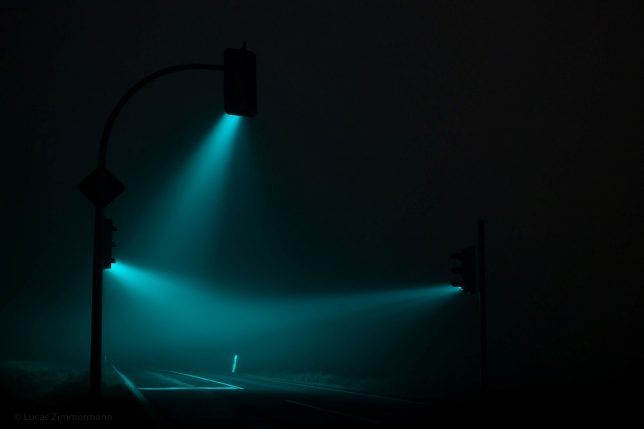
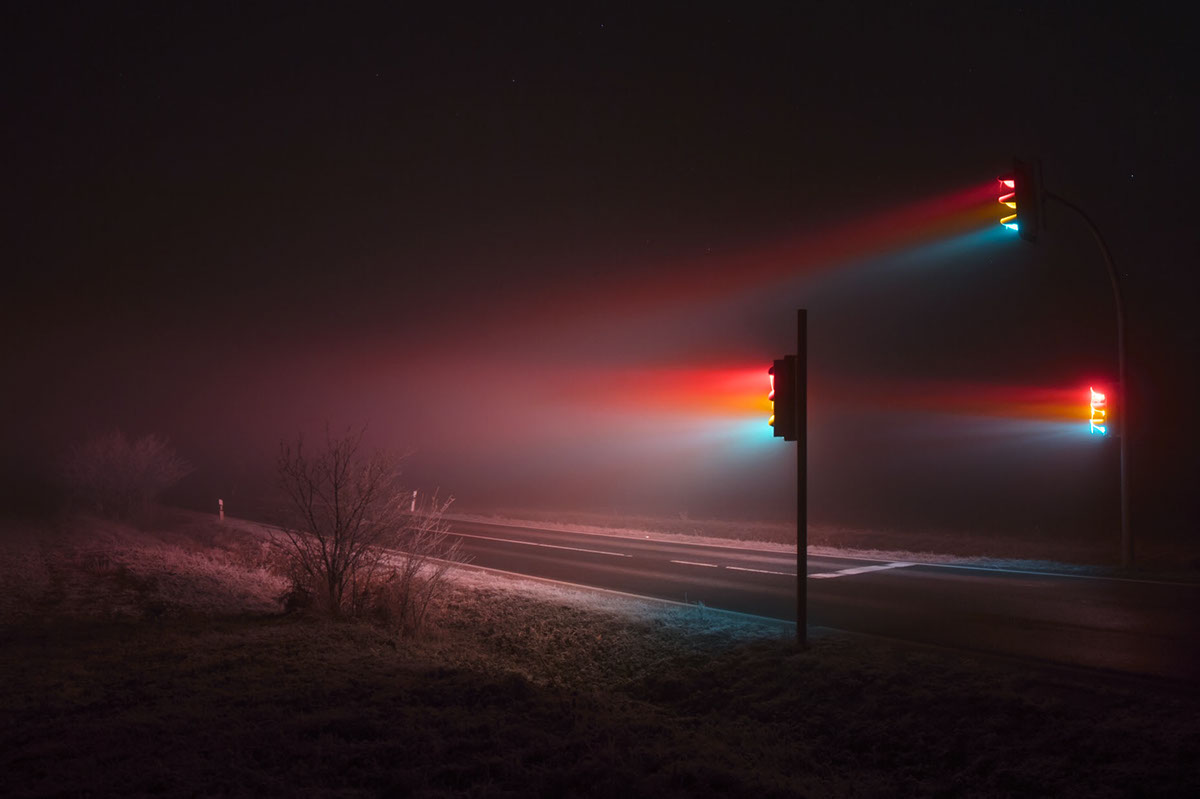
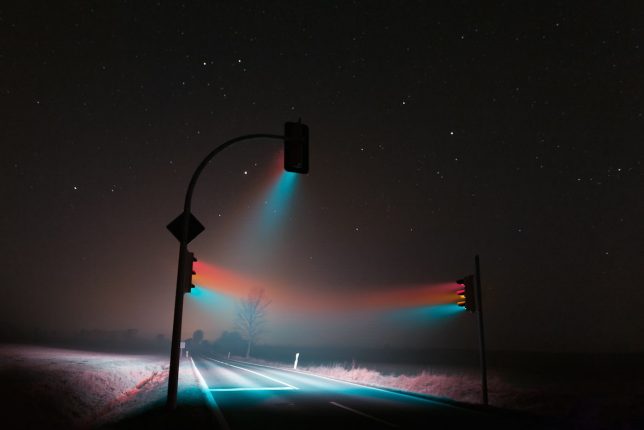
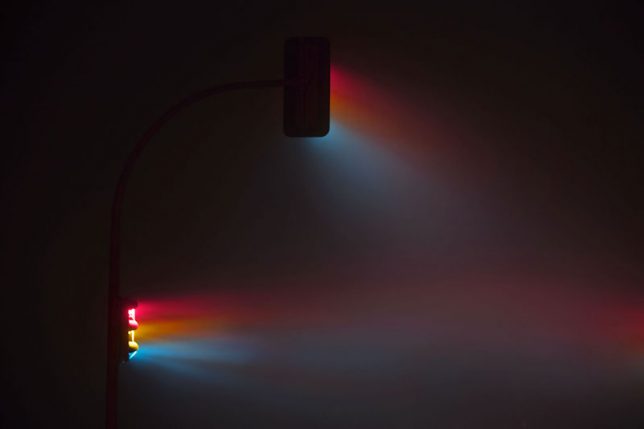
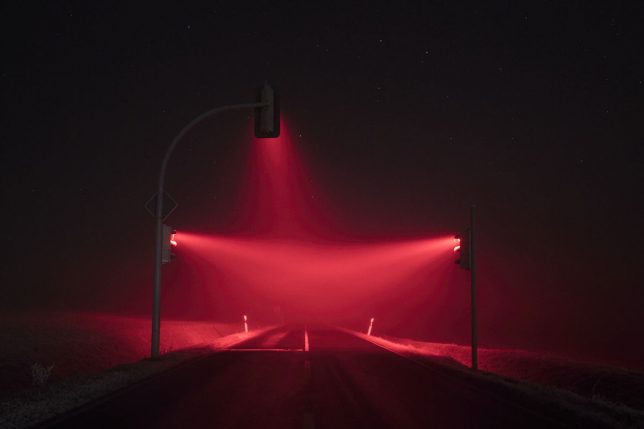
Being such a humble and unremarkable object, installed at countless intersections in countless cities, the traffic signal is an unlikely subject of the internet’s flighty attentions, but the magic here is really in photographer Lucas Zimmermann’s vision – and in the fog that clings to the town of Weimar, Germany.
lucas-zimmerman-traffic-lights-3

lucas-zimmerman-traffic-lights-6

lucas-zimmerman-traffic-lights-7

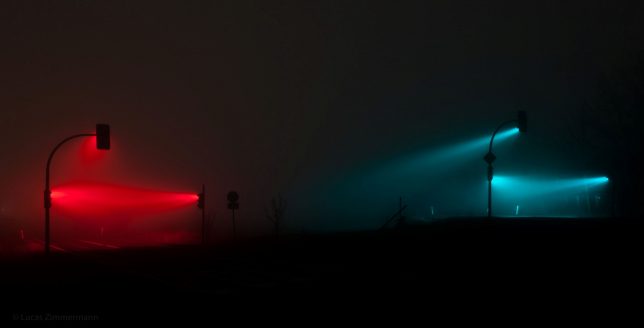
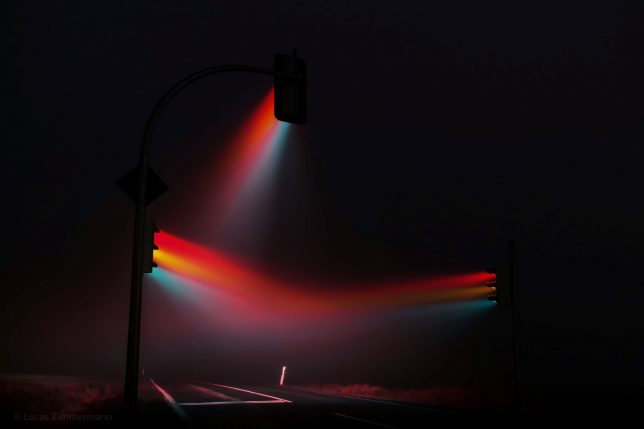
Zimmermann first captured his ‘Traffic Lights’ series on a particularly hazy night, noting that the light streaming from the red, yellow and green lamps was stretching out into rainbows. He wondered how the effect would be enhanced by long-exposure photography, and the results show the streams of light almost seeming to take physical form.

lucas-zimmerman-traffic-lights-8

traffic-lights-series-1

traffic-lights-series-2

“I have been waiting for two long years to finally go out again and progress on my traffic lights series,” says Zimmermann. “It was worth the wait.”

The new addition to the series is just as striking as the first, supporting Zimmerman’s belief that photography can show us things we might otherwise overlook, “such as a simple traffic light on the street.”

Share on Facebook


[ By SA Rogers in Art & Photography & Video. ]

[ WebUrbanist | Archives | Galleries | Privacy | TOS ]

WebUrbanist

 
Comments Off on Street Light Art: Traffic Signals Emit Surreal Rainbow Streams in Hazy City

Posted in Creativity


City of Ice: 20 Photos of China’s Amazing Annual Snow Sculptures

26 Dec

[ By SA Rogers in Art & Sculpture & Craft. ]

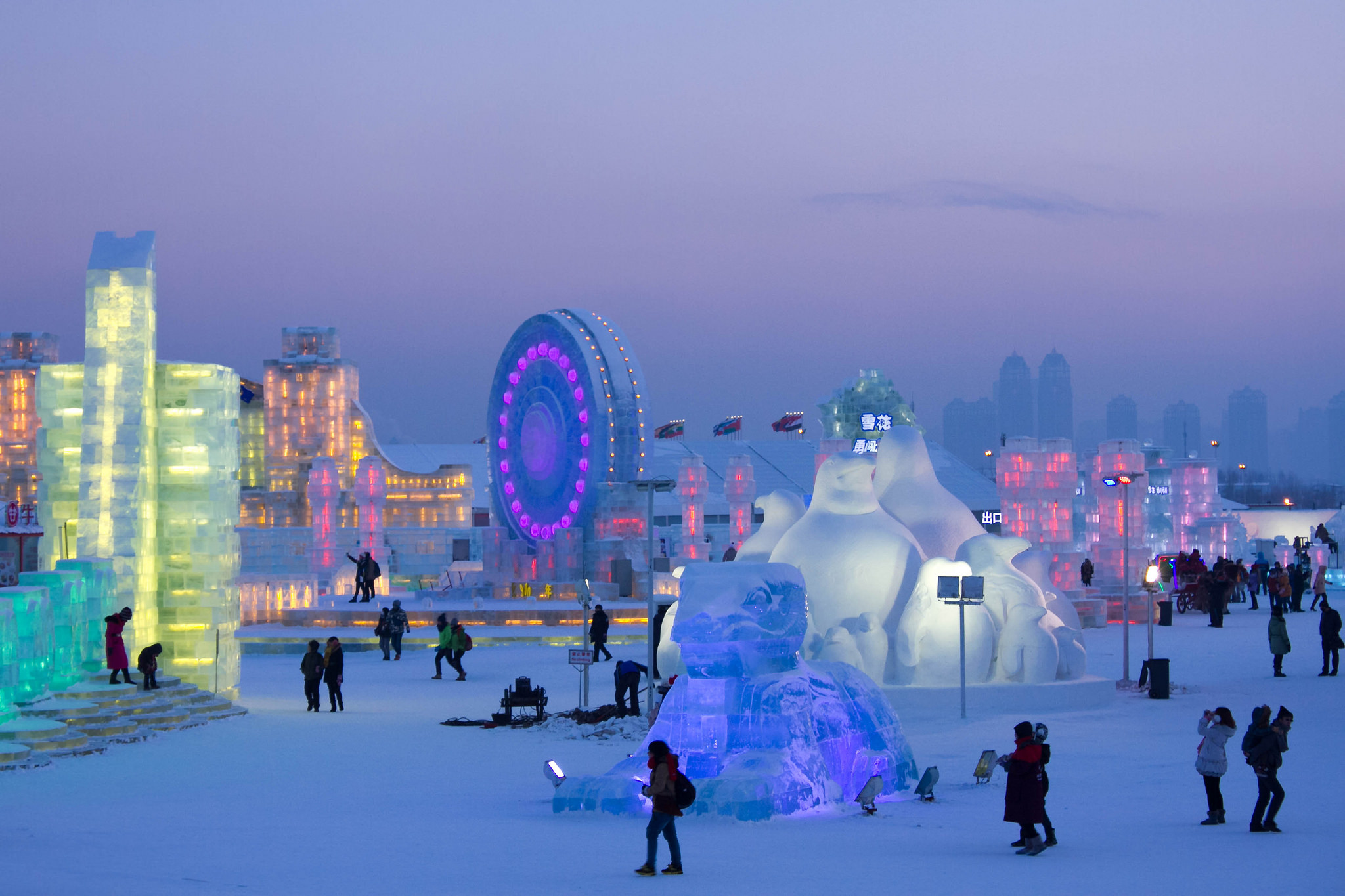
city-of-ice-illuminated-2015-jarod-carruthers

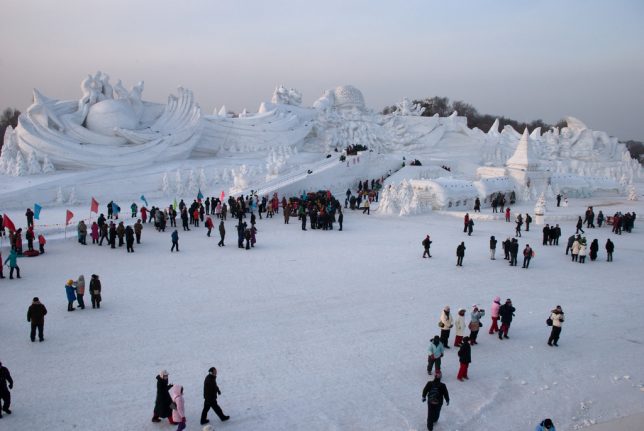
Dozens of large-scale snow and ice sculptures are once again on display in Harbin, capital of northeast China’s Heilongjiang Province, for the Sun Island International Snow Sculpture Art Expo. By day, the massive sculptures depicting folklore, mythology, classical art, cartoon characters and castles almost blend into their icy surroundings like natural formations, and after dark, everything is illuminated with a rainbow of glowing lights. Here are some of the festival’s most impressive sculptures that visitors have captured over the years.

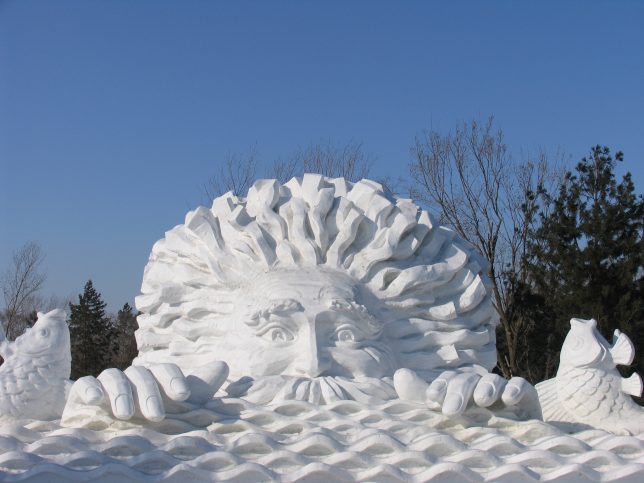
Wild Hair Statue, 2012

city-of-ice-hair-statue-cdschock

Harbin has long, cold winters with temperatures dropping to -36 degrees Fahrenheit, making it cold enough to pack snow very tightly, mold it into place and expect it to stay put. Otherwise, statues with elements like this hair would be difficult to make (photo by cdschock.)

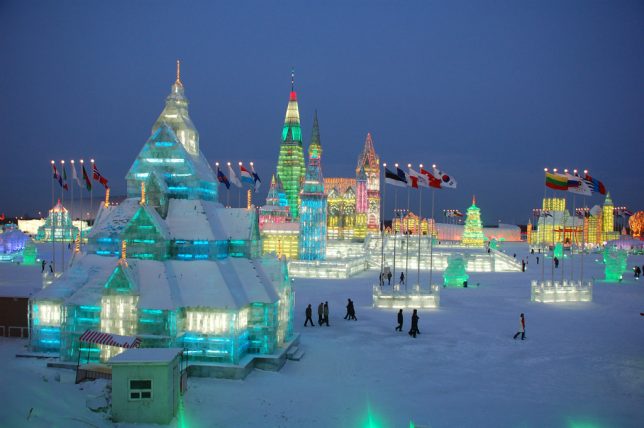
Illuminated Ice Architecture, 2009

city-of-ice-illuminated-architecture-2009-ian-carvell

The annual winter festival is the largest ice and snow festival in the world, drawing international participants to show off their sculpting skills. The ‘Ice and Snow World’ portion, featuring full-sized buildings made from blocks of 2-3 inch thick ice, is best experienced after dark (photo by Ian Carvell.)

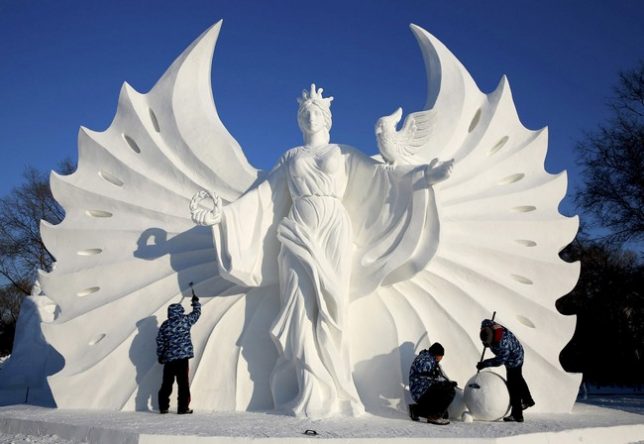
Goddess Statue, 2016

city-of-ice-goddess-statue

Each year, the event has a ‘trial run’ between December 22nd and January 4th, officially open to the public between January 5th and February 25th. Every year has a different theme, with 2016’s revealed to be “The Wonderland in the Land of Snow, The Grand View in the World of Ice and Snow.” Not clear on what that means, but we’ll find out when photos are released in early 2017 (photo by Time Travelo.)

Snow Sphinx, 2013

city-of-ice-snow-sphinx-la-priz

city-of-ice-sphinx-la-priz-2

Maybe it’s not quite as large as the original, but this ‘snow sphinx’ photographed by Priscilla Dorresteijn is impressive nonetheless.

Illuminated Ice City at Dusk, 2015

city-of-ice-illuminated-2015-jarod-carruthers

The combination of reflective ice and snow with colored lights creates a pastel scene at dusk (photo by Jarod Carruthers.)

Massive Santa, 2009

city-of-ice-snow-santa-morgann

city-of-ice-santa-ran-zxzzy

This large-scale Santa is downright mountainous, looming over life-sized snow sculptures of architecture and trees (photos by Morgann and rdog)

Next Page – Click Below to Read More:
City Of Ice 20 Photos Of Chinas Amazing Annual Snow Sculptures

Share on Facebook


[ By SA Rogers in Art & Sculpture & Craft. ]

[ WebUrbanist | Archives | Galleries | Privacy | TOS ]

WebUrbanist

 
Comments Off on City of Ice: 20 Photos of China’s Amazing Annual Snow Sculptures

Posted in Creativity


Time Machines: Langdon Clay’s Gritty Cars Of New York City

12 Dec

[ By Steve in Art & Photography & Video. ]

langdon-clay-cars-10

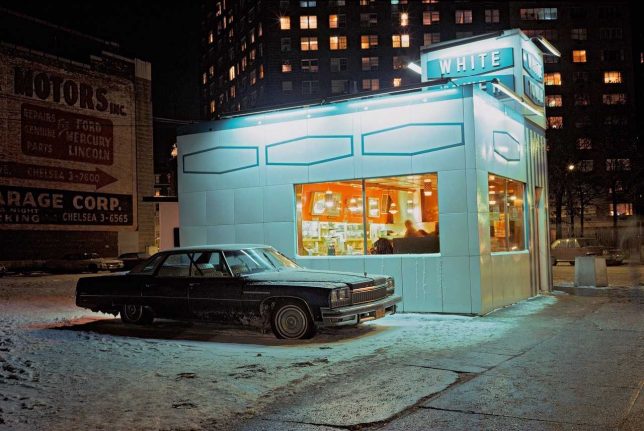
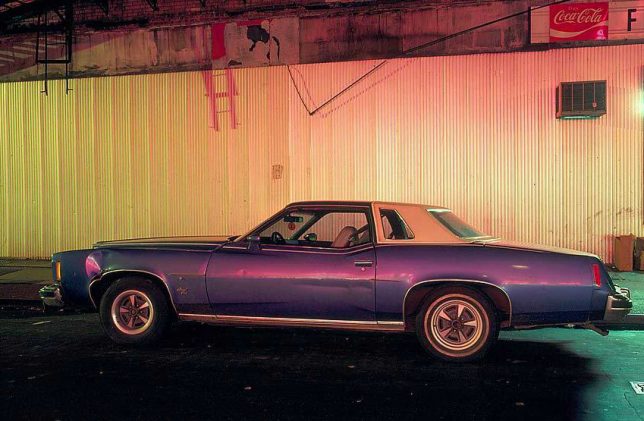
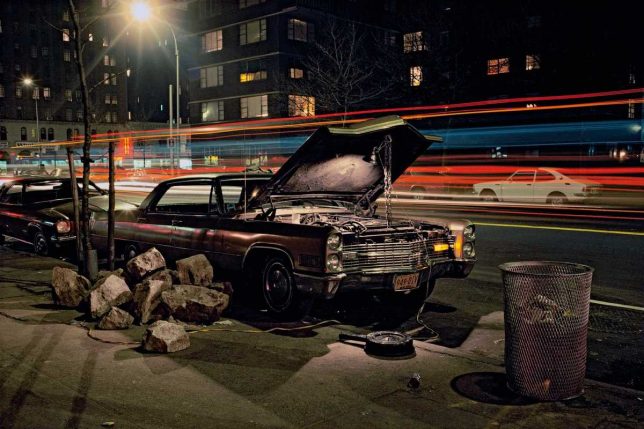
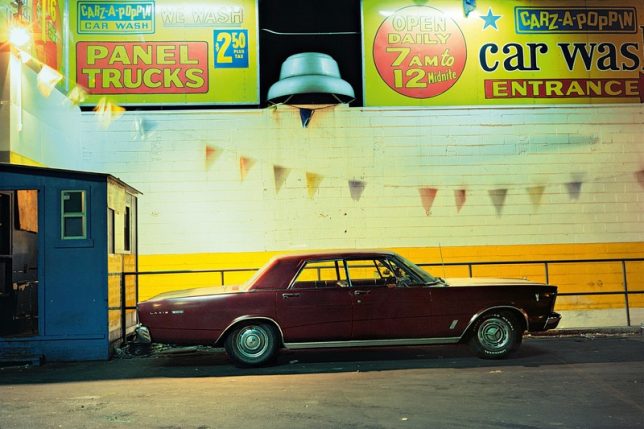
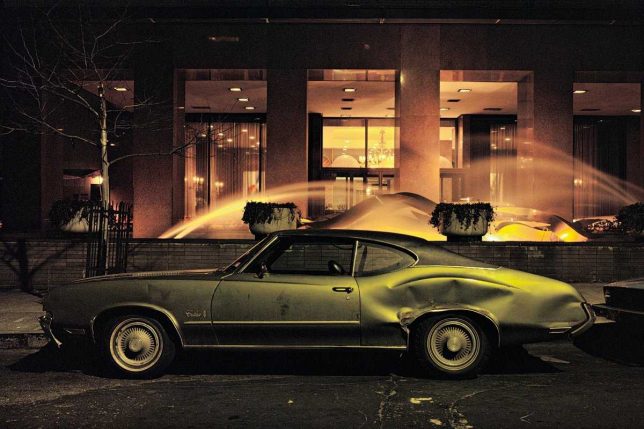
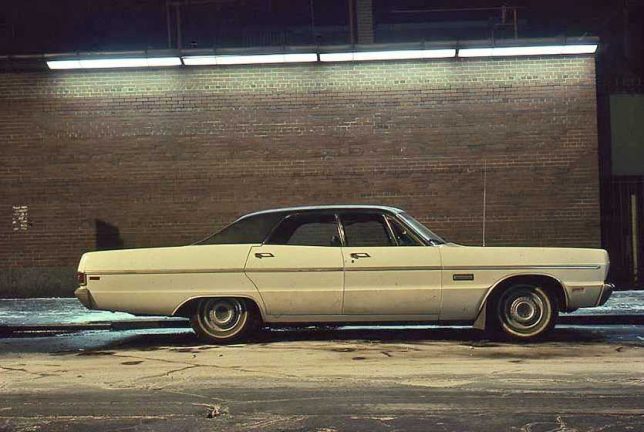
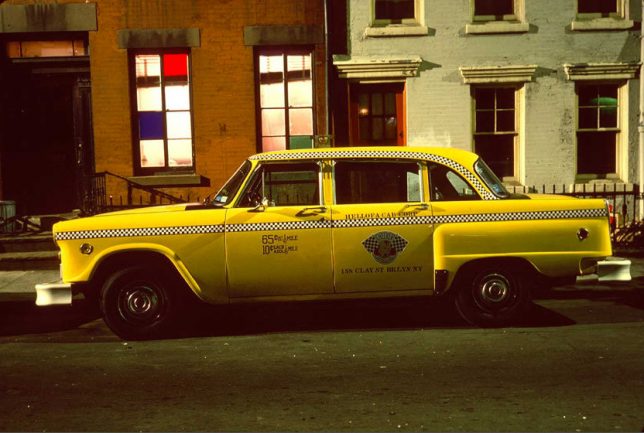
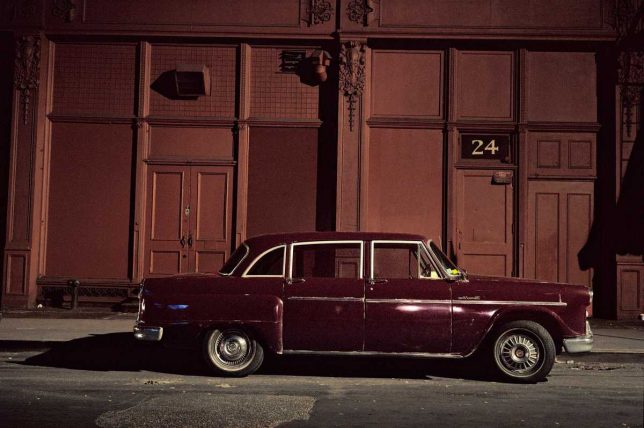
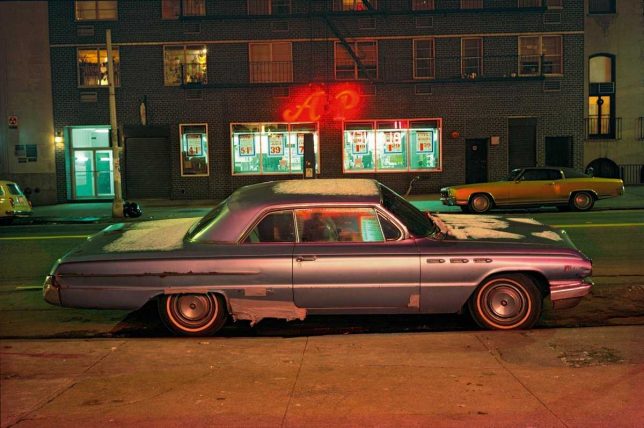
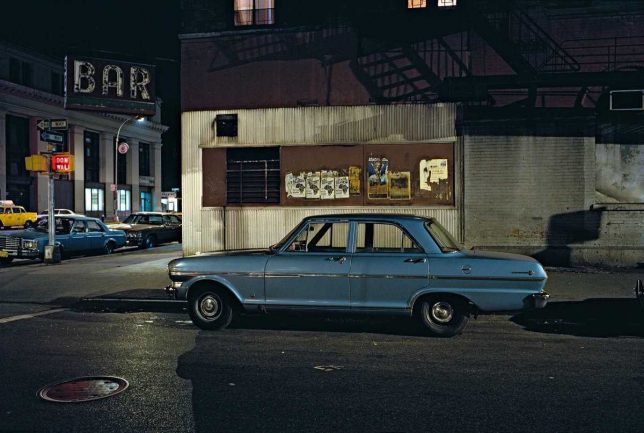
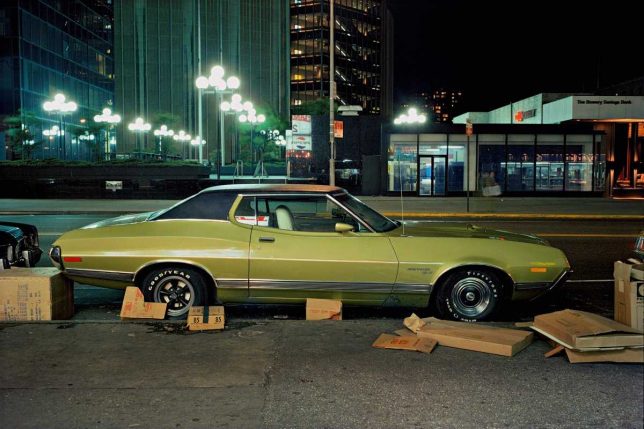
Photographer Langdon Clay captured New York‘s bruised & battered road warriors at rest, evoking a dirtier and more dangerous era of the city that never sleeps.

langdon-clay-cars-18

langdon-clay-cars-11

New York City in the 1970s was a city on the slippery slope to disaster; a major metropolis whose decline into bankruptcy, pervasive corruption and rampant crime portended a grim dystopian future fit for the likes of Snake Plissken. Armed with only his trusty Leica camera and rolls of Kodachrome film, Langdon Clay ventured into the Big Apple’s littered streetscapes, finding a fitting iconography for troubled times amongst the oft-filthy and snow-encrusted parked cars sheltering under the unforgiving glare of sodium-vapor streetlights.

langdon-clay-cars-13

langdon-clay-cars-3

langdon-clay-cars-7

Langdon Clay, a native of NYC born in 1949, grew up in New Jersey and Vermont before moving back to the city of his birth in 1971. Like many photographers of the era, Clay cut his teeth on black and white composition but once immersed in New York’s unique urban milieu, inspiration struck. “I experienced a conversion of sorts in making a switch from the ‘decisive moment’ of black and white to the marvel of color,” relates Clay, “a world I was waking up to every day. At the time it seemed like an obvious and natural transition. What was less obvious was how to reflect my world of New York City in color… I discovered that night was its own color and I fell for it.”

Checkered Past

langdon-clay-cars-9b

langdon-clay-cars-9

From 1974 through 1976, often in winter and always after dark, Clay roamed the streets of New York and nearby Hoboken, New Jersey seeking out likely land-barge subjects. Most – though not all – of his photos depict used and abused Detroit iron of the Malaise Era with a few stubborn survivors of the Space Age tossed in for good measure. Of course, no expose of New York’s cars would be complete without a Checker or two: the pair above includes one once-ubiquitous New York cab and a rarer, privately-owned Checker Marathon.

Apple Spread

langdon-clay-cars-6

langdon-clay-cars-8

langdon-clay-cars-5

We’re not sure why it took Clay forty-odd years to publish his collection of mid-seventies car photos… perhaps, like fine wine, a significant passage of time was required to imbue his subjects (and their surroundings) with the flavor of their long-passed era. In the event, “Cars – New York City 1974 – 1976”, published by Steidl, features 96 photographs spread over 132 pages.

Next Page – Click Below to Read More:
Time Machines Langdon Clays Gritty Cars Of New York City

Share on Facebook


[ By Steve in Art & Photography & Video. ]

[ WebUrbanist | Archives | Galleries | Privacy | TOS ]

WebUrbanist

 
Comments Off on Time Machines: Langdon Clay’s Gritty Cars Of New York City

Posted in Creativity


Urban Adventuring Apps: 13 Interactive Ways to Explore Your City

08 Dec

[ By SA Rogers in Travel & Urban Exploration. ]

urbex-app-history-pin-3

Whether you want to get to know your own city on a deeper level or explore secret spots in unfamiliar places, this collection of smartphone apps will take you on adventures you’d otherwise miss. Check out these scavenger hunts, walking tours, history lessons, interactive tasks that take you on random routes, user-submitted local favorites and other ways to interact with urban environments in fun and unexpected ways.

Derivé: Random Tasks Send You on an Adventure

urbex-app-derive

Explore your city – or an unfamiliar city – in a totally new way with the Derivé app, which randomly assigns you a task to do, like “find your favorite building”, “follow a hat,” “sit for two minutes” or “find a tree.” Refreshed every three minutes, the task cards lead you on a single-person scavenger hunt that will encourage you to take routes you’d never take otherwise and experience your environment in a new way.

History Pin: See History in Real Time

urbex-apps-history-pin-1

urbex-app-history-pin-2

urbex-app-history-pin-3

This user-generated history map lets you see what cities used to look like thanks to submitted historical photographs, which are pinned onto their real-life locations. The app uses Google Maps and Street View technology to overlay the historic photos onto the live camera view. Just hold up your phone in the street, and it’ll give you a glimpse of the past.

Spotted by Locals: Get the Inside Scoop

urbex-apps-spotted-by-locals

urbex-apps-spotted-by-locals-2

When you’re traveling, it’s easy enough to wander randomly without the use of a smartphone or simply go by tourist guide recommendations, but finding out what locals love can be more challenging. The Spotted by Locals app tells you what’s popular in any given spot, and it’s constantly updated to keep track of business openings and closings.

Geocaching: Treasure Hunting Challenge

urbex-apps-geocaching

urbex-apps-geocaching-2

The classic treasure-hunting app that has explorers digging for cleverly hidden containers called ‘geocaches’ remains the most popular way to participate in the adventure. The Geocaching app shows you geocaches near your location, allows you to message other players for hints and log the treasures you’ve found.

Geo Street Art Apps for New York City & London

urbex-apps-street-art-2

urbex-apps-street-art

Available for major cities like New York City and London, the Geo Street Art apps feature hundreds of local and international street artists, pointing you to their work so you can see it in person. ‘Street Art London’ and ‘Street Art New York City’ provide a “comprehensive reference point” of the street art scene, including artist biographies. The London version boasts over 600 images from over 90 artists in 270 locations.

Next Page – Click Below to Read More:
Urban Adventuring Apps 13 Interactive Ways To Explore Your City

Share on Facebook


[ By SA Rogers in Travel & Urban Exploration. ]

[ WebUrbanist | Archives | Galleries | Privacy | TOS ]

WebUrbanist

 
Comments Off on Urban Adventuring Apps: 13 Interactive Ways to Explore Your City

Posted in Creativity


Sprawl Trilogy Redesign: Fractal City Covers for Classic Gibson Novels

04 Dec

[ By WebUrbanist in Art & Drawing & Digital. ]

fractal-cover-art

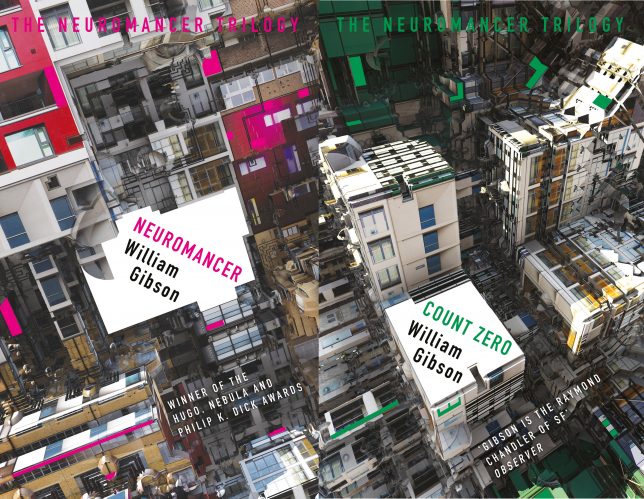
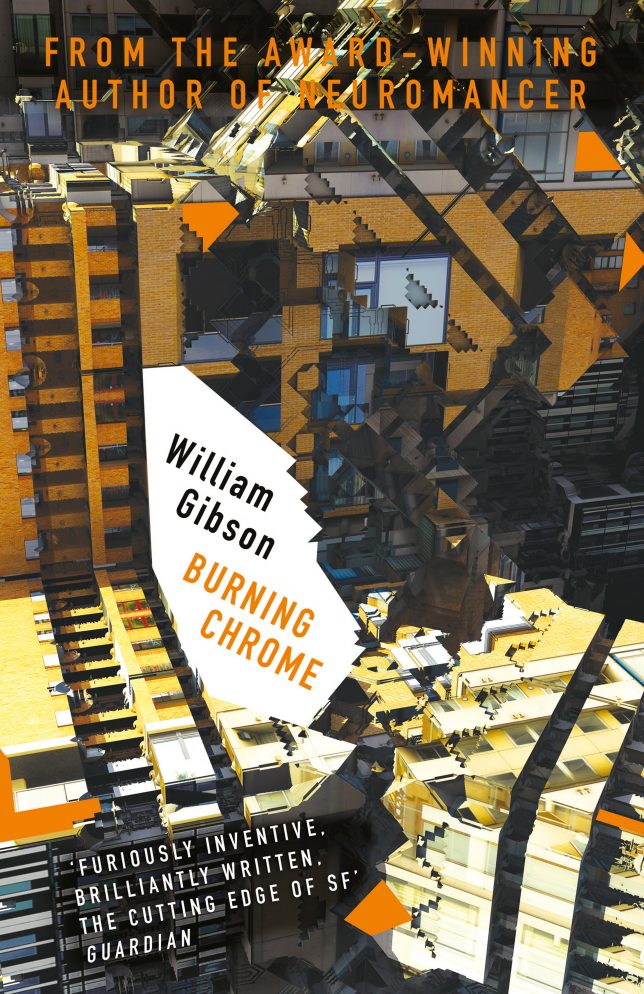
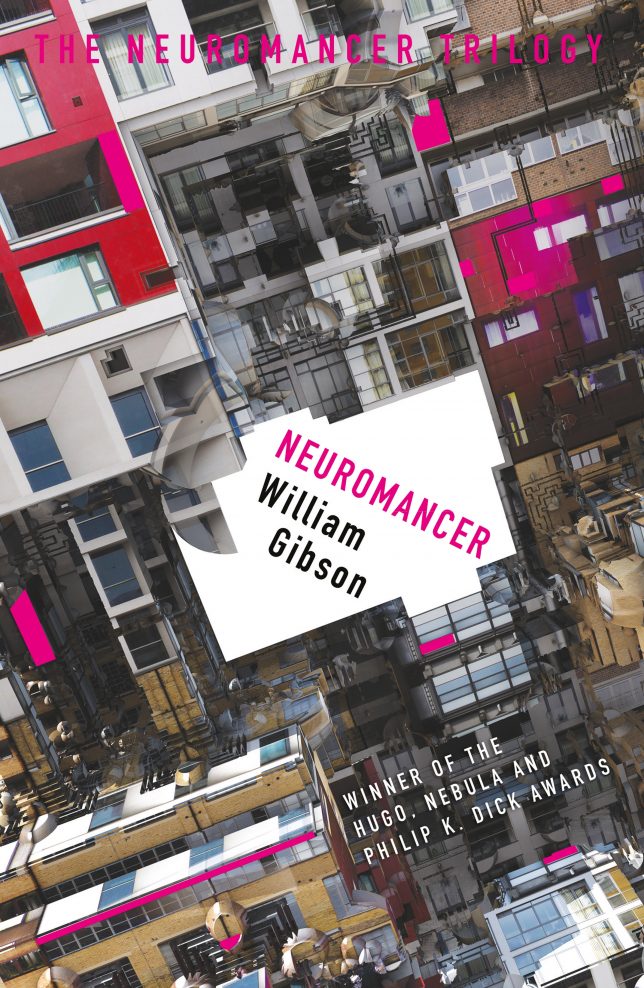
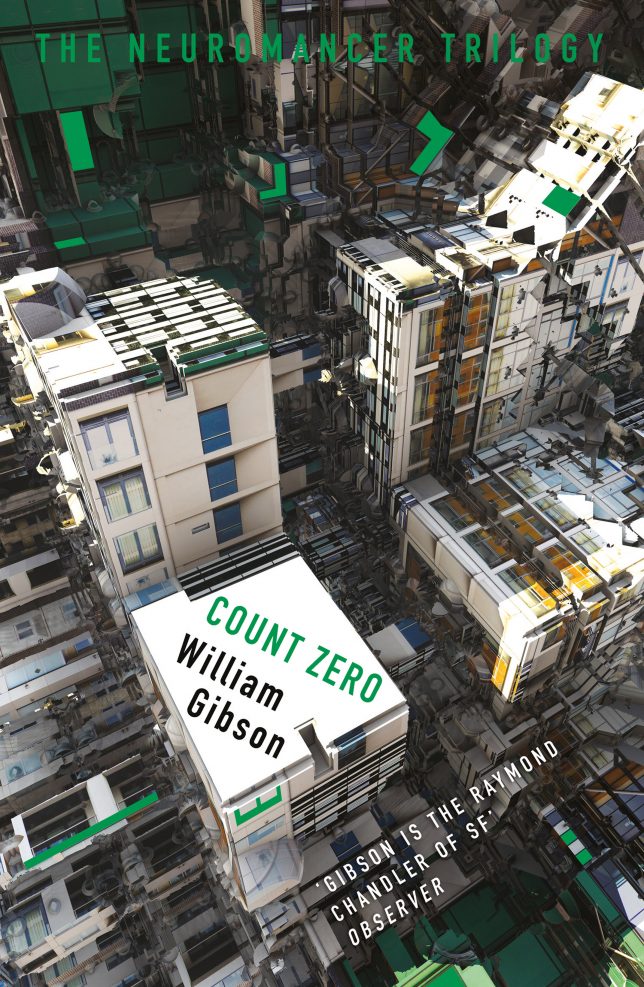
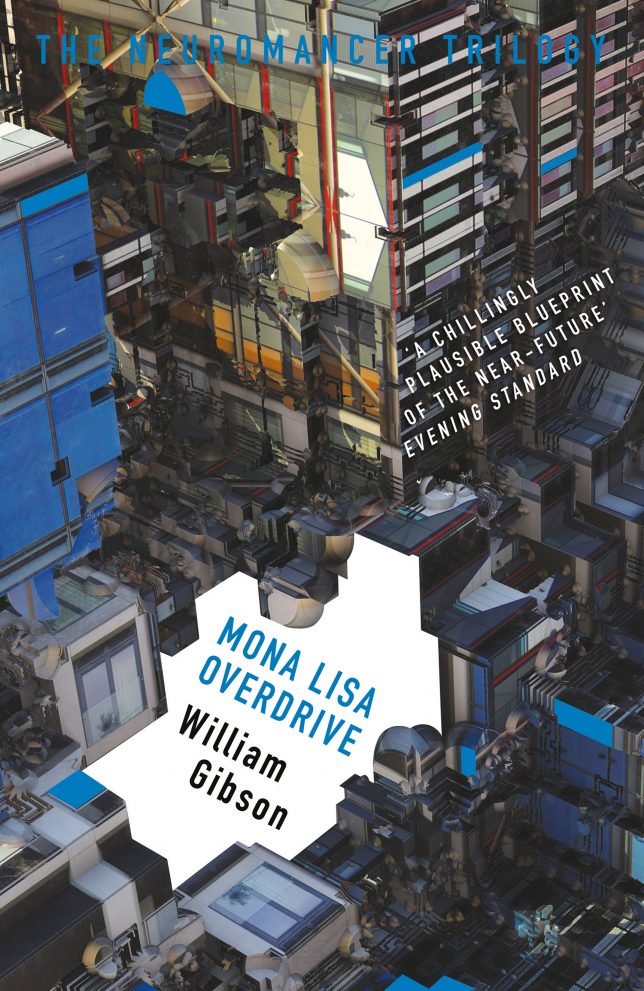
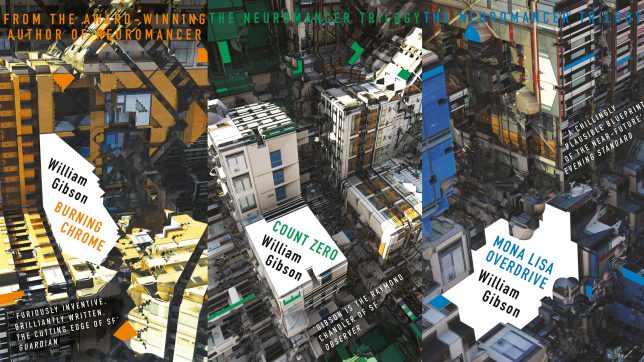
Three classic cyberbunk books and a short story collection, all by William Gibson, are getting an apt makeover in the form of architectural covers featuring beautifully abstracted (if dystopian) urban landscapes.

burning-chrome-cover

Anyone familiar with this master of science fiction will make the connection quickly — the strange and seemingly impossible shapes are exactly what come to mind when reading the Sprawl Trilogy (Neuromancer, Count Zero, Mona Lisa Overdrive) as well as shorts from Burning Chrome. In William Gibson’s fiction, the Sprawl is a colloquial name for the Boston-Atlanta Metropolitan Axis (BAMA), an urban sprawl environment on a massive scale, and a fictional extension of the real Northeast megalopolis.

neuromancer-cover

Developed by digital artist, designer and programmer Daniel Brown, the method of these remakes also fits the techno-futuristic narratives in question: fractal mathematics and computer software turned ordinary architectural photographs into these surreal built environments. The covers seem to flow into one another but are distinctly colored, forming unique art separately but a kind of fractal collage when seen together.

count-zero-cover

The images were generated by repeating one shot at different scales to create complex patterns, at once recognizable as architectural but hard to pin down, much like a memory or a visualization based on reading a book. Gibson approached Brown when Gollancz, an imprint of Orion, acquired rights to the publishing of these speculative fiction classics.

mona-lisa-overdrive-cover

The designer says he was personally approached by Gibson to create the cover designs for the books, which have been recently acquired by science-fiction publisher Gollancz, an imprint of Orion. Their meeting was fortuitous as Brown had been looking for a platform to execute his creative ideas.

new-gibson-cover-art

“I had been experimenting with generating architecture via computer code,” says Brown. “As a project it was still in its infancy and without real purpose. Then William Gibson contacted me, and stated it was exactly how he had envisaged The Sprawl. In an uncanny way the code found its own purpose.”

Share on Facebook


[ By WebUrbanist in Art & Drawing & Digital. ]

[ WebUrbanist | Archives | Galleries | Privacy | TOS ]

WebUrbanist

 
Comments Off on Sprawl Trilogy Redesign: Fractal City Covers for Classic Gibson Novels

Posted in Creativity


Park City Bridals by Jake Garn

03 Dec

I do not normally shoot weddings, however, I do provide fine art and fashion style bridal photography! For this shoot we went to a popular location in Park City, the […]
Jake Garn Photography

 
Comments Off on Park City Bridals by Jake Garn

Posted in Uncategorized


Occupy Urban Spaces: 10 Guerrilla Modifications to City Infrastructure

30 Nov

[ By SA Rogers in Architecture & Cities & Urbanism. ]

screen-shot-2016-11-29-at-7-17-51-pm

Nobody knows the needs of a city better than the residents who navigate it each day, so who better to edit, adapt and upgrade urban spaces to make them cooler and more useful? Urban ‘hacktivism’ takes underutilized architecture and infrastructure, from street signs to empty subway stations, and subverts it for a new purpose. Whether installed guerrilla-style or with the blessing of city officials, these projects make the city a more fun and comfortable place to hang out.

Arche de la Defense Occupation by Parasitic Guerrilla Architecture

arche-de-la-defense-occupation

arche-de-la-defense-occupation-2

arche-de-la-defense-occupation-3

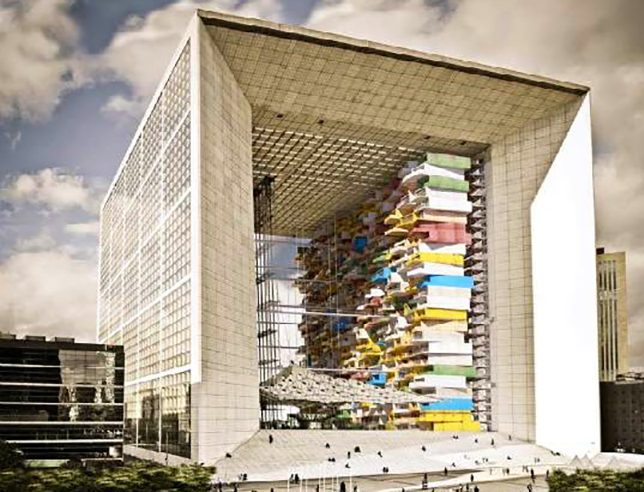
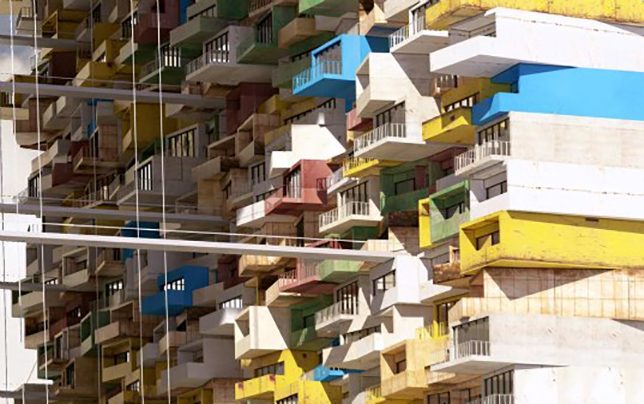
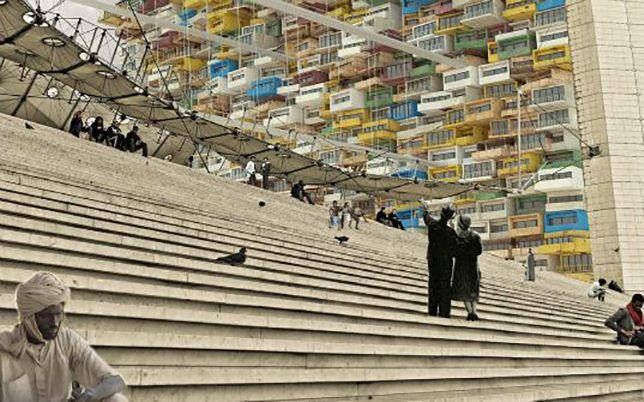
What if citizens took the lack of affordable and accessible housing in cities into their own hands, and simply created their own residences wherever they saw fit? ‘Pocket of Active Resistance’ envisions how this would manifest in Paris, as guerrilla housing takes over monuments like the Arche de la Defense. Architect Stéphane Malka presents a modular housing system stuck right into the interior walls of la Defense, connected by scaffolding and catwalks.

Alleyway Squat Housing by WEAK!

screen-shot-2016-11-29-at-7-15-00-pm

screen-shot-2016-11-29-at-7-15-16-pm

screen-shot-2016-11-29-at-7-15-59-pm

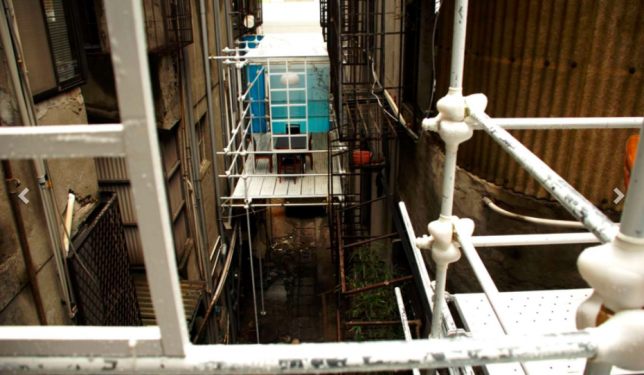
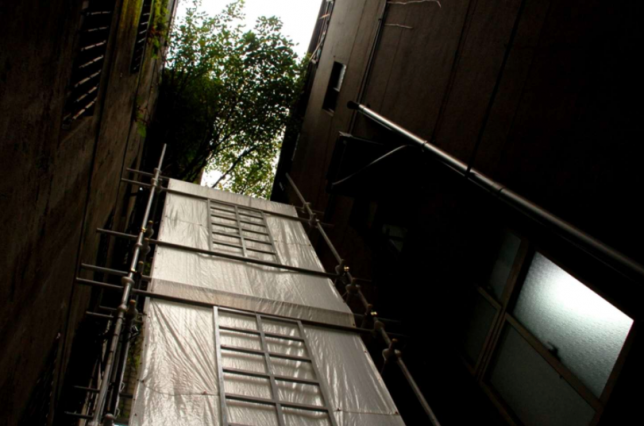
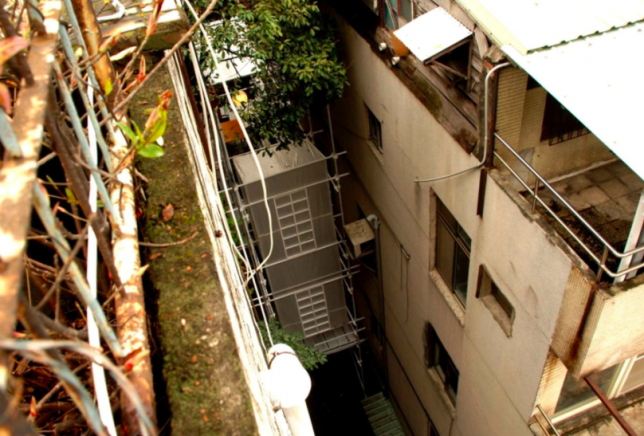
The firm ‘WEAK!’ encourages the organic growth of illegal structures on all sorts of city surfaces, including rooftops, disused fields and abandoned skyscrapers, reflecting “the citizen’s right to express himself through architecture.” Among the projects they’ve brought to life throughout Taiwan is this elevated alleyway dwelling made primarily of scaffolding, which creates a new two-level residence while leaving room on the ground for pedestrians to pass through.

Parasite 2.0 Colony in Venice

screen-shot-2016-11-29-at-7-17-51-pm

screen-shot-2016-11-29-at-7-18-00-pm

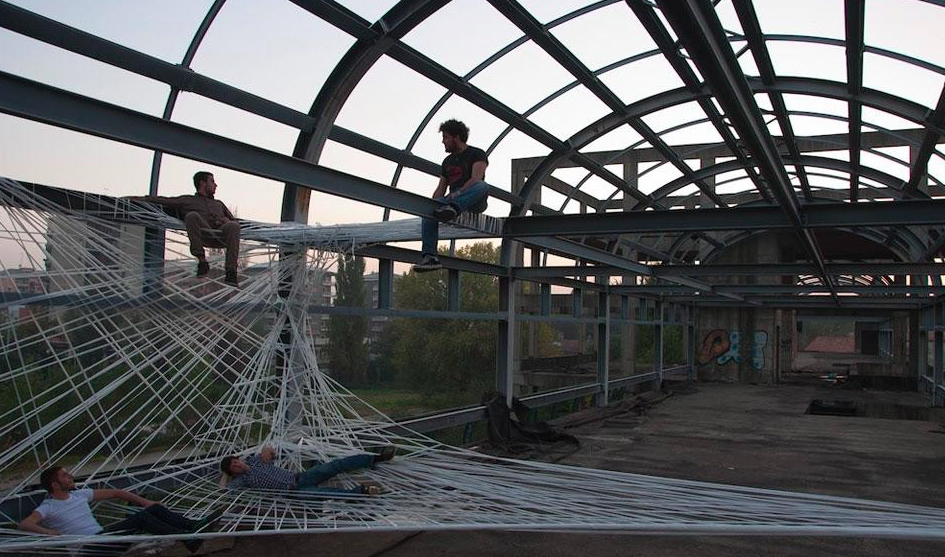
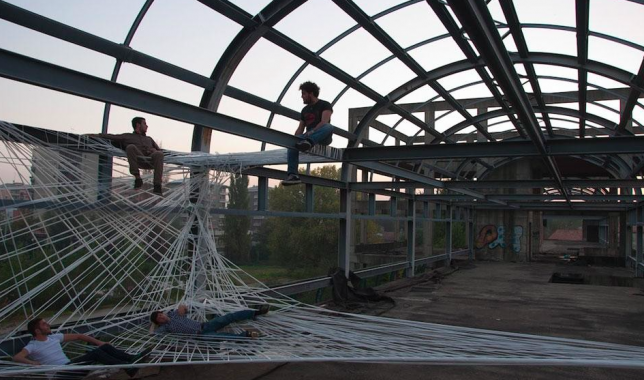
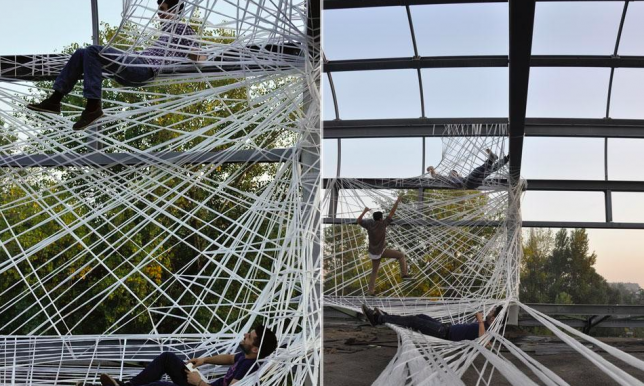
Young Italian collective Parasite 2.0 took over a series of disused spaces throughout Italy as part of a 2013 urban occupation project, including the fort of the Sant’Andrea island in the Venetian lagoon. Stretching polyethylene through the frame of an abandoned building like a web, they created an amorphous series of rooms with built-in hammocks.

Cascade Project by Edge Design Institute

cascade-project-2

cascade-project-1

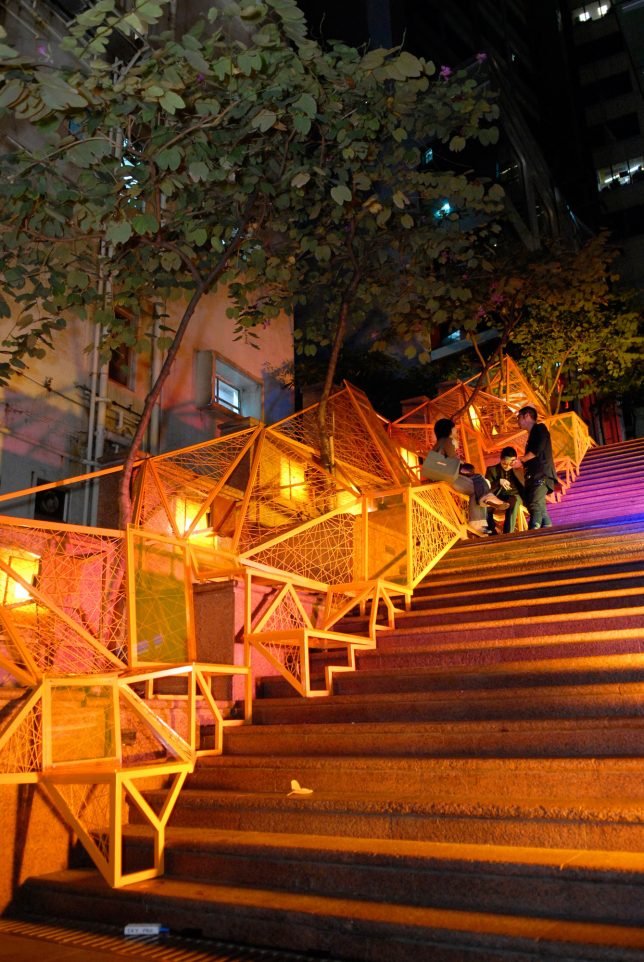
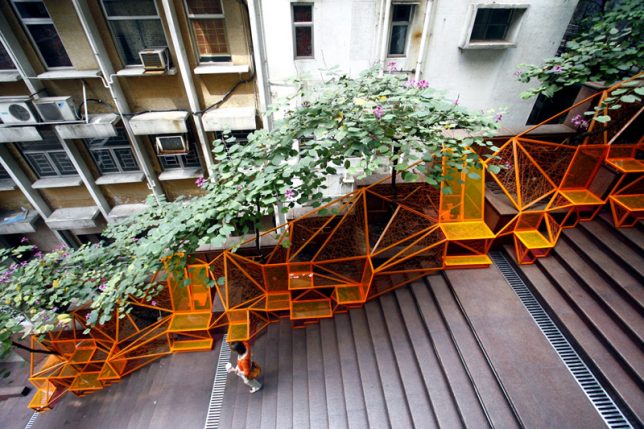
A staircase in Hong Kong that took up lots of space yet saw very little foot traffic temporarily became the setting for a vibrant geometric mesh sculpture with built-in seating and planters, creating a miniature park right in the middle of The Centrium. ‘The Cascade Project’ by Edge Design Institute features a living canopy of Bauhinia trees and other plants, giving the staircase an alternate and ultimately more useful purpose.

Art & Culture Center Beneath a Railway in Japan

railway-center-2

railway-center

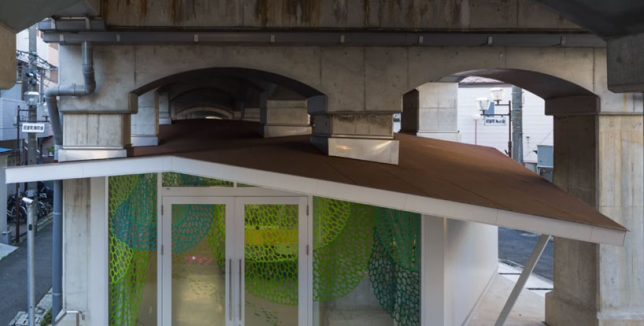
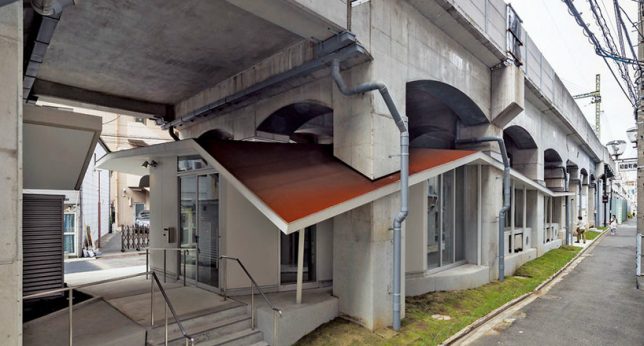
While this project was completed with the blessing of the city of Yokohama, it’s a pretty cool example of how underutilized urban spaces can be taken over and transformed for the benefit of all residents. Situated on a once-obsolete and uneasily quiet street, right beneath a railway track, the new arts center includes a gallery, cafe and studio.

Next Page – Click Below to Read More:
Occupy Urban Spaces 10 Guerrilla Modifications To City Infrastructure

Share on Facebook


[ By SA Rogers in Architecture & Cities & Urbanism. ]

[ WebUrbanist | Archives | Galleries | Privacy | TOS ]

WebUrbanist

 
Comments Off on Occupy Urban Spaces: 10 Guerrilla Modifications to City Infrastructure

Posted in Creativity


The City is a Canvas: 31 Murals Transforming Urban Spaces

22 Nov

[ By SA Rogers in Art & Street Art & Graffiti. ]

colorful-street-art-main

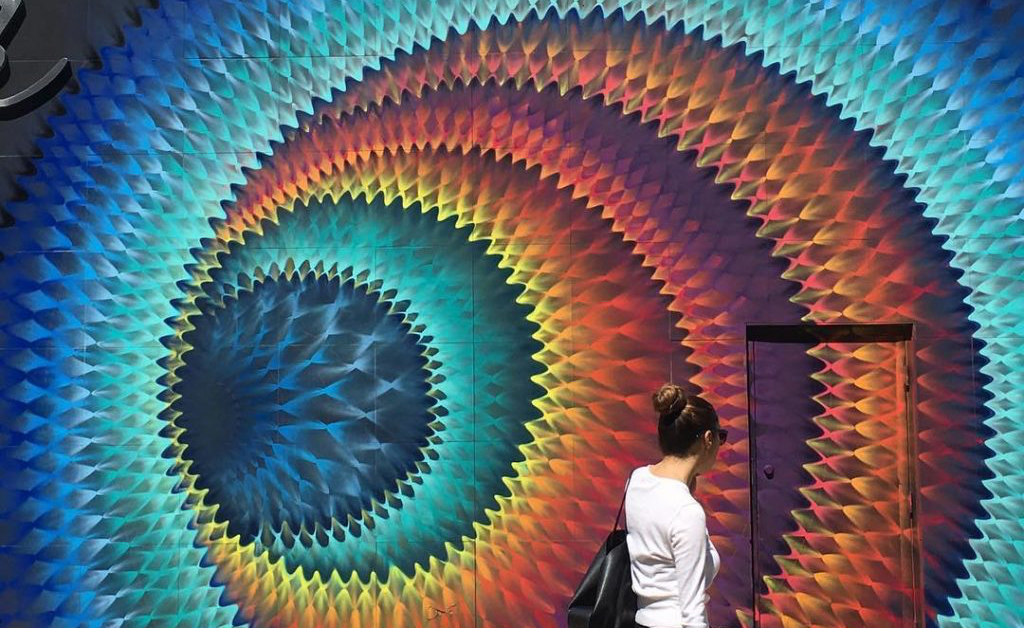
Psychedelic portals beckon you to enter another dimension, sea monsters lurk at the bottom of the stairs and illustrated figures playfully interact with urban infrastructure in works of art that bring color, levity and natural imagery to urban environments.

Sea Monster Stair Steps by Skurk

interactive-street-art-sea-monster-1

interactive-street-art-sea-monster-mural-2

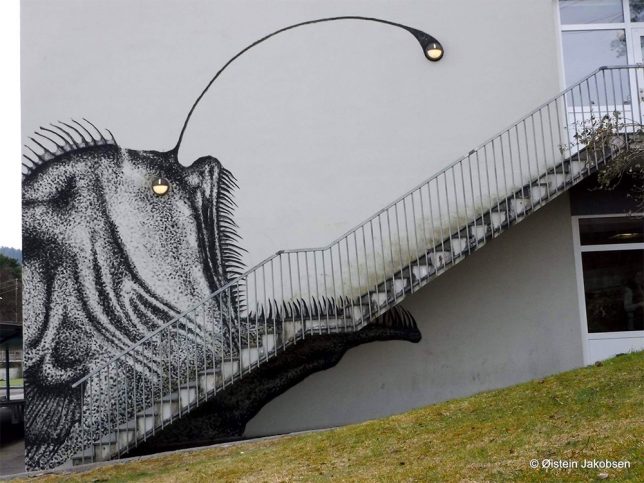
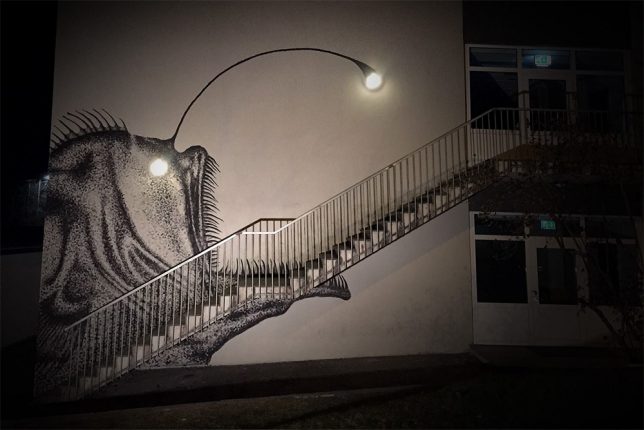
The creepy sea creature lurking at the base of these stairs is enough to make anyone nervous, even in broad daylight – but just wait until the sun goes down. Street artist Skurk used two existing lamps affixed to the building’s exterior as the eye and lure of an anglerfish to terrifying and delightful effect.

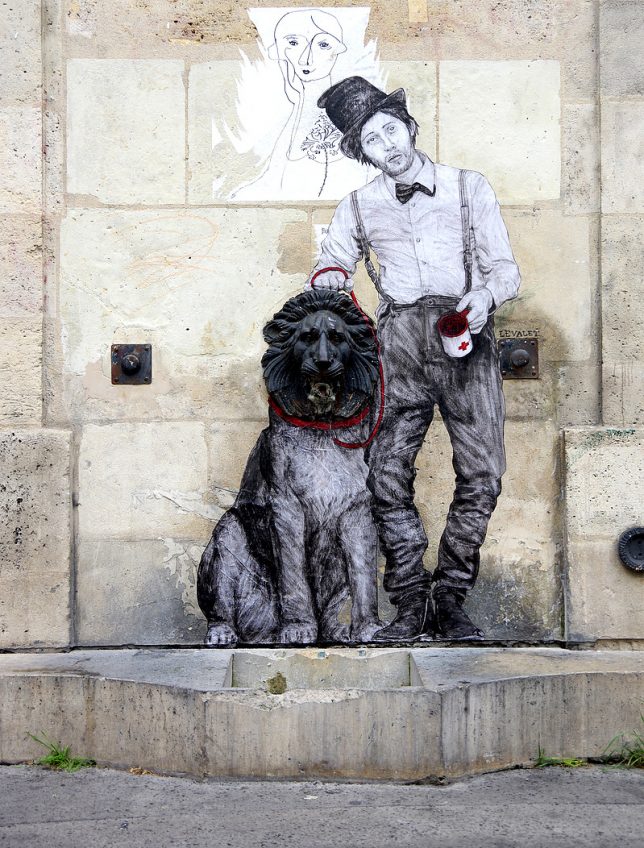
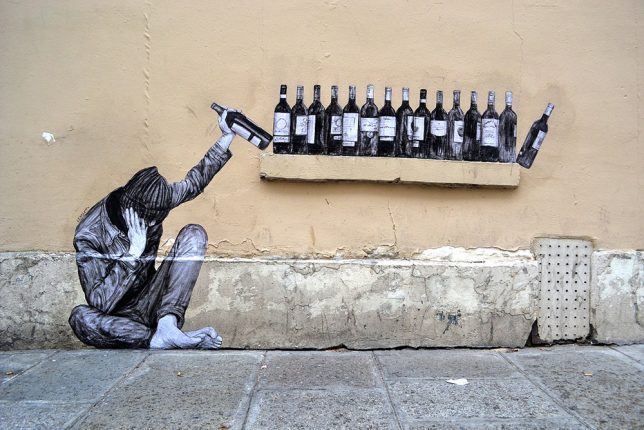
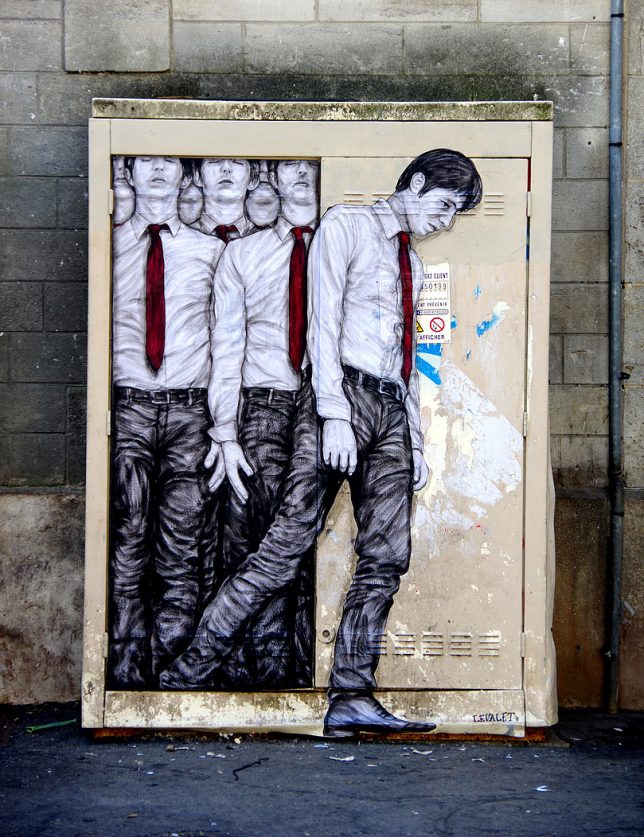
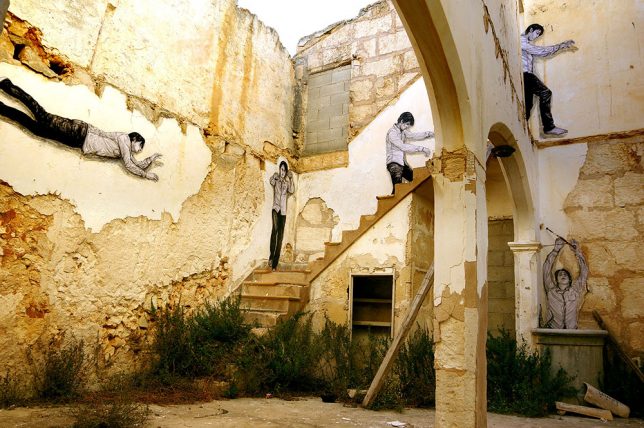
Site-Specific Wheatpastes by Levalet

street-art-levalet-1

interactive-street-art-levalet-2

interactive-street-art-levalet-3

interactive-street-art-levalet-4

Paris-based artist Levalet (Charles Leval) works with existing textures, colors and fixtures in urban environments to create playful site-specific works of art. Some are playful, some are a bit disturbing, but all of them pair sketched human and animal figures with fountain heads, drains, windows, utility boxes, staircases and other elements of the city.

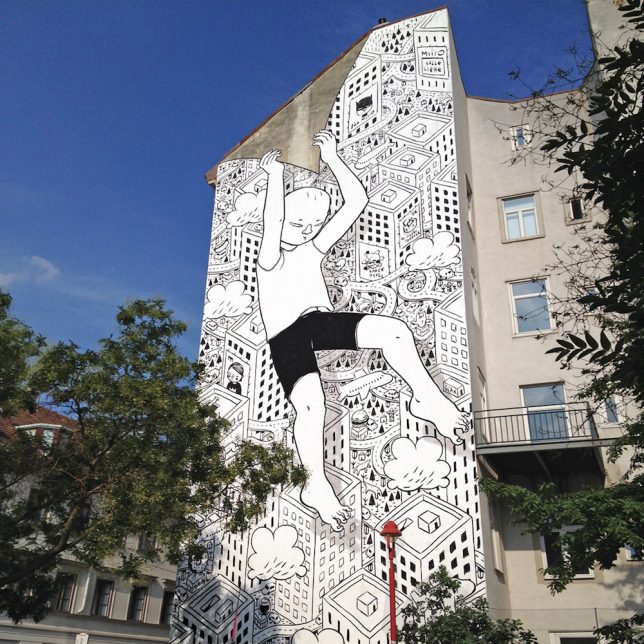
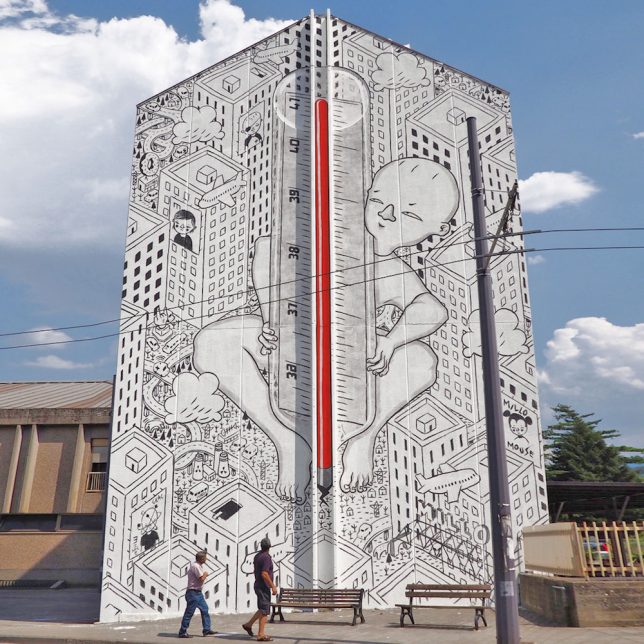
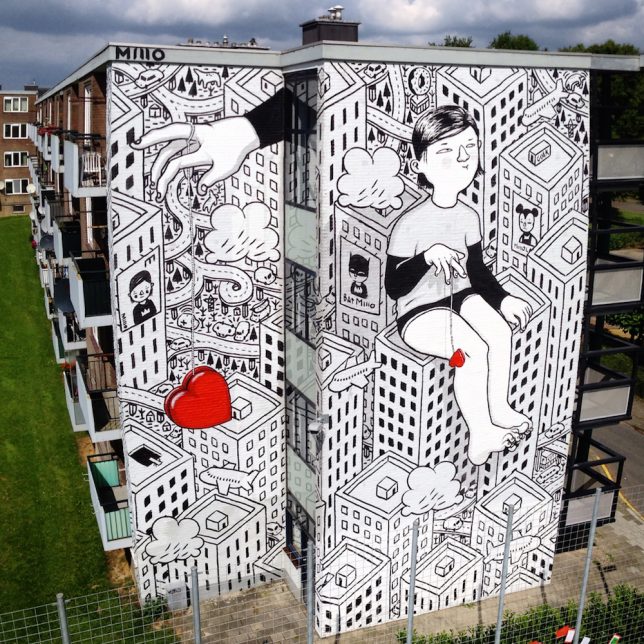
Massive Murals in Italy by Millo

interactive-street-art-millo-2

interactive-street-art-millo-3

interactive-street-art-millo-4

An illustrative black-and-white style accented by carefully chosen splashes of bold color characterizes the ground-to-roof murals painted onto buildings by Italian street artist Millo.

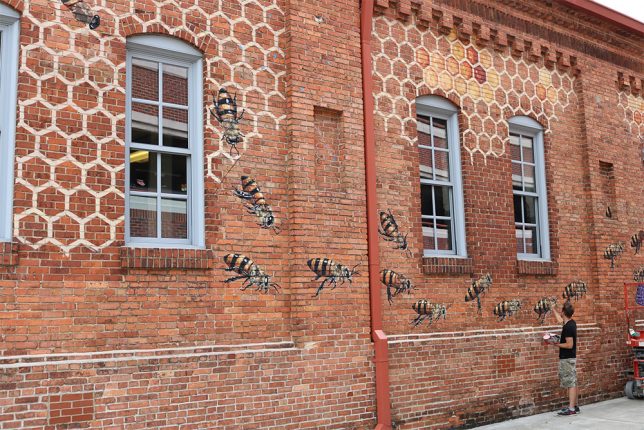
Giant Bees by Matthew Willey

interactive-street-art-bees-1

interactive-street-art-bees-2

interactive-street-art-bees-4

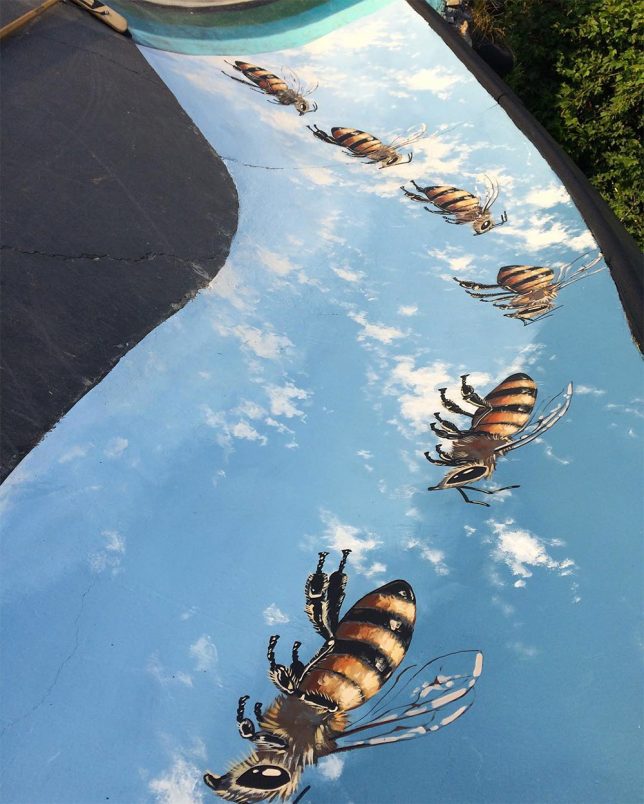
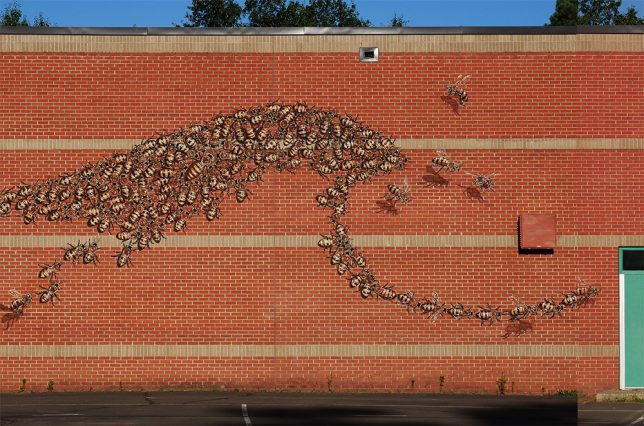
50,000 bees now adorn surfaces around the world as part of the Good of the Hive Initiative, a project by artist Matt Willey aiming to raise awareness about the plight of the honey bee. Willey traveled all over the globe to paint a few dozen bees at a time in each location, with the goal number representing how many bees it takes to sustain a healthy hive.

Next Page – Click Below to Read More:
The City Is A Canvas 31 Murals Transforming Urban Spaces

Share on Facebook


[ By SA Rogers in Art & Street Art & Graffiti. ]

[ WebUrbanist | Archives | Galleries | Privacy | TOS ]

WebUrbanist

 
Comments Off on The City is a Canvas: 31 Murals Transforming Urban Spaces

Posted in Creativity


Datascrapers: Infographic Skylines Overlay Income Inequality on City Grids

06 Nov

[ By WebUrbanist in Art & Drawing & Digital. ]

city-data-blocks

Somewhere between data visualization and civic artwork, these info-driven diagrams reveal wealth disparities in the centers of America’s second and third largest cities. Herwig Scherabon‘s project, titled simply Income Inequality, uses a matrix of blocks (minimicking magnetized iron) to highlight rich and poor neighborhoods.

urban-data-la-chicago

The city grids form a recognizable backdrop for these axonometric representations, allowing viewers to read the baseline built enviroment against the overlaid information. In turn, the millions of stacked pixel blocks end up forming an alternative landscape of skyscraper-like structures in the urban environment.

income-inequality-representations

The net result is a map of the city’s invisible patterns and correlations shaped by power, money and time, revealing inequalities and mechanisms of segregation. Above: Chicago’s infamous low-income South Side (with Lake Michigan for reference). Below: poor areas of Los Angeles located directly next to the downtown core.

cityscape-by-wealth-and-poverty

The final presentation was mounted on a pair of wooden boards with the city names shown on the cites, exhibited at the Glasgow School of Art graduate show. Captions on the side give more details on the diagrams.

city-captions-on-side

From the artist/designer: “The two large prints (150x75cm) are visualizations of income inequality in Los Angeles and Chicago and are currently shortlisted for the Information is Beautiful Awards. They are printed on matte Somerset Velvet paper and mounted on thick wooden boards. The images are abstract diagrams of these cities that show a high resolution matrix of blocks. The height of these blocks corresponds to the income in the respective output area.”

downtown-millions-of-blocks

wall-mounted-artworks

“It is part of the design idea to inspire the viewer to look for their own neighborhood or other areas that interest them. I want to trigger a train of thought for what the reasons behind inequality might be. I am always fascinated by the patterns and correlations in the urban fabric. The politics behind urban planning tell us a lot about the people who live in these places and the powers who shape them. I think that it is utterly important to try to unveil the inequalities and the segregating mechanism that we got used to live with.”

Share on Facebook


[ By WebUrbanist in Art & Drawing & Digital. ]

[ WebUrbanist | Archives | Galleries | Privacy | TOS ]

WebUrbanist

 
Comments Off on Datascrapers: Infographic Skylines Overlay Income Inequality on City Grids

Posted in Creativity