Tag: City

  • Reconnecting Atlanta: Elevated Park to Bridge a City Divided by Highways

    [ By WebUrbanist in Architecture & Cities & Urbanism. ]

    downtown-atlanta-elevated-park

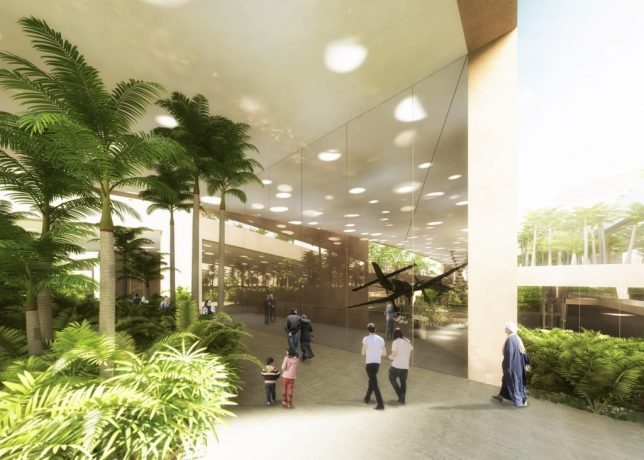
    Connecting fragmented sections of a divided metropolis, this new elevated park will help stitch together downtown Atlanta while providing fresh public green space in the heart of the city. The raised park will ultimately span nearly a half mile across the center of the city, tying into existing parks, paths and trails.

    urban-park-plan

    Like many American cities, a mid-century rush to facilitate car traffic ended up leaving a legacy of disconnection in Atlanta. The downtown core is wrapped in high-speed roadways and bisected by busy streets, which the Buckhead Park seeks to overcome with a strategy similar to that of Freeway Park in Seattle.

    downtown-atlanta-greenway

    The park is divided into a series of different areas with varying amenities, which in turn will also help with staging the construction (much like the segmented Highline in New York City, built in iterative steps).

    sky-park-atlanta

    atlanta-elevated-park

    The northern portion features a commons with an amphitheater. The southern section boasts a lush garden space. In the middle, a plaza is designed to serve area retail and restaurants. Native plants will be irrigated with collected storm water reclamation systems, helping provide shelter from the hot Georgia sun.

    atlanta-park

    buckbeak-park

    Designers from Rogers Partners and Nelson Byrd Waltz aim to bring coherence to the disparate areas of downtown, allowing safe and easy options for pedestrians. Their project will also connect to Park 400, a cycling and jogging trail currently in the works. The project’s creators also hope their work will inspire other cities to think about ways to reconnect divided downtowns.

    Share on Facebook


    [ By WebUrbanist in Architecture & Cities & Urbanism. ]

    [ WebUrbanist | Archives | Galleries | Privacy | TOS ]


    WebUrbanist

  • 12 City Slides Turning Urban Settings Into Playgrounds for Adults

    [ By SA Rogers in Destinations & Sights & Travel. ]

    urban slide LA 2

    Slides actually make a lot of practical sense in urban environments, potentially zooming over busy streets and transferring pedestrians from high ground to low ground faster than an escalator or set of stairs. That is, as long as people use them in an efficient manner and don’t clog them up. A mainstay on playgrounds around the world, slides can add a sense of fun to urban settings for adults, too. These examples of slides integrated into architecture, temporarily installed in city streets and doubling as public sculptures offer some exciting inspiration (take the hint, architects and city planners!)

    Skyslide Los Angeles

    skyslide

    Zoom from the 70th floor of Los Angeles’ U.S. Bank Tower to the 69th in a fully transparent, 45-foot-long glass slide with thrilling (or terrifying, depending on your feelings about heights) views of the city below. The Skyslide opened this year on the West Coast’s tallest building, and though the glass is only 1 1/4 inches thick, the slide is said to be earthquake- and hurricane-proof.

    Giant Water Slide in Bristol by Luke Jerram

    city slides luke jerram 2

    city slides luke jerram 3

    city slides luke jerram 4

    ‘Park and Slide’ by UK-based artist Luke Jerram temporarily turned Bristol’s Park Street into a waterpark, drawing in 65,000 visitors to watch 360 lucky lottery winners ranging in age from 5 to 73 slide from one end of the street to the next. “This massive urban slide transforms the street and asked people to take a fresh look at the potential of their city and the possibilities for transformation,” says Jerram. “Imagine if there were permanent slides right across cities?”

    Transfer Accelerator Slide for Commuters

    city slides transfer accelerator

    city slides transfera ccelerator 2

    Designed as part of the Overvecht train station’s redevelopment, the Transfer Accelerator slide in Utrecht makes leaving the train station a little bit faster, and a lot more fun. The slide was integrated into the stairs outside the station as part of a push to encourage more commuters to take the train instead of driving.

    Cliveden House Slide

    city slides cliveden house

    city slides cliveden house 2

    This four-lane stainless steel slide at Cliveden House in Buckinghamshire, former home to Waldorf and Nancy Astoria, distracts visitors from ongoing restoration work and offers an alternative way to get back to lawn level rather than the scaffolding-covered stairs. It’s not often that you see a theme-park-worthy slide attached to a regal old manor house – it’s too bad it’s not a permanent feature.

    Next Page – Click Below to Read More:
    12 City Slides Turning Urban Settings Into Playgrounds For Adults

    Share on Facebook


    [ By SA Rogers in Destinations & Sights & Travel. ]

    [ WebUrbanist | Archives | Galleries | Privacy | TOS ]


    WebUrbanist

  • Science City: Futuristic Research Complex to Vitalize Egyptian Desert

    [ By WebUrbanist in Architecture & Public & Institutional. ]

    science city egypt

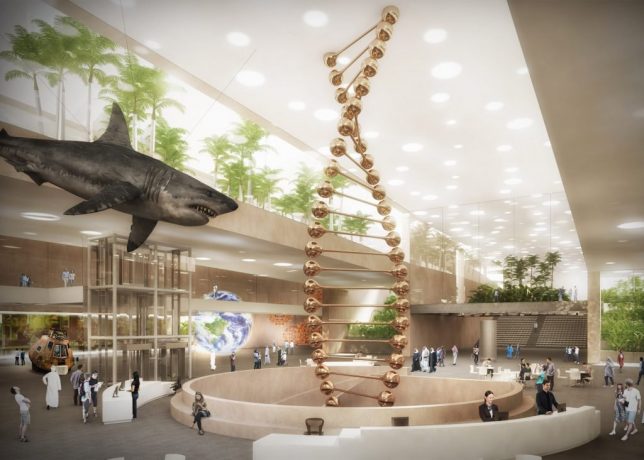
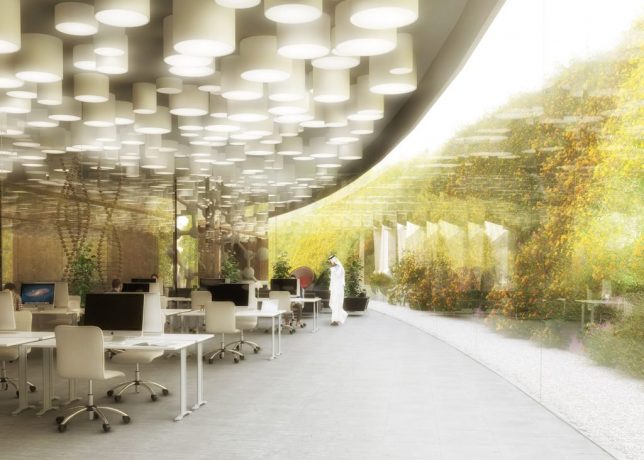
    A new 125,000-square-foot science complex to be built outside Cairo will combine research, learning and museum facilities in a future-focused structure designed by competition-winning architects.

    science side view

    Architects Weston Williamson+Partners beat Zaha Hadid Architects to secure the role of lead designer on this forward-thinking Science City complex. Their plans include a planetarium, observation tower, workshop rooms and conference facilities in addition to spaces dedicated to scientific research and development.

    science city displays

    science center interior

    The competition brief called for a future-oriented, state-of-the-art interactive science museum for the new century, and “a set of buildings and spaces that must be inspiring on the outside and motivating and exciting on the inside to visitors and employees alike” – it attracted nearly 500 submissions from architects around the world.

    science plan view

    science city section

    science master plan

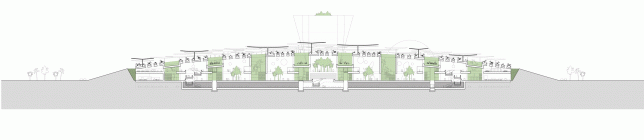
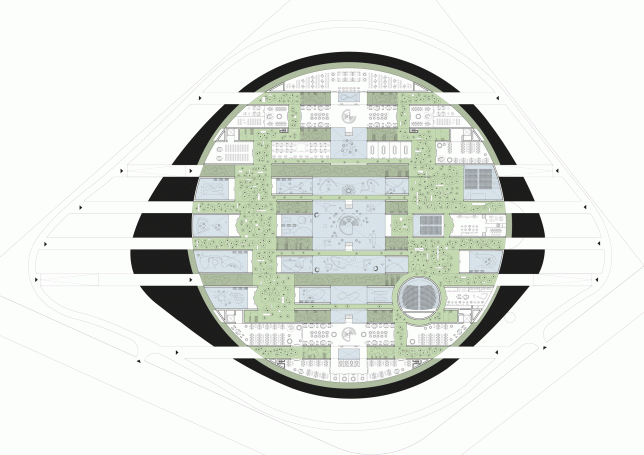
    The circular footprint is filled with umbrella-shaped protrusions serving to define spaces and paths while providing shelter from the Egyptian heat. While currently located in a semi-remote location, the design is intended to form part of a larger regional master plan for redefining and expanding Egypt’s capital city.

    science exterior

    futuristic science complex

    Of their victory, the architects said: “We are proud to have won. Needless to say that Egypt has a unique cultural heritage, but we were also attracted by the ambition of the project, clearly expressed through the brief. We look forward to developing the design and creating something worthy for Egypt’s future generations.”

    Share on Facebook


    [ By WebUrbanist in Architecture & Public & Institutional. ]

    [ WebUrbanist | Archives | Galleries | Privacy | TOS ]


    WebUrbanist

  • Weekly Photography Challenge – City at Night

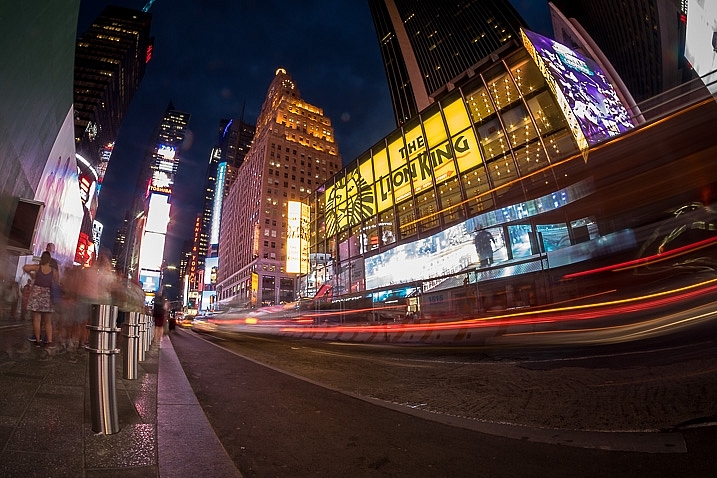
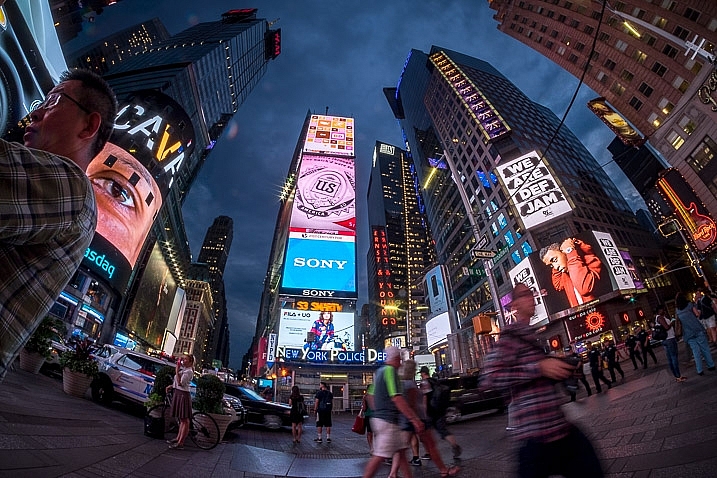
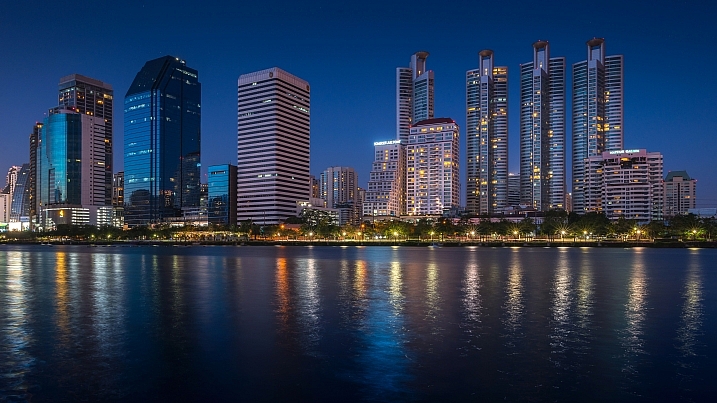
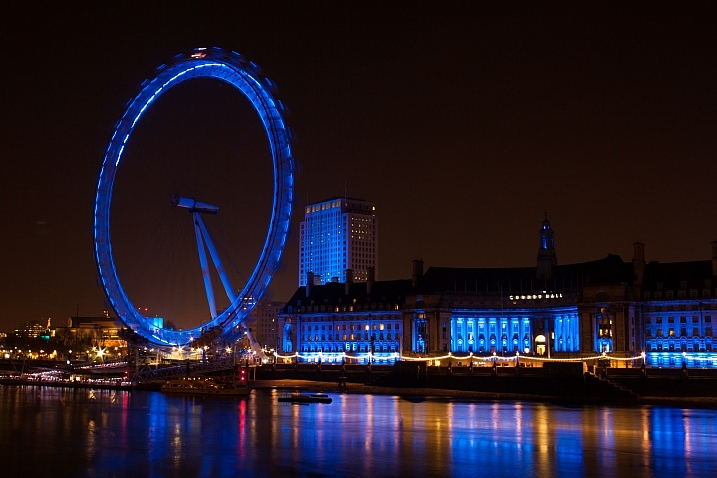
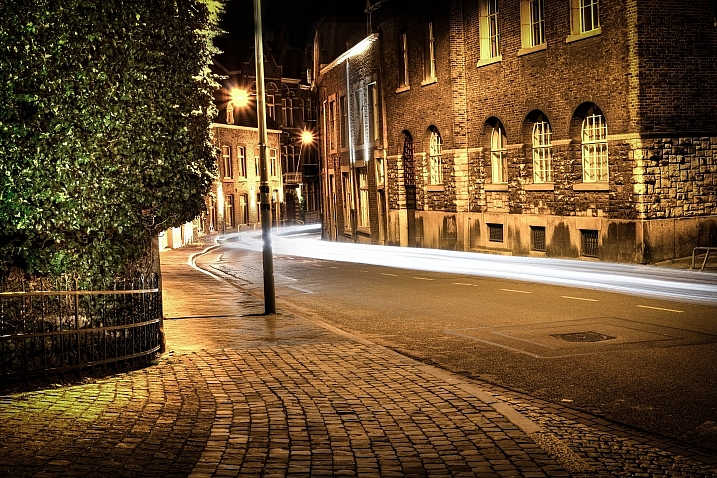
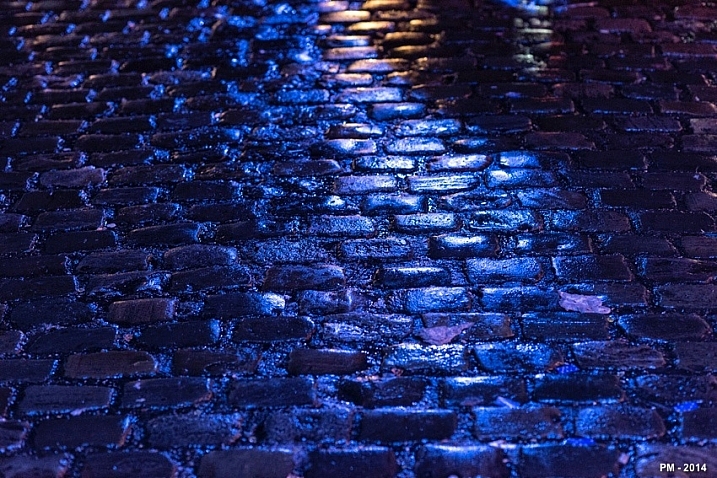
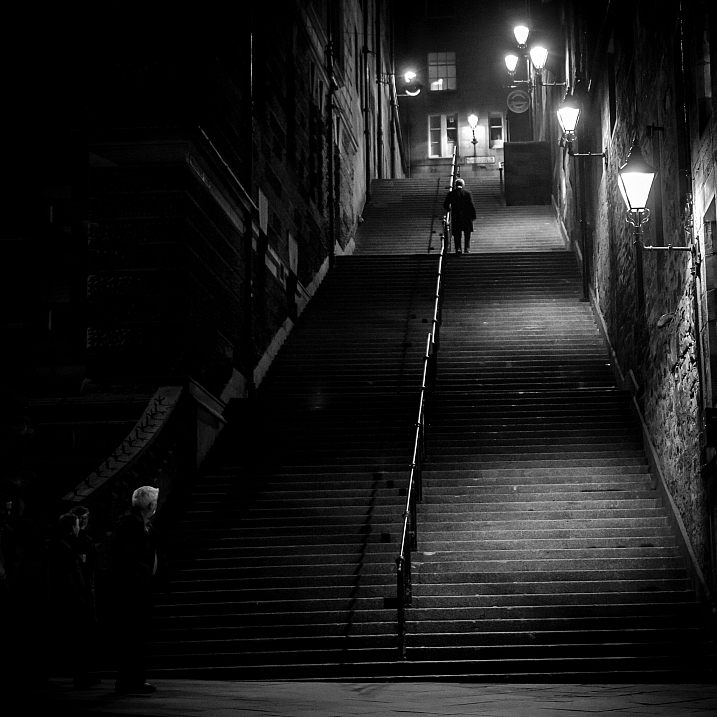
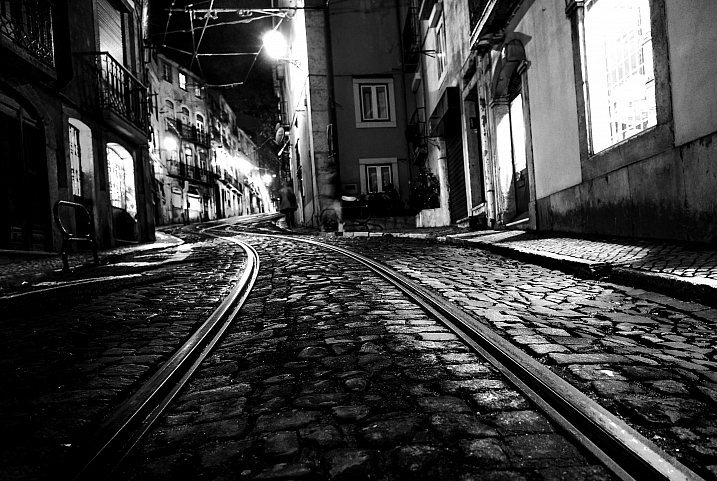
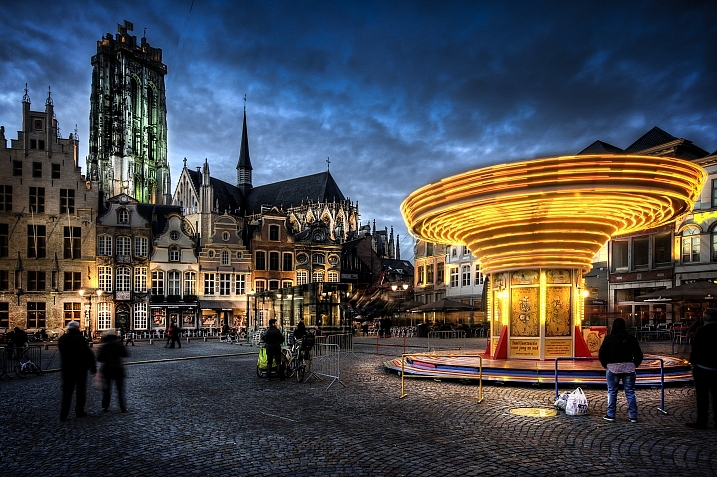
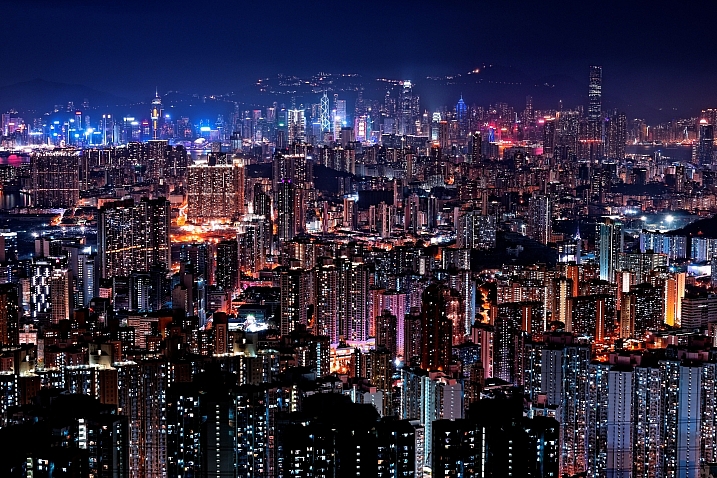
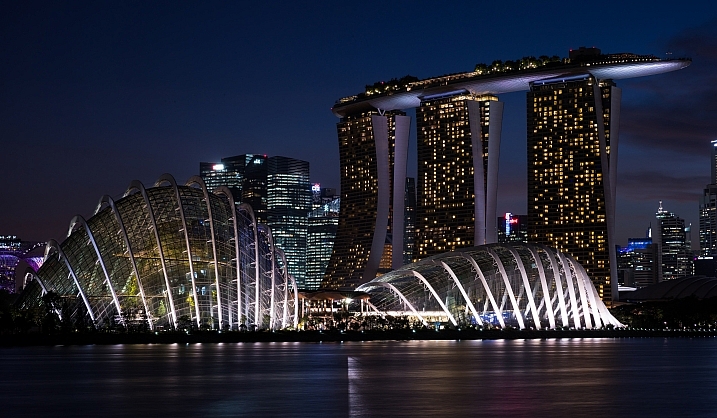
    After the sun goes down it’s a great time to get out and photography in the city. Here are some good examples of photography in the city at night to give you some ideas.

    Weekly Photography Challenge – City at Night

    Andrew Xu

    By Andrew Xu

    Here on dPS we have lots of resources to help you get out and photograph your city at night. Check out these articles for some good tips:

    • Tips for HDR Night Photography to Retain Maximum Image Detail
    • How to Enhance Urban Night Photographs Using Luminosity Masks in Photoshop
    • 13 Great Subjects for Urban Night Photography
    • Tips for Getting Proper Exposure for Night Photography
    • 9 Tips to Help you get Sharp Focus at Night
    • Tips for Retouching a Night Photograph using Lightroom
    • How to do Long Exposure Photography and Light Trails at Night
    • Stacking Light Trails for Night Photography Special Effects
    • Tips for Doing City Photography from Above

    Share your images below:

    Simply upload your shot into the comment field (look for the little camera icon in the Disqus comments section) and they’ll get embedded for us all to see or if you’d prefer upload them to your favourite photo sharing site and leave the link to them. Show me your best images in this week’s challenge. Sometimes it takes a while for an image to appear so be patient and try not to post the same image twice.

    Chris Chabot

    By Chris Chabot

    Vincent Anderlucci

    By Vincent Anderlucci

    T.E.A Photography

    By T.E.A Photography

    Share in the dPS Facebook Group

    You can also share your images on the dPS Facebook group as the challenge is posted there each week as well.

    googletag.cmd.push(function() {
    tablet_slots.push( googletag.defineSlot( “/1005424/_dPSv4_tab-all-article-bottom_(300×250)”, [300, 250], “pb-ad-78623” ).addService( googletag.pubads() ) ); } );

    googletag.cmd.push(function() {
    mobile_slots.push( googletag.defineSlot( “/1005424/_dPSv4_mob-all-article-bottom_(300×250)”, [300, 250], “pb-ad-78158” ).addService( googletag.pubads() ) ); } );

    The post Weekly Photography Challenge – City at Night by Darlene Hildebrandt appeared first on Digital Photography School.


    Digital Photography School

  • Darkness and Light – 21 Images of the City at Night

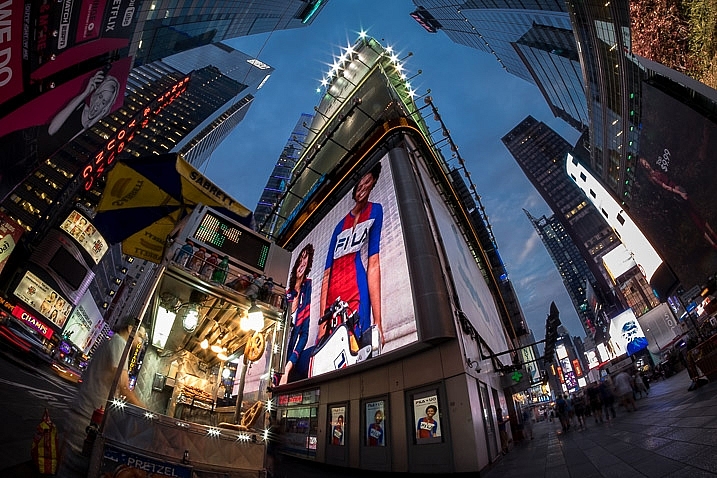
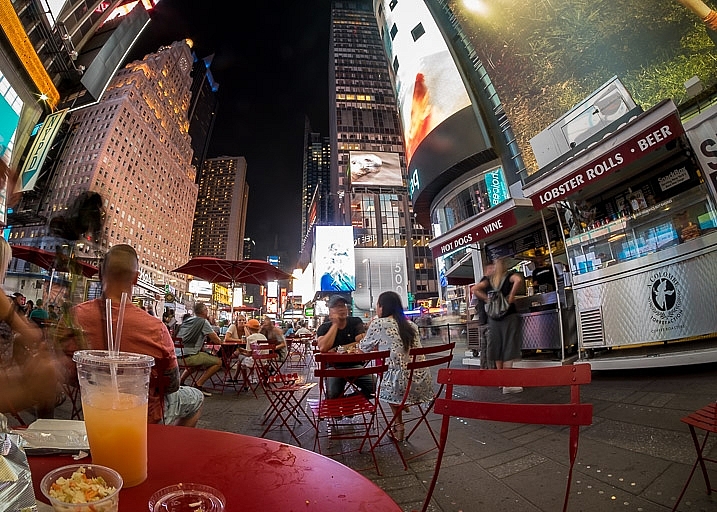
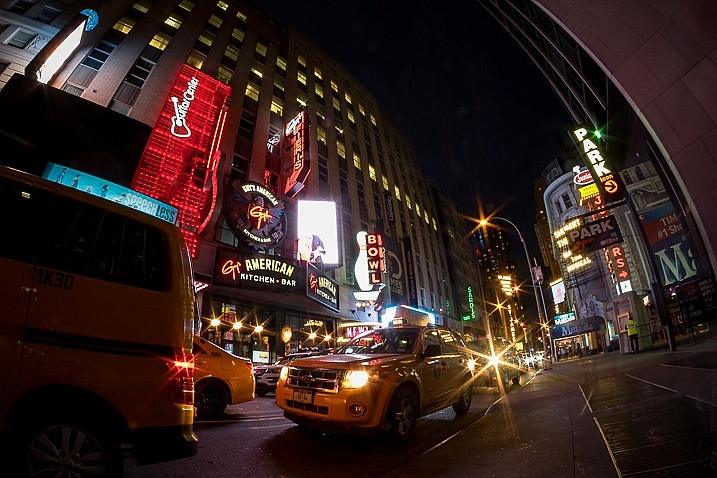
    Recently I spent a few days in the marvellous city of New York. It’s a great place for all kinds of photography, but I love doing night shooting there. So this week I thought I’d share some of my shots from my NYC trip and some other people’s night photography work in a city.

    My NYC night shots

    Shot in and around Times Square.

    night-dps717px-06

    night-dps717px-05

    night-dps717px-04

    night-dps717px-03

    night-dps717px-02

    Some other night photography shots

    Nattawut In-yoo

    By Nattawut In-yoo

    Derek Bruff

    By Derek Bruff

    Mike Boening Photography

    By Mike Boening Photography

    Viisoreanu Florin Gabriel

    By Viisoreanu Florin Gabriel

    Patrick Marioné - Thanks For > 2M

    By Patrick Marioné – thanks for > 2M

    Sonder3

    By sonder3

    Leonhe2

    By leonhe2

    Thomas Hawk

    By Thomas Hawk

    Frank Kehren

    By Frank Kehren

    Damon Jah

    By damon jah

    Michael Muraz

    By Michael Muraz

    Luc Mercelis

    By Luc Mercelis

    David Yu

    By David Yu

    Tommy@chau

    By tommy@chau

    Mac Qin

    By Mac Qin

    Darlene Hildebrandt

    By Darlene Hildebrandt

    googletag.cmd.push(function() {
    tablet_slots.push( googletag.defineSlot( “/1005424/_dPSv4_tab-all-article-bottom_(300×250)”, [300, 250], “pb-ad-78623” ).addService( googletag.pubads() ) ); } );

    googletag.cmd.push(function() {
    mobile_slots.push( googletag.defineSlot( “/1005424/_dPSv4_mob-all-article-bottom_(300×250)”, [300, 250], “pb-ad-78158” ).addService( googletag.pubads() ) ); } );

    The post Darkness and Light – 21 Images of the City at Night by Darlene Hildebrandt appeared first on Digital Photography School.


    Digital Photography School

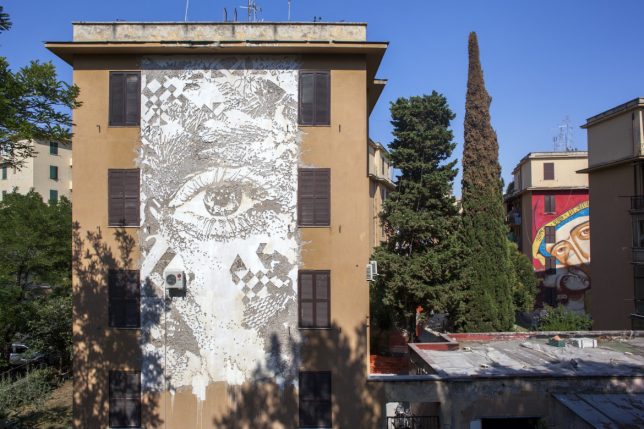
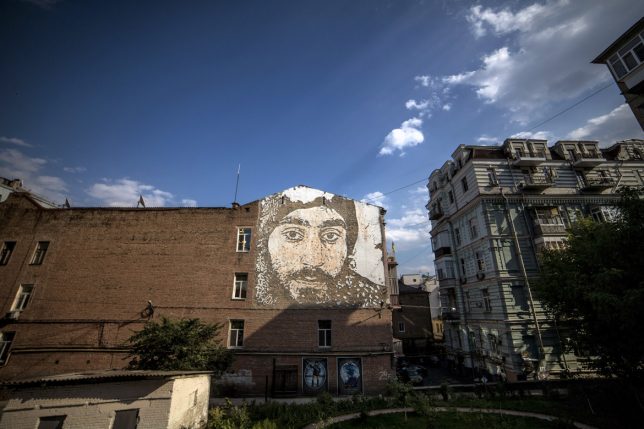
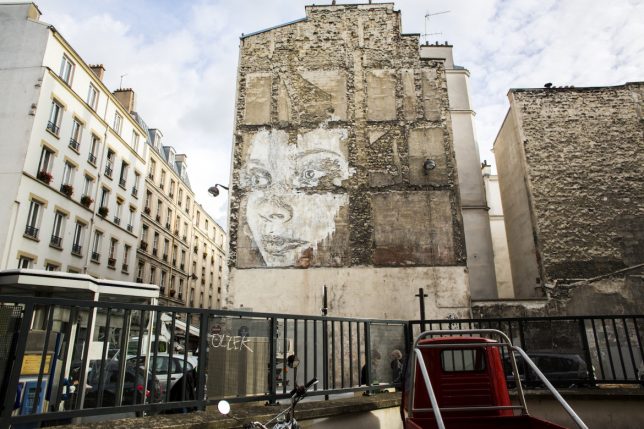
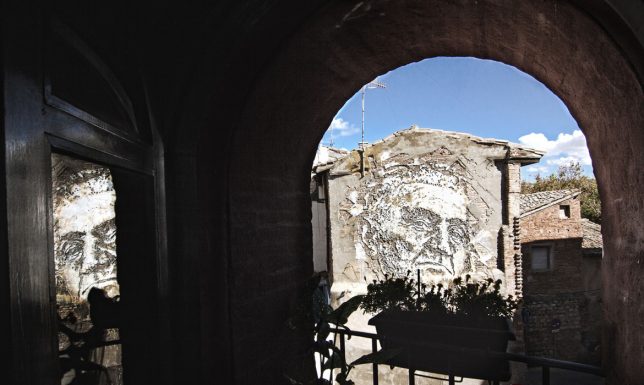
  • Scratching the Surface: Expressive Portraits Chip Away at City Walls

    [ By SA Rogers in Art & Street Art & Graffiti. ]

    vhils scratched mural 10

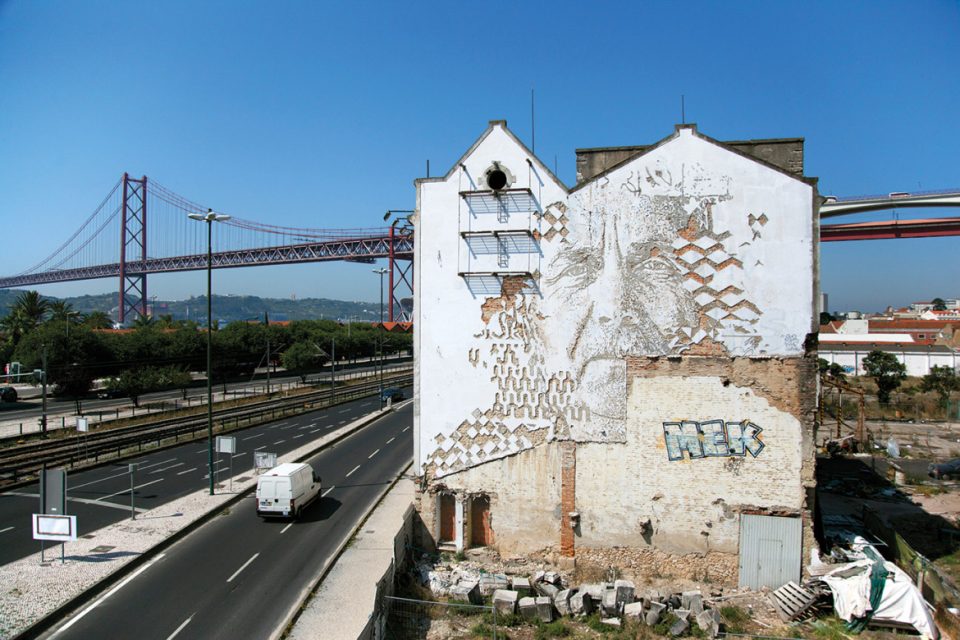
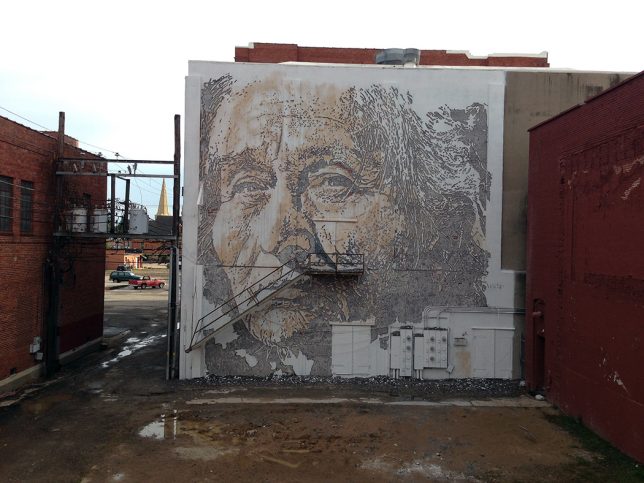
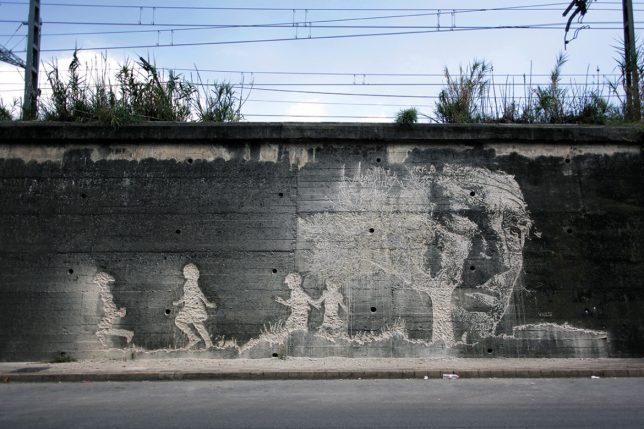
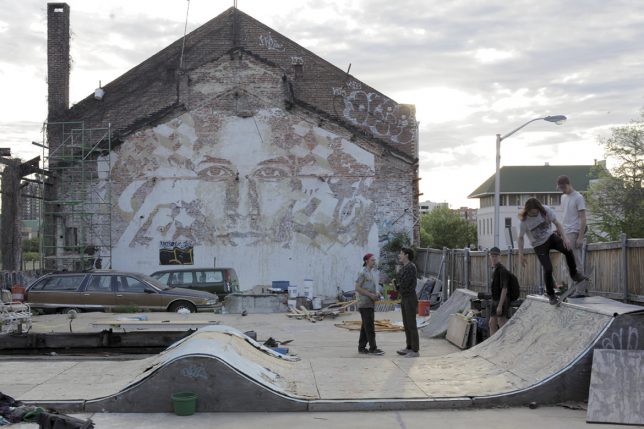
    Set in neglected parts of the city, scratched into deteriorating surfaces, expressive portraits loom large, often created with nothing more than a chisel. Alexandre Farto, better known as Vhils, creates art through destruction in a process some might consider vandalism – but this is street art, so what else is new? Vhils first caught the public eye when one of his portraits appeared beside a work by Banksy at London’s Cans Festival in 2008, and since then, he’s been taking his work to the next level.

    vhils scratched mural 1

    vhils scratched mural 2

    The portraits splash the faces of anonymous city residents onto concrete, brick, plaster and other surfaces on buildings and walls throughout the world, particularly in the artist’s home city of Lisbon, Portugal. Nobody else is creating large-scale urban artwork quite like this.

    vhils scratched mural 5

    The process literally cuts through the outermost layers of wall surface, often utilizing scraps of faded billboards to provide contrast with the rougher surfaces hidden underneath. Sometimes, a little bit of paint is strategically used to highlight the image. Some of the works are even applied on top of much older murals completed way back in the ‘70s and ‘80s after the Carnation Revolution, as if the remains of the older ones are fertilizing new growth.

    vhils scratched mural 6

    vhils scratched mural 7

    “As a kid, I remember seeing how these murals would peel,” says Vhils in an interview with The Atlantic. “I started thinking about how my work could use the layers of the past to reflect the city, to show people living in it and how their identity was lost, or forgotten. I started to paint these billboards white, then carve away the negative spaces. It’s not illegal, because that sort of advertising was illegal already. Carving these walls, peeling away these layers, it’s like contemporary archaeology.”

    vhils scratched mural 9

    vhils scratched mural 8

    Vhils divides the images into three colors to create a three-dimensional effect, scratching out the darkest parts of the portraits and highlighting the lightest. Electric drills and chisels make the process easier on hard walls, and in one extreme example, the artist even used explosives to break away some of the plaster, capturing the process for a music video called M.I.R.I.A.M. Follow Vhils on Instagram to catch his latest works.

    Share on Facebook


    [ By SA Rogers in Art & Street Art & Graffiti. ]

    [ WebUrbanist | Archives | Galleries | Privacy | TOS ]


    WebUrbanist

  • Tactical Urbanism: 15 Low-Cost City Hacks for Fun & Functionality

    [ By SA Rogers in Architecture & Cities & Urbanism. ]

    urban hacking poland square

    The ways in which citizens modify public spaces to suit their own needs, whether by creating ‘goat trails’ in places that lack proper sidewalks or actively ‘hacking’ infrastructure, tell urban planners how cities need to be adapted and influence their growth. Urban hacktivism is a direct means of shaping cities to our desires, often through temporary guerrilla actions that ultimately lead to more permanent solutions. These city hacks range from taking over disused public squares and installing seating for the elderly to infusing everyday scenes with humor and fun, making the urban landscape one big playground.

    Shopping Cart Sports by Florian Riviére

    urban hacking shopping cart hockey

    urban hacking shopping cart tennis

    urban hacking shopping cart hockey 2

    Among the many city hacks by French artist and activist Florian Riviére, the project ‘Don’t Pay, Play’ encourages customers to linger in the parking lot of a shopping center rather than going inside. The parking spots are modified using nothing more than some white tape to transform them into courts for basketball, hockey, tennis and more, with shopping carts used as goal nets or structural supports.

    Wanderest Chair for the Elderly Attaches to Lamp Poles

    urban hacking wanderest

    Any light pole can become the backrest for a seat with ‘Wanderest’ by designer Nichola Trudgen. Easy attaching to any circular or octagonal lamp posts, the leaning stool is strategically installed in retirement areas where there’s little to no public seating available.

    ‘Info Pillars’ Guerrilla Takeover

    urban hacking info pillars

    urban hacking info pillars 2

    So-called ‘info pillars’ in Toronto tend to contain advertisements instead of anything that’s actually useful for people exploring the city on foot. They also block large sections of the sidewalk, disrupting the flow of pedestrians. Creative team cARTographyTO hacked 35 of the signs and filled them with art, sculptures, maps and chalkboards, which got the attention of the city and encouraged them to reconsider their use of the pillars.

    Tram Track Skateboarding

    urban hacking tram skateboard

    urban hacking tram skateboard 2

    The tram rails in the city of Bratislava, Slovakia just happen to be the perfect width for a standard-issue European pallet. Modified with parts that keep it in place, it becomes something like a skateboard, zooming across the city with little to no effort as a free personal vehicle. Slovakian artist Tomas Moravec says of his project, “A new transport vehicle brings change into the spatial perspective of a passenger in motion and generally changes the life of the city, through which the pallet can run, guided by a map of the city lines.”

    Urban Terrasse: Adaptive Furniture by Damien Gires

    urban hacking terrasse 1

    urban hacking terrasse 2

    Octagonal cardboard boxes pop right onto existing anti-parking posts on the sidewalks of France, turning them into mini tables for adjacent cafes. ‘Urban Terrasse’ by French designer Damien Gires makes the sidewalks more functional, and encourages patrons of cafes lacking outdoor seating to be more engaged with their city environments.

    Next Page – Click Below to Read More:
    Tactical Urbanism 15 Low Cost City Hacks For Fun Functionality

    Share on Facebook


    [ By SA Rogers in Architecture & Cities & Urbanism. ]

    [ WebUrbanist | Archives | Galleries | Privacy | TOS ]


    WebUrbanist

  • The City Is Your Living Room: 15 Modern Street Furniture Designs

    [ By SA Rogers in Design & Furniture & Decor. ]

    city furniture main

    Smart, well-designed urban seating encourages more interaction with the cities we live in and with each other, infusing them with vibrancy and a sense of connection. It’s even cooler when it’s built right into a park or sidewalk as a multifunctional element to add some sculptural visual interest, delineate different zones or offer opportunities for fitness and play.


    Just a Black Box: Furniture Transforms Into Kiosk

    city furniture black box 1

    city furniture black box 2

    city furniture black box 3

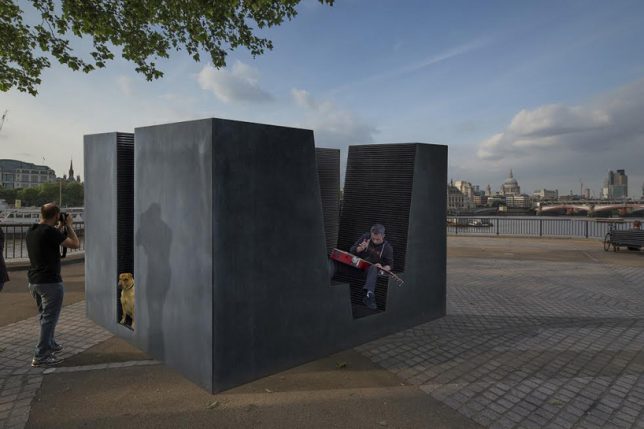
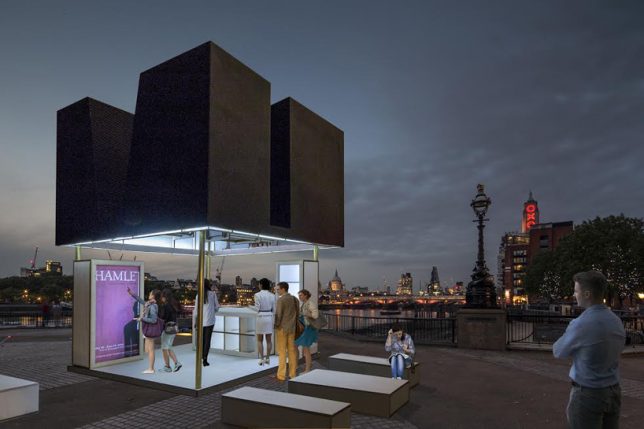
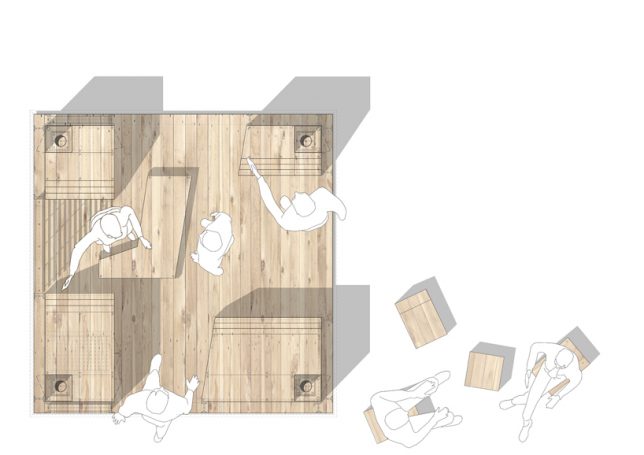
    A cube of semi-private seating by day, ‘Just a Black Box’ by Max Boano and Jonas Prismontas transforms into a kiosk for commercial or public use at night (or whenever else it’s desired.) The box elevates itself on its own hidden hydraulic columns to become a customizable space that can be used for retail, cafes, bike repair, selling tickets or even as a mini theater.

    3 Urban Hammock Installations

    city furniture hammock

    city hammocks 2

    city hammocks 3

    city hammocks 4

    city hammocks 5

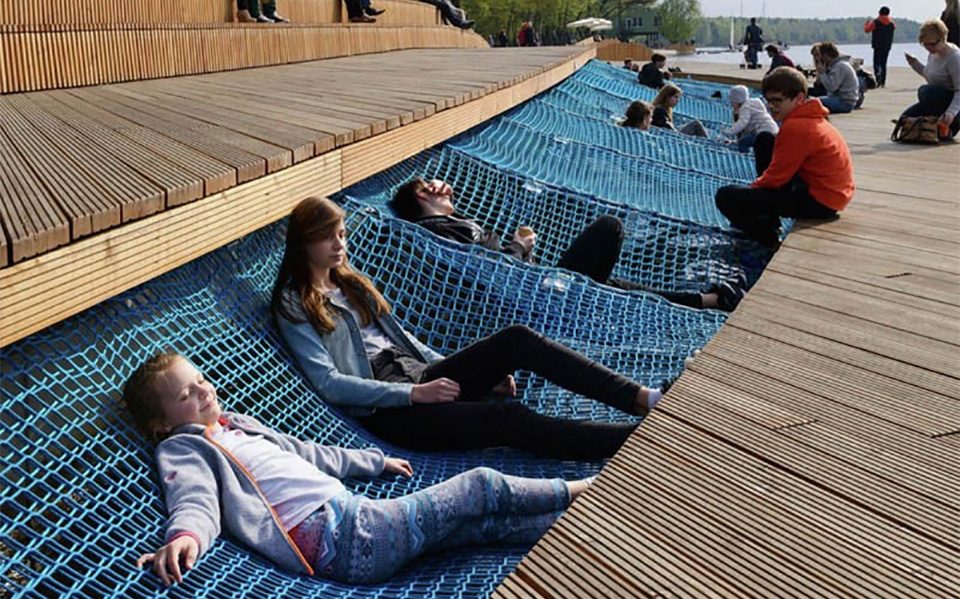
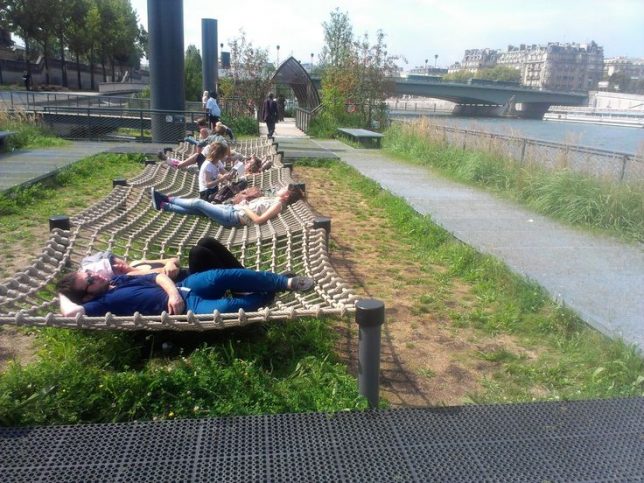
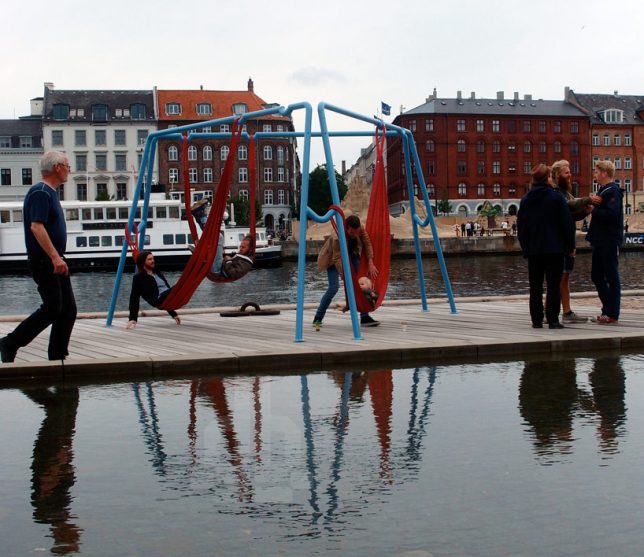
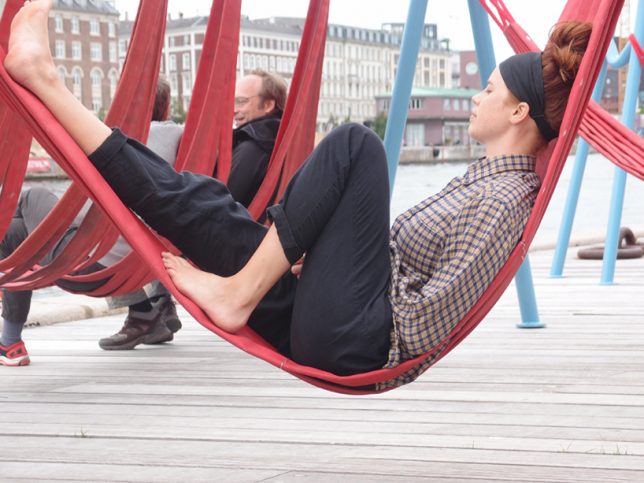
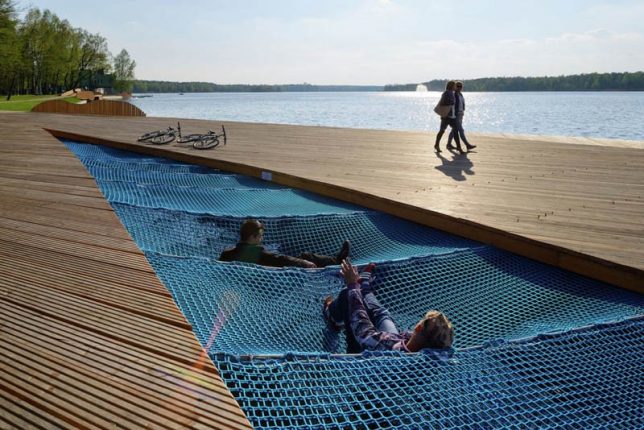
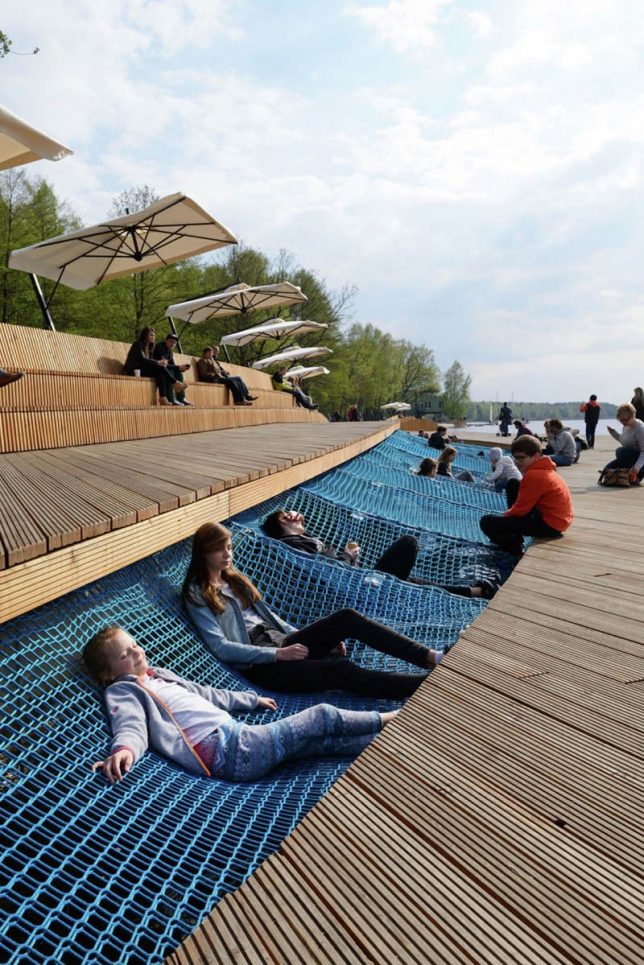
    Comfy hammocks come to public spaces in various forms to create some of the most nap-worthy urban furniture you’ll ever see, including a series of nets strung over the grass by The Chartered Institute of Housing, bright blue hammocks inserted into a void in a promenade along Paprocany Lake in Poland, and re-purposed fire hoses hung from a steel grid in Copenhagen.

    Vanke Cloud City by Lab D+H

    city furniture cloud city 1

    vanke cloud city 3

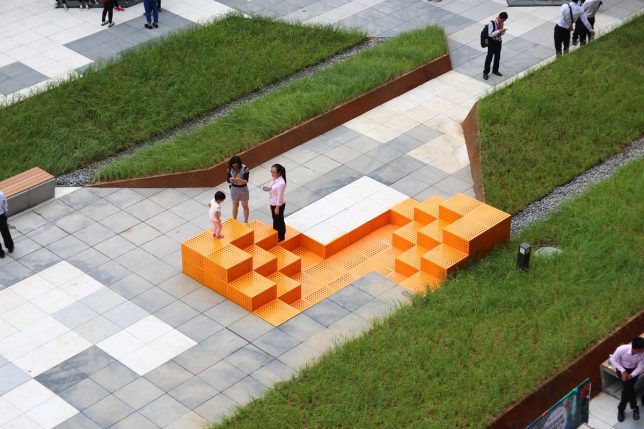
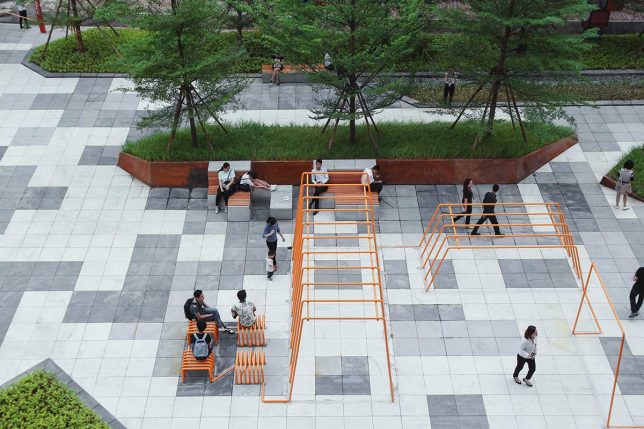
    Vanke Cloud City is a mixed-use development project in Guangzhou, China boasting a series of creative public seating strategies by Lab D+H. The Cloud Line is a continuous tubular steel structure offering benches, monkey bars, parallel bars and other uses, while Cloud Seat is a modular set of interacted spaces made of perforated steel plate, with vertically stacked seating.

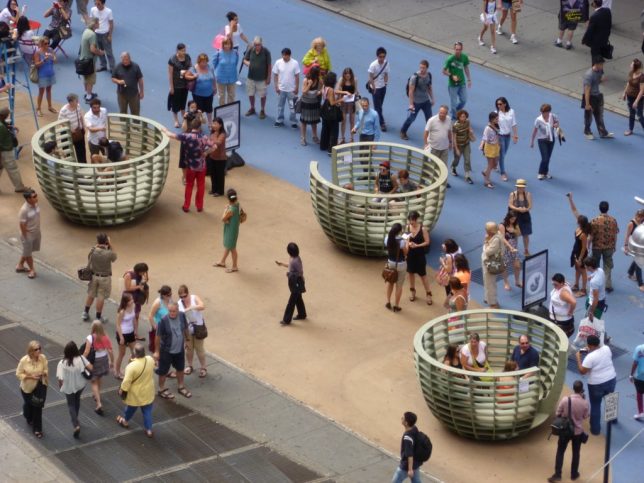
    Meeting Bowls for NYC

    meeting bowls meeting bowls


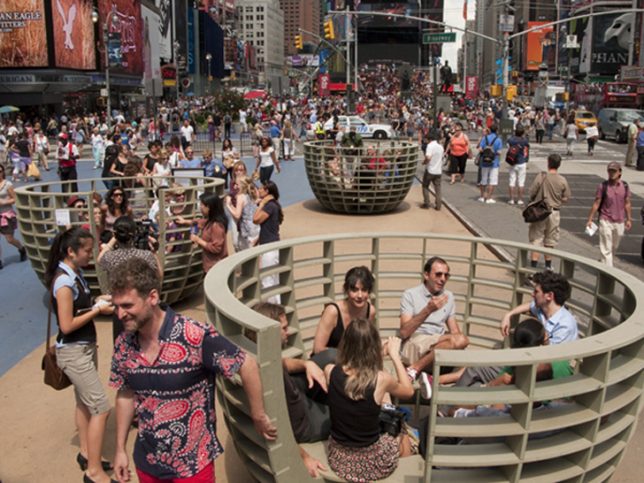
    Small groups can get together and chat face-to-face in a comfortable, breezy space with ‘Meeting Bowls’ by the Madrid-based design firm mmmm… in partnership with the Times Square Alliance. The urban furniture installation was situated in the center of Manhattan’s busiest plaza in summer 2011to facilitate interactions and dialogue between friends and strangers alike. The base of each bowl gently rocks to imitate the sensation of floating.

    Next Page – Click Below to Read More:
    The City Is Your Living Room 15 Modern Street Furniture Designs

    Share on Facebook


    [ By SA Rogers in Design & Furniture & Decor. ]

    [ WebUrbanist | Archives | Galleries | Privacy | TOS ]


    WebUrbanist

  • Book City: Retail Space for Reading Mimics the Look of Urban Spaces

    [ By SA Rogers in Design & Fixtures & Interiors. ]

    book city 1

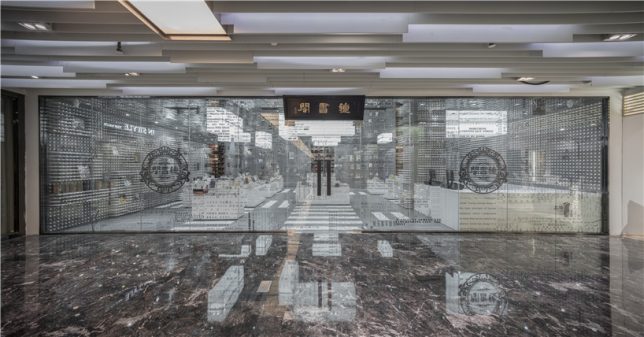
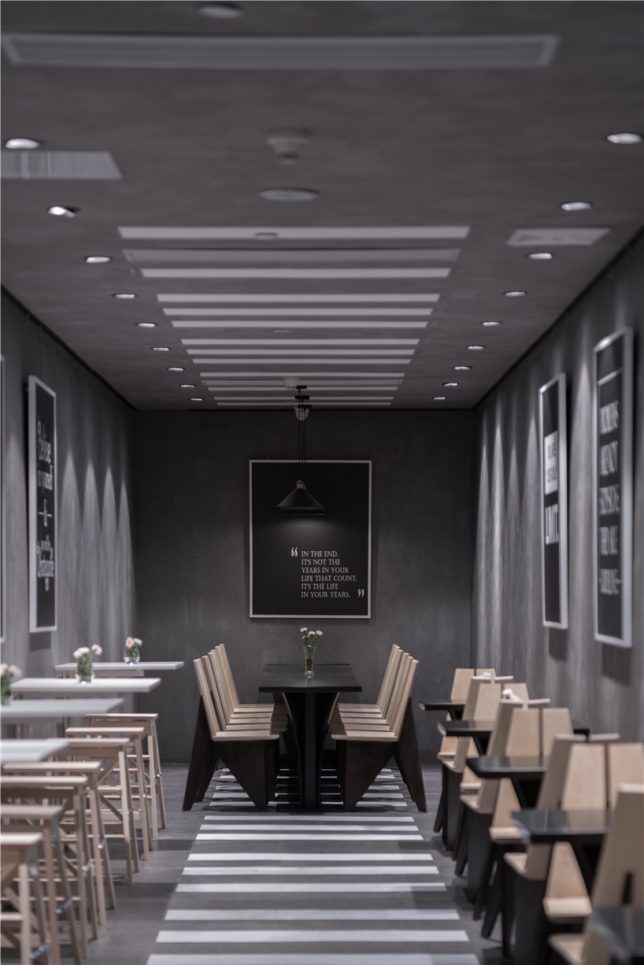
    The appearance of the city outside – complete with crosswalks and grids resembling aerial views of urban blocks – acts as a transition space between the entrance of a bookstore and the quiet, private spaces beyond. This space by XL-muse, located on the fourth floor of the Réel Mall in Shanghai, references the orderly aspects of urban aesthetics, carrying them from the sunny, exposed main room into the darkened alleys full of floor-to-ceiling shelves.

    book city 2

    book city 5

    book city 6

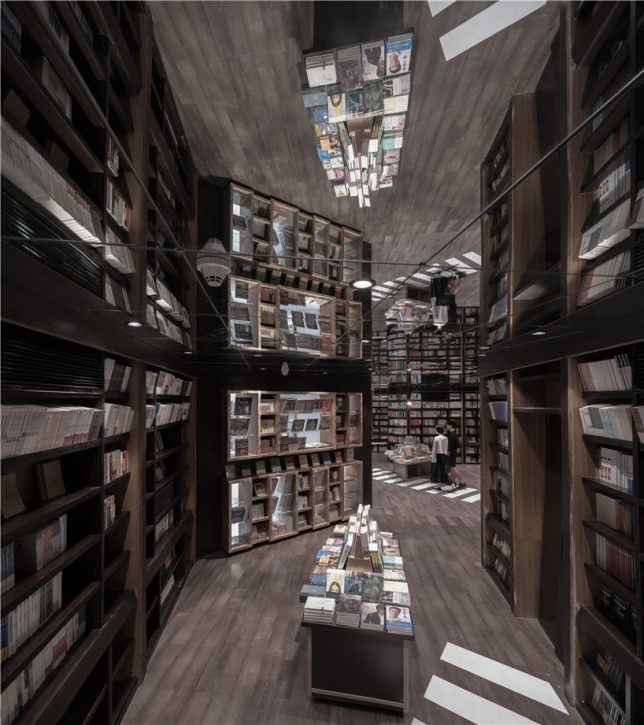
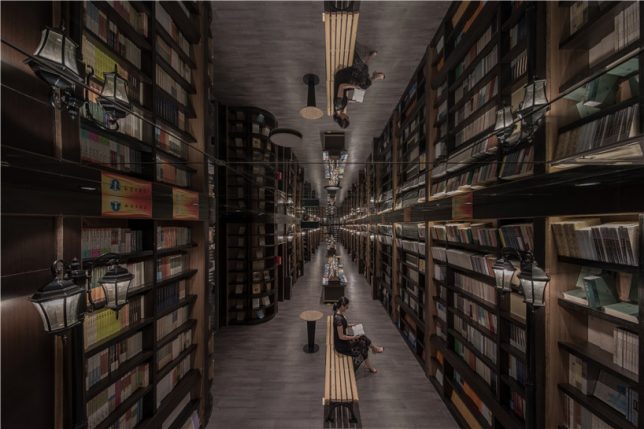
    Street lights gently illuminate the rows of books in these tranquil hallways, organized like pedestrian promenades complete with central park benches and displays. Mirrors are employed to visually double the height of the shelves, making them feel as if they continue up into the sky and stretch far deeper into the building than they really do. Paths direct you from one ‘house’ of books to the next as you explore the shop.

    book city 4

    book city 7

    book city 3

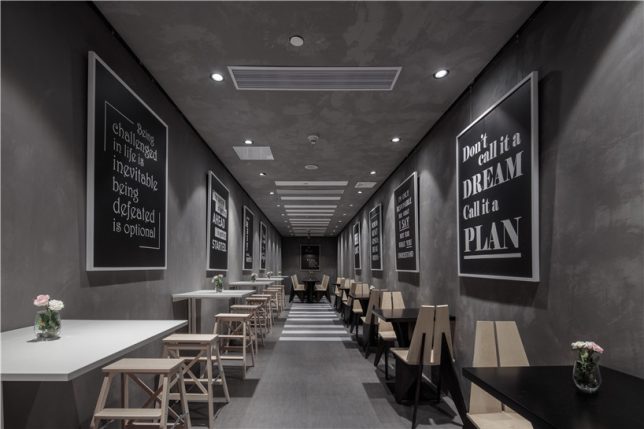
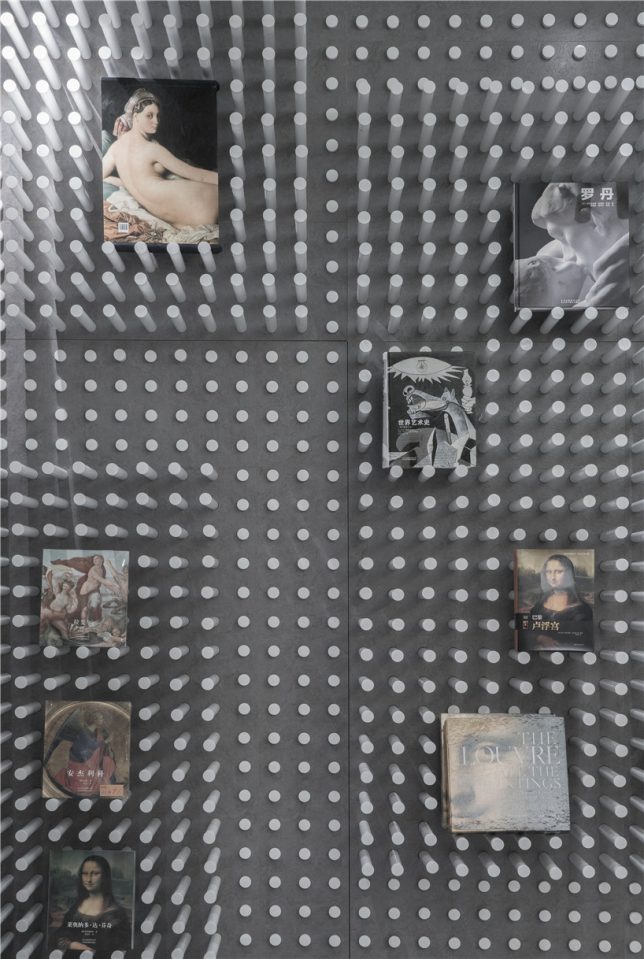
    In these atmospherically-lit areas bursting with dark-stained wood, shoppers feel like they’re navigating the city late at night, when the traffic has died down and the streets are eerily silent. The crosswalks continue into the small cafe, stepping right up onto the ceiling and then back out into the showroom, where white pegs inserted into the concrete walls can be pulled or pushed to create display niches.

    Share on Facebook


    [ By SA Rogers in Design & Fixtures & Interiors. ]

    [ WebUrbanist | Archives | Galleries | Privacy | TOS ]


    WebUrbanist

  • Tips for Doing City Photography from Above

    Many cities have places with great panoramic views of the city vistas from above. For example, in the U.S., New York has the top of the Empire State Building or Rockefeller Center. Similarly, Chicago has observation decks in both the Willis Tower (formerly the Sears Tower) and the Hancock Building. In Europe, there are great views of Paris from Montparnasse Tower. You can capture London from the top of St. Paul’s Cathedral, or now the observation deck of the Shard (the new tallest building in London), and the list goes on.
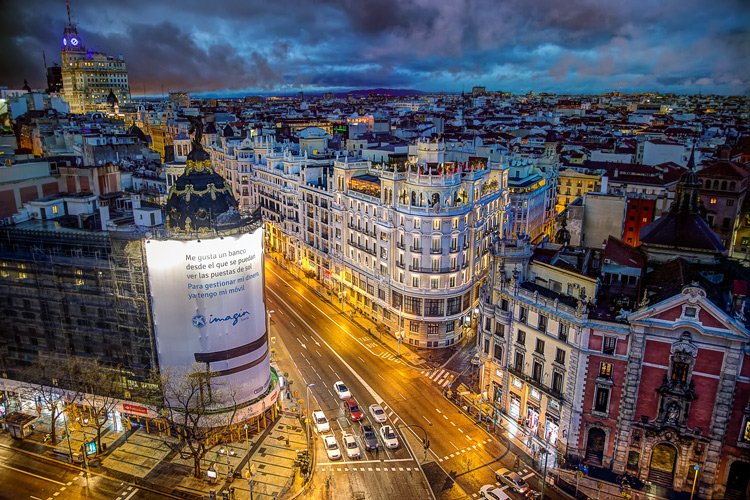
    Madrid, Spain, from the Circulo des Bellas Artes

    The Gran Via in Madrid, Spain, from the Circulo des Bellas Artes

    But these shots present certain challenges. Often tripods are not allowed. Sometimes you have to shoot through glass. And when should you go? What settings should you use? In this article, we’ll work through these issues so you can get great shots from these city overlooks.

    What? I Can’t Use My Tripod?

    Sometimes you are allowed to use a tripod, and sometimes not. Each building has its own rules. To make things even more interesting, some buildings seem to have different rules depending on when you visit (or perhaps the mood of the security guards). So you will need to be prepared to shoot without a tripod.

    If you go up the building in the middle of the day, that might not matter very much. There will be enough light to support a fast shutter speed, and you can get away with hand holding. But if you are shooting in dim light or at night, you will want to use a longer shutter speed. That will require some sort of stabilization.
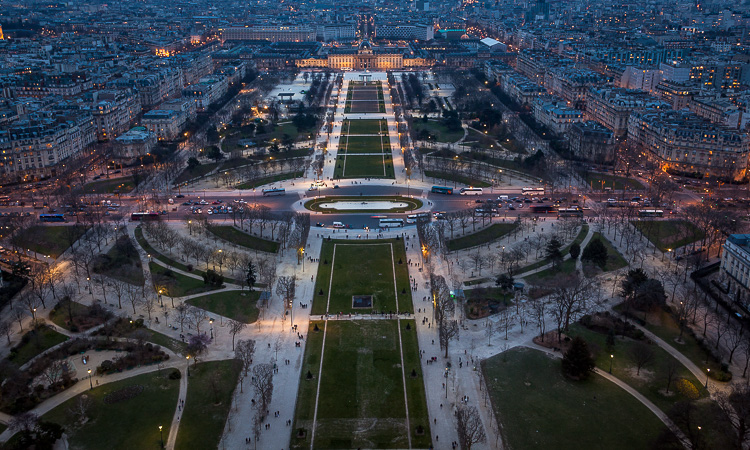
    Paris from the Eiffel Tower

    Paris from the Eiffel Tower

    In almost every case, you will find something available at the top of the building to support your camera. Sometimes you have to resort to using the the floor (which can work if you press your lens up against the window), but often there is some sort of shelf to use. Many buildings have plexiglass panels at the top, with small gaps between them, and you can hold your camera against the sides of the panels to steady it.

    Shooting Through Glass

    Oftentimes, you are photographing from an enclosed structure surrounded by glass. That means reflections are going to be a problem. I wish there was a magic bullet to solve this problem, but there isn’t. I do have a few tips to help you minimize the reflections though.
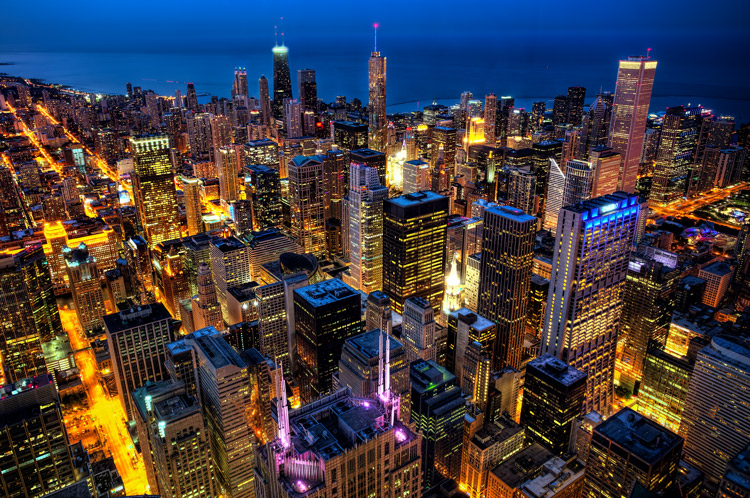
    Chicago from the Willis Tower (formerly known as the Sears Tower)

    Chicago from the Willis Tower (formerly known as the Sears Tower)

    Before resorting to that, see if there is any way to shoot unobstructed. As mentioned above, some buildings have plexiglass panels on top. There are often carve-outs in the panels that you can shoot through, which you should definitely use. If not, check to see if you can shoot between the panels. That will avoid the whole issue with reflections.

    If not, you are going to need to take steps to minimize reflections. Let’s start with one that should be obvious (but I always see people doing it). Do not use your camera’s flash. First of all, the flash is useless in this situation. Everything will be too far away for the flash to have any effect. More importantly, the flash will cause reflections and glare in the glass.

    Next, hold your camera directly up against the glass. This will minimize reflections. In addition, make sure your point of focus is set far away from you and that your camera is not trying to focus on the reflections.
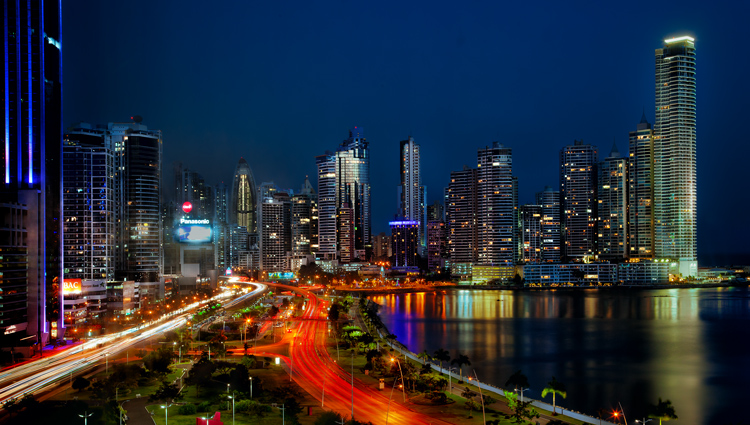
    Panama City, Panama from the Intercontinental Hotel (shot through glass)

    Panama City, Panama from the Intercontinental Hotel (shot through glass)


    If you are on your own (like in a hotel room or somewhere you can set up), then make sure all the inside lights are off, and use the curtains to block any light coming from the room. Some photographers hold a black cloth against the window with a hole cut in the center to shoot through. If you have the opportunity and time to prepare, that is the best option.

    Usually, you will find yourself in a public place where such steps are not possible. In that case, just use your body or hand to block any areas of glare or bright light.

    After that, just take a few pictures and see if there are any reflections in the final result. Zoom in on your LCD to take a close look. If you find any reflections or glare, just adjust your position slightly to try to get it out and shoot again. You would also try a polarizing filter.
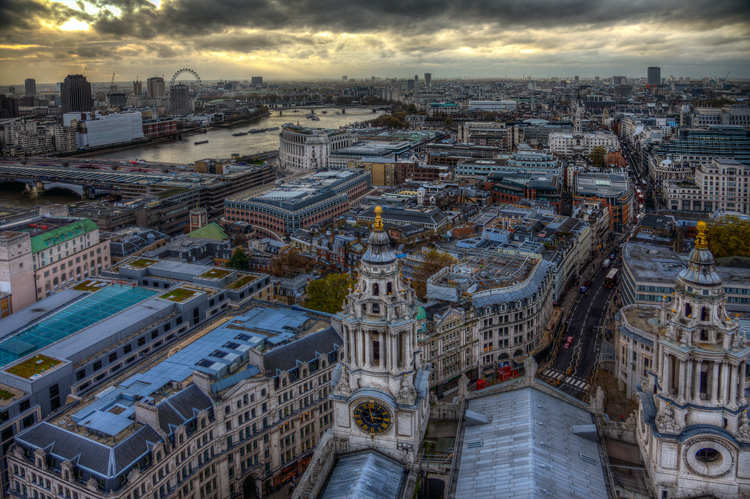
    London from the top of St. Paul's Cathedral

    London from the top of St. Paul’s Cathedral

    What Camera Settings Should I Use?

    Your exposure settings will depend on how much light is available at the time you are shooting. While I obviously cannot give you exact exposure settings, I can give you a few ideas to maximize your light and get the best exposure.

    First and foremost, remember that you don’t need to use a small aperture for these shots because you do not need a deep depth of field. Your focus will be set at infinity. Nothing in your shot will be within 50 feet/15 meters of you. Too see this for yourself, take a look at the distance scale on the top of your lens (assuming it has one). It will show you that everything farther than about 30 feet/10 meters is set at infinity (in fact, the focus will be at infinity even sooner for wide angle lenses). There will not be a wide range of distances in your shot that require a deep depth of field. Therefore, if you find yourself in need of more light to create your exposure, widening the aperture is a good place to start.
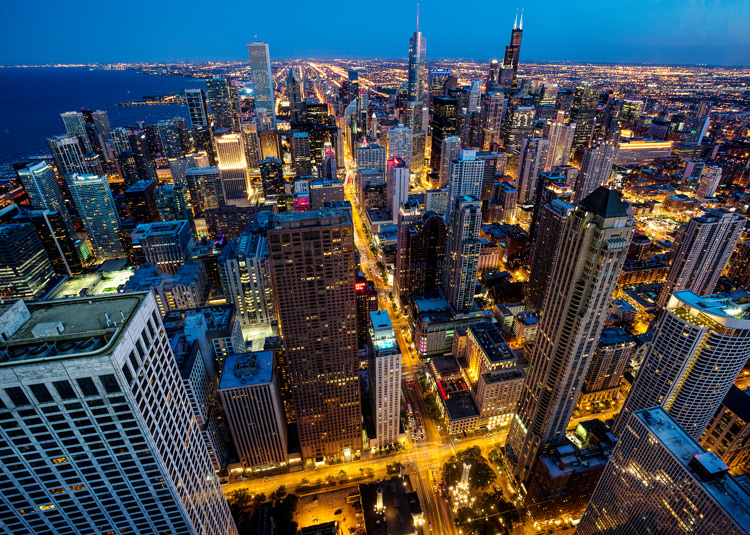
    Chicago from the Hancock Building

    Chicago from the Hancock Building

    Your other two exposure settings (shutter speed and ISO) will depend entirely on whether you can use a tripod. If you cannot use a tripod, raise the ISO until your shutter speed is fast enough to hand hold. Remember you can cheat a little bit and use a slower shutter speed than usual by propping your camera on something. But blur from movement during the exposure will ruin the picture. Remember that digital noise can be fixed in post-processing, but camera shake cannot. Raise the ISO as much as you need to get a supportable shutter speed.

    If a tripod is allowed, things are much easier when it comes to exposure settings. You can use as slow a shutter speed as you want. That will also allow you to reduce the ISO, and use a smaller aperture as well. In fact, you may want to keep the the ISO low and the aperture small to force the camera to use a long shutter speed. That will capture traffic trails, create some movement in the clouds, and other effects.
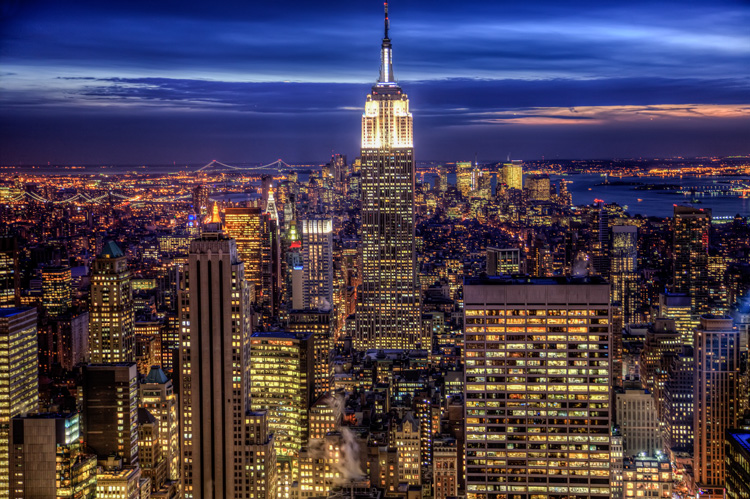
    New York, from Rockefeller Center (Top of the Rock)

    New York, from Rockefeller Center (Top of the Rock)

    Finally, consider bracketing your photos, especially if you are shooting at night. The scene before you will contain bright lights and dark portions. This will challenge your camera’s dynamic range. Even if you will never use any sort of blending or HDR, you might be pleasantly surprised by the overexposed or underexposed images.

    Making a Composition from a Jumble of Buildings

    When you are up high in a building overlooking the city, you will have a great view, but that doesn’t necessarily mean a great picture. The key to success is creating a composition out of what is before you, in other words to generally find a center of interest. That is, find something to key on that will anchor the picture. Sometimes it is obvious – like when you are staring at the Empire State Building or the Eiffel Tower – but other times it isn’t. You’ll just have to find something to center your picture on. It could be a building that stands out, perhaps a bridge, or even a leading line.

    In doing so, don’t overlook the usual compositional rules. Start with the Rule of Thirds. Put your horizon line on either the top third or the bottom third. After that, you might consider placing an important, or prominent, feature on one of the vertical third lines.
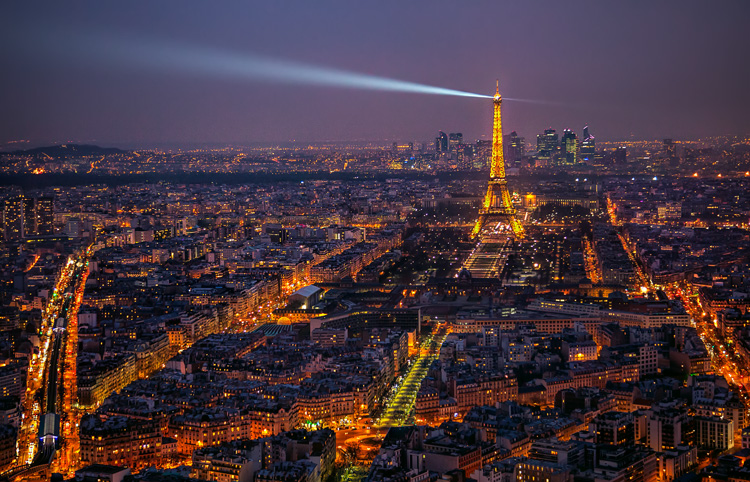
    Paris from the Montparnasse Tower

    Paris from the Montparnasse Tower

    Just these two concepts – ensuring you have a center of interest and following the Rule of Thirds – will go a long way to ensuring success. After that, you can find lines, shapes, and forms to work around. Experiment with different focal lengths and angles. Remember that nothing is moving so you can keep experimenting all you want.

    When to Go

    Deciding when to go capture you city view from above will have more to do with how the pictures turn out, than anything else you do. Avoid going in the middle of the day. Travel schedules don’t always allow that, but that is the worst time for these pictures.

    If you are going to a public observation deck, when you can go will be limited by the opening hours of the building. They are generally not open early enough for sunrise, so that won’t be an option. Almost all locations are open for sunset and a few hours of darkness, so that is often an option.
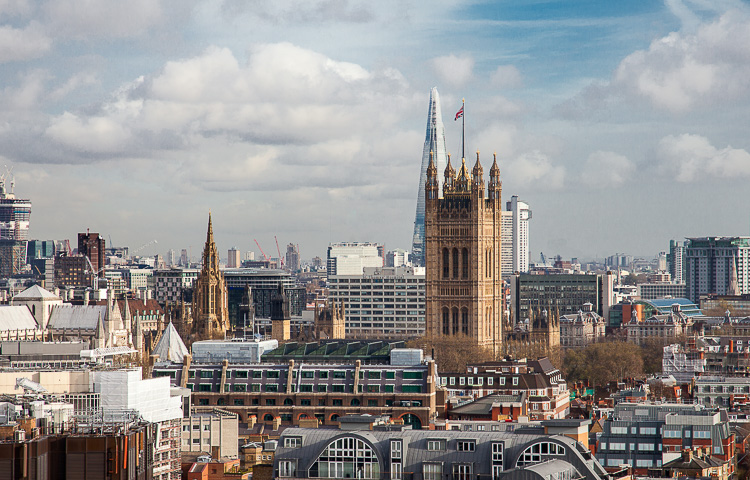
    London from the tower of Westminster Cathedral

    London from the tower of Westminster Cathedral

    The best time to go is just before sunset. You will have the best of all worlds with one ticket. You can capture the sunset and twilight. After that, just wait around for a little while for some night shots.

    But in any case, go. It is an easy way to get great shots of whatever city you happen to be visiting. Get up high and capture the city from above.

    googletag.cmd.push(function() {
    tablet_slots.push( googletag.defineSlot( “/1005424/_dPSv4_tab-all-article-bottom_(300×250)”, [300, 250], “pb-ad-78623” ).addService( googletag.pubads() ) ); } );

    googletag.cmd.push(function() {
    mobile_slots.push( googletag.defineSlot( “/1005424/_dPSv4_mob-all-article-bottom_(300×250)”, [300, 250], “pb-ad-78158” ).addService( googletag.pubads() ) ); } );

    The post Tips for Doing City Photography from Above by Jim Hamel appeared first on Digital Photography School.


    Digital Photography School