RSS
 

Posts Tagged ‘Building’

Zig-Zagging Wooden Stairway Leads to Book-Shaped Building

10 Nov

[ By Steph in Architecture & Public & Institutional. ]

book building 1

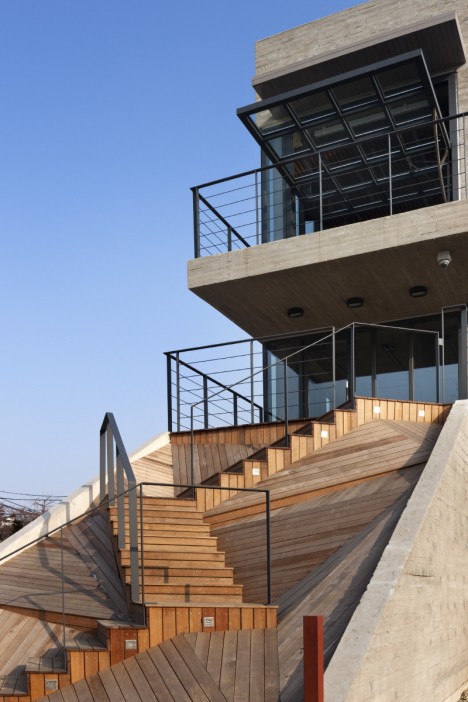
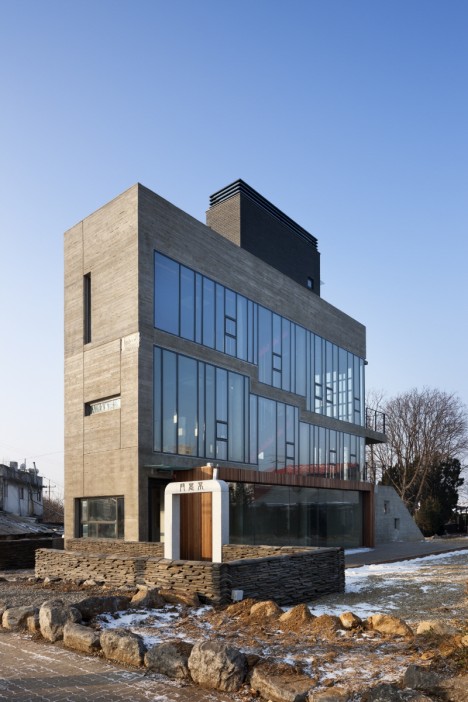
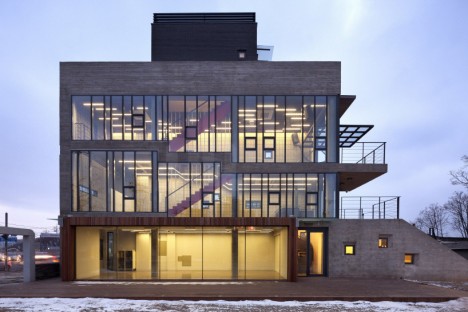
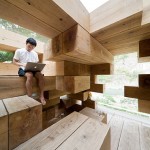
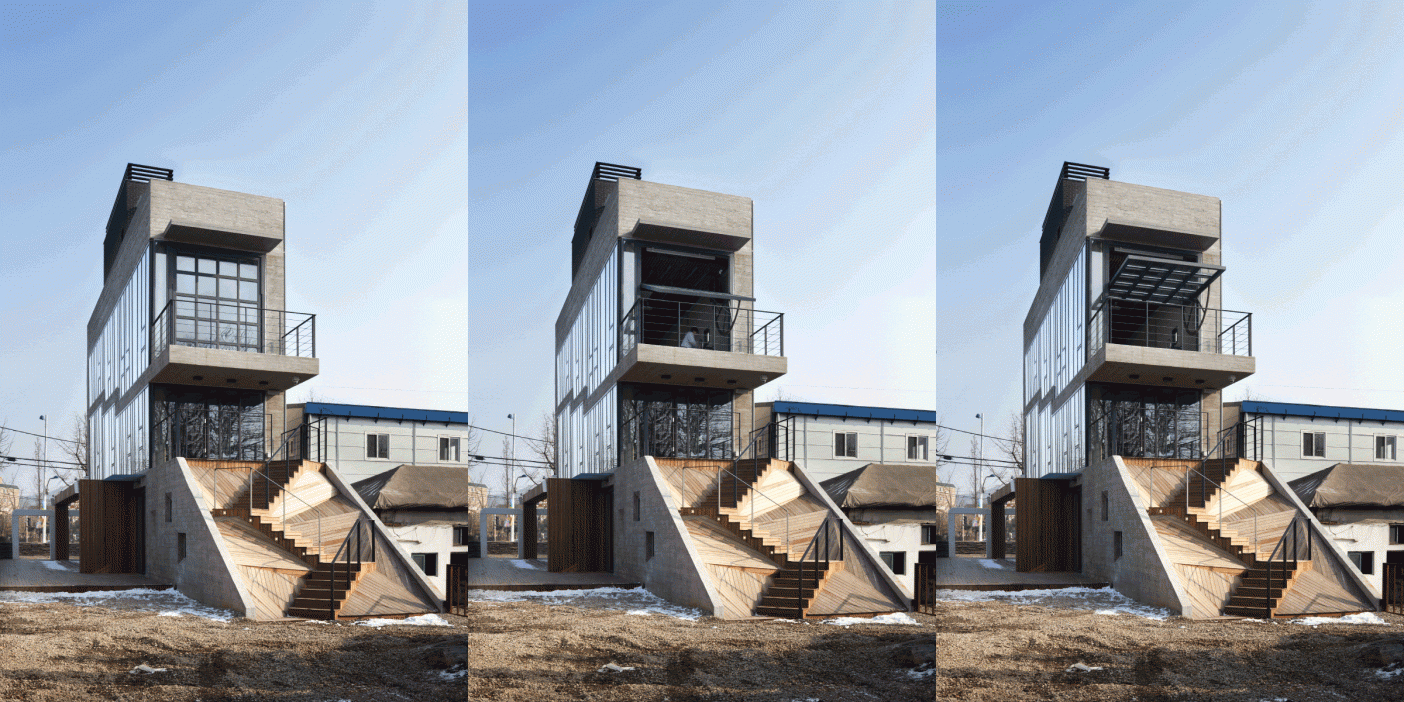
Shaped like a book, a cultural facility on the boundary between a residential neighborhood and industrial area in a suburb of Incheon, South Korea acts as a smooth visual segue-way. Placed on a narrow site, the concrete structure measures just four meters wide and features an eye-catching zig-zagging wooden staircase leading from the ground floor to the first level.

book building 2

book building 3

The building acts as a visual landmark for a town that lost its identity, a feeling the architects at Studio Gaon liken to an old man without fingerprints. The town of Gajwa-dong was once a fishing village positioned on the edge of the sea, but land reclamation projects re-routed the water. Views of the waves have now turned into bustling highways and unremarkable factory buildings.

book building 6

book building 5

The owner of a 400-year-old house next door donated the oddly-shaped plot to the community after discovering that what he thought was his neighbor’s land was actually his own, with the request that the new structure act as a screen between his home and the industrial buildings next door.

book building 4

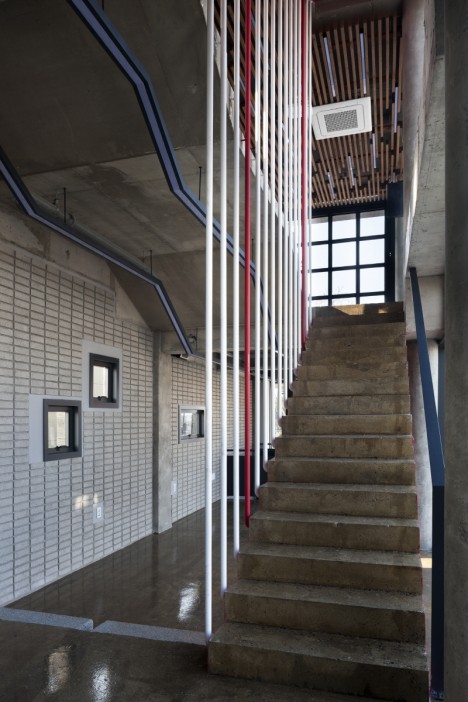
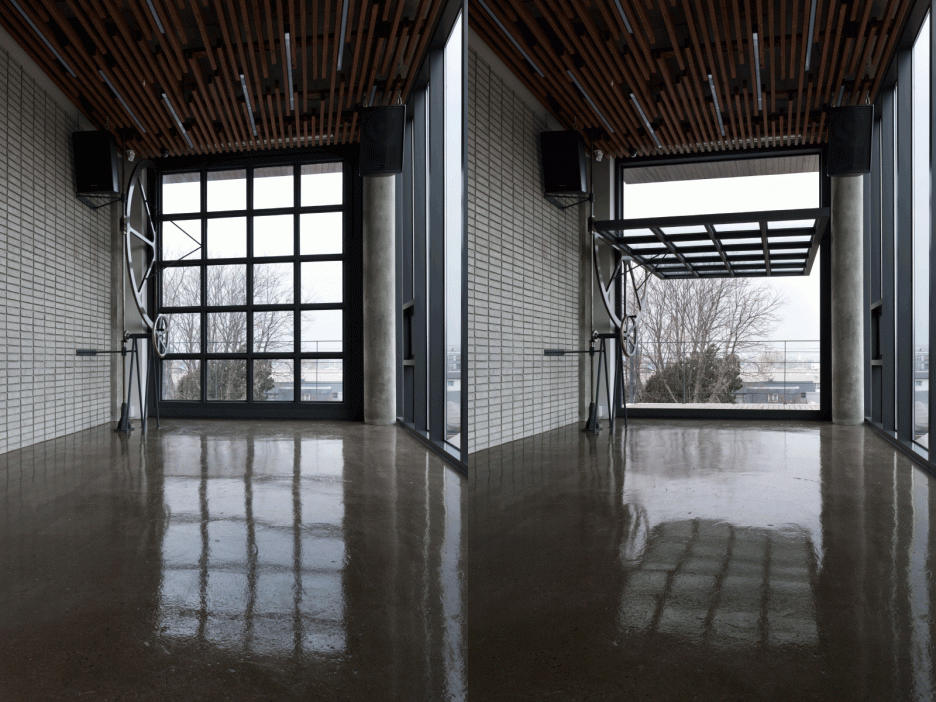
The resulting Sinjinmal building feels calm and solid with its cast-concrete walls bearing wood grain textures and expanses of glazing flooding the interiors with light. The zig-zag stairs outside reference those of a historic South Korean pavilion, while the interior stairs are painted bright red “suggesting past time, present, and future alterations.” A full-height, full-width glass door on the second floor seminar room pivots open to a terrace with the help of a manual winch.

Share on Facebook


[ By Steph in Architecture & Public & Institutional. ]

[ WebUrbanist | Archives | Galleries | Privacy | TOS ]


WebUrbanist

 
Comments Off on Zig-Zagging Wooden Stairway Leads to Book-Shaped Building

Posted in Creativity


Ruins to Art: Timber Addition Transforms Abandoned Building

27 Oct

[ By Steph in Abandoned Places & Architecture. ]

sculptural wooden bar 1

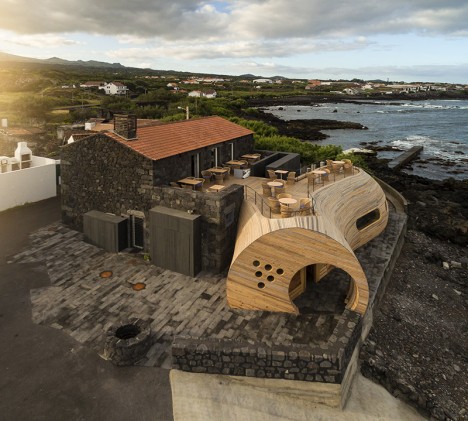
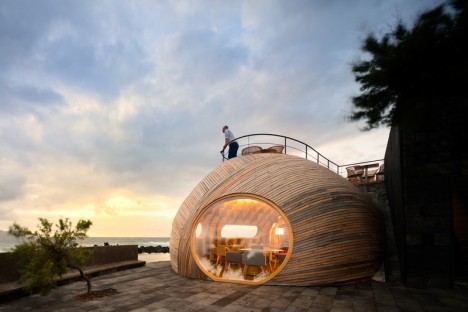
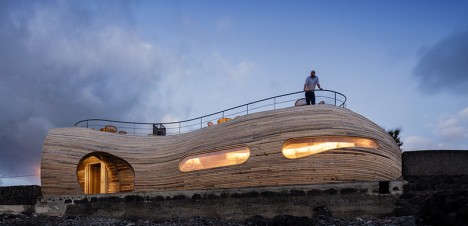
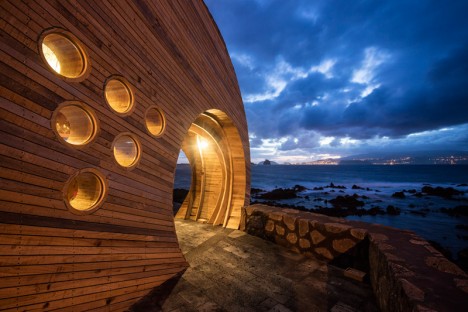
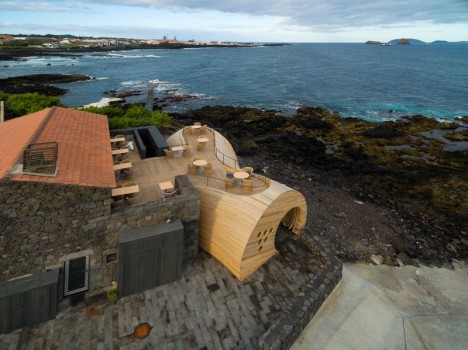
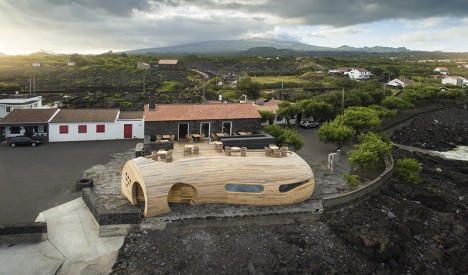
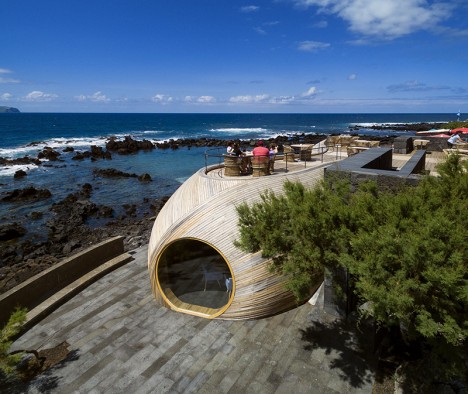
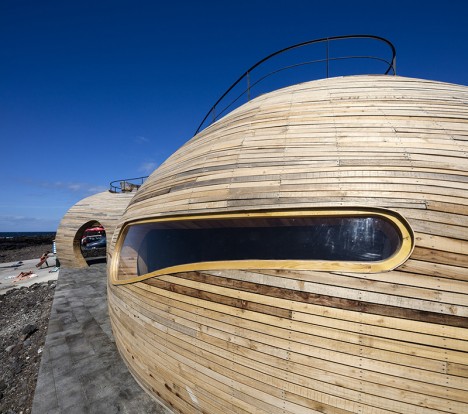
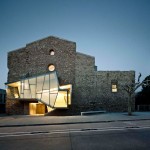
An abandoned traditional building on the coast of Madalena, Portugal has come back to life with a sculptural wooden extension that emerges from the back like a living organism. Cella Bar by FCC Arquitectura and Paulo Lobo leaves the original structure intact, merging the vernacular architecture with a wholly modern aesthetic in pale curving timber.

sculptural wooden bar 2

sculptural wooden bar 3

sculptural wooden bar 8

sculptural wooden bar 9

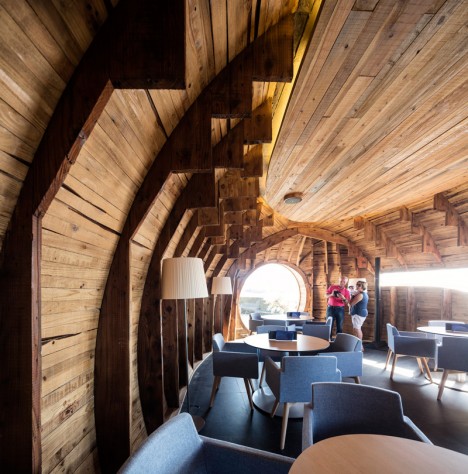
Missing elements of the abandoned building, like the doors and windows, were restored to make it look just as it did when it was first built, minus the charming weathering on the stones. The interiors were transformed to suit the building’s new purpose as a restaurant, the wooden floors flowing out the rear doors, onto the original terrace and continuing onto the roof of the addition.

ruins

sculptural wooden bar 4

sculptural wooden bar 5

sculptural wooden bar 7

“The new extension is a contemporary creation, exposed to a completely different language,” say the architects. “It is an organic, dynamic construction that contrasts with the orthogonal, classic language of the building where it is embedded. The design is defined by great plasticity, both in terms of forms and materials, and is markedly inspired by the natural environment around the site. Several features of that environment are present in the architecture of the building, including the outline of the island, rocks, whales and wine casks. The new volume acts like a giant sculpture, tailored for its location.”

Share on Facebook


[ By Steph in Abandoned Places & Architecture. ]

[ WebUrbanist | Archives | Galleries | Privacy | TOS ]


WebUrbanist

 
Comments Off on Ruins to Art: Timber Addition Transforms Abandoned Building

Posted in Creativity


Facade Lift: Abandoned Commercial Building Reborn as Mixed-Use

10 Oct

[ By WebUrbanist in Architecture & Houses & Residential. ]

before and after

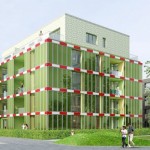
Finding new life as a combination of retail and housing space, this stunning structure’s new look works with the existing building envelope and floor plates while breaking down visible divisions between stories.

new building facade

before after side view

Located in Bangkok, Thailand, the refab is now home to four siblings above and their family-run jewelry store on the first floor.

converted store design ground

converted multistory mixed use

Idin Architects (photos by Spaceshift) kept the framework, difficult to remove as it touches adjacent structures, but renovated the interior and added an entirely new facade that seems to defy floors as it wraps up the front.

new facade

converted living room area

Each family occupies two stories of the 7-floor building, with elevators connecting all of the different units in the back and an enclosed rooftop patio above.

converted light well space

converted growing tree

A central lightwell (occupied in part by a slow-growing tree) and other internal features reconnect the different are as well while maintaining separation and privacy for each family unit.

Share on Facebook


[ By WebUrbanist in Architecture & Houses & Residential. ]

[ WebUrbanist | Archives | Galleries | Privacy | TOS ]


WebUrbanist

 
Comments Off on Facade Lift: Abandoned Commercial Building Reborn as Mixed-Use

Posted in Creativity


Rooftop View: World’s Largest Mural Takes Up Entire Building

08 Sep

[ By Steph in Art & Street Art & Graffiti. ]

world's largest mural 6

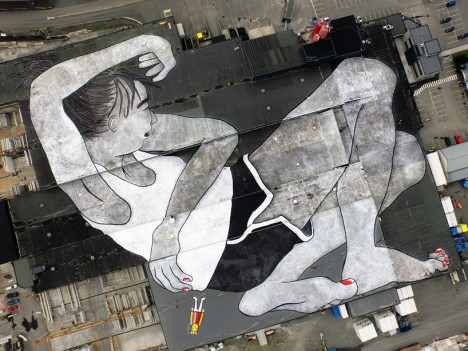
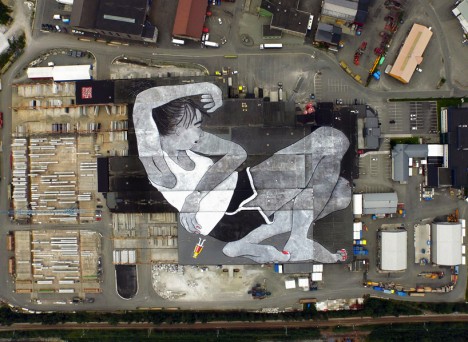
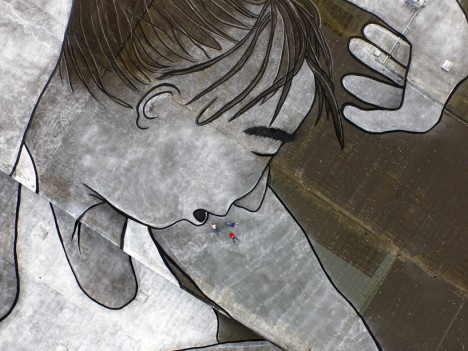
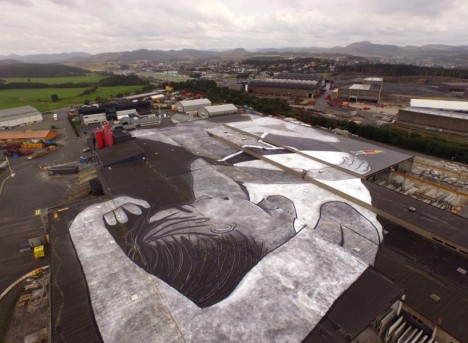
Spanning the massive multi-building rooftop of a construction company, this black-and-white mural of a lounging girl might just be the largest ever painted. Commissioned by French duo Ella & Pitr for Norway’s Nuart Street Festival, the painting takes up an incredible 21,000 square meters, and in overhead photos, nearby cars look like toys.

world's largest mural 1

world's largest mural 4

world's largest mural 5

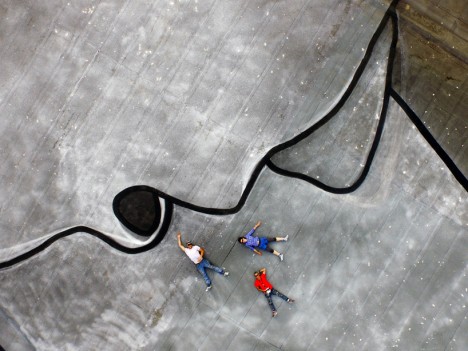
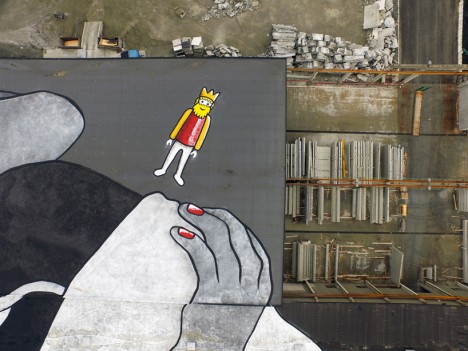
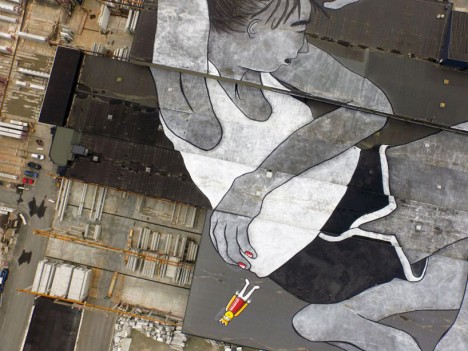
Entitled ‘Lilith and Olaf,’ the mural depicts a girl lying on her side with the figure of a crowned man by her side, representing King Olaf I of Norway, who ruled the nation from 995-1000 and was born just a few meters away from the site. Her red toenails and the king figurine are the only spots of color in the scene, unless you count the three living people that can be seen near her mouth in the photos.

world's larest mural 3

world's largest mural 2

world's largest mural 7

Though it was created for the festival, most attendees will never see it, as it can only be viewed from above. This might seem limiting, but thanks to the building’ location adjacent to the Sola airport, thousands of people traveling to and from the area can glimpse it from their airplane windows.

Share on Facebook


[ By Steph in Art & Street Art & Graffiti. ]

[ WebUrbanist | Archives | Galleries | Privacy | TOS ]


WebUrbanist

 
Comments Off on Rooftop View: World’s Largest Mural Takes Up Entire Building

Posted in Creativity


Foundation for World’s Tallest Building Converted to Fish Farm

22 Jul

[ By WebUrbanist in Abandoned Places & Architecture. ]

sky city skyscraper

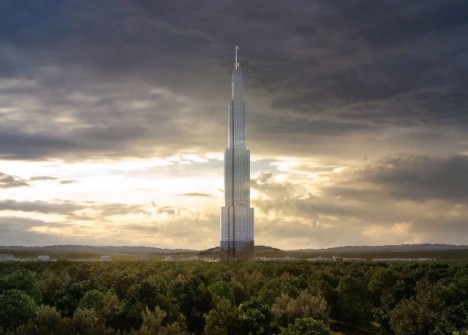
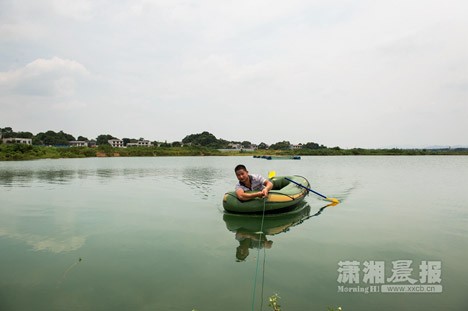
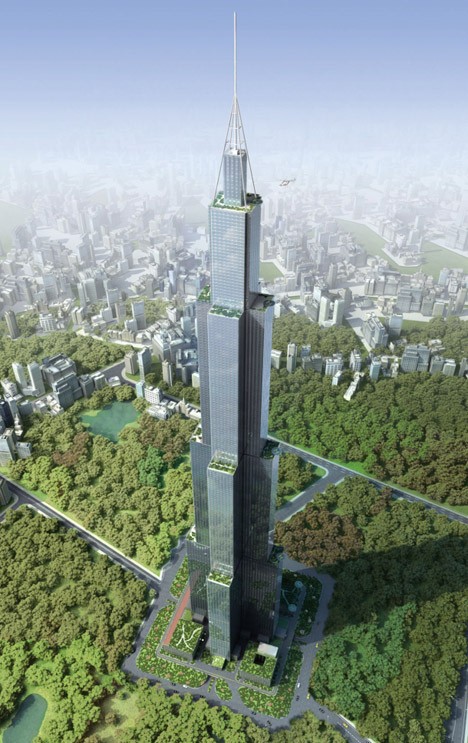
Ambitious plans construct Sky City in China, designed to be the highest skyscraper in the world and built in just 90 days, stalled at the outset over 2 years ago, leading to an unusual array of impromptu and informal adaptive reuses within and around the void dug for the tower, including an extensive fish farming operation.

fish farm conversion

In the absence of other uses, the local community has found new functions for the apparently abandoned 280,000-square-foot foundation, while the ceremonial groundbreaking marker (below) increasingly resembles the tombstone for a deceased architectural dream (rather than the herald of a record-breaking construction project). According to local source Xiaoxiang Chen Bao, one entrepreneurial farmer has invested a significant sum into his fish farm, set in the expansive rainwater-filled void (effectively an artificial lake) formed by deeply excavated sections of foundation, while others are using areas of land on all sides to grow crops or dry grain.

fish farm reuse

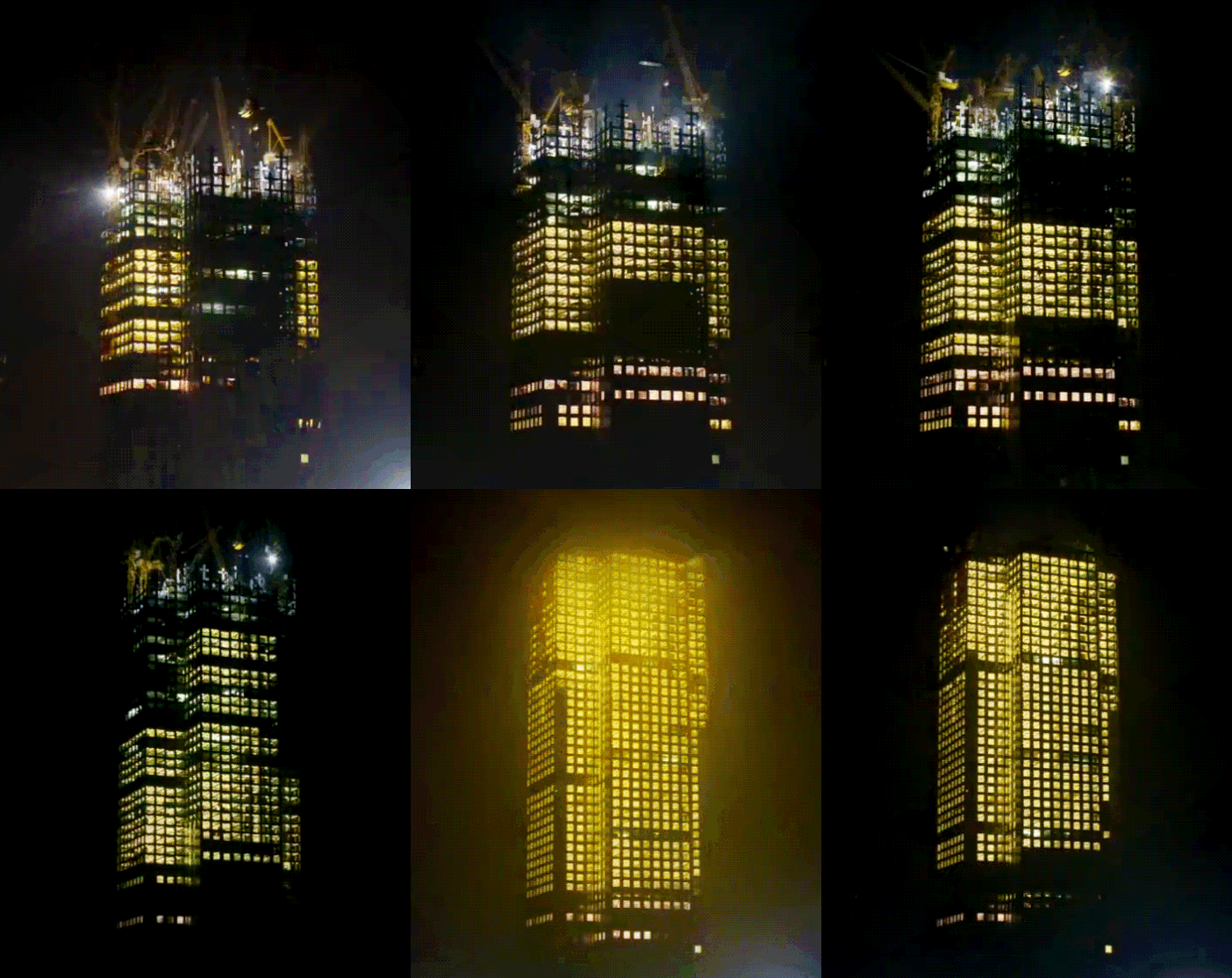
The tower was to stand 2,750 feet high in Changsha and its smaller sibling (Mini Sky City) has already been successfully built to 57 stories in just 19 days using innovations in prefabrication to rapidly speed up the process (time-lapse sequence shown below). Manufacturing many sections off-site, the development company was able to save significantly on costs but also to assemble the structure and facade in record time.

fast

Permitting issues and safety concerns have held back the larger structure, however, and resulted in a number of locals turning the land toward other productive purposes. It is unclear at this time whether any of the issues are tied to the initial and smaller project.

converted skyscraper footing reuse

Billionaire Zhang Yue, the man behind both projects, claims that their plans will eventually go forward, but there is no official word from the local or national Chinese government to confirm his assertions as yet, nor any construction activity on or around the site to support such claims His company, Broad Sustainable Building, aims to revolutionize safe and speedy skyscraper construction, using both buildings as examples of their capabilities … or perhaps just the one should the latter be permanently abandoned.

Share on Facebook


[ By WebUrbanist in Abandoned Places & Architecture. ]

[ WebUrbanist | Archives | Galleries | Privacy | TOS ]


WebUrbanist

 
Comments Off on Foundation for World’s Tallest Building Converted to Fish Farm

Posted in Creativity


Fresh Biocement: World’s First Self-Healing Concrete Building

20 May

[ By WebUrbanist in Architecture & Cities & Urbanism. ]

bioconcrete

One of the biggest challenges to building with concrete is the material’s propensity to crack both while it dries and in the years that follow, making this self-fixing solution an incredibly powerful application of bacterial biotechnology.

biocement cracks healing

Developed by Dutch scientists Eric Schlangen and Henk Jonkers, this new biocement has been in development for years but is now first the first time a critical part of a real work of architecture and the results are extremely promising. As reported by CNN, one can already witness the self-healing process in action on the side of this lifeguard station, a test structure subject to highly varied sunlight and weather conditions.

biocement self healing buildings

Concrete is generally created with portland cement, aggregate and admixtures – this just adds one more key ingredient to the list: a mixture of bacteria and capsules of calcium lactate. Activated by water when cracks form, the former ingests the latter to produce calcite that in turn fills in gaps. Unlike algae-fueled bio-architecture that needs to remain alive and active, these bacteria can lay dormant for years without water or oxygen, lying in wait until called upon for an unpredictable future repair job.

biocement architecture structure

Architects have long had to work around this critical limitation in concrete, creating separations between spans and avoiding sharp corners that crack and break. This technology could open up new possibilities for infrastructure as well as building designs, impacting everything from parking structures and sidewalks to skyscraper foundations and walls. Similar solutions are also in development, including a variant in development by MIT that uses sunlight as the activation mechanism rather than moisture, but this is the first full-scale application of such a self-healing material. Between these developments, concrete-printing and concrete-deconstructing robots, the future looks bright for this traditionally gray material.

Share on Facebook


[ By WebUrbanist in Architecture & Cities & Urbanism. ]

[ WebUrbanist | Archives | Galleries | Privacy | TOS ]


WebUrbanist

 
Comments Off on Fresh Biocement: World’s First Self-Healing Concrete Building

Posted in Creativity


Building Cultural Friendships with Photography

13 May

As a photographer you’re probably always looking for ways to expand your subject range, or trying to find new ways to shoot your favorite genre with a twist. That means your neighborhood has been thoroughly explored, your family has seen less of you in person, and more of you behind a lens and any event, big or small, is an opportunity. One great solution is to travel!

But translating your passion from your local environment that you know so well, to a place that you have never been, much less don’t speak the language or have any idea about their culture, can be intimidating to say the least. Even more, travelling is expensive so making the most of it is now more important than ever. Don’t worry, your camera can be a great tool to help you integrate into a situation that will give you great shots, and wonderful memories that may last long after your holiday ends.

Do you wish you had that one photo of those people that you just missed? Do you remember a moment which gave you the desire to return one day, but it is only a memory? Or do you want a more personal touch to your travel photos? Well, let’s put an end to travel photos which are simply full of famous towers, museums and oh so many food photos, and start bridging the gap between people using our camera and photography.

Show your camera but make eye contact first

001 Eye Contact IMG 6746 2 resized

Using good eye contact I was able to approach this man with a wide angle lens.

This lets people know that you care for them first and the photo second. Showing a commitment to the person validates them, shows respect, and begins a level of trust. With these three elements you have created the foundation for friendship, and also opportunities for photography. It also allows them to duck out of the way if they don’t want to be photographed. Let your first impression to them be as a person and second as a photographer.

Chimp the photo, for others

Chimping is the act of looking at your LCD screen checking exposure, your histogram, etc., which is often accompanied by a short monkey like chirp in response to the image and thus the verbiage chimping. This is usually done for yourself, the photographer, but when you are travelling this a great communication technique. It immediately allows you to connect with the people around you. This is a great way for you to share the moment, especially with one person whom you would like to develop a better friendship, or to show more compassion. In many developing nations people have never seen a photo of themselves and the excitement is overwhelming. These moments can be the beginnings of longer term relationships, or at a minimum great photo opportunities.

002 Chimp IMG 20140124 192620 2 resized

This young laborer had never seen a photo of herself before she saw the back of my LCD screen.

Let the scene develop

The Decisive Moment is a frequently used term in photography that suggests quick action, or always being ready as the moment presents itself. That the moment is fleeting. But, when developing relationships in different cultures, being patient is a virtue, thus, striking a balance between the two is to your advantage. In many cases some of the most interesting subjects may be more shy, reserved, or even curiously suspicious. After all you are on holiday -relax and enjoy the moment.

003 Scen Dev IMG 4911 2 resized

So many toys and one little boy suggested a friend must be near. Who knew it would be his twin.

Get rid of the voyeur attitude

You are a person and so are they; all the cultural bells and whistles are just add-ons. Yes, the costumes and customs make for great photos, but to them you have a costume too, so use this to your advantage. In some corners of the world you will definitely become the subject of the photo, or even the whole village. Wealth can be measured in many ways, so while poverty deserves empathy, pity could take away from possible friendships.

004 Voy Att IMG 4271 2 resized

Someone sticks out like a sore thumb, just so happens to be the traveler, use that to your advantage.

Be adventurous and push your boundaries

Don’t be afraid to get out of your element. After all, that is why you are travelling and not watching a travelling program on the TV. Jumping on a camel cart or venturing into a local market are the norms for where you have travelled. It may be strange to you, but what is stranger, from their perspective, is why you wouldn’t get on, or go in. These places are great photography opportunities because the local people see you less as a tourist and more integrated into the everyday normal routine. They go about their business and you can go about your photography.

005 Push Bound IMG 1529 2 resized

On the back of a moped with a local is a great way to see a city that is not documented in the guidebook.

Stick to your word

If you say you will send a picture, send the picture. That’s easier than ever now with email and mobile devices. There are so many social media platforms that sharing is almost hard not to do. Find out what is the popular social media in the area where you are travelling. Download the app back at the hotel over Wi-Fi and send out the photo. Even taking a picture of the back of your LCD screen with your smart phone and sending it that way shows that you care.

006 Your Word IMG 7661 2 resized

Mobile devices are pervasive and extremely important even in rural communities.

Wait, there is more! The really great news is that not only do you come home with some distinct and unique photos AND potential long term friendships from abroad, you will also gain fresh ideas about your own area which you knew so well. Why? When you have a cultural experience outside of your norm, it creates contrast to your normal life, and therefor can inspire you to see more creatively into what was your daily routine. This will open new opportunities for photography that you didn’t previously see. So, rediscover the uniqueness of your own culture when you return home.

Today with social media and modern technology, long distance friendships can be pursued more easily and cheaply than ever before. A single photograph can be the beginning of a long term friend. So share your photos, ideas and tips below.

googletag.cmd.push(function() {
tablet_slots.push( googletag.defineSlot( “/1005424/_dPSv4_tab-all-article-bottom_(300×250)”, [300, 250], “pb-ad-78623” ).addService( googletag.pubads() ) ); } );

googletag.cmd.push(function() {
mobile_slots.push( googletag.defineSlot( “/1005424/_dPSv4_mob-all-article-bottom_(300×250)”, [300, 250], “pb-ad-78158” ).addService( googletag.pubads() ) ); } );

The post Building Cultural Friendships with Photography by Branson Quenzer appeared first on Digital Photography School.


Digital Photography School
 
Comments Off on Building Cultural Friendships with Photography
Posted in Photography


Wrap It Up! 10 Creative Building Scrims & Scaffolds

12 Apr

[ By Steve in Architecture & Cities & Urbanism. ]

Scrim Scaffold 0
These artistic wraps, scrims and scaffolds creatively conceal the ugly truth of building construction, remediation and restoration.
Scrim Scaffold 1b

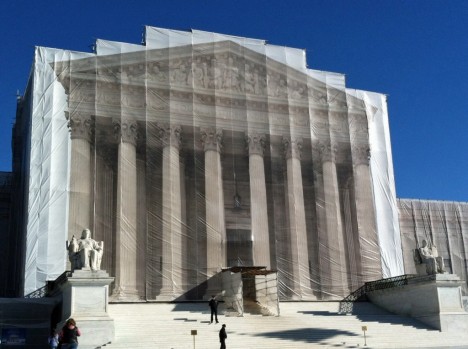
Illusion of justice? OK, that was too easy but restoring the United States Supreme Court Building was anything but. Designed by Cass Gilbert, the building’s classical marble facade has fronted the inner workings of the SCOTUS since 1935. The white Vermont Imperial Danby marble has aged gracefully for the most part but after 75 years of Washington weathering, a comprehensive restoration of the columned West Facade was deemed necessary… and it was going to get messy. What to do?

Scrim Scaffold 1a

Scrim Scaffold 1c

The solution employed by Rockville-based Forrester Construction Co. was a clever combination of inner rigid scaffolding wrapped in a decorative scrim depicting a photo of the facade in its forecasted finished state. Derived from practices commonly used in Europe, the scrim kept the dirty work of cleaning and restoring the facade under an attractive cover for the better part of two years, being removed upon the project’s completion in late 2013.

Dutch Treat

Scrim Scaffold 2

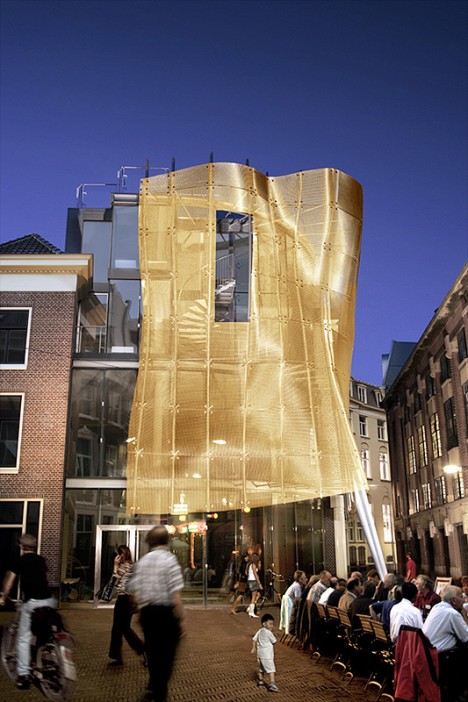
Sometimes less is more and conversely, more may seem like less. That was the case on Kettingstraat in The Hague, when Dutch architecture office Archipelontwerpers installed a Gehry-esque golden scrim to camouflage restoration and renovation work. Who’s going to notice the construction with a shimmering curtain of gold to distract their eyes?

Meat-Wrapping District

Scrim Scaffold 3a

Scrim Scaffold 3c

Scrim Scaffold 3b

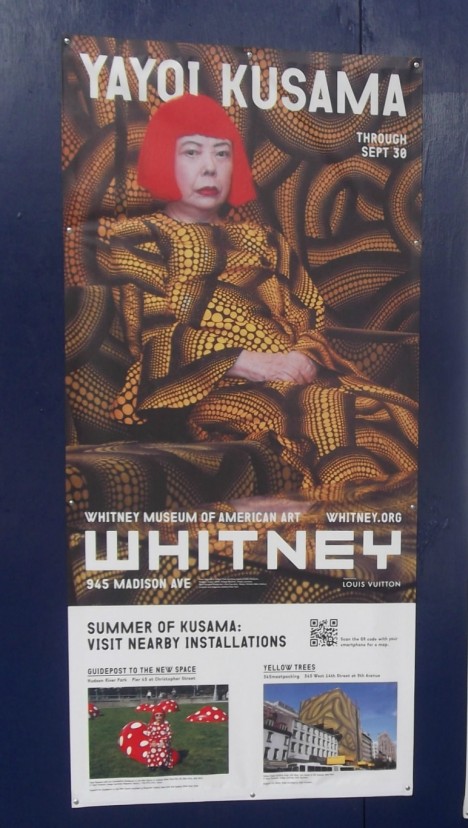
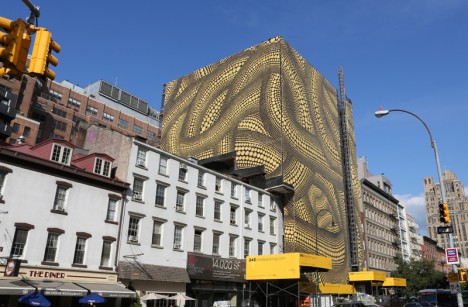
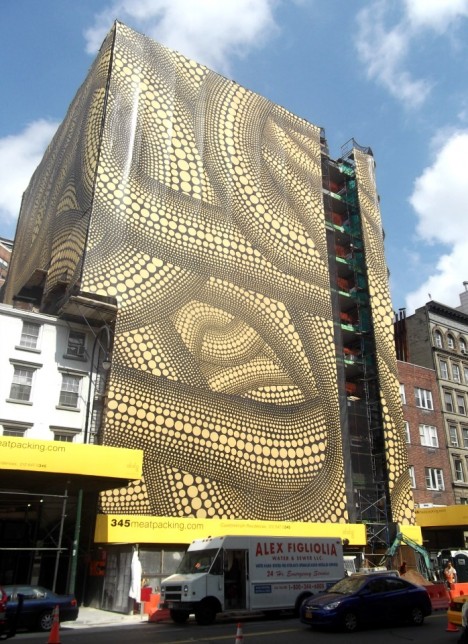
In 2012 when the Whitney Museum of American Art dedicated a retrospective to 83-year-old Japanese artist Yayoi Kusama, they decided to promote it in a big way. Take “Yellow Trees”, a building-sized art installation doubling as a practical scaffolding scrim on West 14th Street at 9th Avenue, near the Whitney‘s new location in NYC’s trendy Meatpacking District.

OZ-some!

Scrim Scaffold 4

Scrim Scaffold 4b

Scrim Scaffold 4c

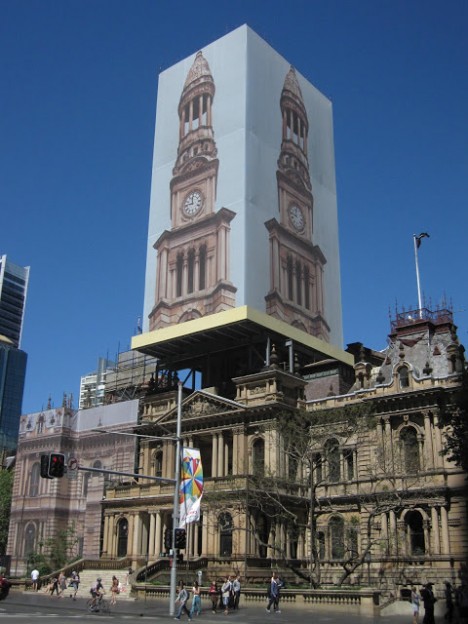
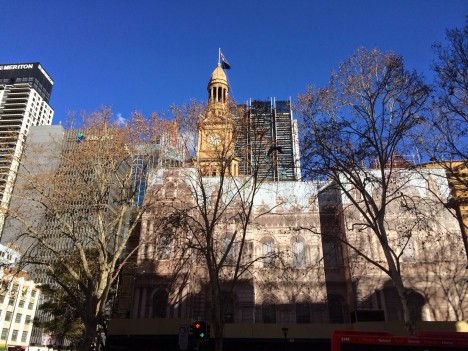
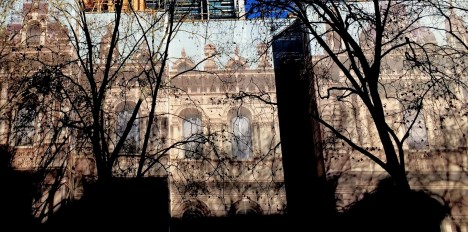
Sydney Town Hall was an Australian showpiece when it opened in 1889 but over a century’s worth of grime can’t be removed in a day or for a dollar. It took $ 33 million and quite a few days, in fact, and the use of a custom 30m (66ft) tall scrim for the clock tower and 20m (44ft) tall screens for the front facade helped preserve the old gal’s dignity while her cosmetics were being applied.

Next Page – Click Below to Read More:
Wrap It Up 10 Creative Building Scrims Scaffolds

Share on Facebook


[ By Steve in Architecture & Cities & Urbanism. ]

[ WebUrbanist | Archives | Galleries | Privacy | TOS ]


WebUrbanist

 
Comments Off on Wrap It Up! 10 Creative Building Scrims & Scaffolds

Posted in Creativity


New Frank Gehry Building So Ugly it Has to Wear a Paper Bag

09 Feb

[ By WebUrbanist in Architecture & Public & Institutional. ]

frank gehry building exterior

Featuring over 300,000 custom-designed bricks, the latest work of one of the world’s most famous architects is an impressive feat of engineering, but hard not to compare to a crumpled grocery bag. Even Australia’s governor general Peter Cosgrove introduced it as “the most beautiful squashed brown paper bag I’ve ever seen” at its opening ceremony. Gehry himself reportedly does not mind the comparison, but there is not much he could do or say about it even if he did.

frank gehry bag building

paper bag building gehry

Gehry’s first work in Australia, the structure’s inspiration supposedly came from a combination of local sources (Sydney architecture) and a treehouse, with branching supports holdings organic shapes. Its fenestration is designed to reflect views of the surrounding neighborhood – this, at least, is an intriguing idea that has a demonstrable and interactive effect.


frank gehry glass walls

dancing house image gehry

While Gehry states that this building will not be replicated elsewhere, it is quite recognizable as his work, and thus raises the question: is it sufficiently different from his other amorphous and sculptural buildings to be deemed truly unique in the first place? The resemblance to one half of The Dancing House (aka Fred and Ginger), a nickname given to the Nationale-Nederlanden building in Prague (shown above), is hard to miss.

frank gehry classroom space

frank gehry abstract room

The complex and chaotic-seeming shapes percolate into the interior as well, showing via details and spatial configurations in the main atrium space, multiple lecture halls and multimedia rooms and a student center above. Ugly or lovely, a grand metallic entry staircase is also reminiscent of other Gehry projects.

frank gehry reflective forms

frank gehry main staircase

frank gehry paper bag

Ultimately, only time seems to tell whether an unusual building can become an icon, but one has to wonder whether something can become iconic if it is not sufficiently different from other work by the same creator. Perhaps one of his few works to still stand out (and stand the test of time) remains his original Santa Monica house remodel – a reconfiguration that shows a learning process that has arguably since stagnated. There is no doubting his influential roll in contemporary deconstructivist architecture, but he has had failures and rejections as well and his projects increasingly look like muddled remixes of one another.

Share on Facebook


[ By WebUrbanist in Architecture & Public & Institutional. ]

[ WebUrbanist | Archives | Galleries | Privacy | TOS ]


WebUrbanist

 
Comments Off on New Frank Gehry Building So Ugly it Has to Wear a Paper Bag

Posted in Creativity


1 Building Per Day: Crafting Paperholm, a Working Micro-City

23 Dec

[ By WebUrbanist in Art & Sculpture & Craft. ]

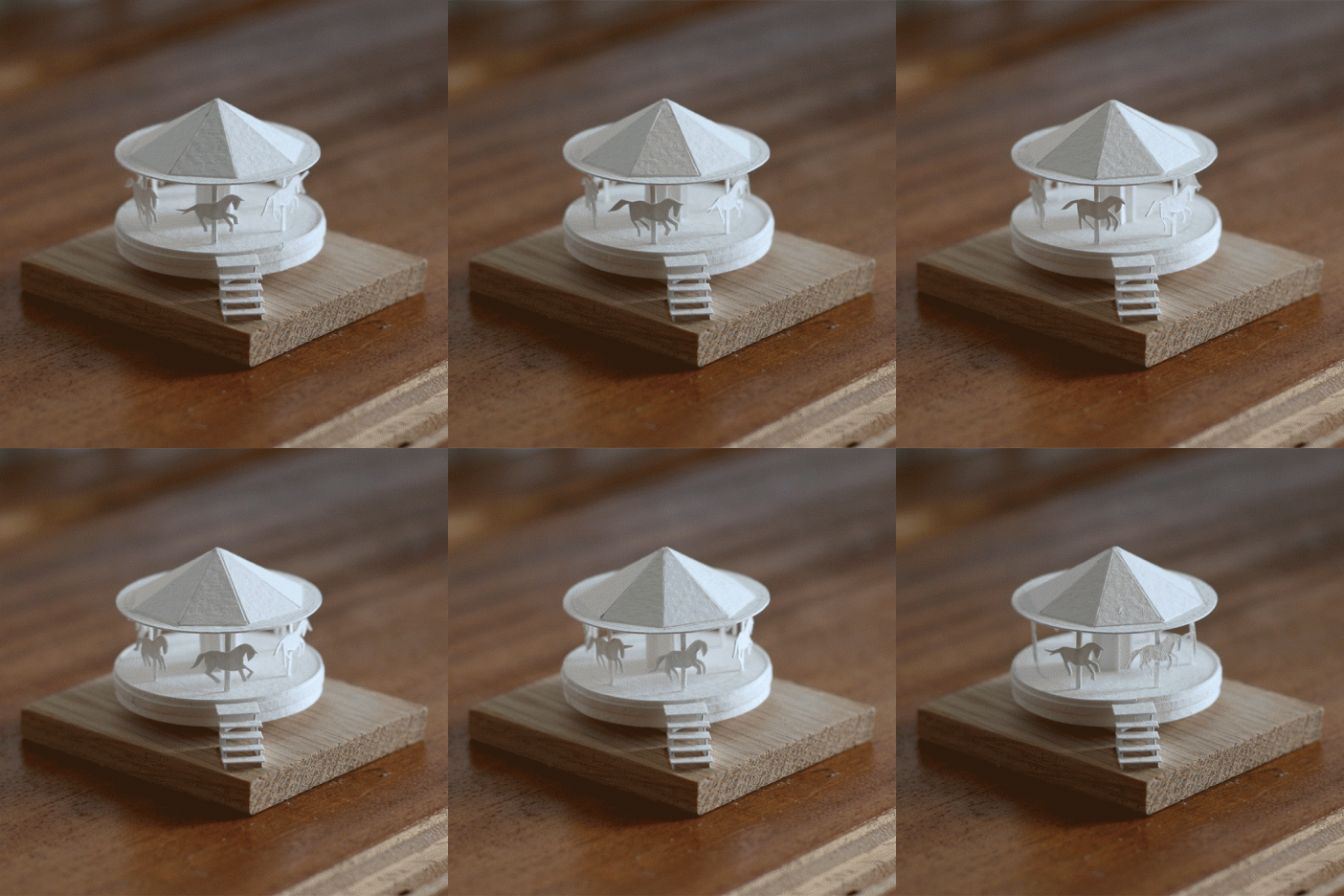
small miniature merry go round

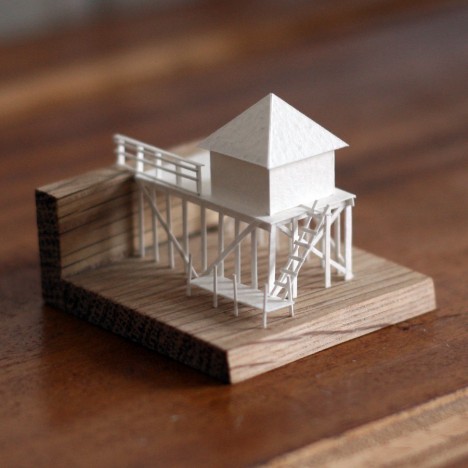
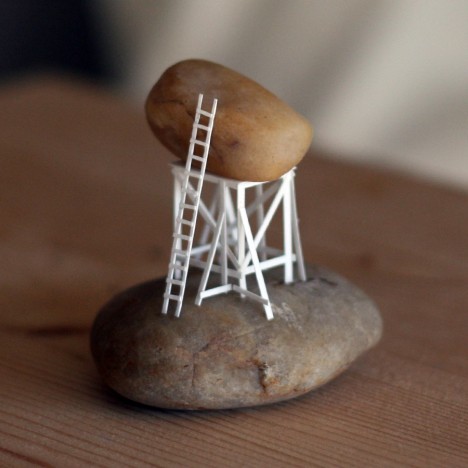
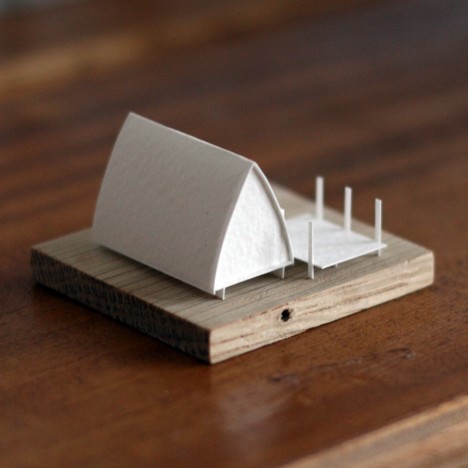
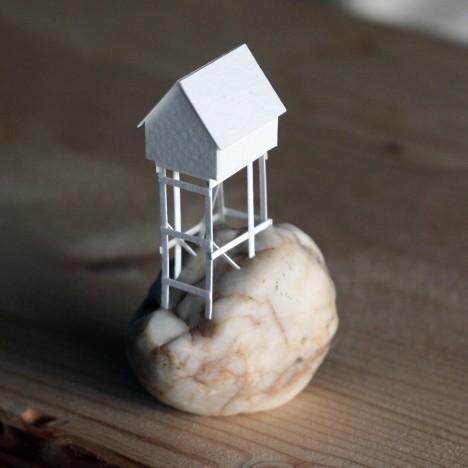
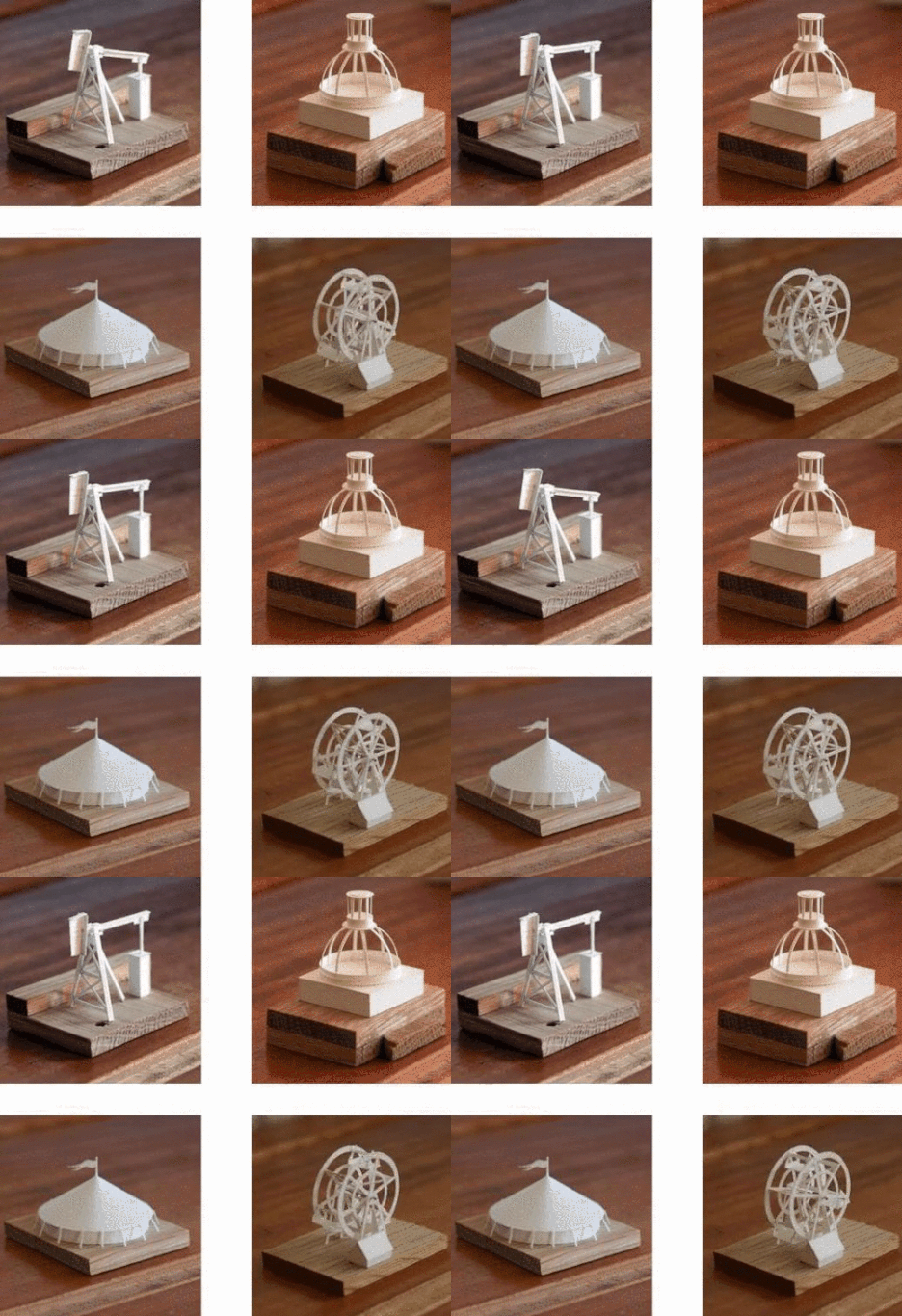
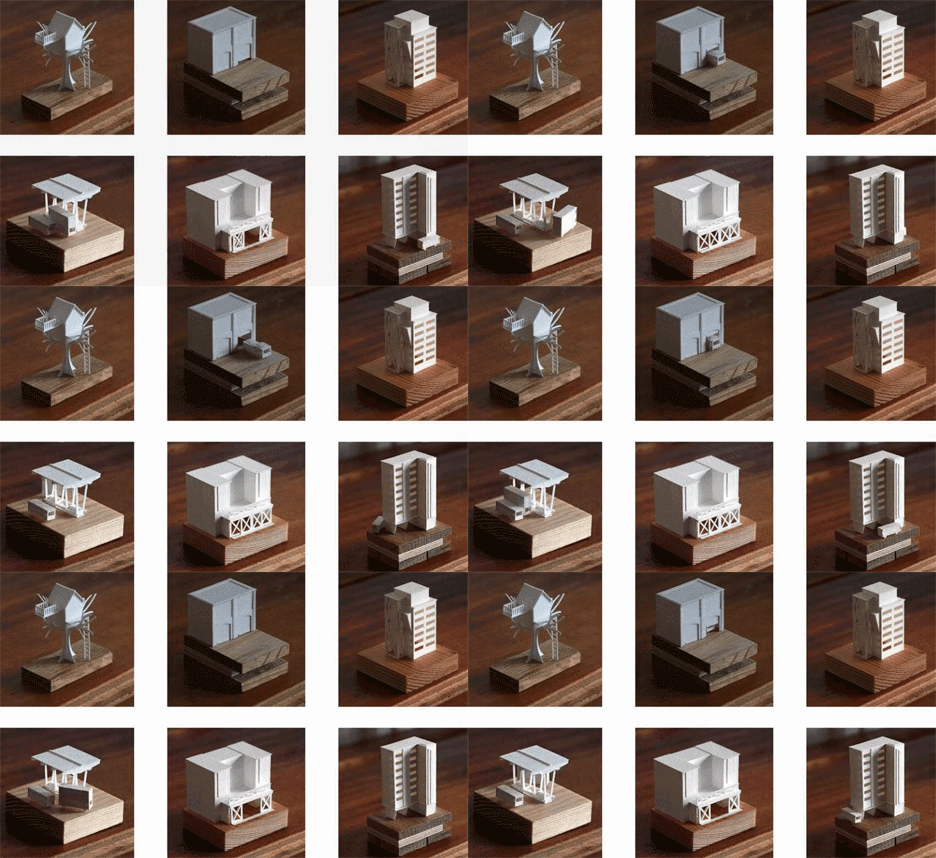
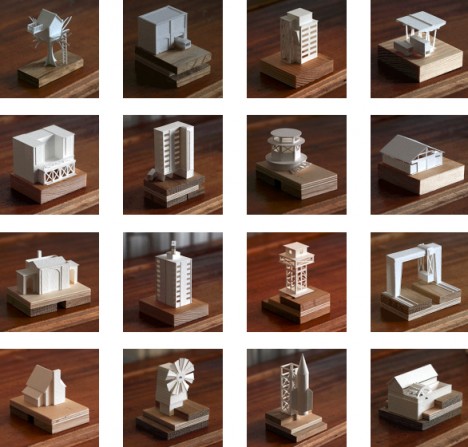
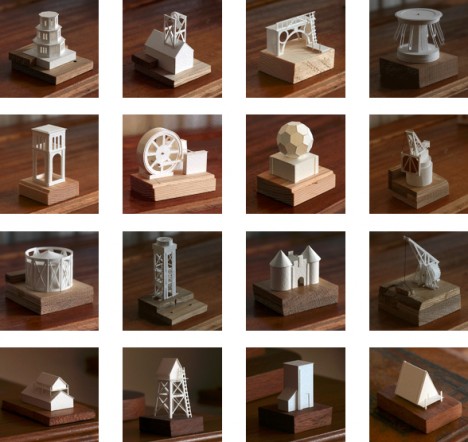
The individual structures are impressive as is the fact that they have moving parts, but their rate of construction is particularly compelling: the man behind this project is creating an additional mini-building each and every day.

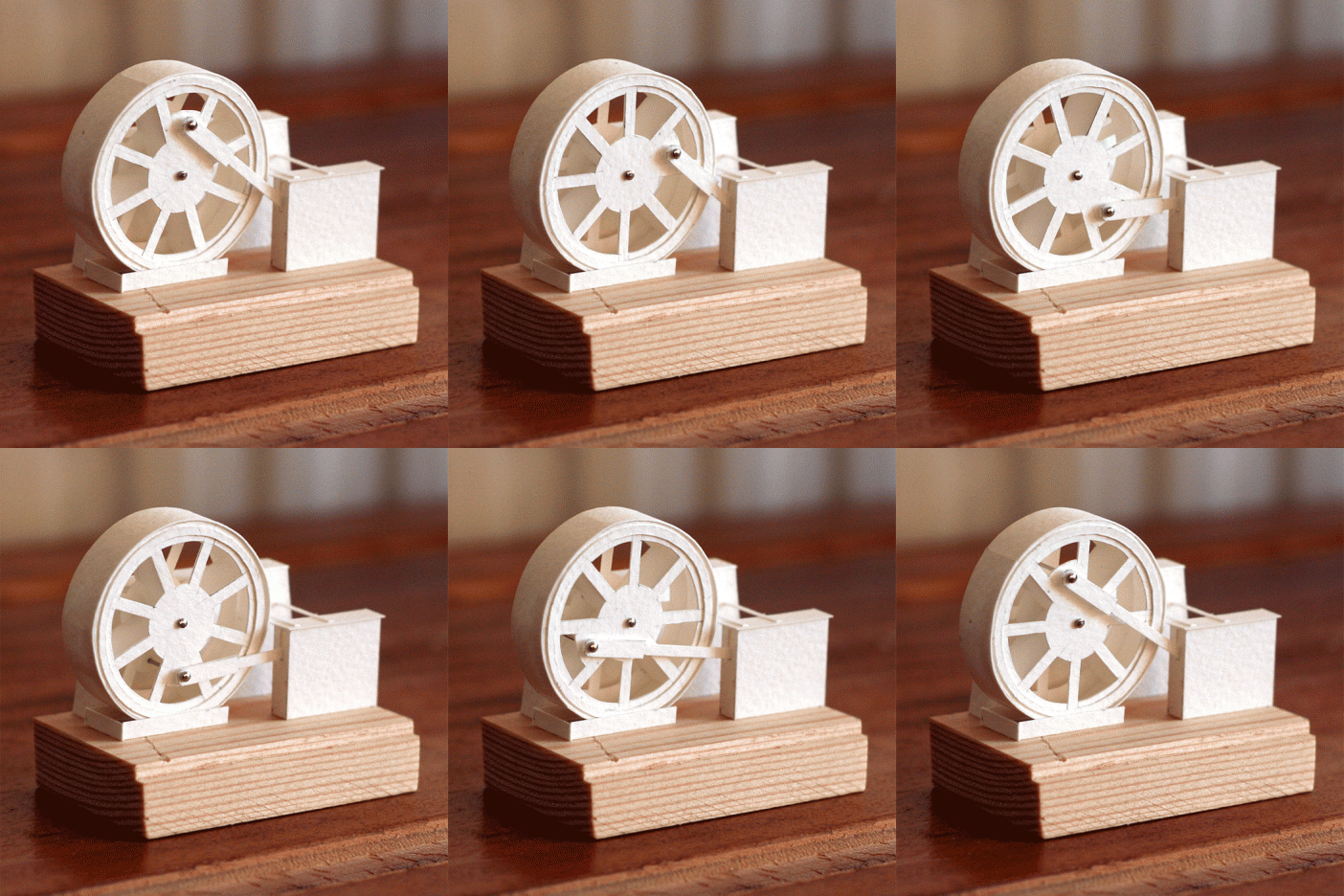
animated flyweel gif

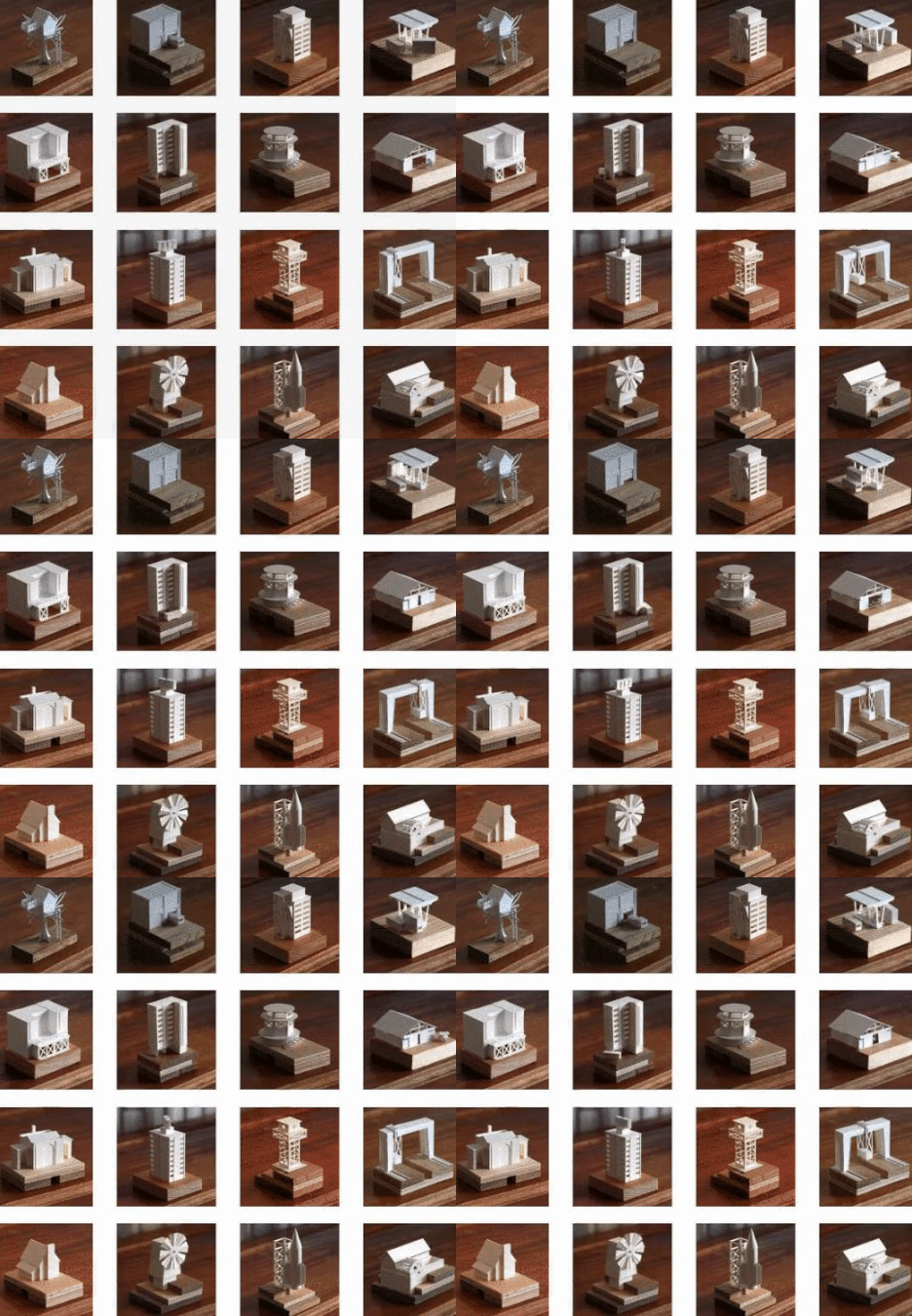
micro city animated

Charles Young has an advanced degree from the Edinburgh College of Art where he learned to make models – this project was a challenge to himself to not only remain continuously productive but to continue to improve his craft day by day.

tiny huge building architecture

small water tower rock

small craft paper model

small perched building design

With fresh posts every day, Paperholm represents a growing micro-troplis populated with buildings, buses, cars, planes and trains, the motion of which is animated via gif-formatted images.

micro mini building architecture

mobile mini city parts

tiny architectural crafted models

tiny city builing array

But the movement goes well beyond vehicles and into the realm of rotating radar dishes, spinning flywheels, sliding cranes, opening and closing garage doors and other elements that give this growing urban experiment a sense of life.

Share on Facebook


[ By WebUrbanist in Art & Sculpture & Craft. ]

[ WebUrbanist | Archives | Galleries | Privacy | TOS ]


WebUrbanist

 
Comments Off on 1 Building Per Day: Crafting Paperholm, a Working Micro-City

Posted in Creativity