RSS
 

Posts Tagged ‘Best’

Blog Project: Your Best Photos From 2015

27 Apr
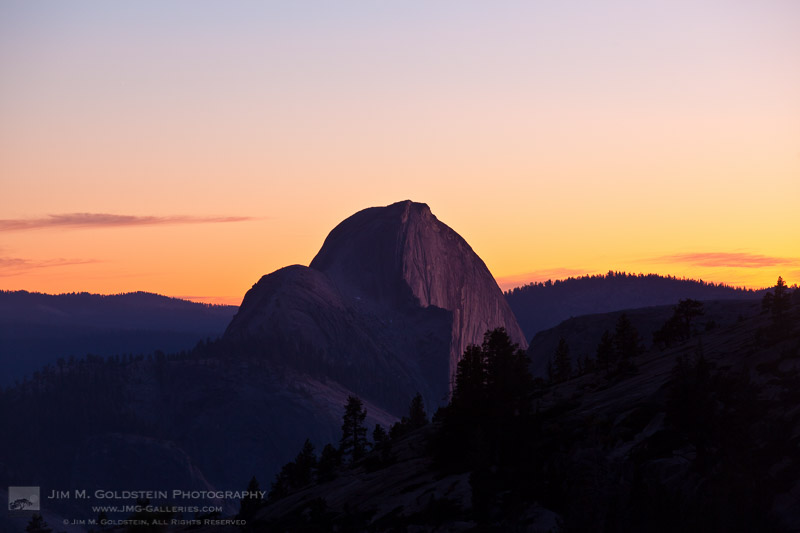
Half Dome Sunset from Olmstead Point, Yosemite

It’s that time of year again and if you’re a regular JMG-Galleries reader that means one thing…
it is time to kick off the 9th annual best photos of the year blog project. This is by far my most popular blog project with over 200 participants taking part last year (see Best Photos of 2014, 2013,  2012, 2011, 2010, 2009, 2008 and 2007). Around this time of year people start to ask if I’d be running this project again. The answer clearly is always YES!
1. I love this project and I love that so many people get excited about it.
2. It’s a great way exercise to improve your photography (10 Ways to Top Your Best 20xx Photographs).
So with out any further delay here is how you take part to submit your best photos of 2015.

How to Participate (Read Carefully)

  1. Review & select your best photos from 2015.
    Note: Photo edit carefully narrowing down your results to your best 10 or 5 photos. Reference Pro Tips: Photo Editing with Gary Crabbe for pointers.
  2. Create a blog post on your web site or a Flickr/500px set containing your best photos from 2015.
  3. Complete the form below by Saturday JANUARY 2nd at 11:59PM PST to take part. The following Tuesday, or there about, I’ll post a link to all submitted sites and photos on my blog. Through out the week I’ll also share the results across all my social media accounts.

Spread the Word!
Feel free to spread the word of this project on Twitter, Facebook, Google+, photo forums you frequent and/or your blogs. All who are interested in taking part are invited.


Loading…

The post Blog Project: Your Best Photos From 2015 appeared first on JMG-Galleries – Landscape, Nature & Travel Photography.


JMG-Galleries – Landscape, Nature & Travel Photography

 
Comments Off on Blog Project: Your Best Photos From 2015

Posted in Equipment


Best Photos of 2015 by Jim M. Goldstein

26 Apr

As is my ritual I’ve compiled my best photos of the year. Similar to last year much of my efforts have been focused on stoking my 5 year old son’s curiosity about nature.  It would be very easy to focus on my photography, but the reason I pursue outdoor photography is because of my deep appreciation for it. I’d like to pass that on to both my boys and with that in mind most of my outings this year were to share the experience exclusively with my son rather than my camera. That said unlike last year my best photos are not Instagram photos (jimgoldstein), but a mixture of DSLR and medium format film via a newly acquired Fuji GX617. Having taken a hiatus from film photography for over 10 years it’s been a great challenge to rexperience the joy and pain of it as I’ve begun sharing in a shot series Revising Film Photography.

To this years best photos in no particular order…

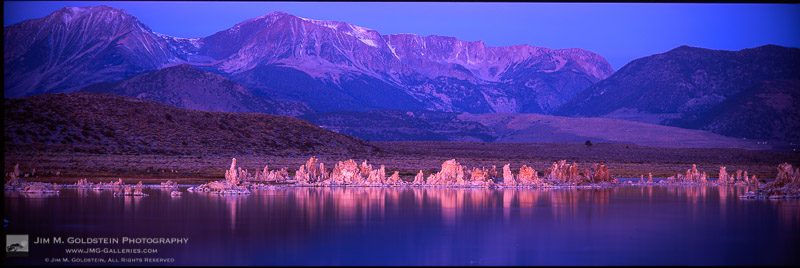
Early morning light falls on tufas at Mono Lake County Park/State Natural Reserve

Early morning light falls on tufas at Mono Lake County Park/State Natural Reserve

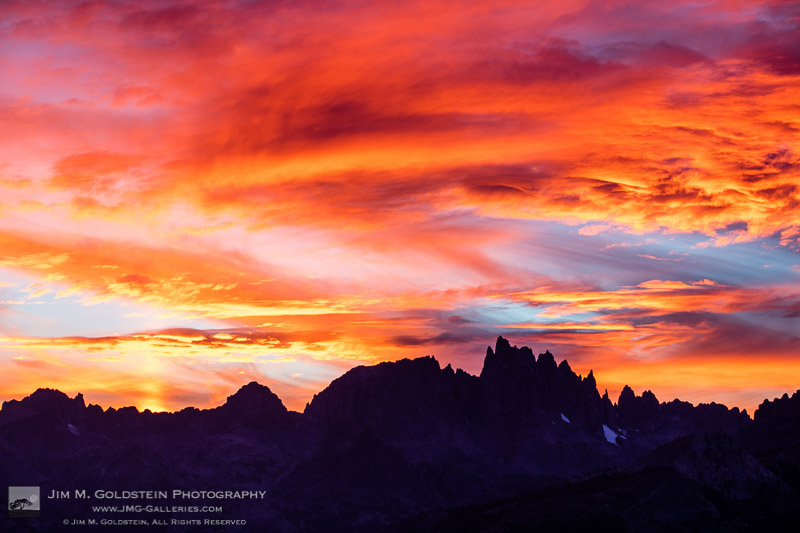
Sunset light with a partial Sun Pillar over the Minarets

Sunset light with a partial Sun Pillar over the Minarets

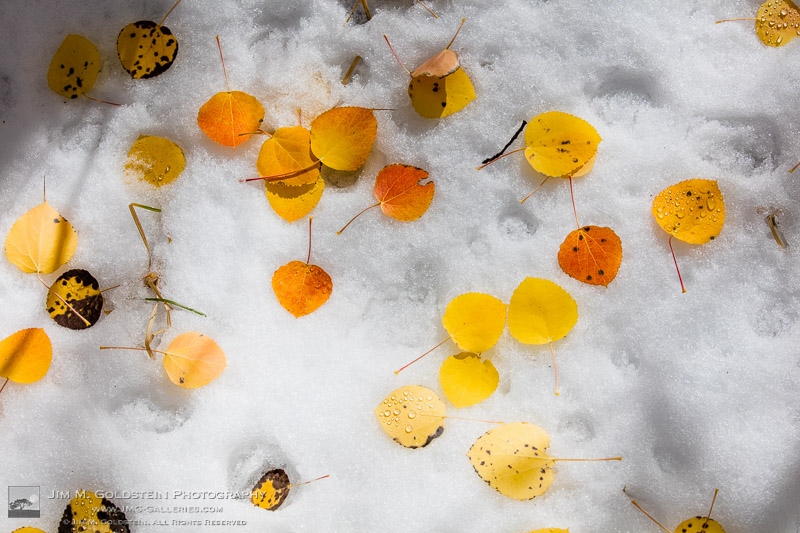
Brightly colored Aspen leaves rest on snow

Brightly colored Aspen leaves rest on snow

300+ foot Redwood trees reach to the sky as seen from the Founders Grove

300+ foot Redwood trees reach to the sky as seen from the Founders Grove

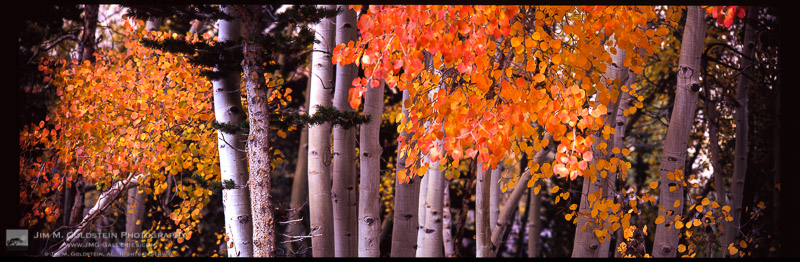
Brightly colored Aspen leaves cling to branches as Fall comes to an end in the Sierra Nevada mountains.

Brightly colored Aspen leaves cling to branches as Fall comes to an end in the Sierra Nevada mountains.

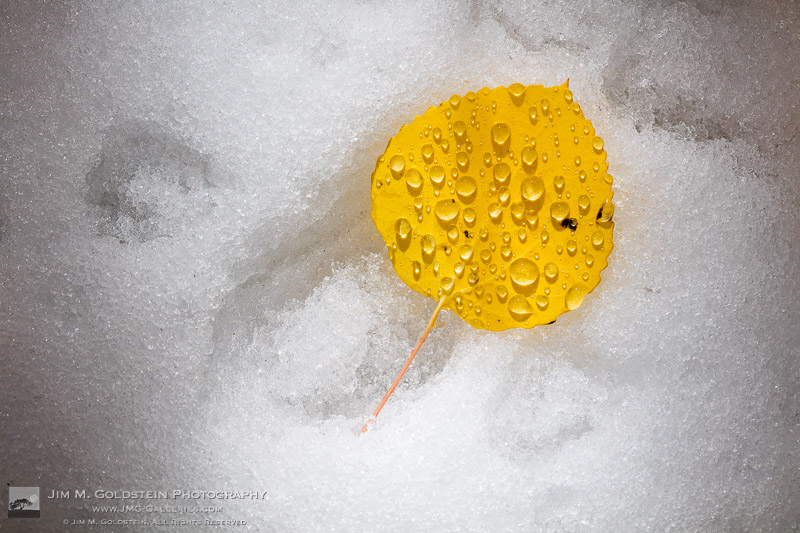
A yellow Aspen leaf with water droplets rests on the snowy ground

A yellow Aspen leaf with water droplets rests on the snowy ground

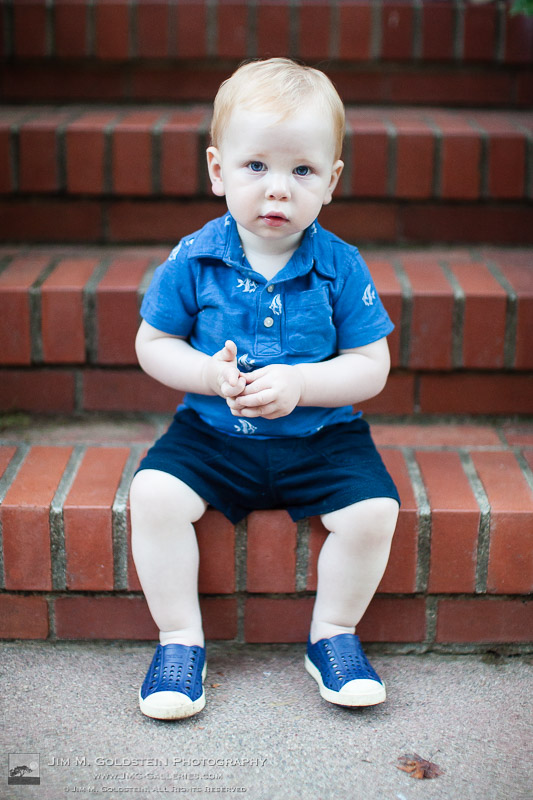
Grant at 15 months of age.

Grant at 15 months of age.

Blake smiling under the Redwood Trees

Blake smiling under the Redwood Trees

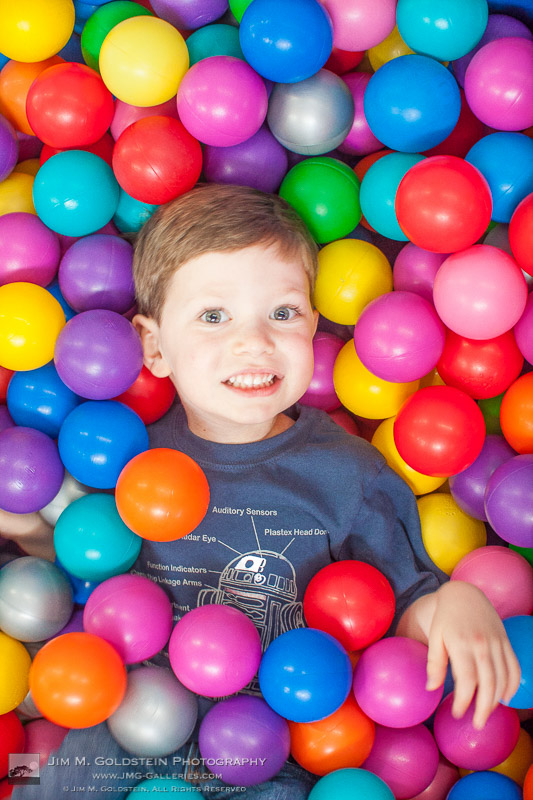
5 year old celebrating a birthday in a colorful plastic ball pit

5 year old celebrating a birthday in a colorful plastic ball pit

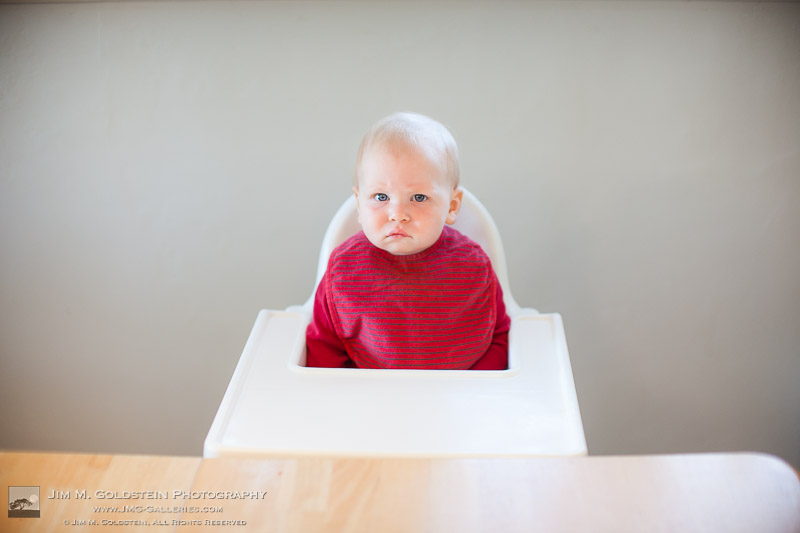
1 year old boy makes a serious face in his high chair waiting for his birthday cake

1 year old boy makes a serious face in his high chair waiting for his birthday cake

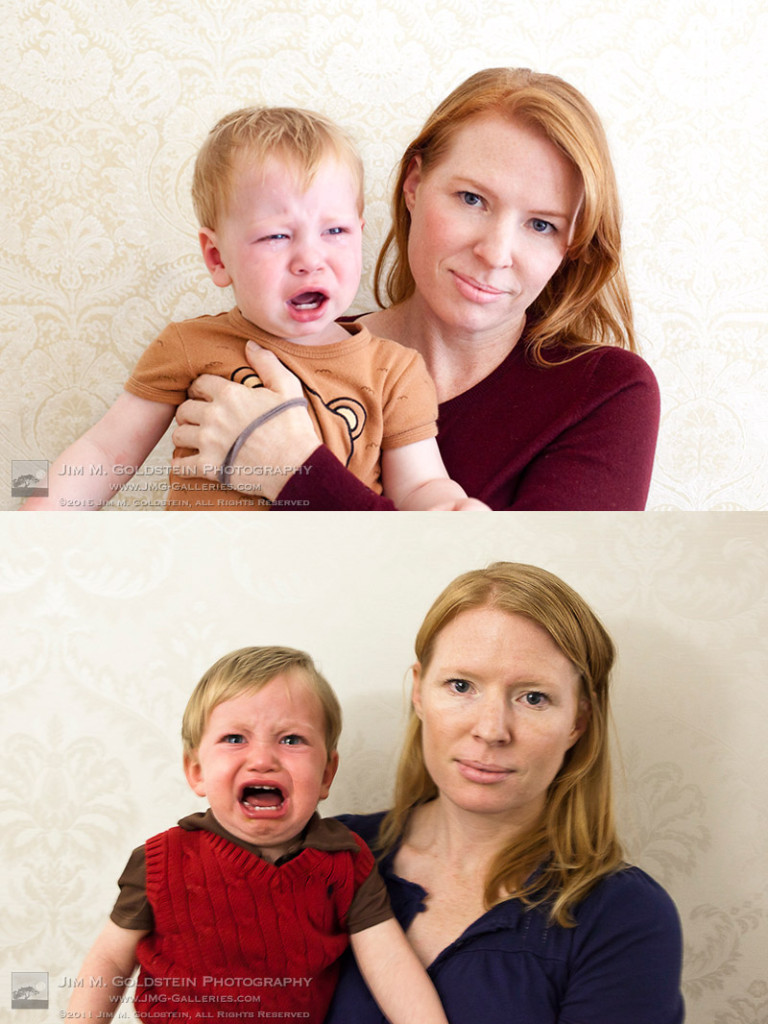
An honorable mention…
My youngest son now has a matching photo to his older brother featured in my Best of 2011 photos.
trying_times_joint_JMG_7206

The post Best Photos of 2015 by Jim M. Goldstein appeared first on JMG-Galleries – Landscape, Nature & Travel Photography.


JMG-Galleries – Landscape, Nature & Travel Photography

 
Comments Off on Best Photos of 2015 by Jim M. Goldstein

Posted in Equipment


Best Photos of 2015 by JMG-Galleries Blog Readers

26 Apr

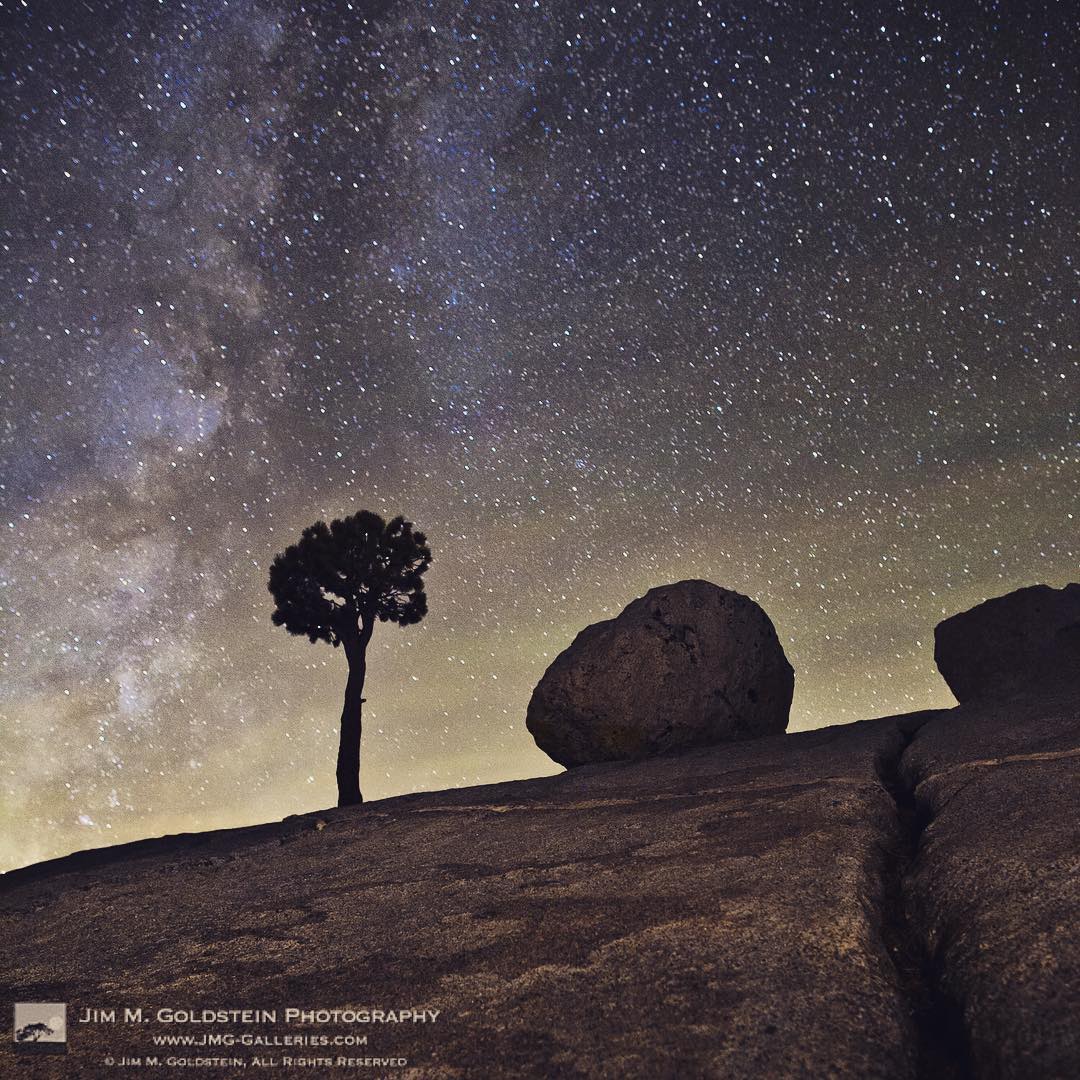
Olmsted Point Stars

Every year I like to start off by providing a roadmap of inspiration for myself and those that read my blog by compiling a list of great photos from my blog readers. I am very thankful to everyone that takes part as their enthusiasm has enabled me to turn this into a tradition that is now on its 9th year. It is amazing to think that so many people have embraced this and find it as invigorating as I do. Thank you!  If you’re just discovering my Best of Photos project you’ll find in the list below very talented and passionate photographers of all skill levels. Participants span a spectrum of skill level from hobbyists to professionals and cover a wide variety of genres including landscape, macro, nature, photojournalism, portraiture, event, wildlife, fine art photography and more.  Some names you’ll recognize as being famous and others  you won’t. I invite you to visit each link below as I have and introduce yourself to many of the participating photographers.

If you’d like to take part next year and be informed when submissions open for the “Best Photos of 2016? blog project add your name to my mail list. You won’t be spammed. I send out newsletters quite infrequently.

Thank to everyone who took part! I hope reviewing your best photos of the year and comparing them to years pasts keeps you inspired and aware of your progress as a photographer.

Best Photos of 2015

  1. Jim M. Goldstein – Best Photos of 2015
  2. Scott Wyden Kivowitz – Best and Favorite Photographs of 2015
  3. Chris Moore – Exploring Light – Top Ten Photos of 2015
  4. Nilesh Patel – Best of 2015
  5. Dave Wilson – Best of 2015 – Dave Wilson Photography
  6. Michael Russell – My 10 Favorite Photographs of 2015
  7. Jim Campbell – In My Image
  8. Salter C Ballard – my 2015 best photos
  9. Rachel Cohen – 2015 My Year in Review
  10. JJ RAIA – 2015 Jim Goldstein Blog Project
  11. Andrew S. Gibson – My Ten Favourite Photos from 2015
  12. Russ Bishop – 2015 – The Year in Pictures
  13. Randy Langstraat – ADVENTR.CO – My Ten Favorite Photos of 2015
  14. Clint Losee – Top 10 of 2015 – My 10 Best Landscape and Scenic Photos
  15. Mike Cavaroc – Free Roaming Photography
  16. Richard Murphy – Best of 2015
  17. Franka M. Gabler – Franka M. Gabler Photography – Favorite Images from 2015
  18. Isabel and Steffen Synnatschke – 2015 – Our favorite images of the year
  19. Johann A. Briffa – 2015 Retrospective – Flickr Album
  20. Carl Donohue – Expeditions Alaska Favorite Photos of 2015
  21. Alexander S. Kunz – Twelve favorite photos from 2015
  22. Richard Wong – Favorite Photos From 2015 – Richard Wong
  23. Matt Anderson – MATT ANDERSONS BEST PHOTOS OF 2015
  24. Patricia Davidson – My Top Favorite Photos of 2015
  25. Joseph W. Smith – Favorites from 2015
  26. Martijn van der Nat – Best of 2015
  27. El Paisaje Perfecto – Landscapes of the year. 2015 Edition.
  28. Jenni Brehm – Changing Perspectives – Best of 2015
  29. Pete Miller – USKestrel Photography – uskestrelphotography – My Favorites of 2015
  30. Gary Crabbe – Enlightened Images – My Favorite Photos of 2015 – A Year-End Retrospective
  31. Greg Russell – Alpenglow Images – 2015 Year in Review
  32. Paul Conrad – 2015: A Look Back – My Year in Photos
  33. Philip Esterle – Philip Esterle Photography
  34. Suzy Walker-Toye – Best of 2015 and year in review
  35. Mike Matenkosky – My Favorite Photos from 2015
  36. Alan Majchrowicz – Photo Highlights 2015
  37. Rob Tilley – Best of 2015 – My Favorite Images of the Year
  38. Jon Gresham – The Sun Shines and the Igloo Melts
  39. Mike Cleron – 2015 Favorites
  40. Adrian Klein – Best Photos of 2015
  41. Björn Göhringer – Top 15 From 2015
  42. Chris Tucker – My Best Photos of 2015
  43. Greg A. Lato – latoga photography – My Favorite Photos of 2015
  44. Greg Clure – Greg Clure Photography – Best of 2015
  45. Alister Benn – Alister Benn – Best of 2015
  46. John Fujimagari – The Stentorian Image – Best Of Twenty Fifteen
  47. SkyVista Photography by Steve Luther – Photographic Journeys – SkyVista Photography 10 Favorite Images of the Year
  48. Mike Chowla – My Ten Best of Images of 2015
  49. Björn Kleemann – Best of 2015
  50. Phil Colla – Natural History Photography – Best Photos of 2015
  51. Edith Levy – Edith Levy Photography – 2015 My Year in Review
  52. Andre Krajnik – MyBlog by solaner – a photographer’s view to the world a traveler’s blog
  53. Fred Mertz – BEST OF 2015
  54. Harold Davis – Harold Davis Best of 2015 – Backwards and Forwards
  55. David Leland Hyde – Landscape Photography Blogger – My Favorite Photographs of 2015
  56. Anne and Frank Klug – Ten Favorite Images from 2015
  57. Scott Thompson – Scott Shots Photography – My 10 Best Tahoe Photos of 2015
  58. Jim Stamates – My 10 Best of 2015
  59. Daniel Leu – Favorites of 2015
  60. Tim Newton – 2015 Favorites
  61. Pat Ulrich – Favorite Photographs of 2015
  62. Caleb Weston – Dubland.net
  63. Lon Overacker – Lon’s Favorites of 2015
  64. Brent Huntley – photographyandtravel.com
  65. Jean Day – Jean Day Photography Best of 2015
  66. Denise Goldberg – top photos 2015
  67. Dan Baumbach – 2015 Favorites
  68. M.C.Andrews – The Aerial Horizon
  69. Alex Filatov Photography – Top Photos of 2015
  70. Martin Quinn – Martin Quinn – 2015 Favorites
  71. Anja Eichler – ae.i – travel photography and social media for shutterbugs
  72. Brian King – Brian King Images
  73. QT Luong – Year 2015 in Review: Water Favorites
  74. Amanda Sinco – Favorite Images from 2015
  75. G Dan Mitchell – G Dan Mitchell’s 2015 Favorite Photographs
  76. Bryan William Jones – Top Photos of 2015
  77. Kevin Ebi – Living Wilderness – Best of 2015
  78. Dayne Reast – 2015 Highlights
  79. Bryn Tassell – Bryn Tassell – Favourites of 2015
  80. Michael Bainbridge – 50 of the Best Photographs of 2015
  81. Catalin Marin – My favourite shots of 2015
  82. J.T. Dudrow – A Glimpse Back at 2015
  83. Laurie Buchwald – My 2015 Photography Year in Review
  84. Andrew S. Gray – Abstract Landscapes 2015 – Andrew S. Gray Photography
  85. Anthony Quek – Bugs and Insects of Singapore
  86. Stephen G. Weaver – Stephen Weaver 2015 Favorites
  87. Chuq Von Rospach – 2015 in Review: My Favorite Images
  88. Milan Hutera – 2015 in Pictures
  89. Derrald Farnsworth-Livingston – Journey Of Light Photography – Top 10 Favorite Images from 2015
  90. Floris van Breugel – Floris van Breugel Best of 2015
  91. Andrew Thomas – Best Aerials of 2015
  92. Nick Fitzhardinge – 2015 – a review
  93. Tom Whelan – Twelve from 2015
  94. Jeff E Jensen – A Few Favorites from 2015
  95. Sara M. Skinner Photography – My Top 10 Favorites of 2015
  96. Mike Christoferson – MLCreations Photography
  97. Mark Graf – Michigan Nature Photos – Twenty Fifteen
  98. Navin Sarma – Navin Sarma Photography
  99. Mark Garbowski – 2015 – A Gallery of Favorites – Mark Garbowski Photography
  100. Torsten Muehlbacher – Best of 2015
  101. Rick Holliday – My Favorite Images from 2015
  102. Tony Wu – Favorite Photos of 2015
  103. Jon McCormack – “2015: Ethiopia
  104. Wendy M. Seagren – Thruthelensephotography – Best of The Best
  105. Stephen L. Kapp – Top 10 Images of 2015
  106. Richard Peters – The year of the wildlife photo without a subject in the frame.
  107. RJ Wilner – 2015 Favorites
  108. Stefan Baeurle – Top 10 Favorites of 2015
  109. Brian Knott – FMKPhoto – 2015 year in review
  110. Christian Cueni – My top pictures in 2015
  111. David Richter – Favorite Images of the Year – 5 of 2015
  112. Patrick Endres – 100 Favorite photos from 2015
  113. Dennis Gingerich – My favorite 5 in 2015
  114. Madeline Pain – Best Photos of 2015
  115. Harley James – Backcountry Bibles – Tramping in New Zealand
  116. Tom Poole – My Favourite images from 2015
  117. Wednesdays in Marblehead – Wednesdays in Marblehead – Best of 2015
  118. Jo West – Jo West Images – Photo Blog
  119. Jeff Sullivan – Top 10 Favorite Travel and Landscape Photos from 2015
  120. Mark Hespenheide – Favorites of 2015
  121. Scott F McGee – Under Pressure Photography 10 Favorites of 2015
  122. Mike Walker – Mike Walker 2015 Top 10
  123. Susan Taylor – Susan Taylor’s Best of 2015
  124. Deb Snelson – Favorite Photos 2015
  125. David J Grenier – 2015 Top Twelve Photographs
  126. Colleen Miniuk-Sperry – CMS Photography – Colleen Miniuk-Sperry Photography – Favorite Photos and Poem From 2015
  127. Michael Zapata – Top Photos From 2015
  128. Roy Kropp – Roy Kropp 2015 Favorites
  129. Daniel Gauss – Dan’s Shot On Site Google+ Page
  130. Tina R Schell – 2015 Favorites and Weekly Photo Challenge-Circles
  131. Drake Dyck – Top Ten Favourite Images of 2015
  132. Jeremy Freshwater – 2015 Best
  133. Rob – NeverHappen – Best of 2015
  134. D. Ottar Flack – RedStormPhoto – Best of 2015
  135. Robin Black – Robin Black Photography
  136. Elizabeth Hahn – EM Hahn Photography
  137. Steve Cole – 2015 Retrospective
  138. Kurt Lawson – Kurt Lawson Photography
  139. Michael Burkhardt – Wilderness Adventure Images – Best of 2015
  140. Derek Fogg – British Landscapes Photography – Looking Back on 2015
  141. Charlotte Gibb – Best of 2015 – A Year of Photography
  142. Eric E Photo – Top 10 of 2015
  143. Will Burrard-Lucas Wildlife Photography – 2015 Year in Review
  144. Vaibhav Tripathi – My favorite 12 photos from 2015
  145. Hugh Sakols – Hugh Sakols Photography
  146. charles barnwell – My Best Images of 2015
  147. Burt Gearhart – Best of 2015
  148. Robert H Clark – 2015 Images – A Year In Review
  149. Deborah Zajac – Top 10 2015 Images
  150. Michael Frye – My Top Photographs of 2015
  151. Les Taylor – Les Taylor Photography – Top 10 Photos of 2015
  152. Phil Slade – Best Images of 2015
  153. Brad Goldpaint – 2015 Letting Go and Allowing Life
  154. Ron Niebrugge – Photo Blog – Niebrugge Images
  155. Greg Vaughn – Favorite Photos of 2015
  156. Seán Duggan – Sean Duggan Photographics – Best of 2015


Special thanks to Holger Elhard for his technical assistance!

The post Best Photos of 2015 by JMG-Galleries Blog Readers appeared first on JMG-Galleries – Landscape, Nature & Travel Photography.


JMG-Galleries – Landscape, Nature & Travel Photography

 
Comments Off on Best Photos of 2015 by JMG-Galleries Blog Readers

Posted in Equipment


Best of both worlds? Canon patent for DSLR hybrid viewfinder design published

01 Apr

Canon has applied for a patent for a viewfinder design that combines both optical and electronic displays in a DSLR style system. Via a system of mirrored prism the design allows users to benefit from all the advantages of both EVF and TTL optical systems through the same eye piece. Menus can be overlaid on a normal optical view, or a live view function can be used through the viewfinder – which would be of great benefit to video shooters.

In Canon’s new hybrid viewfinder design light passes through the lens as usual and is reflected through a ground glass screen into the pentaprism. As it exits the pentaprism is can be supplemented with light from a LCD panel (labelled ‘9’) that is projected through a series of lenses and bounced from a half-mirror (6b) and on to a reflective surface (6). The two sources of light combine and pass to the photographer’s eye via the eye piece (8). When the mirror is in the up position the image recorded by the sensor (12) can be sent directly to the LCD panel (9) so the photographer can get a live view of what the sensor is recording. Thus the system combines the best elements of electronic and optical viewfinders.

Through a clever use of optics and a mirrored prism, the new design allows a ‘full screen’ display across the whole viewfinder. The significance of the system is that DSLRs will be able to gain some of the advantages of mirrorless systems, such as full menus and playback in the viewfinder, and shooting information could be shown across the larger screen instead of just the bottom or sides of the screen. This would also make possible video shooting through the viewfinder, which could become important if technologies like Dual Pixel AF start to replace secondary-sensor PDAF systems. This would eliminate the need to switch between viewfinder and rear screen shooting to change from stills to video mode, creating a more consistent experience.

The system allows menus to be viewed and accessed as they are overlaid on the image produced by the optical finder

The patent description explains that one of the challenges has been to ensure that the image projected from the electronic screen matches that of the optical system, which is why the screen has been placed close to the viewfinder instead of before the prism, where there might have been more room. Being on the viewing side of the prism means less magnification is needed to create an image big enough to coincide with that of the optical view.

The projection system uses a complex set of lenses to reduce the size of the construction so that the manufacturer shouldn’t have to make physically larger cameras to accommodate it. Canon also indicated that it has taken steps to reduce the impact of the half mirror that has been placed in the optical path. It says that the angle of the mirror is optimized to allow as much light to pass as possible.

The heads-up display type viewing system is nothing new, and although it has been discussed in camera circles before we have yet to see a good example of technology combining optical and electronic views. The closest we have come is the hybrid viewfinders used by Fujifilm in the X-Pro and X100 series of cameras, but Canon’s method is the first to combine an EVF with a TLL viewfinder, rather than a more rangefinder-style arrangement.

Canon’s patent was applied for in 2014 and the information only just published, so the company may be in a position to introduce the system quite soon. However, as with any patent there’s a chance nothing will come of it, no matter how good an idea it is. We will just have to wait and see what, if anything, comes of it.

Articles: Digital Photography Review (dpreview.com)

 
Comments Off on Best of both worlds? Canon patent for DSLR hybrid viewfinder design published

Posted in Uncategorized


5 Best Nik Color Efex Pro 4 Filters for Amazing Photos

23 Mar

How do you know which filter in Nik Color Efex Pro 4 you should use for processing your photos? With a total of 55 filters in Color Efex Pro 4, there is a lot of filters to explore. However, here is a little help. I have gathered 5 of the best and most powerful Nik Color Efex Pro 4 filters Continue Reading

The post 5 Best Nik Color Efex Pro 4 Filters for Amazing Photos appeared first on Photodoto.


Photodoto

 
Comments Off on 5 Best Nik Color Efex Pro 4 Filters for Amazing Photos

Posted in Photography


How to Build the Best On-Location Photography Lighting Kit

22 Mar

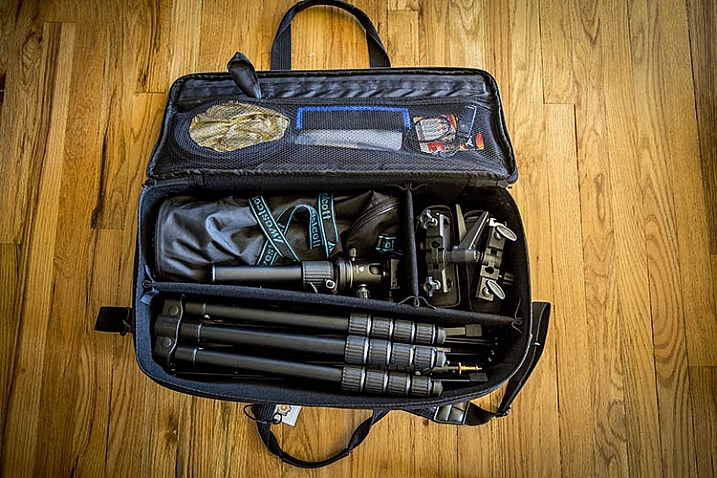
Digging around the Internet, there are tons of resources available for constructing the perfect studio lighting setup for photographers, but very little is written about the best travel photography lighting kits. As a result, this article is an entirely DIY approach, comprised of lots of sleuthing and trial and error, to create the ideal lighting kit, that’s compact and easy to travel with. Let’s start with the essentials: the lighting gear!

photography lighting equipment

Best Travel Photography Lights

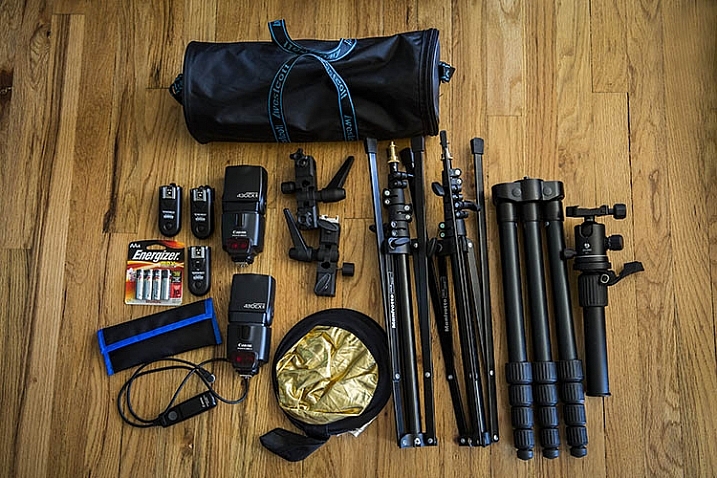
Compared to studio lights, you really can’t go wrong with speedlights when you’re looking for portability. As a Canon shooter, this means having a Canon 580EXII as my main light, and two Canon 430 EXII Speedlites as my secondary lights. A possible lightweight and travel-friendly alternate light source is the Westcott Ice Light, which offers continuous LED lighting, although in general it doesn’t quite have the oomph and output that speedlights do.

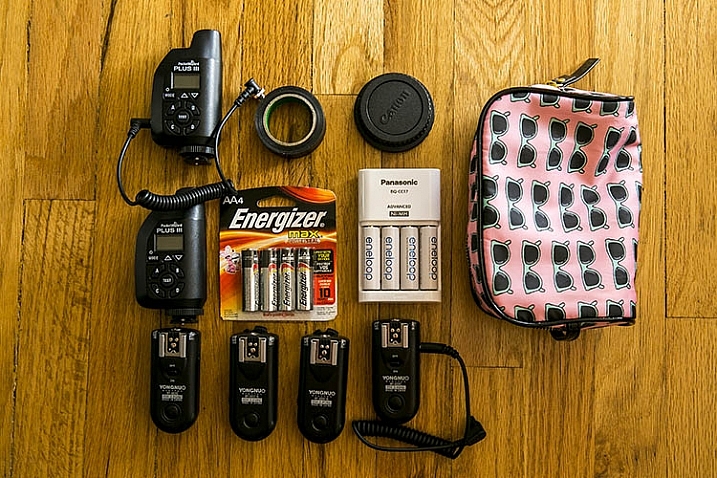
All flashes are powered by Panasonic Eneloop AA batteries, which have been a huge money-saver, thanks to the fact that they are rechargeable, and have all been extremely reliable to date. To sync all three speedlights, I have PocketWizards that I always carry as backups, but primarily rely on Yongnuo RF-603CII-C1 remote flash triggers for two reasons:

  1. They’re small and low-profile
  2. They’re incredibly cheap and affordable

Amazingly, the Yongnuos are also very reliable, and haven’t once failed in two years of constant usage.

Compact Light Stands

photography lighting equipment

Next on the list are light stands in the form of Manfrotto 5001B Nano stands. Weighing in at just 2.2 pounds (1kg) each, these light stands fold down to a mere 19 inches (48cm), while still having a maximum height of 74.4 inches (1.9m). They aren’t the most stable or sturdy light stands out there, but they travel extremely well, and work just fine for simple speedlight setups. Two light stands gets their own umbrella adapter and accompanying umbrella, while one lucky stand is adorned with a Westcott Rapid Box lighting modifier.

Lighting Gear Extras

As with most photo shoots, you never quite know what extra accessories you might need when on location, so my lighting kit varies from shoot to shoot. Some common extras include a a Benro Travel Flat Tripod, Canon shutter release cable, mini gold/silver reflector, speedlight color gels, gaffer’s tape, spare batteries, and camera body and lens rear caps, in case of drops and spills (sad to say these have come in handy more than once).

Bonus tip: I recommend using a lightweight zippered women’s cosmetic bag to hold, and organize, your smaller items such as remote triggers, batteries, front and rear caps, etc. This is the easiest way to keep those items contained in one spot for easy access, with less chance of losing them while at a shoot.

photography lighting equipment

Lighting Gear Bags

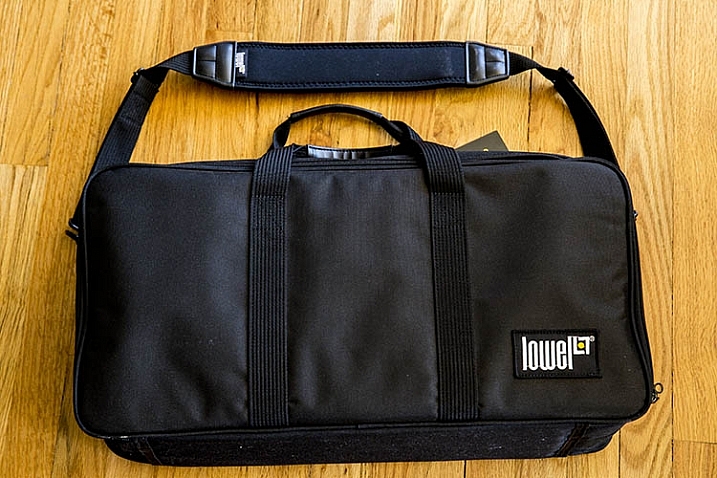
After a huge laundry list of items, you’re probably now wondering how to carry all of this stuff. Finding the perfect lighting gear bag was by far the most challenging part of assembling this DIY kit. But after lots of hunting, I found the best solution to be a Lowel Litebag, which come in a range of sizes.

With a thick and sturdy vinyl exterior and soft interior, this zippered bag has padded partitions that can be removed, or modified to suit a variety of needs. It has an adjustable, nicely padded shoulder strap and handles, making it easy to carry, even when heavy with equipment inside. It isn’t sufficiently padded to take a solid beating, but it will definitely protect your gear to a reasonable extent, without the added bulk and weight. Unfortunately, this bag isn’t the easiest to find, but it is incredibly solid, and holds all of the gear I mentioned above, with room for more!

photography lighting equipment

In Conclusion

As a traveling, or on-location photographer, it’s important to have a go-to travel photography lighting kit that is compact and flexible, while still keeping your gear safe from harm. If you’re searching for a flexible lighting kit, try out the above recommendations, and let me know what you think the comments below! Also, if you have another travel lighting kit setup, I’d love to hear about your own suggestions and modifications.

amzn_assoc_placement = “adunit0”;
amzn_assoc_enable_interest_ads = “true”;
amzn_assoc_tracking_id = “dpsgeneral-20”;
amzn_assoc_ad_mode = “auto”;
amzn_assoc_ad_type = “smart”;
amzn_assoc_marketplace = “amazon”;
amzn_assoc_region = “US”;
amzn_assoc_linkid = “6710d26f550e9793f41475ee806fee9e”;
amzn_assoc_emphasize_categories = “13900861”;
amzn_assoc_fallback_mode = {“type”:”search”,”value”:”digital cameras”};
amzn_assoc_default_category = “Photo”;

googletag.cmd.push(function() {
tablet_slots.push( googletag.defineSlot( “/1005424/_dPSv4_tab-all-article-bottom_(300×250)”, [300, 250], “pb-ad-78623” ).addService( googletag.pubads() ) ); } );

googletag.cmd.push(function() {
mobile_slots.push( googletag.defineSlot( “/1005424/_dPSv4_mob-all-article-bottom_(300×250)”, [300, 250], “pb-ad-78158” ).addService( googletag.pubads() ) ); } );

The post How to Build the Best On-Location Photography Lighting Kit by Suzi Pratt appeared first on Digital Photography School.


Digital Photography School

 
Comments Off on How to Build the Best On-Location Photography Lighting Kit

Posted in Photography


Essential Printing Tips & Best Printers for HDR Photography

16 Mar

Thanks to advances in camera and photo processing technology, even dedicated amateur photographers can shoot scenes that transcend reality. High Dynamic Range photography is one such technique which exploded in popularity over the course of the past several years largely due to the incredible range of tonal detail that result from combining exposures. If you’re putting time and effort into Continue Reading

The post Essential Printing Tips & Best Printers for HDR Photography appeared first on Photodoto.


Photodoto

 
Comments Off on Essential Printing Tips & Best Printers for HDR Photography

Posted in Photography


The Not So Decisive Moment – How to Increase Your Chances of Getting the Best Shot

02 Mar

To a certain extent Henri Cartier-Bresson has a lot to answer for. Yes, he’s certainly one of the photography greats, and his work has inspired countless photographers, but his book “ The Decisive Moment ” and the meaning of its title, is frequently misunderstood by many, and has created a whole raft of confusion.

Many photographers have made the assumption that Cartier-Bresson was referring to a sort of magic moment, where the photographer manages to instinctively see a perfectly formed image in a fraction of a second, bring the camera up to their eye, and take the image in its perfect form, before moving on. Interestingly, the French version of the book is called “Images on the Run”, which seems to almost suggest the opposite. This couldn’t be further from the truth, and a study of his contact sheets tells a rather different story.
001

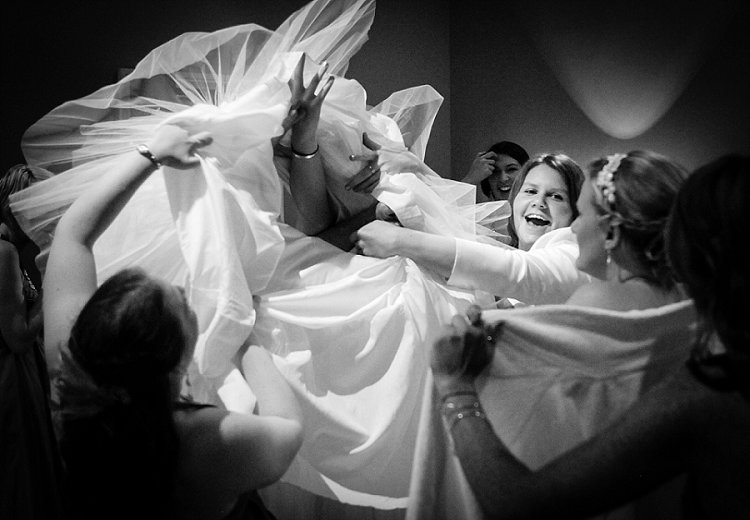
I’ve been photographing weddings professionally in a photo journalistic style, for well over 10 years. When I started out, I too thought that capturing these types of images was simply about looking and reacting. However, I soon learned that by taking control and being proactive, rather than reactive, I could significantly increase my chances of getting the shot.

There really isn’t a magic formula, and is possible to stack the odds in your favour, to greatly improve your chances of getting the image. Sometimes it really is luck and good reactions, but more often than not, the techniques outlined below will produce more consistent and predictable results.

Set up your camera

On a very practical level, it’s vital that you have the right camera, and that it’s set up correctly. It must be quick, with virtually no shutter lag at all. You’ll also need to get used to timing your shutter actuations. This can be done with practice, by repeatedly photographing moving objects, such as passing cars or bikes, until you’ve completely gotten the feel of the timing, and speed of the shutter release. This is vital, as the coordination between your eye, the shutter release, and the camera needs to be instinctive, to achieve the split second timing that’s needed.

You might find that shooting with a prime lens is faster as well. Using a zoom will inevitably waste precious seconds zooming in and out, it’s often quicker to just move. You might also find that the focus on a prime lenses is a bit quicker, and that you compose better with a prime attached to the camera, rather than a zoom.
002

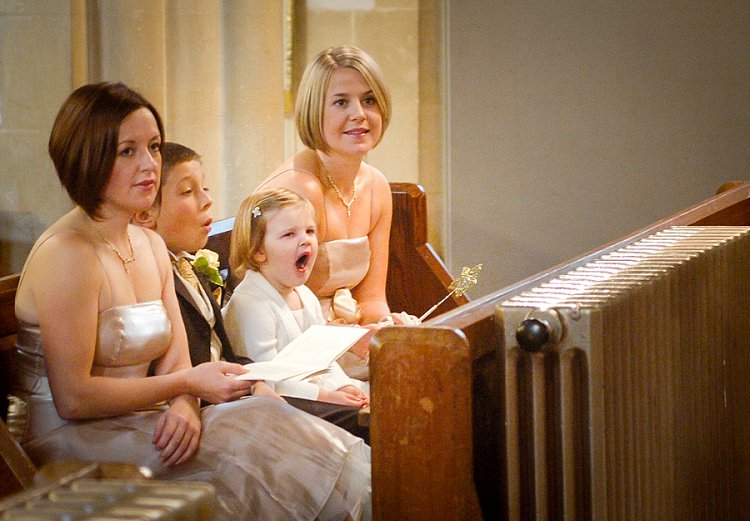
As far as camera settings are concerned, again, it’s all about anticipation. Set up the camera, wait, and shoot. Often this will mean using a number of auto controls – have a go at using auto ISO, auto white balance (to be corrected from the RAW files in Lightroom) and generally shoot in aperture priority mode. For this type of photography, the moment is far more important than your choice of depth of field, and even having the camera on full programme mode is okay. It’s all about emotion and expression, timing and anticipation, and the fewer distractions you have to achieve this goal, the better. If you are a manual shooter, then setting the exposure in advance is critical.

Finally, it’s also worth mentioning, that having a camera that writes to the memory card reasonably quickly, is important too. You’ll likely need to fire off several shots relatively rapidly, and waiting for the camera to write the card is a pain. Often buying faster, high quality cards is the answer, maybe changing the camera to record slightly smaller jpegs might work – again the priority is timing, speed, and anticipation for this type of photography. If you need to sacrifice using massive file sizes, to gain the speed you need, then so be it.
003

Pre-planning and envisioning

Think about where the type of pictures you want are likely to happen. It’s hopeless to randomly go out looking for photographs, you really have to put yourself in the best situation, at the best time, to increase your chances of getting the pictures you’re after. If you are a street photographer for example, then you’ll probably want to head out in the middle of the day, maybe on a weekend, when the streets are more likely to be filled with people. There will be many more interactions, and your chances of success are higher. It all begins with deciding exactly what type of pictures you want, and where the most likely place are that you will get them.

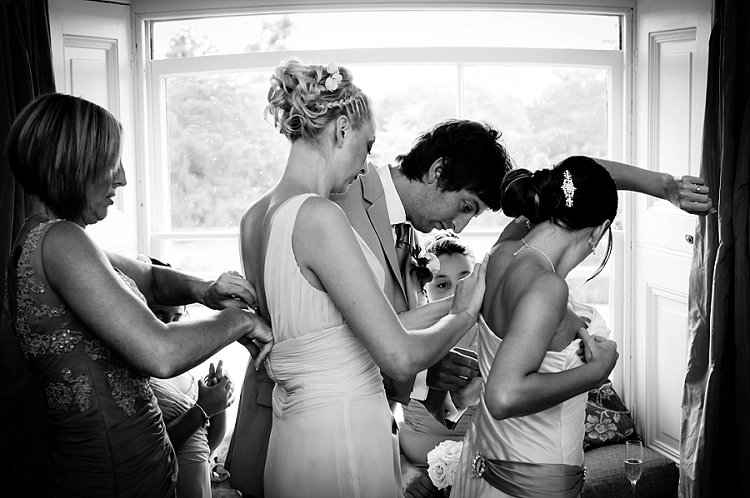
Once you are in place, also pre-visualizing the types of shots you want, will give you focus and purpose. If you’re photographing at an outdoor market for example, how about setting yourself the task of photographing human connections, maybe as people are chatting, handing over money or goods, etc? Or how about looking for interesting juxtapositions between shop window displays, and people standing or passing in front of them? This may all sound rather prescriptive but, by setting yourself some parameters, you’ll get your creative juices going, focus your attention, and increase your chances of success. There’s nothing worse than not knowing what you want, randomly taking pictures, waiting for something to happen.
004

Set the scene

It’s important to look for the elements in the image that you can actually control. For example, finding some nice light, a great background, or a place where an image will work well compositionally. Having set the stage, it’s then simply a case of waiting for something to happen on the stage, to complete the picture. This is so much better than looking for something to happen in hunting mode, where you are trying to react to things all over, and have no control over any of the photographic elements. The chances of getting a strong image with the former method, are significantly higher. It might take longer, and you may shoot fewer frames, but the overall quality of the end result will be better.

Work at the image

Looking at his contact sheets, Cartier-Bresson always took several exposures of the same scene or moment. He very rarely got the shot in one take, and it’s a great relief to realize that he worked the scene. This means that you need to take a number of frames, in fairly quick succession – not on continuous (burst) shooting mode, but close enough together to record subtly different expressions, juxtapositions of people in the frame, and changes of angle and composition. You should aim to keep moving – try the shot a little to the left, then the right, maybe a step forward or back, or a little higher or lower. Photography should keep you fit, and you should always be moving. You can then go through the different frames once they are downloaded, and select the strongest image.
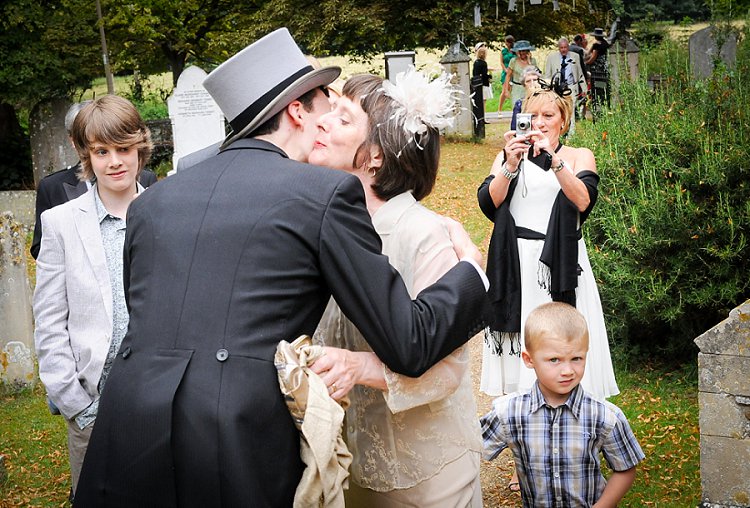
005

Being unobtrusive and body language

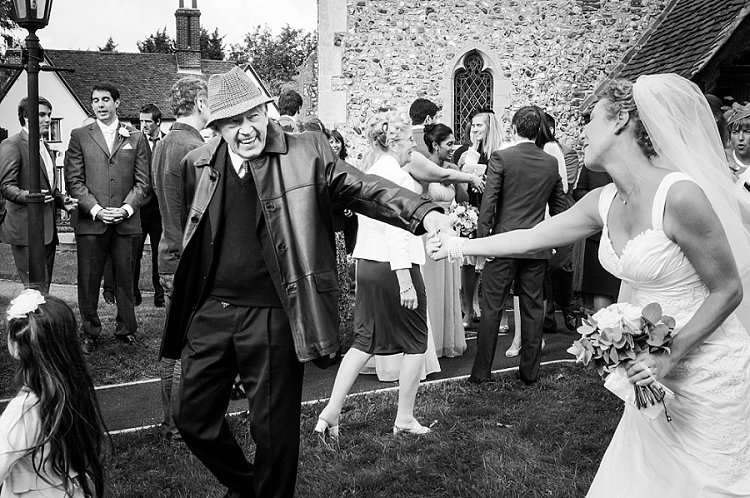
Generally people will be aware that you’re taking pictures. I don’t think that it’s a particularly good approach to stalk your subject from behind a huge 400mm lens, it’s much better to use something smaller and less intrusive, to be closer to the subject and more involved in what’s going on. You can even interact with people as you’re taking pictures, which makes you much less threatening, and consequently people will behave in a much more natural and relaxed way in front of you and your camera.

Being non-threatening can be as simple as smiling, looking relaxed, keeping your body language open and friendly, and just being respectful of people’s personal space. Yes, you’re an observer, but you have to observe from a position of being emotionally and physically involved. You’ll gain much more acceptance from your subjects, and the pictures will be more authentic and natural. That’s not to say that your presence should influence the scene in any way, it’s just that you have to be accepted, to be able to photograph people behaving naturally. If your subjects insist on fake posing, and smiling for the camera, you need to work harder.

A great way of making this work is to move in and out of the scene really quickly – essentially this means waiting for a scene to unfold a little distance from you. As the moment is about to happen, walk towards the scene, camera ready to go. Very quickly, shoot as you are close to the action, then continue to walk out of the scene. If you combine this with unobtrusive body language, you can remain essentially invisible.
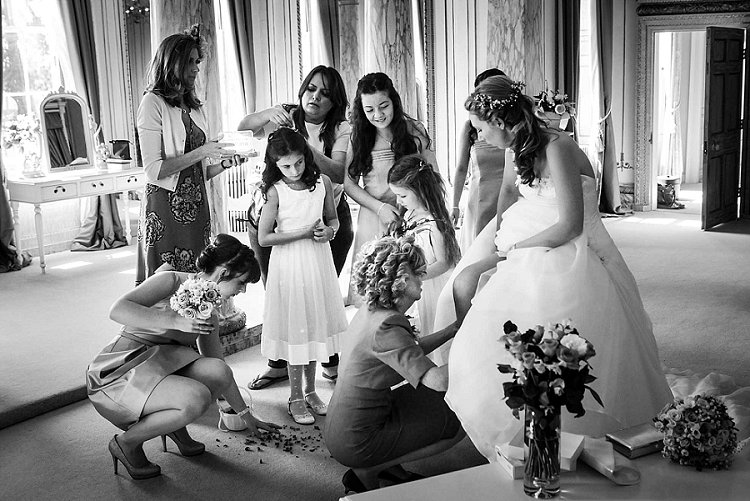
006

Eye contact

Human eye contact is a powerful communication which you can use to your advantage. I think that people can almost sense when they are being watched, and avoiding eye contact (in a non-threatening way) can be a powerful technique. If you want to photograph a group of people, it’s amazing how close you can get to them, if you seem to be diverting your attention to something else. It’s then often possible to get the shot without disturbing them, as they feel as though your interest is elsewhere. We also naturally have an inclination to look at our subject as we take the camera down from our eye, so try to avoid doing that. You’ll be much less intrusive and conspicuous to your subject, particularly if you seem to be focussing your attention on some other subject away from them.

Insert Image 007 MISSING??

Anticipation

This means simply imagining what could happen next, you need to become an expert in human behaviour, and be ready for what you think is about to happen. Often, with a bit of practice, you’ll be right, and you’ll have prepared yourself to get the shot.

As an example, part of my job as a wedding photographer, is to take pictures of people laughing and enjoying themselves. Good expressions are vital, and getting the timing right is the key. I listen for people telling an amusing tale, that will inevitably end in laughter. It’s no good waiting until they are laughing to bring the camera to my eye and take the shot – I need to be ready beforehand, and choose my moment. It’s also worth saying that often there will be laughter at the original joke, then someone will but in with secondary after joke, creating even more hilarity, which often makes an even better image than the first one – so be patient and wait.

The same principal can be applied to all sorts of situations – imagine what is going to happen next, prepare for it, and photograph it, if and when it happens. Often something else will happen, so you also need to be prepared to be flexible. Make sure that when you get what you were expecting, that something else even better doesn’t happen and you miss it.
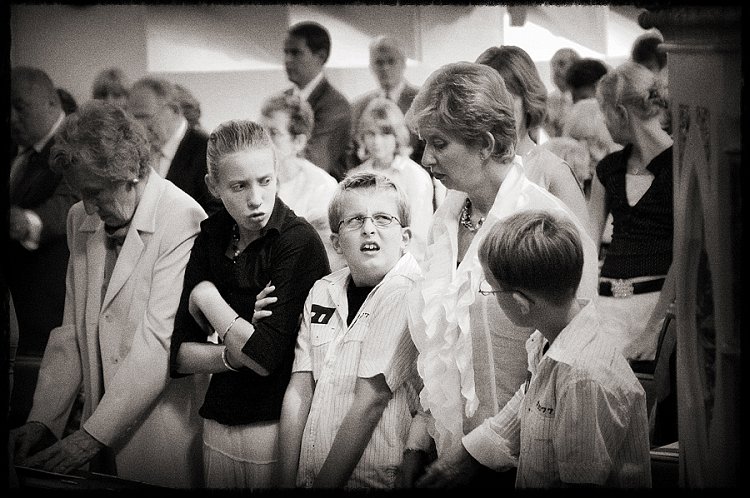
008

No chimping

The moment is often after when you think it’s going to be – just as you are checking your screen. This is what I call the chimping effect. Many, many times I’ve taken an image, had a quick look down at the screen on the back of the camera, only to realize that I have just missed something better. Don’t look at the screen. Keep your camera ready, and always wait – even if you think you’ve got the shot.

Similarly, you will often miss great shots, just at the point when you are tired and have given up. You need to keep going and going – I know that the longer I shoot, the more high quality images I will get. I also know that by having a complete break for five minutes or so every hour, I am able to keep quick and alert for longer. However it’s weird the number of times that I have just given up on a scene, that something suddenly interesting happens.
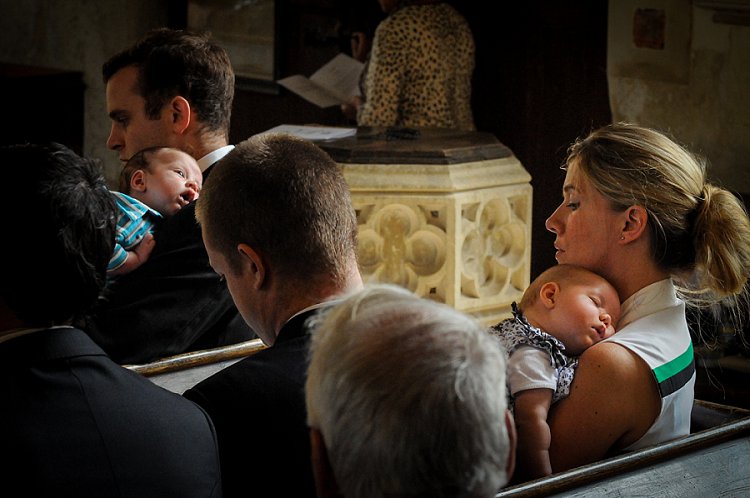
009

When it looks like there’s nothing to photograph – think again

Very rarely is there not a photograph to be taken somewhere – it comes down to the photographer’s skill in making images. This is particularly hard with transient, and moving subjects like people. But, people do constantly interact, do things, and move around. It might be that you can’t get the exact image you have in mind, but try to think more laterally, and look for something completely different. In a situation like this it becomes a case of mind over matter, work at keeping your creative thinking fresh and flexible, and you will find an image somewhere.

Practically speaking, changing lenses, moving position, or trying a new technique can spark some creative thought. However, very often it’s just a case of looking and waiting… then looking and waiting some more. There are always images to be had, often they are small fleeting moments, but they are always there.
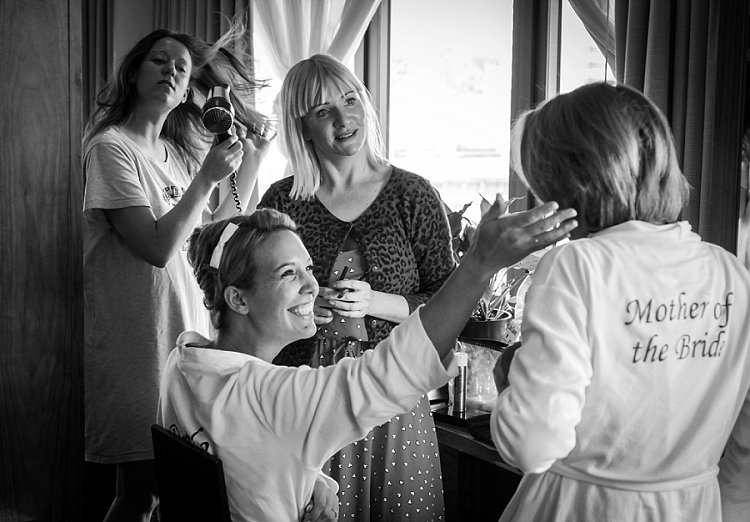
010

It’s behind you

This isn’t a joke. Weirdly, and frequently, I’ll be looking for an image in front of me, not having much luck, then realize that I should have been looking the other way. Often just turning right around, will present a completely new range of photographic possibilities. Sometimes the picture really is just behind you – you only need to turn around and look.

Primary and secondary subjects making the moment

Try to make a photograph by adding another element in the frame, i.e. having a primary and secondary subject. It could be that both subjects make an okay picture on their own, but if they are combined into one image, they become much stronger. If the image explores a relationship between the two subjects it’s even better. Maybe one offers a commentary on the other, or there is an echoing of shape or gesture.
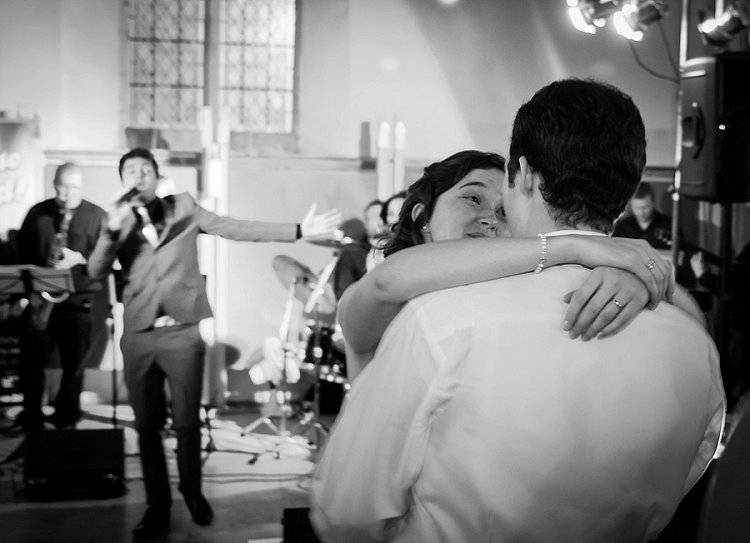
011

Waiting, waiting and waiting

I’ve mentioned being patient several times, and the amount of time spent looking and waiting for success in this type of photography is phenomenal. Never give up – just wait, poised for action. Linger a little longer, just outside your comfort zone you might well find that there are a number of great images to be had.

As with anything, practice is the one thing that will really make a difference, and this can be both photographic practice, as well as observational practice. Try to develop skills in reading people, anticipating moments in your everyday life, and practice your observational skills. Combine this with the other techniques above, and you will soon find that you are able to make some of these seemingly magic moment images happen. You will have become proactive in your photography, rather than reactive, and your success rate will be considerably higher.

You Decide

So I urge you to give these tips a try, and see if you can come away with better candid images. Please share your thoughts and experiences in the comments below.


googletag.cmd.push(function() {
tablet_slots.push( googletag.defineSlot( “/1005424/_dPSv4_tab-all-article-bottom_(300×250)”, [300, 250], “pb-ad-78623” ).addService( googletag.pubads() ) ); } );

googletag.cmd.push(function() {
mobile_slots.push( googletag.defineSlot( “/1005424/_dPSv4_mob-all-article-bottom_(300×250)”, [300, 250], “pb-ad-78158” ).addService( googletag.pubads() ) ); } );

The post The Not So Decisive Moment – How to Increase Your Chances of Getting the Best Shot by Andrew Hind appeared first on Digital Photography School.


Digital Photography School
 
Comments Off on The Not So Decisive Moment – How to Increase Your Chances of Getting the Best Shot

Posted in Photography


How to Choose the Best Lens for Travel and Street Photography

23 Feb

If you were to ask me what the best lens for street and travel photography is, the first thing I would advise you to do, is to think about what you need from the lens. In my case, the following criteria are important to me –  your list, of course, may differ.

  • The lens should be small, lightweight, and unobtrusive.
  • The optical quality must be excellent.
  • Autofocus performance needs to be very good.
  • As I sometimes shoot in low light, a wide aperture is a must.

Best lens for street and travel photography

These criteria should point to several lenses that may be suitable for you. Perhaps you own these lenses already – in which case the next step is to take them out into the street, and take some photos with them. This is important, because you may find that in practice, the lens you prefer to use is different from the one you thought might be best.

For example, you may think that a zoom lens will come in useful because of the convenience of being able to quickly adjust focal length. But in reality, find that you prefer a prime lens with a wider aperture for shooting in low light, or using selective focus.

On the other hand, you may be approaching this exercise with the intent of choosing a lens to buy. It’s difficult to test a lens if you don’t already own it, although you may be able to borrow or rent it. If you can’t do that, the next best thing to do is to go online and do some research. Read some reviews of the lens. Look for articles written by photographers whose photos you like, who also use the lens you’re considering. Go onto Flickr and see if there is a group dedicated to the lens. Explore some good quality forums, ask the members if anybody owns the lens, and what they think of it.

My favorite lens

By now you are probably wondering what is my favorite lens for street and photography. The answer is – the Fujinon 35mm f/1.4 lens. To be honest, this has come as a surprise to me. When I first bought into the Fujifilm camera system, I thought that I would either prefer a short telephoto lens (such as the 56mm f/1.2) or a moderate wide-angle (like the 18mm f/2 pancake lens) for street and travel photography.

But in practice, I’ve found that I prefer the 35mm. It has received a lot of praise since it was released with the X-Pro-1 several years ago, and is a standard prime lens (for APS-C cameras). The angle-of-view is very similar to that of a 50mm lens on a full-frame camera, or a 25mm lens on a Micro four-thirds camera.

So, why has this lens worked so well for me? The short answer is that it is extremely versatile. I prefer to take the simple approach to street photography, and that means reducing the number of choices that I have to make. Using a prime means I don’t have to think about focal length, yet the versatility of this lens means I can use it a number of different ways.

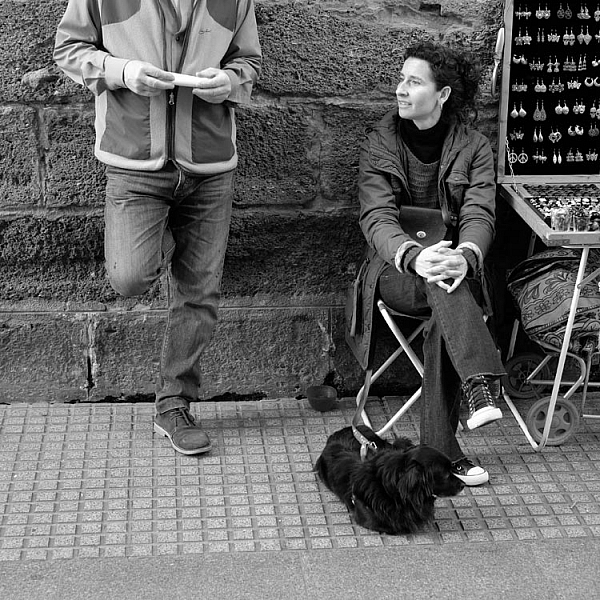
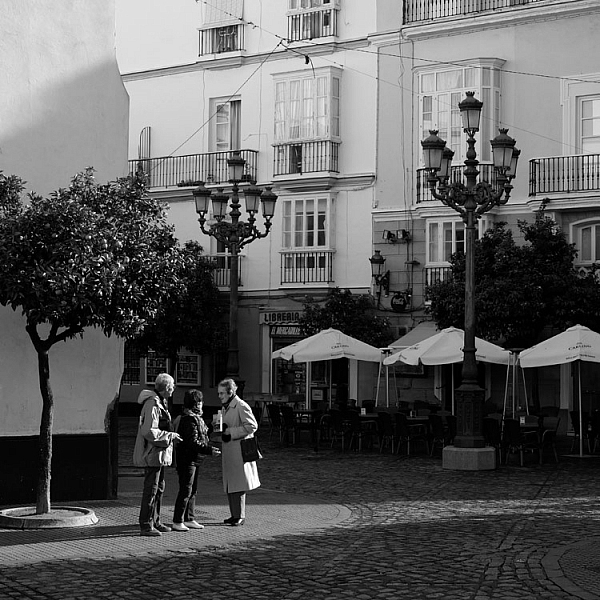
For example, when photographing people I can keep my distance and frame the person in the context of their environment.

Best lens for street and travel photography

Or I can get closer and concentrate more on the person.

Best lens for street and travel photography

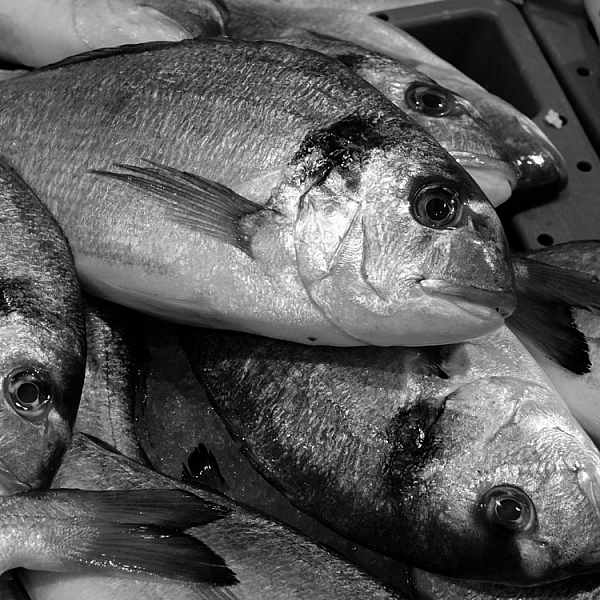
I can also get close to the subject for a tight detail shot, like this one.

Best lens for street and travel photography

Standard lenses for street photography

Working distance is a term used in macro and close-up photography to describe how far the lens is from the subject. You can apply this concept to street, and travel photography too. If you are using a telephoto lens, you will be farther away from the subject. That’s great for not being noticed, but it can also lead to a kind of detached feeling in the image. The viewer can tell you weren’t close to the action, and there may be a sense of lack of involvement in the scene.

A wide-angle lens forces you to get in closer to fill the frame. The closer you get to somebody on the street, the more likely they are to notice you, and react to the camera in some way. This is not necessarily a bad thing (Bruce Gilden has taken this confrontational style to an extreme) and using a wide-angle lens definitely shows involvement in the life of the street. It’s also an approach you can take if you like to go up to people, and ask permission to take their photo first.

The standard lens falls in-between these two extremes. It lets you get close enough to be involved in the scene, but not so close that people are overly bothered by what you are doing. It helps you blend in to what is a very common thing these days – people taking photos on the street (although most often with camera phones, not actual cameras).

Best lens for street and travel photography

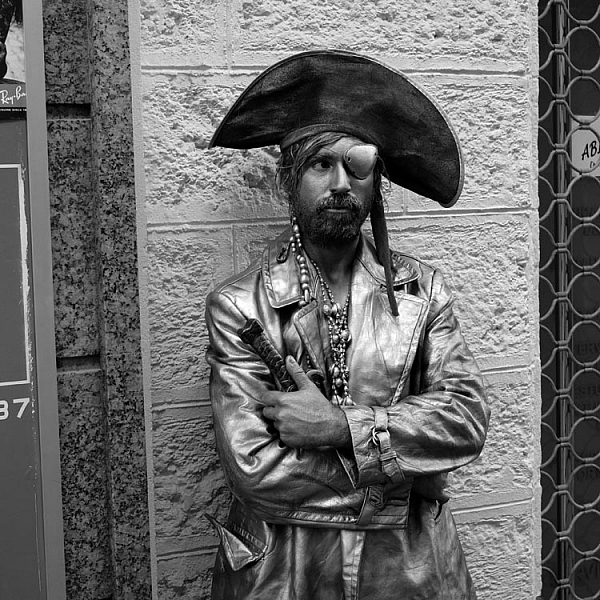
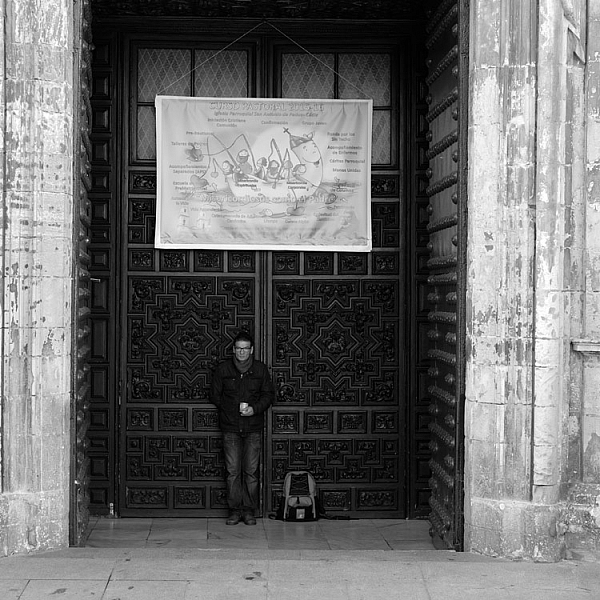
By the way, all the photos in this article were taken in the Spanish city of Cadiz, and I wanted to show the people in context, with the historical buildings in the background, in at least some of the photos. The 35mm lens worked very well for this.

So, for me, the 35mm lens is a clear favorite for travel and street photography. But, what about you? What lenses do you prefer to use? Please let me know in the comments, I’d like to hear your thoughts.


Mastering Lenses photography ebookMastering Lenses

My new ebook Mastering Lenses: A Photographer’s Guide to Creating Beautiful Photos With Any Lens shows you how to get the best from the lenses you own already. A comprehensive guide to exploring the creative potential potential of wide-angle, normal and telephoto lenses, it’s also the ultimate buying guide for readers thinking about purchasing a new lens for their camera. Please click the link to learn more or buy.

googletag.cmd.push(function() {
tablet_slots.push( googletag.defineSlot( “/1005424/_dPSv4_tab-all-article-bottom_(300×250)”, [300, 250], “pb-ad-78623” ).addService( googletag.pubads() ) ); } );

googletag.cmd.push(function() {
mobile_slots.push( googletag.defineSlot( “/1005424/_dPSv4_mob-all-article-bottom_(300×250)”, [300, 250], “pb-ad-78158” ).addService( googletag.pubads() ) ); } );

The post How to Choose the Best Lens for Travel and Street Photography by Andrew S. Gibson appeared first on Digital Photography School.


Digital Photography School
 
Comments Off on How to Choose the Best Lens for Travel and Street Photography

Posted in Photography


How to Choose the Best Black and White Photo Printer

23 Feb

In the digital age, color accompanies most of the images we come across during our daily lives. So when it’s intentionally missing, as is the case with artistic black and white photography, people take notice. Monochrome photography is popular in the fine arts for a variety of reasons, many of which come down to how it emphasizes different aesthetic components Continue Reading

The post How to Choose the Best Black and White Photo Printer appeared first on Photodoto.


Photodoto

 
Comments Off on How to Choose the Best Black and White Photo Printer

Posted in Photography