RSS
 

Posts Tagged ‘being’

Video: mesmerizing stop motion film of raw wood being shaved away layer-by-layer

22 Jun

Photographer and animator Brett Foxwell teamed up with friend and musician Conor Grebel to create something awesome. Together, they painstakingly milled their way through several pieces of wood, layer by layer, capturing one frame of video at a time to create a stop motion film they’re calling WoodSwimmer.

As you can imagine, the process of actually capturing this film was incredibly time-consuming, and at times grueling.

‘[The final video] involved endless hours of shooting, cutting, and prepping for each frame,’ Brett tells DPReview. ‘Which involved either clearing all the wood chips away or keeping them looking consistent and pretty, and finally applying wood oil to the sample for each frame.’

You can see the mess this process created in some behind the scenes images Brett shared with us. Unfortunately, he only captured a couple of these BTS shots, because, in his words, ‘It was just such a grueling process that I never got around to getting proper documentation of the process.’

Regarding gear, Brett tells us he used a Canon EOS 60D with Tamron 90mm macro lens attached. This setup was tethered to DragonFrame, a stop-motion capture software that Brett says is “a great tethering application even if you’re not shooting specifically stop-motion.”

Tons of work and a nightmare to clean up, but well worth it when you get a load of the final product. Here are a couple of stills Brett sent our way:

Several stills from WoodSwimmer are available as prints from Brett’s website, and you can see more of his stop motion, nature photography, and other artistic work by following him on Instagram.

Articles: Digital Photography Review (dpreview.com)

 
Comments Off on Video: mesmerizing stop motion film of raw wood being shaved away layer-by-layer

Posted in Uncategorized


‘It’s about being prepared for whatever is thrown at you’: Q & A with William Vazquez

21 May

NYC based photographer William Vazquez on one of his earlier assignments.

New York City based photographer William Vazquez, travels about 30-50% of the year. From Cuba to the mountains of Nepal, Vazquez has worked in more than 54 countries on more than five continents, often arriving first on the scene of a humanitarian crisis to document recovery operations for NGO’s and the companies that provide support to the areas affected by natural disasters.

While his documentary humanitarian work may be the most dramatic in context, Vazquez’s portraiture brings us closer to other cultures, whether it’s a flamenco dancer outfitted in a brilliantly colored red dress in Cuba or a black and white portrait of a woman cloaked in a burka in a clinic Afghanistan captured with a Speed Graphic on Type 55 Polaroid film.

You may find him trekking in the mountains of Nepal, wandering the streets of Cuba, or watching a baby being born after a devastating a typhoon in the Philippines. But, no matter where he is, Vazquez’s images bring life to the stories of the people and places he’s been.

You can see more of Vazquez’s work at his website and on Instagram.

How did you get your start in photography?

Vazquez’s warm personality and genuine interest in people elicits wonderful reactions in the portraits he makes around the world, including the photo of this woman in rural India.

Photography started as a hobby when I was a teenager. My first camera was a used Rollei 35 S, which I still have. But I had never considered photography a profession and didn’t know anything about professional photography until 1985 when I met a New York City based still life photographer named Jeff Glancz. He hired me one Christmas season to deliver gifts to his clients. At the time, I was studying electrical engineering at New York Institute of Technology but when Jeff started calling me to assist him on jobs at his NYC studio, I would cut class to work for him.

Summer break came, and he was looking for a full-time assistant. I agreed to work the summer and then go back to school when fall came around. But I never went back. I had found my calling: shooting 4×5, processing black and white film, and printing. This is where I wanted to be. I worked for Jeff for about a year when he told me I need to finish my education. I got a scholarship to Parsons (School of Design in NYC) in1986 and returned to school.

During and after Parsons I worked for a wide range of photographers in advertising, catalog, fashion, location, portrait and travel. I did it all, and travelled the world on assisting gigs. I learned things during this time that I still use in my work. It was an amazing experience! I learned how people worked business wise as well as photographically. I think that assisting pros is where I got my real education in photography.

I assisted for about 5 years with a 3-year transition period. Then my first big job came in. I did the 1995 Pfizer annual report. It was a global book with locations spanning the globe including Milan, London, Johannesburg, Sao Paulo, Hong Kong, Tokyo and a number of locations in the U.S.

When I first started as a pro, I did product photography for magazines like Martha Stewart Living, This Old House, GQ, and others. After a while I realized that I was not cut out for product photography. I am too impatient, and I liked being out of the studio. So I started doing more portraiture, and chasing down portraiture work.

Tell us about your current work.

The circle of life continues with the birth of babies despite the devastation of Typhoon Haiyan in the Philippines.

Right now my work is a blend of commercial, and humanitarian projects. I create photo libraries for my corporate clients such as Abbott, Pfizer, and Samsung, just to name a few. These assignments can be anything from lifestyle, portraits or industrial shoots. For example, one day I might be making pictures to illustrate middle class lifestyle in India; another day, I’ll photograph people working in a production plant.

An important part of my work is photography that illustrates CSR (Corporate Social Responsibility) efforts of large corporations around the world. This is how I got started in humanitarian work. Companies want to document the support they give to NGO’s (Non-Governmental Organizations) so they hire me to work with these non-profit groups. Once I connect with the NGO, we develop a relationship, which allows me to work for them directly.

‘It’s tough work… But that’s just a minor inconvenience compared to what the people who lived through the disaster have endured.’

The work I do for organizations like Americares, Direct Relief, and Project Hope, for example, varies from in-depth still or video stories on their humanitarian projects or documenting emergency relief operations such as those after Typhoon Haiyan in the Philippines, or the earthquake in Nepal. When documenting relief operations, I’ll fly in with the first people on the ground. It’s tough work—rough sleeping, bathing out of a bucket, low quality food, no electricity, etc. But that’s just a minor inconvenience compared to what the people who lived through the disaster have endured.

I also work with much smaller organizations as personal projects. These small organizations need quality images and video in order to help with fundraising, so it’s a good thing to do. Sometimes my expenses are paid or I tack it on to a paid project in the same country or close by. It’s one of my ways of giving back.

What equipment do you usually bring with you? Any tips for traveling overseas?

On his way to the day’s location in rural Shirdi India, this young man swinging from the vines of a banyan tree caught Vazquez’s eye. Captured with a Sony a7R II and a 24-70mm F4 lens.

If I have to just do still photos, and I don’t have to be dragging my gear through a jungle, I bring my Canon 5D Mark III with a variety of lenses, and accessories. I like working with the Canon 5D Mark III – it’s responsive and tough.

If I have to keep a low profile or do a combo of stills and video, I use my Sony A7R with a variety of lenses. The Sonys are great for keeping a low profile – they are small, lightweight, and less obtrusive. People get relaxed faster when you don’t have a huge machine with you. I also like the Sony a7S and the Sony a7R II for video because of the features and the dedicated accessories that help make the process easier for a one-man show, particularly for sound.

One of the things I am in love with at the moment is the DJI Osmo RAW. One of my biggest problems is getting usable video when working handheld, and when things are moving fast. The DJI is great for following people, shooting from a car and for grab shots. I end up with much more, and better, footage with the DJI and it still allows me to shoot loose.

I work alone in most of my projects, so I try to travel light. Sometimes I am able to get a local person to help carry gear but most of the time I’m on my own. Also, what I bring depends on the nature of what I need to accomplish. I usually try to keep it to one bag of gear with some additional items such as tripods, etc. that I carry in my suitcase. If I am working in an urban environment, I use a rollercase. If I’m going to be out in the countryside, I use a backpack. I have a mix of Thinktank and Tenba bags. Sometimes I use belt packs from Thinktank and leave the backpack in the car. When I start photographing, I’ll put my bag down and walk away from it when the action moves on, so I need to keep my gear attached to me.

‘There is always something new
to make life difficult.’

One of the issues I am facing these days is that airlines are really cracking down on the size and the weight of carry-ons, particularly on short hops within a country like India. So I use a photo vest that I pack full of gear to make sure the bag weighs as little as possible. I’ll sometimes use the photo vest when I’m forced to check in bags or I’ll use a backpack that fits in a Pelican case, and check that in.

I’m really excited about my upcoming trip to Nepal. However, I’m am not excited about what I have to do to deal with that electronics ban when traveling through the UAE. There is always something new to make life difficult.

I tend to fly though one of the UAE countries on most trips east, to Asia and Africa. They have the best fights to those places and good prices. I always carry my gear with me on the plane. But now with the restrictions banning electronics larger than the size of a cellphone on the way back, I have to pack my cameras in a Pelican 1510 case to carry on board, take a backpack in my suitcase to carry the gear when I work, then pack it back in the Pelican and check it in.

As for backup drives I invested in Samsung 1TB T3 SSD drives that are half the size of an iPhone so I can carry them on the plane with me. I’ll bring a smaller Macbook so I can pack more essential equipment. I usually don’t need a powerful laptop on the road – just something to copy files. If I have to process a few files, I can do that, too. At the end of the day, I just need is to make sure my images stay with me. Cameras can be replaced.

At this point, though, the bigger issue is the uncertainty of it all. What about batteries? Can I take them? Which ones? The list goes on and on. It’s about being prepared for whatever is thrown at you but, at this point, there’s little real information out there.

One of your favorite assignments in 2015 was documenting the rebuilding efforts after the earthquake in Nepal. Tell us a little about that experience.

Crammed into a tiny hut without electricity in Nepal waiting for a storm to pass, people turned on the lights on their cell phones so Vazquez had enough light to take pictures.

Nepal is one of my favorite places to visit. It’s stunningly beautiful and the people are very friendly and open. I have traveled there many times on assignment and for personal projects and I have a deep love for the place, and its people.

I went there right after the devastating earthquake in 2015. Seeing how the Nepalis were able to overcome something really traumatic, and still take the time to stop what they were doing to offer me hospitality, is something that will stay with me forever. I remember traveling with Americares up in the mountains to visit some people who were hurt and a freak storm rolled in. We had to take cover in the patients’ home. It was five of us and what felt like half the village crammed into their tiny hut.

It was pitch black in the hut and as I contemplated how I was going to photograph in the dark, someone turned on their cell phone light, then another, and another. I had lighting! Tea was served as we sat together waiting out the storm. Despite the hardships the people endured, they still thought of me. It was a magical moment.

How do you prepare for overseas humanitarian assignments?

“In the mountains of Nepal,” says Vazquez, “you are always climbing up or climbing down.” When he offered his hand to help the woman behind him—one of a group of social workers for Americares—she laughed and reminded him, “we are mountain women.” After thinking about it for a minute, Vazquez realizes “She could probably carry me up and down that hill—in sandals, no less!”

Anytime I am going anywhere I always do research on who I am working with, and where I need to go. It is important to have a sense of the geography I will be traveling through so I can gauge how far out in the woods I will be, travel times, etc. Plus it’s important to get to know who I’ll be working with on the ground.

I also look into the types of places I will be staying at so I know if I need to bring any specialized gear. Things like battery packs, solar battery chargers, a hammock, sleep sack, satellite phone, GPS tracker, water purifier, lighting, mosquito netting, what type of footwear, medicines – the list goes on and on.

I am my own best travel agent. I have a good grasp of geography, I know the airlines I like to travel on, and the places I don’t want to get stuck in. I organize my travel to and from places and take care of some hotel reservations. If I am going to be way out in the field, the local NGO I am working with handles the local logistics, like accommodations, and transport or I may hire a fixer to help me with translation and getting around.

‘If all else fails… Google Translate!’

When working with the NGOs they have people on the ground who know where things are, as well as speak the local language. But speaking even a few words of the local language goes a long way. I speak Spanish so when I was in the Dominican Republic after Hurricane Matthew, I was treated like family. In Nepal, many of the younger generation speak English, so you can always find someone to communicate with. Once you have done lots of traveling, it gets easier figuring out what people are trying to say. If all else fails… Google Translate!

I do use a travel agent when it comes to booking multiple cities and airlines. It makes it easier and if you run into problems, you have someone to reach out to. All I have to do is email my travel agent and she takes care of it. Try doing that with Expedia.

What’s a typical day like when covering a humanitarian assignment?

One of the first people on the ground after Typhoon Haiyan in the Philippines, Vazquez photographed these massive ships that were forced ashore during the storm.

Working on humanitarian assignments usually means really long days. Get up early and go for a long ride in a beat up car, in the heat with no air conditioning on a bad road. I get up early, eat whatever there is for breakfast, and get on the road. I always make sure I bring plenty of water and something to eat for the day. Most undeveloped places or places in crisis won’t have any food or water to buy.

‘…I sometimes have to put my camera down and lend a hand’

Then you make your stops at whatever the story is about. In my case it’s usually clinics or temporary places set up to distribute food and medicine with lots of people needing help—whether it’s food, or medical care. It’s amazing how overwhelming it can be. So much so that I sometimes have to put my camera down and lend a hand in unloading a truck, opening boxes, and handing out food. Then you get back to wherever you’re staying, clean up, eat, download cards, back images up, check out the day’s work, upload to my social media channels (if there’s an internet connection), then plan for the next day.

I have stayed in everything from a tent, to a home with a tarp over it, slept in a truck, slept in a communal room with lots of beds, and snoring people—again, minor inconveniences compared to those who have lived through a disaster. In the course of day I can see a baby being born in a tent, ride in an ambulance with someone in distress, witness an operation, and everything in between.

You meet a lot of people on your assignments. Do you stay in touch with some of the locals that you meet?

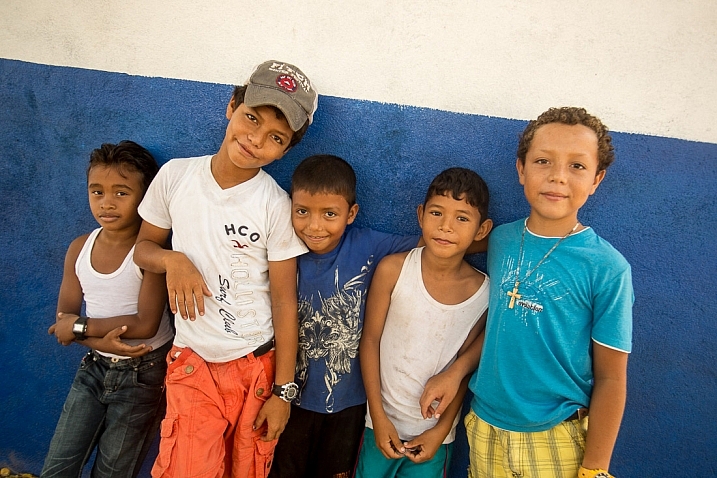
These schoolboys were more than happy to smile for Vazquez’s camera when he was on assignment in India.

One of the best things about what I do is meeting people. I do my best to stay in touch with them. Facebook makes it much easier, in some cases. There are many times I end up coming back to a country for a different assignment, and I make it a point to see the people I’ve met before.

When on assignment I usually spend a lot of days with the same people. We are together 24/7, eating together, traveling together, drinking together, laughing together and hanging out together. Much of what is experienced on some of these assignments is very emotionally charged, so we often form a tight bond.

I photographed a young woman in India, and her photo was used for the cover of the publication I was working for. The next year I returned and I saw her again, and I had some copies of the publication. She was so amazed she was speechless. She was so thrilled that she showed the magazine to everyone in sight. That’s one of the reasons I do what I do. That my work can perhaps inspire that type of response.

Also, I make it my business to get to know the people I am working with, which also helps for future opportunities in working together.

What are some of the challenges when working in remote locations? How do you overcome those challenges?

Ongoing humanitarian missions include the donation and distribution of medicine. Here, horsemen prepare to escort dignitaries celebrating the 100 millionth dose of antibiotics to reach the population of Ethiopia’s Amhara Region to combat malaria and trachoma (a disease that leads to blindness).

Working in remote locations is tough for many reasons. If you forgot something or a piece of critical gear breaks, you can’t get a replacement. You’d better be a flexible eater, too, because bush meat stew can be all there is to eat for days. If you get sick, you should be prepared with any medications you may need, because there is no medicine.

‘…with a multitool and duct tape you can fix
almost anything’

There will probably be no internet or even cell phone service. I have a satellite phone that I use for emergencies, and a satellite GPS tracker that I can send messages with so my wife knows where I am. Be prepared for no electricity too, but I have battery packs that I can charge with the sun or in a car. And, with a multitool and duct tape you can fix almost anything.

At the end of the day research where you are going, think of what the challenges will be, ask anyone you know for firsthand advice, invest in having the right gear, make sure you have all the insurances you need like evacuation insurance, and think carefully about what you are taking. If you take too much, getting around is a problem. If you don’t bring enough, you may not have what you need to get the job done. It’s all about bringing the right stuff.

You taught yourself how to shoot and edit video about 4-5 years ago. How often do you add video to your assignments?

Whether he’s shooting stills or video, Vazquez will put his cameras down to help distribute supplies when needed.

Almost all my assignments right now include B-roll in addition to stills, and sometimes more involved video work. I have tried different cameras, and setups but I prefer the Sony A7 series cameras because they do great video, are great still cameras, have advanced features, and have accessories that can make things work together instead of having to Frankenstein them together. I work by myself with lots of distractions going on, so I need to just have one button to push to make everything work.

Last year you did the Rickshaw Run to raise money for orphanages in India and Nepal. What’s your fundraising project for this year?

To raise money for orphanages in India and Nepal, Vazquez and fellow photographer Greg Kinch did a “Rickshaw Run” for more than 2500 miles through India in this colorful but cramped auto rickshaw. Getting stuck in the mud, dealing with burned out pistons and a carburetor that needed regular disassembly and cleaning were part of the adventure.

In my assignment work, I see so many great organizations and people that need support. I always want to do more. So besides providing free photography and communications advice I fundraise. I found the best way to fundraise is to do something that people will pay attention to. It’s been working. I also couple it with personal challenges that I want to do, and to inspire me.

My life revolves around my photography work so I have to constantly feed it with investment and inspiration. I feel that is what keeps my work relevant these days. Being able to combine my adventures to help people less fortunate makes it perfect.

Last year I did the Rickshaw Run. Fellow photographer Greg Kinch and I decided to drive an auto rickshaw (also known in some countries as a Tuk Tuk), 2500 miles through India to fundraise for an orphanage in India and an orphanage in Nepal, including Kids of Kathmandu. It was an amazing thing to do. It was tough, but a great personal achievement, and we raised about $ 5,000 – money that goes a very long way in that part of the world.

This year I am trekking to Everest Base Camp and taking a group of people who will also fundraise for the education fund of Kids of Kathmandu. The organization does amazing work in Nepal—they support an orphanage and rebuild schools up in the mountains that were damaged by the earthquake. All donations go straight to the organization and are tax deductible.

We’ll also be stopping at schools along the route to deliver solar powered lights donated to Kids of Kathmandu by Mpowerd. Electricity is scarce in this part of the world and kids often can’t read or study after the sun goes down, so these lights will help tremendously.

Articles: Digital Photography Review (dpreview.com)

 
Comments Off on ‘It’s about being prepared for whatever is thrown at you’: Q & A with William Vazquez

Posted in Uncategorized


Sony a9: Why being better might not be enough

24 Apr

The Sony a9 is an impressive looking camera. At 20 frames per second, its able to shoot much faster than either of the professional sports cameras from the two big DSLR makers.

The Sony is also smaller and lighter than these cameras (even with a battery grip added, to get nearer to matching their battery endurance), and has autofocus coverage across a much wider region of the frame than a DSLR AF system can offer. On top of this, it’s $ 1500 cheaper than Canon’s EOS-1D X II and $ 2000 less than Nikon’s D5.

And, most importantly, my colleagues who’ve shot with the camera say that the AF performance is within the realms of that offered by the current generation of pro DSLRs.

So, game, set and match, Sony?

Our initial impressions, as well as the underlying specifications, suggest Sony’s a9 is a highly capable piece of kit. But is that enough for it to elbow its way to the sidelines of the world’s sports pitches?

Well, not necessarily. For moneyed enthusiasts, the Sony looks like a pretty competitive option. Though, of course, the cost isn’t just about buying the body. If you have to make a switch to a completely new system, the costs extend to every item you need to replace.

However, there are a number of factors that make it more difficult for a working professional to change systems. We spoke to a couple of photojournalists at The Seattle Times about the factors beyond sticker price that might stand in the way of switching (not specifically to Sony but to any other system).

Lenses

Lenses are one of the biggest factors in deciding whether to swap systems. Not only are lenses every bit as important as cameras themselves when making images but also, especially at the pro and sports end of the market, can easily cost more than a camera body. Often the bulk of the cost of changing systems lies in the need to sell your existing lenses and buy new ones, with the precise cost depending on which lenses you need.

Lens availability is another significant hurdle. Sony has been making strides with its GM lens series but there’s a distinct lack of the long and fast telephoto lenses that sports shooters depend on.

‘Go to any sporting event: the Olympics, the Super Bowl and it comes down to the same basic configurations: short zoom, long zoom, super telephoto’

‘Go to any sporting event: the Olympics, the Super Bowl and it comes down to the same basic configurations: short zoom, long zoom, super telephoto. Essentially a 16-35, 70-200 and 400 mm F2.8,’ explains Seattle Times photographer Dean Rutz.

‘What all these companies lack is the super prime telephoto,’ he says: ‘I can’t logically make the switch without a 400mm F2.8 or equivalent. At least a 300mm F2.8. A 70-200 equivalent isn’t sufficient.’

Bettina Hansen, Rutz’s colleague at the Seattle Times agrees: ‘for sports I use a 16-35, 70-200 and one of either the Canon 200-400, 400 F2.8 or 500 F4.’

Sony has introduced a 100-400mm F4.5-5.6 GM alongside the a9, but that’s not the same as having a 400mm F2.8 available.

Then, of course, there’s the issue of who owns the lenses. If your employer has spent money on a particular lens system or the rental house with which you have an account and a working relationship only supports certain systems, then this can become a significant barrier to switching.

This is certainly the case for Rutz: ‘my employer provides a generous amount of Canon gear for my work, which is predominantly sports related.’

‘The Times owns everything [I use],’ says Hansen. ‘Changing isn’t totally impossible, though. Our boss did say: “let us know what you want, next time we have to replace gear,” but we tend to replace bodies one year and lenses the next. Those super-telephotos are used on a pool basis, so you can’t necessarily change while everyone’s on another system.’

Sony has clearly looked at the needs of a range of pros, with the inclusion of features such as an Ethernet connector. ‘That’s how the wires do big events,’ says Hansen: ‘Olympics, World Series, etc – the shooters sit in designated spots and images transmit instantly to editors as they are shot via Ethernet.’

The short flange-back distance of the a9 leaves enough room to fit an adapter to allow the mounting of any DSLR lens, but there’ll be a significant change in performance associated with this. Sony only promises 10 frame per second shooting when adapting its own A-mount lenses, and we’re told that both subject tracking (Lock-on AF) and Eye-AF will be unavailable when using non-native mount lenses (this has always been the case even with previous a7 bodies).

‘Performance reportedly will degrade with the adapter,’ says Rutz: ‘I’d need to see the practical application of it before committing.’ 

Accessories

As well as bodies and lenses, changing systems incurs a range of associated expenses, Hansen points out.

‘Rain gear is important for sports like football,’ she says: ‘We use Think Tank Hydrophobia rain gear, which isn’t cheap. That’s pretty popular among photojournalists.’

‘The other thing is cards: we’ve invested heavily in Compact Flash,’ she says. ‘That might not seem like much, but we have nine photographers at the moment, so it really adds up. Then there’s cases. We’ve got bags that are designed to perfectly fit a pro level DSLR and everything you need to shoot a football game and get it on a plane. Are we going to have to replace those, too?’

Some of these expenses are likely to be small, but it’s all a question of unknowns.

Support

Professional gear tends to be built pretty tough, but it’s not indestructible. Focus motors fail, lenses get dropped, sensors need cleaning. Working professionals, particularly photojournalists and sports photographers need a good degree of support if anything goes wrong: since neither the news nor a big game will wait for their gear to get fixed.

This is what the competition looks like: Canon Professional Service’s loan stock for the 2016 Rio Olympics.

As a results, Canon, Nikon and Sony all have ‘Pro’ support schemes that promise a certain level of service, usually including a defined repair period and loan equipment being available in the meantime.

‘CPS is huge to us,’ Hansen stresses: ‘For instance, say I am shooting a Seahawks game, I break a lens, shear it off at the lens mount or it gets stuck on the camera: I can send it in and have a loaner pretty quick. Canon also has a rep in Seattle so we can just go to him if we need something, he’ll often come to the games.’

Sony’s Pro Support program has been expanded to include more countries, but can it offer the degree of service that pro sports shooters have come to expect?

Sony has said it’s beefing-up its Pro support system, opening two walk-in support centers and extending coverage to Canada. The program is also available in Australia, Japan, Hong Kong, Germany, Switzerland, Austria and the United Kingdom, though the service level may differ across territories.

This is a key requirement, says Rutz: ‘the challengers need better pro services and outreach, as well as big primes, to be able to push the other companies off their perch.’ One thing in Sony’s favor? If you mostly use the electronic shutter, your mechanical shutter will have a longer life. That’s something, at least.

Familiarity

Then, beyond the practical concerns, there are the personal aspects. Canon and Nikon’s pro cameras have been carefully iterated, generation to generation, so they include the improvements asked for, while also maintaining backwards-compatibility so that users who have spent years with one brand will find the latest model immediately familiar.

Rutz gives just a small example: ‘I think most sports photographers rely on back-button focus to balance framing and frame rate in a rapid-fire sequence. Canon has a big, fat button on the back of their cameras that’s easy to find, on the fly but most other cameras have made that button too flush to be as instinctive. That’s an area that needs to be addressed.’

Interestingly, Hansen highlights exactly the same thing: ‘Back button focus is one of the first things you learn when you’re getting into photojournalism and sports photography.’

Sony has clearly heard about this need and has added a dedicated AF-On button on the a9, so it’ll be interesting how our pros get on with it, once they’ve had a chance to use the camera.

The Sony a9 has a dedicated AF-On button, but is it pronounced and well-positioned enough to ensure your thumb hits it without having to think?

That said, if the performance gain is sufficient, most pros will take the time to learn new tricks and work around any oddities. ‘The quirks of these new systems can be mitigated – honestly – if there’s less difference in fundamental performance than what you’re already used to,’ says Rutz.

‘It does take time to get used to these new cameras,’ he says: ‘but most [professionals] I know are geeks and they’re more than willing to play with the assets until they get the swing of it.’

Hansen, having already moved from Nikon to Canon, agrees: ‘If you’re in the field, you’re always experimenting. Learning a new system isn’t so hard. You find the menus that are important to you and you learn those.’

‘Familiarity helps, though,’ Rutz says: ‘At a point photography is reflexive and the camera has to fit into that, versus you having to adapt to the camera.’

A question of inertia

Overall, then, there are a series of factors beyond just the cost that contribute to the inertia that acts against working professionals changing systems. As such, being better might not be enough for Sony’s a9 to make a significant dent in the pro sports market.

Articles: Digital Photography Review (dpreview.com)

 
Comments Off on Sony a9: Why being better might not be enough

Posted in Uncategorized


This 4K video tour of the International Space Station is probably as close as you’ll get to being an astronaut

02 Nov

Halloween’s not over yet – NASA has released a 4K treat. The 18 minute UHD video features a fly-through of the International Space Station. Get out your headphones, flip into full-screen mode and pretend your dreams of becoming an astronaut have finally come true.

Related: NASA astronaut Jeff Williams showcases ISS photography equipment

Articles: Digital Photography Review (dpreview.com)

 
Comments Off on This 4K video tour of the International Space Station is probably as close as you’ll get to being an astronaut

Posted in Uncategorized


Watch thousands of books being reshelved in a two minute time-lapse

31 Oct

After a two-year closure for repairs, the Rose Main Reading Room at the New York Public Library reopened earlier this month. That meant a whole lot of books had to go back on the shelves. Thankfully, the whole process has been documented in a totally engrossing time-lapse video that makes it look way easier than it actually was. Take a look at the video above, and head to the NYPL’s blog for more on the grand re-opening of their Rose Main Reading Room.

Related: Photos of Cincinnati’s impressive ‘Old Main’ public library

Articles: Digital Photography Review (dpreview.com)

 
Comments Off on Watch thousands of books being reshelved in a two minute time-lapse

Posted in Uncategorized


Watch thousands of books being re-shelved in a two minute time-lapse

29 Oct

After a two-year closure for repairs, the Rose Main Reading Room at the New York Public Library re-opened earlier this month. That meant a whole lot of books had to go back on the shelves. Thankfully, the whole process has been documented in a totally engrossing time-lapse video that makes it look way easier than it actually was. Take a look at the video above, and head to the NYPL’s blog for more on the grand re-opening of their Rose Main Reading Room.

Related: Photos of Cincinnati’s impressive ‘Old Main’ public library

Articles: Digital Photography Review (dpreview.com)

 
Comments Off on Watch thousands of books being re-shelved in a two minute time-lapse

Posted in Uncategorized


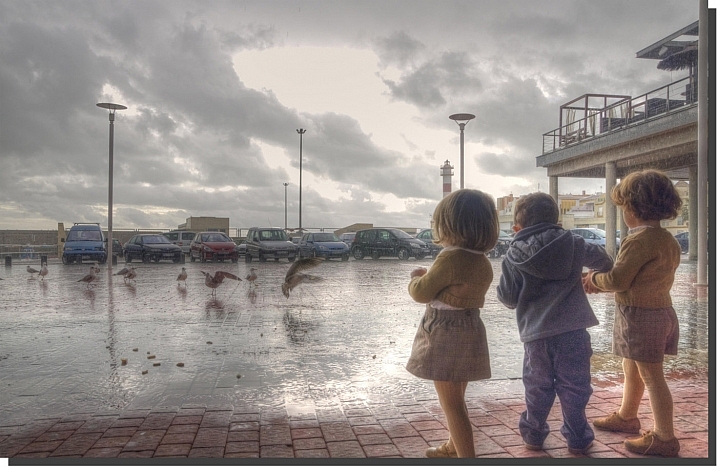
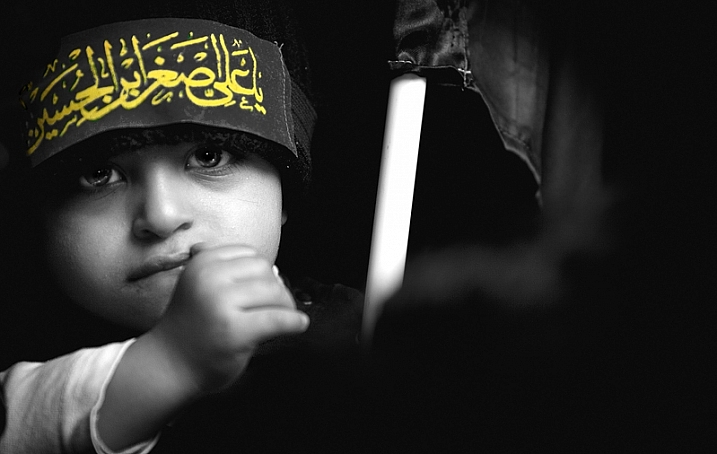
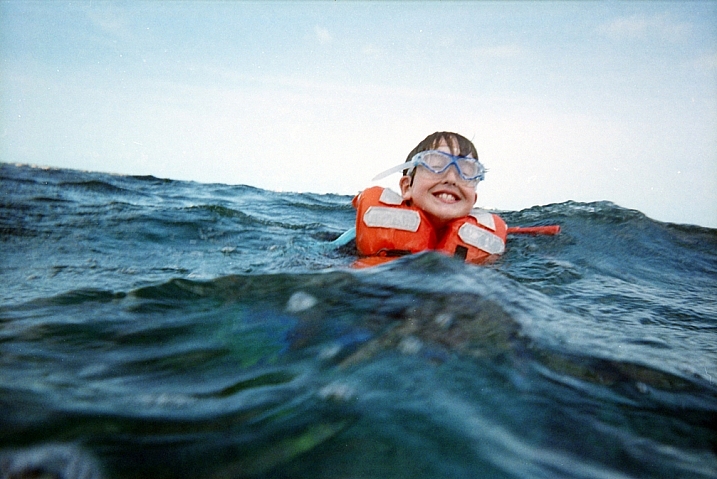
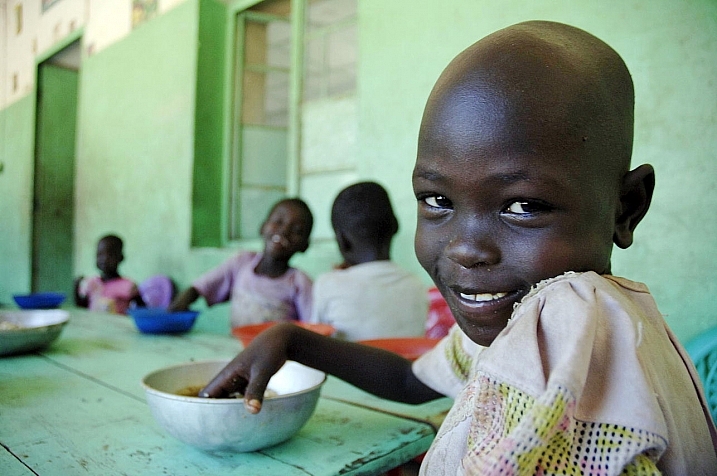
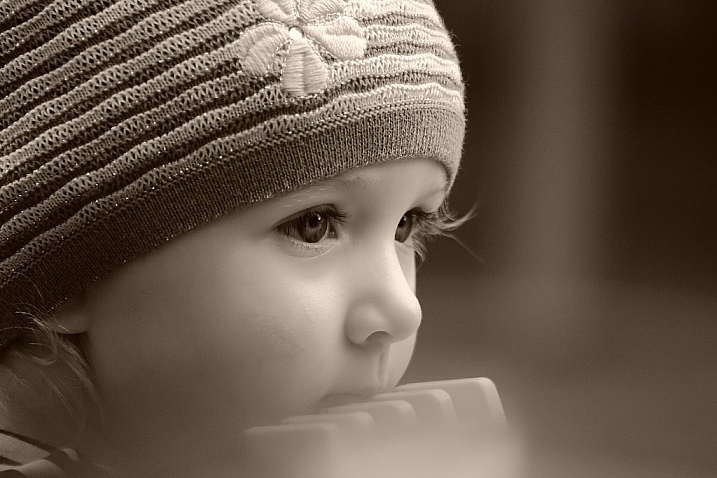
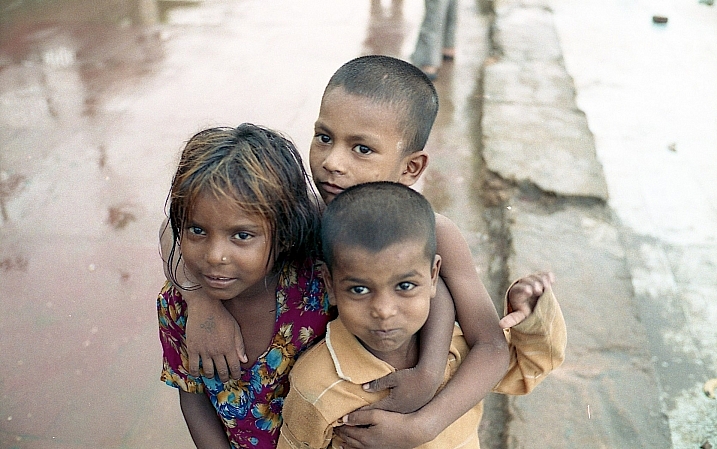
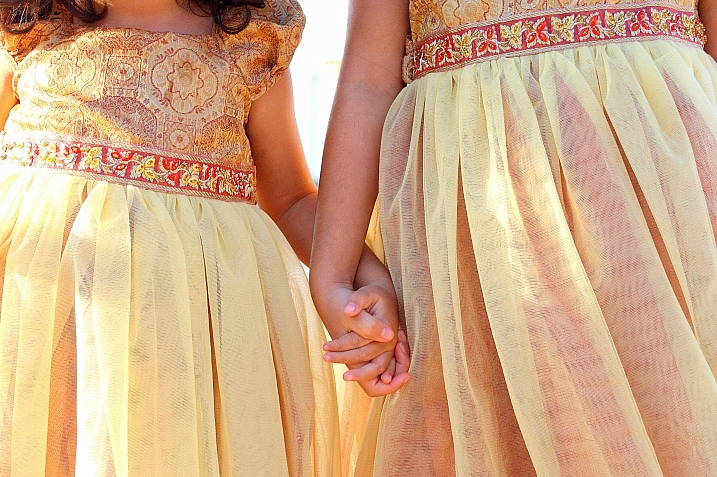
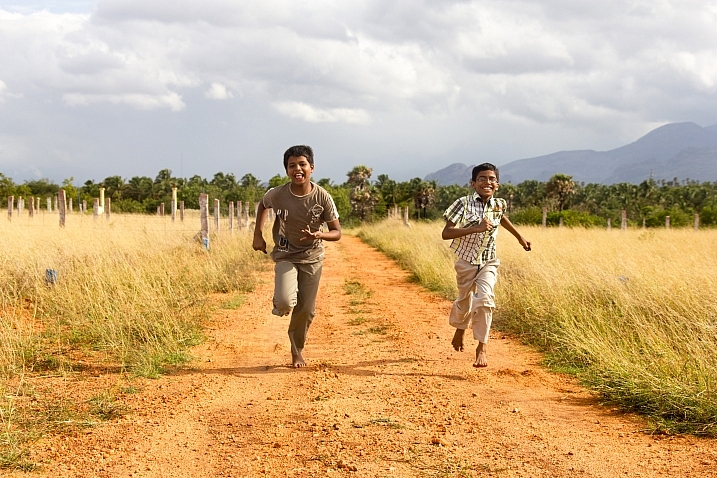
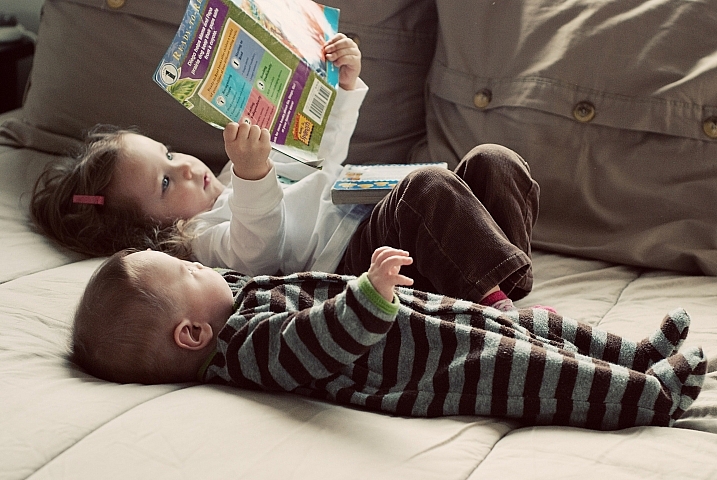
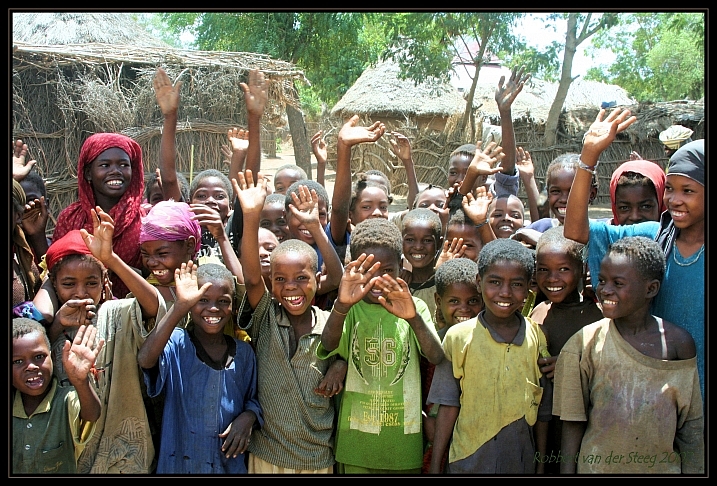
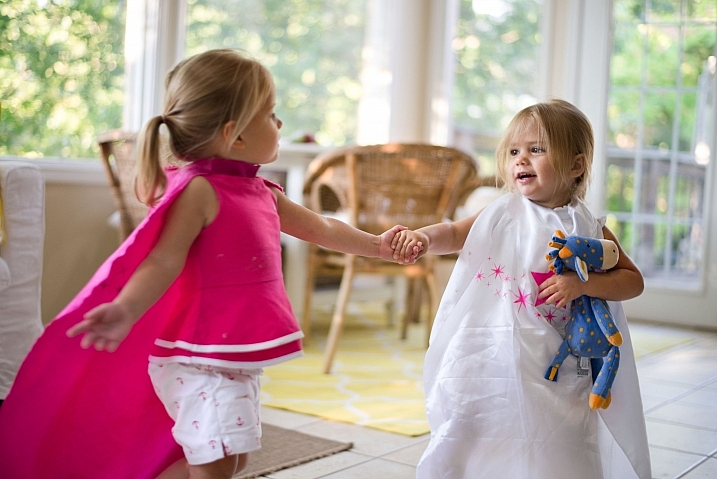
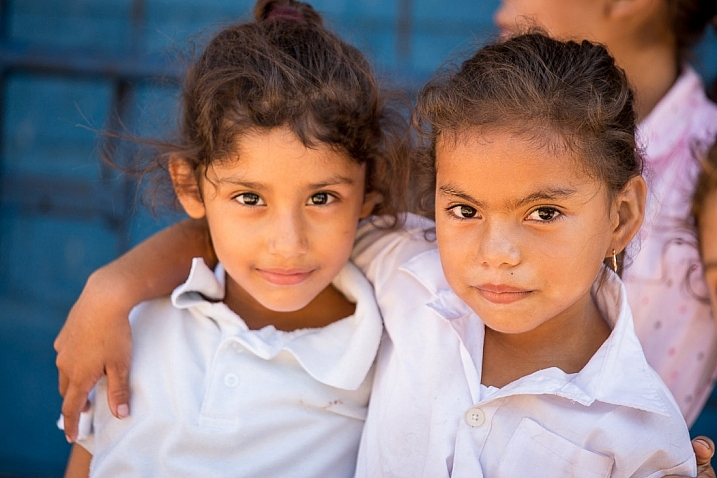
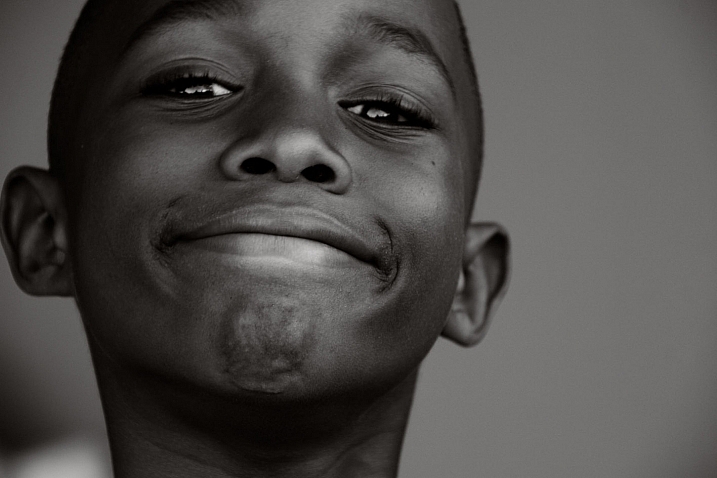
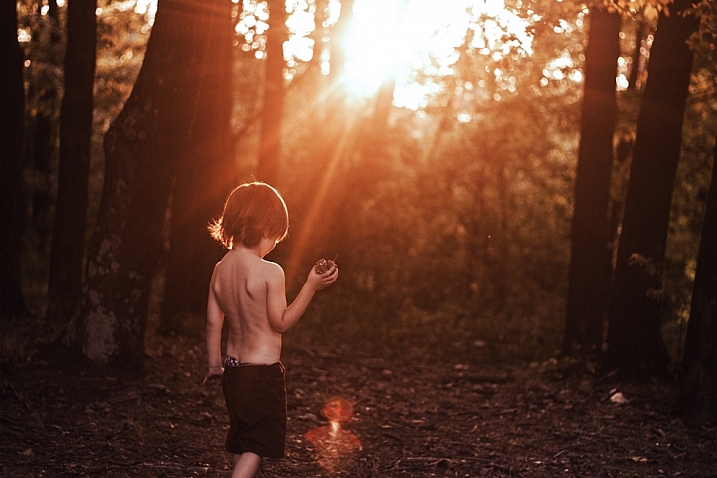
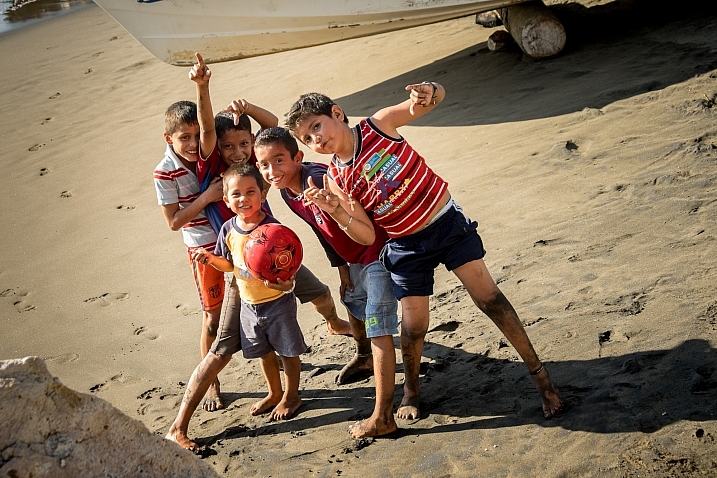
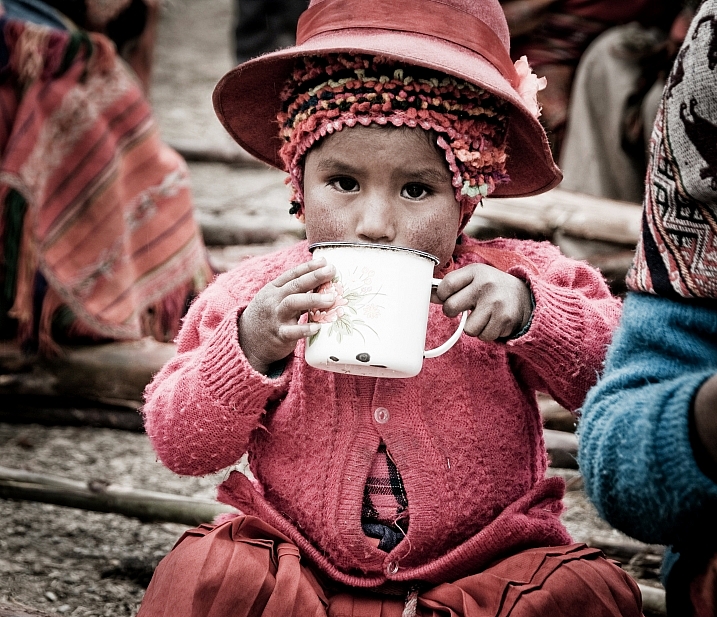
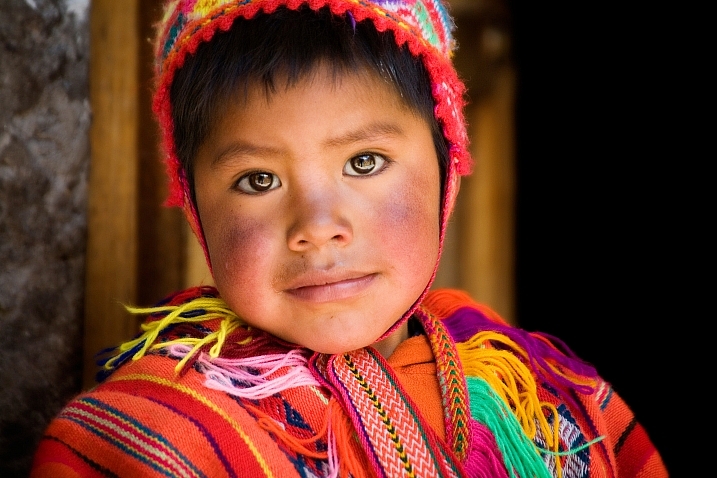
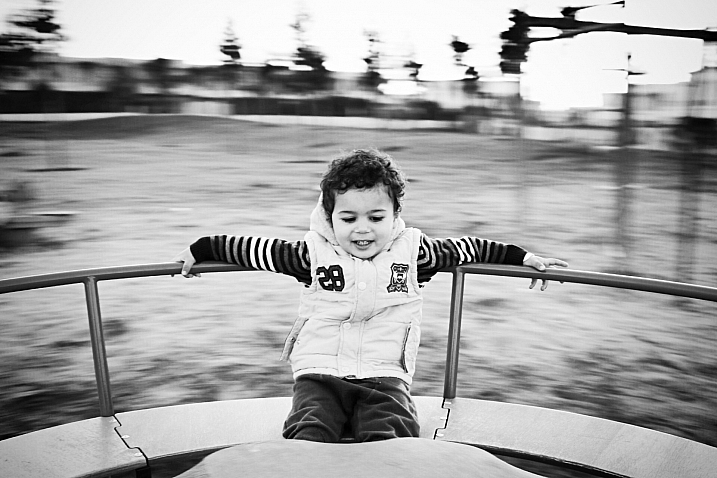
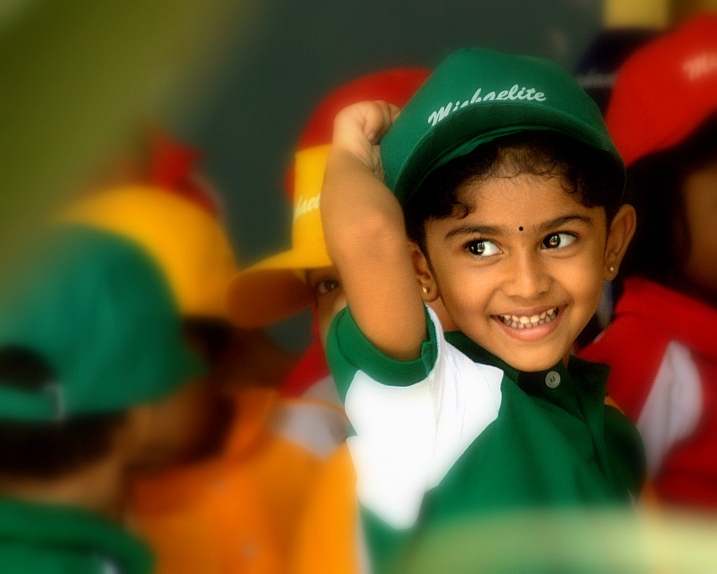
29 Unencumbered Images of Kids Being Kids

04 Dec

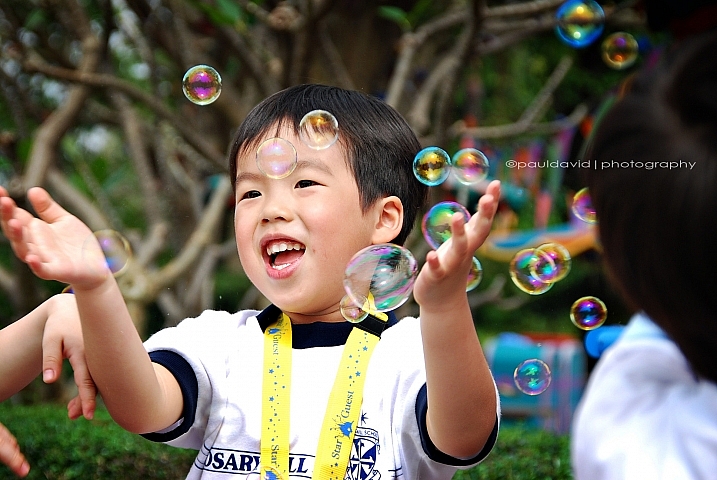
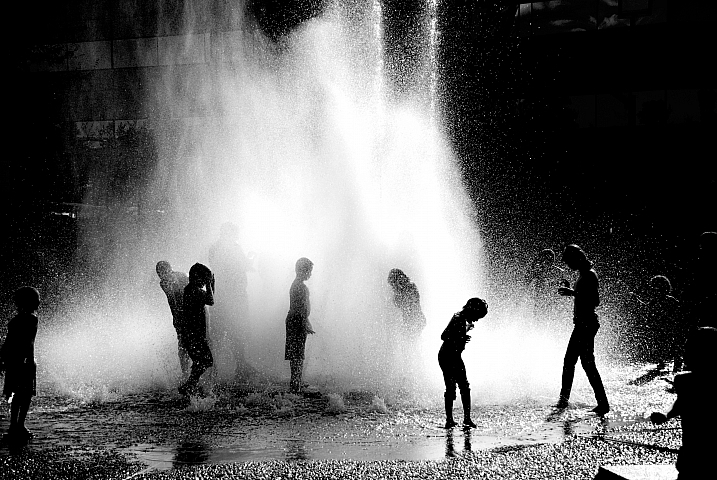
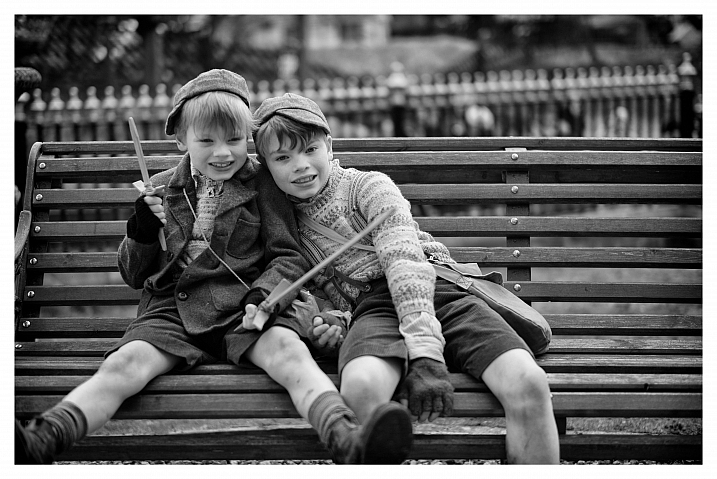
Kids have a natural free spirit about them. They don’t sensor themselves and they do what they want, how they want, when they want to – usually.

Let’s see some images (you’ll notice that a few of these are my own images) that capture this essence of what it is to be a kid:

Benurs - Learning And Learning...

By Benurs – Learning and learning…

Maitham Rushaidan

By Maitham Rushaidan

Adoephoto

By adoephoto

United Nations Photo

By United Nations Photo

Marcin Moga

By Marcin Moga

Attila Siha

By Attila Siha

Brighter Than Sunshine

By brighter than sunshine

Premnath Thirumalaisamy

By Premnath Thirumalaisamy

ThomasLife

By ThomasLife

Robbert Van Der Steeg

By Robbert van der Steeg

Donnie Ray Jones

By Donnie Ray Jones

Darlene Hildebrandt

By Darlene Hildebrandt

Darlene Hildebrandt

By Darlene Hildebrandt

Darlene Hildebrandt

By Darlene Hildebrandt

Steve Evans

By Steve Evans

Steve Evans

By Steve Evans

Darlene Hildebrandt

By Darlene Hildebrandt

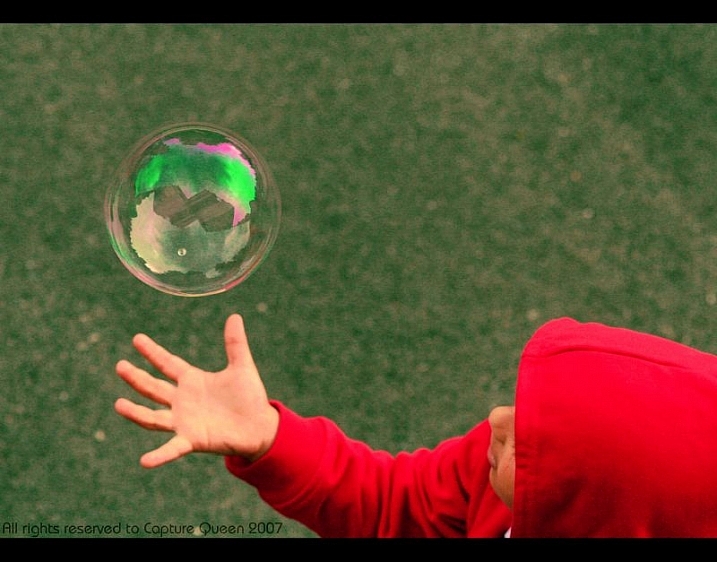
Capture Queen

By Capture Queen

ZOBEL *

By ZOBEL *

Kevin Conor Keller

By Kevin Conor Keller

Darlene Hildebrandt

By Darlene Hildebrandt

Darlene Hildebrandt

By Darlene Hildebrandt

Darlene Hildebrandt

By Darlene Hildebrandt

Amina Tagemouati

By Amina Tagemouati

Ilavanji Ilavanji

By ilavanji ilavanji

Paul David

By Paul David

Brittany Randolph

By Brittany Randolph

Peter Roome

By Peter Roome

David Guyler

By David Guyler

googletag.cmd.push(function() {
tablet_slots.push( googletag.defineSlot( “/1005424/_dPSv4_tab-all-article-bottom_(300×250)”, [300, 250], “pb-ad-78623” ).addService( googletag.pubads() ) ); } );

googletag.cmd.push(function() {
mobile_slots.push( googletag.defineSlot( “/1005424/_dPSv4_mob-all-article-bottom_(300×250)”, [300, 250], “pb-ad-78158” ).addService( googletag.pubads() ) ); } );

The post 29 Unencumbered Images of Kids Being Kids by Darlene Hildebrandt appeared first on Digital Photography School.


Digital Photography School

 
Comments Off on 29 Unencumbered Images of Kids Being Kids

Posted in Photography


6 Tips for Protecting Your Gear from Any Hazard and Being Prepared

03 Nov

There is no such thing as a magic camera, lens, filter, flash, or tripod that does it all – hence the variety of brands, focal lengths, composite materials, etc., that are available is endless. Actually, part of the fun is not just having what you need, but sometimes what you want. Like something different, even though it doesn’t have the best reviews and specs by others, or something to experiment with, to broaden your creative horizons.

Tiffany Joyce

By Tiffany Joyce

But, there is one thing we all must consider when going out for a shoot, and that is what to bring, or even more importantly, what NOT to bring. Oh that agonizing decision of going through the pros and cons of each widget you could bring. There countless variables depending on personal tastes, what you will be shooting, and how long you will be on your photo shoot, just to mention a few.

There is one constant though, stuff goes wrong, things break, bags get lost, and it is not always easy to get a replacement in time, or even at all. Most of us don’t have sponsors who pay for our gear, and that last lens you just picked up was a financial hardship (that you were happy to endure). So, there are some simple pieces of advice that I have picked up from my own stupid mistakes, and from others, professionals and avid amateurs alike, which might save you and your gear in a pinch.

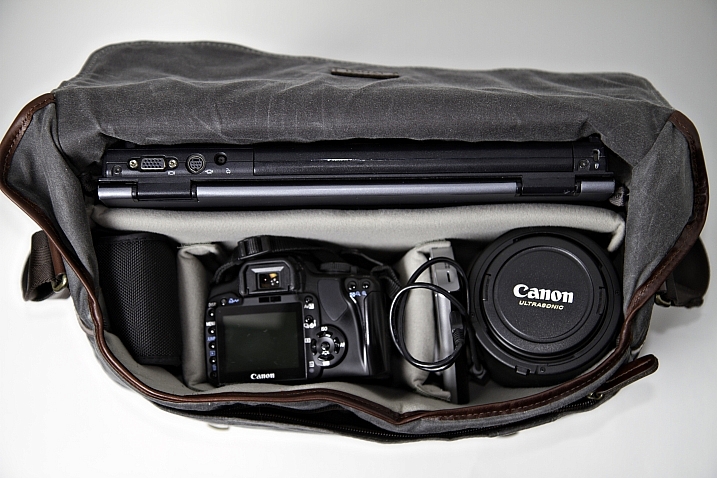
There are many articles on, what’s in my bag, and while it is fun to see what others are doing, the real question is what should you be doing? How much of everything do you want, and what specifics are you really going for? Do you want to bring your best gear, or will something more average do just fine with much less worry? Here are some tips for protecting your gear and being prepared for anything.

001 UV filter

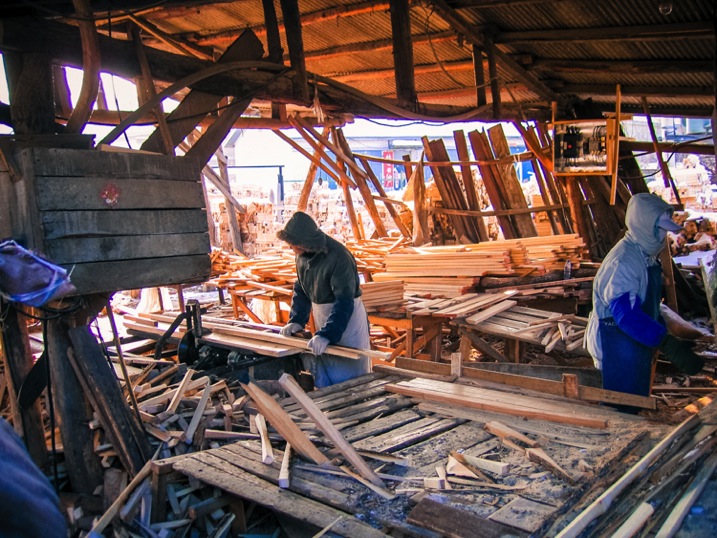
In the far NE of China this longing village was cutting down full trees, and making them into dowels to be shipped to the US to make hammers. With all the flying wood chips and dust, a UV filter was added protection.

1 – UV Filters

Better than me telling you the answer here, you can google, “Should I Use a UV Filter on my lens?”. You will find results galore, and many varying opinions. But, let me show you a picture and it may just persuade you to use one.

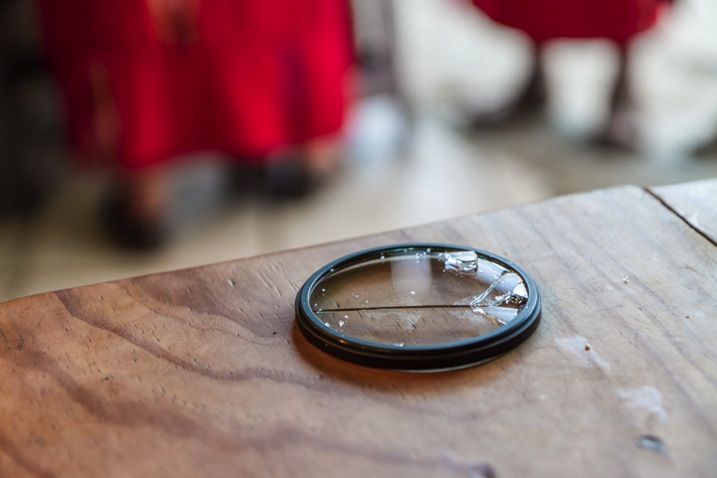
My lens hood was on, but I had just turned it backwards to save space while I was going to eat. My lens cap was also on. Sitting down on a street market bench to indulge, I brushed the lens cap pinching the hinges just enough that the cap popped off. Then, as momentum carried me down, a steel bench post smashed into my camera and I heard glass break. My heart sank, as horrible thoughts of my lens dying raced through my head.

It could have been my front lens element, but it wasn’t! It was my $ 35 UV filter, not my $ 900 dollar lens. For casual use, keep a UV filter on! If it breaks like mine did, a circular polarized filter can be a great backup too. Just don’t forget to turn it, to make sure you are getting the best out of your filter.

002 UV filters

This is the glass that broke and saved my front lens element. I was in a small mountain town in central Guatemala with no possibility of replacing the lens.

2 – Lens Hoods

When I generally think of my lens hoods, image quality is what first comes to mind. Less glare, less flair, better saturation and contrast, etc. Sometimes the tulip hoods look nice on a lens, so cosmetically it can be pleasing as well. But they do add significant length, and even when screwed on backwards, not protruding outwards, they increase the diameter, especially on larger lenses, making it tough to cram into your travel bag.

Recently, in Cuba I ran across another amateur photographer, and one of his first comments after exchanging pleasantries was, where is the hood for your lens? The 70-200mm f2.8 IS is a big lens, and making it 25% longer while trying to not impose on subjects, was my deciding factor for leaving the hood at the hotel. I replied, “I have my UV filter on.” He quietly said to me that he was a glass engineer, and he politely suggested, with total altruistic intention, to keep my lens hood on. It has been on ever since.

Protection value is even better than a UV filter and image quality improvements are worth it!

003 lens hood

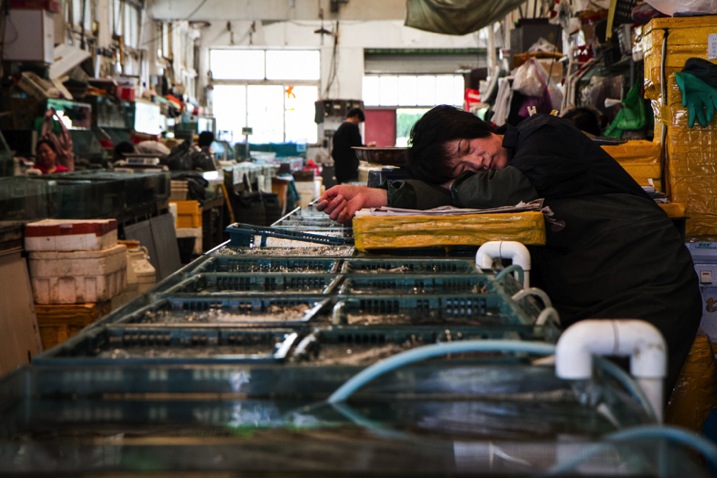
In a seafood market in a coastal city in NE China, squirming fish, spitting clams and twitching shrimp will definitely get salt water on your lens. Only a UV filter would leave you with water spots, but a lens hood helps keep the salt water off of the front element.

004 lens hood and UV

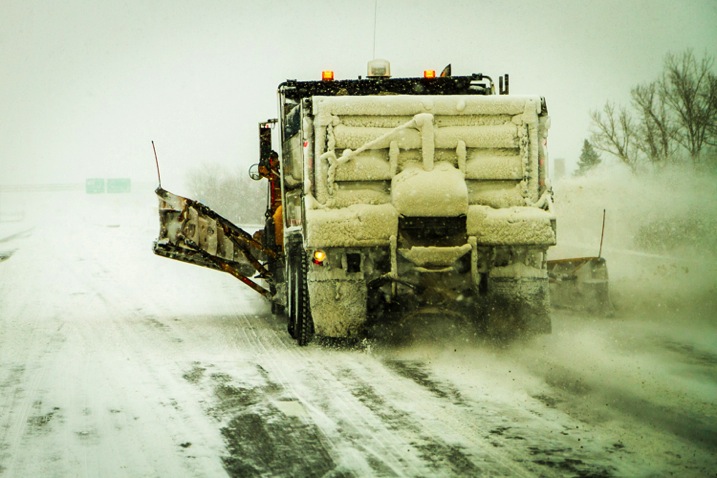
In New York State during the 2015 super snow year, following this plow, that lays gravel and salt, with my camera out the window is dangerous for a front lens element. Having all the protection of a lens hood and a UV filter is important to protect your gear.

3 – Lens Cap (front and rear)

The little lens cap: This one goes out to amateurs more than the enthusiast. If you are not shooting, keep your lens cap on. This is a very good line of defence for your front lens element. A doctor doesn’t examine a patient without protective gloves, nor should a photographer leave his lens exposed, while enjoying carnival rides or waterfalls. Keeping your lens protected is most important, but clean is essential as well.

Also, if you are switching lenses, keep an extra cap for the back of your lens in your bag. They are all the same size, unlike the front lens cap, so if you lose one it is no big deal as one size fits all. Cleaning dust, dirt, hair or oil from the inside of the lens is a nightmare.

4 – Extra things to think about when travelling

Access to your camera shop or online retailer is not possible when you’re away from home. Maybe your favorite online shop could overnight you something in any developed country, but outside the US, Canada, and some parts of Western Europe, you are out of luck.

UV filters can be found at many small electronic stores at a 20% markup or so, but the sizes available may be limited. Kit lenses these days usually have a 58m or 67mm thread size, and maybe you might get lucky if they have a 72mm filter. Anything in the 77mm or higher range will be near impossible to find. Underdeveloped nations don’t have the ability to hold stock for the occasional guy who smashed his fancy gear, (that which could feed a whole village for a week). Thus, don’t bring more, simplify. Think how you can adapt if something breaks? Like using a polarized filter or an ND filter if your UV filter bites the dust. Using an ND filter and bringing your tripod might just help you broaden your portfolio for the trip; a little blessing in disguise.

5 – CF cards

It used to be no film, no picture. Now it is no memory, no picture. Recently, I was in Central America and one trip got cancelled, and another one came up. It was a photographer’s delight, Cuba! I didn’t have my computer, and didn’t want to plug my gear into a sketchy internet bar computer. The solution in a developed country is to just stock up on a few more CF cards.

The reality is that in developing markets CF cards are not available. Finding a name brand CF card that will have 30mb/second or more, is near impossible. Developing nations are still using basic point and shoot cameras, if they have any at all, and even more popular are mobile phones with mini SD’s in them. SD cards are abundant, along with mini SD cards with adapters, but that does you no good for the higher end DSLRs. CF cards are relatively cheap and tiny compared to lenses, camera bodies and flashes. Stuff a couple extra in your bag.

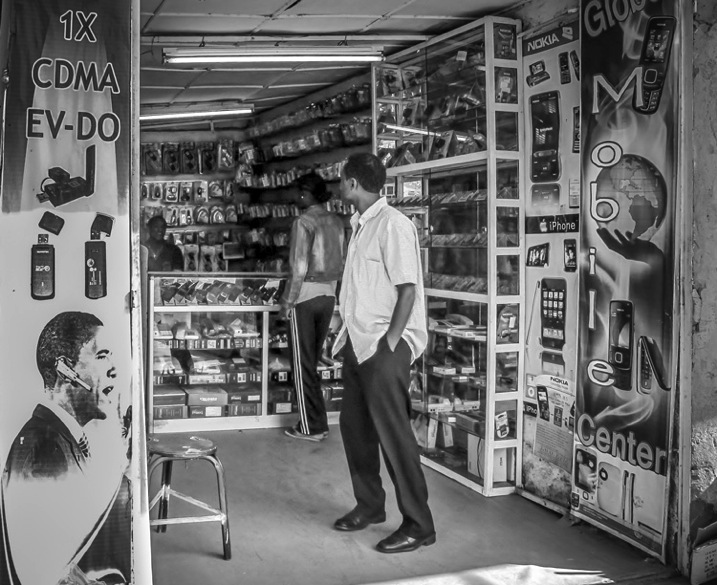
IMG 9188 bw

In northern Ethiopia this was the one of two stores that carried electronic goods. Most items are mobile phone related.

Getting into other parts of the world, like SE Asia and China, both of which are still in the developing stage, you will find much better luck. CF cards are available, and SD cards are going to be much cheaper. UV filters will also be available for any size. If they don’t have them in that store, ask them to get you one by the end of the day, and they will call up partner stores and send them over on the back of a moped. But you know the catch, it might not be real despite how legit it looks. In a bind, strike a deal, and you will have solved your solution at least temporarily.

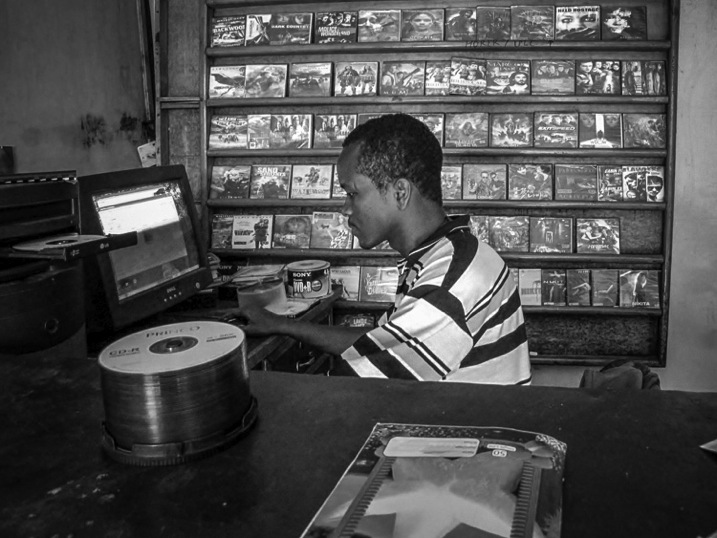
006 Electronic store 2bw

This was my second option for electronics. A desktop computer which was used for burning pirated movies and music. No possibility of finding higher end camera supplies.

6 – The Lens Pen

A final item that is a must is the lens pen. These are so compact, and convenient, to keep your front and rear lens elements clean. Make sure you use the brush first, then the moistened concave end for smudges. Ideally you would have air to blow off the lens first, but don’t use your mouth. No matter how careful you are particles of your saliva will appear on the lens giving you double duty. The lens pens are tiny and do wonders. Keep one in your bag, and one in your pocket, so you can get up close and personal to the crashing waves, market activity, or the big sports event. By the way, these lens pens can be found all over the world now. Grab a couple before you go, but if you lose one, or give one away to a local photographer, you may be able to find another.

Bottom line

So, when you are off on your next photo shoot, be prepared. You can’t anticipate everything, but even combined, all of the items on this list could easily fit in your pant’s pocket. Put all of them in a sturdy Ziploc bag, and you just added another element of protection. Wrap your camera or lens in the bag in really treacherous situations.

These tips provide a pretty good insurance policy for keeping your gear safe, and in proper working condition. Keeping your gear protected in harsh environments lets you focus on your creative ability to see and capture your favorite photographic styles, and do it with confidence too. Now, you still need to decide what major pieces of gear you want: super wide angle lens, telephotos, primes, single flash or multiple flashes, tripod, and the list goes on.

But be sure you have your UV filters screwed on, your hoods attached, your front and rear lens caps, and some extra memory, along with the most portable and simple cleaning lens pens.

What essentials do you have in your bag when you leave for a long photo shoot out of your home range?

googletag.cmd.push(function() {
tablet_slots.push( googletag.defineSlot( “/1005424/_dPSv4_tab-all-article-bottom_(300×250)”, [300, 250], “pb-ad-78623” ).addService( googletag.pubads() ) ); } );

googletag.cmd.push(function() {
mobile_slots.push( googletag.defineSlot( “/1005424/_dPSv4_mob-all-article-bottom_(300×250)”, [300, 250], “pb-ad-78158” ).addService( googletag.pubads() ) ); } );

The post 6 Tips for Protecting Your Gear from Any Hazard and Being Prepared by Branson Quenzer appeared first on Digital Photography School.


Digital Photography School

 
Comments Off on 6 Tips for Protecting Your Gear from Any Hazard and Being Prepared

Posted in Photography


A commerical photographer accuses Taylor Swift of being a hypocrite, Swift’s management company responds

25 Jun

In case you missed it, Taylor Swift, one of the most successful commercial pop stars of all time, recently penned an angry Tumblr post aimed at the soon-to-be-launched streaming service Apple Music. She called for Apple to respect the rights of creatives. However, commercial photographer Jason Sheldon found this statement to be more than a little hypocritical. Read more

Articles: Digital Photography Review (dpreview.com)

 
Comments Off on A commerical photographer accuses Taylor Swift of being a hypocrite, Swift’s management company responds

Posted in Uncategorized


Is Being a Photographer Synonymous With Being an Artist?

26 Nov

Photo 1 Guy

Sure, the concept of photography falls under the realm of one the arts, but can you strictly label someone an artist based on their job or hobby?

Photographers are everywhere nowadays. Beyond the thousands upon thousands of photographers who have businesses and make a living taking pictures, there are also all the families with cameras and anyone who halfway knows how to use a camera phone. Every single one of you who calls yourself a photographer has the opportunity, in my opinion, to call yourself an artist.

The term artist has a powerful meaning that is non-discriminatory. You, as an artist, have the distinct ability to take something and make it your own. But for me, I don’t consider myself an artist. It’s not a label I give myself because I feel that it is too strong for how I look at my own photos.

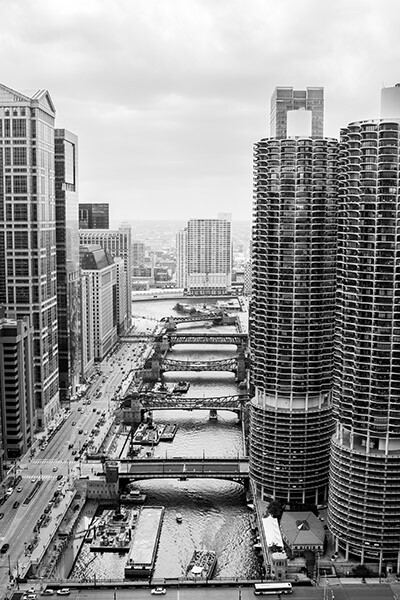
What do I do? I am in one world, a staff photographer taking pictures of exotic cars, in another world, editorial portrait photographer, and in another a sports photographer. But where I find myself in true harmony is taking landscape and cityscape photos. Do any of these types of photography REQUIRE me to be an artist? Or is that just a term we can only identify ourselves with?

Is the Word Artist too Demanding?

Sometimes there’s a connotation that you have to be an artist to be considered a respectable photographer; whatever either of those terms mean.

In our generation you don’t need much to pick up and learn how to take great photos. It’s not like you need a darkroom, chemicals, and to constantly be purchasing film. With just a good smart phone you can yield some amazing photos in spectacular quality. This has opened the world of photography and the arts to lot more people.

Image 2  Girl

With that said, do you need to be an artist, think like an artist, and go to art school to be a great photographer? I personally have a science mind. I graduated from college with a degree in Health Sciences. I picked up a camera sometime in college, and now that’s what I do.

What about this: do you need to think like an artist and go to art school to BE an artist?

Being a photographer can be just as much about having technical skill and experience, as it is about having a vision.

Image 3  City

The Balance Between Technical Skill and Vision

In order to make great photographs you need to have both technical skills and a vision. The combination of these two is what converts real life into a photograph.

Technical skill is required for just about everything you do. Maybe you started on automatic settings for your camera and slowly moved your way to manual as you got more comfortable with it. Maybe all of your photos are printed yourself?

Whatever type of photo you’re trying to capture, chances are you won’t have all the time in the world to check every setting on your camera to see which photo comes out the best. You’ve already learned, and have experience with which settings work best. That’s how you continue to get good-looking photos out of the camera on fewer attempts.

In the world today where just about every photo is being retouched to some degree, editing is also a technical skill that allows you to cement your style into your photos. Editing is an ever-evolving skill as you continue to learn new features in Photoshop (or other editing software) and as technology advances.

In photography you progress, every day you get out there and take a new photo; you’ve gotten better. But that improvement needs to carry on by continuing to learn your craft. Every artist, every photographer, works to improve upon what they’ve already done. You can strive the same way, at your own pace.

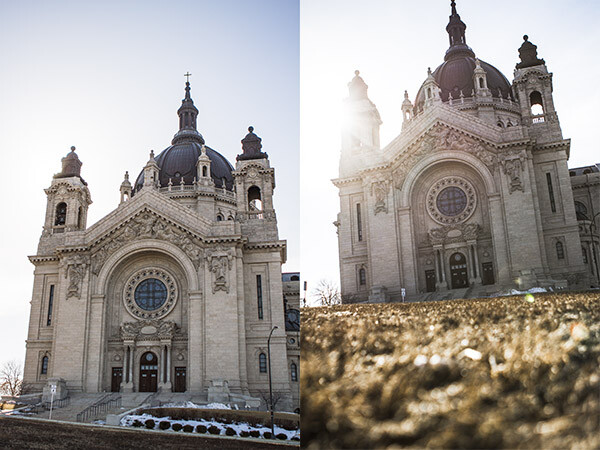
Image 4  Churches

When it comes to the other world of photography, some people tend to replace the term vision with other words, like artistic eye. You can call it whatever you want. Your vision can be a result of thorough internal planning of what’s going to make that a great photo. Or your vision can be more instinctual based on a knowledge of photography rules and personal experience.

You see the world, you pull your camera to your eye and you take the photo. That’s what makes every photographer the same as well as different. From the same spot, 20 photographers will yield 20 different photos. Your vision is a result of how you see the world; and you see the world differently than the person next to you based on your upbringing and beliefs.

You can continue to learn your own vision by understanding why you see the world the way that you do. Do your photos reflect the way that you see the world? I found my style because of how often I produced poor results. I eventually found my missing key: foreground and negative space.

In your own personal photos, do you weigh skill and vision equally? Are you working to improve both of them and not just one?

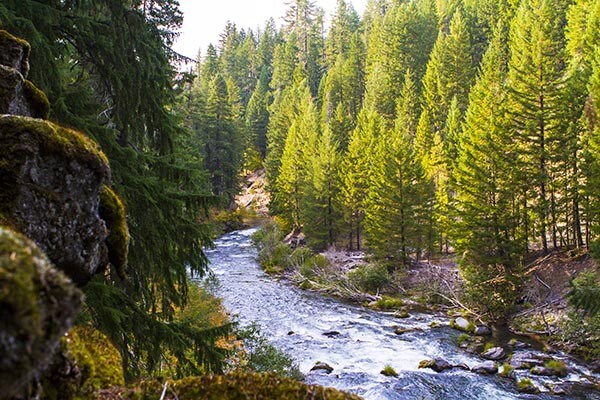
Image 5  River

The Reason Why This Distinction Between Photographer and Artist Matters…

There’s no mold in photography. We don’t all have to fit any particular style. Find your own style and explore it. The stigma that one must act like an artist in order to feel comfortable with a camera is erroneous.

You have the things you want to capture (vision) and over time you develop your own styles through skill and experience.

Do you label yourself an artist?

Will G. MacNeil (wgmphotography.com) takes photos for a living and is currently residing in Chicago, IL. Beyond everything, landscapes, editorials, and sports make up his style in the industry. You can follow Will G. MacNeil on Instagram for more concepts and photos.
The post Is Being a Photographer Synonymous With Being an Artist? by Will G. MacNeil appeared first on Digital Photography School.


Digital Photography School

 
Comments Off on Is Being a Photographer Synonymous With Being an Artist?

Posted in Photography