RSS
 

Posts Tagged ‘Become’

Start Making Photographs to Become a Better Photographer

25 Sep

If you are an avid reader of this site, most likely you are a photography enthusiast wanting to learn more and advance your craft. If you really care about doing so, it is time to stop taking snapshots and start making photographs to become a better photographer.

Taking versus making can be a question of semantics; that’s why I prefer to call it snapshot versus photograph. But beyond semantics, in my humble opinion, you graduate as a photographer the moment you start making photos instead of taking them, regardless of the results. But wait, regardless of the results? Well, not really. Of course, you want great photos. What I mean by that is that you’ll progress in your craft the moment you start thinking about your photos, your vision, and how to reflect it with your image. The results could be bad or good, but you are thinking as a photographer. When you start thinking as a photographer, the results will come, sooner or later.

New Orleans Skyline

So what’s the difference? Taking a photo is the result of an impulsive reaction; you just press the shutter because you are there and you shoot it. Taking a photo is just snapping what you see. Instead, making a photograph is a process. When you make a photo, you are creating something from your vision. You are constructing it, and you are putting what comes from you in it.

The process of making a photo can take different periods of time. For some, it is a longer, thoughtful process, and for others it is a just a moment. For a National Geographic photographer, making a photo can take months; there is a lot of planning, research and being there just to get the right image that makes the cover of the magazine. For a street photographer, making a photo is totally different; they only have a split second to get it right without the luxury of setting up. But, there are other things they can control, like location, time of the day for best light, and so on.

I am telling you that you graduate as a photographer when you start making photographs because, for most us, enjoying the creative process is what makes us different from the rest. It does not matter if you are an enthusiast, serious amateur, or pro – we all enjoy it. Sure, learning how to expose, compose and post-process is important, but it’s something you can learn with enough practice and attention. That’s the technical aspect of photography, and when you master the basics, there will be always something new learn. But besides that, it comes with the freedom to stop thinking about aperture/depth of field and ISO/noise, and focus more on the photos you want to create.

Making a photograph will also help you to cut the clutter. When I first started to go on travel photography trips, I used to come back home with thousands of photos that were taken in just a span of a couple of days. That made the selection process a daunting task. First, who really wants to see thousands of photos? Second, is there any meaning in them? When you take the time to plan a more thoughtful photograph, you cut the clutter because often you’ll shoot less, but come out with better content.

Happy woman in Taung Tho Market Inle Lake

Last, I want to leave you with a couple of examples, starting with the opening picture of this article. I was going to be in New Orleans only for a long weekend and one the things I wanted to photograph was the skyline of the city. So, I started my research ahead of time to find the best spot to do it. I only had three nights in the city and as I wanted to shoot during the blue hour, I really didn’t have the chance of messing it up. Once I knew where I was going to make my photo from, it was all a matter of arriving there in time to set up and wait for the right moment. So besides finding the location and arriving early to set up, I also had the right tools with me to make it happen. I knew I wanted to include the Crescent Connection Bridge, so I brought a wide angle lens. I knew that it was going to be a long exposure, not only because of the time, but also because I wanted a smooth reflection over the Mississippi River, so I also brought a tripod and a neutral density filter to make a long exposure.

Sometimes making a photo also means finding an interesting subject, and trying to learn more from them by staying for a while, instead of grabbing a shot and moving. I found this amazing woman for this photo (above) from the Taung Tho Market of Inle Lake in Myanmar. I sat there taking pictures of her for a while, and I remember she pretended I was not there until I told my guide to tell her that she was beautiful. Her reaction was priceless and that made the photo.
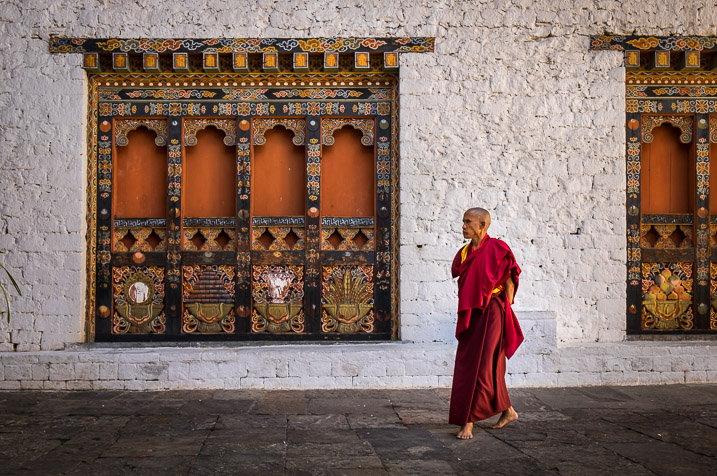
Monk in the Punakha Dzong

Other times, making a photo means waiting for something interesting to happen if you are in the right place. For the Bhutanese monk above, I found myself on a big patio surrounded by typical and colorful windows that I wanted to photograph, while I was visiting one of the many monasteries. But I needed something else besides the windows. Because I had seen them earlier, I knew that another monk would walk across my frame sooner or later, so I carefully composed my photo and waited until this one walked by.

There you have it. As you can see, there are different meanings and ways to create photos, and not just take them. But the most important thing is for you to understand that you can be a better photographer by making photos instead of just taking them. Plan and enjoy the process, and results will follow. By the way, if you are already making photos, why don’t you share one with us in the comments below with a short caption on how you made it and why.

googletag.cmd.push(function() {
tablet_slots.push( googletag.defineSlot( “/1005424/_dPSv4_tab-all-article-bottom_(300×250)”, [300, 250], “pb-ad-78623” ).addService( googletag.pubads() ) ); } );

googletag.cmd.push(function() {
mobile_slots.push( googletag.defineSlot( “/1005424/_dPSv4_mob-all-article-bottom_(300×250)”, [300, 250], “pb-ad-78158” ).addService( googletag.pubads() ) ); } );

The post Start Making Photographs to Become a Better Photographer by Daniel Korzeniewski appeared first on Digital Photography School.
Digital Photography School

 
Comments Off on Start Making Photographs to Become a Better Photographer

Posted in Photography


How to Become a Professional Travel Photographer – Two Paths

27 Jul
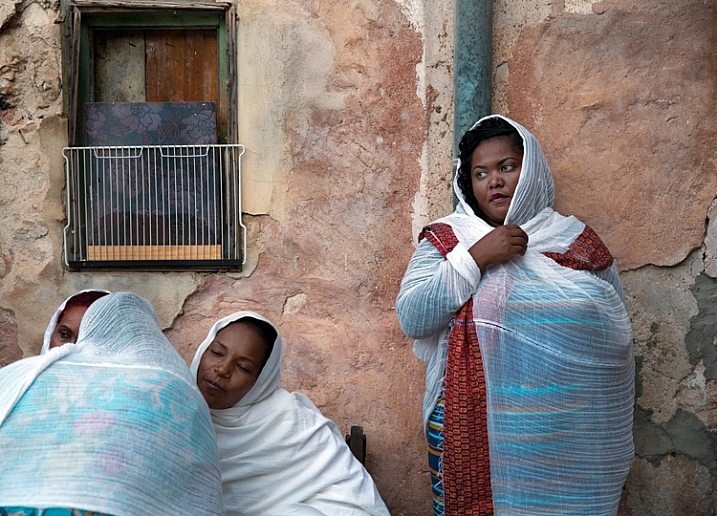
Ethiopian Meskel festival - By oded wagenstein

Ethiopian Meskel festival – by Oded Wagenstein

Many people are mistaken in thinking that travel photography is just about traveling and making photos. While, although that sounds like a dream job, not many people will pay you to just travel and take nice looking photos. Like any job, travel photography is work –  and usually, it’s very demanding.

Yes, you get to go to amazing places, meet exciting people, and the world is your office. But, it also has many downsides: sleeping in flea-infested guesthouses, never-ending bus rides from hell, harassment from corrupted policemen, loneliness, and lack of job stability to name a few.

Are you still here? Good! Let’s talk about how to become a travel photographer. There are two ways to approach this: finding a client, or finding a job that allows you travel.

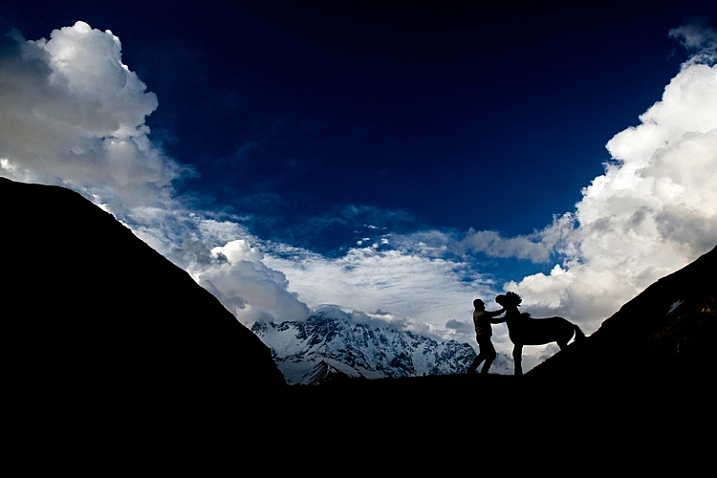
Georgia - by oded wagenstein

Aperture f/5.6, shutter speed 1/6000th, ISO 400. Exposure Compensation: -1.3
-Image by Oded Wagenstein-

First option – Find a client

As a travel photographer, you have many potential clients. Here I will discuss the most common: Governmental tourism organizations, NGOs, Commercial organizations and Media

Governmental tourism organizations

Many governments strive to promote tourism in their countries. To do so, they need photographs to show the things and activities tourists can see and do in their country. Budget-wise, they have usually deep pockets.

Pros: This is the most organized option, the client has a big-budget, and gives you access to places closed to the public.

Cons: It’s very hard to get your foot in the door. Usually these organizations prefer to work with big, well known magazines and newspapers that can promise not only good photographers, but wide exposure to their audience of readers.

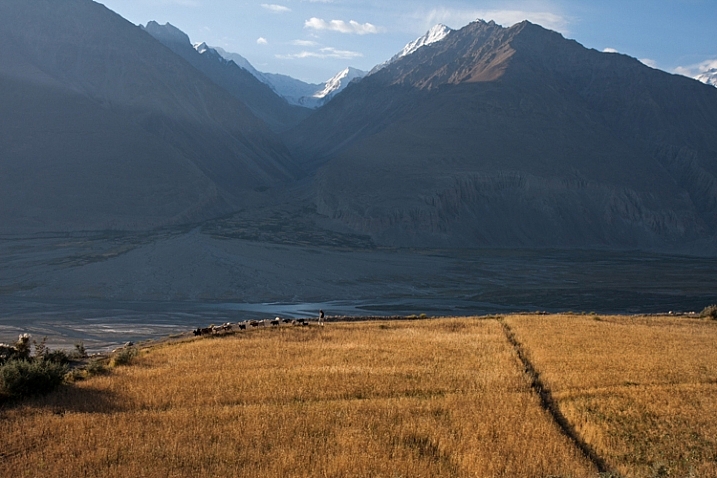
hindukush - By oded wagenstein

hindukush – by Oded Wagenstein

Tip from a pro: Instead of trying to work with a large media organization like a magazine or newspaper, become a small media icon yourself. If you have a large and influential presence on social media, such as Facebook and Twitter, you might be more appealing to these organizations than old school media. So, start a blog, gain followers, and who knows, you could be their next photographer.

Taking the first step: In most cases, working with governmental tourism organizations will never be your first career step. But starting a working relationship with a travel magazine or newspaper, or starting a blog and a Facebook page is a good idea. It’s best to specialize in a specific area of travel, such as adventure, food, etc.

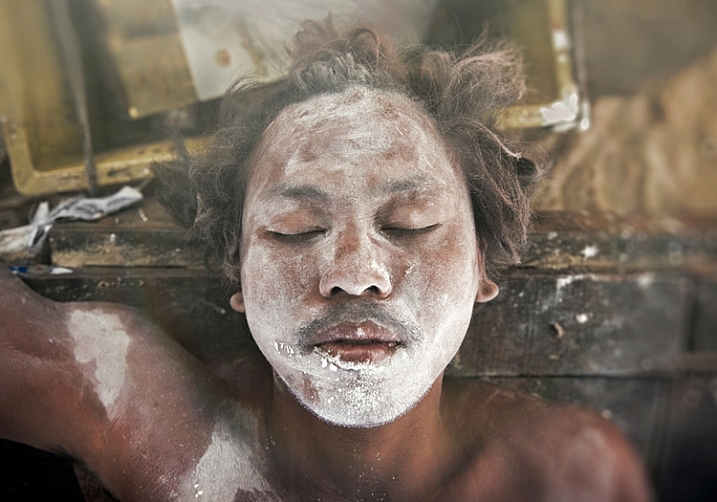
Portrait from Cuba - By oded wagenstein

Aperture f/4, shutter speed 10th, ISO: 500, Exposure Compensation -0.3
-Image by Oded Wagenstein-

NGOs

Some large NGOs (non-governmental organizations) need visual material to help them support their cause and attract donations.

Pros: It depends on the organization, but the work usually deals with super interesting projects on subjects like: animal rights, public health, or any other hot topic that demands the world’s attention.

Cons: This is not the job where you will be asked to shoot lovely landscapes and flowers, as many NGOs need photography as visual proof of their cause. This means you might be asked to get photos of matters that the local government wants to hide from the public eye (animal abuse, theft of natural resources, child abuse, etc.)

Tip from a pro: You can start by volunteering with an NGO that supports a cause you believe in. Then, through your working relationships with people from the inside and demonstrated photography skills, you might get to become the official photographer of the organization.

Taking the first step: You don’t always have to start somewhere far away. If this is your first time doing volunteer work, it would be wise to start locally. A nursing home or an animal shelter are good examples. You will start establishing your portfolio, and work for a good cause at the same time.

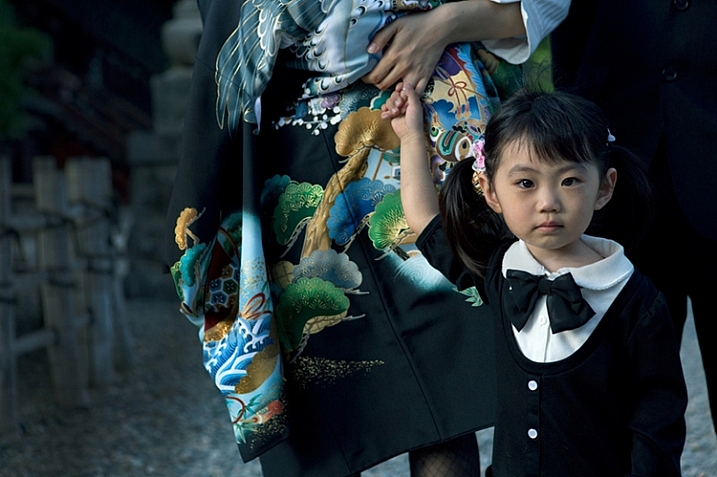
japan - By oded wagenstein

Aperture f/4, shutter speed 100th, ISO: 320, Exposure Compensation -1.7
-Image by Oded Wagenstein-

Commercial organizations

If you are a top notch, worldwide known photographer, it is very likely that customers from all over the world will want to use your services (for fashion, events, sports, architecture, products etc.). But as we are focusing on travel photography, commercial organizations that deal with traveling and tourism are more likely to hire you. Notable examples are hotels, tour companies, airlines and so on.

Pros: The commercial brands who hire a travel photographer are usually worldwide, and that can mean traveling a lot.

Cons: As traveling for free and shooting tourist destinations is a dream job for almost anyone, the fees offered for the job can be quite low. It’s common the photographer only gets paid with benefits like free flights or accommodation.

Tip from a pro: To work with the big brands, you need to market yourself in a way that will appeal to these types of clients. The kind of architectural or food photography a hotel chain needs is very different from what a tour company that specializes in extreme travel. Don’t try to work in all genres and styles. That’s a good path to becoming an inadequate photographer. Focus only on the genre and style you love and put all of your heart and effort into it.

Taking the first step: Approach the client with already made photos. Visited a nice hotel during your last vacation? The hotel’s management will probably be very happy to publish your images if they are good. Most likely they won’t pay you as they did not order the images from you, but they will give you a credit under the photo. But this would be a good start as you’re now published and have a working relationship with a known brand for your CV.

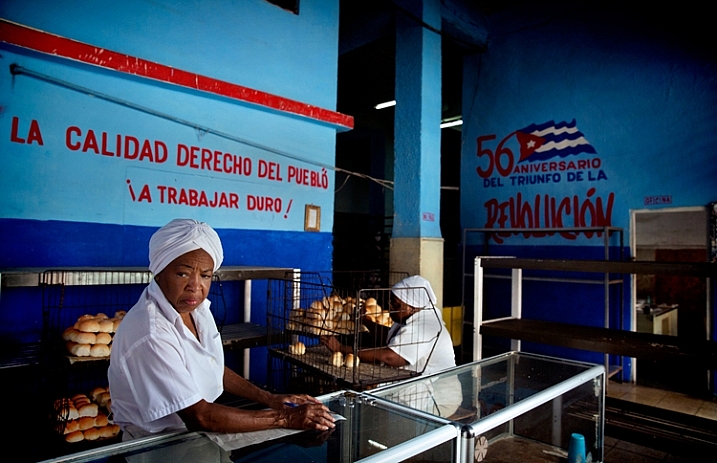
Bakery in cuba - by oded wagenstein

Aperture f/4, shutter speed 10th, ISO: 1000, Exposure Compensation -0.7
-Image by Oded Wagenstein-

Media

Having your travel photography printed on a glossy page of a well-known magazine…if that’s not a childhood dream, then what is? I will divide “media” into three areas: magazines and newspapers, digital platforms, and stock photography agencies.

Magazines and newspapers: Although they tend to be seen as old fashioned and don’t pay as well as other industries mentioned here, working for a newspaper (if you are into photojournalism) or a travel magazine is sure to be an interesting and creative job.

Digital platforms: These days digital platforms and websites are the leading source of information for most people. Although most well-known websites prefer to work with stock agencies (explained below) rather than directly through freelance photographers, some do have their own regular contributors and might send you to cover a story.

Stock photography: Shooting for stock photography is a subject for a different article (or five of them) but you can see stock agencies as the middle man between provider (the photographer) and buyer (magazines and websites). In order for news agencies or image bank websites to send you on assignment, you’re required to be a contract photographer. Each organization has its own contract and demands.  But some photo agencies will be willing to pay for your independent travel images if they are sellable. Do not expect large amounts. But hey, it’s better than nothing.

Thailand - by oded wagenstein

Pros: Dealing with the most interesting stories and places around the globe.

Cons: Of all the other clients, this one will probably pay far less than the commercial world. But hey it’s not all about the money, right? The work is usually as a freelancer as well.

Tip from a Pro: In order for a magazine or news agency to pay for your trip and fee, they need to be positive that you can deliver the job. Establishing a strong portfolio is a must.

Taking the first step: Again, like in other cases, starting locally is best. Ask to contribute photos, or propose a travel story, to your local newspapers.

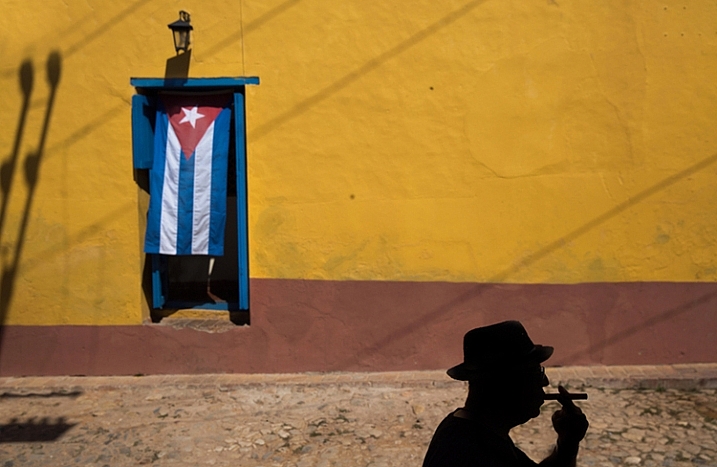
Trinidad, Cuba - by oded wagenstein

Aperture f/5, shutter speed 100th, ISO: 100, Exposure Compensation -2.7
-Image by Oded Wagenstein-

Second option – Find a job that requires traveling or relocation

If the instability of the freelance photographer’s way of life isn’t for you, you can always find a day job that involves traveling. Then you can go to lots of places, be paid for it through your job, and do travel photography in your spare time. Jobs like flight attendant, global salesperson, English teacher (or a spy!) are just several of many professions that let you visit your dream locations, without being too risky on the financial side.

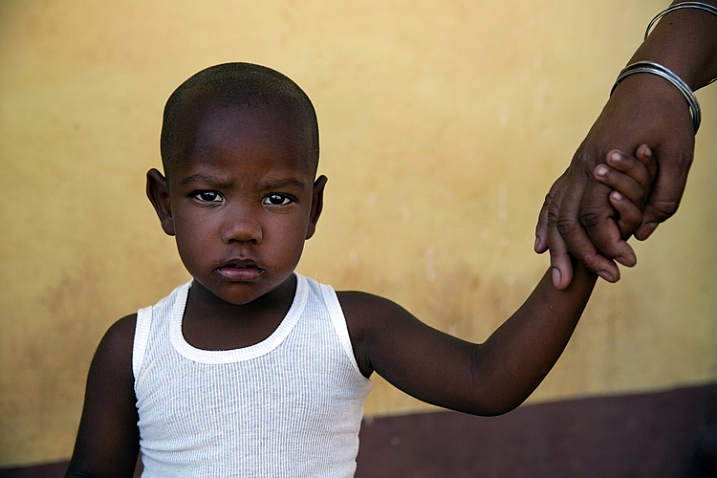
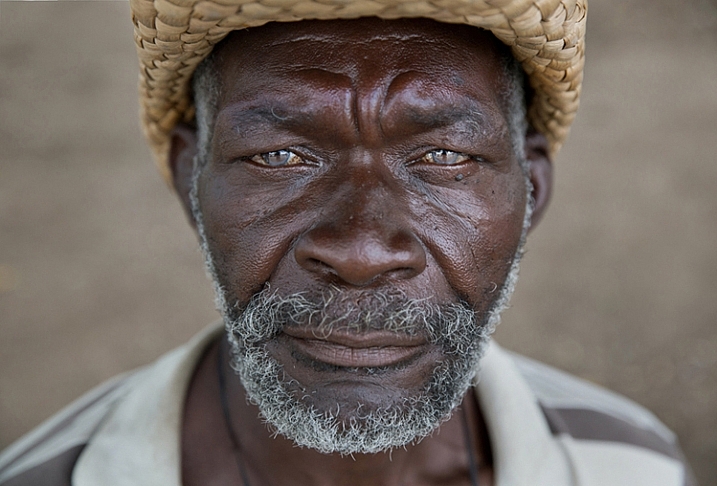
portrait of a dark boy - by oded wagenstein

Aperture f/3.5, shutter speed 100th, ISO: 200, Exposure Compensation -1
-Image by Oded Wagenstein-

Conclusion

This all may sound hard or even impossible. But, like in most arts, you need to be really good at what you do in order to make a living from it. You need to devote at least 50% of your time to marketing your portfolio, and above all, love your craft with all your heart.

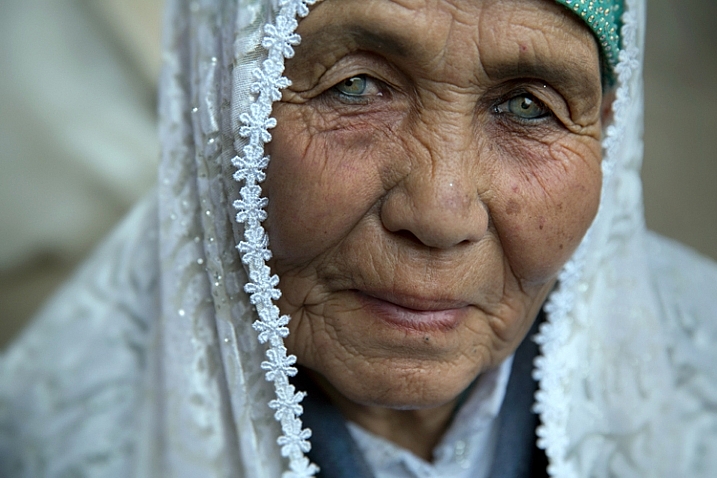
Uzbekistan - by oded wagenstein

Aperture f/4, shutter speed 10th, ISO 160, Exposure Compensation 0
-Image by Oded Wagenstein-

The author would like to thank Nicholas Orloff for his assistance in writing this article

googletag.cmd.push(function() {
tablet_slots.push( googletag.defineSlot( “/1005424/_dPSv4_tab-all-article-bottom_(300×250)”, [300, 250], “pb-ad-78623” ).addService( googletag.pubads() ) ); } );

googletag.cmd.push(function() {
mobile_slots.push( googletag.defineSlot( “/1005424/_dPSv4_mob-all-article-bottom_(300×250)”, [300, 250], “pb-ad-78158” ).addService( googletag.pubads() ) ); } );

The post How to Become a Professional Travel Photographer – Two Paths by Oded Wagenstein appeared first on Digital Photography School.

Digital Photography School

 
Comments Off on How to Become a Professional Travel Photographer – Two Paths

Posted in Photography


Become a Composition Master with This Great Guide: 60% Off Today Only

03 Jul

Deal #2 in our massive Mid Year Sale has just gone live – and it’s a goodie!

Iics hero shot discount

Today only you get 60% off Photography Concentrate’s Incredibly Important Composition Skills.

For the next 24 hours and only $ 19.98 (an exclusive dPS price), you’ll get:

  • A comprehensive 225-page ebook — filled with everything you need to know to come away with a deep understanding of composition and the practical know-how to put it to good use
  • 7 bonus videos — looking at examples of theories and techniques and how they influence the look and feel of each photograph, to bring all the concepts covered together
  • A printable pocket field guide — with the most essential composition information laid out, for you to print out, fold up and slip in your camera bag

Check out the video on the Photography Concentrate site to meet Lauren, the author of this tutorial, and learn more about how Incredibly Important Composition Skills will totally transform your photography!

Composition

This deal is an unbelievable amount of value.

Especially because building your composition skills is one of the fastest and most lasting ways to transform the quality of your images.

You see, people view images in predictable ways. And when you discover these patterns, you can use them to your advantage to create photographs that best communicate your desired message.

So are you ready to become a master in composition and gain real skills that you’ll use in every single shot you take?

Head to Photography Concentrate to snap up this amazing deal!

No Risk: Your Satisfaction is Guaranteed

Your satisfaction with this deal is guaranteed. For a full 60 Days, and if you don’t feel like you have stronger composition skills you’ll get 100% of your money back with no questions asked.

googletag.cmd.push(function() {
tablet_slots.push( googletag.defineSlot( “/1005424/_dPSv4_tab-all-article-bottom_(300×250)”, [300, 250], “pb-ad-78623” ).addService( googletag.pubads() ) ); } );

googletag.cmd.push(function() {
mobile_slots.push( googletag.defineSlot( “/1005424/_dPSv4_mob-all-article-bottom_(300×250)”, [300, 250], “pb-ad-78158” ).addService( googletag.pubads() ) ); } );

The post Become a Composition Master with This Great Guide: 60% Off Today Only by Darren Rowse appeared first on Digital Photography School.

Digital Photography School

 
Comments Off on Become a Composition Master with This Great Guide: 60% Off Today Only

Posted in Photography


Retired Buses to Become Mobile Homeless Shelters & Showers

19 Jun

[ By WebUrbanist in Architecture & Cities & Urbanism. ]

converted mobile homeless shelter

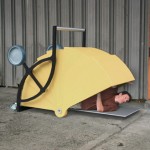
A fleet of still-functional city buses in Hawaii sits idle simply because the vehicles have too many miles for continued use in their current capacity, creating a unique opportunity to redeploy them toward helping the homeless. Thanks to a group with a vision and starting this summer, these retired transit vehicles will begin to be turned into mobile spaces and service centers for local populations in need of a place to stay and other basic necessities.

converted bus interior space

Developed by volunteer architects and Honolulu-based Group 70 International, the idea is simple: each of the dozens of buses will be converted to a single new purpose, providing bedroom spaces in some cases but also places to get cleaned up, accept and deploy donations (warm meals, fresh produce and clean clothes) and much more.

converted bus diagram design

From bathrooms and showers to sleeping quarters, each conversion can be done with tools and materials from the local hardware shop and be completed with unskilled volunteer labor. These relatively low-cost retrofits are designed to be donation-driven, providing all of the amenities of traditional homeless shelters with added flexibility and portability.

converted bus homeless shelter

converted buses hawaii

The resulting fleet will be versatile, able to split up and move in sections depending on need and travel to various locations to serve target groups where they are found. Existing seating inside the buses will be stripped and removed then replaced with remodeled elements suited to each vehicle’s new use. The first two conversions are to be completed by the end of this summer, ready for test deployments.

Share on Facebook


[ By WebUrbanist in Architecture & Cities & Urbanism. ]

[ WebUrbanist | Archives | Galleries | Privacy | TOS ]


WebUrbanist

 
Comments Off on Retired Buses to Become Mobile Homeless Shelters & Showers

Posted in Creativity


Interactive Museum: Play in Paintings, Become Part of the Art

27 May

[ By WebUrbanist in Art & Installation & Sound. ]

fish bowl art museum

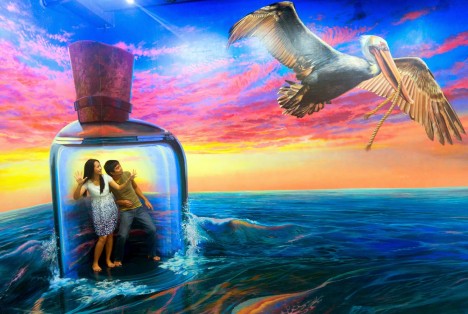
Making art accessible like never before, this interactive gallery encourages people to play around, with and even inside its artworks, extending the frame to include visitors.

art interactive museum design

playful engaging works of art

Located in a converted bus station in the Philippines, this unconventional museum dubbed Art In Island is packed with art that spills off the canvas and onto adjacent walls, floors and ceilings, breaking down the barrier between gallery and art as well as artist and viewer.

playful art exhibit philipines

playful interactive painting design

A series of famous regional artists were commissioned and flown in to create the series of 50 pieces that populate the place. Unlike most places, however, guests of this gallery are in turn encouraged to take pictures of themselves and their friends playing with this art. In some places, visitors can climb right into the frame of a painting or occupy a piece of it that pushes out and becomes three-dimensional in the space surrounding the work.

playful modern art space

playful art carpet ride

The idea is in part to make the experience of art a more accessible everyday activity, and to reconsider our relationship to those ‘do not touch’ signs found in most museums. There is also an element of the times (and places) involved – according to the CEO of the project, Filipinos are famous for taking selfies, and in the age of social media are also inclined to share those pictures online.

Share on Facebook


[ By WebUrbanist in Art & Installation & Sound. ]

[ WebUrbanist | Archives | Galleries | Privacy | TOS ]


WebUrbanist

 
Comments Off on Interactive Museum: Play in Paintings, Become Part of the Art

Posted in Creativity


6 Reasons to Become a Nature Photographer

15 May

#1 An Ever-Changing Subject

Nature photography never gets boring. Whether it be wildlife or landscape photography you are interested in, there is always a new angle you can introduce to your photos.

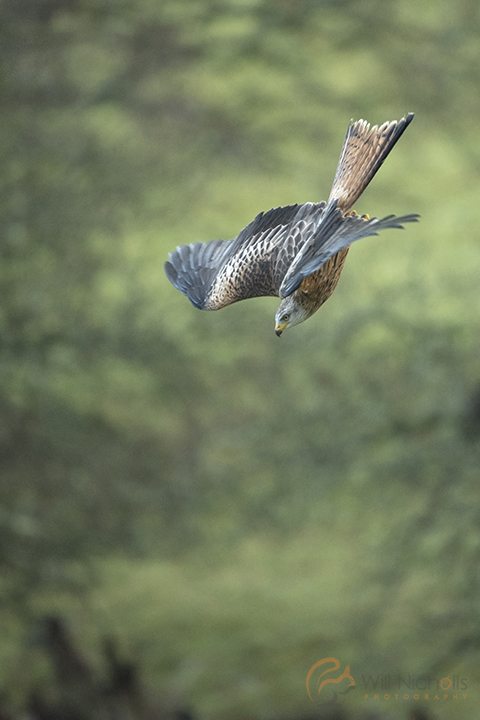
Kite Dive

For landscape photography, the weather is never exactly the same – clouds make unique formations, and the way sun rays cast over the scene in front of you are always very special.

If you take photos of wildlife, then you will be forever capturing moments that will never be repeated. Take the example of two birds fighting on a branch: you will never get a photo of the exact same birds, with the exact same body and wing positions, in exactly the same backdrop. You have an opportunity to record something truly unique.

#2 Be At One With Nature

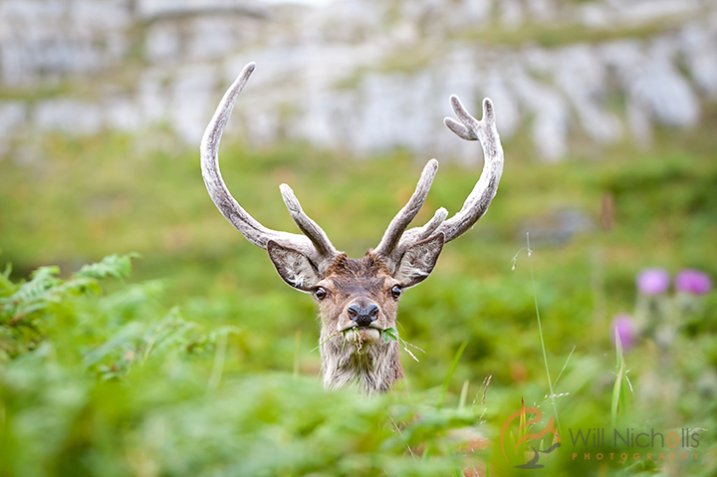
Red Deer Head

There’s no better excuse for getting outside than feeding your thirst for nature photography. Nowadays a lot of people spend too much time indoors, and going outside is extremely beneficial for your wellbeing – that’s for both your health and enjoyment. If you’ve caught the photography bug then getting into the outdoors with your camera becomes something you really enjoy doing.

#3 It’s Easily Accessible

Nature is everywhere – you don’t need to look far to find a beautiful scene or a bird that is willing to come to a bird feeder. You don’t have to book a studio and a model to take photos; just go outside and start clicking that shutter.

Even for those who live in cities, there is wildlife everywhere – you may just not know it yet. At night, deer and foxes come into suburban areas and make for interesting photographs. Venture out into the countryside and you will find rolling hills and endless photographic opportunities.

#4 It’s Relaxing

Nature photography is extremely therapeutic if you can reap enjoyment from it. If you have had a stressful week, heading out to be alone with your camera and the natural world can be a great way to wind down and forget any troubles.

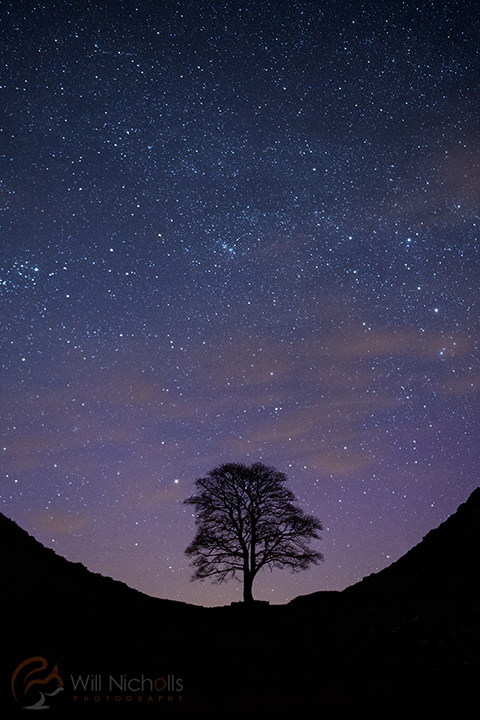
starssmall

#5 Everyone Loves Nature

Most people admire nature in some form. Whether that be appreciating a dramatic, serene landscape or the glint in a swooping eagle’s eye, your photos are going to be appreciated by a wide audience. If you are looking to share something that people can connect with, nature photography is a great way to do this.

When done correctly, nature photos will transport the viewer into your shoes, allowing them to imagine the scene as if they were there with you. Providing this window into the natural world to those who may not be able to access it themselves is a great thing to do.

#6 Raising the Profile of the Environment

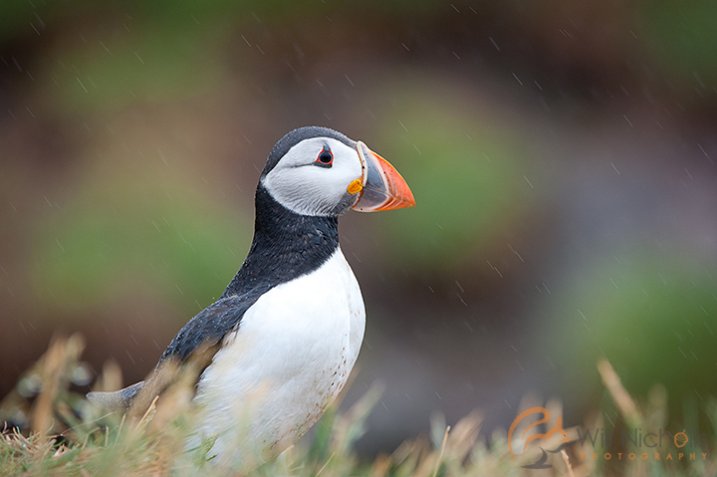
PuffinInRain

Nature photography helps to raise the profile of our planet and the environment. It allows people to experience things they may not see themselves, and therefore encourages them to care about its preservation. You can, in a small way, help to raise awareness of the natural world and work to promote its conservation.

googletag.cmd.push(function() {
tablet_slots.push( googletag.defineSlot( “/1005424/_dPSv4_tab-all-article-bottom_(300×250)”, [300, 250], “pb-ad-78623” ).addService( googletag.pubads() ) ); } );

googletag.cmd.push(function() {
mobile_slots.push( googletag.defineSlot( “/1005424/_dPSv4_mob-all-article-bottom_(300×250)”, [300, 250], “pb-ad-78158” ).addService( googletag.pubads() ) ); } );

The post 6 Reasons to Become a Nature Photographer by Will Nicholls appeared first on Digital Photography School.

Digital Photography School

 
Comments Off on 6 Reasons to Become a Nature Photographer

Posted in Photography


Retrofuturistic Urbanism: 6 Cities as they Could Have Become

08 May

[ By Delana in Architecture & Cities & Urbanism. ]

future retro city

To people of 100 or even 50 years ago, the metropolises of today would look utterly foreign. Our elevated highways, massive airports, high population density and huge skyscrapers would be breathtaking to someone from a far earlier era. But futurists of the past did their best to imagine the world of tomorrow – otherwise known as our today – and came up with some wild imagery.

San Francisco

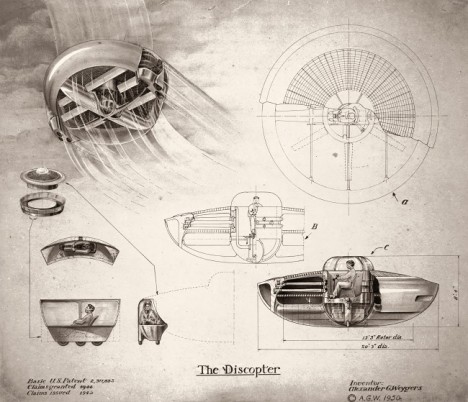
discopter diagrams

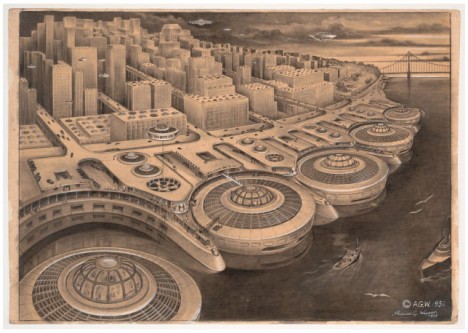
Above (and at top) is ship engineer and inventor Alexander Weygers‘ vision of San Francisco  as he saw it from 1950. The disc-shaped objects near the water are Weygers’ patented flying machine which he dubbed the Discopter. In his visions of future American cities, Weygers imagined large Discopter ports in every city, allowing for safe and convenient travel for the city’s residents.

Los Angeles

harlan georgescu sky lots

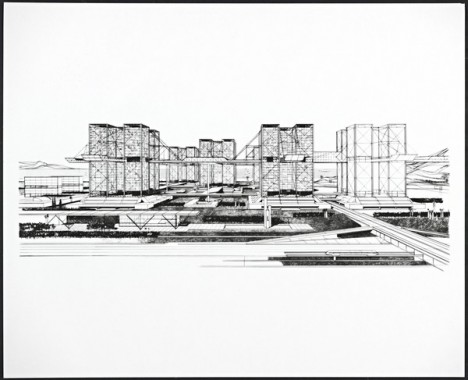
Architect Harlan Georgescu envisioned these sky-high mixed-use buildings becoming an integral part of future downtown Los Angeles. The buildings were meant to be 500 feet tall; Georgescu’s design put living, working, dining, shopping and recreational spaces in each building. Every structure would provide homes for 200 families in the space that would normally only support 12 conventional, ground-level homes. His Sky Lots plan included a suspended freeway running between the buildings – then out to the suburbs – to alleviate some of the city’s terrible traffic problems.

Houston

houston skyline

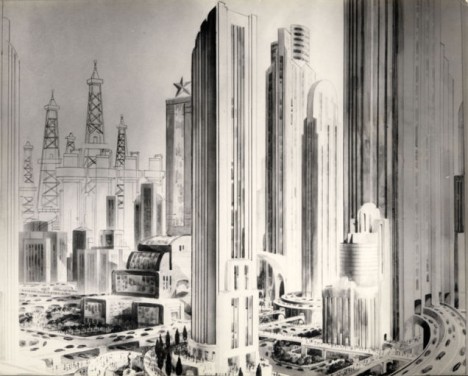
In the 1920s, Houston Post writers took a stab at predicting the city’s skyline in 1980. Note the same type of elevated freeways envisioned for LA, these also leading straight into and through tall buildings. Elevated walkways were also featured in the design, essentially doubling the pedestrian space for Houston residents. Houston did eventually develop a skyline containing plenty of tall, distinctive buildings and elevated roads – it looks like the Houston Post had (mostly) realistic expectations for the future of their city.

Next Page – Click Below to Read More:
Retrofuturistic Urbanism 6 Cities As They Could Have Become

Share on Facebook


[ By Delana in Architecture & Cities & Urbanism. ]

[ WebUrbanist | Archives | Galleries | Privacy | TOS ]


WebUrbanist

 
Comments Off on Retrofuturistic Urbanism: 6 Cities as they Could Have Become

Posted in Creativity


30 Ways to Become a Better Photographer in 30 Days

23 Feb

So you want to be a better photographer, and fast, right? Here are thirty things that you can do in 30 days to make your work a LOT better. Remember that while there are rules, the most important thing is to experiment and see what looks great to you. Day 1. Read your camera’s manual. Test every single little button Continue Reading

The post 30 Ways to Become a Better Photographer in 30 Days appeared first on Photodoto.


Photodoto

 
Comments Off on 30 Ways to Become a Better Photographer in 30 Days

Posted in Photography


Photo Journaling Can Help you Become a Better Photographer

11 Feb

MonicaDayDPS-Journal-01

Let’s face it, photographers are artists. We love creating works of art in our photography. We love to express ourselves with our camera. We create photographs based on what our mind sees. You can take five different photographers with the same setting or model and get five completely different photographs. We are artists and photograph in our own unique ways. It’s important for us to continue to learn and grown and keeping a journal is an amazing way to do that. Your photo journal will serve two purposes. The first is to document your growth as a photographer. The second is to show where you were mentally when you took your photos. You’ll love being able to reference this information in the future.

Why Journal?

MonicaDayDPS-Journal-03

I learned photography by shooting with a 35 mm Pentax camera I picked up from a pawn shop. I didn’t have the luxury of looking at my screen (or chimping) after each shot. I had to shoot a roll of film, bracket, and then review the contact sheet to see what worked. I did this for months until I was able to predict what my settings needed to be in a variety of situations. I kept a journal of my photos and wrote down the settings that corresponded with each shot. I learned to do this while in art school. Nowadays, you don’t have to do this, but keeping a journal is still an amazing way to see your progress.

How Do You Journal?

MonicaDayDPS-Journal-02

There’s really no right or wrong way to do this, the key is to just do it. Basically, you’ll be writing consistently and adding your photos. When you have an awesome shoot – journal it. When you have a sucky shoot – journal it. Attach your photo and write about your feelings, the settings, the occasion, your equipment, anything new you tried, and anything else you might find relevant. The key is to write about anything that might give insight into how you created that photo. I’ll often add my inspiration sheets to the journal page. It’s just a nice way of referencing where you were pulling your inspiration at that time in your life. I encourage you to date your entries as well.

Just get started and you’ll develop a system that works for you. You can get as creative as you’d like. This is YOUR journal.

Creating Your Journal

MonicaDayDPS-Journal-05

The first thing you want to do when creating your photo journal is to find a book of some sort that you’ll be using. I like big sketch books. These give me plenty of room to attach my photos and to write about them. Next, get to snapping! That’s right. Take photos. Make it a habit to take photos weekly or even daily. You might not use all of these in your journal but you’ll have them to pull from. Take care that you are attaching your photos in a way that they won’t fall out. Double sided tape is excellent. You can even use photo corner adhesive pieces so that you can remove your photos if you ever need to later.

This journal is an expression of yourself, for yourself. You can get creative with it, or keep it simple. This is for your reference only.

MonicaDayDPS-Journal-04

Photo journaling is an excellent way for you to work on your photography and know where you need improvement. It’s a great way to express yourself and keep from being burned out. Photo journaling is a great way to get yourself shooting out of your norm, and even try new things. I encourage you to try this for a while and see how it changes your world. I’m sure you won’t be disappointed.

googletag.cmd.push(function() {
tablet_slots.push( googletag.defineSlot( “/1005424/_dPSv4_tab-all-article-bottom_(300×250)”, [300, 250], “pb-ad-78623” ).addService( googletag.pubads() ) ); } );

googletag.cmd.push(function() {
mobile_slots.push( googletag.defineSlot( “/1005424/_dPSv4_mob-all-article-bottom_(300×250)”, [300, 250], “pb-ad-78158” ).addService( googletag.pubads() ) ); } );

The post Photo Journaling Can Help you Become a Better Photographer by Monica Day appeared first on Digital Photography School.

Digital Photography School

 
Comments Off on Photo Journaling Can Help you Become a Better Photographer

Posted in Photography


Canon announces ‘G3 X’ with 25x zoom, to become available… at some point

07 Feb

Canon has announced plans for a ‘PowerShot G3 X’ enthusiast compact with a 1-inch type sensor and a 24-600mm equivalent lens. The company hasn’t released much more detail at this time, but it’s obvious from appearances that the G3 X is close in spirit to both the PowerShot G7 X and the G1 X Mark II. Read more
Articles: Digital Photography Review (dpreview.com)

 
Comments Off on Canon announces ‘G3 X’ with 25x zoom, to become available… at some point

Posted in Uncategorized