RSS
 

Posts Tagged ‘Beautiful’

Video: Old projector lens adapter to A7 III body surprisingly makes for beautiful photos, bokeh

24 Jan

In pursuit of something different Mathieu Stern, who runs the Weird Lens Museum website, has adapted an old projector lens to fit on the front of his Sony a7 lll.

The lens he used is a Rollei 90mm f/2.4 MC that would have originally been fitted to a 35mm slide projector. Mathieu says he found the lens without its projector in a yard sale, and paid $ 5 for it. In the three minute video above Mathieu shows the lens in action and a number of photos captured in the sun that seem to have well controlled flare and low contrast.

As the lens has no iris the aperture can’t be varied from F2.4, but based on the results he attained, that doesn’t appear to be a problem. Mathieu discovered the lens fit perfectly into a M52 helicoidal tube which then allowed him to vary the apparent length of the lens so he could focus at a normal range of distances.

The helicoidal tube has an M42 screw mount, so all he needed to do then was find an M42 to Sony E mount adapter so the whole kit would fit on his a7 lll. Sure, it’s not the most elegant solution, but it got the job done. Below is a gallery of images captured with the setup and shared with permission from Mathieu.

$ (document).ready(function() { SampleGalleryV2({“containerId”:”embeddedSampleGallery_1210874026″,”galleryId”:”1210874026″,”isEmbeddedWidget”:true,”selectedImageIndex”:0,”isMobile”:false}) });

To find more of Mathieu’s work, head over to his website and YouTube Channel.

Articles: Digital Photography Review (dpreview.com)

 
Comments Off on Video: Old projector lens adapter to A7 III body surprisingly makes for beautiful photos, bokeh

Posted in Uncategorized


7 Tips for Beautiful Photos in Icy Cold Weather

26 Nov

Winter is a beautiful season to take photos. In order to capture the beauty that winter offers you’ll have to overcome cold temperatures for both you and your gear.

Here are seven tips that will help you protect your gear and take beautiful photos during the winter season.

Remember that exciting feeling you had as a kid when the first snow came? If you’ve become a grumpy grown up when it comes to winter, challenge yourself to recapture the wonder of winter this year!

1. If You Hate the Cold, Stay Inside!

When you think of winter photos you might imagine being bundled up outside in the howling cold trying to avoid frostbite while taking photos. I’ve certainly been in that situation a time or two!

Maybe the thought of crazy winter weather keeps you from ever stepping outside to take photos during winter months. But who says you have to go outdoors to take nice winter photos?

Before stepping outdoors, think about what you can accomplish inside.

A few years ago I spent the whole winter indoors studying. I loved the way the icicles looked hanging from our house. Rather than take my camera outdoors, I photographed the icicles from inside my house.

Ever since I was a kid I’ve always had a bedroom that faces the sunrise. I love waking up to golden hour.

These are the icicles during the afternoon.

These are the icicles at sunset. In Ontario, Canada, sunsets often have deep and vibrant colors.

These icicles are being lit by the cool light of the full moon.

2. Preparing Your Batteries

Now suppose you do want to head outdoors to take winter photos; you had better be prepared.

Make sure your batteries are fully charged (including your spare ones). Batteries tend to drain faster in the cold, so find a warm pocket to keep them in. A pocket should allow the batteries to be up against your body; perhaps an inner chest pocket. Also, try keeping a hand warmer or baked potato in the pocket!

While you’re waiting for your batteries to charge, enjoy a hot cup of tea! Steam is a lot of fun to photograph and works best when it is backlit.

3. Metering for the Snow

Most people use some sort of auto setting on their camera such as ‘landscape’ or ‘portrait’ mode. You may even be using aperture or shutter priority. With all of these settings, your camera uses its internal meter to calculate the right exposure or brightness for your photo.

This can be a problem.

When the landscape is covered in bright white snow, your camera will want to darken the exposure. This means that you’ll snap a photo and the snow will turn our looking very gray. The camera doesn’t realize that you want the snow to appear bright white in your photo. Of course, it doesn’t even know it’s looking at snow!

There are two ways to fix this. The first is to use full manual mode so that you have control over the exposure, not your camera.

If you’re not comfortable using manual mode yet, then try using exposure compensation. Set your camera to aperture priority, then use exposure compensation to increase the exposure by a full stop. Keep making adjustments until you’ve got it just right. Consult your camera manual on how to adjust exposure compensation.

Prior to using exposure compensation, I used to have to brighten all my winter photos with Lightroom. Notice how gray the snow is in the photo on the left.

Even though you can brighten your photos later with an editing program, it’s far better to get the exposure correct the moment you take the photo.

4. Look for Contrast

Once you’ve got the hang of exposure and metering it’s time to make some creative photos.

The first thing I look for in a snowy landscape is contrast. Since the snow is bright white, I look for dark objects that will stand out in contrast to the snow.

Contrast is what will help your photo to ‘pop’ and give it more dimension.

In a landscape, this might be trees, buildings, animals or people.

The dark trees in the background help the shape of the snow-covered hill to stand out. The boy sliding down the hill really pops too.

5. Think in Black and White

You’re already looking for high contrast scenes. Bright white snow together with dark objects create a perfect high contrast black and white photo.

Seeing our photos in black and white allows us to appreciate the lines and texture in the photo without being distracted by colors.

The bright snow is contrasted by the dark trees.

There are two options to get a black and white photo. You can change your camera settings to photograph in black in white. Or, you can photograph in JPEG or RAW mode and convert the photos to black and white later.

I recommend using RAW mode and set your camera to black and white. This way your RAW photo will retain its color even though it appears black and white on your camera. Using RAW mode offers you the chance to see your photos in black and white as you take them, but still have the option to keep them in color when you look at them later on your computer.

A silhouette is a perfect choice for a high contrast black and white photo.

6. Slow Shutter Speed

I love to be out in snow storms watching the wind whip the snowflakes around. The constant motion of the snowflakes will allow you to get creative with your shutter speed.

You can set your shutter speed to freeze the movement of the snowflakes, but you can also slow your shutter speed down and capture the movement of the snowflakes.

You can’t see the wind with your eyes, but you can see how it blows the snowflakes around. When you slow down your shutter speed, you’ll capture the blurred movement of the flakes.

You can slow your shutter speed down just a little bit and capture some slight motion blur.

You can slow the shutter speed down to about 1/30 of a second to capture even more motion blur. Just make sure that both your camera and your subject are held very still (consider a tripod).

I recommend using shutter priority. Slow down your shutter speed until you achieve the desired amount of blur in your photo. Remember the third tip I gave you about metering for the bright snow? If you’re having trouble getting the right exposure then try manual mode or exposure compensation.

7. Protect Your Camera Before You Come Inside

People who wear eyeglasses know how annoying it is to come inside from the cold. As soon as they step indoors, their glasses fog up! This is called condensation. It’s moisture from the warm air collecting on a cold surface.

This will happen to your camera too. When you bring it inside from the cold, moisture will collect on it, getting into all the tiny little parts of your camera. Naturally, this can be a problem for the long-term health of your camera.

Here’s what you can do to bring your cold camera into the house without having to worry about condensation:

While you’re still outside, put your camera into a large heavy-duty airtight bag. Seal the bag so that no moisture can get in. Now when you bring your camera into the house no moisture will get into your camera. Allow your camera to return to room temperature before taking it out of the bag. When you do take it out, no moisture will collect on it!

This airtight bag will keep all the condensation off my camera until it returns to room temperature.

Beautiful Photos in Icy Cold Weather

Whether you’re taking winter photos from the warmth of your cozy home, or you’re going to brave the winter chill, remember these simple tips:

  • Charge your batteries and keep them warm.
  • Get perfectly exposed photos through manual mode or exposure compensation.
  • Make your winter photos look creative by finding contrast, converting them to black and white, or using a slow shutter speed.
  • Keep your camera safe from moisture by sealing it in an airtight bag before coming back inside.
  • Be ready for your next adventure by recharging your batteries as soon as they are warm!

The post 7 Tips for Beautiful Photos in Icy Cold Weather appeared first on Digital Photography School.


Digital Photography School

 
Comments Off on 7 Tips for Beautiful Photos in Icy Cold Weather

Posted in Photography


5 Tips for Taking Beautiful Photos of Nature

11 Oct

An example of taking beautiful photos of nature

Nature photography encompasses a wide range of photos taken outdoors, and conveys natural elements such as landscapes, wildlife, plants, trees and flowers.

Whether you’re photographing sweeping natural scenes or close-ups of flowers, nature photography can be incredibly rewarding. Here are five tips for taking beautiful photographs of nature.

Focus on the foreground

Being out in nature can be incredibly rewarding. And not just for photography. The fresh air, the scenery, and the experience itself are all great incentives to head outdoors with your camera.

An example of taking beautiful photos of nature

When capturing beautiful scenes in nature, your picture can benefit from a bit of foreground interest. When you find a magical landscape to photograph, do it some justice by including something interesting in the foreground. I see many nature photos showing empty landscapes and skies without any consideration for the foreground.

Don’t get me wrong. Nature images can look great with an atmospheric sky and inviting view. But adding a foreground will help make your image stand out. Throw in a rock or some flowers to your image, and the photo becomes much more striking. In this nature photo I included some dandelions in the foreground to accentuate the scene.


Balance the photo

An example of taking beautiful photos of nature

Have you ever taken photos in nature and been disappointed with the images you produced? Returning from a photography outing with images that please you can be a challenge. So my next tip is to make your photos more balanced. Capture images of nature with careful consideration of what you include in the frame, and balance all of those elements.

For example, you maybe able to bring certain parts of the landscape together to improve your image, such as trees and mist. When you’re shooting outdoors, what things can you identify that would make a visually pleasing image?

An example of taking beautiful photos of nature


Use the right gear

Depending on the subject you’re photographing, it’s important to choose the right gear to get the best out of your images. Close-ups of insects or flowers would be best suited to a macro lens, which lets you get nearer to your subject. When faced with a wide vista, use a wide-angle lens to record a greater field of view.

On the other hand, if you’re shooting wildlife, telephoto and zoom lenses are usually the best option as they can help you zoom in closer to your subject. These aren’t hard and fast rules, but rather suggestions on what generally works regarding lens choice.

For example, if you’re photographing animals in a zoo, a wide-angle lens may be better than a telephoto lens if you want to capture more of the scene than just the animal, or if you’re positioned close to them.

An example of taking beautiful photos of nature

Capture different seasons

The advantage of nature photography is it can be done at any time during the year and in different seasons. Summer is a great time to document lush landscapes and green foliage when everything is in full bloom, whereas spring and autumn can provide blooming flowers, cooler climates, atmospheric weather and the occasional mist. The added benefit of autumn is the change in colours of autumn foliage, giving you opportunities for vibrant photos.

An example of taking beautiful photos of nature

Winter is another wonderful time to capture the brilliance of nature. While it can be harsh and cold, it can also be strikingly beautiful. A sprinkling of snow can look good in any nature photo.

An example of taking beautiful photos of nature

Snow can add contrast in landscape vistas. For example, the snow in this scene helps the dark silhouetted tree stand out. I also find that snow-capped mountains are wonderful subjects to photograph during the winter season.


Make the most of your natural surroundings

You don’t have to live in a beautiful and remote location to find amazing subjects of nature. You’ll find an abundance of things waiting to be photographed in your local area. I took this photograph five minutes from my home. Go outside and explore your own surroundings, and take photos in the best natural places close to home.

An example of taking beautiful photos of nature


Conclusion

Capturing photos of nature can be truly rewarding, and a great opportunity to be photographing outdoors.

Whether you’re a landscape photographer or prefer to shoot plants or wildlife, try putting these tips into practice. And feel free share your images and any other comments or tips below.

The post 5 Tips for Taking Beautiful Photos of Nature appeared first on Digital Photography School.


Digital Photography School

 
Comments Off on 5 Tips for Taking Beautiful Photos of Nature

Posted in Photography


The Wait: A beautiful ode to patience and wildlife photography

04 Jan

Michel D’Oultremont is one of the brightest rising stars in the world of wildlife photography, and that’s not just our opinion—at just 22-years-old, he was named ‘Rising Star’ by the Wildlife Photographer of the Year competition. His work very much speaks for itself, but his work ethic is what’s turned the most heads, thanks to this intense short film by Contra titled The Wait.

The Wait follows Michel on a trip to Romania, where he went searching for the ‘perfect’ photo of the bison recently reintroduced to the Carpathian mountains.

Throughout the film, Michel explains his evolution as a wildlife photographer: how he began by taking pictures that were very “documentary” style before backing away to allow more breathing room and compositional space between himself and the animals he was capturing.

“I tried to put more importance on the environment or the play of light, rather than the animal itself,” he explains in the video. “I’d prefer to take a picture of a common bird in a beautiful environment…” That’s how he captures photos like the ones he shared with DPReview below. Environmental shots that are about so much more than their primary subject; photos that show the scene as it was.

“I do not cheat in my pictures, no flash, no post-treatment after,” he told me over email. “I do not remove any items and add none.”

$ (document).ready(function() { SampleGalleryV2({“containerId”:”embeddedSampleGallery_4635490971″,”galleryId”:”4635490971″,”isEmbeddedWidget”:true,”selectedImageIndex”:0,”isMobile”:false}) });

But the short film is titled Wait, after all, so it doesn’t take long for Michel to arrive at his main subject. As he hunkers down for his week-long wait in the Carpathian mountains, he begins to speak of patience, one of the most challenging skills one must develop to capture powerful wildlife photography.

“Patience is one of the most important things to have. Without patience it’s not possible to see the animals,” he narrates. “If half an hour, an hour passes and you’re fed up and want to leave the hide, it’s just not going to work. Generally, you’ve got to be in place for [at least] a few hours to be forgotten by nature.”

For many of his shots, it often takes a week or a week and a half of waiting, watching, and learning the environment before he captures the photograph he’s after. Which is, in the end, about how long it took to finally capture the bison on camera:

To see the rest of the bison photos he captured while in the Carpathians, or if you’re just in need of inspiration this Thursday, definitely check out the full short film at the top. It’s one of the more poignant and accurate descriptions of the kind of love-of-nature and love-of-photography that it takes to stand out as a wildlife photographer these days.

And if you enjoy the film, be sure to visit Michel’s website, like his Facebook page, and give him a follow on Instagram for lots more.

Articles: Digital Photography Review (dpreview.com)

 
Comments Off on The Wait: A beautiful ode to patience and wildlife photography

Posted in Uncategorized


How to Create a Beautiful Online Gallery with Lightroom Classic CC and Adobe Portfolio in 15 Minutes

04 Nov

One of the common questions I hear from photographers is regarding a way to link Lightroom to a photography portfolio website. It usually comes from photographers who don’t like the design options in the LR Web module. The perfect solution doesn’t exist, perhaps the closest (until recently) is Koken, a free plugin that I wrote about some time ago that uses Lightroom’s Publish Collections to update your online portfolio.

But, the good news is that Adobe has just made creating a portfolio website a whole lot easier with its latest update to Adobe Portfolio.

Adobe Portfolio Lightroom

What is Adobe Portfolio?

Adobe Portfolio is exactly what it sounds like – an online gallery of photos. The benefit of using Adobe Portfolio is that it’s very easy (no web design or coding skills required). It also integrates with your Lightroom Collections (this is the update I just referenced).

That means all you have to do is set up some Collections containing the photos you want to include in your gallery and synchronize them with Adobe Portfolio. Then it’s just a matter of choosing a layout, tweaking the design, and making the website live. You can do all of this in less than 15 minutes.

The only caveat is that you need to be an Adobe Creative Cloud Photography Plan subscriber. Just like Lightroom mobile and Lightroom web, it isn’t available to photographers who use a standalone (purchased) version of Lightroom.

Curious? You can check out a portfolio website I created for myself using Adobe Portfolio here to see what it’s capable of.

Adobe Portfolio Lightroom

Step-by-Step Guide to Adobe Portfolio

The first step – and probably the hardest – is to decide what photos you want to include in your portfolio. Once you’ve made your mind up about that, the rest is easy.

  1. Create a Collection Set in the Library module called Portfolio.
  2. Create several Collections inside this Collection Set, one for each gallery you want to include on your portfolio website.
  3. Add photos to the Collections.
  4. Arrange the photos in the order in which they are to be displayed online.
  5. Synchronize the photos in the Collections by ticking the boxes to the left of the Collection name (marked below).

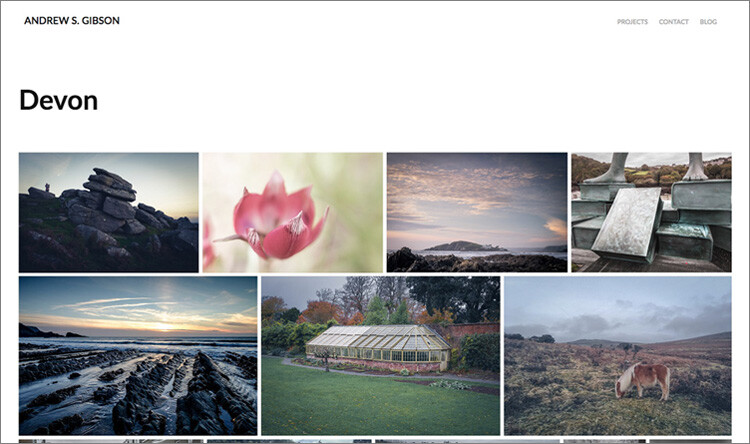
My portfolio website (link above) has four galleries; Black & White, Portraits, Spain, and Devon. Each gallery corresponds to a Collection in Lightroom with the same name (seen below).

Adobe Portfolio Lightroom

Register

Go to www.myportfolio.com and sign in with your Adobe ID. If you haven’t created a portfolio yet click the button that says Get Started Free. Otherwise, click the button that says Edit Your Portfolio.

Adobe Portfolio Lightroom

Choose a design for your gallery

Now it’s time to choose a layout. Start by clicking the Switch layouts icon (marked below).

Adobe Portfolio Lightroom

Adobe Portfolio gives you eight layouts from which to choose. All the layouts are fully mobile responsive, which means they work and look professional on mobile phones and tablets as well as desktop computers. Decide which one you want to use and click the Use this layout button.

Adobe Portfolio Lightroom

It may be difficult to visualize which one works best when populated with your photos. Don’t worry about that at this stage – you can change the layout afterward if you want to.

Settings

Next, click the Edit your settings icon (marked below).

Adobe Portfolio Lightroom

Go to Site Options and click the Lightbox for Images tab. Tick the “Enable lightbox for images on my pages” box and click Done (see below). This is important as it lets people view the photos on your portfolio website. If you don’t tick it all they will be able to see are thumbnails.

Adobe Portfolio Lightroom

Add images to your gallery

Click the Manage content icon (marked below).

Adobe Portfolio Lightroom

Go to the Integrations tab and Click the Add Collections button. The website opens a window that displays all your synchronized Lightroom Collections. Pick the ones you want to include in your portfolio and click the Import Selected button (see button below lower-right).

Adobe Portfolio Lightroom

Go to Adobe Portfolio, click on the Manage content icon again and go to the Website Pages tab. Make sure the switch is set to the On position for each Collection you want to display on your portfolio website.

Adobe Portfolio Lightroom

Choose cover photos

Now it’s time to tidy up the gallery cover photos. You’ll need to do this once for each gallery. Start by clicking the pencil icon next to the gallery cover photo (see below).

Adobe Portfolio Lightroom

Pick Edit Cover Image from the menu to edit the cover photo. At the moment this feature is a little limited – the website automatically picks the photo that appears on the cover and it’s not easy to change it.

The only way currently is to click Upload a new image and upload a photo you’ve exported from Lightroom – there’s no way to select another photo from the Collection. But you can zoom the photo and adjust the crop. Click Done when you’re finished and repeat for the other gallery cover photos.

Adobe Portfolio Lightroom

Setup the domain name

Click the Edit your settings icon again and click Domain Name. You can select a URL for your portfolio in the form yourname.portfolio.com. This is the easiest option. Alternatively, if you have a domain or a subdomain you can follow the instructions to use that.

Adobe Portfolio Lightroom

Preview your portfolio gallery

Click the gray Preview button to see a preview of your portfolio website. Happy with what you see? Click Update Live Site to publish your portfolio to your chosen URL. Congratulations – your brand new portfolio website is now live!

Adobe Portfolio Lightroom

Customizing the design

So far I’ve shown you how to get your portfolio website online as quickly as possible. The hardest part, as I said, is deciding which photos to include in your gallery. That can take hours, days, or even weeks. But, once the decision is made, you can get your portfolio online in under 15 minutes. It really is that quick.

If you’re happy with the default settings of your layout you can stop there, your job is done. But it’s worth spending some time looking at both the page and global settings. You can customize things such as fonts, colors and the number of columns on your front page. There is an option to add pages (for instance an About page) and links to other websites. You have a lot of options and it’s worth exploring them to see how you can individualize your portfolio website.

You can even change the layout by clicking on the Switch layouts icon. Adobe portfolio remembers your customizations, which gives you peace of mind as it means you won’t lose your customizations when you switch from one layout to another.

When you are finished, remember to click the green Update Live Site button. None of your customizations are published until you click that button.

How to update the photos

Portfolios are fluid and as time goes by you will add and remove photos from the Collections you created. You may also add more Collections as your photo collection grows. There are two steps to updating your portfolio website.

1. Update your Lightroom Collections and make sure Lightroom has had time to synchronize the changes.

2. Go to Adobe Portfolio, click on the Manage content icon and go to the Website Pages tab. Click on the Cog icon next to the Collection that you want to update and select Reset from Lightroom to update your portfolio gallery.

Adobe Portfolio Lightroom

3. Finish by clicking the green Update Live Site button to publish the updates to your portfolio website.

Next steps

With the recent update that lets you integrate Lightroom Collections, Adobe Portfolio has become the easiest way to create a portfolio website using Lightroom Collections. The only downside, as mentioned earlier, is that you need to be a Creative Photography Plan subscriber to use this feature.

If you are not, then look at Koken as an alternative. Don’t dismiss the Web module out of hand either, it has some very useful features and doesn’t require a CC subscription to use.


You can learn more about all aspects of Lightroom with my bestselling Mastering Lightroom ebooks.

The post How to Create a Beautiful Online Gallery with Lightroom Classic CC and Adobe Portfolio in 15 Minutes by Andrew S. Gibson appeared first on Digital Photography School.


Digital Photography School

 
Comments Off on How to Create a Beautiful Online Gallery with Lightroom Classic CC and Adobe Portfolio in 15 Minutes

Posted in Photography


No Windows, No Problem: These 12 Houses Are Bright, Beautiful & Private

31 Aug

[ By SA Rogers in Architecture & Houses & Residential. ]

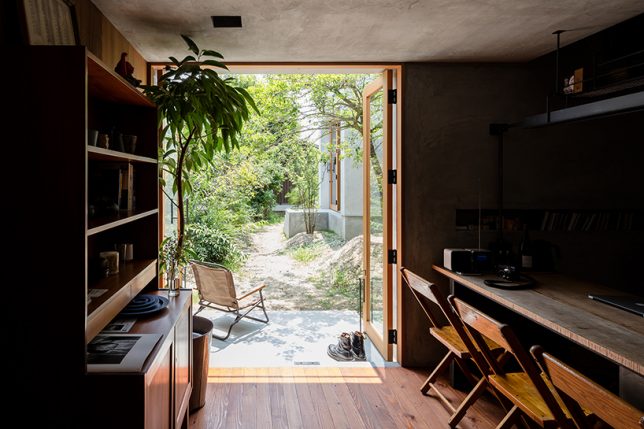
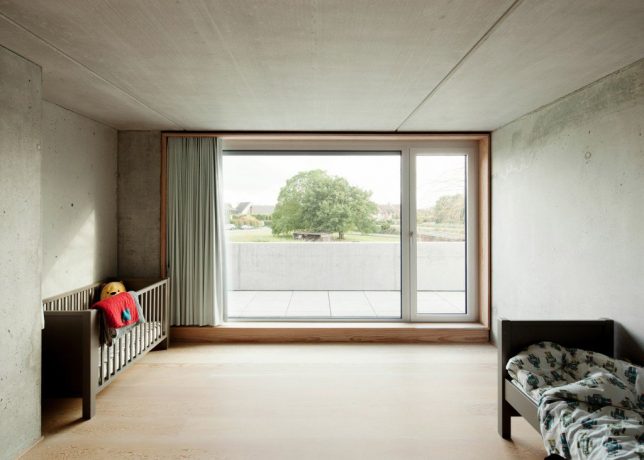
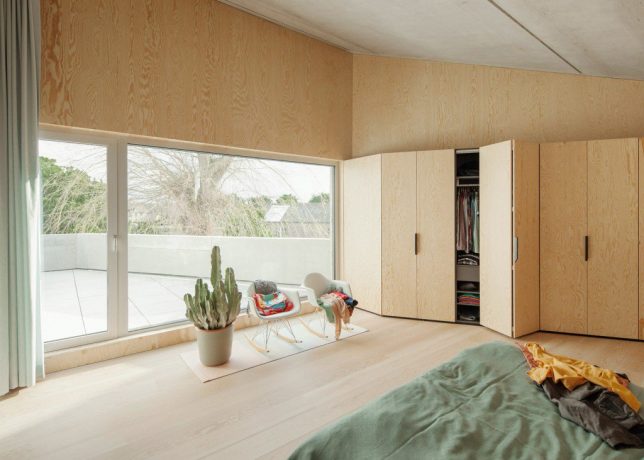
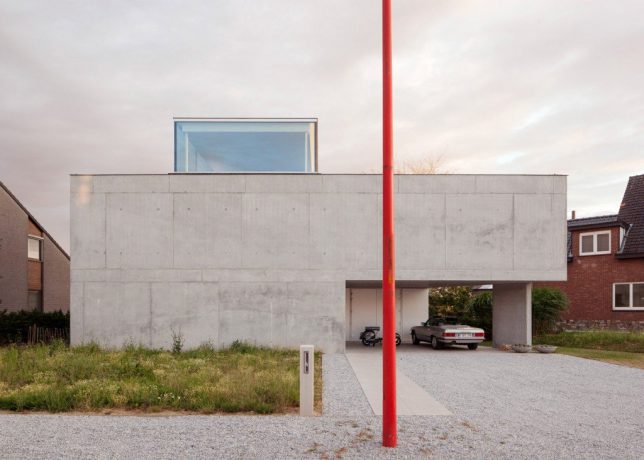
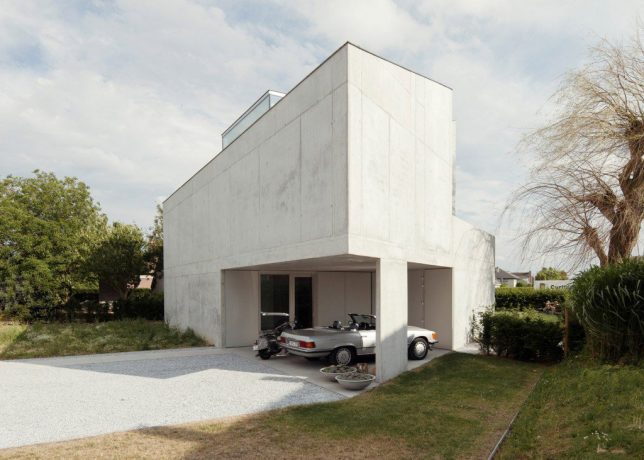
Windowless houses might sound dark and depressing, but the careful control of apertures in a building’s facade can actually be a brilliant technique for enhancing privacy, making views more pleasant and creating the feel of a secluded sanctuary. Fortress-like from the outside, they’re surprisingly bright and airy inside, often thanks to courtyards, terraces and rear glazing hidden from view of the street and neighbors.

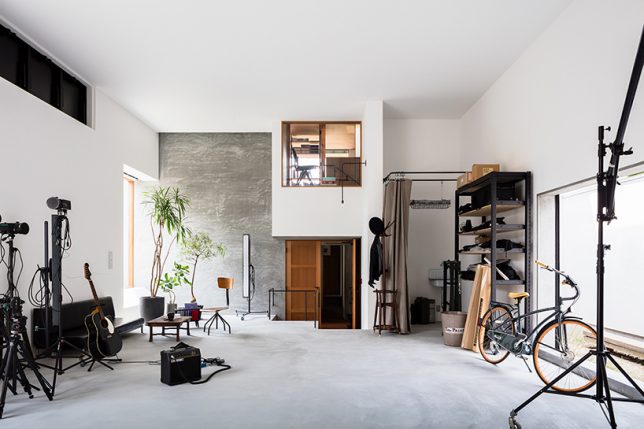
House for a Photographer by FORM, Shiga, Japan

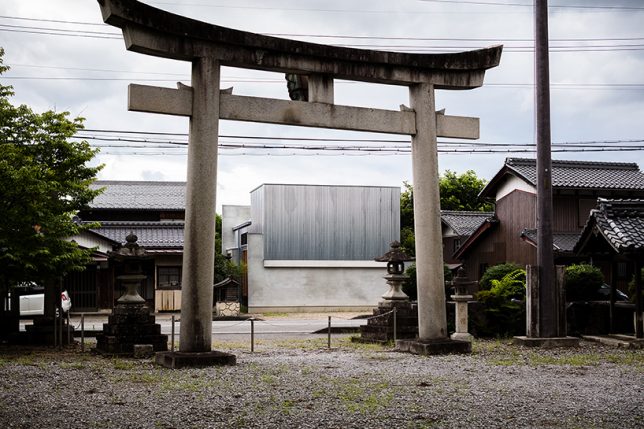
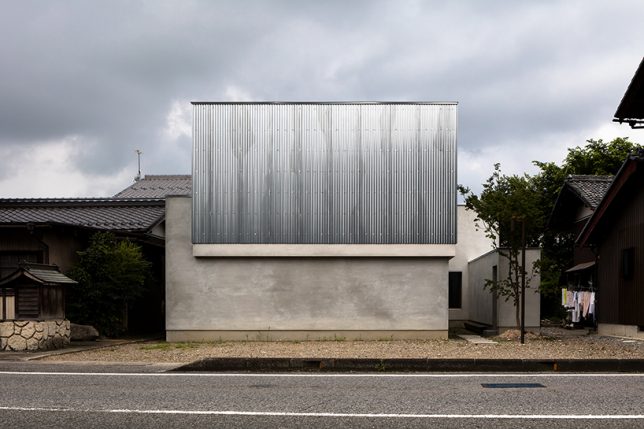
The client who commissioned this home from FORM is a photographer who wanted a studio and gallery for his work attached to his living quarters, all on a compact L-shaped lot. From the outside, it looks like an impenetrable box, but take the narrow alleyway into the gallery space and you’ll find a private courtyard that feels like an inner sanctum, echoing the atmosphere of the temple across the street. The building’s only windows look out onto the courtyard instead of the street, resulting in a mood of turning inward.

W House by Cukrowicz Nachbaur, Bezau, Austria

The shape of this residence in Austria by Cukrowicz Nachbaur might be that of an archetypal home, but its street-facing facade covered in timber slats certainly isn’t. Located close to another rural residence, this home gets privacy by arranging a two-story volume next to a one-story volume with a courtyard between them. All the home’s windows and sliding glass doors are arranged to look out onto this courtyard, aside from a few skylights, and first-floor porches are set beneath the overhanging second story to create secluded outdoor areas.

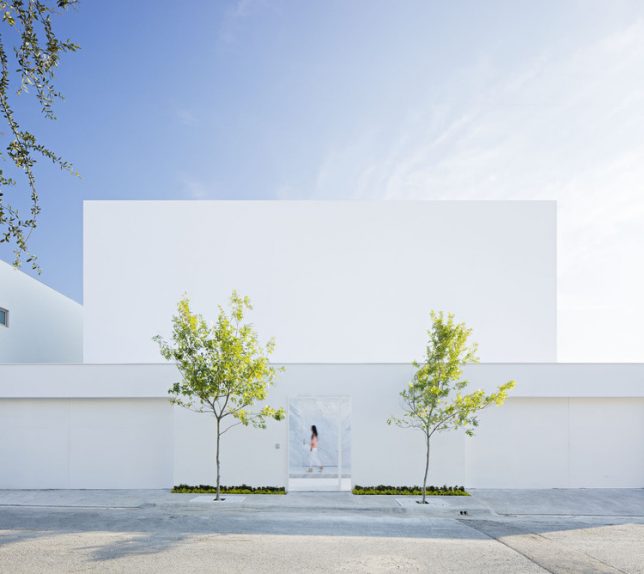
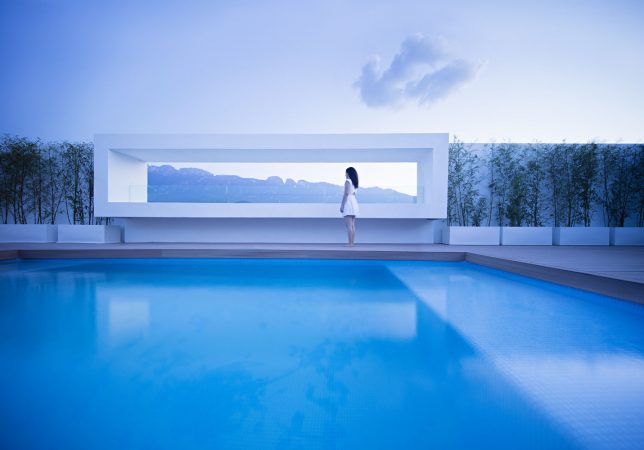
Domus Aurea by Alberto Campo Baeza & Gilberto L. Rodriguez, Monterrey, Mexico

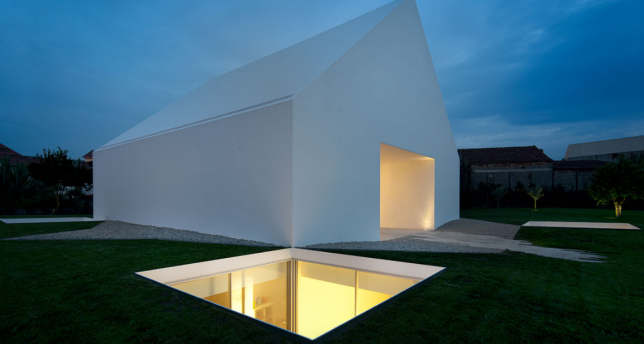
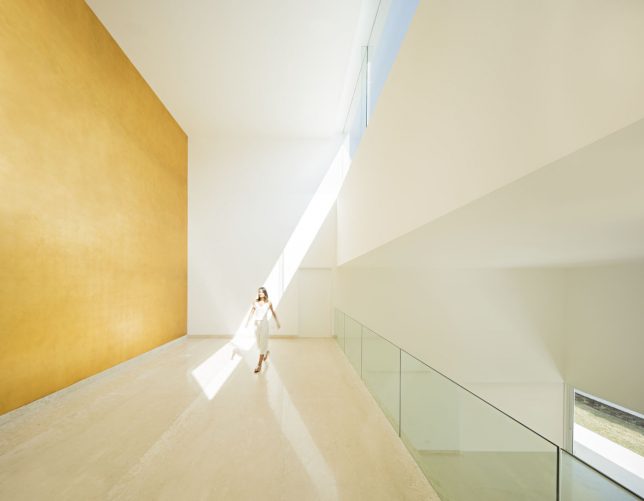
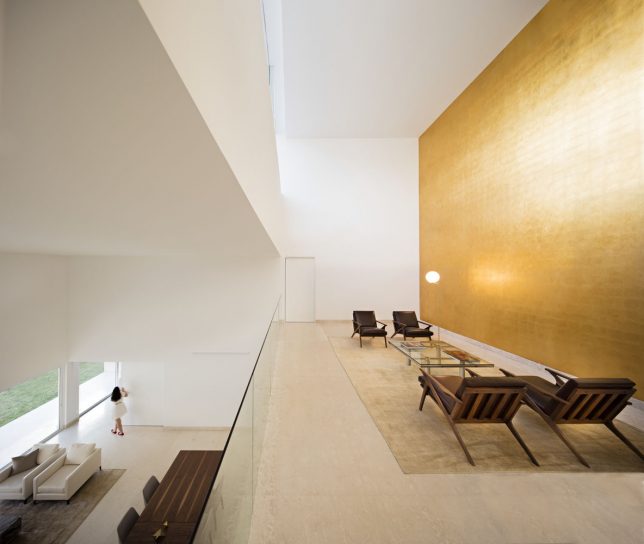
Modeled on the Emperor Nero’s house in Ancient Rome as well as the vivid works of Mexican architect and engineer Luis Barragán, ‘Domus Aurea’ by Alberto Campo Baeza features a gilded interior wall designed to reflect carefully targeted golden light throughout the space. Though the home’s openings amount to no more than some skylights and a narrow line of glazing on the first floor, the light bounces from one surface to the next. The architect placed the most public common areas on the first floor, the private rooms on the second and a swimming pool on the roof.

Mountain House by Hiroki + Tomoko Sekiguchi, Hyogo, Japan

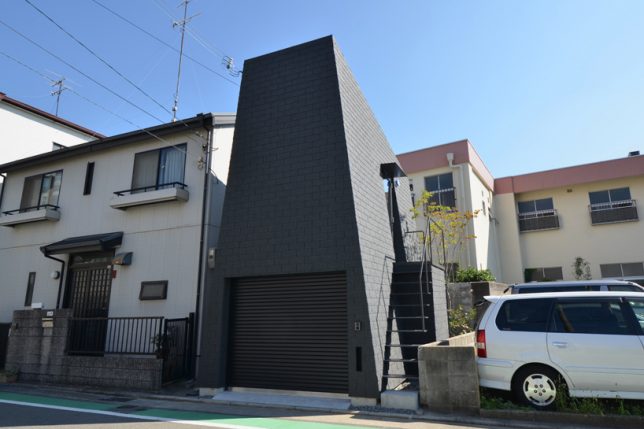
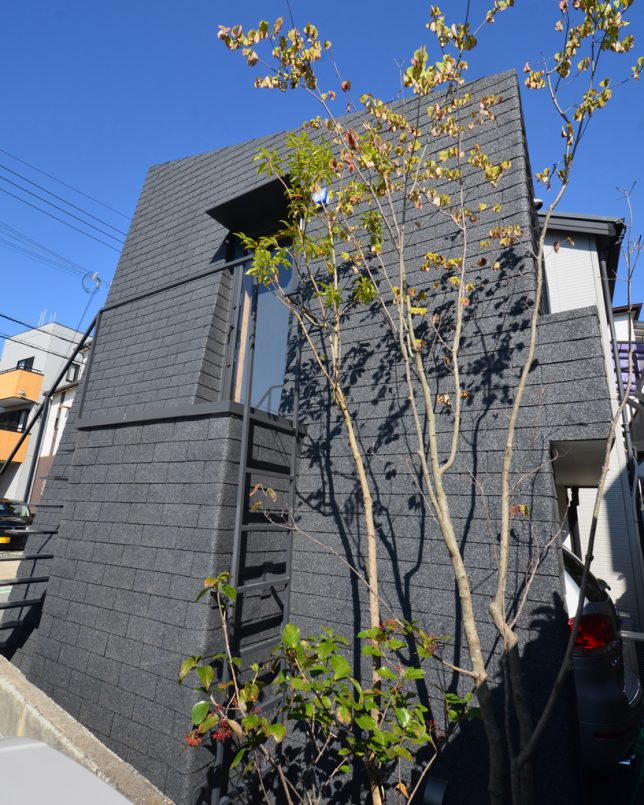
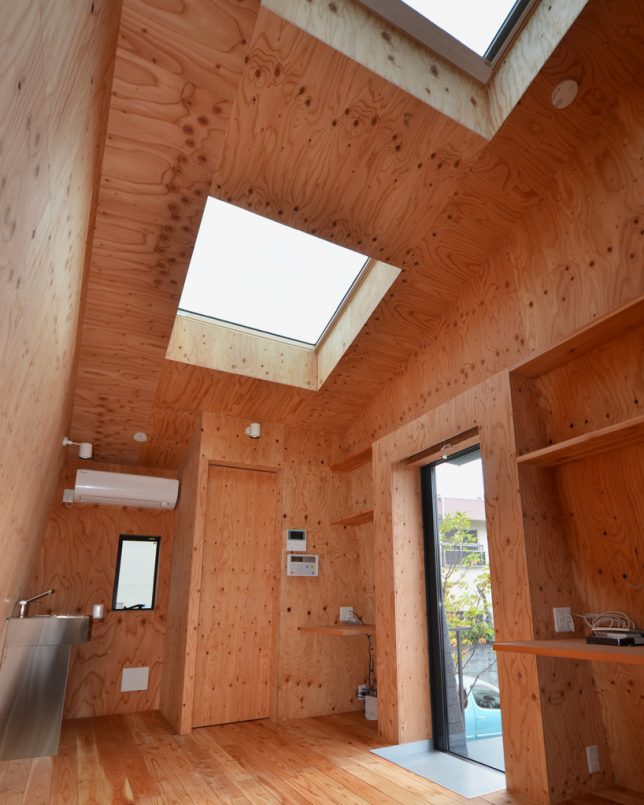
Situated on a tiny lot practically sitting right on top of its neighbors, this home by Hiroki + Tomoko Sekiguchi gains some measure of privacy by opening up to the sky instead. The sloped walls create a little more space between the home and the houses next door, and the living spaces sit atop a parking garage for the owners’ vehicle.

Next Page – Click Below to Read More:
No Windows No Problem These 12 Houses Are Bright Beautiful Private

Share on Facebook


[ By SA Rogers in Architecture & Houses & Residential. ]

[ WebUrbanist | Archives | Galleries | Privacy | TOS ]


WebUrbanist

 
Comments Off on No Windows, No Problem: These 12 Houses Are Bright, Beautiful & Private

Posted in Creativity


Capturing the ‘Cape’: A beautiful piece of Iceland you probably haven’t seen

10 Aug

$ (document).ready(function() { SampleGalleryV2({“containerId”:”embeddedSampleGallery_7577516957″,”galleryId”:”7577516957″,”isEmbeddedWidget”:true,”standalone”:false,”selectedImageIndex”:0,”startInCommentsView”:false,”isMobile”:false}) });

In 2013 I was accepted for a one month artist in residence at the Baer Art Center in northern Iceland. After a wonderful month the other four artists and myself were taken on a boat trip up the coast, right past where we were staying, to the see “Cape” just north of Hofsos, a large land mass of mostly stone with a huge cliff at one end. I don’t know that I’ve been the same since.

Although I’d been told to bring what gear I had I was totally unprepared for what we saw that day. The geological phenomena of these rock columns of basalt being thrust up in ancient times from a violent volcano was just unbelievable, both beautiful and horrific at the same time.

I am writing this for DPReview while back in Iceland, as I was asked back by Baer to teach a photo workshop. Last week we repeated the boat trip up the coast of the fjord and I found myself again in front of the remarkable cliff face of the “Cape”. It was magic once again.

The job was, vey simply, not to screw up. Working to hold the camera steady on a rocking boat, to keep shutter settings fast enough, to make sure I was focused best for my subject and aperture setting and to “get everything”, as there was no going back that day.

To get to the Cape you’ll need to hire an excursion boat in the harbor in Hofsos, in northern Iceland.

Not to be missed.


Neal Rantoul is a career artist and educator. After 10 years teaching at Harvard and 30 years as head of the Photo Program at Northeastern University in Boston, he retired from teaching in 2012. You can find out more about him and see more of his work by visiting his website.

Articles: Digital Photography Review (dpreview.com)

 
Comments Off on Capturing the ‘Cape’: A beautiful piece of Iceland you probably haven’t seen

Posted in Uncategorized


Beautiful images from the Astronomy Photographer of the Year 2017 shortlist

30 Jul

Astronomy Photographer of the Year 2017 shortlist

A Battle We Are Losing © Haitong Yu (China)

The Milky Way rises ominously above a small radio telescope from a large array at Miyun Station, National Astronomical Observatory of China, in the suburbs of Beijing. The image depicts the ever-growing light pollution we now experience, which together with electromagnetic noise has turned many optical and radio observatories near cities both blind and deaf – a battle that inspired the photographer’s title of the shot. The image used a light pollution filter (iOptron L-Pro) and multiple frame stacking to get the most of the Milky Way out of the city light.

The Royal Museums Greenwich has announced the shortlist for its ninth annual Insight Astronomy Photographer of the Year competition. Thousands of entries were received from over 90 countries; winners will be announced on September 14th.

Here are just a handful of the more than 130 images that made the shortlist – head to the Royal Museums Greenwich site to learn more about the competition.

Astronomy Photographer of the Year 2017 shortlist

A Brief Rotation of Mount Olympus © Avani Soares (Brazil)

A series photos of Mars taken between 1 June and 3 July 2016 showing Mount Olympus in three different positions. Mount Olympus also known as Olympus Mons is the tallest volcano in the Solar System. The features on the surface of Mars as seen from Earth change rapidly, as seen in the contrast between the central photo, made during the opposition (when Mars is at its closest to the Earth), and the photo on the left, taken 33 days later.

Astronomy Photographer of the Year 2017 shortlist

An Icy Moonscape © Kris Williams (UK)

A lone stargazer sits atop the peak of Castell-Y-Gwynt (Castle of the Winds) on Glyder Fach Mountain in Snowdonia, North Wales, beneath a starry night sky during freezing temperatures in mid-winter. The lunar-like landscape was formed through a process called freeze-thaw weathering: water seeps into cracks in the rock, freezing and expanding as ice forms, eventually cracking the rock over hundreds and thousands of years.

Despite the full cloud and fog on the night the photographer set up his one-man tent in the snow and began the long wait of 15 hours of darkness in -10°C temperatures but the sky clearing for a mere 20 minutes, was all the time needed to capture this shot.

Astronomy Photographer of the Year 2017 shortlist

Aurora over Svea © Agurtxane Concellon (Spain)

The purples and greens of the Northern Lights radiate over the coal mining city of Svea, in the archipelago of Svalbard. The earthy landscape below the glittering sky is illuminated by the strong lights of industry at the pier of Svea.

Astronomy Photographer of the Year 2017 shortlist

Beautiful Trømso © Derek Burdeny (USA)

The aurora activity forecast was low for this evening, so the photographer remained in Tromsø rather than driving to the fjord. The unwitting photographer captured Nature’s answer to a stunning firework display as the Northern Lights dance above a rainbow cast in the waters of the harbour in Trømso made for a spectacular display, but did not realize what he had shot until six months later when reviewing his images.

Astronomy Photographer of the Year 2017 shortlist

Crescent Moon over the Needles © Ainsley Bennett (UK)

The 7% waxing crescent Moon setting in the evening sky over the Needles Lighthouse at the western tip of the Isle of Wight. Despite the Moon being a thin crescent, the rest of its shape is defined by sunlight reflecting back from the Earth’s surface.

Astronomy Photographer of the Year 2017 shortlist

Eastern Prominence © Paul Andrew (UK)

A large, searing hedgerow prominence extends from the surface of the Sun on 29 August 2016. There are a number of different prominence types that have been observed emanating from the Sun, and the hedgerow prominence is so called due the grouping of small prominences resembling rough and wild shrubbery.

Astronomy Photographer of the Year 2017 shortlist

Fall Milk © Brandon Yoshizawa (USA)

The snow-clad mountain in the Eastern Sierras towers over the rusty aspen grove aligned perfectly in front of it, whilst our galaxy the Milky Way glistens above.

Astronomy Photographer of the Year 2017 shortlist

Ghostly Sun © Michael Wilkinson (UK)

The Sun photographed in Calcium-K light, depicting the star’s inner chromosphere. In the colour-rendering scheme used, the surface is shown as negative, with the sunspots as bright spots, but the area outside the limb is shown with increased contrast, highlighting a surge on the western limb, and several small prominences. Although the Sun is shown entering a quieter phase, a lot of activity is still taking place, illustrating just how dynamic our star is.

Astronomy Photographer of the Year 2017 shortlist

Hustle and Peaceful © Prisca Law (Hong Kong)

Taken from The Peak, the highest mountain on Hong Kong Island, the image shows the hustle and bustle of the city in contrast to the peaceful starry sky. The haze above the beautiful landscape reminds us that light pollution prevents us from enjoying an even more stunning sky view. Along the coastline the sharp, vibrant light signifies the fast-paced life of cities that many of us have become accustomed to.

Astronomy Photographer of the Year 2017 shortlist

Ignite the Lights © Nicolas Alexander Otto (Germany)

After a long hike from his small cabin to Kvalvika, Lofoten Islands in Norway, the photographer arrived at the slopes above the beach around midnight. During the hike the auroral display was relatively weak, but when he made it to the beach the sky ignited in a colourful spectacle of greens and purples framed by the mossy, green landscape. The image is stacked from six different exposures to combat high ISO and thermal noise in the foreground. The sky was added from one of these exposures.

Astronomy Photographer of the Year 2017 shortlist

ISS Daylight Transit © Dani Caxete (Spain)

The International Space Station (ISS) whizzes across the dusky face of the Earth’s natural satellite, the Moon, whilst photographed in broad daylight. Shining with a magnitude of -3.5, the ISS was illuminated by the Sun at a height of 9º on the horizon. Like the Moon, the ISS receives solar rays in a similar way during its 15 orbits of the Earth a day, making it possible to see it when the Sun is still up. This is a real shot, with no composite or clipping in the process.

Astronomy Photographer of the Year 2017 shortlist

Moon Rise Reflections © Joshua Wood (New Zealand)

An unexpected shot of the Moon rising over the glistening ocean off the Wairarapa coast, bearing a remarkable resemblance to the Sun. As the photographer was capturing the sunset over Castlepoint, he looked over his shoulder to see the Moon rising behind, reflecting off the wide expanse of the Pacific Ocean, and it became the new subject of his image.

Astronomy Photographer of the Year 2017 shortlist

Mr Big Dipper © Nicholas Roemmelt (Denmark)

A stargazer observes the constellation of the Big Dipper perfectly aligned with the window of the entrance to a large glacier cave in Engadin, Switzerland. This is a panorama of two pictures, and each is a stack of another two pictures: one for the stars and another one for the foreground, but with no composing or time blending.

Astronomy Photographer of the Year 2017 shortlist

Near Earth Object 164121 (2003 YTI) © Derek Robson (UK)

On 31 October 2016, Near Earth Asteroid 164121 (2003 YT1) made a close encounter with Earth at 3 million miles. This Apollo asteroid with an orbital period of 427 days was discovered by the Catalina Sky Survey on 18 December 2003. The photographer’s first attempt at imaging the asteroid was done with a camera on a fixed tripod, controlled by Astrophotography Tool software.

The asteroid moved so fast I could see it moving on the live screen. The negative image is a stack of 56 cropped images created using PIPP and Deep Sky Stacker software and was processed with IrfanView and Photoshop for scientific content rather than cosmetic appearance.

Astronomy Photographer of the Year 2017 shortlist

NGC 2023 © Warren Keller (USA)

Lying in the constellation of Orion, at a distance of 1467 light years from our planet is the emission and reflection nebula NGC 2023. Most often photographed next to the famous Horsehead Nebula, the photographer has instead given NGC 2023 the spotlight in order to try and bring out all of the wonderful detail seen across its diameter of 4 light years, making it one of the largest reflection nebulae ever discovered. Partner Steve Mazlin is the lead processor on this one for SSRO.

Astronomy Photographer of the Year 2017 shortlist

NGC 7331 – The Deer Lick Group © Bernard Miller (USA)

NGC 7331 is an unbarred spiral galaxy found some 40 million light years away from Earth, in the constellation Pegasus. Of the group of galaxies known as the Deer Lick Group, NGC 7331 is the largest, and can be seen dominating the image whilst the smaller galaxies NGC 7335, NGC 7336, NGC 7337, NGC 7338 and NGC 7340 drift above it.

Astronomy Photographer of the Year 2017 shortlist

Orion’s Gaseous Nebula © Sebastien Grech (UK)

Lying 1,300 light years away from Earth, the Orion Nebula is found in Orion’s Sword in the famous constellation named after the blade’s owner. The Orion Nebula is one of the most photographed and studied objects in the night sky due to the intense activity within the stellar nursery that sees thousands of new stars being created, which also makes it a relatively easy target for beginners. The nebula is thought to measure about 24 light years across and have a mass 2000 times that of our Sun.

Astronomy Photographer of the Year 2017 shortlist

Reflection © Beate Behnke (Germany)

The reflection in the wave ripples of Skagsanden beach mirrors the brilliant green whirls of the Aurora Borealis in the night sky overhead. To obtain the effect of the shiny surface, the photographer had to stand in the wave zone of the incoming flood, and only when the water receded very low did the opportunity to capture the beautiful scene occur.

Astronomy Photographer of the Year 2017 shortlist

Scintillating Sirius © Steve Brown (UK)

The seemingly pop art inspired canvas of the rainbow of colours exhibited by the brightest star in our sky, Sirius. These colours are obvious to the naked eye and more so through the eyepiece of a telescope, but are difficult to capture in an image. To do this the photographer had to somehow ‘freeze’ each colour as it happened by taking a series of videos at different levels of focus and then extracted the frames from each video to make up this composite image.

By capturing the star out of focus, the light from Sirius was spread out over a larger area, which resulted in the colours it displayed being more obvious. The image is made up of 782 different frames at different levels of focus. There is a single frame of a focused Sirius in the centre of the image.

Astronomy Photographer of the Year 2017 shortlist

Sh2-249 Jellyfish Nebula © Chris Heapy (UK)

Lying in the constellation of Gemini, IC443 is a galactic supernova remnant, a star that could have exploded as many as 30,000 years ago. Its globular appearance has earned the celestial structure the moniker of the Jellyfish Nebula. Pictured to the upper left of the Jellyfish Nebula is a much fainter background area of nebulosity, which is actually a large cloud of mostly molecular hydrogen gas and dust.. ‘The Jellyfish’ is a convoluted tangle of gaseous filaments rapidly expanding away from the initial explosion.

Professional observatory data shows that what we are actually seeing are two lobes superimposed on each other, but from this angle one appears as the head of the jellyfish (to the left) and the other lobe (to the right) as the dangling tentacles. It is illuminated by a few young blue embedded stars and criss-crossed by tendrils of dark dust clouds lying between us and the bright nebula.

Astronomy Photographer of the Year 2017 shortlist

Shooting Star and Jupiter © Rob Bowes (UK)

A shooting star flashes across the sky over the craggy landscape of Portland, Dorset, as the planet Jupiter looks on. The image is of two stacked exposures: one for the sky and one for the rocks.

Astronomy Photographer of the Year 2017 shortlist

Solar Trails above the Telescope © Maciej Zapior (Poland)

Taken with a solargraphy pinhole camera, the image charts the movement of the Sun over the Astronomical Institute of the Czech Academy of Sciences, Prague with an exposure of half a year (21 December 2015–21 June 2016). As a photosensitive material, regular black-and-white photographic paper without developing was used, and after exposure the negative was scanned and post-processed using a graphic program (colour and contrast enhancement).

The exposure time was from solstice to solstice, thus recording the solar trails above the telescope dome and the rainbow of colours of the trails are the result of the sensitivity of the paper changing as it is exposed to different temperatures and humidity.

Astronomy Photographer of the Year 2017 shortlist

Star Track in Kawakarpo © Zhong Wu (China)

The stars beam down on to the Meili Snow Mountains, also known as the Prince Snow Mountains – the highest peaks in the Yunnan Province, China. It is world-renowned for its beauty and is one of the most sacred mountains in Tibetan Buddhism. The moonlight striking the top of the mountains appears to give them an ethereal quality.

Astronomy Photographer of the Year 2017 shortlist

Starburst Galaxy M82 © Bernard Miller (USA)

The starburst galaxy M82, also known as the Cigar Galaxy, gleams five times brighter than our galaxy lies some 12 million light years away from Earth in the constellation of Ursa Major. In a show of radiant oranges and reds, the superwind bursts out from the galaxy, believed to be the closest place to our planet in which the conditions are similar to that of the early Universe, where a plethora of stars are forming.

Astronomy Photographer of the Year 2017 shortlist

Super Moon © Giorgia Hofer (Italy)

The magnificent sight of the Super Moon illuminating the night sky as it sets behind the Marmarole, in the heart of the Dolomites in Italy. On the night of 14 November 2016, the Moon was at perigee at 356.511 km away from the centre of Earth, the closest occurrence since 1948. It will not be closer again until 2034. On this night, the Moon was 30% brighter and 14% bigger than other full moons.

Astronomy Photographer of the Year 2017 shortlist

The Blue Hour © Tommy Eliassen (Norway)

The setting crescent Moon and Mars gaze over Saltfjellet, Norway as the Northern Lights appear to emanate from the snowy landsape. The Aurora Borealis were an unexpected guest in the shot as the Sun was only about ten degrees under the horizon meaning the early display came as a surprise.

Astronomy Photographer of the Year 2017 shortlist

The Lost Hour © Andrew Whyte (UK)

The radiant, concentric star trails seemingly spinning over a lone stargazer against the glowing purples and pinks of the night sky during the hour when the clocks ‘spring forward’ to begin British Summer Time. With time so intrinsically linked to celestial activity, a one-hour star trail seemed the perfect metaphor. Through the use of long exposures, the trails depict the rotation of the Earth on its axis centring on the north celestial pole, the sky moving anti-clockwise around this point.

Astronomy Photographer of the Year 2017 shortlist

The Road Back Home © Ruslan Merzlyakov (Latvia)

Noctilucent clouds stretch across the Swedish sky illuminating a motorcyclist’s ride home in this dramatic display. Noctilucent clouds are the highest clouds in the Earth’s atmosphere and form above 200,000 ft. Thought to be formed of ice crystals, the clouds occasionally become visible at twilight when the Sun is below the horizon and illuminates them.

Astronomy Photographer of the Year 2017 shortlist

Winter Ice Giant Uranus © Martin Lewis (UK)

The distant ice giant Uranus, the seventh furthest planet from the Sun, some 2.6 billion kilometres (at its closest) away from our own planet is entered into the competition for the first time. Found in the constellation of Pisces, here it can be seen surrounded by its five brightest moons: Ariel, Miranda, Umbriel, Titania and Oberon.

Taken on an exceptionally still night in late December, an infrared filter was used to further improve the viewing and to bring out the planet’s belt and cloud details. As the planet lies so far away and appears so dim to us on Earth, Uranus seems to be tiny at 3.7-arcseconds across.

Articles: Digital Photography Review (dpreview.com)

 
Comments Off on Beautiful images from the Astronomy Photographer of the Year 2017 shortlist

Posted in Uncategorized


Palaces of Self-Discovery: Photos Document the World’s Most Beautiful Libraries

13 Jul

[ By SA Rogers in Art & Photography & Video. ]

Symmetrical photographs reveal the elegant geometries present in the architecture of some of the world’s most beautiful libraries, captured by Thibaud Poirier. The Paris-based photographer has traveled throughout Europe, visiting places like the Bibliotheque de la Sorbonne, the modern white Stadtbibliothek in Stuttgart, Dublin’s Trinity College Library and the church-like Biblioteca Angelica in Rome to highlight their classical beauty and make us all wish we were roaming around gazing at those rows of books right now.

“Like fingerprints, each architect crafted his vision for a new space for this sacred self-exploration,” says Poirier. “These seemingly minute details are everywhere, from the balance of natural and artificial light to optimize reading yet preserve ancient texts to the selective use of studying tables to either foster community or encourage lonely reflection. The selection of these libraries that span space, time, style and cultures were carefully selected for each one’s unique ambiance and architectural contribution.”

The photographer calls this library series ‘Palaces of Self-Discovery,’ noting that they provide the same kind of worship space and community interaction as a church, even while the act of reading is typically a solitary one. Within each of these buildings is countless opportunities to lose oneself in another place or time, take on another person’s identity and temporarily forget about all of our cares and worries.

The photos also offer something we couldn’t get from these libraries in real life: the chance to see them empty of people. Poirier seems to have gained permission to enter each library before or after opening hours to get his shots, further emphasizing the sense of solitary exploration. See the whole series at Thibaud Poirier’s website.

Share on Facebook


[ By SA Rogers in Art & Photography & Video. ]

[ WebUrbanist | Archives | Galleries | Privacy | TOS ]


WebUrbanist

 
Comments Off on Palaces of Self-Discovery: Photos Document the World’s Most Beautiful Libraries

Posted in Creativity


What is Good Light and How to Use it to Create Beautiful Portraits

12 Jul

Two of the most commonly used and misunderstood phrases thrown around by photographers today are, “It’s all about the light” and “Look at that beautiful light”. But what does that actually mean? How can you use it to make beautiful portraits?

good light portraits

In my early years, I kept hearing photographers online and in person preach about the importance of light yet never clearly explain what good light is and how to actually use it to flatter or minimize a subject’s flaws. Here are a few tips to keep in mind on your next shoot to help understand light and how to use it to make better portraits.

Direction of Light

Before you pick up your camera, stop and look around the scene to see what direction the light is actually coming from which will help you decide what to do with your subject. This might seem really obvious, but once you understand the importance of the direction of light half the battle has been won.

direction of light portraits

For example, when you first walk into a room for an indoor portrait or bridal session the most obvious light source is likely from a window. With window light there are three common lighting scenarios you can create by simply changing your camera and subject position to the light.

Flat Lighting

In this scenario, the window is behind you (you have your back to the window) thus soft light is falling onto your subject. There is no light coming into the lens compared to if you were shooting into the window. Usually the lighting is even and flat with no shadows, provided, of course, that there is no direct sunlight coming through the window.

flat lighting - good light portraits

Here the light was behind the camera providing a nice even light across the groom’s face.

Back Lighting

A backlighting situation is created when you’re shooting into the light (the camera is facing the window). Shooting into the light will cause a lack or loss of contrast in your image, and the background will most likely blow out and be over exposed. You may also choose to shoot this way to purposely eliminate distracting details that maybe outside like a building or car that detracts from the scene.

This is okay if that’s the look you’re going for or you’re shooting a silhouette, but for a portrait it’s usually not the most flattering light.

back lighting silhouette - good light portraits

Here I chose to purposely backlight the bridal party. So the light wasn’t coming directly into the lens and to try and retain some contrast, I simply turned the blinds slightly so the light wasn’t coming directly through the window as much.

Split or Side Lighting

Having your subject next to the window and shooting parallel to it can be a good way to create some shape, tone, and texture by defining highlight and shadow detail in the face and body. It’s also a great way of hiding or highlighting certain features that might be prominent. For example, if your model has blemishes on one side of her face, to hide or minimize this simply place that side of the face in shadow and or crop it out entirely if possible.

side lighting - good light portraits

Here the light was coming from camera left, which also makes her the brightest part of the image compared to the darker back ground. The bride and I were standing parallel to the window.

Light with Intention

To highlight your subject’s face, rather than the torso or arms which are bigger in proportion to the face, simply turn their body away from the light source and turn their face back toward the camera.

Also if you can find a location where the background tone is darker than the subject it will help make the model stand out as the center of interest in your image. This could mean choosing a location in the house which has a darker midrange tone not a white or cream. It’s also most likely going to be out of focus anyway.

good light portraits

Here the light was coming from the window to the right of the bride (from camera view). I asked the bride to turn her body away from the light (to my left, her right) and then bring her face back towards the window. This is how I achieved the shadow detail on her left side of her face and body. I was also shooting from the shadow side or her face.

Quality of Light

Sun light, window light, reflected light, diffused light and back light all have a different quality of light. Direct light sources tend to be harsher and will show skin imperfections easier. Direct midday sunlight can create hard shadows in the eye sockets which can look like dark bags.

If you have to shoot during midday, remember that the light is coming from directly above. So wherever possible find poses to get the models to tilt their heads up towards the sunlight so their entire face is lit to avoid having horrible bags under their eyes.

Look at the quality of light and if it is too harsh like direct sunlight it may be a good idea to introduce some sort of diffuser like a scrim, or get into the shade.

quality of light - portraits

Here I was shooting indoors, but the light coming through the window was too harsh. So I asked my assistant to hold a scrim in the window which created a beautiful even soft quality of light.

Sometimes natural reflectors can be found at the locations where you’re shooting. So if you see a white wall or big white truck and the sun is hitting it, that is now a diffused light source and will be much softer than a direct light source like the sun.

diffuse light portrait

This image was taken outdoors before sunset using a translucent reflector as a diffuser. I asked my assistant to hold the reflector in-between the subjects and myself. This created beautiful, soft, non-direction diffused light on their faces filling in all shadows. The natural sunlight behind them added a nice soft highlight to her hair. You can even see the reflection of the reflector (catch lights) in their eyes.

Conclusion

With all these tips in mind, the most important thing to remember is that all light is not created equally. The best thing I can suggest is to go out and just practice for an hour or so at different times of day with varying light sources to see what works and what doesn’t. This way you’ll have confidence on your next the wedding day or portrait photography shoot.

The post What is Good Light and How to Use it to Create Beautiful Portraits by Andrew Szopory appeared first on Digital Photography School.


Digital Photography School

 
Comments Off on What is Good Light and How to Use it to Create Beautiful Portraits

Posted in Photography