RSS
 

Posts Tagged ‘Amazing’

27 Amazing Macro Snowflake Images Shot with a DIY Camera Set Up

23 Dec

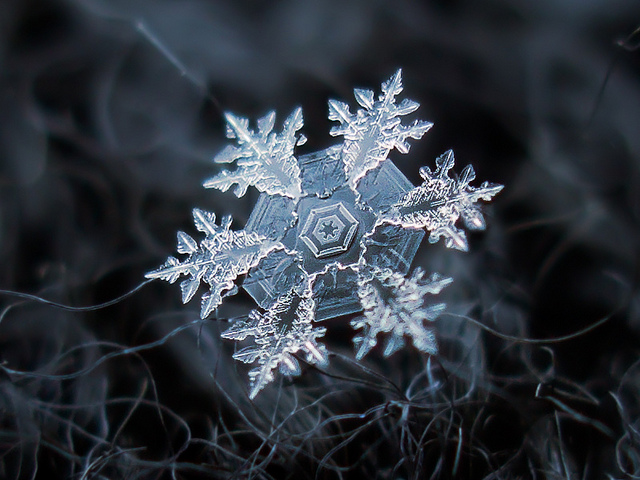
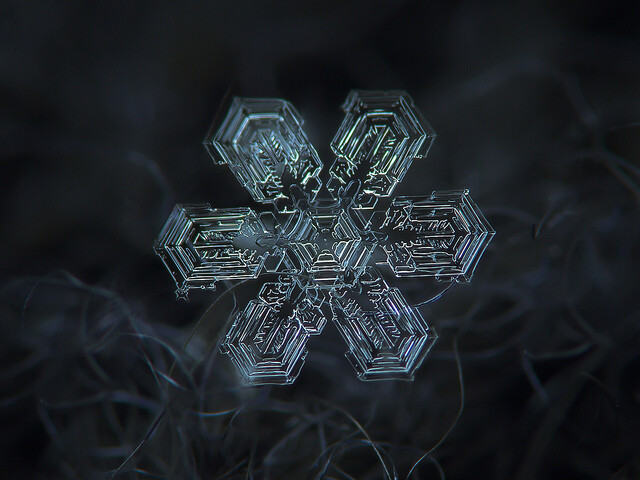
These amazing Snowflake images by photographer Alexey Kljatov have caught our eye in the last week.

By Alexey Kljatov

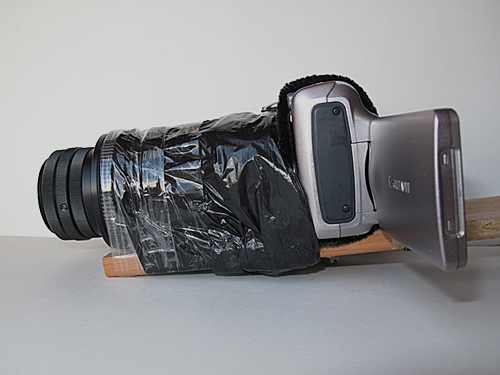
What particularly impressed us at dPS HQ was the way Alexey shoots the images using a system that is literally taped together components. He uses a Canon A650 (a point and shoot released back in 2007) with old 2nd hand Helios lens from an old Russian made camera.

11044822583_cf9b4bd45c_o

It’s quite remarkable that something so cobbled together takes such beautiful images but it illustrates just what can be achieved when you put your mind to it! Learn more about his method here.

Here are some more of his Snow Flake Images.

By Alexey Kljatov

By Alexey Kljatov

By Alexey Kljatov

By Alexey Kljatov

By Alexey Kljatov

By Alexey Kljatov

By Alexey Kljatov

By Alexey Kljatov

By Alexey Kljatov

By Alexey Kljatov

By Alexey Kljatov

By Alexey Kljatov

By Alexey Kljatov

By Alexey Kljatov

By Alexey Kljatov

By Alexey Kljatov

By Alexey Kljatov

By Alexey Kljatov

By Alexey Kljatov

By Alexey Kljatov

By Alexey Kljatov

By Alexey Kljatov

By Alexey Kljatov

By Alexey Kljatov

By Alexey Kljatov

By Alexey Kljatov

The post 27 Amazing Macro Snowflake Images Shot with a DIY Camera Set Up by Darren Rowse appeared first on Digital Photography School.


Digital Photography School

 
Comments Off on 27 Amazing Macro Snowflake Images Shot with a DIY Camera Set Up

Posted in Photography


Reflectors: Your Secret Weapon for Amazing Portrait Photography

23 Oct

By: Oded Wagenstein

There is no doubt that using natural light in portrait photography can get you the best results.

However sometimes, as you all probably know, natural light does not do what he’s told. So here comes into action what I like to call my secret weapon in outdoor Portrait Photography.

It is cheap, easy to carry and especially does not frightens my subjects, who themselves can be a little intimidating at times.

Reflector

 
It is just that! It reflects light. There are hundreds of different types of reflectors, which differ in sizes and colors (i.e. white, silver, gold, etc.). A reflector is usually a reflective fabric, stretched over a bendy ring, allowing it to fold, and easy to carry.

With so many types of reflectors on the market, I cannot review them all. This mini-guide will focus on the main reflector I use for my work.

12 ” in size, and costs less than a movie theatre ticket.

I sometimes use other larger reflectors (mainly in cinematography productions), but this 12? reflector suits my needs in travel photography; mainly because it is small enough, allowing me to hold it with one hand and the camera with the other.

To Fill up Shadows:

We all love taking pictures at sunrise and sunset. But when dealing with the harsh mid-day light, a reflector is almost a must.

Fstop of 2.8, shutter speed@ 1/100 and ISO 200

Fstop of 2.8, shutter speed@ 1/100 and ISO 200

In the above picture, taken in the western Indian Rabari tribe, for the National Geographic Traveler magazine (Israeli edition), our model was sitting in a dark mud house. He was sick; therefore it was not an option to move him outside.  On the left wall of the house, there was a small window (as can beautifully seen illuminating in the background), My trusty camera assistant Hardik Pandaya, held a silver colored reflector below the subject ‘s face in order to fill any shaded areas such as under the eyes.
reflectors portraits 2

The above picture was taken on the border of Afghanistan and Tajikistan. Please note that although the woman is standing in the shade and the background is bright, the woman is not a black silhouette and the background is not burned out.  I measured the light from the background (using spot metering). In such a situation, without using a reflector, the character will turn out completely black (silhouette) but with a reflector held on my left hand, I was able to light up her face.
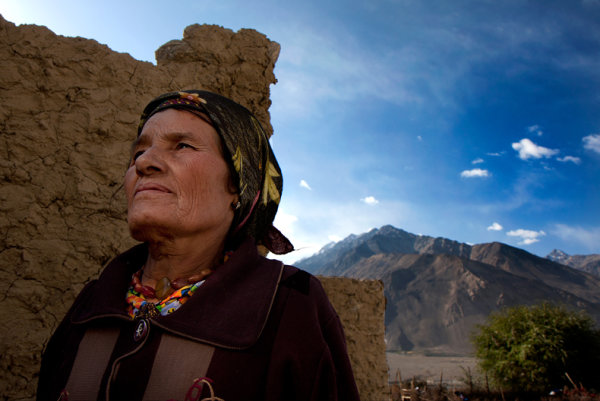
Fstop of 8, shutter speed@ 1/250 and ISO 100
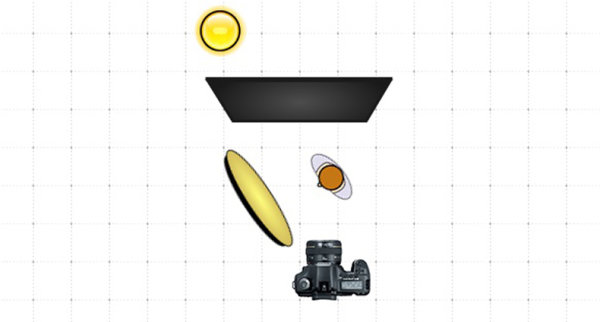
Fstop of 8, shutter speed@ 1/250 and ISO 100

reflectors portraits 4

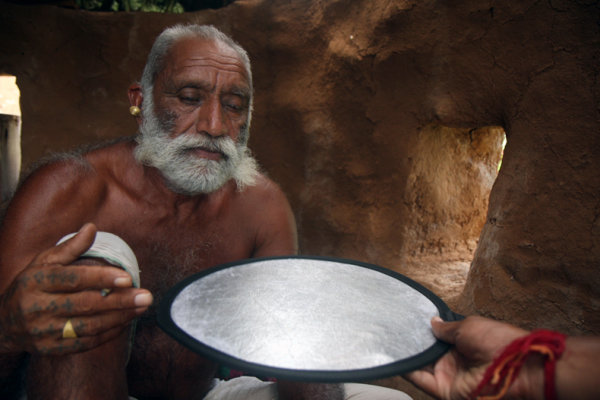
Below is 80 years old Getho. A fisherman from the small community of Sea Gypsy living in, Thailand. This image is a little bit complex in terms of lighting, because there are three sources of lighting here. Just like in the studio, my main light source (key light) was the house door (right side of the frame). The light was coming from a 45 degree angle, creating this dramatic volume on Getho’s face (you can read more about “sculpturing” with 45 degrees light in this post here).

In my left hand I held the small Silver color reflector, filling the shadows (fill light) on his face? and behind him was an open window for additional  light on his beautiful white hair (back light).
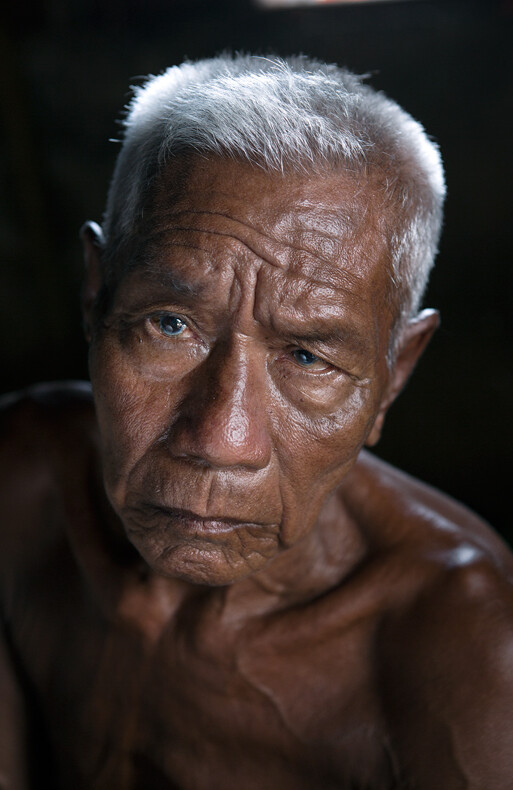
Fstop of 4, shutter speed@ 1/100 and ISO 320
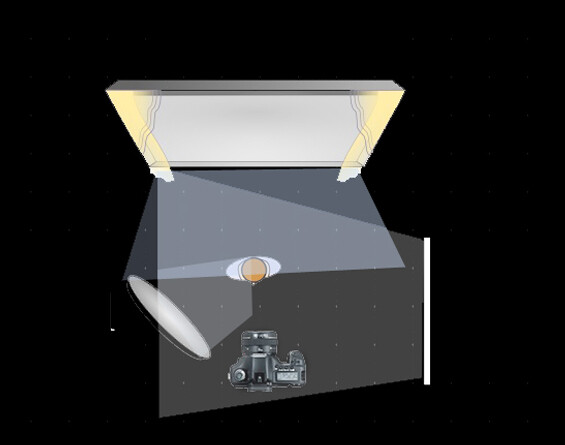
Fstop of 4, shutter speed@ 1/100 and ISO 320

refectors portraits 6

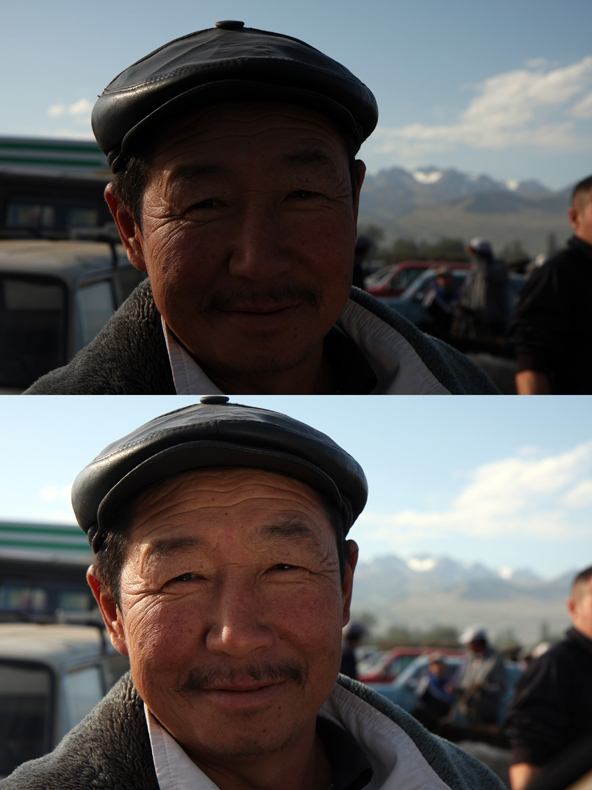
Sometimes a reflector is the only option to shoot under strong sunlight, as you can see in this picture.
reflectors portraits 7

Choose the Right Color

Most reflectors come in multiple colors. In this picture, taken in Western India for the National Geographic Traveler magazine (Israeli Edition), I wanted to preserve the golden- brown color which was dominate in this scene. So I asked Hardik to hold the reflector on its golden side giving the woman’s face a golden glow.
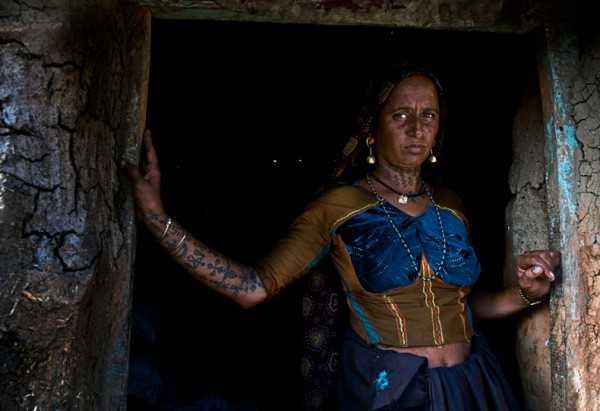
Fstop of 4.5, shutter speed@ 1/80 and ISO 100
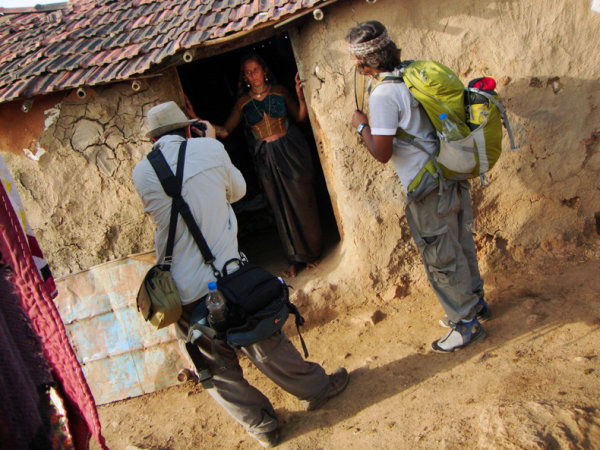
Fstop of 4.5, shutter speed@ 1/80 and ISO 100

reflectors portraits 9

Choosing the right distance

It is important to keep in mind that the closer the light source is to the photographed subject, the stronger and less soften it will appear. Thus, a small reflector is easier to carry and hold; however it will be not as soft as a large reflector.

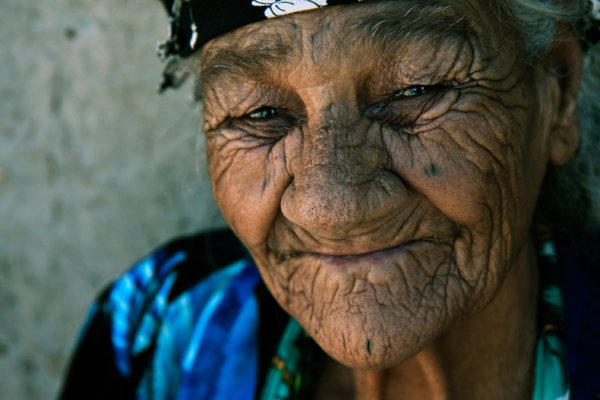
A “catch light” is an interesting spark in the eyes of the subject, “pulling” the audience to look straight at them. There are lots of methods to create a catch light in the subject’s eyes. For example using a flash or a flashlight. However, as we are discussing on the usage of natural light, a reflector can become a great tool for creating a catch light. Just place the reflector under the person’s face.

You can see some catch light examples here:
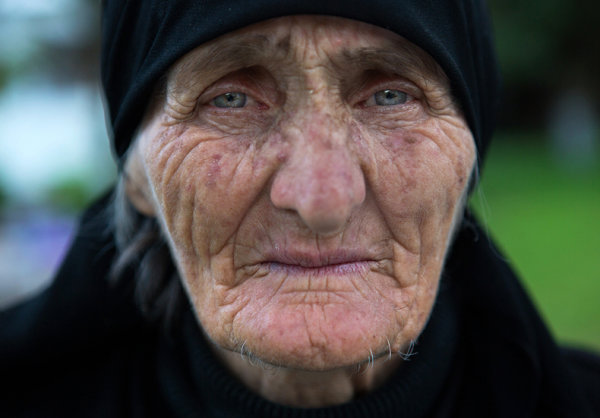
Fstop of 3.5, shutter speed@ 1/640 and ISO 250
Fstop of 3.5, shutter speed@ 1/640 and ISO 250
reflectors portraits 11

Fstop of 2.8, shutter speed@ 1/200 and ISO 100

Fstop of 2.8, shutter speed@ 1/200 and ISO 100

One of the most useful techniques, in order learn how to work with natural light in my opinion, is by observing the images of other photographers. Try to guess the direction of the light and the position and color of the reflector in the images below:
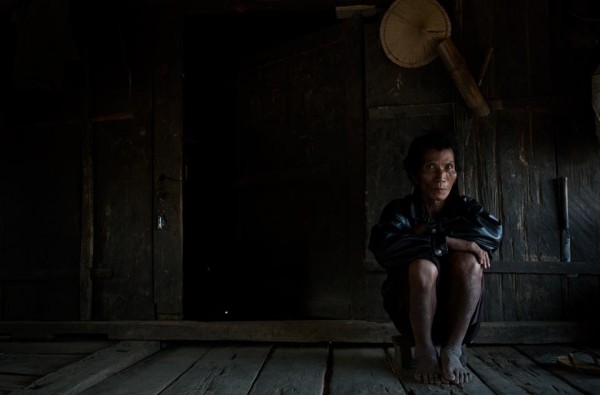
Fstop of 2.8, shutter speed@ 1/320 and ISO 3200
Fstop of 2.8, shutter speed@ 1/320 and ISO 3200

Fstop of 4.5, shutter speed@ 1/160 and ISO 100
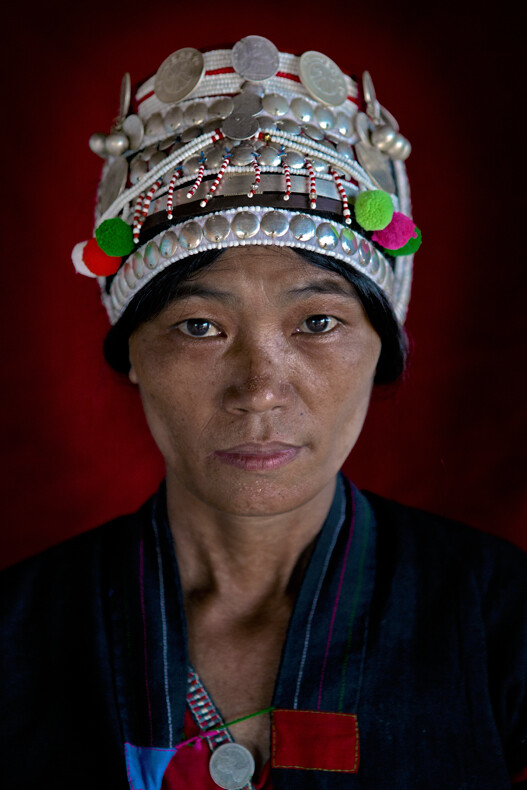
Fstop of 4.5, shutter speed@ 1/160 and ISO 100

Fstop of 3.5, shutter speed@ 1/320 and ISO 1000
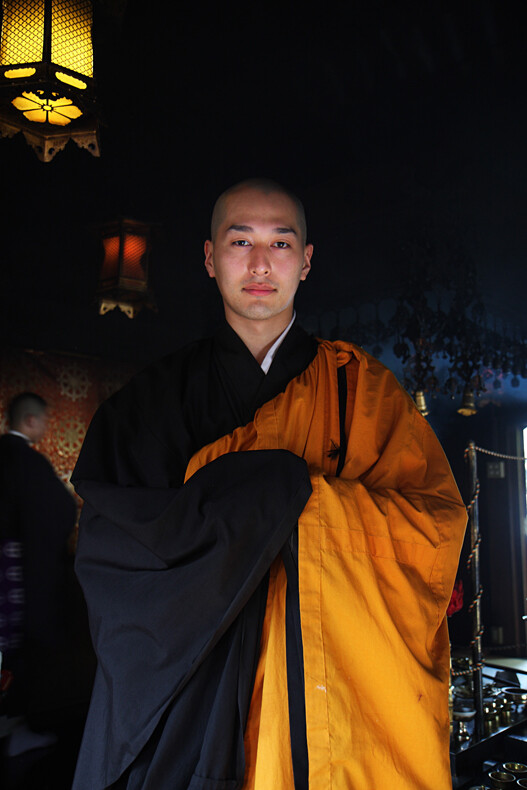
Fstop of 3.5, shutter speed@ 1/320 and ISO 1000

Fstop of 2.8, shutter speed@ 1/15 and ISO 200
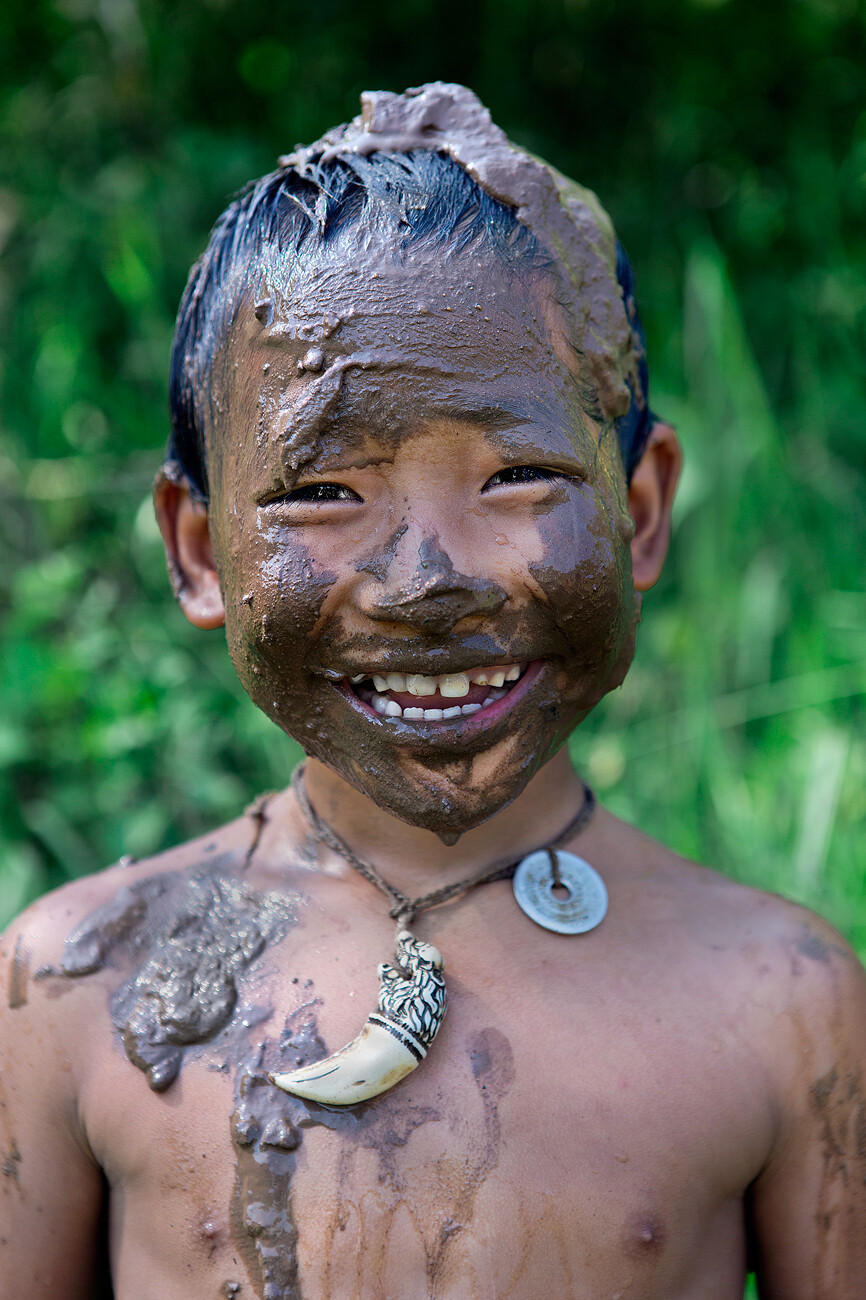
Fstop of 2.8, shutter speed@ 1/15 and ISO 200

Fstop of 3.5, shutter speed@ 1/320 and ISO 160

Fstop of 3.5, shutter speed@ 1/320 and ISO 160

Fstop of 2.5, shutter speed@ 1/1000 and ISO 250

Fstop of 2.5, shutter speed@ 1/1000 and ISO 250

The diagrams were created by http://www.lightingdiagrams.com

Oded Wagenstein is a Travel photographer and writer. He is a regular contributor to the National Geographic Traveler magazine (Israeli Edition) and he is known for his intimate portraits from around the world. You can join his Portrait & Travel Photography Facebook page and continue to discuss on travel and people photography and get more amazing tips! –

Post originally from: Digital Photography Tips.

Check out our more Photography Tips at Photography Tips for Beginners, Portrait Photography Tips and Wedding Photography Tips.

Reflectors: Your Secret Weapon for Amazing Portrait Photography

The post Reflectors: Your Secret Weapon for Amazing Portrait Photography by Guest Contributor appeared first on Digital Photography School.


Digital Photography School

 
Comments Off on Reflectors: Your Secret Weapon for Amazing Portrait Photography

Posted in Photography


5 Amazing Accessories to Pimp Your DSLR

30 Sep

How much money do you need to keep your photographic creativeness high? $ 1000? Or maybe $ 3000? Sure, there are quite a few things that cost that much and even more–and they are strong boosters of the creative process though unfortunately not a panacea. Having their eyes fixed on premium lenses and bodies, photographers often oversee many useful things that can Continue Reading

The post 5 Amazing Accessories to Pimp Your DSLR appeared first on Photodoto.


Photodoto

 
Comments Off on 5 Amazing Accessories to Pimp Your DSLR

Posted in Photography


Taking Shots of Your Car Like the Hot Ride She Is: Amazing Car Photography Tips 101

18 Sep

Anyone who has tried to shoot a photograph of their new car (or their old, well-loved car after it finally drove through the car wash) knows that a car is difficult to capture. Nevertheless, those of us who have practiced can vouch for this series of tips that I’ve aimed at my neighbor’s Mustang and my own practical Prius. The Continue Reading

The post Taking Shots of Your Car Like the Hot Ride She Is: Amazing Car Photography Tips 101 appeared first on Photodoto.


Photodoto

 
Comments Off on Taking Shots of Your Car Like the Hot Ride She Is: Amazing Car Photography Tips 101

Posted in Photography


Win An Amazing “Canon PowerShot SX50 HS” & Other Photo Goodies

24 Aug

Take part in the rocking giveaway by our friends at MacPhun. You have a chance to win Canon PowerShot SX50 HS. There are also some sweet prizes for runner-ups, like Casetagrams and Bluelounge postal bags. The nicest thing about it is that there are no restrictions, except for the one – love Photography like we do. The Giveaway finishes in Continue Reading

The post Win An Amazing “Canon PowerShot SX50 HS” & Other Photo Goodies appeared first on Photodoto.


Photodoto

 
Comments Off on Win An Amazing “Canon PowerShot SX50 HS” & Other Photo Goodies

Posted in Photography


Use Computer Errors to Make Your Photos Amazing.

09 Aug

Photos: Maria_Naverno, JuanCarlos87, Stasyaposhkute, Brianvw1, Juliefab.

Datamoshing sounds kinda like that fun thing you used to do when Slipknot came on the radio in 2002.

While pushing some punks around is totally fun, pushing pixels is fun and less likely to get you elbowed in the face.

So how do you push the pixels around in your photos? Glitché. It’s an app that lets you warp your photos using computer errors and bugs.

You get to pick from eight different types of glitches, each of which you can manipulate to your liking. Swirl, tap, and paint different effects like slit-scanning, 3D renderings (!!!), psychedelic color inversions, and datamoshing.

Within a few minutes of your first glitches, you’ll see why some call Glitché “the Instagram for digital psychedelia.”

In other glitch news, Year of the Glitch is selling glitch art blankets (Thnx, Doc!).

Glitché — Turn Phone Photos into Glitch Art [Thnx, Darby!]

p.s. We’re hiring for an amazing opening at Photojojo. Apply and learn more to be our Editorial & Community Lead.

Related posts:

  1. 10 Tips to Make Your Phone Photos Amazing;
    Plus, Our New Phoneography Blog! Phoneography is the best. No matter where you go, you’ve…
  2. 120 of 2008′s Most Amazing News Photos Getting a pal with a new camera to subscribe to…
  3. Turn your Computer and Webcam into a Photo booth with Cameroid and Phozi Sure your camera’s got 17 megapixels, a 10x zoom, and…


Photojojo

 
Comments Off on Use Computer Errors to Make Your Photos Amazing.

Posted in Equipment


50 More Amazing Websites Of Professional Photographers

05 Jul

What sets amazing photography apart? What do the most famous photographers do to make their works stand out? A carefully crafted photo website can be a great way to prove how multifaceted a photographer is. You might be the best photographer ever, but if your site is not showing these skills you might have a hard time acquiring clients. The Continue Reading

The post 50 More Amazing Websites Of Professional Photographers appeared first on Photodoto.


Photodoto

 
Comments Off on 50 More Amazing Websites Of Professional Photographers

Posted in Photography


How to Take Amazing, Beautiful Photos Any time of Day…or Night

08 Apr

When I first started in photography nineteen years ago, Photo Law dictated that you dare not show your face shooting outside after 8 a.m. or before 4:30 p.m. My Prime Appointment was 7 a.m. Well, I’m here to tell you , those days are over. No one needs to get dressed up in their best clothes and drive an hour Continue Reading

The post How to Take Amazing, Beautiful Photos Any time of Day…or Night appeared first on Photodoto.


Photodoto

 
Comments Off on How to Take Amazing, Beautiful Photos Any time of Day…or Night

Posted in Photography


Elemental Elegance: 14 Amazing Photographs of Elements

16 Mar

[ By Delana in Gadgets & Geekery & Technology. ]

elemental photography

We all learned about the periodic table of elements in high school, but for most of us that’s where our knowledge of the elements ends. Japanese chemist and photographer R. Tanaka is showing the world just how beautiful the elements are with his fascinating set of elemental photographs.

elemental scientific photography

photographs of elements

The extreme close-ups of the elements show a seldom-seen world full of incredible shapes and unexpected colors. The crystalline structure of certain elements resembles trees, leaves, and other parts of the natural world at large.

gorgeous elemental photography

scientific photographs of elements

Other elements resemble alien shapes or objects from a long-lost civilization. From sulfur to phosphorus to colorful bismuth, the elements are all amazingly detailed and surprisingly photogenic. These are the building blocks of our world, and they are far more complex and lovely than most of us realize.

scientific elemental photography

Taken together, the series seems like a catalog of the most beautiful parts of our natural world. The gorgeous organic shapes are like the most intricate sculptures ever, captured in photographs to showcase their most delicate and ethereal qualities.

Share on Facebook


[ By Delana in Gadgets & Geekery & Technology. ]

[ WebUrbanist | Archives | Galleries | Privacy | TOS ]


WebUrbanist

 
Comments Off on Elemental Elegance: 14 Amazing Photographs of Elements

Posted in Creativity


10 Techniques for Amazing Portraits

06 Mar

A guest post by San Diego Wedding Photographer, Wayne Yuan

As full-time photographers shooting 30+ weddings a year, we have to admit, sometimes it’s easy to fall into the same old formulas when it comes to portraits. Even with new poses, taking portraits can become very mundane if the same compositions and angles are used for every couple–we’ve definitely been through that creative rut where our pictures start looking very familiar. Throughout the years, we’ve challenged ourselves to stay on top of our game with a few useful techniques. Here are some of our best tips to help keep things fresh and unique for each couple.

1. Use a longer lens.

A lot of photographers out there say that their 50mm is a “must-have” portrait lens, but what a mid-range lens offers is a very familiar perspective, something that our eyes are used to seeing all the time. To create a more interesting image, we avoid shooting portraits in mid-range because the images look too ordinary. Most of our portraits are shot at 200mm or 85mm to create beautiful image compression that a 50mm would not be able to produce. The compression will not only flatter your subjects with less feature distortion, but shooting at a longer focal length will also create more dramatic background blur (bokeh) and brings the background closer to your subject. It may be more difficult to communicate with your subjects while shooting at 200mm, but the difference will be apparent and well worth it. Our solution to this problem was to have one of us interact with our couples at close range while the other shoots from a distance.

best_wedding_photos_01.jpeg

best_wedding_photos_02.jpeg

best_wedding_photos_03.jpeg

2. Find angles that aren’t eye level.

Many times we are stuck seeing what is right in front of us. It is, after all, the easiest answer to everything. Challenge yourself to find a different angle from above or below eye-level to bring a new perspective to the image. This technique can also be used to flatter subjects of different body types and heights. In the image below, we asked the bride to sit on the ground in order to focus on her face and hair ornament while blurring out the rest of her body. It makes a more interesting image than the typical straight-on bridal portrait.

best_wedding_photos_04.jpeg

3. Use off-camera flash.

During a wedding, our speedlites are never on-camera, even during the reception. Flash rarely flatters a person’s face when it is straight on, and the image looses its dimensionality. Using flash to light our subjects from the side, we are able to create both light and shadow on our subjects, flattering their features and bringing a greater range of highlights and shadows to the image. It also helps us bring out details in the background to create a more dramatic landscape.

best_wedding_photos_05.jpeg

4. Overpower the sun with flash.

Shooting at mid-day is no easy task when using natural light. But with some artificial lights, something as simple as a couple of speedlites can diminish the power of the sun and darken the image for better exposure. We use this technique especially when we are trying to create environmental portraits that focus on the landscape. Using our speedlites, we are able to overpower the sun and underexpose the sky while only lighting up the subject. To create this amount of artificial light, we have to use 2-4 off-camera speedlites (with no diffuser) in order to generate enough light to overpower the sun. Holding the speedlites closer to the subject (to the side) also helps put more light on the subject and allows us to underexpose the background even more for dramatic effect.

best_wedding_photos_06.jpeg

best_wedding_photos_07.jpeg

best_wedding_photos_08.jpeg

5. Find back-light.

It takes time and practice to train your eye to find great light. Once you learn how to “find the light” in any situation, it will help you master taking some amazing portraits. Lighting is, after all, the essence of photographic images. Whether you are using the sun, a window, or an ordinary light bulb, these light sources can be used to create beautiful edge light (a.k.a. hair light, rim light) when the light source is place behind your subject. The effect that rim light creates can enhance the dimension of your image by separating your subject from the background, outlining and focusing on your subject.

best_wedding_photos_09.jpeg

best_wedding_photos_10.jpeg

6. Look for silhouettes and reflections.

Learning to look for reflective surfaces and silhouetting opportunities will greatly enhance your images both visually and in depth. For silhouettes, it is key to find a strong light source and place it behind your couple; this could be anything from the sky to a window or even a patch of light on a wall. For reflections, try to be creative with the different types of reflective surfaces; sometimes, the best reflections are found in unexpected places like floors, glass, puddles, and granite walls.

best_wedding_photos_11.jpeg

best_wedding_photos_12.jpeg

best_wedding_photos_13.jpeg

7. Shoot through objects.

When objects are in our way, we like to use them to our advantage. In fact, many times we are purposely trying to find elements to place in the foreground of our image. Learning to find holes between tree branches, abstract objects, or even ordinary household items are simple, everyday things that will help enhance your images by bringing an interesting, and sometimes colorful, element to your composition. Using a longer lens will help blur out the foreground objects to frame the subjects in a more intimate way.

best_wedding_photos_14.jpeg

best_wedding_photos_15.jpeg

8. Use the sun as a light source.

It is not uncommon for photographers to avoid shooting in the sun and run for the open shade for an easier and even exposure. We covered back-lighting earlier as a solution for shooting in harsh sun-lit situations. But sunlight can also be used as a direct spotlight on your subject. By exposing for the areas directly in contact with the sun, the background and surrounding shadows will dramatically darken, drawing focus and light to your subjects. Applying this technique to different lighting situations will create varying visual effects.

best_wedding_photos_16.jpeg

best_wedding_photos_17.jpeg

9. Use video light for night portraits.

Video lights are very useful when no light source is available to light up your subject in dark situations. The great thing about video lights is that they are a constant light source so you can see what the image will look like in camera. We use LED video lights, which give us enough power to last 2+ hours. They are a great alternative to speedlites for low light situations and are quicker to adjust for dark situations.

best_wedding_photos_18.jpeg

best_wedding_photos_19.jpeg

10. Use gels on your speedlites.

Adding CTO (orange) or CTB (blue) gels to your speedlites will change the mood of your image. Sometimes shooting in an environment which is overcast and very blue, adding a CTB gel will warm up the whole environment if you adjust the white balance correctly. CTO gels can also be used to emulate sunlight.

best_wedding_photos_20.jpeg

For more examples of on how to take great images, check out our website: San Diego Wedding Photographer – Wayne Yuan

Wayne and Angela are photographers/owners of Wayne Yuan Photography. They live in San Diego and New York area, but shoot weddings worldwide.

Join our Facebook Fanpage | Ask a question on our Formspring | Contact Us

portrait-tips.jpg

Post originally from: Digital Photography Tips.

Check out our more Photography Tips at Photography Tips for Beginners, Portrait Photography Tips and Wedding Photography Tips.

10 Techniques for Amazing Portraits


Digital Photography School

 
Comments Off on 10 Techniques for Amazing Portraits

Posted in Photography