RSS
 

Posts Tagged ‘action’

Back to the action: Nikon D500 Review

25 May

The Nikon D500 is a 21MP APS-C DSLR capable of shooting at up to 10 frames per second and featuring an autofocus system derived from the one in the D5. In other words, it’s exactly the kind of high-end DX format body that appeared to have become extinct with the D300S.

The six-and-a-half years that have passed since the D300S’ launch have seen the camera market move on considerably but the D500 does much to reclaim the position as one of the pre-eminent APS-C camera on the market.

As you might expect, much of the improved capability of the camera centers around sports and high-speed shooting, with significant upgrades to the shooting rate and autofocus system, but there are also major upgrades to the viewfinder, video capabilities and connectivity options which expand its utility beyond one particular niche.

Key Features

  • 20.7 MP APS-C (DX Format) sensor
  • 153 point AF module with 99 cross-type points
  • 180,000 pixel RGB sensor for metering and subject recognition
  • AF point joystick
  • 10 fps shooting for up to 200 shots (lossless compressed 14-bit Raw to XQD card)
  • 4K (UHD) video from 1.5x crop of sensor
  • 100% coverage viewfinder with 1.0x magnification
  • 2.36m dot tilt up/down touchscreen
  • Wi-Fi and Bluetooth connectivity with NFC for setup
  • Mic and headphone sockets
  • USB 3.0 connector
  • Anti-flicker option for working under artificial lighting

A good sport

Much of the D500’s capability is built around the ability to focus and shoot very quickly. Its 153-point AF module offers near full-width coverage and is linked to a 180,000 pixel RGB metering sensor to further improve its AF tracking capabilities. Interestingly, and like the D5, the D500’s AF system now offers two parameters for fine-tuning the autofocus tracking behavior, letting the user specify the type of subject movement and the correct response to another object blocking the targeted subject. Existing Nikons only let you specify duration, suggesting Nikon is trying to expand the range of shooting situations for which the AF system can be optimized.

Only 55 of the camera’s AF points can be directly selected and the D500 gains both a joystick and a touchscreen to make it as fast as possible to select the point you want to use. Add to this the ability to shoot up to 200 Raw frames before slowing down (if you use an XQD card), and it becomes obvious that the D500 is intended as a high-speed pro/semi-pro camera in a way the D7000 series never was.

How’s that for coverage? The D500 doesn’t just boast a lot of autofocus points, it also offers them across most of the width of the frame, which is useful whether you’re manually selecting a point or letting the camera track your subject.

The D500 also gains an anti-flicker option designed to ensure the camera shoots in-sync with the brightest point in the flickering cycle of artificial lights. It’s a feature we first saw on the Canon EOS 7D Mark II and we’d expect it to be particularly valuable for shooting indoor sports such as basketball.

Another sign that this is a true high-end camera is the inclusion of a larger viewfinder. Like previous DX00 class cameras it has 100% coverage but it also offers 1.0x magnification, which is the largest optical viewfinder we can remember seeing in an APS-C camera (electronic viewfinders are a different matter, since size and brightness isn’t constrained by sensor/mirror size).

The D500 can also shoot 4K video and includes both an input for using an external mic and a headphone socket for audio monitoring. The camera also offers a flat picture profile to provide more post-processing flexibility, on-screen highlight warnings and power aperture control that allows you to select and change the aperture when in movie mode. There’s no focus peaking option, though, and you can’t zoom-in while you record to confirm or adjust focus as you record.

Connectivity

One of the other big features Nikon is touting is its Snapbridge system that uses Bluetooth LE (a low-power variant of Bluetooth also known as Bluetooth Smart), and Wi-Fi to maintain a connection between the camera and a smart device. This includes the ability to auto-transfer images from the camera, as well as initiating the Wi-Fi connection for remote shooting or manual image transfer.

Context

To show where the D500 sits in the lineup, here are the major feature differences between it and the less expensive D7200, along with a comparison back to the D300S – not because we expect anyone to be choosing between them, but to show how much of a step forward the camera represents.

   Nikon D500 Nikon D7200 Nikon D300S
Sensor Resolution 21MP 24MP 12MP
AF points 153 (99 cross type) 51 (15 cross-type) 51 (15 cross-type)
Max frame rate 10 fps
  • 6 fps
  • 7 fps in 1.3x crop mode
  • 7 fps
  • 8 fps with battery grip
Buffer depths 200 lossless compressed 14-bit Raw

~17 14-bit Raw
~28 12-bit Raw

30 lossless compressed 14-bit Raw
Shutter durability rating 200,000  150,000  150,000
Viewfinder
  • 1.0x magnification
  • 100% coverage
  • 0.94x mag
  • 100% coverage
  • 0.94x mag
  • 100% coverage
Rear screen
  • 2.36m dots 3.2″
  • Tilting
  • Touch sensitive
  • 1.23m dots 3.2″
  • Fixed
  • 920k dots 3.0″
  • Fixed
Video Resolution
  • UHD/30p
  • 1080/60p
  • 1080/60p
  •  720/24p
Mic/Headphone? Yes/Yes Yes/Yes Yes/No
Wi-Fi? Yes (and Bluetooth) Yes No
Built-in flash? No Yes Yes
AF-On Button? Yes No Yes
Body construction Magnesium Alloy + Carbon fiber composite Magnesium Alloy + Carbon fiber composite Magnesium Alloy
Battery Life (CIPA) 1240 shots/charge 1100 shots/charge 950 shots/charge
Weight (Body Only) 760g 675g

840g

Review History

Review History
26 April 2016 Studio scene and Raw dynamic range published.
16 May 2016 Introduction, Body and Handling, Operation and Controls, Wi-Fi and Connectivity and Video pages published
25 May 2016 Autofocus, Loose Ends and Conclusion pages added. Review Finalized

Articles: Digital Photography Review (dpreview.com)

 
Comments Off on Back to the action: Nikon D500 Review

Posted in Uncategorized


VR / Action cameras forum just launched

19 May
Be like these guys.

Are you excited about VR but frustrated that we don’t have a clearly demarcated area in our forums for you to talk about it? You’re not alone, probably. But we’re pleased to announce that your nightmare is over, with the launch of our dedicated VR and action cameras forum!

Moderated by DPR contributor and VR enthusiast Mark Banas, this is the place to discuss VR capture, action cameras and related technologies.

Articles: Digital Photography Review (dpreview.com)

 
Comments Off on VR / Action cameras forum just launched

Posted in Uncategorized


Xiaomi Yi II action camera updates original with 4K video

17 May

Chinese company Xiaomi has updated its Yi action camera with a Sony IMX377 12MP 1/2.3″ sensor, improving its top resolution to 4K compared to the original model’s 1080p maximum. The Yi II Action Camera also features an Ambarella A9SE75 chipset, a 155-degree wide-angle 7-layer optical glass lens and a 2.19″ LCD rear touchscreen display.

According to Xiaomi, the internal 1400mAh battery allows for up to 120 minutes of video recording in 4K. Content is stored on a removable media card, with capacities of up to 64GB supported. Other features include a built-in speaker and microphone, dual-band Wi-Fi, and three color options: Rose Gold, White, and Black.

The international version of the Yi II Action Camera offers the following recording options:

  • WVGA/240fps
  • 720p/240fps
  • 960p/120fps
  • 1080p/120fps
  • 1440p/60fps
  • 2.5K/30fps
  • 4K/30fps

The camera can be pre-ordered from GearBest for $ 249.99.

Articles: Digital Photography Review (dpreview.com)

 
Comments Off on Xiaomi Yi II action camera updates original with 4K video

Posted in Uncategorized


LG introduces live-streaming action cam with LTE built-in

14 May

Korean electronics manufacturer LG has announced a new action cam that can stream live content to the internet via built-in 3G and LTE connectivity. The LG Action CAM LTE allows users to connect directly from the camera to a chosen video hosting website without using a mobile device as the middle man. The camera will also offer remote access, so it will also function as a CCTV camera or security monitor.

Capable of recording video in up to UHD quality at 30fps and of shooting 12.3MP stills, the Action CAM LTE is dust and weather proof and can cope with being submerged for up to 30 minutes at a depth of 1 meter. It will be available first in Korea, with plans to launch in the rest of the world after. No price information has been released yet.


Press release:

LG INTRODUCES ACTIVE LIFESTYLE CAMERA WITH LIVE STREAMING OVER 4G

Action Camera with LTE is the Latest Addition to the LG Friend Ecosystem

The newest addition to LG Electronics’ (LG) Friend ecosystem is the first action camera to be available globally with LTE connectivity built-in, allowing for users to stream directly to sites such as YouTube Live without a smartphone. The device, LG Action CAMLTE, will launch in South Korea next month followed by key markets worldwide including North America and Europe.

In addition to its live streaming feature, LG Action CAMLTE will offer remote access* functionality via 3G and LTE which will enable the device to be used as a CCTV camera for home monitoring or as an automobile dash camera. Action CAMLTE users can download recorded images and videos on their paired smartphones.

With a rating of IP67, the LG Action CAMLTE is completely protected from dust, sand and can be immersed in up to one meter of water for up to 30 minutes. A completely waterproof case (available in the third quarter) will enable the camera to participate in more vigorous activities such as surfing and scuba diving. With the optional mount, the LG Action CAMLTE can capture smooth videos while attached to helmets, bicycles, cars and other fast moving objects. With a generous 1,400mAh battery the camera boasts an industry-leading Full HD recording time of up to four hours.

“We are committed to expanding the LG Playground ecosystem with both modules and standalone accessories and Action CAMLTE is one of many more that we plan to announce this year,” said Juno Cho, LG Electronics and Mobile Communications Company president. “Action CAMLTE is an example of the kind of innovation we will be bringing to market, devices that offer features unavailable in other competing products.”

Prices, specifications and carrier details will be announced locally at the time of launch.

Key Specifications:

  • Camera: 1/2.3-inch 12.3MP / 1.55 x 1.55?pixels
  • Connectivity: LTE / 3G / Wi-Fi 802.11 b, g, n / USB Type-C 2.0 / Bluetooth 4.1
  • Video Recording: UHD 30fps / FHD 60fps / HD 120fps
  • Video Live Streaming: HD 30fps
  • Memory: 2GB RAM / 4GB ROM (OS only) / microSD (up to 2TB)
  • Size: 35 x 35 x 77.9mm
  • Weight: 95g
  • Battery: 1,400mAh
  • Others: IP67 / GPS / Accelerometer / Gyroscope
  • Color: Light Gray

* Remote access feature available after software update coming in July 2016.

Articles: Digital Photography Review (dpreview.com)

 
Comments Off on LG introduces live-streaming action cam with LTE built-in

Posted in Uncategorized


In the thick of the action: Nikon D5 real world samples gallery

18 Apr

With a newly designed 20MP full-frame sensor, an advanced autofocus system with 153 phase-detect points, a robust build with full weather sealing and 12 action-freezing frames per second, the Nikon D5 has been getting plenty of attention around the DPReview office over the past couple of weeks. It’s a purpose-built machine: we don’t think there’s a camera in the world that can keep erratically moving subjects in focus during fast bursts like the D5 can. But it’s good at a lot else as well.

We’ve toted it to tennis matches, a rugby match, up and over the Cascade mountains, along the Puget Sound waterfront and even a styled wedding shoot. After all, though the D5’s specs may indicate it’s geared toward the discerning sports shooter, that doesn’t mean Nikon’s new flagship wouldn’t make a great (though hefty) all-rounder for photographers shooting all day, every day.

Articles: Digital Photography Review (dpreview.com)

 
Comments Off on In the thick of the action: Nikon D5 real world samples gallery

Posted in Uncategorized


Review – Outdoor Action and Adventure Photography Paperback Book

18 Apr

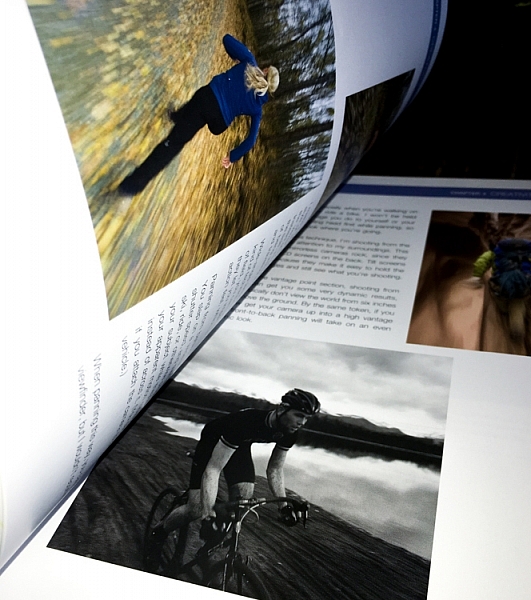
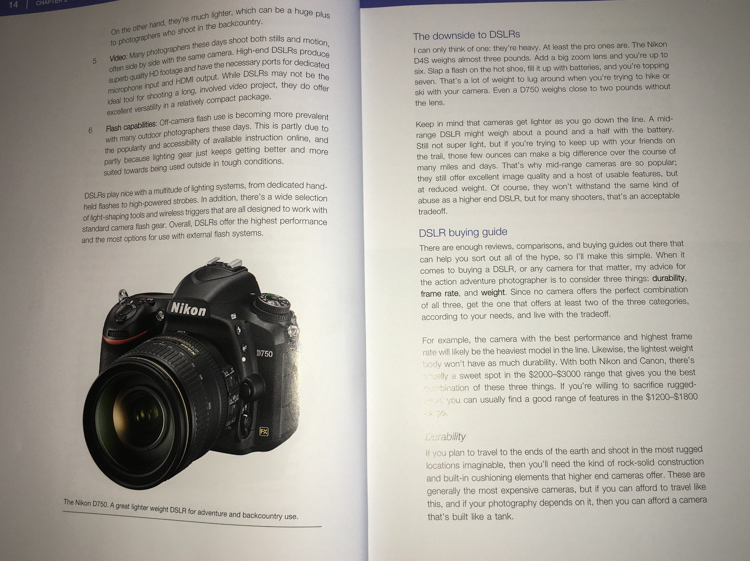
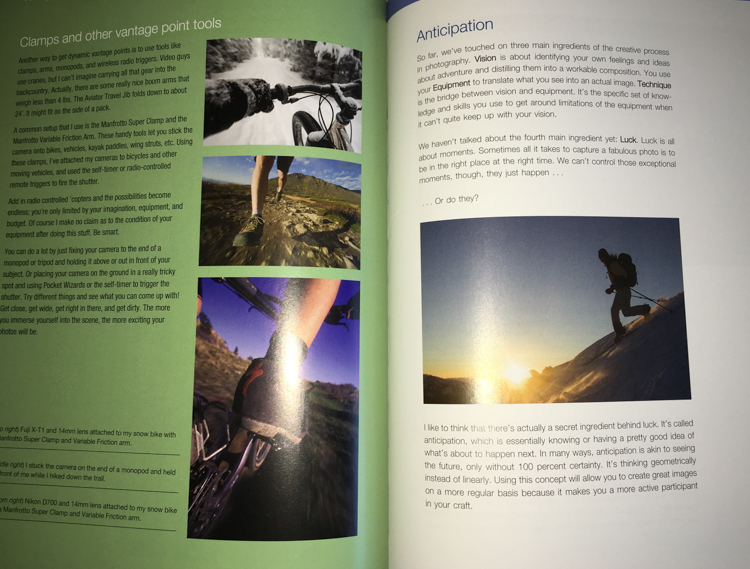
outdoor action and aventure photographyOutdoor Action and Adventure Photography by Dan Bailey is a refreshing change of course in this digital age we live in – it’s actually a paperback book. It is a good thing that Dan had decided to go hardcopy with this book, because it is filled with information, and as a result I feel like many people will want to jot things down, highlight paragraphs, and refer back to it time and again.

Overview

The book starts out with a heartfelt acknowledgement section that truly shows you how much time, effort, and passion, Dan has put into this work. It’s not just something that he’s slapped together – and it shows! Not only is the book well written and informative, but it is beautifully illustrated with a number of photographs from Dan’s portfolio.

After the acknowledgements, you’re given a general introduction to frame your mind for what you’re about to learn. Outdoor Action and Adventure Photography is geared to outdoor photographers, but I’d argue it’s geared even more so towards the outdoor enthusiast, who wants to take great photographs of their adventures.

outdooraction

What I mean is that this book is designed to show you how to take photographs, while you’re hitting a triple black diamond ski slope, or hiking up the side of a mountain. It’s geared more towards the extreme side of outdoor adventure, and the challenges that you would face if you were trying to photograph in those conditions.

What You’ll Learn

After the general framework is set, the book is broken down into a fairly logical path. First you’re introduced to the types of gear that you’ll need. Dan makes a great point about how, for this type of work, expensive gear does make a difference. Not necessarily just for the image quality, but because higher quality professional gear is designed to take a beating, and in the conditions you’ll be facing, the gear you use will need to withstand a few bumps.

outdooraction-3

One of the largest problems faced by adventure photographers is the desire to pack light, but maintain a versatile and high quality kit. In the book, Dan addresses how he handles this challenge, and from what I can gather he is focused more on lightweight and ease of use, versus trying to carry every possible lens and body up the side of a mountain. He has a few different configurations of bodies and lenses that he brings, depending on how far and strenuous the adventure is expected to be.

outdooraction-2

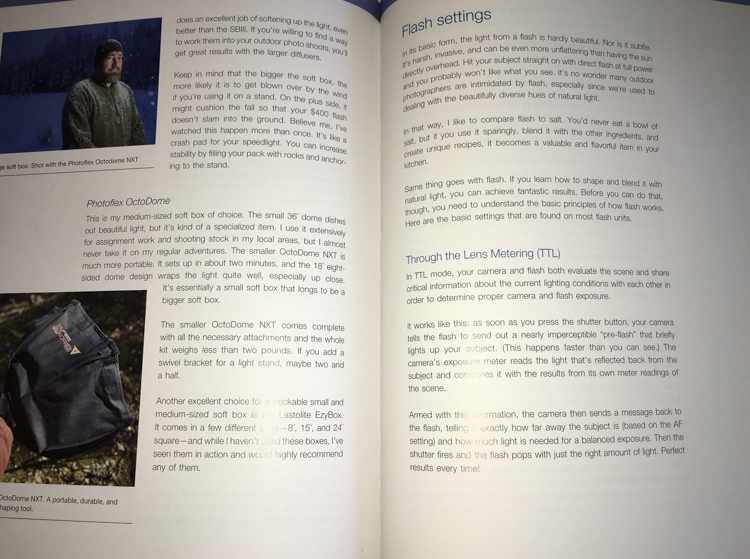
Another big issue that is addressed in this book is regarding lighting. Light on the side of a mountain is not always going to be what you want it, and in this section Dan spends a great deal of time discussing different types of flashes, he provides a great step by step workflow, and talks about different use cases.

outdooraction-4

Finally, there’s a great section on weighing the decision to go pro. What does it mean, do you have what it takes, will you go full-time or part-time? A lot of what is discussed in this section can be applied to other fields of photography, but there are a few considerations specific to Dan’s field, that are worth considering if you’re thinking about making this a career choice.

Final Thoughts

Outdoor Action and Adventure Photography is a book that is designed for the outdoor enthusiast who wants to take great photographs in extreme conditions. While Dan keeps a fairly conversational tone throughout, the book is so packed with information, I’d equate it to more of a textbook than a simple informational guide.

If you’re looking to take great photographs while hitting the slopes with your friends – this is the book for you!

googletag.cmd.push(function() {
tablet_slots.push( googletag.defineSlot( “/1005424/_dPSv4_tab-all-article-bottom_(300×250)”, [300, 250], “pb-ad-78623” ).addService( googletag.pubads() ) ); } );

googletag.cmd.push(function() {
mobile_slots.push( googletag.defineSlot( “/1005424/_dPSv4_mob-all-article-bottom_(300×250)”, [300, 250], “pb-ad-78158” ).addService( googletag.pubads() ) ); } );

The post Review – Outdoor Action and Adventure Photography Paperback Book by John Davenport appeared first on Digital Photography School.


Digital Photography School

 
Comments Off on Review – Outdoor Action and Adventure Photography Paperback Book

Posted in Photography


Bird Biomimicry in Action: 12 Avian-Inspired Jets, Drones & Cars

14 Apr

[ By Steph in Design & Products & Packaging. ]

bird inspired skeleton race car 2

The very same evolution-driven characteristics that enable birds to glide effortlessly through the air can be applied to everything from drones to bullet trains to make them faster, lighter, more nimble and all around cooler looking. Avian-inspired aircraft with nature’s most aerodynamic silhouettes, cars with frames modeled on bird skeletons, gull wing fighter jets and even the U.S. military’s current B2 Spirit Bomber look to the skies for design and performance improvements.

Yamaha with Swan Wing-Shaped Paneling

bird inspired yamaha

bird inspired yamaha 2

With an overall design inspired by flowing garments on a high fashion runway, the Yamaha 04GEN scooter concept has an elegant birdlike frame and two transparent body panels modeled on the wings of the swan. The likeness is especially evident when the panels are flipped up. The experimental concept model was unveiled at the first Vietnam Motorcycle Show in Ho Chi Minh City, and there’s no word as to whether it will actually go into production.

Lockheed Stratoliner

bird inspired lockheed

bird inspired lockheed 2

Designer William Black created the Lockheed Stratoliner in tribute to the bar-tailed Godwit, a bird that holds the record for traveling the farthest without a single stop (7,258 miles.) Designed for long distances, it uses four cryogenic hydrogen turbofans as its engines, emitting zero pollution. The oversized wings and swooping body come straight from the Australian wading bird, as well. Considering that hydrogen-powered flight is still far off from being a reality on such a large scale, this is destined to remain a concept for the indefinite future.

Kingfisher-Inspired Shinkansen Bullet Train
bird inspired kingfisher train

bird inspired kingfisher train 2

bird inspired kingfisher train 3

Engineer Eiji Nakatsu, a general manager of the technical development department for Japan’s high-speed bullet trains, also happens to be a birdwatcher, and not just by coincidence. He realized studying the flight of birds could help make trains faster and lighter, pushing the boundaries of innovation in his field. The typical train nose design was creating incredibly loud sonic booms as it emerged from tunnels, and needed some tweaking. Nakatsu recalled the way a kingfisher’s scoop-like beak enables it to dive into water at high speed with barely a splash, and applied the same shape to the train, eliminating the noise problem and enabling it to run at higher speeds.

Swan Plane, Chicken Aircraft & Seagull Jets by Alex Brady
bird inspired swan brady

Bird Inspired Seagull Jet Brady

bird inspired chicken brady

An odd swan-shaped plane, seagull-inspired fighter jets and an aircraft that combines the forms of chickens and dragons are among the fantastical aircraft concepts by British artist Alex Brady. Admitting that they’re 100 percent whimsical, Brady isn’t too concerned about the opinions of experts, who have noted that these creations couldn’t fly without the invention of new propulsion systems. His other designs take inspiration from manta rays, warthogs, wood lice, porpoises and even a pterodactyl.

Next Page – Click Below to Read More:
Bird Biomimicry In Action 12 Avian Inspired Jets Drones Cars

Share on Facebook


[ By Steph in Design & Products & Packaging. ]

[ WebUrbanist | Archives | Galleries | Privacy | TOS ]


WebUrbanist

 
Comments Off on Bird Biomimicry in Action: 12 Avian-Inspired Jets, Drones & Cars

Posted in Creativity


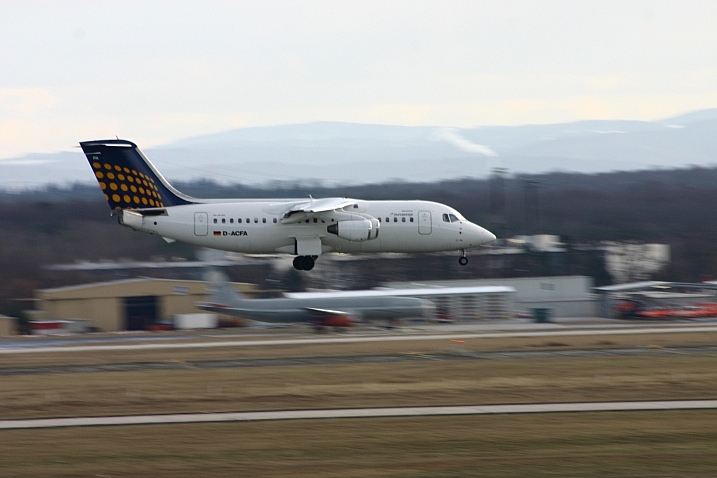
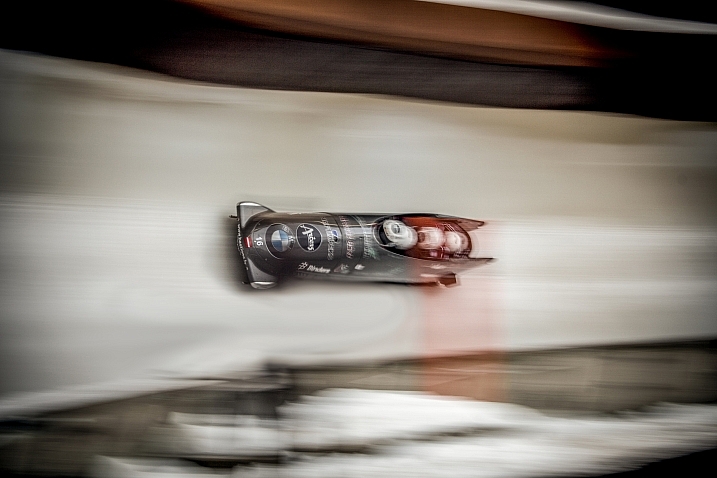
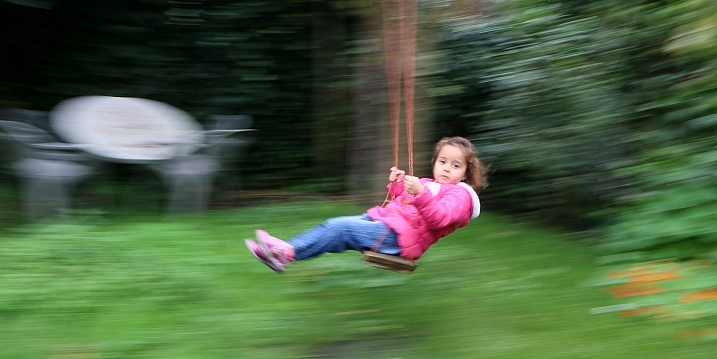
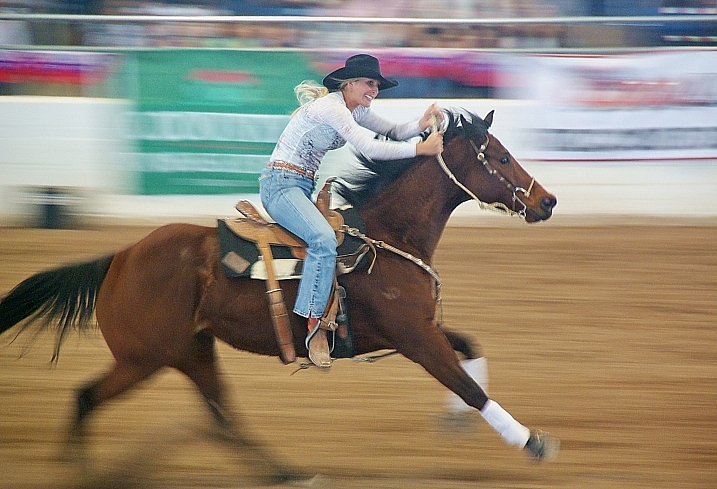
30 Action Packed Panning Images

09 Apr

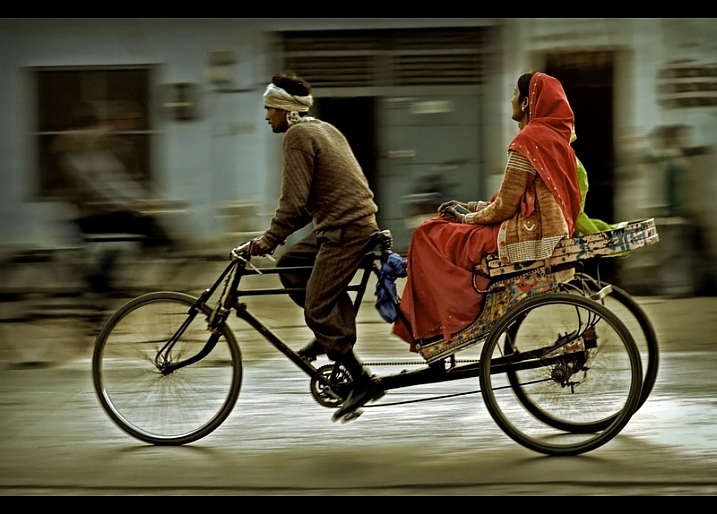
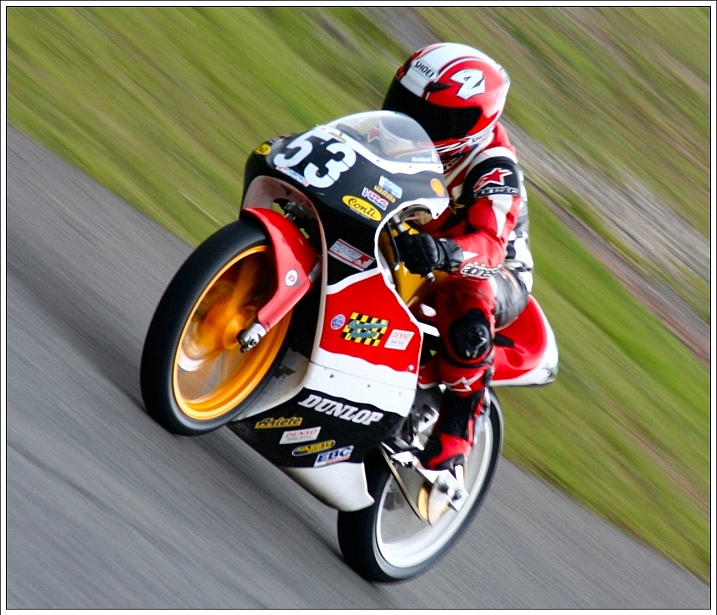
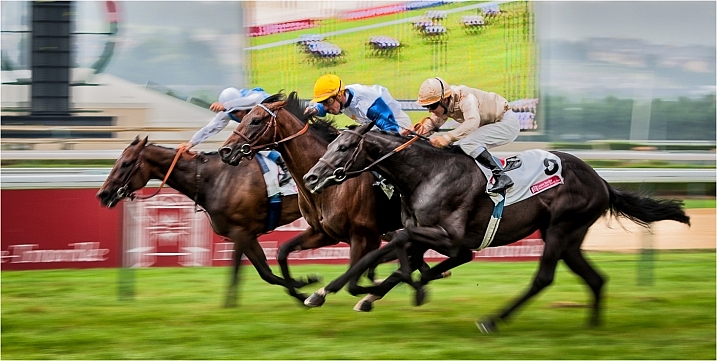
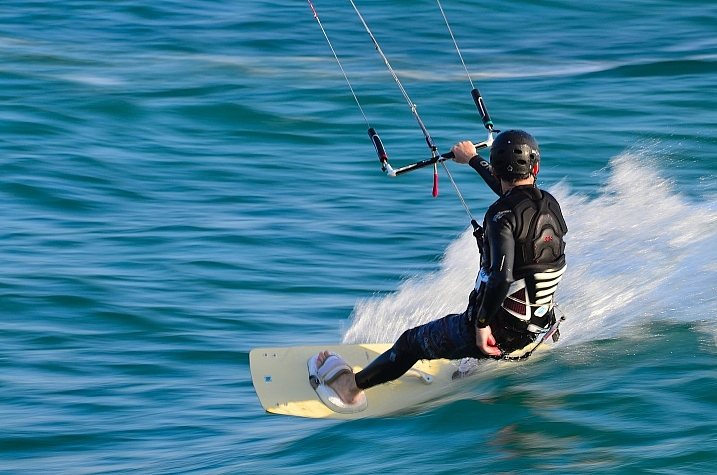
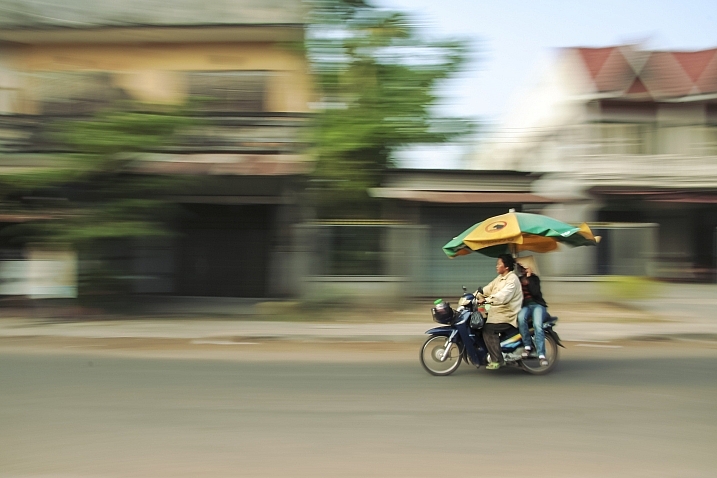
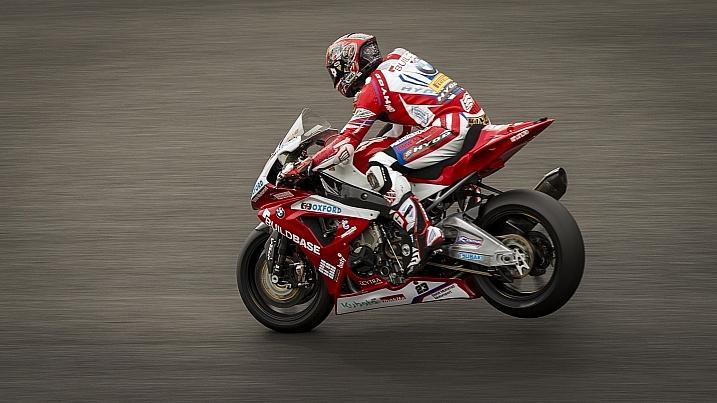
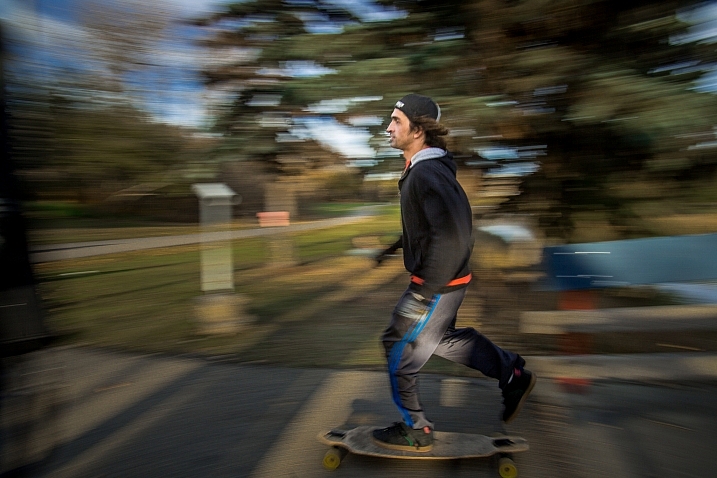
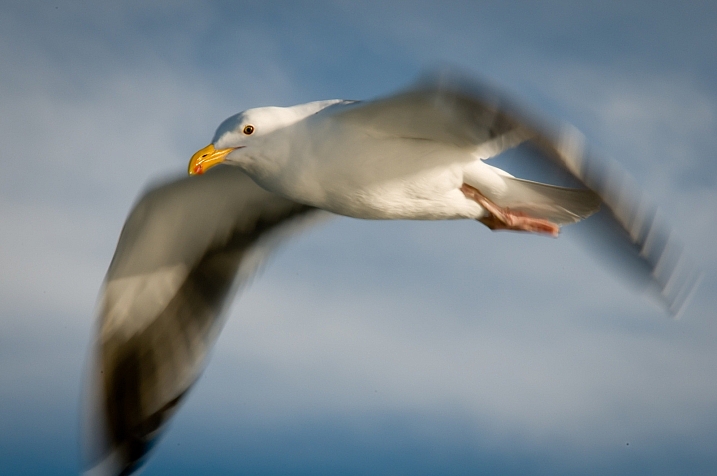
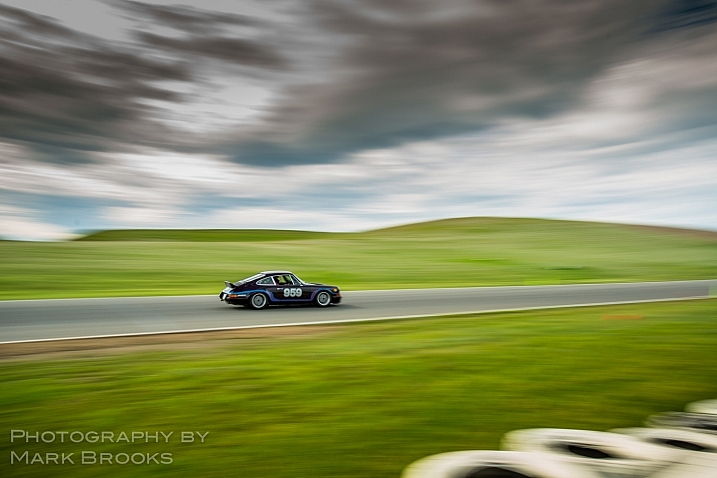
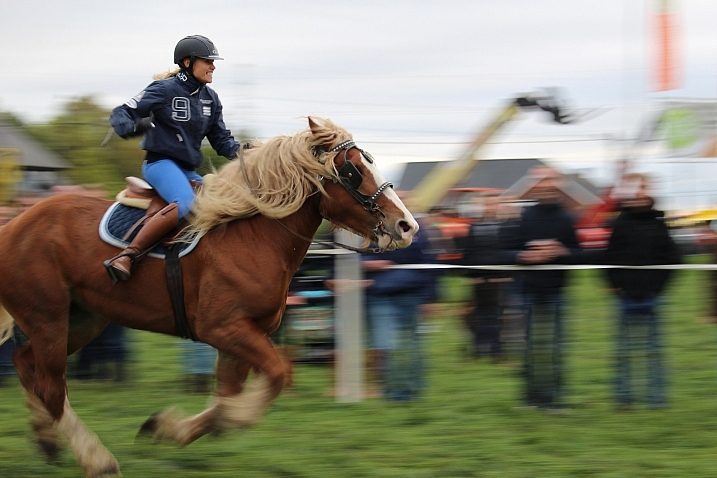
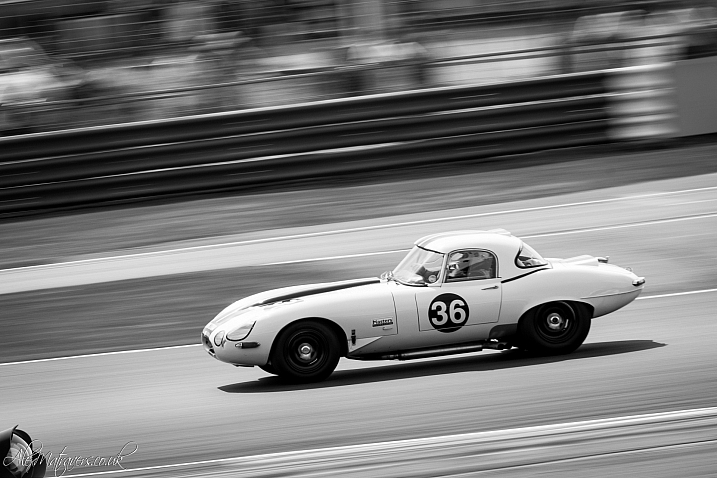
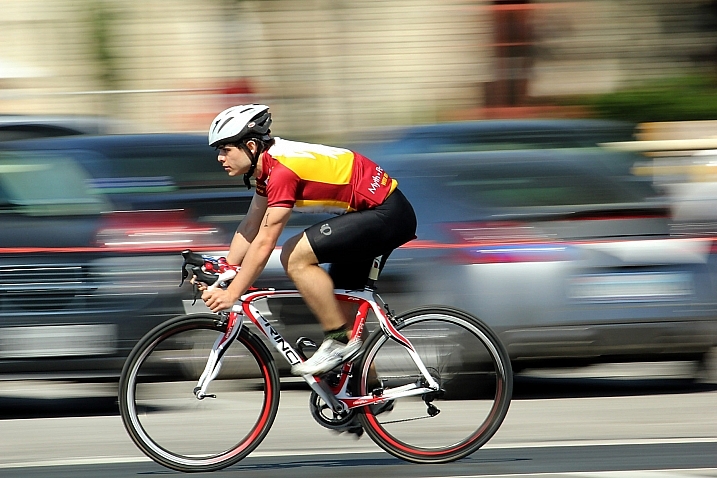
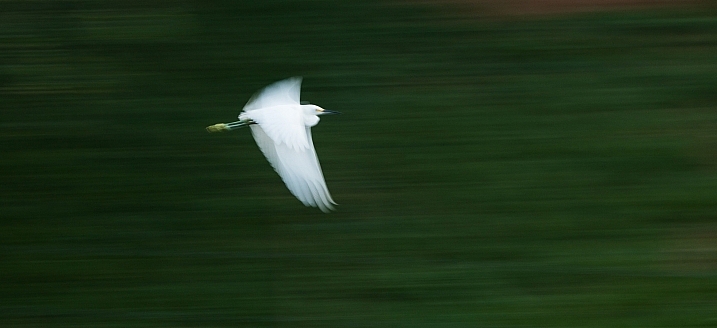
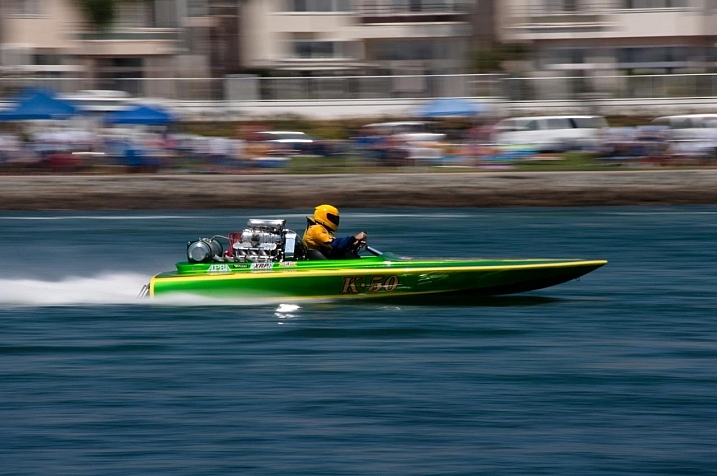
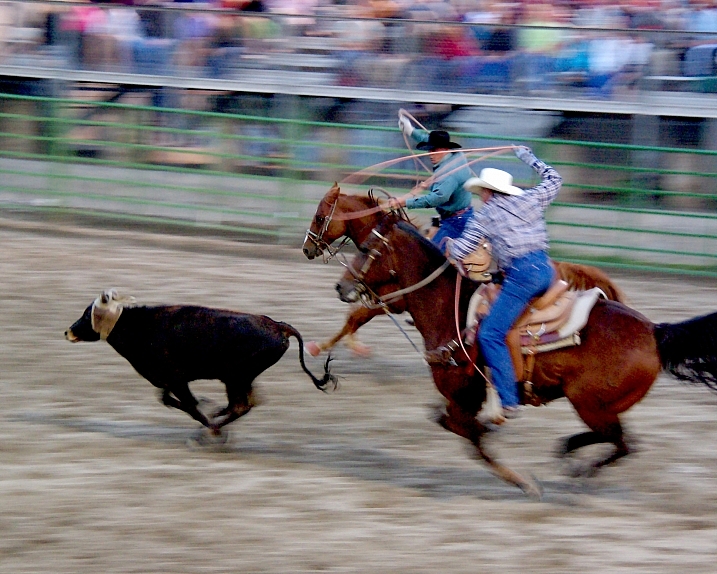
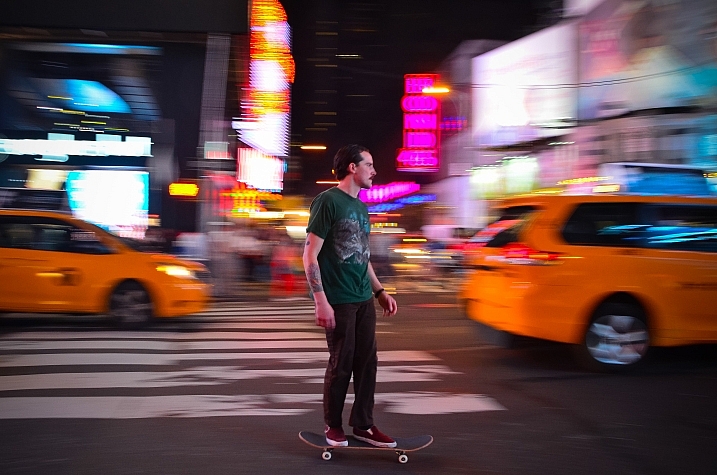
Adding a feeling of motion to your images by using a slow shutter speed can be very effective. One technique to do that is panning, where you move the camera to match the subject and it blurs the background and keeps the subject relatively sharp.

You can pan just about anything that’s moving. Let’s see what these photographers found that they could pan:

Ram Reddy

By ram reddy

VR46

By VR46

Jamie McCaffrey

By Jamie McCaffrey

Flavio~

By Flavio~

Angus

By Angus

Amira_a

By amira_a

Lain

By Lain

Jamie Manktelow

By Jamie Manktelow

Silke Remmery

By Silke Remmery

Spreketek

By spreketek

Carlo Scherer

By Carlo Scherer

Darlene Hildebrandt

By Darlene Hildebrandt

Howard Ignatius

By Howard Ignatius

Msomm

By msomm

Mark Brooks

By Mark Brooks

Angelo Domini

By Angelo Domini

Melissa Himpe

By Melissa Himpe

Alex Matravers

By Alex Matravers

Jan Buchholtz

By jan buchholtz

DFSB DE

By DFSB DE

Groman123

By Groman123

Damianos  Chronakis

By Damianos Chronakis

AmaruDaiKyoko

By AmaruDaiKyoko

David Atkinson

By David Atkinson

Cocoa Dream

By Cocoa Dream

Al_HikesAZ

By Al_HikesAZ

Moisés  Silva Lima

By Moisés Silva Lima

Mbtrama

By mbtrama

Al_HikesAZ

By Al_HikesAZ

Angela N.

By angela n.

googletag.cmd.push(function() {
tablet_slots.push( googletag.defineSlot( “/1005424/_dPSv4_tab-all-article-bottom_(300×250)”, [300, 250], “pb-ad-78623” ).addService( googletag.pubads() ) ); } );

googletag.cmd.push(function() {
mobile_slots.push( googletag.defineSlot( “/1005424/_dPSv4_mob-all-article-bottom_(300×250)”, [300, 250], “pb-ad-78158” ).addService( googletag.pubads() ) ); } );

The post 30 Action Packed Panning Images by Darlene Hildebrandt appeared first on Digital Photography School.


Digital Photography School

 
Comments Off on 30 Action Packed Panning Images

Posted in Photography


REVL seeks funding for Arc 4K action camera with integrated gimbal

18 Mar

REVL, a San Francisco-based startup, has launched a crowdfunding campaign to produce REVL Arc, a 4K action camera with an integrated motorized gimbal. Arc, currently in prototype form, uses four sensors that track altitude and motion, as well as electronic image stabilization to provide smooth footage that automatically keeps level to the horizon, even when the camera operator isn’t. The sensor data is used with a mobile app to auto-edit footage for expedited sharing.

REVL Arc provides three video recording options: 4K at 30 fps, 1080p at 120/60/30 fps and 720p at 240/120/60 fps. The camera can take still images, as well, at a 12MP resolution with four burst mode options: 30 fps for 1 second, 10 fps for 3 seconds, 5 fps for 6 seconds, and 3 fps for 10 seconds. Live video previews are available in the REVL App and via Apple Watch.

Content is saved to an SD card (up to 128GB), while connectivity is available over Bluetooth 4.0 and 802.11n Wi-Fi. The integrated 1100mAh Li-ion battery offers up to 90 minutes of recording in 4K resolution with Wi-Fi disabled. Arc supports third-party devices, as well, including Bluetooth microphones, heart rate monitors and GPS units.

Backers can reserve a final production unit through Indiegogo for a pledge of $ 349. The company’s website says it plans to start shipping the camera this upcoming December, though the crowdfunding campaign lists an estimated worldwide delivery date of March 2017.

Articles: Digital Photography Review (dpreview.com)

 
Comments Off on REVL seeks funding for Arc 4K action camera with integrated gimbal

Posted in Uncategorized


Action packed: Shooting the Sony a6300 in Miami

09 Mar

Sony a6300 shooting experience

by Dan Bracaglia

Shot during an 8 fps burst. Check out the video below for a view through the electronic viewfinder of this burst being captured. Note: image has been cropped in to taste. ISO 250, 1/1250 sec at F5.6. Shot using the Sony FE 70-200mm F4 G OSS at 200mm.

Sony invited us to come out to Miami and field test the company’s new a6300 mirrorless camera. With 4K video capabilities, an overhauled AF system and a new 24MP APS-C sensor, I was more than eager to put the a6300 to the test.

The release of the Sony a6300 further chips away at the advantages DSLRs hold over mirrorless cameras. New sensor and AF system aside, one of the camera’s most noteworthy features is the ability to shoot an 8 fps burst with a live feed of what you are shooting (as opposed to the stop-motion playback of images typically associated with fast burst rates on mirrorless cameras). This live feed during continuous shooting, and the relatively short associated blackouts, are mirrorless firsts and should make it easier to follow the action while you shoot.

As I packed for Miami, I couldn’t help but wonder just how easy it would be to shoot a burst with the a6300 compared to say, a Canon EOS 7D (which also uses an APS-C sensor and can fire 8 fps bursts). If the image above is any indication, my experience shooting bursts with the a6300 were largely quite positive!

First night in Miami, First Impressions

The Sony a6000 was a massive hit. Not only is it the best selling mirrorless camera of all time, but also the best selling digital interchangeable lens camera of all time. These two bits of information were presented to a group of about 30 journalists (including myself) at the start of our first evening in Miami. And regardless of what parameters were considered when the above conclusions were drawn, one thing is clear: Sony anticipates the a6300 to be another top seller.

In terms of design, the body of the a6300 looks nearly identical to its predecessor. But there are several small, yet important changes to the construction. What was previously an assignable AE-Lock button on the back of the a6000 is now a button/toggle combination, allowing for twice the amount of customization. By default, the two positions are AF/MF and EA-Lock. The first thing I did when handed the camera was reassign these two positions to be ‘AF On’ and ‘Eye AF’ (more on that later). 

The other notable change is in the material which the a6300 is constructed. Sony moved away from the shiny plastic of the a6000 to magnesium alloy on the a6300, with a finish reminiscent of the a7R II’s construction. The new material certainly adds a more robust-feeling quality to the camera. That said, I suspect it still wouldn’t handle a fall from several feet with much grace.

The a6300 features a new JPEG engine compared to the a6000. ISO 100, 1/320 sec at F5.6. Shot using the Sony FE 70-200mm F4 G OSS at 101mm.

One easily overlooked improvement on the a6300 is the ease of selecting one’s AF point. I like to shoot using the flexible spot. Previously, on the a6000, to move my spot around I needed to first hit the center button on the back click wheel, before hitting any of the direction keys. On the a6300, the center button functions as a toggle. By default a press of one of the direction keys brings up its assigned function. But hit the center button once and the direction keys function as your AF point selector. Whichever function you have the direction keys set to, your choice is sticky (unlike on the a6000), so even if you turn off the camera or pop into the menu, it will default to the last function set (unless you change the mode).

Shooting bursts

The a6300 can shoot bursts as fast as 11 fps with AF or 8 fps with both AF and a live feed. As I mentioned, going into this shooting excursion, what I was most curious about was how easy it would be to follow very fast moving action with the a6300 while firing a burst at 8 fps. I’ve shot sports, both extreme and team, on DSLRs over the years. And while I thoroughly embrace mirrorless cameras and the benefits they offer over DSLRs, I’ve found them difficult to use for sports photography.

Fortunately, the very first shooting event in Miami was at a wakeboard park, the perfect place to put burst shooting and the a6300’s 425-point on-sensor phase-detection AF system to the test.

In the video below, I rigged a Sony RX100 IV up to shoot 120 fps video through the EVF of the Sony a6300 while I fired several series of bursts (incidentally, the a6300 can refresh the EVF at 120 fps as well, bringing it closer to an OVF experience). This should give you an idea of just how easy it was to follow the action, especially considering the fact that I was framing the subject using the RX100 IV’s LCD as I rolled video.

The above video demonstrates the a6300’s live feed during 8 fps shooting, shot through the EVF.

Of course, once I ditched the RX100 IV rig and used the a6300 with the EVF to my eye, I found following the action to be even easier. Nearly as easy as following action with a DSLR, except for the fact that in bright daylight, as a glasses-wearer, even the nicest EVF’s can be difficult for me to keep an eye to for an extended period of time (as is often necessary when shooting sports or action).

Still, the a6300’s live feed during burst shooting is a massive improvement over every other mirrrorless camera I’ve ever used.

Autofocus

Though it took some time to figure out the best AF settings for wakeboarding, I was largely impressed with the a6300’s hit rate of in-focus images at 8 fps. Sony’s subject tracking system (‘Zone’ in the video above) also meant I didn’t need to keep a tight AF point precisely over my subject: the camera automatically chose appropriate points to maintain focus on my subject.

I found keeping my focus area set to either the ‘Flexible Spot’ (Medium or Large) or ‘Zone’ gave me the best results. With the camera set to Continuous AF, I simply panned and kept my AF point or cluster of points over the subject. The larger AF areas gave me some room for error in placement, and the camera took care of the rest by automatically picking appropriate AF points within my selected region to stay on the subject.

Assuming I locked focus at the beginning of the burst, which the a6300 often did, my hit rate was good. I also briefly tried using lock-on AF, where the camera uses a more sophisticated pattern matching system to identify and track a subject around the frame. In my few attempts, the a6300 did a decent job maintaining focus while also tracking wakeboarders through a relatively simple scene (though I wonder whether the a6300’s pattern matching system is specific enough for more complicated scenarios, a problem we’ve encountered before).

Eye AF is very useful for portraiture. This image was shot the second day of the press excursion, when I was concentrated on field testing the G Master 85mm F1.4 and 24-70mm F2.8 lens. ISO 400, 1/50 sec at F2.8. Shot using the Sony FE 24-70mm F2.8 G Master lens at 24mm.

As I mentioned earlier, one of the very first things I did when handed the camera was re-assign the AF/MF button to ‘Eye AF’ and the ‘AEL’ button to ‘AF On’. A small toggle on the back of the camera lets you choose which of the two functions the button executes. So when I had a human subject, like in the portrait above, I simply flipped the toggle to ‘Eye AF’ and held the button down until the a6300 locked focus on the model’s eyes (Eye AF – and the camera in general – is far more useful in AF-C, by the way). For non-human subjects, I flipped the switch back to ‘AF On’ and went back to shooting with my selected AF point or area.

When using E-mount lenses, Eye AF performed extremely well, on par with the excellent performance we observed from the Sony a7R II. And like the a7R II, in scenes with multiple faces, you can simply hold down the Eye AF button while placing your selected AF point over your desired subject to prioritize that person (you can even recompose freely if you’re in AF-C). However it is worth noting that Eye AF performance (ability to find an eye) and accuracy on the a6300 seemed to drop slightly when I tested it using the 85mm F1.4 G Master lens.

Low light frustrations (saved by the G Master)

 G Master flex: ISO 1000, 1/400 sec at F1.8. Shot using the Sony FE 85mm F1.4 G Master lens.

Our second stop on the shooting excursion was an indoor parkour park. Parkour, for those who do not know, is in a sense, urban acrobatics — it requires an incredible amount of gymnastic ability and physical strength and has a dare-devil, DIY-like culture surrounding it.

The park consisted of all sorts of colorful obstacles, foam pits, ramps and gymnastic bars. Unfortunately, being indoors, I had to crank my ISO very high to have a fast enough shutter to capture the action. And because the only E-Mount (non-FE) lens Sony issued each journalist was a 16-70mm F4, shooting wide open still was not all that fast.

Most of what I shot using the 16-70mm was up at ISO 6400 or beyond and frankly, looked pretty noisy and unappealing. Also a problem: Despite cranking the ISO, I still was not quite getting shutter speeds fast enough to freeze the action. So about half way through the shoot, I switched out the 16-70mm for the much faster 85mm F1.4 G Master (which is an FE mount lens). This not only gave me the ability to bring my ISO back down (by opening the lens up), but allowed me to change my perspective on what was happening in front of me. Instead of shooting wide shots of peak action, I instead looked for details.

In retrospect, I wish I had pushed my ISO just a bit further when shooting with the 85mm G Master and stopped down the lens just a little more (especially in the image above). But had it not been for the fast aperture of the G Master 85mm F1.4, I’m not sure I would have gotten any usable action shots at the parkour park.

As an everyday shooter

Tilt and shoot: I much prefer tilting LCD’s to fully articulating ones. It’s a matter of personal taste and one that video shooter may disagree with. But as a primarily stills-shooter, tilting LCD’s are far more unobtrusive as they don’t flip out to the side, doubling the camera width and potentially drawing attention. ISO 6400, 1/160 sec at F2. Shot using the Sony Carl Zeiss Sonnar T* E 24mm F1.8 ZA lens.

As day turned to night, I swapped out the the 16-70mm F4 for a 24mm F1.8 (which I forgot to bring to the parkour park). Our final destination for the evening: Miami’s Little Haiti.

Here I wandered around using the a6300 as I would a personal camera, and by that I mean: not trying to test features, but simply looking for interesting compositions and using the camera to the best of my abilities). With the 24mm affixed, the a6300 is a rather nice size, and weighs a mere 626 grams, which is about the same as an a7R II, body only. 

While the Sony a6300 is not nearly as lovely to look at or hold as an Olympus PEN-F or Fujifilm X-E2S, it easily out specs both those cameras in every capacity. And honestly, I’ve been hard on Sony design in the past, but the a6300 is no slouch. Between the new customizable toggle on back, the function menu and ample additional customizable buttons, it’s pretty easy to set up the a6300 exactly to your liking. And frankly, having a camera that people aren’t going to “oooh and ahhh” at might mean an easier time getting the shot.

Of course, a front-facing control dial would make a world of difference (the a6300, like the a6000, has a rear control dial as well as a control wheel on the back of the body, but no control dial on front). Furthermore, especially considering the camera’s video-centric features, a touchscreen would be hugely useful. As would the ability to customize buttons for stills vs. video shooting (certain stills functions, like Eye AF or E-Shutter or Drive, are unavailable when shooting movies, so if you’ve assigned buttons to such functions, they all become literally useless in video).

Still, it didn’t take me long to completely forget about what camera I was shooting, and just take pictures. I think this fact is more telling than anything else I experienced in regard to the a6300. Too often cameras can overwhelm a user with options and settings. But a day of shooting with the a6300 got me comfortable enough with the camera, that by evening, we were humming along in unison, each doing our part to make the best image possible, without stepping on each others’ toes. 

As a video shooter

Video quality from the Sony a6300 looks quite good. I’m especially eager to further try out the camera’s continuous AF during video capture (be sure to select ‘4K’ quality in YouTube for best viewing).

I didn’t shoot a ton of video over the course of my time in Miami, but I did shoot a few low light clips in Little Haiti. After all, the a6300 can shoot 4K video with full pixel readout and no binning. What does that mean exactly? Good quality, very good quality.

Furthermore, the a6300 offers ample tools to assist in video-making. Like recent a7 cameras, the a6300 offers three AF Drive speed options (slow to fast), and a toggle to adjust AF tracking sensitivity during video shooting. While I did not mess around with subject tracking during video, which still requires you use the antiquated ‘Center Lock-on AF’ function (seriously, c’mon Sony), I did try using face detect during video capture, as well as continuous AF. In both cases, I had the AF Drive speed set to normal, and found the a6300 able to lock focus in a smooth manner, without hunting.

Final thoughts

It’s pretty clear that Sony set out to create a future-proof camera in the a6300, one who’s specs will likely look impressive, even two years down the road. The camera has a lot of fire power, both in the AF and video departments, and initial impressions indicate that everything works as it should. Which is to say, the a6300 is a really impressive little camera.

It’s certainly not going to turn any heads with it looks, but it should give you everything you need to instead turn heads with your images. Which for most, is a much more worthwhile goal.

Making a splash:  ISO 320, 1/12500 sec, F5.6. Shot using the Sony FE 70-200mm F4 G OSS at 200mm.

Articles: Digital Photography Review (dpreview.com)

 
Comments Off on Action packed: Shooting the Sony a6300 in Miami

Posted in Uncategorized