RSS
 

Posts Tagged ‘Abstract’

Getting Started with Abstract Macro Photography

26 May

Editor’s Note: This is part a series on macro photography this week. Look for a new one each day. The next newsletter will have them all if you miss any!
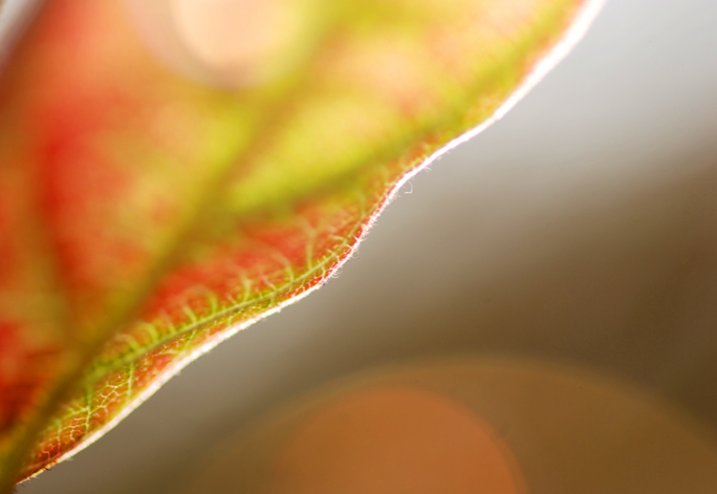
Lines and light can emphasise your subject

Lines and light can emphasize your subject

Macro photography truly is a unique genre of photography. In most of the other types of photography (landscape, portrait, sport, etc.) you want to get the context of your scene in the image. In macro photography, you can literally focus in on what’s important and remove any distractions by simply getting closer. One of the best things about macro photography is that you can do it anywhere, all you need is something to photograph. In my previous article: Getting Started Guide to Macro or Close-Up Photography, I went into some details about what you will need to get started in macro photography. Take a look at that article to be sure that you understand more about the genre of macro photography.

In this article we are going to be looking at getting great abstract images using macro photography.
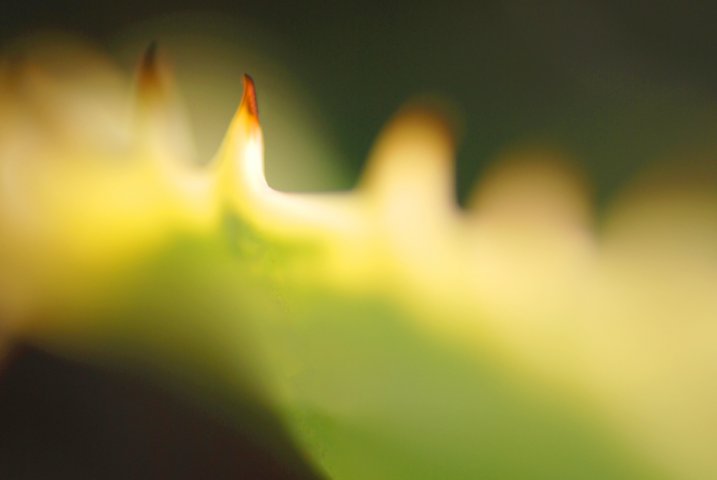
Look for shape and colour

Look for shape and colour

What is abstract macro photography?

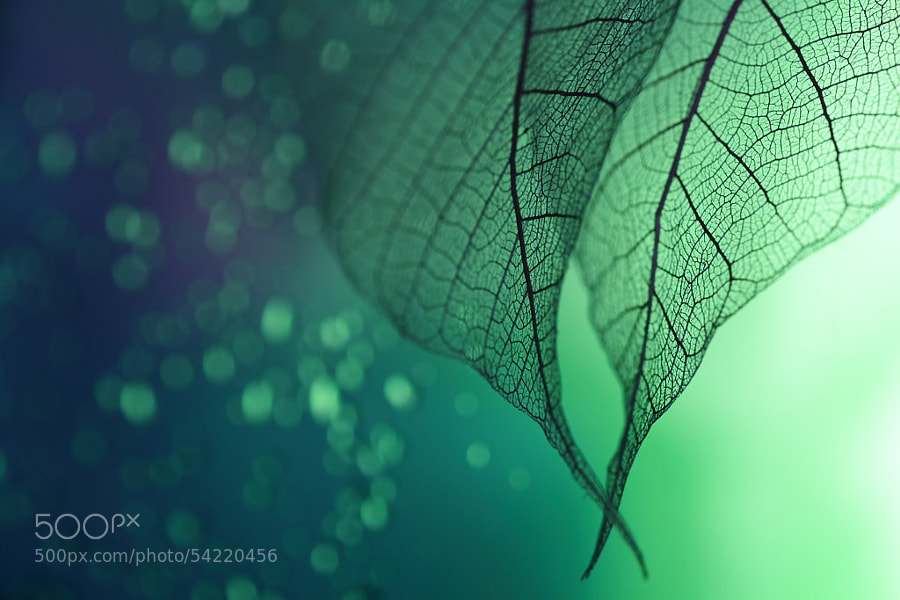
Abstract photography in general is about representing a subject in a non-literal way. The focus of abstract photography is more about colour, shape, and texture as opposed to the literal representation of the subject. Abstract macro photography, takes this to the next level by enabling you to get even closer to your subject, and therefore also able to be more abstract in a sense.

The same guidelines around composition apply, you can use the rule of thirds, curves, and lines to draw the viewer into the image. The difference is, the subject may not be immediately recognizable, your centre of interest might be a colour or a curve of a flower. So for abstract macro photography, you will need to think a little differently.
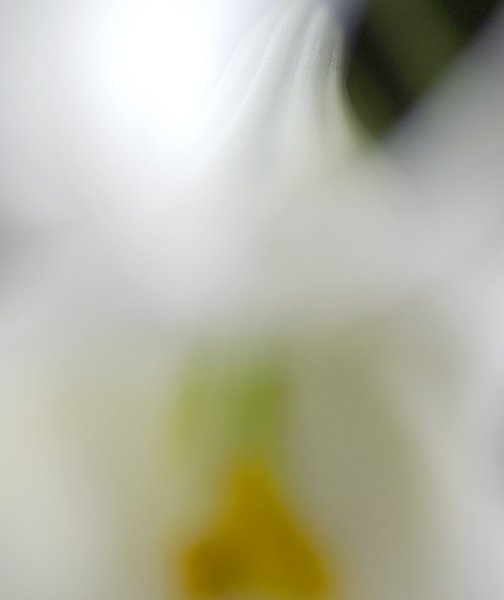
Abstract close up of a lily

Abstract close up of a lily

What will I need?

You will need a macro lens if you want to get in really close. You can use a prime lens like a 50mm, or even an 85mm lens, but for this type of work, a macro lens will work best. The reason is that you want be able to get in close enough to remove all distractions; in other words, you want to fill the frame with your subject. With a macro lens, you can do this. Most macro lenses have the ability to focus on subjects that are really close to the lens. The prime lenses can focus on subjects that are reasonably close, but you may not be able to get in close enough to remove the background.

You will also need to use a tripod. The close focusing ability of the macro lens means that it is very easy for your subject to become out of focus with the slightest movement. Ideally, you will want to have you camera set up with your macro lens mounted, then get that in as close as possible to your subject. Next, you will want to set your aperture to f/8, or higher, and then click onto manual focus to get your subject good and sharp in the frame.
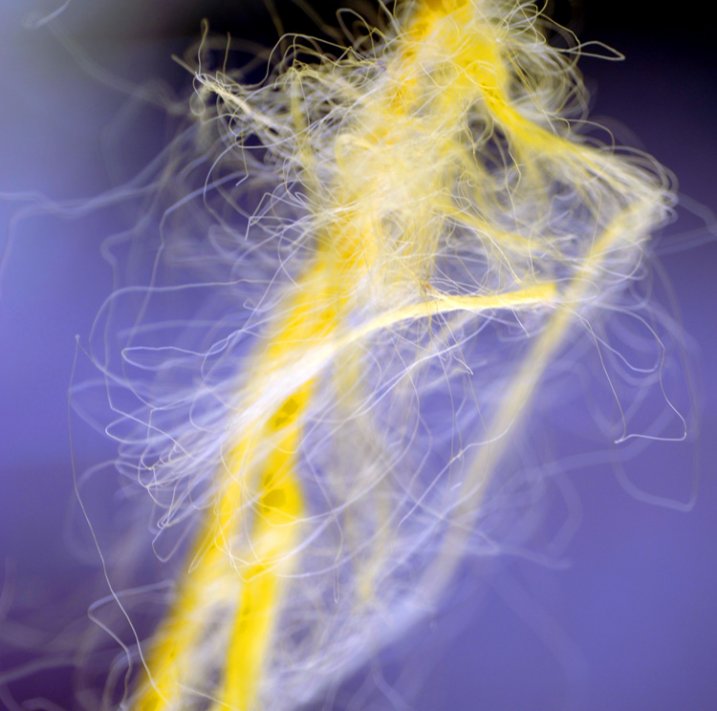
Frayed rope abstract

Frayed rope abstract

What can I photograph?

For abstract macro photography, I find that organic items work best. By organic I mean flowers, wood, fruit, vegetables, and so on. That does not mean you can’t photograph an abstract macro image of a computer keyboard or a coffee cup, but sometimes, these well known shapes are difficult to transform into abstract images. If you are going to photograph a product like a computer or another manufactured product, try shooting it from a different angle or get in very close so that any telltale signs of what it is, will be lost. Ultimately, you can photograph anything that you think will work, but start out with some easy subjects first,  then move on to the trickier ones.
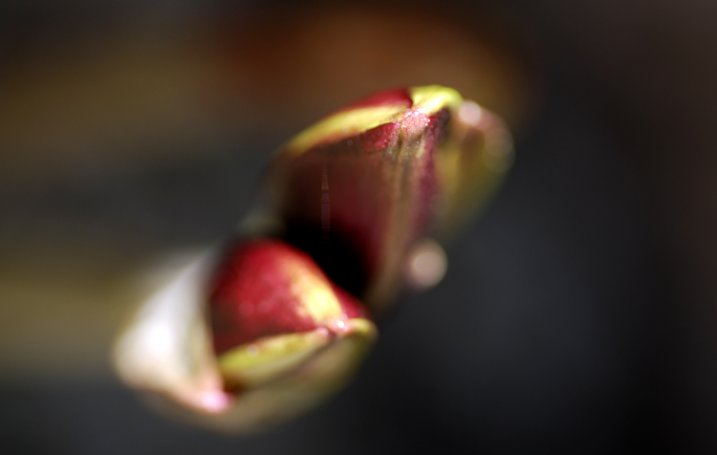
Buds about to bloom

Buds about to bloom

Try this…

Set up your subject and get your camera in position. Look through the viewfinder and start working on your composition. Try some of these pointers to get started and work from there:

  • Work on building your composition – are there any curves, lines, shapes ,or colours that you want to emphasize?
  • Use manual focus to bring even a small part of your image into sharp focus, this will be your centre of interest.
  • Make sure your centre of interest is obvious. In other words it should be in focus, it can be a different colour to the rest of the frame, or it can even be a well defined line or shape in the image
  • Check the exposure to make sure that you are exposing your scene correctly.
  • You can even overexpose slightly. In abstract macro photography, some slight overexposure is okay, as long as it does not distract from the rest of the image
  • Capture the shot
  • Try shooting the same image from a different angle and maybe even a different centre of interest.
  • Take as many images as possible, from different angles, with different focal points.
  • Choose the best three images and edit them in your chosen image editing software.

This is a great indoor project, but you can try this outside too. Shooting macro images outside can be more challenging as the subject may be affected by changes in lighting. If it is a flower or a plant, there may be a slight breeze which can move the flower as you are trying to photograph it. The most important thing is to try this type of photography if you can. It will cause you to think creatively and to look for different things in your image setup. Give it a try and load up your results below – let’s see what you get.
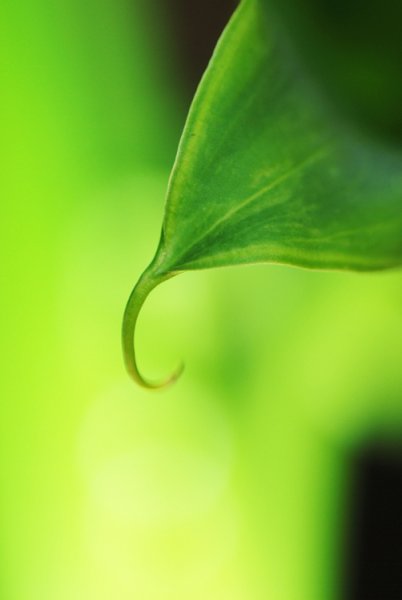
Abstract of a lily leaf
Abstract of a lily leaf


macro-coverWant to learn more about macro photography? Check out Ed Versosky’s Introduction to Close-Up & Macro Photography ebook – just $ 10 (over 30% off) this week with coupon code: DPS. You will need to enter the code to apply the discount.

googletag.cmd.push(function() {
tablet_slots.push( googletag.defineSlot( “/1005424/_dPSv4_tab-all-article-bottom_(300×250)”, [300, 250], “pb-ad-78623” ).addService( googletag.pubads() ) ); } );

googletag.cmd.push(function() {
mobile_slots.push( googletag.defineSlot( “/1005424/_dPSv4_mob-all-article-bottom_(300×250)”, [300, 250], “pb-ad-78158” ).addService( googletag.pubads() ) ); } );

The post Getting Started with Abstract Macro Photography by Barry J Brady appeared first on Digital Photography School.


Digital Photography School

 
Comments Off on Getting Started with Abstract Macro Photography

Posted in Photography


Exploring Abstract Photography: History, Philosophy, Inspiration

07 May

How do you as an artist express an emotion, an idea or a concept without referring back to something already loaded with meaning? How can you explore new visual territory hidden within old subjects you know well? Or what can you do to find some new inspiration and break out of your photographic rut? Abstract photography has the potential to be Continue Reading

The post Exploring Abstract Photography: History, Philosophy, Inspiration appeared first on Photodoto.


Photodoto

 
Comments Off on Exploring Abstract Photography: History, Philosophy, Inspiration

Posted in Photography


Micro Metros: Abstract City Models Carved from Wooden Scraps

27 Oct

[ By WebUrbanist in Art & Sculpture & Craft. ]

wood art on pavement

With the eye of an architect and hand of street artist, James McNabb blends urban inspiration with a fast-paced creation process to make these amazing sketch-like sculptures of all sizes.

wood sculpture offcut art

wood grain closeup detail

woold sculpture james mcnabb

wood art in gallery

His latest series, dubbed Metros (opening at the Robert Fontaine Gallery), follows in the footsteps of Long Nights, Big City Lights, taking exotic and beautiful wood offcuts then chipping, chiseling,, cutting and sawing them into buildings and towers to form abstract skylines.

wood art new piece

wood sculpture urban woodworking

wood sculpture table design

wood sculpture above below

The results reflect a combination of architectural and artistic sensibilities, seeming much like pieces of furniture or sculpture but intentionally crafted without the same slow detail-oriented care we normally associate with those arts.

james mcnabb various woods

jaames mcnabb closeup detail

Seen at a distance, the structural details seem to blur into skylines – up close, like trees in a forest, individual buildings take shape, highlighting differences in form, color, grain and materiality.

Share on Facebook


[ By WebUrbanist in Art & Sculpture & Craft. ]

[ WebUrbanist | Archives | Galleries | Privacy | TOS ]


WebUrbanist

 
Comments Off on Micro Metros: Abstract City Models Carved from Wooden Scraps

Posted in Creativity


Creating Abstract Images in Nature

22 Jul

What is a working definition of “abstract” nature photography? Nature so easily lends itself to subjects realistic and dream-like, but what about abstract? You may have heard it said “If it is recognizable as an object – it is not an abstract,” but let’s challenge that notion.

Abstract pics_0006_Diagonal Lines

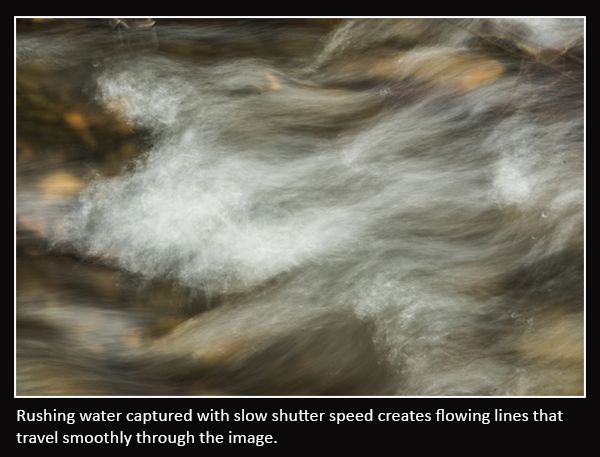
There are no clear rules to abstract photography. The object of the photo may or may not be recognizable. Abstract images may contain a small portion of an object or multiple objects. An abstract will often concentrate on a limited area of a subject that reveals a shape, pattern, form, color or texture. Movement can also create abstract images, such as rushing water or the wind blowing a flower. To capture an image in nature as an abstract, you don’t need any special equipment – just a camera, and the most importantly, your own imagination. What matters most is that your photograph reveals an eye-pleasing image, whether you can identify the actual subject or not.

In this article you are not going to find any magical camera settings to create abstracts, because you need to think “outside the box“. Discovering the right setting is often the key to a great abstract. Don’t be afraid to put your camera in manual mode, and experiment with different apertures and shutter speeds. Remember that your aperture will control your depth of field, and your shutter speed affects the sharpness or blurriness of the image. Likewise, normal rules of image composition do not always apply to abstract photography. The key is to become super-observant, looking for even the smallest of objects with which to create an abstract image.

Where we look to other forms of photography to tell a story or record an event, abstract photography is about capturing an emotion. There are five key elements you want to consider in creating abstract images: lines, shapes, textures, patterns and colors:

Lines

Lines are the base element of design, and their uses are the fundaments of any artistic image.

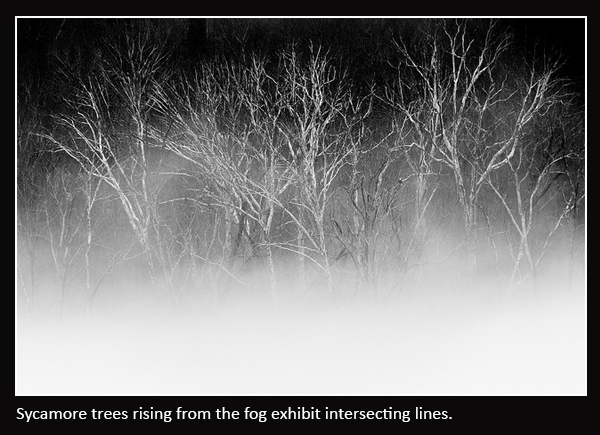
  • Lines that intersect are lines that come from different directions into and out of an image, which can give the viewer a sense of chaos.
  • Curved lines allow the viewer’s eye to explore the image in a smooth free-flowing manner, evincing a much calmer emotion than straight lines.
  • Repetitive lines or lines in repeating patterns manifest a sense of power and predictability, rhythm and movement in an image.
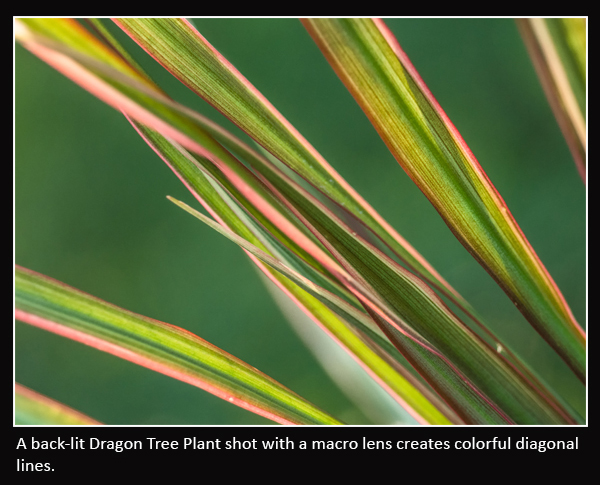
  •  Diagonal lines are more visually pleasing than verticals or horizontals and will lead the viewer’s eyes at a much slower pace than a straight up-down line. (By rotating your camera you can turn your verticals and horizontals into diagonals.)

Abstract pics_0007_out of the fog

Shapes

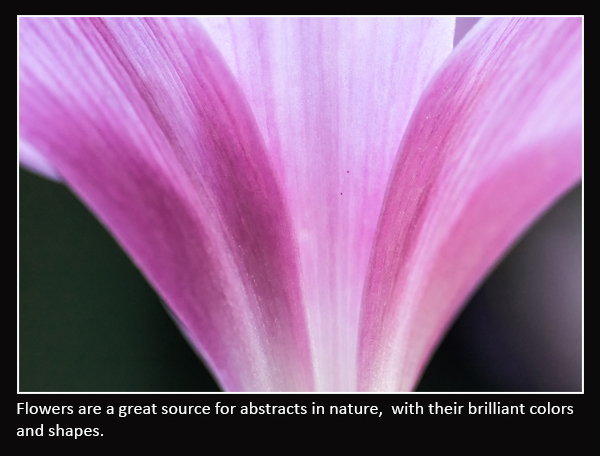
Shapes are found everywhere in nature, and can be used to create visual meaning in a photo. To capture an abstract image, choose a shape that is interesting and pleasing to the eye. It’s very important that the shape creates an emotional response from the viewer; this is called the “wow” factor.

  • Circles evoke flow, continuity and sensuality.
  • Triangles create a sense of stability if set on their base, or precariousness if set on their point.
  • Squares exhibit stability and order.
  • Spirals create a sense of energy, flexibility and life cycles.

pink flower

 Textures

Texture is created by the roughness of a surface and may seem to be completely random. Textures are often a product of lines. Light and shadow create depth (a macro lens can be useful to capture textures).

Abstract pics_0009_rocks

Patterns

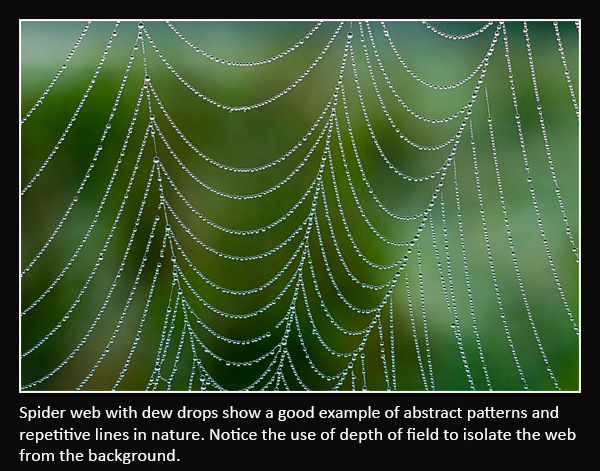
Patterns are similar to textures, but are much more structured. Patterns can sometimes be mathematically composed by Mother Nature, for example; snowflakes and spider webs.

Abstract pics_0001_spiders web

Colors

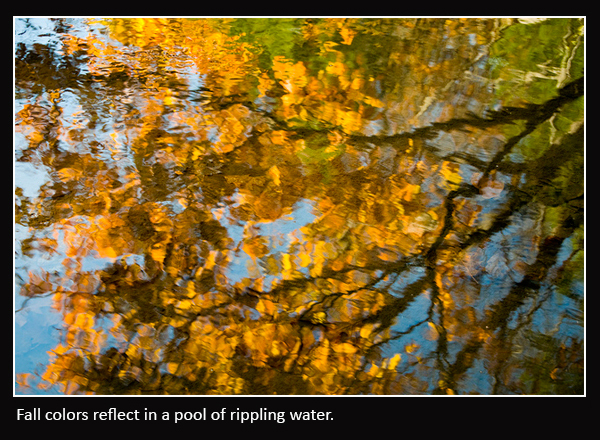
Colors in abstracts are useful in catching your viewer’s attention.  Look for complementary colors as they will hold your viewer’s attention longer.

Abstract pics_0000_fall colors

Some other tips to get started on your photographic nature abstract project:

  • Photograph common objects. Trees, rocks, gravel, seashells, dew drops – even the most common of subjects can produce abstracts.
  • Use depth of field to capture the image you want. Change your F-stop (aperture) to control your depth of field.  This is especially useful when shooting textures, when you may need your entire subject to be tack sharp.
  • Use motion. Using a slow shutter speed to capture objects in motion can create some very interesting effects.
  • Experiment with your white balance. As mentioned earlier, in abstract photography you do not always need to follow the usual rules of   conventional photography and you are free to tweak your white balance to create interesting colors.
  • Adjust color saturation to create pleasing colors and look for complementary colors.
  • Look for creative uses of light for varying effects on your abstracts.

Abstract pics_0005_rushing water

Abstract Blurs

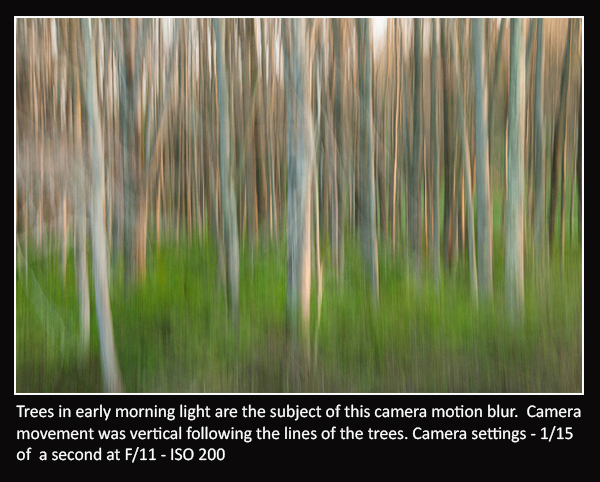
Another method to experiment with uses camera motion to create abstract blurs. Motion blurs are perfect for those nature settings that lack creative inspiration. This method takes a lot of experimentation and you will throw away a lot more images than you keep, but the rewards are worth it when you finally capture that great image. Look for subjects with lines, bright colors and good contrast, like trees and flowers. Warning: this method can become addicting!

Abstract pics_0003_first light

To set up your camera for abstract blurs:

  1. Set the camera to manual or shutter priority, which ever you are most comfortable with using.
  2. Set your ISO as low as possible.
  3. Set shutter speed between 1/4 and 1/20, depending on what your subject is and how close you are to it. Far-off objects may require a slower shutter speed than closer ones to get the blurred effect.
  4. Adjust your aperture to get a good exposure as you would normally do for any image.
  5. Look for lower light conditions such as early morning or late evening which will allow for slower shutter speeds without the need of using a very small aperture. It may become necessary to use a Neutral Density filter if your scene is too bright.
  6. Set your Focus. It is important to focus your camera on the subject even though your resulting image will not appear to be in focus. Press your shutter release half way down to focus on your main subject (back button focus can be a useful tool here).
  7. Now with your subject still in focus, move your camera to follow the lines of your subject, depressing the shutter as you pass by your main subject, it is important to follow through after the shutter is closed. This will keep all your color tones consistent all the way through your exposure. Experiment with the speed of your camera movement to find the best result.
  8. Repeat, until you get a result that is pleasing.

In conclusion, the next time you are out with your camera, be observant and look for visual details and interesting ways to express your emotional and artistic viewpoint with an abstract image found in nature. If you have any other ideas on how to make abstracts in nature, please share in the comments below.

The post Creating Abstract Images in Nature by Bruce Wunderlich appeared first on Digital Photography School.


Digital Photography School

 
Comments Off on Creating Abstract Images in Nature

Posted in Photography


The World of Fantasy: 40 Surreal Abstract Photography Examples

31 May

The concept of abstract photography is what appears to the eyes as random swathes of color and shapes tossed into a scene. A photographer takes an otherwise ordinary shot and takes it at just the right angle or focus to create a masterpiece of colors, patterns and textures. Abstract photography is totally based on your photographic eye. It’s when you’re Continue Reading

The post The World of Fantasy: 40 Surreal Abstract Photography Examples appeared first on Photodoto.


Photodoto

 
Comments Off on The World of Fantasy: 40 Surreal Abstract Photography Examples

Posted in Photography


Abstract Photos to Inspire You

10 May

This week I want to get you thinking outside the box, and looking at ordinary things differently. Earlier in the week James Maher wrote How to do Great Photography Even When Your Surroundings are Boring so continuing on that path is some abstract photography which is a great way to photograph around home to create something different. 

So here are a few abstract photos to give you some ideas and inspiration

Photograph Color Explosion 1 by Margaret Morgan on 500px

Color Explosion 1 by Margaret Morgan on 500px

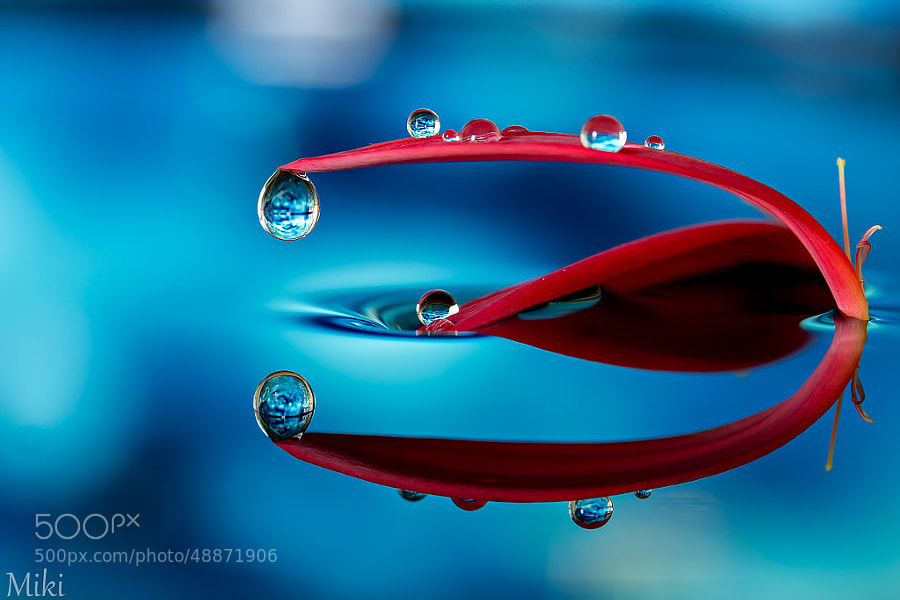
Photograph Abstract Red & Blue by Miki Asai on 500px

Abstract Red & Blue by Miki Asai on 500px

Photograph layered ripples by Mazin Alrasheed Alzain on 500px

layered ripples by Mazin Alrasheed Alzain on 500px

Photograph Watercolours by Whatshisname  on 500px

Watercolours by Whatshisname on 500px

Photograph Rang Barse by Rahul Tripathi on 500px

Rang Barse by Rahul Tripathi on 500px

Photograph Jumping Colors by Markus Reugels on 500px

Jumping Colors by Markus Reugels on 500px

Photograph Hidden Sapphire by Ganjar Rahayu on 500px

Hidden Sapphire by Ganjar Rahayu on 500px

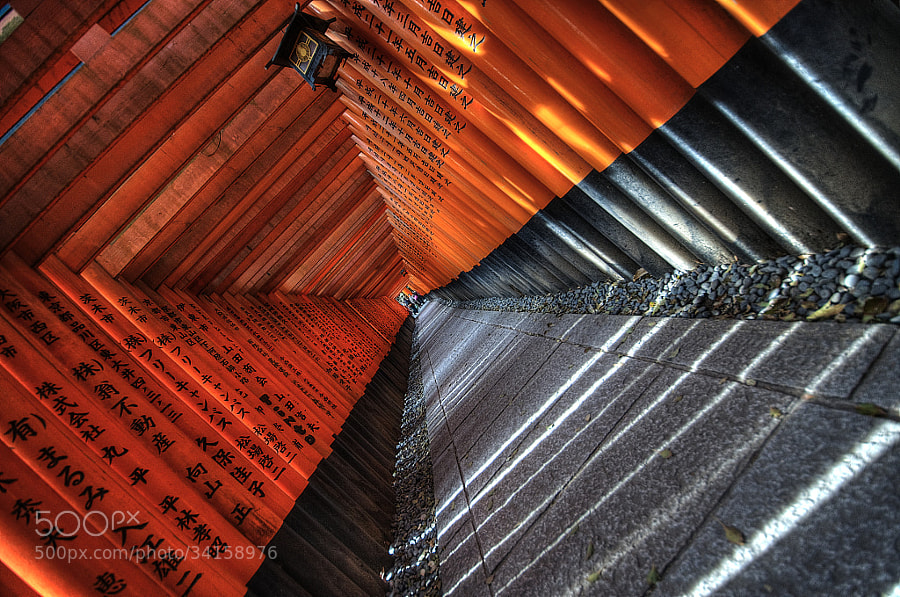
Photograph Fushimi Inari Shrine by César Asensio Marco on 500px

Fushimi Inari Shrine by César Asensio Marco on 500px

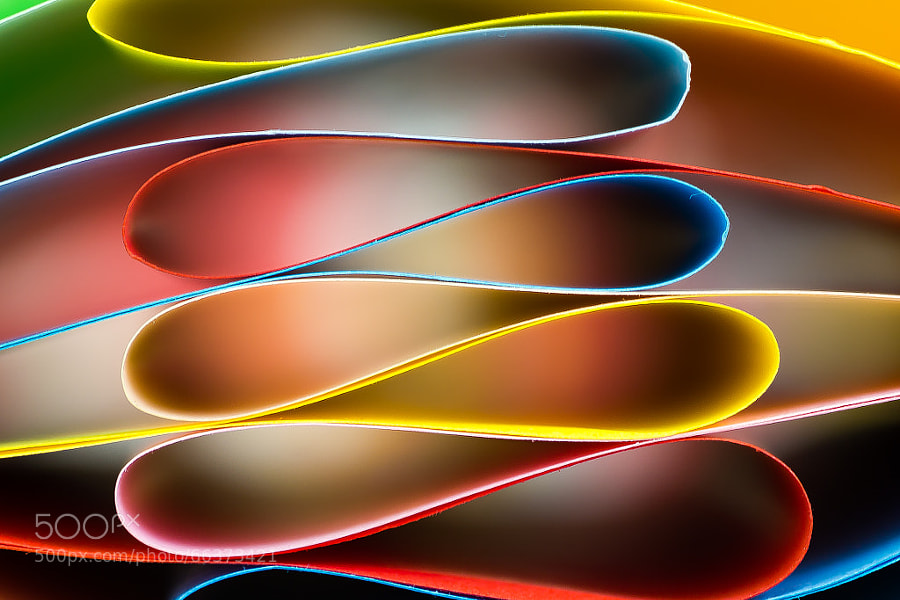
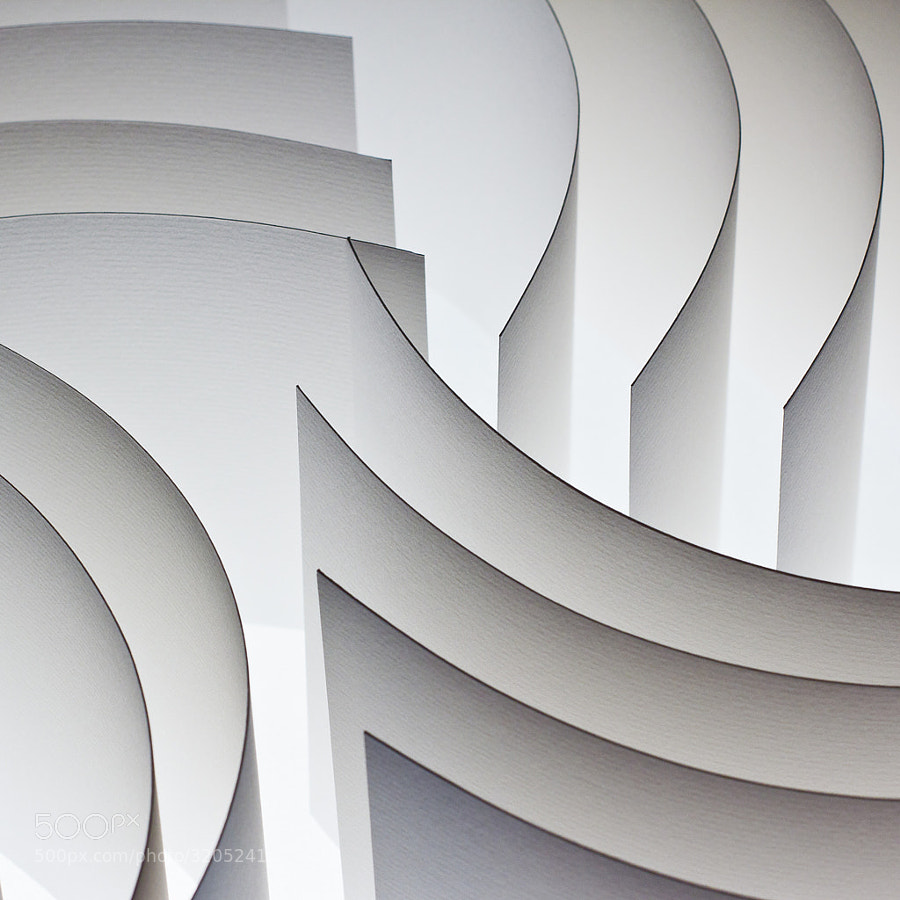
Photograph Paper by Peter Simonides on 500px

Paper by Peter Simonides on 500px

Photograph Pale love story by Shihya Kowatari on 500px

Pale love story by Shihya Kowatari on 500px

Photograph Abstract. by Santopietro  Ciro on 500px

Abstract. by Santopietro Ciro on 500px

Photograph Apart ... by Ahmed Abdulazim on 500px

Apart … by Ahmed Abdulazim on 500px

Photograph Soap Film by Markus Reugels on 500px

Soap Film by Markus Reugels on 500px

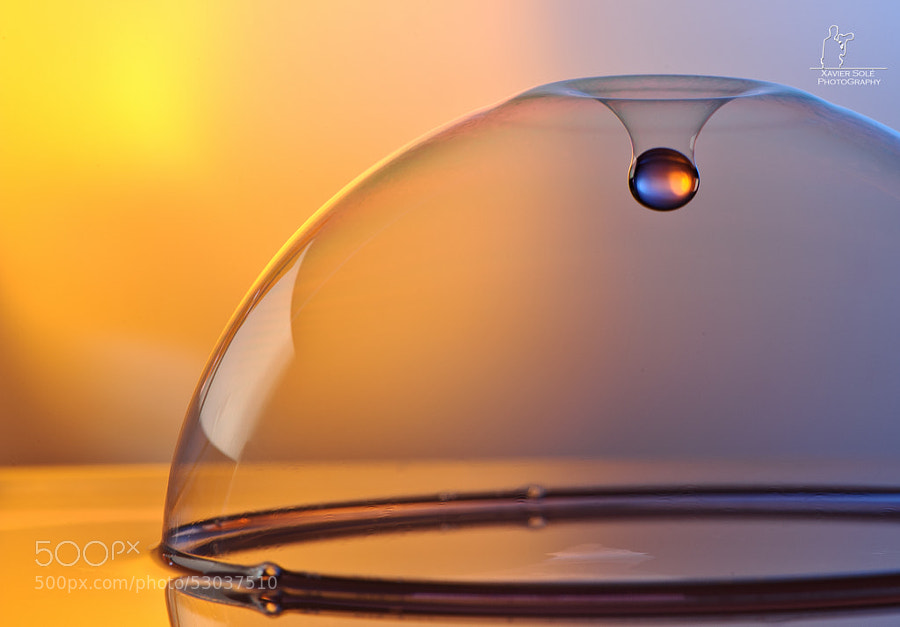
Photograph Untitled by Xavier Solé Guimerà on 500px

Untitled by Xavier Solé Guimerà on 500px

Photograph Cøøking Art by Silver Paul on 500px

Cøøking Art by Silver Paul on 500px

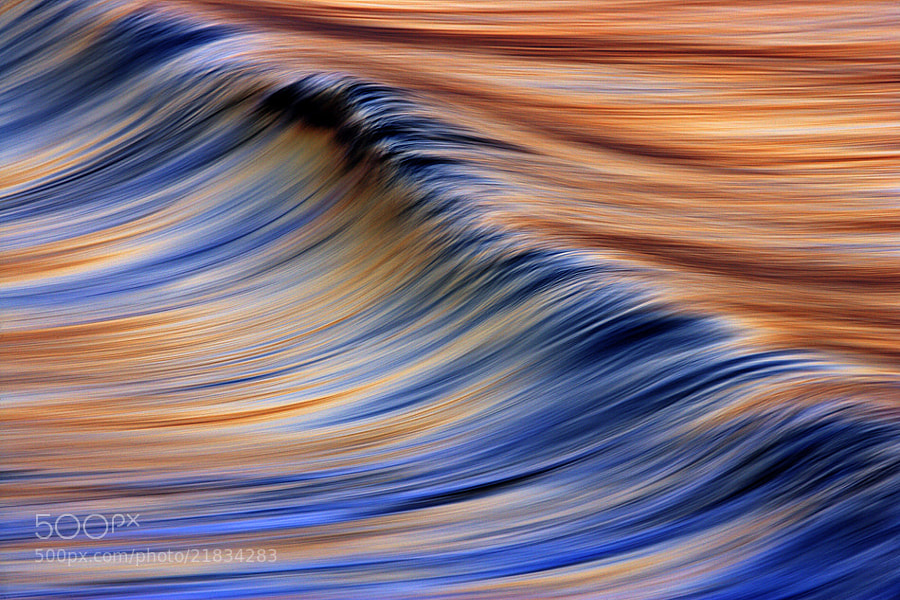
Photograph C6J7799 Abstract Wave #3 by David Orias on 500px

C6J7799 Abstract Wave #3 by David Orias on 500px

Photograph Bokehlism by Suradej Chuephanich on 500px

Bokehlism by Suradej Chuephanich on 500px

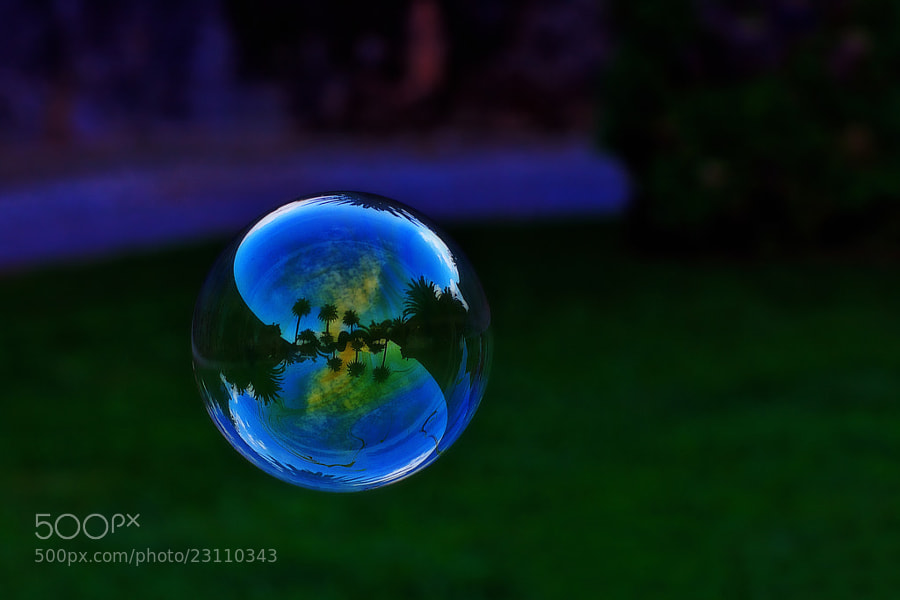
Photograph Garden Bubble by Ricardo  Alves on 500px

Garden Bubble by Ricardo Alves on 500px

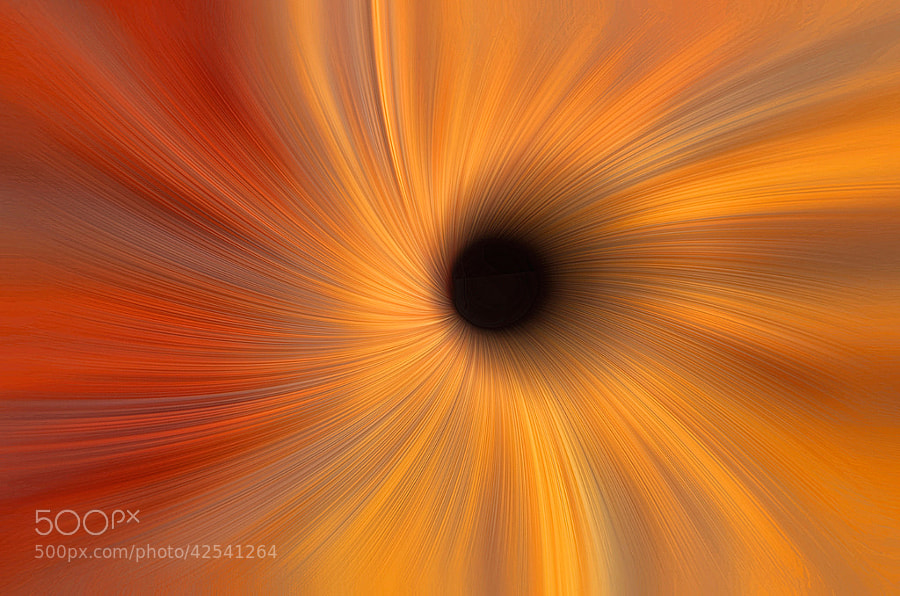
Photograph Black Hole Abstract by Alan Borror on 500px

Black Hole Abstract by Alan Borror on 500px

Photograph Abstract by Samir Salim on 500px

Abstract by Samir Salim on 500px

Photograph Shells by Jared Lim on 500px

Shells by Jared Lim on 500px

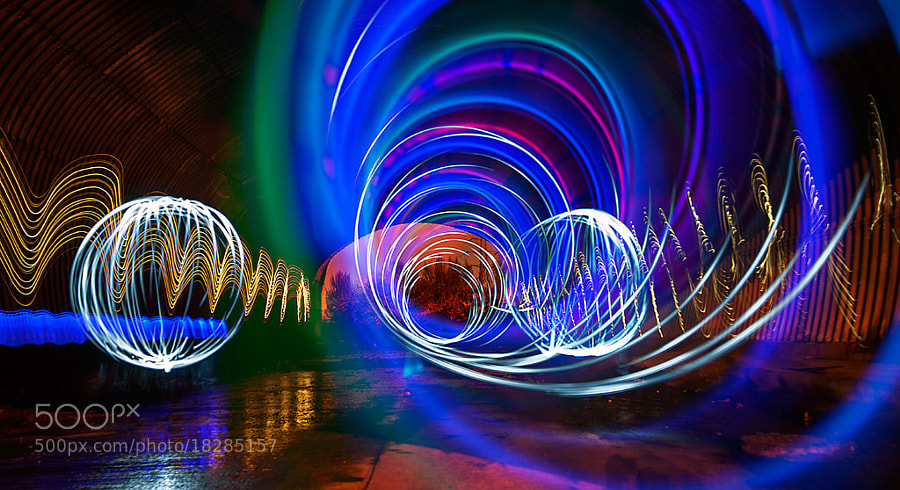
Photograph Painting with light by Mike Pearce on 500px

Painting with light by Mike Pearce on 500px

Photograph Hola {CERO} by Uxio  on 500px

Hola {CERO} by Uxio on 500px

Photograph Painted Water ... by Ewa Frye on 500px

Painted Water … by Ewa Frye on 500px

Photograph Reflection by Yonko Dikov on 500px

Reflection by Yonko Dikov on 500px

Photograph Whirl by Shihya Kowatari on 500px

Whirl by Shihya Kowatari on 500px

Photograph 70/365 Fork((((s)))) by Mark DeCamp on 500px

70/365 Fork((((s)))) by Mark DeCamp on 500px

Photograph A Singular One by Eleonora Di Primo on 500px

A Singular One by Eleonora Di Primo on 500px

Photograph Curved Bench by Peter Crock on 500px

Curved Bench by Peter Crock on 500px

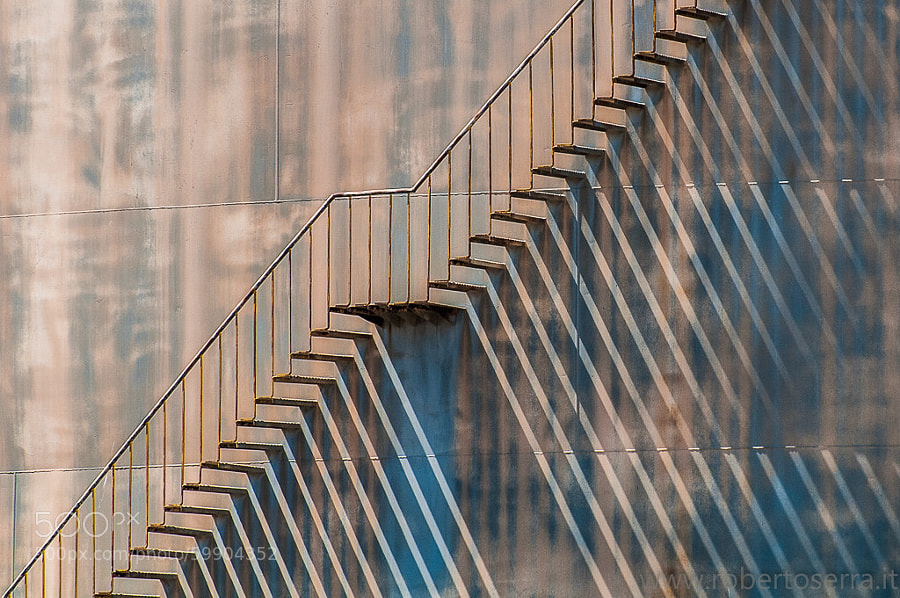
Photograph shadow of the stairs by Roberto Serra on 500px

shadow of the stairs by Roberto Serra on 500px

Photograph Where shadows go by Olga Bekker on 500px

Where shadows go by Olga Bekker on 500px

Photograph Moden Camping by Toby Harriman on 500px

Moden Camping by Toby Harriman on 500px

Photograph Shadow play by Guru Nandha on 500px

Shadow play by Guru Nandha on 500px

Photograph green tsunami by Wael Massalkhi on 500px

green tsunami by Wael Massalkhi on 500px

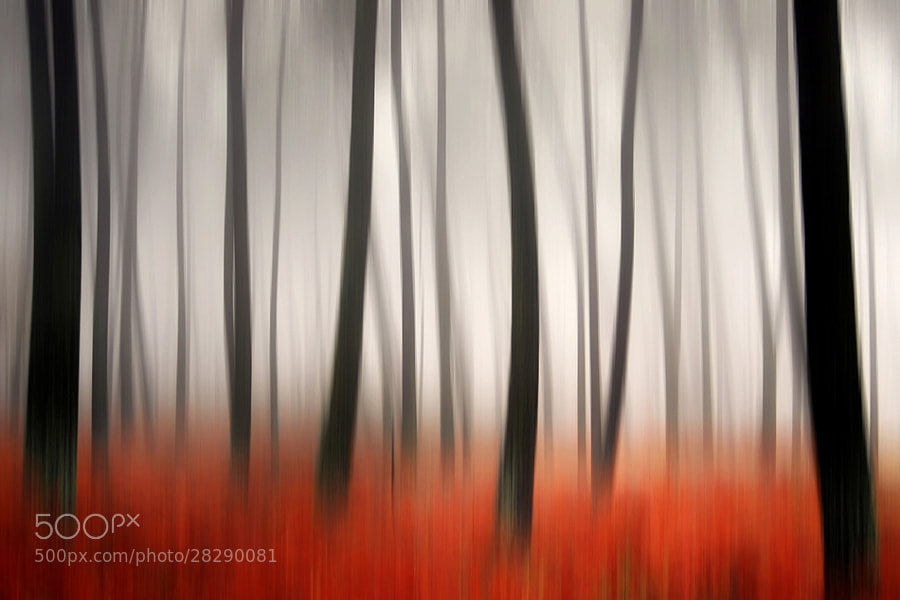
Photograph Warp:tree by Fahad Abdulhameed on 500px

Warp:tree by Fahad Abdulhameed on 500px

Photograph Like a mica by kazumi Ishikawa on 500px

Like a mica by kazumi Ishikawa on 500px

Photograph 50 days 50 shots - File 17 by Carlos Silva "Avlisilva" on 500px

50 days 50 shots – File 17 by Carlos Silva "Avlisilva" on 500px

The post Abstract Photos to Inspire You by Darlene Hildebrandt appeared first on Digital Photography School.


Digital Photography School

 
Comments Off on Abstract Photos to Inspire You

Posted in Photography


Weekly Photography Challenge – Abstract Photography

10 May

Earlier I shared some inspiring abstract photos to help get you motivated and give you some ideas for this week’s photography challenge:

Abstract Photography

By Dagny Mol

Definition of abstract in relation to art

1ab·stract  adjective \ab-?strakt, ?ab-?\

  • expressing ideas and emotions by using elements such as colors and lines without attempting to create a realistic picture
  • A trend in painting and sculpture in the twentieth century. Abstract art seeks to break away from traditional representation of physical objects. It explores the relationships of forms and colors, whereas more traditional art represents the world in recognizable images.

Basically what that means if you’ve never done any abstract photography is shoot your subject in a way that it is either somewhat or totally unrecognizable. Concentrate on shapes, colors, and form and less on the thing in the photo. Shooting for abstract is a great exercise to help you train your eye to see “photographically” and get more creative.

So if you tend towards technically perfect images, it’s time to get outside your comfort zone and do something different. Make ones that are out of focus blobs of bokeh, under or overexposed, shadows, reflections, zoomed images, focused on patterns, macro photography or close-ups, and other crazy ideas. The whole idea here it to play around and see what you get. The key phrase for this challenge is:

What if I . . . ?

Need some more ideas? Here are a few images to get you started.

By Riccardo Cuppini

By @Doug88888

By Kevin Dooley

By @Doug88888

By @Doug88888

By Hector Lazo

By Tony Hall

By Geraint Rowland

By Claudio.Ar

Share your abstract photos!

Simply upload your shot into the comment field (look for the little camera icon in the Disqus comments section as pictured below) and they’ll get embedded for us all to see or if you’d prefer upload them to your favourite photo sharing site and leave the link to them.

The post Weekly Photography Challenge – Abstract Photography by Darlene Hildebrandt appeared first on Digital Photography School.


Digital Photography School

 
Comments Off on Weekly Photography Challenge – Abstract Photography

Posted in Photography


21 Abstract Images of Christmas Lights

04 Jan

It’s well into 2014 now but hopefully you still have some festive feelings stirring inside you, eager to create something! Today let’s look at Christmas lights in a different way, simply as blogs of light. Just think what you can do with those blogs using some fun ideas with long exposures like zooming and moving the camera.

For some tips on how they might have done this here’s some reading on the subject:

  • How it was Done – Zooming the Exposure
  • 3 Tips for Creating Dramatic Images using Motion
  • Impressionist Photo Techniques

21 Abstract Images of Christmas Lights

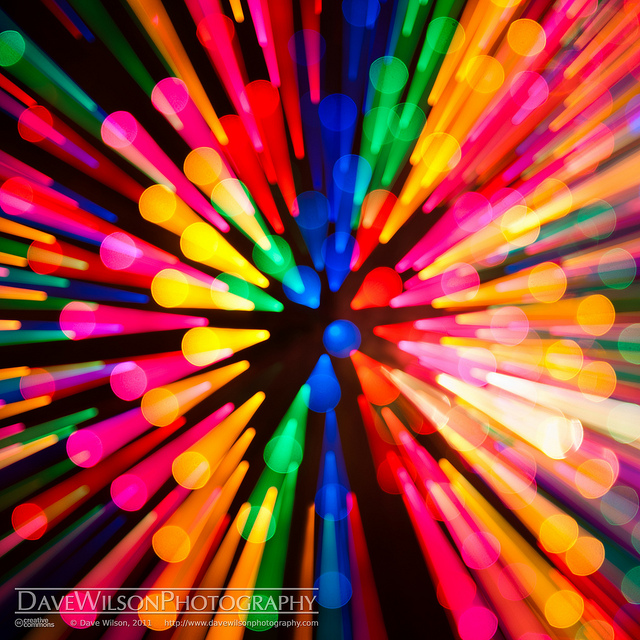
By Dave Wilson

By Alex Dram

By Kevin Dooley

By Kevin Dooley

By Kevin Dooley

By James Marvin Phelps

By Kevin Dooley

By cobalt123

By tanakawho

By Jon Matthies

By Dave Wilson

By Scott Mohrman Photography

By Ricardo Wang

By Steve Crane

By cobalt123

By Thomas Quine

By Dave Wilson

By Daniel Pietzsch

By Mrs eNil

By Visual Artist Frank Bonilla

By Keoni Cabral

By inabeanpod

By Steve Corey

By Mo

The post 21 Abstract Images of Christmas Lights by Darlene Hildebrandt appeared first on Digital Photography School.


Digital Photography School

 
Comments Off on 21 Abstract Images of Christmas Lights

Posted in Photography


From Abstract to Actual: Unrealistic Art Models Made Real

20 Jul

[ By Delana in Art & Drawing & Digital. ]
Gelber Narrenhut

Some of the world’s greatest abstract artists have created portraits of humans that, while inspired by the human form, have completely dispensed with any actual human’s natural proportions.

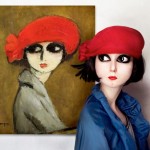
woman in green hat

Hungarian artist Flora Borsi decided to take some of those abstract paintings and digitally create what the models would look like if the paintings were realistic depictions of real humans.

the corn poppy

The results are equal parts entertaining and disturbing. Elongated necks, exaggerated facial features, and impossible proportions make the subjects look vaguely human but not quite what we would expect from actual human models standing next to the portraits they inspired.

bust of woman

The paintings of Modigliani, Picasso, Malevich and more are given the unusual treatment of working backwards to create something new from an already-existing piece of art.

polish woman

Entitled “The Real Life Models,” the project is one that takes you a bit by surprise. Seeing these human forms outside of their respective paintings only highlights how creative and liberal the artists were in painting the original pieces.

american gothic subjects

Borsi did include in her series one real historic photo of models next to the painting they inspired. The older couple who actually posed for Grant Wood’s “American Gothic” are pictured next to their own portrait, looking nearly as sullen as they do in the painting.

Share on Facebook


[ By Delana in Art & Drawing & Digital. ]

[ WebUrbanist | Archives | Galleries | Privacy | TOS ]


WebUrbanist

 
Comments Off on From Abstract to Actual: Unrealistic Art Models Made Real

Posted in Creativity


Make Rad Abstract Photos From Milk and Food Coloring

18 Jul

Extra photos for bloggers: 1, 2, 3

Picasso had his paint brush, Michelangelo had his marble, Escher had his sketchbook, and now you have a milk carton?

Strange as it may sound, you can make twisted tie-dye swirls and churning volcanos of color by simply mixing milk, soap, and a little food coloring.

This is the stuff of dreams if you are one of those photographic Jackson Pollocks who gets their jollies from abstract snaps.

Plus, you don’t need any fancy gear and all it costs is lunch money.

Poke your head in the pantry, swing by the fridge, check under the sink, and in minutes you’ll be making your own Moona Lisa.

Make a Modern Milksterpiece

p.s. We’re hiring for an amazing opening at Photojojo. We’re looking to re-invent what/how/where we publish online, and we’re seeking one amazing somebody to lead the charge. Learn more and apply for our Editorial & Community Lead.

Why It’s Cool:

Your fifth grade baking soda volcano may not have turned out so well, but take our word for it this experiment is an easy and fun way to make abstract art!

You never know what creations will come out of this churning rainbow wonderland and it’s good times for everyone from kids to Great Aunt Edna.

And although it’s quick and easy to clean up, it won’t be short on the wow factor.

Milk swirls in Action from Photojojo loves you on Vimeo.

The Ingredients:

  • Whole or 2% milk
  • Dinner Plate
  • Food coloring (red, blue, green, yellow)
  • Dish-washing soap (Dawn seems to work well)
  • Q-tips

STEP 1: Pour the Milk

beforeSet your dinner plate somewhere level and safe from getting knocked over, and then pour in a layer of milk.

A thin coat will do, you don’t need to go overboard.

STEP 2: Add a Dash of Color

beforeGrab your droppers of food coloring and add a few drops of each color to the center of your plate of milk.

The food coloring will allow you to see the reaction that happens in the next step so feel free to experiment with the placement of your dye drops for different effects.

STEP 3: Get Soapy

beforeApply a good dollop of dish soap to one end of a clean Q-tip.

Twirl the soap around a bit to make sure the whole cotton swab is coated.

STEP 4: Dip Your Q-Tip

beforeDab your soapy swab into your milk and dye mixture and watch the colorful explosion!

You can keep dipping your Q-tip and reapplying soap to create new shapes, colors, and textures.

STEP 5: Capture the Color

beforeGrab a phone, compact, or DSLR and start snapping.

We found that increasing the saturation, contrast, and sharpening, helps to get pictures that really pop.

If you are using a phone, you can do this after the fact with an app like Photoshop Express or Pixlr.

Try using a macro lens with your phone or DSLR for super close ups.

Also, using a fast shutter speed will help prevent the moving colors from blurring.

You can experiment with new color combinations, try using a different type of milk, drop colors around at random, use two or three Q-tips at once, or anything else you can think of to spice up your pics.

Taking It Further

  • Setup your milk and dye in a glass dish and shine a bright light through the bottom for an illuminating effect.
  • See what other experiments you can turn into works of art like steel wool lightpaninting, create photos using plants, or develope film with coffee!
  • Try photographing your food coloring dropped into water for some fantasticly abstract results.

Many thanks to Casetofoane for use of their song ’90′ in our video!

Related posts:

  1. How to Create Coloring Book Pages Using Your Very Own Photos! Extra photos for bloggers: 1, 2 Imagine a world where…
  2. Coloring Pages from Your Photos in 3 Easy Steps So we were walking around Toys R Us the other…
  3. Photo Food Tags: A Thanksgiving DIY Project Extra photos for bloggers: 1, 2, 3 Thanksgiving at your…


Photojojo

 
Comments Off on Make Rad Abstract Photos From Milk and Food Coloring

Posted in Equipment