RSS
 

Archive for August, 2017

Advertising vs reality: microSD memory card speed test

08 Aug

When you’re purchasing a new memory card, the card’s “read” and “write” speed is an important spec. If it’s too slow, you might pass on the card; if that number is big enough, you break out your wallet. But are those speeds accurate? In this video, Tom David Frey of Tom’s Tech Time tested 10 different microSD cards to see how the advertised speeds on the box compare to real-world performance. The results are mostly disappointing… but not surprising.

Frey tested the top-of-the-line microSD cards out there—all 4K-ready, speed class 10 and UHS class 3. And while we wish the test involved regular SD cards, CF cards or XQD cards, since those are more relevant to photographers, the difference between the cards’ read/write speed and real-world performance is still telling. Plus, drone photographers need some love too.

The cards tested include: The SanDisk Extreme PRO, Sandisk Extreme, Transcend Ultimate 633x, Samsung PRO, Sony SR-32UZ, Kingston, Panasonic, Toshiba Exceria Pro, Verbatim, and Patriot EP Series in either 16GB or 32GB sizes. Here are the contenders alongside their advertised read and write speeds:

Frey performed two tests. First, he used a USB 3.0 card reader and ran several programs to test the actual read/write speeds. Then, he took a 4.1GB video file from his hard drive and copied it to each of the cards in turn to gauge real-world write speed.

So… how did these cards perform in real life? All of them (except Panasonic, which doesn’t give read and write speeds…) advertise read speeds of 90MB/s and up, and the fastest of them claim a write speed of 90MB/s. But not a single card topped even 80MB/s read speed, and the fastest write speed reached was 78.81MB/s by the SanDisk Extreme PRO.

The good news is that some of the cards actually outperformed their advertised write speeds, but none of them were the cards claiming lightning fast 90MB/s write.

You can see all of the results for yourself at the 7:30 mark of the video.

Articles: Digital Photography Review (dpreview.com)

 
Comments Off on Advertising vs reality: microSD memory card speed test

Posted in Uncategorized


NatGeo and Airbnb will send two people to view the eclipse from a private jet

08 Aug

Two lucky people will get to view the August 21st solar eclipse from a private jet above the clouds thanks to Airbnb and National Geographic, proceeded by a night in a geodesic dome in the Oregon wilderness. The experience is being offered by the two companies in the form of a contest, which you can enter now on Airbnb’s website. Those who go on the private flight will be among the first to see the solar eclipse.

According to Airbnb, the night before the eclipse will be spent in the geodesic dome located near hiking and rock-climbing destination Smith Rock in the Oregon wilderness. The duo will be accompanied by Yale University astrophysicist Dr. Jedidah Isler and National Geographic photographer and science journalist Babak Tafreshi.

An observation deck on the dome includes multiple telescopes, and as you gaze at the heavens Isler will answer questions related to astrophysics while Tafreshi teaches you how to photograph the night sky… not bad. But that’s not the best part.

On August 21st, the two winners, Isler, and a crew will take off from the Redmond Municipal Airport and fly two hours west, at which point the flight will turn around and head back toward land along the Path of Totality, giving everyone onboard an extended, unique view of the total solar eclipse.

Anyone 21 years old or older from the U.S. or Canada can enter the contest. Winners will need to travel to Seattle, Washington on August 20, and must have passports that are valid for at least six months following the date of the adventure. The full list of rules and conditions are listed on Airbnb’s website.

Articles: Digital Photography Review (dpreview.com)

 
Comments Off on NatGeo and Airbnb will send two people to view the eclipse from a private jet

Posted in Uncategorized


4 Lessons for Aspiring Family Portrait Photographers

08 Aug

Over the past four years as my wife and I have done more family photography we have learned quite a bit. Going through some of those early shots I’m sometimes amazed that anyone paid us money for them at all! Self-reflection is critical not just for photographers, but any artist and indeed anyone who wants to improve at a given skill over time. In thinking about what has worked and what hasn’t worked I repeatedly noticed four key elements that I wanted to share with you. Hopefully, these will be useful to you if you are just starting out as a family portrait photographer, and you won’t have to make the same mistakes I did as I was learning them!

4 Lessons for Aspiring Family Portrait Photographers

1. Location, location, location

I live in Stillwater, Oklahoma, and there’s a spot in the middle of our town that a lot of people think is the ideal location for photography. It’s called Theta Pond and sits in the heart of the campus of our very own Oklahoma State University.

When you go there for an afternoon stroll it’s almost impossible not to be taken in by the beautiful flowers, towering trees, and flocks of waterfowl that dot the serene landscape. There are stone paths, wooden bridges, and several fountains sending water high into the air. They all combine to create a scene which practically screams “Do your family portrait photography here!” So a lot of people do just that, and it’s how I started out as well.

4 Lessons for Aspiring Family Portrait Photographers

You might think a location like this would be ideal for family photos. But you’d be wrong.

Your town probably has a Theta Pond too; a park, garden, waterway, or another setting that seems like it has been tailor-made for capturing poster-size prints of happy families with cute kids. However, if your town is anything like mine, your Theta Pond is probably one of the last places you really want to shoot.

Great for a picnic, not always optimal for portrait sessions

While locations like these are ideal for getting out and enjoying nature, they are often plagued by a host of other issues that make it quite difficult for taking good pictures. There’s traffic whizzing by in the background, people walking around and getting in the way of your shots, and trash bins and informational signs scattered all about. And then there’s the matter of all those ducks and geese you’ll find at just about any pond, lake, or river. You might think they’re fun to have around but they leave some nasty messes behind that can stain jeans and ruin dresses if you ever want your clients to sit on the ground.

4 Lessons for Aspiring Family Portrait Photographers

The kids look great in this photo, but there are way too many distractions in the background including a person walking through the frame between the boys. I actually gave this shot to a client and even though she liked it, I have since learned that I prefer to go to other locations for photo sessions.

When I started getting more serious with family portrait photography I began looking at other places besides just what was popular, and found that a whole new world of opportunities opened up for me. I found places off the beaten path that were much more convenient for me and my clients to meet, much less crowded, and often just as scenic and pretty.

Your subjects take priority over the background

Also, it’s important that you find locations which complement your subjects and don’t distract the viewers. The local botanical garden might seem like a great place for a photo session. But you may end up taking your viewers’ attention away from the people and putting it on the plants and flowers by accident. Nowadays I like simple groves of trees, empty fields, or old barns and farm settings that aren’t flashy but make for great photography. Wherever you shoot your photos, choose your locations intentionally such that they fit your photography and your subjects, not just because a friend thinks it would be pretty.

Wherever you shoot your family portrait photography, choose your locations intentionally such that they fit your style and your subjects, not just because a friend thinks it would be pretty.

4 Lessons for Aspiring Family Portrait Photographers

This location may not be as flashy, fancy, or popular as a park with fountains, but that’s exactly why I like it so much for photography sessions.

2. There’s no substitute for good lighting

This second rule works in tandem with the first regarding location. Wherever you choose to do your photo sessions, you need to make sure to pay attention to lighting. Great photographers can wrest beautiful images from the most challenging lighting conditions. But for the rest of us mere mortals, it’s essential to stick to the fundamentals. For family sessions that usually comes down to two basic tips: be careful when shooting in broad daylight, and make sure your subjects are evenly lit.

Avoid direct sunlight

Bright sunlight is, contrary to what some beginning photographers may think, far from ideal in terms of taking good photos of people. The harsh overhead lighting often creates shadows, causes people to squint, and results in uneven lighting across the entire frame with some parts of a picture being very bright and others ending up quite dark. You don’t want Grandma looking perfect while Grandpa is squinting to keep the sun out of his eyes, or bright patches of light showing up on shirts and ruining haircuts.

Use even diffused light

Fortunately, it’s not too difficult to make sure your subjects are well-lit even if you are shooting at high noon, as long as you are aware of your surroundings and use the elements to your advantage. Look for buildings that cast nice long shadows, overhangs that you can stand beneath, or even trees that block out a lot of the sun and allow for nice even lighting.

4 Lessons for Aspiring Family Portrait Photographers

I had this family sit in a park shelter to combat the harsh overhead sun. They’re evenly lit and properly exposed, which is what really mattered to me when taking the shot.

You can also use accessories like a diffusion panel to cast a pleasing shadow on your subjects which help mitigate the effects of harsh, bright sunlight.

4 Lessons for Aspiring Family Portrait Photographers

These videographers are using a diffusion panel to make sure their subject is evenly lit, despite the harsh overhead sunlight. The background will be overexposed, but that’s fine because the person being filmed is going to look fantastic.

Shoot at golden hour

Another option is to forego the afternoon hours entirely and shoot photos during what’s known as the golden hour. This generally starts about an hour prior to sunset (or from sunrise to an hour after) but can vary depending on your exact location.

During this short window of time, the sun is low on the horizon and it bathes your scene in a rich, warm light that is amazing for portraits. You can have your subjects stand almost anywhere and face any direction, or ask them to face the sun which will make their eyes sparkle nice and bright. Everything looks so rich and beautiful during this time, but it passes quickly so make sure to use your time wisely and work efficiently to get the shots you want.

4 Lessons for Aspiring Family Portrait Photographers

I shot this as the sun was setting which resulted in rich, deep colors. I also put these kids in the shadow of a tree to make sure they were evenly lit, which resulted in a pleasing picture overall.

The message that I hope I’m conveying here is that there’s just no substitute for good lighting. I didn’t touch on things like off-camera flash which can also be used to manipulate the light in a scene. But if you’re looking to get started with family, child, or senior portraits one of the best things you can do is use the tools you already have to make sure your subjects are evenly lit and properly exposed.

You can fix a lot of things in Lightroom and Photoshop afterward, but poor lighting isn’t really one of them.

3. Know your camera settings and how to change them

There’s an old Greek amorphism, gnothi seauton, which has been the basis for countless philosophical discussions over the ages. Roughly translated, it means know thyself and often functions as an exhortation for an individual to be intimately aware of who they are, what makes them tick, what their goals in life are, etc.

Even in the most controlled studio environment, things can change at a moment’s notice, and often there isn’t much you can do about it. So it’s important to know your camera settings and how to change them if you need to fast.

4 Lessons for Aspiring Family Portrait Photographers

Your camera might have so many buttons and menu options that it seems overwhelming. It’s good to figure out how they work on your own time, not when you’re on location with clients.

It’s not enough to simply know about fundamentals like aperture, shutter speed, and ISO when you are doing formal photo sessions. You need to know how to control these parameters on your camera and when to change them if you need to in a hurry. The former comes from reading your manual, looking at articles online like the ones we have here at dPS, and a lot of experimentation. The latter often comes only from years of experience.

Get up to speed with your camera on your own time

I’m a big proponent of poring over your camera’s manual. But when you’re on location with clients that is not the time to try and figure out how to use your exposure compensation button or in which menu the auto-ISO setting is buried. You need to be intimately familiar with how to access and alter the settings on your camera in order to get the shots you want and deal with conditions as things change.

One of my favorite tricks to help learn the camera better is to do a practice session with a friend or family member. Go out to a location and make sure you know how to adjust various camera settings on the fly. Then tell your helper to try something you aren’t expecting which could require a faster shutter, higher ISO, etc. Practice changing your camera settings in this type of environment before you go out with clients, so when the unexpected happens you’re as ready as you can possibly be to deal with it in the moment.

4 Lessons for Aspiring Family Portrait Photographers

Remember that Theta Pond example from earlier? When this moment came up during that same session I was able to think on my feet and quickly adjust my aperture and ISO to get this impromptu headshot which the boy’s mom really liked.

4. Make the experience memorable

One of the most important aspects of doing a photo session for clients is that it’s about much more than the end product. Wells, Valacich, and Hess (2011) found that the quality of a website is related to the perception of quality regarding the products being sold on the website. A higher-quality website, their data tended to show, meant that consumers perceived the things they were buying as being higher quality than the same products purchased from lower-quality websites.

The same holds true for photography, in that how your clients view the final photos you deliver to them is directly related to how they feel about the session itself. If you make the experience fun, enjoyable, and stress-free while engaging your clients in friendly conversation they will be more likely to enjoy, appreciate, and share the pictures when they receive them. Conversely, if your clients get top-notch pictures but you showed up for the session late, unprepared, and stressed-out, then they will likely have a lower opinion of the photographs.

4 Lessons for Aspiring Family Portrait Photographers

This family’s dog wandered into the photo shoot totally uninvited. I’m not much of a dog person but I set that aside, went with the flow, and got some shots that the family really liked. It also helped put the kids at ease and so they enjoyed the rest of the session more.

The overall experience is important

To put this in a different context, let’s say you are looking to buy a new microwave. Two stores in town have the one you want at the exact same price. One store has a clean parking lot and interior, bright lights, neat shelves, and friendly employees. The other store has a dirty trash-filled parking lot, dim and flickering lights, haphazard shelves, and employees who will barely give you the time of day. From which store are you likely to purchase the appliance? If you’re like me you’ll go to the first store. Then if your friends are ever looking for a similar appliance you will probably recommend the same store with great enthusiasm. Budding family photographers would do well to remember this concept and apply it to their approach to dealing with clients.

Taking photos is not just about the end product but the whole photographic experience. Make it fun for your clients from the time you first interact with them to when you deliver the final products. Get to know them, and don’t be afraid to show your own personality too. Make the photo session fun and enjoyable, and if there are kids involved, make sure to spend time getting to know their names and finding a bit more about them. (This has a couple of bonus side effects too – parents are thrilled when photographers spend time getting to know their kids, and the children will be more likely to listen to you and follow directions during the session.)

Don’t underestimate the value of providing a good experience

The point is that if your clients enjoy the photo session, they are likely to assign a high perceived level of quality to the end product and will recommend you to their friends, coworkers, and especially their acquaintances on social media.

4 Lessons for Aspiring Family Portrait Photographers

This couple invited me into their home for a rather emotional photo session due to a medical condition their daughter has. While I had a job to do as a photographer, that was only a small part of the whole experience.

It’s not your job to be your clients’ best friend, but it is your job to make the photo session something they will remember in a positive light. Do what you can to earn their trust and respect, as this can pay off in many ways long after you deliver the pictures.

Conclusion

One of my biggest weaknesses as a photographer, or even as a person, is that it’s difficult for me to go back and look through things I’ve done in years past. I often find it more than a little embarrassing to read things I’ve written, examine things I’ve built, and look at photographs I’ve taken because I think the work I’m doing now is so much better. Yet in five years I’ll probably dust off a few of the pictures I’m taking now and wonder what in the world I was thinking when I took them!

However, this type of self-reflection is essential for growth in any profession, hobby, or craft. It’s only by learning from our previous experiences and examining our mistakes as well as our successes that we can truly grow and refine our skills.

The four lessons I have detailed in this article are by no means comprehensive, but they are things that have turned out to be extremely important to me over the years and I hope they prove helpful for you also. I’m also curious to hear from you, especially those of you who have been doing family portrait photography for a long time. What are some of the important lessons you have learned over the years? Please share in the comments below and I look forward to reading them.

The post 4 Lessons for Aspiring Family Portrait Photographers by Simon Ringsmuth appeared first on Digital Photography School.


Digital Photography School

 
Comments Off on 4 Lessons for Aspiring Family Portrait Photographers

Posted in Photography


Photography Lessons I Learned Growing Up Around Ansel Adams

08 Aug

Ansel Adams was a young man of 14 when he first came to California‚ Yosemite National Park. The valley had a strong pull for him and he returned to work there in 1920 at the age of 18 to be the caretaker for the Sierra Club‚ LeConte Lodge.

Ansel became vigilant about protecting Yosemite and the Sierras from human impact while showing the world his view of this almost mystical place through his growing photography career. He met Virginia Best, the daughter of the gallery owner in Yosemite Valley. They married, and the gallery became a source of income for the young photographer and his wife. His complete works became the gallery best sellers. They continued to add products such as art books and other photographic services.

By 1940, his photographic workshops started as one of the first photographic education sources in the country. The workshops were usually a week long and for many, became a life changing experience.

ANSEL IN WAGON Photographic Lessons Learned from Ansel Adams

Image by Holden Higbee used courtesy of the Ansel Adams Gallery in Yosemite

That was the case for my father, Holden Higbee, who attended Ansel Adams’ photography workshop in 1965. He, along with my older sister (who was 12 at the time), attended a week long workshop of photographic bliss in beautiful Yosemite Valley with lectures by Ansel Adams himself. In 1965, Adams was a respected photographer, but not yet the photographic icon that he has become in the present day. At that point, his prints were selling for about $ 50 and he would gift his images to his favorite students. My sister received a copy of his “Mirror Lake” image for participating as a model in the workshop.

MEDIUM FORMAT Photographic Lessons Learned from Ansel Adams

Image by Holden Higbee used courtesy of the Ansel Adams Gallery in Yosemite

The Workshop with Ansel Adams

The workshop was held in the Wawona Big Trees area, the Yosemite Valley, and up into Tuolumne Meadows covering the basics of photography, Ansel’s Zone system, composition, and creativity. The students in Ansel’s classes were mostly young men, just honing their craft from the master, using their medium format and 35mm cameras. Their exuberance for learning photography was evident as they spread out to practice their lessons.

TOLUMNE MEADOWS - Photographic Lessons Learned from Ansel Adams

Image by Holden Higbee used courtesy of the Ansel Adams Gallery in Yosemite

This class stuck with my father, as the photography gene runs long and deep in my family. Holden, as an avid photographer and college professor, would drive across the country to document the countryside for his geography and geology classes and stop every 50 miles to take a picture, much to our dismay. He always had two or three cameras around his neck so he didn’t have to change lenses and he could easily document “how man uses the land”.

The Zone System

ANSEL ZONE SYSTEM - Image used courtesy of the Ansel Adams Gallery in Yosemite

Image by Holden Higbee used courtesy of the Ansel Adams Gallery in Yosemite

My father was particularly interested in The Zone System and how that would affect his photography. For many years after, my father would practice with the grey cards to set up the zone system. I am now the proud owner of his signed set of books from Ansel Adams; The Camera, The Negative, and The Print.

GREY CARD - Photographic Lessons Learned from Ansel Adams

Image by Holden Higbee

Visits with Ansel

On later visits to Yosemite Valley, we would see Ansel on a regular basis. I was a young girl but was impressed by his stature and his gray beard. In the evenings after dinner, we would all assemble in the lodge which had huge fireplaces, comfy 60s style couches, and tall vast windows with views of Yosemite Falls. My father and sister would play Backgammon, and watch the side door to see when Ansel would make his quiet entrance.

Our Dad would wave at Ansel and he would make his way over to our couch where the Backgammon board lay precariously on the cushions. Ansel would give my sister a tip or two on what her next move should be. Often he would sit awhile and watch them play before the Warren Miller Ski Film would start. Then Ansel would disappear as we became engrossed in the film.

ANSEL ZONE SYSTEM - Photographic Lessons Learned from Ansel Adams

Image by Holden Higbee used courtesy of the Ansel Adams Gallery in Yosemite

As children, we had no idea the impact that this nice bearded man would have on the world of photography and our lives as creative artists. We thought he was just another photographer and friend of my father’s.

ANSEL AT WORK - Photographic Lessons Learned from Ansel Adams

Image by Holden Higbee used courtesy of the Ansel Adams Gallery in Yosemite

Respect Nature

Even though I didn’t attend the workshops, Ansel Adams greatly influenced my life, my love of landscape photography and nature, as he did for millions of others. At 6 years old, my father put a 35mm camera in my hands and I was off and running. After that week with Ansel Adams, we would talk about photography and composition frequently at dinner. “When you are shooting landscapes” he would say, “never move a leaf or a flower, respect nature for what it is. Learn to create a composition from what is naturally there.” From that point on, I never put the camera down, it has always been an extension of my life and my personality and landscape photography became my love.

After 50 years of traveling in Yosemite, it continues to take my breath away. We now return to Yosemite three times a year to teach photography workshops. We visit the park mid-week to avoid the tourists and also when there is the greatest chance of changing weather.

“Yosemite Valley, to me, is always a sunrise, a glitter of green and golden wonder in a vast edifice of stone and space.” – Ansel Adams

Full circle

Late last fall, we had the great fortune of spending three weeks teaching workshops in the valley as it turned from fall to winter. Every day the light would change and the photographic options would take our breath away, but we felt like we were in sync with the ever changing conditions. We got into the rhythm of life there and found it an easy and wonderful experience.

Yosemite Fall - Photographic Lessons Learned from Ansel Adams

In January, we returned to the valley to do a private workshop and the forecast was for snow. As we drove into the park, the snow had started to come down and the roads were quite slushy. Little did we know, we were one of the last cars they would let into the valley for the next four days. As we arrived in the valley, it was covered in a thick coating of snow and was quickly adding up. I don’t know how many people were there that week in Yosemite, but it was a photographic wonderland.

We arrived and handed our client a pair of snow shoes and off we went on a winter photographic adventure. I would like to think that those few days of bliss might have been a bit like some days Ansel Adams experienced in Yosemite back in his day. An experience I won’t soon forget.

Yosemite Winter - Photographic Lessons Learned from Ansel Adams

“A great photograph is one that fully expresses what one feels, in the deepest sense, about what is being photographed.” – Ansel Adams

Conclusion

If you come to Yosemite, come in the off season when you can appreciate the beauty of the place without the throngs of tour buses and distracted selfie takers. Everyone that comes to the valley fancies themselves a photographer, so when you are in Yosemite, be sure to embrace the spirit of Ansel Adams.

Do you have any Ansel Adam’s stories to share? What lessons have you learned from his teachings? Please share in the comments below.

The post Photography Lessons I Learned Growing Up Around Ansel Adams by Holly Higbee-Jansen appeared first on Digital Photography School.


Digital Photography School

 
Comments Off on Photography Lessons I Learned Growing Up Around Ansel Adams

Posted in Photography


Avian Palaces: Traditional Ottoman Bird Houses are Miniature Masterpieces

08 Aug

[ By SA Rogers in Culture & History & Travel. ]

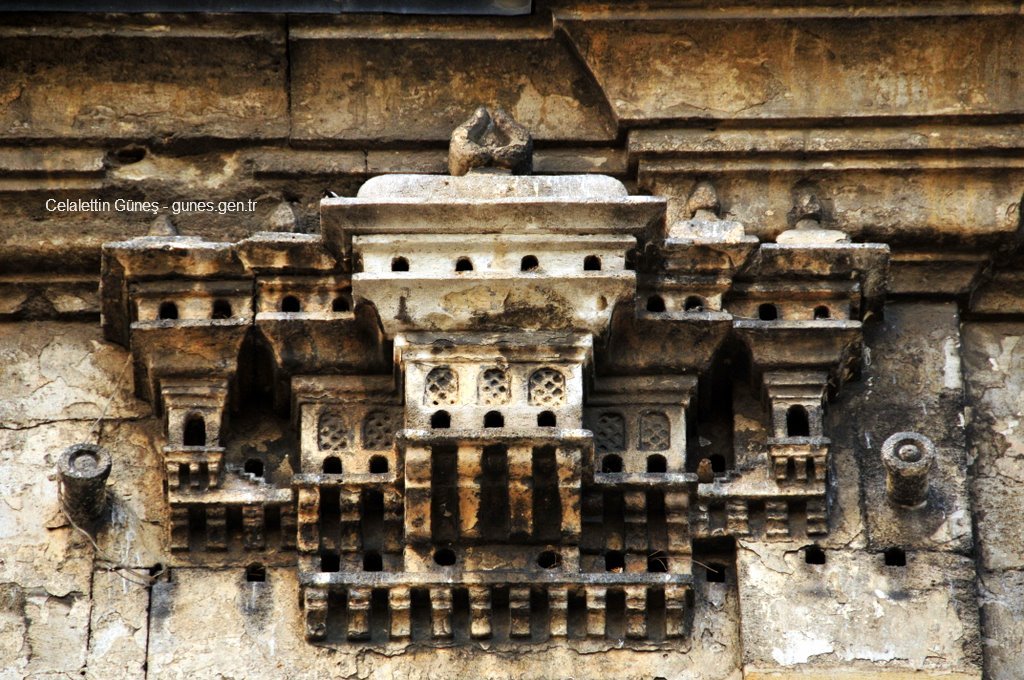
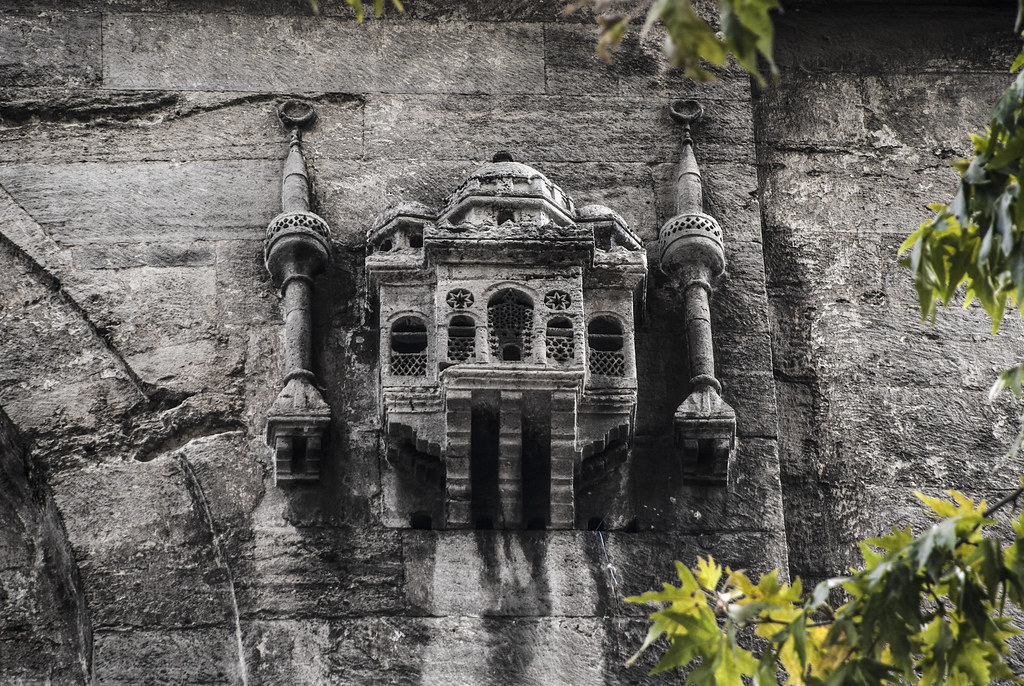
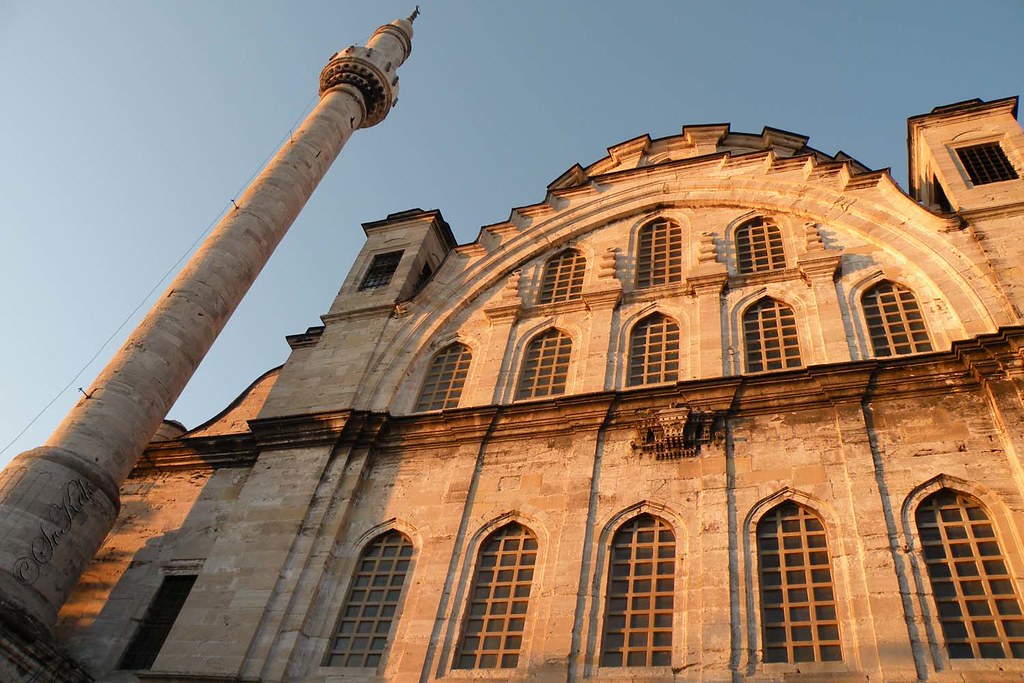
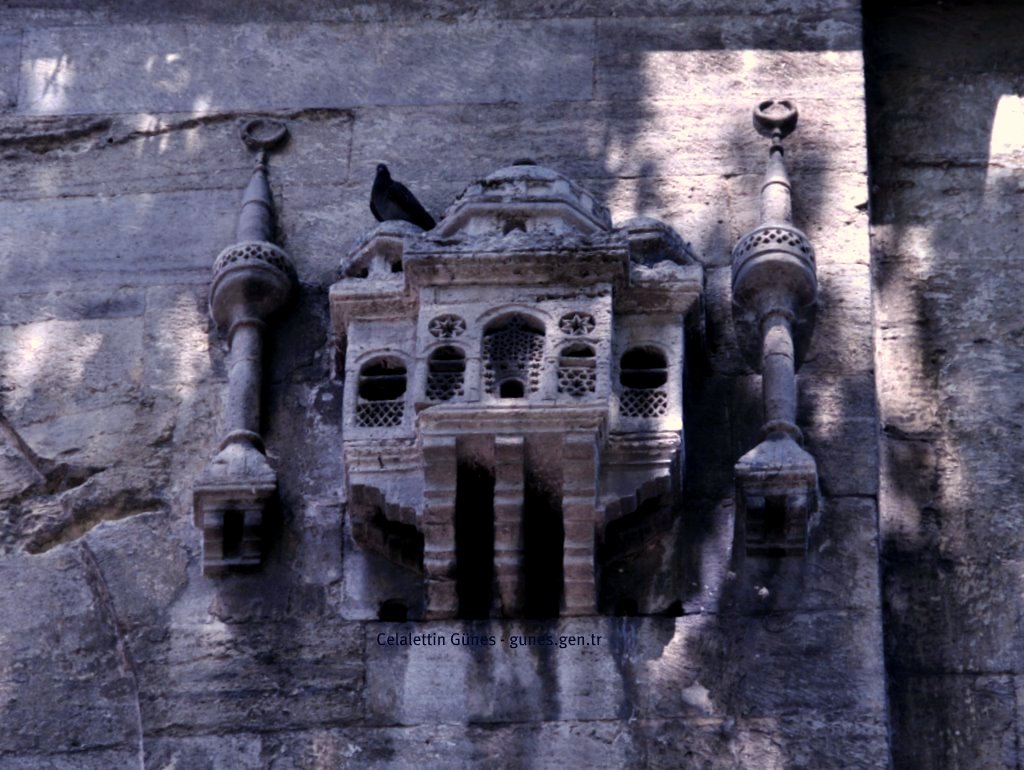
Istanbul takes bird houses very seriously, and always has – seriously enough to attach palatial digs for feathered residents to their own human-sized buildings. In fact, the oldest known bird house in Istanbul can still be spotted on the side of the Büyükçekmece Bridge, dating back to the 16th century. The charters for new mosques often included provisions for feeding the birds, and sometimes even allocated huge amounts of gold to look after them. The practice was thought to attract good luck.

Bird Palaces - Ayazma Mosque / Ku? Saray? - Ayazma Camii

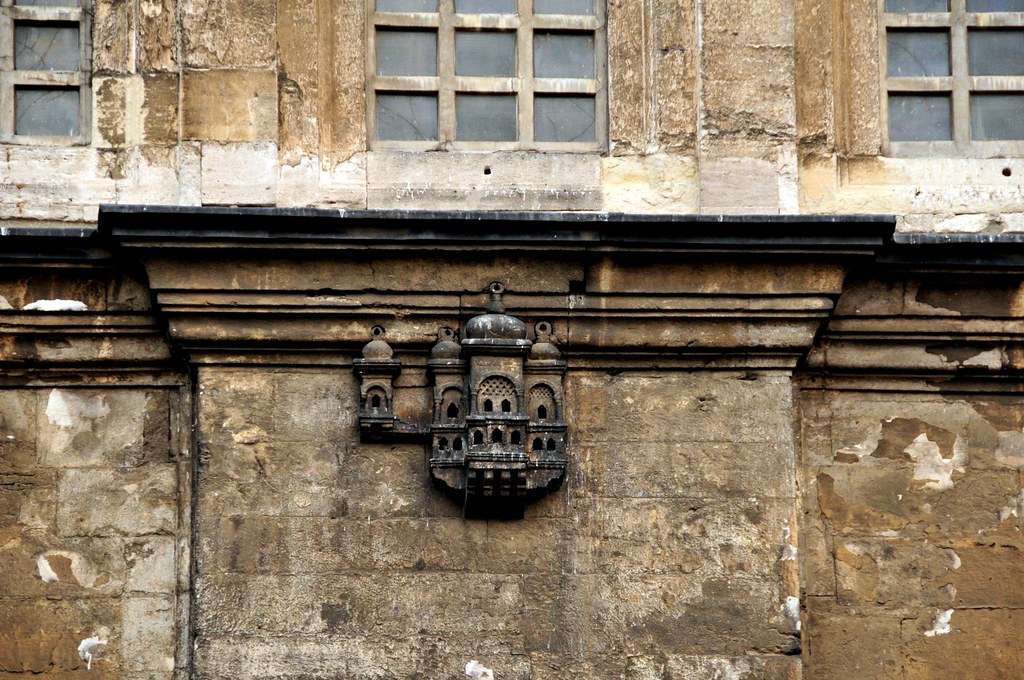
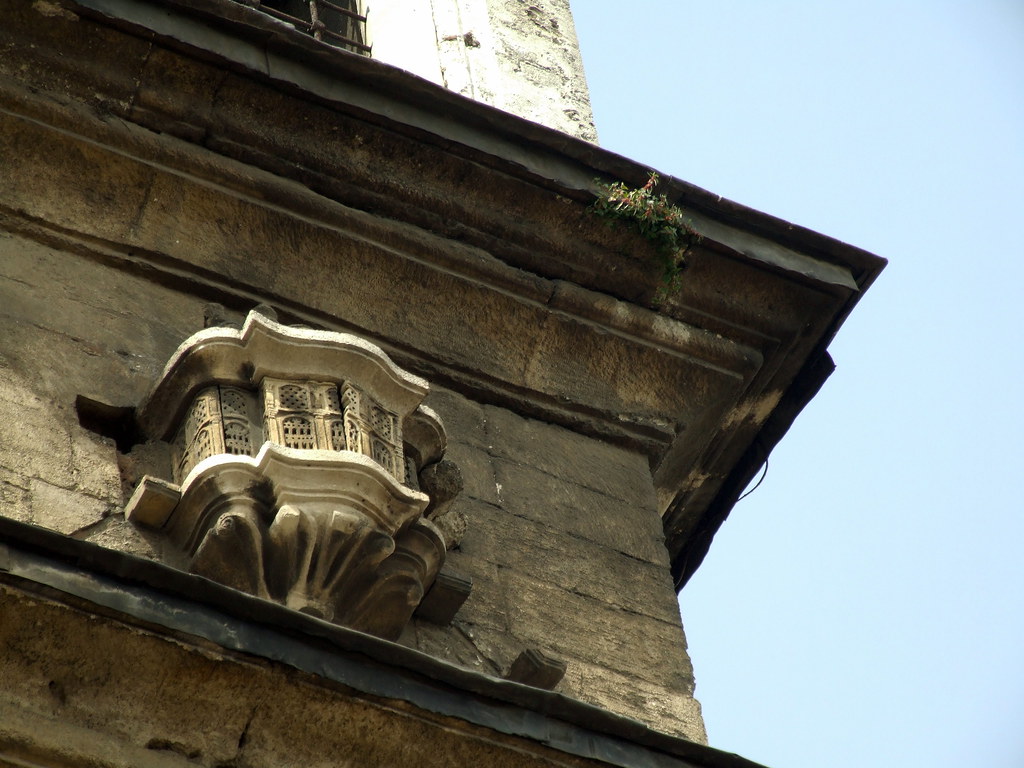
Today, you can wander through the cities of Istanbul, Bursa and Edirne and gaze up at the historic structures to find intriguing miniatures mounted to their facades, looking far fancier than anything you’ll ever live in yourself. Each one is designed to complement the building to which it’s affixed, or even act as a scale model of it.

"The bird house"

They’re designed to shelter any birds that might hang out around the buildings, including sparrows, pigeons, swallows, storks and wisecracks. According to Daily Sabah, the birdhouses had a practical purpose for humans, too, helping to keep the birds from hanging out on the roofs and spilling their droppings all over everything, eventually corroding the walls of mosques, inns and other structures.

Bird House, Ayazma Mosque, Istanbul, Turkey

But setting up programs to shelter, feed and protect animals is a longstanding tradition in the area (that remains in place today – check out the adorable film ‘Kedi’ about Istanbul’s street cats for a great example.) The Ottomans also helped street dogs find food, set out saucers of water for any animals that needed it, fed wolves and gave medical care to injured storks.

Bird House / Ku? Evleri

During the Ottoman era, these miniature palaces were painstakingly crafted using elaborate techniques, crowning each one with its very own vaulted or domed roof. Some are three or more stories tall and feature minarets and other architectural details that were popular around the time they were built.

Bird House / Ku? Evleri

Check out Daily Sabah’s feature article on Ottoman bird houses for lots more details about this endearing tradition.

Ku?evi / Birdhouse

Images embedded via Flickr’s API, all copyrights are retained by their respective owners.

Share on Facebook


[ By SA Rogers in Culture & History & Travel. ]

[ WebUrbanist | Archives | Galleries | Privacy | TOS ]


WebUrbanist

 
Comments Off on Avian Palaces: Traditional Ottoman Bird Houses are Miniature Masterpieces

Posted in Creativity


Studio portraits taken with the Godox A1 smartphone flash trigger

08 Aug
Photo: Godox

When Godox first teased its off-camera flash and 2.4GHz flash trigger for smartphones, the Godox A1, on Facebook a few weeks ago, people got very excited. Unfortunately, we weren’t really able to see what this trigger could do since the only images Godox released of the flash trigger in action were some silly behind the scenes toy photos.

Today, they fixed that.

In a new blog post about the release event for the upcoming flash and trigger, Godox didn’t just rehash the same details about the A1 that we already knew, they also showed off some professionally-shot studio portraits captured with an iPhone 7 Plus, the Godox A1 and a Godox 600II monolight. You can see a photo of the setup above.

All of the photos were shot wide open at f/1.8 (no other option really…) with the ISO set to 25 and the shutter speed at either 1/30 or 1/20 sec. Have a look for yourself:

$ (document).ready(function() { SampleGalleryV2({“containerId”:”embeddedSampleGallery_5198490931″,”galleryId”:”5198490931″,”isEmbeddedWidget”:true,”standalone”:false,”selectedImageIndex”:0,”startInCommentsView”:false,”isMobile”:false}) });

The post is mostly about the big reveal itself, which will happen at an event on August 12th at 1:30pm Shenzhen time (1:30am Eastern). But the sample portraits give you a good idea of the kind of photography a product like the A1 opens up to smartphone photographers.

Still no word on how much the Godox A1 will cost or when you’ll be able to order one for yourself, but we’ll get that info to you just as soon as it becomes available. In the meantime, take a look at the sample gallery above, and let us know what you think of the A1 and these smartphone studio portraits.


All photos courtesy of Godox.

Articles: Digital Photography Review (dpreview.com)

 
Comments Off on Studio portraits taken with the Godox A1 smartphone flash trigger

Posted in Uncategorized


17 Highly Detailed Images That Display Texture

08 Aug

I hope you enjoy this detailed image collection of subjects with a lot of texture. To capture texture in an image requires a few elements to come together – the right lighting, the right camera angle, and a good degree of image sharpness.

I’ll start you off with a couple of my own images, and then we’ll branch out to see what a few other photographers have done to capture texture with their cameras.

By Darlene Hildebrandt (shot in Havana Cuba)

By Darlene Hildebrandt (shot in Granada, Nicaragua) 

By JLS Photography – Alaska

By Nicholas Erwin

By ROBERTO CABRAL PHOTOGRAPHY

By Thad Zajdowicz

By Suzy Hazelwood

By Gabriel Caparó

By Sandy Sarsfield

By BriarCraft – crazy busy in July

By Kate Ter Haar

By XoMEoX

By Peyton Stanton

By Hernán Piñera

By Iain Merchant

By Marco Verch

By Alexander Day

The post 17 Highly Detailed Images That Display Texture by Darlene Hildebrandt appeared first on Digital Photography School.


Digital Photography School

 
Comments Off on 17 Highly Detailed Images That Display Texture

Posted in Photography


Weekly Photography Challenge – Texture

08 Aug

Detail and texture are two things that tend to draw the viewer’s eye into an image. I shared 17 images that are great examples of the use of texture in a photo here.

By Matthias Ripp

Weekly Photography Challenge – Texture

So what things have to come together to capture an image that showcases and subject with texture?

  • Quality of light – ideally the harder (harsher) and more contrasty the lighting the better, but not 100% necessary.
  • The direction of light – to enhance texture in a subject the light must come from the side, skimming across the surface.
  • Get close – this one is obvious, right?
  • Get it in sharp focus – also fairly obvious. Use the right focus point, focus mode, and aperture for maximum sharpness.
  • Lastly, find a good subject. Remember people can have texture too!

By Priya Saihgal

By Snipps Whispers

By Carlyle Ellis Photography/Human Quotient

By four12

Share your images below:

Simply upload your shot into the comment field (look for the little camera icon in the Disqus comments section) and they’ll get embedded for us all to see or if you’d prefer, upload them to your favorite photo-sharing site and leave the link to them. Show me your best images in this week’s challenge. Sometimes it takes a while for an image to appear so be patient and try not to post the same image twice.

Share in the dPS Facebook Group

You can also share your images on the dPS Facebook group as the challenge is posted there each week as well.

The post Weekly Photography Challenge – Texture by Darlene Hildebrandt appeared first on Digital Photography School.


Digital Photography School

 
Comments Off on Weekly Photography Challenge – Texture

Posted in Photography


Renowned self-portrait photographer Cindy Sherman goes public on Instagram

08 Aug

Renowned photographer Cindy Sherman has made her formerly private Instagram account public, allowing anyone to view and follow it. Sherman first launched the Instagram account last October under the handle @misterfriedas_mom, but has since been changed to @_cindysherman_. The account currently features nearly 600 posts and is growing like gangbusters—in the last two days alone her follower count has risen by nearly 30,000 to a total of 87.2K as of this writing.

Sherman—who is well-known for her critical self-portrait work following the release of her Untitled Film Stills project—has shared a variety of distorted and otherwise surreal selfies on Instagram, as well as more mundane images from her life. According to The New York Times, she uses the app Facetune (iOS | Android) to modify her selfies in extreme ways… this is probably one of the few times you’ll see selfies identified as bona fide art.

When she spoke with The New York Times early last year, Sherman said that social media “seems so vulgar” to her, but the draw of Instagram was too much. Several months later she launched a private account, and this weekend she finally opened it up for everyone to see.

Why exactly she has decided to make the account public isn’t clear, but fans of surreal self-portraits taken by MacArthur Genius Grant recipient have a new must-follow account to check out.

Articles: Digital Photography Review (dpreview.com)

 
Comments Off on Renowned self-portrait photographer Cindy Sherman goes public on Instagram

Posted in Uncategorized


This video game offers an in-game photo studio for shooting exotic cars

08 Aug

Players of the next version of PlayStation’s Gran Turismo Sport will be able to create professional looking photographs of their cars using a new feature that offers a surprising amount of ‘photographic’ control over the way the images turn out. For us mere photographic mortals, it might be the closest we’ll ever get to shooting a $ 2.5 million car with a $ 50,000 camera…

The Gran Turismo features is called ‘Scapes’, and it lets players place their favorite cars in a wide range of scenes—from landscapes to city streets and interiors—and adjust their camera ‘controls’ to dial in things like depth of field.

A control panel down the side of the screen has software-like sliders for exposure compensation, aperture, shutter speed and focus. The car can be turned and parked where you like, the lights switched between beam settings, and the color temperature of the whole scene can be adjusted to create warm and cool effects.

More than a passing thought has gone into creating the Scapes mode, and the control of the images really seems extensive.

Users can alter the color balance of shadows, mid-tones and highlights using RGB sliders, while grain effects can be added along with vignetting and distortion corrections. And if that’s not enough, you can even blur the background using a panning effect, to deliver a race day atmosphere in one of around 1000 scenes.

For more information, check out the Gran Turismo website.

Information from PlayStation:

‘Scapes’, the New World of Photography

Go on a photography trip with your favorite car.

The ‘Scapes’ feature is a new format of photography, borne from a True HDR workflow and physics based rendering technologies. Each photo spot contains all the light energy information of that scene as data. Even the incredible brightness of the Sun is physically recorded and contained in each of these photos; and because each image also contains spacial information for that scene, it is now possible to ‘place’ cars into real world photographs.

Articles: Digital Photography Review (dpreview.com)

 
Comments Off on This video game offers an in-game photo studio for shooting exotic cars

Posted in Uncategorized