RSS
 

Archive for March, 2017

The Walled-Off Hotel: Banksy-Designed Rooms Overlook West Bank Barrier

07 Mar

[ By SA Rogers in Boutique & Art Hotels & Travel. ]

The Walled Off Hotel Banksy

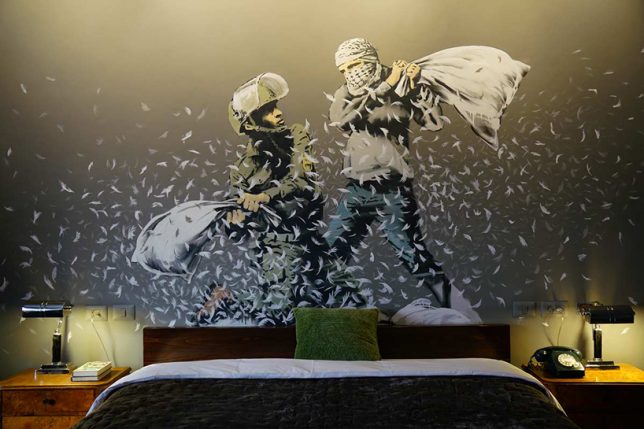
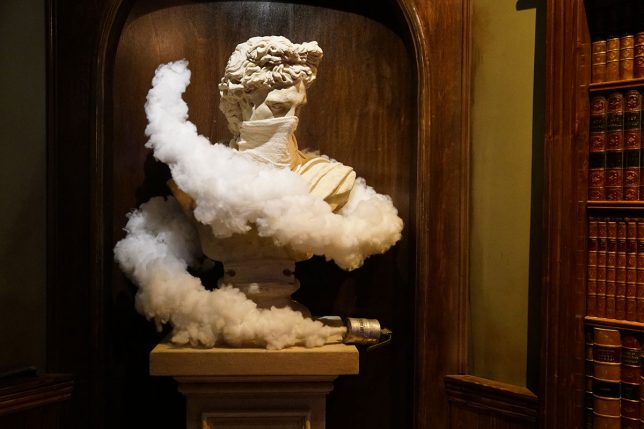
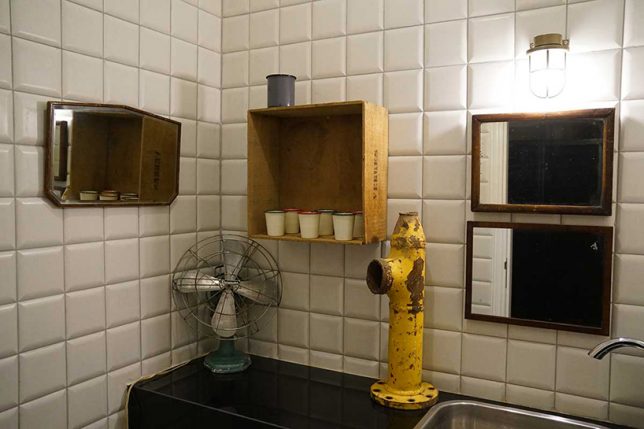
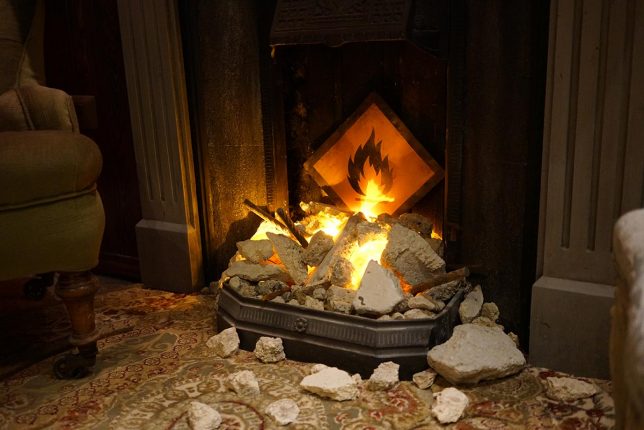
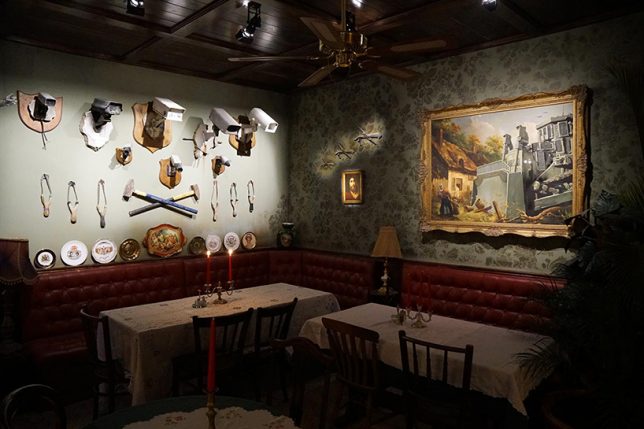
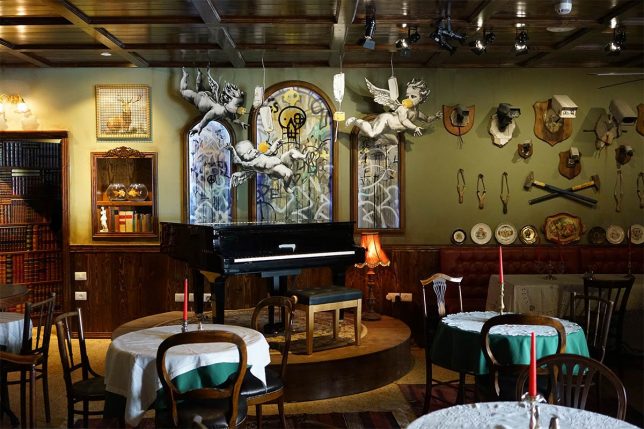
Contemplate the Israeli-Palestinian conflict as you take in “the worst view in the world,” ensconced in Banksy visuals in your room at The Walled-Off Hotel. Yes, this ‘art hotel’ is real, with fully functioning ensuite facilities and car parking, designed and financed by the elusive England-based graffiti artist and operated by the local community, and anyone can book one of its nine rooms overlooking the West Bank barrier. Banksy painted the rooms (and commissioned other artists, like Sami Musa and Dominique Petrin) and outfitted the hotel in dystopian decor, like security cameras mounted on a wall in the style of taxidermy trophy heads.

banksy walled off hotel 3

banksy walled off hotel 4

the walled off hotel 9

Banksy is well-known for painting right on the barrier itself, including a recent work depicting a girl being pulled by red balloons, and last year he painted four street murals in Gaza. Guests who stay at the hotel will get “privileged out of hours access to Wall*Mart next door,” a graffiti supply shop, so they can make their own mark.

banksy walled off hotel 1

banksy walled off hotel 2

the walled off hotel 11

And if you think you’re going to get away with booking a room and sawing Banksy’s work right off the wall to make a buck, expect to pay for it: the hotel takes a hefty deposit for the duration of your stay to safeguard against theft, and inspects rooms before guests leave, warning that anyone found attempting to steal or deface hotel property will be arrested and prosecuted.

banksy walled off hotel 5

banksy walled off hotel 6

the walled off hotel 12

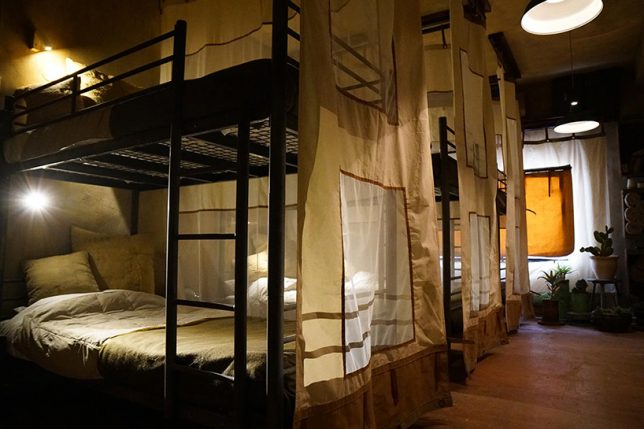
The hotel will open to guests on March 11th, with rooms starting at just $ 30 per night. Accommodations range from ultra-budget-friendly bunk rooms to a ‘presidential suite’ complete with a cheesy faux rock hot tub. An adjacent gallery, open to the public, offers a collection of works from notable Palestinian artists from the last 20 years, and a ‘homemade museum’ offers a biography of the wall.

banksy walled off hotel 7

the walled off hotel 10

On the choice of location, Banksy says, “This place is the center of the universe – every time God comes to earth it seems to happen near here. The architecture and landscape are stunning, the food delicious and the current situation remarkable and touching. This is a place of immense spiritual and political significance – and very good falafel.”

Share on Facebook


[ By SA Rogers in Boutique & Art Hotels & Travel. ]

[ WebUrbanist | Archives | Galleries | Privacy | TOS ]


WebUrbanist

 
Comments Off on The Walled-Off Hotel: Banksy-Designed Rooms Overlook West Bank Barrier

Posted in Creativity


‘Popular Photography’ magazine and PopPhoto.com to close after nearly 80 years

07 Mar
The first issue of Popular Photography from May 1937. Yes, that is a woman getting out of the shower on the cover.

Franklin D. Roosevelt was president of the United States of American when the first issue of Popular Photography Magazine hit newsstands in May of 1937. Now, nearly 80 years later, one of the world’s most widely circulated photography print publications is closing.

The upcoming March/April issue will be the last, and as of Friday, March 10th, no new content will be published on PopPhoto.com. This news comes after the publication switched to a bi-monthly print schedule about six months ago. 

Pop Photo’s sister publication, American Photo Magazine, had been Web-only for the past couple of years; it will also stop updating its website as of this coming Friday. 

Eric Zinczenko, the CEO of Bonnier, parent company of both titles, made the announcement earlier today via a company-wide email. 

This news hits especially close to home, as I had the distinct privilege of starting my career as an intern, and later an assistant and associate editor at Popular Photography and American Photo magazines. And I know first hand how dedicated and passionate the staff of these titles is. After all, they’re what made me first fall in love with this industry. So go get yourself a nice hoppy beer (their PP tech editor Phil Ryan’s favorite) and take a long deep gulp, because the photography world just got dimmer by a stop.

Articles: Digital Photography Review (dpreview.com)

 
Comments Off on ‘Popular Photography’ magazine and PopPhoto.com to close after nearly 80 years

Posted in Uncategorized


Stealth Campers and DIY RVs: 15 Creatively Converted Vans

07 Mar

[ By SA Rogers in Technology & Vehicles & Mods. ]

sportsmobile van 4

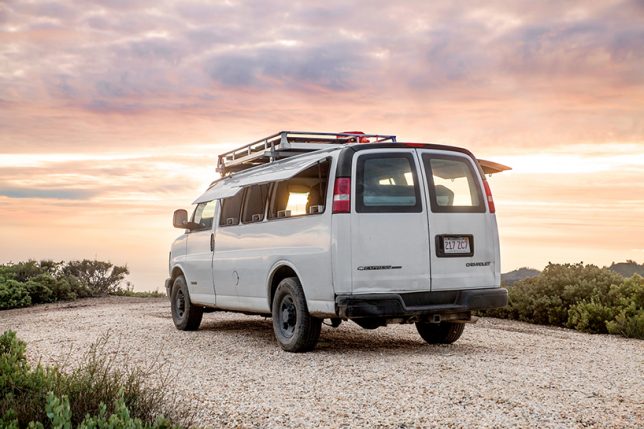
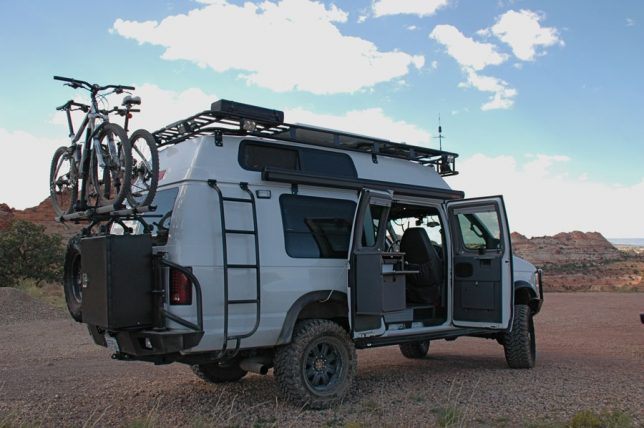
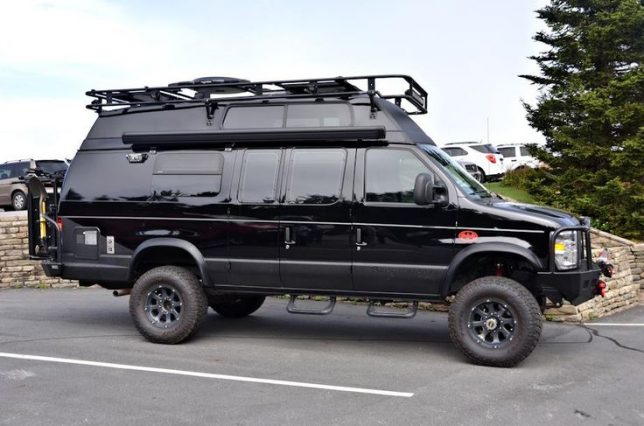
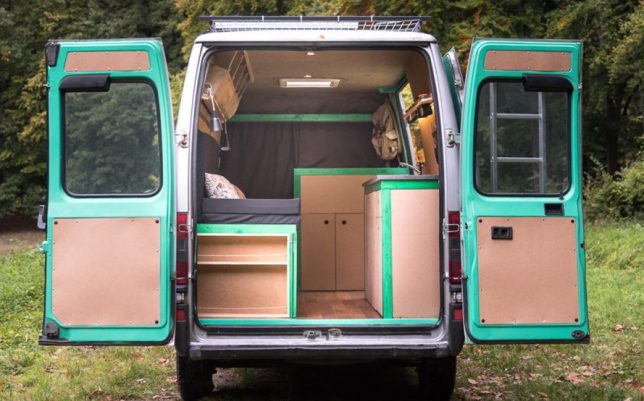
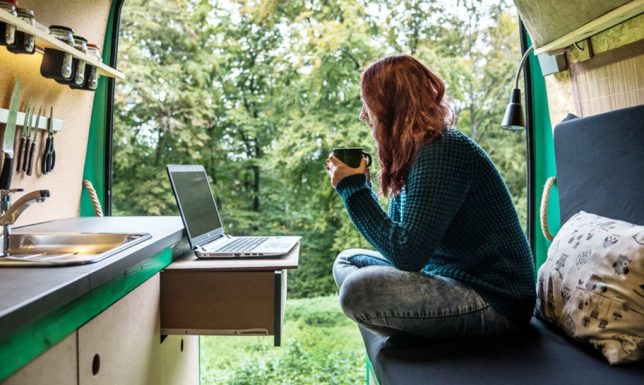
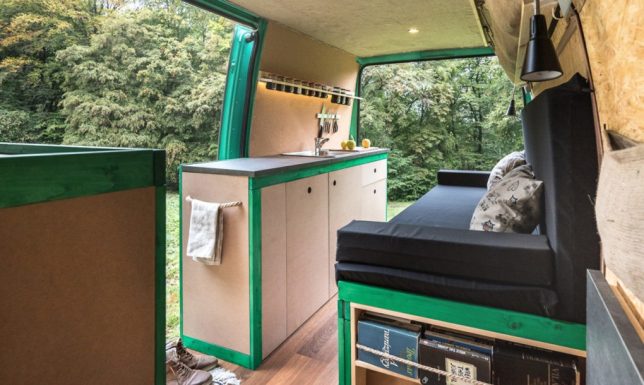
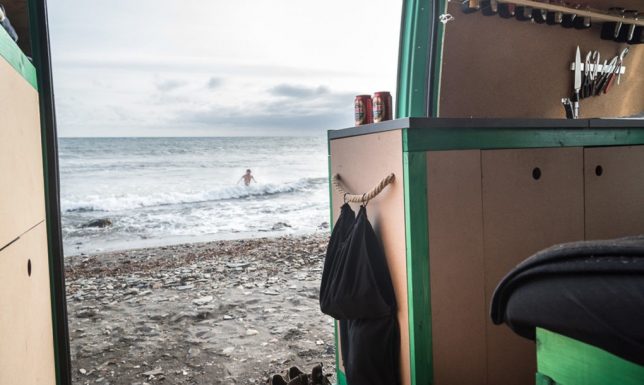
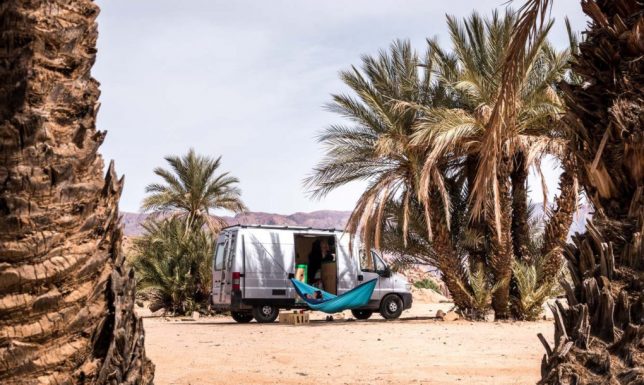
Lurking in a windowless white van gets significantly less creepy when you’ve custom-outfitted the interior with wood flooring, storage space, a kitchenette and a queen-sized bed – right? At least, it does for most of these creative conversions. Typically using standard cargo vans or the taller, newer Sprinter vans as a base, these DIY camper projects often emphasize stealth, so you can park them in urban areas next to a bunch of work vans and stay overnight without anyone batting an eye or calling the cops. While some definitely blend right in, others are a bit more conspicuous once you lift the suspension, add all-terrain tires and otherwise turn them into off-roading beasts.

Adam’s Former NYPD Van

adam's van 1

adam's van 2

adam's van 4

adam's van 5

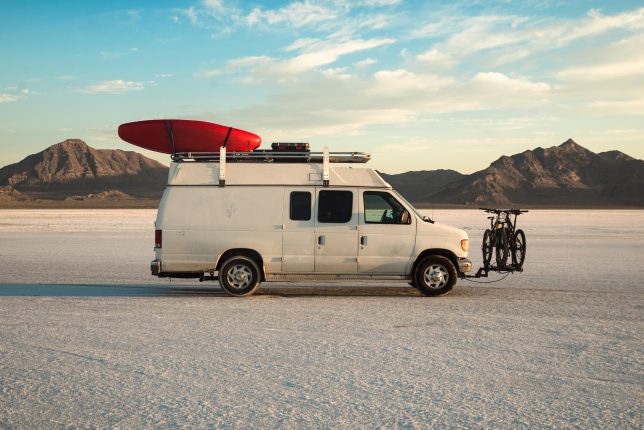
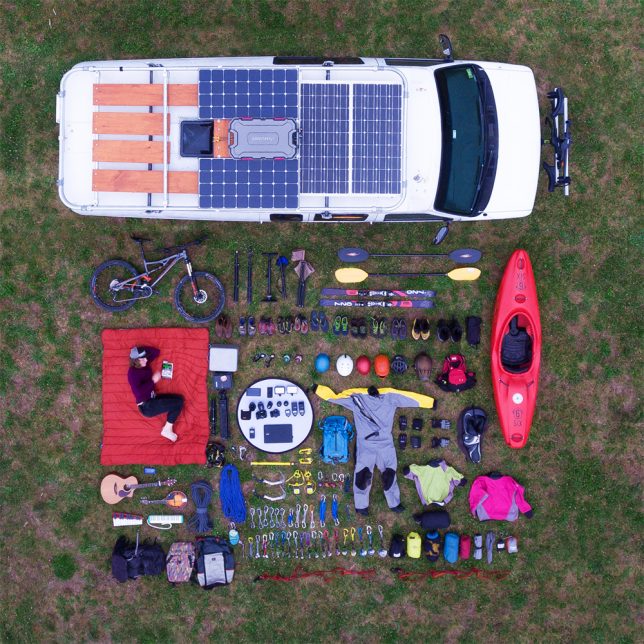
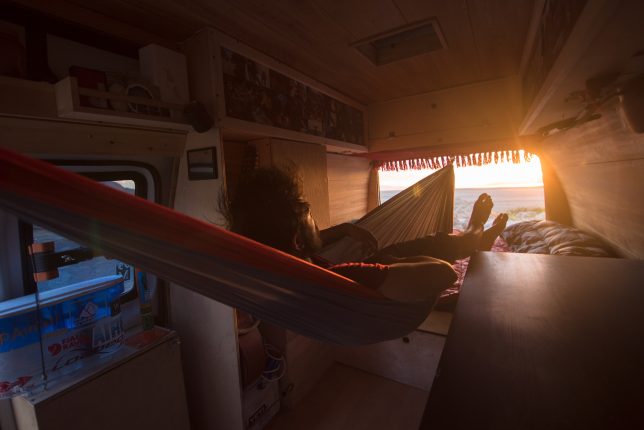
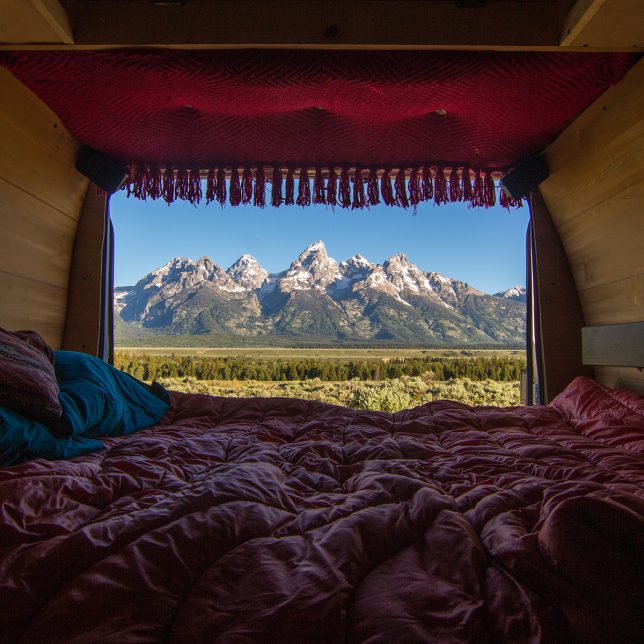
Taking a scroll through Adam Nawrot’s Instagram feed might just make you question what you’re doing with your life. The photographer purchased a used NYPD crime scene investigation van for $ 2,200, custom-built out the interior by hand, and now uses it as a home base for extensive travels across the United States. He’s got kayaks strapped to the top, bikes mounted on the front, solar panels on the roof, drawers full of climbing gear, and room for up to five friends to travel with him. His adventures loo pretty epic, and he clearly has quite an eye for capturing them.

Chevy Van to Mobile Studio

converted vans zach both 1

converted vans zach both 2

converted vans zach both 3

converted vans zach both 4

converted vans zach both 5

Filmmaker Zach Both converted a work van, too, this one a decade-old Chevy with pop-out panels that happen to make perfect camper windows. He designed and built the kitchen area and bed platform, and salvaged wood from a 19th century church in Cleveland for the finishing treatments. The space is now used as both a mobile home and a work studio. Both offers a free guide called ‘The Vanual’ for anyone who wants to DIY their own camper van.

Sportsmobile Heavy-Duty Van Conversions

sportsmobile adventure van

sportsmobile adventure van 2

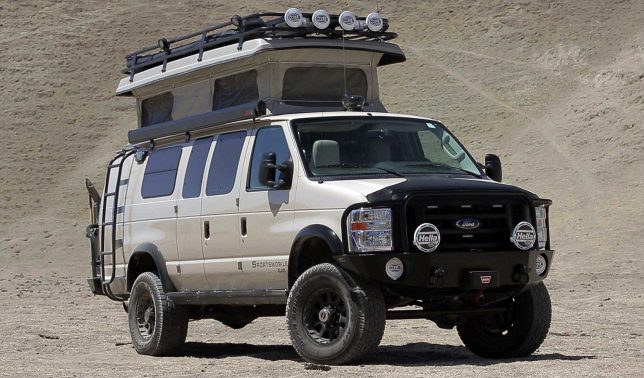
If the typical camper van just isn’t quite rugged and badass enough for you, Sportsmobile can probably help you out with that, assuming you have $ 100K to spend. The company customizes Mercedes Sprinters, Ford Transits, Dodge Promasters and Chevy vans into serious adventure vehicles with pop-up tops, heavy-duty cargo racks and contemporary interiors designed to their customers’ specifications, and you can even get 4×4 versions.

Solar Powered Home on Wheels

solar powered van 1

solar powered van 2

solar powered van 3

solar powered van 4

solar powered van 5

A young couple transformed a 16-year-old VW van into a sweet and simple solar-powered home they use to travel through Southern Europe and Morocco. Considering that the interior of this type of van is much smaller than that of a cargo or conversion van, they did an incredible job making use of the space, adding a kitchen, lots of storage and a pull-out bed.

Minivan Camper for an Italian Woman and Her Dog

minivan camper 1

minivan camper 2

minivan camper 3

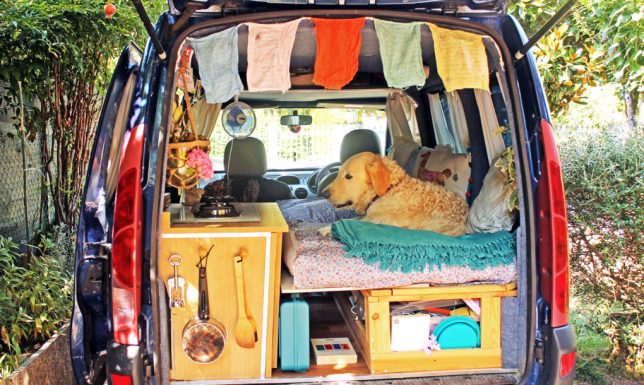
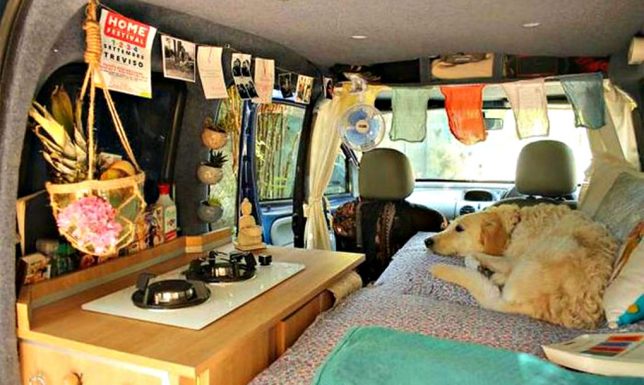
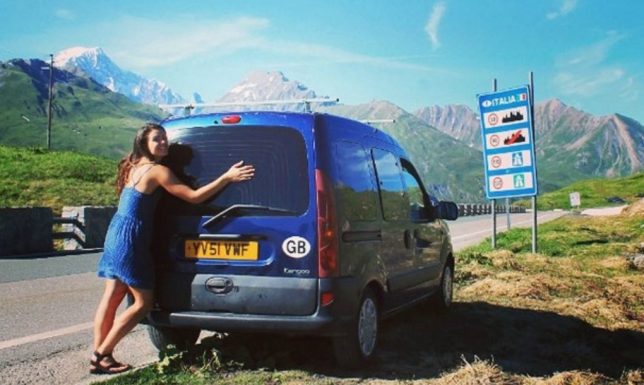
This conversion uses an even smaller vehicle as a base, ending up with just enough space for an Italian woman and her dog to travel Europe. Marina Piro dreamed of seeing the world, but didn’t want to leave her dog, Odie, behind. She turned a 2001 Renault Kangaroo Van into ‘Pam the Van,’ insulating the floor, adding a fold-out bed and a tiny kitchen. As you can probably imagine, traveling in a van with a giant hairy dog has its complications, but it sounds like Pam is having a lot of fun.

Next Page – Click Below to Read More:
Stealth Campers And Diy Rvs 15 Creatively Converted Vans

Share on Facebook


[ By SA Rogers in Technology & Vehicles & Mods. ]

[ WebUrbanist | Archives | Galleries | Privacy | TOS ]


WebUrbanist

 
Comments Off on Stealth Campers and DIY RVs: 15 Creatively Converted Vans

Posted in Creativity


Lightroom Mobile update brings Raw HDR capture mode

07 Mar

Adobe today released an update for its Lightroom Mobile app for both iOS and Android that comes with an HDR feature that makes use of the Raw capture capability of the latest mobile devices. The new HDR mode first scans the scene to determine the correct exposure range and then captures three DNG files. After capture the files are automatically aligned, merged, de-ghosted, and tone-mapped. The end result is a 16-bit DNG that combines the benefits of the Raw file format and HDR, and can be processed in the same way as the HDR technology in Adobe Camera Raw and Lightroom.

Compared to existing smartphone HDR modes, this method offers better dynamic range, according to Adobe. Members of Adobe’s Creative Cloud service get the additional benefit of automatically syncing files and edits with their desktop.

The algorithms of new HDR mode do require powerful hardware and are therefore limited to a relatively small number of devices, though. On iOS it works with all devices that are capable of capturing DNG files, such as iPhone 6s, 6s Plus, 7, 7 Plus, iPhone SE, or the iPad Pro 9.7. On Android at this point only the Samsung Galaxy S7, Galaxy S7 Edge and the Google Pixel models are supported. However, Adobe says it is working on getting the software to run on a wider range of devices.

If you have a compatible device and would like to try Adobe’s new Raw HDR mode, there is a tutorial available on the Adobe Lightroom Youtube channel.

Articles: Digital Photography Review (dpreview.com)

 
Comments Off on Lightroom Mobile update brings Raw HDR capture mode

Posted in Uncategorized


Behind the scenes with Seattle PI photographers

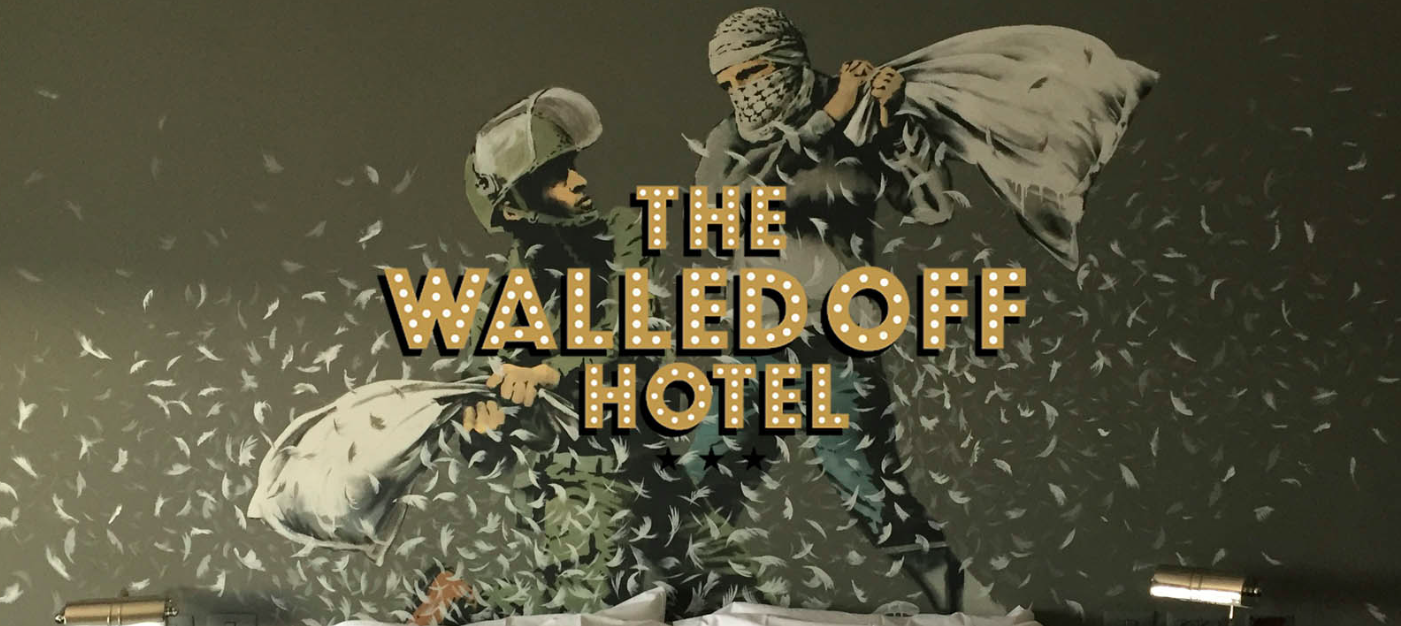
06 Mar

Grant Hindsley and Genna Martin, the two staff photographers for the Seattle PI. The PI published its last print edition in 2009 and has been online-only ever since.

Photojournalism isn’t what it was. Gone are the days when newspapers and photo agencies employed armies of staffers and stringers, around the world, and gone too (sadly) are the days when newspapers and current affairs magazines could rely on newsstand sales and advertising to invest in their reporting. There are fewer magazines around now than there were, and fewer newspapers. Those publications that do still exist tend to operate on tighter budgets, with fewer full-time staff members. Many have stopped printing altogether, and exist now only online. The Seattle PI is one of them. 

‘Genna Martin and Grant Hindsley bring compassion and joy to their jobs and it shows in their work.’ (Sarah Rupp – Executive Producer, Seattle PI)

In this article, we go behind the scenes with Grant Hindsley and Genna Martin, staff photographers for the Seattle PI, following them on two assignments – the Seattle Women’s March, on January 21st, and the annual King County homelessness survey, a few days later. 


January 21st


Grant Hindsley has the flu.

‘I slept between every one of my assignments yesterday, I was so out of it’. One of those assignments was a protest at the University of Washington where a man was shot and badly wounded, in circumstances that remain unclear. Grant captured images leading up to the confrontation, and graphic images of the aftermath, most of which will remain unpublished.

‘I feel a bit better today, but as soon as I stand still or sit down I start coughing again’. As I am about to find out, Grant doesn’t stand still or sit down much. As one half of a two-person photography team at the Seattle PI, there’s not much opportunity for time off. 

A line line of people, numbering more than 100,000, march through Seattle downtown during the 2017 Women’s March. 

Photograph: Grant Hindsley for the Seattle PI. Used with permission.

Today, I’m tagging along with Grant as he covers the Women’s March, which is due to start in half an hour or so, from a park in Seattle’s Central District. In an early sign that the city’s attendance estimate of 50,000 people might be a little conservative, there are no cabs available, bus lines stretch for entire city blocks, and demand for ride-sharing services has sent Uber and Lyft prices sky-rocketing to more than $ 120 for the 2-mile trip.

Running late, we cram our gear into Grant’s girlfriend’s tiny car (‘it’s easier to park’) with the idea of jumping out as close as we can to the rally point, then walking the rest of the way. Hopefully, issuing parking tickets won’t prove to be a major law-enforcement priority for Seattle’s finest this Saturday.

‘Grant likes the slow photo, the in-between or off moments. He shoots the fringes of events, the stuff that people usually miss or overlook’ (Genna Martin)

As the first marchers join the route, photojournalists and camera-toting enthusiasts have formed a loose line at the vanguard of the group. They look a bit like a participants in a police search line, except that instead of having their eyes glued to the ground, the photographers have their lenses aimed at the marchers. And instead of walking forwards, they’re walking backwards.

An experienced photojournalist from another publication is attempting to corral the photographers to a traffic island a little further down the road, at a point where they can all get an unobstructed shot of the head of the march.

Police clear the route ahead of the women’s march, as it  begins.

Photograph: Grant Hindsley for the Seattle PI. Used with permission.

I ask Grant about working alongside other photographers at big events – is there some kind of honor code, when it comes to getting in the way of someone else’s shot, or lining up with them to take the same picture? ‘Not really, we tend to just work around each other, but it depends. If there are a lot of press at a relatively small event, then you’re all going to get the same picture anyway, that’s just the way it goes. Nobody has ever really gotten in my way when I’m working.’

‘Actually’ he says, after darting into the crowd and snapping a couple of shots, ‘that’s not true. Broadcast guys tend to shove you around a bit. If I ever have to throw an elbow out at anyone it’s usually at a broadcast guy’. 


What’s in Grant’s bag?

  • Canon EOS-1D X
  • Canon EOS 5D Mark III
  • Canon EF 35mm F2 IS (‘go-to’ lens)
  • Canon EF 70-200mm F2.8 IS L II
  • Canon EF 85mm F1.8
  • Bag: Think Tank Shape Shifter (v1)

You must have shot a lot of protests at this point, I ask Grant – what kind of images do you try to capture?

‘My first internship was at the AP and one of the things I learned there was not to take pictures of signs. I mean, you can, and sometimes it just can’t be avoided, but signs are mostly just words, and if words were all we needed we’d just send writers to these things, not photographers’.

There’s no arguing with that logic, but signs are unavoidable at a march of this size. Almost everyone, from toddlers to wheelchair-bound pensioners is carrying some kind of a sign or banner. ‘What I try to do is avoid redundancy’, Grant tells me. But he’s not worrying about his employment prospects: ‘Images from protests can end up just all looking the same. I try to find pictures that will still make sense after the march is over, which put it in context. I shoot a lot more events than I used to so I look for something weird that tells the story.’

‘A lot of photographers lean back on the super wide at F16, and spray, but I never really shoot wider than 35mm.’ (Grant Hindsley)

‘The most meaningful encounters I’ve had come from intimate story telling. Sometimes that amounts to years of photographing the same subjects, sometimes it’s something quick that strikes deep’.

A father and son watch the progress of the march through Seattle’s downtown.

Photograph: Grant Hindsley for the Seattle PI. Used with permission.

Initially though, Grant admits, he’s just grabbing as many pictures as he can, as the march starts winding through Seattle’s Central District, en route to the Seattle Center three and a half miles away. ‘My approach is to take a lot of pictures early on, to cover myself, and start sending them in before things get too busy. Once I know I’ve got a few images in the bag, that’s when I slow down and start looking for more interesting scenes’. 

‘Anyone can take a pretty picture. It can be with a phone or with $ 100,000 of equipment, but everyone can do it with some practice. Photojournalists on the other hand, are trained in serendipity’ (Grant Hindsley)

Filing images on the go isn’t entirely straightforward. Grant plugs his battered iPhone directly into his Canon EOS 5D Mark III using a jerry-rigged USB cable and Lightning Port adapter, ingests images into his phone’s camera roll, then emails them back to the office. It’s slow, and the fragile wired connection breaks frequently. And literally. 

A participant in the march pauses to become the subject of a quick portrait. 

Photograph: Grant Hindsley for the Seattle PI. Used with permission.

With one camera plugged into his phone, and a CF card clamped between his teeth, Grant continues shooting with his second camera, a Canon EOS-1D X, with a 35mm F2 attached. Both cameras and lenses are owned by the PI, but remain in his possession as his everyday kit, and get used for everything from taking pictures of an unseasonal snowstorm to Seahawks games. Cameras and lenses alike are shiny and scuffed from use. 

Governer Jay Inslee speaks to one of the participants in the Women’s March, in Seattle.

Photograph: Genna Martin for the Seattle PI. Used with permission. 

Towards the end of the afternoon, Grant drops by the Seattle PI office to file some images. While he’s doing that, I meet up with Genna Martin – the other half of the PI photo team, who’s been covering the march too.

Genna was named 2015’s Best New Journalist by the regional chapter of the Society for Professional Journalists, and today, she’s filing images from inside the nearby Komo News Plaza, alongside Bettina Hansen from the PI’s main rival, The Seattle Times. They’re discussing an image shot earlier by another Seattle Times staffer, veteran photojournalist Alan Berner. Grant and I bumped into him on the march, posted up on a busy corner, standing on a step stool to get shots of the participants snaking along 4th Avenue.

Photograph by Alan Berner, Seattle Times.

Used with permission (see the full Seattle Times gallery here)

In Bettina’s opinion ‘it’s the shot of the day’. Taken from a slightly elevated position (probably the step-stool), the picture shows the march receding to infinity. A relatively shallow depth of field highlights four figures standing side by side, wearing the pink ‘pussy hats’ that have become emblematic of the event. Walking into the sun, all four figures are also wearing sunglasses. There’s plenty of signage in the photograph, but the signs aren’t the main focal point of the image, and they’re mostly outside of the zone of focus.

So why is this such a good image? ‘It has everything’, Genna explains. ‘The symmetry, and the central positioning of the four main subjects. It has everything you’d want from a picture of a march. And it’s not a sign picture’.

‘I hate sign shots. I hate protest photos that are just about the sign, and not about the person holding it.’ (Genna Martin)

Another Seattle Times photographer, Erika Schultz, is also here covering the march. Between them, Erika and Bettina have almost 25 years of professional experience, and have been recognized with several major awards. Alan Berner adds another 30+ years of experience, and even more awards, including the title of NPPA Regional Press Photographer of the Year seven times. The two publications might be rivals, but the only rivalries in this group are friendly. Every year, the PI’s ‘Photographs of the Year’ slideshow is hosted in a bar run by Bettina’s fiancé. 

The march ends around sunset, when the final participants arrive at Seattle’s iconic Space Needle. Genna and I join up with Grant, and together we shoot a few pictures of the crowds before heading off to find some dinner. The last of the day’s images are filed by 7pm, over slices of pizza in Grant’s apartment.  

See Grant and Genna’s images from the march


January 27th


A few days after the Women’s March, on January 27th, I join Genna for a very different assignment – shooting the annual King County Point in Time (PIT) Count. This is a survey of homelessness, which takes place all over King County on a single night (in fact a very early morning) in January.

Volunteers gather in the early hours of the morning, before embarking on Seattle’s annual ‘Point in Time’ homelessness count. 

Photograph: Genna Martin for the Seattle PI. Used with permission.

Tonight, between 2-6am, volunteers will comb through Seattle, counting sleeping bags, tents, occupied vehicles and encampments. Once collated, the results of the count will become one of the metrics used to determine public policy around homelessness. Grant shot last year’s count, and when it came up in conversation a few days ago he offered me the kind of cheery ‘well, I hope you have fun!’ that strongly suggests that he thinks I won’t.

‘Genna is a marvelous, classic photojournalist but with a fresh twist. So often she sees things I just glance over. Her eye is always on the story and the people and she really feels for the people she photographs.’ (Grant Hindsley)

Volunteers gather at a center on Alaska Way at 2am. When we arrive, the center is packed with volunteers, guides, and puffy-eyed journalists. Across the crowded main room, several boom microphones are visible, arcing over the assembly like construction cranes. Local broadcast news crews are doing the rounds, alongside several photographers – including Erika Schultz of the Seattle Times.

There’s another crew here, too. A big one, made up of strikingly similar-looking men carrying new and very expensive equipment. They’re doing their best, pushing through the crowded room with stabilized Sonys held aloft, attempting overhead tracking shots with pivoted carbon-fiber stabilizing rigs that resemble hip-bones from some prototype killer robot. They’re wearing secret service-style earpieces, and won’t say who they’re shooting for.


What’s in Genna’s Bag?

  • Canon EOS-1D X
  • Canon EOS 5D Mark III
  • Canon EF 24-70mm F2.8 II
  • Canon EF 70-200mm F2.8 II
  • Canon EF 35mm F1.4 II
  • Canon EF 50mm F1.8
  • Safety glasses and mask (for protest coverage)
  • Duct tape.

There’s a rumor that the mayor is going to address the media before the groups of volunteers leave for their search areas, but he’s running late. He might not turn up at all, but should we wait, I ask Genna, to see if he shows up? It’s already close to 3am and she’d rather get going. ‘I’ve seen the mayor plenty of times, and I’ve not seen him even more times than that’.

A group of volunteers consults a map. 

Photograph: Genna Martin for the Seattle PI. Used with permission.

Our group is assigned to a relatively affluent area of Seattle, near the University of Washington. Mostly made up of members of a UW ‘Service Sorority’, our group is impressively perky for 3am, and apparently they’re planning on attending class in a few hours. As we start walking, I’m at the opposite end of the stamina scale, and I get the sense that Genna is somewhere in the middle.

One of several tents under a bridge in our search area. This is a non-invasive survey, so all photographs must be taken using only natural light. 

Photograph: Genna Martin for the Seattle PI. Used with permission.

Most of our search area is residential, and even though it’s a clear, relatively mild night, very few people are sleeping outdoors. Despite the lack of activity, Genna and I are quite enjoying ourselves, combing through the bushes with by the light of our iPhone screens, and peering into alleyways.

It is, we decide, a bit like a scavenger hunt. Albeit one which, we shamefully concede, ‘you shouldn’t really want to win’.

‘Realising that you don’t have to shoot everything is the first step. And from there, being able to calm down and focus in on particular moments, and good photos, rather than just photos that show what’s happening’ (Genna Martin)

Inevitably, the few times when we do come across a huddled figure, or a tent, are occasions for muted celebration. The volunteers get to put a checkmark in a box on their list, and Genna gets to take pictures of something actually happening. The survey is meant to be non-invasive. The aim is to observe and report, not engage or disturb. I hope we didn’t wake anyone up.

Compared to the women’s march, Genna takes relatively few images. As we were trudging through the darkened streets, she shared some good advice, from Dan Bates, one of her former colleagues at the Everett Herald: ‘Look for hundred dollar bills rather than a bunch of quarters’ I.e. it’s better to get one good picture than lots of mediocre ones.

Volunteers record the location of a tent found during the survey.

Photograph: Genna Martin for the Seattle PI. Used with permission.

Genna got her start at the Everett Herald in 2011. I asked her why she decided to take up photojournalism: ‘When I was in 8th grade, my class went on a trip to Washington D.C. We went to the Newseum and there was an exhibit there on Pulitzer Prize winning photos and the stories behind how they were made. I was enthralled and from that moment on I was set on having a career as a photojournalist’.

Her work has made a difference, too. In 2014, when Oso resident Tim Ward lost his wife and his home in a landslide, Genna’s work on a profile on Ward lead to hundreds of donations from members of the public, to help him get back on his feet. Ward recently re-married and moved to Florida.

‘I think most of the photos we take will make a difference to someone at some point. Whether its the person in the photo who gets to feel special because they’re in the news for a day, or a historian 50 years from now’ (Genna Martin)

Of all the assignments that Genna has done since joining the PI, tonight’s is probably among the least eventful. As well as the Oso landslide, she photographed the horrific collision of an amphibious ‘Duck’ tour vehicle on Seattle’s Aurora Bridge in 2015, and she’s been in harm’s way a number of times, covering natural disasters, protests and violent incidents. Her forearm still bears a vivid scar caused by a police stun grenade deployed during Seattle’s May Day protests in 2016, and a couple of nights after the homelessness count, she’ll be ‘lightly pepper-sprayed’ (her words) while covering a sit-in at Seattle-Tacoma International Airport. 

Protesters occupy an area of Sea-Tac airport, following the overnight imposition of a travel ban by the Trump Administration.

Photograph: Genna Martin for the Seattle PI. Used with permission.

For his part, over the course of a 7-year career, Grant has survived his fair share of protests too, outrun some ‘wicked storm fronts’ and been chased with a machete. 

Tonight is quiet by comparison. At 5am we decide we’ve done enough and head home, leaving our group to complete the survey. On the way back to Genna’s car, we spot another group of volunteers at the end of a road, the outline of a robot-like stabilizing camera rig clearly visible in the early morning mist, silhouetted under a street light. Good luck to them.

I’m fast asleep by the time Genna has her images processed and uploaded to the PI’s servers.


The Seattle PI has a proud tradition of high-quality photojournalism and despite tight budgets and a small staff, both photographers turn in high-quality work, day after day and week after week.  

Genna offered her thoughts on why their job matters:  

‘Photojournalists are the witnesses of history. They go to things so you (the public) don’t have to. They provide a living record. A photo of a person or event is always going to provide a better connection to the reader than words will’. 

In Grant’s words: ‘a photograph is one, single powerful moment in time. Writing is an analysis after the fact. Video is wonderful, but it is not timeless and it is harder to take in than a photograph.’

Oh the glamor. Grant rests his back while Genna organizes images from the Seattle Center lawn, at the end of the women’s march. 

As Genna told me, ‘seeing is believing’ might be a cliche, but there’s a reason for that. Just recently, her photographs of the protest at Sea-Tac airport were used to prove that Port of Seattle police pepper-sprayed protesters – something they initially denied.

Following Grant and Genna was an amazing experience. Although I was shooting literally alongside them, both photographers captured images which I simply didn’t see. Grant describes it as ‘a learned ability to be in the right place at the right time’, to which I would add ‘and point your camera at the right place, at the right time, too’. 


Our thanks to Genna Martin, Grant Hindsley and Sarah Rupp of the Seattle PI. Also Alan Berner, Bettina Hansen and Erika Schultz of the Seattle Times for their help in putting together this article.

Articles: Digital Photography Review (dpreview.com)
 
Comments Off on Behind the scenes with Seattle PI photographers

Posted in Uncategorized


Lost Connection: 15 Closed & Abandoned Internet Cafés

06 Mar

[ By Steve in Abandoned Places & Architecture. ]

internet-cafe-1a

Before WiFi and smartphones stole their thunder, internet cafés like these closed and abandoned relics offered cheap & easy access to the World Wide Web.

internet-cafe-1b

As the original public hotspots for intrepid internet explorers, these ‘net cafés were homes away from home, free from nagging parents and other annoying housemates wont to pick up the phone while you’re trying to download a GIF.

internet-cafe-1c

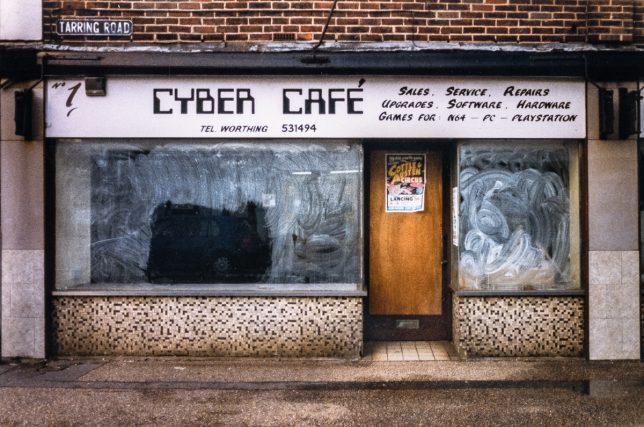
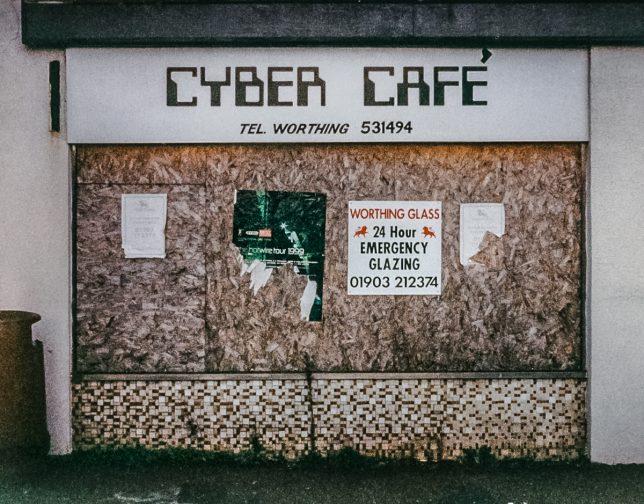
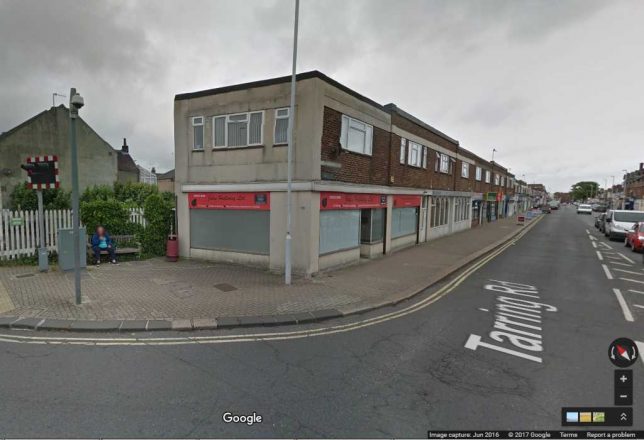
The Cyber Café in Worthing, West Sussex, UK was one such early example. Shopfront Elegy saved some snaps of the closed café circa 1999. Note the charming conjunction of the sign’s hand-painted digital type with the classic mosaic facade below. Sadly, both were lost in the unit’s 2015 renovation as Attic Solutions.

A Galaxy Far Far Away

internet-cafe-2a

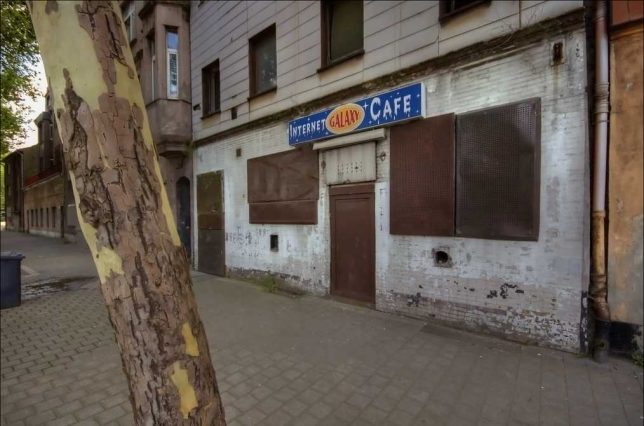
The heyday of internet cafés lasted about 15 years give or take a few, with the first practical operations opening in the early 1990s. By the end of the next decade, however, the increasing power and utility of Apple’s iPhones and their ilk began to narrow the cafés’ market niche. Flickr user Johan van Elk (jmvanelk) captured the late & unlamented Galaxy Internet Cafe – no accent – in Duisburg, Germany, on July 28th of 2009.

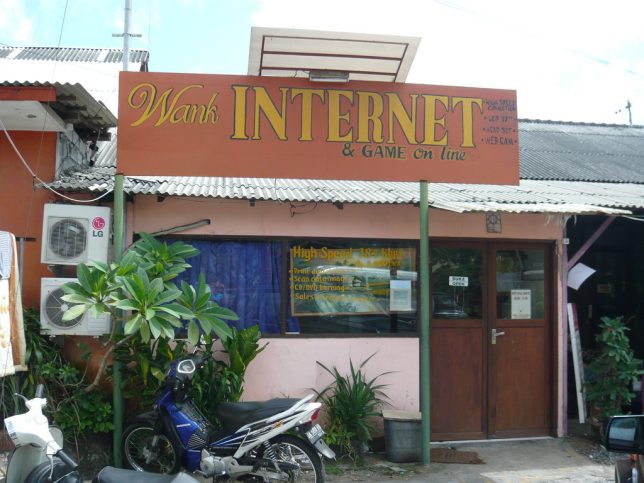
Wanks For The Memories

internet-cafe-3c

internet-cafe-3b

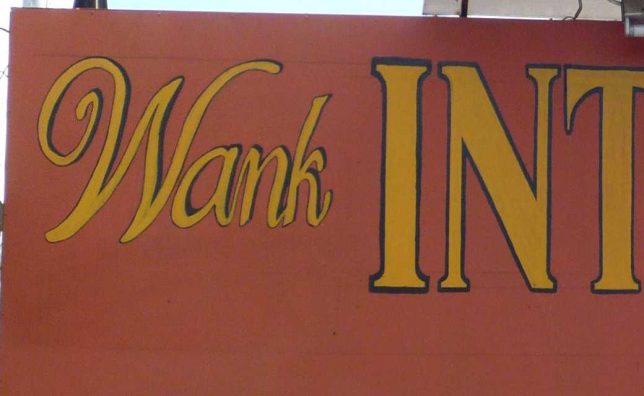
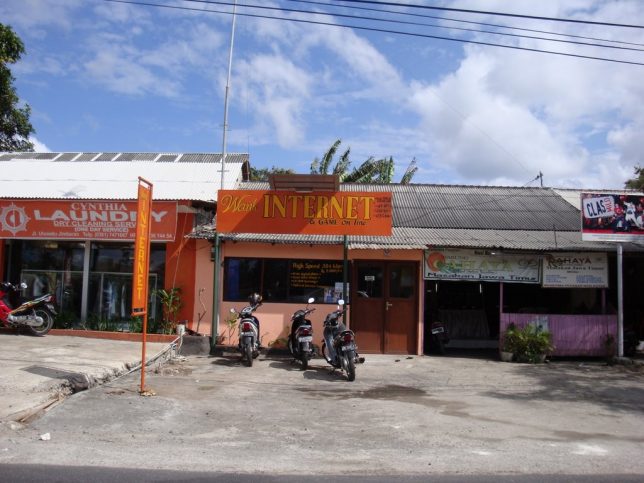
Flickr user Ivan Bandura (mac_ivan) just couldn’t resist snapping the Wank internet café during a visit to Bali, Indonesia in the summer of 2009. One presumes he maintained control of ALL of his other urges as well. It may well be that the rise of online p0rn and the need (by most purveyors, at least) for privacy whilst viewing such contributed to the decline of ‘net cafés in recent years.

internet-cafe-3d

In any case, a more recent photo indicates Wank patrons – “wankers”, if we may – will need to get their kicks somewhere else as the AC units and decorative storefront potted plants have been removed.

Morocco’s Modern Life

internet-cafe-4a

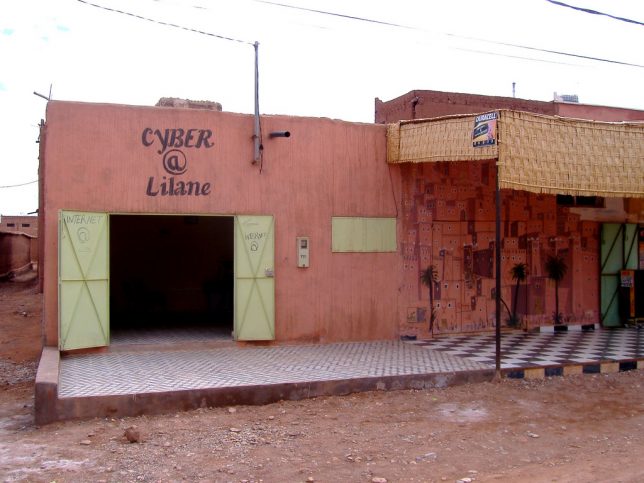
Flickr user Michela (micny259) snapped this sun-baked empty internet café “somewhere close to Ouarzazate” in south-central Morocco on November 4th of 2006. The age of the image notwithstanding, internet cafés enjoyed a generally longer lifespan in developing nations due to lower per-capita GDPs. No telling if the pretty-in-pink Cyber@Lilane is still operating today, though it’d be cool if it had been bought out by a bitter and lovelorn American expatriot and re-named Rick’s Internet Café Américain. Here’s lookin’ at you, cyberkid.

Skokie Dokie

internet-cafe-5c

internet-cafe-5a

internet-cafe-5b

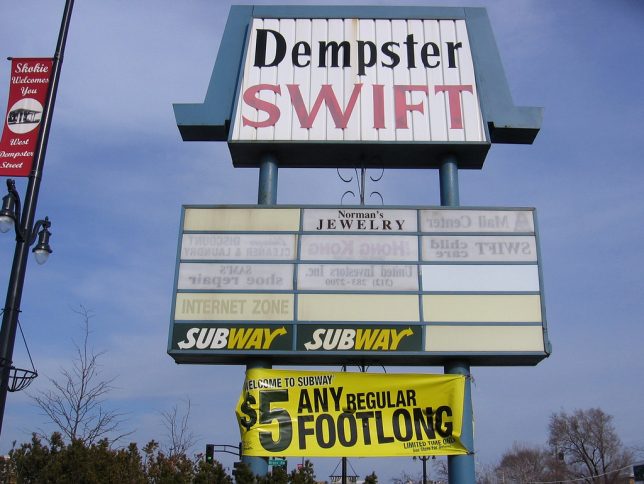
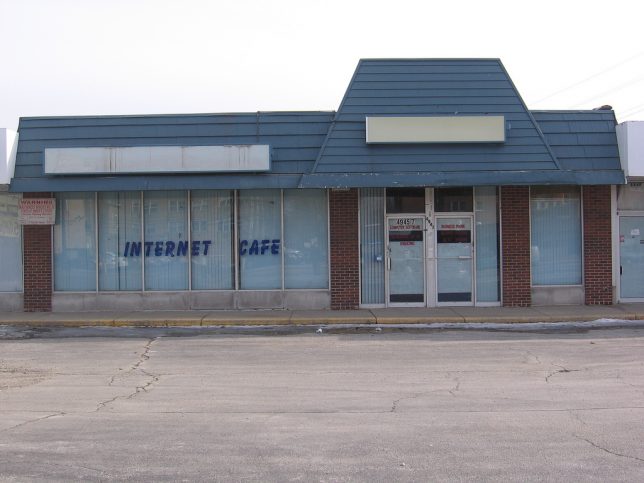
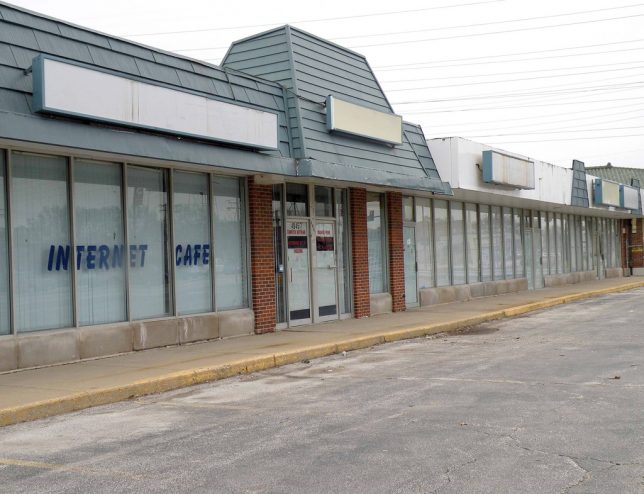
Ahh, Skokie, home of those hateful Illinois Nazis and this abandoned internet café in a mostly deserted strip mall. Who can say why this cybercafe couldn’t cut the mustard – easy access from the Yellow Line should have appealed to area non-drivers. In any case, Flickr users Katherine (katherine of chicago) and Marshall Rosenthal (mmmmarshall) captured the former Internet Zone‘s eerily anonymous state on March 26th, 2008 and April 2nd of 2009, respectively. Speaking of eerie, why does this miserable plaza boast TWO Subways?

iMac iNside

internet-cafe-6a

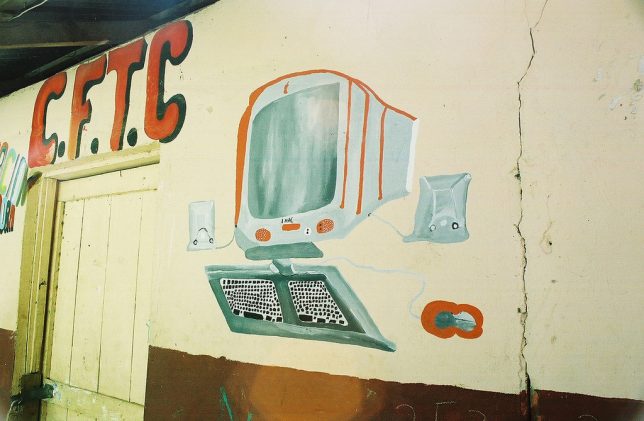
Flickr user benwagner chanced upon an abandoned internet cafe in Cienfuegos, Santiago, Dominican Republic, on April 29th of 2007. Though amateur and folk-artsy in its execution, the graphic representation of an iMac painted on the café’s outside wall is well worth a thousand words. Or, say, a couple.

Faded Hulkamania

internet-cafe-7a

You gotta admit, this internet cafe’s graphics really reach out and grab ya! How bow dah, Donald? You’ll find this closed internet café in Higham Hill, East London. Flickr user zall krishna (iotar) captured the café’s “hulking” facade in all of its sun-faded glory back on June 26th of 2013, several months after MSN Messenger was discontinued. Coincidence, or merely convergent devolution?

Net Loss

internet-cafe-15a

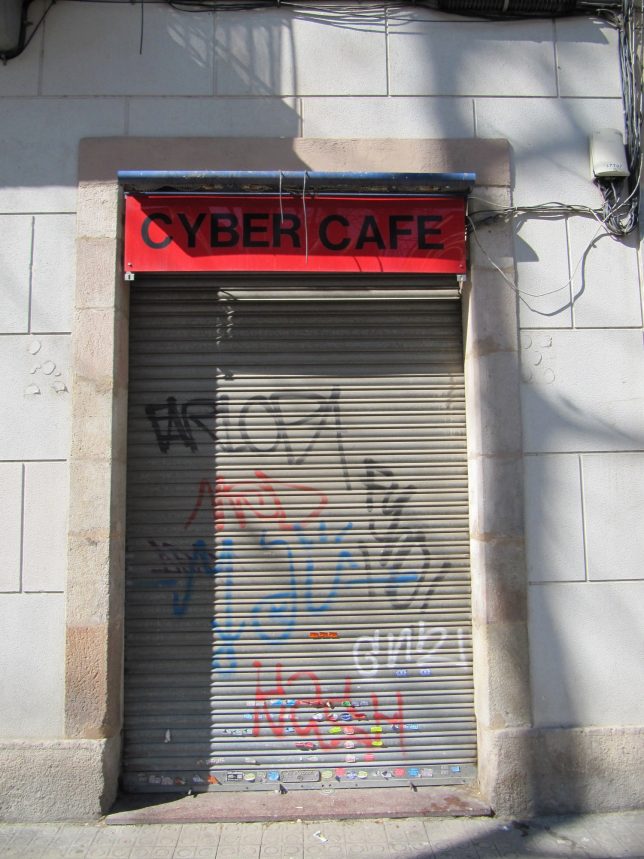
There’s not much we can say about the above closed and abandoned internet café above, other than that its graffiti-encrusted roll-down corrugated metal door looks out onto downtown Barcelona, Spain. Maybe that’s all you need to know… or WANT to know. Move along, citizen, nothing to see here.

Next Page – Click Below to Read More:
Lost Connection 15 Closed Abandoned Internet Cafes

Share on Facebook


[ By Steve in Abandoned Places & Architecture. ]

[ WebUrbanist | Archives | Galleries | Privacy | TOS ]


WebUrbanist

 
Comments Off on Lost Connection: 15 Closed & Abandoned Internet Cafés

Posted in Creativity


Nine tips to help you win at photography competitions

05 Mar

How to win at photography competitions

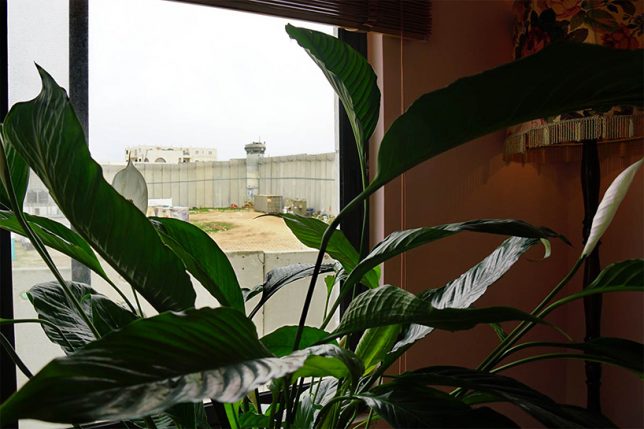
Having served as a judge on panels for quite a few of them, Senior DPReview contributor Damien Demolder knows a thing or two about photography competitions. Here he shares a few things to consider when entering a photo competition, and some tips for standing out from the crowd.

1. Read the brief and stick to it

It might sound obvious but reading the brief and understanding the theme is a part of the process of entering a competition that many photographers neglect – or simply don’t do. If you don’t take the time to appreciate what the organisers want, you reduce your chances of providing it. A skim-read of the brief might tell you that it’s a landscape competition, while a more careful study might reveal that seascapes and panoramics are excluded, or that judges will be looking for images showing the effects of agriculture in the countryside.

If the rules say ‘no logos or watermarks’ don’t add a logo or a watermark. No matter how good it is, the picture it will be rejected. You also need to be conscious of how much manipulation is permitted and the categories that allow or forbid it. These are simple things that can easily disqualify you right from the start.

2. When briefs are specific shoot specifically for them

Some competitions maintain a wide-open brief that encourages more people to enter, while others have a very narrow brief that demands your images show something specific or that they are shot in a particular way. The narrower the brief the greater the likelihood that you will need to shoot something especially for the competition rather than pulling an existing image from your archive. When you create new work for a very narrow brief the judges will note the efforts you have made to produce the images they have asked for.

3. Understand the copyright terms

If you decide you want to enter a competition and that you can meet the brief take a few more minutes to understand what the organiser wants to do with your pictures. Most will require permission so they can use winning images to promote the competition when the winners are announced and to publicise next year’s competition too. Others will want to make an exhibition or a book and will obviously want to use winner and runner-up pictures for that. Most photographers will be happy to accept those terms.

Some organisers though want more, such as usage rights for a much longer period, rights for usage not connected with the competition, commercial reproduction rights and rights to pass on images on to third parties.

Remember, there are no competitions you have to enter, so if you don’t like the terms and conditions don’t send your pictures. If the terms seem a bit harsh it is sometimes worth contacting the organiser as, believe it or not, some are not fully aware of what those terms demand. When made aware some will change them.

4. Act in time

If the deadline for entering is Wednesday 11pm most photographers will wait until Wednesday evening to submit their work. If it is a well-publicised contest is likely that from 7pm on Tuesday the competition server will be busy and will be slower to respond than usual. From Wednesday lunchtime it will be very busy and it will take you three times as long to get your entries submitted as it should, but by Wednesday evening you might find the server has crashed and you miss the deadline. Submit your pictures in plenty of time to avoid headaches and missed deadlines. Okay, so an under-powered server is their fault, but it will be you that misses out.

5. If you can enter five images do so

Some competitions allow photographers to enter multiple images, so take advantage of that. If you can enter five pictures do so – in theory it will increase your chances of getting somewhere, though not necessarily by five times. If you are shooting specifically for the brief it might drive your imagination to produce more and more interesting work, and if you are pulling from existing images it will give you the chance to submit something a bit left-of-centre.

6. Try something different

Take a few moments to spare a thought for the poor judges. They will be looking at piles of pictures that look the same taken by people who have opted for the obvious interpretation of the themes. That’s pretty boring, so brighten their day by showing them something new, refreshing and exciting. It is worth mulling over what you think most other entrants will submit so that you can avoid the standard responses and concentrate of producing something original. Original stands out and you will be rewarded with more attention than others who don’t make that sort of effort.

7. Be visually stimulating

Finding the right subject matter is only half the battle when meeting the theme of a photography contest. Remember, it is a contest about photography, so use and show your skills. Think about what you want to say with your pictures and the techniques and settings you will need to use to get your message across. It isn’t just what winners photograph that makes them winners, but how they photograph what they photograph. Use your skills to add something to the subject.

8. Don’t let photography get in the way

It is great to employ magical photographic techniques to achieve something special, or to make your pictures stand out from the crowd, but be careful to find a balance between the technique and the message. We’ve all seen HDR images, for example, where the visual impact of the technique completely over-powers the subject matter to the extent that the technique becomes the subject. The same can happen with coloration, extreme shallow depth of field and exposure, among others.

9. Be human

The best pictures are those that make a connection with the viewer. They share an experience that we can relate to, whether that’s wonder, sadness, joy, fear or surprise. To share such experiences we need to have them in the first place, so practice being connected to the world and being conscious of how you and others feel. But that doesn’t mean you have to take yourself too seriously – humour is also a fabulous way of getting the judges on your side.


All photos by Damien Demolder

Articles: Digital Photography Review (dpreview.com)
 
Comments Off on Nine tips to help you win at photography competitions

Posted in Uncategorized


Smithsonian.com announces annual photo contest finalists

05 Mar

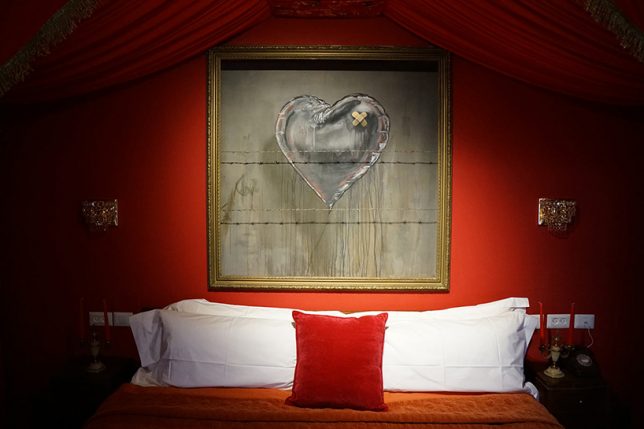
14th annual Smithsonian.com photo contest

Smithsonian.com, a publication of the Smithsonian Institution, has announced the finalists of its 14th annual photo contest.

Over 48,000 photos were submitted by photographers representing 146 countries and territories, with ten finalists selected in each of the following categories: The Natural World, Travel, Sustainable Travel, People, Mobile, The American Experience, and Altered Images.

Voting is currently open for the Readers’ Choice award, which will be announced alongside the Grand Prize and category winners on March 28. Click through the slides above to see a few of our favorite images, and head over to Smithsonian.com to see all the finalists and vote for the Readers’ Choice winner.

Surreal: A man bikes by an octopus statue at the Burning Man festival in Black Rock City, Nevada.

Alina Rudya, Berlin, Germany

Category: Mobile

14th annual Smithsonian.com photo contest

Take Me Away Deer! Since ancient times, the Nenets have led a nomadic life. Reindeer harnessed to sleds is the most reliable form of transport on the tundra, and the people of the North make use of their navigational abilities. In severe conditions, such as a blinding snow storm, deer are not only loyal companions, but sometimes the only hope for survival.

Tamil Nureev, Noviy Urengoy, Russia

Category: Travel

14th annual Smithsonian.com photo contest

The Longing of an Opera Artist: Mdm Tai, a Chinese opera artist for the past forty odd years, thinks of her children while preparing for her performance. She, like most of the opera artists, is away for months traveling to one place to another, far away from her home. The Chinese opera is a custom that is slowly being diminished, taken over by modern performances. It is worth seeing and it is with hope that, through images, the custom will be sustained for future generations.

Nick Ng, Kuala Lampur, Malaysia

Category: People

14th annual Smithsonian.com photo contest

Swamp Raccoon: While I was looking for alligators at a swamp in Louisiana, this beautiful little creature wandered out of the murky waters right into the morning light.

Kim Aikawa, Santa Rosa, California

Category: Natural World

14th annual Smithsonian.com photo contest

Prom Night

Trinja Henrickson, Ludington, Michigan

Category: The American Experience

14th annual Smithsonian.com photo contest

Turtle-Back Ride: The thing that draws me to the ocean the most is that I never know what I’m going to come across on any given day. I count myself extremely fortunate to have been in the right place at the right time to capture this image.

Michael B. Hardie, Hawaii

Category: Natural World

14th annual Smithsonian.com photo contest

Firewalking: Firewalking is the act of walking barefoot over burning charcoal. In Ha Giang, a mountain province in northern Vietnam bordered by China, the Pa Then ethnic group observes this practice to wish for prosperity in the new year.

Binh Duong, Hanoi, Vietnam

Category: Travel

14th annual Smithsonian.com photo contest

Break Time: Break time during a street theater festival known as FITECA. Periphery of Lima, Peru.

Sharon Castellanos, Cusco, Peru

Category: People

14th annual Smithsonian.com photo contest

Last Dance: A couple dances in the backyard of a home in the West Village neighborhood of Detroit.

Amy Sacka, Detroit, Michigan

Category: The American Experience

14th annual Smithsonian.com photo contest

 
The Bear Odd Couple: My wife and I were visiting Cabárceno Natural Park with our kids when we realized that dozens of bears were just in front of us. I got the camera and my 70-200mm and took almost two hundred pictures. Then I saw this bear odd couple that seemed to be upset with each other but together. It reminded me of “The Odd Couple” movie with Jack Lemmon and Walter Matthau.
 
Alfonso Dominguez, Laguna De Duero, Spain
 
Category: Altered Image

14th annual Smithsonian.com photo contest

Brown-Eyed Beauty: Sustainable travel is travel that does not have a negative impact on the environment and ideally would not only protect the environment, but also provide opportunities for local communities. I see visiting the mountain gorillas in Uganda as sustainable travel because the visits support the local community while protecting the endangered gorillas. Tourists can pay to visit families of these magnificent animals for one hour a day, up to eight trekkers at a time. Over time, the gorillas have habituated to people and are tolerant of their visitors. The rangers dedicate their lives to protecting the gorillas, and you can clearly see that they love their job. Porters are hired from the local community to help the trekkers through the jungle. The porters are rotated on a regular basis so that more people in the community can work. This way, the local community receives a benefit and poaching of the gorillas is less likely. This photo was taken during our one-hour visit with the Mubare Gorilla Family Group in Bwindi Impenetrable National Forest, Uganda. After about one and a half hours of trekking through the forest, we were fortunate to be able to watch these magnificent animals up close. This photo is of a female gorilla enjoying a midday meal. There are less than 1,000 mountain gorillas left on Earth.

Lynda Hanwella, San Francisco, California

Category: Sustainable Travel

14th annual Smithsonian.com photo contest

Noon: Shot in Poly Plaza, Beijing, China

Jian Wang, Beijing, China

Category: Mobile

Articles: Digital Photography Review (dpreview.com)
 
Comments Off on Smithsonian.com announces annual photo contest finalists

Posted in Uncategorized


Maximum Discomfort: Furniture-Free House Takes Minimalism to Extremes

05 Mar

[ By WebUrbanist in Architecture & Houses & Residential. ]

kitchen

A renovated and expanded home in Maryland features no furniture, begging the question: what does it mean to be minimal and when does the philosophy go too far? Decorative clutter is one thing, but beds, tables and chairs are quite another.

minimal house addition

A new tower and extension expand the current cabin, and as photos of the project show: it is a very open space. Often furniture is removed for architectural photography, but in this case it is not a trick of staging just to get nice and clean shots.

living room

The place is a relatively spacious 1,200 square feet, maybe more than it needs considering its only furnishings are a movable dining table (diners sit on the floor) and a pair of roll-out sleeping mats. Where other furniture is required, islands and built-ins have been designed to serve the needs of the place. Sitting around the fire, apparently, involves sitting on the hardwood floors.

minimalist

McInturff Architects remade the space at the request of the client, providing a staircase to access the newly expanded upper level and adhering to their request for maximum minimalism. White, black and wood form the material and color palette of the place, likewise minimalist.

exterior

The architects argue that by leaving uses undefined the program retains flexibility, but he results look rather bare without decor (or furniture). Of course, at the end of the day, it is always up to the client, but one has to wonder if they will find it all sufficient or seek to add more over time.

Share on Facebook


[ By WebUrbanist in Architecture & Houses & Residential. ]

[ WebUrbanist | Archives | Galleries | Privacy | TOS ]


WebUrbanist

 
Comments Off on Maximum Discomfort: Furniture-Free House Takes Minimalism to Extremes

Posted in Creativity


Lensrentals and the continuing saga of the broken Sony FE 70-200mm F2.8 GM

04 Mar

$ (document).ready(function() { SampleGalleryV2({“containerId”:”embeddedSampleGallery_1792729276″,”galleryId”:”1792729276″,”isEmbeddedWidget”:true,”standalone”:false,”selectedImageIndex”:0,”startInCommentsView”:false,”isMobile”:false}) });

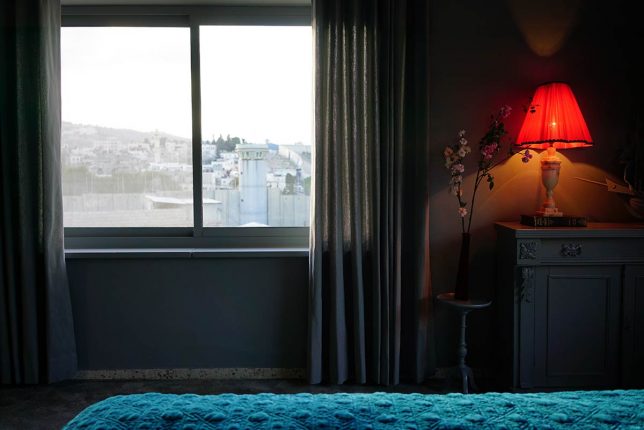
Last week we took a look at Lensrentals’ six hour initial disassembly of a broken Sony FE 70-200 F2.8 GM lens (would hate to be the person who dropped it!). In part two, the guys from LR continue to take apart the lens, to see if it can be saved or sent to the scrapyard.

Read LensRentals’ Sony FE 70-200mm F2.8 GM Teardown (Part 2)

Articles: Digital Photography Review (dpreview.com)
 
Comments Off on Lensrentals and the continuing saga of the broken Sony FE 70-200mm F2.8 GM

Posted in Uncategorized