RSS
 

Archive for November, 2016

The good, the bad and the ugly of aerial photography – part 3: equipment

26 Nov

In previous articles I’ve discussed the advantages of aerial photography and shooting from a helicopter as opposed to shooting from a light plane. But are there any special considerations with regard to equipment when shooting from the air?

Since we’ve already established that it’s the superior choice (at least in my opinion), let’s concentrate on the helicopter first. An open door gives the photographer a vast range of angle options, and selecting the equipment can be difficult at first. You can find many good compositions with ultra-wide angles all the way to telephoto lenses.

From my personal experience, the majority of my shots were taken with the wider end of a 24-70mm lens, i.e. If you only take one camera body (and don’t plan to switch lenses on the helicopter), take either a 24-70 or an ultra-wide such as a 16-35. Remember that an ultra-wide might come in handy at times, but when a need for longer focal length comes, it might lack the reach.

Naturally, lens selection also depends on the subject: if you know you’ll be shooting grand landscapes, use a wider focal length. If you’re interested in capturing detail or if you’re limited in your ability to get close to the subject, use a longer lens.

From high up, you don’t always need an ultra-wide lens to capture grand landscapes. This image was shot at 46mm.

Sussusvlei, Namibia

I highly recommend taking 2 camera bodies to an aerial shoot. If you do that, you can use another lens without switching it in midair, which can be complicated, not to mention extremely dangerous in case it goes flying out of the open door or window. The extra lens can be an ultra-wide but I personally prefer a telephoto. With a longer lens you can really delve into the fine detail of your subject, which might be hidden when shooting from the ground, and capture unique perspectives and interesting compositions.

My favorite telephoto lens is the Canon 70-300mm F4-5.6L IS, and I found myself shooting on the long end of the zoom quite a bit. The main advantage for me is that even though you’re flying hundreds of meters above the landscape, you can really get close and intimate with it when using a long lens.

When shooting from a plane, my recommendation is a 24-70 and a telephoto. Anything wider will capture parts of the plane, such as a wing or an engine, most of the time, which renders it almost useless.

At 176mm focal length, the Telephoto lens gave me a chance to capture the details on the erupting lava. Flying any closer was impossible since the air above the lava flow was so warm it made the helicopter tremble.

Holuhraun, Iceland

Once on the helicopter, you will most likely fasten the camera straps to a dedicated part in the seat belt. While this keeps the equipment from falling from the heli, you might finds straps getting tangled after going back and forth between camera bodies, which could in turn cause you to miss good shots. Try to be aware of this, and always make sure the straps are disentangled when time comes to shoot. The entanglement problem is also the reason that while it is possible to take 3 bodies, it’s not recommended.

Space in a light plane can be tight, so often you’ll only use one body. I would use a 24-70mm in that case. 

Greenland

Forget about using square filters, or anything else that can fly off and hit one of the rotors. It might feel calm inside, but try to take your hand out of the cabin and you’ll feel the enormous wind strength out there. There’s no reason to risk your life, and with today’s high-DR cameras you can compensate for global contrast when post processing the image. A polarizer is also a bad idea, as it can substantially darken the image and require a slower shutter speed or higher ISO.

Even high global contrast can be balanced with today’s high-DR sensors.
The Lofoten Islands,

Arctic Norway

One last thing to mention regarding gear is clothing. It can get cold up there, and while I was able to wear a t-shirt when shooting aerials in Namibia, in the Arctic I needed full thermal gear – the most important items were the hat and gloves. There were times my hands were totally devoid of all sensation and I had to stop shooting due to the cold. Be ready for this and try to use gloves that protect your hands from cold winds while allowing you to operate the camera.

In the next article in this series, I’ll talk about technique and parameters for aerial photography.


Erez Marom is a professional nature photographer, photography guide and traveler based in Israel. You can follow Erez’s work on Instagram, Facebook and 500px, and subscribe to his mailing list for updates.

If you’d like to experience and shoot some of the most fascinating landscapes on earth with Erez as your guide, you’re welcome to take a look at his unique photography workshops around the world:

Land of Ice – Southern Iceland
Winter Paradise – Northern Iceland
Northern Spirits – The Lofoten Islands
Giants of the Andes and Fitz Roy Hiking Annex – Patagonia
Tales of Arctic Nights – Greenland
Saga of the Seas and The Far Reaches Annex – The Faroe Islands
Desert Storm – Namibia

More in This Series:

  • The good, the bad and the ugly of aerial photography – Part 1: Why shoot aerials?
  • The good, the bad and the ugly of aerial photography – Part 2: Aircraft

Selected Articles by Erez Marom:

  • Parallelism in Landscape Photography
  • Behind the Shot: Dark Matter
  • Mountain Magic: Shooting in the Lofoten Islands
  • Behind the Shot: Nautilus
  • Behind the Shot: Lost in Space
  • Behind the Shot: Spot the Shark
  • Quick Look: The Art of the Unforeground
  • Whatever it Doesn’t Take
  • Winds of Change: Shooting changing landscapes
  • On the Importance of Naming Images

Articles: Digital Photography Review (dpreview.com)
 
Comments Off on The good, the bad and the ugly of aerial photography – part 3: equipment

Posted in Uncategorized


The Red Line: Moody Neon Light Installations in Remote Places

26 Nov

[ By SA Rogers in Art & Installation & Sound. ]

La Linea Roja

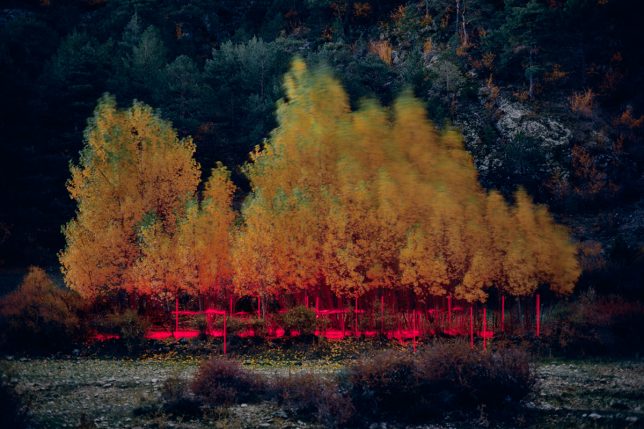
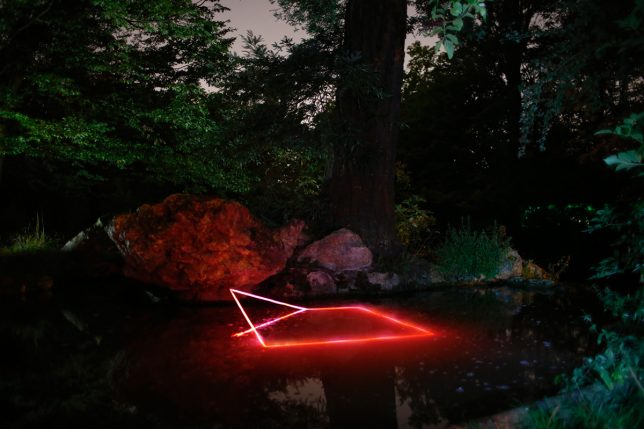
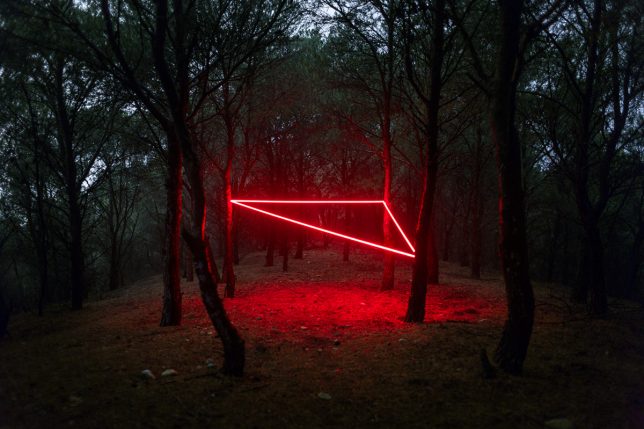
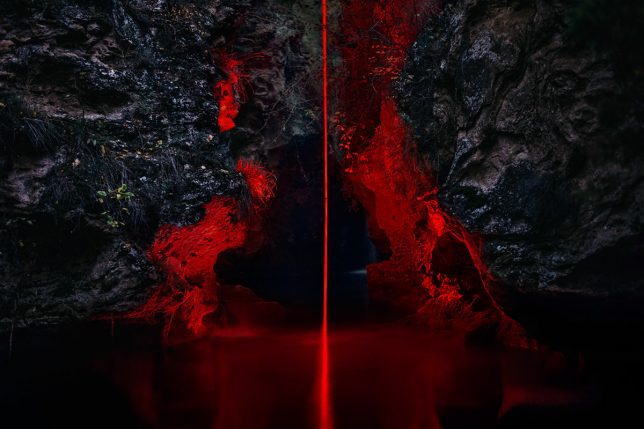
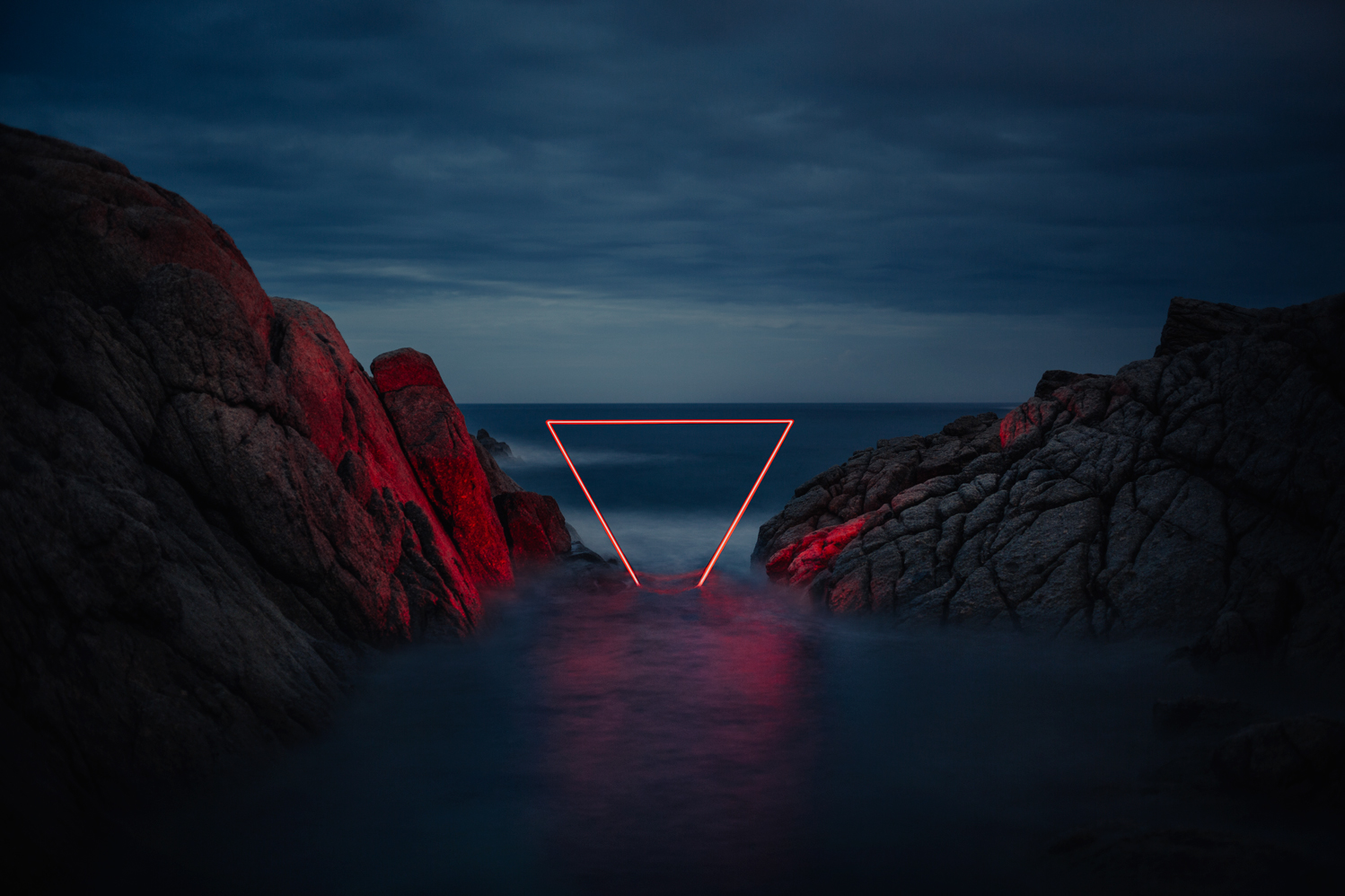
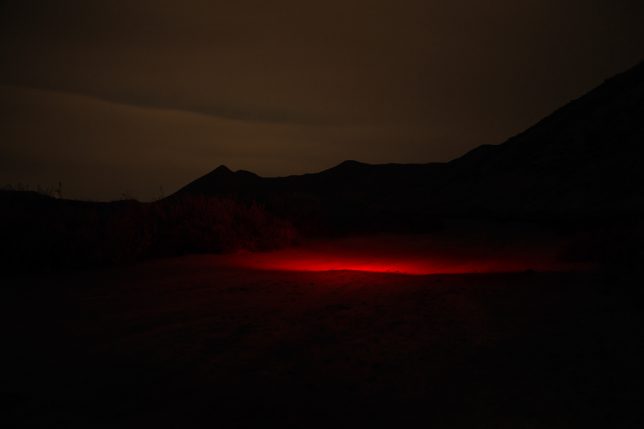
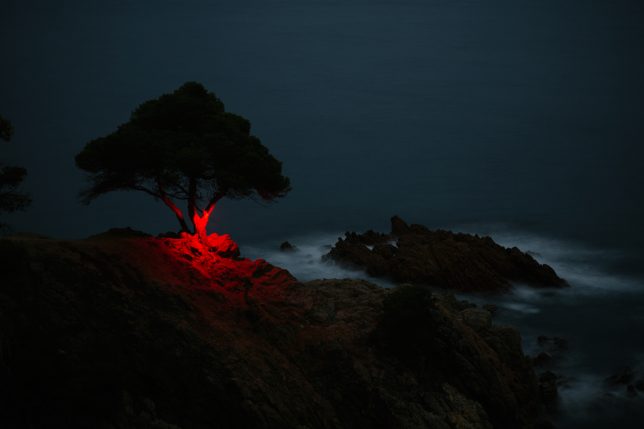
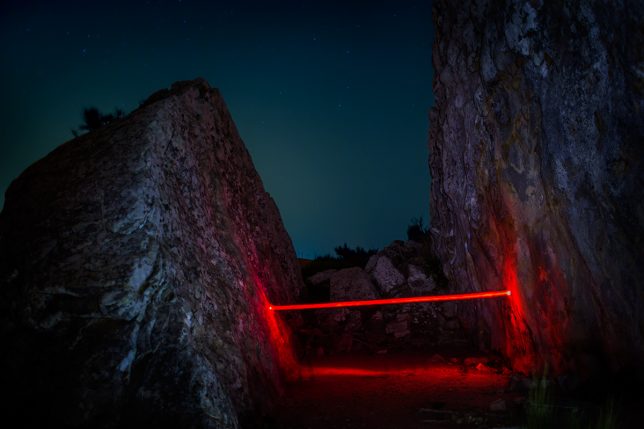
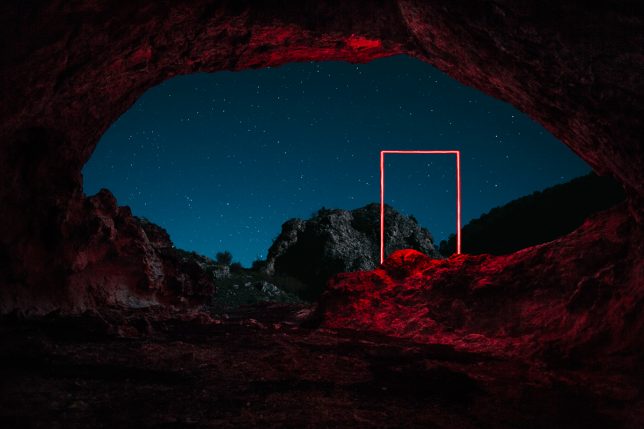
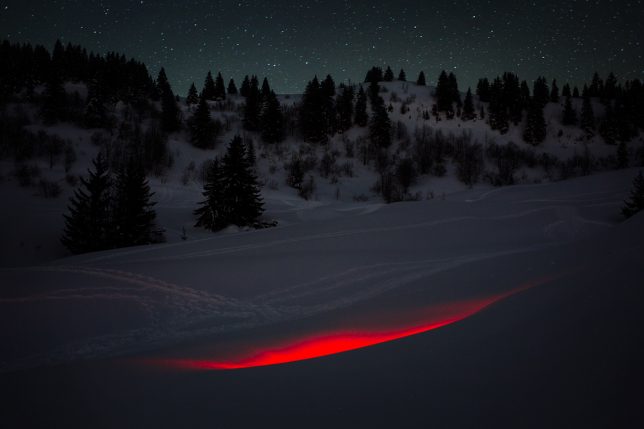
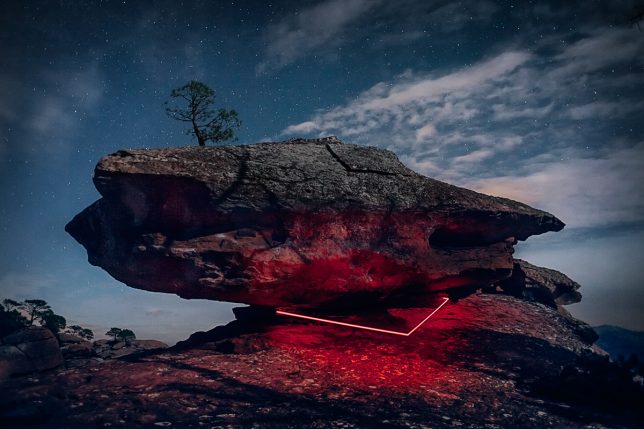
Red neon lights arranged in geometric shapes or casting eerie illumination onto darkened trees almost seem like a natural phenomenon in the vein of the aurora borealis, captured by photographers who manage to be in the right place at the right time. A glow coming from a slit in a snowy landscape or just under the surface of the sea hints at the presence of life forms just out of sight.

red-line-2

red-line-4

red-line-3

‘La Linea Roja’ by photographer Nicolas RIVALS carries on a longstanding tradition of introducing artificial lights to natural spaces for high-impact temporary art installations, but adds a little something extra in the form of a strikingly limited color palette, moody skies, black lines of tree silhouettes and surprisingly natural-looking compositions.

La Linea Roja

red-line-7

La Linea Roja

La Linea Roja

The Paris-based photographer installed the lights in various landscapes while on a trip through Spain, capturing the effect using long-exposure photographs.

La Linea Roja

La Linea Roja

red-line-12

Here’s what RIVALS has to say about the series:

“A red line woven over a journey through Spain, to connect Man with nature. A red line to fix a moment of poetry. Unreal scenes which existed for a night to disappear in the morning. An installation left as a proposition to the natural world. A luminous harmony between will and chance. Between tribute and sacrilege. Between the beautiful and the range. An aesthetic research on shapes engaging in dialogue with an asymmetrical nature.”

Share on Facebook


[ By SA Rogers in Art & Installation & Sound. ]

[ WebUrbanist | Archives | Galleries | Privacy | TOS ]


WebUrbanist

 
Comments Off on The Red Line: Moody Neon Light Installations in Remote Places

Posted in Creativity


Chronos high-speed camera hits crowdfunding goal in record time

26 Nov

The Chronos 1.4 affordable high-speed camera that created some buzz on the internet about a month ago has now made it onto Kickstarter and reached its funding goal of approximately $ 48,000 in only 5 hours. The Chronos 1.4 can shoot high-speed video with 1,957 fps at its full resolution of 1280 × 1024 pixels, and up to 21,600 fps at lower resolutions. 

The Chronos captures its footage on a 8.45 x 6.76mm sensor with a 6.6um pixel pitch. A global shutter means that leaning verticals won’t be an issue and the electronic shutter achieves a fastest speed of 1/500,000 sec. The sensitivity can be adjusted between ISO 320-5120 when shooting in color and 740-11840 in monochrome mode. The camera takes C and CS-mount video lenses and comes with a 5″ 800×480 touchscreen, an SD-card slot, audio IO connector, built-in microphone and HDMI out. Power is supplied by a standard Nikon camera battery. 

If you want to support the project and reserve a Chronos 1.4, you can do so by pledging approximately $ 3,000, a fraction of the cost of other pro-level high-speed cameras, on the Chronos Kickstarter page. Shipping of the first units is planned for March 2017. You can find more information on the Chronos website, some sample footage can be seen in the video below.

Articles: Digital Photography Review (dpreview.com)
 
Comments Off on Chronos high-speed camera hits crowdfunding goal in record time

Posted in Uncategorized


Sony Xperia XZ camera review

25 Nov

$ (document).ready(function() { SampleGalleryV2({“containerId”:”embeddedSampleGallery_3336540306″,”galleryId”:”3336540306″,”isEmbeddedWidget”:true,”standalone”:false,”selectedImageIndex”:0,”startInCommentsView”:false,”isMobile”:false}) });

The Xperia XZ is the top-of-the-line model in Sony’s Xperia X series and comes with some of the latest technologies implemented in its camera module. A Sony IMX300 1/2.3” 23MP image sensor with on-sensor phase detection is accompanied by a laser that measures distance to its subject to improve AF speed and accuracy in low light. Also on board is an RGBC-IR sensor that measures the color values of a scene in order to fine-tune the white balance system. The hybrid AF-system is also predictive and can track subjects in motion.

The Sony G lens comes with a 24mm equivalent focal length and an F2.0 aperture. In video mode, the camera can record footage in 4K resolution and the Xperia XZ is also the first device on which Sony has implemented 5-axis electronic video stabilization. At the front there is a 13MP 1/3″ sensor with F2.0 aperture and 1080p video – specifications that would have been worthy of a main camera not too long ago.

Processor and other components match the high-end characteristics of the camera and all the technology is wrapped up in an 8.1mm thin metal body that is water and dust tight (IP65/68). The Sony is also one of only a few smartphones to come with a dedicated camera button, making it an interesting option for any photography-oriented user.

Key Photographic / Video Specifications

  • Sony IMX300 1/2.3” 23MP BSI CMOS sensor
  • 24mm equivalent focal length
  • F2.0 aperture
  • AF with on-sensor phase detection and laser-assistance
  • Subject tracking
  • RGBC-IR sensor
  • Manual control over shooting parameters
  • 4K video at 30 fps
  • 5-axis electronic video stabilization
  • 13MP front camera, F2.0, 22mm equivalent focal length

Other Specifications

  • 5.2-inch 1080p IPS screen 
  • Qualcomm Snapdragon 820 chipset
  • 3GB RAM
  • 32/64GB storage
  • MicroSD support
  • 2,900mAh battery
  • Environmental protection  (IP65/68)
  • Fingerprint reader

DPReview smartphone reviews are written with the needs of photographers in mind. We focus on camera features, performance, and image quality.

Articles: Digital Photography Review (dpreview.com)
 
Comments Off on Sony Xperia XZ camera review

Posted in Uncategorized


Throwback Thursday: Casio QV-4000

25 Nov

Long before there was an app for that, your camera had a scene mode for that.

Cameras and smartphones have gotten pretty good at detecting what kind of scene you’re trying to photograph and optimizing your settings for the best shot, and they’re only getting smarter. But fifteen years ago when we reviewed the Casio QV-4000 such technologies didn’t exist.

Instead, you got ‘Best Shot Modes,’ a collection of exposure modes designed to help you match the right camera settings to the scene you were shooting. There were 5 pre-installed on the QV-4000, but you could install a hundred more by simply loading them from the CD-ROM that came with the camera onto your Compact Flash card.

So with more than a hundred modes to choose from, you can imagine how specific they get. In no particular order, here are some of my favorites:

  • Photo of a toadstool 
  • Portrait in a field of flowers
  • Photo at a hotel
  • Photo of a mossy wood

You can see them all here. And even though they seem a little funny now, Casio was only trying to answer a question we still haven’t quite cracked: how do you help the average consumer take better photos? Automatic scene detection and technology like Google’s HDR+ solve some problems, but I know I still see plenty of backlit portraits and blurry ‘night at the bar’ photos in my Facebook feed.

The answer is starting to look different than a hundred different user-selectable scene modes, but the problem is sure the same.

$ (document).ready(function() { SampleGalleryV2({“containerId”:”embeddedSampleGallery_7557875175″,”galleryId”:”7557875175″,”isEmbeddedWidget”:true,”standalone”:false,”selectedImageIndex”:0,”startInCommentsView”:false,”isMobile”:false}) });
Articles: Digital Photography Review (dpreview.com)
 
Comments Off on Throwback Thursday: Casio QV-4000

Posted in Uncategorized


Origami Spoon: Flat-Folding Kitchen Tool Adjusts to Measure Multiple Sizes

25 Nov

[ By WebUrbanist in Design & Products & Packaging. ]

four-sizes

A clever domestic design to eliminate ungainly collections of measuring spoons and cups, Polygons is an ingenious cooking multi-tool that measures different amounts on demand and packs flat when not in use.

polygons

kitchenmultitool

The key to the device is its flexibility, and not just in terms of measuring. Its creators claim it can flex up to 100,000 times without breaking thanks to TPR-based hinges.

four-configurations

spreading-stuff

Each tool (a teaspoon and tablespoon variant) has four different measuring configurations and can also be used to spread things in its flat formation.

kitchen-tool-powder

The creators claim it works equally well with runny and viscous liquids as well as powders, then wash easily to avoid stains and smells.

kitchen-measuring-device

If the material science side of the project holds it could have a lot more applications as well for everyday-use objects that need to bend without extraneous hinging mechanisms (which add bulk to a product as well as a point of failure and cracks for dirt and debris).

Share on Facebook


[ By WebUrbanist in Design & Products & Packaging. ]

[ WebUrbanist | Archives | Galleries | Privacy | TOS ]


WebUrbanist

 
Comments Off on Origami Spoon: Flat-Folding Kitchen Tool Adjusts to Measure Multiple Sizes

Posted in Creativity


Photo gifts for every budget: 2016 Holiday Gift Guides

24 Nov

It’s not easy shopping for a photographer. We’re notoriously picky, our gear is confusingly named and the difference between something we like and something we don’t can come down to what seem like trivial details. Trust us, if picking camera equipment was easy, we’d be out of work.

But before you give up and just get a gift card, take a look through our carefully selected holiday gift suggestions, grouped by price range, for the photographer in your life. Don’t worry – we won’t tell anyone if that photographer is actually you.

Articles: Digital Photography Review (dpreview.com)
 
Comments Off on Photo gifts for every budget: 2016 Holiday Gift Guides

Posted in Uncategorized


Which instant camera should I buy? 2016 Instax mini roundup

24 Nov

Instax Roundup 2016

Let’s face it, it seems a little odd that a site called Digital Photography Review would dare take a step backward in to the world of analog photography. But truth be told, we all were delighted by handling physical prints from these cameras. Some of our editors began their careers in a darkroom, and with Instax mini images there’s just a little zest of the ‘magic’ of development as an image first appears. After that’s over, you’re left with a business-card sized talisman, artwork, souvenir, memory, or whatever else a photograph can become.

It’s not just us who are hooked on the smiles and joy instant photography can bring; sales of Fujifilm Instax cameras are expected to reach 5 million units this year, and they’re not even the sole manufacturer of cameras that use the format. 

Plus, the affordable options make great gifts, and are some of the cheapest ways to give the gift of photography over the holiday season. So we wondered: which one is best? 

We decided to step into the world of instant for a few days to find out which camera is best for gifting to newcomers, and which is best for a photographer to gift to themselves. We selected eight cameras that all use the Instax mini format – which is now available in color and black and white (purists rejoice!) – and spent a little time with each to find out which is most fun, and which one is most rewarding. 

The contenders are:

Fujifilm Instax mini 8
Fujifilm Instax mini 70
Fujifilm Instax mini 90
Lomography L’instant
Lomography L’instant Automat
Lomography LC-A+ Instant Back
Leica Sofort
MiNT InstantFlex TL70

Articles: Digital Photography Review (dpreview.com)
 
Comments Off on Which instant camera should I buy? 2016 Instax mini roundup

Posted in Uncategorized


Camera Roundups updated for the holidays

24 Nov

Just in time for the holiday shopping rush, we’ve updated our camera roundups. We’ve distilled everything we know about just about every camera on the market and recommended the models that stood out for us.

Never before has the market offered such a broad range of capable cameras, whether that’s in terms of video shooting, autofocus performance or pocketable image quality. So, no matter what your budget, there should be something that suits your needs, whether you’re looking to explore new creative avenues, grab some better snaps than your phone can offer or just reinvigorate your love of photography.

Whether you’re shopping for yourself or someone else, our roundups are written to tell you what you need to know, to help you make the most informed choice possible. We hope you find them useful:


Compact and fixed-lens cameras:

  • Consumer long-zoom camera roundup
  • Compact enthusiast camera roundup
  • Enthusiast long-zoom camera roundup
  • Fixed, prime lens camera roundup
  • 4K action camera roundup

Interchangeable lens cameras:

  • Interchangeable lens cameras around $ 500
  • Interchangeable lens cameras $ 500-900
  • Interchangeable lens cameras $ 900-1200
  • Crop-sensor ILCs, $ 1200-2000
  • Full frame ILCs $ 1200-2000
  • Semi-pro ILCs, $ 2000+

Articles: Digital Photography Review (dpreview.com)
 
Comments Off on Camera Roundups updated for the holidays

Posted in Uncategorized


21 Smoking Hot Images of Fire

24 Nov

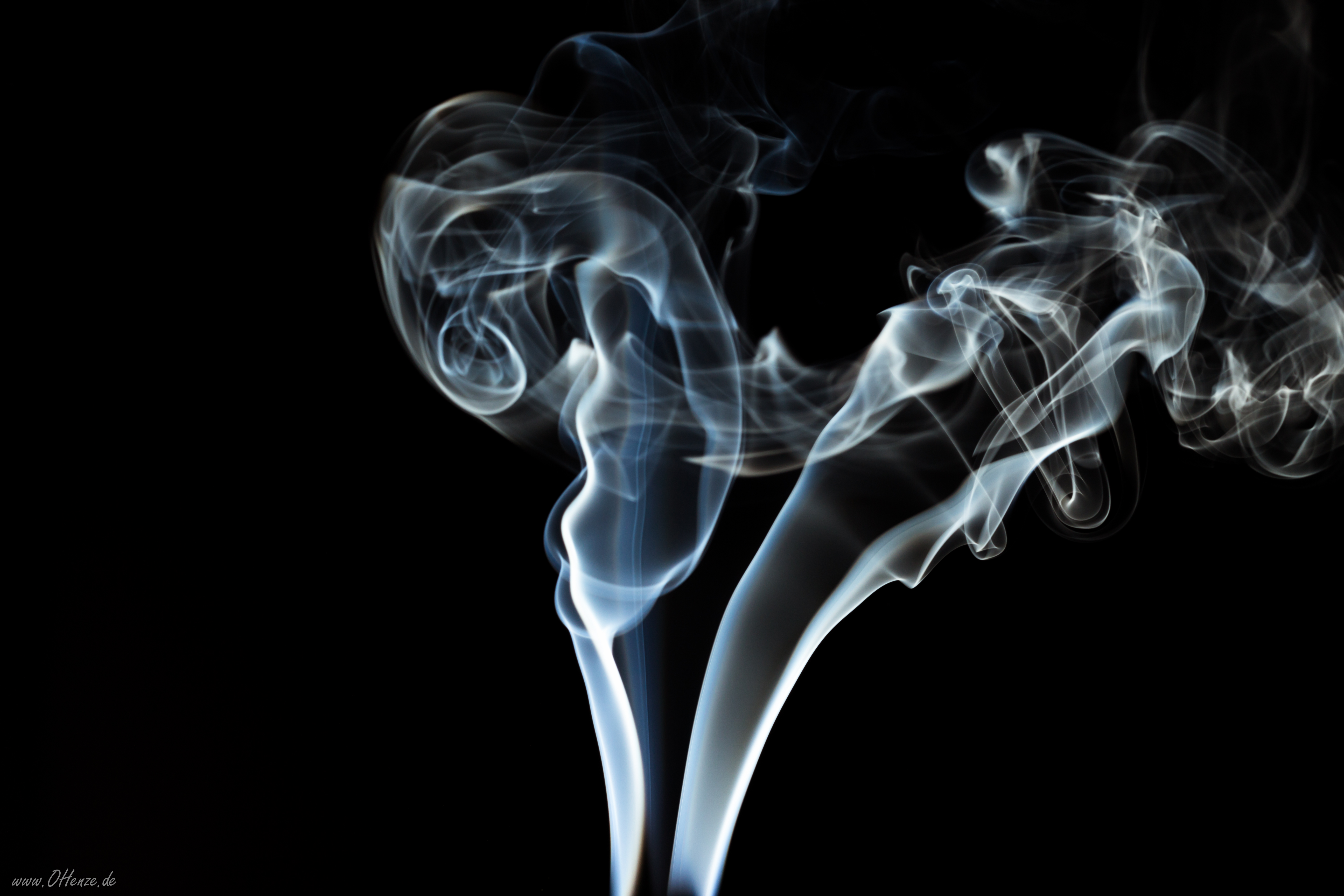
Where there is smoke . . .

Olli Henze

By Olli Henze

There’s fire!

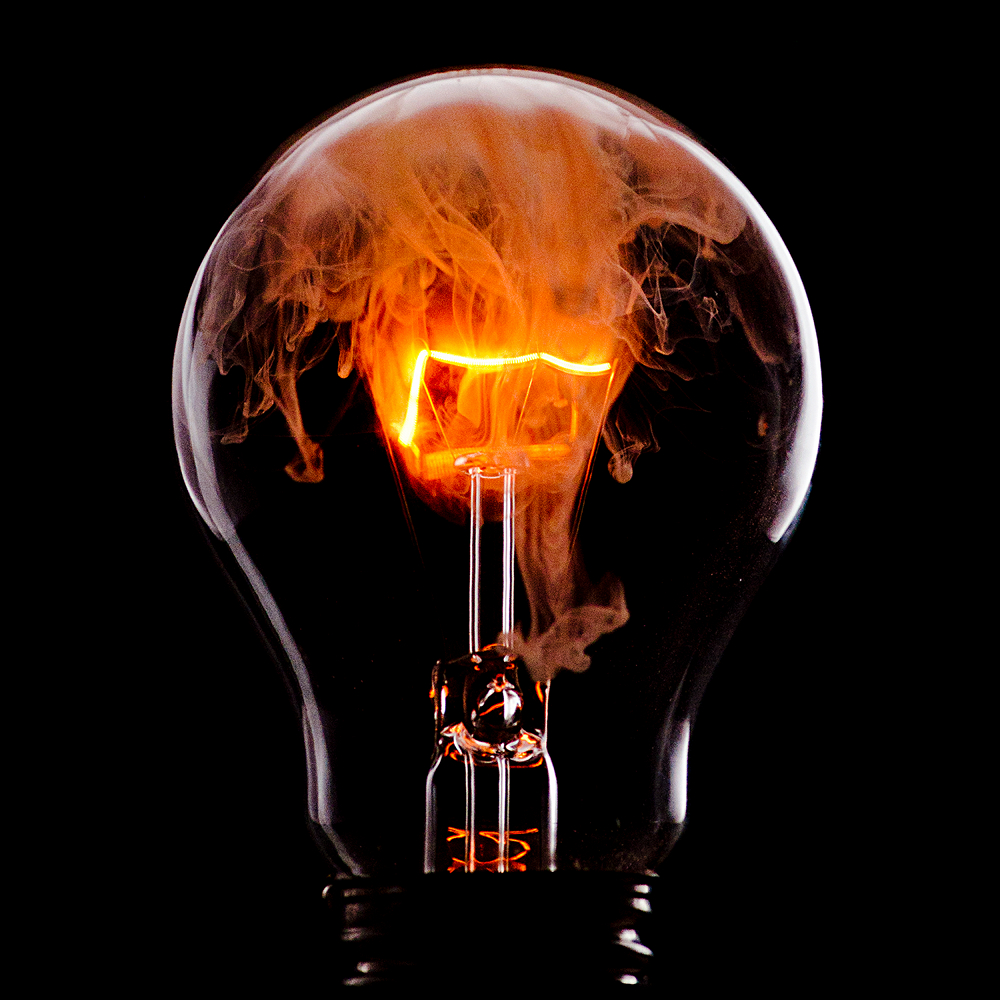
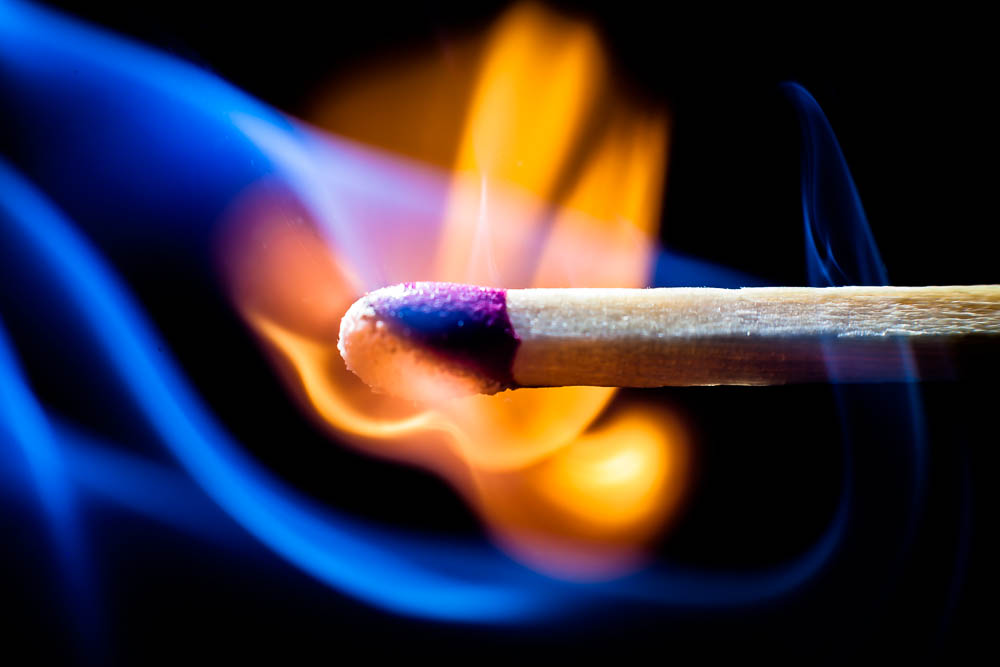
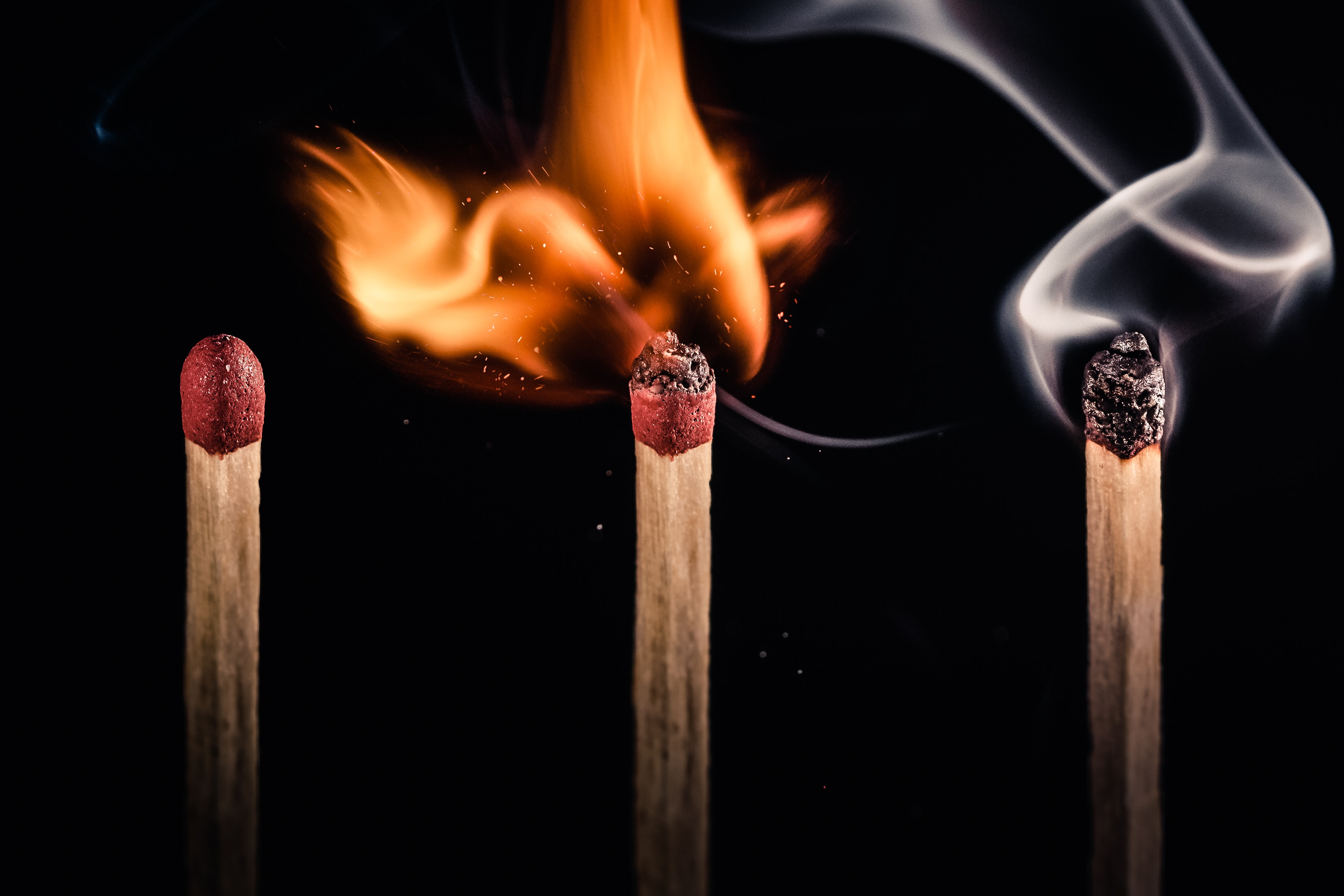
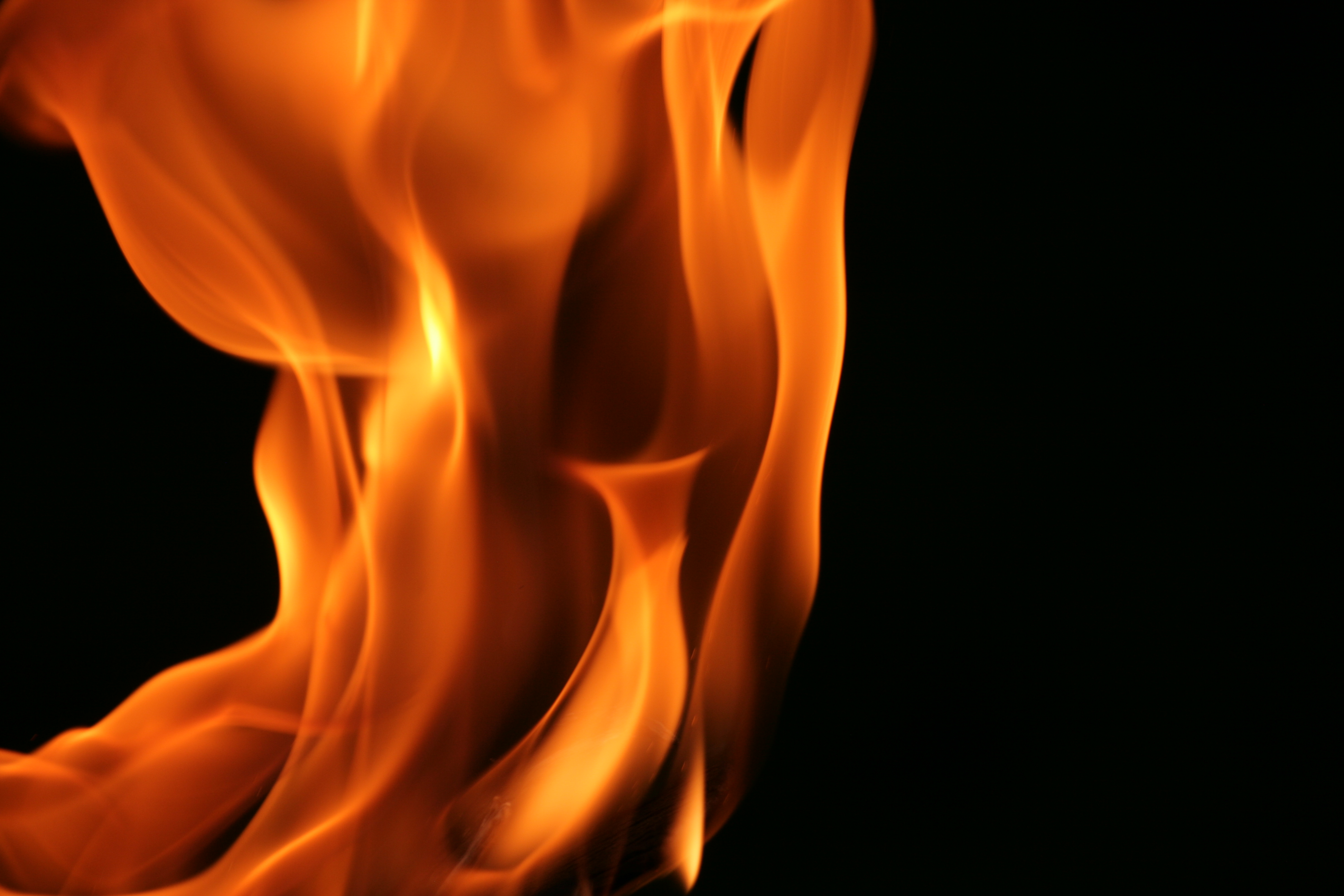
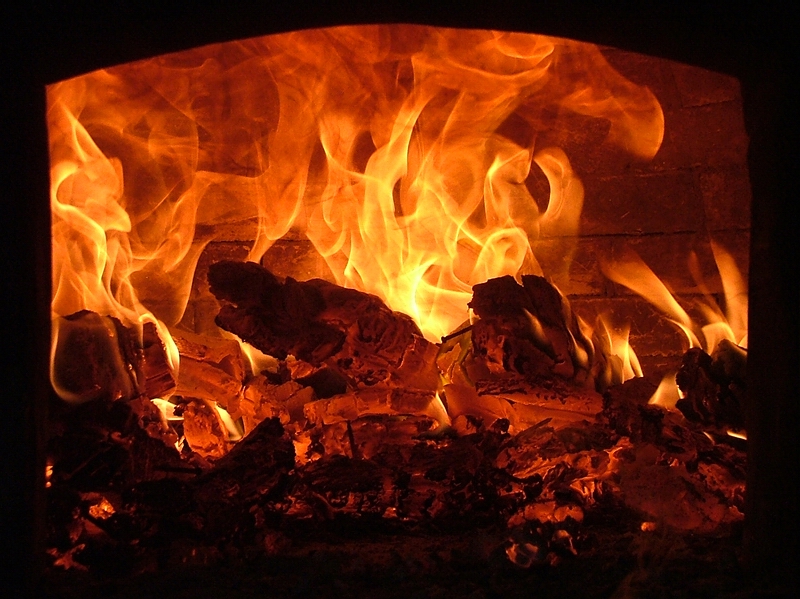
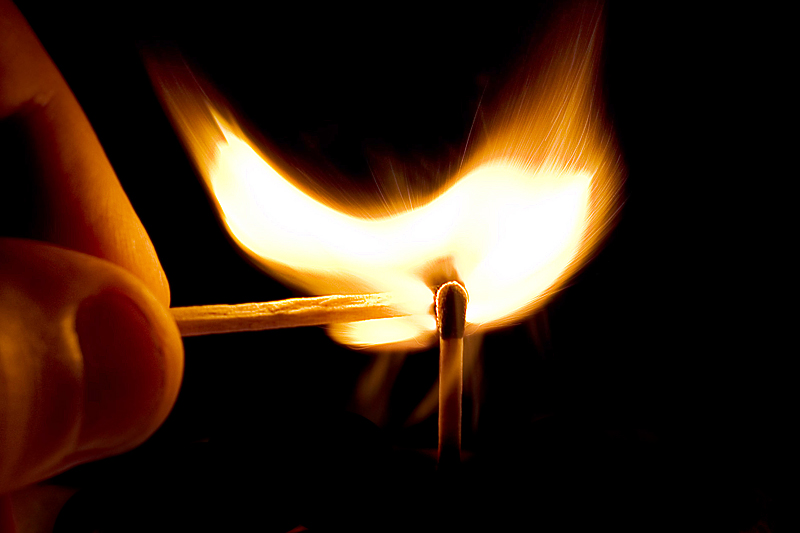
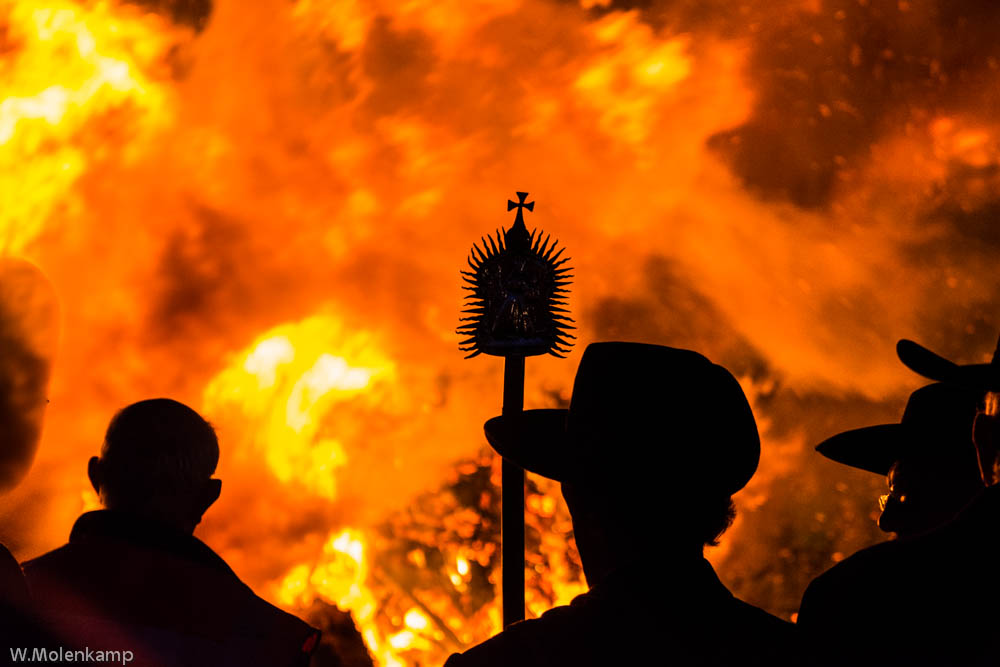
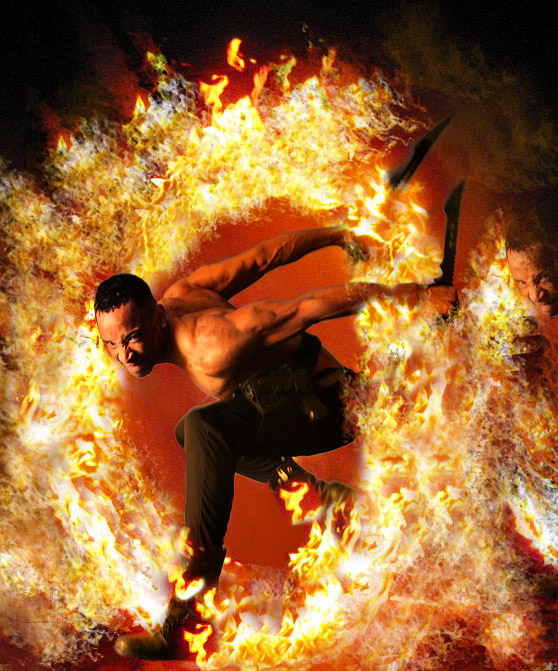
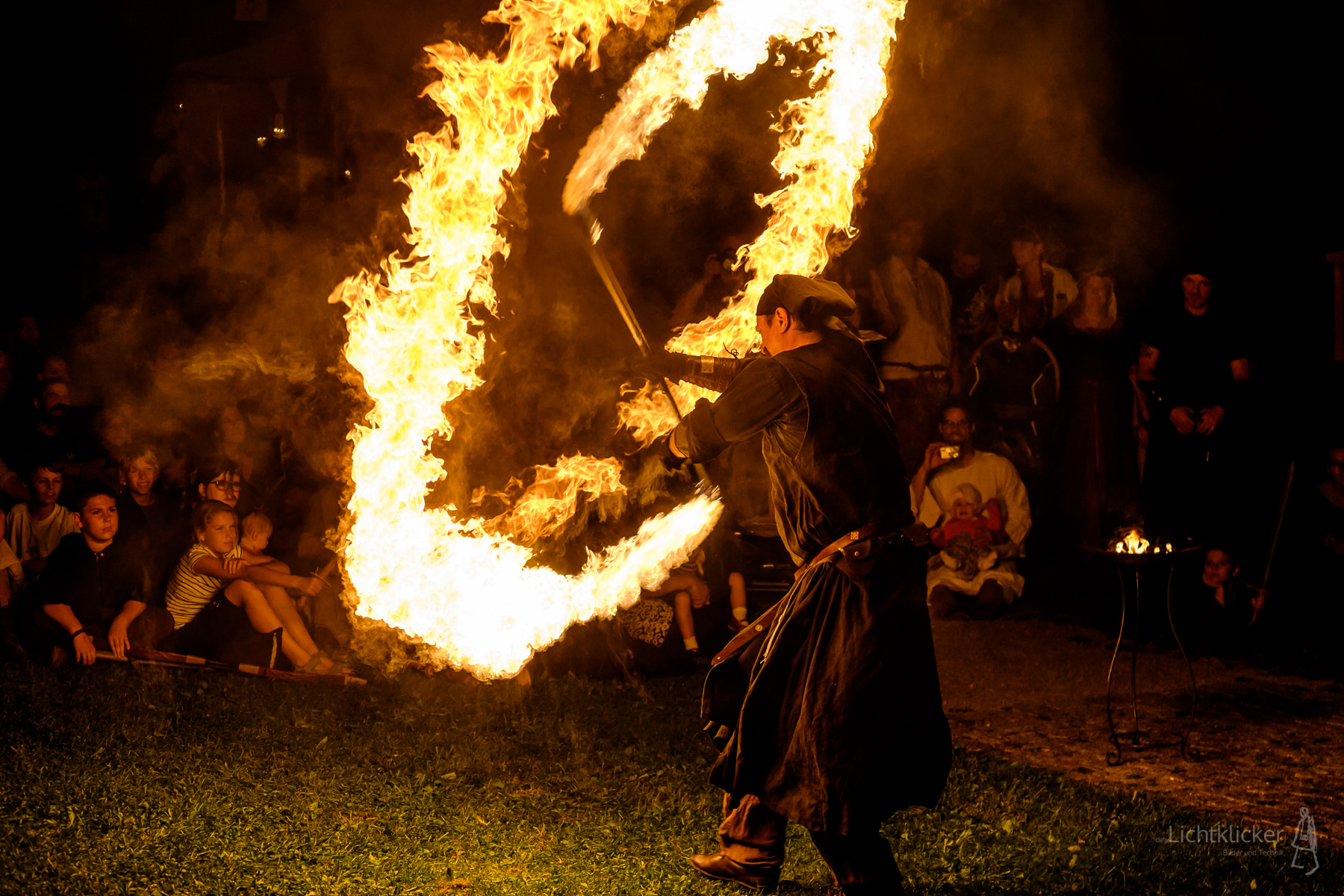
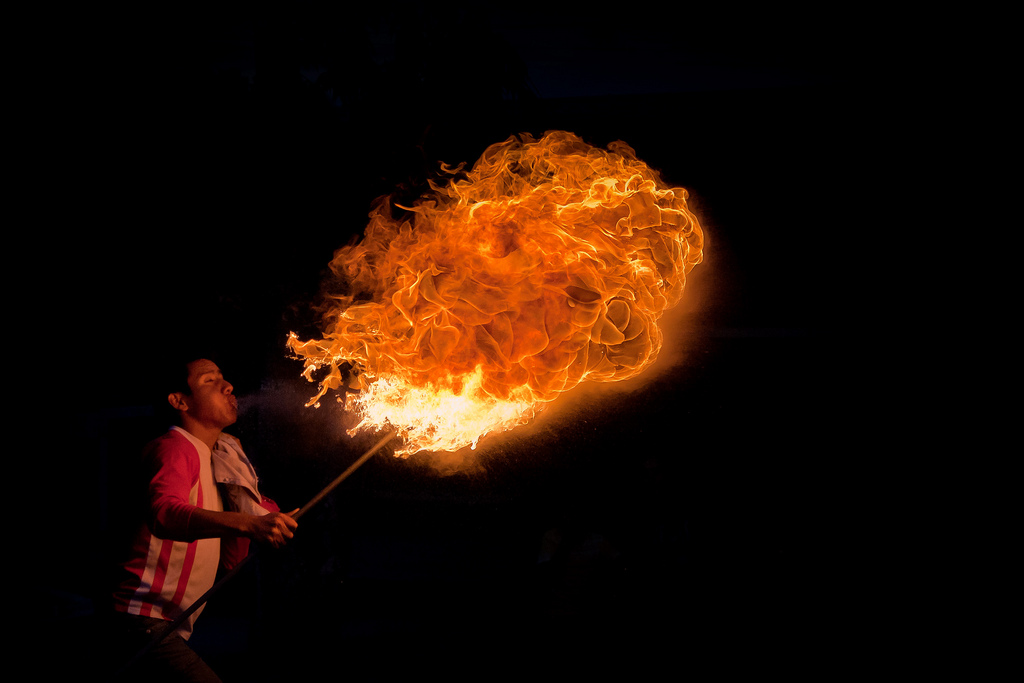
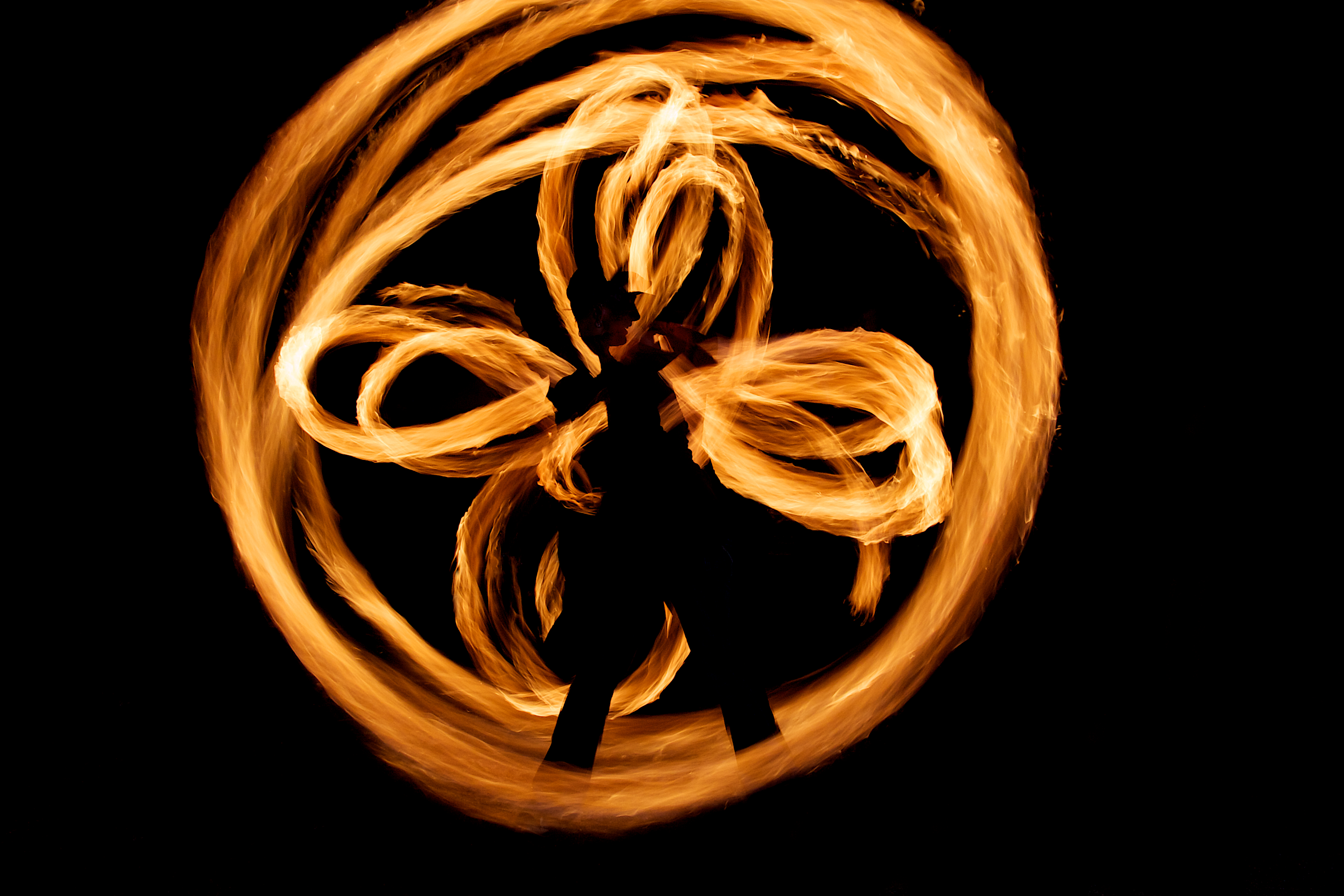
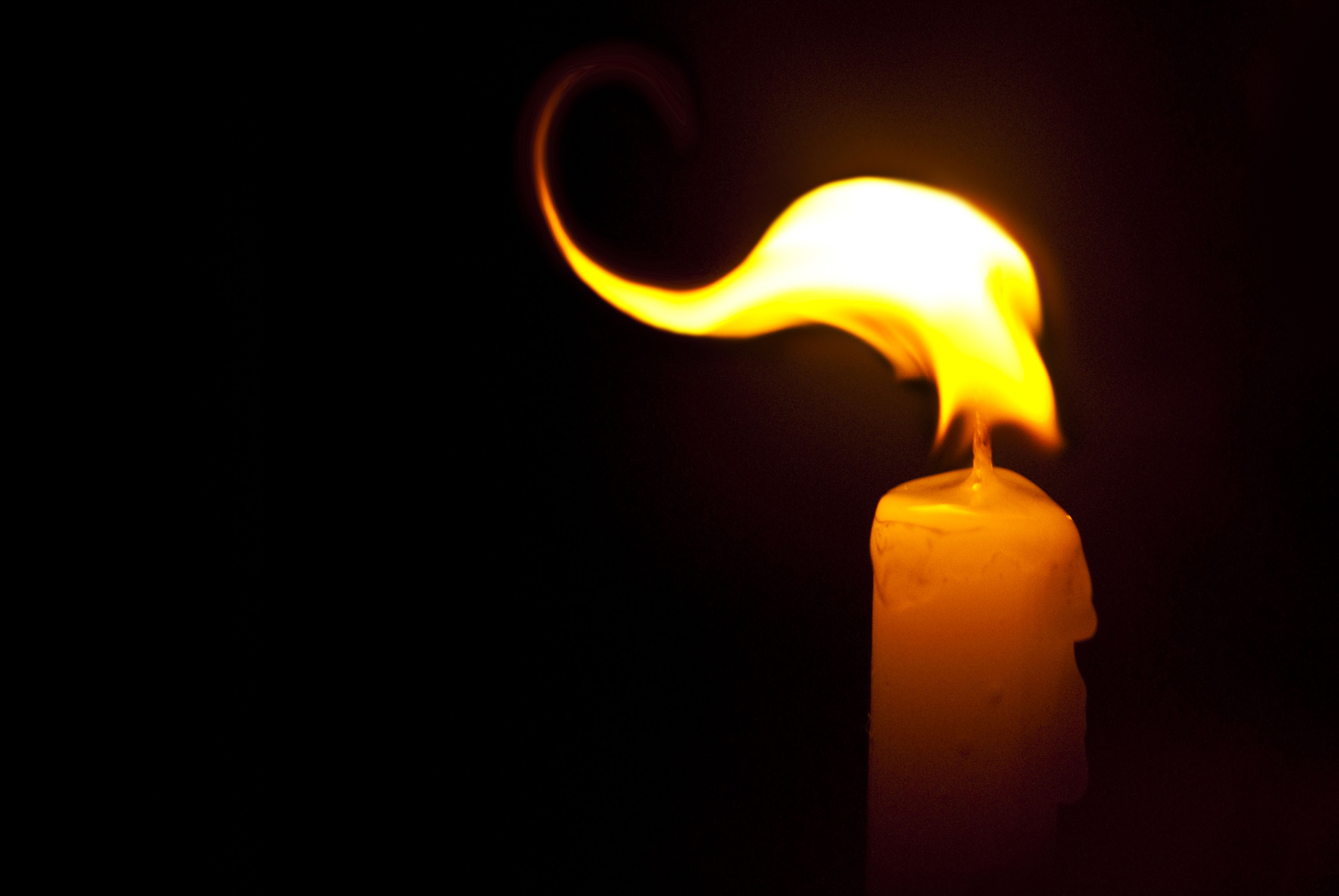
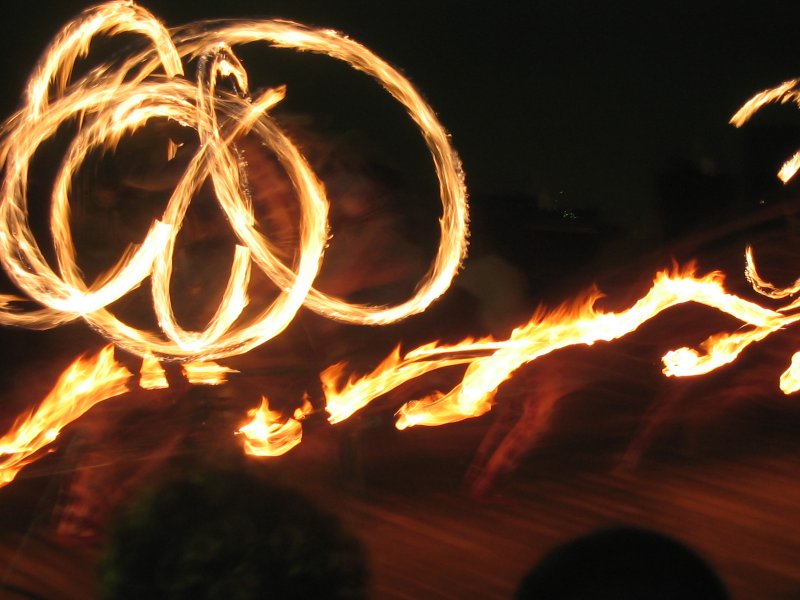
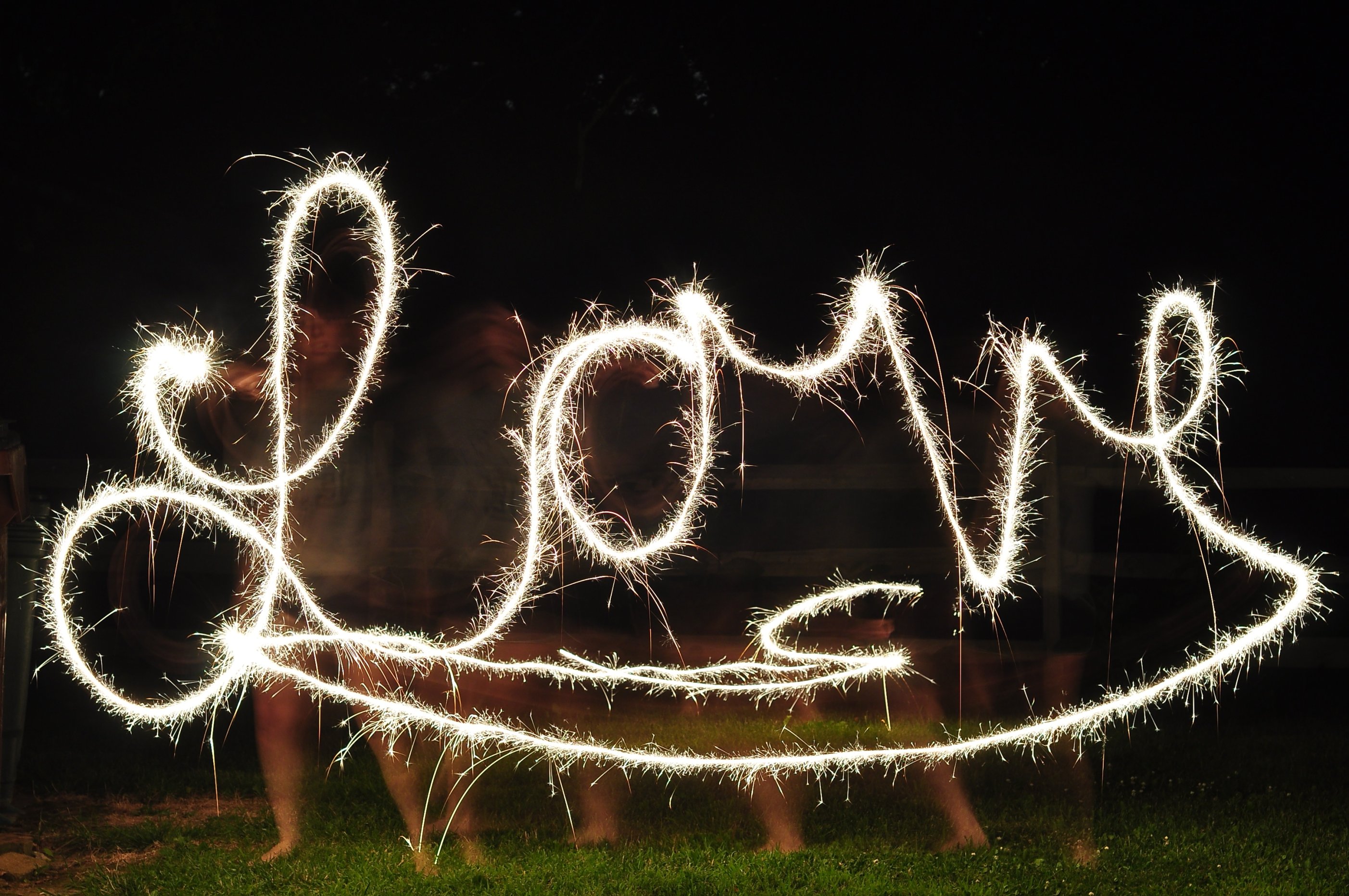
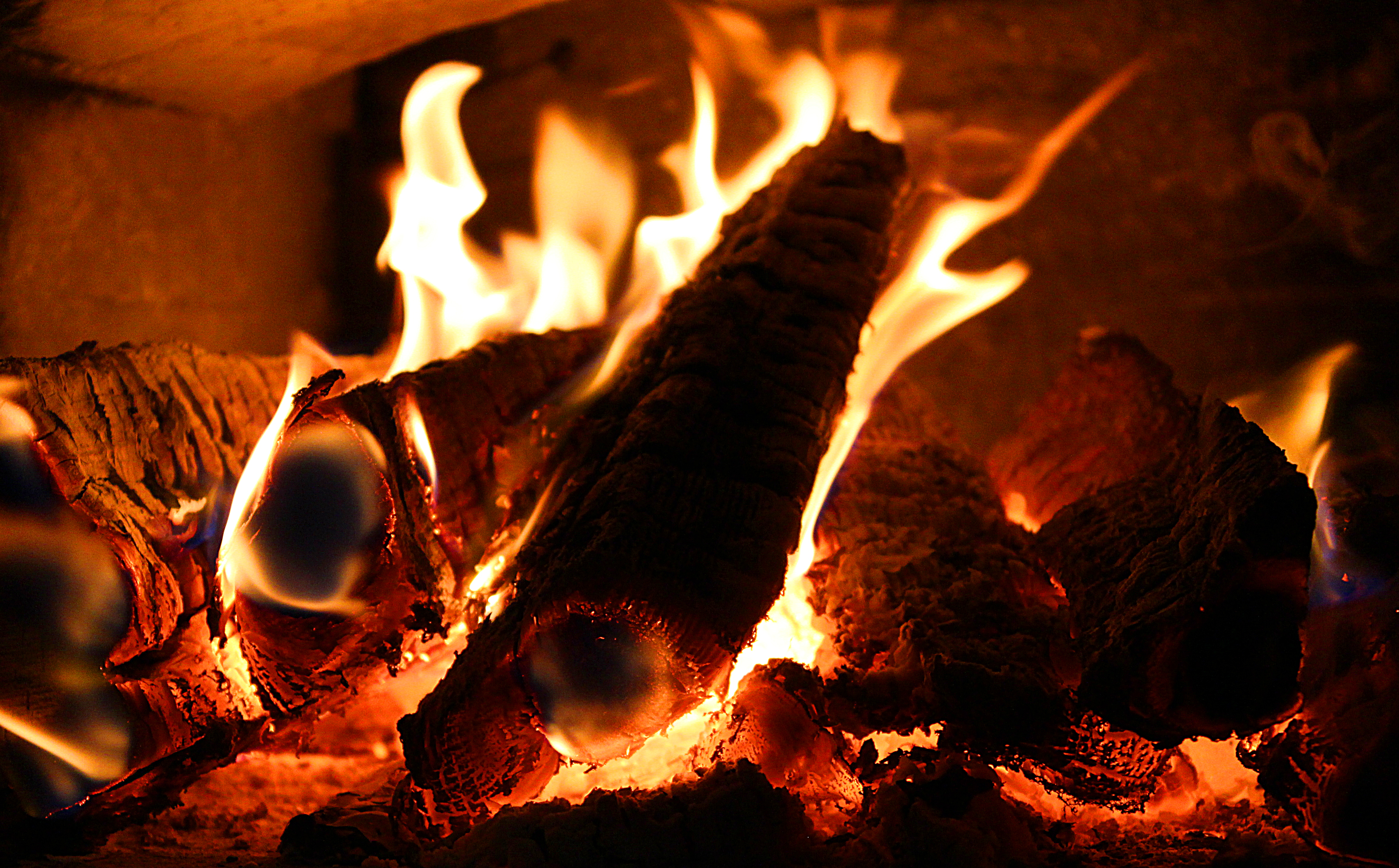
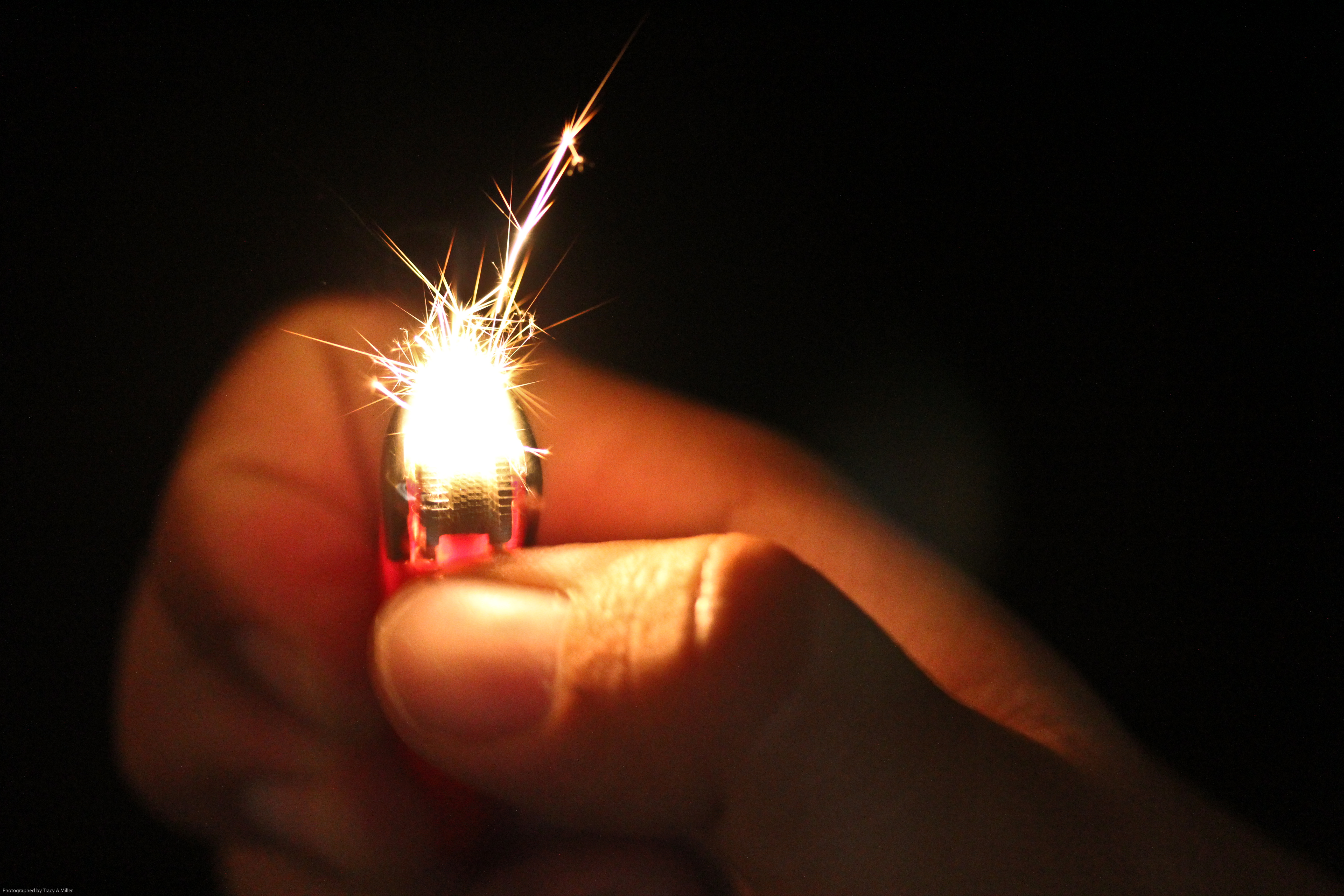
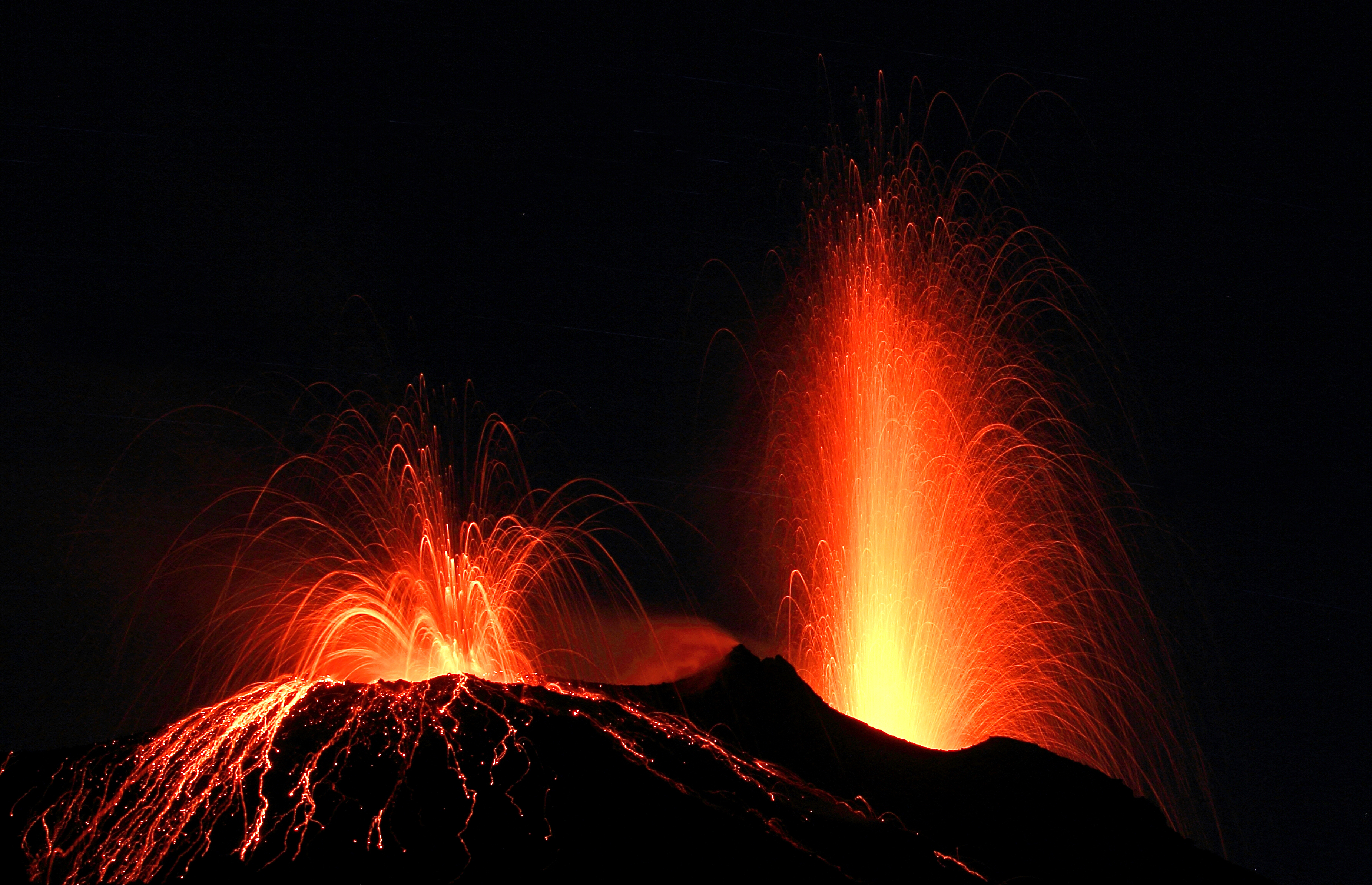
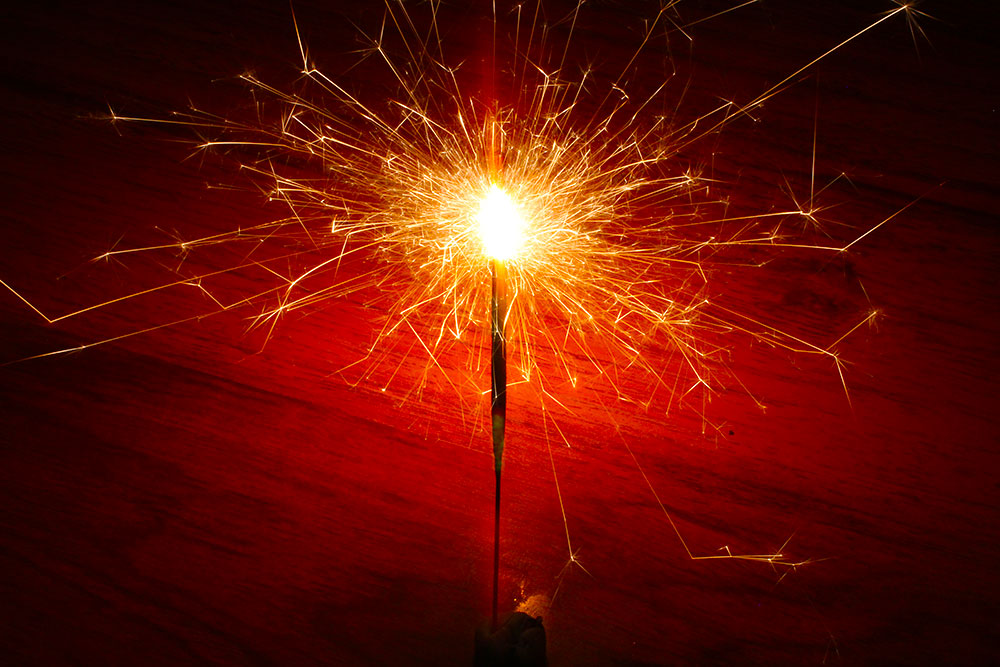
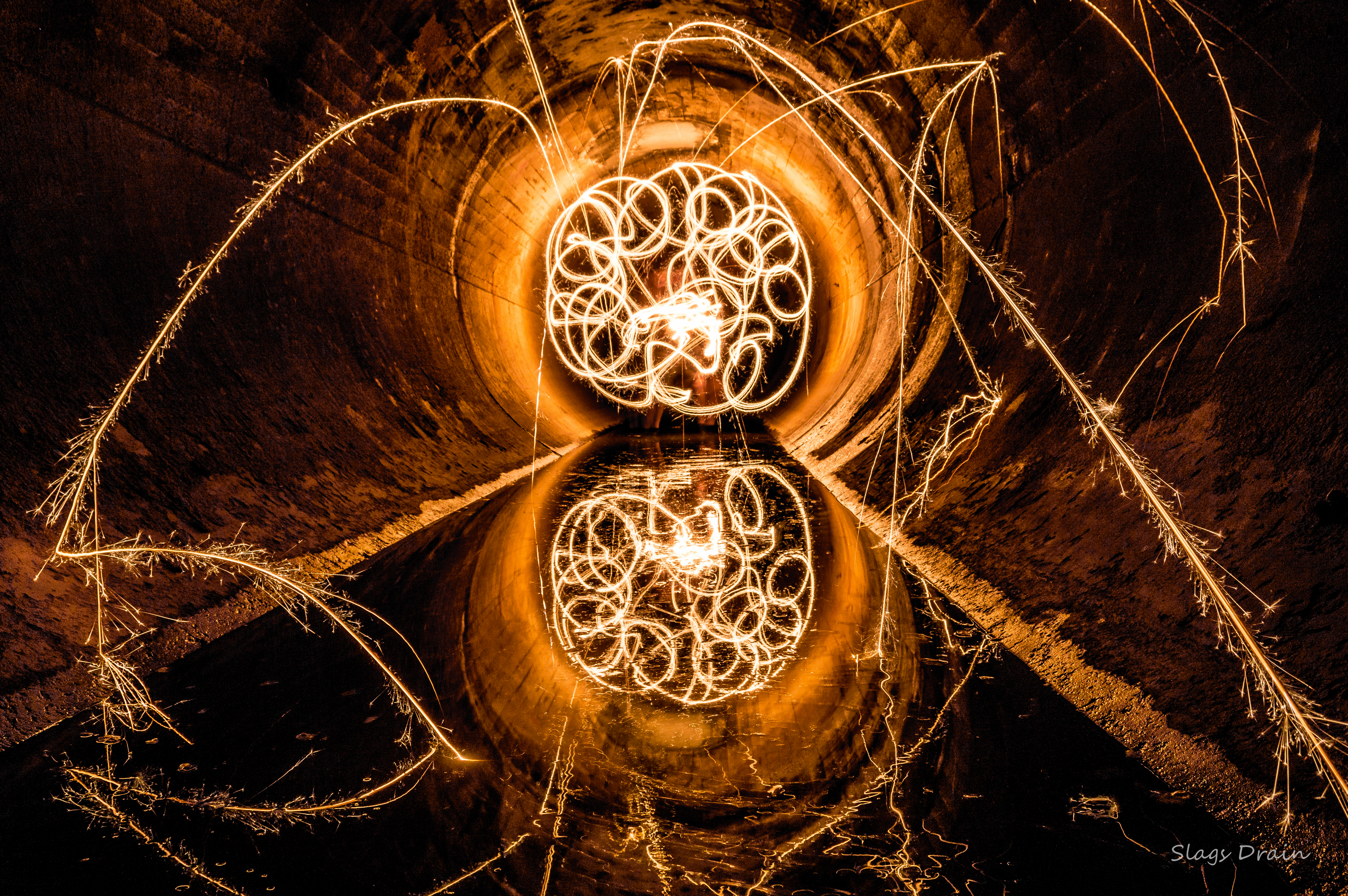
Fire is a tricky thing to photograph. It comes in many forms; campfire, match, bonfire, fire spinning, sparklers, candles, etc. It can also make for some stunning images. Check these images of fire out and see if you agree.

Jan

By Jan

Shawn Kent

By Shawn Kent

Emilio Küffer

By Emilio Küffer

Darkday

By darkday

Annie Roi

By Annie Roi

Darkday

By darkday

José Carlos Da Silva Encarnação

By José Carlos da Silva Encarnação

Marcos André

By Marcos André

Wil Molenkamp

By Wil Molenkamp

Vineet Radhakrishnan

By Vineet Radhakrishnan

Der LichtKlicker

By der LichtKlicker

Umberto Salvagnin

By Umberto Salvagnin

Chuck Grimmett

By Chuck Grimmett

Shan Sheehan

By Shan Sheehan

Fábio Pinheiro

By Fábio Pinheiro

Courtney Carmody

By Courtney Carmody

Andy Miccone

By Andy Miccone

Compassrose_04

By compassrose_04

Victor

By Victor

Adrian Kingsley-Hughes

By Adrian Kingsley-Hughes

Serge Melki

By Serge Melki

googletag.cmd.push(function() {
tablet_slots.push( googletag.defineSlot( “/1005424/_dPSv4_tab-all-article-bottom_(300×250)”, [300, 250], “pb-ad-78623” ).addService( googletag.pubads() ) ); } );

googletag.cmd.push(function() {
mobile_slots.push( googletag.defineSlot( “/1005424/_dPSv4_mob-all-article-bottom_(300×250)”, [300, 250], “pb-ad-78158” ).addService( googletag.pubads() ) ); } );

The post 21 Smoking Hot Images of Fire by Darlene Hildebrandt appeared first on Digital Photography School.


Digital Photography School

 
Comments Off on 21 Smoking Hot Images of Fire

Posted in Photography