Month: July 2016

  • White House photographer Pete Souza reveals what’s in his bag

     ‘The Situation Room’, photo by Pete Souza. President Barack Obama and Vice President Joe Biden, along with members of the national security team, receive an update on the mission against Osama bin Laden in the Situation Room of the White House, May 1, 2011. 

    There’s no photographer in the world with a job quite like Pete Souza’s. As Official White House photographer, Souza has to be ready to move at a moment’s notice. Familiarity with and trust in his gear is essential. So what’s in his photo bag? Surprisingly little, which actually makes a lot of sense.

    Souza uses two Canon EOS 5D Mark III bodies. Introduced in 2012, it’s a full-frame 22MP DSLR that earned a gold award for its excellent image quality and versatility when we reviewed it.

    Popular Science recently got a look at Souza’s kit and found two Canon 5D Mark III bodies and a trio of L-series lenses: a 135mm F2, 35mm F1.4 and a 24-70mm F2.8 II. Souza also keeps it simple when he isn’t shooting visiting dignitaries and state dinners: he uses a Fujifilm X100S in his downtime. 

    You can keep up with Souza and the POTUS on Flickr and Instagram. 

    Articles: Digital Photography Review (dpreview.com)

  • Pentax K-1 real-world sample gallery

    We’ve been shooting a lot with the Pentax K-1 and have seen what that manufacturer’s first full-frame DSLR is capable of. Its 36MP sensor has shown impressive results in dynamic range tests, especially when coupled with the camera’s Pixel Shift mode. Its sensor-shift image stabilization, extensive weather sealing and attractive price make it very appealing to outdoorsy types and landscape photographers.

    Fortunately, we have several of those kinds of people on staff. They’ve been out shooting the K-1, from the highest mountain peaks to the dimmest concert venues. Our full review is almost wrapped up, but for now we’ve put together a gallery of real-world samples to show you where the K-1 has been so far.

    Articles: Digital Photography Review (dpreview.com)

  • Collector’s item: Nikon’s 87th F SLR camera up for auction on eBay

    $ (document).ready(function() { SampleGalleryV2({“containerId”:”embeddedSampleGallery_4189097372″,”galleryId”:”4189097372″,”isEmbeddedWidget”:true,”standalone”:false,”selectedImageIndex”:0,”startInCommentsView”:false,”isMobile”:false}) });

    A rare Nikon F SLR camera with the original cloth-type shutter and a Nippon Kogaku Tokyo Japan 1:1.4 F = 50mm lens has surfaced in an eBay auction. Per the listing and product photos, this camera was the 87th unit to come off the production line; it was originally owned by the seller’s deceased grandfather who is said to have collected hundreds of cameras during his lifetime.

    The Nikon F SLR was developed by Nippon Kogaku in the late 1950s and launched in 1959. The very first models off the production line used the same cloth shutter curtains as the Nikon SP. Nikon switched to using much more durable titanium shutter curtains in all subsequent F bodies, and it is estimated that Nikon produced only around 100 Nikon F SLR units with a cloth shutter before switching to titanium.

    The seller started the auction at 99 cents without a ‘reserve’ price, and it currently sits with a bid of $ 4,050. The auction ends this upcoming Sunday.

    Articles: Digital Photography Review (dpreview.com)

  • Sigma updates 150-600mm firmware to solve overexposure with Nikon D500

    Sigma has announced new firmware for one of its super tele zooms that has a problem with exposure when used with the Nikon D500 and Sigma’s 1.4x tele convertor. Both Sports and Contemporary versions of the 150-600mm F5-6.3 DG OS HSM will need the new firmware if owners want to use the lenses with the company’s TC-1401 1.4x teleconverter on the Nikon D500. The company says it has discovered that when the three items are combined there is an issue with overexposure, and that the new firmware will fix it.

    The TC-1401 can be used with the 150-600mm F5-6.3 lens because both it and the Nikon D500 can support autofocus at apertures up to F8.

    Users who own the Sigma USB lens dock can update their firmware themselves, while those who don’t can receive the update free of charge from a Sigma service center.

    For more information see the Sigma website.

    Lens firmware Update for SIGMA 150-600mm F5-6.3 DG OS HSM |Sports / Contemporary in Nikon mount

    Thank you for purchasing and using our products.

    We would like to announce the availability of a new firmware update for the SIGMA 150-600mm F5-6.3 DG OS HSM | Sports in Nikon mount and the SIGMA 150-600mm F5-6.3 DG OS HSM | Contemporary in Nikon mount.

    This firmware update can be installed using SIGMA Optimization Pro.

    The lens firmware update corrects the phenomenon of overexposure when the lens is attached to the SIGMA TELE CONVERTER TC-1401 on Nikon Digital SLR camera “D500”, released by NIKON CORPORATION.

    For customers who own the following applicable products and also SIGMA USB DOCK, please update the lens firmware using SIGMA Optimization Pro.

    For customers who do not own SIGMA USB DOCK, the lens firmware update will be provided free of charge. Please contact your nearest authorized subsidiary/distributor of SIGMA.

    Applicable products

    • SIGMA 150-600mm F5-6.3 DG OS HSM | Sports – Nikon mount
    • SIGMA 150-600mm F5-6.3 DG OS HSM | Contemporary – Nikon mount

    Benefit of this firmware update
    It has corrected the phenomenon that it shows some overexposure when it is attached with
    SIGMA TELE CONVERTER TC-1401 on Nikon D500.

    *For customers who are using SIGMA Optimization Pro Ver1.1 or earlier, please ensure to update it to Ver1.3 from the following Download page before updating the lens firmware.

    Download page: http://www.sigma-global.com/download/

    We appreciate your continued support for our company and products.

    Articles: Digital Photography Review (dpreview.com)

  • Weekly Photography Challenge – Stars

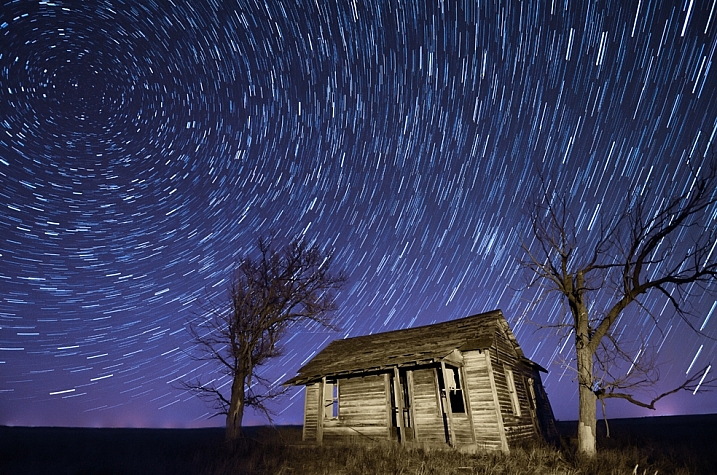
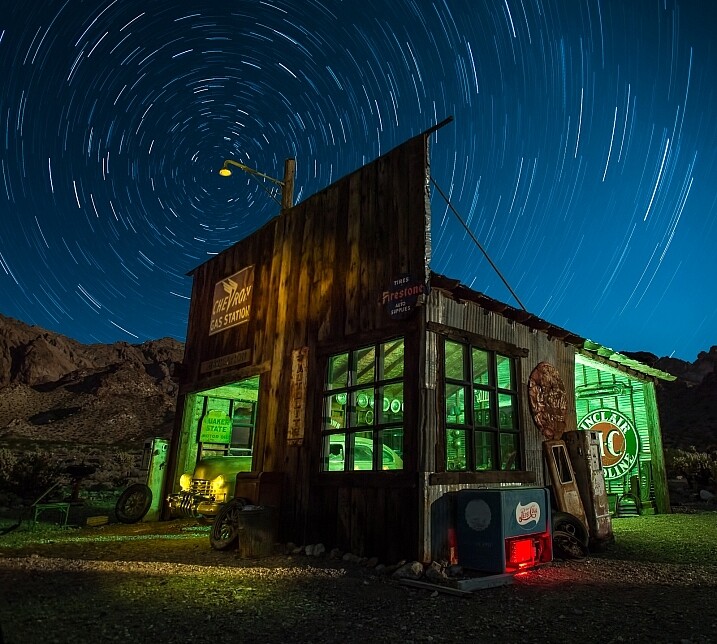
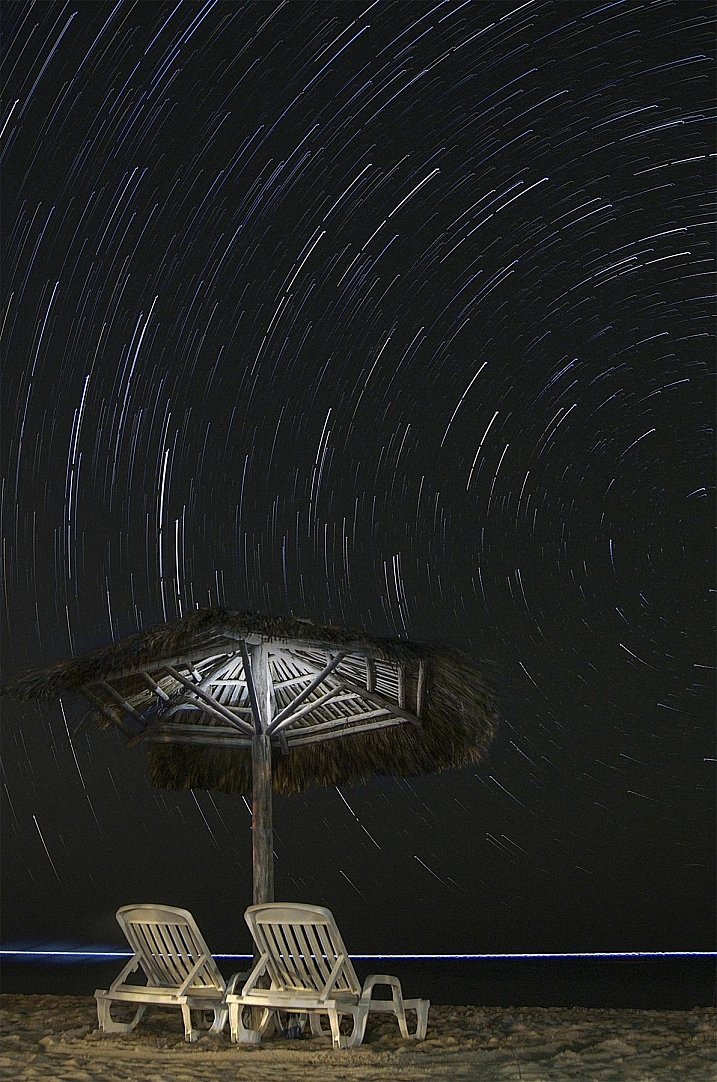
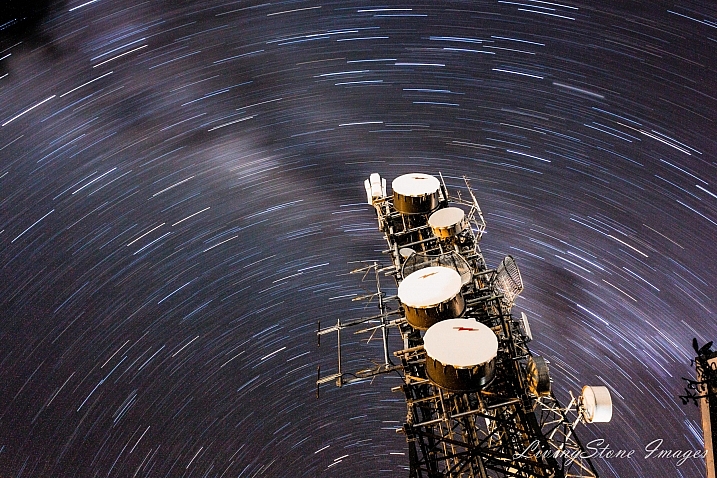
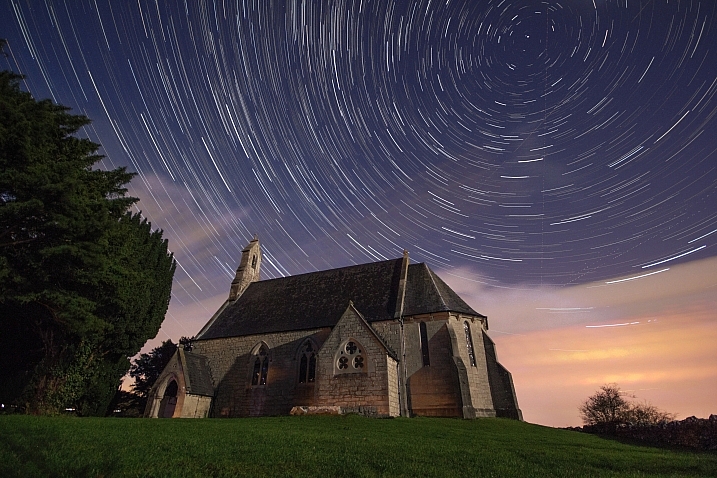
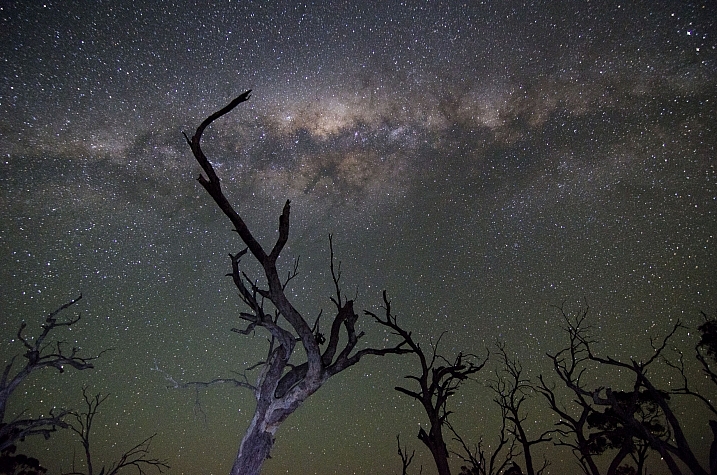
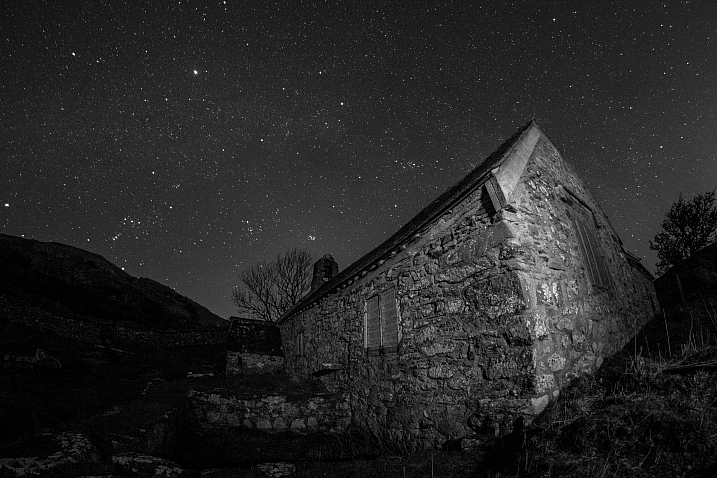
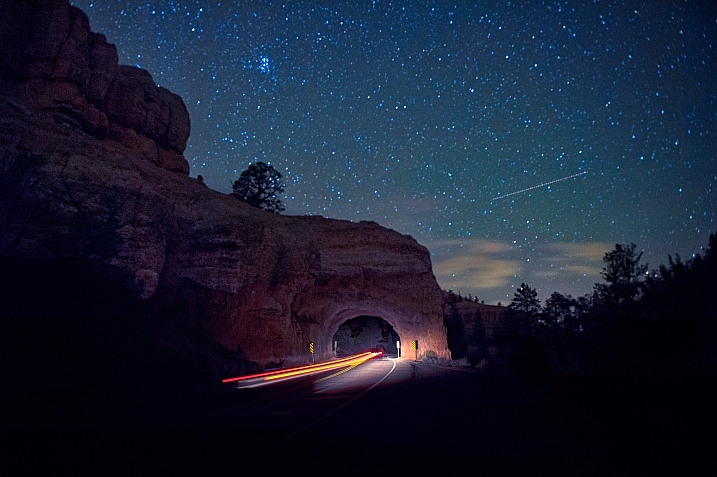
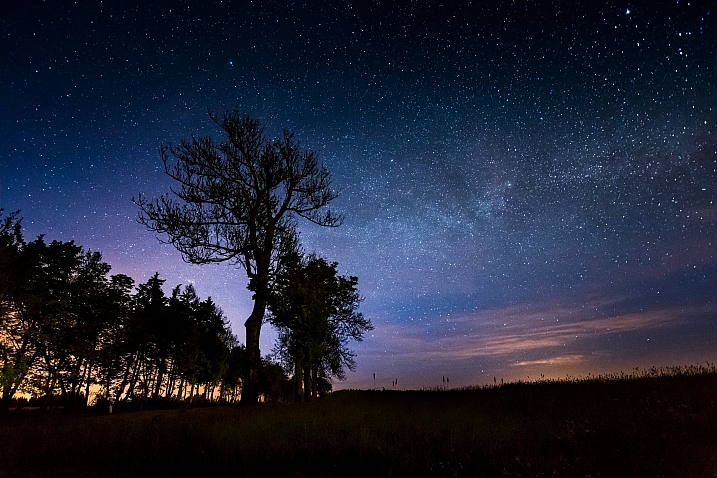
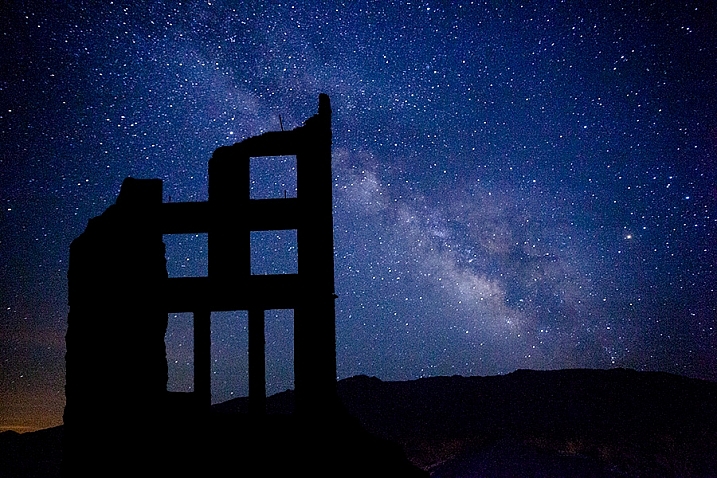
    Night photography is something that goes beyond the average snapshot, something many beginners shy away from because it seems difficult. But the results of learning how to do night photography, especially of stars is well worth the time and effort required.

    Olli Henze

    By Olli Henze

    Weekly Photography Challenge – Stars

    If you need some help with night and astral photography here are some dPS articles to get you started:

    • Two Methods for Shooting Star Trails Made Easy
    • How to Shoot a Star Trails Selfie
    • Single Image Star Trails – a Powerful Technique to Create Star Trails in Minutes Using Photoshop
    • Photographing Stars Using a Kit Lens
    • How to do Milky Way Photography: A Comprehensive Tutorial
    • How to Photograph the Full Band of the Milky Way
    • Down and Dirty Guide to Milky Way Photography
    • How to Photograph the Stars
    Howard Ignatius

    By Howard Ignatius

    DAVID MELCHOR DIAZ

    By DAVID MELCHOR DIAZ

    Jeff Krause

    By Jeff Krause

    Share your images below:

    Simply upload your shot into the comment field (look for the little camera icon in the Disqus comments section) and they’ll get embedded for us all to see or if you’d prefer upload them to your favourite photo sharing site and leave the link to them. Show me your best images in this week’s challenge. Sometimes it takes a while for an image to appear so be patient and try not to post the same image twice.

    Wayne Stadler

    By Wayne Stadler

    Alistair Nicol

    By Alistair Nicol

    googletag.cmd.push(function() {
    tablet_slots.push( googletag.defineSlot( “/1005424/_dPSv4_tab-all-article-bottom_(300×250)”, [300, 250], “pb-ad-78623” ).addService( googletag.pubads() ) ); } );

    googletag.cmd.push(function() {
    mobile_slots.push( googletag.defineSlot( “/1005424/_dPSv4_mob-all-article-bottom_(300×250)”, [300, 250], “pb-ad-78158” ).addService( googletag.pubads() ) ); } );

    The post Weekly Photography Challenge – Stars by Darlene Hildebrandt appeared first on Digital Photography School.


    Digital Photography School

  • Living Light: Human Figures Dance Inside 3D-Printed Zoetrope

    [ By SA Rogers in Drawing & Digital. ]

    zoetrope gif main

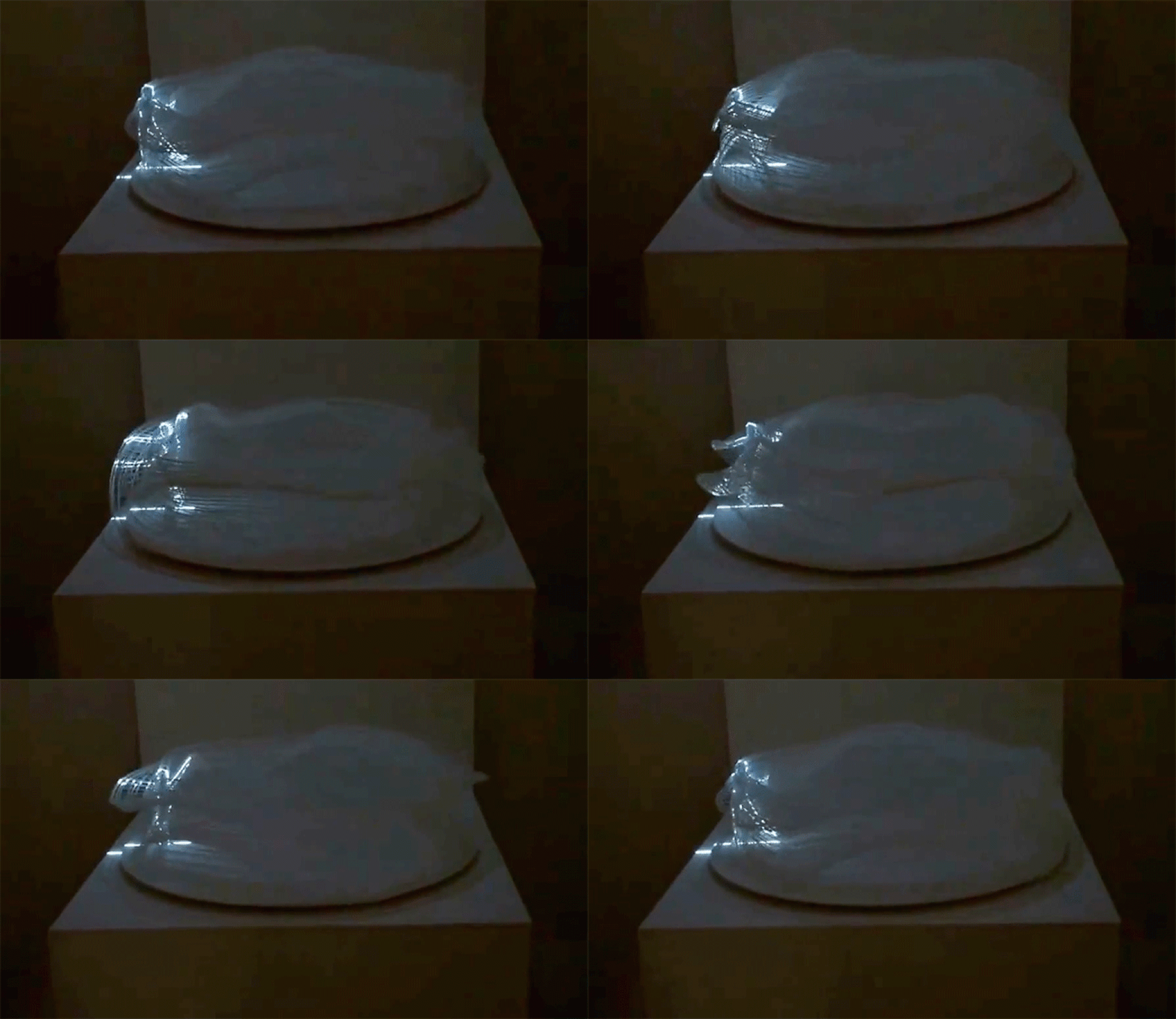
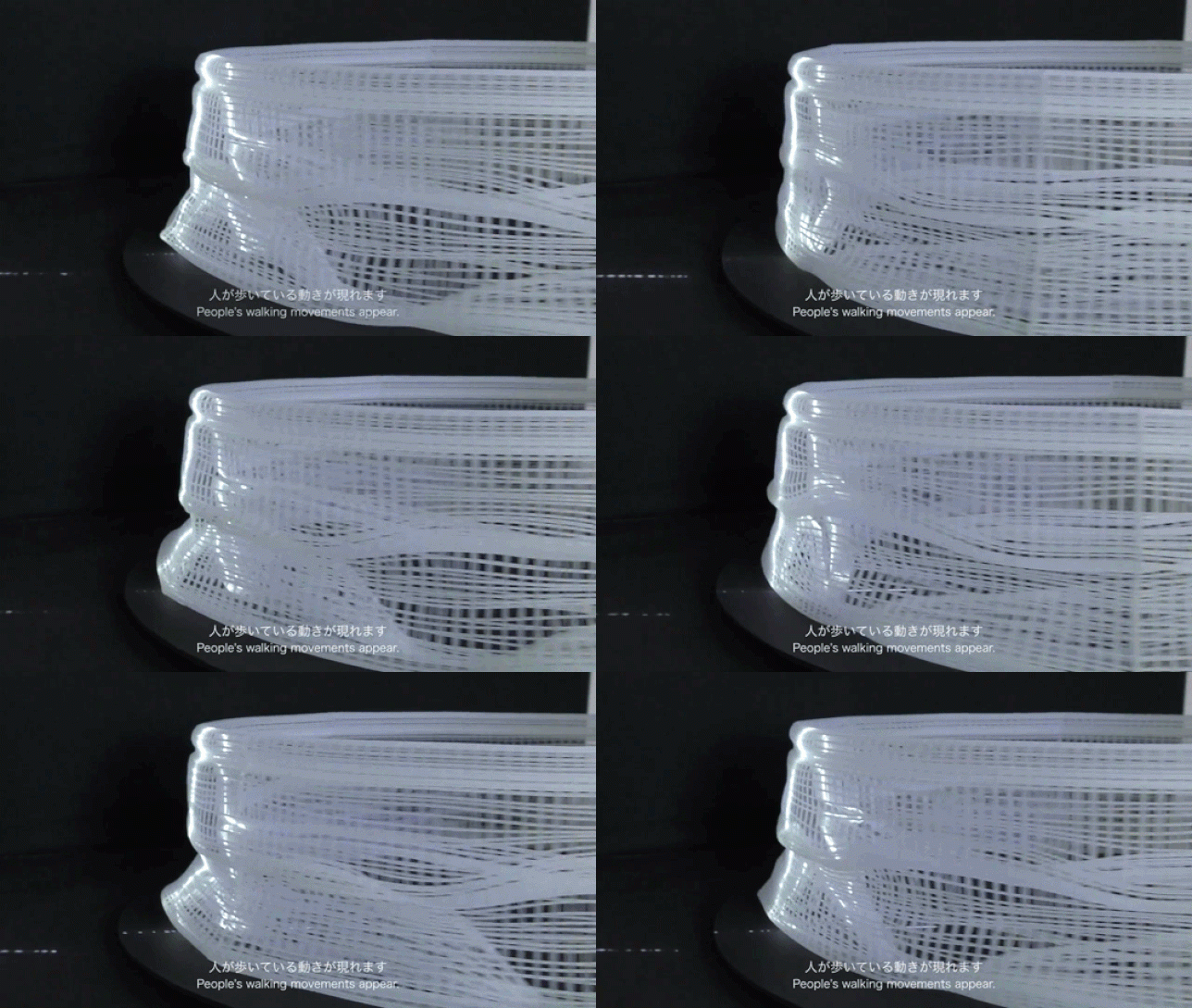
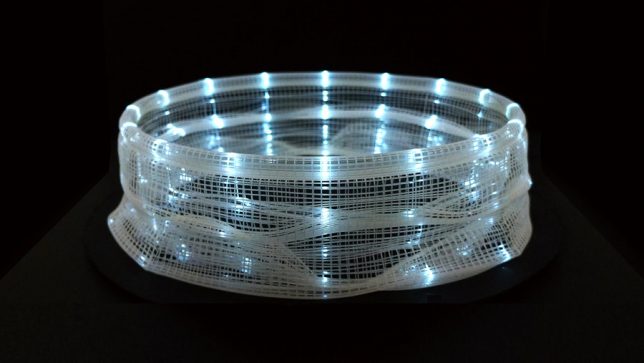
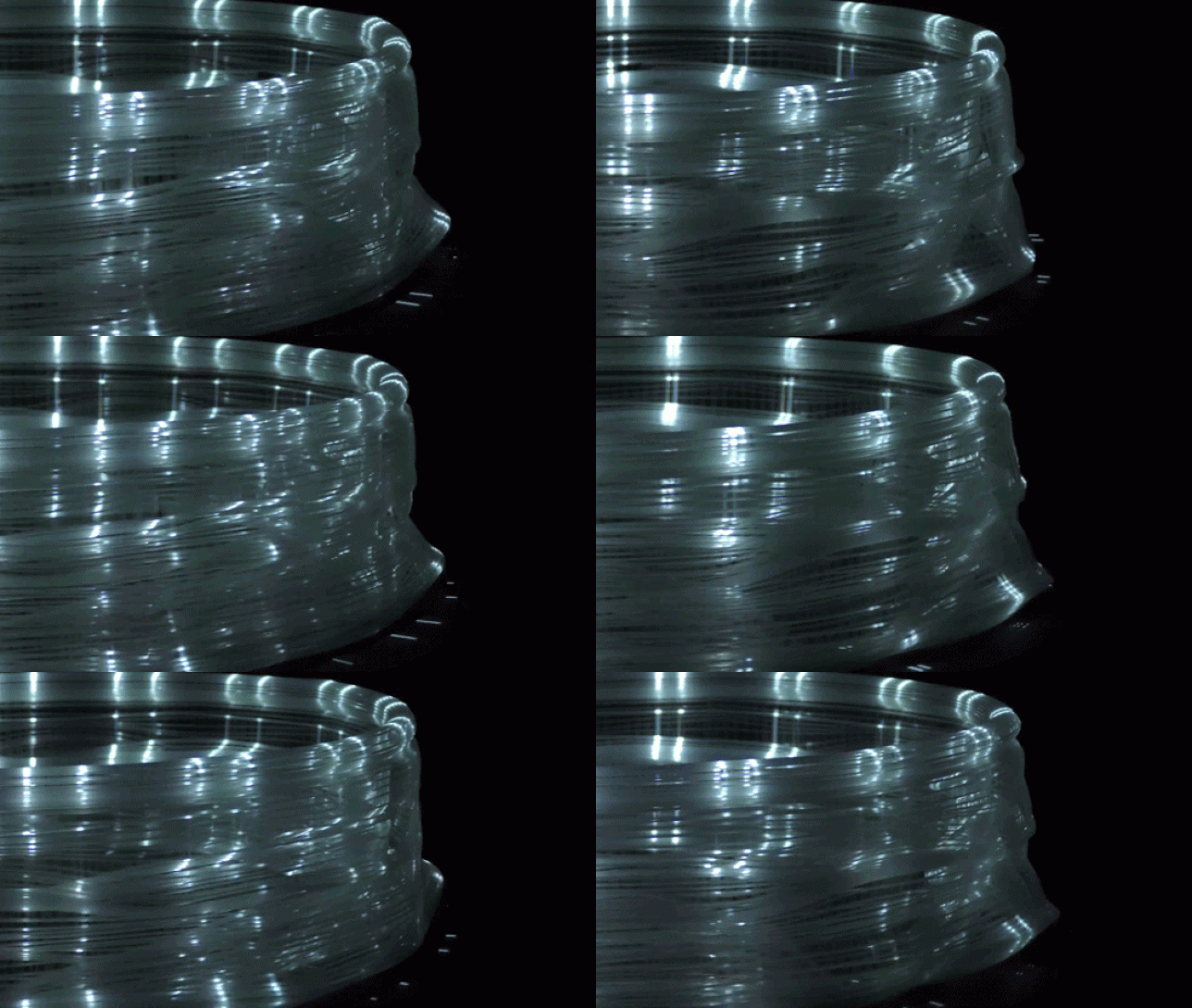
    All it takes are a few highly focused beams of light and a spinning zoetrope to make a human figure spring to life, walking or even dancing in a barely-visible translucent circle. ‘Process and WALK’ explores the relationship between time and movement, taking a two-dimensional image of a person and applying it to a three-dimensional object. In effect, the person’s movements are stretched out to take up the entire circle, each fraction of an inch containing its own particular shifts of the arms and legs.

    zoetrope gif 2

    zoetrope light 2

    Artist Akinori Goto lays out the whole process in the video above, showing how he transforms a animation of a person walking into a 3D axis that can then be translated into data for a 3D printer. The result looks like no more than a warped piece of plastic mesh, with no discernible shapes embedded within it. Place it on a turntable and it still won’t look like much – until beams of light highlight just one segment of the edge.

    zoetrop gif 1

    Once that happens, the walking figure appears. Every few seconds, the illuminated figure seems to multiply, sending additional figures to other points along the zoetrope. It’s simple and complex at the same time, pairing a pre-film animation device that’s been in use for centuries with cutting-edge small-scale manufacturing technology

    Share on Facebook


    [ By SA Rogers in Drawing & Digital. ]

    [ WebUrbanist | Archives | Galleries | Privacy | TOS ]


    WebUrbanist

  • 23 Star Struck Images of Celestial Subjects

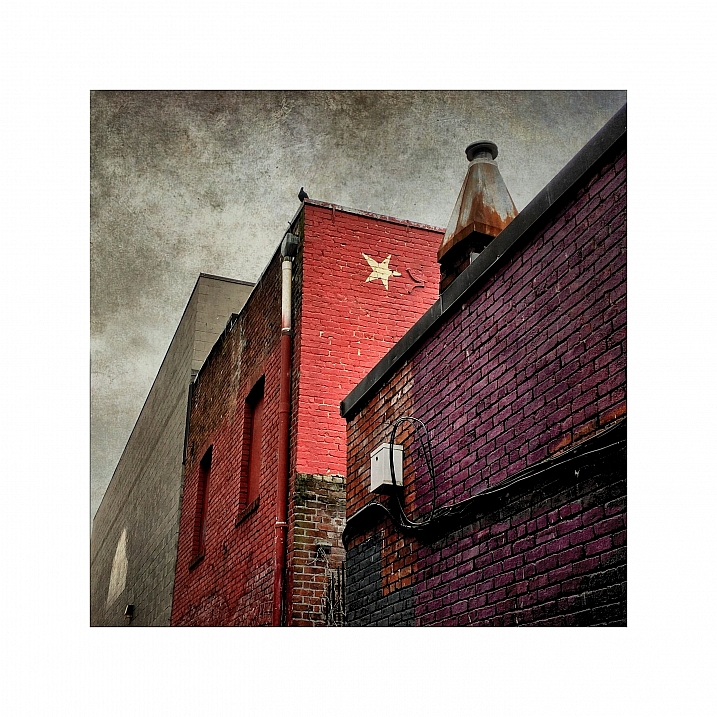
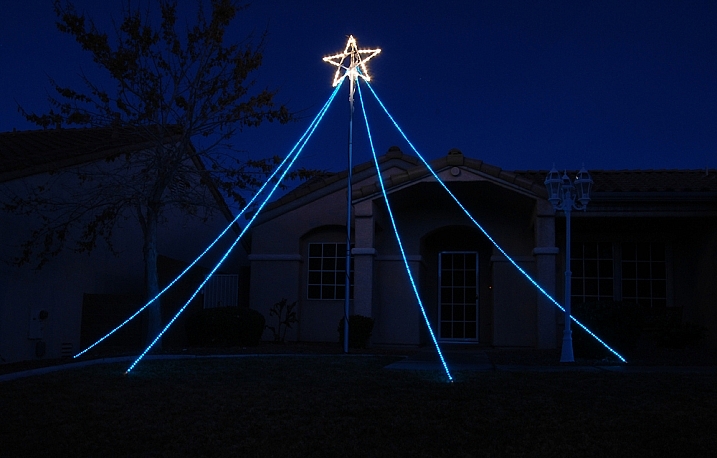
    We can be star struck in more than one way. Celebrity sightings of famous Hollywood stars is one way, the other is by the celestial stars themselves – literally!

    Let’s look at a few images of celestial subjects and see how they can be captured in photographs:

    Star trails

    Shannon Dizmang

    By Shannon Dizmang

    Prachanart Viriyaraks

    By Prachanart Viriyaraks

    Howard Ignatius

    By Howard Ignatius

    Howard Ignatius

    By Howard Ignatius

    Jeff Krause

    By Jeff Krause

    Rodger Evans

    By Rodger Evans

    Andrew

    By Andrew

    Aaron

    By Aaron

    Starry skies

    Sian Monument

    By sian monument

    Rodney Campbell

    By Rodney Campbell

    Indigo Skies Photography

    By Indigo Skies Photography

    Aaron

    By Aaron

    Diana Robinson

    By Diana Robinson

    Indigo Skies Photography

    By Indigo Skies Photography

    Olli Henze

    By Olli Henze

    Dennis Behm

    By Dennis Behm

    Other kinds of stars

    Alexey Kljatov

    By Alexey Kljatov

    Neal Fowler

    By Neal Fowler

    Nanabcn19

    By nanabcn19

    Ra1000

    By ra1000

    Thomas Hawk

    By Thomas Hawk

    Peter Miller

    By Peter Miller

    Roadsidepictures

    By Roadsidepictures

    Bonus – some from NASA

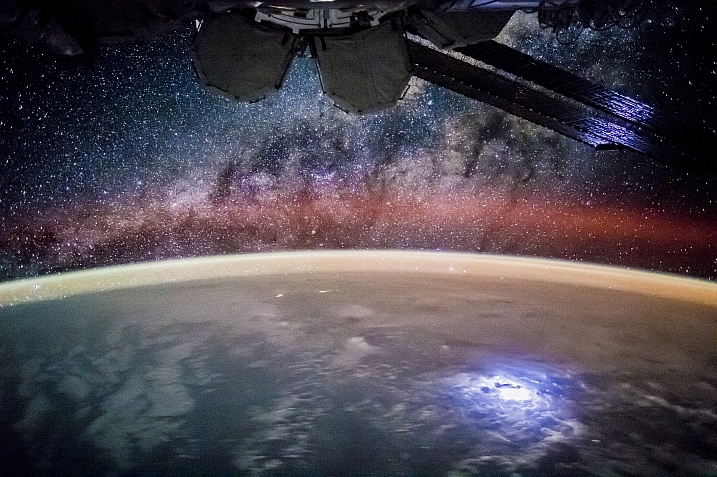
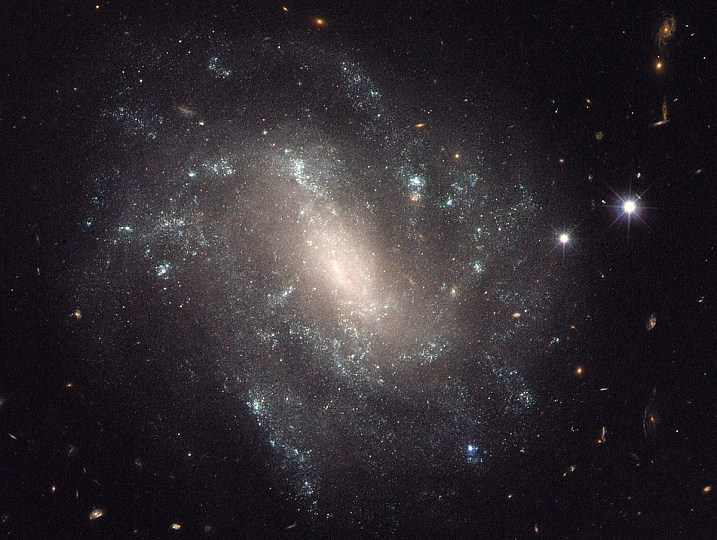
    NASA's Marshall Space Flight Center

    By NASA’s Marshall Space Flight Center

    NASA's Marshall Space Flight Center

    By NASA’s Marshall Space Flight Center

    NASA's Marshall Space Flight Center

    By NASA’s Marshall Space Flight Center

    NASA's Marshall Space Flight Center

    By NASA’s Marshall Space Flight Center

    googletag.cmd.push(function() {
    tablet_slots.push( googletag.defineSlot( “/1005424/_dPSv4_tab-all-article-bottom_(300×250)”, [300, 250], “pb-ad-78623” ).addService( googletag.pubads() ) ); } );

    googletag.cmd.push(function() {
    mobile_slots.push( googletag.defineSlot( “/1005424/_dPSv4_mob-all-article-bottom_(300×250)”, [300, 250], “pb-ad-78158” ).addService( googletag.pubads() ) ); } );

    The post 23 Star Struck Images of Celestial Subjects by Darlene Hildebrandt appeared first on Digital Photography School.


    Digital Photography School

  • SanDisk says its two new microSD cards are the world’s fastest

    SanDisk has announced a pair of new 256GB microSD cards: the SanDisk Extreme microSDXC UHS-I card and the Ultra microSDXC UHS-I Premium Edition card. These are the fastest microSD cards in the world, according to SanDisk, with the Premium Edition also ‘optimized for mainstream consumers.’ The cards are intended for action cameras, drones, smartphones and other gadgets with demanding storage needs.

    The 256GB Extreme card is the fastest of the two, offering transfer speeds up to 100MB/s (compared the Ultra’s 95MB/s max transfer speed) and write speeds up to 90MB/s. SanDisk presents the Extreme model as being ideal for UHD video recording, saying the card can hold up to 14 hours of 4K video. The Ultra version, meanwhile, is better suited to lower resolutions, and can store more than 24 hours of Full HD video.

    In addition, both microSDXC cards can withstand extreme temperatures and are waterproof, shock-proof, and x-ray-proof. Both are compatible with SanDisk’s Memory Zone Android app. The company will launch the Ultra Premium Edition card globally in August for $ 149.99, and the Extreme card globally in the fourth quarter of this year for $ 199.99.

    Via: SanDisk 

    Articles: Digital Photography Review (dpreview.com)

  • Meyer-Optik Goerlitz launches 3-element 95mm F2.6

    German lens manufacturer Meyer-Optik Goerlitz has announced a portrait lens that it claims has unique coatings to reduce flare. The Trimagon f2.6/95 is the latest in a line of lenses that the company has produced that use only three elements in the design. While the 100mm and 50mm Trioplan lenses were produced for their distinctive retro bubble-effect bokeh this Trimogan is ‘a dynamic modern lens’ according to the company. Meyer-Optik says a unique coating has been used to reduce flare and the glass used for the three elements is from the German company Schott and Japan’s Ohara.

    The company claims the resolution of the lens makes it suitable for use on cameras with 60MP or more. The optical design is based around full-frame sensors, but versions with mounts for smaller formats are listed as being available.

    Like all Meyer-Optik lenses, the Trimagon offers manual focus only, and its ‘distinctive’ bokeh and rounded out-of-focus highlights are helped by the use of a 15-bladed iris.

    The lens is available now as it has already been on sale in Germany, and it is offered with mounts for Canon, Nikon, Fuji X, Sony E, Micro Four Thirds and Leica M. It costs $ 1699/€1699. For more information see the Meyer-Optik Goerlitz website.

    Press release:

    Unique Coating and Design of Glass Lenses Provide Professional Photographers Sharp Artistic Portraits

    Atlanta, GA – June 30, 2016 — Meyer-Optik Goerlitz announced today the availability of its new portrait lens, the Trimagon f2.6/95, in the United States and worldwide. Aimed at professional photographers, the Trimagon 95 uses a unique coating and design that delivers sharp images with minimal reflections to preserve skin tone. The triplet architecture 15-blade design adds Meyer Optik’s trademark artistic bokeh to Trimagon 95 images. ‘While the Trioplan 100 restored Meyer-Optik’s long lens to the artistic photography market, the Trimagon 95 provides professionals a dynamic modern lens that delivers extraordinary portraits and natural-looking photographs,’ said Dr. Stefan Immes, CEO, Meyer-Optik Goerlitz. ‘The remarkable nature of the lens is its rendering of secondary light, specifically providing realistic reflections of the finest structures.’

    A unique coating on the Trimagon f2.6/95 reduces unnecessary light flares and overexposed reflections. The Trimagon f2.6/95 features high-index glass from Schott or O’Hara, providing excellent sharpness. The new portrait lens is suitable for resolutions from 60 million pixels and even more.

    As with all Meyer-Optik lenses, the Trimagon f2.6/95 is 100% handmade in Germany. All Trimagon f2.6/95 lenses feature the best components and manufacturing processes, and undergo a rigorous inspection process with strict tolerance limits. The end result is a superior high-end lens for discerning photographers.

    ‘The bokeh is exquisite and gives images a distinctive look,’ said professional photographer and author Alexander Henry. ‘The sharpness is impressive and the lens significantly reduces the amount of post-production required.’

    The technical specifications of the Meyer-Optik Trioplan f2.6/95 include:

    • Light intensity and focal length: f2.6-22; 95mm
    • Optical design: 3 elements in 3 assembly units
    • Angle of view: 25°
    • Filter diameter: 52mm

    Specifications:

    • Optical assembly as a classic triplet | 3 lenses/3 units
    • Iris diaphragm with 15 uniquely calculated steel aperture blades with special anti-reflection coating

    Compatible with:

    • Canon
    • Nikon
    • Fuji X
    • Sony-E
    • MFT
    • Leica M* 

    The Trimagon f2.6/95 is available for purchase at USD$ 1,699. Orders are currently being taken on the Meyer-Optik website. The lens was initially released only in Germany.

    * Rangefinder not supported.

    Articles: Digital Photography Review (dpreview.com)

  • Apple patents system for disabling cameras in no-photography areas

    Apple has been awarded a patent that describes a mobile camera technology that can interpret infrared signals, which could then be used to disable the camera from recording at events like concerts, among other things.

    An infrared transmitter would send encoded data to the device, which would be processed by the phone. Depending on the application, the device may temporarily disable its built-in camera in locations where photography and video capture are forbidden, for example music venues, classified company areas or museums. With the system activated a ‘RECORDING DISABLED’ message would pop up on the smartphone screen when the user tries to take a photo or video. The patent even mentions the ability to add a watermark to any images or video captured when certain infrared signals are detected. 

    The patent also describes use of this technology to provide additional information or visuals in a different scenario: for example, an art gallery. Pointing a smartphone camera at an IR transmitter positioned next to a painting could provide more information on the device’s screen about the artwork. The patent also mentions applications in retail environments.

    There is understandably some concern about how and where such systems would be implemented. Arguably, most people would be fine with concert venues protecting the intellectual property of their acts or companies preventing industrial espionage, but there are concerns that the technology could also be used to undermine the freedom of the press. As usual, the existence of a patent does not necessarily mean we’ll ever see the final product, but in this case it might be worth at least keeping an eye on how the idea is being developed further. You can read the full patent document on the USPTO website.

    Articles: Digital Photography Review (dpreview.com)