RSS
 

Archive for April, 2016

Wood Could: 12 Unlikely Timber-Based Transportation Designs

26 Apr

[ By Steph in Technology & Vehicles & Mods. ]

wood transit splinter 4

Why stop at slapping a couple of ‘70s-style faux wood panels on the sides of your ride when you could be driving a car or motorcycle that’s made entirely from wood? Though it’s an unlikely material for this purpose, these 12 modes of transportation are made primarily from trees, including a Vespa, a three-seater bike, a floating Ferrari and a race car.

Toyota Setsuna Concept Vehicle
wood transit toyota setsuna

wood transit toyota setsuna 2

wood transit toyota setsuna 3

Nearly every part of the Setsuna Roadster unveiled by Toyota at Milan Design Week 2016 is made of wood, with different varieties selected for different practical applications. 86 handmade panels of Japanese cedar make up the body, while birch was selected for the chassis and smooth castor aralia for the seats. Traditional Japanese joinery techniques like ‘okuriari’ and ‘kusabi’ are put to work so the pieces fit together without nails or screws.

“When we created the sestina, we envisaged a family pouring its love into it over generations so that the car gains an irreplaceable value. Continuous development is possible in the form of bonds between the car and the family, like the growth rings of a tree. To proceed with the development of a car utilizing the appeal of wood, we directly spoke with experts with wide-ranging knowledge, including carpenters specializing in temple and shine construction and ship’s carpenters.”

Three-Seater Wooden Motorcycle
wood transit three seater

wood transit three seater 2

wood transit three seater 3

A Hungarian carpenter made this three-seater custom motorcycle entirely from pine, with handlebars made from the horns of Hungarian grey cattle. It’s fully functional and built around a ZIL 200cc engine and took six months to build. Despite the level of craftsmanship put into this rig, it’s built more for looks and reliability than for speed, topping out at 12 miles per hour.

Homemade Floating Wooden Ferrari
wooden transit ferrari

wooden transit ferrari 2

wooden ferrari 3

Made completely out of pine, this replica of a Ferrari F50 is actually a boat. Artist Livio de Marchi wanted a Ferrari to call his own, but needed something more practical to get him around the canals of his home city of Venice, Italy – so this was his compromise. Completed in 2001, it’s been owned by Ripley’s Believe It Or Not! since 2009.

Half & Half Wood Car
wood transit half and half car

wood transit half and half car

wood transit half and half car 3

Half retro convertible, half modern Cadillac, this bizarre wooden car made by Ukrainian Vasily Lazarenko is built on a chassis and engine from a 1981 Opel model with a 100 HP engine. It’s not registered, but seems like it would be street legal. The custom creation went up for sale on eBay in 2012 for $ 120,000, though it’s unclear whether anyone ever bought it.

Next Page – Click Below to Read More:
Wood Could 12 Unlikely Timber Transportation Designs

Share on Facebook


[ By Steph in Technology & Vehicles & Mods. ]

[ WebUrbanist | Archives | Galleries | Privacy | TOS ]


WebUrbanist

 
Comments Off on Wood Could: 12 Unlikely Timber-Based Transportation Designs

Posted in Creativity


Winners of 2016 Sony World Photography Awards announced

25 Apr

$ (document).ready(function() { SampleGalleryV2({“containerId”:”embeddedSampleGallery_5299746697″,”galleryId”:”5299746697″,”isEmbeddedWidget”:true,”standalone”:false,”selectedImageIndex”:0,”startInCommentsView”:false,”isMobile”:false}) });

An Iranian photographer has won the $ 25,000 top prize in the 2016 Sony World Photography Awards with a collection of portraits taken to highlight the horrors of acid throwing and the plight of its victims. Asghar Khamseh, a photojournalist with Iran’s Mehr News Agency, was given the title L’Iris d’Or Photographer of the Year a ceremony in London last week, at which he was also named the winner of the Contemporary Issues prize. His ‘Fire of Hatred’ project portrays the shocking injuries that acid throwing inflicts and the mental trauma it can create, but also the pride, strength and dignity of the mainly women and children affected by these too-common attacks.

The ceremony also honored 15 other category-winning photographers across 14 professional competitions, an Open section for amateur photographers as well as student and youth contests. The Open winner, Kei Nomiyama from Japan, won a prize of $ 5000, and all category winners won trophies as well as Sony camera equipment. For the first time a photographer won two categories, with Canada’s Kevin Frayer coming out on top in both the Environment and People competitions.

The prize for Outstanding Contribution to Photography went to a Chinese and Japanese couple, RongRong and inri for their promotion of, and influence on, contemporary photography in China.

The ninth Sony World Photography Awards received 230,103 entries from photographers in 186 countries, and category winners, shortlisted and commended images will be exhibited in Somerset House in London until the 8th May. A book of images is also available.

For more information on the awards visit the Sony World Photography Awards website.


Press release:

Grand prize winners announced for the world’s largest photography competition – 2016 Sony World Photography Awards

Iranian photographer Asghar Khamseh wins L’Iris d’Or Photographer of the Year and $ 25,000 prize for powerful portraits of acid attack victims

London, 21st April 2016: The overall winners of the world’s largest photography competition, the 2016 Sony World Photography Awards, are named today by the World Photography Organisation. An exhibition of all the winning and shortlisted work will run at Somerset House, London from 22nd April – 8th May.

Following a record-breaking 230,103 submissions to its ninth edition, the awards’ Honorary Judging Committee has selected Iranian photojournalist Asghar Khamseh as the recipient of its most coveted prize, the L’Iris d’Or Photographer of the Year.

Chosen from the winners of the awards’ fourteen Professional categories, the winning work, ‘Fire of Hatred’, is a powerful portrait series tackling the social issues around the violent act of acid throwing. Khamseh was announced as the winner of the $ 25,000 (USD) prize at an awards ceremony in London in front of industry leaders. The winners and finalists of all fourteen Professional categories were also announced at the ceremony.

At the ceremony, the World Photography Organisation announced Kei Nomiyama, Japan, as the Open Photographer of the Year and recipient of $ 5,000 (USD). In addition, the organisation announced the winners of the Youth and Student Focus Photographer of the Year titles. All winners of the night received the latest Sony digital imaging equipment.

Scott Gray, CEO, World Photography Organisation comments: “The awards consistently provide an incredible array of work, from a multitude of countries, and most importantlyprovide the chance for photographers to be discovered and extend their careers. I hope that the winning work this year can provide an inspiration to other photographers, helping to push their creative boundaries, whilst also serving to build the wider appreciation of photography.”

The Sony World Photography Awards annually recognises the world’s best photography. Free to enter and open to all photographers, the awards are an authoritative voice in the photographic industry that has the power to shape the careers of its winning and shortlisted photographers.

L’IRIS D’OR PHOTOGRAPHER OF THE YEAR – ASGHAR KHAMSEH
Born in Tehran in 1963, Asghar Khamseh is a photojournalist with Mehr News Agency, Iran, whose work focuses on social issues.

The winning series ‘Fire of Hatred’ is a powerful series of portraits of the victims of acid attacks. This beautiful yet thought-provoking work examines the social issues around this violent crime – looking past the physical and psychological damages suffered, and towards the social stigma and blame the victims, who are mainly women and children, suffer.

Dominique Green, Chair, Documentary Jury said of the work: “Portraits of disfigurement resulting from social violence are undoubtedly a hard-hitting subject, and one which the longstanding tradition of documentary photography does not shy away from. The power of Asghar Khamseh’s imposing series ‘Fire of Hatred’ is such that he enables the viewer to face head-on intimate images, which could be testing to examine closely, with empathy and respect which in turn allows the viewer to become a witness and not just a spectator. The Jury were united in their admiration of this work and the light it shed on the tragic practice it exposes.”

PROFESSIONAL CATEGORY WINNERS AND FINALISTS
The winners of the seven Documentary and seven Art categories hail from 10 countries and, for the first time, two Professional categories have been won by one photographer in the same year. Photographers were judged on a body of work.

ART CATEGORIES
Architecture winner: Amélie Labourdette, France
2nd – Hui Zhang, China / 3rd – Stephan Zirwes, Germany
Candid winner – Kirstin Schmitt, Germany
2nd – Nick Ng, Malaysia / 3rd – Andrea Rossato, Italy
Conceptual winner – Julien Mauve, France
2nd – Alejandro Beltran, Venezuela / 3rd – Barbaros Kayan, Turkey
Landscape winner: Maroesjka Lavigne, Belgium
2nd Maoyuan Cui, China / 3rd Stefan Schlumpf, Switzerland
Portraiture winner: Marcello Bonfanti, Italy
2nd Fauzan Ijazah, Indonesia / 3rd Rubén Salgado Escudero, Spain
Staged winner: Alberto Alicata, Italy
2nd Cristina Vatielli, Italy / 3rd Kristoffer Eliassen, Norway
Still Life winner: Francesco Amorosino, Italy
2nd Oliver Schwarzwald, Germany / 3rd Hiroshi Watanabe, Japan

DOCUMENTARY CATEGORIES
Campaign winner: Jetmir Idrizi, Kosovo
2nd – David Chancellor, UK / 3rd – Antoine Repessé, France
Contemporary Issues winner – Asghar Khamseh, Iran
2nd – Kevin Frayer, Canada / 3rd – Simona Ghizzoni, Italy
Current Affairs winner – Angelos Tzortzinis, Greece
2nd – Andrea and Magda, Italy & France / 3rd – Andrew Burton, USA
Daily Life winner: Espen Rasmussen, Norway
2nd Sandra Hoyn, Germany / 3rd Stephanie Sinclair, USA
Environment winner: Kevin Frayer, Canada
2nd Li Feng, China / 3rd Lucy Nicholson, UK
People winner: Kevin Frayer, Canada
2nd Filippo Venturi, Italy / 3rd Alessandro D’Angelo, Italy
Sport winner: Nikolai Linares, Denmark
2nd Jens Juul, Denmark / 3rd Annick Donkers, Belgium

OPEN PHOTOGRAPHER OF THE YEAR – KEI NOMIYAMA, JAPAN
“Enchanted Bamboo Forest” by Kei Nomiyama was selected as the single best image in the world by a panel of judges chaired by Jael Marschner, former picture editor Time Out London / Sunday Times Travel. The photographer was awarded $ 5,000 (USD) at the London ceremony.

A Ph.D. Associate Professor in Environmental Chemistry at Ehime University, Japan, Nomiyama is keen wildlife and underwater photographer. His photograph was shot in the mountains of Shikoku Island and captures the Luciola parvula firefly at the beginning of the rainy season.
The photograph was selected from 10 Open category winners announced on 29th March. The Open competition asks for a single image and is open to all photographers.

YOUTH PHOTOGRAPHER OF THE YEAR – SAM DELAWARE, US
A beautiful portrait of the photographer’s sister won 18 year old student Sam Delaware the Youth Photographer of the Year title. Born in Freeport, Maine and currently attending school in Angwin, California, Delaware is a self-taught photographer who has been shooting since the aged of 12. The photographer was flown to London to attend the awards ceremony as part of his prize.

The winning image was selected from three Youth category winners announced on 29 March, the Youth competition is open to all photographers aged 12-19.

STUDENT FOCUS PHOTOGRAPHER OF THE YEAR
Sofia Jern, aged 23 of Novia University of Applied Sciences, Finland, secured the Student Focus Photographer of the Year title. She collected €30,000 worth of Sony photography equipment for her university at the awards ceremony in London. Jern’s winning work follows the lives of ‘glue boys’, young male drug users escaping reality on the streets of Kitale, Kenya.

Student Focus works worldwide with over 400 educational institutions with photography courses and is one of the world’s leading programmes for photography students. It is supported by the British Journal of Photography. www.worldphoto.org/student-focus

OUTSTANDING CONTRIBUTION TO PHOTOGRAPHY – RONGRONG & INRI
RongRong & inri, the influential photographic husband and wife team who have shaped contemporary photography in China and beyond, collected their Outstanding Contribution to Photography prize at the London awards ceremony. They were recognised by the World Photography Organisation for both their careers as artists and their significant impact on Asian photography.

RongRong & inri’s photography reflects the intimate world that they have created together and pushes the boundaries of traditional black-and-white darkroom techniques. Together they founded China’s first contemporary art space dedicated to the medium, the Three Shadows Photography Art Centre, and the 2015 Jimei x Arles Photo Festival in partnership with Les Recontres d’Arles.

The first major European showing of RongRong & inri’s work, celebrating their careers will be presented at Somerset House as part of the Sony World Photography Awards Exhibition.
The Outstanding Contribution to Photography prize has previously been awarded to Mary Ellen Mark, William Eggleston, Eve Arnold, Bruce Davidson, Marc Riboud, William Klein, Elliott Erwitt and Phil Stern.

EXHIBITION AND BOOK
All the winning and shortlisted images will be exhibited at Somerset House, London from 22nd April – 8th May. The exhibition will also include a special dedication to Outstanding Contribution to Photography recipients, RongRong & inri.

The exhibition is accompanied by a book of the winning and selected shortlisted works, available to buy from www.worldphoto.org

Articles: Digital Photography Review (dpreview.com)

 
Comments Off on Winners of 2016 Sony World Photography Awards announced

Posted in Uncategorized


6 Must-Have People Shots to Capture When Photographing Corporate Events

25 Apr

Corporate events may not be every photographer’s dream, but they can certainly be interesting and maybe even fun depending on the assignment. As a freelance event photographer, about half of my shoots are corporate events, and they are among my favorite things to shoot. There’s always lots to learn from the speakers at these events, and they tend to be relatively easy gigs to shoot if you use a pre-planned shot list and know what to look for. This article details the six key people shots that you absolutely must focus on when photographing corporate events.

#1: Posed shots of VIPs

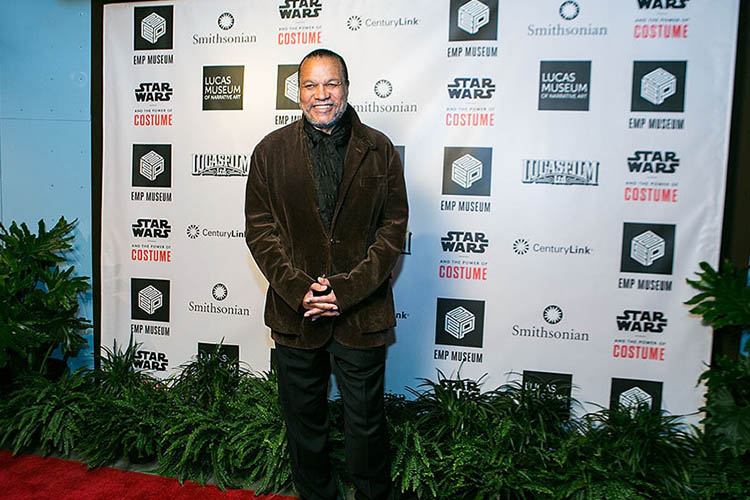
Every corporate event will have its own form of VIPs, and your client will definitely want lots of images of them. Larger events will typically have recognizable local or national celebrities as their designated VIPs, while smaller events may have harder to recognize internal executives as their VIPs. Either way, it’s important to check with your client ahead of time to get a list of their VIPs in attendance, and ideally someone on-site who will help you identify them. Always make sure you understand the perimeters of photographing these VIPs as some, particularly celebrities, can be image-conscious. Whenever possible try to get posed shots of these VIPs with signage in the background that shows proof that they were present at your particular event.

Seattle Corporate Event Photographer

Actor Billy Dee Williams posing at a step-and-repeat.

#2: Posed and action shots of keynote speakers

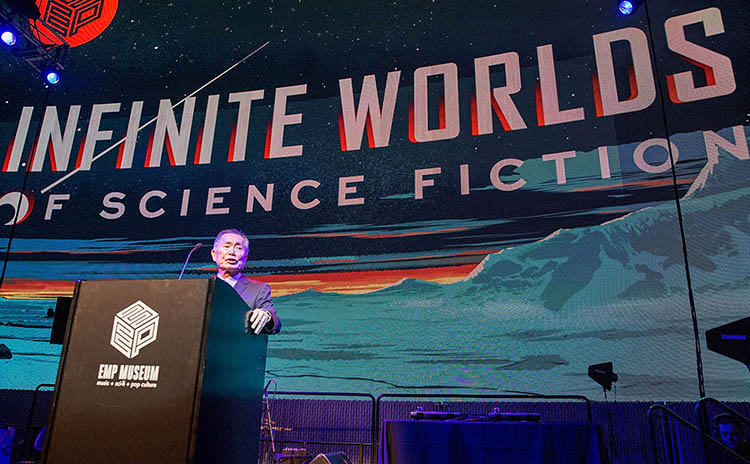
Corporate events typically include keynote speakers who may or may not be the VIPs described above. Before you start shooting, grab ahold of the event program, and find out who are the keynote speakers. Work with your client to arrange posed shots of the keynote speakers both alone and posed with VIPs. Also, don’t forget to get plenty of shots of the keynote speaker, from a variety of angles, giving his or her speech.

Sattle Corporate Event Photographer

Actor and activist George Takei giving a keynote address.

#3: Candid shots of VIPs and Keynote speakers

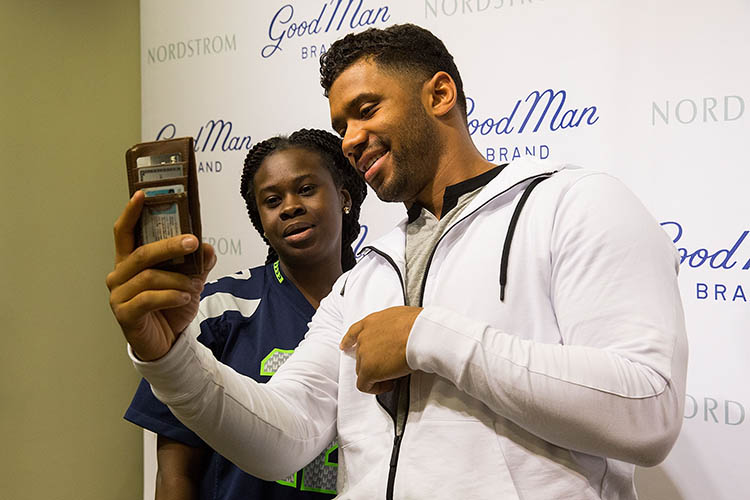
In addition to getting posed shots of VIPs and keynote speakers, it’s also important to get candid shots of them interacting with each other, or event attendees. Depending on the nature of the event, these opportunities could include book signings, meet and greets in the green room, or an organized step-and-repeat photo booth. These days, many candid shots of VIPs will include selfies with guests, which can be a challenge to capture, so be prepared for that!

Seattle Corporate Event Photographer

Seattle Seahawks quarterback Russell Wilson posing for a selfie with a fan.

#4: Posed shots of attendees

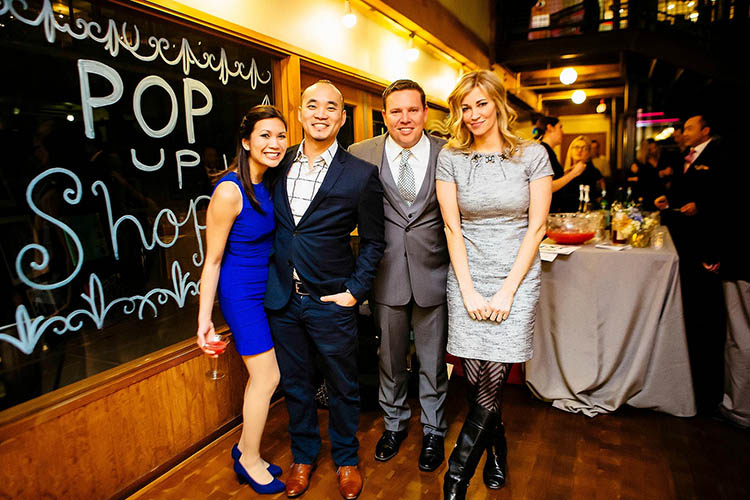
Depending on the type of event you’re photographing, most attendees will be looking their absolute best and will want photos of themselves. Always be on the lookout for well-dressed and energetic event attendees, and don’t hesitate to approach them to ask for a posed photo. Along these lines, it’s also not unusual to have at least one event attendee who doesn’t want to be photographed. Sometimes, you’ll be made aware of this by your client, and other times the attendee will explicitly tell you themselves. Either way, respect the wishes of the attendees, and definitely do not photograph someone who doesn’t provide consent.

Seattle Corporate Event Photographer

Corporate event party attendees.

#5: Candid shots of attendees interacting

Most corporate events are held for two main reasons: to give keynote speakers chances to educate and address an audience, and to allow for networking among attendees. Always be on the lookout for attendees chatting or interacting with each other, and get their reactions while they are listening to keynote speakers. Ideally, make sure these shots incorporate some form of your client’s branding materials, such as a brochure or sign, to give the photos context.

#6: Full room shots

A final type of corporate event photo that almost every client will request are shots that show off how many attendees were present at an event. This can be tricky depending on the type of venue you are photographing at, and whether or not the event is actually well-attended. Addressing these two challenges can usually be solved in one of two ways:

a) Get a bird’s eye view

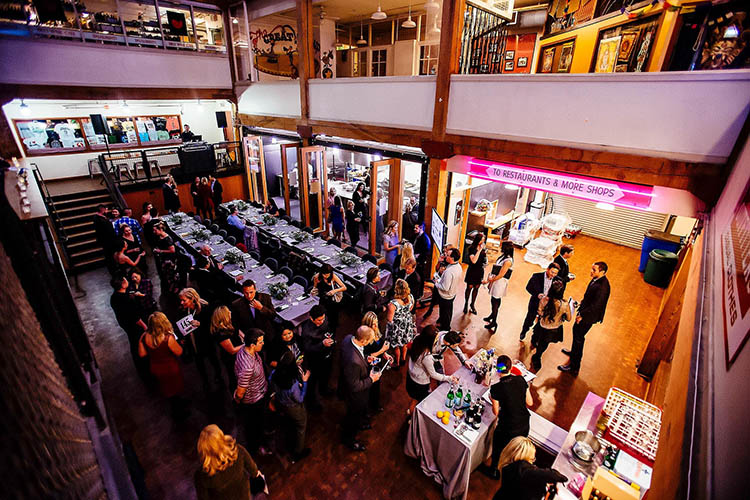
Try to get access to a ladder, stool, balcony, or some vantage point within the venue that will let you shoot from overhead and capture wide-angle shots showing a full room. If the room isn’t really that full, try to find angles or special crops that still hint at a room being moderately full. Your client will appreciate the extra effort.

Seattle Corporate Event Photographer

Shooting from up high to show a different vantage point.

b) Get up close and personal

Whenever possible, I always ask my client to make sure that the first several rows of seats or tables at an event are packed with as many people as possible. This way, I can always make an event feel well-attended, even when it’s not. The approach in this case is to avoid wide-angle shots and shoot as close to the stage or from wherever the keynote address is being made, including as many rows or tables of people as possible.

Seattle Corporate Event Photographe

This was actually a well-attended event, but an example of how to shoot up close with attendees in the frame.

In Conclusion

These are just several types of photos to always capture when photographing a corporate event. Above all, it’s important to understand why clients hire corporate event photographers in the first place. Typically, the reasons involve showing visual documentation of special people who were at the event, the fact that the event was well-attended, and the fact that event attendees were engaged and enjoyed themselves. Always keep these overall goals in mind when photographing an event and be sure to snap photos that help you and your client meet these overall objectives.

People photography week

This week on dPS we’re featuring articles all about different kinds of people photography including portrait, event and travel photography. See all the previous ones below, and watch for more people photography articles over the next few days.

  • How to Take Low Key Head-shots
  • How to Do a One Light Portrait Setup and Use it as Your Back-up Plan
  • Travel People Photography – Tips and Pitfalls
  • 8 Tips for Photographing Men
  • 24 Diverse Images That Showcase People Photography
  • Weekly Photography Challenge – People Photography
  • Tips for Getting Yourself to Relax as a Photographer and Have More Successful Portrait Sessions
  • 5 Good Reasons to Add People into Your Landscape Photography

googletag.cmd.push(function() {
tablet_slots.push( googletag.defineSlot( “/1005424/_dPSv4_tab-all-article-bottom_(300×250)”, [300, 250], “pb-ad-78623” ).addService( googletag.pubads() ) ); } );

googletag.cmd.push(function() {
mobile_slots.push( googletag.defineSlot( “/1005424/_dPSv4_mob-all-article-bottom_(300×250)”, [300, 250], “pb-ad-78158” ).addService( googletag.pubads() ) ); } );

The post 6 Must-Have People Shots to Capture When Photographing Corporate Events by Suzi Pratt appeared first on Digital Photography School.


Digital Photography School

 
Comments Off on 6 Must-Have People Shots to Capture When Photographing Corporate Events

Posted in Photography


Create a Photography Business Marketing Plan in 3 Days (+ Save $30 Instantly)

25 Apr

Starting a photography business these days is quite a challenge. It takes courage. You need to push yourself constantly to go out of your comfort zone and learn a whole pack of new things. While there are no shortcuts to success, there are accelerated ways. Read on to learn about one of them and build a photography business marketing plan Continue Reading

The post Create a Photography Business Marketing Plan in 3 Days (+ Save $ 30 Instantly) appeared first on Photodoto.


Photodoto

 
Comments Off on Create a Photography Business Marketing Plan in 3 Days (+ Save $30 Instantly)

Posted in Photography


5 Good Reasons to Add People into Your Landscape Photography

25 Apr

Are you looking for a way to spice up your landscape photography? Many times when we think of making great landscapes image,s we try not to include people. Sometimes we even wait for long periods of time for other sightseers (or other photographers) to exit our view. There are many times this is the best technique for shooting a landscape photo, but adding the human element to a scene can be just the extra touch needed to create a great image. Let’s take a look at 5 reasons to add people to your landscape images.

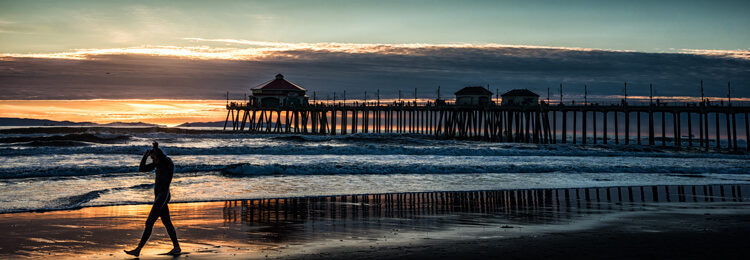
Sometimes breaking the rules can work. Here the man walking out of the image seems to work with the image of the end of the day on the beach.

This surfer is done for the day. Normally it is preferable that a person faces into the photo, but exceptions may work too.

#1 Tell a Story

Adding a person to your landscape can help your image tell a story. People, or even a single individual, may add mystery and adventure to your landscape, causing your viewers to wonder who, what, and why about the person in your image. When your viewers ask these questions, their eyes will stay engaged with your image, adding entertainment value to the photo. An image of a person standing in front of a grand mountain range may cause the viewer to wonder what that individual is doing there. If the person has a backpack and a walking stick, the viewer may imagine a hike in the mountains is about to commence. Or maybe the person in your shot is carrying a rifle and wearing camouflage, leading the viewer to imagine a hunter heading into the woods in search of adventure. A person can be the subject of the image or interact with the landscape of the image; but either way, if the person fits into the image’s story, your landscape will draw the viewer in and the photo will tell a successful tale.

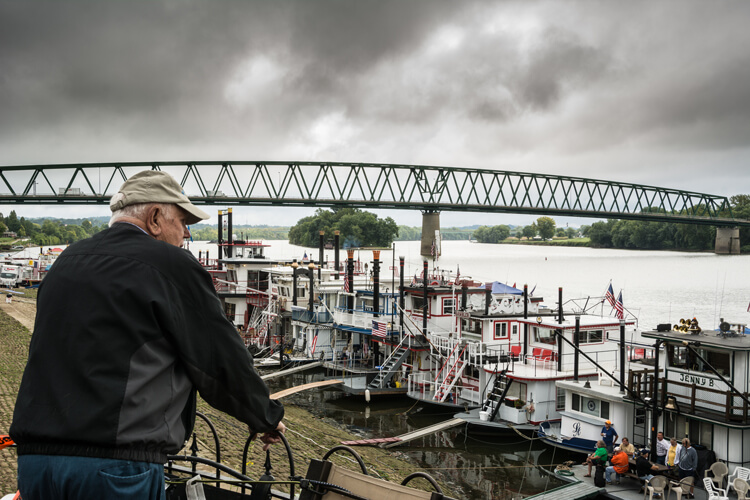
This image seems to tell the story of a man thinking about the yester-years working on a river boat.

This image tells the story of a man thinking about his former career working on a river boat.

#2 Composition

Placing a person or persons in an image in negative space can add balance to your landscape. A person in the foreground, or mid-way into your scene, will help create a sense of depth in the image. When you have the opportunity to position the person, take care to place them in the image in a way that draws the viewer into the image. Place your subject off to the side, preferably on a rule of thirds point, with them facing into the open space. It is almost never a good idea to have a person looking or facing out of your image, as this will cause a viewer’s eye to leave the image rather than explore the image fully. Nevertheless, with every rule of composition there are exceptions that will work. Knowing the rules of composition, when to use them, and when to break them, will help you when adding a person to your image.

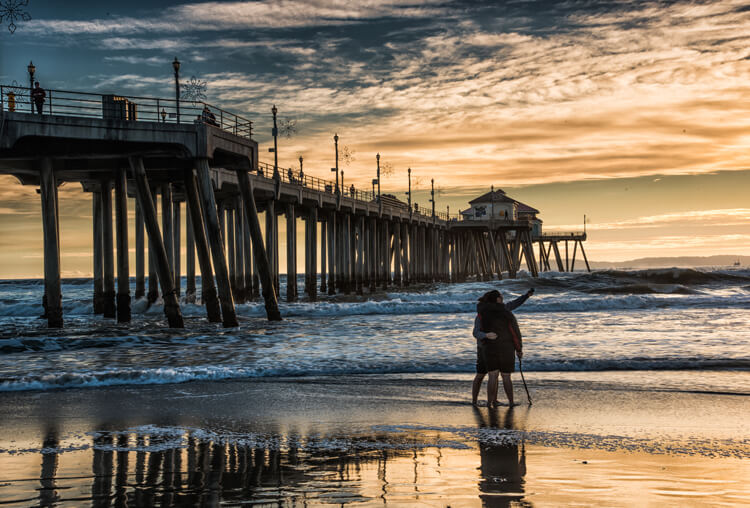
The couple taking a selfie is placed in a rule of thirds position and fills a negative space on the beach.

This couple taking a selfie is placed in a rule of thirds position, and fills a negative space on the beach.

#3 Scale of Size

Adding a human to an image is a great way to reveal the size and scale of objects in your image. Without the person in many images, objects like trees and rocks may lack a scene of scale. The addition of a person immediately gives your viewer a point of reference and scale to the landscape.

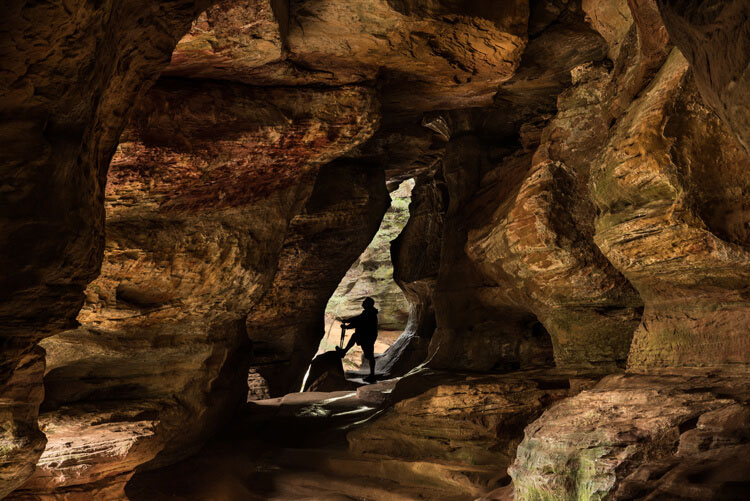
In this image of Rock House in Hocking Hills State Park in Logan Ohio adding the Silhouetted figure at the end of the cave adds a sense of scale and also adds a focal point to the image.

Adding the silhouetted figure at the end of the cave gives a sense of scale and also adds a focal point to the image.

#4 Drama and Excitement

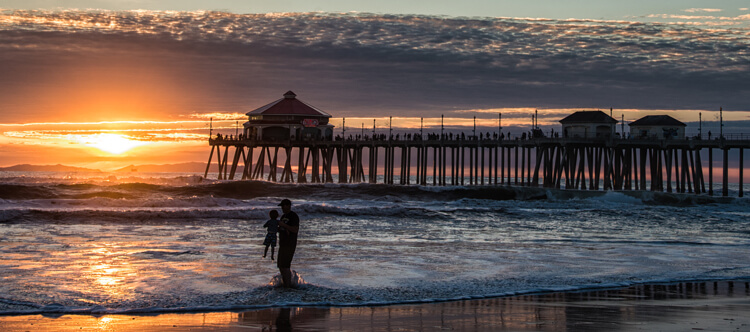
Silhouetting someone against a sunset or other backlit view, is a perfect example of how a person can help create a more dramatic image. Even the simplest of landscapes can become more interesting and exciting by adding people within the image. Photographing a couple holding hands as they interact with the landscape can add the drama of romance to your image.

This image tells a story of a Father and son playing in the surf at sunset. The sillouhetted figures add drama to an image that could just be another sunset at the beach.

A silhouetted father and son playing in the surf at sunset add drama to an image that would otherwise be just another sunset along the shore.

#5 Focal Point

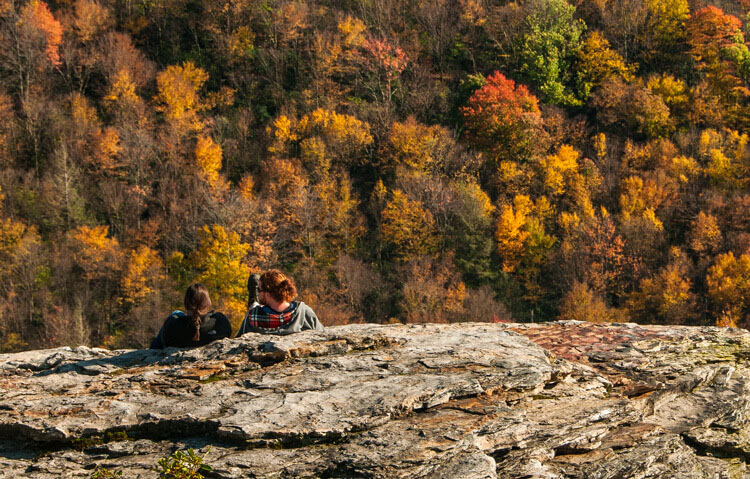
A successful photo needs a focal point that gives the viewer’s eye a place to land to hold their attention, and adding people can achieve that. It is important to add a point of interest that will change a boring landscape into a striking one. Most landscapes have natural features or buildings as a point of focus, but adding a person can sometimes make for a much more interesting image. As mentioned earlier, at times you may have negative space in the foreground of your landscape, and by adding a person into your scene that negative space is filled, and your image will benefit from the balance. As a focal point, the person in your image can be the subject of the scene, or a complement to your landscape.

A couple sitting on a rock enjoying the Autumn view adds a romantic drama to the fall colors of the West Virginia Mountains

This couple sitting on a rock enjoying the fall color,s placed on the rule of thirds, creates romantic drama.

Tip: When adding a person or persons to your landscape, try to keep their face (s) obscure. This will allow the viewer to imagine themselves as the participant in the image.

Conclusion

Many times adding a person to your landscape image can be as serendipitous as people just wandering into your viewfinder, especially if you are visiting a park or popular scenic area. But if you are out alone in an interesting area, use yourself as the person in the scene. Place your camera on a tripod, set the timer, then add yourself into the image. Next time you are engaged in a landscape photo shoot, look for opportunities to add one or more persons to one of your images, and see if you like the results. You may be surprised at the difference you see.

Many landscape locations are powerful enough to stand on their own, but if your image needs a little spice, try adding a human. What other kinds of landscape scenarios do you think could benefit from adding a person to create a more interesting image? Leave your ideas in the comments below.

People photography week

This week on dPS we’re featuring articles all about different kinds of people photography including portrait, event and travel photography. See all the previous ones below, and watch for more people photography articles over the next few days.

  • How to Take Low Key Head-shots
  • How to Do a One Light Portrait Setup and Use it as Your Back-up Plan
  • Travel People Photography – Tips and Pitfalls
  • 8 Tips for Photographing Men
  • 24 Diverse Images That Showcase People Photography
  • Weekly Photography Challenge – People Photography
  • Tips for Getting Yourself to Relax as a Photographer and Have More Successful Portrait Sessions

googletag.cmd.push(function() {
tablet_slots.push( googletag.defineSlot( “/1005424/_dPSv4_tab-all-article-bottom_(300×250)”, [300, 250], “pb-ad-78623” ).addService( googletag.pubads() ) ); } );

googletag.cmd.push(function() {
mobile_slots.push( googletag.defineSlot( “/1005424/_dPSv4_mob-all-article-bottom_(300×250)”, [300, 250], “pb-ad-78158” ).addService( googletag.pubads() ) ); } );

The post 5 Good Reasons to Add People into Your Landscape Photography by Bruce Wunderlich appeared first on Digital Photography School.


Digital Photography School

 
Comments Off on 5 Good Reasons to Add People into Your Landscape Photography

Posted in Photography


Shunned Shine State: 10 More Abandoned Wonders Of Florida

25 Apr

[ By Steve in Abandoned Places & Architecture. ]

abandoned-florida-1a
Florida may be America’s Sunshine State but these odd abandoned wonders reveal a darker side to the land of oranges, alligators and retirement communities.

abandoned-florida-1b

abandoned-florida-1d

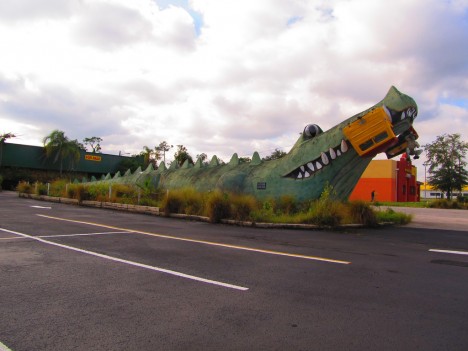
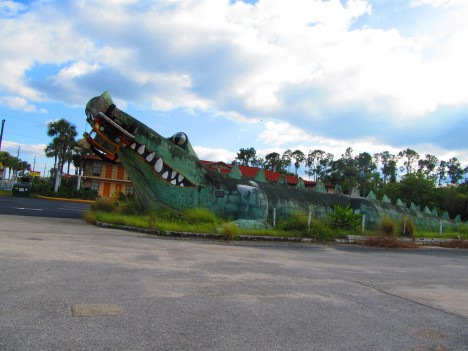
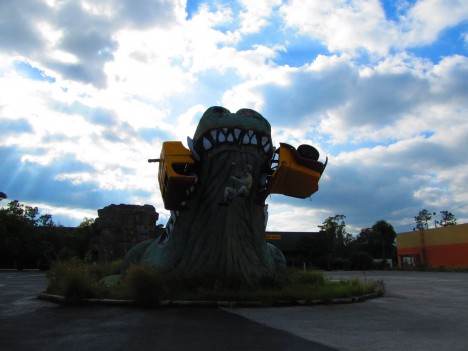
Speaking of ‘gators, who ever thought that primeval, carnivorous reptilian monsters would make an alluring and enduring tourist trap? Lotsa folks, actually, though often as not their efforts were unsuccessful – more on that later. Jungleland Zoo in Kissimmee, Florida was one such failed alligator-themed attraction. Originally established in the 1970’s as “Alligator Safari Zoo”, the place changed both its name and its management in 1995.

abandoned-florida-1c

abandoned-florida-1e

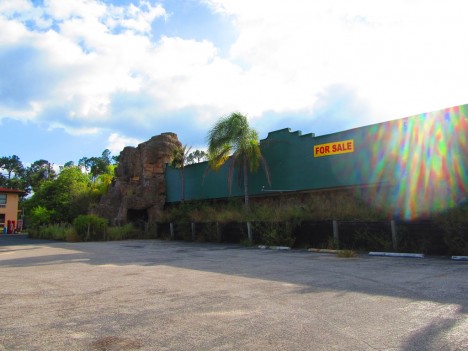
The more things change, the more they stay the same… such was the case with Jungleland. Criticism from state and federal wildlife and animal welfare agencies punctuated by the widely-publicized escape of a 450-lb lioness led the the place being shut down and abandoned in 2002. The 126-foot long alligator statue which stood in front of the on-site Gator Motel was demolished in October of 2014. Flickr user amysusanne’s photo set dating from August of 2012 allows us to recall the singular glory of an enormous artificial alligator eating a car.

Heart Of Glass

abandoned-florida-2a

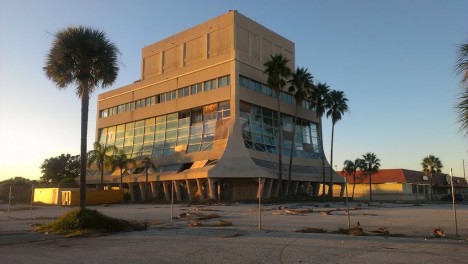
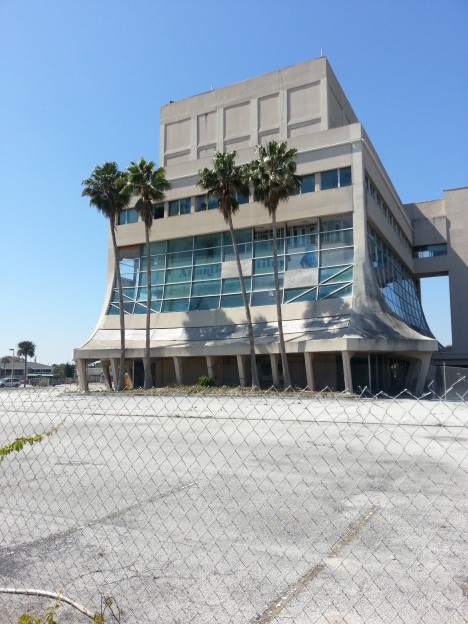
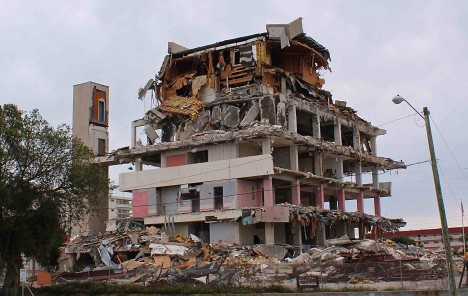
Let the Space Age begin! The First Federal Savings and Loan Association of Cocoa, Cocoa Beach Branch opened in 1962 and featured the Sky Room restaurant – a likely hangout for Major Nelson and Jeannie.

abandoned-florida-2b

abandoned-florida-2c

Dreams must confront reality sometime, however, and in 2004 Hurricane Frances damaged the Glass Bank‘s lower floors so severely it never re-opened. Shattered windows enabled ingress by vandals and encouraged the spread of toxic mold. By 2014 the City had had enough: demolition (watch it here) was approved and within a year this iconic building was no more.

Flying Saucerful Of Secrets

abandoned-florida-3a

abandoned-florida-3b

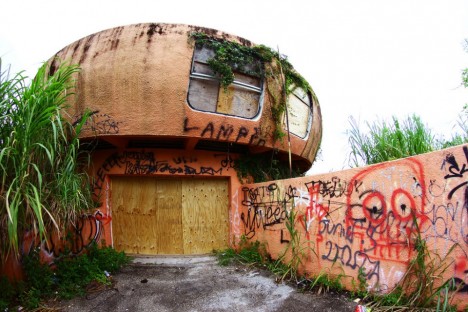
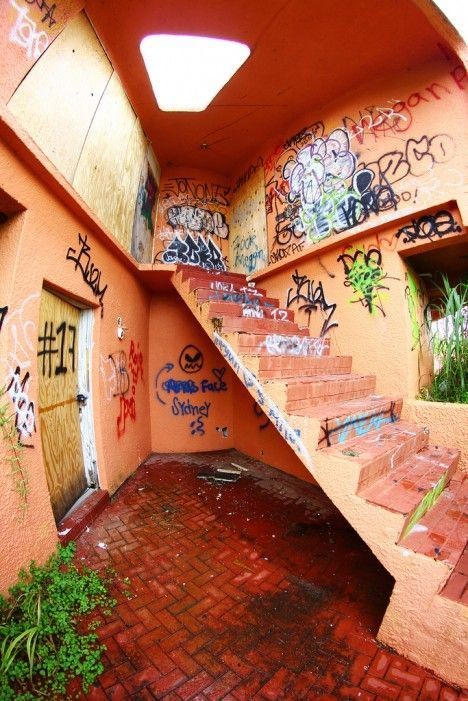
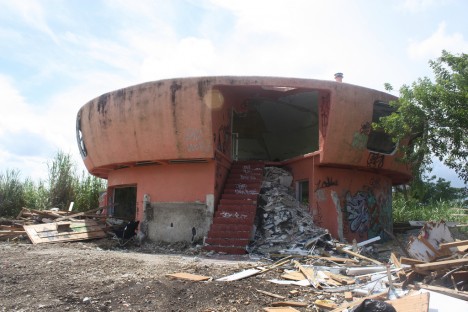
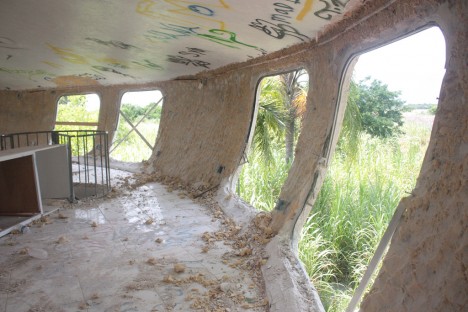
The so-called “Alien House” in Homestead, Florida, was built in 1974 – purportedly by a big-time drug trafficker whose cover was being a big-cat exotic animal importer. Sounds legit!

abandoned-florida-3c

abandoned-florida-3d

The house was purchased by a doctor from New York shortly before Hurricane Andrew struck in 1992; the powerful storm rendered the unconventional abode uninhabitable by man or beast. The structure then sat abandoned, accumulating an abundance of graffiti, until late 2013 when it was finally demolished.

To The Bat Tower!

abandoned-florida-4a

abandoned-florida-4c

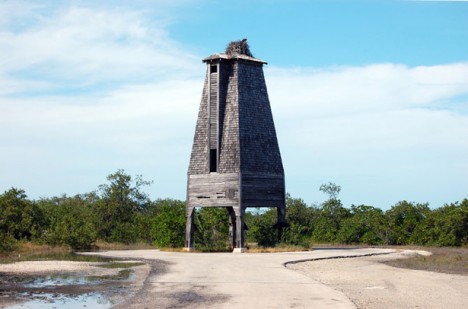
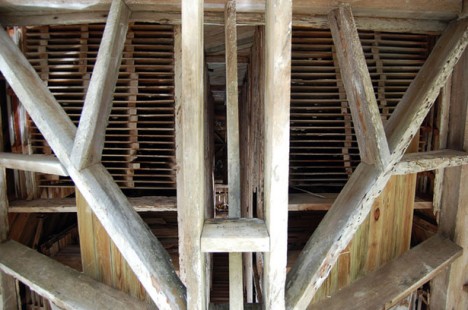
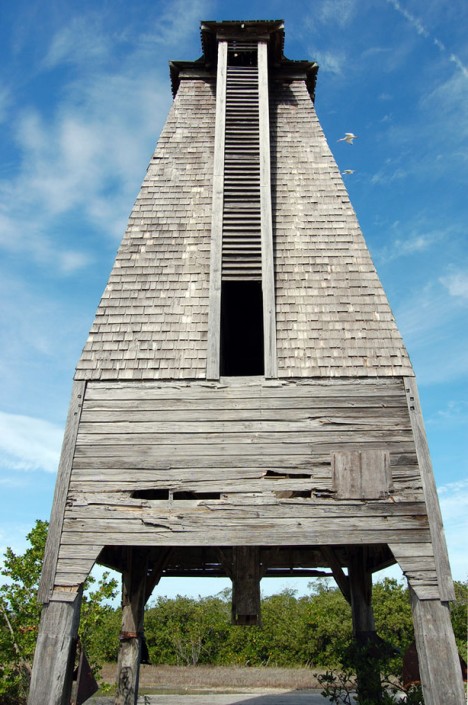
When the late great Robert Burns wrote “the best laid schemes of Mice and Men oft go awry, leaving us nothing but grief and pain,” he could have been describing the sad saga of the Sugarloaf Key Bat Tower (also known as the Perky Bat Tower) in Monroe County, Florida.

abandoned-florida-4b

Built in 1929 at a (for the time) staggering cost of $ 10,000 in a well-meaning effort to house mosquito-eating Mexican Free-Tailed bats, the 30-foot-tall tower was immediately abandoned by the hundreds of bats procured to stock it. Great depression then ensued – in more ways than one. Over 80 years later the still bat-less tower still stands on Sugarloaf Key, mocked by man and mosquito alike.

Next Page – Click Below to Read More:
Shunned Shine State 10 More Abandoned Wonders Of Florida

Share on Facebook


[ By Steve in Abandoned Places & Architecture. ]

[ WebUrbanist | Archives | Galleries | Privacy | TOS ]


WebUrbanist

 
Comments Off on Shunned Shine State: 10 More Abandoned Wonders Of Florida

Posted in Creativity


Quick Intro to the New Sony Cyber-Shot RX10 Mark III

24 Apr

At the end of March (2016) Sony released the new version of their Cyber-shot RX10 Mark III. The main difference between it and its predecessor, the Mark II, is the lens, which is a lot longer. Let’s take a quick look at its main features:

  • 24-600mm f/2.4-4 zoom lens with 3 control rings for focus, zoom and aperture
  • 4K video quality
  • Fast autofocus
  • Magnesium alloy body

This video from B&H photo will show you what the new camera looks like, check it out.

This video by Chakru shows some of the key features and specs:

If you are a travel photographer and want to go light, this might be a good option for you. Or maybe even as a a backup camera to a heavy pro SLR. Perhaps an upgrade from a point and shoot camera is in order, give it a go and see if this is the right one for you.

googletag.cmd.push(function() {
tablet_slots.push( googletag.defineSlot( “/1005424/_dPSv4_tab-all-article-bottom_(300×250)”, [300, 250], “pb-ad-78623” ).addService( googletag.pubads() ) ); } );

googletag.cmd.push(function() {
mobile_slots.push( googletag.defineSlot( “/1005424/_dPSv4_mob-all-article-bottom_(300×250)”, [300, 250], “pb-ad-78158” ).addService( googletag.pubads() ) ); } );

The post Quick Intro to the New Sony Cyber-Shot RX10 Mark III by Darlene Hildebrandt appeared first on Digital Photography School.


Digital Photography School

 
Comments Off on Quick Intro to the New Sony Cyber-Shot RX10 Mark III

Posted in Photography


Readers’ Showcase: Giulio Magnifico

24 Apr

Readers’ Showcase: Giulio Magnifico

Udine, Italy. 2/20/2014. Nikon D800E + Sigma 35mm F1.4 Art. This man was sitting on a bench waiting for his bus at the station in my hometown. I took the photo with a LED light mounted above my camera. Photo and caption by Giulio Magnifico

Reportage photographer Giulio Magnifico wants to take people on a journey with him when they look at his photos. He captures street scenes and card nights in local osterias in his hometown of Udine, Italy, but over the past few years the focus of his work has been reporting on the refugee crisis in the Middle East and Europe. He discusses with us his experience reporting from refugee camps, how he got his start in photography and what his next move will be. See a sample of his work here and head to his website for more.

Interested in having your work featured in an upcoming Readers’ Showcase? Let us know! Include your DPR user name a link to your online portfolio.

Readers’ Showcase: Giulio Magnifico

Udine, Italy. 11/24/2014. Nikon D800E + Sigma 35mm F1.4 Art. This is a typical scene inside an Italian osteria: a group of friends are playing a card game and drinking wine, inside the osteria ‘Pepata di Corte’ in my hometown. Photo and caption by Giulio Magnifico

First, introduce yourself and let us know your history with photography.

My name is Giulio Magnifico and I’m a 28 year old photographer. I was born and still live in northern Italy, in Udine. I studied photography in high school and I’ve been a photographer since. I concentrate on reportage photography, and have traveled a lot for it. In 2014 I went to Syria, Iraq, Sicily, Paris and in 2015 went again to the Syrian and Croatian borders.

Readers’ Showcase: Giulio Magnifico

Zakho, Iraq. 9/20/2015. Nikon D800E + Sigma 35mm F1.4 Art. A Yazidi woman is on the ground cooking dinner for her family inside a refugee camp. Photo and caption by Giulio Magnifico

(cont.) I collaborated with the German newspaper ‘Der Spiegel’, and have exhibited my work in a gallery in London called Albumen Gallery as well as a photographic studio in Udine. In the last year I held a personal exposition in Tolmezzo (a city near Udine), sponsored by the culture department, with 70 of my photos and one video. This summer, I will have a personal exhibition at the MEDphotofest in Sicily. I hope to make photography my only job in the future.

Readers’ Showcase: Giulio Magnifico

Udine, Italy. 6/5/2014. Nikon 1 V1 + 1 Nikkor 10mm F2.8. A photo captured with my street camera, a little Nikon 1 V1, inside an underground passage when a man was walking out. Photo and caption by Giulio Magnifico

What do you shoot with?

I shoot with a Nikon D800E and two lenses, a Sigma 35mm F1.4 Art and a Nikkor 105mm AFS-G F2.8 Micro, but I can take almost all of my photos with just the 35mm. I love it. Additionally, I use a Nikon 1 V1 with 1 Nikkor 10mm F2.8 and a small video camera mounted on top of my D800E (the Polaroid Cube).

Readers’ Showcase: Giulio Magnifico

Trieste, Italy. 6/2/2015. Nikon D800E + Sigma 35mm F1.4 Art. This man was sitting on a bench in a Trieste park. He had one leg and may have lost the other because of disease, but he was a happy fellow anyway. Photo and caption by Giulio Magnifico

Your portfolio contains a mix of street scenes and reportage, with a clear focus on the human element. What drives you to capture the stories of others?

Life is made by humans. A beautiful landscape is beautiful because we perceive it that way. And that’s why I love to capture the human soul, because we make our own history. My goal is to transfer human emotions with my photos.

Readers’ Showcase: Giulio Magnifico

Augusta harbor, Italy. 8/7/2014. Nikon D800E + Nikkor 105mm Micro F2.8 AFS. I took this photo while reporting on migrants for the German magazine Der Spiegel. This is a Syrian girl inside an Italian marine boat, rescued from the sea during her trip from the Libyan coast to Sicily. Photo and caption by Giulio Magnifico

You’ve photographed refugees in Iraq, Turkey, Slovenia and elsewhere. What has the experience been like?

That’s a deep kind of experience. I found out that in the worst situations you can find the best people and emotions. At the beginning it was hard to do it, especially reporting in Sicily (where people land from Libya and Greece) and in Croatia (in the heart of the Balkan route), because I felt like a stranger, and the people seemed to be animals in a zoo. And I hated that.

Readers’ Showcase: Giulio Magnifico

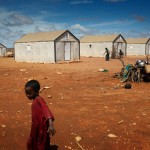
Tal Abyad, Syria/Turkey border. 6/19/2015. Nikon D800E + Sigma 35mm F1.4 Art. A little syrian boy escaped from Tal Abyad when the ISIS seized his city, was searching in wastes and selling bottles of water for one turkish lira. Photo and caption by Giulio Magnifico

(cont.) I hate to photograph people somewhere full of journalists and media reporters. I prefer to go alone with my camera into the heart of the situation, like in Iraq or the Syrian border. That way I can live with and like them, and I think my results/photos are better. People accept me as one of them and not as a journalist, or as someone who wants to make a profit off of them.

Readers’ Showcase: Giulio Magnifico

Adana, Turkey. 6/21/2015. Nikon D800E + Sigma 35mm F1.4 Art. A Syrian mother asking for charity on a street with her two sons in her arms. Photo and caption by Giulio Magnifico

Your portraits of refugees are often accompanied by video clips as well. What can you capture through video that you can’t through stills?

I can capture the whole background and environment behind a single image. Many times there are photos which you can think that are made in one kind of environment but, instead, when you see the surroundings it’s completely different from what you thought. My dream is to take people with me when they look at my shots. You can do that with a photo, but with a video of the photo you can add the sound and the whole background. If it was possible I would even use a ‘smell capture’ in order to reproduce the smell…

Readers’ Showcase: Giulio Magnifico

Kilis, Turkey/Syria border. 5/11/2014. Nikon D800E + Nikkor 105mm Micro F2.8 AFS. A little Syrian girl was playing with me and my camera on the streets of the last small city in Turkey before the Syrian border. Photo and caption by Giulio Magnifico

Your photos are almost exclusively black-and-white – why do you prefer that look?

Well, the way I see it, light is in black and white. Colors can modify how an image is perceived – a red color can attract attention, green makes you feel relaxed, etc… Also, there are people that see colors very differently from others. I think that one of my particular strengths is to see the scene around me in black and white, or better, with the lights and shadows. I think I honed this skill at school when my teachers taught me how to draw in black and white.

Readers’ Showcase: Giulio Magnifico

Diyarbakir, Turkey 9/24/2014. Nikon D800E + Sigma 35mm F1.4 Art. A man is reading the Koran inside the Diyarbakir mosque. Photo and caption by Giulio Magnifico

What’s your next photographic endeavor?

I’m currently a bit occupied with some exhibitions and conferences here in Italy, but I will soon go to the Middle East again, to the south of Syria and a nearby region.

Readers’ Showcase: Giulio Magnifico

Erbil, Iraq. 9/22/2014. Nikon D800E + Sigma 35mm F1.4 Art. A family of Yazidi refugees in some shacks inside a yard in the neighborhood of Erbil. Photo and caption by Giulio Magnifico

What’s the best advice you’ve received as a photographer?

Don’t make boring photos that you can see in a postcard.

Articles: Digital Photography Review (dpreview.com)

 
Comments Off on Readers’ Showcase: Giulio Magnifico

Posted in Uncategorized


Tips for Getting Yourself to Relax as a Photographer and Have More Successful Portrait Sessions

24 Apr

When I first got started in photography I thought I had things all figured out regarding cameras, lenses, exposure, and even some post-processing. However, the first time I greeted a client on location for an actual photo shoot, I realized just how clueless and ill-prepared I really was, and found myself nervous to the point of almost being nonfunctional. I was so uptight and anxious about the whole photo session, that I’m still not sure how I managed to get any good pictures, but thankfully things have gotten much better in the subsequent years.

Even though I have greatly expanded my knowledge and experience, I still get a little nervous when meeting with clients. I have found several tips that work well to calm the butterflies in my stomach and help make for much more enjoyable and productive portrait sessions, both for me and my clients. I’m going to share them with you.
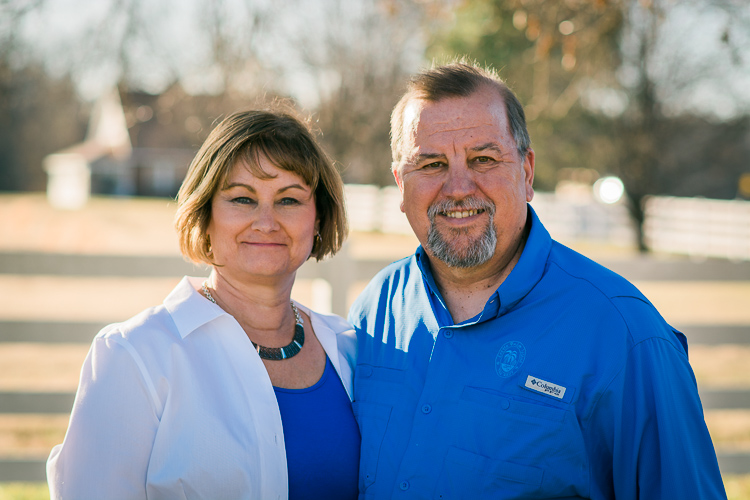
relaxing-for-portrait-session-couple-farm

Even after doing this type of work for years, I can still get nervous going into a photo session.

The Three Phases of Portrait Anxiety

While this triad of temporal distinctions is entirely nonscientific in nature, I have found that my stress and anxiety regarding a given portrait session generally can be divided into three discrete phases:

  • Phase 1 – The days or weeks leading up to a photo session. This lasts the longest, but thankfully doesn’t require impromptu decisions and instead gives you time to be thoughtful, analytical, and reflective. The downside is it lasts the longest! This unfortunately means you have way too much time to over-think and over-analyze everything.
  • Phase 2 – The short time before you start the session. This is usually five or ten minutes, interacting with the client at the session but before you start taking pictures. This period is brief but critical, as it can set the tone for the entire photo session and if you’re not properly relaxed things can go downhill quickly.
  • Phase 3 – The photo photo session itself, which usually lasts about an hour, unless you are doing a wedding or other type of protracted engagement. Things can get very tricky here, but if you have taken the time to properly relax during Phases 1 and 2 you will probably find Phase 3 to be smooth sailing.

Here are my tips for helping yourself relax, take things easy, and get mentally prepared for the photo session. While not all of these may apply to you, I do hope they are general enough to be useful to you in similar situations.
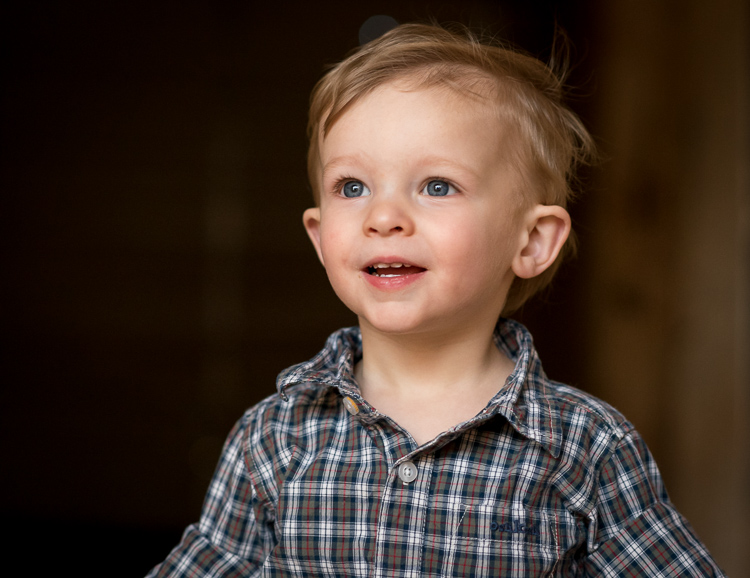
relaxing-for-portrait-session-child-looking-up

If you aren’t relaxed the kids won’t chill out either, and neither will their parents.

Phase 1: Preparing for the Session

Adele, one of the most popular singers in the world, recently told Rolling Stone that she gets stage fright. “I’m scared of audiences,” she said. “I don’t like touring. I have anxiety attacks a lot.” As a photographer this gives me some degree of comfort knowing that my nervousness leading up to a photo session is not all that different than world-famous singers and actor,s who perform in front of thousands of people every day. Even though I have done many portrait sessions, I still get nervous beforehand, but have found a few tips and tricks to help calm myself down and relax in order to clear my head and do the best job I can.

Talk to someone supportive

Whether it’s a friend, a coworker, a family member, or even a former client, spending time talking about the upcoming session is one of the best ways to clear my head and get some reassurance. For me it’s my wife, who is a solid rock and a constant reminder that I can do the job. She and I discuss my goals for the session, look at examples from other photographers, and talk about what has worked and not worked in past sessions. These conversations always help me calm down, while also giving me a big boost of confidence that goes a long way towards a successful photo session.
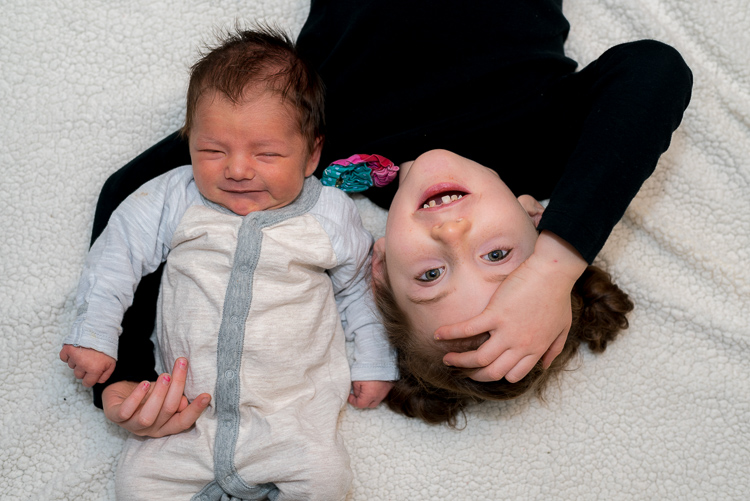
relaxing-for-portrait-session-baby-sister

In the days leading up to this session, my wife and I spent a long time discussing the shoot and planning things out. This did wonders to calm my nerves and helped me do a better job at the session.

Look at your own successful images

Look at your own past images as a reminder that you are fully capable of doing the job. Sometimes in the days leading up to a photo session I start to wonder if I really have what it takes to get the shots I want, but looking through my own portfolio always offers enough reassurance to bring me out of that funk and back to reality. Yes, each session has its own unique challenges, but reminding myself of what I have done before, is a great way to relax and prepare for what is about to come.

Have a plan

Have a plan for the session and make a list of poses and shots you want to get. It can be a mental list, but a physical list will help you be sure to get everything you want, and will allow your clients see that you are prepared if you cross items off it during the shoot. One of the last things you want is to get back to your computer and realize you forgot to get a shot of grandma holding her new grandbaby, the happy couple underneath their special tree, or little Timmy in his special new cowboy boots that his mother emailed you about the day before. Making a list will help you avoid this scenario while also helping you to de-stress before the session.
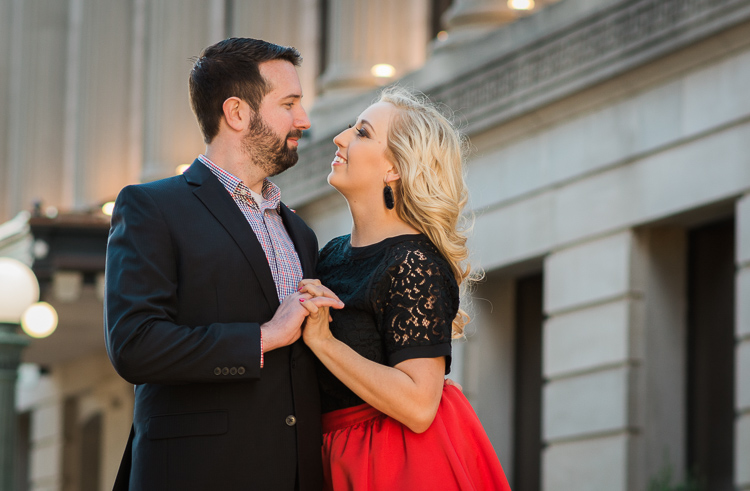
relaxing-for-portrait-session-couple-downtown

This couple sent me a few ideas for different shots, and since the location was 60 miles away I used Google Maps Street View to investigate things beforehand.

Scout the location ahead of time

Visit the location to make sure you know what it’s like, and how you can use it to frame your shots. Ideally this would be at the same time of day as your photo session, so you can make sure you know what the lighting will look like on the day of the shoot. This will help you see all sorts of things you might miss if you just show up the day of the session, and it will make you look like a confident professional as you direct your clients.

Know your gear

Know your gear inside and out. It sounds silly but you don’t want to freeze up in the middle of a session because you can’t find the menu that lets you change white balance, or you forgot which dial changes the shutter speed. If you find that you need a quick refresher re-read the manual, watch online tutorials, or just spend 15 minutes poring through the menus and buttons. When it comes time to do the photo session, you can rest assured that these planning efforts will have been put to good use.
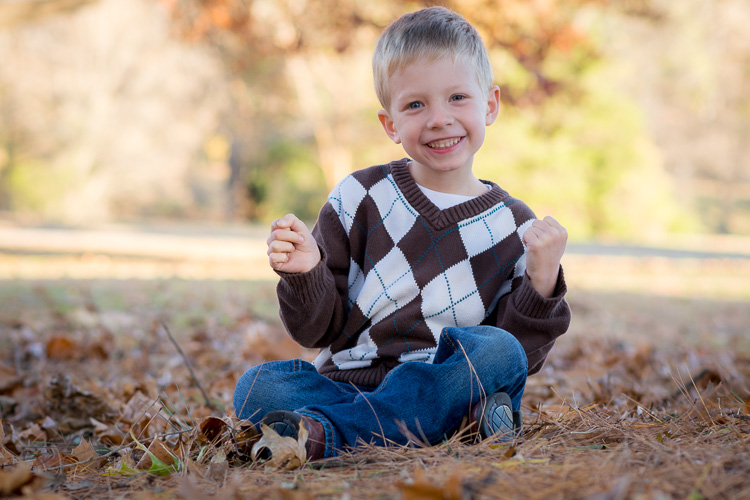
You don't want to scramble trying to locate menu options and camera buttons. Make sure you know your gear beforehand so you can focus on your clients when you're on the job.

You don’t want to scramble trying to locate menu options and camera buttons. Make sure you know your gear beforehand, so you can focus on your clients when you’re on the job.

Practice with test subjects

If you’re going to do a newborn session, practice with stuffed animals. If you’re on location, get a friend or family member to go out with you a week beforehand and do some test shots, so there are as few surprises as possible when you go out there with the client.

Make a gear packing list

Make a list of all the gear you need and check it off one-by-one as you pack up for the session. You don’t want to get to the location and realize you forgot something at home, or left a battery on the charger. I once did an outdoor shoot and realized all too late that I forgot my lens hoods, and almost immediately started hyperventilating into my camera bag when the clients asked for some shots with the sun behind them, just out of the frame. Things ended up working out, but a simple list would have prevented a great deal of stress during the shoot.

Phase 2: On your mark, get set…
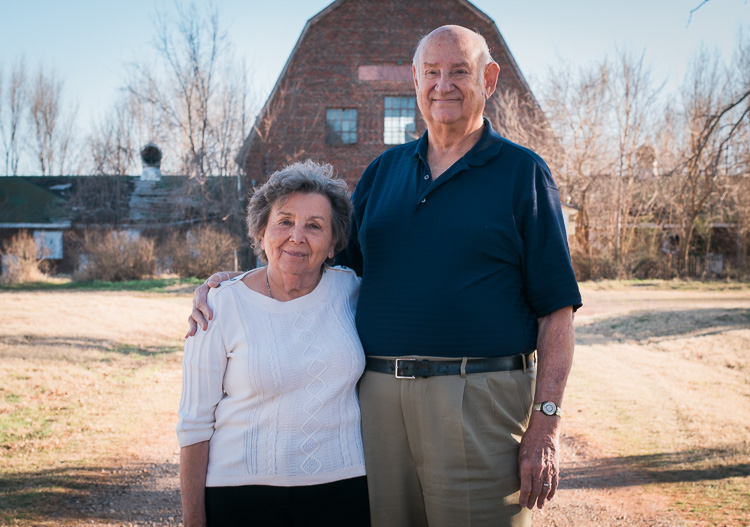
relaxing-for-portrait-session-couple-barn

Chatting with this couple as I set up my gear helped put everyone at ease, including myself.

One of the weirdest parts about a portrait session can be the few minutes when you are visiting with the client before you start actually taking pictures. What do you do? What do you talk about? How do you strike a balance between friendly and professional? It’s enough to send even the most seasoned photographer’s blood pressure to the top of the charts, and messing up this brief pre-session period can send the rest of the gig into a tail spin.

In my experience one of the best ways to help you and the client relax is to go on the offence instead of playing defence. Don’t stand around waiting for people to talk to you, as they are probably feeling just as awkward, and are likely waiting for you, the person in charge, to take the lead. Even if smalltalk is not your forté, you need to be willing to strike up a conversation and have a few things ready to talk about as you are getting set up. In a nutshell, make this time all about the client, and helping them feel comfortable.

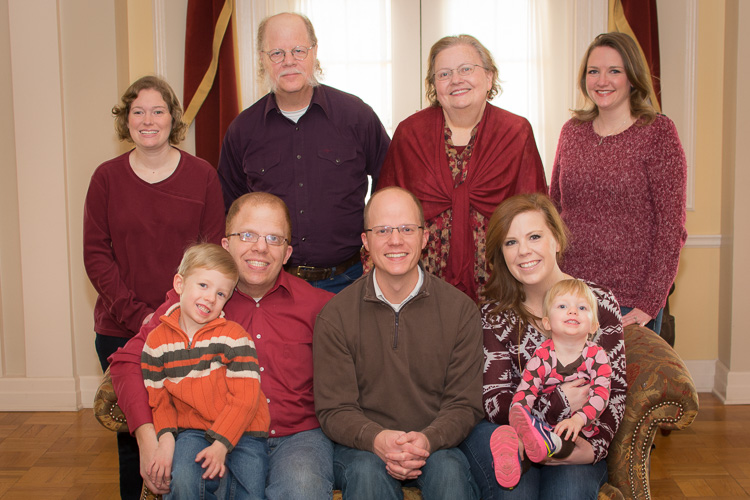
As you are getting ready to start taking pictures talk to your clients about their life outside of the photo session, and find out what hobbies they have, what they like doing in their spare time, or even what they are doing over the coming weekend. Ask questions to show you are interested, and use this time to also run some ideas past the client in terms of what you will be doing. This helps build a sense of rapport and respect, and can go a long way towards putting everyone at ease. Your clients might be just as nervous as you, but getting the chance to get to know each other will help put everyone at ease and also help them feel comfortable if you have lots of lighting, lenses, or other gear. If there are kids involved, bring some toys or snacks (nothing crumbly as it will get on their clothes) to win them over. At my most recent family session I gave the two-year-old a fake toy camera and asked if he could help me get some photos. This not only won him over but his parents too, and a week later, before they had even seen their photos, they were telling some friends about how much they enjoyed the picture session.
relaxing-for-portrait-session-family

A few minutes chatting sports with the grandparents and playing with the kids went a long way towards a more successful photo session.

Phase 3: Here we go!

Even though you have done everything in your power to chill out, relax, and put your mind at ease leading up to the photo session, things can still be a little nerve-wracking as you go about the process of actually taking pictures. At any moment there are a thousand decisions to be made, and trying to balance everything can be enough to make your palms sweat. My favorite trick for relaxing during a photo session is to simply make things fun. Don’t bark out orders, but instead have your clients do silly things like make faces or try just-for-fun poses. This will help you loosen up, and also give you a chance to build on the rapport you have already established at the beginning. Clients can tell if their photographer is wound up tight and needs to chill out, and if you make things more fun and lighthearted as opposed to all business, you will find yourself loosening up, relaxing, and getting much better results.

These are just a few of my favorite tips and tricks to help me calm my nerves before and during a photo session, but what about you? How do you approach your portrait sessions and what do you do to help yourself relax? Share your thoughts in the comments section below!

People photography week

This week on dPS we’re featuring articles all about different kinds of people photography including portrait, event and travel photography. See all the previous ones below, and watch for more people photography articles over the next few days.

  • How to Take Low Key Head-shots
  • How to Do a One Light Portrait Setup and Use it as Your Back-up Plan
  • Travel People Photography – Tips and Pitfalls
  • 8 Tips for Photographing Men
  • 24 Diverse Images That Showcase People Photography
  • Weekly Photography Challenge – People Photography

googletag.cmd.push(function() {
tablet_slots.push( googletag.defineSlot( “/1005424/_dPSv4_tab-all-article-bottom_(300×250)”, [300, 250], “pb-ad-78623” ).addService( googletag.pubads() ) ); } );

googletag.cmd.push(function() {
mobile_slots.push( googletag.defineSlot( “/1005424/_dPSv4_mob-all-article-bottom_(300×250)”, [300, 250], “pb-ad-78158” ).addService( googletag.pubads() ) ); } );

The post Tips for Getting Yourself to Relax as a Photographer and Have More Successful Portrait Sessions by Simon Ringsmuth appeared first on Digital Photography School.


Digital Photography School

 
Comments Off on Tips for Getting Yourself to Relax as a Photographer and Have More Successful Portrait Sessions

Posted in Photography


Sladda: IKEA to Sell New Flat-Pack Bicycle for Urban Cyclists

23 Apr

[ By WebUrbanist in Technology & Vehicles & Mods. ]

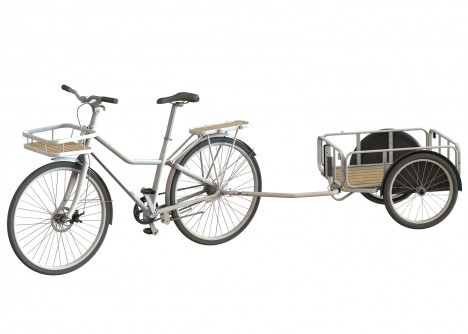
ikea bike trailer

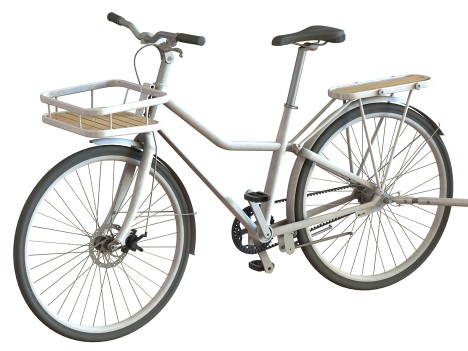
IKEA has announced a new lightweight bicycle with a rust-resistant chain, aluminum frame and low-maintenance construction all aimed to make it easier for more casual bicyclists to hop on and enjoy the ride.

sladda bike

A joint project by Oskar Juhlin, Jan Puranen and Kristian Eke from Swedish studio Veryday Design, the easy-upkeep bike comes in a few basic models with a series of adjustable features.

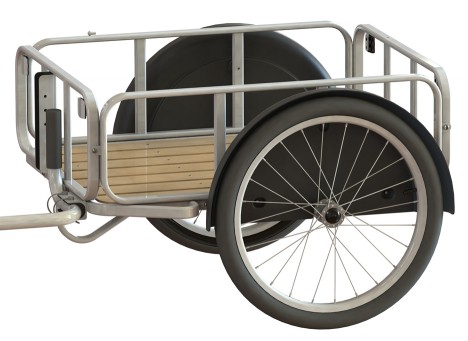
ikea trailer attachment

It is simple and unassuming at a glance, but aimed to be a go-to, easy-to-use object just like IKEA’s furniture and furnishing lines (just presumably more robust than some). For many would-be bikers, the prospect of maintaining the bicycle itself is a barrier to entry that IKEA hopes to eliminate as a concern.

ikea new bike model

Bike racks, bags and a two-wheeled trailer can all be added via click-to-attach mechanisms to allow for easy adjustments. At $ 750 it won’t be the cheapest model on the market, but affordable for its quality.

Share on Facebook


[ By WebUrbanist in Technology & Vehicles & Mods. ]

[ WebUrbanist | Archives | Galleries | Privacy | TOS ]


WebUrbanist

 
Comments Off on Sladda: IKEA to Sell New Flat-Pack Bicycle for Urban Cyclists

Posted in Creativity